
23 Yunnan Photography Spots for Landscape & Culture Shots
Yunnan, in China’s southwest, is a dream for photographers. From snowcapped mountains and rice terraces to old towns, ethnic minority villages, and vibrant festivals, it’s a destination full of contrast and character. For photographers, Yunnan offers a wide range of scenery and lighting conditions that change with the seasons and throughout the day.
If you’re planning a Yunnan photography tour soon, this guide is a great place to start. We’ve put together a list of the top Yunnan photography spots that highlight the region’s stunning landscapes and vibrant cultural heritage.
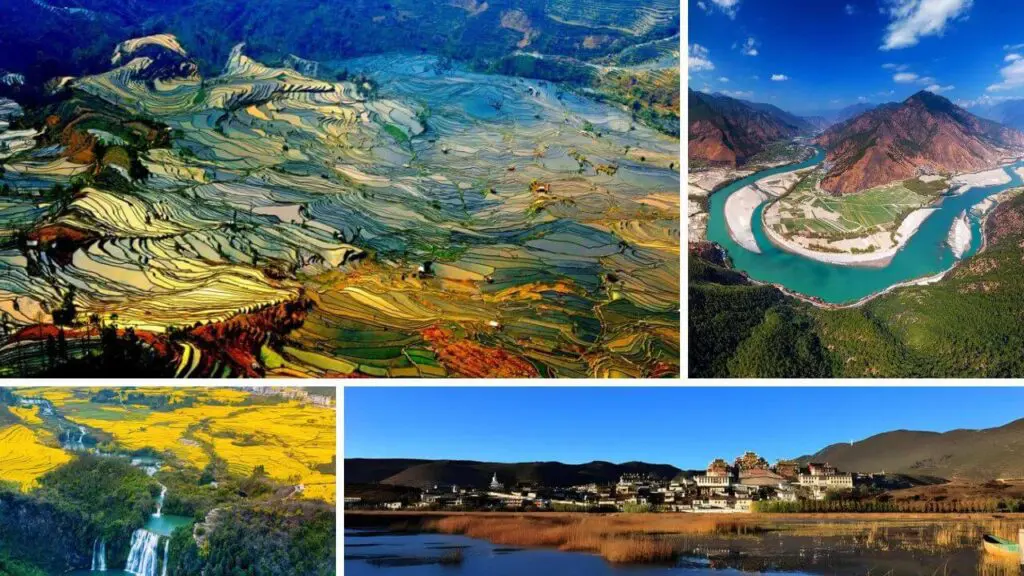
Table of Contents
Golden Landscapes and Iconic Nature Spots
Luoping Canola Fields
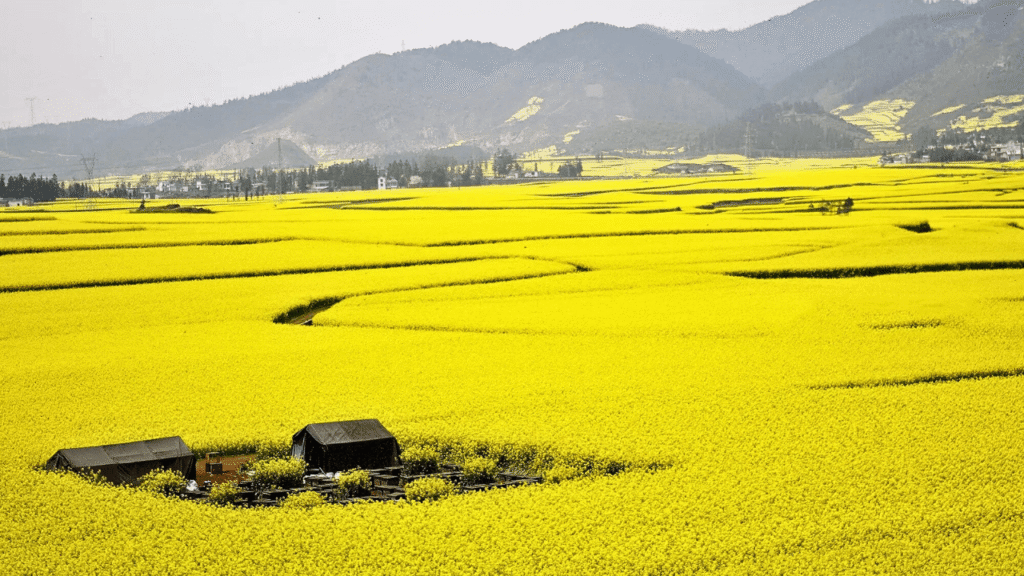
Located in eastern Yunnan, Luoping turns into a golden sea of flowers each spring when the canola fields come into full bloom. The rolling fields stretch across the landscape, framed by dramatic karst hills that add depth and contrast to every shot. This iconic scene is a favorite among photographers and a must-stop on many Yunnan photography tours.
When to Visit
The Luoping canola fields usually reach full bloom between late February and mid-March, with the best displays often seen from around February 22 to March 15. In 2025, cooler temperatures slightly delayed the bloom, and similar shifts may occur in future years depending on the weather. During this period, temperatures range from 8–21°C (46–70°F), with cold mornings and evenings, so warm clothing is essential.
What to Shoot
Luoping’s canola fields, combined with its unique karst landscape, create a photographer’s paradise. Here are the top locations for capturing stunning images:
| Location | Highlights | Best Time for Photography |
| Jinji Peak (Jinjifeng) | Panoramic views of the golden canola fields, misty mornings, karst hills. | Sunrise (7:00–7:30 AM), sunset (after 5:00 PM) |
| Luosi Fields | Spiral-shaped terraces, ideal for drone shots and detailed patterns. | Early morning or late afternoon |
| Hundred Thousand Mountains | Numerous karst hills with 3D field patterns, grand landscapes. | Any time, best in golden hours |
| Majie Village | Terraced fields for intimate, close-up shots. | Morning or afternoon |
| Jiulong Waterfalls | Cascading waterfalls paired with canola fields for dramatic compositions. | Mid-morning to afternoon |
Photography Tips for Luoping Canola Fields
To capture the best images, consider these expert tips:
- Timing: Shoot during the golden hours (early morning or late afternoon) for soft, warm light that enhances the canola’s vibrant yellow. Sunrise at Jinji Peak (7:00–7:30 AM) and sunset (after 5:00 PM) are particularly stunning.
- Lighting: Avoid backlighting for large scenes, as it can make the flowers appear dark and lifeless. Use side or front lighting to highlight the colors and textures.
- Fog and Mist: Early morning mist, especially at Jinji Peak, creates a dreamy, ethereal atmosphere. Arrive early to capture this effect.
Dongchuan Red Land (near Kunming)
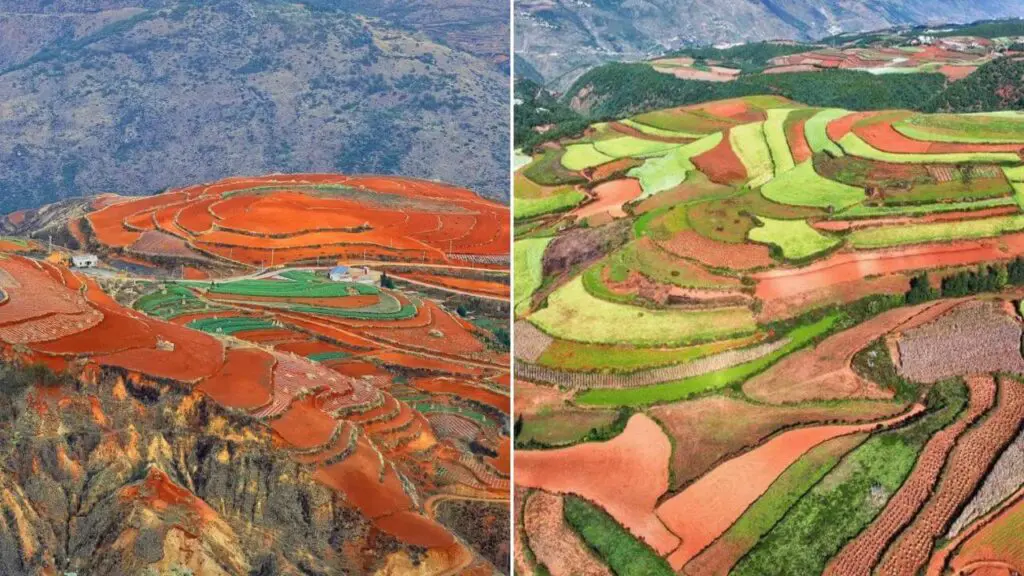
Located about 40 km northeast of Kunming, Dongchuan Red Land is renowned for its vibrant red soil, layered terraced farmlands, and vivid color contrasts. Often called “nature’s palette,” this area attracts photographers seeking to capture its unique landscapes, especially during sunrise and sunset, when the light brings out its richest tones. Photographers often include it in their Yunnan itineraries for its bold tones and seasonal beauty.
When to Go
The best times to visit Dongchuan Red Land for a Yunnan photography tour are May to June and September to November. During these months, the red soil contrasts beautifully with seasonal crops, creating vivid and varied color combinations that make the landscape especially photogenic.
- May–June: The red soil is paired with golden wheat, buckwheat, and green potato seedlings—perfect for soft daylight and sunrise shots.
- September: Features colorful layers of red soil, golden wheat, white winter rapeseed flowers, and green potato fields. Ideal for capturing warm sunset light.
- November: Displays red earth with golden rape stalks and green turnip shoots, creating a unique autumn look with bold, contrasting tones.
What to Shoot
Dongchuan Red Land’s striking red earth, terraced fields, and seasonal crops create a diverse range of photographic opportunities. Below are the key locations with specific highlights for sunrise and sunset photography:
| Location | Highlights | Best Time for Photography |
| Damakan Village | Panoramic sunrise views over red soil fields with poplars, surrounded by mountains | Sunrise (around 6:00 AM) |
| Luoxiagou (Sunset Valley) | Dramatic sunset views in a low-lying area with winding mountains, vibrant red earth | Sunset (after 5:00 PM) |
| Jinxiuyuan (Embroidery Garden) | Layered terraced fields and rural life, with colorful crops creating a tapestry-like scene | Afternoon to sunset |
| Yuepuao (Music Hollow) | Unique terraced fields resembling a musical staff, ideal for sunset shots with soft evening light | Sunset |
| Qicai Slope (Seven Colored Slope) | Diverse soil colors (red, yellow, brown, black) and colorful fields, best in afternoon light | Afternoon |
| Wafang Liangzi (Tiled House Bridge) | Scenic sunset views over the red land, with terraced fields and distant hills | Sunset |
Photography Tips
To capture the full beauty of Dongchuan Red Land, timing is everything. Plan your shoots around the best lighting conditions:
- Sunrise: Arrive at Damakan Village by 5:00 AM to secure a good spot for sunrise photography (around 6:00 AM). The soft morning light enhances the red soil and surrounding poplars, creating a magical scene.
- Sunset: Plan to be at Luoxiagou, Jinxiuyuan, Yuepuao, or Wafang Liangzi well before sunset (after 5:00 PM) to capture the golden-hour light as it washes over the rolling hills.
- Afternoon: Visit Qicai Slope in the early afternoon, when the sunlight highlights the diverse soil colors and crop patterns.
Meili Snow Mountain (Kawagebo)
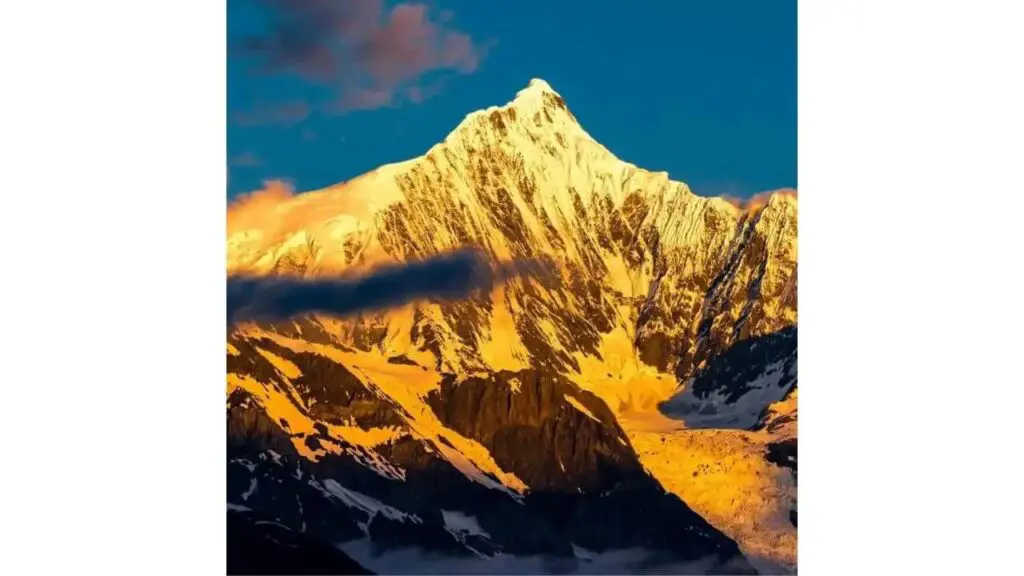
Meili Snow Mountain, also known as Prince Snow Mountain, is one of the most photogenic spots in northwest Yunnan. Located in Deqin County, it features 13 dramatic peaks, with Kawagebo standing at 6,740 meters, the highest in the province.
At sunrise, the peaks glow gold under the first light, creating a stunning scene for landscape photographers. Clear night skies also make it a great spot for astrophotography.
Best Time to Photograph Meili Snow Mountain
The best time to photograph Meili Snow Mountain is from October to May, when dry weather and clear skies reveal snow-covered peaks and allow for stunning sunrise and night shots. October and November are especially great for sunrise shots of Kawagebo and astrophotography. From December to May, visibility remains good, though cold temperatures dip below freezing.
Avoid June to August, when rain and mist frequently hide the mountains.
What to Shoot
Meili Snow Mountain offers plenty to capture, from the sacred Kawagebo Peak and Mingyong Glacier to traditional Tibetan villages like Yubeng. Below are the top subjects and best times to photograph them:
| Subject | Description | Best Time for Photography |
| Sunrise on Kawagebo | Golden sunrise illuminating Kawagebo Peak (6,740 m), creating a “golden Potala Palace” effect | Sunrise (6:30–7:30 AM) |
| Mingyong Glacier | Longest glacier in Yunnan, under Kawagebo, with icy textures and dramatic landscapes | Mid-morning to afternoon |
| Yubeng Village | Traditional Tibetan village with close-up mountain views and cultural elements | Morning or afternoon |
| Overall Landscape | 13 peaks over 6,000 m, set against valleys and rivers, for expansive shots | Sunrise or late afternoon |
| Astrophotography | Starry skies, Milky Way, or star trails over the snow-capped peaks | Night (new moon phases) |
Sunrise and Sunset Spots
Wunongding Viewing Deck: Wide, unobstructed views, ideal for catching the full sunrise glow across the range.
Feilai Temple Viewing Deck: Closer perspective with foreground interest like incense burners, great for framing Kawagebo.
Sunset Views: Though sunrise is best, sunset shots from Feilai Temple can also offer warm tones as light fades across the peaks.
Yuanyang Rice Terraces (Near Honghe)
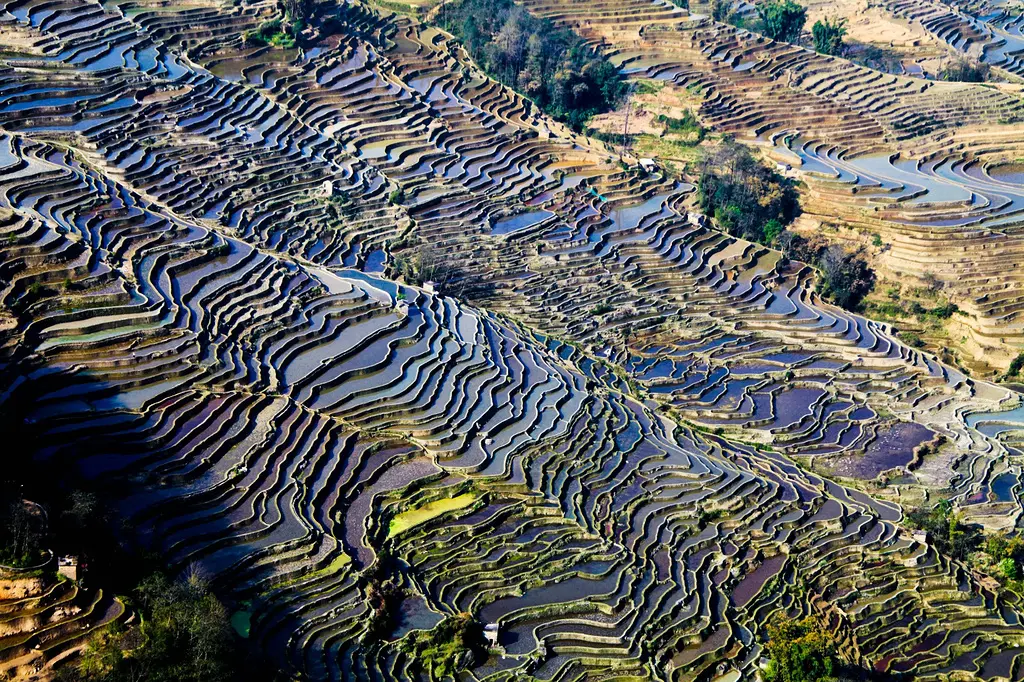
Located in southern Yunnan’s Honghe Prefecture, the Yuanyang Rice Terraces are one of the most iconic and photogenic landscapes in China. Hand-carved by the Hani people over generations, these terraced fields cascade down the mountains like waves, creating incredible patterns that change with the seasons. In the winter and early spring, when the fields are filled with water, the sunrise reflections and cloud-filled valleys make this area a favorite stop on many Yunnan photography tours.
Best Time to Visit
Yuanyang is stunning in every season, but if you’re planning a photography trip, timing makes all the difference.
Mid-December to early April is the most photogenic season, when the terraces are filled with water. These flooded paddies reflect the sky like mirrors, especially striking at sunrise and sunset. January and February often bring sea-of-cloud moments and morning mist, adding an ethereal quality to your shots.
Late September to early October is harvest season, when the rice fields glow in shades of gold and copper. It’s a great time to capture both sweeping landscape views and scenes of local farmers working the land.
Spring and summer (April to August) bring layers of green, from bright new shoots to deeper summer foliage. This season is less busy with tourists and ideal for capturing village life and natural textures
Top Photography Spots
Yuanyang offers several key viewpoints, each with something unique to capture depending on the time of day and light:
| Location | Highlights | Best Time for Photography |
|---|---|---|
| Duoyishu | One of the best sunrise spots. See layers of flooded terraces catching the first light, with mist drifting between valleys. | Sunrise (6:30–7:30 AM) |
| Laohuzui (Tiger Mouth) | Known for its wild, dramatic curves—especially beautiful at sunset. Good for wide-angle and drone shots. | Sunset (5:30–6:30 PM) |
| Bada | Expansive terraces perfect for panoramic photos and layering effects. Great both at sunrise and sunset. | Golden hours, especially late afternoon |
| Qingkou Village | A traditional Hani village with mushroom-shaped houses. Ideal for cultural photography and portraits. | Morning or afternoon |
| Shengcun Market | Bustling ethnic market (on rotating days). Great for capturing local costumes, faces, and village life. | Morning (8:00–11:00 AM) |
| Xinjie Old Market | The heart of town and another lively market spot. Good for street photography and everyday scenes. | Morning |
| Any hillside trail | Hiking paths often lead to lesser-known viewpoints with no crowds—perfect for serene, candid shots. | Early morning or late afternoon |
Photography Tips from Our Team:
- Chase the light: For landscape shots, timing is everything. Sunrise at Duoyishu is a must—get there by 6:30 AM to find a good spot before the light hits the terraces.
- Don’t skip the villages: Some of the most memorable photos come from simple daily moments—local farmers in traditional dress, children walking along the field paths, or elders sitting by their homes.
- Pack a tripod: Especially helpful in low light before sunrise or during golden hour.
- Watch the mist: Morning fog adds atmosphere but can also block views. Be patient—it often clears just in time for beautiful shots.
- Stay flexible: Weather conditions can change quickly. We recommend spending at least two mornings in Yuanyang to increase your chances of clear sunrise conditions.
Tiger Leaping Gorge (near Lijiang)
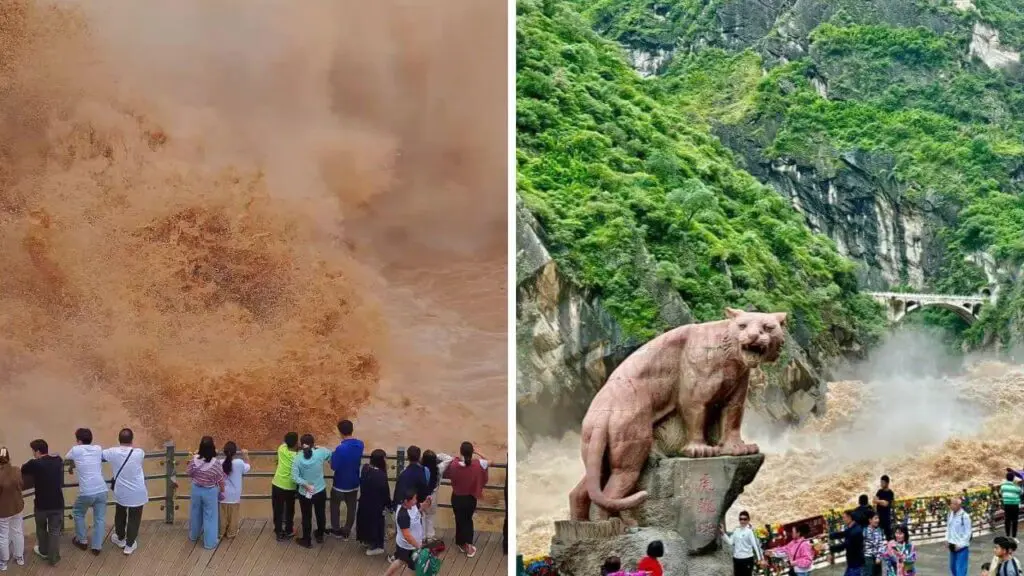
Tiger Leaping Gorge is one of the deepest and most dramatic river canyons in the world, and a must-visit for photographers in Yunnan. Carved by the Jinsha River, a major tributary of the upper Yangtze, the gorge stretches about 23 kilometers between the towering Jade Dragon Snow Mountain (5,596 meters) and Haba Snow Mountain (5,396 meters).
With steep cliffs, roaring rapids, and sweeping views, it’s a dream for landscape photography. The area is also part of the UNESCO-listed Three Parallel Rivers, adding cultural and ecological value to every shot.
Best Time to Photograph Tiger Leaping Gorge
The best time to photograph Tiger Leaping Gorge is during the dry season, from late March to June and September to early November. These seasons bring clear skies, stable weather, and great light, perfect for capturing the canyon’s dramatic cliffs, rushing river, and mountain views.
Spring (March–June): Everything feels fresh and green, with great visibility and soft light throughout the day.
Autumn (September–November): Cooler, drier days with golden light—ideal for sunrise and sunset shots.
Best avoid Summer (July–August) due to rain and trail gets muddy and dangerous, while Winter (December–February) offers clear skies, snow-dusted peaks, and fewer tourists, great for mountain and landscape shots. However, the Jinsha River runs lower during this time, so the rapids may not look as impressive.
Photography Highlights of Tiger Leaping Gorge
Tiger Leaping Gorge offers a diverse array of photographic subjects, from its dramatic canyon and rushing river to the rich local culture and stunning mountain backdrops. Below are the major subjects to focus on, with specific locations for sunrise and sunset photography:
| What to Shoot | Description | Best Time for Photography |
| Deep Canyon | Maximum depth of 3,790 meters (12,430 feet), with vertical cliffs and expansive views | Sunrise (6:30–7:30 AM) or sunset (5:00–6:00 PM) |
| Jinsha River | Roaring rapids, especially in the narrow Upper Gorge, showcasing nature’s power | Mid-morning to afternoon |
| Jade Dragon Snow Mountain | 5,596 meters (18,360 ft) peak, a majestic backdrop for landscape shots | Sunrise or sunset |
| Haba Snow Mountain | 5,396 meters (17,703 ft) peak, complementing the gorge’s scenery | Sunrise or sunset |
| Hiking Trails | Terraced fields, waterfalls, and micro-ecosystems along the high and low roads | Any time, best in golden hours |
| Tiger Leaping Stone | Iconic rock in the Upper Gorge, central to the legend of the tiger’s leap | Mid-morning to afternoon |
| Naxi Culture | Traditional stilted houses and daily life of the indigenous Naxi people in small hamlets | Morning or afternoon |
Photography Tips
To capture the best images at Tiger Leaping Gorge, consider the timing for photography:
Golden Hours: Shoot during early morning (6:30–7:30 AM) and late afternoon (5:00–6:00 PM) for soft, warm light that enhances the colors of the canyon, river, and mountains, creating long shadows and dramatic effects.
Midday: While less ideal for landscapes due to harsh light, midday is suitable for capturing details of the Tiger Leaping Stone, river rapids, or Naxi cultural elements in bright conditions.
Weather Check: Monitor forecasts via resources like China Discovery, as rain or fog can obscure views, especially during the rainy season.
Pudacuo National Park (near Shangri-la)
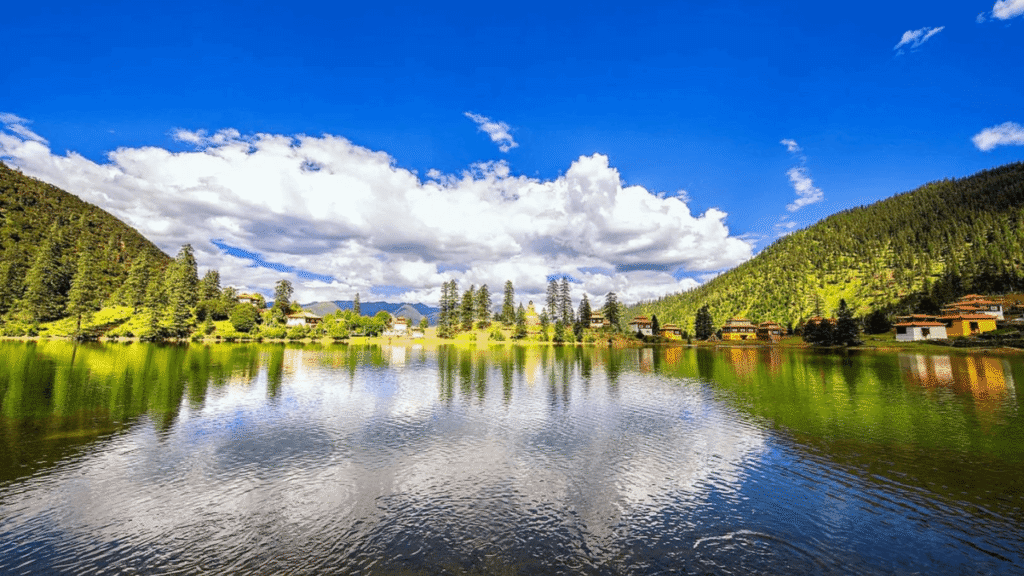
Pudacuo National Park, also known as Potatso National Park, is a pristine ecological haven in Shangri-La, Yunnan. As China’s first national park to meet IUCN standards, it spans 1,300 square kilometers at an altitude of 3,500 to 4,159 meters. Part of the UNESCO-listed Three Parallel Rivers region, it’s known for its alpine lakes, wetlands, misty forests, and rich biodiversity. The park’s highlights like Bita Lake, Shudu Lake, Militang Pasture, and the park’s peaceful woodlands make it a favorite stop for many Yunnan photography tours.
When to Go for Photography at Pudacuo National Park
The best times to photograph Pudacuo National Park are spring (May–June) and autumn (September–October), when the weather is more stable and the scenery at its most photogenic.
- Spring offers blooming rhododendrons, fresh greenery around Bita and Shudu Lakes, and active birdlife. Temperatures are mild (10–20°C / 50–68°F), but mornings near lakes can be chilly.
- Autumn offers golden foliage, clearer skies, and peaceful trails, ideal for capturing Militang Pasture and misty forest scenes. Expect 5–15°C (41–59°F) during the day.
Winter (Dec–Mar) can bring snowy scenes but with less visibility and colder temperatures. Summer (Jul–Aug) is lush and vibrant but can be cloudy or rainy. Go early in the morning to avoid mists..
What to Shoot
Pudacuo’s rich ecosystems offer a wide range of photography subjects. Here are the highlights:
| Subject | Description | Best Time for Photography |
| Bita Lake | Crystal-clear alpine lake with oak forests, ideal for reflective shots | Sunrise (6:30–7:30 AM) |
| Shudu Lake | Serene lake with lush surroundings, perfect for tranquil landscapes | Sunset (5:00–6:00 PM) |
| Militang Pasture | Expansive wetlands and grasslands with yaks and wildflowers | Morning or afternoon |
| Misty Forests | Ethereal scenes with mist and light interplay among ancient trees | Early morning |
| Wildlife | Over 170 bird species, including black-necked cranes, and other fauna | Early morning or late afternoon |
| Panoramic Views | Sweeping vistas of lakes, wetlands, and mountains from elevated points | Sunrise or sunset |
Best Times to Shoot
- Golden Hours: Early morning (6:30–7:30 AM) and late afternoon (5:00–6:00 PM) offer soft light and dramatic colors.
- Wildlife & Birds: Active at dawn and dusk. Move quietly and use longer lenses.
- Mist & Forests: Capture in early morning for ethereal, layered shots.
Nujiang Valley
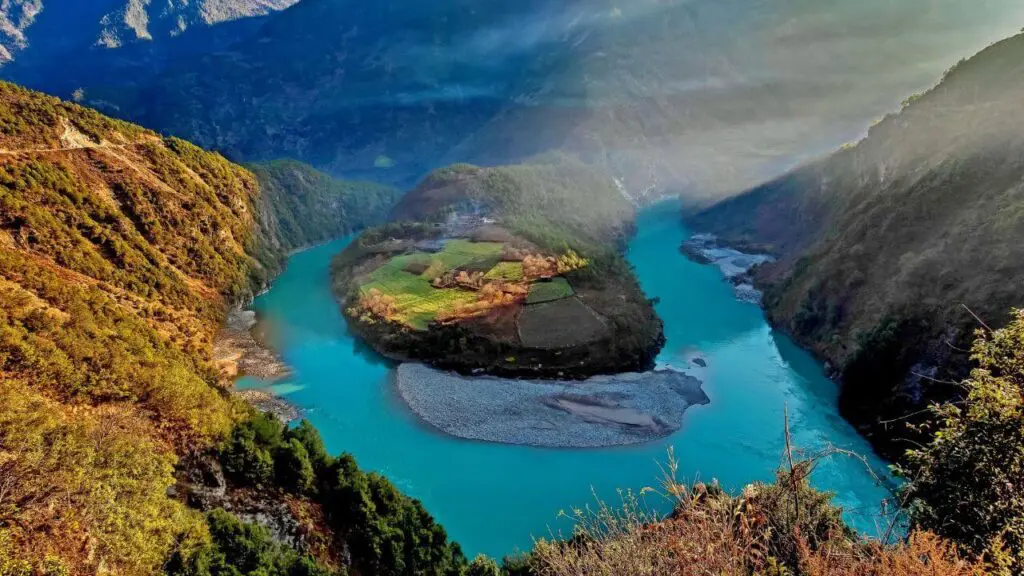
Nestled in northwest Yunnan, Nujiang Valley is a stunning part of the Three Parallel Rivers UNESCO World Heritage Site. Stretching 315 kilometers, the Nujiang Valley is carved by the powerful Nujiang River, flanked by steep cliffs and scattered with remote mountain villages and Tibetan churches. It is home to ethnic groups like the Lisu, Nu, Drung, and Tibetans, the valley offers a rich tapestry of natural beauty and cultural heritage, making it a photographer’s paradise. Spring is particularly photogenic, with lush greenery and clear skies enhancing the valley’s dramatic landscapes.
When to Go
The best time to photograph Nujiang Valley is spring (March–May), when clear skies, lush greenery, and mild temperatures (10–20°C) highlight the valley’s cliffs, river bends, and cultural sites.
Autumn (Sept–Oct) is a great alternative with golden foliage and crisp air, while winter (Dec–Feb) offers snow-capped peaks but lower visibility. Avoid the rainy season (June–Aug), as mist and heavy rain can obscure views and hinder trail access. Always check forecasts before your visit.
Highlights in Nujiang Valley
Nujiang Valley’s dramatic landscapes and rich cultural heritage offer a diverse array of photographic subjects. Below are the key subjects to focus on, with specific locations for sunrise and sunset photography:
| Subject | Description | Best Time for Photography |
| Nujiang Grand Canyon | 315-km-long canyon with towering cliffs and dramatic river bends, especially at the First Turn | Sunrise (6:30–7:30 AM) or sunset (5:00–6:00 PM) |
| Bingzhongluo Village | Fertile plateau with Tibetan, Lisu, Nu, and Drung communities, featuring churches and traditional architecture | Morning or afternoon |
| Tibetan Churches | Spiritual sites in Bingzhongluo and nearby areas, set against river and mountain backdrops | Mid-morning to afternoon |
| Isolated Mountain Villages | Traditional stilted houses and ethnic minority life, offering cultural depth | Morning or afternoon |
| Hiking Trails | Scenic trails from Fugong to Gongshan, showcasing riverbanks, forests, and snow-capped peaks | Any time, best in golden hours |
Dali Ancient Town & Erhai Lake
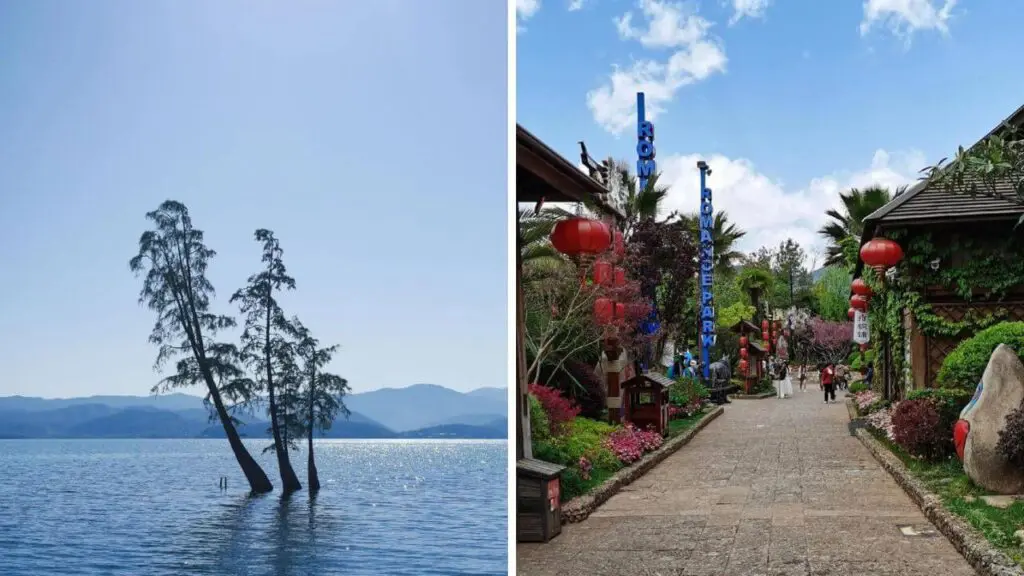
Nestled in Yunnan Province, China, Dali and Erhai Lake form a captivating destination for photographers, blending natural splendor with rich cultural heritage. Erhai Lake, known as the “Pearl of the Plateau,” is the second-largest highland lake in Yunnan, spanning 250 square kilometers and surrounded by the majestic Cangshan Mountains. The nearby Dali Old Town and Bai villages, such as Xizhou, offer a glimpse into the region’s ethnic diversity and historical charm. Renowned for its reflective waters, dramatic mountain backdrops, and vibrant cultural scenes, this area is a photographer’s paradise.
When to Go to Dali and Erhai Lake
The best seasons for Yunnan photography in Dali and Erhai Lake are spring (March–May) and autumn (September–October), when clear skies and mild weather enhance both natural and cultural landscapes.
- Spring offers blooming azaleas and camellias, lush greenery, and reflective lake scenes, with temperatures around 10–20°C.
- Autumn brings golden foliage, harvest scenes, and excellent visibility, with cooler temperatures (5–15°C).
Winter (Dec–Feb) features migratory seagulls and snow-dusted Cangshan Mountains but may have cloud cover. Summer (June–Aug) is rainy and less ideal, though clear breaks can still yield great shots.
Check forecasts ahead of time to plan for the best conditions.
What to Shoot
Dali and Erhai Lake offer a diverse array of photographic subjects, combining natural beauty with cultural heritage. Here are the highlights of Dali and Erhai Lake for the best Yunnan photography:
| Subject | Description | Best Time for Photography |
| Erhai Lake | Crystal-clear waters with reflections of Cangshan Mountains and greenery | Sunrise (6:30–7:30 AM) or sunset (5:00–6:00 PM) |
| Cangshan Mountains | Snow-capped peaks providing a dramatic backdrop to the lake | Sunrise or sunset |
| Dali Old Town | Traditional Bai architecture, narrow streets, temples, and markets | Morning or afternoon |
| Xizhou Ancient Town | Historic Bai village with rice fields and ornate courtyards | Morning or afternoon |
| Boat Cruises | Unique perspectives of the lake, islands (e.g., Nanzhao Folk Island, Small Putuo Island) | Mid-morning to afternoon |
| Cycling Routes | 126 km path around the lake, showcasing villages and countryside | Any time, best in golden hours |
| Three Pagodas | Iconic 9th-century pagodas in Dali Old Town, set against Cangshan Mountains | Early morning |
| Haishe Park | Peninsula with unique lake views, surrounded by water and greenery | Sunset |
| S Bend | Scenic spot known for picturesque lake and mountain views | Sunrise or sunset |
Photography Tips
Timing is the best ally for taking the best photography.
Golden Hours: Shoot during early morning (6:30–7:30 AM) and late afternoon (5:00–6:00 PM) for soft, warm light that enhances the lake’s reflections and mountain colors. Early mornings are ideal for capturing mist over the water.
Midday: Suitable for cultural shots in Dali Old Town or Xizhou, where bright light highlights architectural details, though avoid harsh shadows for landscapes.
Jade Dragon Snow Mountain (Lijiang)
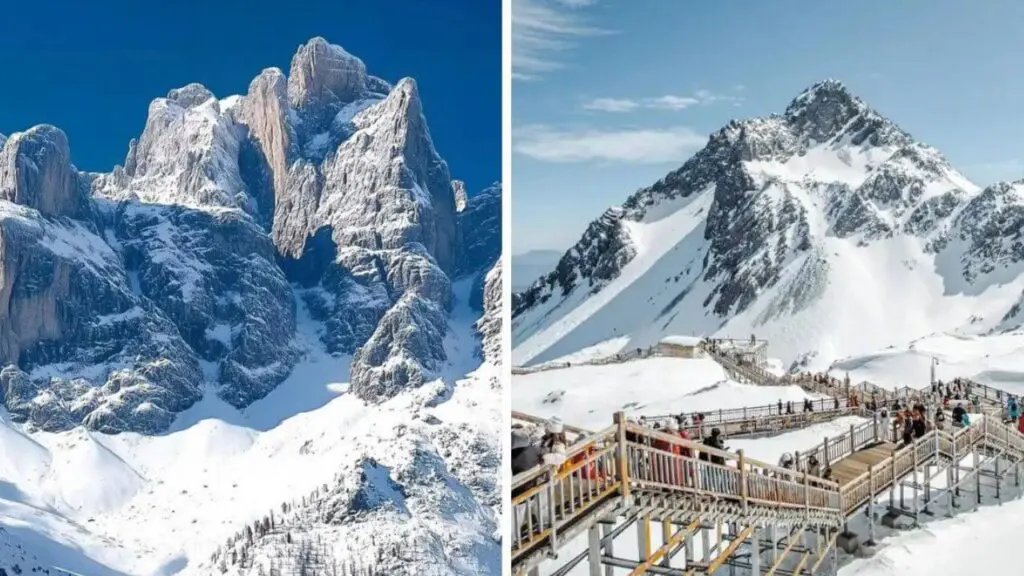
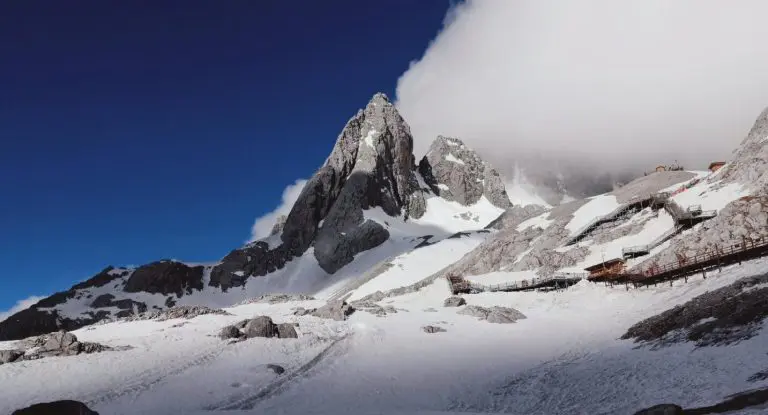
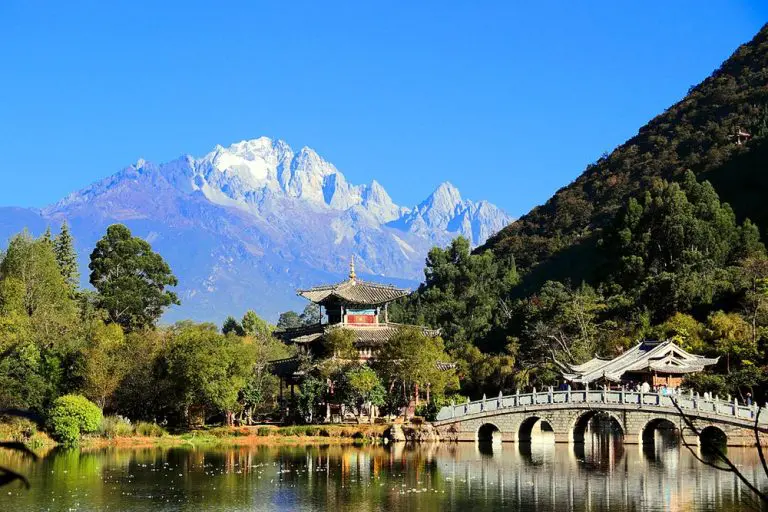
Jade Dragon Snow Mountain is approximately 15 km north of Lijiang Old Town in Yunnan Province, and it’s also known as Yulong Snow Mountain. It is a majestic range renowned for its 13 snow-capped peaks, with the highest soaring to 5,596 meters. Part of the Three Parallel Rivers UNESCO World Heritage Site, this sacred mountain, named for its resemblance to a jade dragon lying among the clouds, offers photographers a stunning array of subjects. That are some of the reasons why Jade Dragon Snow Mountain is almost always on the Yunnan photography tours. Its jagged peaks, glaciers, and vibrant blue sky contrast create a dramatic backdrop, complemented by lush valleys, alpine meadows, and cultural elements of the Naxi people.
When to Go
The best times for photographing Jade Dragon Snow Mountain are spring (March–May) and autumn (September–October), when mild weather and clear skies reveal dramatic peaks, glaciers, and vibrant landscapes.
- Spring offers blooming rhododendrons, lush meadows, and snow-capped peaks—ideal for capturing the mountain’s contrasts (10–20°C).
- Autumn brings golden foliage, crisp air, and serene conditions with excellent visibility (5–15°C).
Winter (Dec–Feb) offers snowy vistas but colder temps and possible cloud cover. Summer (June–Aug) is rainy and often misty, limiting clear views.
Higher altitudes (up to 4,506m) can be very cold—dress warmly and check forecasts before visiting to ensure ideal photography conditions.
Highlights of Jade Dragon Snow Mountain
Jade Dragon Snow Mountain’s dramatic landscapes and cultural elements offer a wealth of photographic subjects, with its jagged peaks, glaciers, and blue sky contrast being the standout highlights.
| What to shoot | Description | Best Time for Photography |
| Jagged Peaks and Blue Sky | 13 snow-capped peaks (up to 5,596 m) contrasting sharply with azure skies | Sunrise (6:30–7:30 AM) or sunset (5:00–6:00 PM) |
| Glaciers | Glacier No. 1 in Glacier Park, showcasing icy textures against rugged terrain | Mid-morning to afternoon |
| Blue Moon Valley | Vivid blue river winding through lush greenery, ideal for vibrant reflections | Mid-morning to afternoon |
| Yak Meadow | Highland grasslands with grazing yaks and panoramic mountain views | Sunrise or sunset |
| Spruce Meadow | Dense spruce forests and alpine meadows, offering a softer contrast | Morning or afternoon |
| Panoramic Views | Sweeping vistas from cable cars, capturing the entire mountain range | Sunrise or sunset |
| Cultural Elements | Naxi villages and temples, blending nature with local heritage | Morning or afternoon |
Sunrise and Sunset Highlights:
- Sunrise at Yak Meadow: The elevated grassland provides a prime vantage point for capturing the golden morning light illuminating the jagged peaks against a vibrant blue sky. Arrive by 6:00 AM to set up via the cable car.
- Sunset at Dry Sea Meadow (Ganhaizi): This open meadow offers unobstructed views of the mountain range, ideal for capturing the warm, fading light over the peaks and valleys.
- Sunrise/Sunset from Glacier Park Cableway: The cable car to Glacier Park provides high-altitude views, perfect for photographing the peaks and glaciers bathed in golden light.
Best timing to take a shoot
To capture the best images at Jade Dragon Snow Mountain, consider the timing of taking the images:
Golden Hours: Shoot during early morning (6:30–7:30 AM) and late afternoon (5:00–6:00 PM) for soft, warm light that enhances the contrast between the jagged peaks, glaciers, and blue skies. Early mornings may also feature mist, adding an ethereal quality to shots.
Midday: Suitable for detailed shots of Blue Moon Valley or cultural elements in nearby villages, where bright light highlights colors and textures.
Lugu Lake & Mosuo Culture (Ninglang)
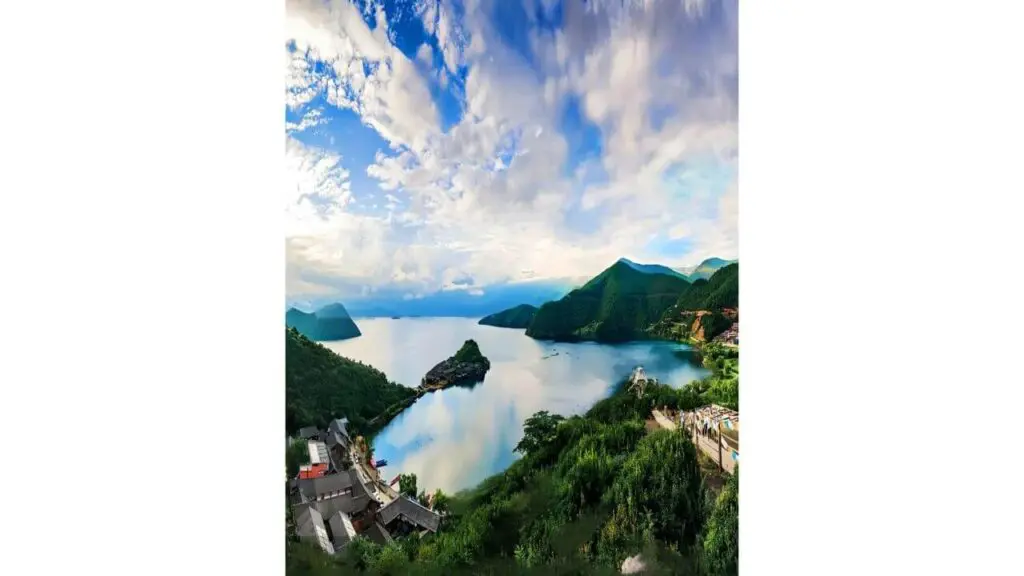
Lugu Lake is nestled on the border of Yunnan’s Ninglang County and Sichuan’s Yanyuan County, and it’s a pristine alpine lake at 2,685 meters, renowned as the “Pearl of the Plateau.” Spanning over 50 square kilometers, its crystal-clear waters, surrounded by pine-covered mountains, create a breathtaking canvas for photographers. The lake’s misty mornings, traditional Mosuo pig trough boats, reflective islands, and scenic lakeside trails offer a blend of natural beauty and cultural richness. Home to the Mosuo people, a matriarchal society known for their unique “walking marriage” customs, Lugu Lake provides unparalleled opportunities for sunrise shots and cultural photography.
Best time to take a photos at Lugu Lake
The best seasons for photographing Lugu Lake are spring (March–May) and autumn (September–October), when clear skies, colorful flora, and misty mornings highlight the lake’s dreamlike beauty.
- Spring offers blooming peach and pear flowers, calm reflective waters, and ideal sunrise conditions (10–20°C).
- Autumn brings golden foliage, crisp air (5–15°C), and clear views—perfect for capturing Mosuo villages and island vistas.
Winter (Dec–Feb) features morning mist and migratory birds, ideal for moody sunrise shots, though colder temps and cloud cover may limit visibility.
Summer (June–Aug) has lush greenery but frequent rain and clouds, making clear photography more difficult.
Always check forecasts before your visit to catch the best light and visibility.
What to Shoot
Lugu Lake’s serene waters, misty mornings, and unique Mosuo culture provide a rich array of photographic subjects. Below are the highlights of Lugu Lake that are the best choice for Yunnan photography.
| Subject | Description | Best Time for Photography |
| Misty Lake Mornings | Ethereal fog over the lake, creating a fairy-tale atmosphere | Sunrise (6:30–7:30 AM) |
| Mosuo Boats | Traditional pig trough canoes gliding through mist or against reflections | Sunrise or mid-morning |
| Island Reflections | Lige and Liwubi Islands with mirrored mountains and skies | Sunrise or sunset |
| Lakeside Trails | Scenic trails around Lige Peninsula and Caohai Lake for dynamic angles | Morning or afternoon |
| Gemu Goddess Mountain | Revered 3,754-meter peak, a dramatic cultural and natural backdrop | Sunrise or sunset |
| Walking Marriage Bridge | Romantic bridge in Caohai, ideal for cultural and scenic shots | Sunset |
| Mosuo Culture | Bonfire parties, matriarchal villages (Luoshui, Little Luoshui), Mosuo Museum | Morning or evening |
Sunrise and Sunset Highlights
Sunrise at Lige Village: The peninsula’s vantage point offers breathtaking views of the lake turning orange and red as the sun rises, with mist adding a mystical touch. Arrive by 6:00 AM to set up.
Sunset at Goddess Bay (near Caohai): Capture fiery sunsets reflecting on the lake, with the Walking Marriage Bridge and reeds in the foreground for cultural context.Sunrise at Lovers’ Beach (Sichuan side): A lively spot with expansive views, ideal for misty morning shots with seagulls and canoes.
Napa Lake (Shangri-La)
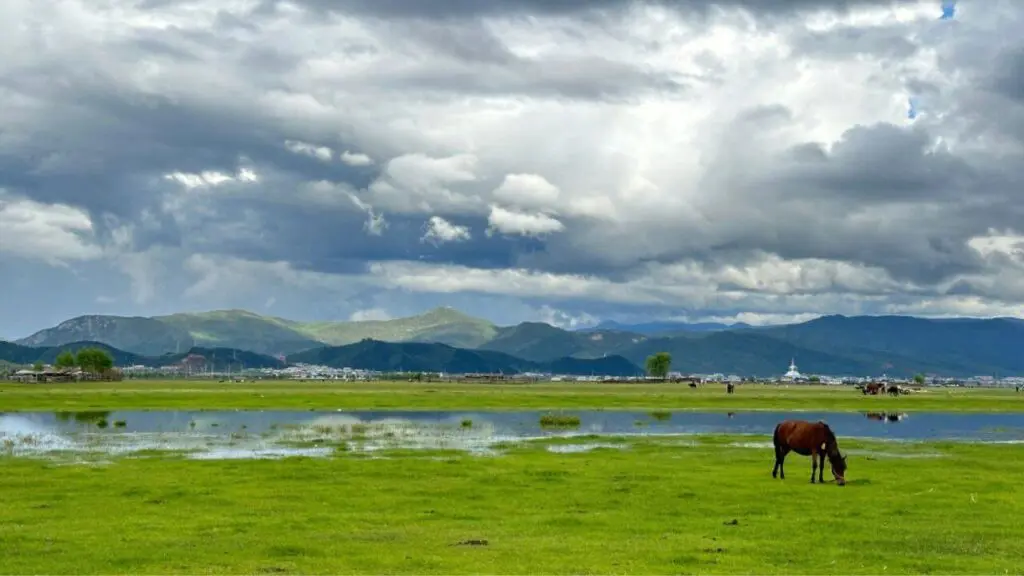
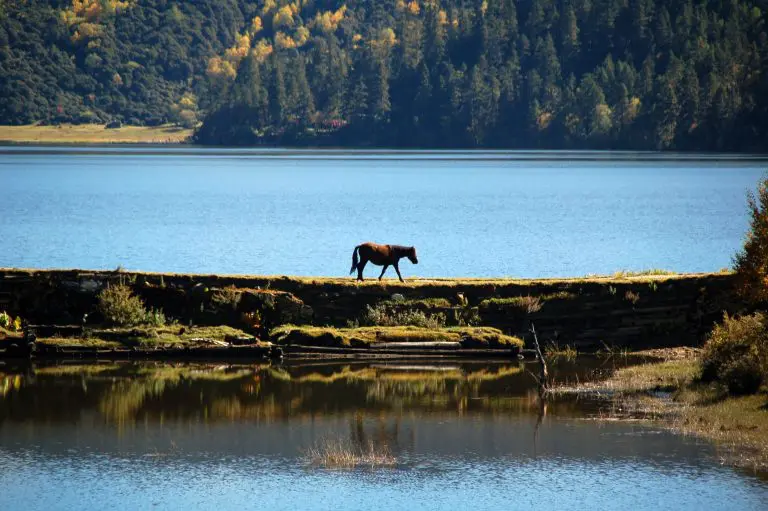
Napa Lake is also known as Napahai Lake and is a highland wetland and seasonal lake that transforms dramatically with the seasons. At 3,270 meters above sea level, this nature reserve, established in 1984, spans 660 square kilometers and is surrounded by mountains, offering a serene and photogenic landscape. Autumn is particularly striking, with golden grasslands, grazing yaks, and migratory birds like the rare black-necked crane creating a photographer’s paradise.
When to Go on Yunnan photography tour to Napa Lake
Autumn (September–November) is the most photogenic season at Napa Lake, as the receding waters reveal golden grasslands and attract migratory birds like black-necked cranes, bar-headed geese, and wild ducks. It is perfect for landscape and wildlife photography.
The dry season (September–March) is especially ideal for spotting and capturing the endangered black-necked crane.
For lush wetland scenes, visit in spring to summer (March–August), when snowmelt fills the lake, creating vibrant wetlands with aquatic plants and wildflowers. Winter and early spring (December–March) offer dramatic views with snow-capped mountains.
Expect temperatures from 5–15°C (41–59°F) in autumn and 10–20°C (50–68°F) in spring/summer. Always check local forecasts, as high-altitude weather can shift quickly.
What to Shoot
Napa Lake’s seasonal transformations and rich biodiversity offer a diverse array of photographic subjects. Below are the highlights to focus on, with specific tips for capturing the area’s natural beauty:
| Subject | Description | Best Time for Photography |
| Golden Grasslands | In autumn, the prairie turns golden, creating a vibrant backdrop for landscape shots | Sunrise (6:30–7:30 AM) or sunset (5:00–6:00 PM) |
| Migratory Birds | Black-necked cranes, bar-headed geese, wild ducks, and egrets overwinter or visit, ideal for wildlife photography | September to March, morning |
| Yaks and Livestock | Grazing yaks, horses, and sheep add scale and life to grassland scenes | Autumn, any time |
| Seasonal Lake | Full lake with reflective waters and wetland flora during spring and summer | Spring to summer, mid-morning to afternoon |
| Snow-Capped Mountains | Surrounding mountains, often snow-covered in winter and spring, provide a dramatic backdrop | Winter to spring, sunrise or sunset |
| Horseback Perspectives | Unique angles from horseback rides during the dry season, capturing the grasslands’ expanse | Autumn, afternoon |
Sunrise and Sunset Highlights
Sunrise: The best spots for sunrise photography are along the viewing platforms or cycling paths around the lake, where the golden light illuminates the grasslands and reflects off any remaining water. Arrive by 6:00 AM to capture the soft morning light. This is the best moment for travelers for Yunnan photography.
Sunset: Sunset shots are equally stunning from the grasslands, with the warm light casting long shadows and enhancing the golden hues. Viewing platforms offer elevated perspectives for these shots.
Nannuo Mountain (Xishuangbanna)
Nannuo Mountain is located in Menghai County, Xishuangbanna Dai Autonomous Prefecture, Yunnan Province, is one of China’s oldest tea mountains. It’s renowned for its Pu’er tea and ancient tea trees, including the iconic 800-year-old King of Tea Tree. Situated 22 km from Jinghong and 20 km from Menghai, at an average altitude of 1,400 meters, the mountain’s rolling tea hills, frequent morning mists, and vibrant Dai and Hani villages create a photographer’s paradise. With over 12,000 acres of ancient tea gardens and a history of tea cultivation dating back to the Tang Dynasty (618–907 AD), Nannuo offers a blend of natural beauty and cultural richness.
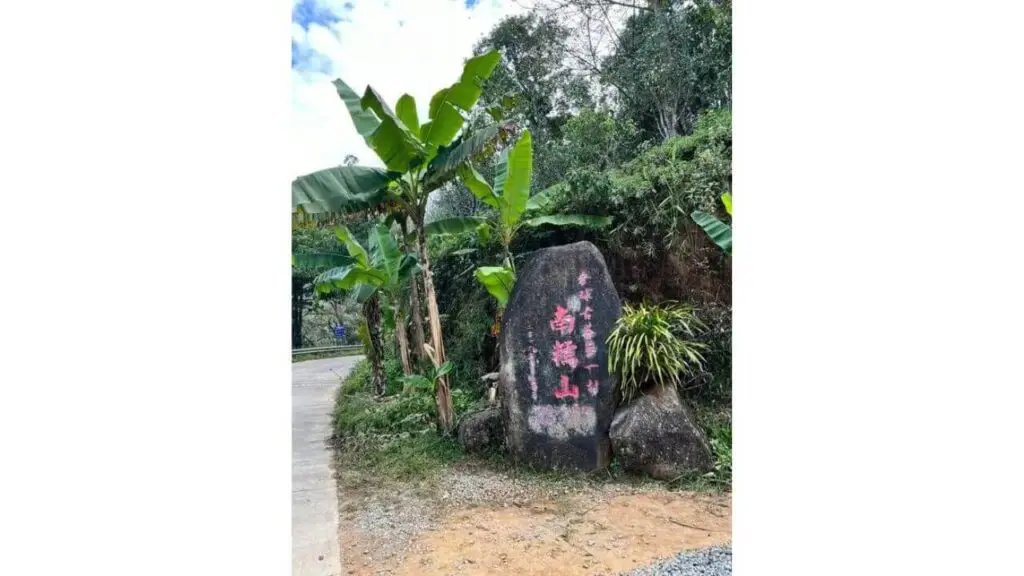
When to Go
Spring (March–May) is the best time to photograph Nannuo Mountain, with blooming wildflowers, tea-picking scenes by Hani women, and frequent morning mist creating vibrant, ethereal compositions. Mild temperatures (15–25°C) and lush plantations make this the peak season.
Autumn (Sept–Oct) offers golden foliage, clear skies, and cooler air (10–20°C), perfect for capturing the rolling hills and misty contrasts.
Winter (Dec–Feb) brings mystical foggy scenes but colder temperatures (3–15°C) and limited visibility.
Summer (June–Aug) is humid and rainy (15–25°C), making views unpredictable—best only for mist-focused shots.
With up to 150 foggy days annually and high humidity, Nannuo’s landscape is a dream for atmospheric photography. Check forecasts in advance to catch the best light and mist.
What to Shoot
Nannuo Mountain’s rolling tea hills, morning mists, and Dai and Hani villages offer a rich array of photographic subjects. Here are the details what and when to take the best photography on your Yunnan photography tour:
| What to shoot | Description | Best Time for Photography |
| Rolling Tea Hills | Undulating tea plantations with vibrant green waves | Sunrise (6:30–7:30 AM) or sunset (5:00–6:00 PM) |
| Morning Mists | Ethereal fog creating mystical scenes, especially in valleys | Sunrise (6:30–7:30 AM) |
| Ancient Tea Trees | 800-year-old King of Tea Tree and 200–500-year-old trees | Mid-morning to afternoon |
| Dai and Hani Villages | Traditional stilted houses in Banpo, Shitou, or Bama villages | Morning or afternoon |
| Tea-Picking Scenes | Hani women climbing trees to pick tea leaves in spring | Morning (8:00–11:00 AM) |
| Rainforest Trails | Lush trails with bamboo, orchids, and ferns | Morning or afternoon |
Sunrise and Sunset Highlights
Sunrise at Nannuo Mountain Viewing Platform: Located between Gu Niang and Duo Yi villages, this platform offers panoramic views of misty valleys and tea hills bathed in golden light. Arrive by 6:00 AM to set up.
Sunset at Banpo Laozhai: Capture the warm glow over rolling tea hills and traditional Hani houses, with the King of Tea Tree as a focal point.
Sunrise at Shitou Village: This Aini (Hani) settlement provides elevated views of misty tea groves and distant Jinghong city lights, ideal for early morning shots.
Cultural & Ethnic Photography Spots
Local markets in Yunnan
Including a visit to a local market in your Yunnan photography tour is one of the best ways to capture the province’s authentic cultural atmosphere. These bustling weekly or daily markets are where Bai, Yi, Hani, and other minority groups gather in vibrant traditional dress, bringing baskets of fresh produce, handmade textiles, and daily essentials.
Some well known markets that we can add into your Yunnan photograph tour include the Shaxi Friday Market in Jianchuan between Dali and Lijiang, Shaping Monday market and Xizhou Morning Market near Dali, Xinjie Market and Laomeng Sunday market in Yuanyang etc. Whether you’re focusing on detail shots, human interaction, or broader cultural context, market visits provide a rewarding and immersive lens into real Yunnan life.
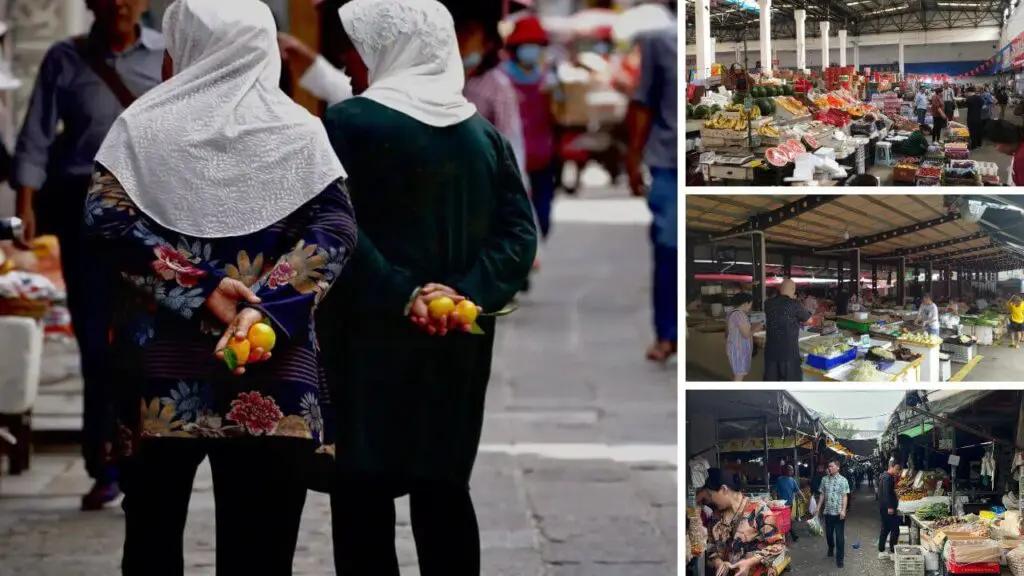
When to Go
Spring (March–May) and autumn (September–October) are ideal for photographing Yunnan’s markets, with mild temperatures (10–20°C/50–68°F) and clear skies enhancing vibrant scenes. Markets are busiest from 7:00–11:00 AM, when locals trade goods, offering prime opportunities for candid and cultural shots. Check specific market days (e.g., Shaxi on Fridays, Laomeng on Sundays) to plan visits.
Where and when to Shoot
Yunnan’s markets offer rich photographic opportunities with diverse ethnic groups and vibrant goods:
- Shaxi Friday Market (Jianchuan): Bai and Yi vendors sell colorful textiles, fresh produce, and handicrafts in a historic tea horse road town, set against ancient architecture.
- Shaping Monday Market (near Dali): Bai locals trade vegetables, fruits, and handmade goods near Erhai Lake, with vibrant stalls and traditional attire.
- Xizhou Morning Market (near Dali): Daily Bai market with intricate embroidery, street food, and bustling interactions amid traditional courtyards.
- Xinjie Market (Yuanyang): Yi and Hani traders offer rice terrace produce, livestock, and cultural artifacts, framed by terraced landscapes.
- Laomeng Sunday Market (Yuanyang): Yi and Hani vendors trade spices, textiles, and livestock, set against dramatic rice terraces, ideal for cultural shots.
Timing Tip: Shoot during early morning (7:00–9:00 AM) for soft golden light and peak market activity, or late afternoon (4:00–6:00 PM) for warm tones. Avoid midday for softer shadows.
Jianshui Old Town & Tuanshan Village (Honghe)
Jianshui Old Town is located 220 km south of Kunming in Honghe Hani and Yi Autonomous Prefecture, and it’s a 1,200-year-old cultural gem founded during the Tang Dynasty’s Nanzhao Kingdom. Known as the “Museum of Ancient Buildings and Residential Houses,” it boasts over 50 well-preserved Ming and Qing Dynasty structures blending Han, Yi, and Hani styles.
Just 13 km west, Tuanshan Village, a Qing-era Yi settlement, offers a tranquil maze of cobblestone lanes and traditional courtyard homes, recognized by the World Monuments Fund as one of 2006’s 100 Most Endangered Places. Renowned for Confucian temples, ancient bridges, and local craftsmen, these destinations provide a rich tapestry for photographers.
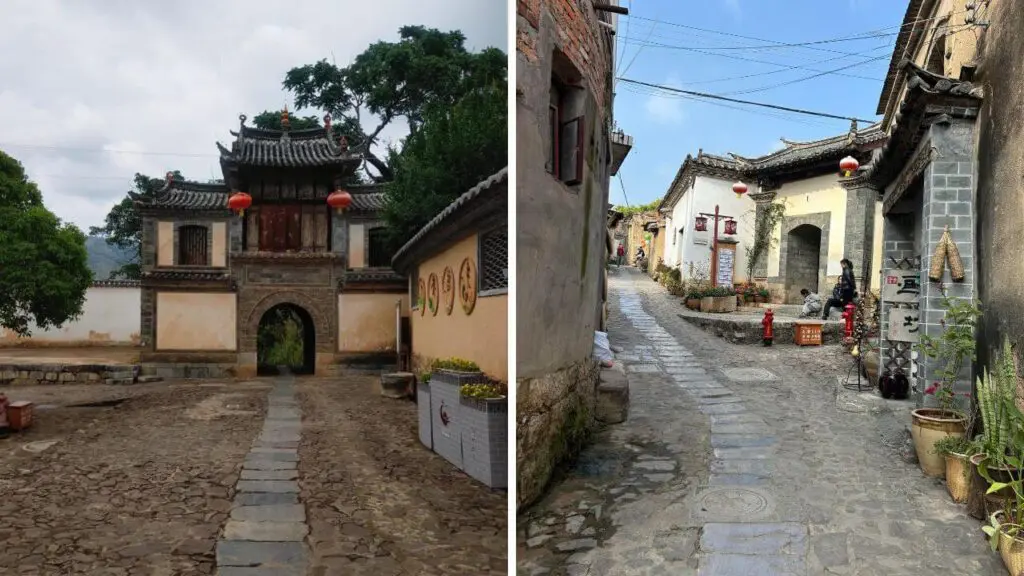
When to Go
Spring (Mar–May) and autumn (Sept–Nov) are ideal for photographing Jianshui Old Town and Tuanshan Village, with mild temperatures (10–20°C), clear skies, and vibrant events like Confucian ceremonies and weekend markets. Soft light enhances architectural and street scenes.
- Summer (Jun–Aug): Warm and humid (15–25°C); greenery thrives, but rain may disrupt shooting.
- Winter (Dec–Feb): Crisp air (3–15°C), fewer crowds, and clear light make for peaceful, detailed shots.
Markets and artisan workshops are most active from 7:00–11:00 AM, while golden hours (6:30–7:30 AM, 5:00–6:00 PM) are best for texture-rich photography. The area’s highland climate (1,400m altitude) and year-round greenery support diverse visual compositions. Always check forecasts before visiting.
What and when to Shoot
Jianshui Old Town and Tuanshan Village offer a wealth of photographic subjects, from Ming-Qing architecture to vibrant cultural scenes, blending Han, Yi, and Hani heritage:
| What to shoot | Description | Best Time for Photography |
| Chaoyang Tower | Ming Dynasty (1389) gate with three-eave roof, resembling Tiananmen | Sunrise (6:30–7:30 AM) or sunset (5:00–6:00 PM) |
| Jianshui Confucius Temple | Third-largest Confucian temple in China, with Dacheng Hall and Xuehai Lake | Morning or late afternoon |
| Zhu Family Garden | Qing Dynasty mansion with 214 rooms and 42 courtyards | Mid-morning to afternoon |
| Double Dragon Bridge | 17-arch Qing Dynasty bridge with pavilions over Lujiang River | Sunrise or sunset |
| Ancient Wells | Daban and East Wells with rope-grooved stones, used for tea and tofu | Morning (7:00–10:00 AM) |
| Tuanshan Village | Qing Dynasty Yi village with Zhang Family Garden and cobblestone lanes | Sunrise or late afternoon |
| Local Craftsmen | Artisans crafting purple pottery or grilling tofu at West Village Farmer’s Market | Morning (7:00–11:00 AM) |
Timing tips:
Golden Hours: Shoot at sunrise (6:30–7:30 AM) for misty bridge and temple shots, and sunset (5:00–6:00 PM) for warm architectural tones.
Midday: Ideal for vibrant market scenes or pottery workshops, where bright light highlights colors and textures.Weekends: Capture cultural events at the Confucius Temple, like seal carving or archery, for dynamic human elements.
Weishan Ancient Town
Weishan Ancient Town is nestled in Weishan Yi and Hui Autonomous County, 53 km south of Dali in Yunnan Province, and it is a 1,200-year-old gem and the historic cradle of the Nanzhao Kingdom (738–902 AD). Known for its quiet cobblestone alleys, vibrant Muslim Hui culture, and well-preserved Ming-Qing architecture, Weishan offers a serene yet culturally rich setting for photographers. Unlike the more touristy Dali Old Town, Weishan’s tranquil streets, Hui mosques, and daily life of noodle-making and markets provide an authentic glimpse into Yunnan’s diverse heritage. Read why you should add Wishan Ancient town in you next Yunnan photography tour:
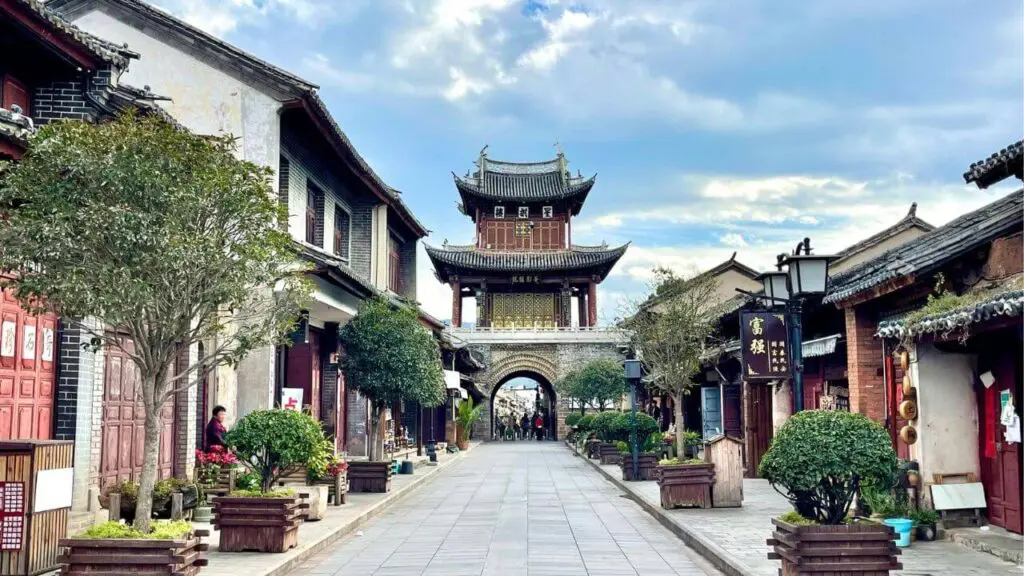
When to Go
Spring (Mar–May) and autumn (Sept–Nov) are the best times to photograph Weishan Ancient Town, with mild weather (10–20°C), clear skies, and vibrant cultural scenes like Hui festivals and morning markets. Soft light highlights quiet alleys and architectural textures.
- Summer (Jun–Aug): Humid and rainy (15–25°C), with lush greenery but possible disruptions.
- Winter (Dec–Feb): Crisp light, fewer crowds, and cooler temps (5–15°C) ideal for serene street scenes.
Tip: Markets and daily life are most active at 7:00–10:00 AM, while golden hours (6:30–7:30 AM, 5:00–6:00 PM) are perfect for capturing cultural and architectural details. The highland climate (1,800m) keeps surroundings green year-round. Always check forecasts for ideal shooting conditions.
What to Shoot
Weishan’s quiet alleys, Muslim Hui culture, and old town life offer a rich array of photographic subjects, blending historical architecture with vibrant daily routines:
| Subject | Description | Best Time for Photography |
| Gongchen Tower | Ming Dynasty (1390) tower with saddle roof, town’s iconic landmark | Sunrise (6:30–7:30 AM) or sunset (5:00–6:00 PM) |
| Xinggong Archway | 16-meter Ming Dynasty stone archway with intricate carvings | Sunrise or late afternoon |
| Quiet Alleys | Cobblestone lanes with whitewashed mud-brick homes | Morning or late afternoon |
| Hui Mosques | Weishan Mosque and smaller mosques with green domes and calligraphy | Mid-morning to afternoon |
| Traditional Courtyard Homes | Ming-Qing residences with carved wooden doors and tiled roofs | Morning or afternoon |
| Local Life | Hui vendors at morning markets, noodle-making, bamboo artisans | Morning (7:00–10:00 AM) |
Sunrise and Sunset Highlights
Sunrise at Gongchen Tower: Arrive by 6:00 AM to capture the tower’s saddle roof glowing in soft morning light, with quiet alleys and distant Weibaoshan Mountain as a backdrop.
Sunset at Xinggong Archway: Shoot at 5:00–6:00 PM for warm light illuminating the carved stonework, with locals passing through for added life.Sunrise in Quiet Alleys: Early morning shots of cobblestone lanes near Weishan Museum capture mist and soft light, enhancing the town’s serene charm.
Zhoucheng & Xizhou Villages
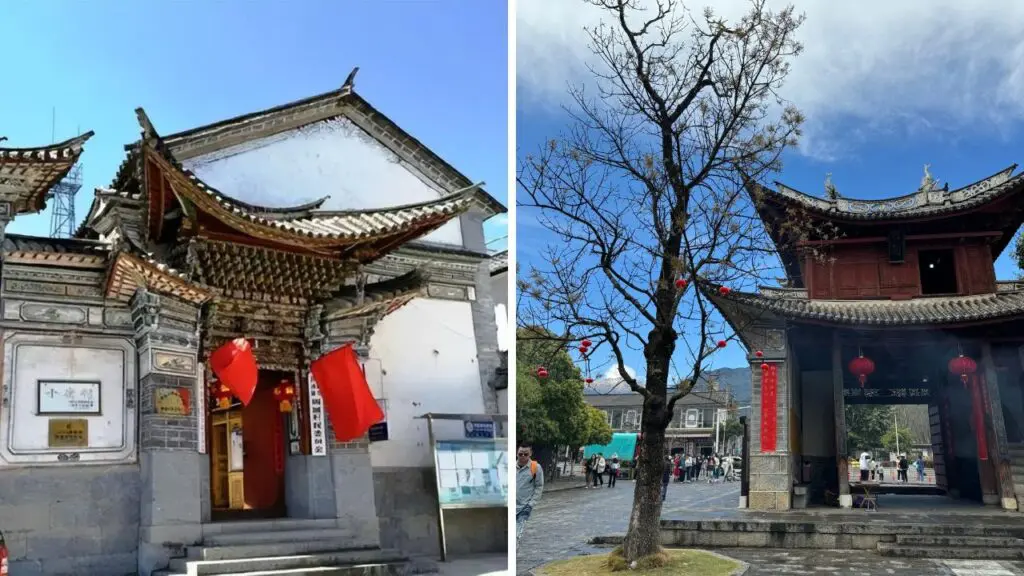
Zhoucheng and Xizhou Villages are nestled 23–30 km north of Dali Ancient Town in Yunnan’s Dali Bai Autonomous Prefecture. These villages are vibrant centers of Bai ethnic culture, renowned for their tie-dye craftsmanship, Ming-Qing architecture, and serene courtyards. Zhoucheng, often called the “tie-dye capital,” thrives with workshops producing intricate blue-and-white textiles, while Xizhou, 18 km from Dali, boasts elegant compounds and a bustling morning market, set against the backdrop of Erhai Lake and Cangshan Mountain. Zhoucheng and Xizhou Villages are less touristy than Dali Old Town. However they offer an authentic glimpse into Bai traditions, making them ideal for photographers seeking cultural and architectural richness.
Best Time to Go
Spring (Mar–May) and autumn (Sept–Nov) are ideal for Yunnan photography tour. These months are with mild temperatures (10–20°C), clear skies, and vibrant Bai cultural events like tie-dye festivals and markets. Soft light enhances textiles and courtyard architecture.
- Summer (Jun–Aug): Warm and humid (15–25°C); greenery thrives, but rain may affect outdoor shooting.
- Winter (Dec–Feb): Crisp light and fewer tourists (5–15°C) make it great for serene shots of traditional homes and lake views.
What to Shoot at Zhoucheng and Xizhou Villages
Zhoucheng and Xizhou Villages offer a rich array of photographic subjects, blending Bai cultural traditions with Ming-Qing architecture and scenic landscapes:
| What to shoot | Description | Best Time for Photography |
| Zhoucheng Tie-Dye Workshops | Artisans crafting blue-and-white textiles in open courtyards | Morning (8:00–11:00 AM) |
| Zhoucheng Longquan Market | Bustling market with Bai vendors selling produce and embroidery | Morning (7:00–10:00 AM) |
| Zhoucheng Ancestral Halls | Ornate halls with carved beams and tiled roofs | Mid-morning to afternoon |
| Xizhou Yan Family Compound | Qing-era mansion with intricate woodwork and courtyards | Sunrise (6:30–7:30 AM) or sunset (5:00–6:00 PM) |
| Xizhou Morning Market | Daily market with textiles, snacks, and Bai vendors | Morning (7:00–10:00 AM) |
| Bai Courtyards | Whitewashed homes with murals and “one wall, three screens” designs | Sunrise or late afternoon |
Sunrise and Sunset Tips:
Sunrise at Xizhou Yan Family Compound: Arrive by 6:00 AM to capture the mansion’s courtyards glowing in soft light, with Cangshan Mountain and Erhai Lake in the background.
Sunset at Zhoucheng Tie-Dye Workshops: Shoot at 5:00–6:00 PM for warm light illuminating drying textiles and artisans at work, with village rooftops adding context.
Sunrise near Xizhou’s Erhai Lake Shore: Photograph Bai courtyards or market stalls from lakeside paths at 6:30–7:30 AM, capturing reflections and misty mountain backdrops.
Lijiang & Shuhe Old Towns
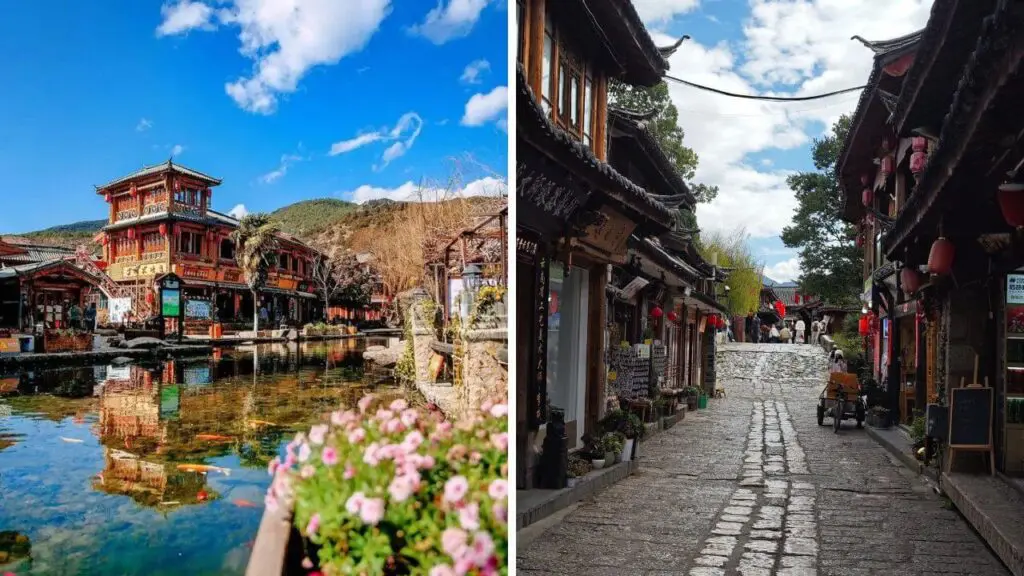
Lijiang Old Town (Dayan), a UNESCO World Heritage Site since 1997, and Shuhe Old Town, 4 km north, are nestled in Yunnan’s Lijiang Prefecture at 2,400 meters, showcasing the rich culture of the Naxi ethnic group.
Lijiang’s bustling Dayan, founded in the Song Dynasty (960–1279), features Ming-Qing wooden architecture, winding canals, and vibrant markets, while Shuhe is a quieter tea horse road hub, offers rustic charm with stone bridges and serene lanes. Known for their wooden structures, Naxi music, and lively daily life, these towns provide a captivating blend of history and culture for photographers.
When to Go
Spring (Mar–May) and autumn (Sept–Nov) are the best times to photograph Lijiang and Shuhe Old Towns, with mild temperatures (10–20°C), clear skies, and colorful Naxi cultural events like the Dongba Festival. Soft light enhances shots of wooden architecture and daily life.
- Summer (Jun–Aug): Humid and rainy (15–25°C); greenery is lush but rain may disrupt shoots.
- Winter (Dec–Feb): Clear light and cooler temps (0–15°C) offer peaceful scenes of alleys and canals.
What to Shoot
Lijiang and Shuhe Old Towns offer a rich array of photographic subjects and they are a must on the Yunnan photography tours.
| Subject | Description | Best Time for Photography |
| Lijiang Wooden Architecture | Ming-Qing wooden buildings with tiled roofs and canals in Dayan | Sunrise (6:30–7:30 AM) or sunset (5:00–6:00 PM) |
| Mu’s Mansion | Ming Dynasty palace with ornate courtyards and Naxi heritage | Mid-morning to afternoon |
| Lijiang Cobblestone Alleys | Narrow lanes like Qiyi Street with shops and Naxi homes | Morning or late afternoon |
| Shuhe Old Town | Rustic wooden homes, stone bridges, and tea horse road heritage | Sunrise or sunset |
| Naxi Music | Traditional performances at Dongba Palace or Shuhe teahouses | Evening (7:00–9:00 PM) |
| Local Daily Life | Naxi vendors at Zhongyi Market or Shuhe’s market, canal-side activities | Morning (7:00–10:00 AM) |
Timing Tips
- Golden Hours: Shoot at sunrise (6:30–7:30 AM) for misty canals and wooden facades, and sunset (5:00–6:00 PM) for warm tones on bridges and markets.
- Midday: Ideal for vibrant market scenes or Mu’s Mansion interiors, where bright light highlights colors and textures.
- Evening: Capture Naxi music performances at Dongba Palace or teahouses (7:00–9:00 PM) for dynamic cultural shots.
- Festivals: Visit during the Dongba Festival (spring) for Naxi dances and rituals, adding vibrant human elements.
Songzanlin Monastery (Shangri-La) & Tibetan Villages
If you want to feel the Tibetan spirit, but you can’t go to Tibet, then adding Shagli-La attractions on your Yunnan photography tour is the best choice.
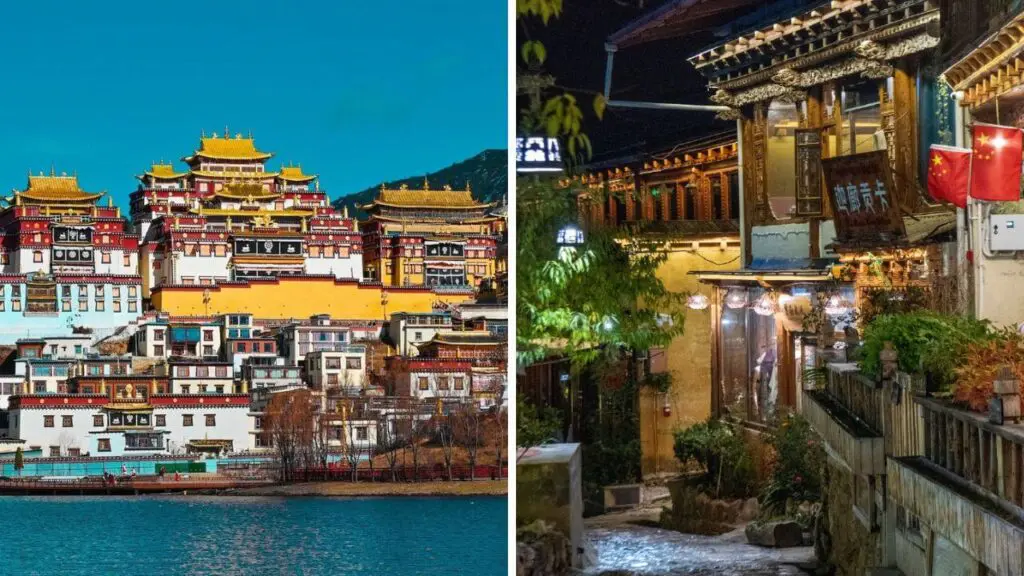
Songzanlin Monastery, also known as the “Little Potala Palace,” is a 17th-century Gelugpa monastery in Shangri-La, Yunnan. It is nestled at 3,300 meters, set against the dramatic Himalayan peaks and Napa Lake. Built in 1679 by the Fifth Dalai Lama, it houses 700 monks and intricate Tibetan Buddhist architecture. Nearby Tibetan villages like Nixi (20 km) and Xiaozhongdian (15 km) offer an authentic glimpse into spiritual Tibetan life, with yak herders, traditional homes, and family visits. Renowned for its golden-roofed halls, prayer wheels, and pastoral scenes, this area is a photographer’s paradise.
When to Go
Spring (Apr–May) and autumn (Sept–Oct) are the best times to photograph Songzanlin Monastery and nearby Tibetan villages, with mild weather (5–15°C), clear skies, and vibrant cultural events like Losar and monk ceremonies. Golden hour light beautifully illuminates the monastery and surrounding landscapes.
- Summer (Jun–Aug): Rainy but green (10–20°C), with lush meadows but limited visibility.
- Winter (Nov–Mar): Crisp light, snow-dusted peaks, and fewer crowds (-5–10°C), ideal for serene shots but colder and more challenging.
Tip: For monk rituals and village life, shoot between 7:00–10:00 AM. Use golden hours (6:30–7:30 AM, 4:30–5:30 PM) for architectural and mountain views. At 3,300m elevation, dramatic scenery is guaranteed year-round, just check forecasts before visiting.
What to Shoot
Songzanlin Monastery and nearby Tibetan villages offer a rich array of photographic subjects, blending spiritual Tibetan life with stunning Himalayan landscapes:
| Subject | Description | Best Time for Photography |
| Songzanlin Monastery | Golden-roofed halls, colorful murals, prayer flags | Sunrise (6:30–7:30 AM) or sunset (4:30–5:30 PM) |
| Prayer Wheels | Large, gilded wheels spun by monks and pilgrims | Morning or late afternoon |
| Monk Rituals | Chanting, butter lamp offerings, or courtyard debates | Morning (7:00–10:00 AM) |
| Yak Herders | Tibetan herders guiding yaks in meadows or black tents | Morning or late afternoon |
| Tibetan Family Life | Home visits for butter tea, thangka painting, or barley roasting | Mid-morning to afternoon |
| Tibetan Villages | Stone-and-wood homes, prayer flags, stupas in Nixi/Xiaozhongdian | Sunrise or sunset |
Sunrise and Sunset Highlights
- Sunrise at Songzanlin Monastery Viewing Platform: Arrive by 6:00 AM to capture golden light on the monastery’s roofs, with Napa Lake and Himalayan peaks reflecting the glow.
- Sunset at Nixi Village: Shoot at 4:30–5:30 PM for warm light on stone homes, yak herders, and prayer flags, with mountains in the background.
- Sunrise at Napa Lake Shore: Early morning shots near Xiaozhongdian capture village homes and lake reflections, with mist and grazing yaks adding serenity.
Jingmai Ancient Tea Forest (Pu’er)
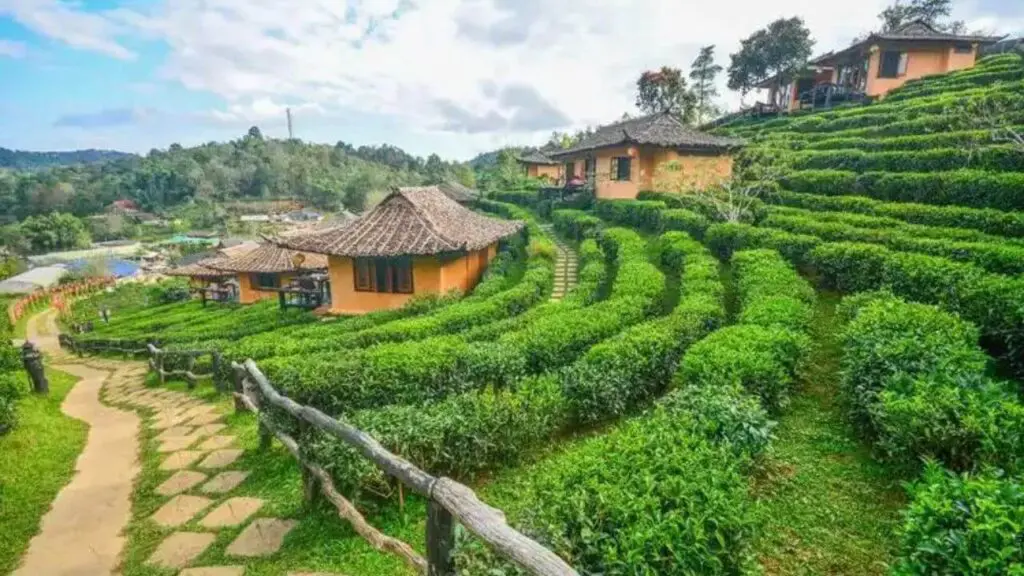
The Cultural Landscape of Old Tea Forests of Jingmai Mountain in Pu’er, inscribed as a UNESCO World Heritage Site in 2023, is a 1,800-year-old tea production area in Yunnan’s Pu’er City, at 1,100–1,662 meters. Developed by the Blang and Dai peoples since the 10th century, it features ancient tea groves, traditional villages, and a sustainable understorey cultivation system adapted to the subtropical monsoon climate. Known for its 1000-year-old tea trees, vibrant Blang and Dai tea culture, traditional wooden houses, and spring tea-picking scenes, Jingmai is a photographer’s haven.
When to Go
Spring (Mar–May) is the best time to photograph Jingmai Ancient Tea Forest, with mild weather (15–25°C), clear skies, and peak tea-picking season, ideal for capturing Blang and Dai tea culture.
Autumn (Sept–Oct) offers similar conditions (10–20°C), golden light, vibrant harvests, and fewer crowds.
- Summer (Jun–Aug): Lush and misty (20–28°C), but rainy—great for forest shots with proper gear.
- Winter (Nov–Feb): Crisp air, cloud seas, and peaceful scenery (5–15°C), though tea activity is limited.
Tip: Shoot tea culture and village life from 7:00–10:00 AM, and use golden hours (6:30–7:30 AM, 4:30–5:30 PM) for highlighting groves and architecture. At 1,500m altitude, Jingmai remains photogenic year-round—just check forecasts in advance.
What to Shoot
Jingmai Ancient Tea Forest offers a rich tapestry of photographic subjects, blending ancient tea cultivation, Blang and Dai traditions, and stunning natural landscapes:
| Subject | Description | Best Time for Photography |
| Ancient Tea Groves | 1000-year-old tea trees in Dapingzhang, including sacred tea spirit trees | Sunrise (6:30–7:30 AM) or sunset (4:30–5:30 PM) |
| Tea Picking | Blang and Dai locals hand-picking tea leaves in spring | Morning (7:00–10:00 AM) |
| Blang and Dai Villages | Wooden pile-dwellings in Nuogang (Dai) and Wengji (Blang) with tea totems | Morning or late afternoon |
| Tea Ancestor Rituals | Spring ceremonies with offerings to Pa Ai Leng at sacred trees | Morning or midday |
| Daily Life Scenes | Tea processing, communal meals, or Pu’er cake-making in wooden homes | Mid-morning to afternoon |
| Sea of Clouds | Misty vistas over tea groves and villages from Mangjing or Jingmai Grand Village | Sunrise or sunset |
Sunrise and Sunset Highlights
- Sunrise at Dapingzhang Old Tea Forest: Arrive by 6:00 AM to capture golden light on 1000-year-old tea trees, with mist and clouds enveloping the groves.
- Sunset at Mangjing Village Viewing Platform: Shoot at 4:30–5:30 PM for warm light on wooden houses, tea fields, and distant Himalayan peaks.
- Sunrise at Nuogang Village: Early morning shots capture serene Dai homes and tea groves bathed in mist, with locals starting daily tasks.
Hani Villages in Yuanyang
The Honghe Hani Rice Terraces, a UNESCO World Heritage Site since 2013, span 1,000,000 acres across Yuanyang County in southern Yunnan, at 1,400–2,000 meters. Crafted by the Hani people over 2,000 years, these terraces and their “mushroom houses” in villages like Duoyishu and Qingkou are a testament to sustainable farming and vibrant minority culture. Known for their unique architecture, terraced landscapes, and colorful Hani traditions, Yuanyang offers photographers a stunning blend of natural beauty and cultural richness.
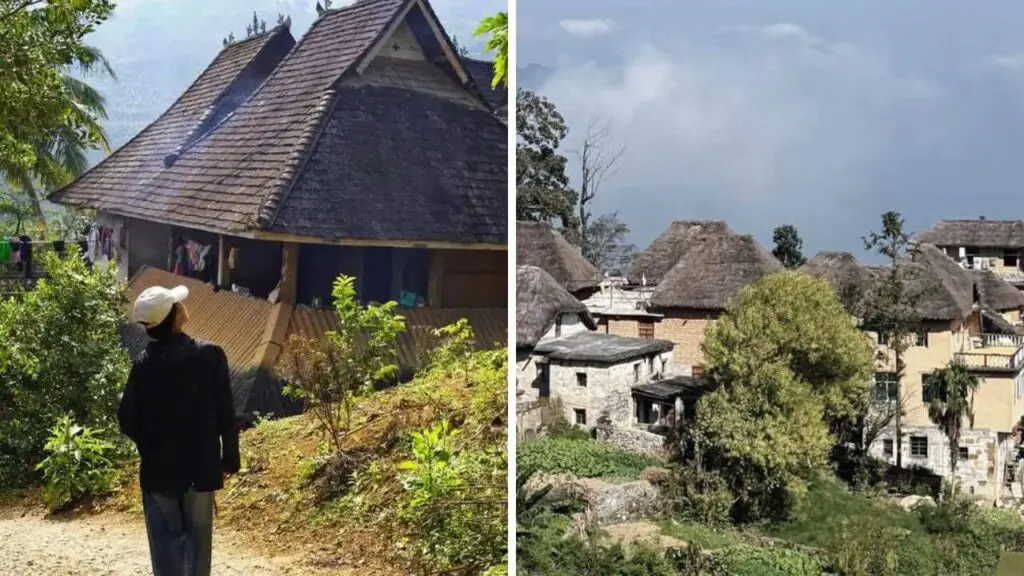
Best time to go to Hani Villages for Yunnan Photography
Spring (Mar–May) and winter (Nov–Feb) are the best times to photograph Yuanyang’s Hani villages, with mild temperatures (10–20°C), clear skies, and flooded or newly planted rice terraces, ideal for farming and cultural shots.
- Autumn (Sept–Oct): Golden harvests and crisp light.
- Summer (Jun–Aug): Lush and misty (15–25°C), but rain may require weather protection.
Shoot daily life and markets from 7:00–10:00 AM, and capture terraces and mushroom houses during golden hours (6:30–7:30 AM, 4:30–5:30 PM). Festivals like the Long Street Banquet and Angmatu Festival (Nov–Dec, lunar calendar) offer vibrant ritual photography. The highland climate (1,800m) supports lush scenes year-round.
What to Shoot at Hani Villages
Yuanyang’s Hani villages offer a rich array of photographic subjects, blending unique architecture, terraced farming, and vibrant Hani traditions:
| Subject | Description | Best Time for Photography |
| Mushroom Houses | Thatched, mushroom-shaped homes in Duoyishu and Qingkou | Sunrise (6:30–7:30 AM) or sunset (4:30–5:30 PM) |
| Terraced Rice Fields | UNESCO-listed terraces at Duoyishu, Bada, Laohuzui | Sunrise or sunset |
| Daily Farming Life | Hani farmers plowing, planting, or harvesting in terraces | Morning (7:00–10:00 AM) |
| Hani Traditional Dress | Embroidered clothing and silver headdresses in markets or festivals | Morning or festival times |
| Minority Rituals | Long Street Banquet, Angmatu Festival, rice planting ceremonies | Midday or festival times |
| Village Markets | Xinjie or Shengcun markets with Hani and Yi vendors | Morning (7:00–10:00 AM) |
Sunrise and Sunset Tips
- Sunrise at Duoyishu Viewing Platform: Arrive by 6:00 AM to capture terraces reflecting pink and orange hues, with mushroom houses and misty hills in the foreground.
- Sunset at Bada Terrace: Shoot at 4:30–5:30 PM for golden light on vast terrace layers, with distant Hani villages and mountains.
- Sunrise at Qingkou Village: Early morning shots capture mushroom houses and farmers starting work, framed by terraced fields and mist.
Alu Caves + Yi Villages (Luxi)
The Alu Ancient Cave and Yi villages like Chengzi in Luxi County, Yunnan, located 165 km from Kunming at 1,400–1,800 meters. This amazing Yunnan attraction offers a captivating blend of mystical karst landscapes and rich Yi cultural traditions. It is known as the “First Cave of Yunnan,” Alu Cave features a 3,000-meter karst system with dramatic stalactites, stalagmites, and an underground river, while Chengzi Village showcases 600-year-old Soil Palm Houses and vibrant Yi customs. One of the must visit attractions on your Yunnan photography tour.
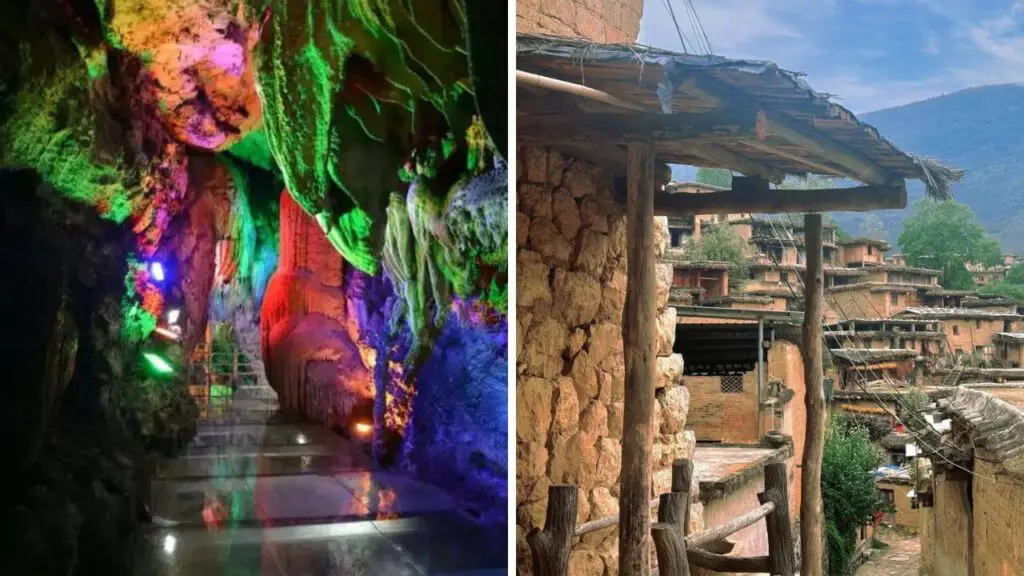
Best time to Visit Alu Caves + Yi Villages for Photography
Spring (Mar–May) and autumn (Sept–Oct) are the best times to photograph Alu Caves and Yi villages, with mild temperatures (15–25°C), clear skies, and vibrant Yi markets and festivals—perfect for cultural and karst landscape shots.
- Summer (Jun–Aug): Humid and lush (20–28°C), ideal for misty scenes but requires gear protection (80–90% humidity).
- Winter (Nov–Feb): Crisp light (5–15°C) improves cave clarity, though village life is quieter.
Tip: Shoot daily life from 7:00–10:00 AM, and use golden hours (6:30–7:30 AM, 4:30–5:30 PM) for cave interiors and Soil Palm Houses. The Yi Torch Festival (Jul/Aug, lunar calendar) adds dynamic photo opportunities. Luxi’s highland climate (1,600m) supports vivid scenes year-round—check forecasts for best conditions.
What to Shoot
Luxi’s Alu Caves and Yi villages offer a striking contrast of subterranean karst wonders and vibrant Yi cultural heritage, perfect for dramatic photography:
| Subject | Description | Best Time for Photography |
| Alu Ancient Cave | 3,000m karst system with Luyuan, Yuzhu, Biyu Caves, Yusun River | Midday or with artificial lighting |
| Karst Formations | Stalactites, stalagmites, stone waterfalls, “Underwater Stalagmite” | Midday or with flash/torch |
| Yi Soil Palm Houses | Flat-roofed mud houses in Chengzi Village, terraced layout | Sunrise (6:30–7:30 AM) or sunset (4:30–5:30 PM) |
| Daily Yi Life | Farming, weaving, markets in traditional clothing | Morning (7:00–10:00 AM) |
| Yi Rituals | Torch Festival, ancestor worship with dances, bonfires | Festival times (July/August) |
| Village Landscapes | Pastoral fields, mountains around Chengzi, karst backdrop | Sunrise or sunset |
Timing Tips:
- Golden Hours: Shoot at sunrise (6:30–7:30 AM) for village landscapes and sunset (4:30–5:30 PM) for warm tones on Soil Palm Houses and fields.
- Midday: Ideal for cave photography with artificial lighting, or vibrant Yi markets and daily life in Chengzi.
Festivals: Visit during the Torch Festival (July/August, lunar calendar) for dynamic shots of bonfires, dances, and Yi rituals.
Festivals Moments (across Yunnan)
Choosing visit some of the Yunnan festivals to have top Yunnan photography is a great choice. Yunnan as China’s most ethnically diverse province, hosts over 400 minority festivals. However, the Yi Torch Festival in Chuxiong and Honghe and the Xishuangbanna Water Splashing Festival stand out for their vibrant cultural displays.
The Yi Torch Festival, celebrated on the 24th–26th of the sixth lunar month (typically July–August), lights up the night with bonfires, dances, and tribal rituals, symbolizing prosperity and protection.
The Xishuangbanna Water Splashing Festival, marking the Dai New Year from April 13–15, fills Jinghong with temple processions, peacock dances, and joyful water fights.
Best time to go
| Festival | Date | Photography Conditions | Temperature Range |
| Yi Torch Festival | July–August (24th–26th, 6th lunar month) | Warm, clear nights, vibrant bonfires | 20–28°C (68–82°F) |
| Water Splashing Festival | April 13–15 | Warm, humid, vibrant water fights | 20–30°C (68–86°F) |
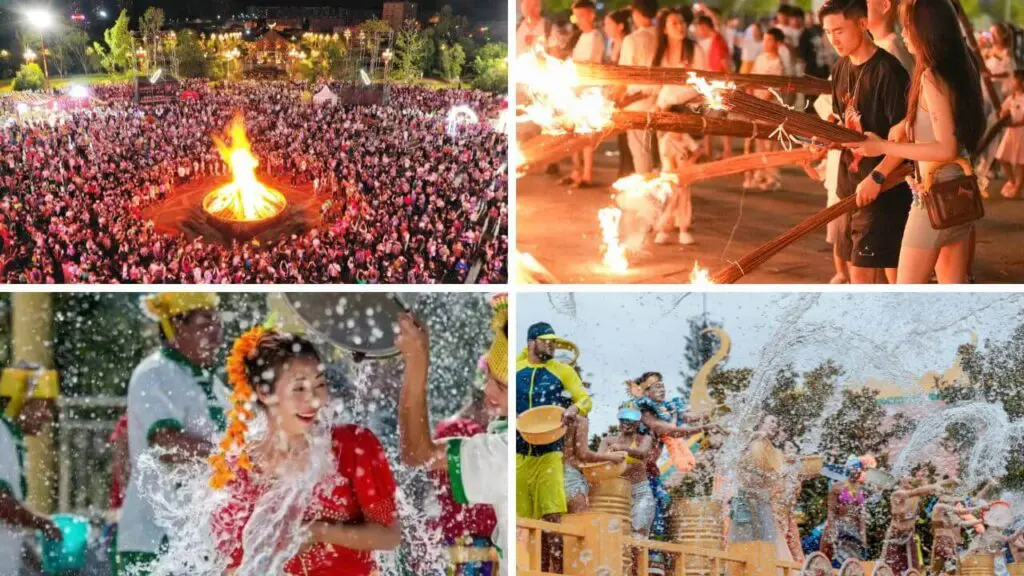
What to Photograph
Yunnan’s festivals offer dynamic subjects, blending fiery Yi traditions with the colorful, water-soaked Dai New Year for stunning cultural photography:
| Subject | Description | Best Time for Photography |
| Yi Torch Festival (Chuxiong/Honghe) | ||
| Bonfires/Torch Parades | Massive bonfires and torchlit field processions in Chuxiong or Honghe | Evening (7:00–10:00 PM) |
| Traditional Dances | Yi Dage, Datiao dances in embroidered costumes around bonfires | Evening or night |
| Wrestling/Sports | Yi men in wrestling, bullfighting, horse racing in open fields | Daytime (10:00 AM–4:00 PM) |
| Tribal Rituals | Elders praying with torches to ward off evil spirits | Evening or night |
| Yi Costumes | Embroidered tunics, silver headdresses in beauty contests, singing | Daytime or evening |
| Xishuangbanna Water Splashing Festival | ||
| Temple Processions | “Bathing the Buddha” rituals at Manfeilong White Pagoda, Jinghong | Morning (8:00–11:00 AM) |
| Water Fights | Joyful street splashing in Jinghong or Dai Minority Park | Afternoon (2:00–5:00 PM) |
| Peacock Dances | Dai women in feathered costumes performing cultural dances | Daytime or evening shows |
| Dragon Boat Races | Colorful races on Lancang River with cheering crowds | Morning or afternoon (first two days) |
| Markets/Crafts | Outdoor markets with Dai souvenirs, tropical fruits, sticky rice snacks | Morning (8:00 AM–12:00 PM) |
Sunrise and Sunset Highlights
- Yi Torch Festival:
- Sunset at Chuxiong’s Solar Calendar Park: Shoot at 6:30–7:30 PM for warm light on bonfires and Yi dancers, with karst hills as a backdrop.
- Night in Honghe’s Yiche Villages: Capture torch parades (8:00–10:00 PM) against starry skies in rural Qielong, emphasizing Yi rituals.
- Water Splashing Festival:
- Sunrise at Manfeilong White Pagoda: Arrive by 6:30 AM for serene shots of temple rituals and misty tropical landscapes.
- Sunset in Jinghong Streets: Shoot at 4:30–5:30 PM for vibrant water fights and peacock dances under golden light.
Final Thoughts: Why Yunnan Should be on your Photography travel tour
Yunnan’s exceptional diversity makes it a must-visit for any photography tour. From the mystical karst caves of Luxi to the UNESCO-listed rice terraces of Yuanyang, vibrant Yi and Dai festivals, and ancient tea forests of Jingmai, Yunnan offers endless opportunities for stunning cultural and landscape shots. Its ethnic richness, including Blang, Hani, and Naxi traditions, paired with dramatic Himalayan backdrops, creates a photographer’s paradise. A Yunnan photography tour promises vibrant festivals, unique architecture, and breathtaking natural beauty, ensuring unforgettable images and a deep cultural connection.
If you planning Yunnan photography tour, but you don’t know where to start, here are some of our recommendations:
These Yunnan Tours will give you the most amazing and adventure tour that you’ll have in your lifetime. There are 13 different tours that can meet every traveler’s expectations. However, if you are searching for a specific Yunnan photography tour, we also have that type of tour, where you can visit some of the attractions that we have mentioned in this article. Also, booking a tour to Yuanyuang Rice Terraces is a great choice for those who want an amazing Yunnan photography tour. Also, with us you can make your own Yunnan photography tour, here’s how: https://windhorsetour.com/tailor-made-tour
And if you don’t know where to start with planning your Yunnan tour, this Yunnan travel guide can help you
Related tours
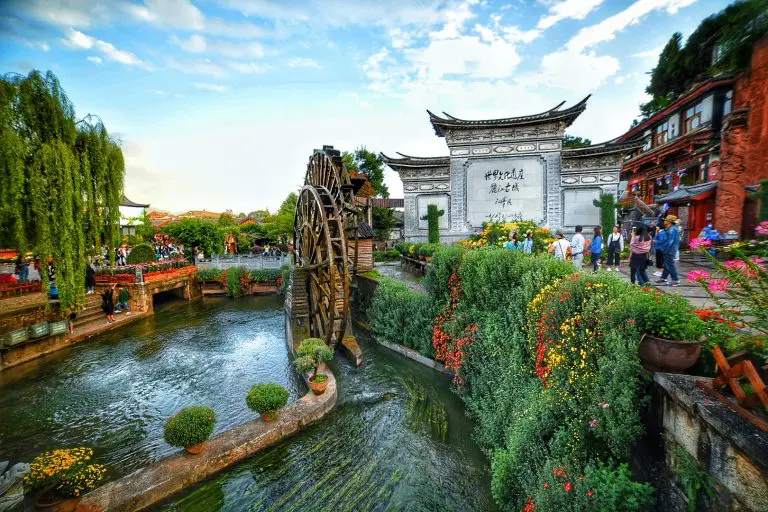
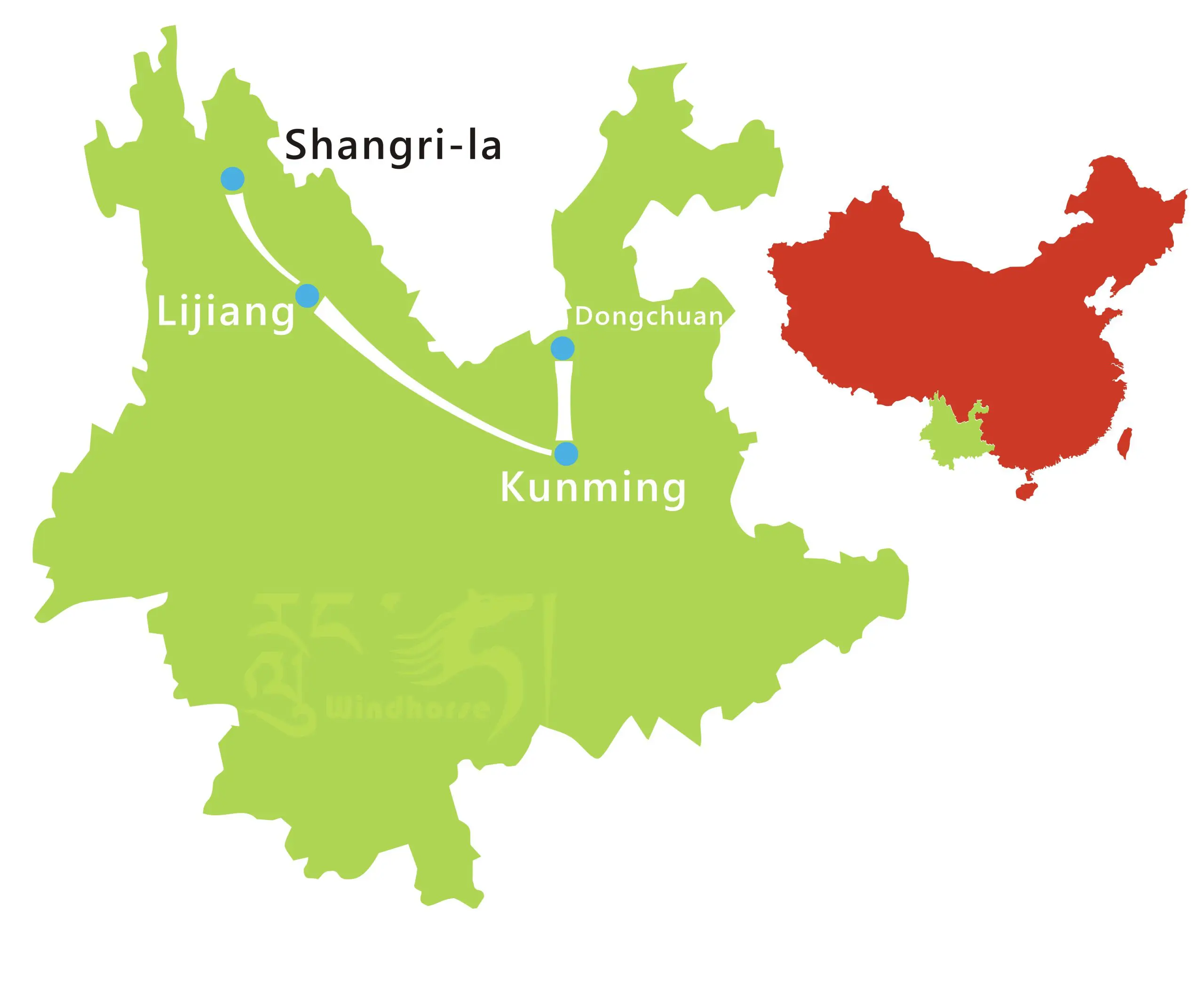

Explore North Yunnan on this 9-day tour through Kunming, Dongchuan Red Land, Lijiang, and Shangri-La. Capture Red Land’s vibrant terraces, explore ancient towns, and experience Tibetan culture and highland scenery.


Travel across China in 21 days from Beijing and Xi’an to Chengdu, Yunnan, Guilin, Zhangjiajie, and Shanghai. This private journey highlights China’s top cities, historic towns, mountain scenery, and diverse cultures with well planned pacing and expert local guides.
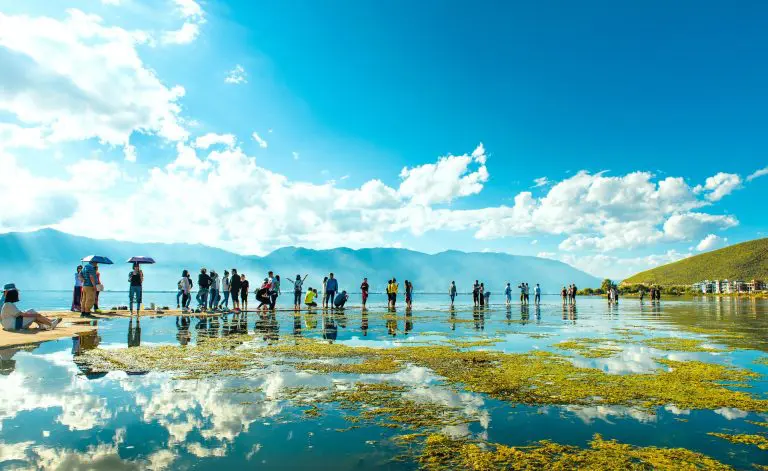
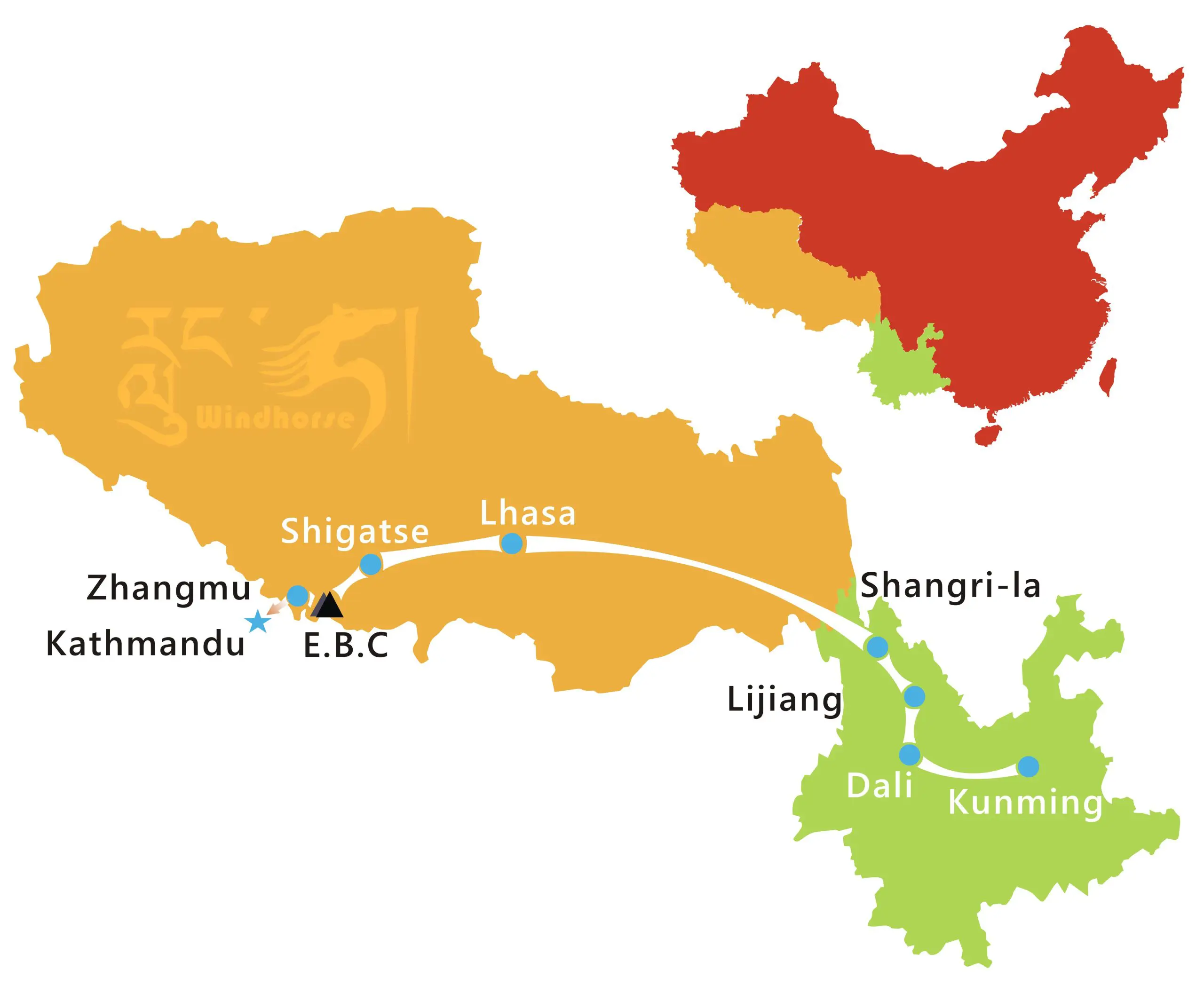
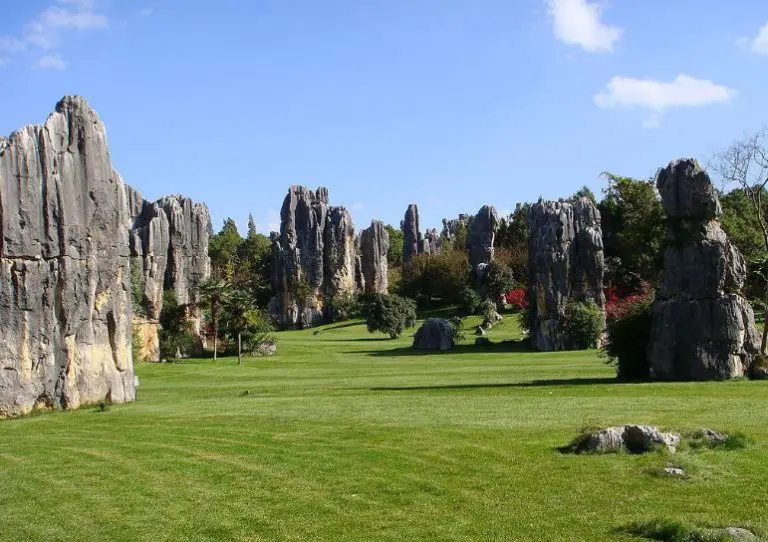
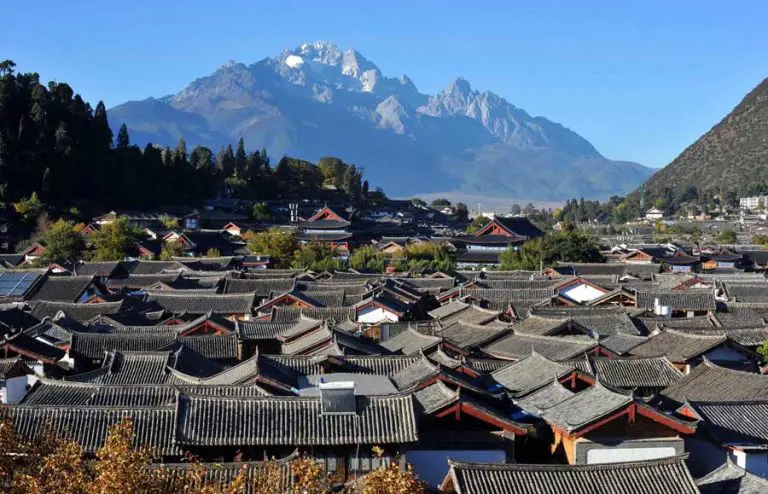
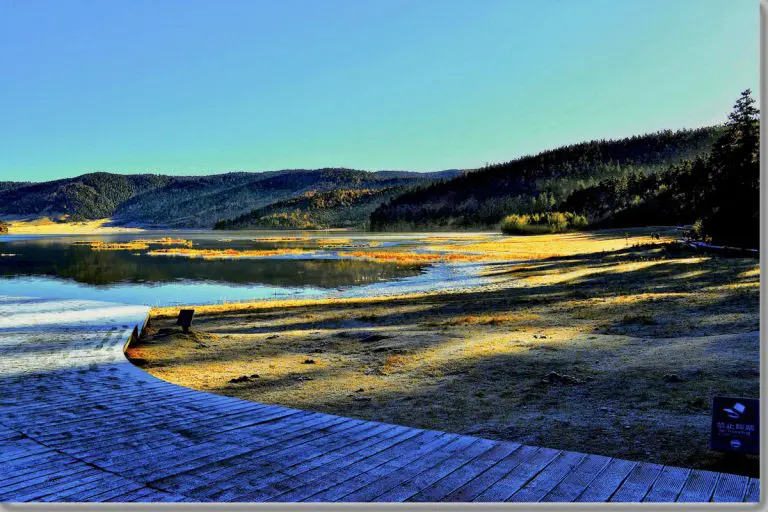
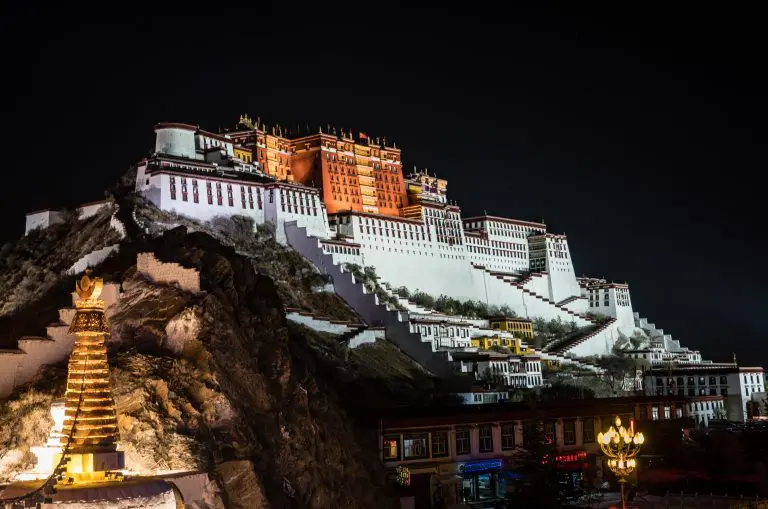
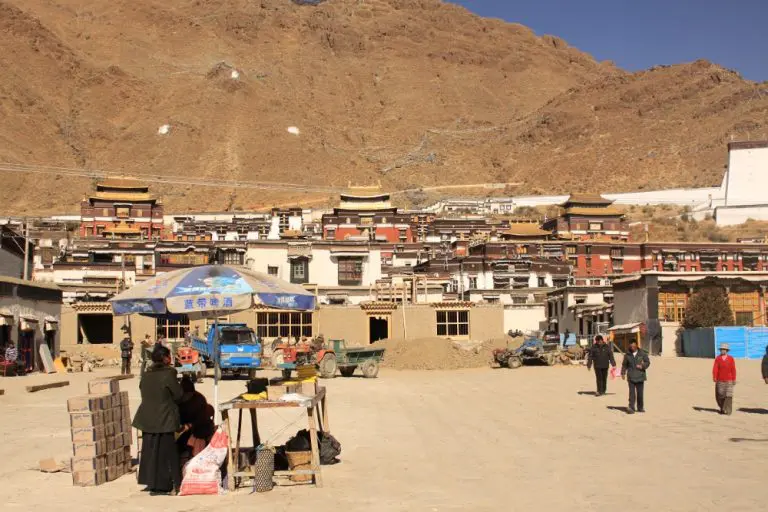
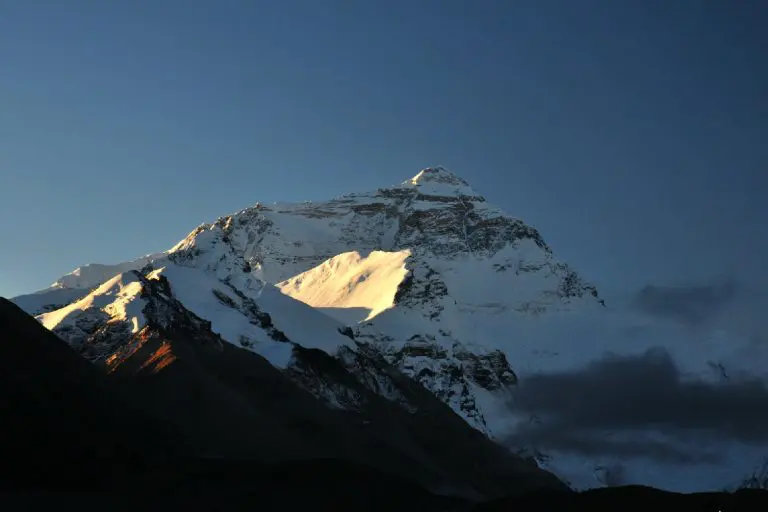
This Yunnan Tibet Tour to Kathmandu showcases the best of southwest China and the Himalayas. Discover Dali, Lijiang, and Shangri-La, fly to Lhasa to explore sacred monasteries, travel overland to Everest Base Camp, and finish your adventure at the Nepal border near Kathmandu.