
Best Time To Visit Yunnan
Yunnan is the province where mountains meet tropics, and a destination that offers a unique travel experience in every season. The best time to visit Yunnan largely depends on what you want to see and do. Thanks to its diverse landscapes and mild climate, Yunnan is a year-round destination. However, most travelers find the months of March to May (spring) and September to November (autumn) offer the best weather, with comfortable temperatures, clear skies, and vibrant natural scenery.
This guide breaks down what to expect in each season, so you can choose the ideal time based on festivals, outdoor adventures, or cultural experiences.
Table of Contents
Overview of Yunnan’s Climate
Yunnan’s weather is super varied because of its geography. With elevations ranging from tropical lowlands to alpine highlands, the climate can change dramatically as you travel across the province. In a single Yunnan trip, you might experience misty mountains, spring-like valleys, and humid rainforests.
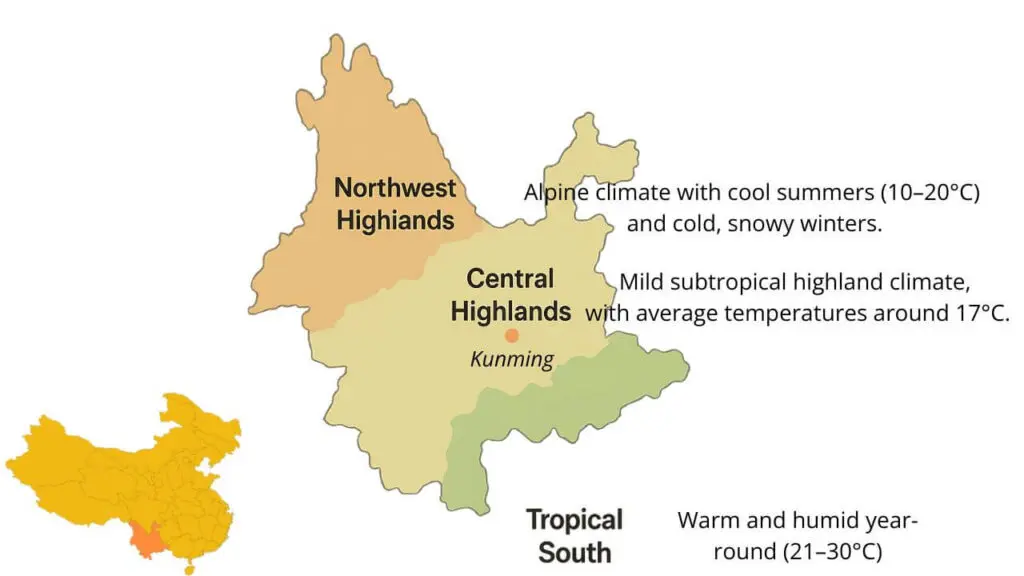
Yunnan has three main climate zones
Northwest Highlands (Lijiang, Shangri-La, Mountain Meili): Altitude of 2,400–4,000+meters, Alpine climate with cool summers (10–20°C) and cold, snowy winters. It’s home to Tibetan culture, snow-capped mountains, glacial valleys, and sacred peaks.
Best time to visit Northwest Highlands of Yunnan: May–June and September–October for clear skies and mountain views.
Central Highlands (Key areas Kunming, Dali, Chuxiong, Yuxi): Altitude of 1,800–2,000 meters, mild subtropical highland climate, famous as the “Spring City” region, this area enjoys a temperate climate year-round with average temperatures around 17°C. It features cultural cities, lakes, and relaxed outdoor experiences.
Best time to visit Central Highlands of Yunnan: March–May and September–November, though it’s pleasant year-round.
Tropical South (Xishuangbanna, Pu’er, Lincang): Altitude below 1,000m, tropical monsoon. Warm and humid year-round (21–30°C), this region is lush with rainforests, tea plantations, and diverse ethnic cultures. Summers (May–October) bring heavy rain, while winters are dry and sunny.
Best time to visit Tropical South of Yunnan: November–February for warm weather and minimal rainfall.
Yunnan has two seasons: dry (November–April) and rainy (May–October). Dry months are sunny and great for hiking. Rainy months make everything green, but watch out for showers or muddy trails.
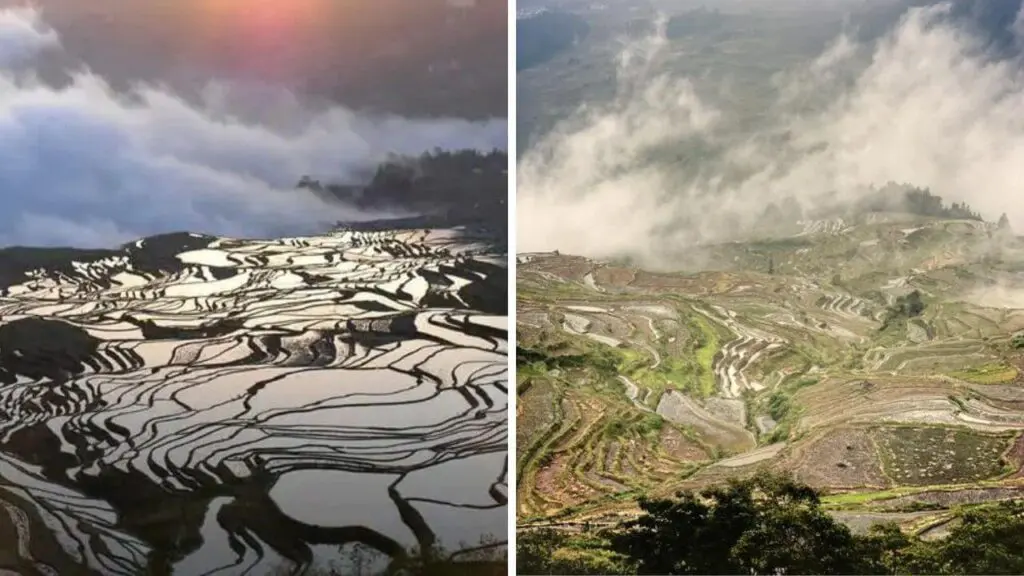
Places like Shangri-La have microclimates, where sunny mornings can turn foggy fast. In Yuanyang, morning mist over the rice terraces create stunning photo opportunities, especially in winter, but paths can be slippery. These microclimates make each region feel unique and worth planning around.
So to the question, the best time to visit Yunnan really depends on what you’re looking for. From blooming flowers, vibrant festivals, or stunning landscapes, all shaped by the region’s diverse geography and shifting seasons.
Temperature Table for Major Cities in Yunnan
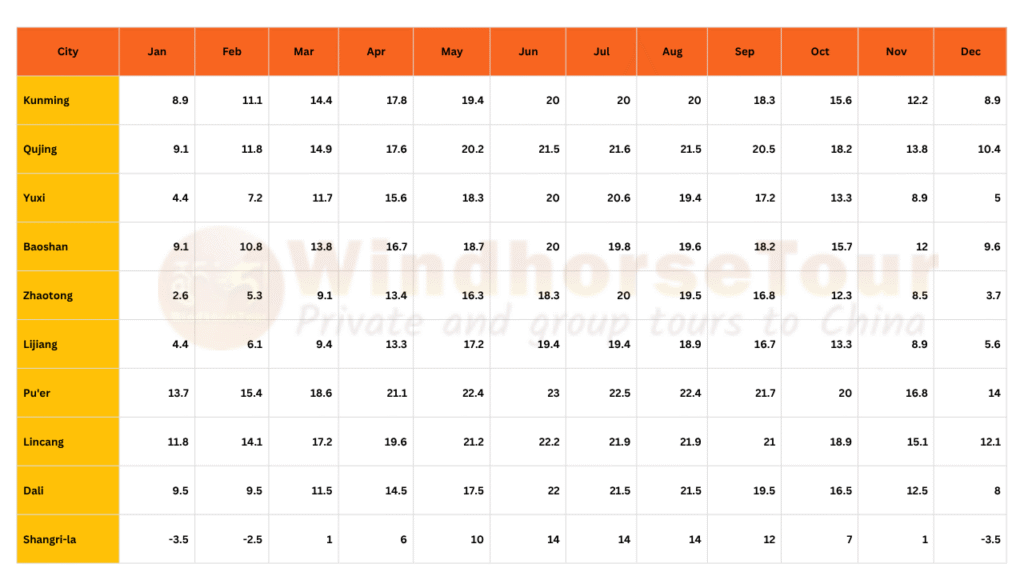
The following table presents the average monthly temperatures (in °C) for the eight major cities in Yunnan, based on daily mean values. These temperatures provide a snapshot of typical conditions, useful for planning travel or understanding seasonal patterns.
Yunnan Popular City-Specific Climate Details
Kunming
With an elevation of approximately 1,890 meters, Kunming enjoys a temperate highland tropical climate with dry winters. Kunming is also known as “Spring City,” because it reflects mild, spring-like weather year-round. Kunming has average temperatures ranging from 8.9°C in January to 20.0°C in June to August. The city experiences significant daily temperature fluctuations, especially in winter.
Lijiang
Because of its high altitude levels (at 2,400 meters), Lijiang’s weather is cooler. The temperatures are ranging from 4.4°C in January to 19.4°C in June and July. Its subtropical highland climate makes it ideal for tourism in spring and autumn.
Dali
Dali has a mild subtropical highland climate, with temperatures ranging from 8.0°C in December to 22.0°C in June. The annual mean is approximately 14.9°C, with mild winters and warm summers.
Shangri-la
With an elevation of 3,280 meters above sea level, Shangri-la experiences a colder climate. The temperatures are ranging from -3.5°C in January and December to 14.0°C in summer months (June to August). The annual mean is estimated at around 5.8°C, reflecting its high altitude.
Xishuangbanna
Located at a low elevation of about 1,000 meters, Xishuangbanna enjoys a tropical climate with a distinct wet season (May–October) and a dry season (November–April). The region is known for its lush rainforests and vibrant ethnic culture. Temperatures typically range from a pleasant 22°C in January to around 26–28°C in summer, with the most comfortable weather occurring during the dry season.
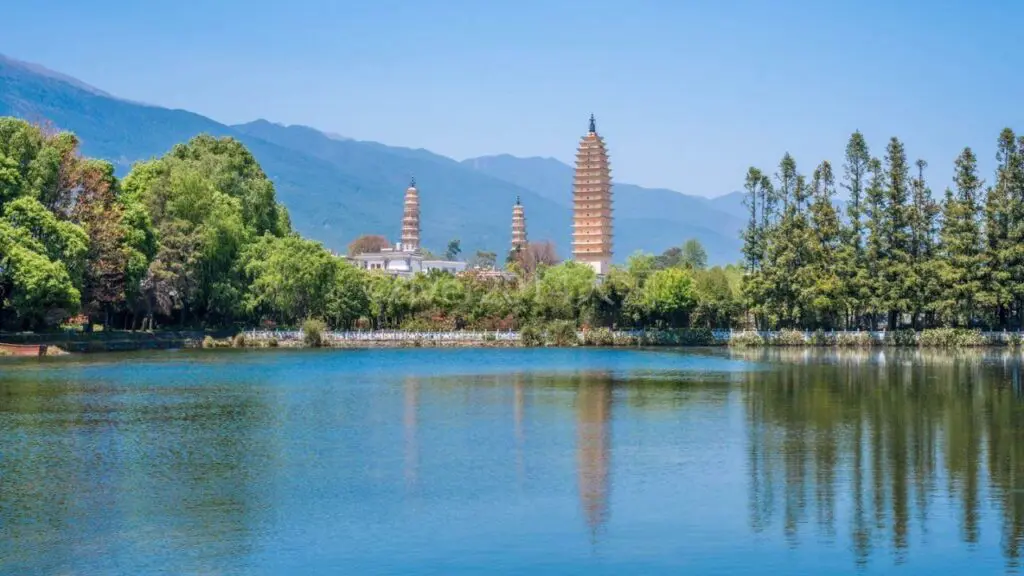
Best Time to Visit Yunnan is Spring (March–May)
Spring is one of the best times to visit Yunnan. The weather is mild, with temperatures between 15–25°C, and there’s not much rain. Flowers bloom everywhere, making it a colorful season for travelers.
Top things to do in Spring in Yunnan
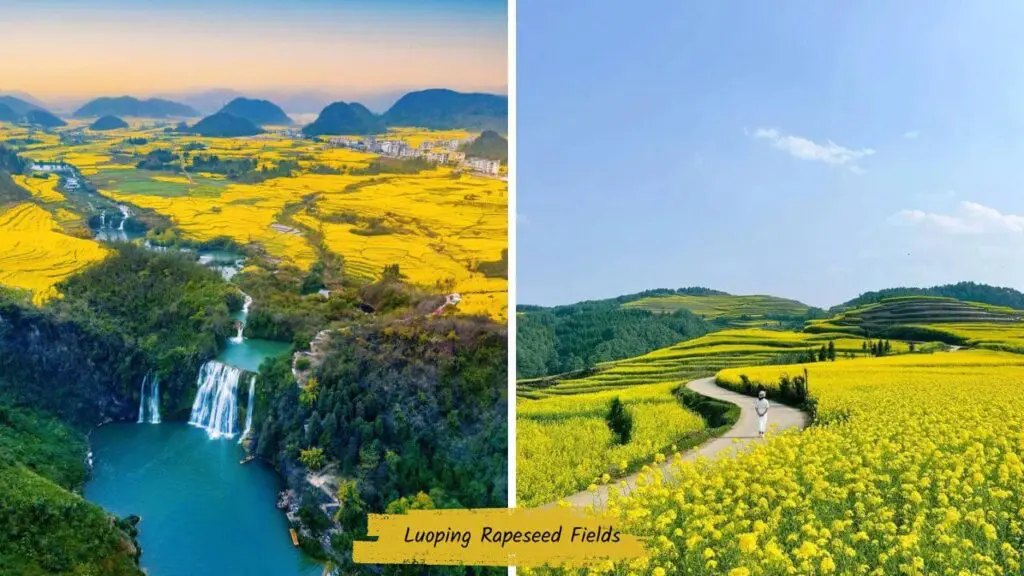
Rapeseed fields in Luoping (Feb–April)
Vast golden canola flower fields cover the hills, creating a “stunning spectacle.” For quieter views, visit in March. Head to Jinjiling or Niujie terraces early in the morning for the best light and fewer crowds.
Tips for visiting Rapeseed fields in Luoping
- Best Timing: Visit around sunrise in early March to avoid tour buses and capture golden light.
- Top Viewpoints: Jinjiling is ideal for panoramic drone-like views; Niujie Terrace gives a layered field perspective.
- Crowd Avoidance: Avoid weekends and Chinese holidays; stay overnight in Luoping to catch the early light.
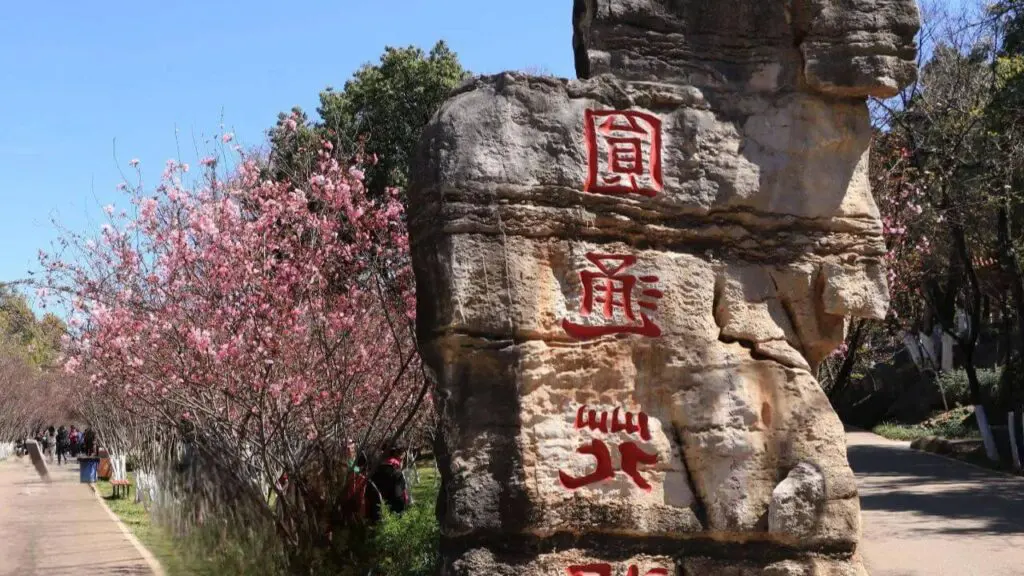
Cherry Blossoms in Kunming & Dali (March to early April)
In Kunming, Yuantongshan Park and Green Lake Park come alive with pink and red cherry blossoms. In Dali, the campus of Dali University is a local favorite for its stunning spring displays, making this the perfect time for relaxed walks and scenic photography.
Practical tips for visiting Kunming and Dali in Spring
- Local Secret: In Dali, visit Dali University during weekday mornings, with minimal foot traffic, clean light, and mountain-cherry tree compositions.
- Photo Tip: Use a long lens (85mm+) to compress blossoms and background mountain views, especially in Dali.
- Bonus Tip: In Kunming, Yuantongshan blooms earlier (early March), while Green Lake Park peaks a week later, plan accordingly.
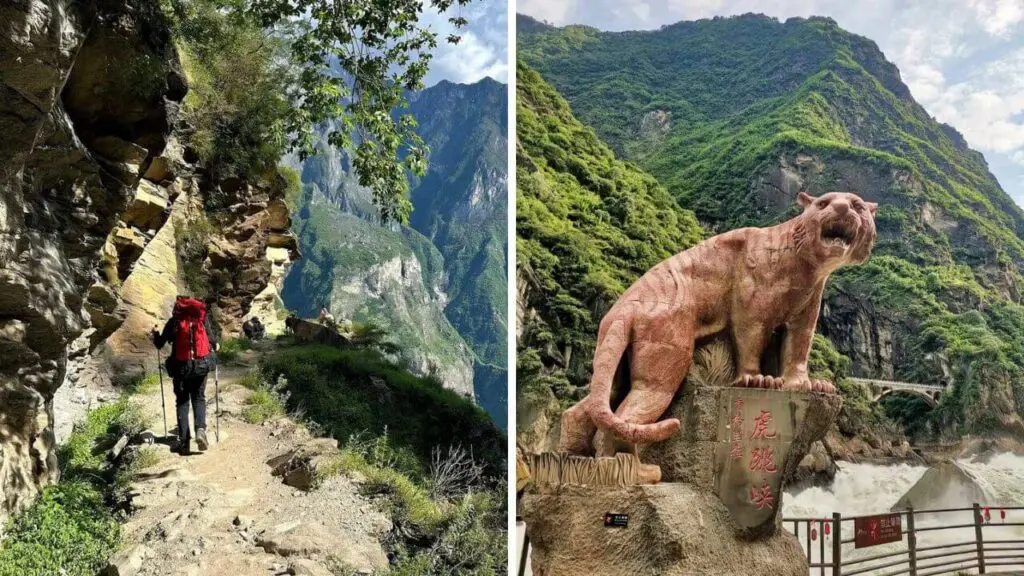
Hiking Tiger Leaping Gorge near Lijiang(dry season of March to May)
As one of the best trekking routes in China, Tiger Leaping Gorge is especially rewarding in spring, when clear skies and dry trails make for a safer and more enjoyable adventure. The hike offers dramatic views of towering cliffs, roaring Yangtze rapids, and the snow-capped peaks of Jade Dragon and Haba Snow Mountains.
Tips for visiting Tiger Leaping Gorge
- Trail Condition Check: Always ask in Lijiang or Qiaotou about trail blockages before departing.
- Gear Essentials: Trail runners with good grip, trekking poles (esp. for 28 Bends), light daypack with hydration bladder.
- Power Tip: Carry cash, most guesthouses don’t take digital payments.
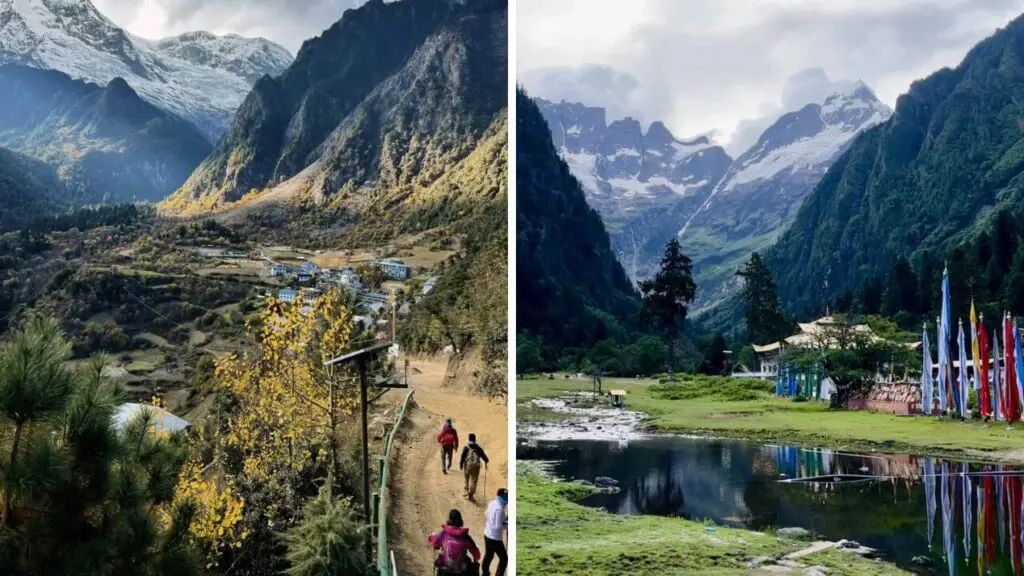
Hiking Yubeng Village near Meili Snow Mountain (May to June)
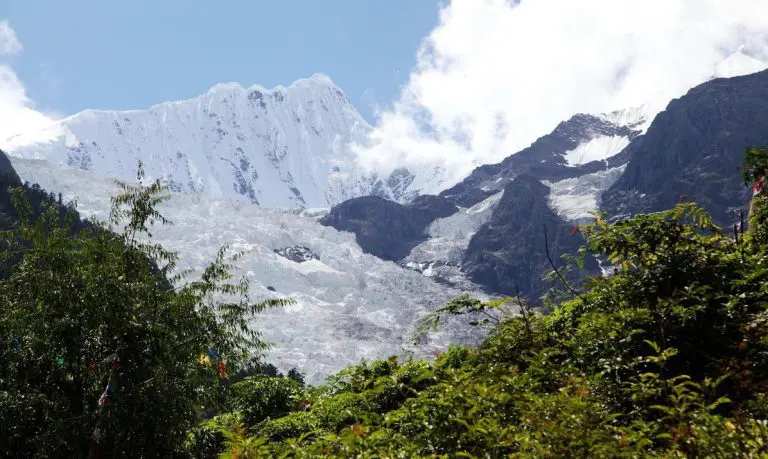
This remote trek at the foot of Mount Meili, near the Tibetan border, is best in late spring when the forest trails are dry and blooming with wildflowers. Starting from Xidang, the hike leads through forests and waterfalls to the sacred Yubeng Village, with stunning views of Meili Snow Mountain. Spring also brings fewer crowds, making for a quiet and unforgettable journey.
Tips for hiking Yubeng Village
- Weather Awareness: Snow may still block Ice Lake or Sacred Waterfall routes in early spring, check with locals.
- Start Early: Begin from Xidang hot springs trailhead before 9 AM to reach Yubeng before nightfall.
- Altitude Caution: Spend a night in Deqin Feilaisi (~3500m) before hiking to avoid altitude sickness.
- Connectivity: Download offline maps (Maps.me or Gaia GPS), no signal at some trekking trails.
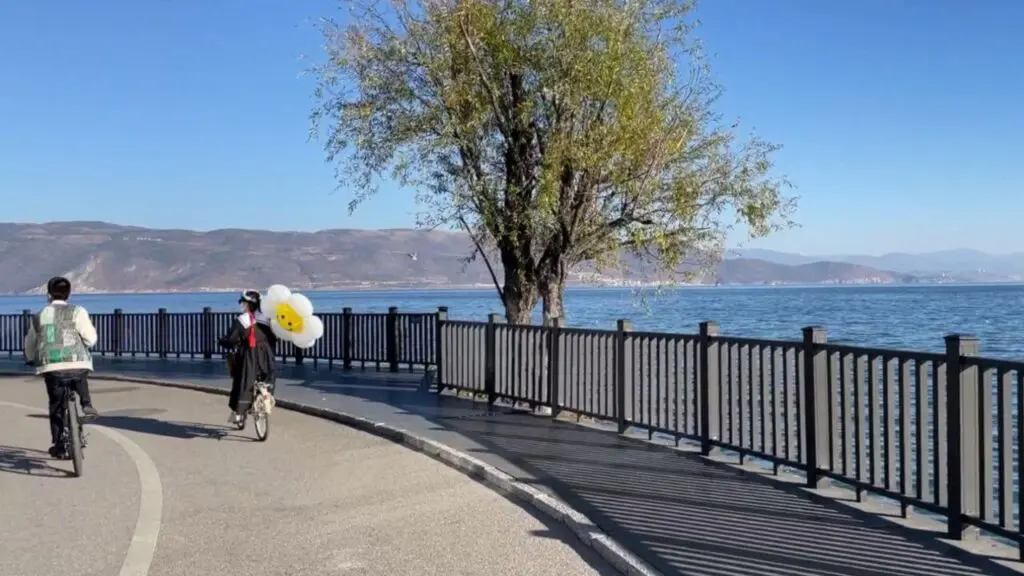
Cycling at Erhai Lake
Dreamlike ride through blooming flowers, fresh mountain air, and the serene charm of Dali’s lakeside villages.
Tips for cycling Erhai Lake in Dali
- Ideal Direction: Go clockwise for better lake views and easier stop access.
- Wind Tip: Winds pick up in the afternoon, start early (around 8 AM) and aim to finish by 2–3 PM.
- Rental Advice: Rent bikes or e-bikes from Dali Old Town, but test brakes, some rentals are poorly maintained.
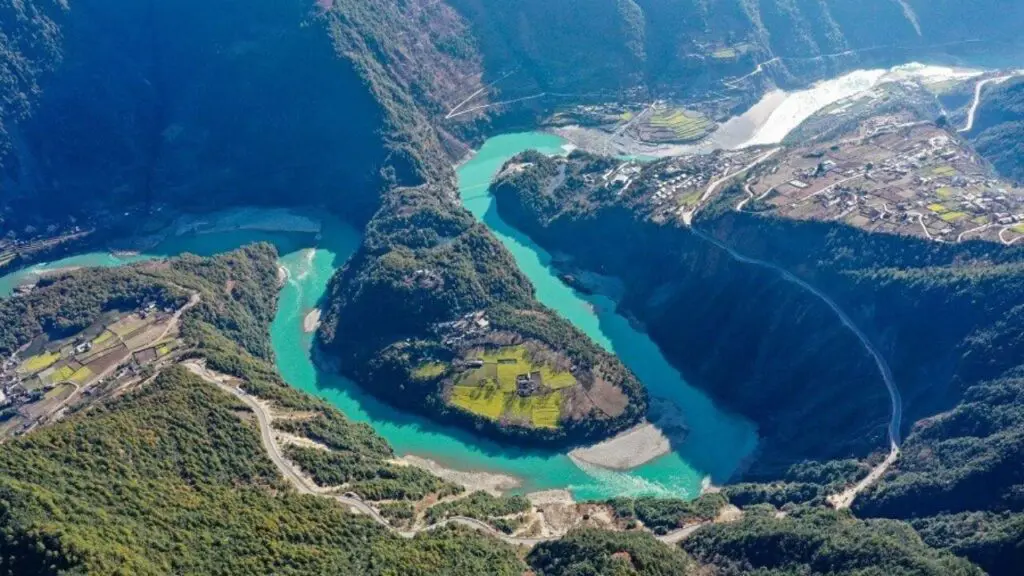
Exploring Nujiang Valley in Western Yunnan (March to April)
Spring is one of the best times to visit the Nujiang Valley, perfect for light trekking and cultural exploration. From Bingzhongluo, enjoy views of the First Bend of the Nu River, snow-capped peaks, and traditional Lisu villages like Laomudeng, known for their wooden houses and terraced hillsides. Fewer tourists and blooming scenery make spring especially rewarding in this remote corner of Yunnan.
Travel tips for exploring Nujiang Valley
- Transport: Public buses are slow, hire a private driver for flexible photography and scenic stops.
- Local Stays: Book homestays like Laomudeng Lodge in advance via phone or WeChat, they’re small and can fill up.
- Cultural Sensitivity: Wear modest clothes in Lisu villages
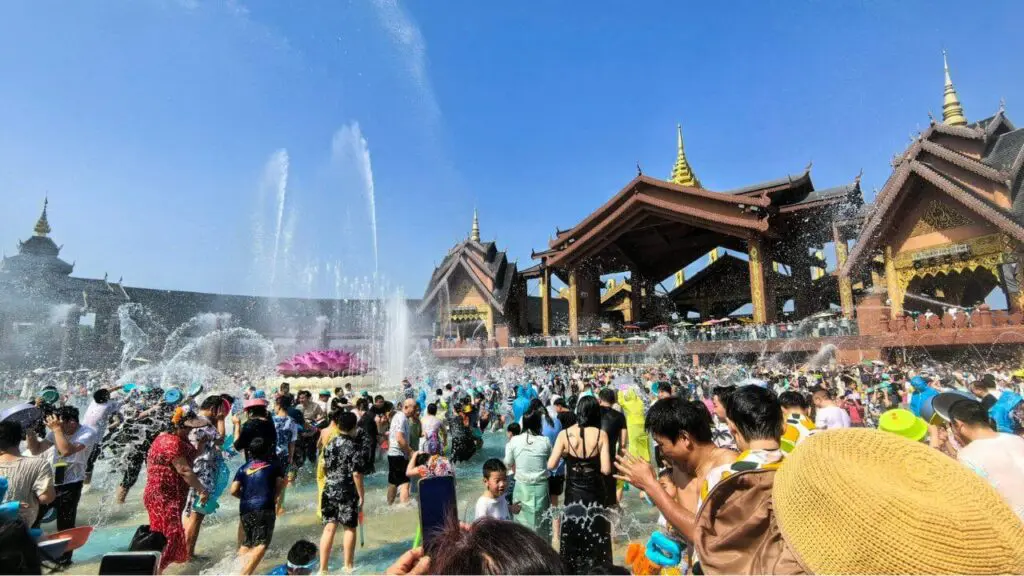
Attend to Water Splashing Festival in Xishuangbanna (April 13–15)
Every April, Xishuangbanna’s Dai minority celebrates their New Year with joyful water fights, lively parades, music, and dancing. The streets of Jinghong turn into a festive splash zone, filled with color and laughter. For the most immersive experience, head to the Dai Minority Park or join the celebrations near Manting Park early in the day, before the crowds peak and the water battles reach full swing.
Third Month Fair in Dali (March–April, based on the lunar calendar)
Held at the foot of Cangshan Mountain, the Third Month Fair is one of the Bai people’s most important cultural festivals. During this time, Dali Old Town comes alive with bustling street markets, horse races, folk music, and traditional performances. It’s a great opportunity to explore local crafts, taste Bai snacks, and experience the vibrant community atmosphere. For the best experience, visit in the morning to enjoy flower displays and catch the start of the horse races before the crowds build.
Second Best Time to Visit Yunnan: Autumn (September–November)
The second best time to visit Yunnan is in autumn. September to November is a great time to explore. The weather is cool, with temperatures between 15–27°C, clear skies, and very little rain. It’s perfect for enjoying the outdoors and soaking in the beauty. Many travelers call this the “goldilocks” period, right after the rainy season ends but before winter chill sets in.
Things to Do in Yunnan in Autumn
Golden Autumn Foliage in Shangri-la (late September to mid-November)
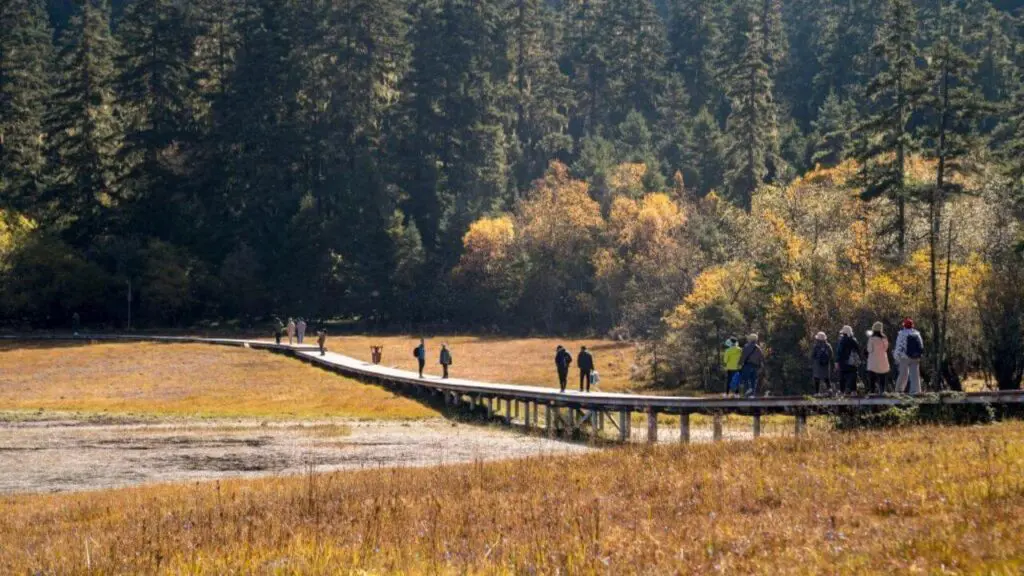
Shangri-La and Lijiang glow with golden and red leaves, particularly in Pudacuo National Park, making every view a postcard.
Travel Tips
- Timing Tip: Visit mid-October to early November for peak autumn color in Pudacuo, including golden birch and red maple.
- Best Spots: Shudu Lake and Bita Lake inside the park are perfect for sunrise or late-afternoon reflections.
Altitude Awareness: Pudacuo sits at ~3,600m, so take it easy on your first day and hydrate to avoid altitude sickness.
Golden Rice Terraces in Yuanyang (late September to October)
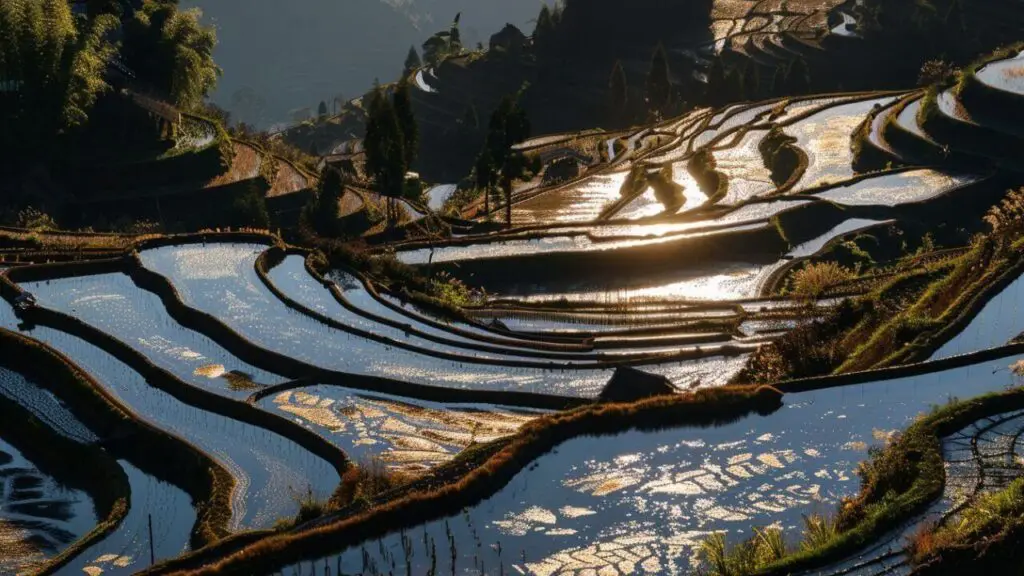
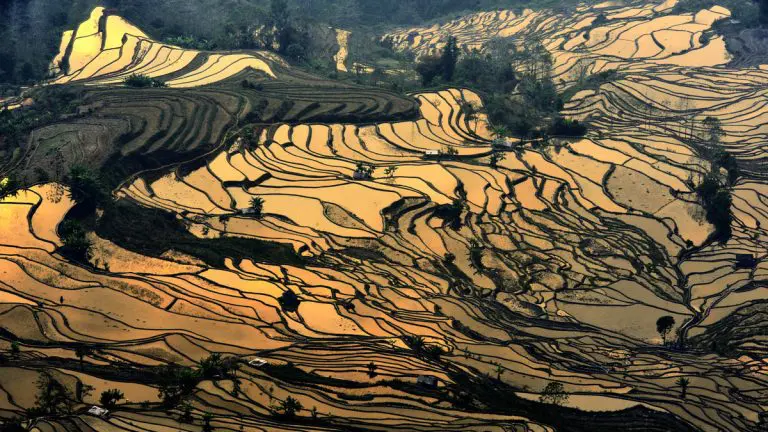
As the harvest season arrives, typically from late September to October, the Yuanyang rice terraces turn a breathtaking golden color as the rice ripens. After the harvest is complete, usually by early to mid-November, the fields are filled with water, creating stunning mirror-like reflections that last through winter.
Travel tips for visit Golden Rice Terraces
- Harvest Views: Aim for late September to October for golden rice hues and witness the lively harvest.
- Reflection Season: Visit again in late November to early April to photograph flooded mirror-like terraces.
- Photography Tips: Shoot from Laohuzui (Tiger Mouth) and Duoyishu at sunrise; Bada is best for sunset panoramas.
- Stay Advice: Base in Xinjie Town for easier access to all viewpoints; book early during October holidays.
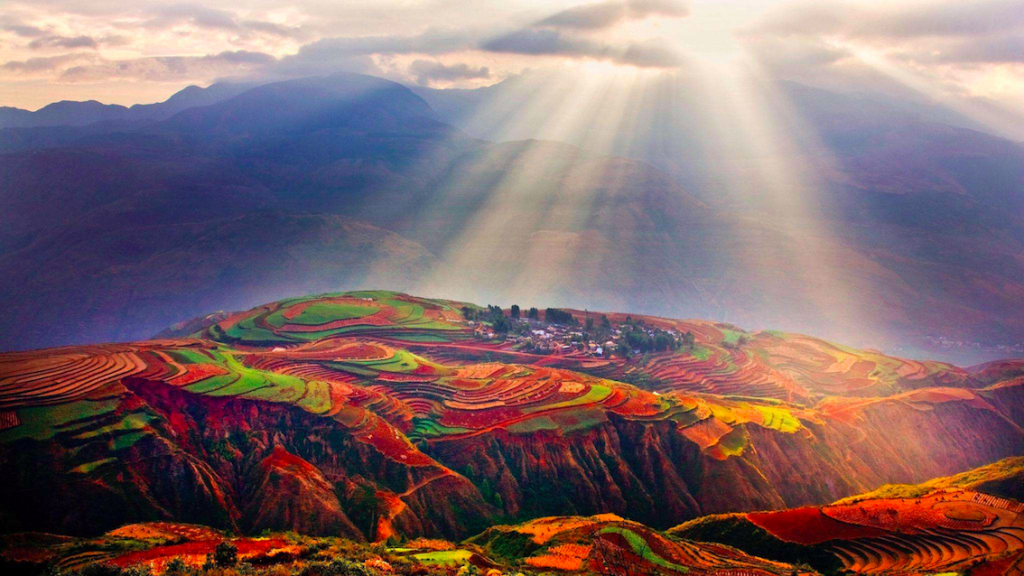
Dongchuan Red Land (September–November)
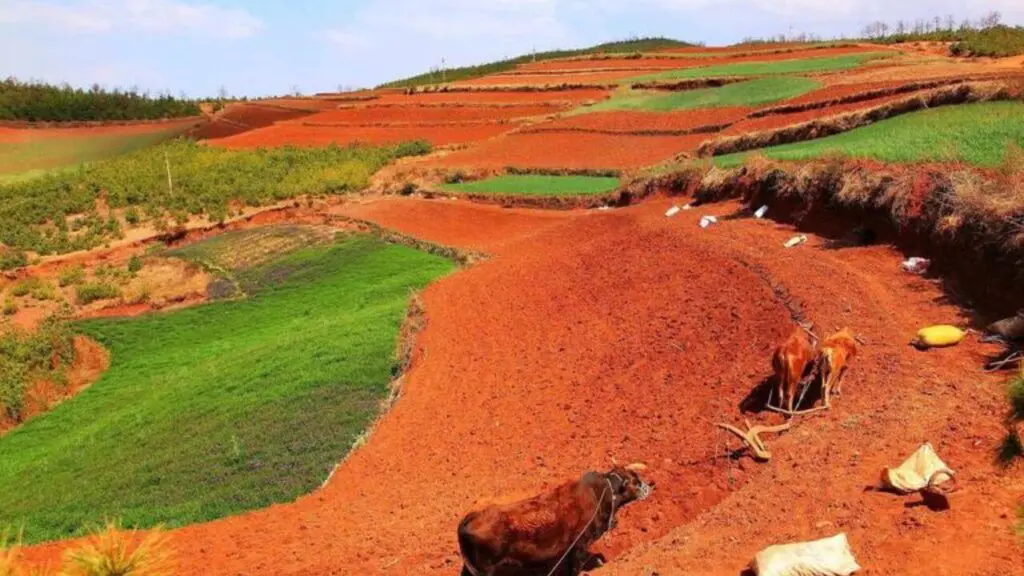
This area is a photographer’s paradise during autumn. The red fields are most vibrant after the summer rains and before the winter crops are planted, creating a stunning mosaic of colors. The fields are a mix of different stages of crops. You might see freshly tilled red soil, vibrant green barley, or golden buckwheat.
Tips for visiting Dongchuan Red Land
- Color Peak: Best colors appear late September to early November, when red soil contrasts with emerald crops and white clouds.
- Top Spots: Luoxiagou (Sunset Valley), Damakan (great for sunrise), and Jinxiuyuan are best for layered field compositions.
- Photo Tip: Use a polarizer filter to deepen the sky and contrast with red earth; drone shots work beautifully here.
- Bunus Travel Tip: It’s 3–4 hours by car from Kunming—hire a local driver for flexibility if doing a day trip.
Ginkgo Trees in Tengchong (mid-November to early December)
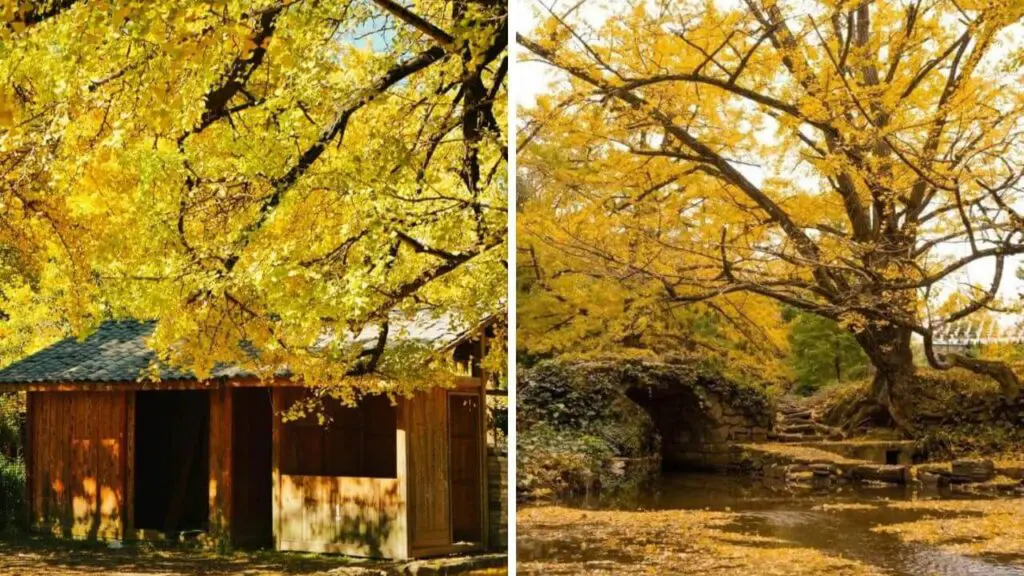
As autumn winds down, the ancient Ginkgo Village in Tengchong becomes a golden wonderland. Thousands of ginkgo trees drop their leaves, creating a spectacular carpet of yellow. This is a must-see in late autumn.
Practical tips for visiting Ginko Trees:
- Color Season: Arrive mid-to-late November when leaves are fully turned and forming carpets of yellow.
- Village Name: The key site is Houqiao Ginkgo Village.
- Local Charm: Visit in the early morning for golden light shafts through the trees; pair it with a visit to Tengchong’s hot springs nearby.
Visit lesser-known villages
Autumn is ideal for hidden gems like lesser-known villages in the Dali to Shangri-La route, with clear skies for hiking and fewer crowds outside the first week of October.
Visit Yunnan in Summer (June–August)
Summer in Yunnan is from June to August. This period of the year brings warm weather, with temperatures between 20–30°C, and lots of rain. The rainy season makes everything green and lush, perfect for nature lovers, but you’ll need to plan for wet days. Many travelers agree that summer in Yunnan is tricky and unpredictable, because of the rain. However, in Yunnan you can have the best experience at any time of the year.
Top Things to Do in Yunnan in Summer
Escape the Heat in the Highlands. The cooler temperatures of Yunnan’s high-altitude regions make them a perfect summer retreat.
Dongchuan Red Land
Late spring to early summer is considered one of the best times to visit Dongchuan Red Land. The fields come alive with a vibrant patchwork of colors, creating a striking contrast with the deep red soil. You’ll see newly planted crops like green potatoes and white potato flowers, alongside ripe golden wheat. This period marks the start of the rainy season, so you may encounter showers—but this can be a good thing. Rain enhances the saturation of the red soil, and the clouds often create dramatic lighting for photography.
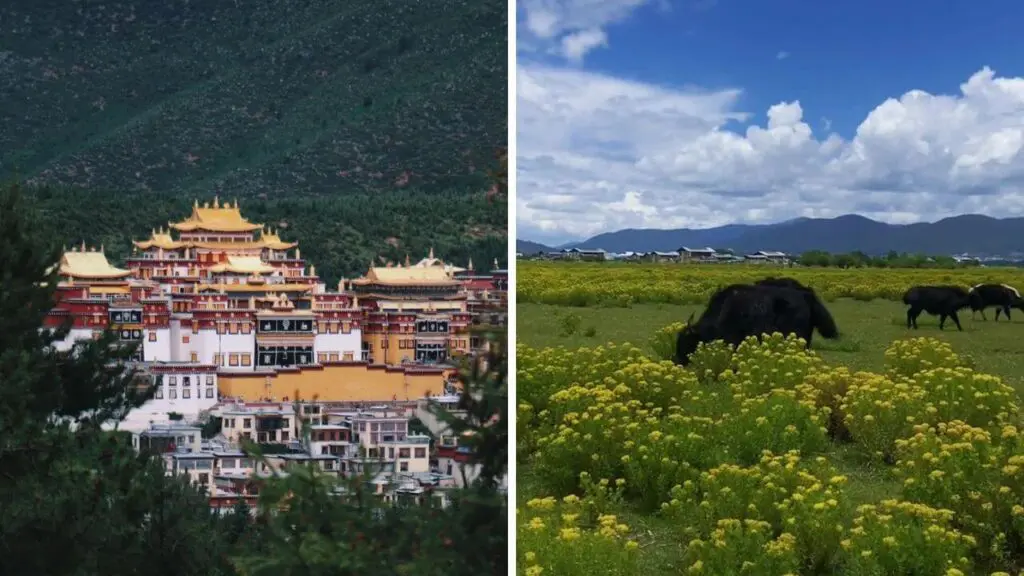
Shangri-La
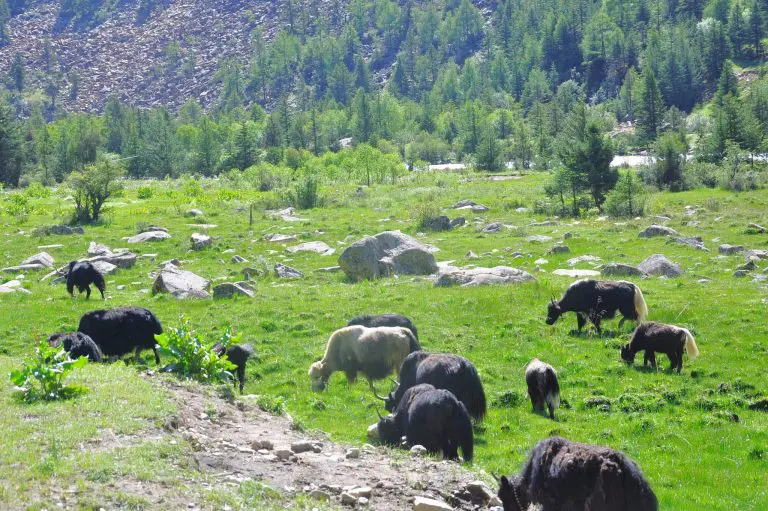
Explore the pristine wilderness of Pudacuo National Park, where meadows are at their greenest and wildflowers are in full bloom. You can also hike around Napahai Lake to see grazing yaks and sheep in the verdant grasslands.
Travel Tips for traveling to Shangri-La in summer
- Visit Early in the Day: Morning visits to Pudacuo offer better lighting, fewer crowds, and active wildlife.
- Rain Gear is Essential: Afternoon showers are common in summer—pack a lightweight rain jacket or poncho.
Altitude Tip: Shangri-La sits at ~3,200m. Take it slow on arrival, stay hydrated, and avoid alcohol on your first day. - Hiking Advice: Wear waterproof shoes with good grip if exploring trails around Napahai Lake, as the grasslands may be muddy.
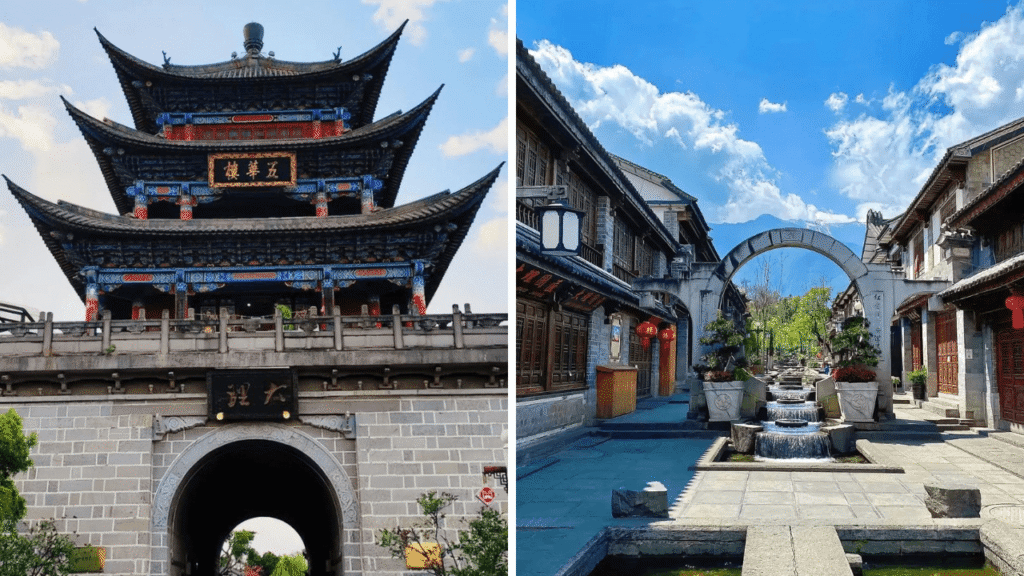
Dali and Erhai Lake
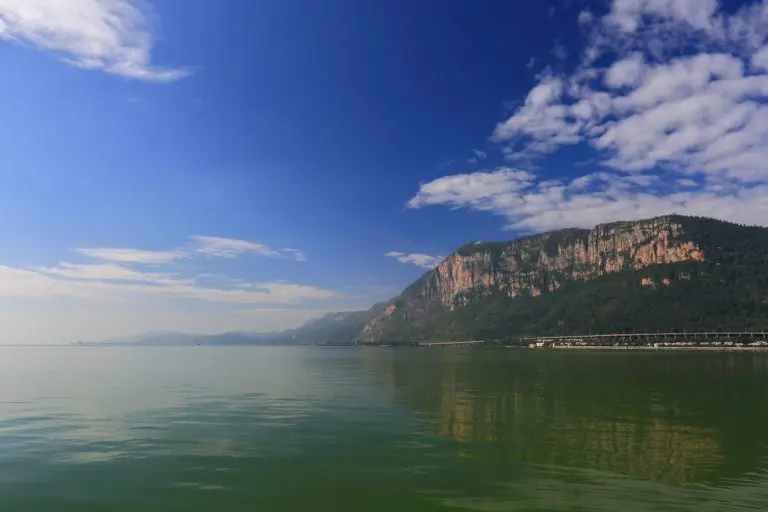
Enjoy the mild climate of Dali. Rent a bicycle and cycle along the picturesque shores of Erhai Lake, with the towering Cangshan Mountains as your backdrop. This is a perfect way to experience the laid-back atmosphere of Bai culture center. With our Yunnan Highlights tour, which includes a visit to Dali, you can enjoy many of the amazing experiences the region has to offer, including cycling around the scenic Erhai Lake..
Practical Travel tips:
- Cycle Early or Late: Ride around Erhai Lake in the early morning or late afternoon to avoid summer sun and traffic.
- Sun Protection: Bring a hat, sunglasses, and high-SPF sunscreen. UV is strong even on cloudy days.
- Local Stops: Pause at villages like Xizhou or Shuanglang for local snacks, tea, and to explore Bai architecture.
- E-bike Alternative: Consider renting an e-bike if doing the full loop (~120km), especially in humid summer conditions.
Jade Dragon Snow Mountain
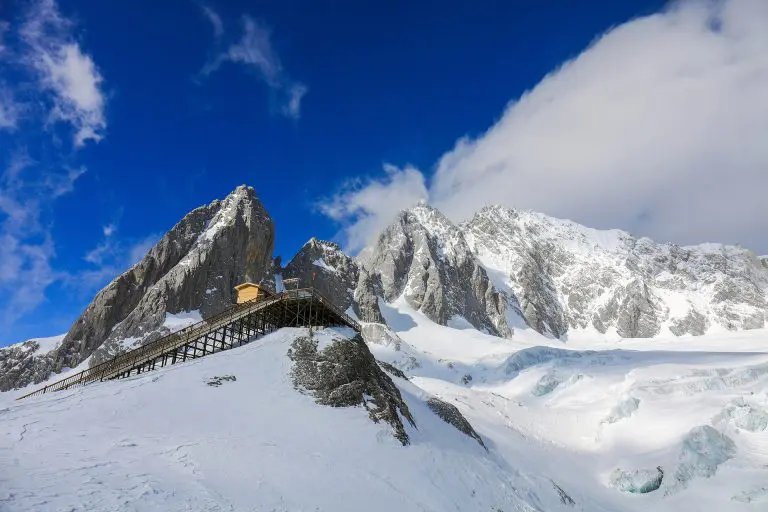
When you are in Lijiang take a cable car up the mountain to escape the heat. The views of the surrounding glaciers and pristine landscapes are magnificent, and you can still find snow even in the summer months.
Travel Tips:
- Book Tickets in Advance: Cable car and entrance tickets sell out during peak travel months—reserve online or through your hotel.
- Layer Up: Despite summer, temps at the summit (~4,500m) can drop below 10°C. Bring a fleece or insulated jacket.
- Oxygen Alert: Some visitors experience light altitude sickness; bottled oxygen is sold near the cable car stations.
- Avoid Midday Crowds: Try to catch the early morning cable car for clearer views and fewer tourists.

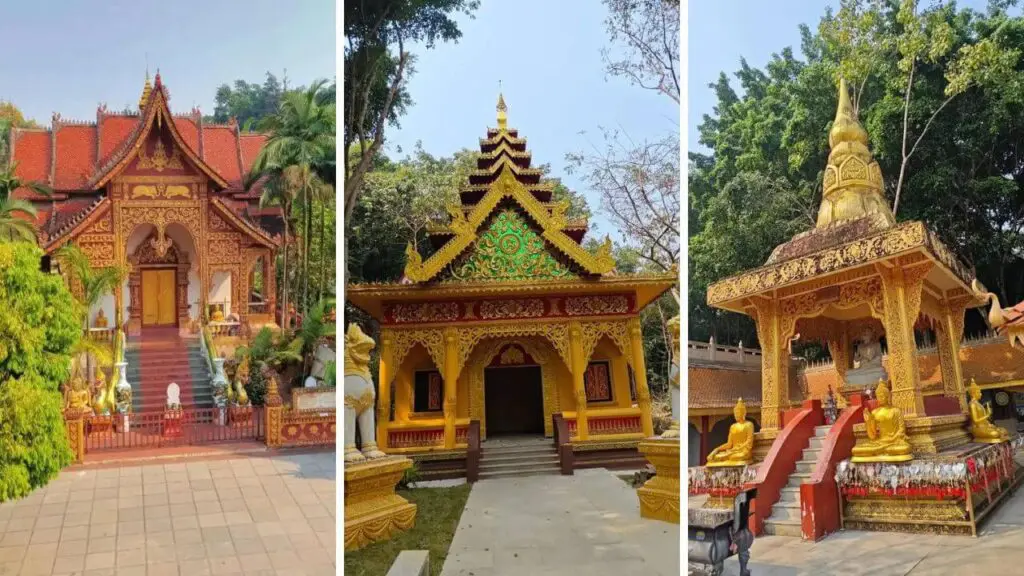
Xishuangbanna
The tropical monsoon climate makes the rainforests of this southern region exceptionally lush and green. It’s the ideal time to explore the diverse ecosystem and rich culture of the Dai people.
Travel tips for going to Xishuangbanna in summer
- Best Time to Explore: Mornings are usually dry, so you can plan rainforest hikes and park visits before noon.
- Bug Protection: Use strong insect repellent and wear long sleeves when visiting tropical forests.
- Cultural Respect: If visiting Dai temples or villages, dress modestly and avoid taking intrusive photos without permission.
- Local Markets: Summer is fruit season, try tropical delights like jackfruit, mangosteen, and rambutan in Jinghong’s night markets.
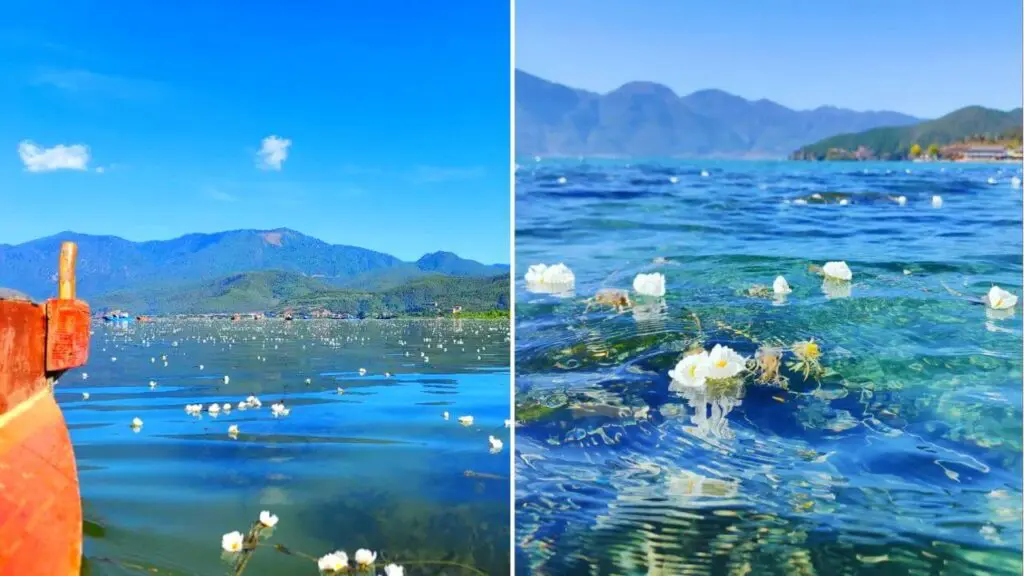
Lugu Lake in Full Bloom (July–August)
This alpine lake on the Yunnan–Sichuan border (about 4 hours drive from Lijiang) is serene and vibrant in summer. Enjoy boat rides, Mosuo cultural experiences, and peaceful lake walks as wildflowers bloom along the shores.
Travel tips for visiting Lugu Lake in summer
- Wildflower Season: Visit in late July for the peak bloom along the lakeshore paths—perfect for photography.
- Cultural Experience: Join a local Mosuo boat ride (zhu cao chuan) at sunrise or sunset for a peaceful and authentic lake view.
- Getting There: Roads to Lugu Lake are winding—if prone to motion sickness, consider medication or plan rest stops.
- Stay Tip: Choose a guesthouse in Lige Village for lakeside views, direct access to trails, and quieter evenings.
Torch Festival
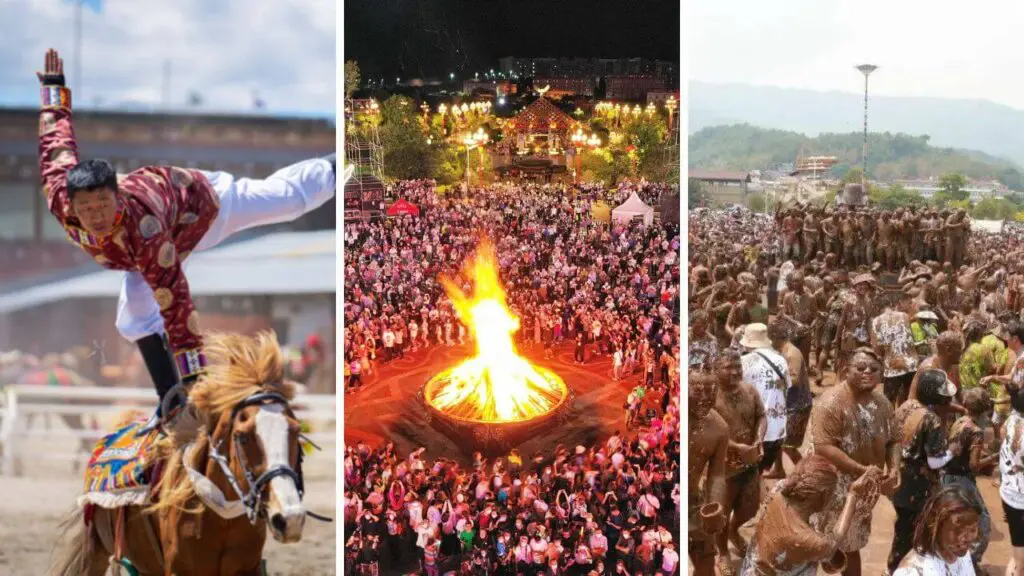
Torch Festival is celebrated by Yi, Bai, and Naxi minorities, this “Oriental Carnival” features torch parades, bonfires, and folk celebrations.
- When/Where: Late July or early August, Lijiang, Chuxiong, Dali
- Best Spots: Lijiang Old Town and Chuxiong Yi Prefecture
- Tip: Light a pine torch, join the parade, and enjoy horse races, wrestling, and bonfire dances. Try local beef noodles for luck.
Monihei Carnival
Monihei Carnival is The Wa minority’s biggest festival and it is celebration of the Wa New Year.
- When/Where: May 1–3, Cangyuan in Lincang
- Best Spot: Wengding village, near the Myanmar border
- Tip: Get muddy for good fortune, watch the wooden drum dance, and sip Wa rice wine!
Horse Racing Festival
Horse Racing Festival is folk festival with horses races, music and sports in Shangri-la.
- When/Where: Early June, Shangri-La (Diqing Prefecture)
- Tip: Watch thrilling races, try tug-of-war, enjoy Tibetan dances, and taste yak butter tea.
Yunnan in Winter (December–February)
While much of China is cold and grey, Yunnan stays sunny, mild, and surprisingly diverse in winter. From tropical escapes in the south to snow-dusted mountains in the north, it’s one of the few places where you can experience both sun and snow on the same trip.
Why Travel in Yunnan In Winter
Warm weather in the south: Xishuangbanna, Pu’er, and Lincang enjoy dry, sunny days around 20–25°C, perfect for escaping winter chill.
Stunning Yuanyang’s rice terraces: In winter the rice terraces are filled with water and often blanketed in morning mist, creating dreamlike reflections and “sea of clouds” views.
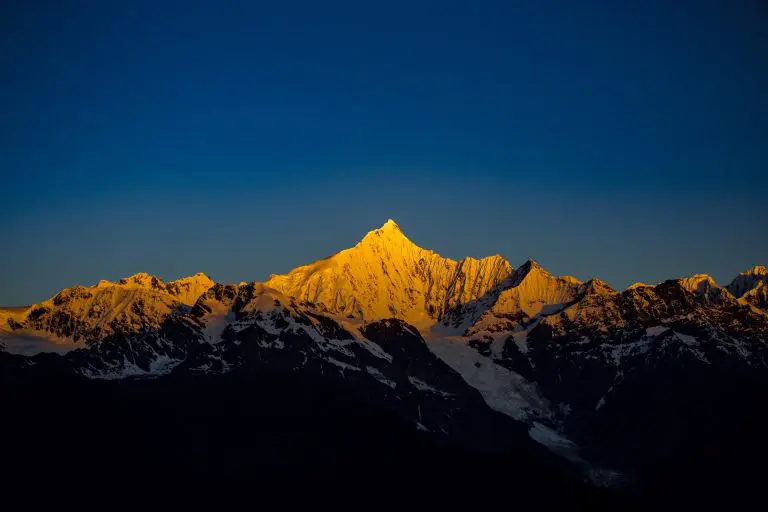
Snowy peaks without the crowds: Visit Shangri-La, Meili Snow Mountain, or Tengchong’s volcanic springs for crisp mountain air and dramatic winter scenery.
Fewer crowds & lower prices: Winter is Yunnan’s low season (except during Chinese New Year), making it ideal for relaxed, budget-friendly travel.
Cultural richness
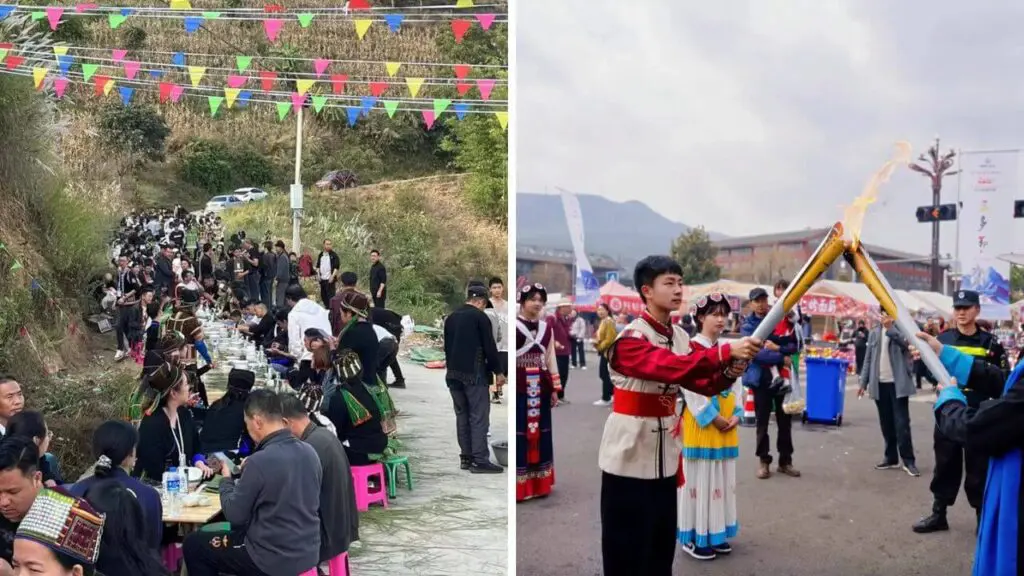
Winter is the festival season for many ethnic groups. Experience local traditions like the Lisu Knife-Pole Festival or Hani Long Street Banquet.
Hani “Month 10” New Year in Yuanyang (November 2025)
This vibrant post-harvest festival is one of the most important annual celebrations for the Hani people. Marking the end of a year’s hard work in the rice terraces, it’s a time for rest, gratitude, and honoring ancestors. The highlight is the Long Street Banquet (Changjieyan), a joyful communal feast where tables stretch for hundreds of meters through village streets. Families and neighbors come together to share traditional dishes, music, and dancing, offering travelers a rare and heartfelt glimpse into Hani community life.
Yunnan by Month: What to Expect
| Month | Highlights | Weather | Recommend Travel Rating | Crowd Level | Cost Estimate |
|---|---|---|---|---|---|
| January | Cold but sunny; ideal for cultural exploration in Kunming, visiting Xishuangbanna for warmer weather or the snow-capped mountains Lijiang and Shangri-la. | Cold and dry in the north (3-17°C), but mild in the south. | ★★★☆☆ | Low (except for New Year) | Budget-friendly |
| February | Chinese New Year; mild in southern Yunnan | Warming up, with a mix of sun and clouds. | ★★★★☆ | Medium (due to Spring Festival) | Moderate |
| March | The blooming season begins; great for Dali, Luoping. Pleasant weather for hiking Tiger Leaping Gorge. | Warm and dry, with wildflowers beginning to bloom. | ★★★★☆ | Moderate | Moderate |
| April | The Water Splashing Festival (April 13-15) is a major draw in Xishuangbanna. outdoor adventures | Warm and pleasant, but with some rain. | ★★★★★ | High (Water Splashing Festival) | High |
| May | Golden Week (May 1-5) brings large crowds. Enjoy lush landscapes and green terraced fields. | Warm, but the start of the rainy season; lush greenery in rural areas | ★★★☆☆ | High (Labor Day Golden Week) | Moderate |
| June | Landscapes are green and lush. Ideal for a relaxed trip to Dali or Kunming, with fewer crowds than July. | Warm, humid, and the rainy season begins.) | ★★★☆☆ | Moderate | Moderate |
| July | Lush, vibrant scenery. Great for festivals like the Torch Festival (August 6-8 in 2026). Avoid trekking due to mudslides. | Hot, humid, and heavy rain. | ★★★★☆ | High (Summer vacation) | High |
| August | Similar to July. The best time to visit the highlands for cool weather. | Hot, humid, and heavy rain. | ★★★☆☆ | High (Summer vacation) | High |
| September | Considered one of the best months to visit. Golden rice terraces in Yuanyang begin to appear.; great for hiking | Pleasant and dry. The rainy season ends. | ★★★★★ | Moderate | Moderate |
| October | Golden autumn; Excellent weather for all outdoor activities.The National Day Golden Week (Oct 1-7) is extremely crowded. | Pleasant and dry. Perfect hiking weather. | ★★★★★ | High (Golden Week) | High |
| November | Dry, cool weather; ideal for rice terrace photography | Cool and dry. | ★★★★☆ | Low | Budget-friendly |
| December | Excellent for visiting Yuanyang’s water-filled rice terraces. Sunny and pleasant weather in the lowlands like Xishuangbanna | Cool and dry. | ★★★☆☆ | Low | Budget-friendly |
Notes:
- Crowd Level: High during major festivals (e.g., Chinese New Year, Water Splashing Festival, Golden Week in October) and school holidays (July-August).
- Cost Estimate: High during peak seasons due to increased hotel and transport prices; budget-friendly in quieter months like January and December.
- Recommendations: 5 stars indicate ideal conditions for weather, activities, and fewer crowds; lower ratings reflect challenges like rain or overcrowding.
Suggested Yunnan Itineraries
Finding the perfect trip can be overwhelming, so we’ve done the work for you. Explore our collection of carefully curated Yunnan itineraries, designed to fit every type of traveler. Whether you dream of high-altitude hikes, cultural immersion, or scenic road trips through ancient towns and minority villages, our Yunnan tours combine the best highlights for a truly unforgettable experience. If Yunnan travel photography is your passion, you’ll find the ideal itinerary to capture the region’s stunning beauty.
You can also check our complete Yunnan travel guide with expert tips and curated itineraries to help you plan the perfect journey.
Conclusion
Yunnan is a fantastic year-round destination, but spring (March–May) and autumn (September–November) are considered the best times to visit. These seasons offer comfortable temperatures, clear skies, and vibrant scenery. While every season in Yunnan brings its own charm, from summer’s lush greenery to the winter reflections in the Yuanyang rice terraces. Ancient towns like Lijiang and Dali, rich in history and local culture, remain captivating throughout the year.
With so much to experience, visiting Yunnan could be one of your best trips this year. Don’t hesitate to contact us and make the Yunnan tour of your dreams a reality.
Related tours
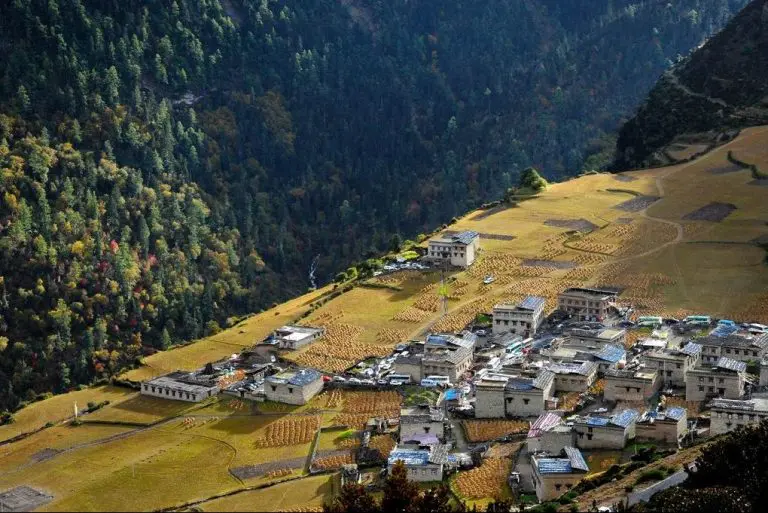
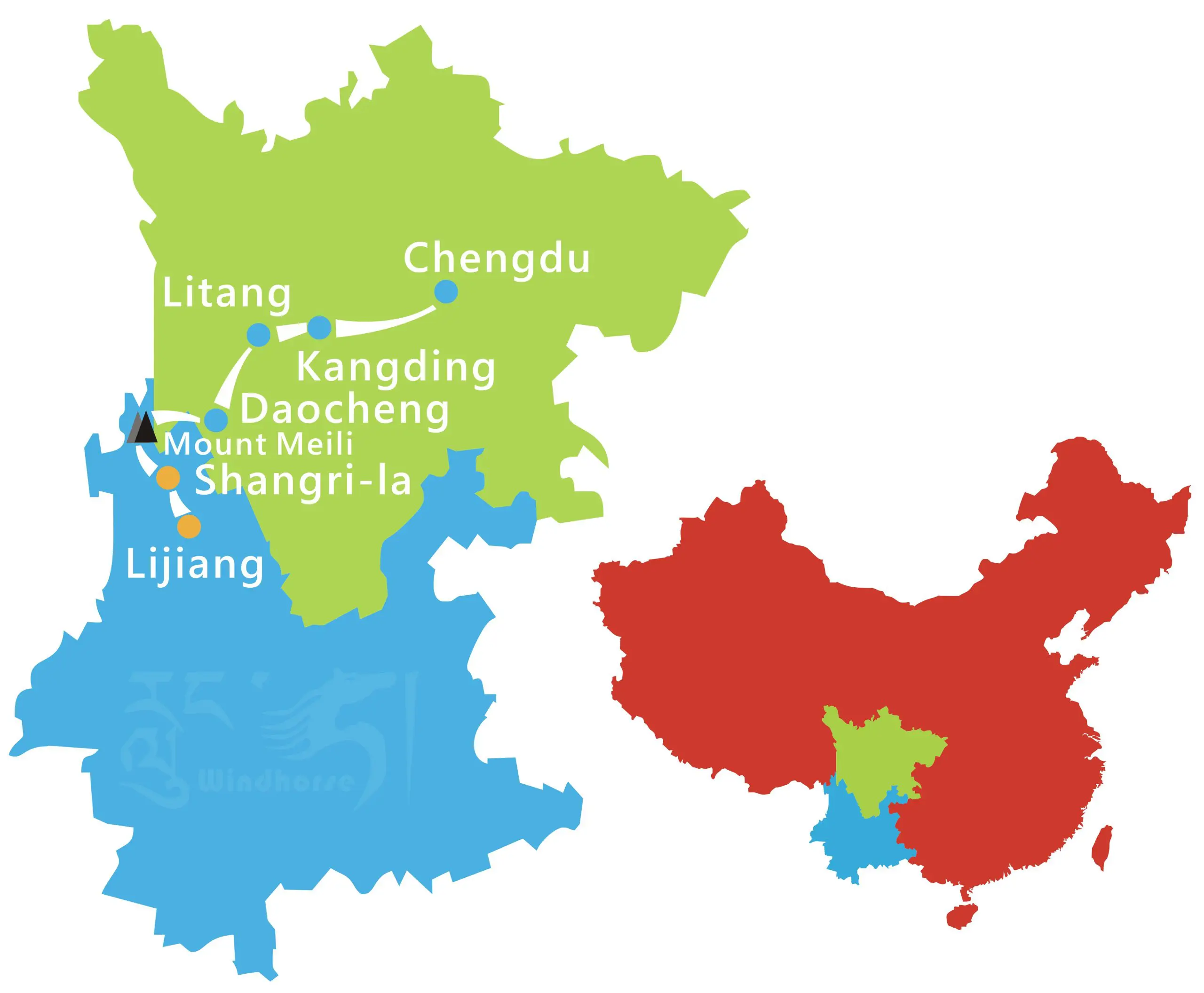
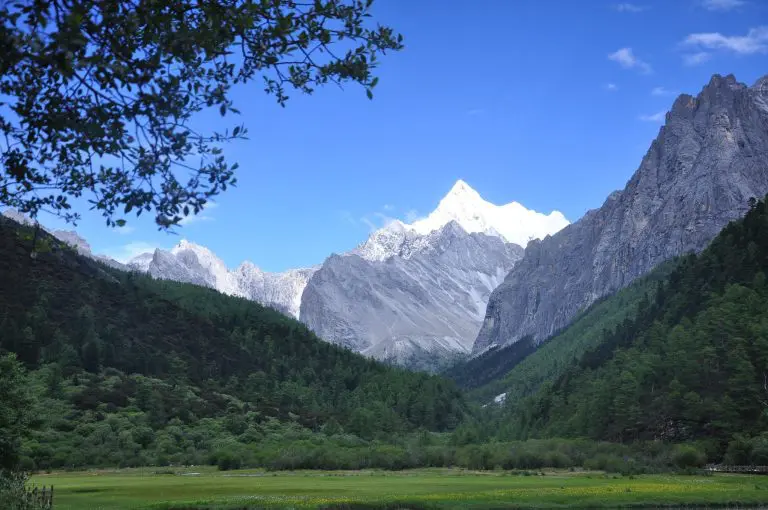
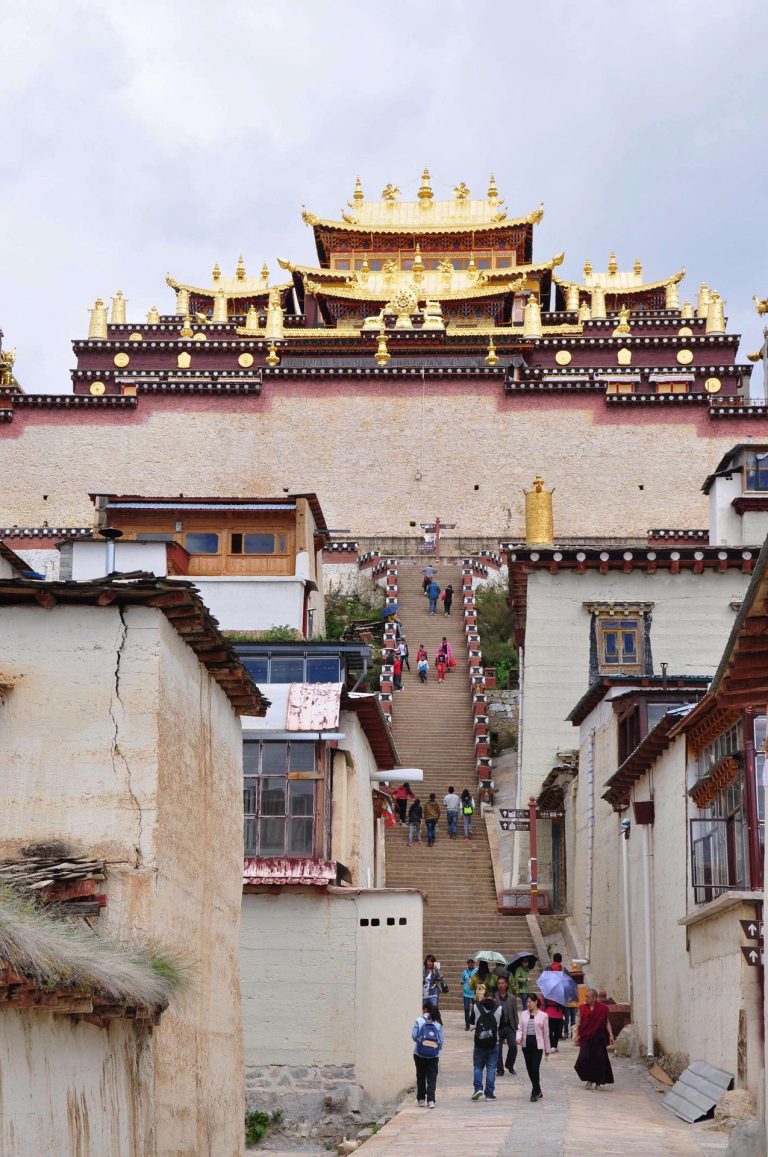
Experience an excellent picturesque trip traveling from Chengdu to the real Shangri-la and ending in Lijiang. A tour that passes through the wonderful virgin forest and snow-capped mountains of Daocheng and Yading. So much more awaits.
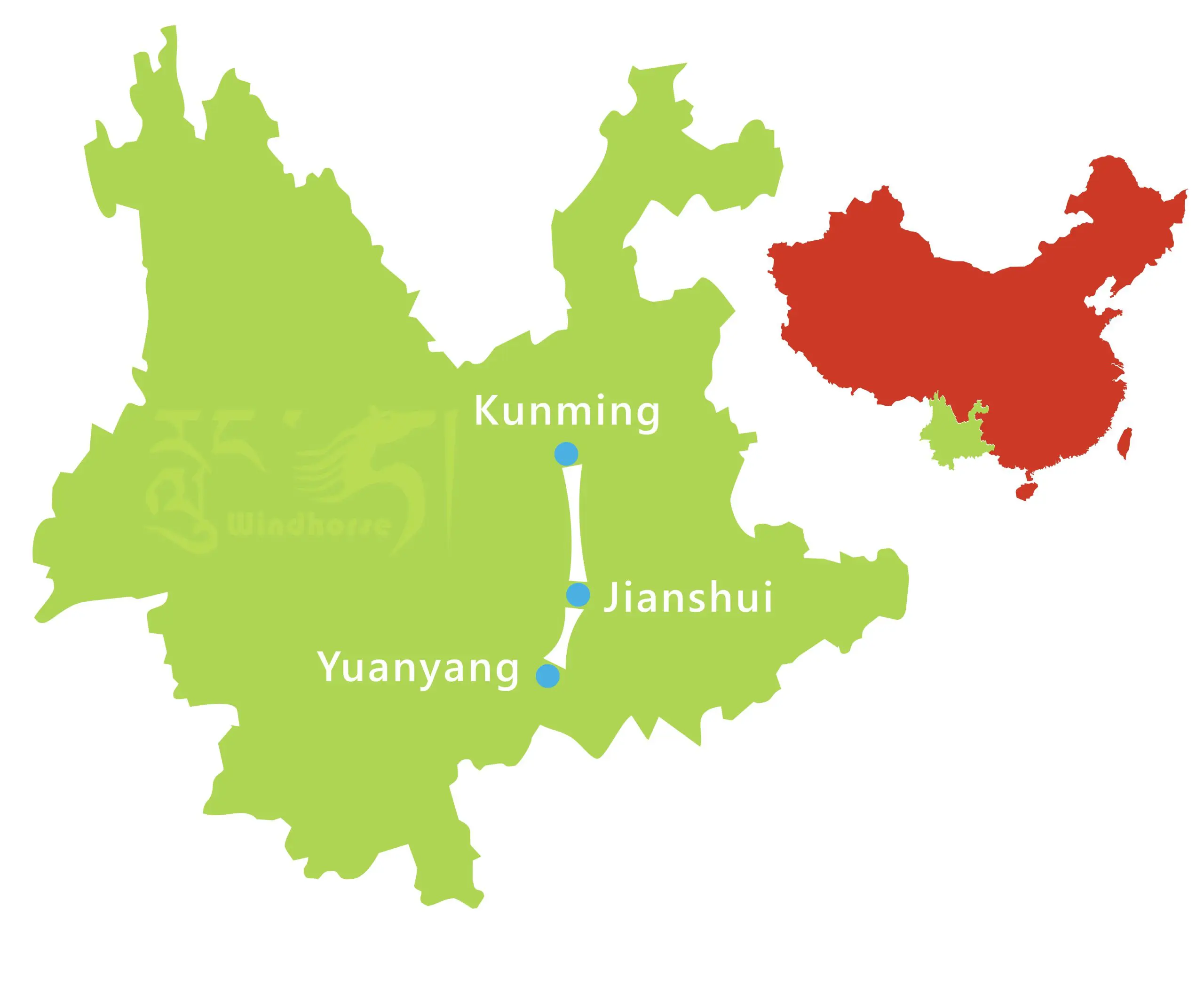
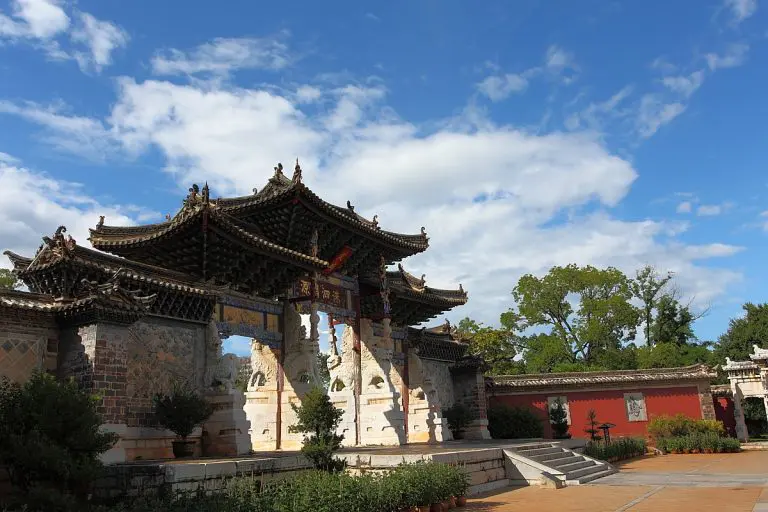
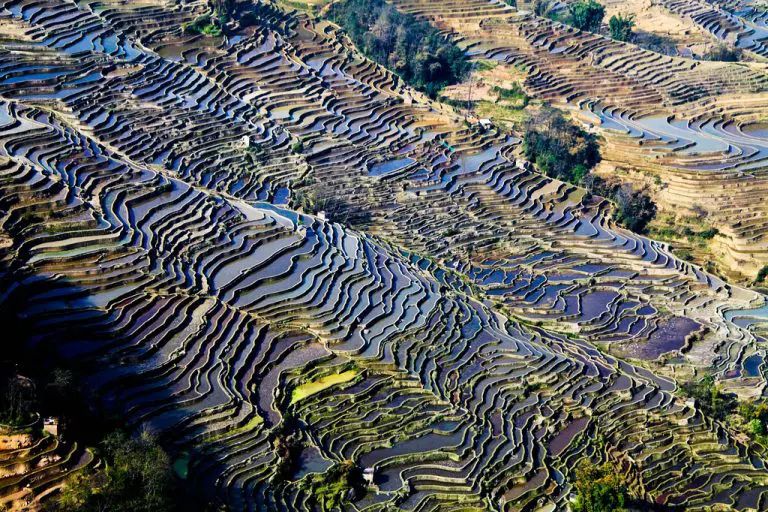
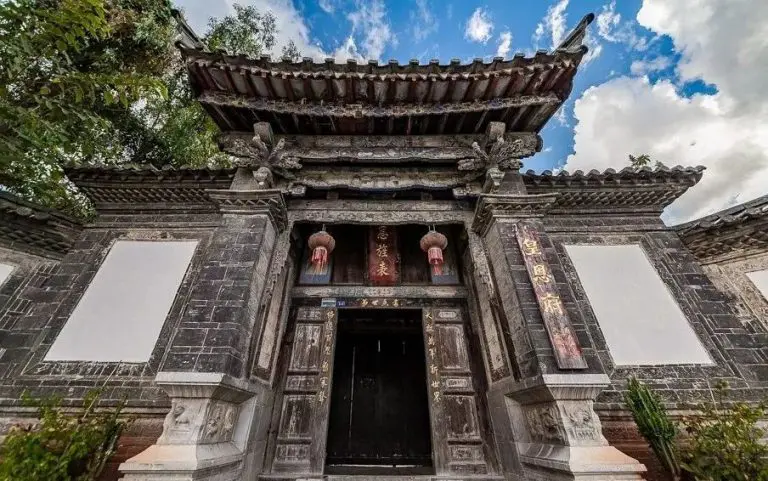
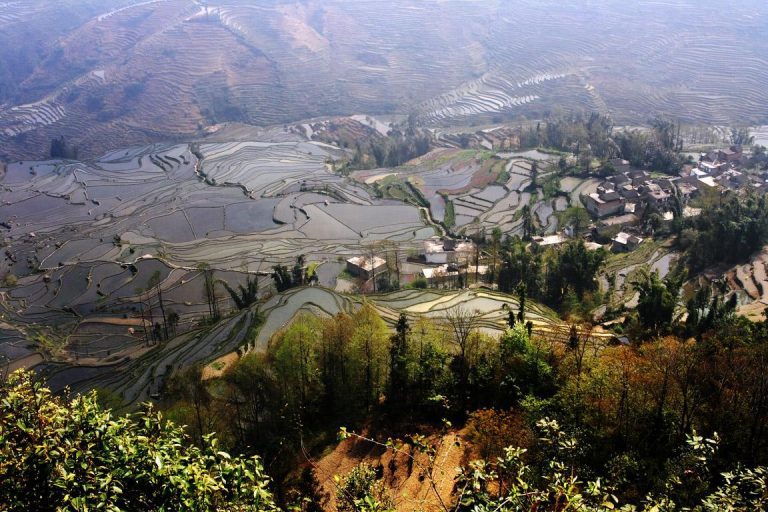
Explore Jianshui Ancient Town and the UNESCO Yuanyang Rice Terraces on this 7-day Yunnan tour. Visit Confucian landmarks, Hani villages, and top sunrise and sunset viewpoints. Ideal for photography lovers and travelers seeking Yunnan’s most scenic landscapes.
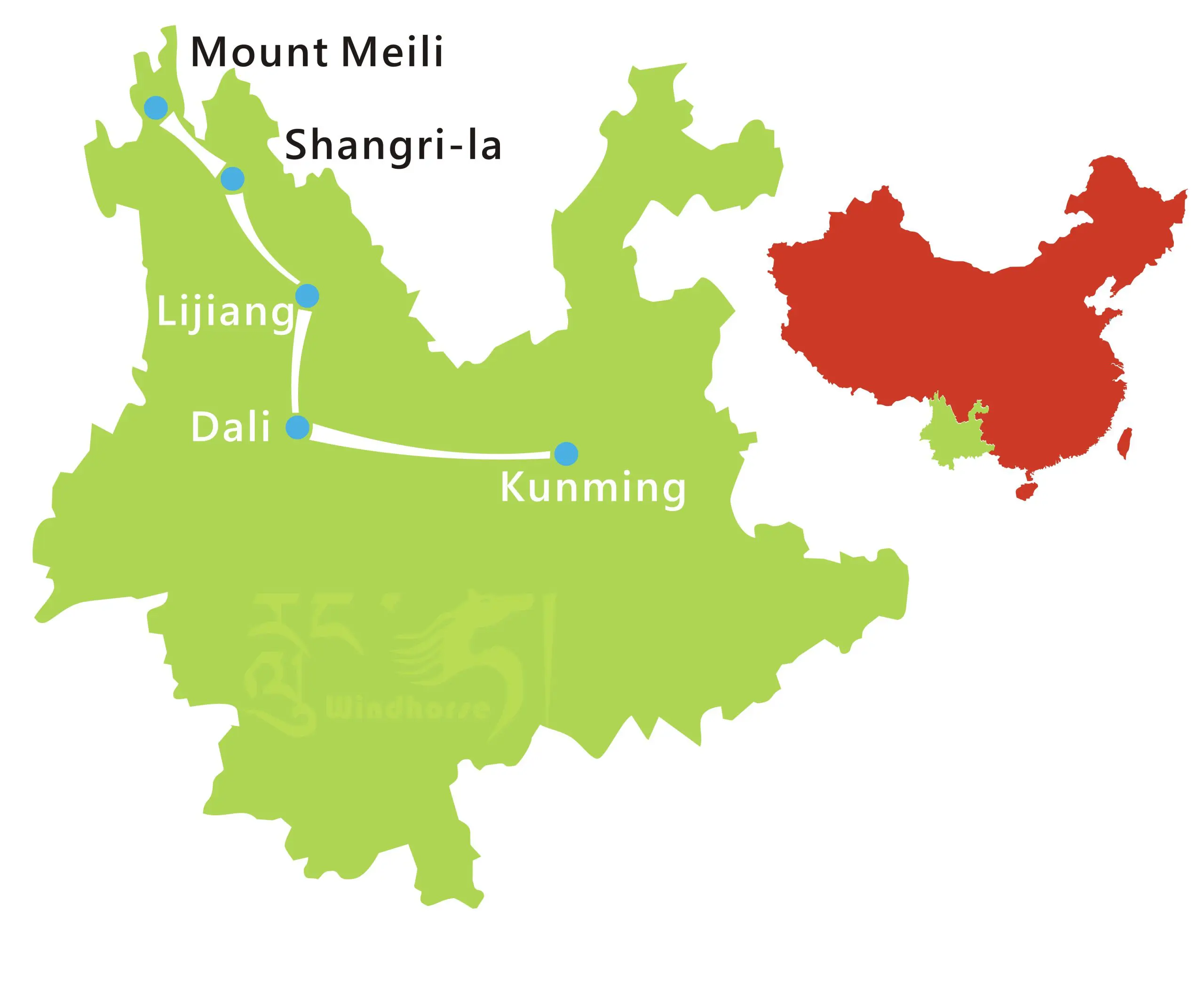
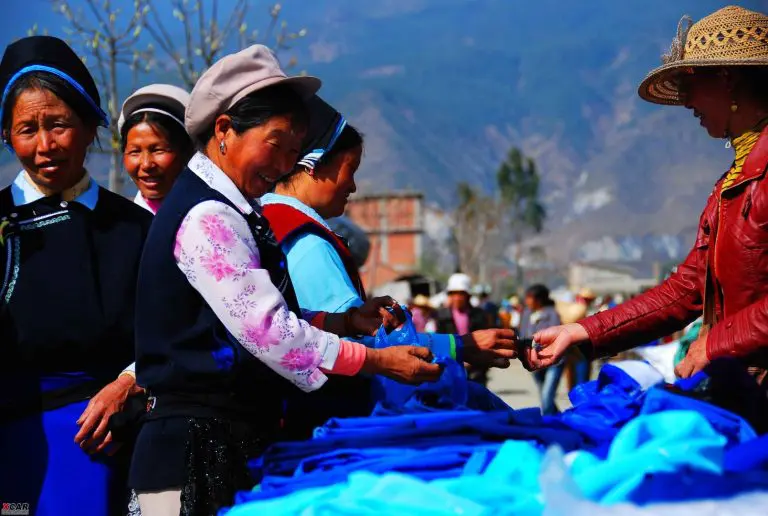
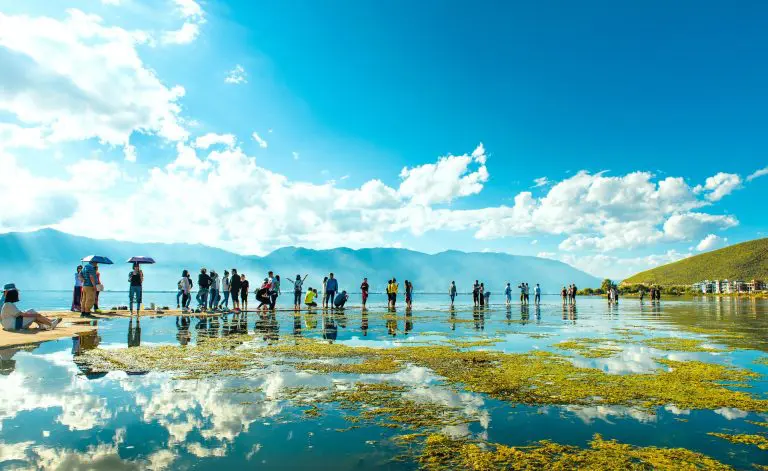
Discover Yunnan's highlights on this 10-day tour with Meili Snow Mountain, exploring Kunming, Dali, Lijiang and Shangri-La. Enjoy ancient towns, minority culture, lakes, gorges and sunrise and glacier views at Meili.
Comments

hi Yunnan Itin Team, how would you plan a 12 /13 days for mid and early Novemember 2026 that covers essensce of the nature landscape, some light hiking and possible tandem horse ride (not horse walking).
including Kuming, dali, lijiang, shangarila, tengchong, yuanyang, jade dragon include small village, meili snow mountain, yubeng village, potatso national park, tiger leaping gorge (do you recommend a night stay?)
estimated cost per person in RMB, approximately 2-3 persons. about late 50s to early 60s
please state type of transport, accomodations, meals and all entrance fees /taxes
Please reply fast

Dear Vivien,
Thank you for reaching out to WindhorseTour! We would be delighted to help you design a customized 12- to 13-day Yunnan itinerary for November 2026!
Considering your interest in spectacular natural landscapes, light hiking, traditional villages, and horseback riding, we recommend focusing on a carefully curated route rather than attempting every location on your wish list.
Your proposed destinations include Kunming, Dali, Lijiang, Shangri-La, Tengchong, Yuanyang, Meili Snow Mountain, Yubeng Village, Potatso National Park, and Tiger Leaping Gorge. While all are incredible, covering everything in 12–13 days would require long drives and frequent hotel changes. Tengchong and Yuanyang lie in opposite directions from the main northwestern route, while Yubeng requires additional travel and trekking time.
We recommend prioritizing northwestern Yunnan (Dali, Lijiang, Tiger Leaping Gorge, Shangri-La, and Potatso National Park) combined with the Yuanyang Rice Terraces.
Based on the above details, I've emailed you a tour proposal for your reference! Please review the details and feel free to let me know your thoughts and comments.
Best regards,
Victoria