
China High-Speed Rail vs. Flying : A Practical 2026 Guide
One of the first planning decisions travelers face when visiting China is how to move efficiently between major destinations such as Beijing, Xi’an, and Shanghai without losing valuable time to ‘travel days’.
China is vast, but its transport network is now the most advanced in the world. In 2026, the real challenge is not a lack of options, but knowing which option makes the most sense for your travel route.
In practice, well-paced itineraries usually combines high-speed rail with selective flights. This guide explains the planning approach we use at WindhorseTour to design China tours that are efficient, comfortable, and fit naturally into the trip..
Quick Planning Rule:
In China, high-speed rail is usually the best option for journeys under 5–6 hours. For longer distances or indirect routes, flying often saves time and energy.
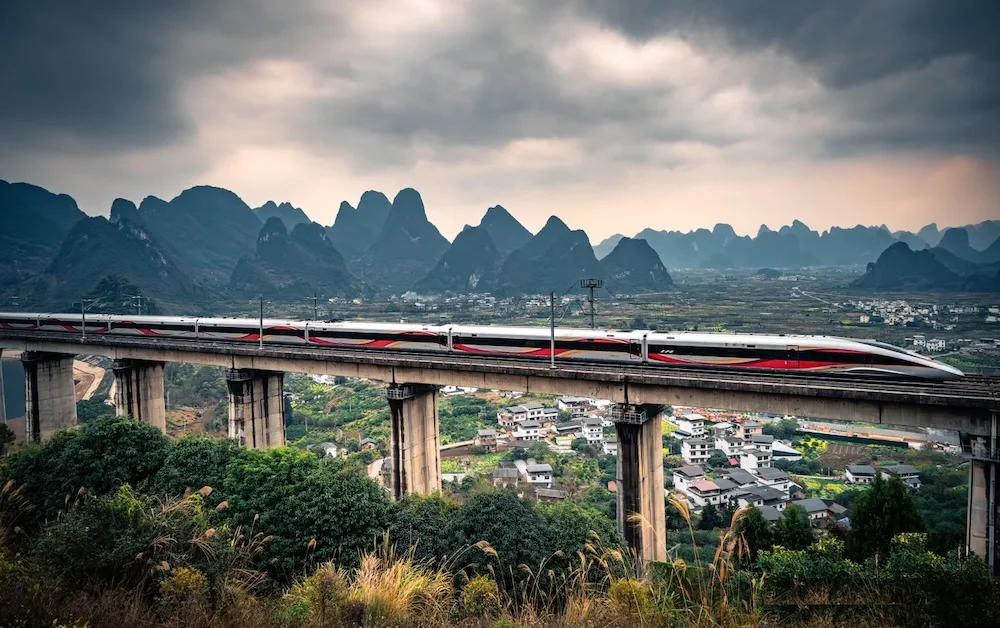
Table of Contents
The “5-Hour Rule”: Your Planning Compass
In China, distance alone is a poor indicator of whether to choose the rail or the plane. What matters more is total travel time and how that time is actually experienced.
As a practical planning guideline, we prioritize high-speed rail when the scheduled journey is 5 hours or less. On these routes, the train is almost always faster “door-to-door” because it bypasses the two-hour airport check-in and the long commutes to outlying runways.
Once the rail time exceeds 5 hours, the balance shifts. Long journeys can become physically tiring, and a direct flight often becomes the more effective use of your energy.
Why the Train Wins for Mid-Distances
- Central Connectivity: Stations are usually located in city centers, saving you an hour of transit on both ends of your trip.
- Simplified Formalities: You can arrive at the station just 30-40 minutes before departure. There are no strict liquid restrictions, allowing you to carry full-sized toiletries or sealed bottles of local wine.
- Total Reliability: China’s rail network is famous for its punctuality. Unlike domestic flights, trains are largely immune to the air traffic control holds and weather delays that can disrupt a busy sightseeing schedule.
Strategic Route Planning: Train or Plane?
Below are common routes we plan for travelers, based on real-world efficiency rather than map distance:
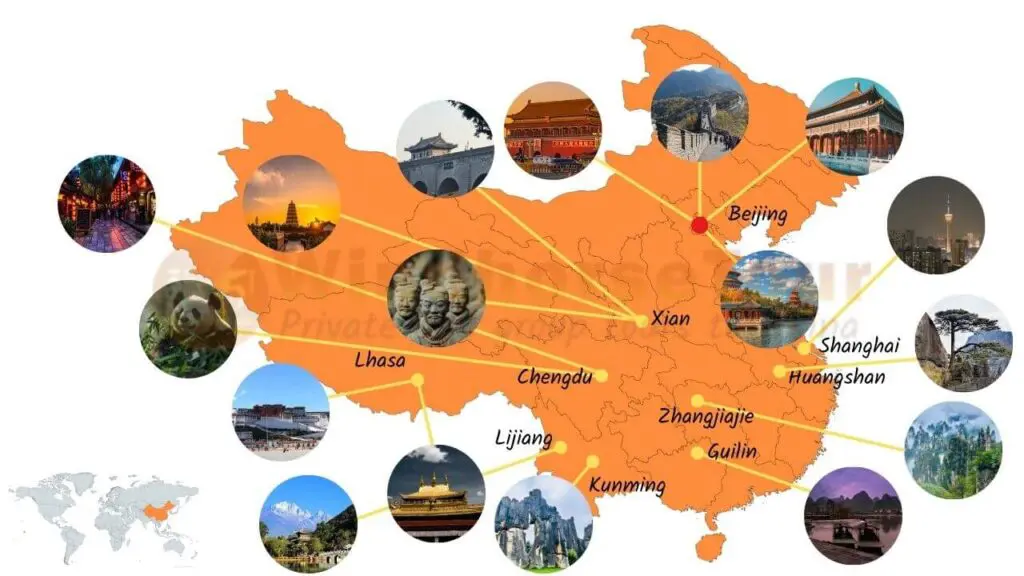
- Beijing ⇄ Xi’an: High-speed train (~4–5 hours). Faster and more reliable than flying.
- Beijing ⇄ Shanghai: Either option works. Flying prioritizes speed, while the train (4.5-5 hours) suits travelers who prefer a slower day with scenery.
- Shanghai ⇄ Hangzhou / Suzhou: High-speed train (30–60 minutes). The only logical choice unless you travel in a big group and driving becomes an optional.
- Xi’an ⇄ Shanghai: The train takes 6–7 hours; flying is more time-efficient for a similar cost..
- Beijing/Shanghai ⇄ Guilin: Flight recommended. Rail travel is 8–10 hours, which significantly reduces sightseeing time.
- Xi’an ⇄ Guilin: Flight recommended. High-speed train tickets 10+ hours. A direct 2-hour flight is much more efficient.
- Xi’an ⇄ Chengdu: High-speed train (~3-3.5 hours). A comfortable, well-paced travel day.
- Shanghai / Beijing / Xi’an ⇄ Zhangjiajie: Flight recommended due to long distance, high-speed train takes many hours.
- Shanghai / Beijing ⇄ Chengdu: Flying is more time-efficient.
- Chengdu ⇄ Jiuzhaigou: High-speed train (~1.5 hours). Recent rail connections are far more reliable than the mountain flights of the past.
When Flying Is the Better Choice
High-speed rail is the backbone of travel in China, but it isn’t always the right option. For certain long-haul or indirect routes, flying is a practical choice to protect both your time and your sightseeing energy.
1. Avoiding “Rail Fatigue”: Even with generous legroom, spending 8–12 hours on a train can be tiring. For routes such as Shanghai to Chengdu, a 2–3 hour flight often allows travelers to arrive rested and ready to explore rather than worn out.
2. When Flying is Cheaper: Train fares are fixed, but flight prices fluctuate. During the off-peak season (generally November to March, excluding Lunar New Year), airlines often reduce fares. On some long routes like Beijing or Shanghai to Guangzhou, flights can cost less than second-class rail while also saving time.
3. Avoiding Indirect Routes and Transfers: China’s rail network is designed around major hubs. Routes such as Xi’an to Guilin or Lijiang to Chengdu may require transfers if taking train, turning a short distance on a map into a long travel day. Direct flights will bypass this complexity and reduce travel fatigue.

Train vs. Plane: A Practical Comparison
| Aspect | High-Speed Train | Domestic Flight |
| Punctuality | Generally reliable | Variable (ATC & Weather delays) |
| Luggage | Self-carry (No weight check) | Strict 20kg limits for checked |
| Liquids | Allowed (Wine, large toiletries) | Strict 100ml carry-on limits |
| Power Banks | Allowed (Clear label required) | Strict (Must have 3C mark) |
| Security | Quick (5–10 minutes) | Intensive (30–45 minutes) |
| Arrival Time | 30–40 mins before departure | 1.5–2 hours before departure |
| Connectivity | Stable mobile signal & Power Outlets | Limited / No phone use |
| Station Location | City Central stations | Airports outside city centers |
Choosing Your Train Seat Class
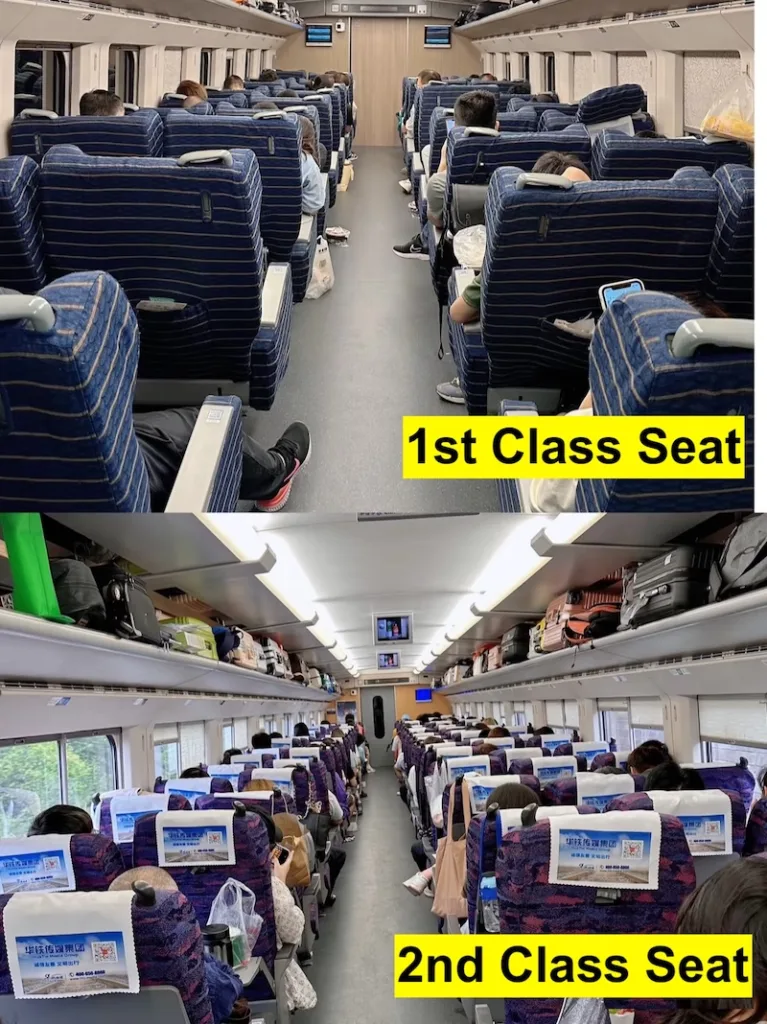
On China’s high-speed G-series trains, you typically have three choices. For a first-timer, the difference is often about personal space and noise levels.
- Second Class (Standard): 3+2 layout. Great value, more legroom than an airplane, but can be lively and crowded.
- First Class (Recommended): 2+2 layout. Wider seats, significantly quieter, and no middle seats. Best for journeys over 3 hours.
- Business Class (Luxury): 1+2 layout. Fully reclining flat-bed pods, lounge access, and priority boarding. The “private jet” experience of rail.
Beyond the Bullet Train: The Sleeper Trains
While speed is usually the priority, sleeper trains remain useful in specific situations:
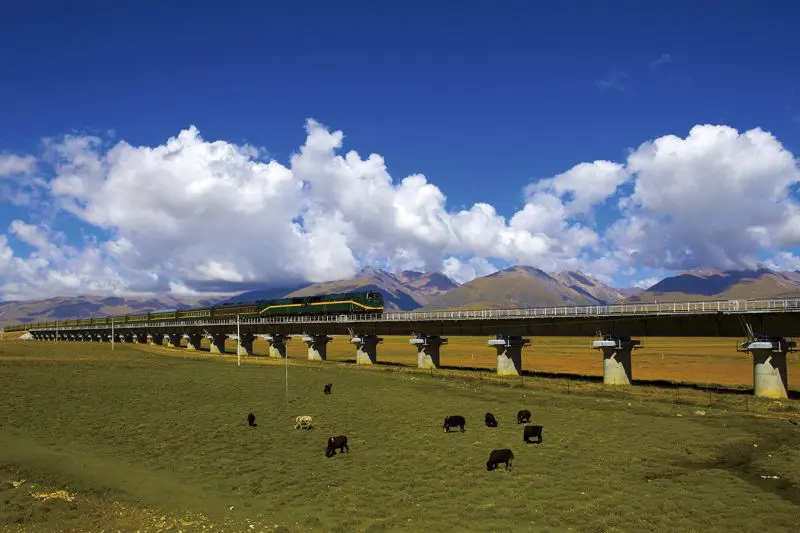
The Qinghai-Tibet Railway: A bucket-list journey to Lhasa. We recommend flying to Xining first to acclimatize, then taking the 20-hour train along the Qinghai-Tibet railway to experience the scenery of the Tibetan Plateau.
Overnight Time-Savers: On routes where high-speed rail is not available and the flight ticket costs, (like Kashgar to Urumqi), an overnight sleeper saves you the cost of a hotel night. We recommend Soft Sleepers (4-berth) or Deluxe Soft Sleepers (2-berth) for privacy.
The Logistics: Booking and Navigating
Ticket Booking Timing
To secure your preferred seats and best fares, timing is everything:
- High-speed rail (15 days in advance): Train tickets are released exactly 15 days before departure, and popular routes or specific train can sell out within minutes, especially during peak season. Tickets can be booked through China’s official railway app, 12306.cn, or pre-book via platforms such as Trip.com. For travelers booking with WindhorseTour, we assist with securing the required train tickets once your tour reservation is confirmed.
- Domestic flights (30–60 days in advance): Airfares are usually most stable 1–2 months before departure. Unlike train fares, flight prices fluctuate based on season and demand. Booking within this window often captures off-season pricing, which can make flying cheaper than second-class rail on longer routes.
- Name accuracy:
The name on your booking must match your passport exactly, including middle names. Even a small typo can lead to a boarding rejection at the digital gates.
If this is your first time using China’s rail system, we explain the full booking and boarding process step by step in our China train travel guide.
What to Expect at Major Train Stations
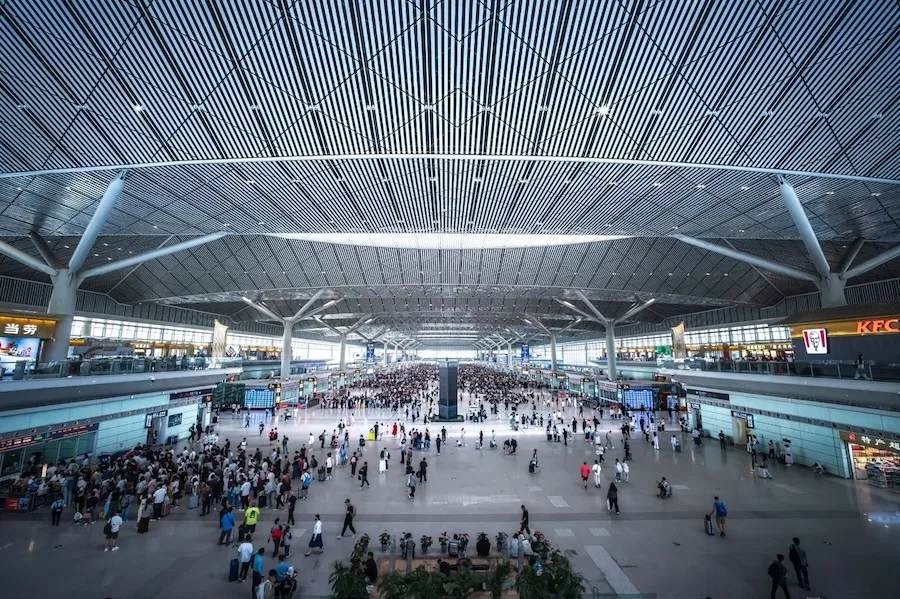
China’s major high-speed rail stations, such as Shanghai Hongqiao or Xi’an North, are large, modern, and designed to handle high passenger volumes. For many first-time visitors, they feel more like airports than traditional train stations.
Passport-Based Access (The E-Ticket System)
China operates a 100% digital e-ticket system. When tickets are booked, your passport details are linked to the reservation, and no paper ticket is required.
- Entering the station and Boarding: Most stations use automated passport scanners at the gates. Travelers place the passport photo page face down on the scanner. If the system does not recognize the passport, staff at the manual ID lane can assist.
- Seat information: Your passport allows station entry but does not display carriage or seat details. Always take a screenshot of your booking confirmation (showing Train #, Carriage, and Seat). Your WindhorseTour advisor will send this 7–10 days before your trip, keep it in your phone’s “Favorites” for instant access onboard.
Luggage Assistance at Major Stations (Red Cap Porters)
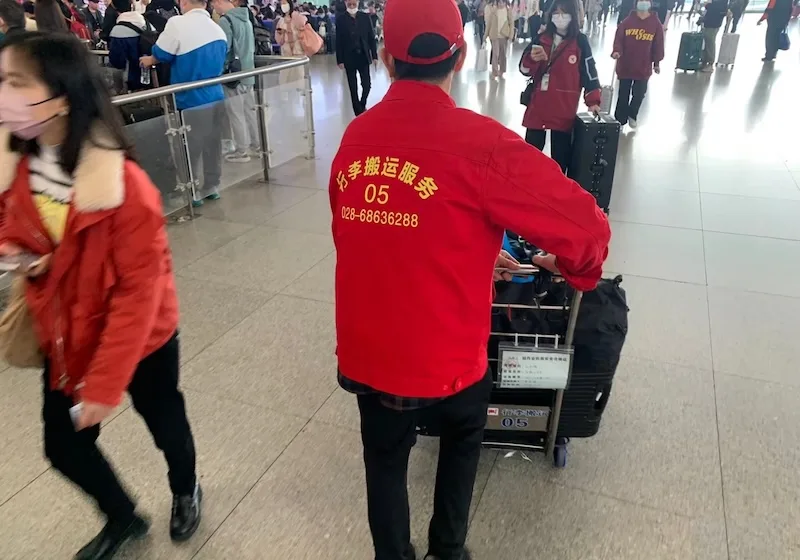
At most major stations, official porter services known as “Red Caps” (Xiao Hong Mao) are available near station entrances or waiting halls. For a small fee, usually ¥10–¥30 per bag, porters can take your luggage directly to your assigned seat. This service is especially helpful when traveling with heavy suitcases or during busy travel periods, and it can make boarding more relaxed and organized.
FAQ: Getting Around China
Is high-speed rail easy for first-time travelers?
Yes. Stations have clear English signage, seats are assigned, and the digital ticket system is straightforward to use.
Do I need a paper train ticket?
No. China uses a fully electronic ticket system linked to your passport. You enter and exit the station by scanning your passport at automated or manual ID gates.
How early should I arrive at the train station?
Most travelers arrive 30–40 minutes before departure. Major stations are efficient, and boarding is straightforward once security is cleared.
When should I fly instead of taking the train?
Flying is usually the better option for very long distances or when the scheduled train journey exceeds about 5–6 hours.
Are trains cheaper than flights?
Often, yes. High-speed rail fares are fixed and usually cost less than full-fare economy flights. However, it also depends on the class seat you choose, plus airlines may offer lower prices during the off-season from November to March.
How WindhorseTour Plans Travel Days
Choosing how to move between cities is not just about speed. At WindhorseTour, we look at overall travel time, seasonal airfare and rail pricing, connection reliability, and how a travel day will feel physically. Each decision is made so that travel days feel well paced and comfortable, rather than rushed or exhausting.
If you’re unsure which routes best match your pace or priorities, simply share your must-see destinations with us. We’ll plan a tailored combination of high-speed rail and flights to keep your trip smooth, efficient, and comfortable. [Get My Custom Itinerary Quote]
To help you plan your first trip, read our detailed guide on planning a first-time visit to China.
Related tours
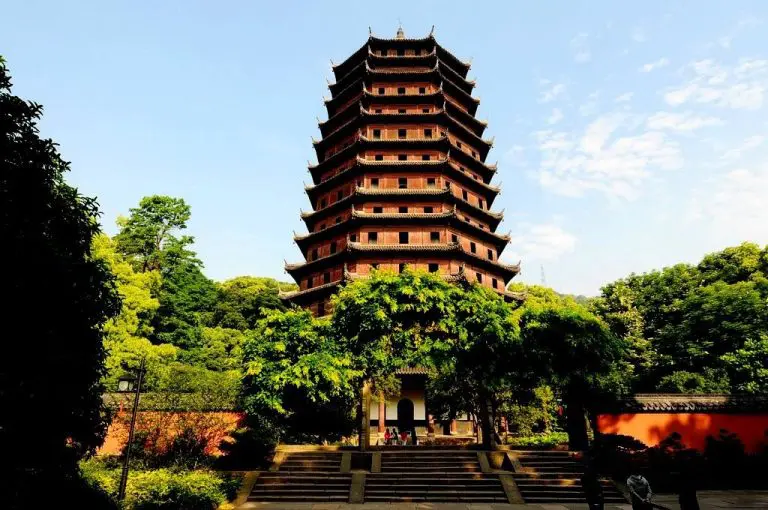
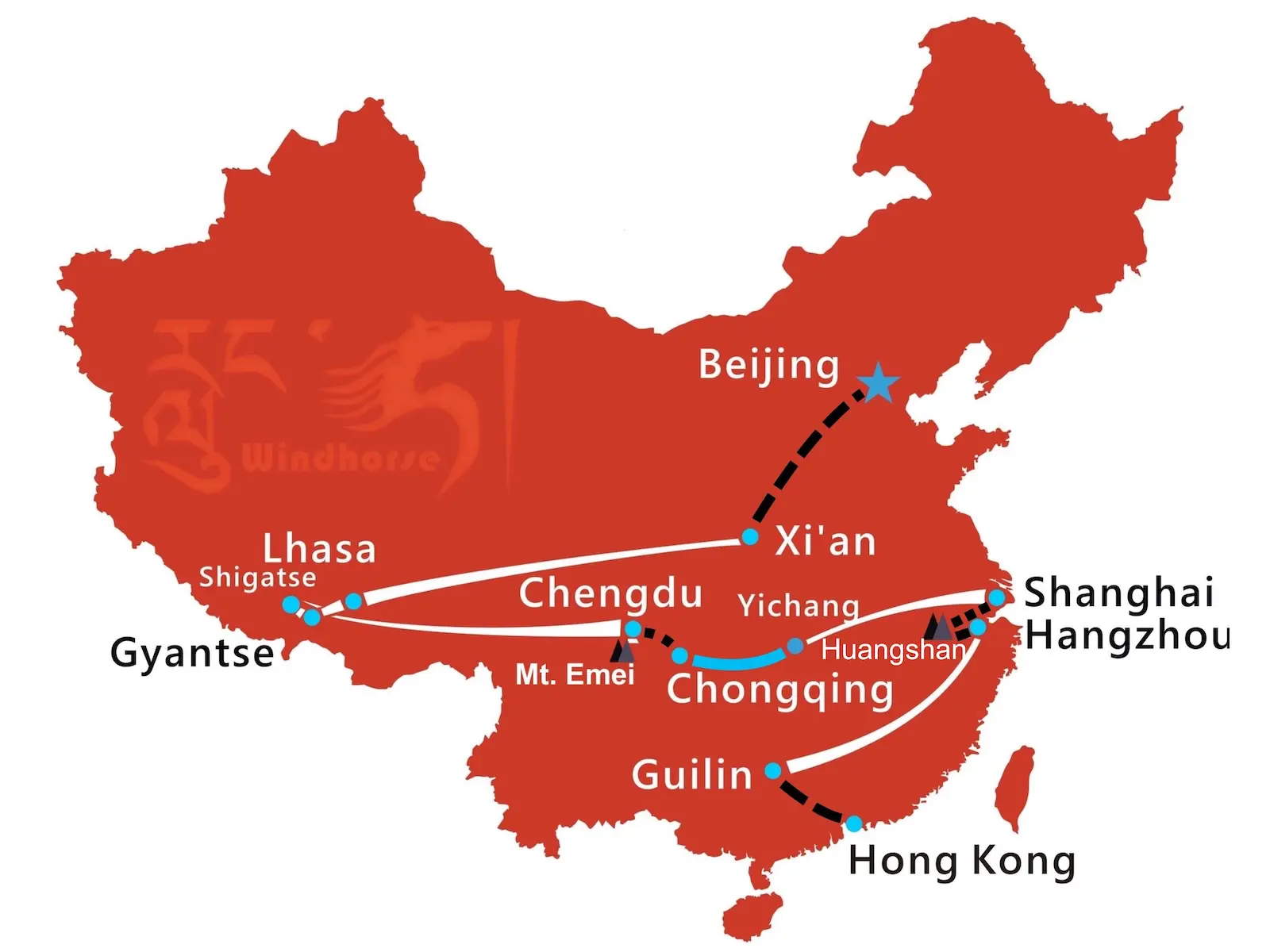
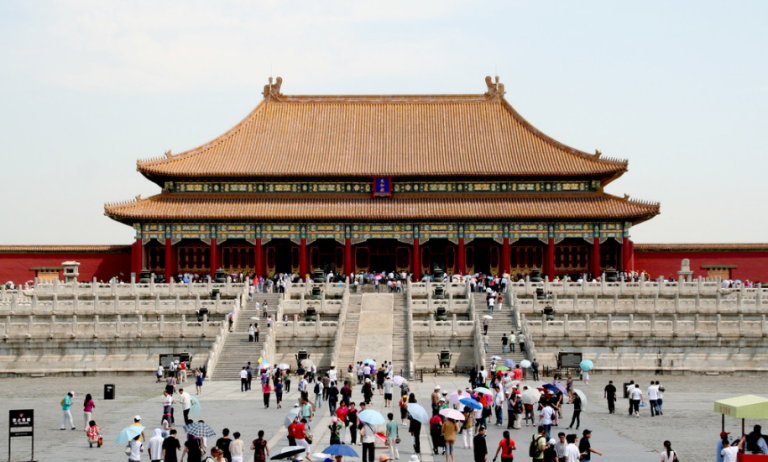




Explore China in 4 weeks on this Grand China Tour with Tibet & Yangtze Cruise. Visit Beijing, Xi’an, Lhasa, Chengdu, Mt. Emei, Yangtze River, Hangzhou, Huangshan, Shanghai, Guilin, and Hong Kong for a month-long cultural and scenic adventure.

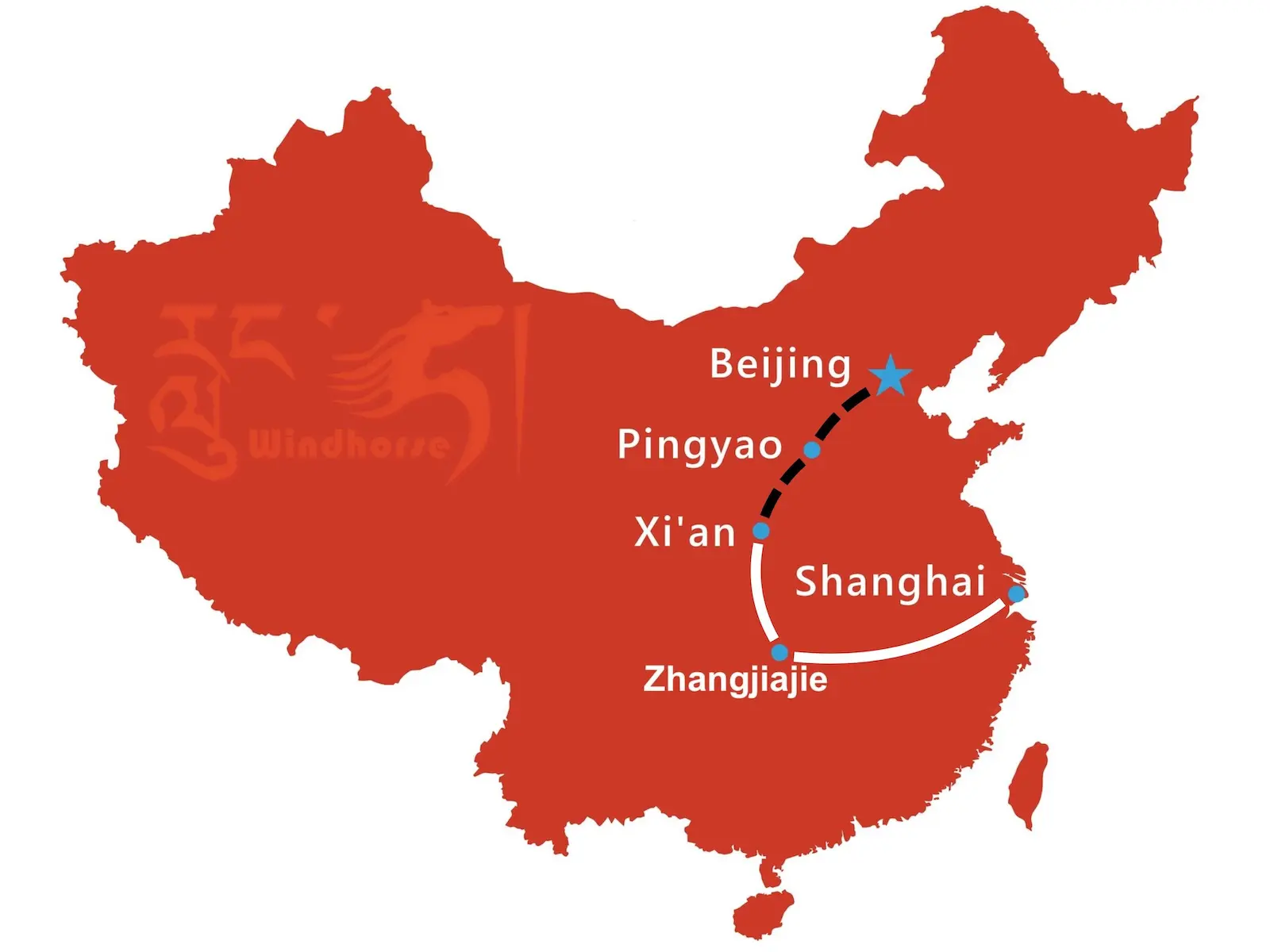

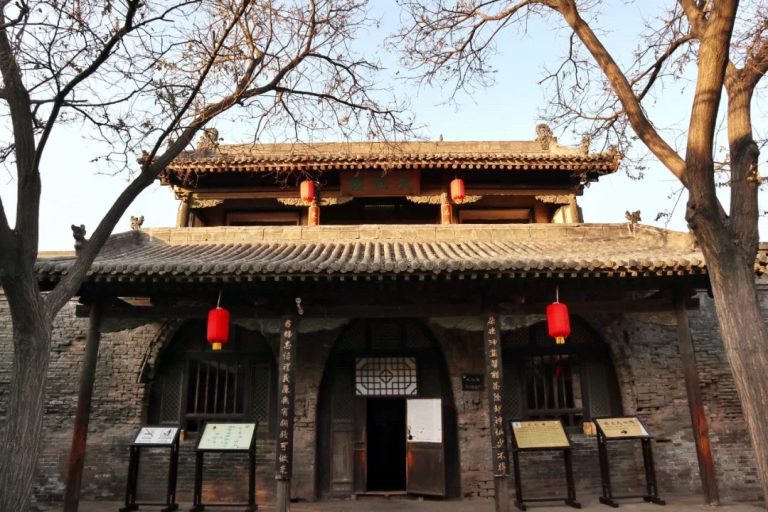
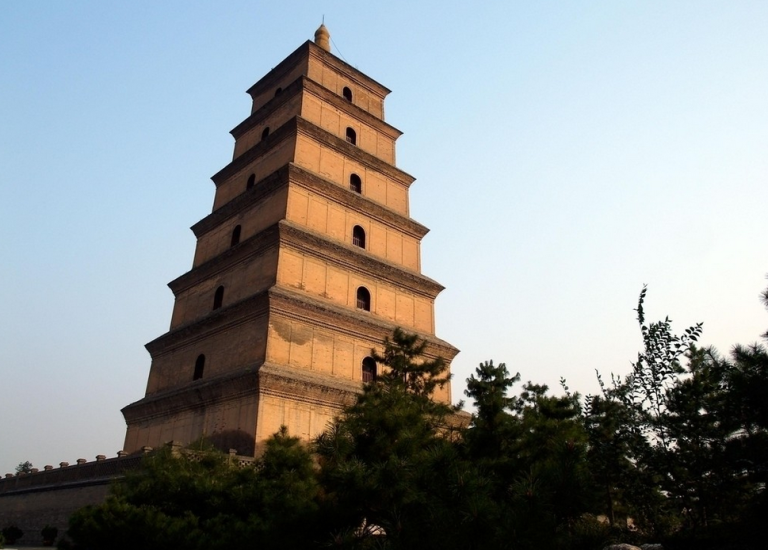
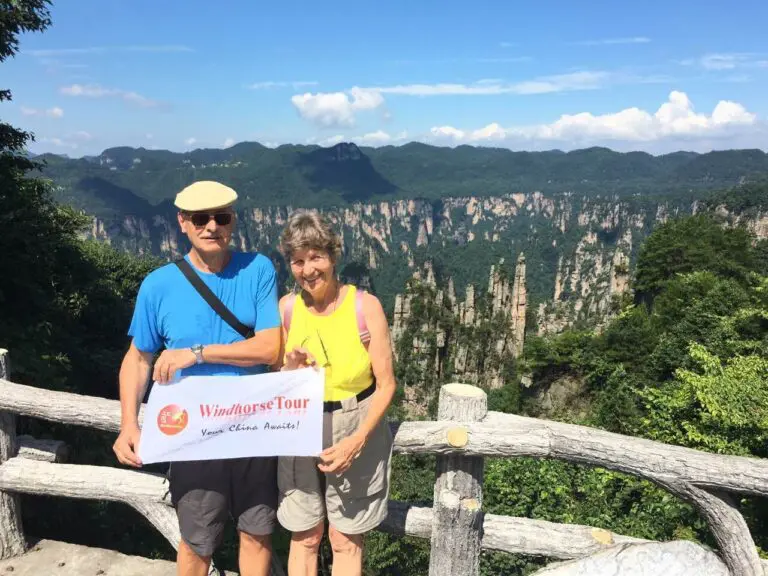

Experience China on this 2 week Beijing Xi’an Zhangjiajie Shanghai tour. Explore Beijing’s highlights, Pingyao Old Town, the Terracotta Warriors, Zhangjiajie’s Avatar Mountains, and Shanghai’s modern skyline for a balanced culture and nature journey.
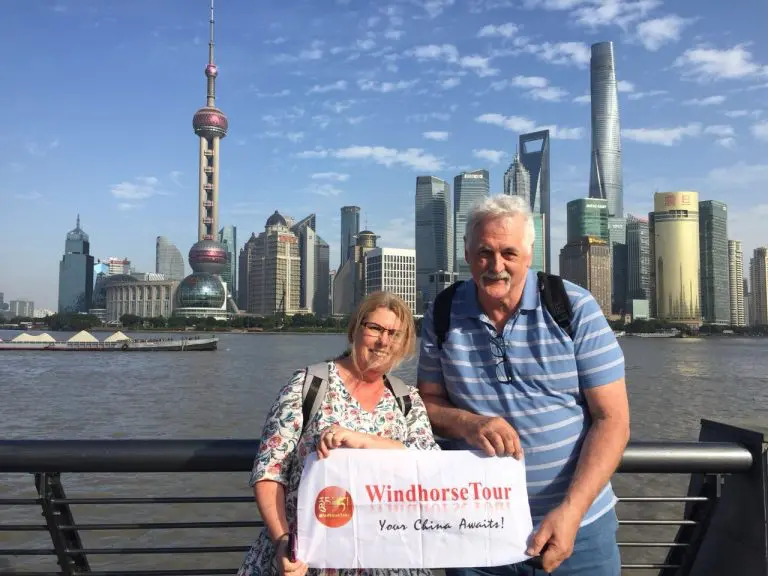
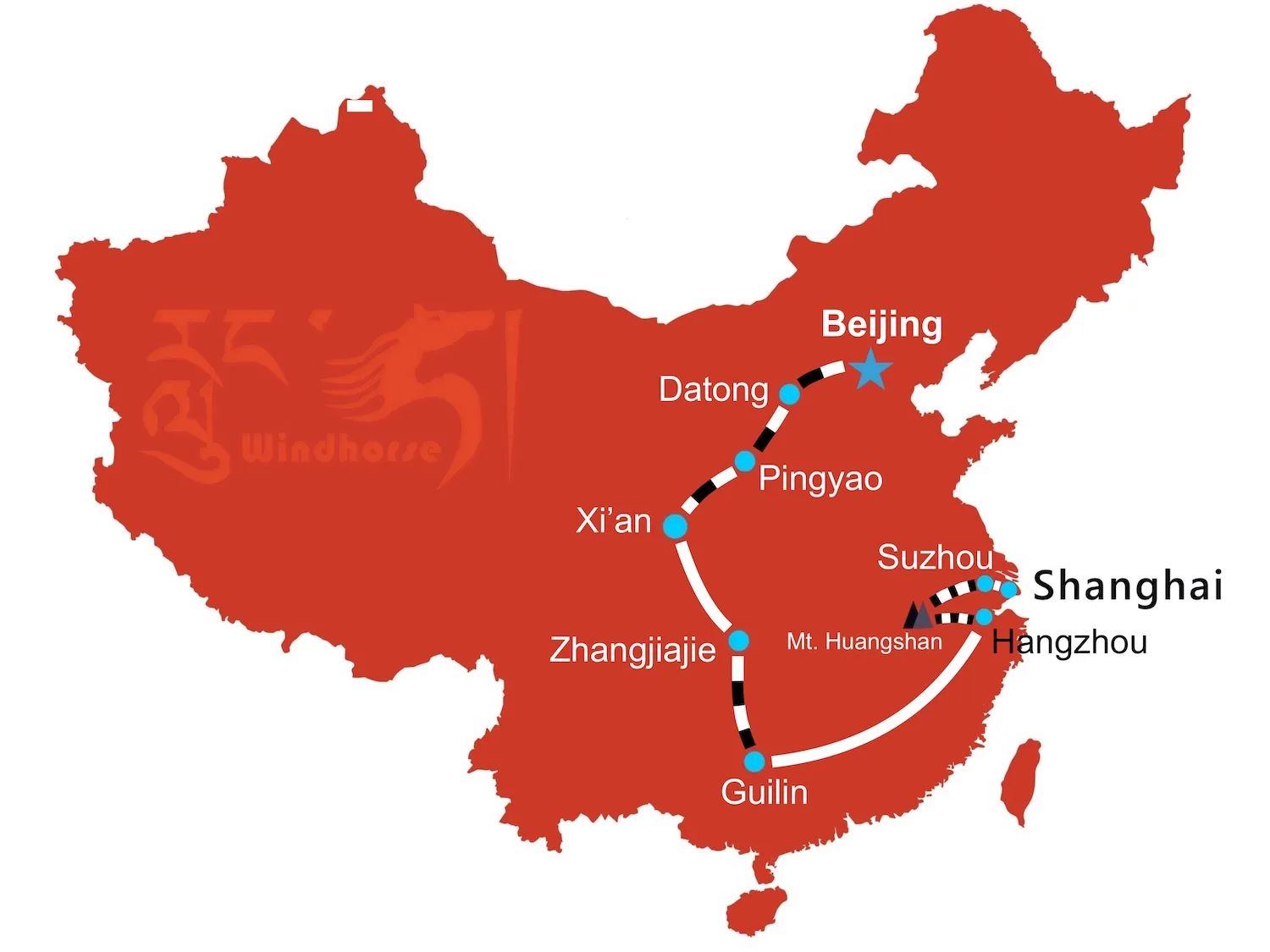
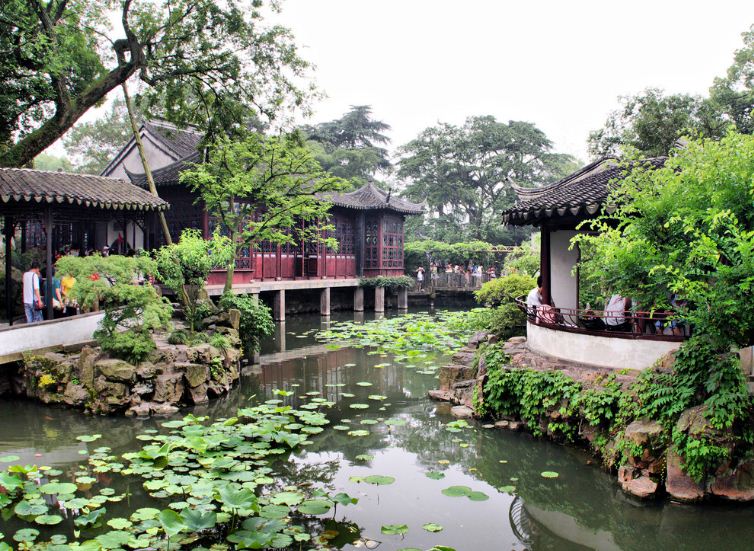





This 3 week China tour from Shanghai to Beijing connects the country’s most important cultural heritage sites with its iconic natural landscapes including Suzhou, Huangshan, Hangzhou, Guilin, Zhangjiajie, Xi’an, Pingyao, and Datong.