
Yunnan Ethnic Culture Guide: Ethnics Groups and Minorities in Yunnan
Yunnan Province is often called China’s “Kingdom of Diversity,” and for good reason. It’s the most ethnically rich region in the country, home to 25 of China’s 56 recognized ethnic minority groups, including the Hani, Bai, Naxi, Tibetan, Yi, Dai and more. Altogether, these ethnic groups make up around 34% of Yunnan’s population.
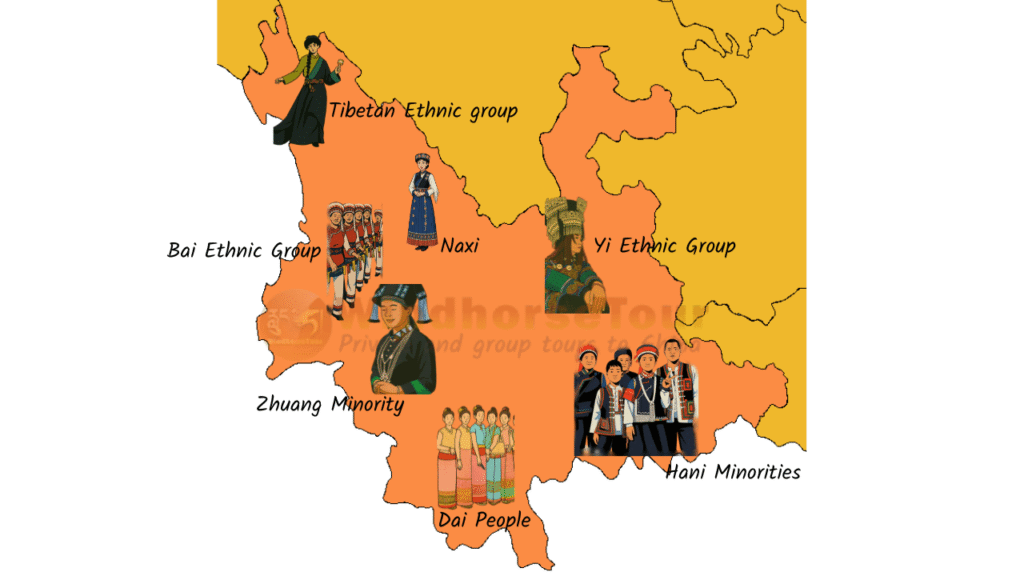
If you’re planning a tour to Yunnan, you’ll have the chance to meet some of these ethnic groups during your trip. Spread across river valleys, tropical lowlands, and mountain highlands, each group has its own language, customs, and traditions that bring Yunnan’s culture to life.
This Yunnan ethnic culture guide introduces some of Yunnan’s major ethnic groups and shows how their culture lives on through daily life, festivals, beliefs, and traditions. You’ll get a clear sense of where they live, what they value, and how you can experience their way of life while traveling.
Travel Tip: Plan your Yunnan tour around ethnic festivals like the Dai Water-Splashing Festival or Yi Torch Festival. If you attend some of these ethnic festivals you will have an immersive cultural experience. Check festival dates in advance, as many follow the lunar calendar. Also, these Yunnan itineraries can help you decide where to go during your trip in Yunnan.
Table of Contents
Hani Ethnic Group (Honghe)
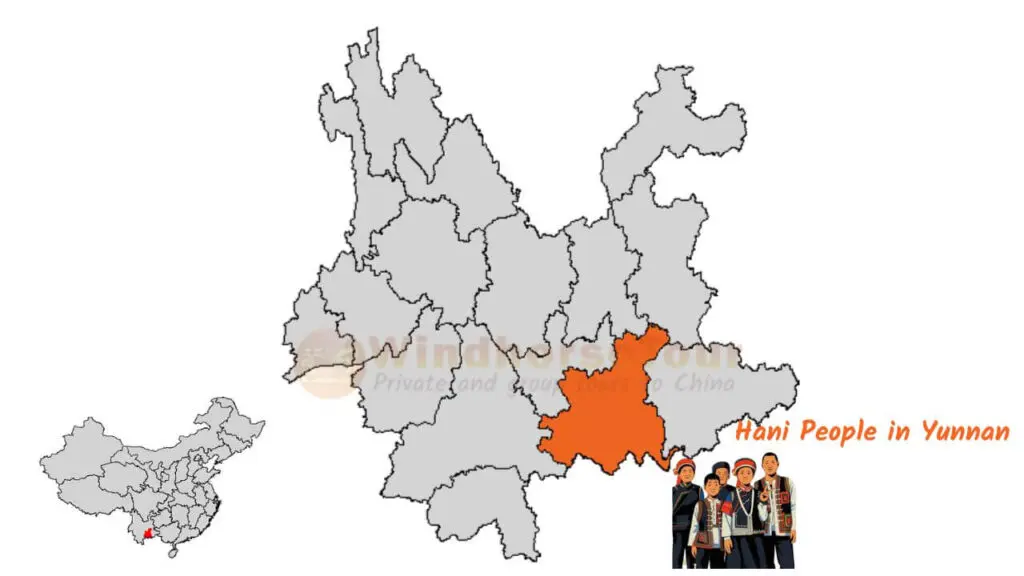
The Hani people are primarily residing in southern Yunnan’s Honghe Prefecture. They are known for their breathtaking Yuanyang Rice Terraces, a UNESCO World Heritage Site carved over 1,300 years. As a key part of the Yunnan Culture ethnic landscape, their heritage emphasizes harmony with nature that is reflected in their terraced farming techniques and traditional stilt houses.
Cultural Highlights of Hani Ethnic Group
Yuanyang Rice Terraces
Visit Duoyishu for breathtaking sunrise views over cascading rice paddies, and head to Bada or Laohuzui in the late afternoon for stunning sunsets. The terraces are especially vibrant during the planting season in May, when the fields reflect the sky, and from mid-November to early April, when the paddies are filled with water after harvest season, creating stunning mirror-like reflections. If you are visiting Yuanyuang Rice terraces in December to February, this period is ideal for photography. This time of the year there are frequent misty mornings and golden light that beautifully illuminates the terraced hillsides. Check this Yuanyang Rice Terraces tour for your next trip.
Explore Qingkou Village for traditional Hani mushroom-shaped houses. These multi-storied dwellings are built with mud, stone, wood, and thatched roofs. These traditional houses are designed for practical reasons like, the ground floor is for livestock, the middle floor is for living, and the top is for storage and drying grains. From the village you can also have a hike with a scenic view over the terraces.
Visit vibrant village markets
You will be a witness where villagers dressed in colorful ethnic dress are gathered to sell handmade textiles, bamboo tools, seasonal vegetables, and traditional snacks. These markets are a cultural experience in themselves, offering direct encounters with Hani daily life.
The Hani New Year Celebration with Long Street Banquet (Changjieyan)
The Hani New Year is happening in October or November. It features singing, dancing, and communal feasts. The villagers have a tradition to line the streets with hundreds of tables filled with traditional dishes, creating a continuous banquet that can stretch for hundreds of meters. Everyone is invited to join in a celebration rich with food, music, dancing, and shared joy.
Beliefs and Traditions
The Hani have a deep connection to nature and their ancestors. They believe in many spirits, of the sky, earth, mountains, and especially the “Dragon Tree”. The “Dragon Tree” a sacred tree that protects the village. Honoring ancestors is a big part of Hani life, with family histories passed down by word of mouth for generations. Even without a traditional written script, they’ve kept their stories alive through oral traditions and songs.
Dress and Music
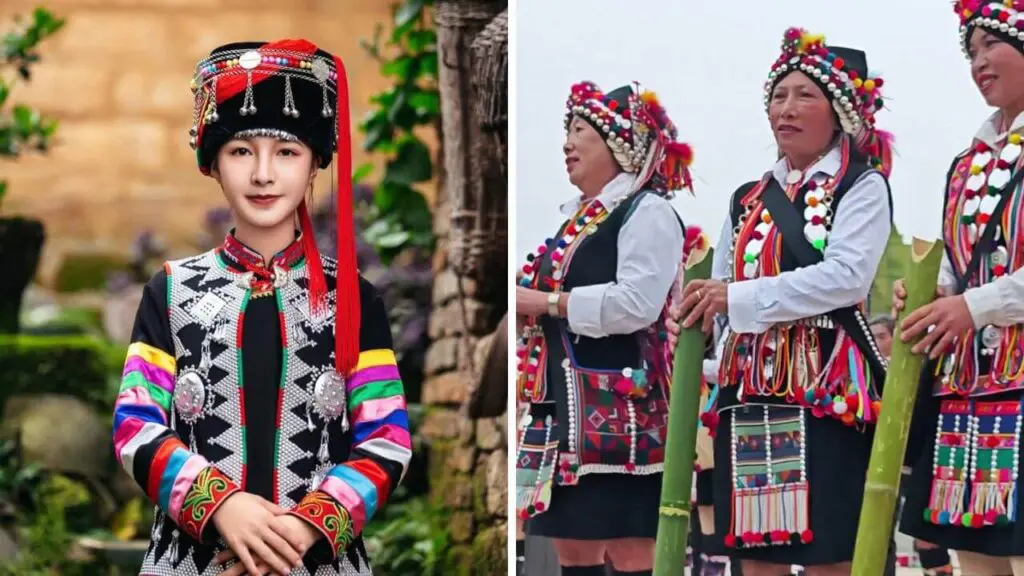
Hani women are known for their beautiful clothing, often made from dark indigo fabric with fine embroidery and silver-decorated headdresses. Music is woven into everyday life and festivals, especially their unique polyphonic singing. You’ll still hear traditional instruments like the labi, a bamboo flute, and the lahe, a three-stringed lute, played during celebrations and gatherings.
Travel Tips
Best Time to Visit: Travel from November to February for misty, golden terraces. However, traveling to Yuanyang Rice Terraces will give you a lush green view of the terraces.
How to Get There: From Kunming (the capital city of Yunnan) you can take a 6–7-hour bus or private transfer to Yuanyang. You can also take the train to Jianshui and there another 3 hours by bus to Yuanyang. Local guides can enhance your visit with cultural insights. If you book a tour with us, we will transport you to all the destinations in your tour.
What to Do: Join a Yunnan photography tour or hike along the terraces. Respect local customs by asking permission before photographing villagers.
Bai Ethnic Group (Dali & Surrounding Areas)
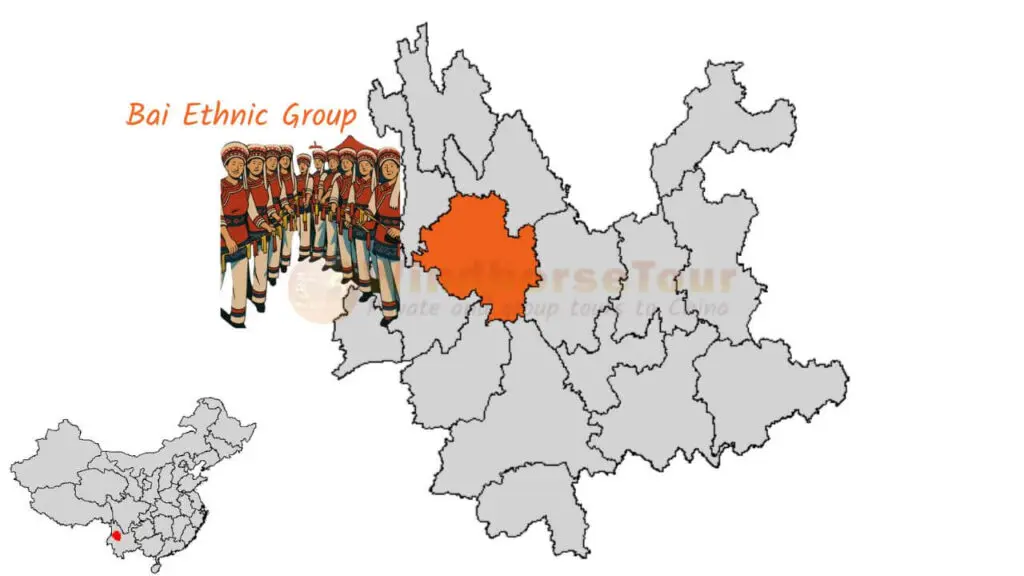
The Bai are one of the largest ethnic groups in Yunnan. They are primarily living in and around the Dali Bai Autonomous Prefecture. Bai Ethnic Group history goes back more than 3,000 years, and you can feel that heritage in the way they live today. The Bai people are recognisable for their beautiful whitewashed houses, lively local markets, and strong farming traditions. When you walk through their villages, it’s easy to see how deeply connected they are to both their land and their culture.
Cultural Highlights of Bai Ethnic Group
Dali Ancient Town
Dali Ancient Town has the traditional Bai architecture with white-walled courtyard homes, grey-tiled roofs and delicate wood carvings. This historic town is the cultural heart of the Bai people and a beautiful place to experience their traditional way of life. You’ll also find many well-preserved examples in Xizhou Village, which is just a short drive away. Strolling through the cobblestone streets, you’ll see how daily life mixes seamlessly with centuries-old traditions.
Visit the Three Pagodas for historical insights
The Three Pagodas are a symbol of Dali and Bai heritage. The Three Pagodas have stood for over a thousand years. They reflect both the Bai people’s deep-rooted Buddhist beliefs and their architectural achievements.
Third Month Fair (San Yue Jie)
This is the Bai’s biggest traditional festival. It is held on the 15th to the 21st of the Third Lunar Month (normally April or early May). It’s a lively event with horse races, folk performances, trade fairs, and lots of local food. It’s a great time to see the culture come alive.
Tie-Dye Tradition (Zaran):
The Bai people are renowned for their elegant tie-dye craft, especially in Zhoucheng Village near Dali. They, by using natural indigo and with hand-typing techniques, are creating stunning blue-and-white fabrics featuring traditional patterns. Visitors are welcome to watch the process and even try making their own designs in hands-on workshops. This Yunnan highlight tour includes visiting Zaran, and allows you to be part of the workshops.
Three-Course Tea (Sandao Cha)
One of the many traditions of the Bai people is the sharing of tea. Their three-course tea ceremony tells a story about life:
- The first cup is bitter, symbolizing challenges.
- The second is sweet, representing joy.
- The third is full of flavor and spice, a reminder of life’s depth and complexity.
Colorful Clothing
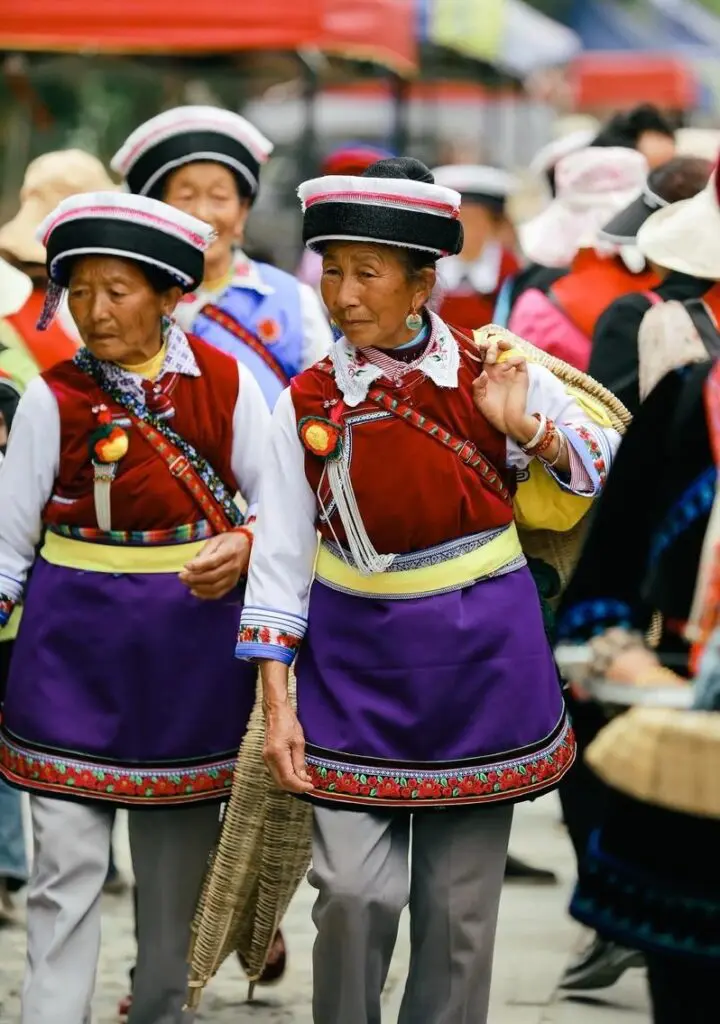
Colorful clothing is another beautiful tradition of the Bai minority. Women’s clothes are especially one of a kind, colorful and full of meanings. White color is a favorite, and it is inspired by the snowy peaks of nearby Cangshan Mountain. Outfits often include red vests, embroidered aprons, and artistic headdresses that reflect nature and poetry, such as the “wind, flowers, snow, and moon”, a phrase often used to describe Dali’s natural beauty.
Beliefs Practices
The Bai follow a mix of beliefs. Many practice Azhali Buddhism, a local form of Tibetan-influenced Buddhism. Others follow Benzhuism, their native religion, which honors local guardian spirits, often ancestors or village protectors.
Local Flavors and Mushroom Foraging
Food is a big part of Bai life. Their cooking uses fresh, local ingredients, often from their own farms or nearby forests. During the rainy season, wild mushrooms are especially prized. You should try Bai’s food, whether stir-fried, stewed, or served in soup. However, the dishes are simple, flavorful, and tied to the seasons.
Travel Tips for Exploring Bai Culture in Yunnan
Best Time to Visit: The best time to visit Bai culture is Spring (March–May) and Autumn (September–November). Visit Dali, Xizhou, and surrounding Bai villages, when the weather is mild and the scenery is at its best.
How to Get There: The most common way is to take a high-speed train from Kunming to Dali (2–3 hours). When you are in Dali, rent a bike to explore Erhai Lake and nearby villages.
What to Do
- Visit the Yunnan Nationalities Museum in Kunming to explore Bai history, customs, and traditional clothing.
- In Dali, you should wander through the Old Town and enjoy the scenic beauty of Erhai Lake.
- Stop by the bustling morning market in Xizhou for a lively glimpse into everyday Bai life, and visit a traditional courtyard home to admire classic Bai architecture.
- In Zhoucheng Village, try a hands-on tie-dye workshop, where you can create your own unique piece using time-honored techniques.
- And don’t miss the chance to taste local Bai cuisine, such as Erkuai rice cakes or wild mushroom dishes, especially if you’re visiting during the rainy season.
Naxi Ethnic Group (Lijiang)
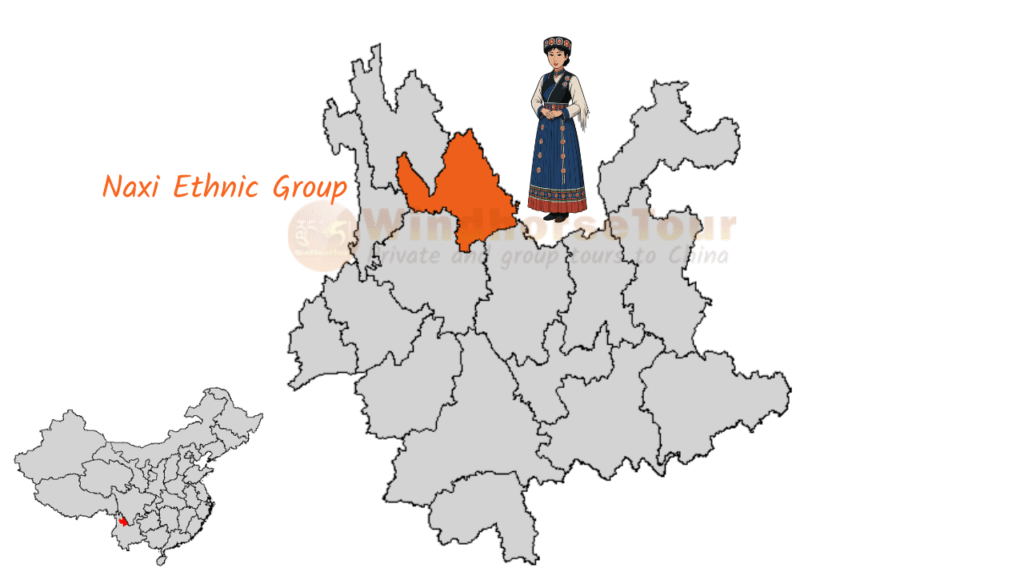
The Naxi people are living primarily in and around Lijiang. They are known for their unique Dongba culture, including the world’s only living pictographic script still in use. Influenced by both Han and Tibetan cultures, the Naxi people have a rich cultural heritage expressed through poetry, painting, and music.
Cultural Highlights of Naxi Ethnic Group
Lijiang Old Town (UNESCO World Heritage Site)
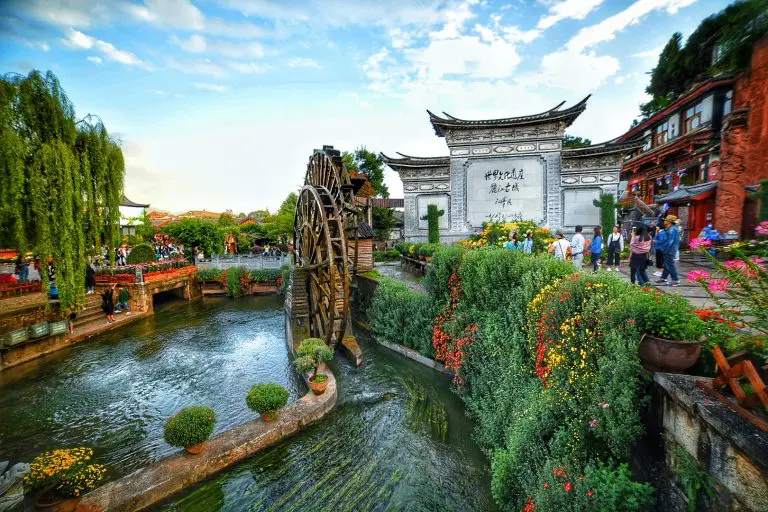
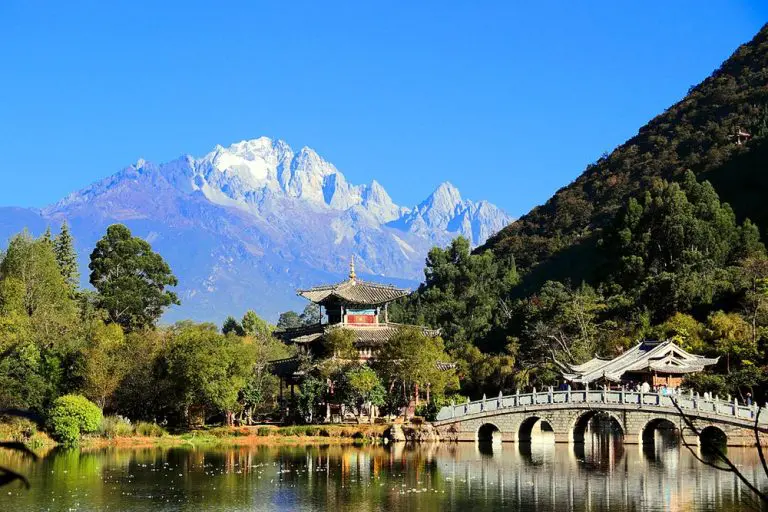
Lijiang is the cultural heart of the Naxi people. The old town with its cobbled streets, traditional courtyard homes, and carved wooden details tell stories of centuries past. Wander along the canals and stone bridges. Don’t miss Black Dragon Pool for postcard views of Jade Dragon Snow Mountain. The nearby Dongba Culture Museum offers a great introduction to Naxi rituals and their unique pictographic script.
Dongba Culture and Pictographic Script
Dongba is a traditional Naxi belief system that blends nature worship, shamanism, and ancestral traditions. Its most fascinating legacy is the Dongba script, the only living pictographic writing in the world. However, it’s no longer used in daily life, but it’s still taught and preserved through rituals and education.
Naxi Ancient Music
If you want to feel like stepping back in time, you should listen to Naxi Ancient Music. Usually performed by elderly musicians on instruments like the pipa and erhu, and many of the songs are believed to date back to the Tang and Song dynasties. For an authentic experience you can see live performances in Lijiang Old Town and Shuhe Old Town.
Naxi Sanduo Festival
Naxi Sanudo Festival is celebrated in late February or March (on the 8th of the 2nd lunar month). This festival honors the Naxi guardian god who’s believed to live on Jade Dragon Snow Mountain. Locals are celebrating by gathering with music, dancing, and offerings. The main event is at Yufeng Temple.
Mosuo People and “Walking Marriages” (Lugu Lake)
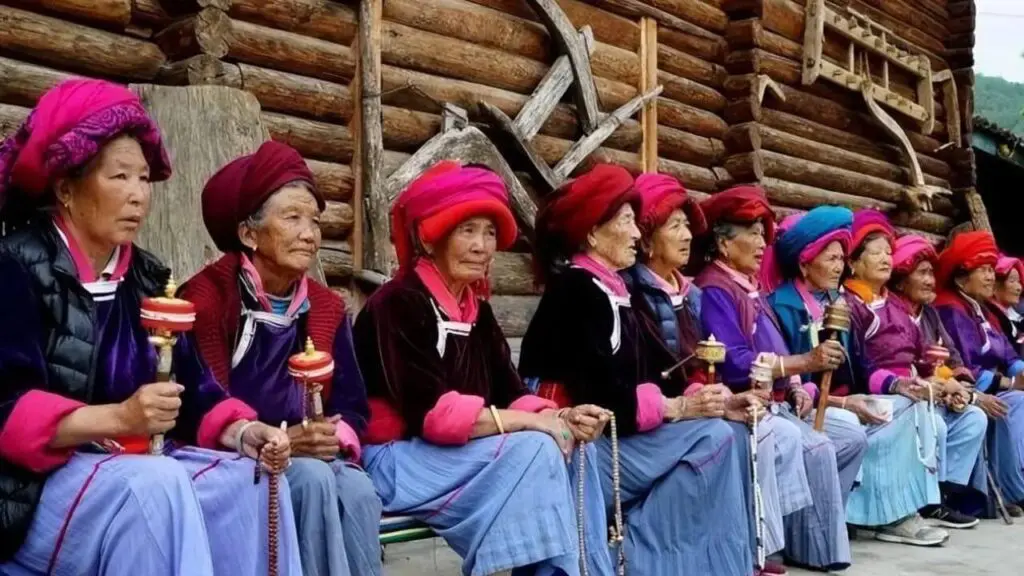
Around Lugu Lake live the Mosuo people. These are a Naxi branch that once practiced “walking marriages,” a matriarchal custom where couples meet at night and don’t live together. The children that they have are raised by the mother’s family.
Travel Tips to Explore Naxi Culture in Yunnan
Best Time to Visit: Spring (March–May) and Autumn (September–November) are the best seasons to visit Lijiang and surrounding areas for mild temperature and stable weather.
How to Get There: You can fly or take a high-speed train from Kunming to Lijiang (3–4 hours). Local buses connect to Lugu Lake (4–5 hours).
Altitude Awareness: Lijiang is located at around 2,400 meters (7,900 ft), and trips to Jade Dragon Snow Mountain go much higher. Take it easy on your first day, drink plenty of water, and watch for signs of altitude sickness.
What to Do
- Spend a day or two exploring Lijiang Old Town, and enjoy the charming alleys and traditional Naxi homes.
- Visit the Dongba Culture Museum to discover the Naxi’s beliefs and their rare pictographic script.
- Attend a live Naxi Ancient Music performance.
- For stunning mountain views, head to Jade Dragon Snow Mountain. Nearby Shuhe and Baisha villages offer a quieter glimpse of local life.
- Don’t forget to try local favorites like grilled fish, baba bread, and yak hotpot.
Tibetan Ethnic Group (Shangri-la)
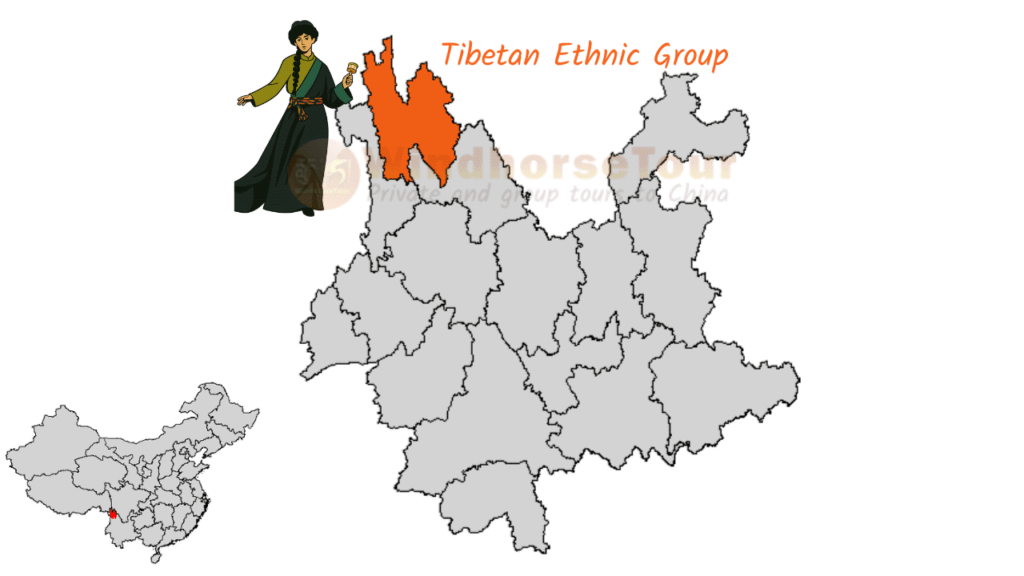
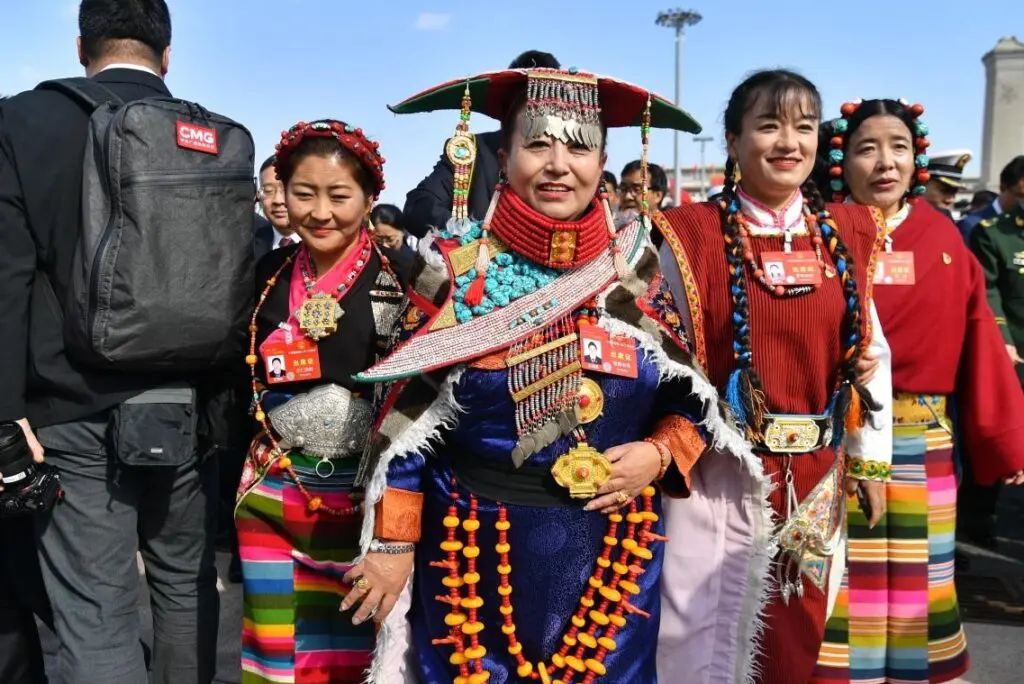
The Tibetan ethnic group in Yunnan mainly lives in Diqing Tibetan Autonomous Prefecture, which is widely known as Shangri-La. Tibetan ethnic groups are bringing Himalayan culture to Yunnan. Their traditions revolve around Tibetan Buddhism, with vibrant monasteries and sacred sites.
Cultural Highlights of the Tibetan Ethnic Group in Yunnan
Tibetan Buddhism
The Tibetan ethnic group believes in Tibetan Buddhism. The Buddhist monasteries serve as places of worship, learning, and community. When you are there you’ll see prayer flags everywhere, hear mantras, and watch pilgrims walking around sacred sites in devotion. Many travelers can agree that visiting Shangri- La, you can experience Tibetan culture, without going to Tibet.
Songzanlin Monastery (Ganden Sumtsenling Monastery)
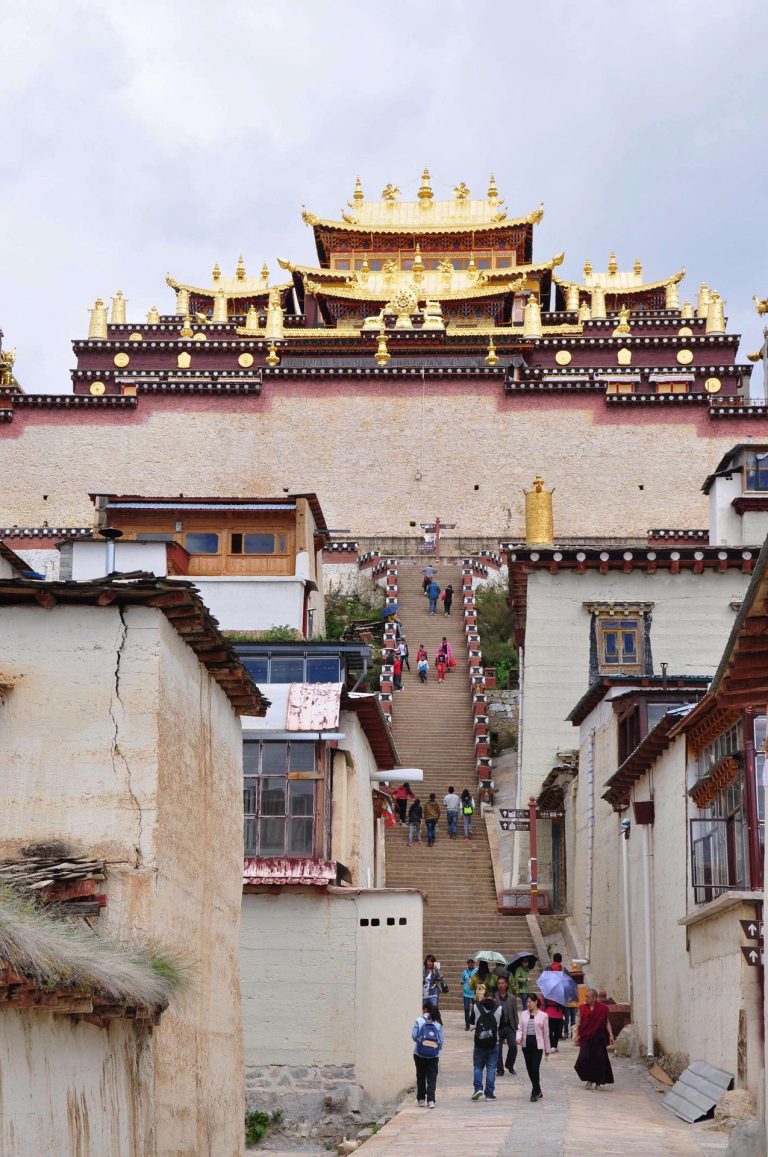
Known as the “Little Potala Palace,” this 17th-century monastery in Shangri-La is the largest Tibetan Buddhist monastery in Yunnan. It is offering insights into Tibetan Buddhist practices.
Horse Racing Festival (Longda Festival)
Horse Racing Festival is typically held in the 5th or 6th lunar month, which often is July or August according to the Gregorian Calendar. This is a major celebration featuring thrilling horse races, traditional dances, archery contests, and lively social gatherings. It’s a fantastic opportunity to witness the athleticism and joyous spirit of the Tibetan people.
Tibetan Black Pottery
The Tibetan ethnic majority has a tradition of black pottery. This is famous in villages like Nixi (near Shangri-La), and these ceramics are known for their unique texture and traditional designs.
Unique Tibetan Cuisine
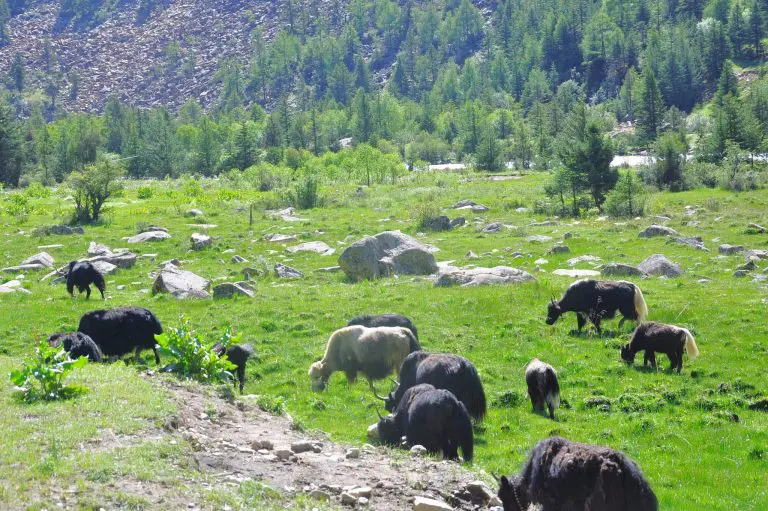
Tibetan cuisine in Yunnan is simple and hearty. When you are visiting try eating like locals. They sip salty yak butter tea, eat tsampa made from roasted barley, and enjoy yak meat cooked in stews or dried into jerky. During the festivals, they often drink chang, a traditional barley wine.
Travel Tips to Explore Tibetan Culture in Yunnan
Best Time to Visit: Autumn (Sept–Nov) is the best season to visit Shangri-la for cool weather and clear skies. Summers (June to August) are green and lively, but also rainy. Winter in Shangri- La (December to February) is cold and snowy, but offers beautiful landscapes and fewer crowds.
Prepare for high altitudes: Shangri-La is about 3,200m/10,500ft high. To help your body adjust, spend a night in Lijiang before heading up.
To avoid high altitude sickness do not run or rush. Take it slow on your first day, stay hydrated, avoid alcohol and too much caffeine. Don’t ignore the symptoms of high altitude sickness such as headaches, dizziness, or nausea.
How to Get There: You can travel from Kunming to Shangri-La by flight (about 1 hour) or high speed train (about 5 hours). You can also take a bus or private transfer from Lijiang (4–5 hours), which offers scenic mountain views.
What to Do
- Visit Songzanlin Monastery to experience Tibetan Buddhism and admire its grand architecture.
- Stroll through Dukezong Old Town, with its local shops and teahouses.
- For a deeper cultural connection, pay a visit to a local Tibetan family.
- Take a day trip to Pudacuo National Park for alpine lakes and forest trails, or plan a 2-day excursion to Mount Meili for breathtaking sunsets and glacier views.
Dai Ethnic Group in Yunnan (Xishuangbanna)
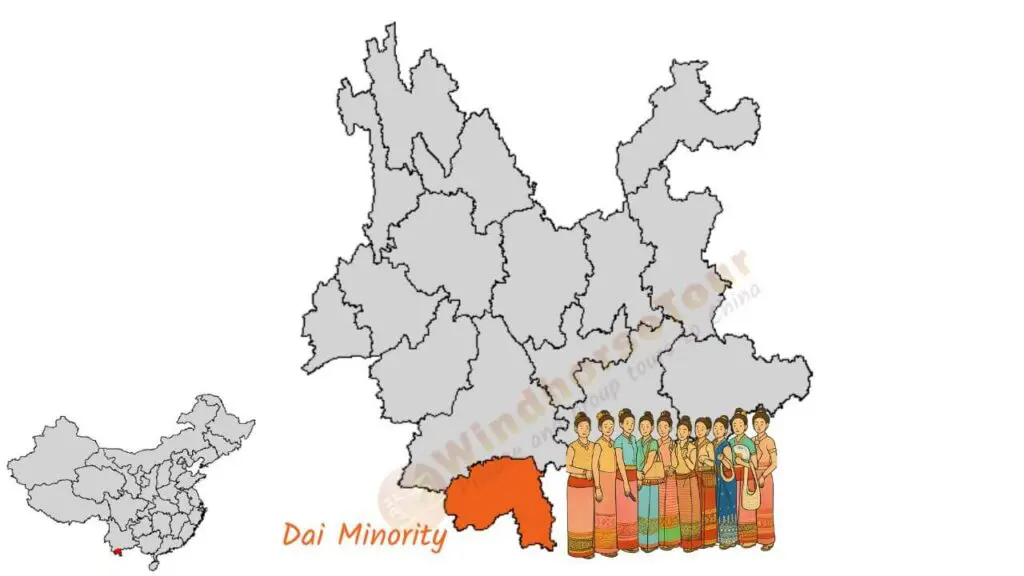
The Dai people are primarily found in Xishuangbanna Dai Autonomous Prefecture in southern Yunnan, near the borders of Laos and Myanmar. Known for their tropical landscapes, Theravada Buddhism, and distinctive stilt houses, the Dai are one of the most vibrant contributors to Yunnan Culture ethnic diversity.
Cultural Highlights of the Dai Ethnic Group
Xishuangbanna Tropical Towns
One of the cultural highlights of the Dai people are stilted bamboo houses, golden-roofed temples, and markets brimming with tropical fruits. Jinghong is the region’s capital, and it offers the best glimpse into everyday Dai culture and traditions.
Water-Splashing Festival (April 13–15)
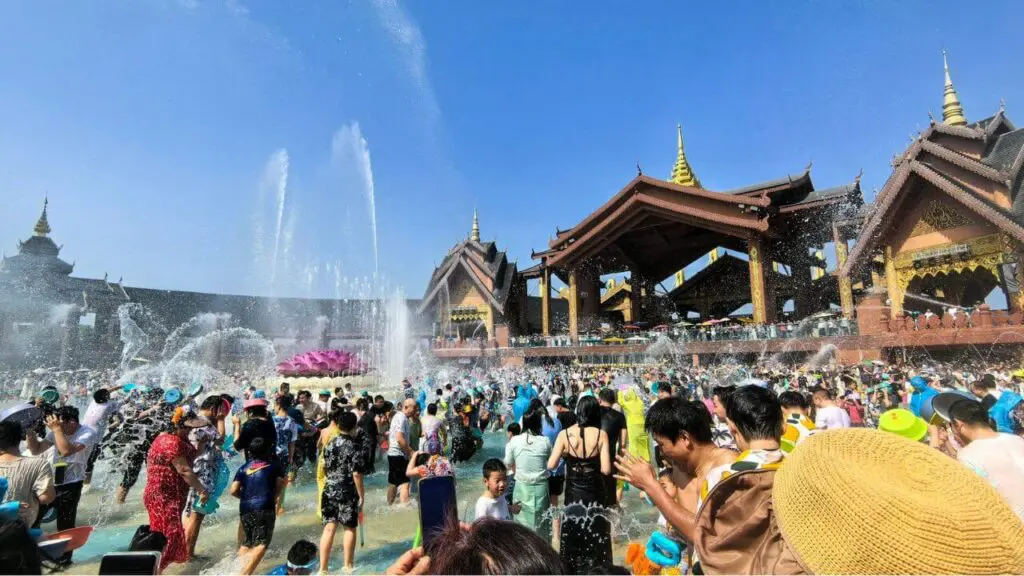
The Water-Splashing Festival is celebrated as the Dai New Year. This is the most joyful time to visit. In places like Jinghong, the streets turn into a giant water fight, where splashing symbolizes washing away bad luck and starting fresh. The festivities also include dragon boat races, dancing, music, and vibrant parades.
Theravada Buddhism
Buddhism is a core part of Dai life. To feel the energy visit local Buddhist temples like the Manfeilong Pagodas (White Pagodas) and attend morning alms-giving rituals that reflect the Dai’s deep-rooted Buddhist traditions.
Music and Dance
The Dai people are known for the graceful Peacock Dance. Usually performed during festivals. Music features traditional instruments like the hulusi (gourd flute) and hand drums.
Dai Cuisine
Dai food is fresh, spicy, and bursting with herbs and tropical ingredients. Their signature dishes include grilled fish with lemongrass and chili, pineapple rice steamed inside the fruit, and sticky rice cooked in bamboo tubes. Many dishes have a bold mix of sour and spicy flavors.
Travel Tips to Explore Dai Culture in Yunnan
Best Time to Visit: April is the best month to attend the Water-Splashing Festival, just be sure to book early. December to February is a great time if you want dry-season travel. The summers are hot and humid, but the rainforest is at its most vibrant.
How to Get There: You can fly from Kunming or other major cities in Yunnan to Jinghong (Xishuangbanna Airport) or take the high speed train from Kunming to Xishuangbanna (about 5 hours). When you are in Jinhong, rent scooters or taxis, these are popular ways to explore Jinhong and surrounding areas.
What to Do
- Don’t miss the Xishuangbanna Tropical Botanical Garden
- Visit the Dai Minority Park, where you can experience local culture up close.
- In the evening, head to Jinghong’s night markets for street food and handmade crafts.
- For something hands-on, try a Dai cooking class and learn to make traditional dishes.
Yi Minority Group
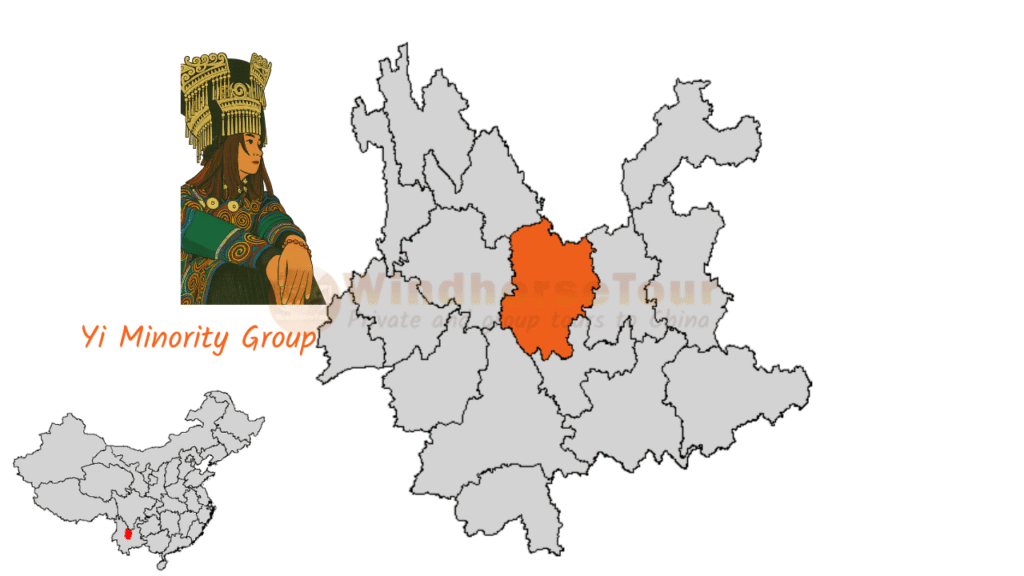
The Yi People are Yunnan’s largest ethnic minority group, primarily living in the mountainous areas of Chuxiong, Honghe, and Liangshan (spanning into Sichuan). The Yi minority group has a population of over 9 million. They also have a distinct language, colorful traditional dress, and an important role in the Yunnan Culture ethnic landscape.
Top Things to Do
The Torch Festival
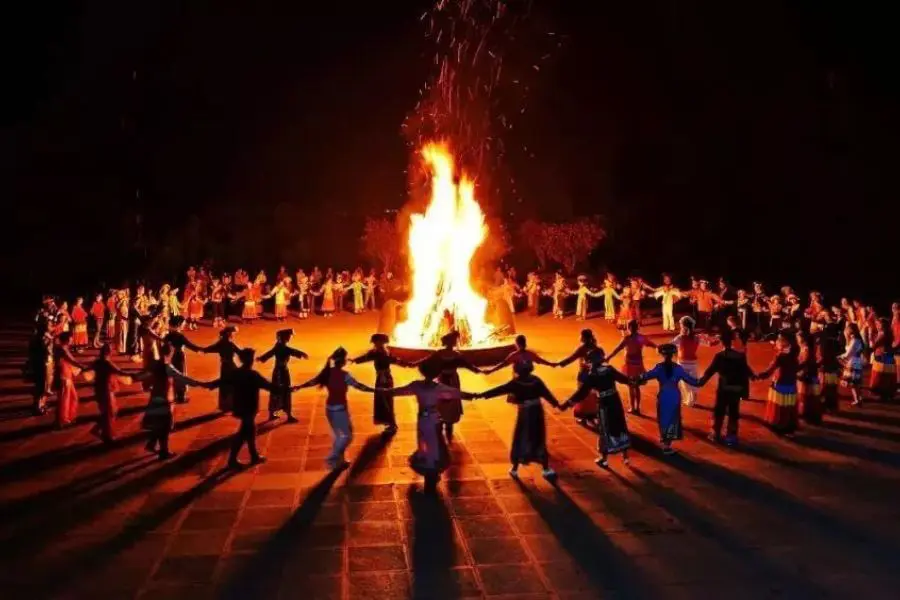
Held around the 24th to 26th day of the 6th lunar month (typically late July or early August). This fiery celebration features torch parades, wrestling, bullfighting, and dancing. This festival is a symbol of light conquering darkness and the Yi people’s spirit of resilience. Major celebrations are happening in Chuxiong, Shilin, and other Yi-populated areas.
Yi Script & Dress
The Yi have their own script and a rich tradition of embroidery, often seen in their multilayered and brightly decorated clothing. You can see them in Chuxiong, where the Yi Ancient Town and Ethnic Museum showcase these traditions.
Village Life
Visit Yi communities in Chuxiong or Honghe to learn about their ancestral worship practices and communal farming life.
Travel Tips
Best Time to Visit: Visit some of the Yi people in summer when the festivals are happening. Or you can visit in spring (March–May) and autumn (September–November) for comfortable weather and mountain views.
How to Get There: Take a high-speed train or bus from Kunming to Chuxiong (1.5–2 hours). From Chuxiong, you can arrange local transport to villages. We recommend local guides for village visits.
What to Do
Explore the Yi Ethnic Culture Park in Chuxiong, watch traditional dance performances, take part in a Yi embroidery workshop for hands-on cultural engagement or visit local markets in Chuxiong or surrounding villages to see Yi people in traditional dress and find unique crafts, embroidery, and local produce.
Other Notable Ethnic Groups
Beyond the more well-known groups such as the Bai, Hani, Naxi, and Tibetan, Yunnan is also home to lesser-known but equally captivating ethnic groups. Ethnic groups like the Derung, Zhuang, Miao, Lisu, Wa, Bulang, and Jingpo each add unique colors to the vibrant tapestry of Yunnan Ethnic Culture. These Yunnan ethnic groups are smaller in population or less frequently featured in mainstream tourism. However, these people offer deeply enriching cultural experiences for curious travelers.
Zhuang Minority
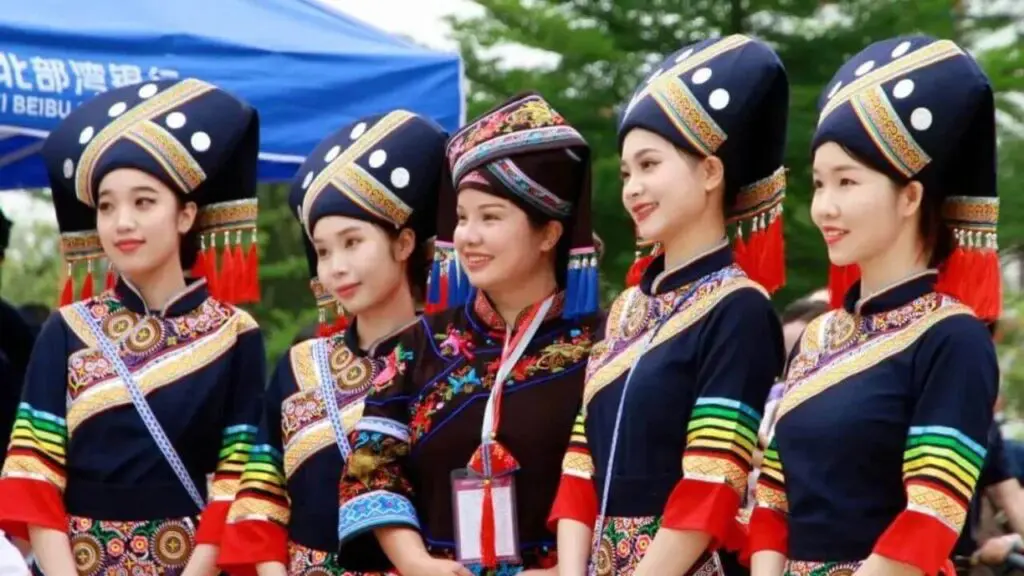
The Zhuang minority are China’s largest minority overall with a population of around 16–19 million, and with over 1 million Zhuang are in Yunnan Province. They in Yunnan are mainly situated in Weishan Prefecture at the south. The Zhuang minority are also sometimes known as the Rau or Rao people.
Derung
Derung are one of China’s smallest minorities. The Derung in Dulong Valley are known for facial tattoos (now rare) and tea culture. Because of their remote location, visiting them requires adventurous travel planning.
Miao
Miao minorities are spread across Yunnan’s southeast. They are famous for elaborate silver jewelry, batik crafts, and vibrant traditional dress, especially during New Year celebrations.
Lisu
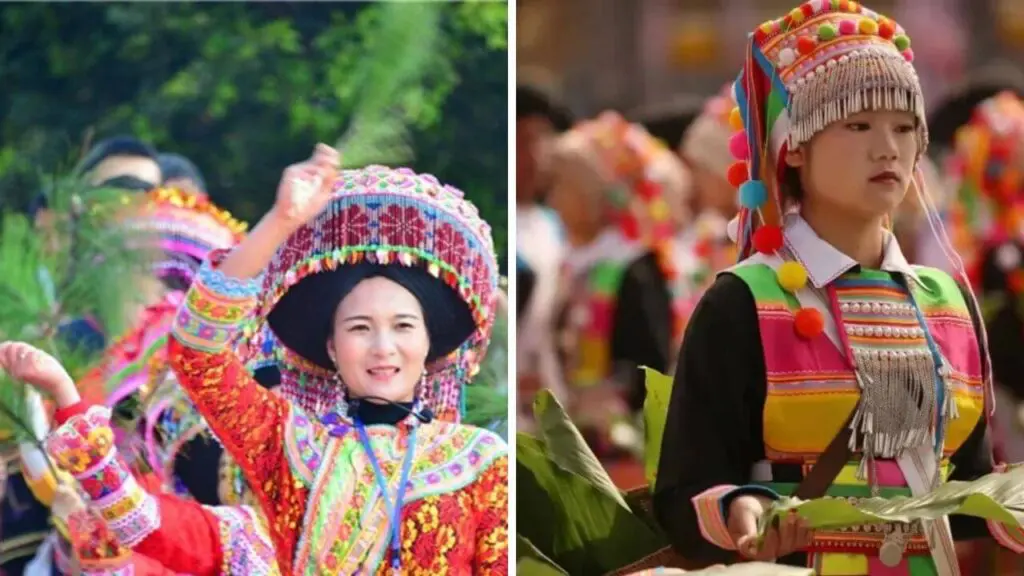
The Lisu ethnic group reside in Nujiang Valley. Lisu people live in remote mountain regions and are known for bamboo musical instruments, animist rituals, and stunning terraced farms.
Wa
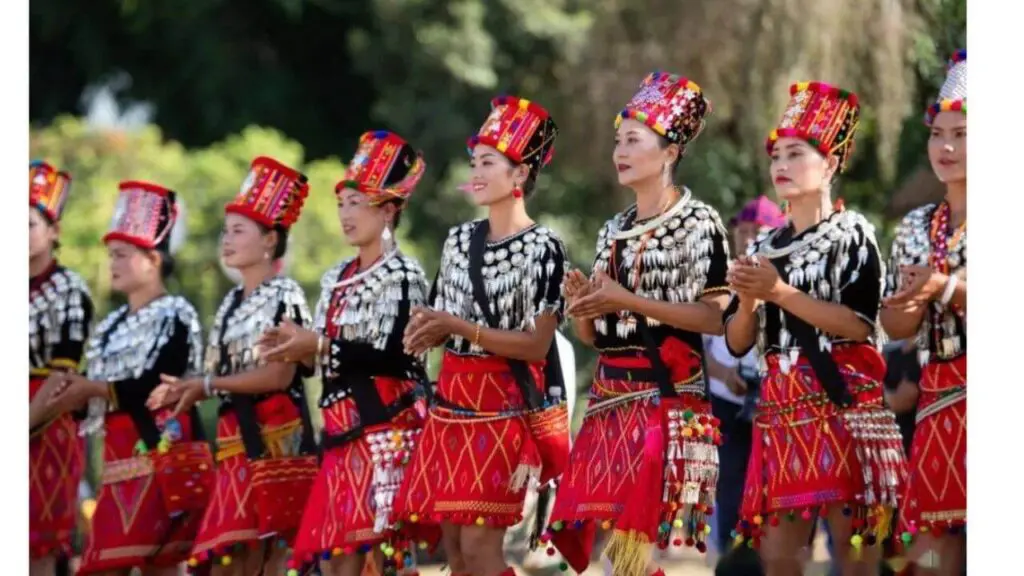
The Wa people are bordering Myanmar, and they are known for wooden drum towers, bull totemism, and unique dances. Some villages still follow traditional animist customs.
Bulang
Bulang ethnic groups are in Xishuangbanna. They are closely linked to tea culture, especially in Pu’er tea–producing regions.
Jingpo
Jingpo minority people are living near the Myanmar border. They are known for brightly patterned clothing, drum music, and multicultural influences from Southeast Asia.
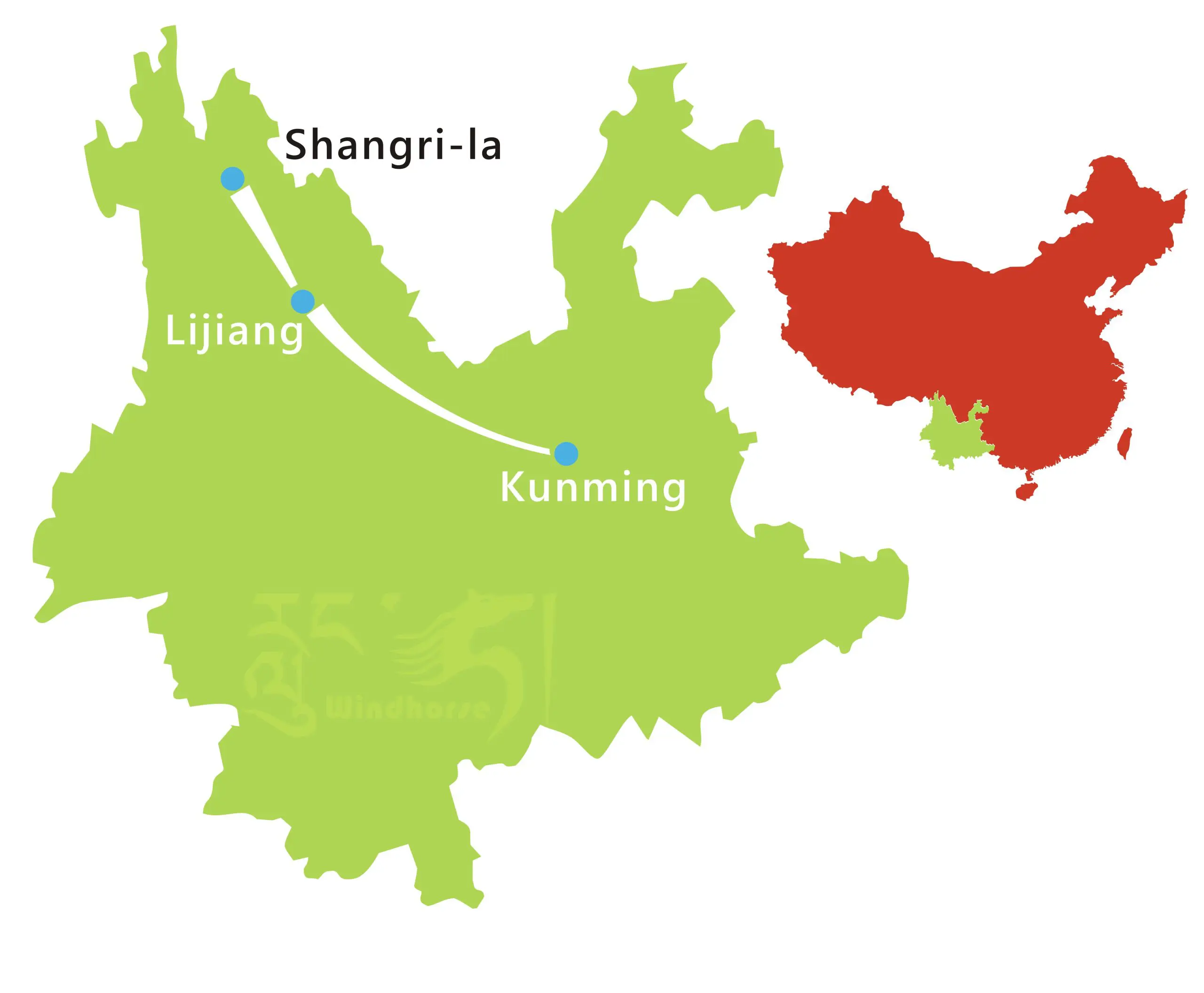
Travel Tip: Combine visits to multiple ethnic regions in one trip. For example, a 7-day itinerary covering Kunming, Dali, Lijiang, and Shangri-La offers a mix of Yi, Bai, Naxi, and Tibetan cultures.
Travel Information for Yunnan
How to get to Yunnan
Fly into Kunming, Yunnan’s capital, from major Chinese cities (2–4 hours from Beijing or Shanghai). High-speed trains connect Kunming to Dali, Lijiang, and other hubs (2–6 hours). For remote areas like Yuanyang or Dulong Valley, consider private transfers or guided tours.
Tour Options: Book with local agencies like Windhorsetour for tailor-made tours focusing on ethnic culture. You can create your own tour with us. Or if you want to go on your own trip, this Yunnan Travel Guide may help you easily create the adventure.
Best Time to Visit Yunnan
Spring (March–May) and autumn (September–November) offer mild weather and fewer crowds. Winter is ideal for Yuanyang’s misty terraces, while summer suits Shangri-La’s highlands.
Cultural Etiquette
Respect local customs by asking permission before photographing people, dressing modestly in religious sites, and avoiding sensitive topics. Learn basic Mandarin phrases, as many ethnic languages are spoken locally.
What to Pack: Layered clothing for varying climates (e.g., warm layers for Shangri-La, light attire for Xishuangbanna). Comfortable shoes for hiking and sunscreen for high-altitude areas.
Must-Visit Attractions
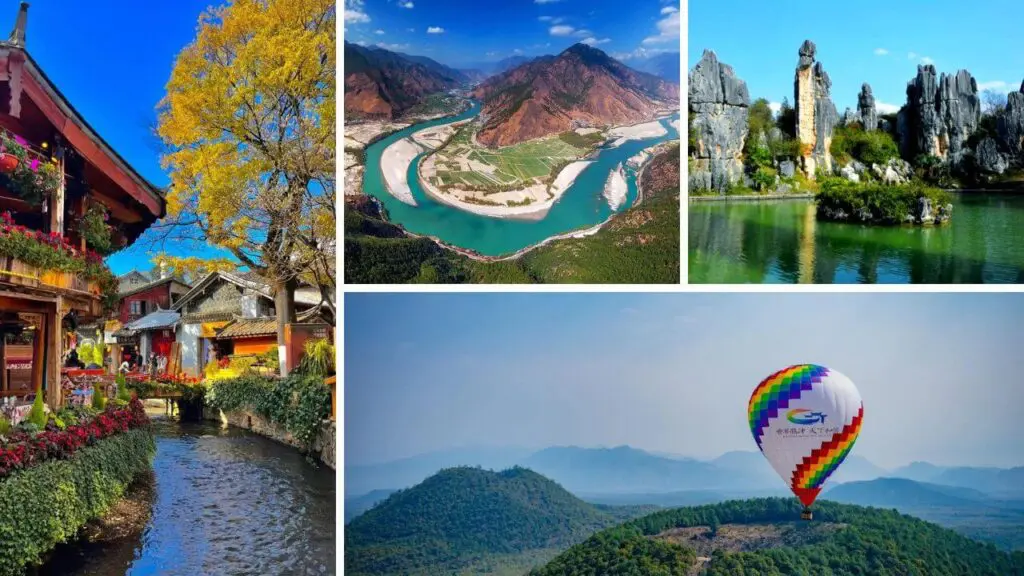
- Kunming: Stone Forest (UNESCO site) and Yunnan Nationalities Museum.
- Dali: Erhai Lake and Xizhou Village.
- Lijiang: Old Town and Jade Dragon Snow Mountain.
- Shangri-La: Songzanlin Monastery and Pudacuo National Park.
- Xishuangbanna: Manting Park and Dai villages.
- Yuanyang: Rice Terraces and Hani villages.
Final Words
Yunnan ethnic culture offers a captivating blend of history, art, and tradition, set against some of China’s most stunning landscapes. Whether you’re hiking the Yuanyang Rice Terraces, exploring Lijiang’s ancient alleys, or joining a Tibetan festival in Shangri-La, Yunnan promises a journey of discovery. Plan your trip with respect for local customs, and let the warmth of Yunnan’s people and the vibrancy of their cultures create unforgettable memories.
Related tours
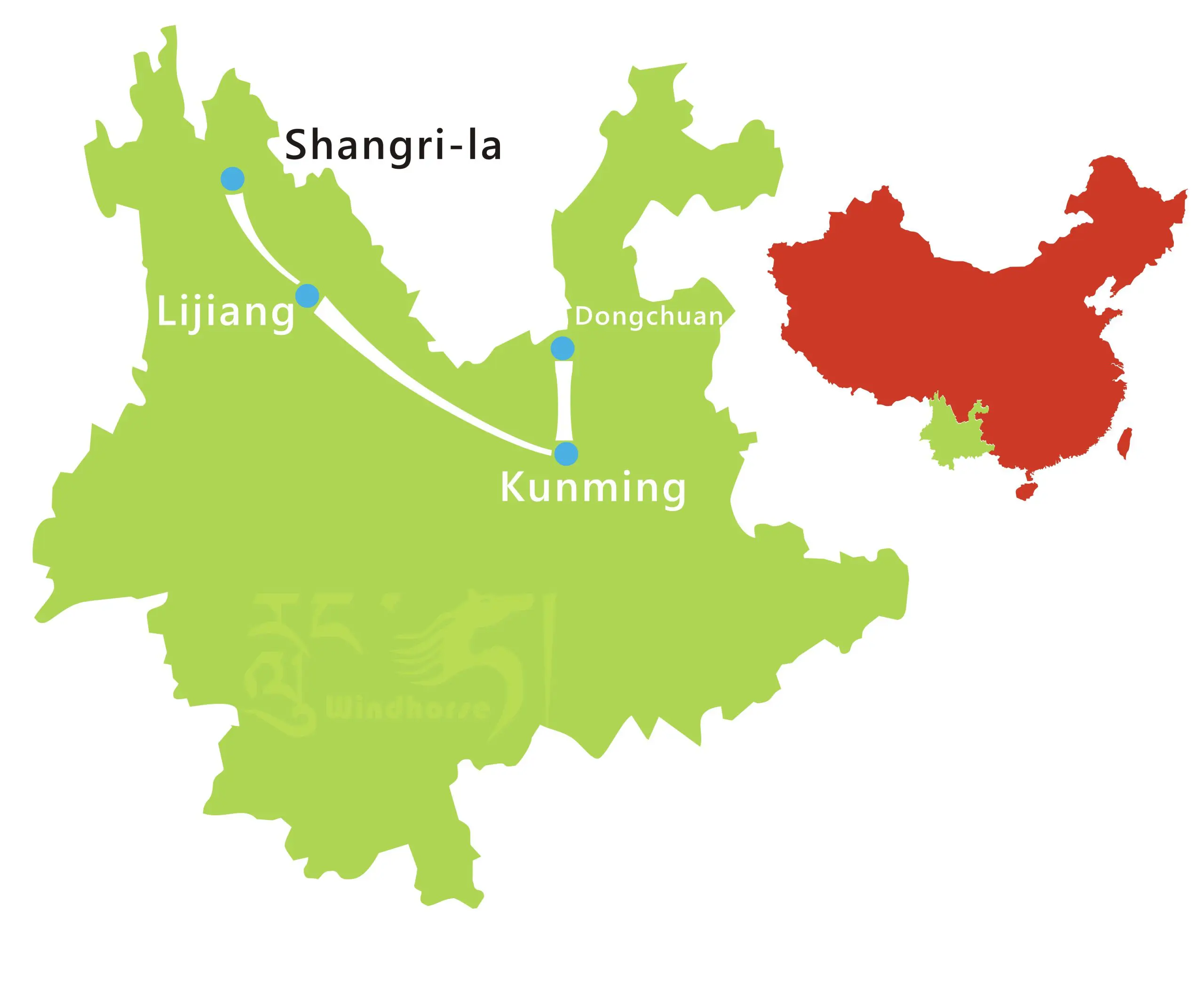


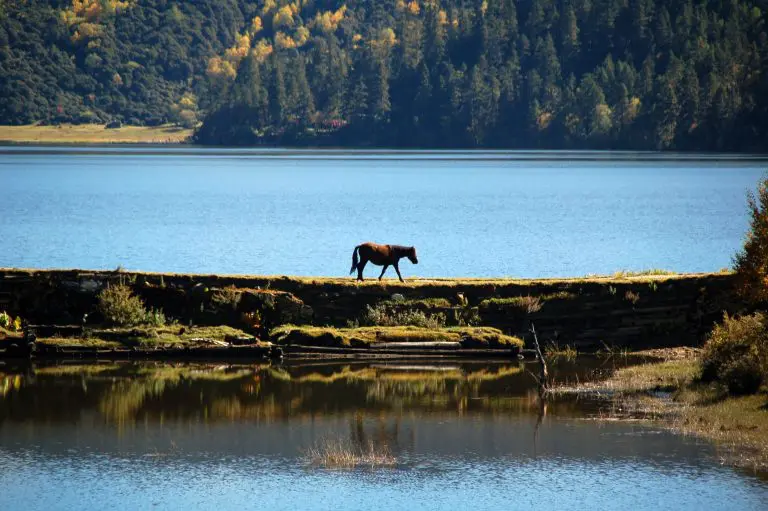
Explore North Yunnan on this 9-day tour through Kunming, Dongchuan Red Land, Lijiang, and Shangri-La. Capture Red Land’s vibrant terraces, explore ancient towns, and experience Tibetan culture and highland scenery.
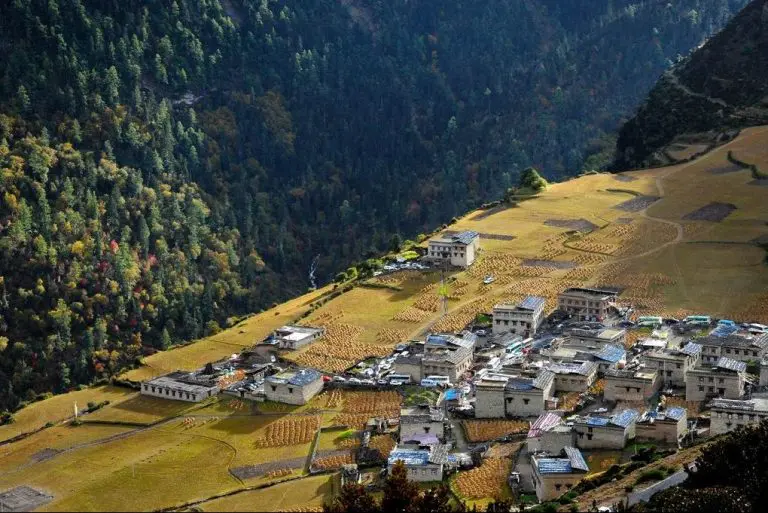
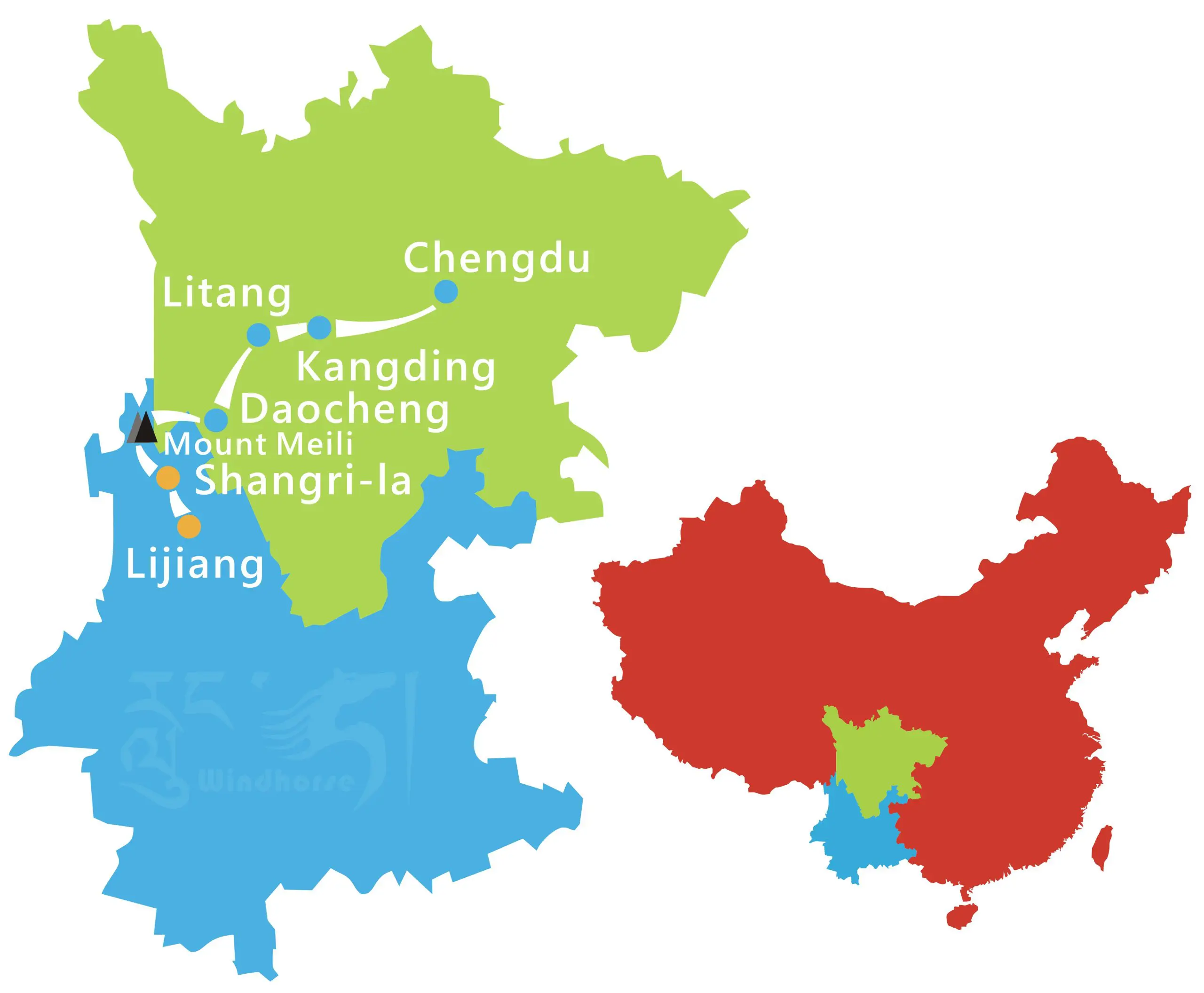

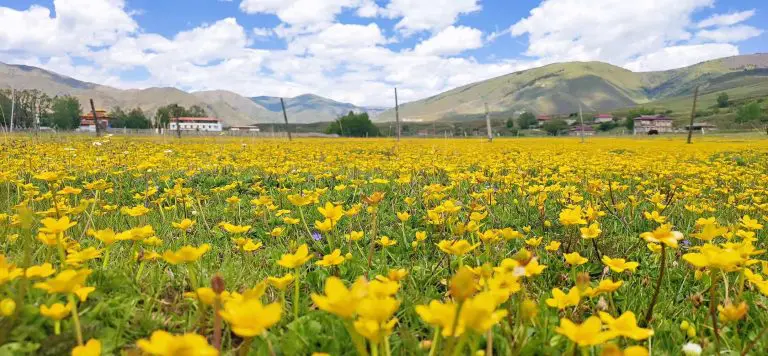

Experience an excellent picturesque trip traveling from Chengdu to the real Shangri-la and ending in Lijiang. A tour that passes through the wonderful virgin forest and snow-capped mountains of Daocheng and Yading. So much more awaits.
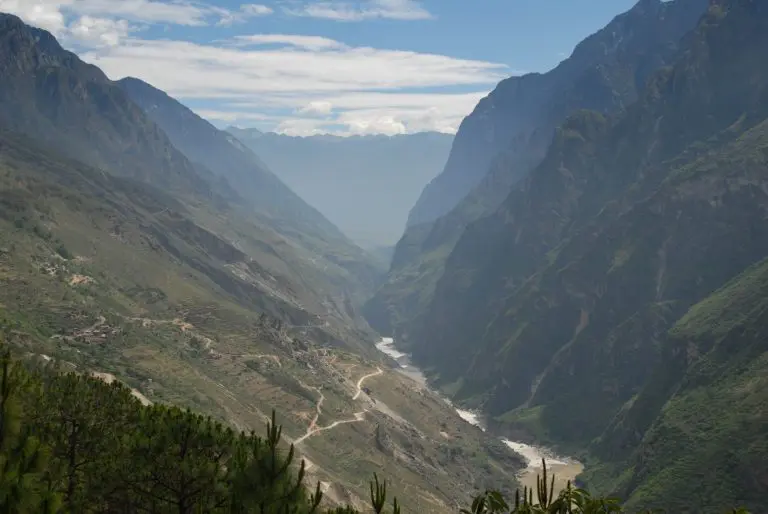
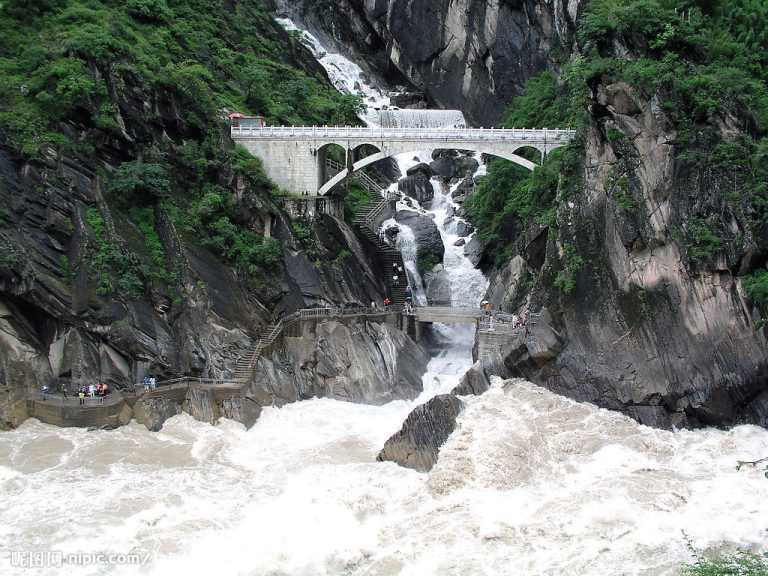



Experience one of China’s best treks on this 8-day Tiger Leaping Gorge hiking tour. Tackle the high trail, climb the 28 Bends, stay in local guesthouses, and enjoy nonstop views of the gorge, snow peaks, and the Jinsha River before reaching Shangri-La.