
Third Month Fair of Bai Ethnic Group
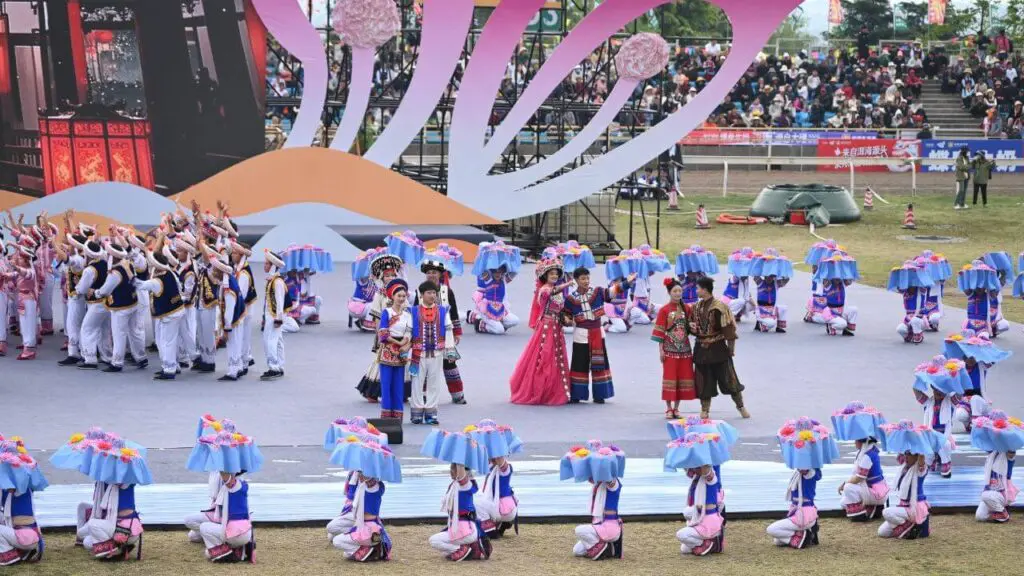
Third Month Fair (三月街) is also known as the Guanyin Fair. It is a big event for the Bai ethnic group, who mostly live around Dali in Yunnan province, China. Bai People are one of the 56 officially recognized minority groups in China, and one of the most populous ethnic groups in Yunnan.
The Third Month Fair It’s like their top yearly gathering, packed with fun, shopping, and cultural activities that pull in locals and visitors alike. Folks from other groups, such as the Yi or Tibetans, join in, and tourists come from all over. Also called the March Street Festival or Sanyuejie, it’s held at the foot of Mount Cangshan near Dali’s old town, with stunning views of mountains and Lake Erhai. This is one of the many Yunnan festivals that you can attend while you are on Yunnan tour in China.
When and Where It Takes Place
Third Month Fair happens from the 15th to the 21st day of the third lunar month, which usually falls in April or sometimes early May of the Gregorian calendar. The festival is set right at the foot of Cangshan Mountain, close to the edges of Erhai Lake, in an area that’s all about Bai culture and history.
A Brief History of Third Month Fair
This fair has a history of more than 1,300 years, starting in the Tang Dynasty. At first, it was like a temple gathering to pay respects to Guanyin, the Buddhist figure known for compassion. The people would come together to pray, give offerings, and ask for things like good health, bumper crops, or safety from troubles.
However, as years went by, it grew into something way bigger than just religion. It turned into a huge market and cultural bash, mixing trading, shows, and old traditions. People started showing up from not only Yunnan but also nearby provinces and even other countries, making it one of the biggest open-air trade spots in southwest China.
Also, the Third Month Fair is a real celebration of what it means to be Bai and how different groups in Yunnan get along. Back in 2008, it got listed as part of China’s national intangible cultural heritage, which was a big deal.
Legends and Stories
The Guanyin Tales
One story that’s stuck around forever is about Guanyin showing up in old Dali during tough times like droughts and hard living. She’s said to have fought off these scary man-eating demons called Raksa that hung around Erhai Lake. With her help from above, she kept the villagers safe, cleaned up the place, and gave them some spiritual advice. That’s why the temple fair, which later became the Third Month Fair, started out as a way to thank her.
The Dragon Princess and the Moon Market
Another favorite tale is about a dragon princess who fell for a simple fisherman. He once found this magical market under the moonlight on a mountain, run by immortals trading all sorts of treasures and healing herbs. He got inspired, brought back ideas and seeds to help his community. In the end, the princess married him, and that moon market legend became like the fairy-tale start of the Third Month Fair, it is a spot where everyday life meets a bit of magic, bringing knowledge, fixes for ailments, and plenty for everyone.
What to Do and See at Third Month Fair
The Third Month Fair in Dali is like this amazing mix of culture, shopping, shows, and partying that you won’t forget. People get pulled into this lively vibe where old spiritual stuff meets everyday life, and every little path or open spot is buzzing with energy.
Shopping and Markets
The real core of the festival is this huge open-air market, with tons of stalls spread out under Cangshan Mountain. Locals and visitors haggle, swap stuff, and poke around like crazy:
- Medicinal herbs: All sorts of rare roots and old-school remedies that people love across Yunnan and even into Southeast Asia.
- Handicrafts: Things like Bai tie-dye fabrics done by hand, embroidery, and pottery from village folks who know their craft.
- Pu’er tea: In leaves or pressed cakes, this aged tea is full of taste and means a lot culturally.
- Jewelry: Shiny bits of amber, jade, and silver that show off Bai and Dai styles.
- Tools and livestock: You can even find horses, camels, and handmade farm gear—it’s a nod to how the fair started as a big trading spot.
Performances
As you’re walking around, you’ll hear drums thumping and folk tunes floating in the air. There are stages and random spots where they put on:
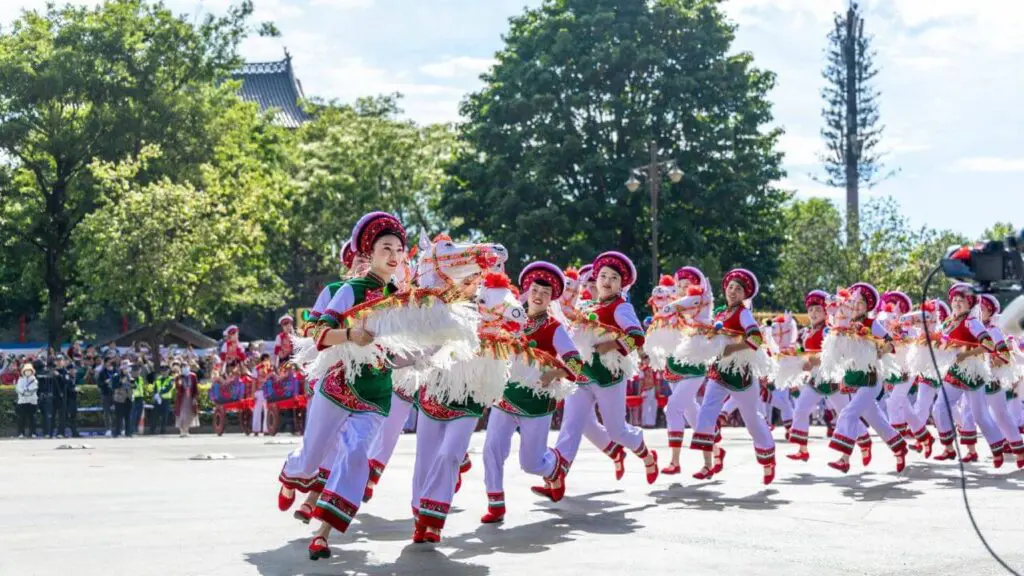
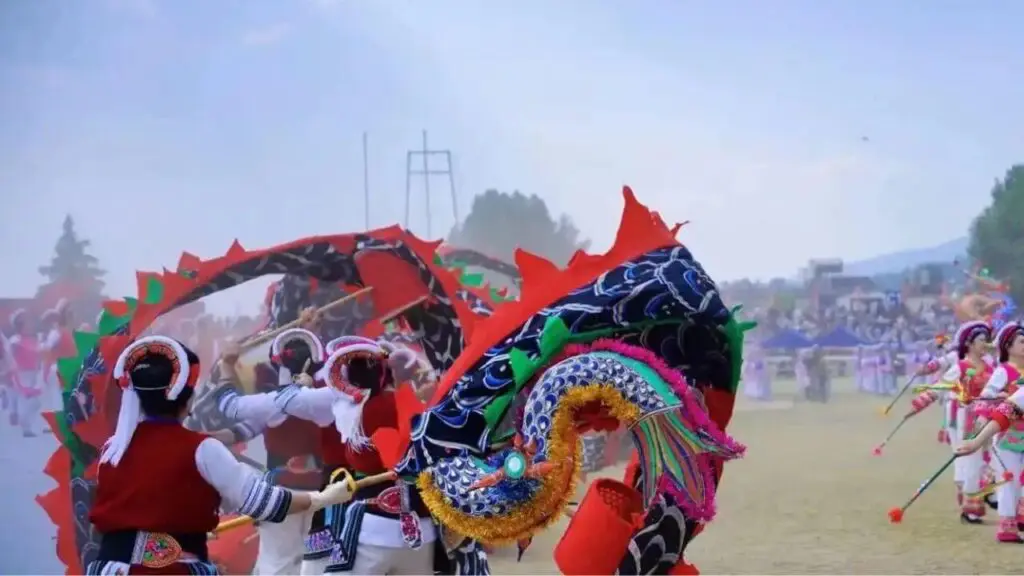
- Traditional dances like the whip one, lion and dragon moves, and cooler ones such as clam and crane dances.
- Folk music with instruments like the erhu, pipa, bamboo flutes, and gongs, giving everything a fun, throwback feel.
However, these aren’t just for show or tourists, they’re a big part of how communities hand down stories, skills, and history through the generations.
Competitions and Activities
If you’re up for some thrills, the festival has all these pumped-up contests and games:
- Horse racing, which the Bai people adore, with riders in bright traditional clothes.
- Dragon boat races, especially by the lakes or big rivers.
- Archery, tug-of-war, Chinese chess matches, wrestling, martial arts shows.
- Old-school ball games like Jianzi, played in circles around the villages and fair areas.
Also, these competitions highlight Bai ideas like being skilled, working together, and showing respect.
Decorations and Atmosphere
The whole place is a treat for the eyes:
- Paths lined with colorful lanterns and fresh flowers.
- Hills turned into these “flower mountains” where couples and buddies hang out.
- There’s this romantic spark in the air. The fair’s known as a time when young people chat, flirt, and maybe start something new.
All the lights, laughs, tunes, and smells come together to make it feel like a timeless party that’s super alive and great for making memories.
Other Highlights of the festival
- Mass singing contests where pros and regular folks belt out local songs.
- Altars for honoring ancestors and quiet spots for prayers, so families can show respect and ask for good vibes.
- Rituals for luck, like burning incense, rubbing stones, or tying red ribbons.
How Bai People Celebrate
Traditional Attire
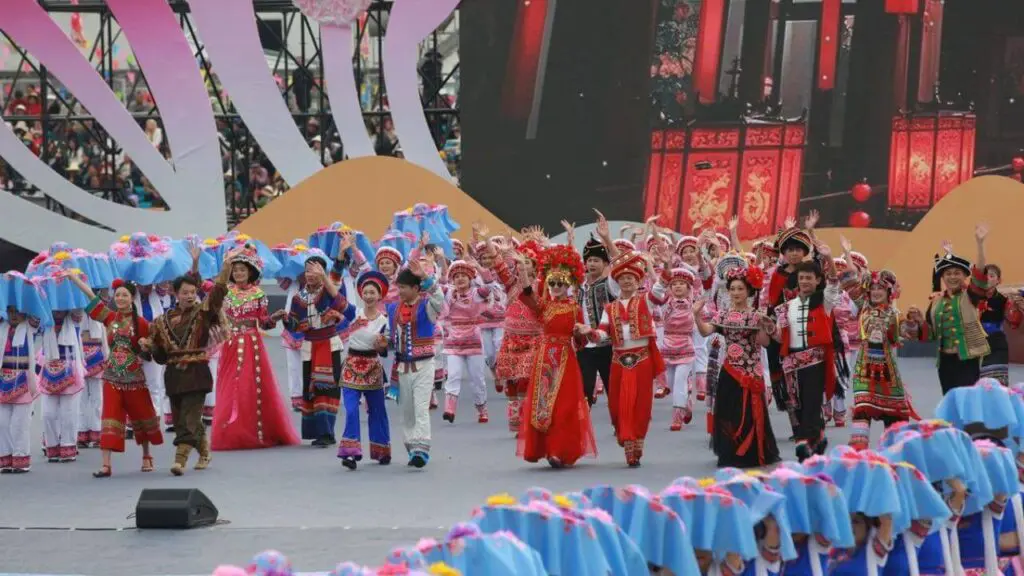
The Bai people really go all out with their looks during the fair. Guys, girls, and kids put on these vibrant ethnic clothes:
- Lots of bright blues, whites, and reds, decked out with embroidery.
- Women might wear headdresses or flower crowns, while men have pouches or sashes that mean something special.
Community Involvement
It’s a total group effort for the community. Villages team up to handle stalls, put on shows, and run rituals. For a lot of them, it’s the highlight of the year to catch up with neighbors and far-flung families.
Cultural Preservation
Getting involved in the old activities like dancing, making music, or telling tales. This helps keep Bai ways going strong. Older folks teach the kids, and the young ones grow up feeling good about who they are.
Social Aspects
Sure, it looks like a fair, but it’s also about connecting with people:
- Romance kicks off, with the setup perfect for courting and singing love tunes.
- Families hang out, eat together, and chat about life.
- Whole villages come for group prayers, which builds that sense of togetherness and shared wishes for the year ahead.
What Food to Try
No Yunnan festival is complete without killer local eats, and the Third Month Fair nails it.
Bai Specialties
- Er Kuai: This chewy rice cake, maybe grilled with savory or sweet stuff on top.
- Local yogurt: Often made at home, a bit tangy, and topped with honey or nuts.
- Yunnan ham: That rich, cured meat sliced thin or in hearty stews.
- Candies, preserved meats, and fresh veggies that show off what grows around there.
Street Food
All over the grounds, vendors have carts and stands with snacks and full meals. Can you imagine crispy tofu, grilled skewers, or sticky rice in bamboo. If this is something for whatever you’re craving, you can find it at the March fair festival.
Final Words
The Third Month Fair is a celebration where you can see and feel the Bai culture. This festival shows what Bai people have carried on through the years with tunes, bright colors, faith, and pure happiness. Explore Yunnan culture with some festivals like this, you can learn so much more about the people, their customs and traditions. Use this Yunnan travel guide for your trip to the most diverse province in China. It will help you easily to plan, pack and decide where to go in Yunnan.
Related tours
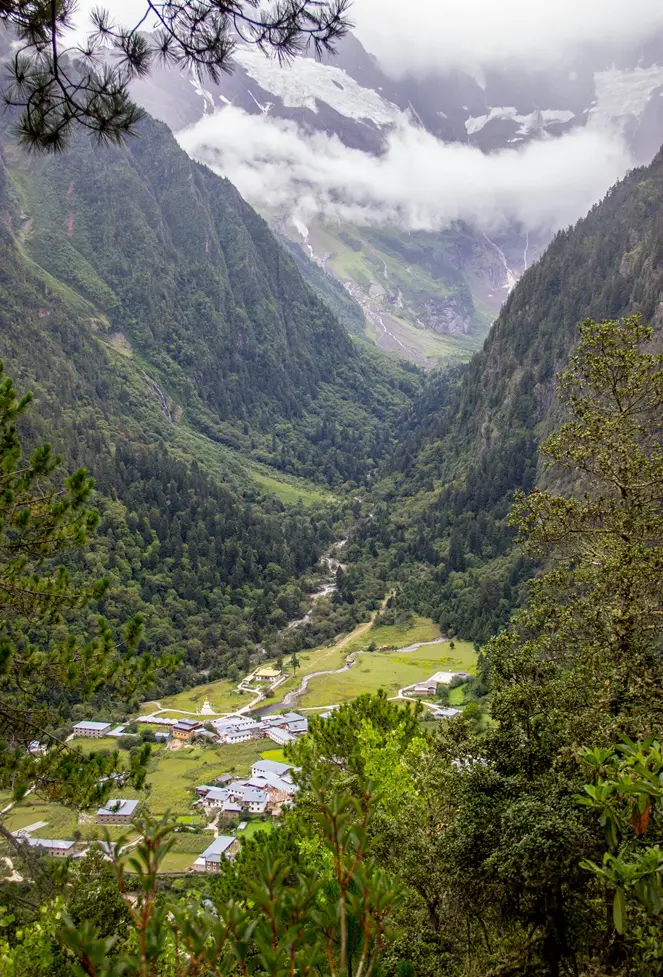
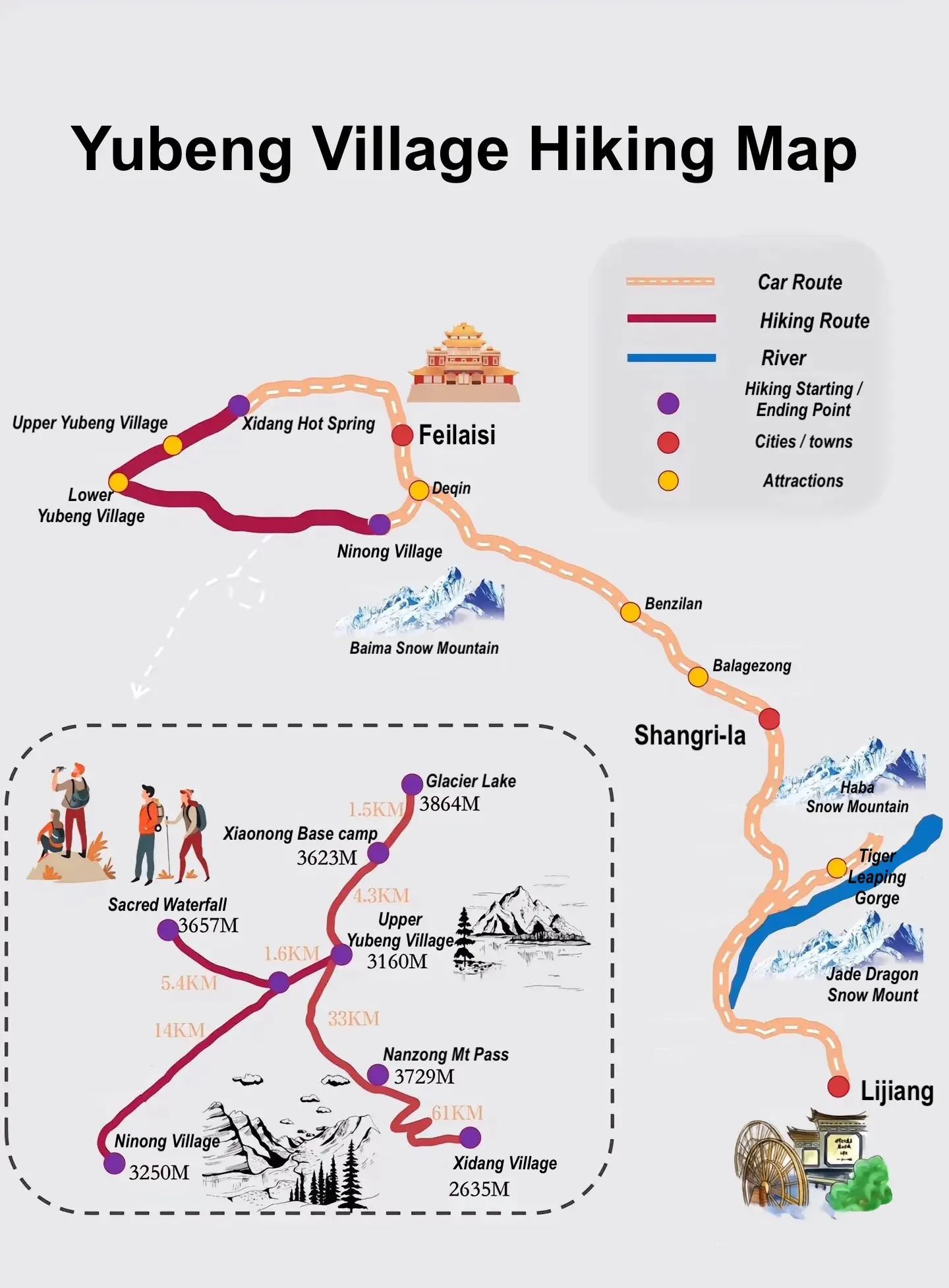
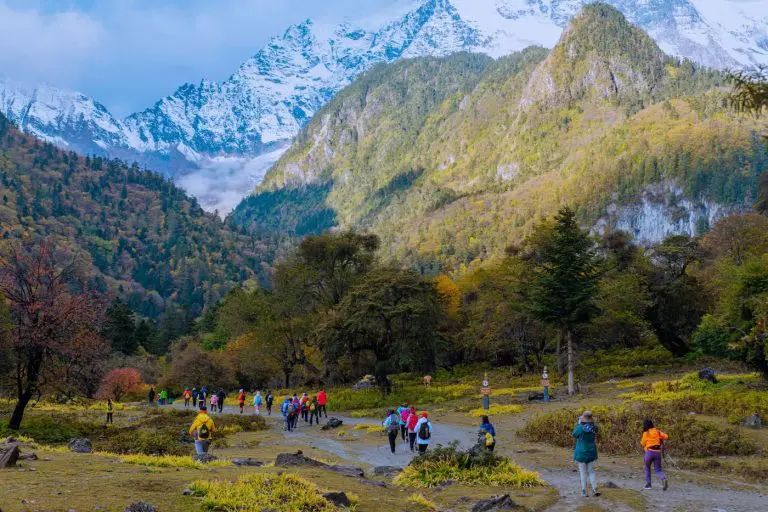
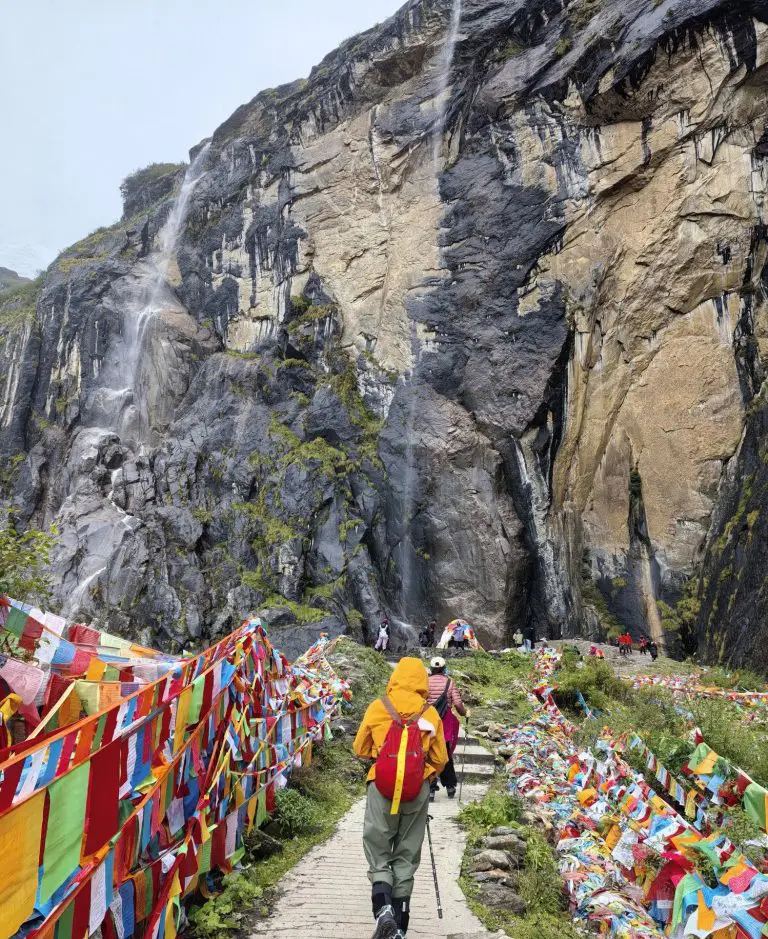
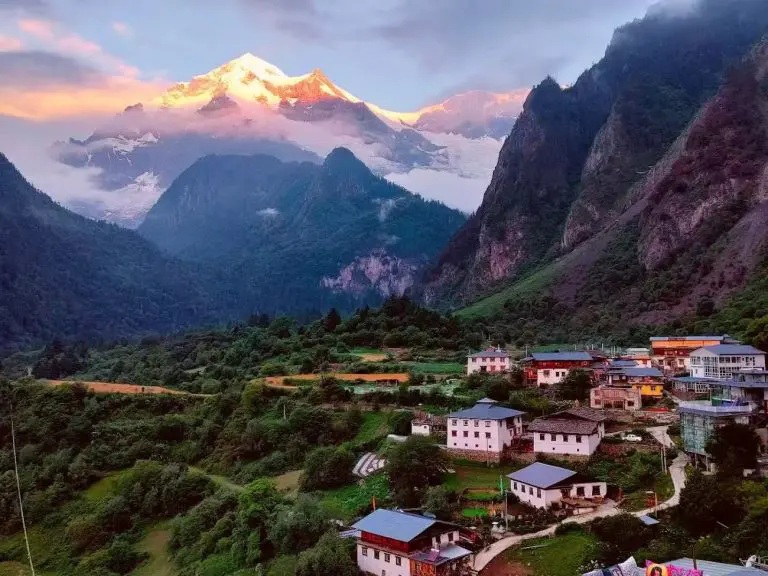
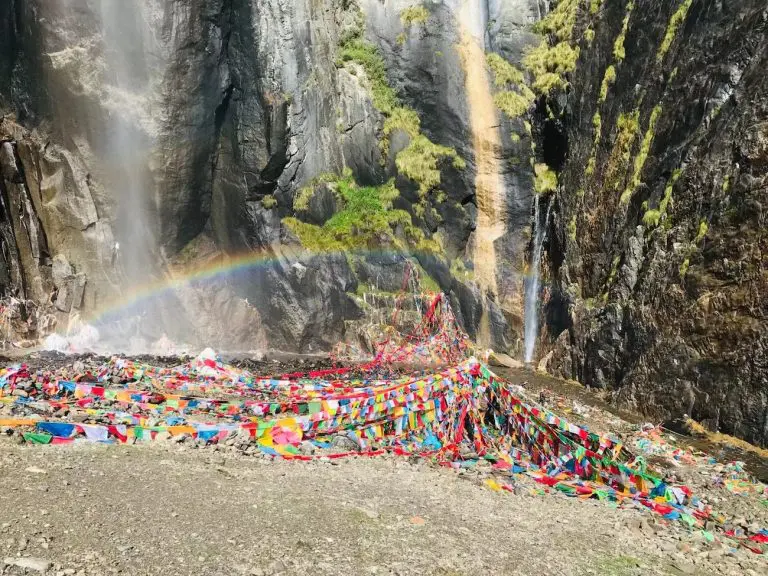
Join this 9 Day Yunnan Yubeng Village Hiking Tour to explore one of China’s most stunning hidden valleys beneath sacred Meili Snow Mountain. Trek through alpine forests, waterfalls, and meadows to Glacier Lake and the Sacred Waterfall for an unforgettable Yunnan trekking experience.
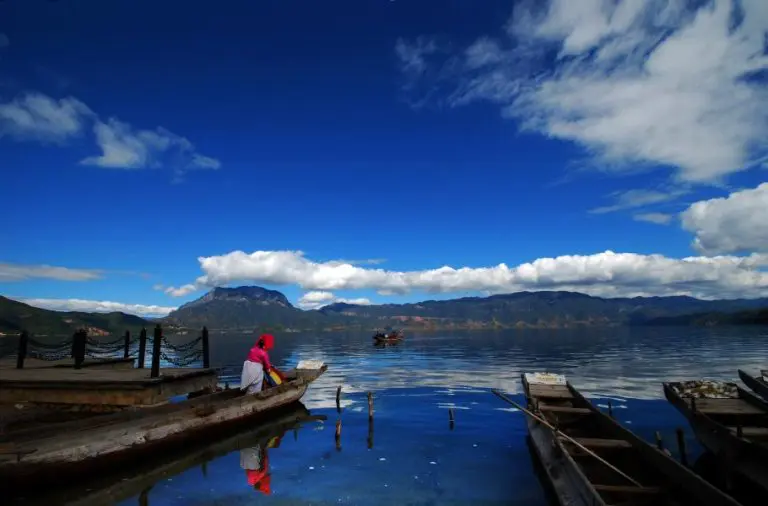
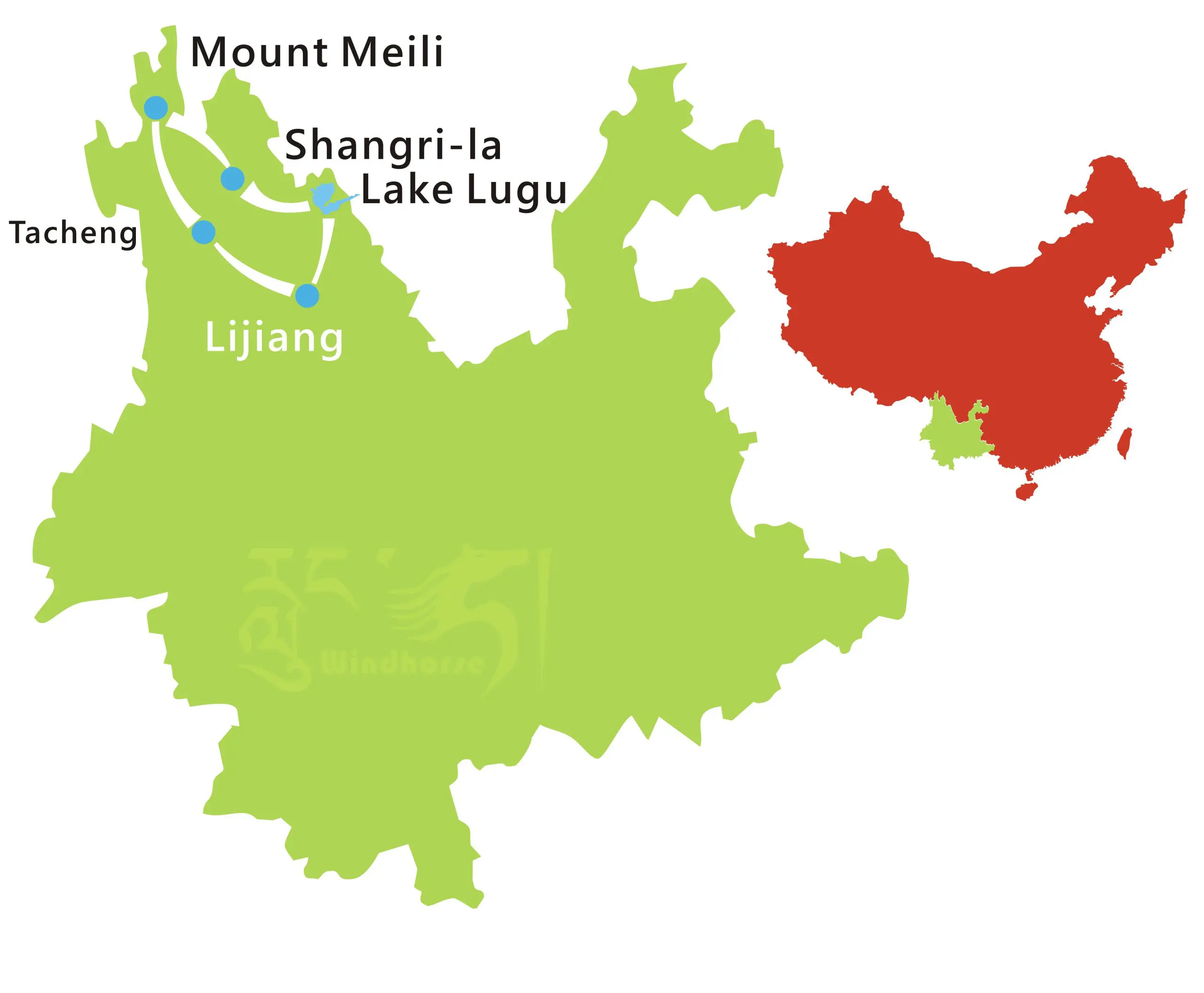
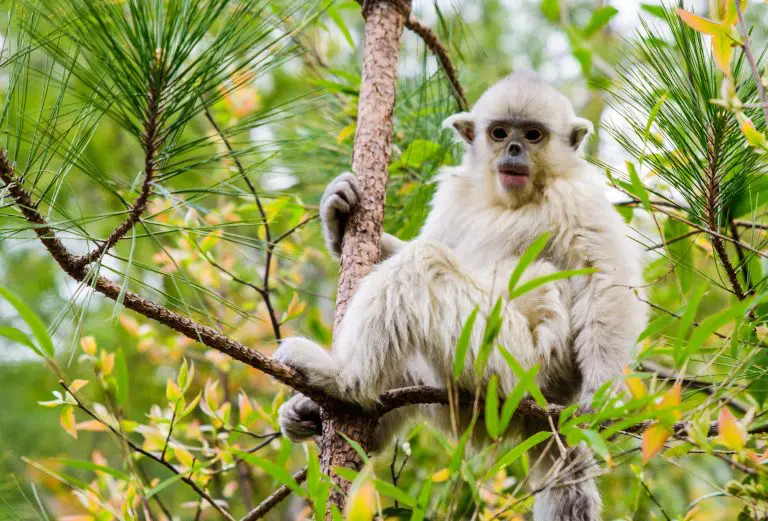
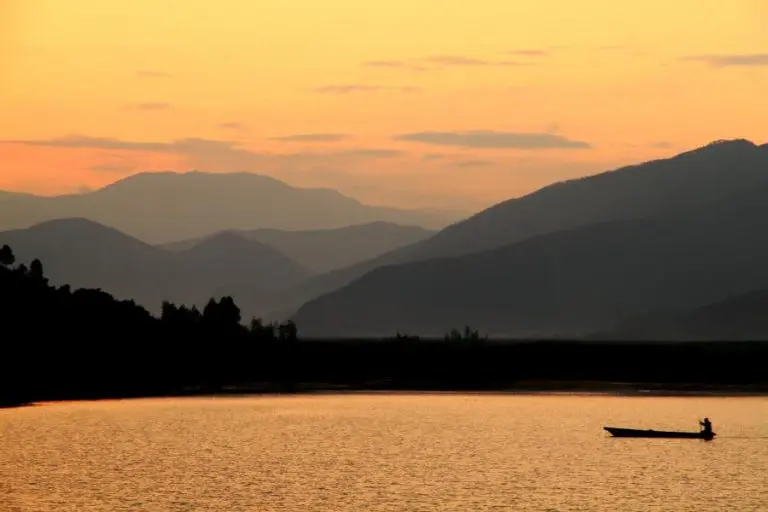
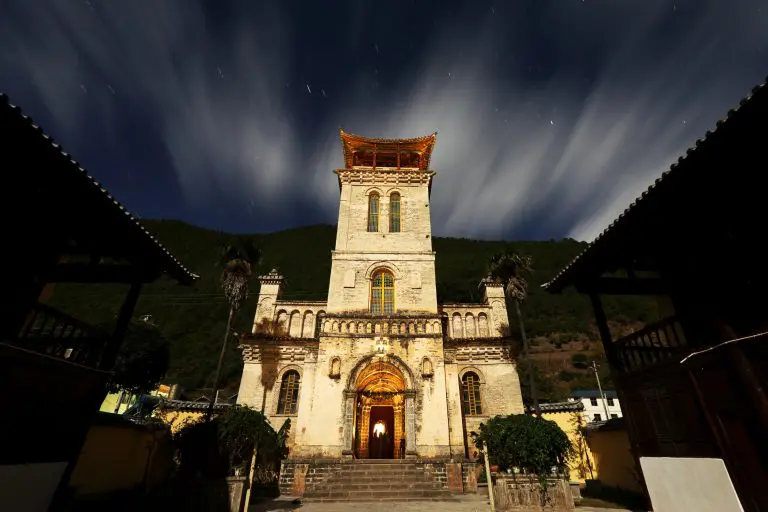
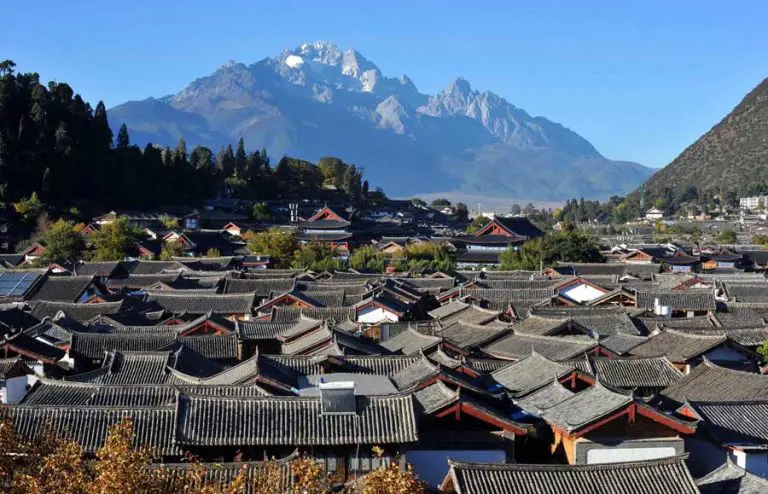
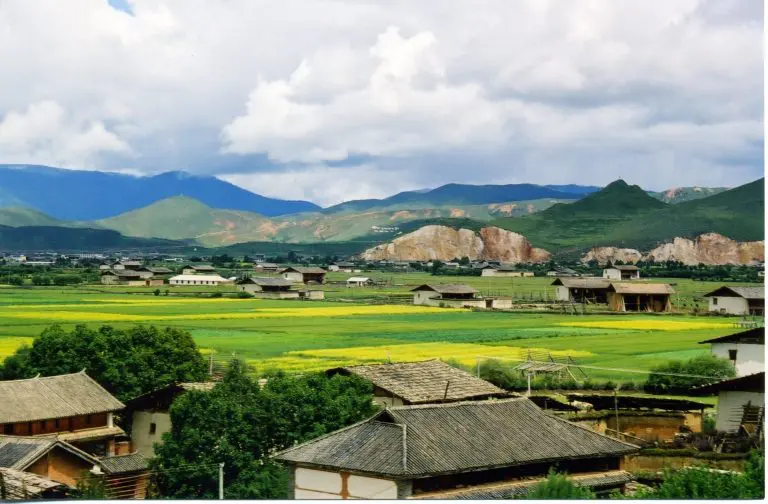
Explore the Yunnan highlands on this 12 day cultural tour from Lijiang to Lugu Lake, Shangri-La, Meili Snow Mountain, Cizhong, and Tacheng. Experience Mosuo, Naxi, and Tibetan culture amid lakes, monasteries, glaciers, and mountain villages.
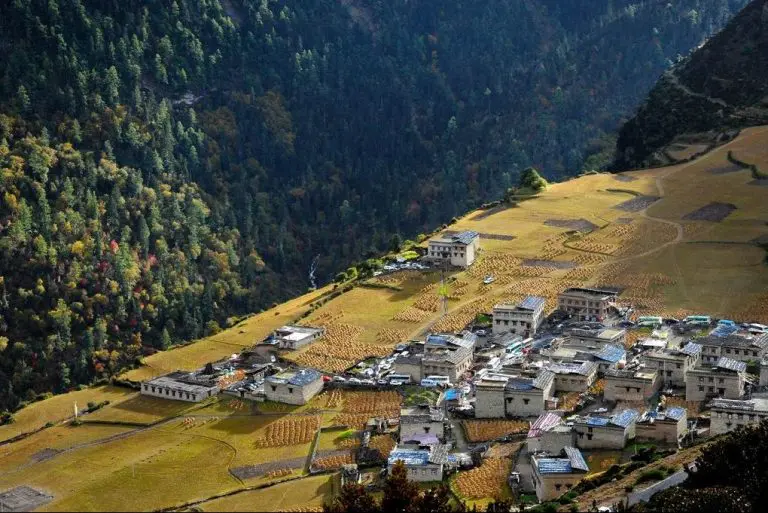
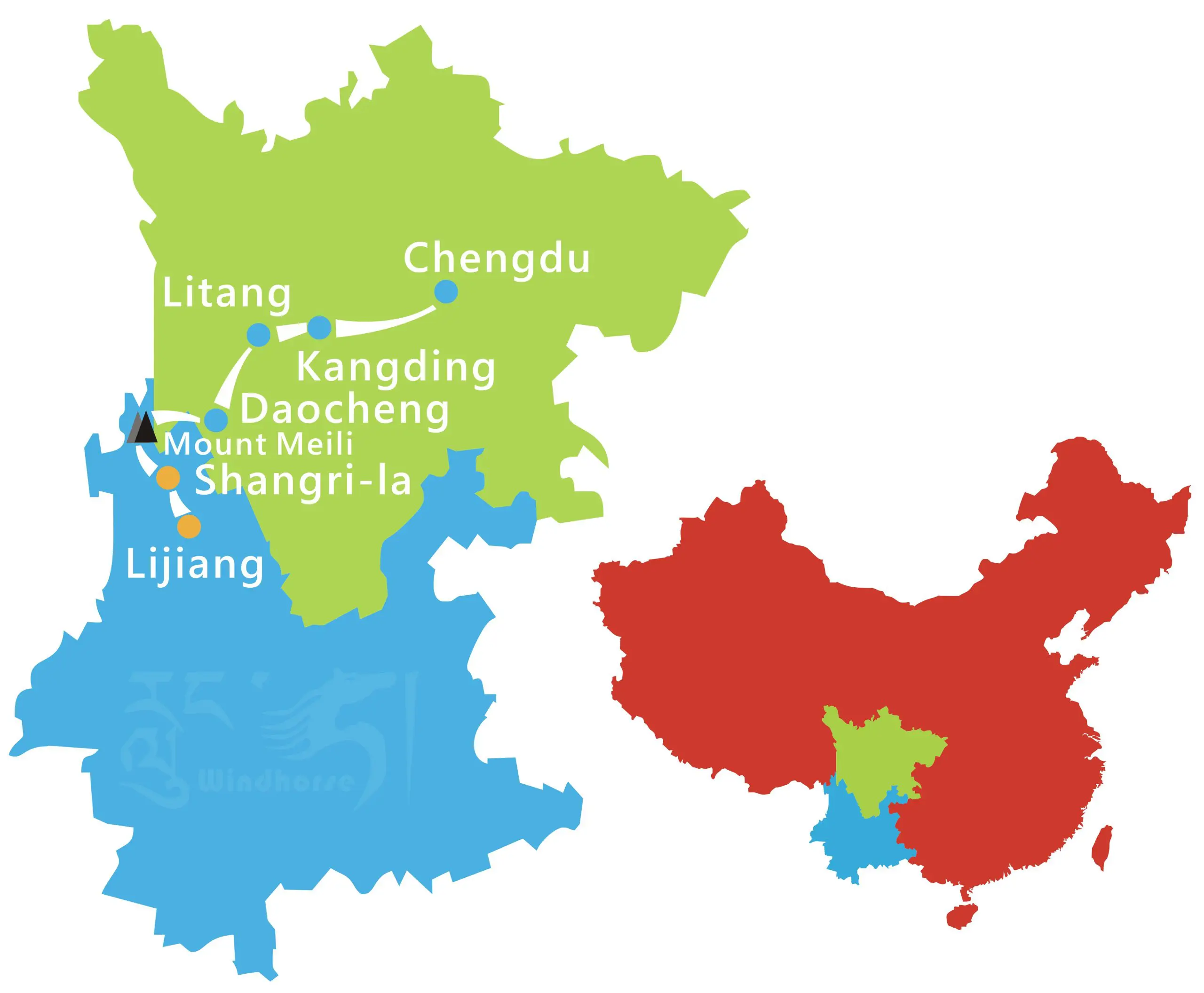
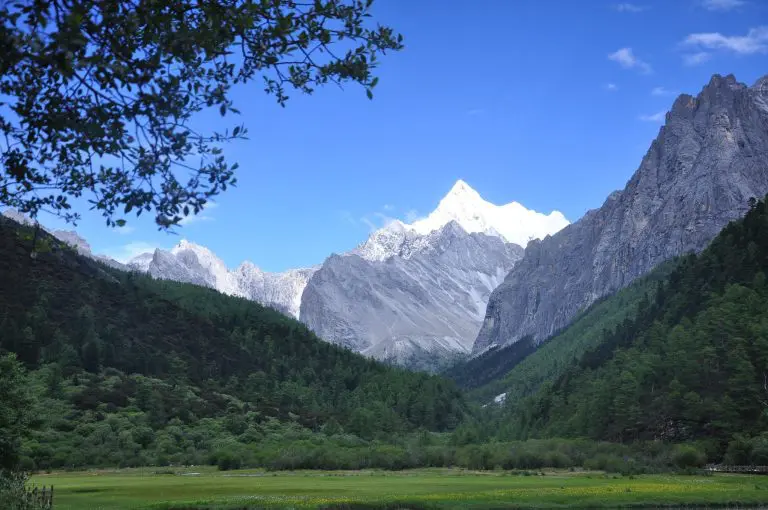
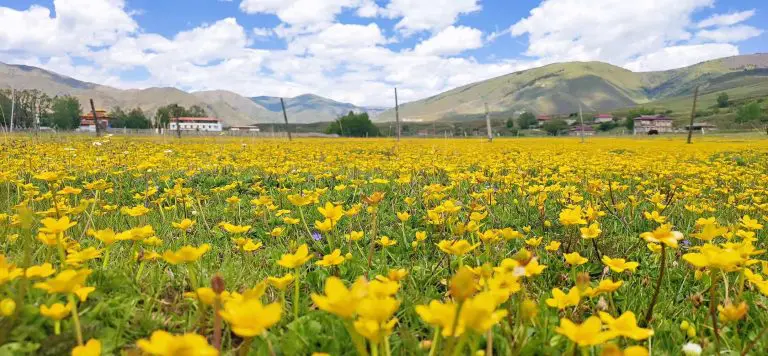
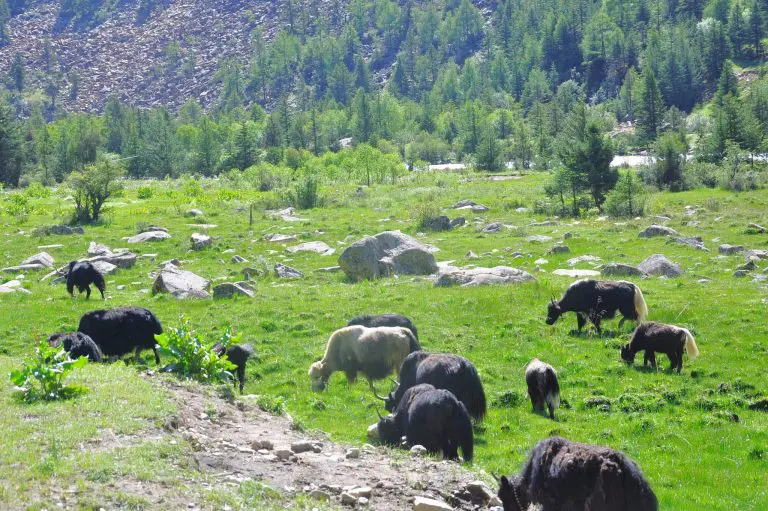

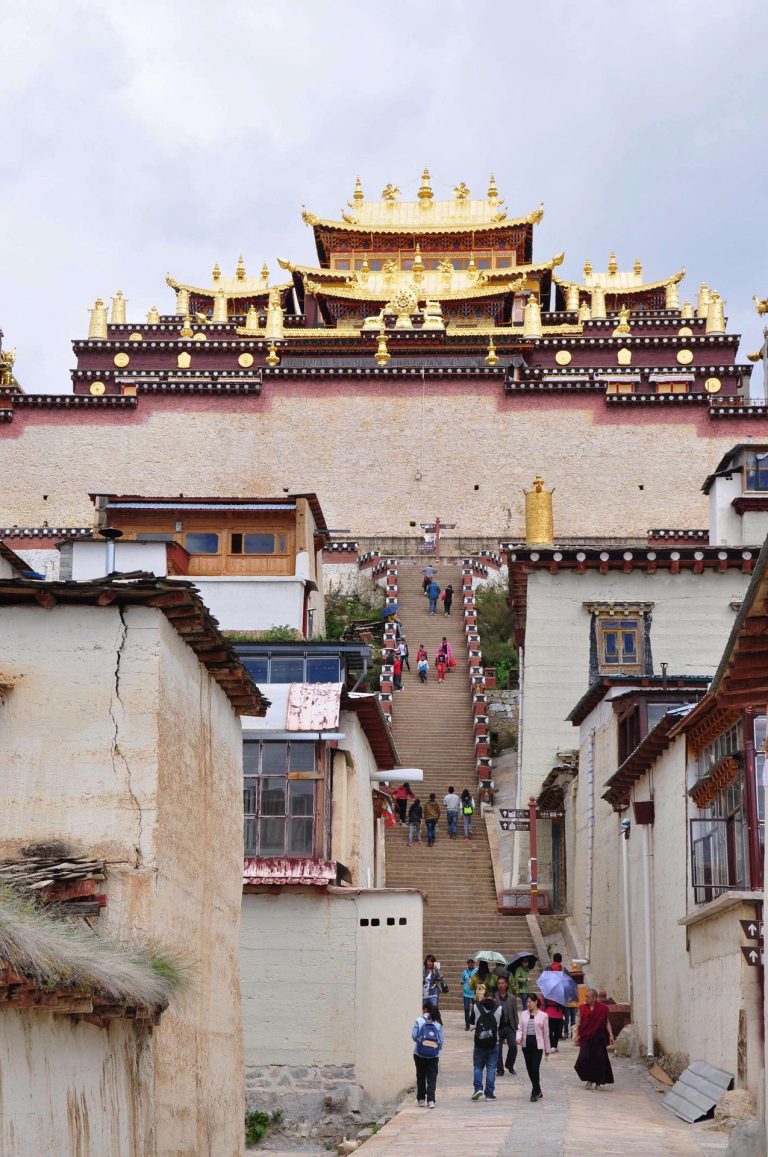
Experience an excellent picturesque trip traveling from Chengdu to the real Shangri-la and ending in Lijiang. A tour that passes through the wonderful virgin forest and snow-capped mountains of Daocheng and Yading. So much more awaits.