
Shuhe Old Town – Authentic Naxi Village near Lijiang
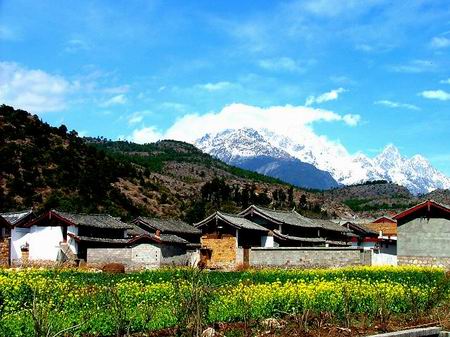
Just a few kilometers from the famous Lijiang Old Town, Shuhe Old Town is a charming little place that feels like a step back in time. It is one of the earliest homes for the Naxi people, though not their first, and it’s where their unique culture has truly flourished and been well-preserved.
Shuhe (pronounced shoo-huh) was once a key stop on the Ancient Tea Horse Road (an old trade route connecting Yunnan to Tibet), it was known for its leatherwork and even earned the nickname “Cobbler Town.” Today, Shuhe is an important part of the larger ‘Old Town of Lijiang’ UNESCO World Heritage Site, which includes Dayan (Lijiang old town), Baisha and Shuhe.
What makes Shuhe really special is its calm and authentic atmosphere compared to the more bustling Lijiang Old Town, it hasn’t been overly popular for tourists yet. You will find guesthouses, cafés, and shops, but things move at a slower, more genuine pace. You might still see farmers working the fields just outside the town, artisans hand making leather goods in tucked-away shops, and musicians playing traditional instruments on street corners.
So if you’re seeking old-world charm without the overwhelming crowds of Lijiang, Shuhe is a hidden gem that offers culture, scenery, and serenity all in one beautiful little package.
A Town Full of Stories
Shuhe’s roots go deep into history. Traders on horseback used to stop here for a break on their long journey, exchanging goods like tea, salt, and supplies before continuing their tough mountain routes toward Tibet. You can still feel that legacy in the old stone paved streets and weathered wooden buildings that line the streets.
But Shuhe isn’t just about the past, it’s still very much alive. The Naxi culture is everywhere, from traditional music and architecture to their unique Dongba symbols carved into gates and temples. It’s like walking through a living museum, but one that’s still very much part of everyday life.
Why Shuhe is Special
Compared to the crowds and energy of Lijiang Old Town, Shuhe is like a quieter, more laid-back sibling. It shares the charm of narrow alleys, flowing canals, red lanterns, but with fewer crowds and a more laid-back, authentic vibe. You’re more likely to bump into locals than tour groups here, which makes it a perfect escape for travelers looking to slow down and really take it all in.
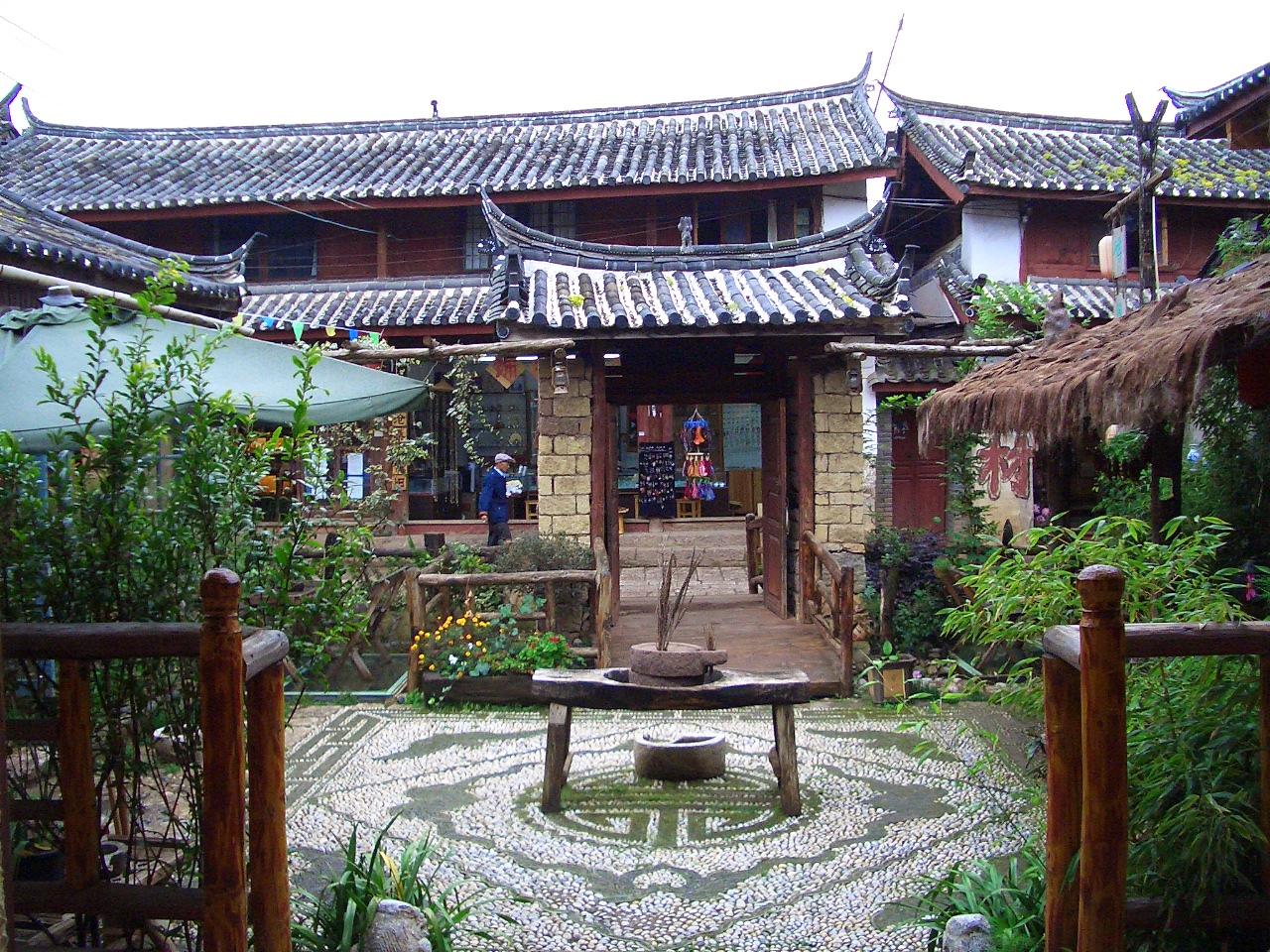
The traditional Naxi houses in Shuhe are built with wood, stone, and tile roofs, simple and beautiful, creating a harmonious aesthetic that blends with the natural environment. The town sits at the foot of Jade Dragon Snow Mountain, with rivers and canals flowing through like lifelines. There are two main rivers and numerous channels criss-crossing the whole town, which together with the roads and houses make a dense web and link the town in a tight structure like a honeycomb.
Shuhe is also aptly known as the “Town of Springs.” A short walk along Shuhe Street leads to Longtan (Dragon Pool), revered by locals as the source of the town’s streams and a Holy Spring. The water here is incredibly clean, and a traditional Chinese temple stands nearby. This area was historically a significant fur distribution center.
Why Not to Miss in Shuhe
Sifang Street (Central Square)
The central market of Shuhe, Sifang Street, is an ancient street surrounded by streams and lined with shops selling local handicrafts and leather products. It was historically a bustling trading center for Shuhe’s fur and leather trade. What you really should not miss is when locals gather in the square for traditional Naxi circle dancing in the evening. It’s a joyful, communal experience where visitors are often welcome to join in. The music, the rhythm, and the laughter under the lantern-lit sky make it a moment that truly captures the authentic spirit of Shuhe.
Ready? Start Your Private Yunnan Tour Today!
Qinglong Bridge
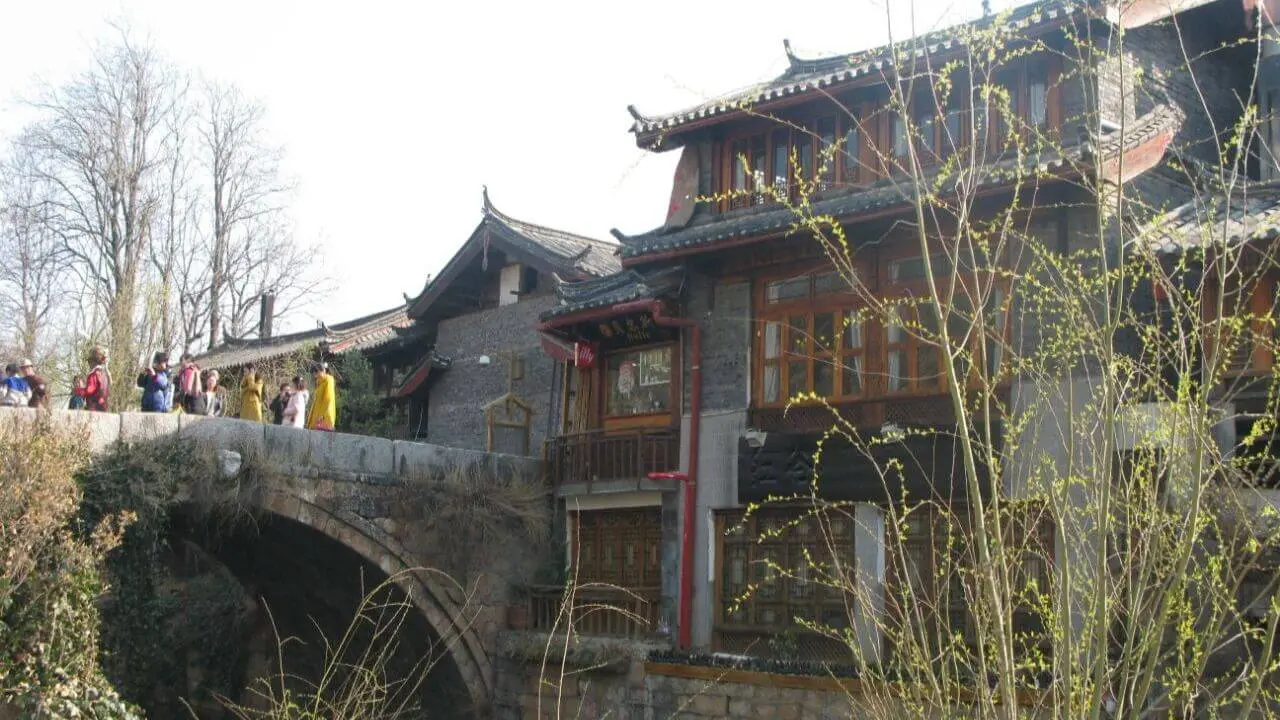
This stone bridge, over 400 years old, is a landmark of Shuhe. Qinglong bridge arches over a crystal-clear canal, creating a picture-perfect scene straight out of a postcard.
It’s especially beautiful in the early morning or late afternoon, when the light hits the water just right and reflects the old buildings and willow trees nearby. Whether you’re crossing it or snapping photos from the side, it’s one of those peaceful spots that really shows off Shuhe’s timeless charm.
Ancient Waterway System
One of the most unique things about Shuhe is its ancient waterway system, that is a network of clear, gently flowing canals that winds through the town like veins of life. These channels have been used for irrigation, washing, and daily chores for hundreds of years.
Locals still use them today to rinse vegetables, clean tools, or simply cool off on a hot day. The sound of running water adds a calm, soothing feel to the whole town, and it’s a reminder of how closely people here live in tune with nature.
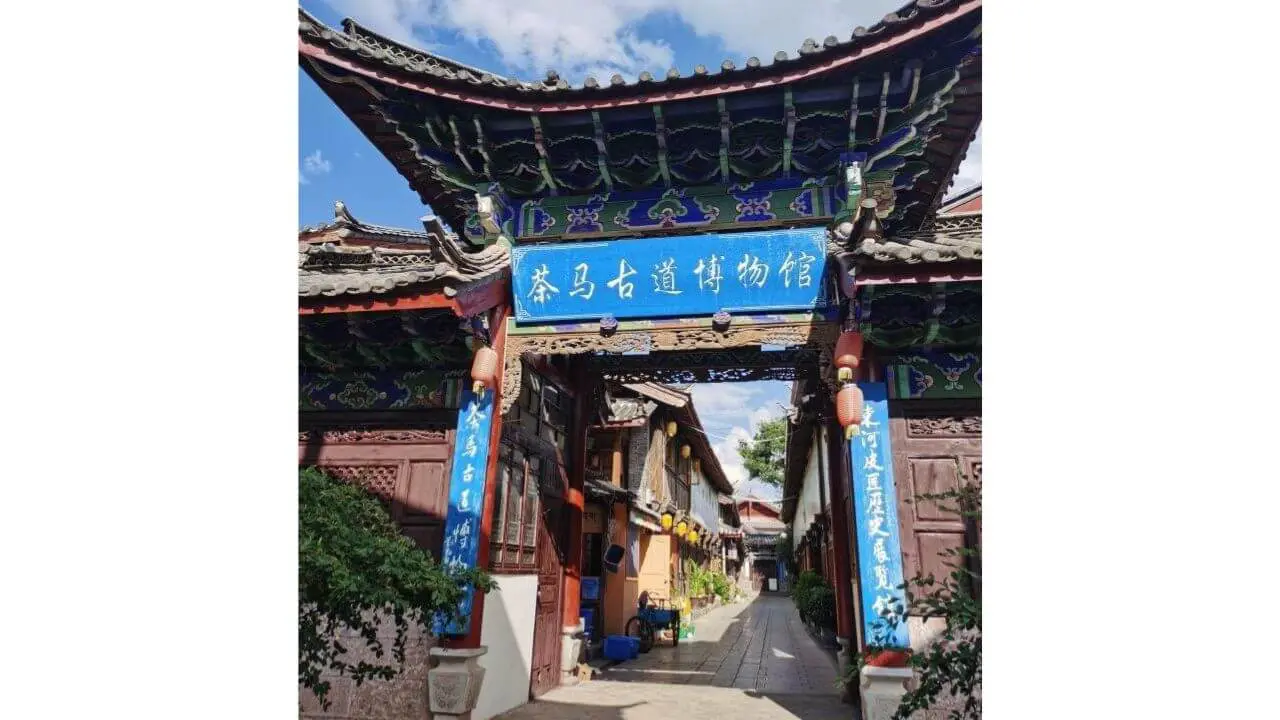
Museum of Ancient Tea Horse Road
The Museum of Ancient Tea Horse Road in Shuhe Ancient Town is located in a quiet corner of town, and this small museum offers a fascinating glimpse into Shuhe’s past as a key stop on the Ancient Tea Horse Road. Through old maps, artifacts, and displays, you can learn how traders once crossed mountains with tea, salt, and horses, and how Shuhe thrived because of it.
Jiuding Dragon Pool (Dragon Pool/Long Pool):
A sacred spring to the locals, the pool’s crystal-clear water is the source of the streams flowing through the town. You can also see fish in the pond, which are considered sacred.
Red Leaves at Xishan Mountain:
In autumn, the lacquer trees on Xishan Mountain turn vibrant red, offering a beautiful sight.
Local Experiences at Shuhe Ancient Town
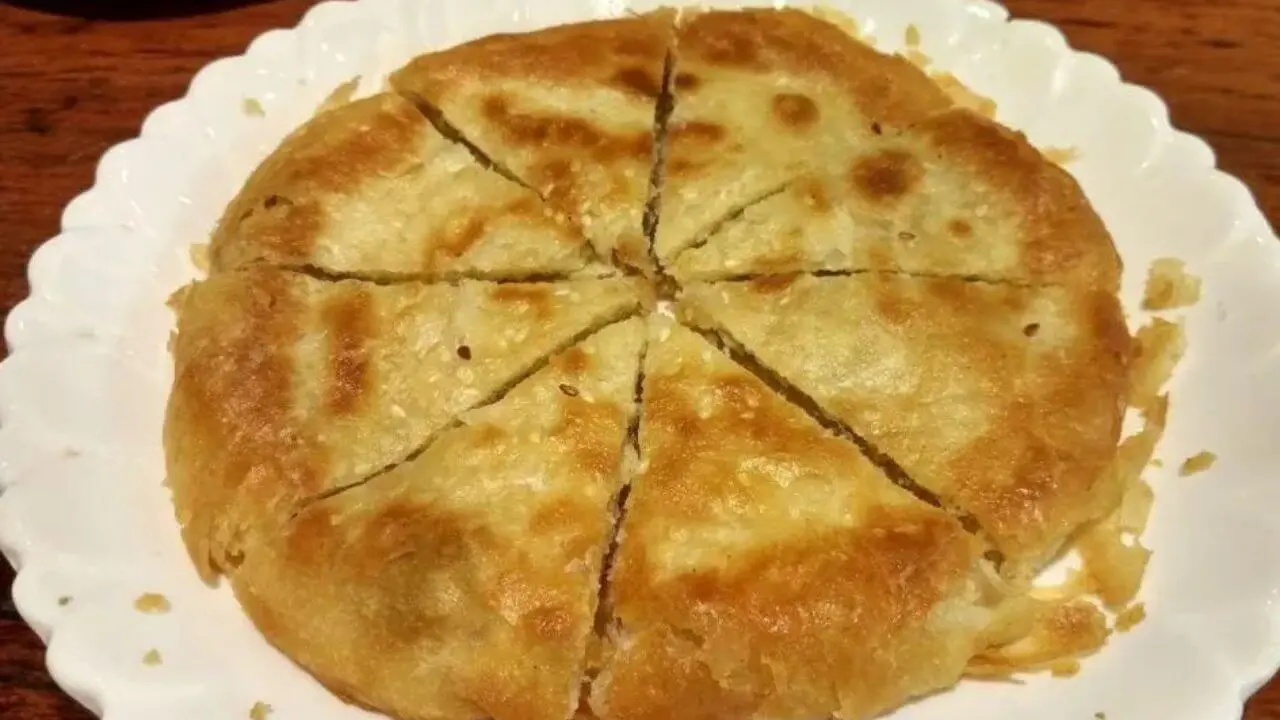
One of the best parts of visiting Shuhe is diving into the local culture—and yes, that means food first! Be sure to try Naxi Baba, a crispy, pan-fried flatbread that’s kind of like the Naxi version of a bagel meets a pancake. Pair it with a cup of yak butter tea for a truly local (and slightly adventurous) treat.
Wander through the local markets and tiny artisan shops, where you’ll find everything from handwoven scarves to silver jewelry, leather goods, and colorful spices. Many of the shopkeepers craft their products on the spot, but don’t be shy to stop, watch, or even chat if you can!
In the evenings, you might stumble upon a traditional Naxi music or dance performance in one of the squares or local theaters. These aren’t touristy shows—they’re often community-led, giving you a genuine feel for the rhythm and soul of the people who call Shuhe home.
Planning Your visit: Quick Facts & Travel Tips
- Location: It is located in the northwest of Lijiang, Yunnan Province, China — about 4–5 km from Lijiang Old Town.
- Altitude: ~2,400 meters (7,875 feet) above sea level – altitude adjustment may be needed for some travelers.
- Best Time to Visit: Spring (Mar–May) and Autumn (Sept–Nov) for mild weather, fewer tourists, and vibrant scenery. Avoid national holidays (like May holiday at the first week of May and Golden Week in early October) due to crowds.
- How to Get There:
-
- From Lijiang Old Town: 10–15 minutes by taxi, e-bike, or local bus (Bus No. 11).
- From Lijiang Sanyi Airport (LJG): Approx. 40–50 minutes by taxi or private car.
- From Kunming: Take a high-speed train (approx. 3–3.5 hours) to Lijiang Railway Station, then a taxi to Shuhe.
- From Dali: 2–3 hours by high speed train, bus or private transport.
- Practical Information:
- Entrance Fee: It is free to enter; you might see some ticket offices on the streets, but you really don’t need buy entrance ticket to visit Shuhe old town.
- Opening Hours: Open year-round, 24/7 for exploration. Shops and restaurants usually operate from 9:00 AM to 9:00 PM.
- Where to stay: There are wide range of options from traditional Naxi style courtyard guest houses (inns) to stylish boutique hotels.
- Local Food to Try: Naxi Baba (crispy bread), Lijiang hot pot, yak milk yogurt, and rice noodles.
- Visiting Time Needed: 2–3 hours is great for a casual visit, or spend the night for the full exploration.
- Wi-Fi & Mobile: Most hotels and cafés offer free Wi-Fi; mobile signal is good.
- Top Photo Spots: Qinglong Bridge at sunrise, canal reflections at dusk, traditional wooden homes with hanging lanterns.
- Extra Travel Tips for Shuhe Ancient Town:
- Download Alipay or Wechat Pay– Many shops, restaurants, and vendors accept mobile payments. You might bring some cash just in case.
- Wear comfortable walking shoes for cobblestone streets.
- Try renting a bike to explore nearby Baisha Village.This stone bridge, over 400 years old, is a landmark of Shuhe.
Day Trips & Nearby Attractions
Shuhe is a gem on its own, but it also makes a perfect base for exploring some amazing spots just around the corner.
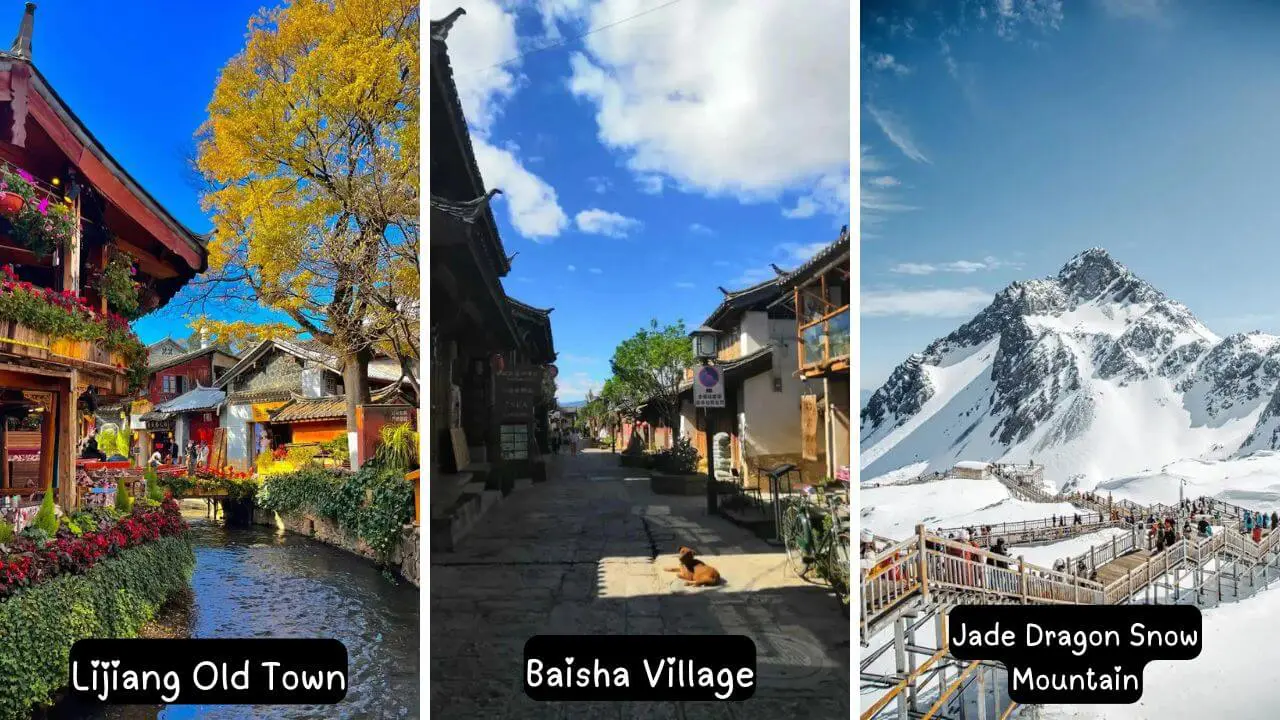
You can’t miss the Lijiang Old Town, a UNESCO World Heritage site packed with winding alleys, lively markets, and centuries-old architecture. Travelers usually go first to Lijiang Old Town then to Shuhe Ancient Town. Just make sure that you will have both places on your tour.
If you’re after something quieter and even more local, head to Baisha Village, about 6 km from Shuhe. It’s one of the oldest Naxi settlements and is known for its ancient murals, slow pace, and authentic rural charm. You might even meet local artists still practicing traditional techniques.
And for the adventurous traveler, Jade Dragon Snow Mountain is a must-see. Towering in the distance, this dramatic snow-capped range offers breathtaking views, cable car rides, and hiking opportunities. Don’t forget your camera, and maybe a jacket, even in summer!
When we go out of the town, a vast land will come into our sight with many trees and grass on it.
When it is autumn the trees will be covered by yellow leaves which leaves a tranquil and quiet atmosphere for the old town.
The scenery is beautiful all the year round but it is recommended that you come here avoiding the busy seasons (May to October), for at that time there are so many people and is very crowded.
Related tours
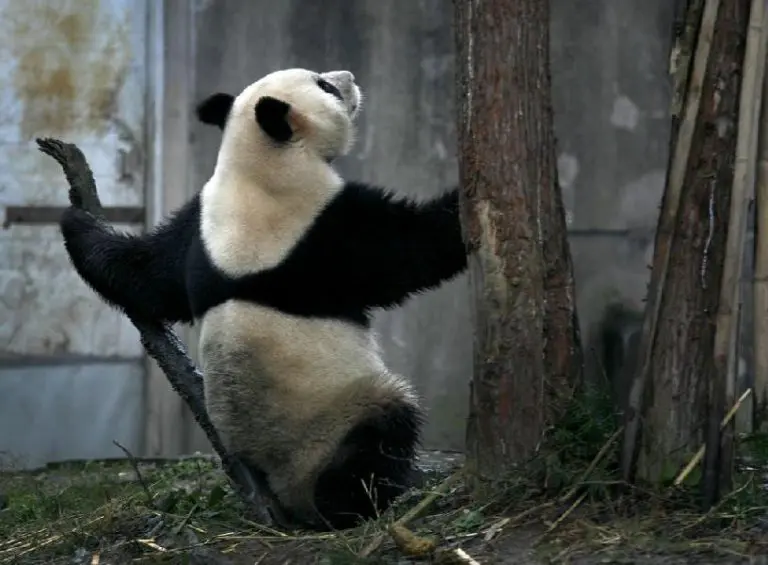
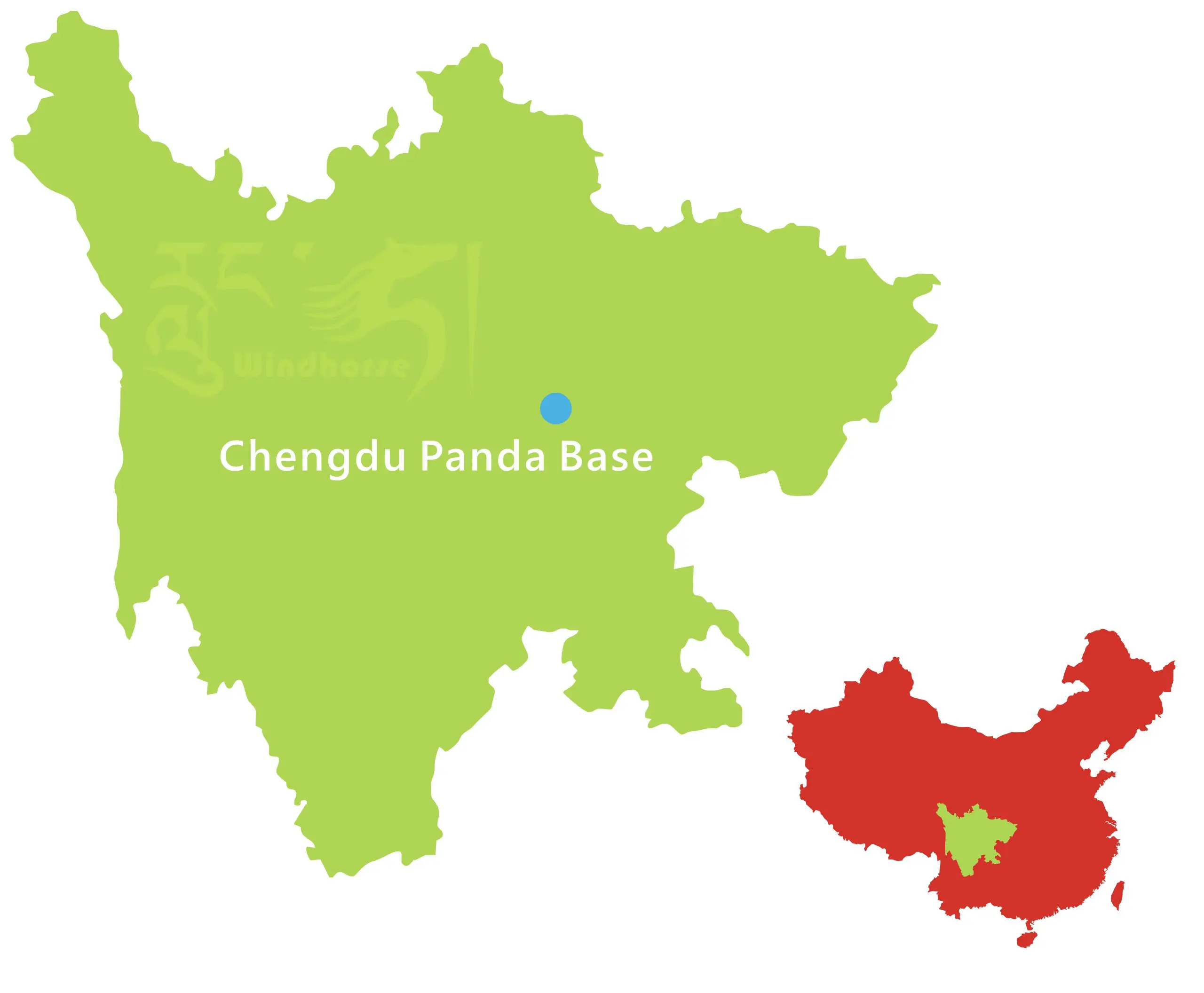
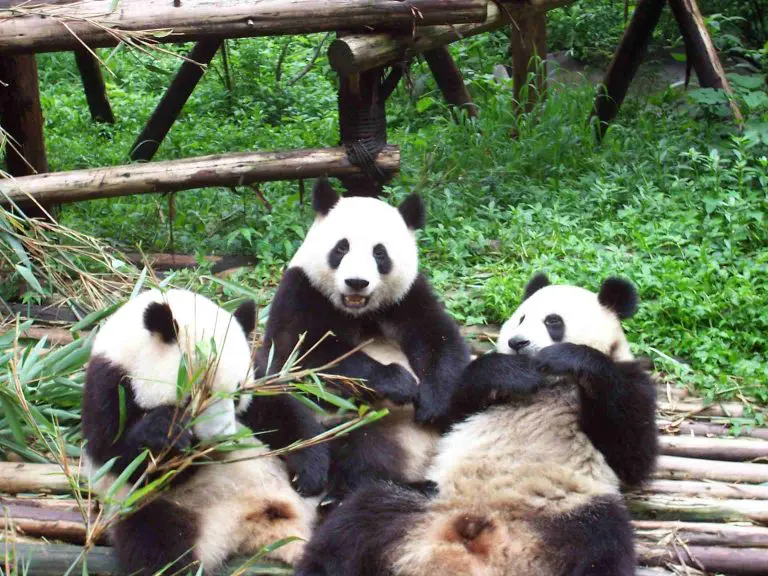
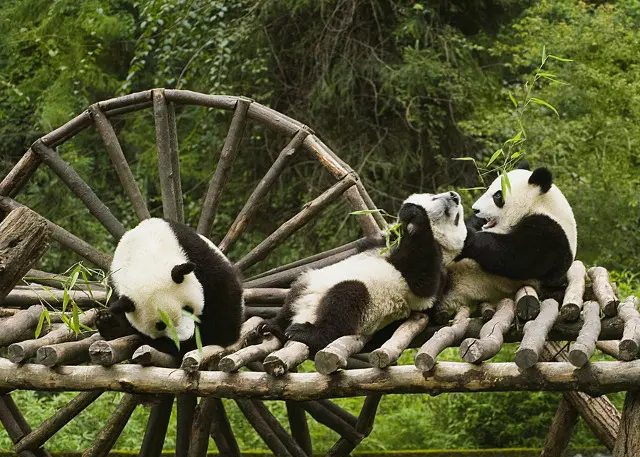
Sichuan is the natural home of the precious pandas and the best place to spend half day to visit those chubby bears. Arrive to see them when most active and feeding. Get closer by holding a panda and get a once in a lifetime photo.
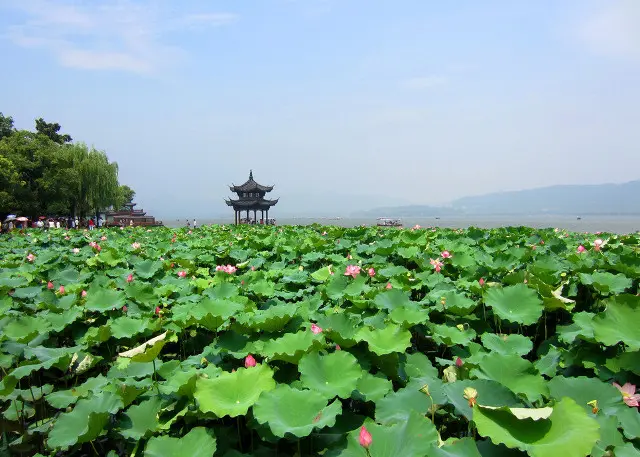
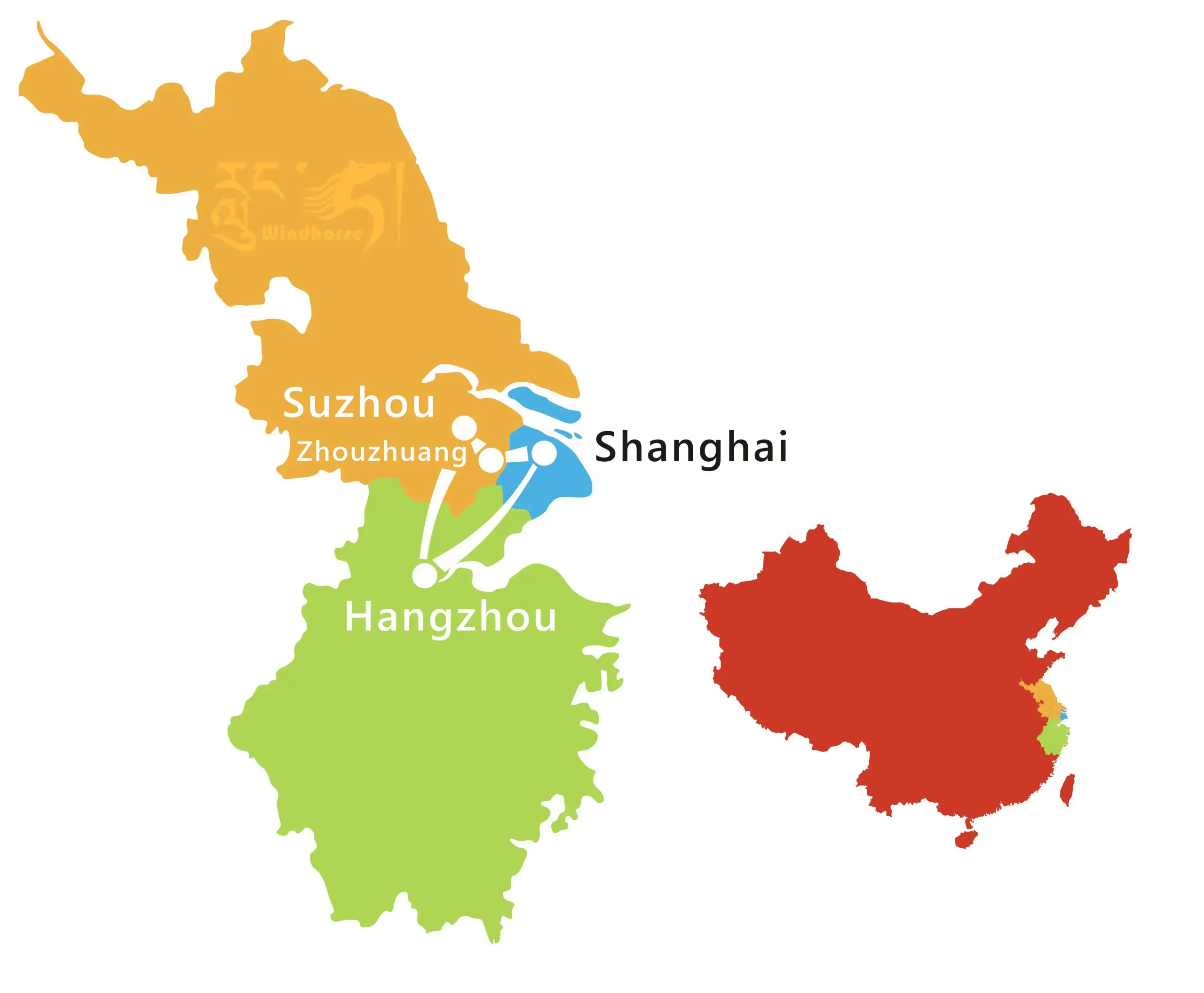
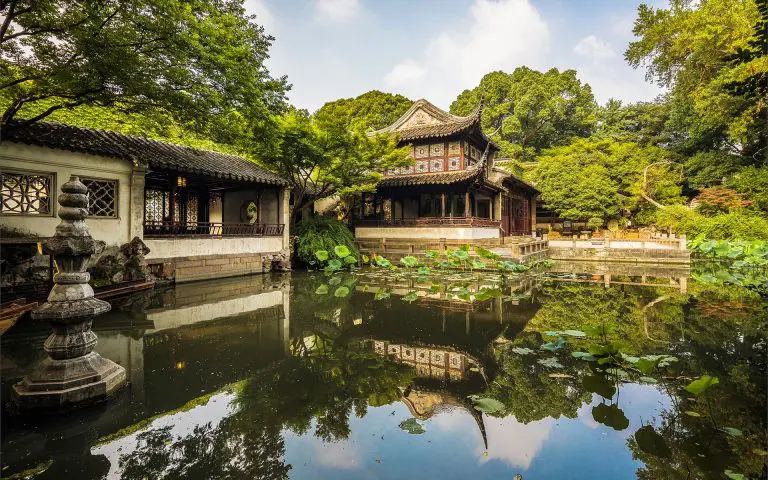

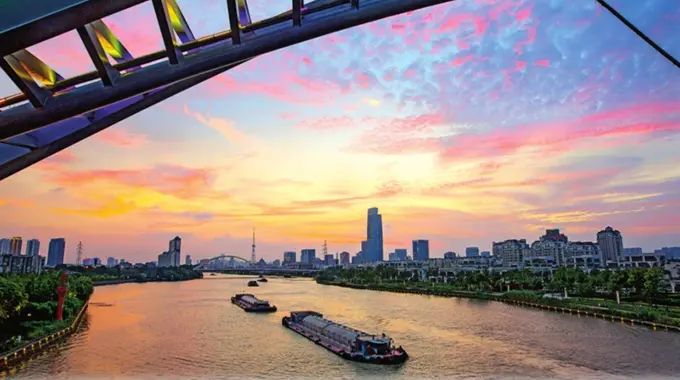
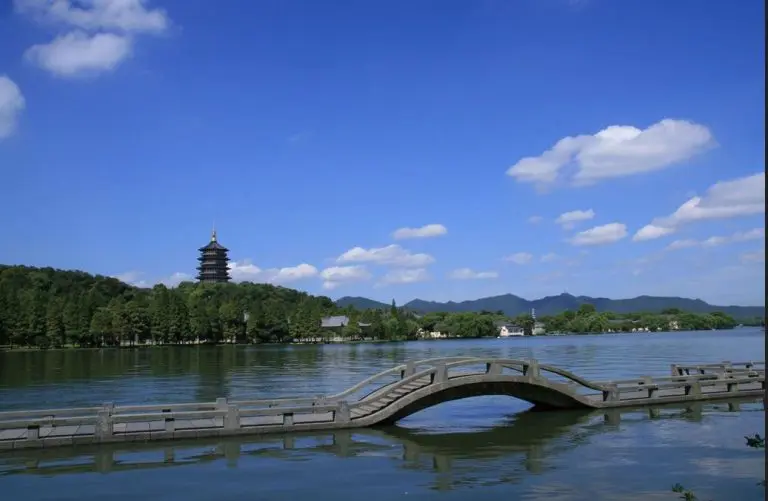
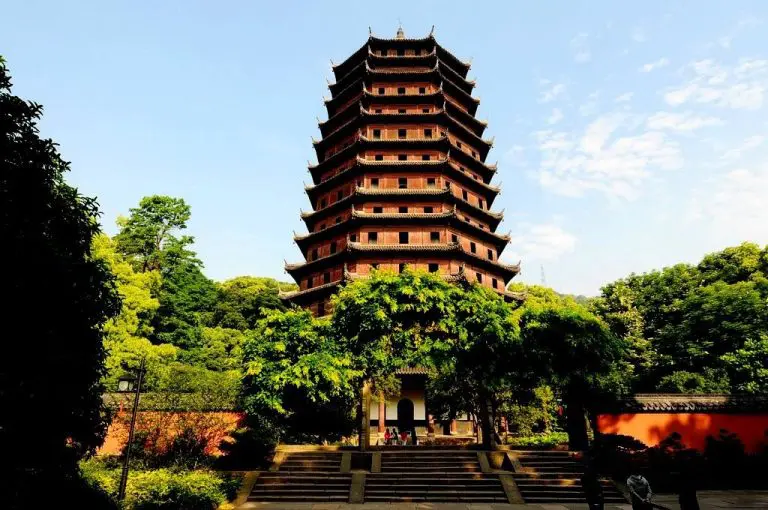
Enjoy the west east cultures, modern and traditional atmosphere in Shanghai, from the royal garden to the super tall modern skyscrapers, etc. A relax side trip to nearby Suzhou and Zhouzhuang offers leisure and history.

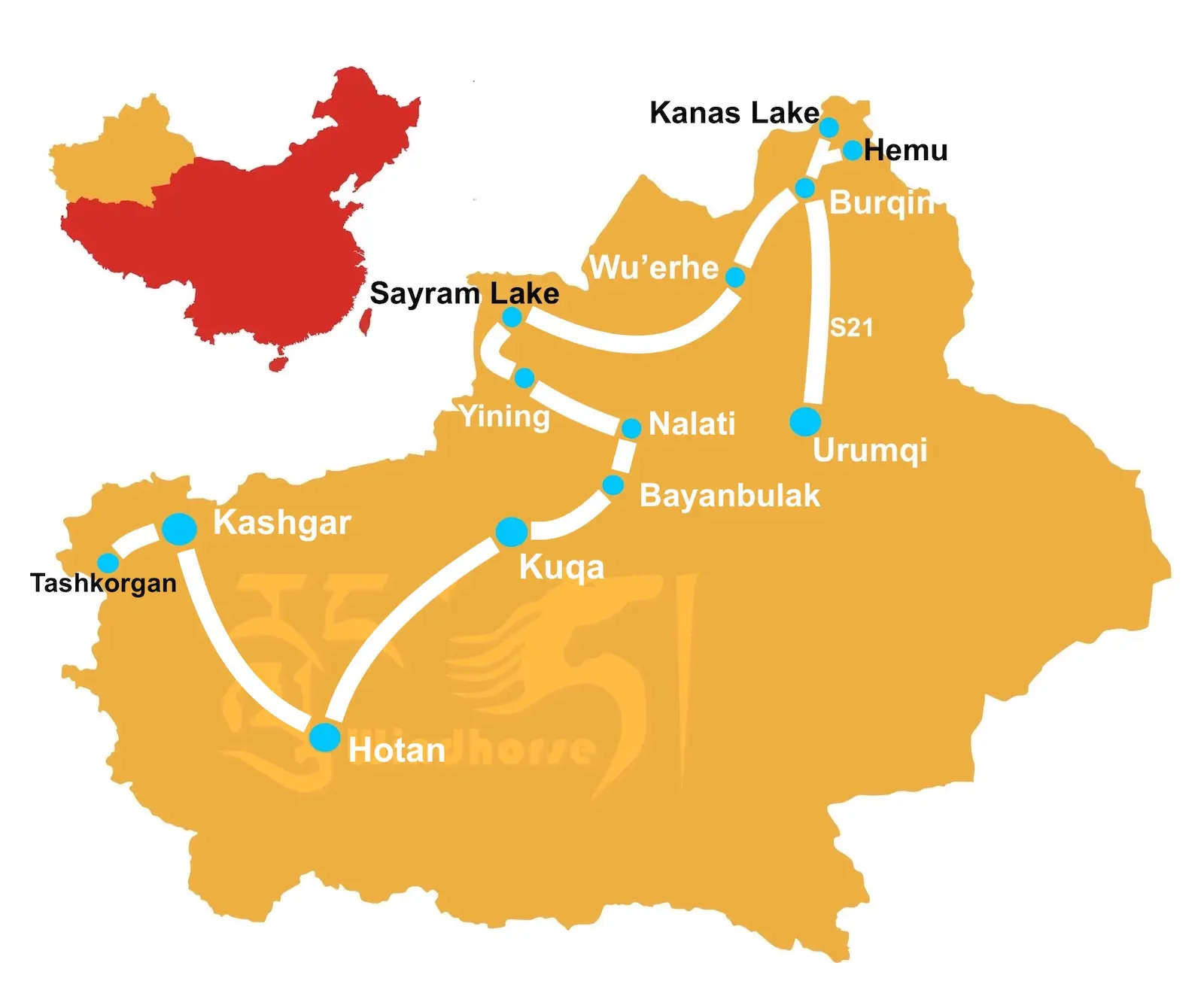
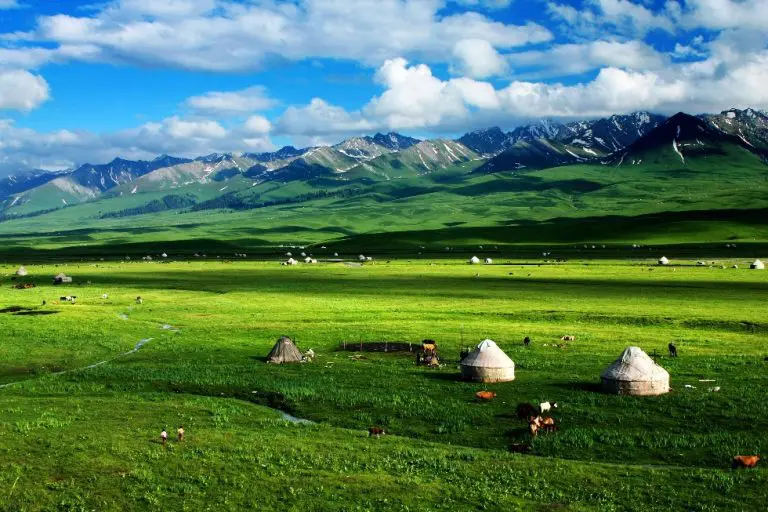

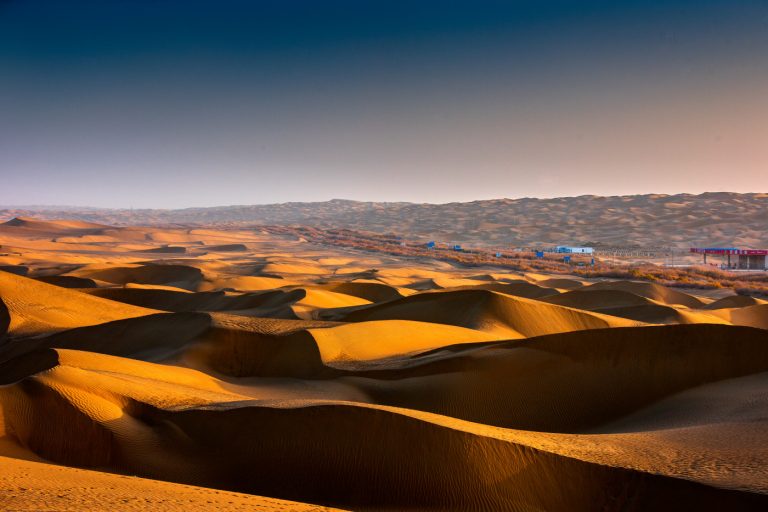
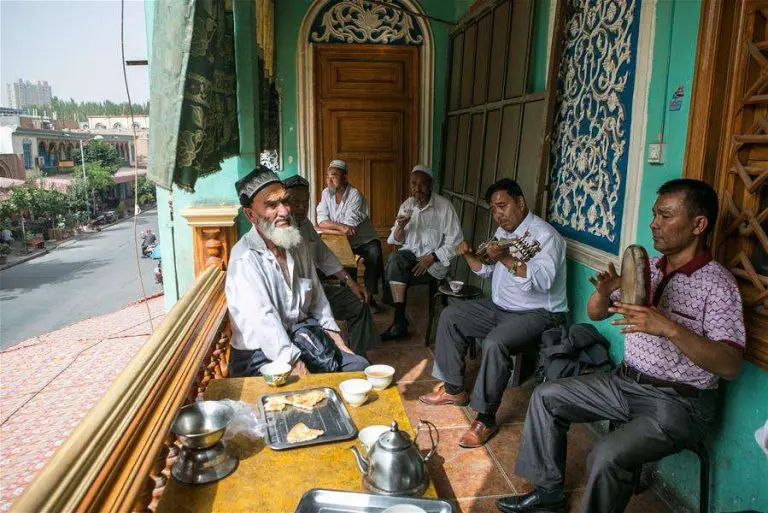
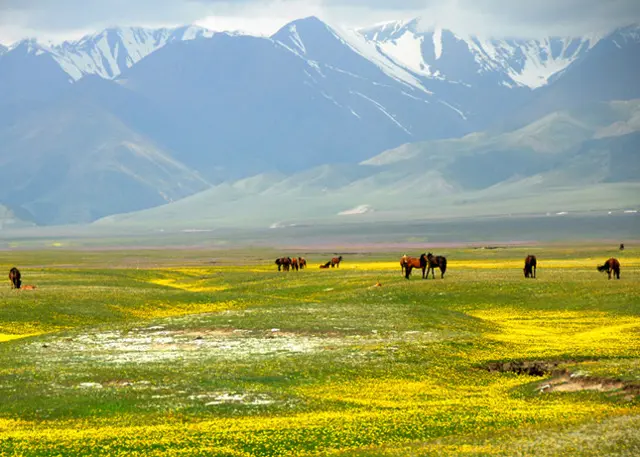
Travel from Urumqi to Kashgar on a 16-day private journey across North and South Xinjiang, exploring Kanas, Ili, the Duku Highway, Taklamakan Desert, Silk Road oasis towns and the Pamir Plateau.

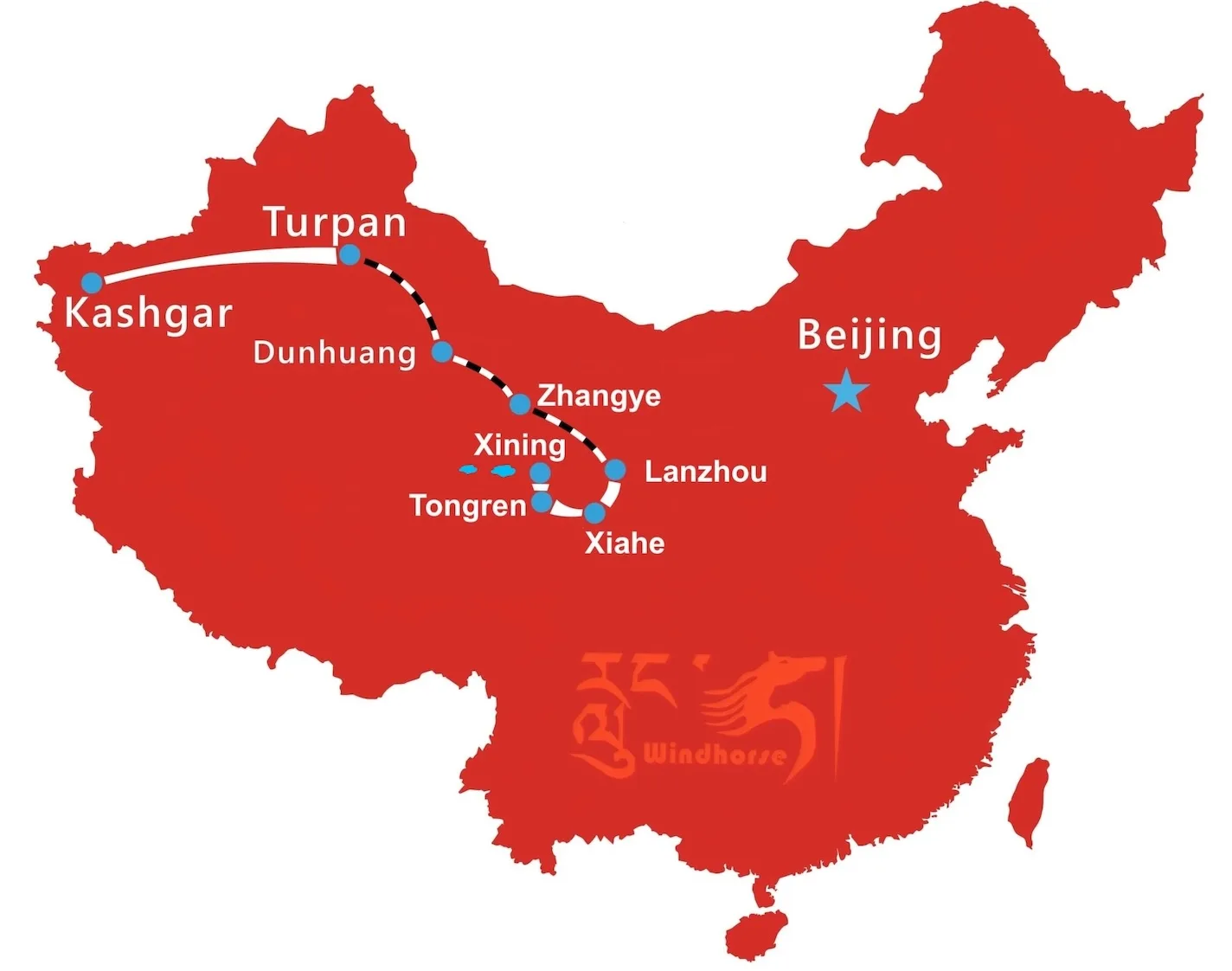


Journey across Western China on this 15-day Silk Road tour through Xinjiang, Gansu and Qinghai. Explore Kashgar, Turpan, Dunhuang, Zhangye Rainbow Mountains, Labrang Monastery, Xining, Qinghai Lake and the stunning Chaka Salt Lake.