
How to Get a Tibet Travel Permit (2026)
The Tibet Travel Permit, also called the Tibet Entry Permit, is a mandatory entry document required for all foreign nationals, overseas Chinese without a Chinese passport, and Taiwan residents who want to visit the Tibet Autonomous Region (TAR). It is issued by the Tibet Tourism Bureau and must be arranged through a registered travel agency — you cannot apply for it on your own.
Many travelers search for a “Tibet visa.” Tibet is part of China, so there is no separate Tibet visa. What you need is a valid Chinese visa (or qualify under China’s visa-free policies) plus the Tibet Travel Permit. Both are required before you enter Tibet.
Quick Answer: Tibet Travel Permit
- Who needs it: All foreign nationals, overseas Chinese (no Chinese passport), and Taiwan residents
- Cost: Free — no official fee; typically included in your tour package
- Processing time: 7–10 working days for standard routes; 2–3 weeks for remote areas (Mt. Kailash, western Tibet)
- How to apply: Through a licensed Tibet travel agency as part of a booked tour — independent applications are not accepted
- What else you may need: Alien’s Travel Permit (PSB), Military Permit, or Foreign Affairs Permit depending on your itinerary
- Plan ahead: Book at least 4–6 weeks before travel; 6 weeks minimum during peak season (April–October)
For the latest updates of Tibet permit, feel free to check our Tibet Permit and Tibet travel updates.
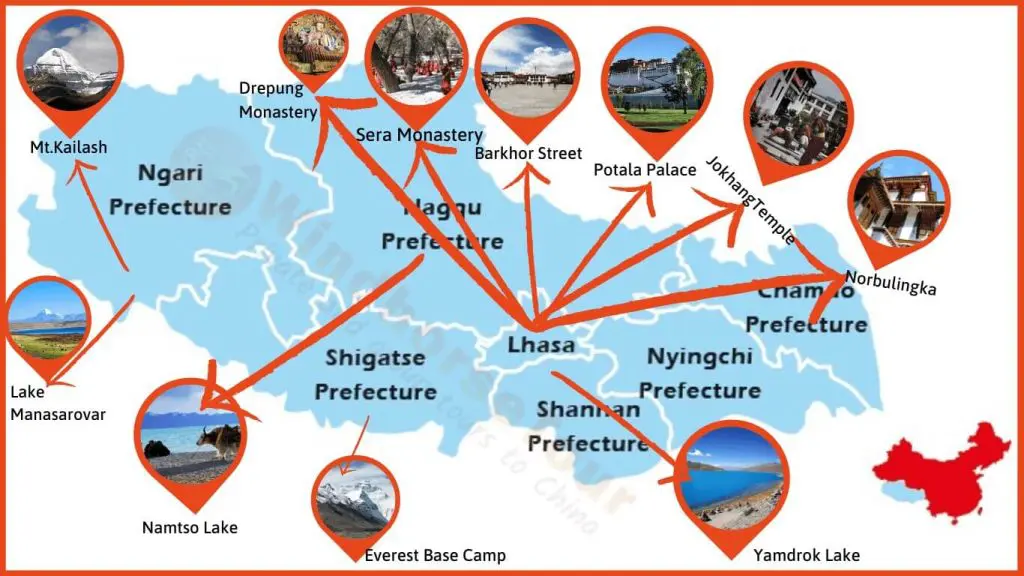
Table of Contents
What does Tibet Travel Permit Look Like?
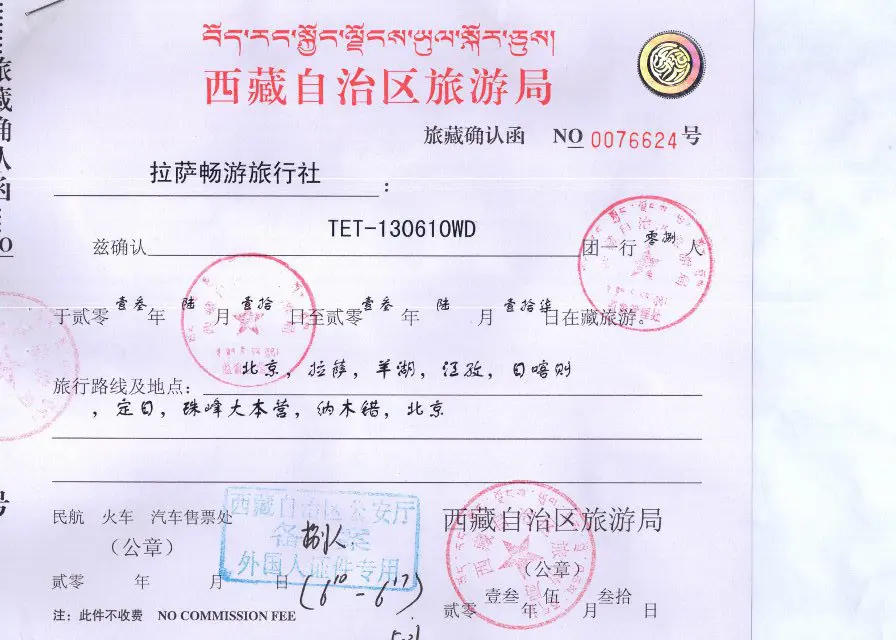
The Tibet Travel Permit is a two-page A4 document issued by the Tibet Tourism Bureau.
The first page covers your tour details: duration of stay, entry and exit points, the cities and regions on your approved itinerary, and your tour operator’s name. The second page is a group list showing each traveler’s full name, gender, nationality, and passport number. Both pages carry an official red seal from the issuing authority.
Both pages must travel with you. Missing either page or any error on it — means you cannot board your flight or train to Tibet.
Who needs a Tibet Travel Permit?
All foreign nationals and certain Chinese-passport-exempt travelers must obtain a Tibet Travel Permit before entering the Tibet Autonomous Region.
| Who Needs a permit | Who Doesn’t Need One | Who Cannot Get One Through an Agency |
|---|---|---|
| Foreign nationals (non-Chinese passport holders) | Chinese citizens (Chinese passport or ID card) | Diplomats |
| Overseas Chinese without a Chinese passport | HK/Macau residents with a valid Home Return Permit | Journalists |
| Taiwan residents, including MTP holders | Overseas Chinese with a Chinese Passport or ID | Government officials |
Additional Notes:
- Visa-free travelers: Even if your country qualifies for visa-free entry to mainland China (Malaysia, Singapore, Thailand, Spain, Italy, etc.), you still need a Tibet Travel Permit. Visa-free status does not exempt you from this requirement.
- Indian nationals visiting Mt. Kailash or Ngari Region: You must book through a Nepali or Indian travel agency that has cooperation with the Foreign Affairs Office of the TAR or the Tibet-India Pilgrim Reception Center. Indian passport holders visiting other parts of Tibet can apply through any registered agency.
- HK/Macau residents: Your Home Return Permit is accepted. An HK/Macau SAR passport alone is not sufficient.
- Diplomats, journalists, and government officials: You must apply through the Tibet Foreign Affairs Office. Regular travel agencies cannot process permits for these categories.
Can I get a Tibet Travel Permit without booking a tour?
No, you can’t. If you’re a foreign tourist, an overseas Chinese without a Chinese passport, or a Taiwan No. Independent travel to the Tibet Autonomous Region is not permitted for international visitors. You must book through a registered travel agency, and your permit application is submitted as part of that booking.
Your tour package will include a licensed Tibetan guide, a private vehicle with a driver, and a planned itinerary approved by the Tibet Tourism Bureau. The agency handles the entire permit process on your behalf.
If you are traveling to Tibetan cultural areas outside the TAR — such as parts of Qinghai, Sichuan, Yunnan, or Gansu — you do not need a Tibet Travel Permit. Some areas in the Kham and Amdo regions may require a separate local permit, depending on regulations at the time of travel.
How much does a Tibet Travel Permit cost?
The Tibet Travel Permit has no official fee. The Tibet Tourism Bureau does not charge for issuing it.
In practice, travel agencies may charge a small service fee for handling the paperwork. At WindhorseTour, the permit is included in your tour package — there is no separate charge.
How long does it take to get a Tibet Travel Permit?
Processing time depends on your route and the areas you plan to visit.
- Standard itineraries (Lhasa, Shigatse, Everest Base Camp via the Friendship Highway): 7–10 working days
- Remote or restricted areas (Mt. Kailash, far western Tibet, overland routes from Sichuan or Yunnan): 2–3 weeks. These routes require additional permits — the Alien’s Travel Permit, Military Permit, and Foreign Affairs Permit — which add to the timeline.
- Express processing: Available for an extra fee, reducing standard processing to 4–5 working days.
Most of our travelers book 4–6 weeks before their departure. During peak season (roughly April through October), we recommend 6 weeks minimum to avoid any delays, especially for remote-area permits.
How do I apply for a Tibet Travel Permit?
You submit your documents to a registered travel agency, and the agency applies on your behalf. The Tibet Tourism Bureau only accepts applications from licensed operators — not from individual travelers.
Documents required
All travelers must provide:
- A color scan of your passport (valid for at least 6 months from your planned travel date)
- A color scan of your Chinese visa, if you need one to enter China
If you hold a non-tourist (L) visa (e.g., work, business, student):
- A supporting document explaining your reason for being in China: a business invitation letter, work permit, or student ID card
- Your job title (permits cannot be issued for diplomats, journalists, or government officials)
Entering Tibet from mainland China
You will need a valid Chinese visa before your agency can begin the Tibet Travel Permit application. When applying for your Chinese visa, do not mention Tibet in your travel itinerary. Submit a plan covering mainland China destinations only. Mentioning Tibet can cause complications or lead to a visa refusal.
Once your visa is in hand, send your agency a color scan of your passport and visa. They will submit the permit application to the Tibet Tourism Bureau.
Entering Tibet from Nepal: step-by-step
The process is different if you are crossing into Tibet from Nepal. Here is how it works:
- Send your agency a copy of your passport. No Chinese visa is required in advance.
- Your agency uses your passport to apply for the Tibet Travel Permit.
- Once you arrive in Kathmandu, your agency will help you apply for a Group China Visa at the Chinese Embassy. This process takes 3–5 working days, so plan to arrive in Kathmandu a few days before your Tibet departure.
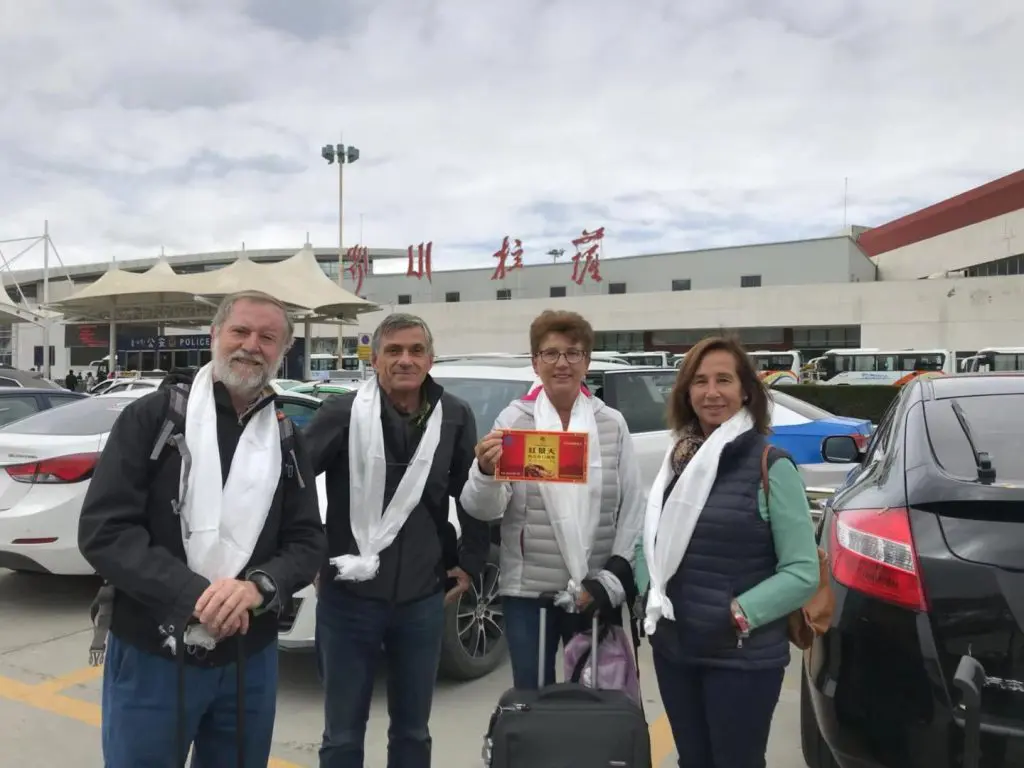
- Your Tibetan guide will meet you at Lhasa Airport or the Gyirong border with your original Tibet Travel Permit.
Learn more about How to get China Group Visa when traveling from Nepal to Tibet.
Note for visa-free travelers: If your nationality qualifies for visa-free entry to China, your agency only needs a copy of your passport to begin the permit application — whether you enter from mainland China or Nepal. No additional visa steps apply.
Need help arranging your Tibet permit or planning your route?
Where do I collect my Tibet Travel Permit?
Collection depends on how you are entering Tibet.
Flying from mainland China: You need the original permit to board your flight. We deliver it to your hotel in the city where your flight departs. Confirm your hotel with us as soon as it is booked so we can coordinate delivery without delays.
Taking the train to Tibet: A printed color copy of the permit is accepted. We recommend bringing two copies in case one is retained at a checkpoint.
Entering from Nepal: Your Tibetan guide carries your original permit and meets you at Lhasa Airport or the Gyirong border crossing. You’ll enter Tibet with your passport and China Group Visa (if applicable).
When and where will my Tibet Travel Permit be checked?
Your permit will be checked multiple times throughout your journey.
- Before boarding: Airport and train station staff check your permit before you board any flight or train to Tibet. Without it, you will not be allowed to board.
- At the Nepal border: If entering overland via Gyirong, your permit is checked at the China-Nepal border crossing. If flying from Kathmandu, it is checked on arrival at Lhasa Airport.
- During your trip: Permits are checked at checkpoints throughout the TAR and at hotel check-ins. Your Tibetan guide will hold your permit for safekeeping during the tour.
What other permits do I need for Tibet?
The Tibet Travel Permit covers entry to the TAR and most major destinations. Most travelers only need the Tibet Travel Permit, but some remote areas require additional permits.
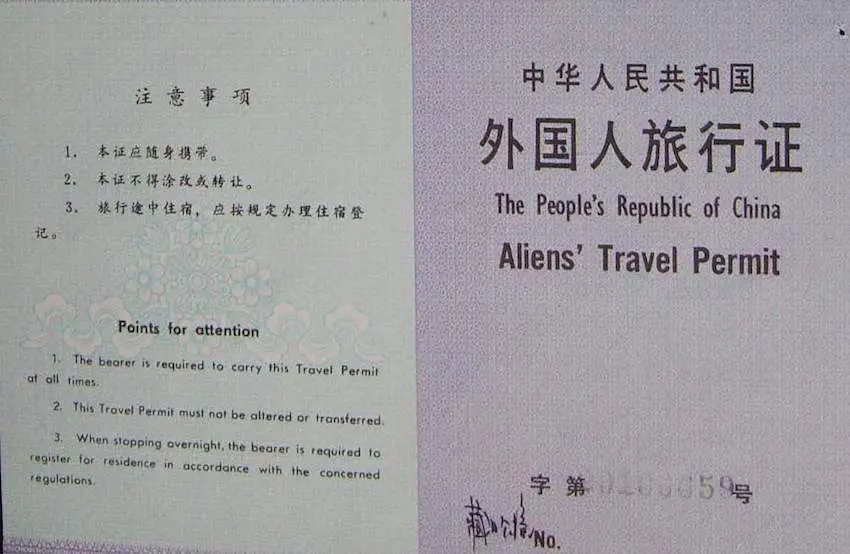
Alien’s Travel Permit (PSB Permit)
Required for travel into areas beyond the Lhasa region that are classified as “unopened” to foreign visitors. Issued by the Public Security Bureau (PSB) in Lhasa, and typically arranged by your Tibetan guide after arrival. Processing takes a few hours. Cost: 50 CNY per person, usually included in your tour package.
Update (June 2025): Several popular destinations no longer require the Alien’s Travel Permit. This is a meaningful change for many itineraries. Areas now exempt include:
- Everest Base Camp
- Gyirong Port (Nepal border crossing)
- Nyingchi scenic areas (Basum Tso, Bomi)
- Yarlung valley, including Samye Monastery
- The overland route from Sichuan or Yunnan to Tibet along G318
Areas that still require the Alien’s Travel Permit:
- Gyantse County: Palcho Monastery, Kubum Stupa
- Shigatse area: Sakya Monastery, Shalu Monastery
- Ngari Region: Mt. Kailash, Lake Manasarovar, Tsaparang and Guge Kingdom, Ali, etc.
- Areas beyond the G318 route in Chamdo
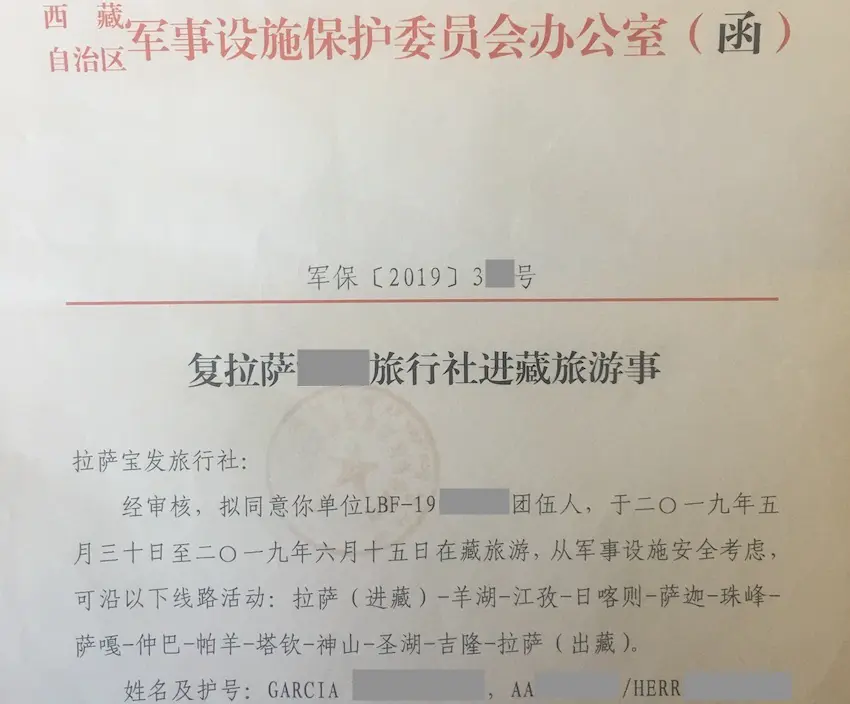
Military Permit and Foreign Affairs Permit
Required for travel to military-sensitive areas, including Mt. Kailash in Ngari Prefecture and Rowok Lake in Chamdo. Certain border areas in far-western Tibet require both the Military Permit and the Foreign Affairs Permit. Visiting Tholing and Tsaparang also requires a permit from the local Cultural Antiquities Department.
Applications for these permits take 10–15 working days. We submit them approximately one month before your scheduled arrival in Tibet. If you are planning a Mt. Kailash itinerary, send us your documents as early as possible — this is the permit that most commonly causes delays when travelers book late. (See our Mt. Kailash tour guide for full planning details.)
What Chinese visa do I need for Tibet?
If you are entering Tibet from mainland China, you need a Type L (tourist) visa. Apply at the Chinese embassy, consulate, or visa center in your home country. Provide a travel itinerary covering mainland China destinations — do not include Tibet.
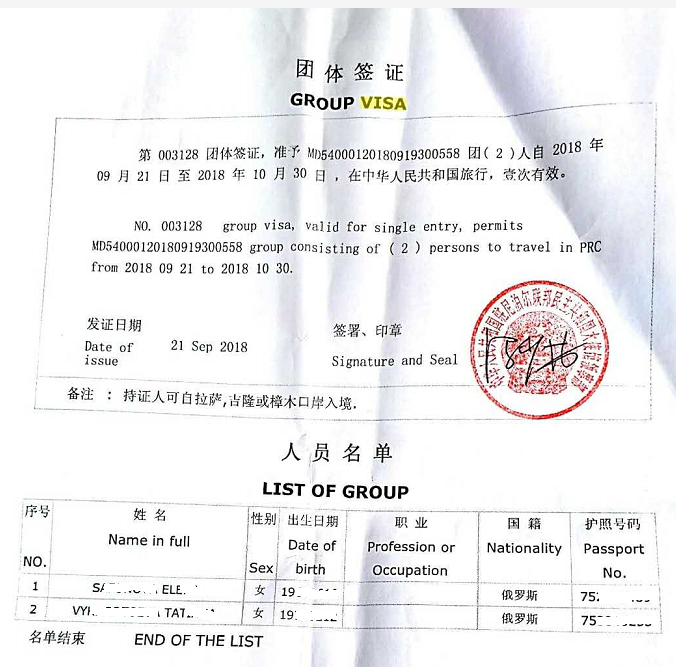
If you are entering Tibet from the Nepal, you need a Group China Visa, which is arranged by your travel agency at the Chinese Embassy in Kathmandu. It is issued as an A4 paper document (not a passport sticker), takes 3–5 working days to process, and covers all members of your group traveling together. All group members must enter and exit Tibet together under this visa.
Note: if you hold an individual Chinese tourist visa and apply for a Group China Visa in Kathmandu, the individual visa will be canceled.
Travelers who qualify for China’s visa-free policy do not need a visa for either entry point. We use a copy of your passport to apply for the Tibet Travel Permit.
Frequently asked questions about Tibet Permit
Can I visit Tibet independently without a guide?
No. Independent travel is not permitted for foreign nationals in the TAR. A licensed Tibetan guide must accompany you throughout your trip.
Who holds the Tibet Travel Permit during the trip?
Your licensed Tibetan guide holds the permit once you enter Tibet — not you. This is required under Tibet’s travel policy. At the end of your tour, the permit is returned to the Tibet Tourism Bureau and cannot be kept or reused for future trips.
Do I need a permit to visit Tibetan areas in Sichuan, Qinghai, Yunnan, or Gansu?
Can I climb Mt. Everest with a Tibet Travel Permit?
No. Climbing Mt. Everest from the Tibet side requires additional mountaineering permits arranged through designated expedition operators. A standard Tibet Travel Permit only allows sightseeing visits to Everest Base Camp.
Start your Tibet permit application today
Your Tibet Travel Permit must be arranged through a licensed reliable Tibet tour company like WindhorseTour. Simply share your travel dates, entry point, and travel ideas, and we’ll help you put together a suitable Tibet itinerary and permit arrangement before you book.
Related tours
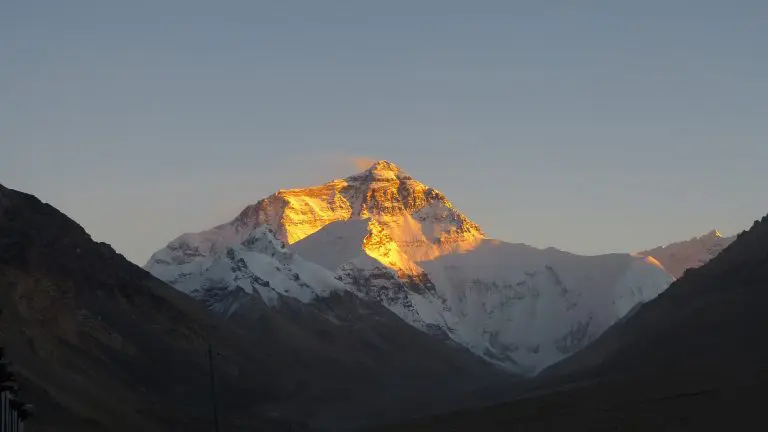
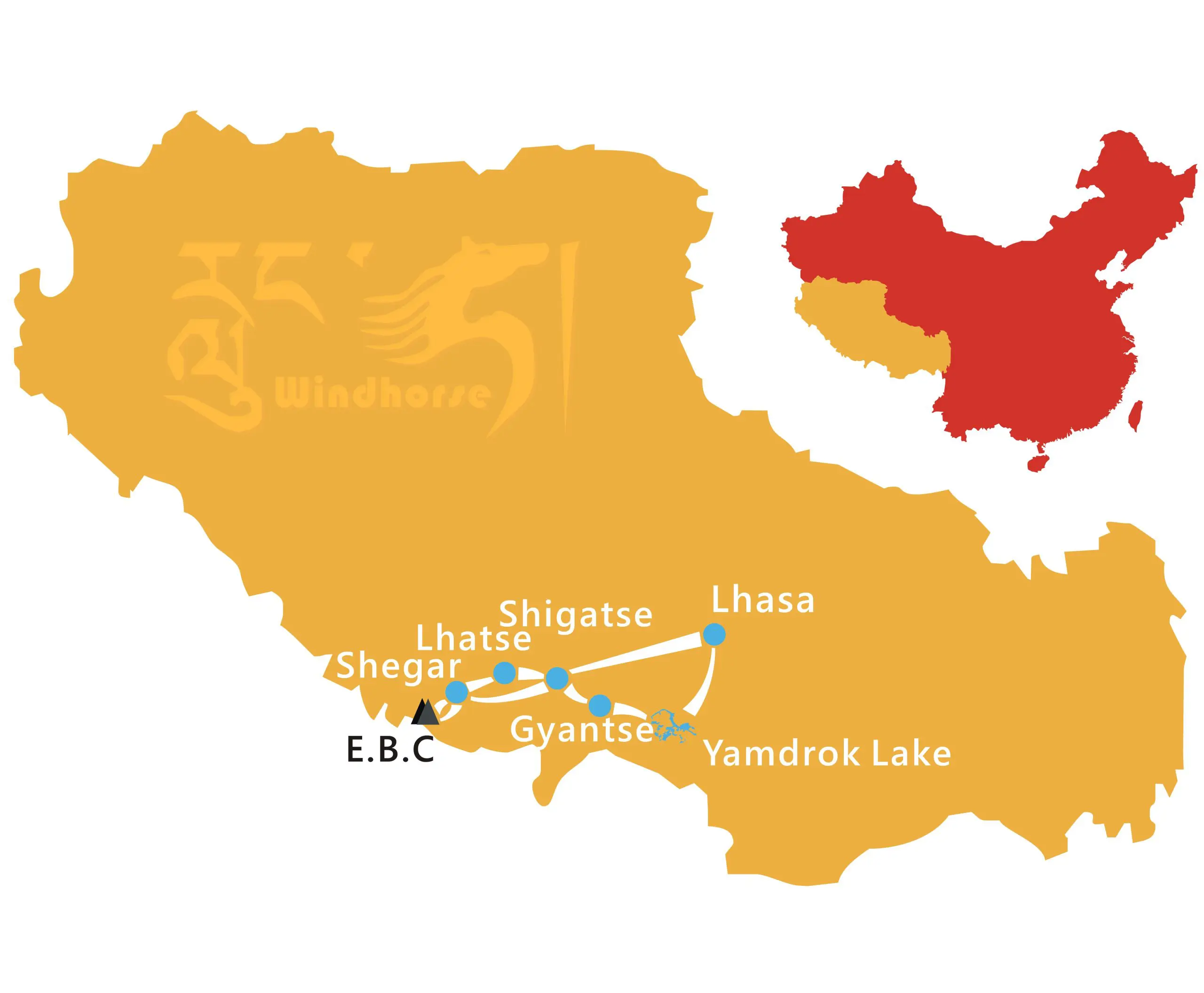
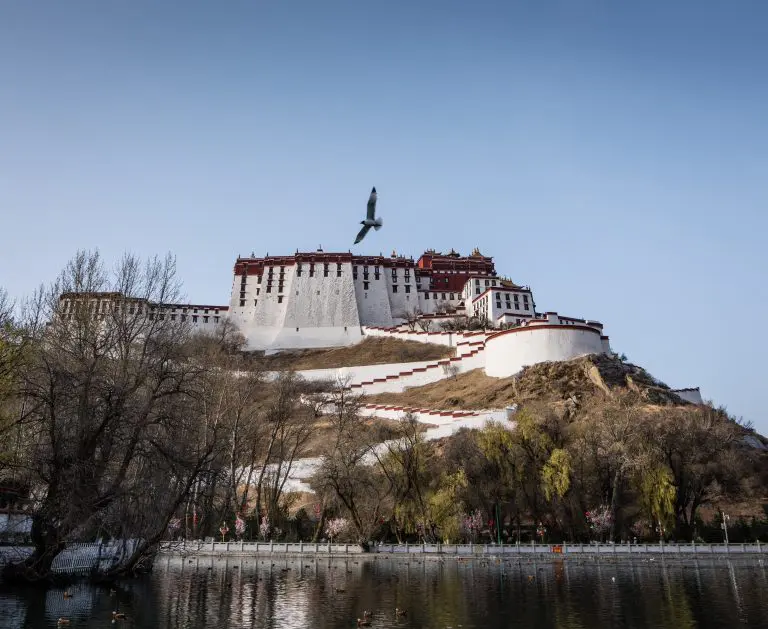
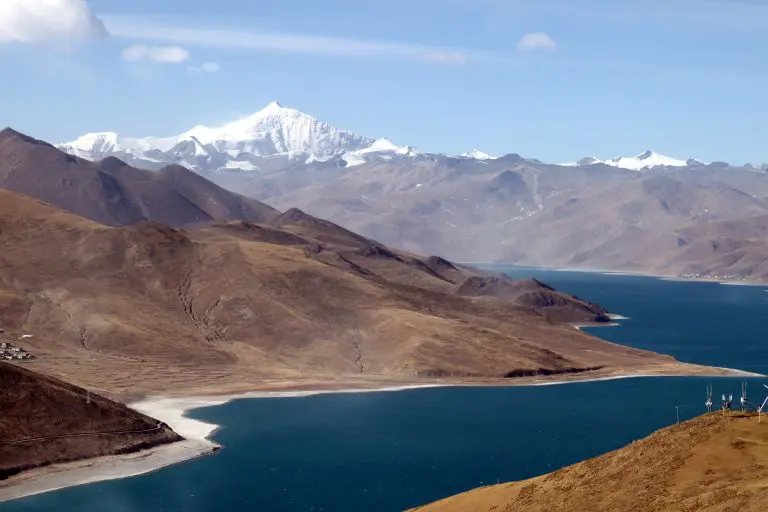
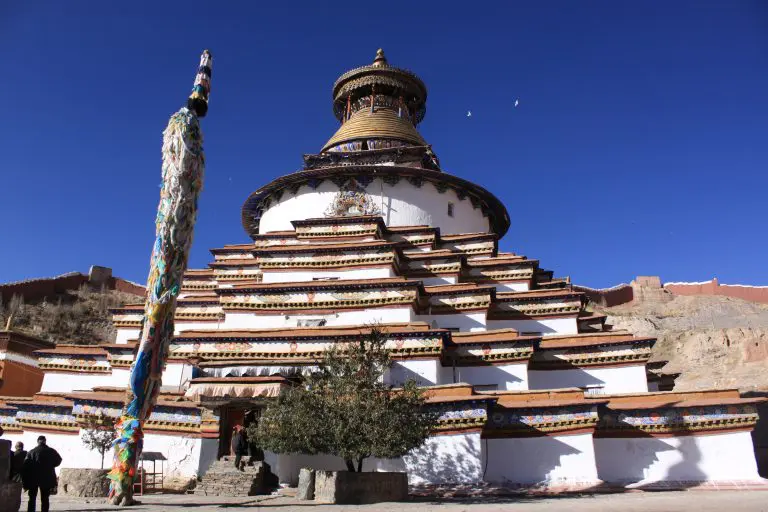
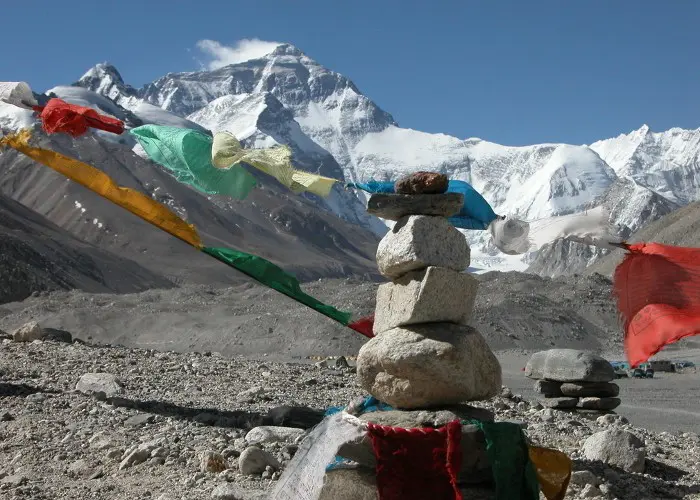
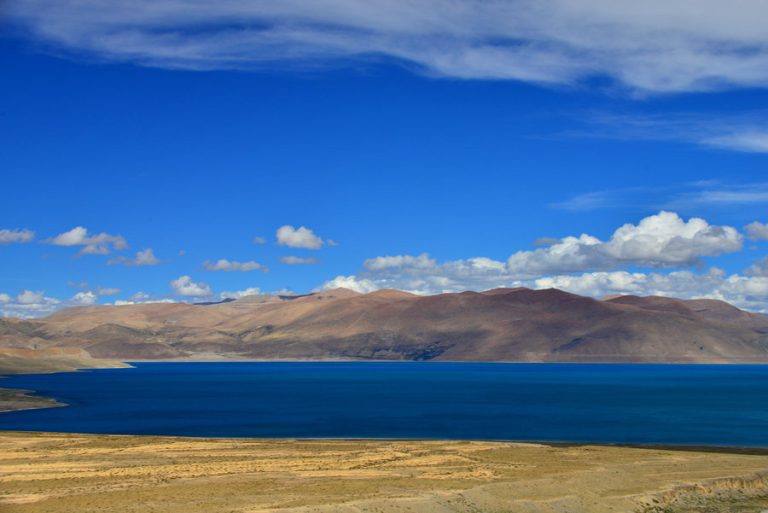
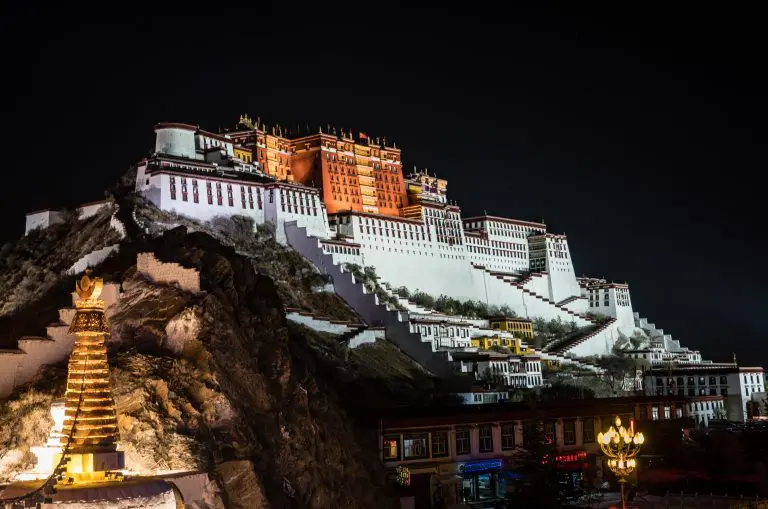
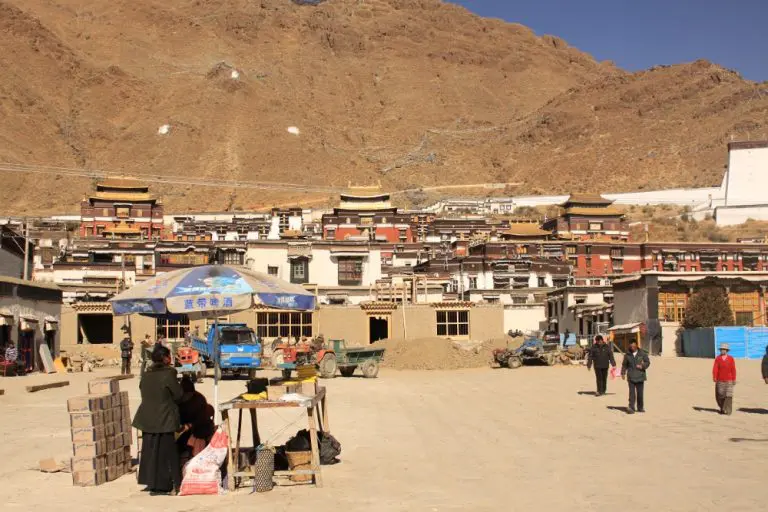
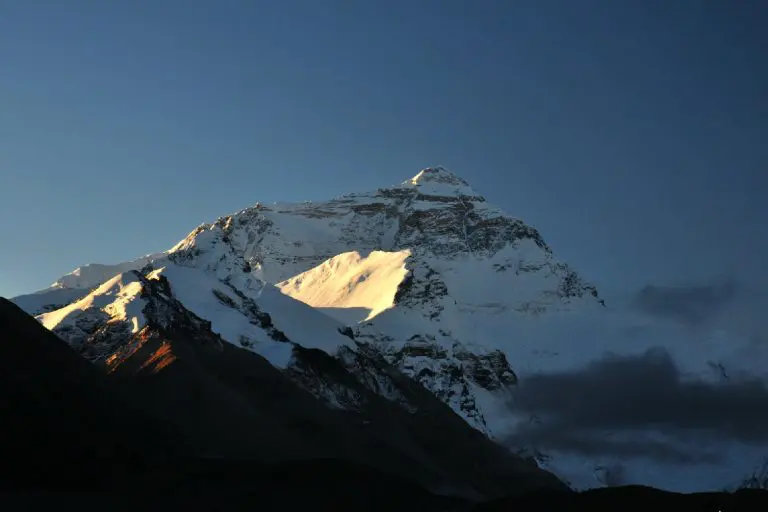
Join a 7-day Lhasa to Kathmandu group tour along the Friendship Highway. Explore Lhasa’s Potala Palace, Jokhang Temple, and monasteries, admire Yamdrok Lake and Shigatse, stand before the world’s highest peak at Everest Base Camp, and finish your journey at the Nepal border.
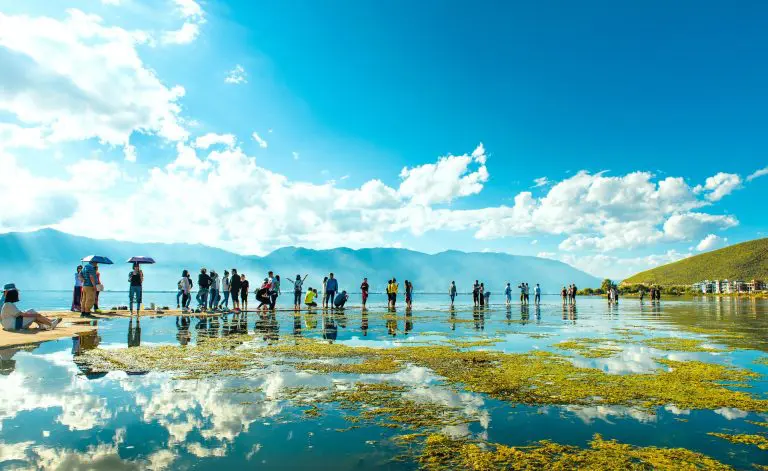
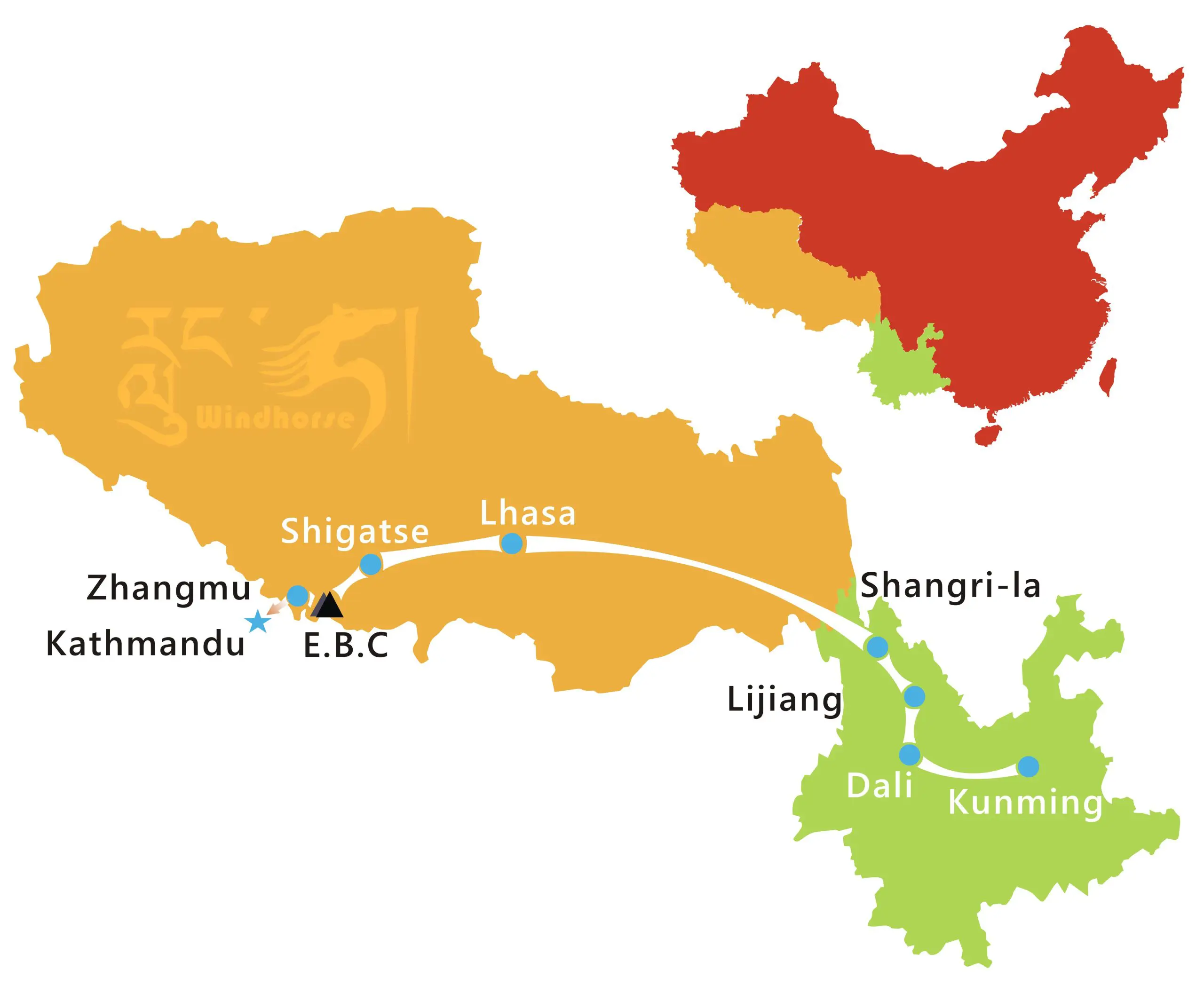
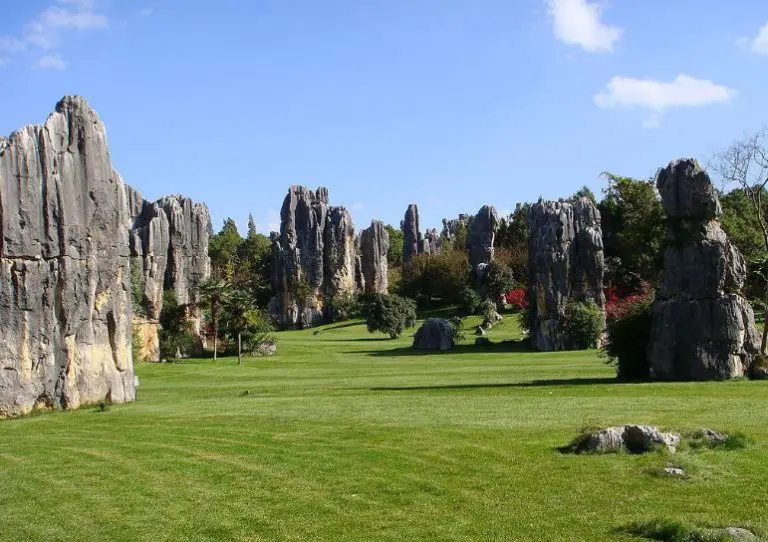

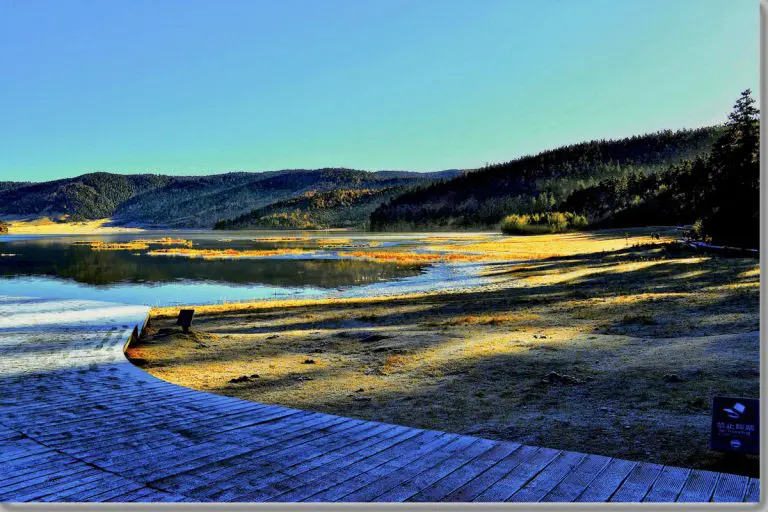
This Yunnan Tibet Tour to Kathmandu showcases the best of southwest China and the Himalayas. Discover Dali, Lijiang, and Shangri-La, fly to Lhasa to explore sacred monasteries, travel overland to Everest Base Camp, and finish your adventure at the Nepal border near Kathmandu.
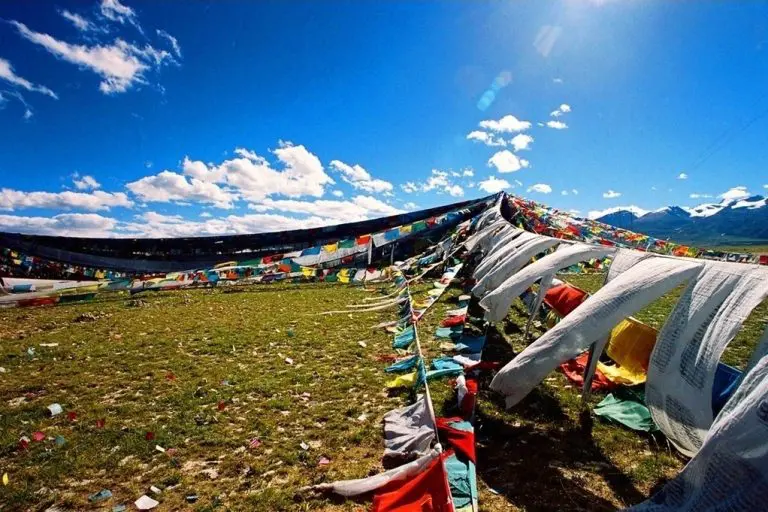
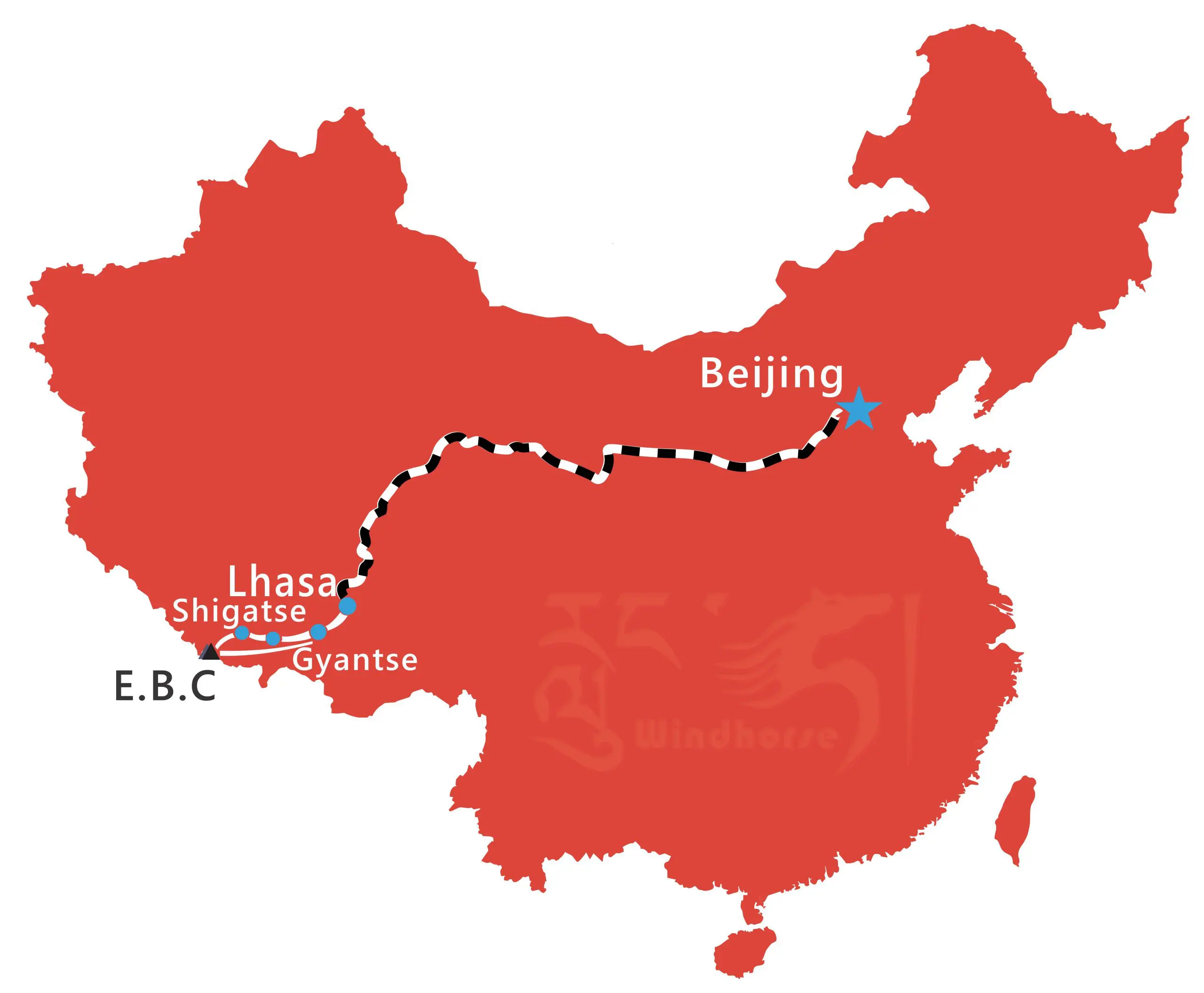
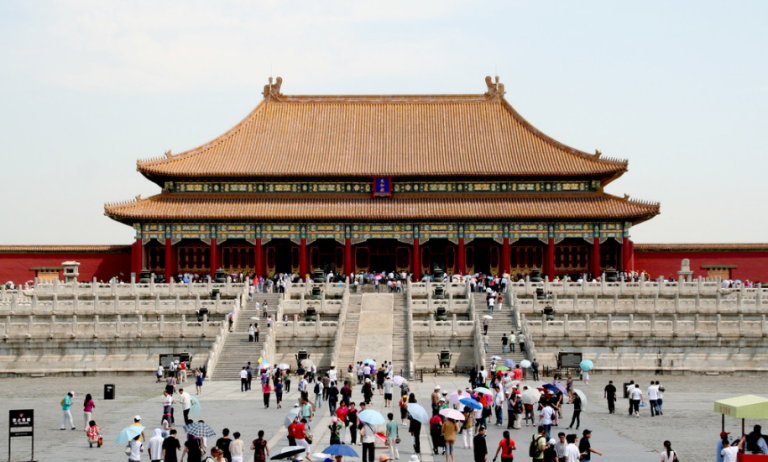

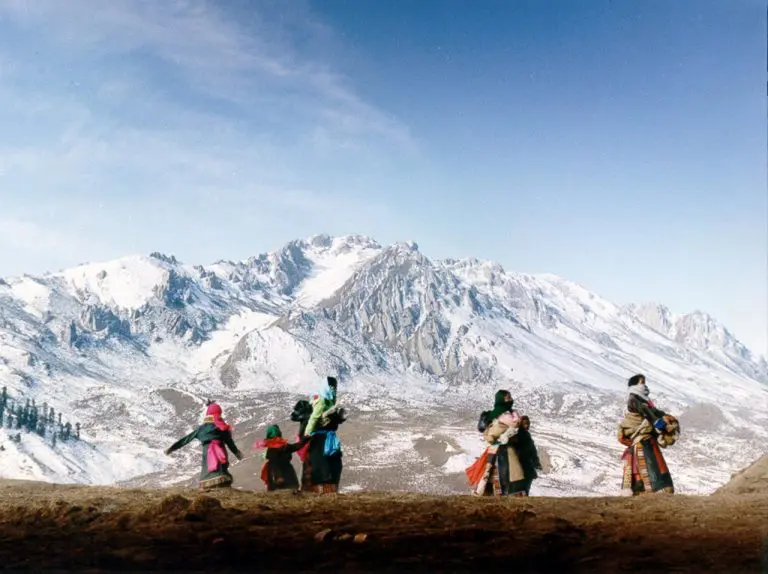
Travel from Beijing to Kathmandu on this 11-day Tibet group tour. Visit the Great Wall & Forbidden City in Beijing, ride the Qinghai–Tibet Railway to Lhasa, visit Potala Palace and Everest Base Camp, then continue overland to Nepal.