
Tibet Tours by Train: Journey to Lhasa on the Qinghai–Tibet Railway

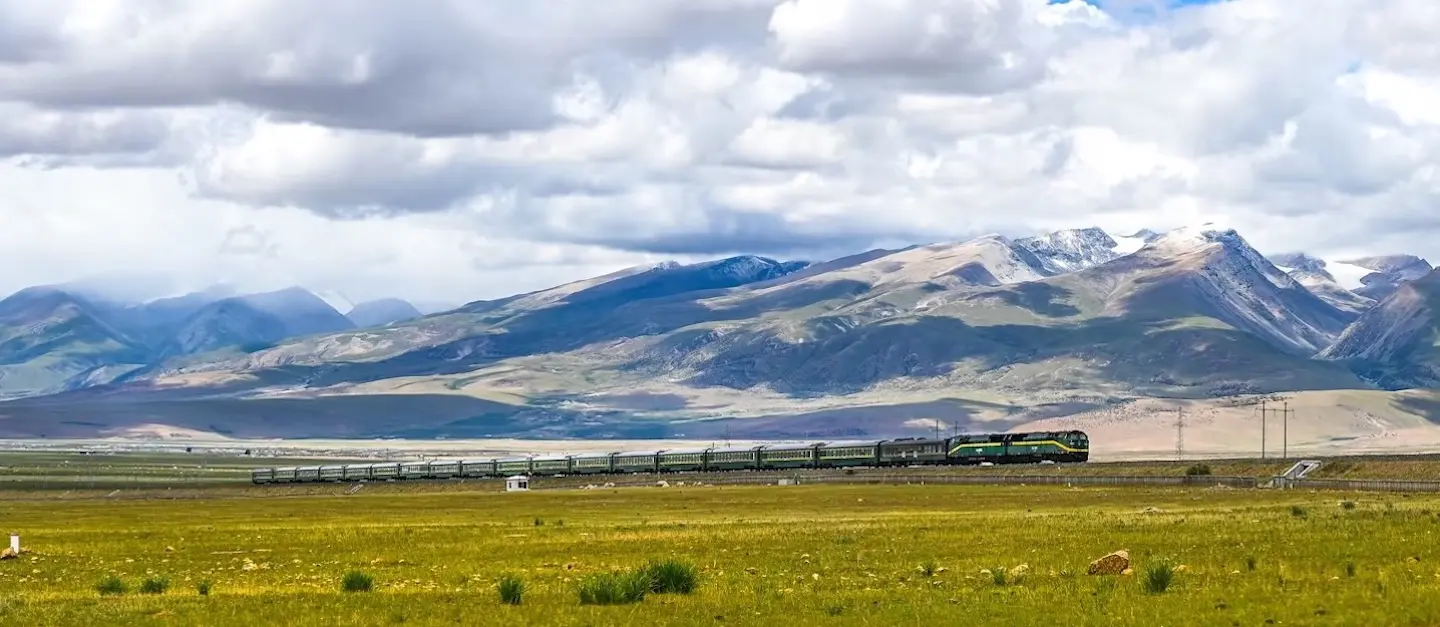
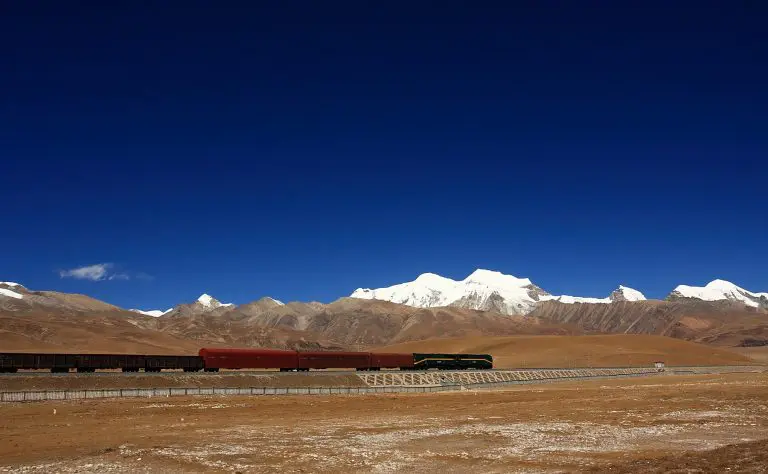
Experience one of the world’s most remarkable train journeys with our Tibet Train Tours. Travel across the Qinghai Tibet Plateau to Lhasa, the capital city of Tibet, and enjoy breathtaking views of snow-capped mountains, turquoise lakes, vast grasslands, and remote highland wilderness.

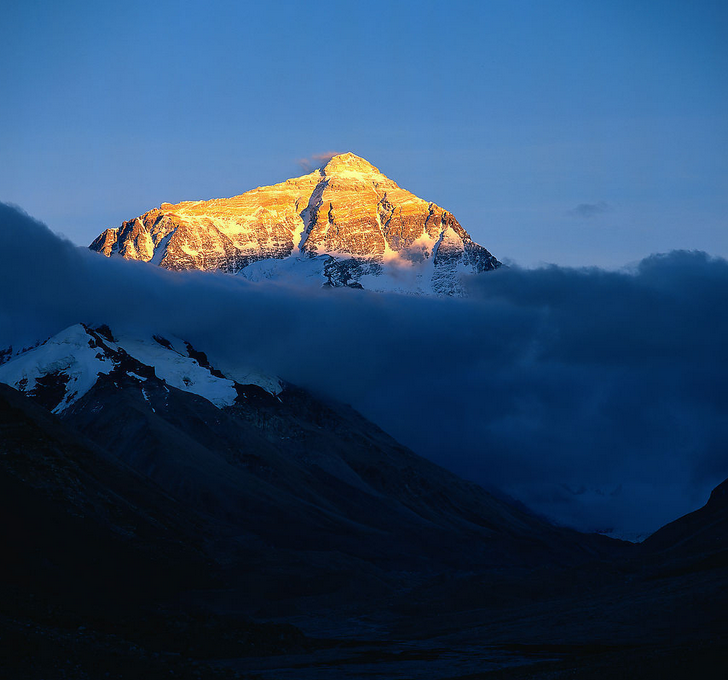
Ride in oxygen-supplied cabins with panoramic windows and soft or hard sleeper berths designed for gradual altitude acclimatization. Board the train from major cities such as Beijing, Chengdu, Shanghai, Xining (the shortest route), or Chongqing, and combine your Tibet train trip with guided tours to Lhasa, Gyantse, Shigatse, Mount Everest and more.

For travelers booking their Tibet tours with us, we can assist with Tibet train ticket reservations. Each of our Tibet train tours includes all necessary Tibet permits, private transfers, and expert local Tibetan guides to ensure a smooth, comfortable, and rewarding journey to the Roof of the World.

Why Choose a Tibet Train Tour

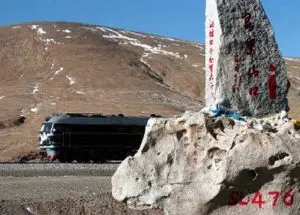
  • The world’s highest railway, reaching 5,072 m at the Tanggula Pass
  • Gradual altitude acclimatization in oxygen-enriched cabins
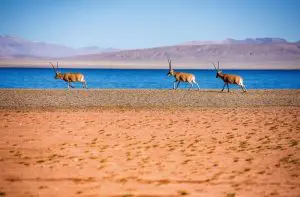
  • Spectacular plateau scenery and wildlife along the route
  • Comfortable, eco-friendly, and scenic travel to Lhasa

Popular Tibet Train Tour Packages

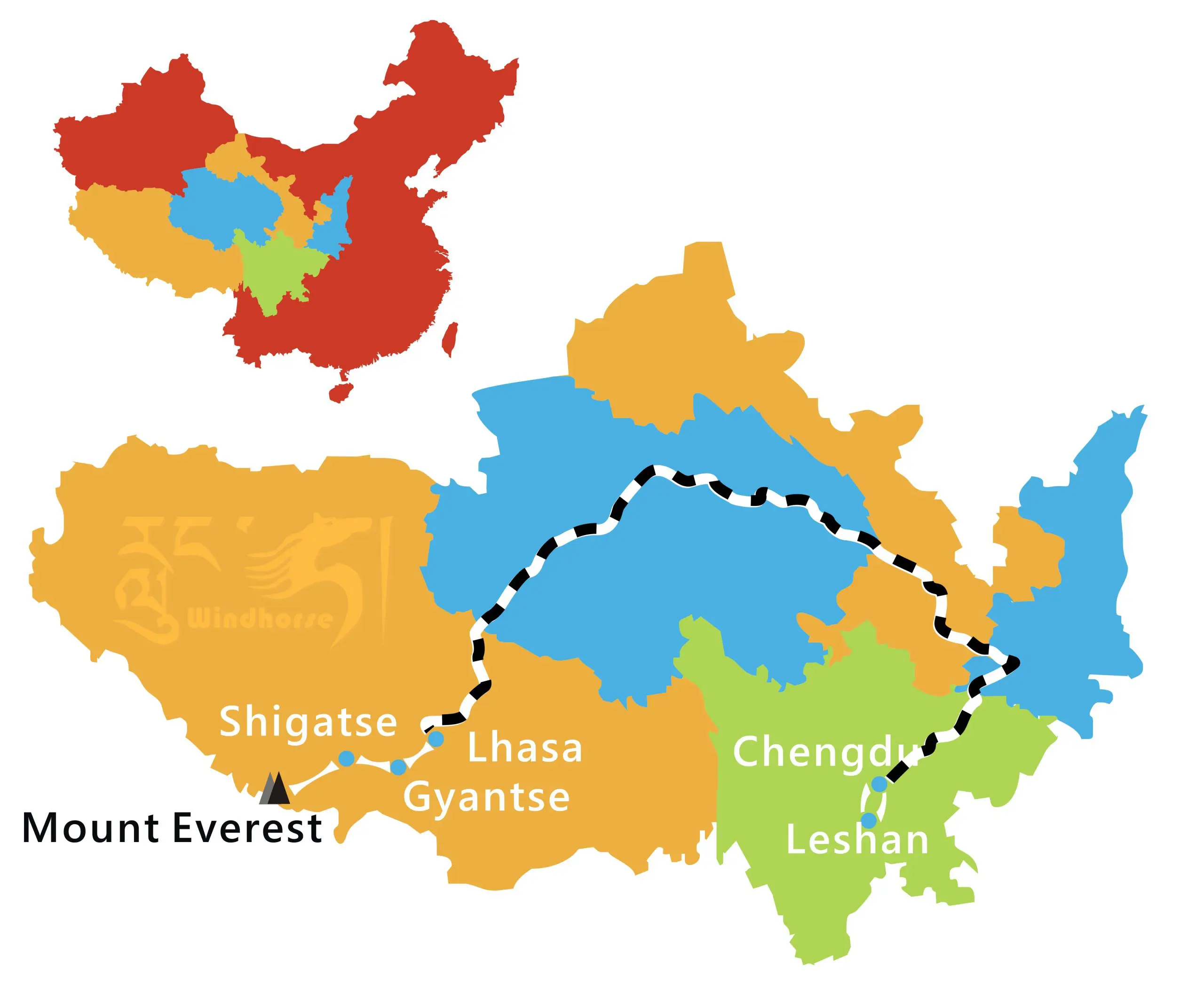
Chengdu ⇀ Leshan ⇀ Chengdu ⇀ Lhasa ⇀ Gyantse ⇀ Shigatse ⇀ Mount Everest ⇀ Shigatse ⇀ Lhasa
12 days
∙ Private ∙
Overland

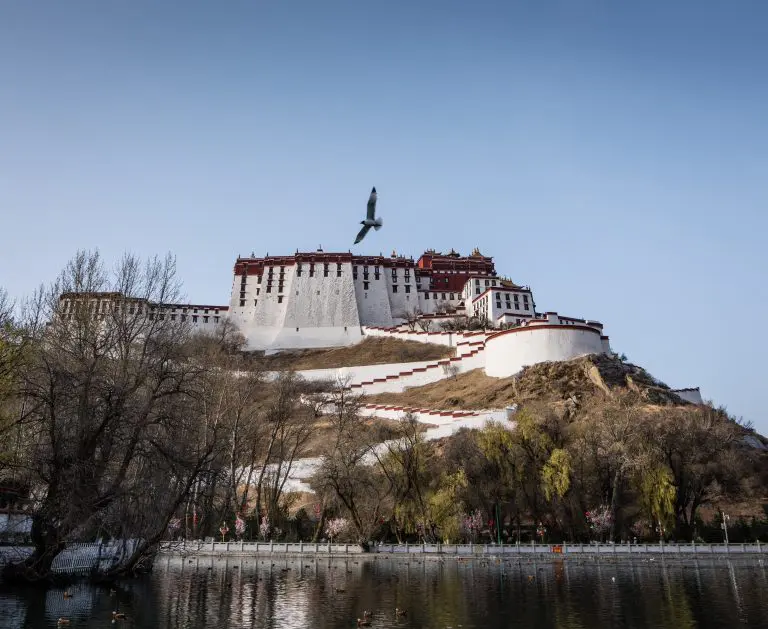
Experience a 12-day Chengdu Tibet Train Tour that links Sichuan’s culture with Tibet’s Himalayan wonders. Visit pandas and the Leshan Giant Buddha, ride the Qinghai-Tibet Railway to Lhasa, explore the Potala Palace, and travel west via Gyantse and Shigatse to Everest Base Camp before returning to Lhasa.

From CNY 10,010
CNY 9,100
Xining ⇀ Qinghai Lake ⇀ Lhasa ⇀ Gyantse ⇀ Shigatse ⇀ Lhasa ⇀ Namtso ⇀ Lhasa
9 days
∙ Private ∙
Culture and Heritage

Begin your train journey in the multinational city-Xining, Qinghai province. This Tibet train tour offers you a once in a lifetime chance to relax in these breathtaking spots including Qinghai Lake, the Potala Palace and more.

From CNY 7,810
CNY 7,100
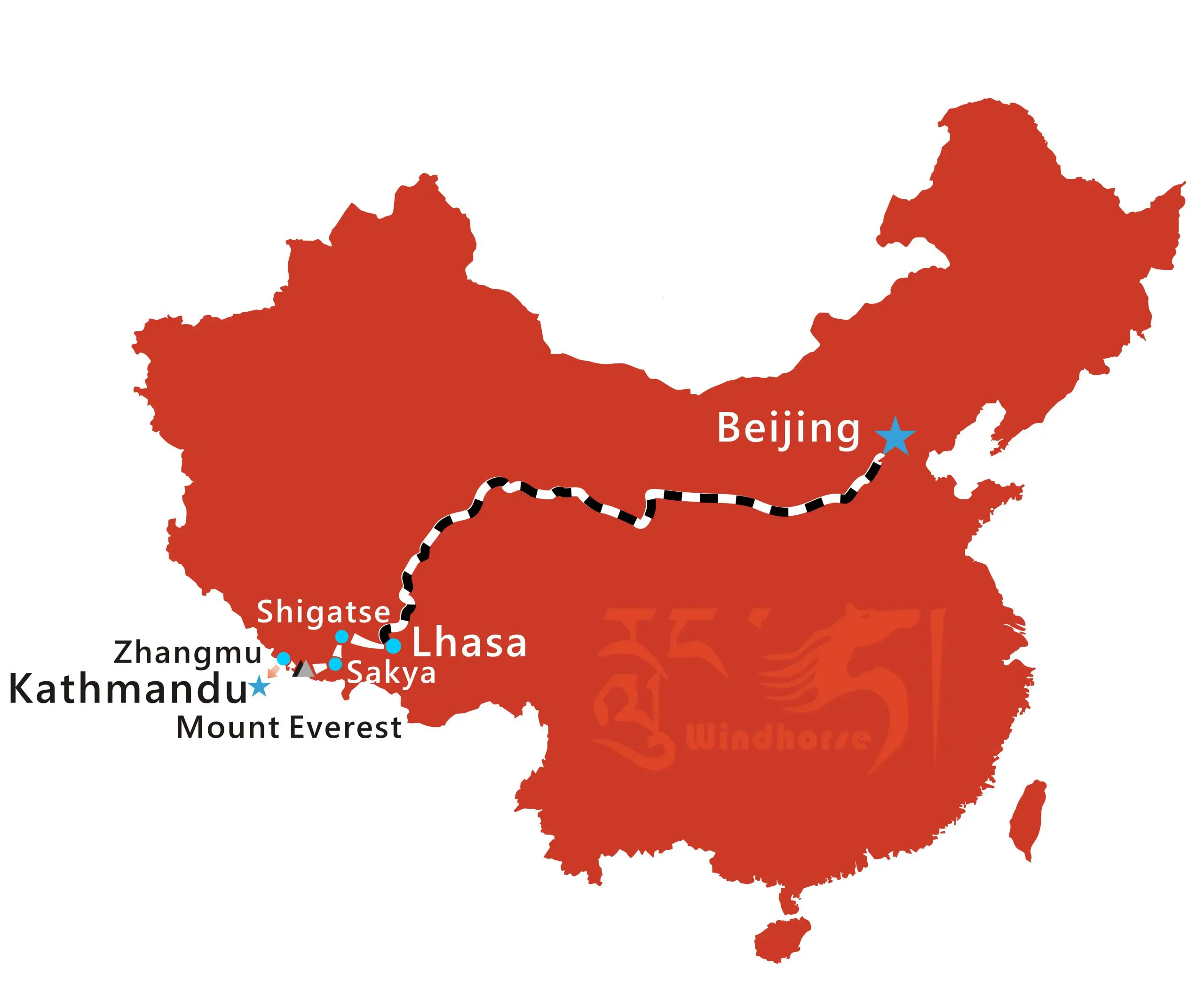
Beijing ⇀ Lhasa ⇀ Shigatse ⇀ Sakya ⇀ Mount Everest ⇀ Gyirong Border ⇀ Kathmandu
12 days
∙ Private ∙
Overland

Experience the ultimate overland adventure on this 12-Day Beijing Tibet Train Tour to Kathmandu.
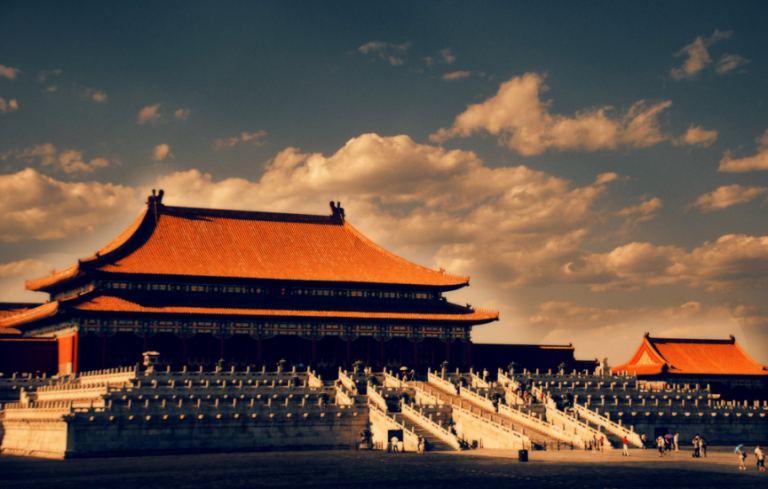
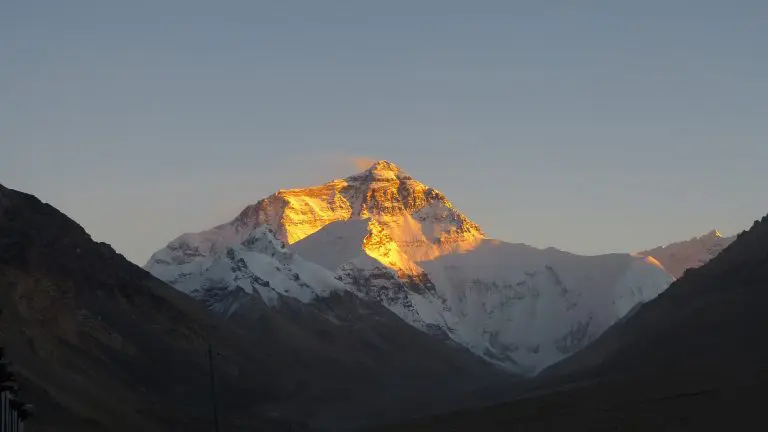
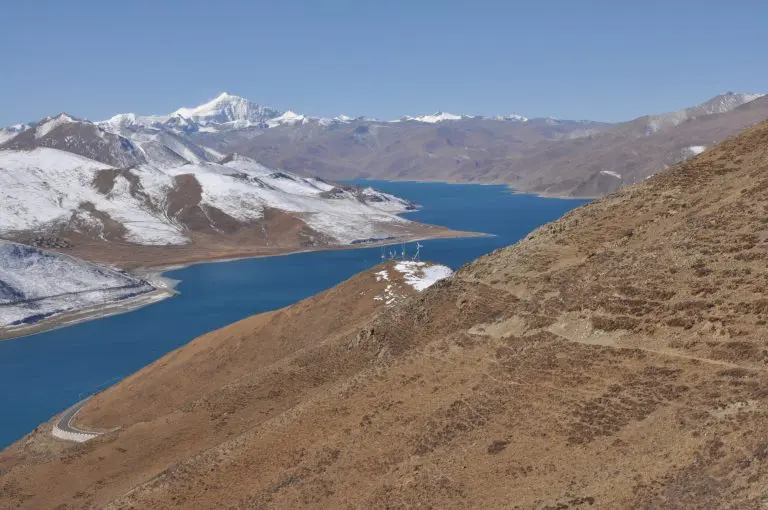
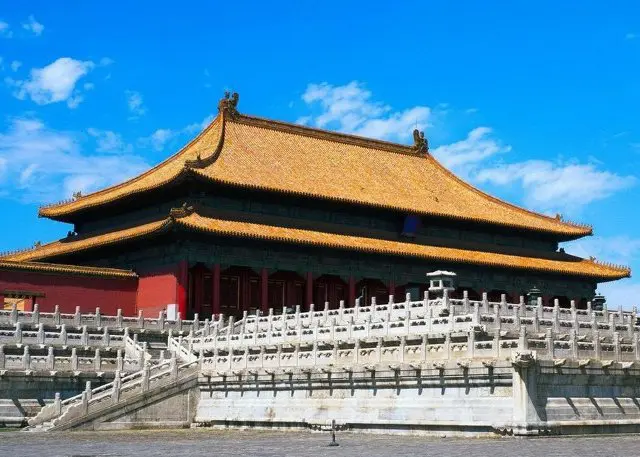
Explore Beijing’s Forbidden City, Temple of Heaven, and the Great Wall before boarding the Qinghai-Tibet Railway to Lhasa. Discover the Potala Palace, Yamdrok Lake, and Everest Base Camp, then continue into Kathmandu valley, where Tibetan culture meets Nepal’s vibrant mountain spirit.

From CNY 11,000
CNY 10,000
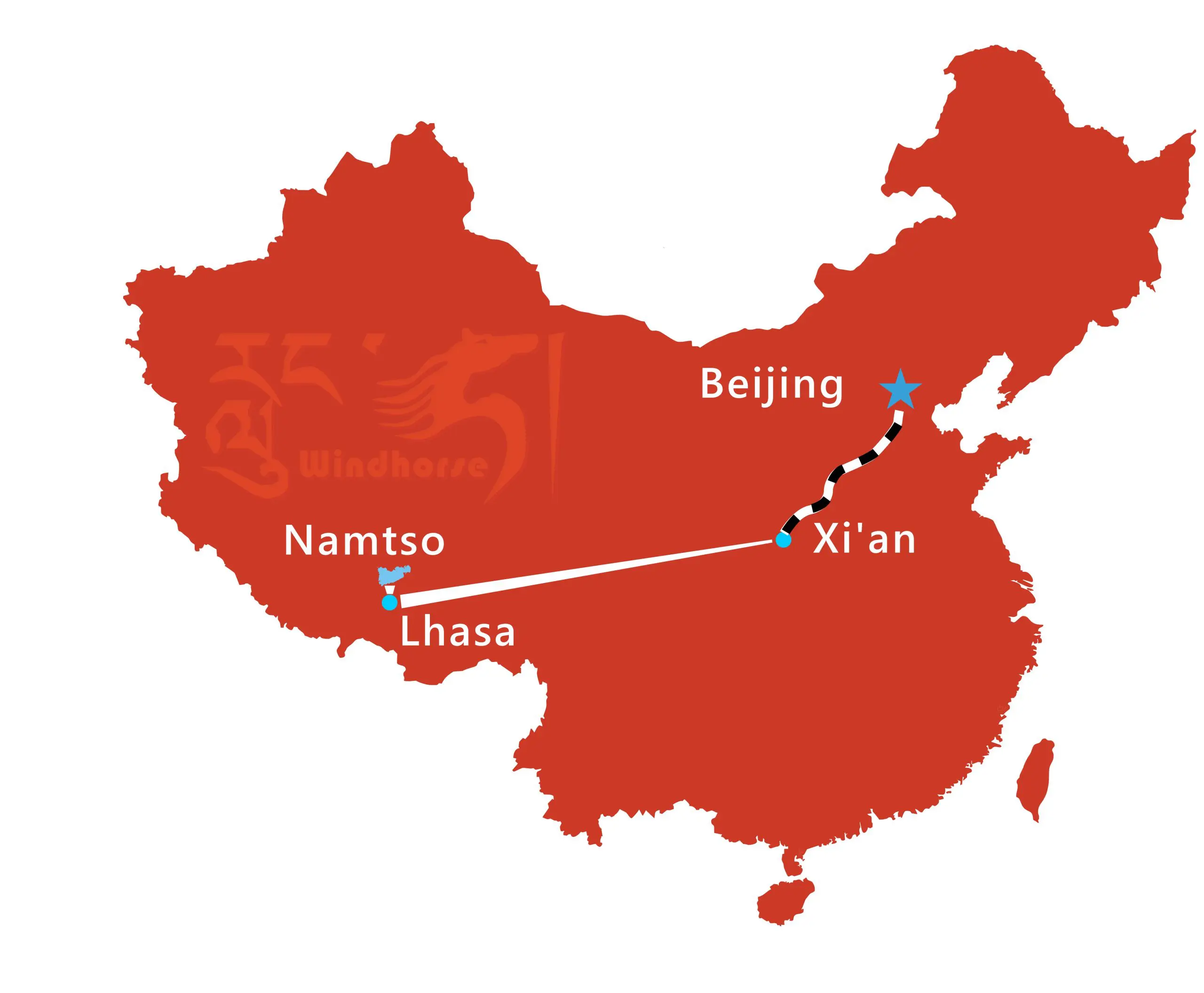
Beijing ⇀ Xi'an ⇀ Lhasa ⇀ Namtso ⇀ Lhasa
11 days
∙ Private ∙
Culture and Heritage

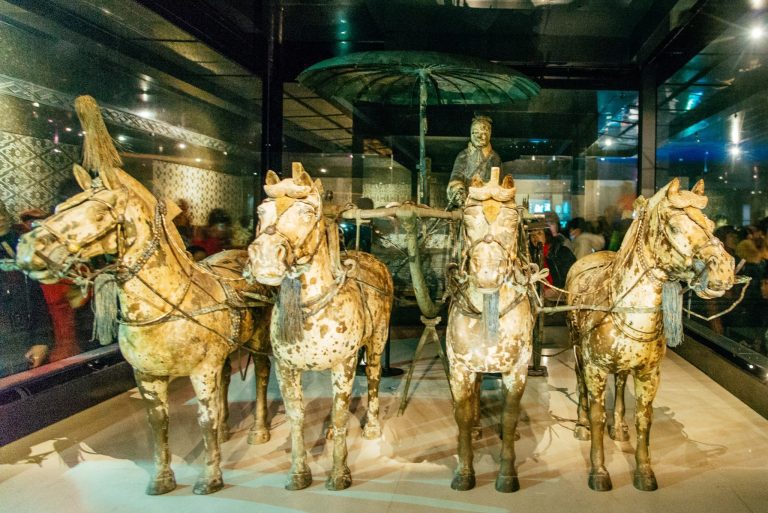
This 11-day Beijing Xi’an Lhasa Train Tour links China’s ancient capitals with Tibet’s cultural heart. Visit the Great Wall and Terracotta Warriors, then take the Qinghai-Tibet Railway to Lhasa to explore the Potala Palace, Jokhang Temple, and the stunning Namtso Lake or Yamdrok tso.

From CNY 9,240
CNY 8,400

Frequently Asked Questions for Tibet Train tours

What is the best train route to Tibet?

All trains to Tibet, whether you depart from Beijing, Chengdu, Xi’an, Shanghai, or Chongqing, pass through Xining, the gateway city where the Qinghai–Tibet Railway begins and the high-altitude journey to Lhasa officially starts.

For most travelers, the Xining to Lhasa route (about 20 hours) is the best choice. It’s shorter, more comfortable, and covers the entire scenic Qinghai–Tibet Railway, however make sure you get the evening train so you can see most part of the highlights in the daytime. Many travelers choose to spend one or two days in Xining (elevation: about 2,275 m) before boarding the train, allowing time to start acclimatizing to the higher altitude while exploring nearby attractions such as Qinghai Lake or Kumbum Monastery.

If you prefer a longer scenic journey, the Beijing to Lhasa (around 40 hours) or Chengdu to Lhasa (around 34.5 hours) trains offer an unforgettable cross-China experience with breathtaking plateau views.

Does taking the train help with altitude sickness, and is oxygen available on board?

Yes. Traveling to Tibet by train allows your body to adjust more gradually to high altitude than flying directly to Lhasa (3,650 m). The Qinghai–Tibet Railway is equipped with oxygen-enrichment systems, a central supply for each carriage and individual outlets at seats and berths. Oxygen begins diffusing automatically after Golmud (2,800 m) as the train climbs toward the plateau. While this helps reduce discomfort, altitude sickness can still occur, so proper rest and hydration are recommended.

What train classes are available on the Tibet train?

There are three classes on all Tibet trains: Soft Sleeper (4-bed cabin, comfortable and private, best for international travelers), Hard Sleeper (6-bed cabin, basic but good value), and Hard Seat (budget option, not recommended for long routes).
For comfort and privacy, most travelers choose the Soft Sleeper. WindhorseTour can help arrange soft-sleeper tickets to Tibet if you confirm your booking 20 days in advance.

How far in advance should I book Tibet train tickets?

Tibet train tickets are released 15 days before departure and often sell out quickly, especially soft-sleeper tickets during the busy season from May to October. To secure your preferred route and seats, it’s best to book early through your Tibet travel agency.

At WindhorseTour, we arrange Tibet train tickets only for travelers who have booked their Tibet tour with us, and we require at least 20 days’ notice to guarantee availability.

What documents and permits do I need for the Tibet train journey?

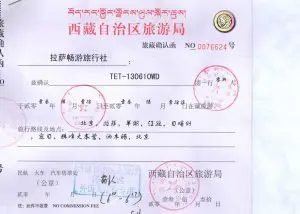
Foreign travelers must have a Tibet Travel Permit issued by the Tibet Tourism Bureau before boarding the train. This permit can only be arranged through a licensed local Tibetan travel agency, which will also organize your Tibet tour.
A scanned color copy of the permit is generally sufficient to board trains from cities such as Xining, Chengdu, Beijing, or Shanghai, while the original permit will be checked again upon arrival in Lhasa.

WindhorseTour, as a licensed Tibetan tour operator, handles all permit applications and ensures you receive the required travel documents before your trip begins.

What scenery will I see along the route, and when is the best time to take the Tibet train?

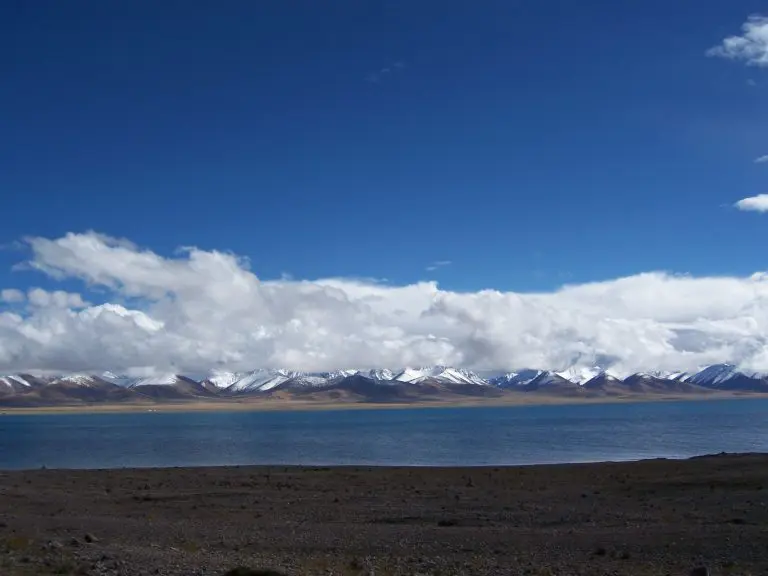
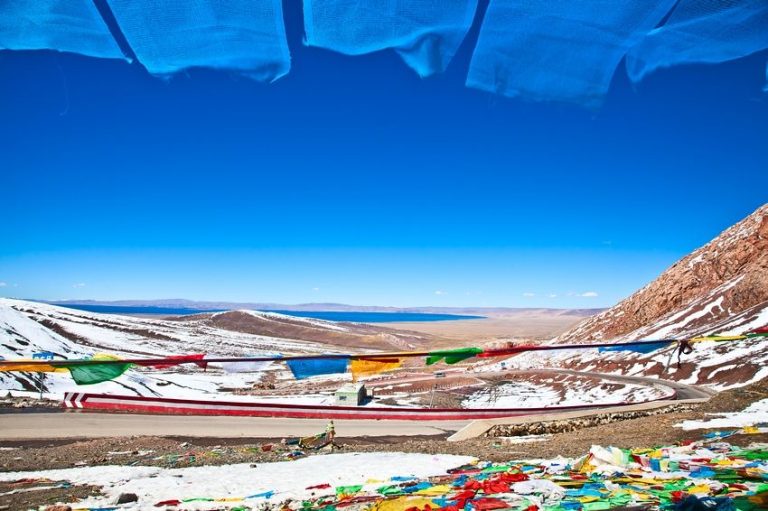
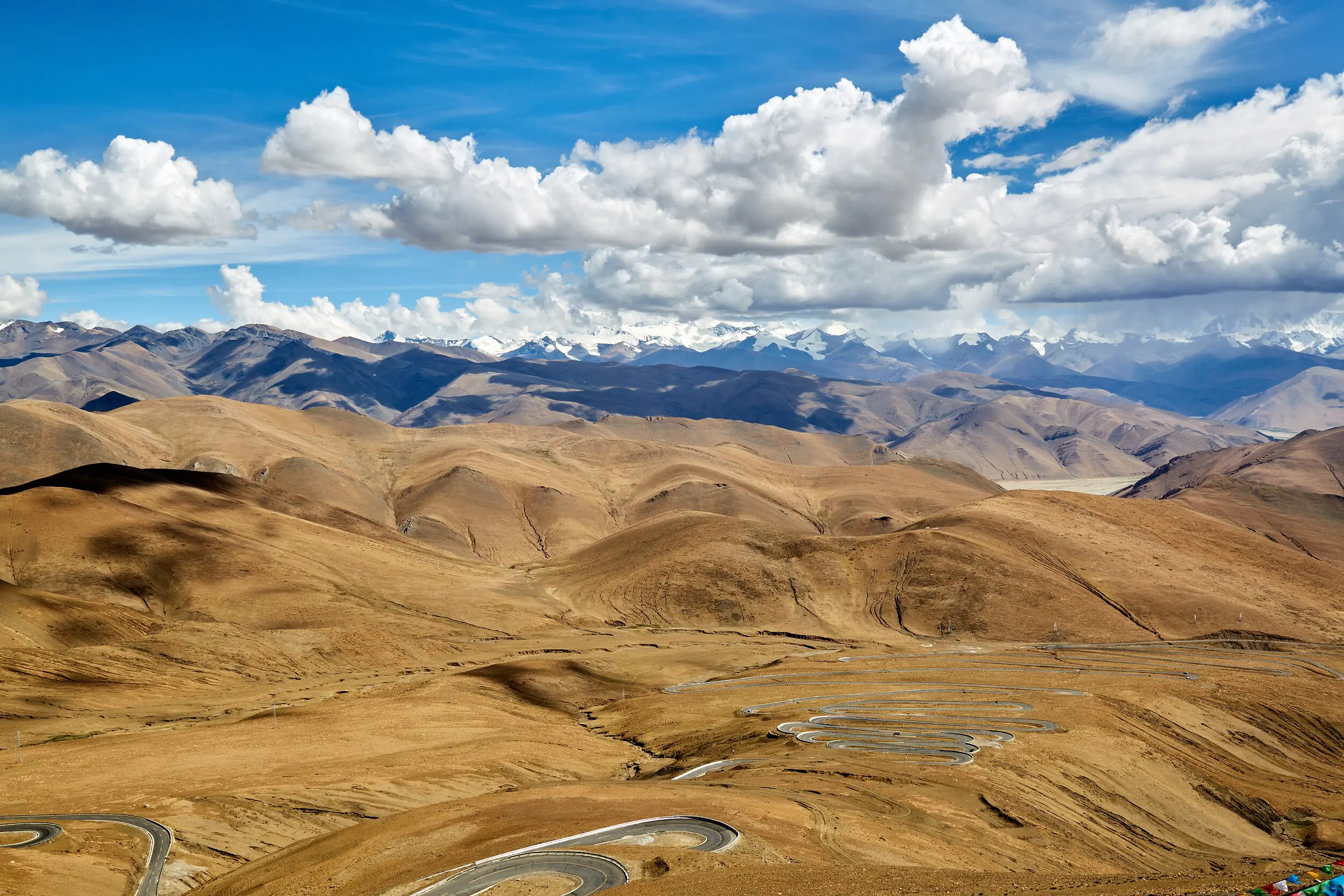
The Qinghai–Tibet Railway from Xining to Lhasa is one of the world’s highest and most spectacular train journeys, crossing the vast Tibetan Plateau at over 4,000 meters. Along the route, you’ll see the turquoise waters of Qinghai Lake, the majestic Kunlun Mountains, and the untouched wilderness of the Kekexili (Hoh Xil) Nature Reserve, home to Tibetan antelope and wild yaks. The train also passes Tuotuo river and the snow-covered Tanggula Pass (5,072 m), the highest point of the entire journey, before descending through northern Tibet’s vast grasslands and alpine wetlands in Nagqu.

The best time to ride the Tibet train is April to October, when skies are clear and the landscapes are at their most colorful. June to September brings lush scenery and peak travel season, while winter (November to February) offers fewer crowds and crystal-clear mountain views.

Essential Travel Guide & Tips for Tibet Train Tours

A complete guide for Qinghai-Tibet Railway

Taking Qinghai-Tibet trains has become travelers’ great choice since its opening in 2006, as the trains are punctual and cost-efficient, in addition, the route along Qinghai Tibet Railway offers travelers remarkable memories filled with splendid scenery. Renowned as the world’s highest railway, Qinghai Tibet Railway is a landmark achievement in Chinese construction and engineering. The highest point on the line is 5,072 m. (16,640 ft.) above sea level. The railway covers 960 km. (597 mi.) at an altitude of more than 4,000 m. (13,123 ft.), over 550 km. (341 mi.) within the “frozen earth” area. Qinghai-Tibet Railway brief information Opening…

Read more >

Lhasa Train Schedule and Prices

Tibet Trains basic information and timetable So far, Tibet is served by three major railways: the Qinghai-Tibet railway, the Lhasa–Shigatse Railway, and the Lhasa–Nyingchi Railway. The Qinghai–Tibet Railway, opened in 2006, connects Xining in Qinghai Province to Lhasa, the capital of Tibet. As the first railway to Tibet, it holds great significance for both tourism and regional development, offering travelers a scenic and unforgettable journey across the Qinghai–Tibet Plateau. The Lhasa–Shigatse Railway, launched in 2014, is an extension of the Qinghai–Tibet Railway, linking Lhasa Station to Shigatse Station—Tibet’s second-largest city and home to Tashilhunpo Monastery. Most recently, the Lhasa–Nyingchi Railway,…

Read more >

Beijing to Lhasa Train

Beijing, the capital of China, is a city full of rich culture and long history, many travelers regard it as the first stop on their visit to China. Beijing Capital Airport is the No. 1 airport for international travelers to China, it has the largest number of international routes, especially from North America and Europe. It is also the main hub to travel domestically and has direct lines to all major cities in China. Therefore Beijing is one of the popular start cities for those travelers who plan to travel to Tibet through mainland China. From Beijing, travelers can choose…

Read more >

Xining to Lhasa train

Why to take the train from Xining to Lhasa Taking a train from Xining to Lhasa has become more and more travelers’ choice since its opening in the year of 2006. Compared with taking a flight to Lhasa from Xining, except for being more time-consuming, taking a train to Lhasa gives your body more time to acclimatize the high altitude, which can decrease the chance to suffer from the high altitude sickness upon stepping into Lhasa. Besides, it brings great rewards with breathtaking landscapes on the way. Among all the Tibet train routes to Lhasa from the seven gateway cities…

Read more >

Tibet Travel Permit and How to Apply

The Tibet Travel Permit, also known as Tibet Entry Permit, is an essential document required for all non-Chinese passport holders, including foreign tourists, residents of Taiwan, and overseas Chinese, who wish to visit the Tibet Autonomous Region (TAR). It’s issued by the Tibet Tourism Bureau and will be checked at airports, train stations, and even some attractions during your trip in Tibet. While some mistakenly refer to it as a “Tibet visa,” this is not accurate. Tibet is a part of China, so a separate visa for Tibet is not required. Instead, you’ll need a valid China visa (or qualify…

Read more >

Tibet Budget Travel: 11 Tips for Cheap Tibet Tours & Saving Money

Tibet, here referring to the Tibet Autonomous Region, is known as the roof of the world. With its sacred monasteries, turquoise lakes, snow-capped peaks, profound spiritual atmosphere and unique culture, it attracts thousands of travelers every year. But many hesitate because of one concern: Tibet travel seems expensive. It’s true that the cost of a Tibet tour is generally higher than other parts of China, due to long travel distances, required permits, and the need for a licensed guide, vehicle and driver. Popular trips like Everest Base Camp, Namtso Lake, Nyingchi, or Mount Kailash can add up quickly. But here’s…

Read more >

Explore Tibet Tours by Other Theme and Interest

Discover more Tibet tours tailored to different ways of experiencing the region, from trekking and winter trips to overland journeys, festival tours, family adventures, and train travel.

See real Tibet tours reviews from our clients on Tripadvisor

Contact us for your perfect China/Tibet tours

Profile

Start planning your China/Tibet holiday with 1-to-1 help from our travel advisors. Travel with joy!