
How to Plan a Tibet Everest Base Camp Trip: Permits, Costs & Tips
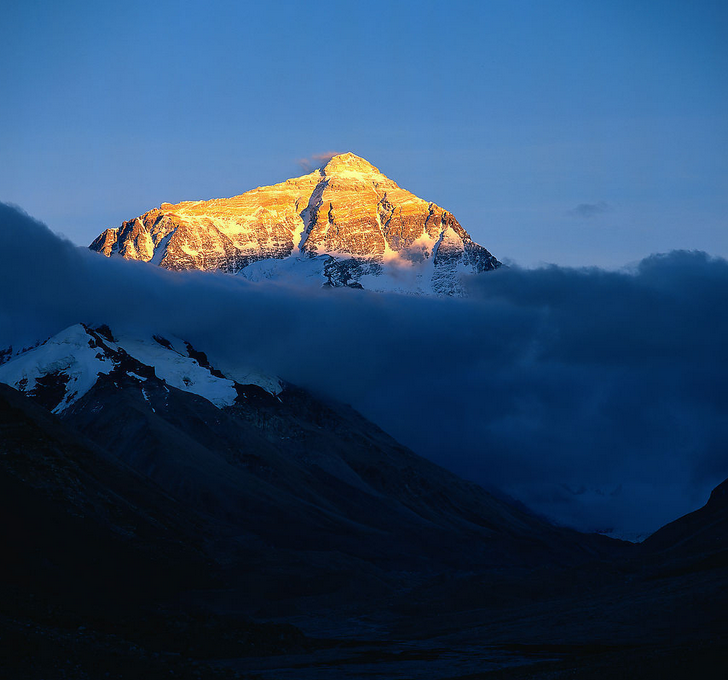
Tibet’s Everest Base Camp (EBC), located at 5,200 m (17,060 ft) on the north face of Mount Everest (Qomolangma), is one of the world’s most iconic high-altitude destinations. Unlike the Nepal side, which requires a multi-day trek, the Tibet Everest Base Camp is accessible by road from Lhasa – no trekking needed.
With over 18 years of experience organizing Everest tours in Tibet, we’ve created this practical guide to help you plan your Tibet Everest Base Camp trip with confidence. You will find insider tips on travel permits, the best time to visit, route options (Lhasa or Kathmandu), sample itineraries, tour costs, accommodation and food, packing tips, and how to stay safe at high altitude. Whether you’re joining a small group tour or customizing a private journey, this guide will help you plan a smooth, safe, and unforgettable adventure to Mount Everest Base Camp in Tibet.
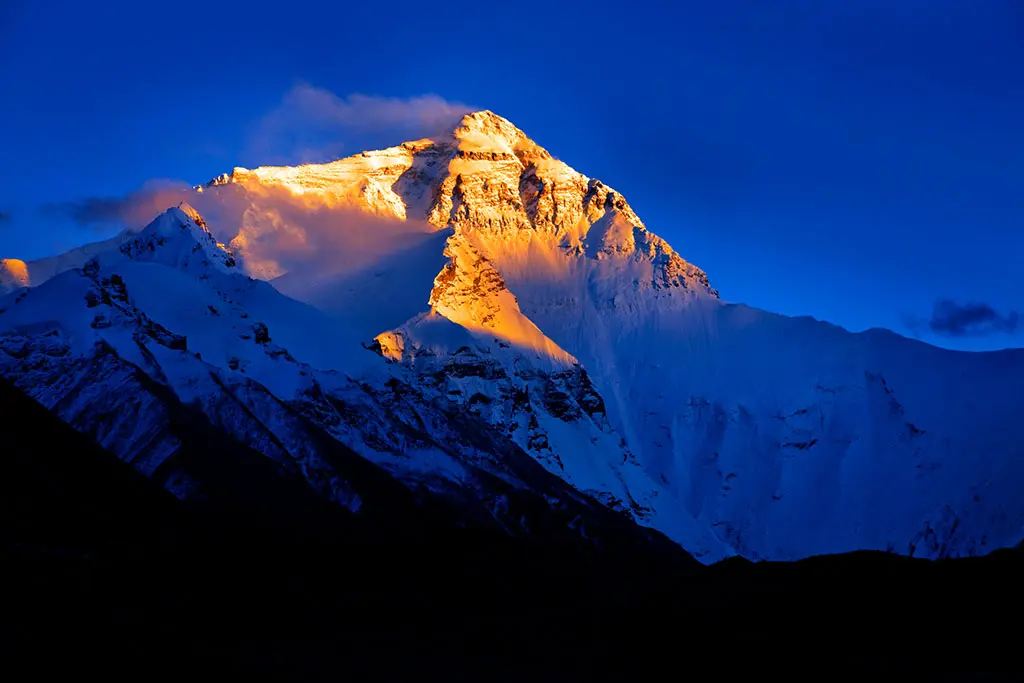
Table of Contents
Permits & Current Travel Policy for Tibet Everest Base Camp Tour
Independent travel to Tibet, including Everest Base Camp (EBC), is not allowed for foreign visitors. By regulation, overseas travelers must take or join a pre-arranged tour with a local travel agency, which provides a licensed guide, private vehicle, and all required permits.
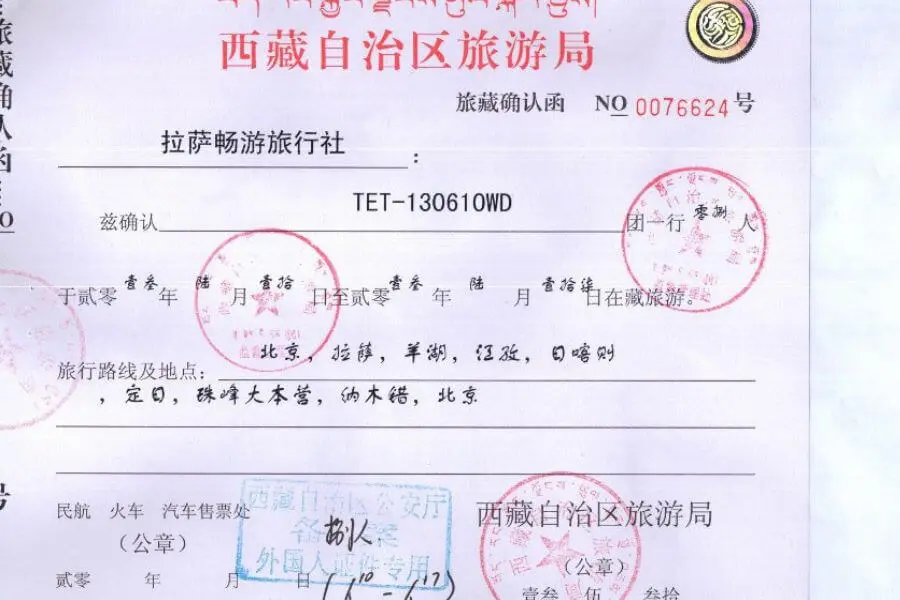
The main document is the Tibet Travel Permit (TTP), issued by the Tibet Tourism Bureau. This permit has to be arranged in advance by a local agency, as individual travelers cannot apply for it directly. Processing usually takes about 2–3 weeks. Agencies such as WindhorseTour, with more than 18 years of experience, handle the paperwork and typically submit applications around a month before your arrival. You need the original permit if you take flight (the city from mainland China) or copies if you take the train.
In the past, visitors also needed an Alien Travel Permit (ATP) to reach the Everest region. Since June 2025, this is no longer required for EBC, Shigatse, or the Gyirong border route. However, it is still necessary for sensitive areas such as Mount Kailash and Lake Manasarovar. In addition, a Border Pass may be requested if you plan to continue overland into Nepal via Gyirong.
Best time to visit Everest Base Camp in Tibet
Choosing the right time to visit is crucial for both your safety and your view of Mount Everest.
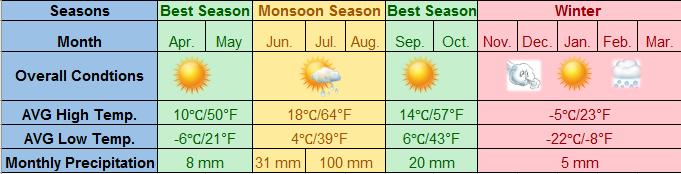
- Best Time for a Clear View: April to June and September to November are the best months. This is when the weather is most stable, the skies are consistently clear, and visibility is excellent for panoramic mountain views. Spring is also Mount Everest climbing season.
- Monsoon Season (June to August): This is the busiest travel season, offering the warmest temperatures and lush, green scenery. However, monsoon clouds and afternoon showers can often obscure the mountain’s peak, making clear views unreliable.
- Winter (November to March): While temperatures can be extreme, often dropping below -20°C, this season offers the clearest possible skies. With very few tourists, it’s the perfect time for those seeking solitude and a budget-friendly trip.
- Read more about best time to visit Mount Everest Base Camp in Tibet.
Photography Tips:
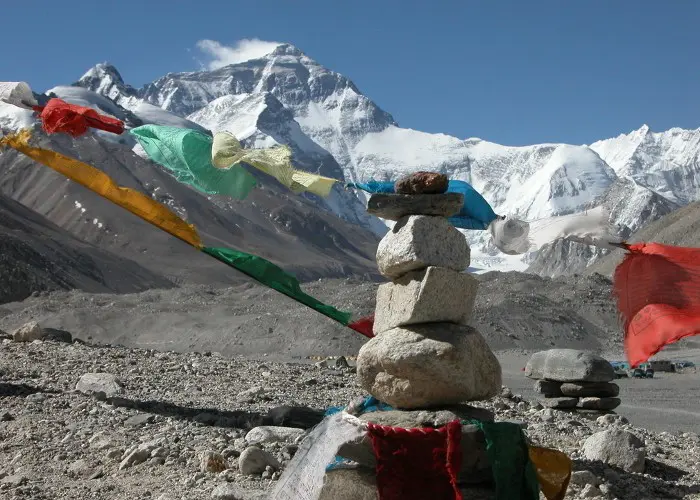
- Golden Hour: Golden hour around sunrise/sunset at Rongbuk or the EBC prayer-flag hill; sunsets are often more dramatic.
- Star Gazing: The high altitude, lack of light pollution, and dry air make the area one of the world’s best for night sky photography. If the skies are clear, the Milky Way is often visible to the naked eye.
- Dealing with the Elements: Cold weather can quickly drain batteries, so carry a power bank or keep spare batteries in an inside pocket to keep them warm. At high altitude, UV rays are intense, so use a UV filter on your lens to protect your gear and wear high-SPF sunscreen.
Travel Routes to Tibet Everest Base Camp
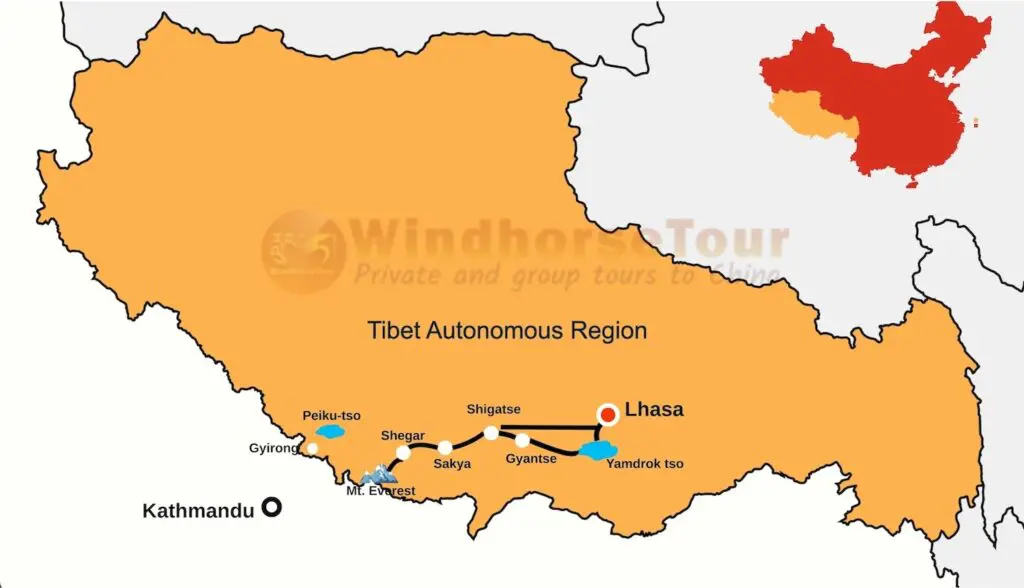
The overland journey to EBC is an adventure in itself. You can reach Tibet Everest Base Camp are from Lhasa or Kathmandu, which lead to two very different travel experiences. The most classic and recommended route starts from Lhasa and follows the China-Nepal Friendship highway for its gradual altitude gain and richer cultural stops. An alternative route from Kathmandu is possible for travelers already in Nepal or on a tight schedule, but it requires caution due to a sudden and rapid altitude gain.
Travel to Everest Base Camp from Lhasa (recommended)
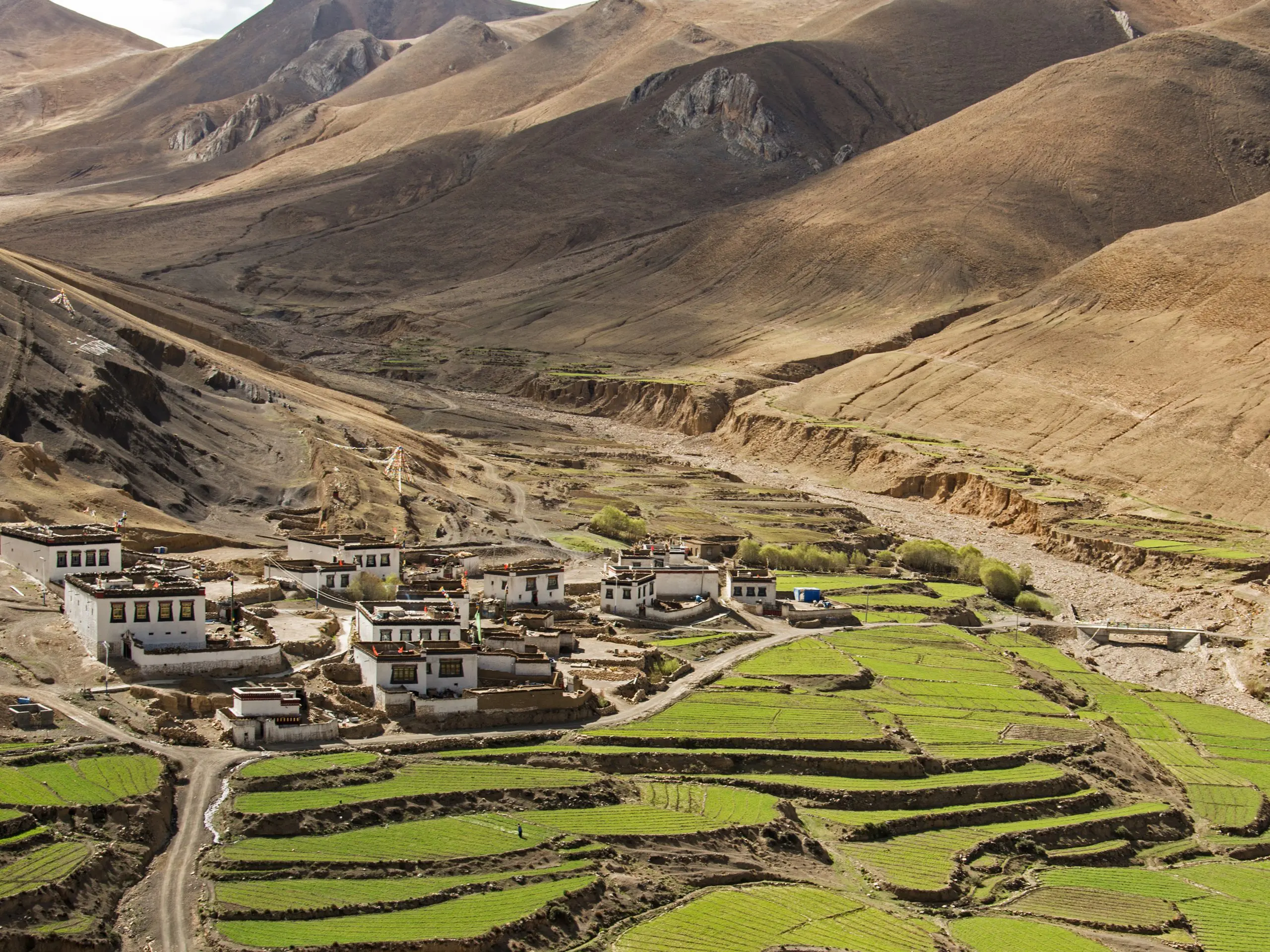
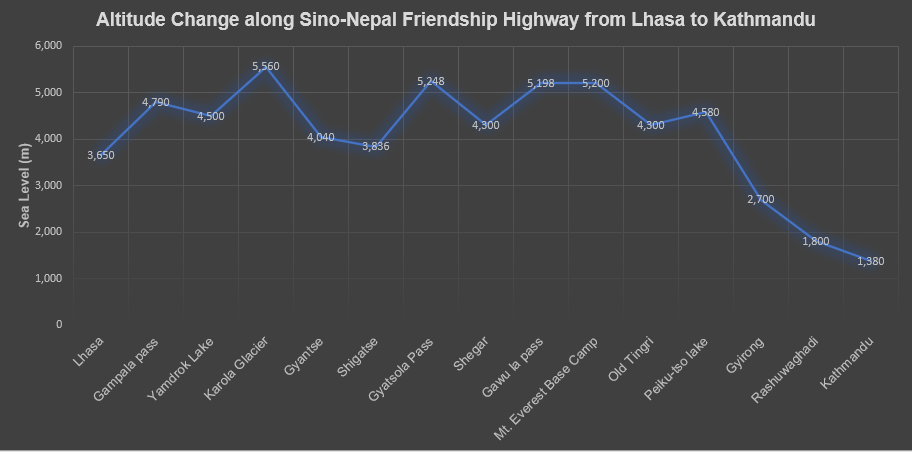
If you choose this option, you will normally spend 2-3 days acclimating in Lhasa before starting the overland trip to EBC. The journey follows the famous China–Nepal Friendship Highway (China National Highway 318), which connects Tibet with Nepal and makes it possible to visit the base camp without a multi-day trek. This route offers a gradual ascent that is ideal for acclimatization and showcases central Tibet’s most significant highlights.
Classic Route:
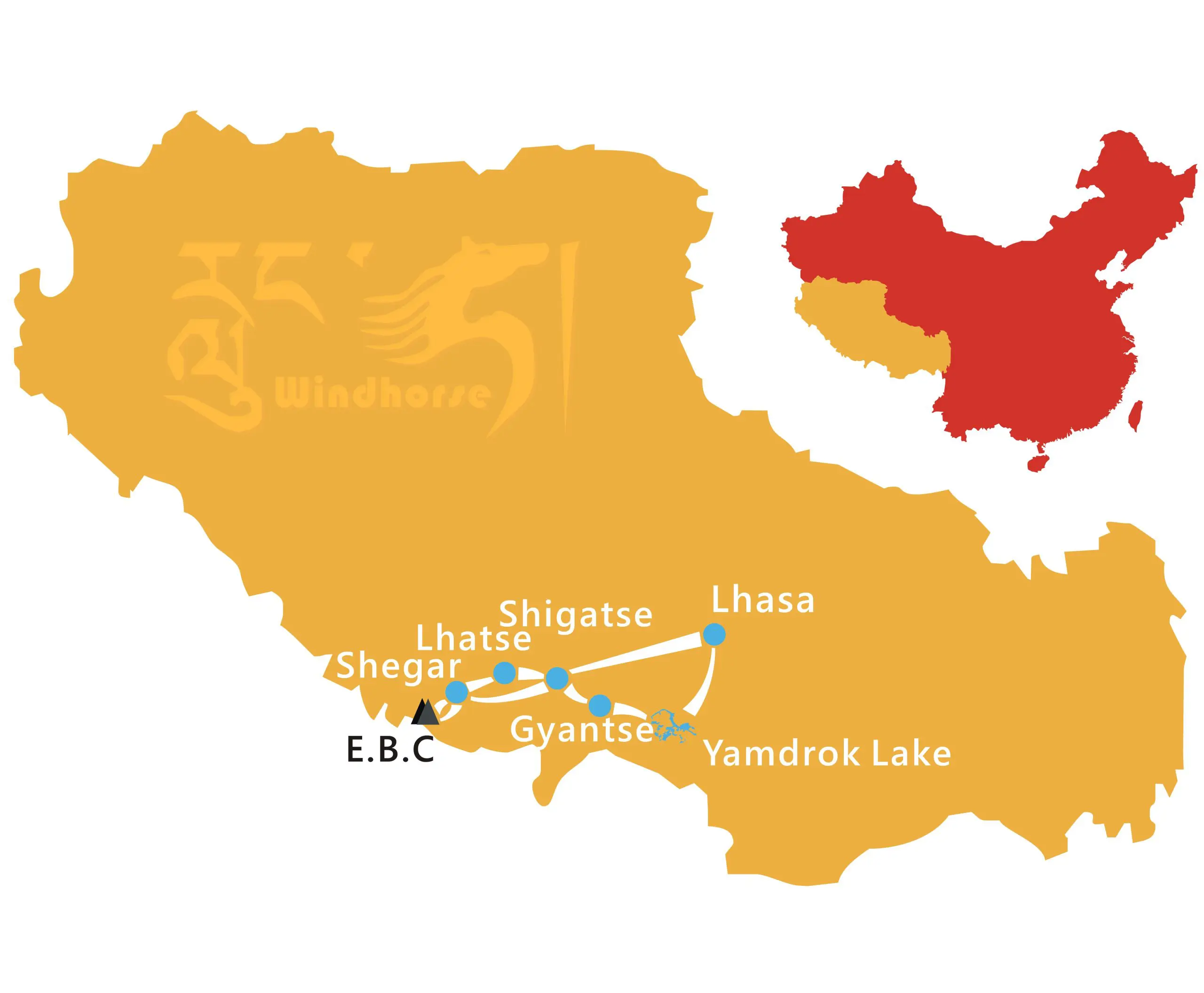
Lhasa → Yamdrok Lake → Gyantse → Shigatse → Sakya Monastery (Optional detour)→ Shegar (New Tingri) → Rongbuk Monastery → Everest Base Camp
- Distance & Driving Time: ~700 km, if add Sakya, then 750 km. Usually 2-3 days by car, with an overnight in Shigatse (or Gyantse or Shigatse + Shegar for slower acclimatization).
- Road Conditions: The highway is fully paved and well-maintained, though it is still a winding mountain road.
- Eco-Bus Shuttle: At Tashi Dzom checkpoint, all visitors must transfer to the eco-sightseeing bus (¥120 per person) for the last 20 km to Rongbuk Monastery and EBC.
Highlights En Route:
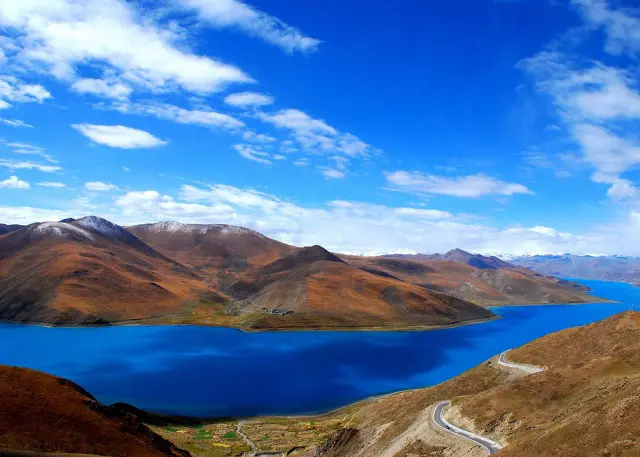
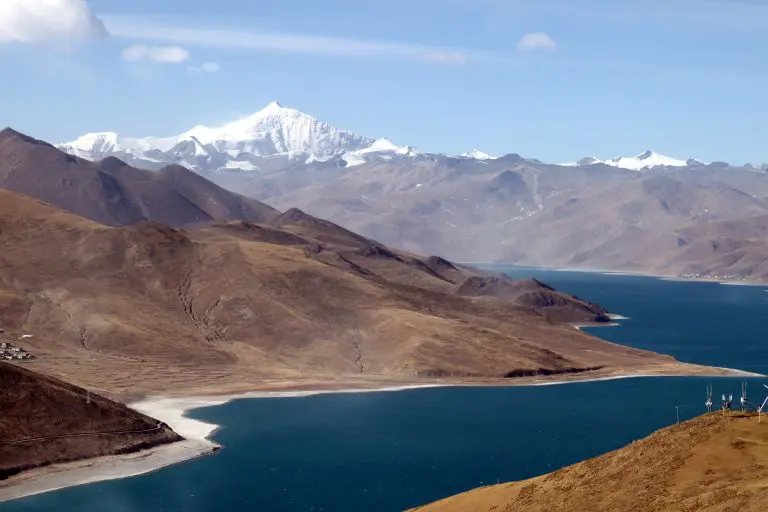
- Yamdrok Tso Lake (4,441 m): One of Tibet’s three sacred lakes, famous for its turquoise waters and snow-capped mountain backdrop.
- Karo La Glacier: A towering roadside glacier right next to the highway.
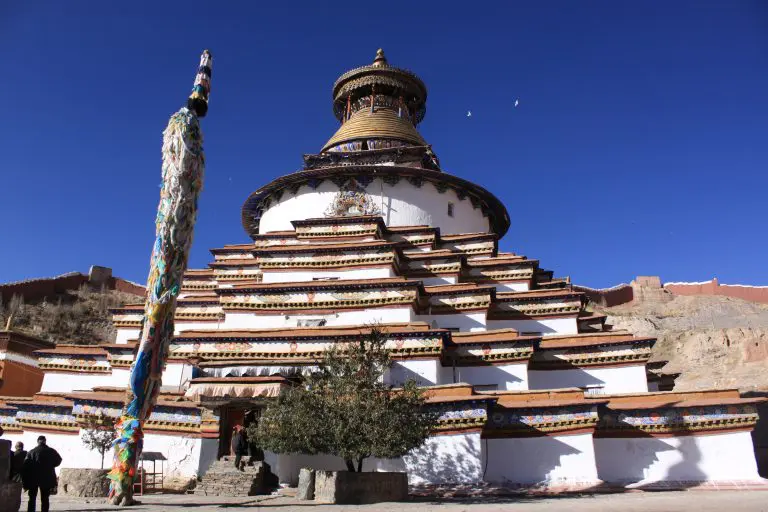
- Gyantse Old Town & Kumbum Monastery: Explore the historic Gyantse fortress town and the famous multi-tiered stupa at Pelkor Chöde Monastery, a masterpiece of Tibetan architecture.
- Shigatse – Tashilhunpo Monastery: The seat of the Panchen Lama, with massive golden-roofed halls and a serene monastic kora offering sweeping views of the city.
- Sakya Monastery: Known as the “second Dunhuang,” this ancient monastery is the center of the Sakya school of Tibetan Buddhism, with fortress-like grey walls and priceless Buddhist texts.
- Pang-la Pass (5,120 m): Sweeping vistas of five Himalayan giants — Everest, Lhotse, Makalu, Cho Oyu, and Shishapangma.
- Rongbuk Valley: The dramatic final approach to Everest Base Camp, with the mountain’s north face dominating the skyline.
From Kathmandu: Travel to Everest Base Camp via Gyirong border (Alternative)
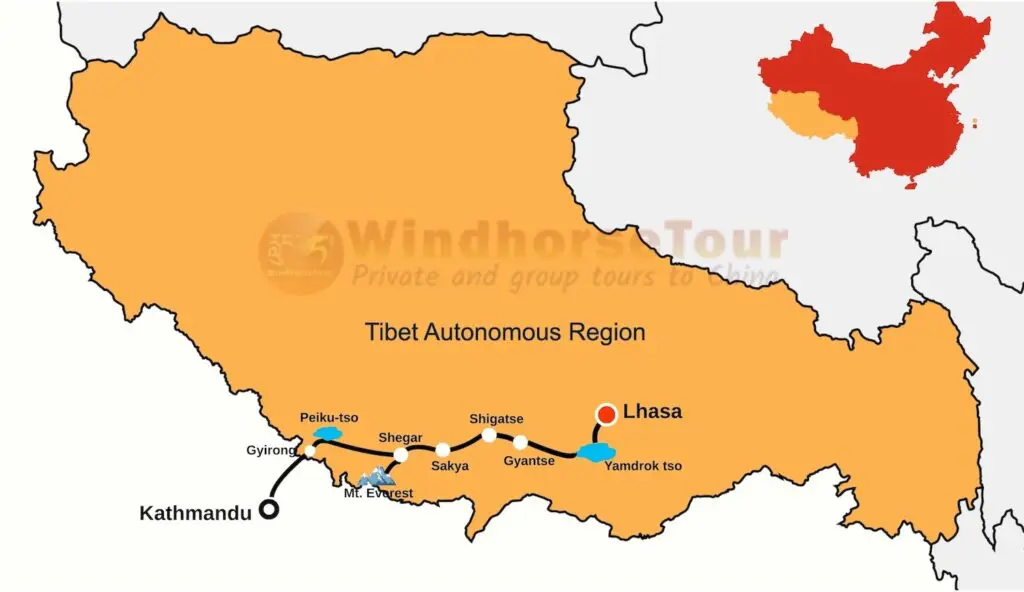
This option suits travelers already in Nepal or on a tight schedule. It joins the same Friendship Highway inside Tibet, but involves a rapid ascent from 1,400 m (Kathmandu) to >5,000 m in just 2–3 days, which raises the risk of altitude sickness. We strongly recommend adding one extra night in Gyirong Town before going higher. Read more about how to travel from Kathmandu to Tibet.
Travel Route:
Kathmandu → Gyirong Port (border) → Gyirong Town → (New Tingri) Shegar → Rongbuk Monastery → Everest Base Camp
- Distance & Driving Time: Kathmandu to Gyirong Port is about 160 km (7–9 hrs, road conditions can be rough). From Gyirong to EBC is ~360 km, usually 2-3 days with overnights in Gyirong town and Shegar .
- Altitude Concern: This route involves a sudden altitude gain, from ~1,400 m in Kathmandu to over 5,000 m within 2-3 days. Many travelers experience stronger altitude sickness compared to the gradual ascent from Lhasa.
Highlights along this route: Gyirong Valley’s lush forests, Peiku-tso Lake, Tingri grasslands, Pang-la Pass viewpoint, and Rongbuk Monastery.
Tibet Everest Base Camp Itineraries (you can tailor these)
We offer a range of fully customizable itineraries and tours to Tibet Everest Base Camp, as well as small group tours. Here are our most popular options to help you plan your journey to the roof of the world.
- 7-Day Tibet Everest Express Tour: Ideal for travelers with tight schedules, this is our most efficient journey to EBC. It combines a brief stay in Lhasa with a direct overland route.
- 8- to 9-Day Classic Tibet Everest Tour: This is our most recommended option for first-time visitors. The comfortable pace allows for gentle acclimatization and a deeper cultural experience.
- 10- to 15-Day In-Depth EBC Tours: For those with more time, these tours allow you to venture beyond the classic route to explore the sacred Lake Namtso or even embark on a pilgrimage to Mount Kailash.
- Lhasa to Kathmandu Overland Tour (7-8 Days): A popular choice for adventurers who want to traverse the Himalayas and finish their journey in Nepal.
Sample 8-Day Itinerary: The Classic Lhasa to EBC Journey
D1 – Arrive Lhasa (3,658 m): Settle in and begin acclimatizing. Your guide will meet you at the airport or train station and transfer you to your hotel.
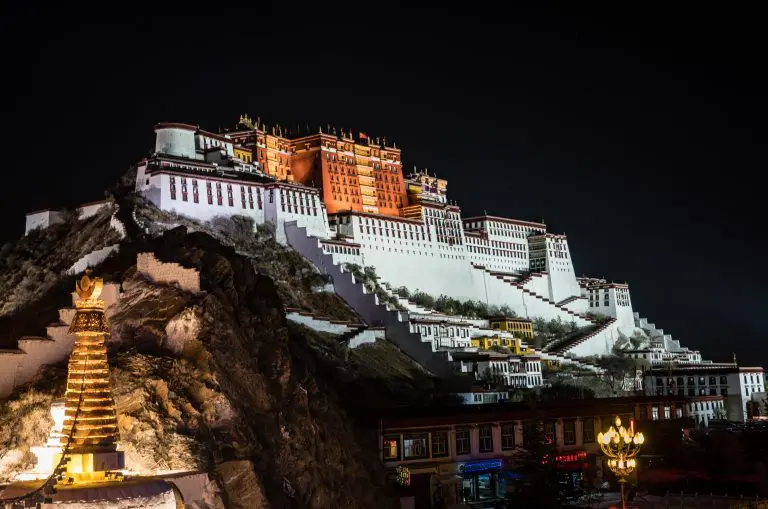
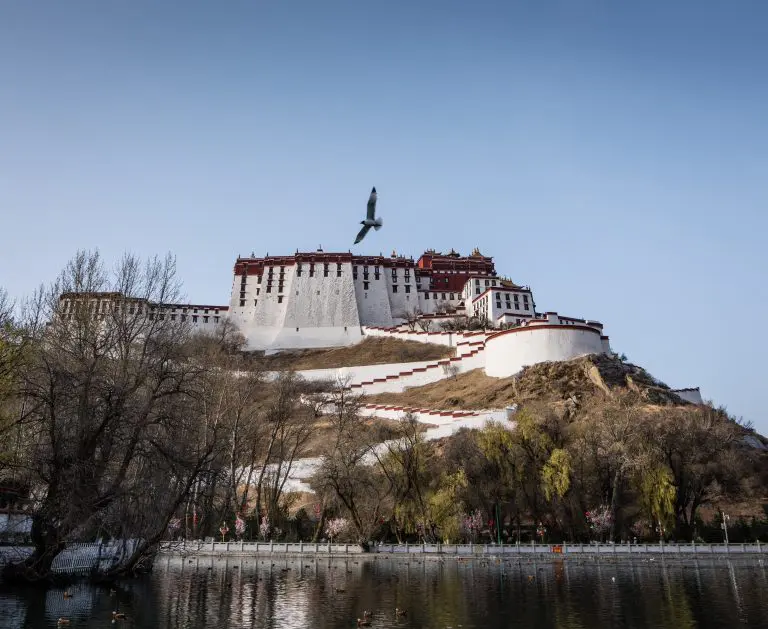
D2 – Lhasa city: Explore the iconic Potala Palace and the spiritual heart of Tibet at Jokhang Temple, followed by a walk on the pilgrimage circuit of Barkhor Street.
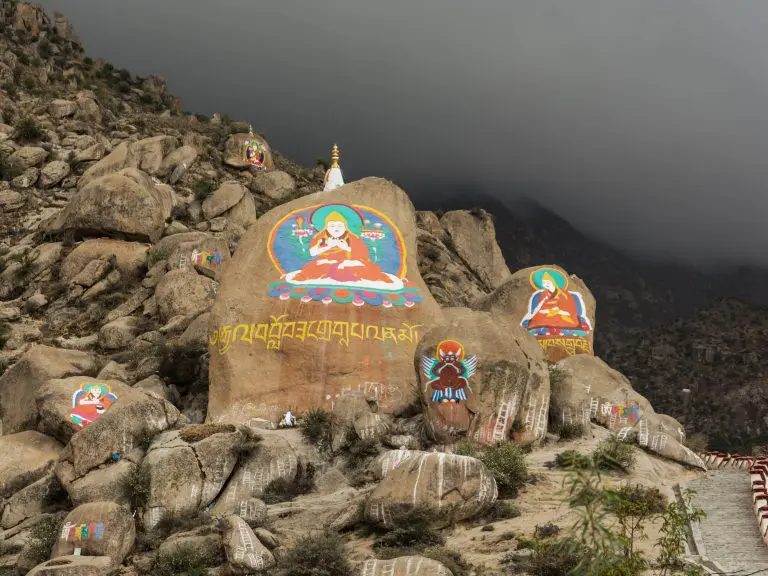
D3 – Lhasa city: Enjoy a full day exploring the revered Drepung and Sera Monasteries, where you can witness the famous philosophical debates among monks.
D4 – Lhasa → Gyantse → Shigatse: Begin the overland journey. You will visit Yamdrok Tso, Karo La Glacier, Gyantse Old Town & Kumbum; overnight Shigatse.
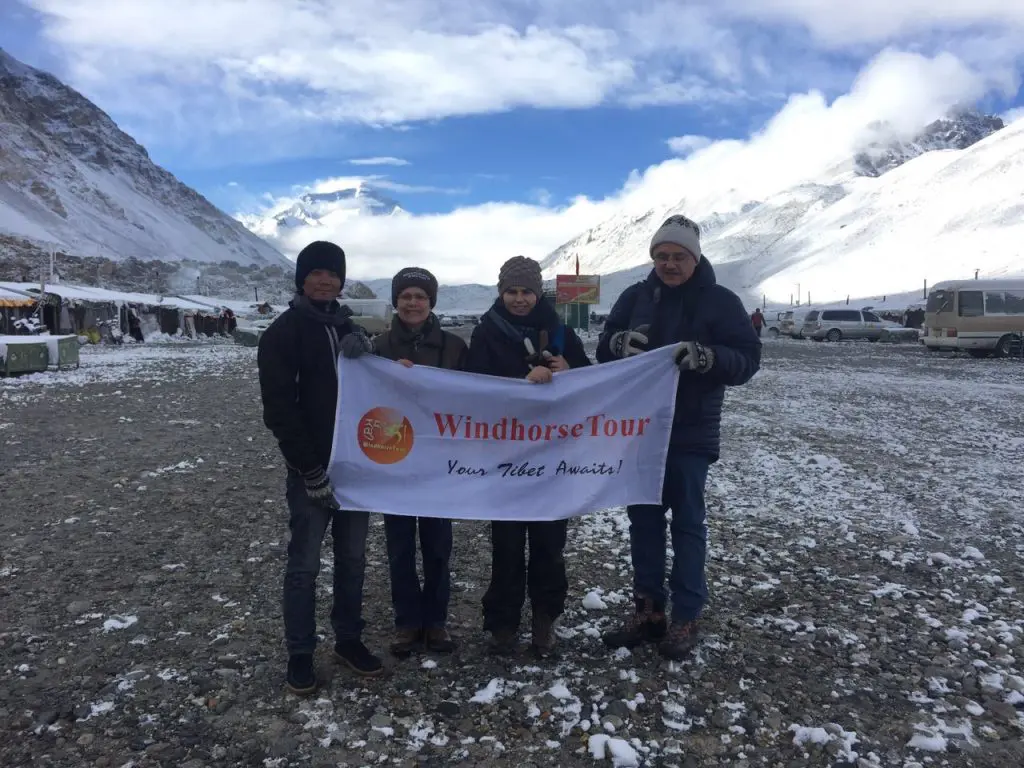
D5 – Shigatse → Shegar→ Rongbuk → EBC: Continuing the drive to EBC. Stop at Gyatso-la and Pang-la Pass for breathtaking Himalayan views and then switch to the eco-bus for the final leg. Sunset at EBC; overnight Rongbuk/tent camp (in season).
D6 – EBC → Shigatse: Wake up for an optional sunrise view of Everest before returning to Shigatse for the night.
D7 – Shigatse → Lhasa: Visit Tashilhunpo monastery, scenic drive; last-minute shopping.
D8 – Depart Lhasa.
We offer this classic 8-day Tibet Everest tour as both a private and a small group option. Our E.B.C group tours are a perfect, budget-friendly choice for solo travelers or couples. For those who prefer more flexibility and a fully tailored experience, a private tour can be customized to your exact needs.
Explore more Tibet Everest Base Camp itineraries.
Accommodation and Food at Tour to Everest Base Camp
On a classic Everest Base Camp tour, you’ll stay overnight in Lhasa, Gyantse, Shigatse, Shegar, and at the base camp itself. The lodging and dining options vary significantly depending on your location and altitude.
Accommodation:
In Lhasa, Gyantse, and Shigatse: You can find a good selection of modern hotels (up to 4- or 5-star) and comfortable guesthouses. Rooms typically have private bathrooms with hot water and reliable heating.
In Shegar: Accommodations become more basic as you gain altitude. While there are a few higher-end hotels, most travelers stay in simple guesthouses with basic rooms and often shared bathrooms.
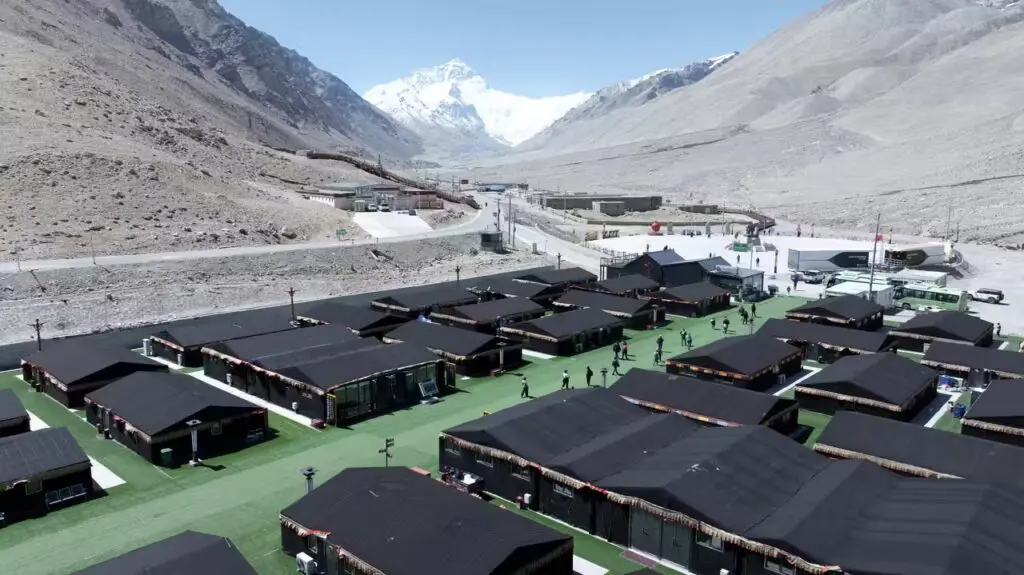
At Everest Base Camp: you have two options. From April to October, you can stay in the upgraded tent guesthouses, which now have single, twin and triple rooms with electric blankets and oxygen. Toilets are shared, and there are no showers. The Rongbuk Monastery Guesthouse, renovated in 2024, is open year-round and has heated rooms with oxygen supply. Twin rooms have private bathrooms, and triple rooms share one. A nearby village, Tashi Dzom (45 km from EBC), is a lower-altitude alternative with modern hotels. It helps with acclimatization, but you won’t see Everest at sunrise, sunset or night from there.
Food & Dining:
Food is generally not included in the tour package, giving you flexibility. In the cities, you will find a wide range of restaurants, including Tibetan, Nepalese, and Chinese cuisine.
On the road and at EBC, meals are simple but hearty, consisting of dishes like fried rice, vegetable noodles, and local staples.
How Much Does a Tibet Everest Base Camp Tour Cost?
A classic 8 Day Lhasa Everest Base Camp (EBC) tour costs from USD 870 to 2,000+ per person, depending on whether you join a group tour or a private tour, the travel season, and your chosen hotel standard.
This is the ground tour cost, which normally covers the guide, car with driver, permits, entrance fees, accommodation (3 star hotels in Lhasa & Shigatse, tent guest house shared dorm bed), guide/driver’s food and lodging, and the travel agency’s operation fee. Meals are not included. Prices vary significantly based on your itinerary and the accommodation you choose.
Using the 8-day classic Everest Base Camp tour as an example, the cost would be like below:
The Group Tour: A budget-friendly option good for solo travelers or couples. A classic 8-day group tour from Lhasa to EBC costs between $920 to $1,070 per person, maximum 12 people in the group. The price varies depending on the season, with lower rates in winter and higher rates during the peak summer months.
The Private Tour: For a more flexible and personalized experience, private tours are a great choice. Prices start from around $1,320 to $1,500 per person based on a 2-person private tour, and $900–$1,100 per person if there are 4 to 6 people in the group, with the same standard as the group tour. The price can go up to $2,000+ per person if you choose a better vehicle and luxury 5-star hotels.
Your Personal On-the-Ground Expenses
These are your personal costs for items not included in your tour package, such as food, drinks, and souvenirs.
- Meals: Expect to spend around $15–$25 USD per person per day on food.
- Souvenirs: This is highly variable, but you should budget for small purchases at local markets like Barkhor in Lhasa.
- Tips: Tipping is customary and a key part of the income for guides and drivers. A standard tip is typically $8–$15 per day (or $15–$20 per group per day) for your guide, and $5–$10 per day (or $10–$15 per group per day) for your driver. We suggest you tip at the end of the trip based on their service.
International Flights/Train to Tibet
Your tour package does not include the cost of getting to Tibet. You must fly or take a train into Lhasa from a major city in mainland China or from Kathmandu, Nepal.
- Flights: Round-trip flights from major Chinese hubs like Beijing or Chengdu to Lhasa typically range from $400 to $1,000 USD depending on the season.
- Train: The train from cities like Chengdu to Lhasa is a popular choice for both the scenic views and more gradual acclimatization. A sleeper ticket costs approximately $100–$150 USD one way.
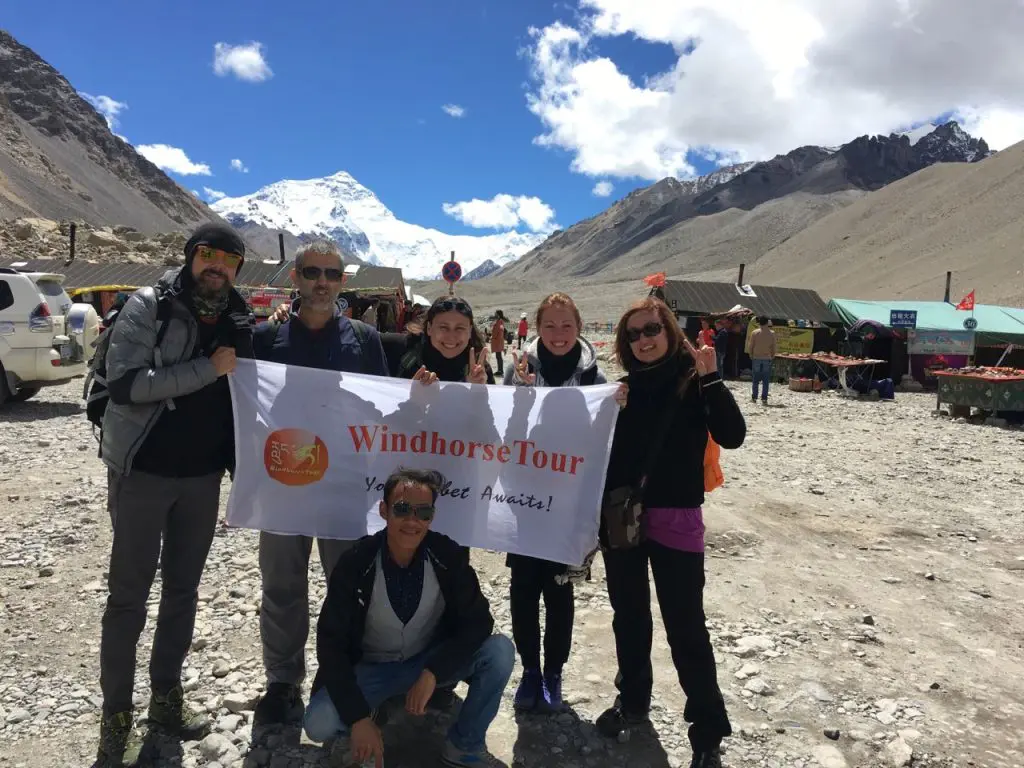
Trekking to Everest Base Camp from Old Tingri
For adventurous travelers, Everest Base Camp trek from Old Tingri is a challenging and rewarding high-altitude journey. The trek provides a unique wilderness experience with spectacular views of Mount Everest’s North Face and other surrounding peaks.
The classic trek typically takes 3-4 days and begins in Old Tingri (4,390 m / 14,400 ft), crossing the high-altitude Nam La Pass (5,150 m / 16,896 ft) on its way to Rongbuk monastery & Everest Base Camp (Now you can just trek to Tashi Dzong village where you will take the an eco bus to Rongbuk and EBC). Due to the high elevations, it is considered a difficult trekking route, requiring proper acclimatization and a good level of physical fitness. While parts of the trekking trail follow the old, abandoned road between EBC and Old Tingri, it still provides a more remote and authentic experience compared to simply driving. The Everest Base Camp Trek tour can be done from April to early of October, with late April to early June and September to October being the best times due to the clear and stable weather.
How to Avoid High-altitude Sickness for a Tibet Everest Base Camp Tour
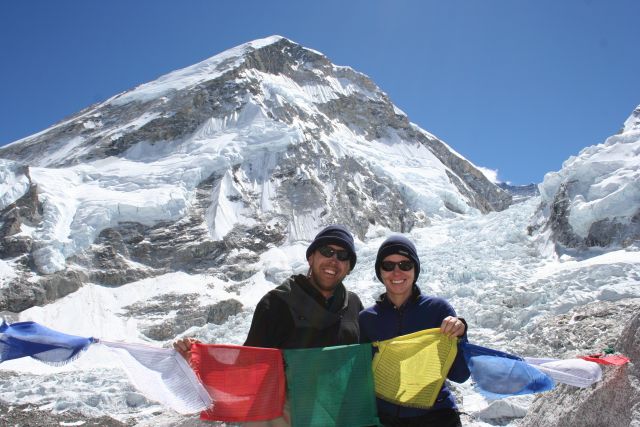
Avoiding altitude sickness is crucial for a safe trip to Tibet Mount Everest Base Camp. The most effective strategy is a gradual ascent to allow your body to acclimatize.
Acclimatize Slowly: Spend 2-3 days in Lhasa before heading to Mt. Everest Base Camp. Break the ~700 km Lhasa→EBC drive into 2–3 days with overnights in Gyantse/Shigatse and, if possible, Shegar to avoid long, exhausting drives and big altitude jumps.
Medication: Consult your doctor in advance about preventive medicine such as acetazolamide (Diamox). Keep healthy before departure, and light aerobic training helps. Avoid traveling with a cold/fever.
Stay Hydrated & Eat Well: During the trip, drink plenty of water (aim 2–3 L/day) and choose light, high-carb meals. Avoid alcohol and smoking, especially during the first 48 hours at each new altitude.
Dress Warm: Use layers (base/fleece/down/shell), keep extremities warm, and protect from strong UV with SPF 50+, sunglasses, and lip balm.
Tour Support & What to Do If Unwell: Tell your guide if you feel headache, nausea, dizziness, or unusual fatigue. Do not ascend with symptoms—rest, and descend if advised. We WindhorseTour equip our vehicles with portable oxygen and a basic AMS kit, and our experienced Tibetan guides will adjust the pace and provide help as needed.
What to pack for Everest Base Camp tour
Due to the high altitude and the significant temperature differences between day and night, packing for an Everest Base Camp tour requires careful preparation. It’s essential to dress in layers to stay warm, especially at night when heating is not available if you stay at the tent guest house. This includes a warm sweater, a down jacket, thermal underwear, waterproof pants, and accessories like a scarf, gloves, and a hat. The sun’s ultraviolet rays are also extremely strong, so you must bring high-SPF sunscreen, sunglasses, and a sun hat to protect your skin. If you trek to Everest Base Camp, a pair of sturdy hiking shoes and a waterproof backpack are necessary.
Responsible Travel & Local Etiquette
As a visitor, you have a responsibility to respect the fragile environment and sacred culture of Tibet. Practice “leave no trace” by avoiding litter and minimizing single-use plastics. Always ask for permission before taking photos of local people, and show respect by not touching or stepping on religious objects. To support the local economy, we encourage you to buy from local vendors and choose a licensed travel agency that employs local Tibetan guides and drivers.
Other Practical Travel Tips for an Everest Tour
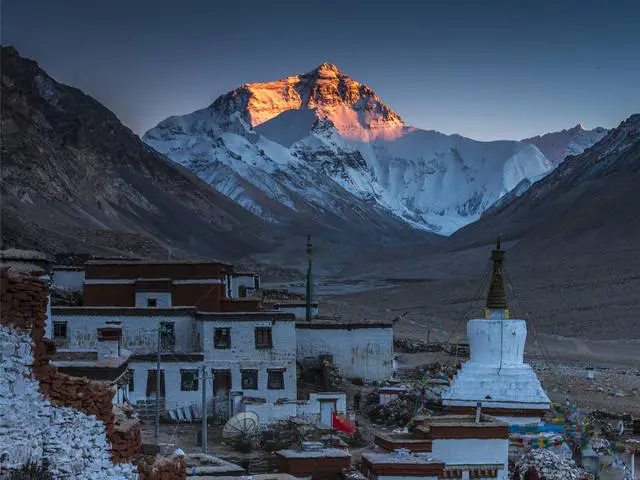
Mobile Signal: Coverage from major Chinese carriers is available for the entire trip even at Everest Base Camp. Travelers can purchase a local SIM card upon arrival or use international roaming with an unlocked phone.
Wi-Fi: Most tourists hotels including the tent guesthouses at EBC now offer basic Wi-Fi service. For more stable access, travelers can rent a portable Wi-Fi device at the airport or in Lhasa for consistent internet throughout their Tibet trip.
Electricity: All locations provide electricity for lighting and charging, usually from generators or solar power.
Water and Showers: Cities and towns like Lhasa, Shigatse, Gyantse and Shegar has 24 hours hot water and shower. The running water is very limited at Everest Base Camp. There are no shower facilities. Boiled water is provided for drinking. Rongbuk Monastery offers only hot water for basic washing.
Toilets at Everest Base Camp: Tent guesthouses have simple portable pit toilets with basic hygiene. Rongbuk Monastery Guesthouse, however, now features private Western-style toilets in their twin rooms, while the triple rooms only have public bathroom.
Other tips: Bring a power bank, portable charger, and essential personal toiletries. While connectivity is decent, expect very basic facilities at high altitudes.
Related tours
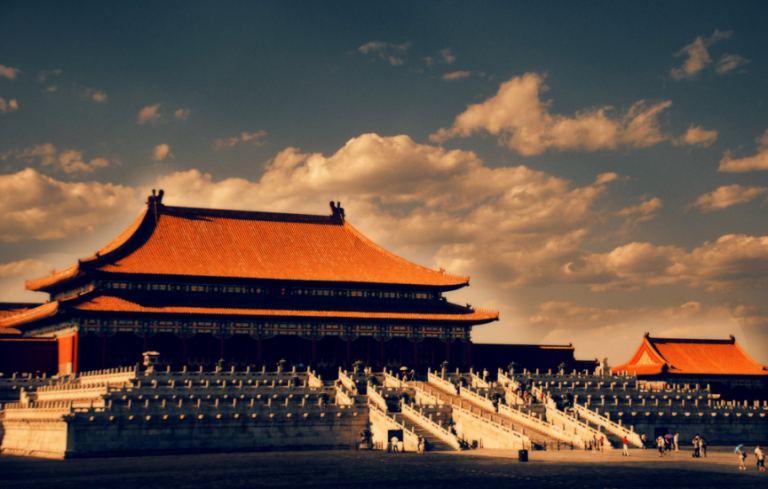
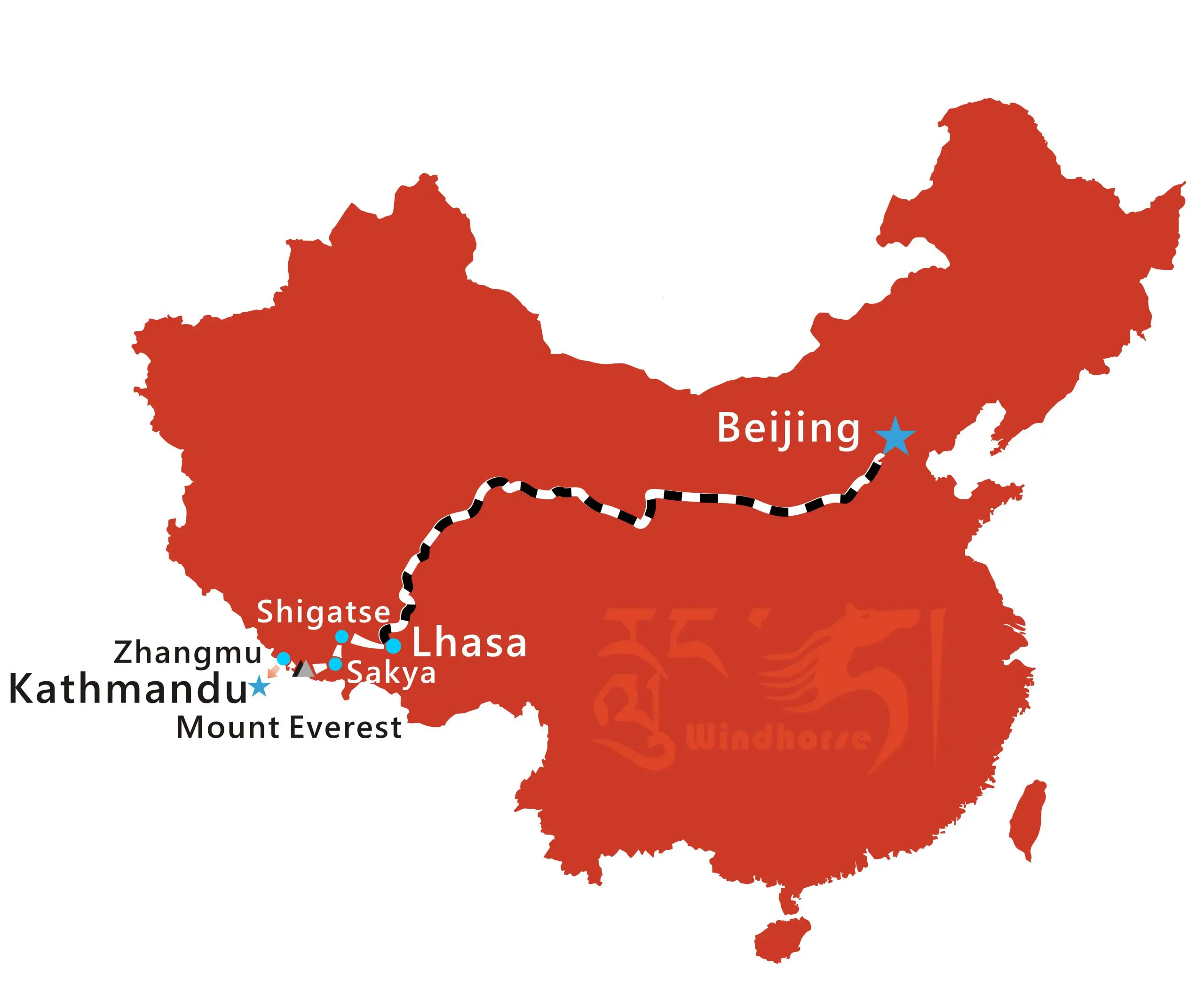
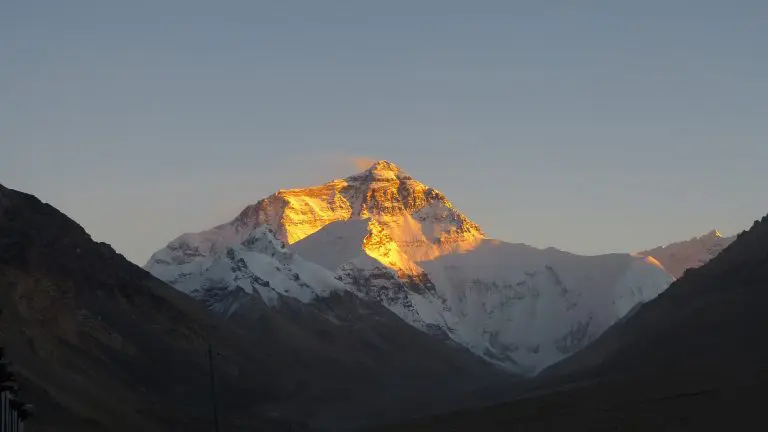
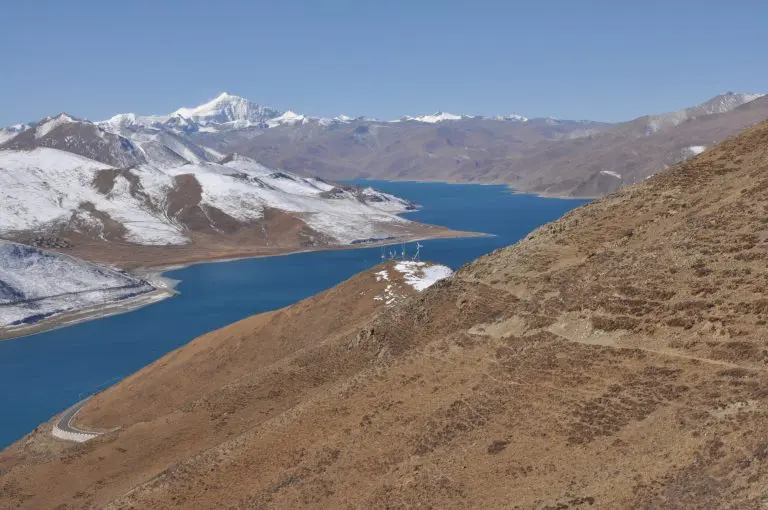

Experience the ultimate overland adventure on this 12-Day Beijing Tibet Train Tour to Kathmandu.
Explore Beijing’s Forbidden City, Temple of Heaven, and the Great Wall before boarding the Qinghai-Tibet Railway to Lhasa. Discover the Potala Palace, Yamdrok Lake, and Everest Base Camp, then continue into Kathmandu valley, where Tibetan culture meets Nepal’s vibrant mountain spirit.

Join our 8-day Lhasa to Everest Base Camp group tour. Visit Potala Palace, Jokhang Temple, and Sera Monastery, then follow the Friendship Highway via Shigatse to the North Face of Mt. Everest. Small groups, expert Tibetan guides, weekly departures, it’s perfect for solo travelers or couples.
Join a 7-day Lhasa to Kathmandu group tour along the Friendship Highway. Explore Lhasa’s Potala Palace, Jokhang Temple, and monasteries, admire Yamdrok Lake and Shigatse, stand before the world’s highest peak at Everest Base Camp, and finish your journey at the Nepal border.
Comments

Hello! My family of five including three kids 9,11 and 13, would like to visit EBC in Tibet. We would like to hike a few days of the tour because we are a big hiking family and have hiked all over the world. We are limited on time. We would like to go around April 6th. What are my options?

Hi Lindsay,
Thanks so much for your inquiry! I’m Victoria Zhu from WindhorseTour, and I’d be delighted to assist you in planning your family trip to Tibet starting April 6, 2026.
A family journey to Everest Base Camp (EBC) is an incredible adventure, and it’s great to hear that your children already have solid hiking experience. Early April is a good time to visit Tibet, with generally clear skies and relatively favorable weather before the summer rainy season. However, please keep in mind that temperatures can still be quite cold, especially at higher elevations.
Since your family would like to incorporate a few days of hiking into the trip, and you’ll be traveling with children aged 9, 11, and 13, I would recommend a gradual approach to altitude acclimatization. We could arrange some light hikes around Lhasa and the surrounding areas first, followed by a more comfortable sightseeing journey by vehicle to Everest Base Camp.
Based on the information you’ve shared, I’ve prepared a preliminary tour proposal and sent it to you by email. Please have a look at the details when convenient, and feel free to share any questions, comments, or preferences you may have. We can then further customize the itinerary to make it a great fit for your family.
I look forward to hearing your thoughts!
Best regards,
Victoria