
Why visit Tibet in winter? Top 8 Reasons
“Can I visit Tibet in winter?”
That’s a question we hear often, and our answer is always a resounding yes! While summer brings crowds of tourists, winter in Tibet offers a side of Tibet that is authentic, tranquil, and deeply spiritual. Imagine peaceful monasteries filled with devout pilgrims, and breathtaking, crystal-clear views of snow-capped mountains, the scenes you won’t find at any other season.
With surprisingly mild daytime temperatures, fewer crowds, and big savings on flights and tours, Tibet winter travel is not only the more authentic, but also the most comfortable and budget-friendly.
In this guide, we’ll share the top 8 reasons why visiting Tibet in winter is safe, rewarding, and absolutely worth it.
Table of Contents
.png)
Reason 1: Tibet Is Not as Cold as You Think in Winter
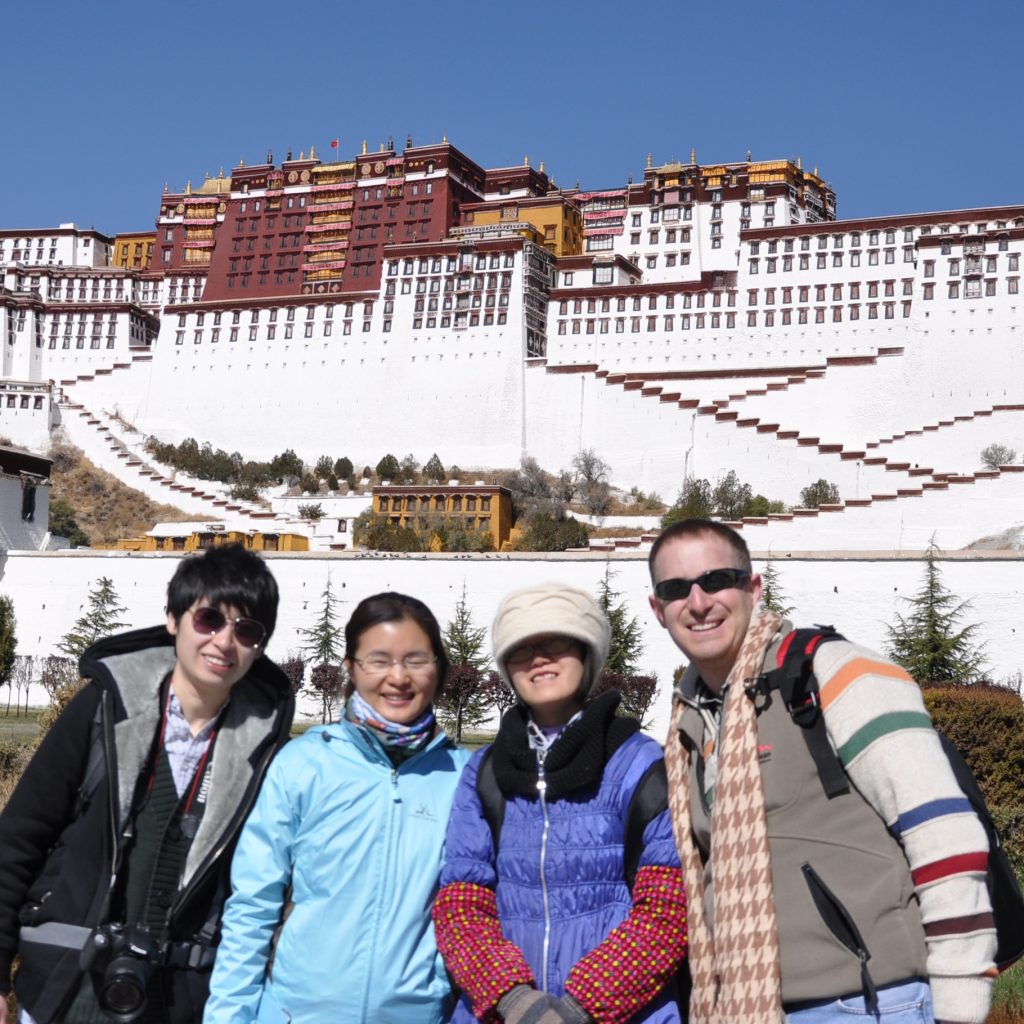
Many travelers imagine Tibet in winter as an icy, frozen land, but the reality is far more inviting. Winter in Tibet is generally dry and sunny. While higher-altitude areas such as Everest Base Camp or Mount Kailash can be quite cold, lower-altitude regions like Nyingchi, the Yarlung Valley, and Tibet’s capital, Lhasa, are far milder than most travelers expect.
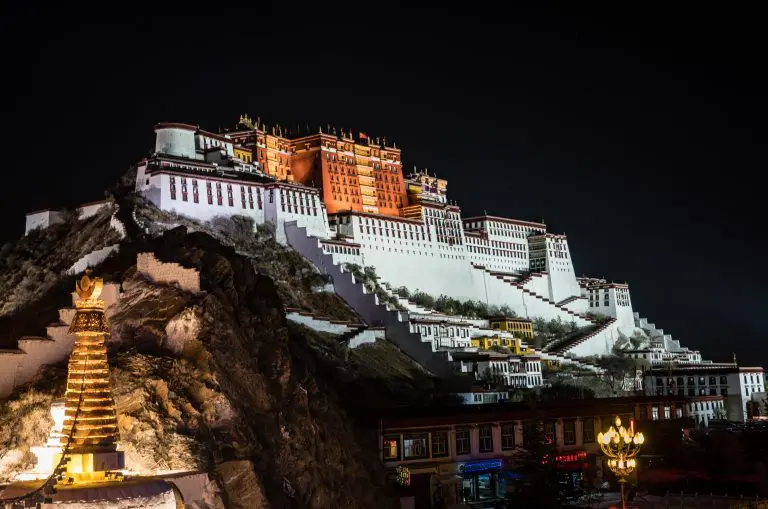
In Lhasa, daytime temperatures usually range from 7°C to 11°C (45°F to 52°F). Thanks to the region’s strong sunshine at high altitude, winter days often feel warmer than the numbers suggest, sometimes even milder than cities like Beijing at the same time of year. Snow only falls occasionally, mostly in February or March, and rarely lingers long. This makes it comfortable to visit highlights like Jokhang Temple, Barkhor Street, and the Potala Palace without heavy winter gear.
Although nights drop below freezing, layered clothing keeps evenings manageable. Overall, winter in Tibet is much more comfortable than most travelers expect, making it an excellent season for sightseeing.
Reason 2: Witness Pilgrims and Local Life
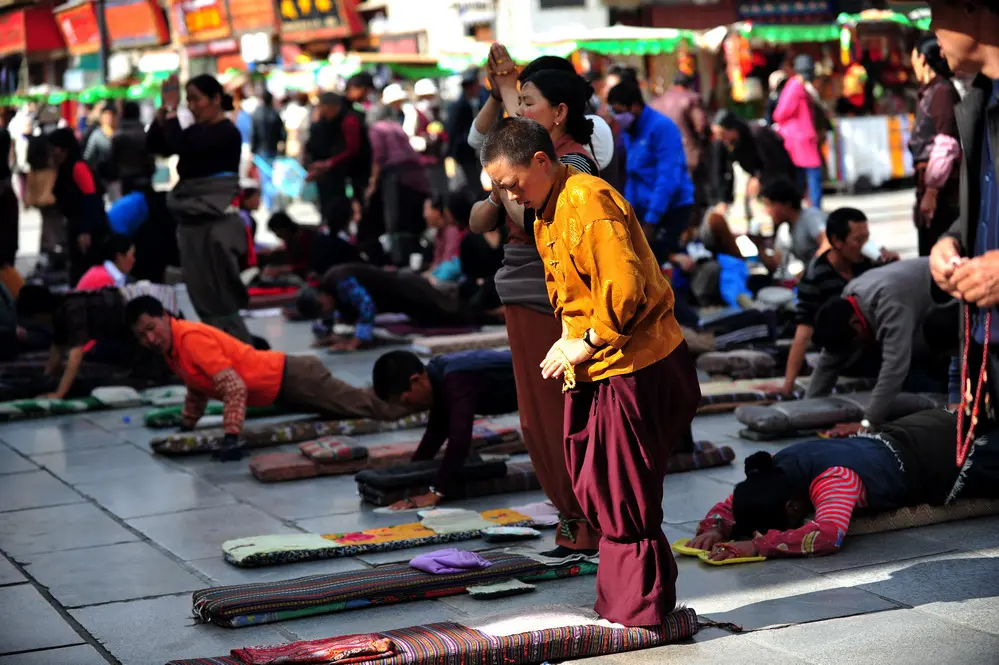
Winter is the season for Tibetan pilgrimage. With fewer farming and herding duties, thousands of Tibetans from the high-altitude plains of Nagqu and Ngari, as well as from neighboring provinces like Qinghai, Gansu, Yunnan, and Sichuan, make their spiritual journey to Lhasa and its holy sites.
Here you’ll witness authentic devotion up close. Along the Barkhor Circuit and at temples such as Jokhang Temple, pilgrims perform full-body prostrations, spin prayer wheels, and light butter lamps. Unlike the bustling summer months, winter belongs to the Tibetan people, giving travelers a rare chance to experience the true spirit of Tibet.
It’s also the perfect time to enjoy Tibetan hospitality. Visiting a local family lets you share butter tea, hear personal stories, and gain a deeper understanding of daily life on the plateau. For those seeking not only breathtaking landscapes but also meaningful cultural encounters, visit Tibet in winter offers the best way to connect with the heart of Tibet.
Reason 3: Lower Travel Costs and Easier Bookings
Winter is the off-season for tourism in Tibet, which means you can save big on your trip. From November through April, the Tibet Tourism Bureau often launches special promotions, including free or 50% discounted entry to major attractions such as the Potala Palace, Yamdrok Lake, Mount Everest Base Camp and more.
Flights to Lhasa from major Chinese cities like Chengdu, Chongqing, Beijing, Xi’an, and more are frequently discounted, often by 50–60% off. Tibet train tickets, including the popular first-class soft sleepers, are also much easier to purchase at normal prices. Combined with lower accommodation and vehicle costs, a Tibet winter tour is by far the most budget-friendly way to explore the region.
With fewer tourists, visit Tibet in winter you’ll not only save money but also enjoy a more relaxed and flexible trip, with hassle-free bookings and more attentive service from guides and hotels.
Reason 4: Clear Skies and Stunning Mountain Views
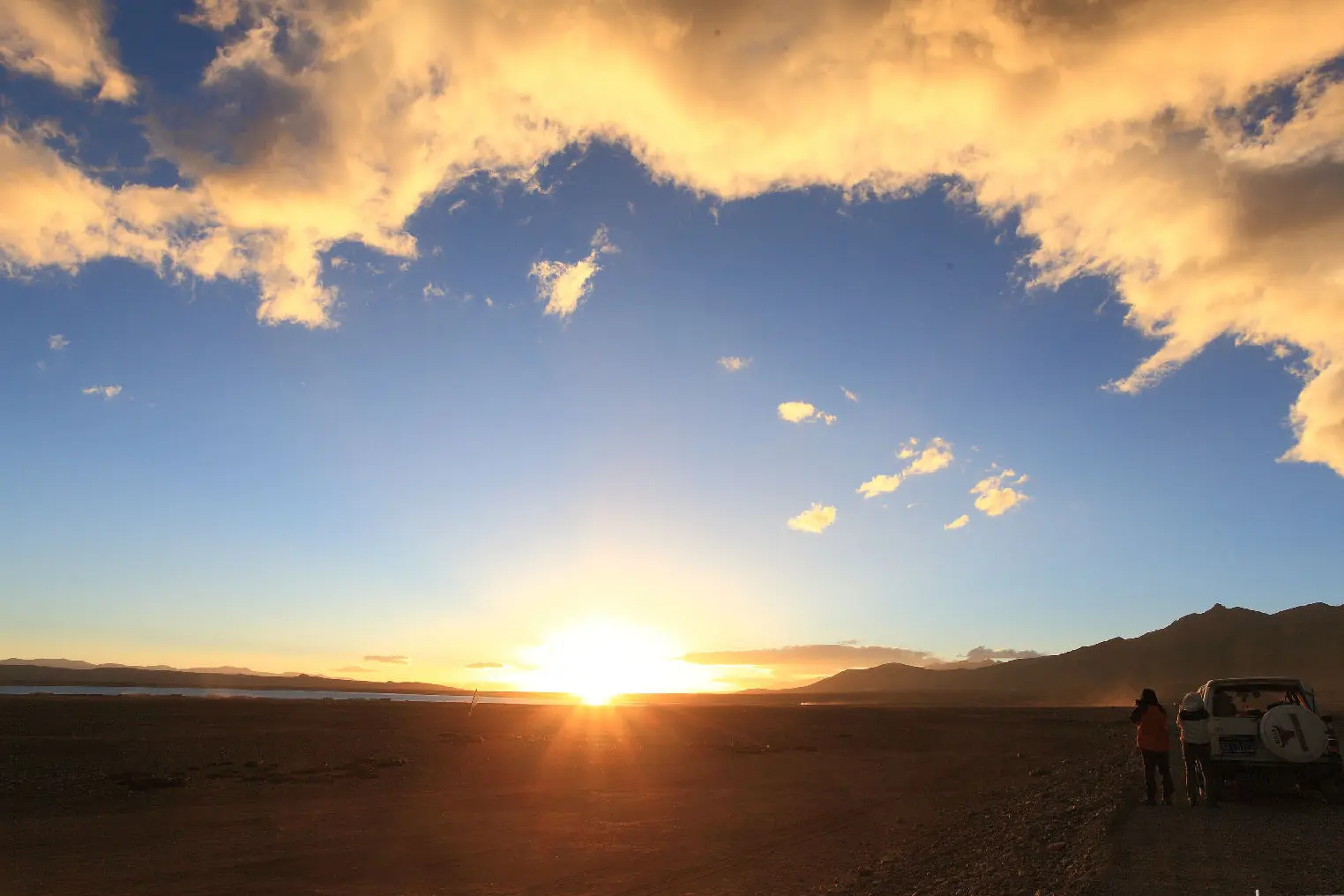
Winter in Tibet brings some of the clearest skies of the year, with dry air and minimal cloud cover creating brilliant blue backdrops and snow-capped peaks in sharp detail, perfect conditions for both sightseeing and photography.
The biggest highlight is Mount Everest. In summer, the peak is often hidden by the clouds, but in winter it’s usually visible in all its grandeur. A trip to Everest Base Camp (5,200m) during these months gives you some of the best chances to see the world’s highest mountain completely unobstructed. With fewer tourists, you’ll enjoy more space and tranquility to take in these majestic views, and capture photos that truly showcase the magic of Tibet in winter.
In Lhasa, the capital, the skies stay remarkably clear. With over 3,000 hours of sunshine annually and more than 80% sunny days in winter, it fully lives up to its nickname, the Sun City.
Reason 5: A Peaceful Experience with Fewer Tourists
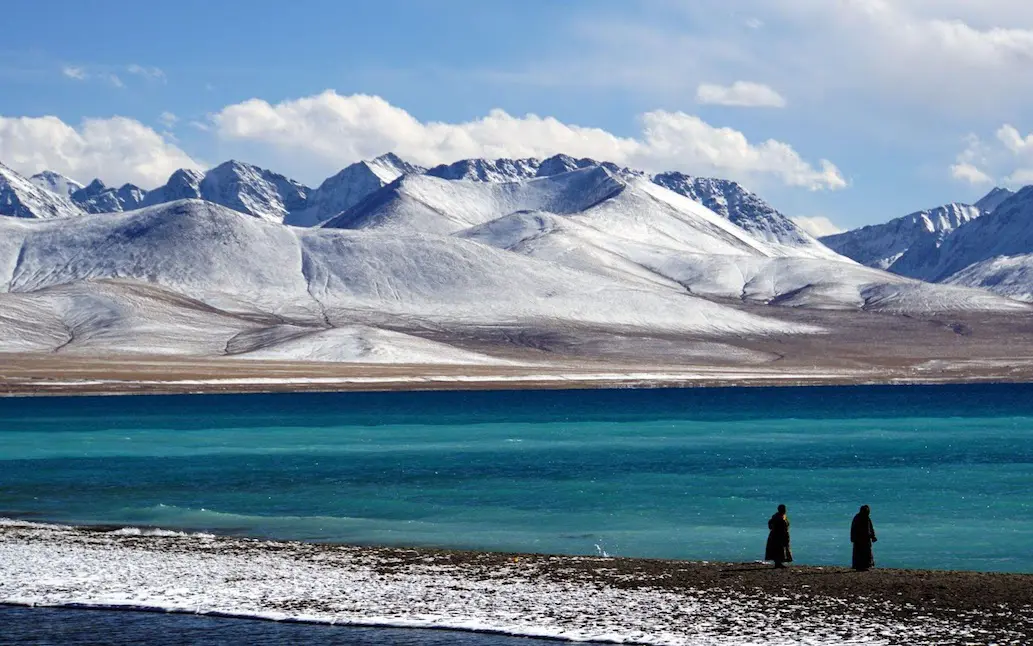
Winter is the quiet season in Tibet. Unlike the crowded summer months, you’ll find major sites such as the Potala Palace, Jokhang Temple, and Sera monastery calm and unhurried. Without the bustle of large tour groups, you can take your time to explore, soak in the atmosphere, and connect more with Tibet’s culture and spirituality.
Walking through Lhasa’s old town or visiting monasteries in winter feels more authentic, as the atmosphere belongs to the local Tibetans rather than tourists. This rare tranquility allows you to fully appreciate the scenery, history, and traditions of Tibet with leisure and ease.
Reason 6: No Higher Risk of Altitude Sickness in Winter
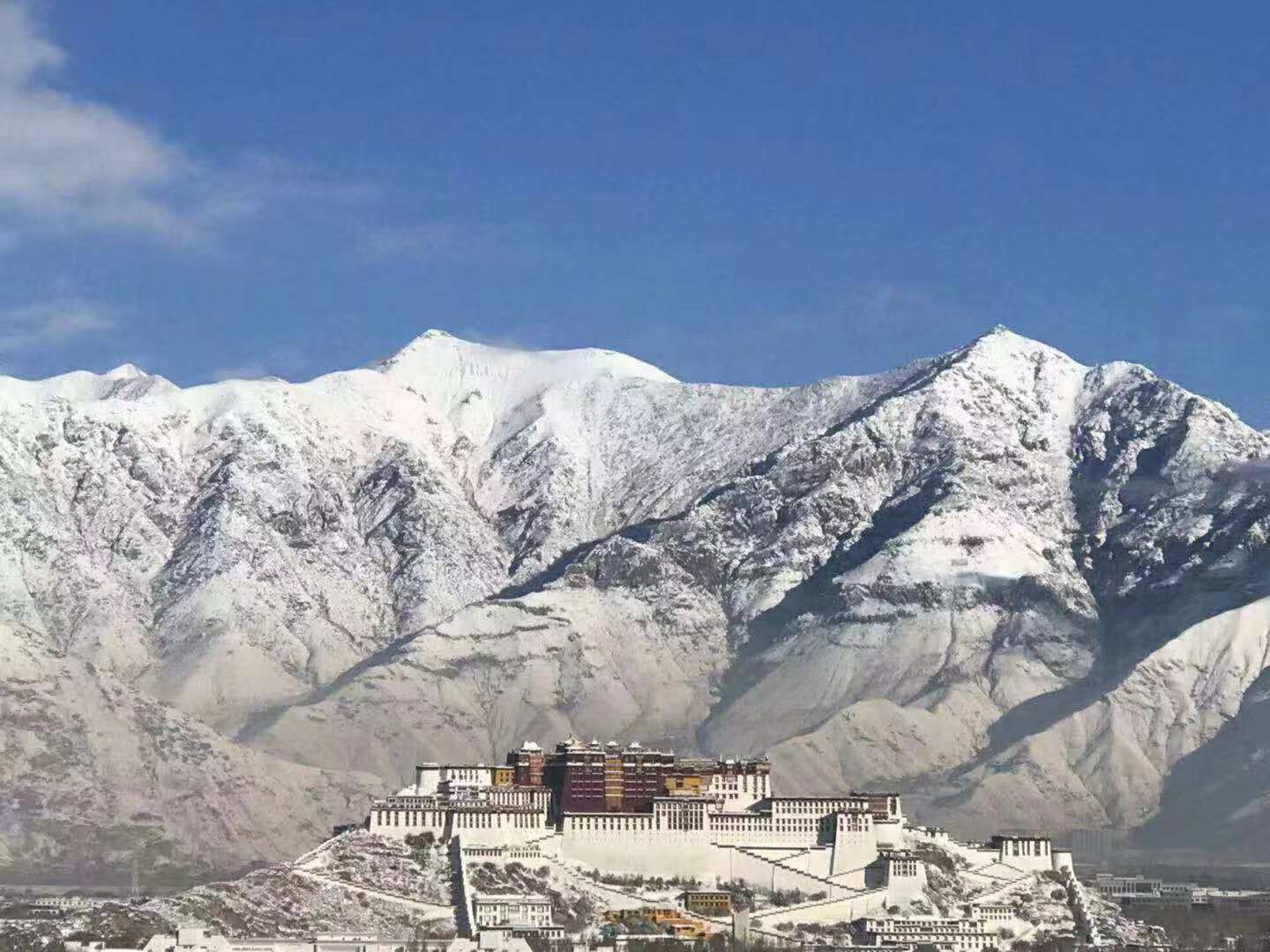
Many travelers worry that colder temperatures in winter might increase the risk of altitude sickness, but this is a common misconception. The oxygen level at a given altitude stays the same year-round, so your chance of experiencing altitude sickness in winter is no higher than in summer.
The real key to a safe trip in Tibet is proper acclimatization, not the season. Spending your first few days in Lhasa or other lower-altitude cities allows your body time to adjust gradually to Tibet’s high elevations.
That said, winter does bring its own considerations. The dry air can lead to dehydration, and your body uses more energy to stay warm. To stay healthy, drink plenty of water, dress in layers, and protect yourself from colds or fatigue, as these can make acclimatization harder.
Reason 7: Unique Migratory birds watching
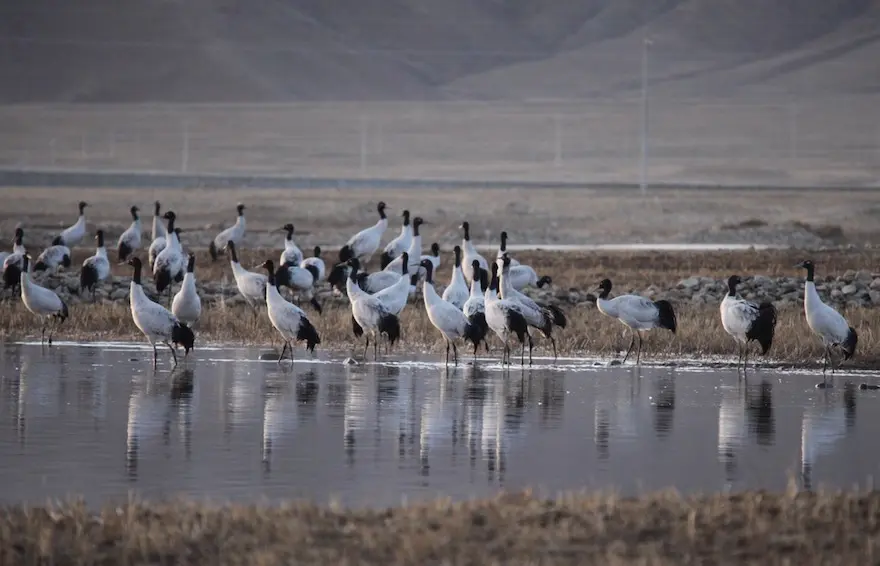
Each winter, Tibet becomes a haven for migratory birds. From mid-November, flocks of black-necked cranes, bar-headed geese, and ruddy shelducks arrive, bringing life and movement to the region’s lakes and wetlands.
Around Lhasa and in many of Tibet’s highland wetlands, birdwatchers can spot more than 130 species during the winter months. Watching these rare birds against the backdrop of snowy mountains and frozen lakes is a truly unique experience that combines natural beauty with ecological wonder.
Reason 8: Enjoy the Tibetan Festivals
The two major Tibetan festivals in winter are the Ganden Ngachö (Tsongkhapa Butter Lamp Festival) and the Tibetan New Year (Losar).
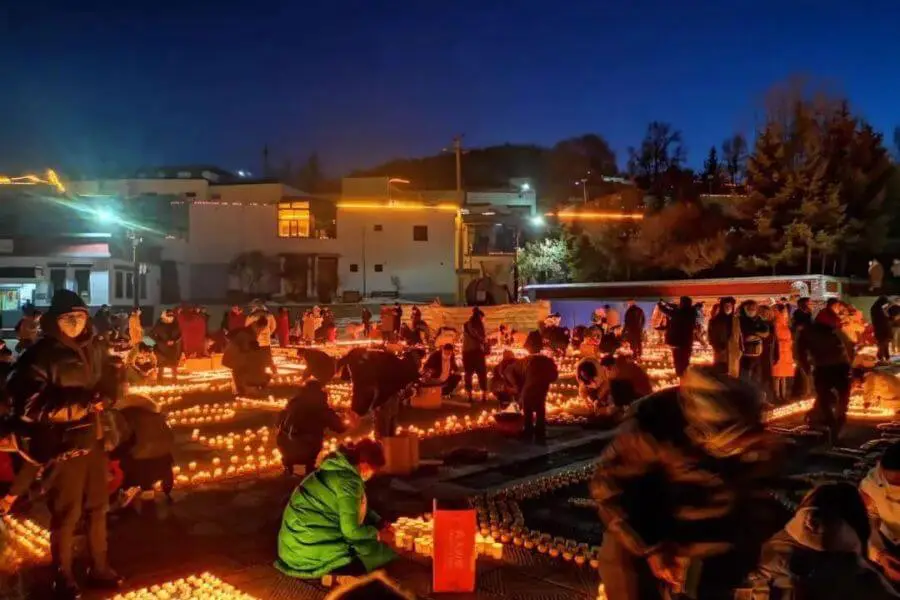
The Tsongkhapa Butter Lamp Festival, is held on the 25th day of the 10th Tibetan lunar month (usually in December), commemorates the death of Je Tsongkhapa, founder of the Gelug school of Tibetan Buddhism. On this day, monasteries and homes across Lhasa light thousands of glowing butter lamps. Barkhor Street becomes a sea of flickering lights as locals circumambulate in devotion, creating an atmosphere that is both spiritual and unforgettable.
The other one is Losar, the Tibetan New Year, usually celebrated in February or March. As the most important holiday for Tibetans, it is a time for family gatherings, prayers, and feasts. While most rituals are private, visitors can still feel the festive spirit through lively markets, colorful decorations, and the cheerful atmosphere in Lhasa. With WindhorseTour, if your trip coincides with Losar, your guide will invite you to his home for a short visit, giving you the chance to share tea, join small celebrations, and experience the warmth of Tibetan hospitality firsthand.
A Tibet winter tour during these festivals offers a rare opportunity to gain a deeper understanding of Tibetan culture and customs, creating memories that go far beyond sightseeing.
Useful Tips for Visiting Tibet in Winter
- Dress in Layers: Daytime sunshine in Lhasa can feel mild, but mornings and nights drop below freezing. A down jacket, thermal base layers, warm hat, gloves, and sturdy shoes are essential.
- Protect Against Strong Sunlight: Even in winter, Tibet’s high altitude means strong UV rays. Sunglasses, sunscreen, and lip balm with SPF are must-haves.
- Stay Hydrated: Dry air and indoor heating can cause dehydration, which may worsen altitude sickness. Drink water regularly, or enjoy warm butter tea and soups.
- Prepare for Altitude: Spend your first 2–3 days in Lhasa or other lower-altitude towns to acclimatize before heading to Everest or higher regions. Avoid overexertion and get plenty of rest.
- Be Flexible with Itineraries: Most destinations like Lhasa, the Yarlung Valley, Shigatse, Yamdrok Lake, and Everest Base Camp remain open in winter, and can be comfortably visited. But heavy snowfall may occasionally close mountain passes, so it’s wise to keep some flexibility in your schedule. Remote areas like Mount Kailash, Lake Manasarovar, and far western Ngari area are normally inaccessible during the winter months.
- Try Hot Springs: Soaking in natural hot springs at Tidrum Nunnery near Lhasa is especially enjoyable in winter and is considered beneficial for health by Tibetans.
- Pack for Comfort: Bring moisturizing cream, a scarf or buff to protect from wind, and extra power banks since batteries drain faster in the cold.
Related tours
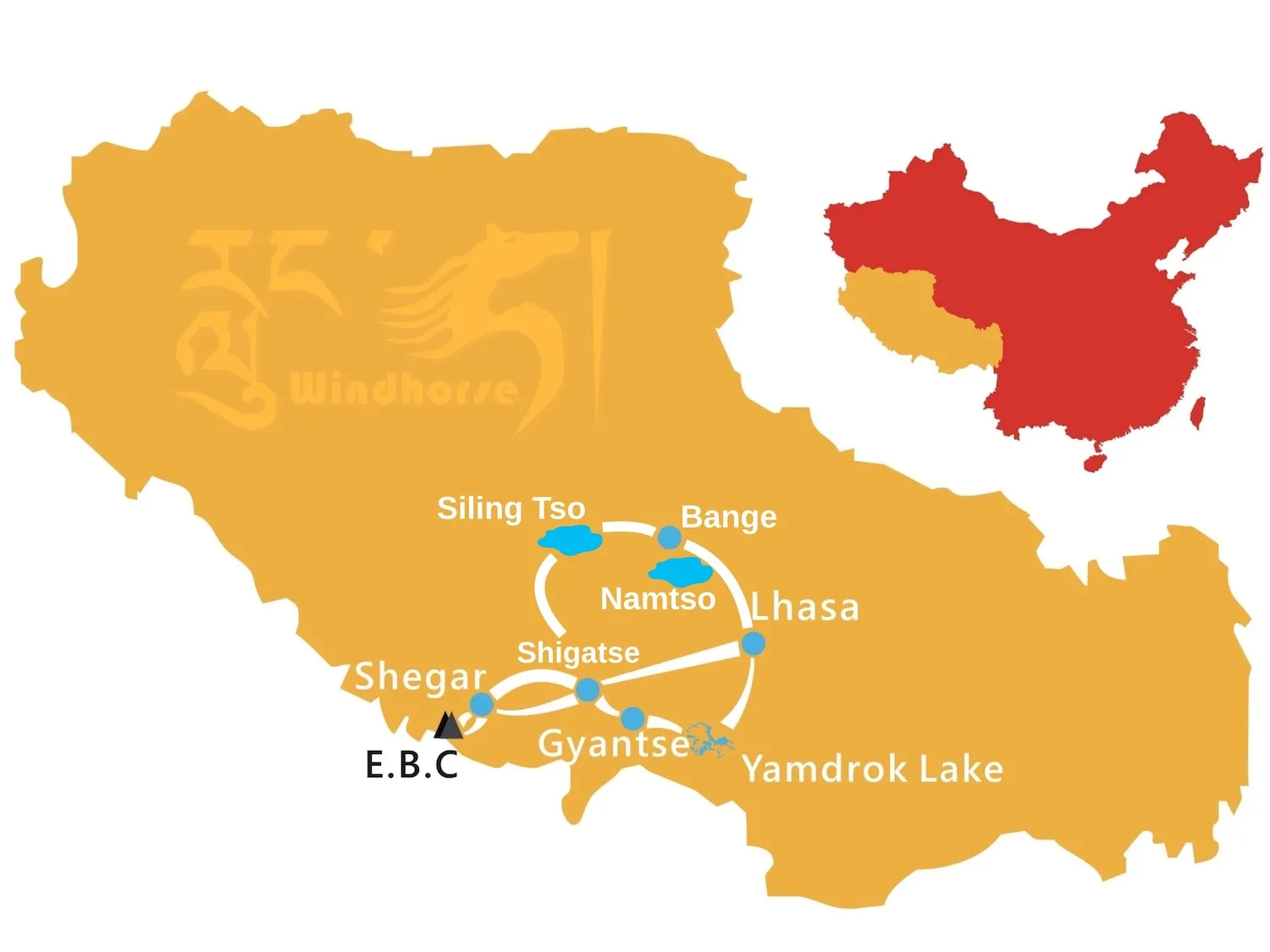

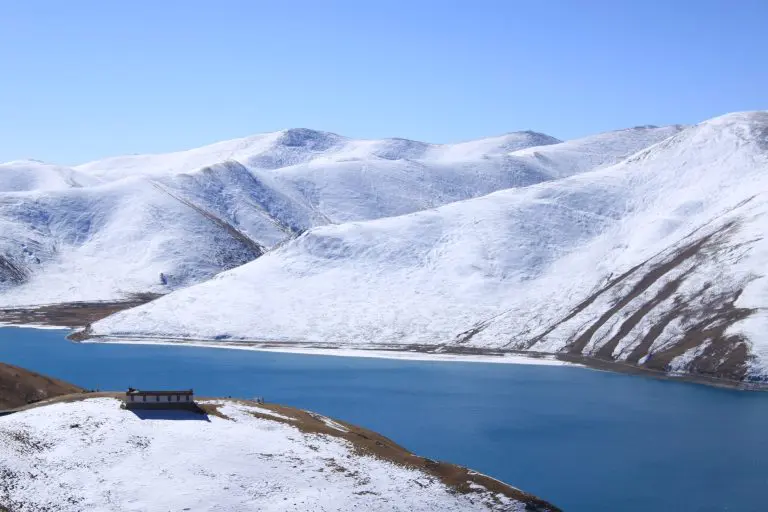
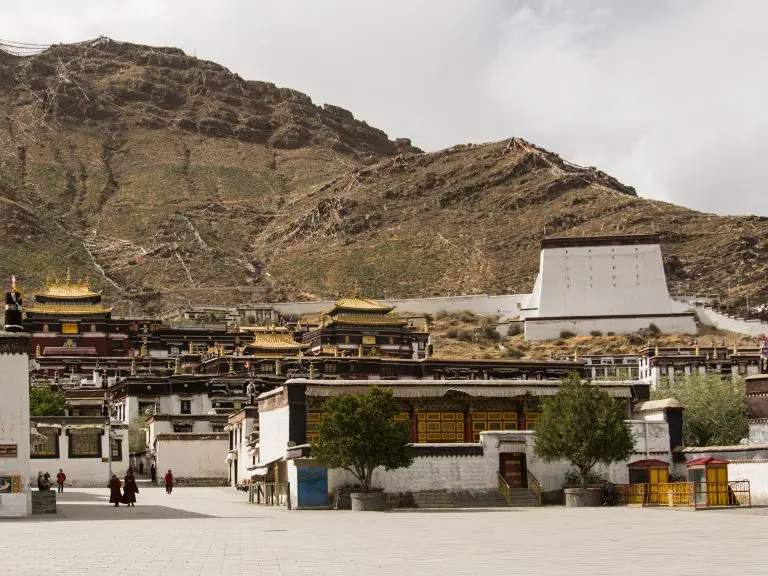
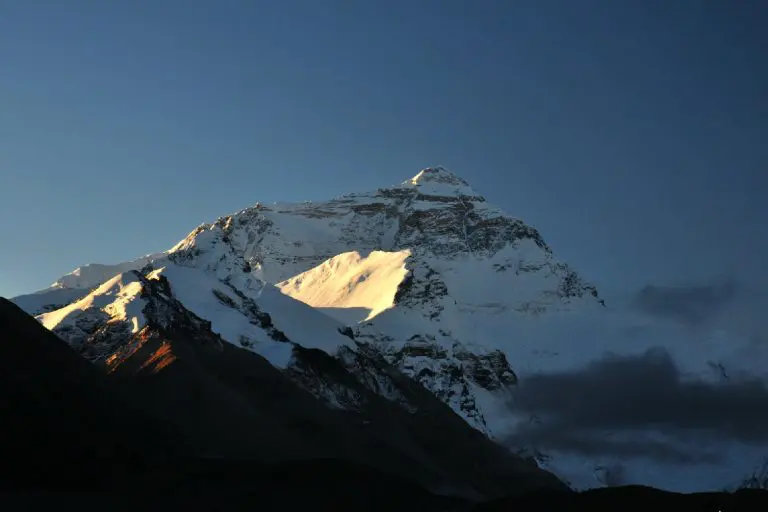
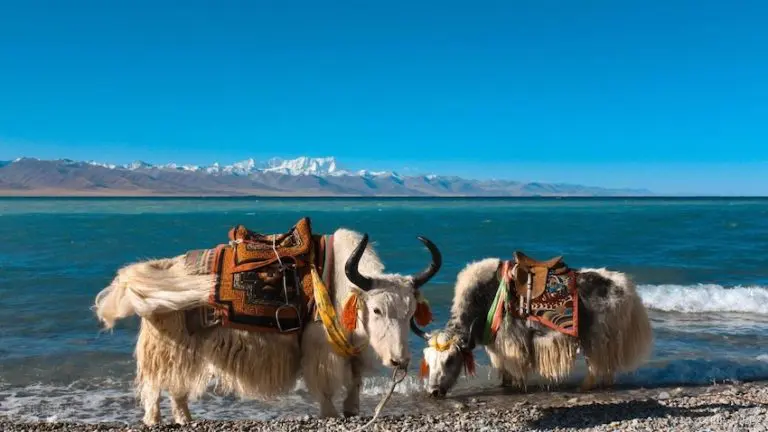
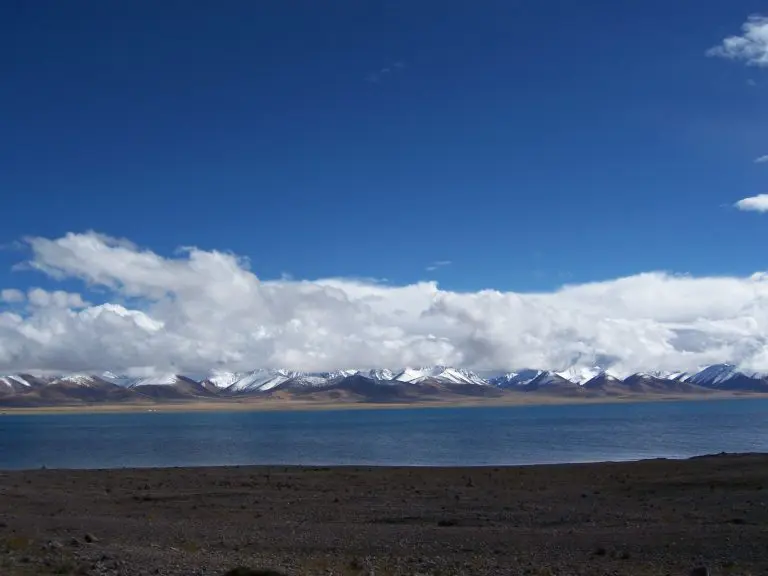
Discover Tibet’s highlights on this 10-day small group journey from Lhasa to Everest Base Camp and Namtso Lake. Explore sacred monasteries, Himalayan landscapes, northern Tibetan grasslands, and remote holy lakes with expert Tibetan guides.
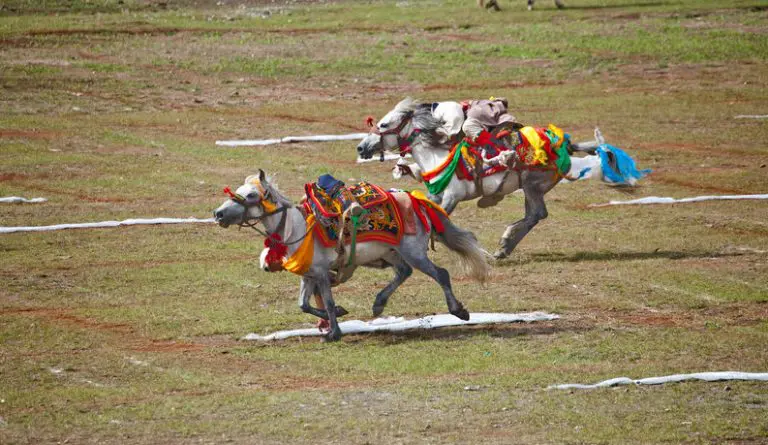
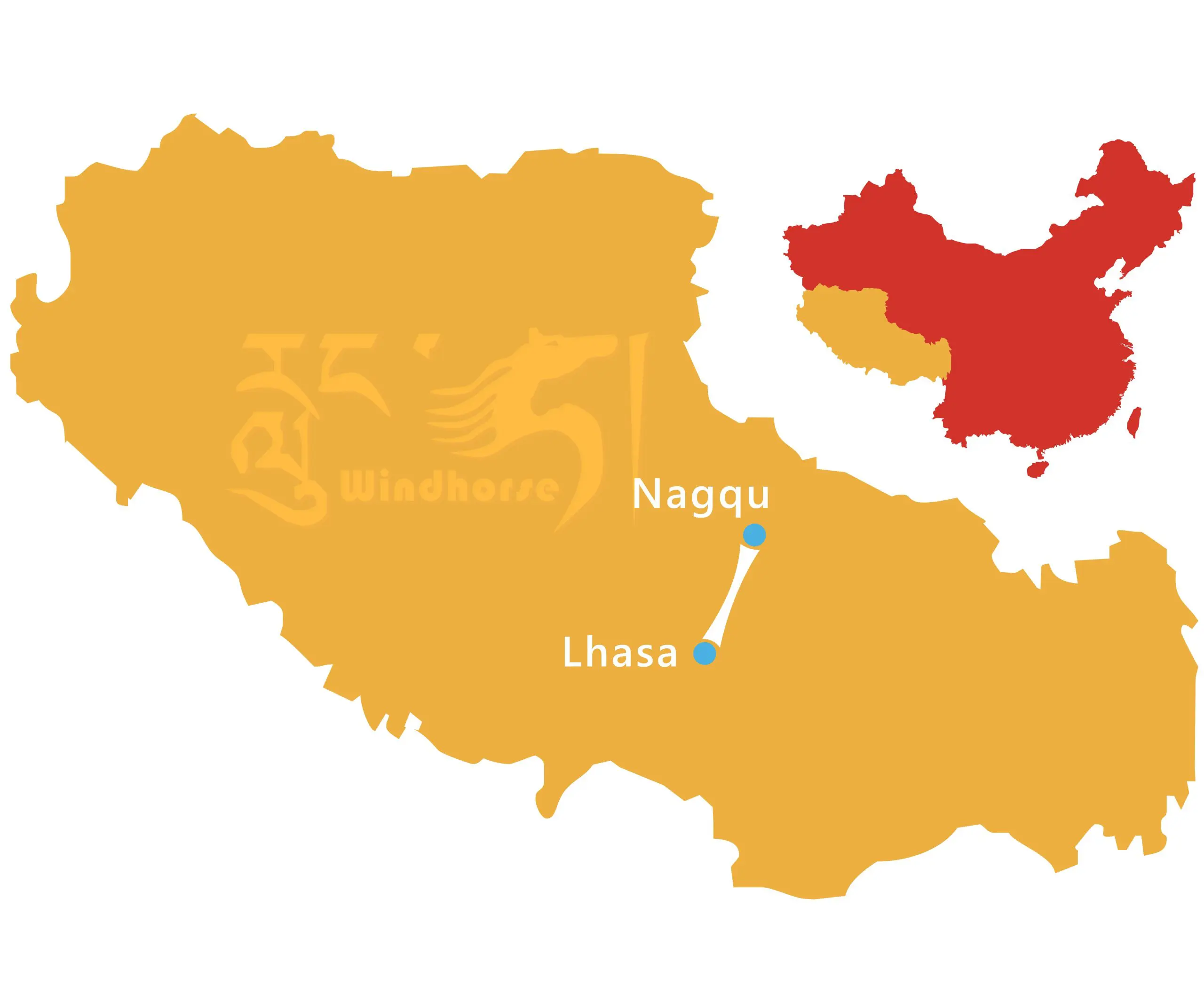
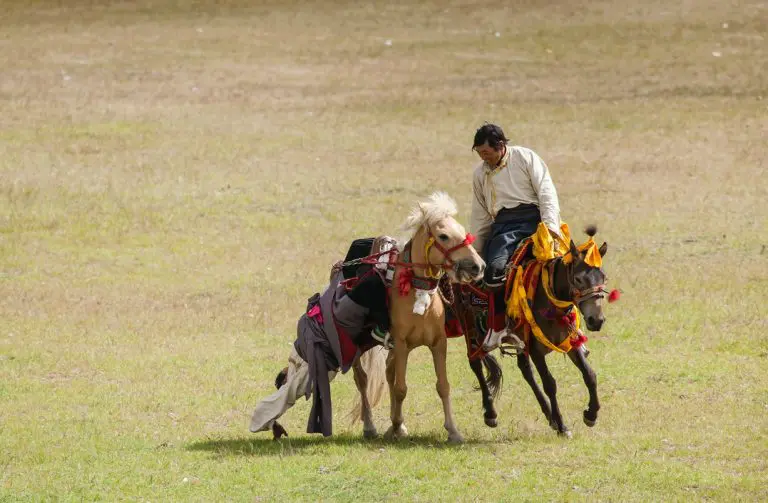
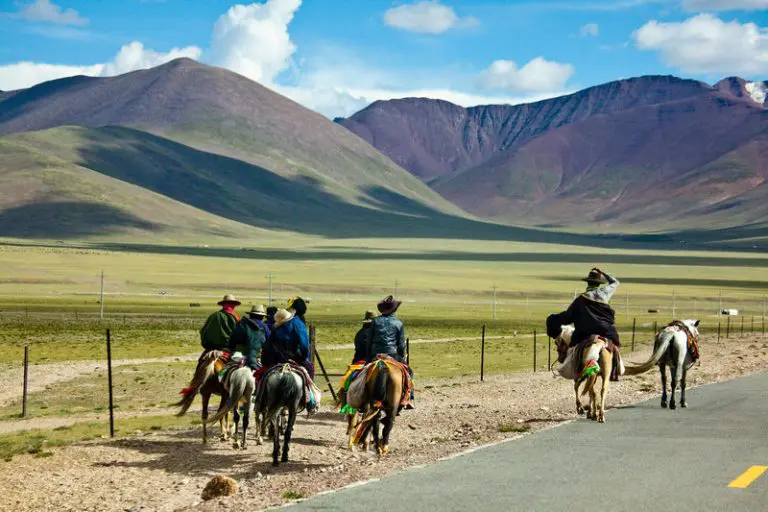
Tibet Nagchu Horse Racing Festival is one of the main summer festivals in Tibet. Join this festival tour and see with your own eyes the local brave Tibetan herdsmen's skilled riding techniques while experiencing authentic Tibetan culture.
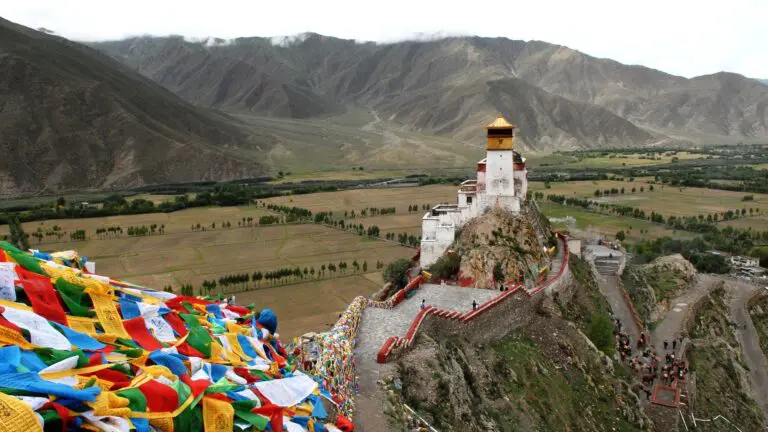
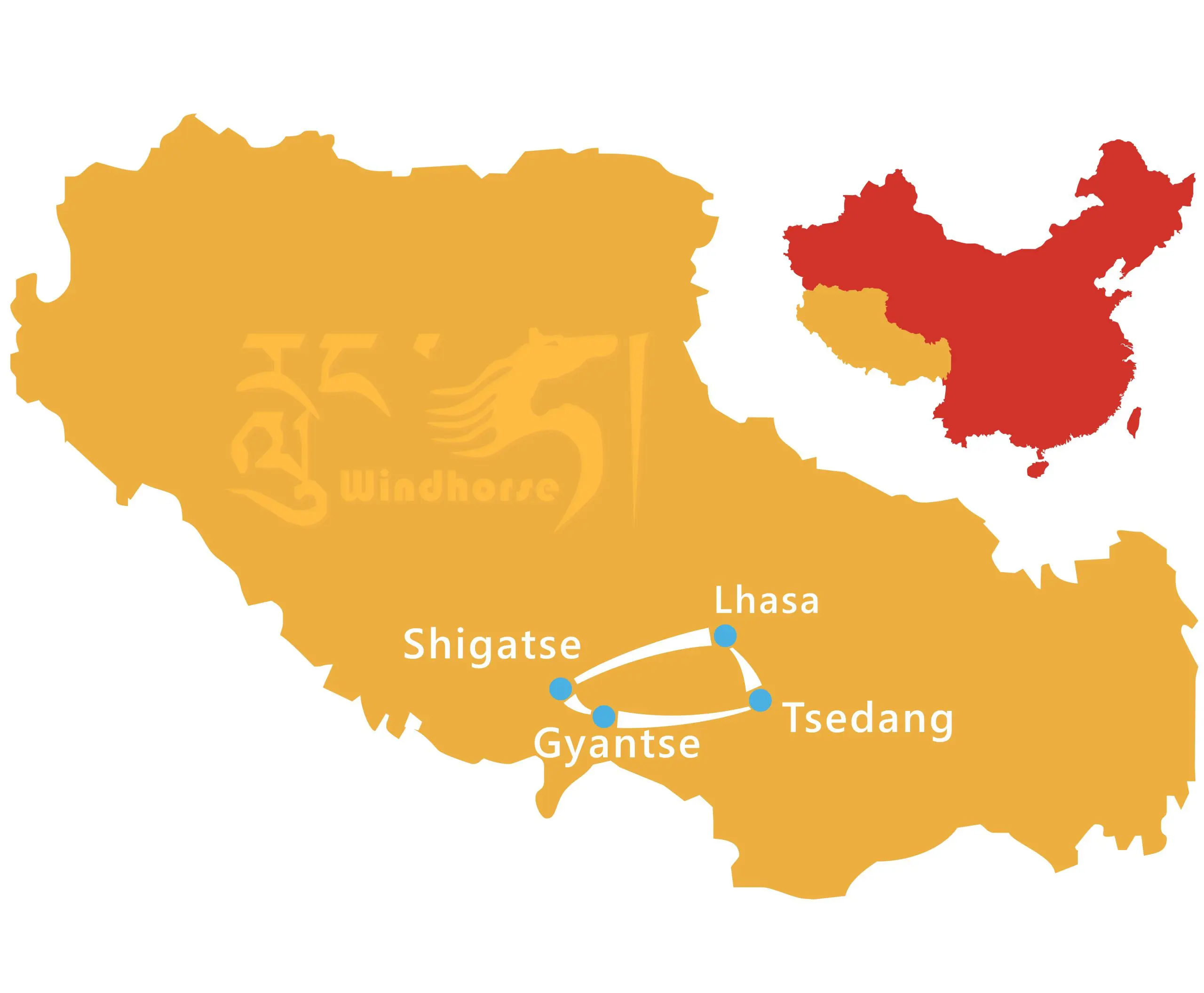
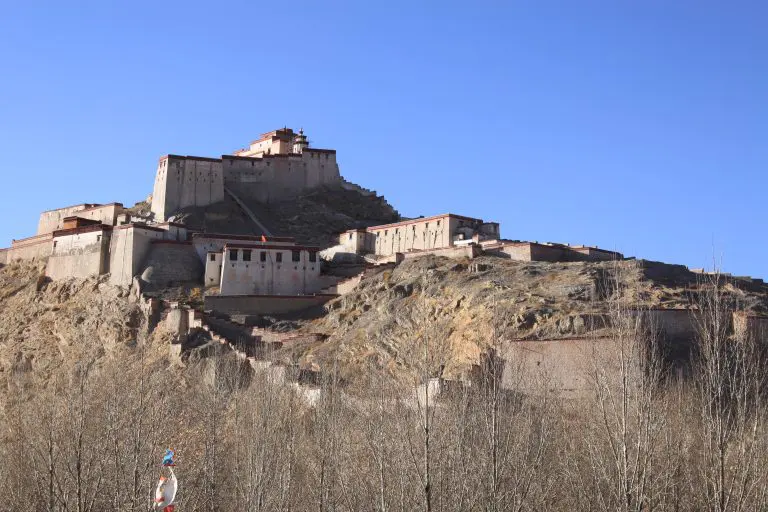
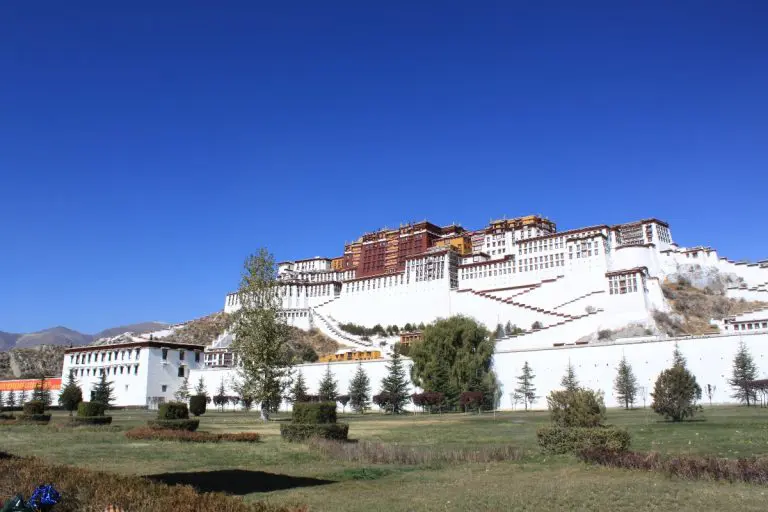
Experience the cultural heart of Tibet on this 8-day Central Tibet tour. Explore sacred temples, ancient palaces, and stunning highland landscapes from Lhasa to Shigatse, including the Yarlung Valley, Samye Monastery, Yamdrok Lake, and Gyantse Kumbum.