
Lhasa City – Capital of Tibet
Welcome to Lhasa, the Heart of Tibet
Lhasa (3,650 m/ 11,975 ft), the capital city of the Tibet Autonomous Region, is the political, cultural, and spiritual heart of Tibet. Its name means “Place of the Gods,” and for centuries it has been the center of Tibetan Buddhism, pilgrimage, and history. Today, Lhasa is a sacred destination and a modern city, famous for its UNESCO World Heritage Sites like Potala Palace, ancient monasteries, bustling markets, and year-round sunshine.
For most travelers, Lhasa is often the starting point of a Tibet tour. From here, travelers can explore central Tibet highlights such as the Yarlung Valley and Shigatse, or setting out on longer overland travel to Everest Base Camp and Mount Kailash.
A Brief History of Lhasa City
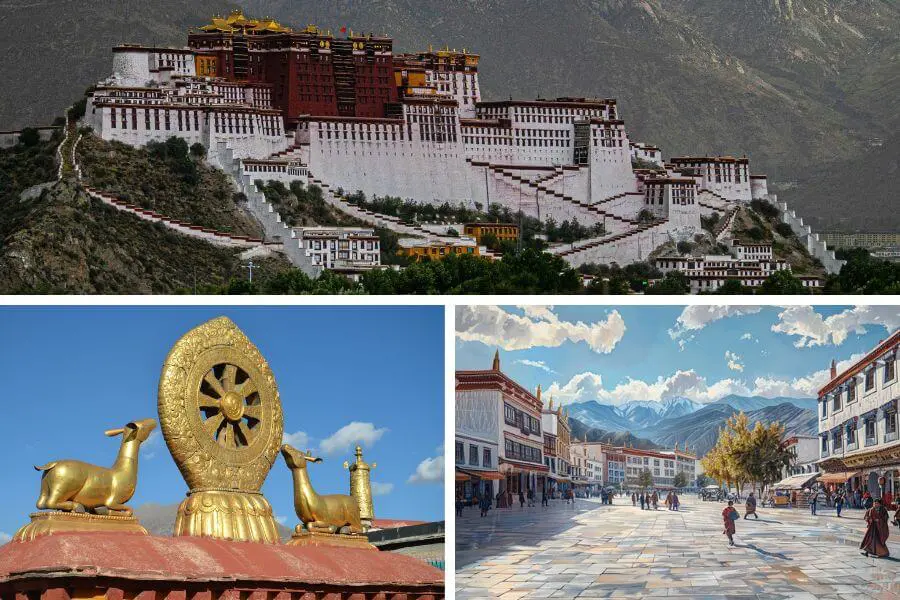
Lhasa’s history goes back more than 1,300 years. It first rose to prominence in the 7th century, when King Songtsen Gampo unified Tibet and commissioned the foundations of Jokhang Temple and the original Potala Palace. From that time onward, Lhasa became the spiritual and political center of the Tibetan world.
In the 17th century, the Fifth Dalai Lama moved his seat of power to the magnificent Potala Palace, firmly establishing Lhasa as the capital of Tibet. Over time, the city grew into a hub of Buddhism, trade, and pilgrimage. Monasteries such as Drepung and Sera became renowned centers of learning, while Barkhor Street turned into both a lively marketplace and a sacred pilgrimage circuit.
Today, much of this legacy is preserved in UNESCO World Heritage Sites like the Potala Palace, Jokhang Temple, and Norbulingka. Modern Lhasa balances this deep tradition with new development, welcoming Tibetan pilgrims and international visitors alike.
Geography & Altitude
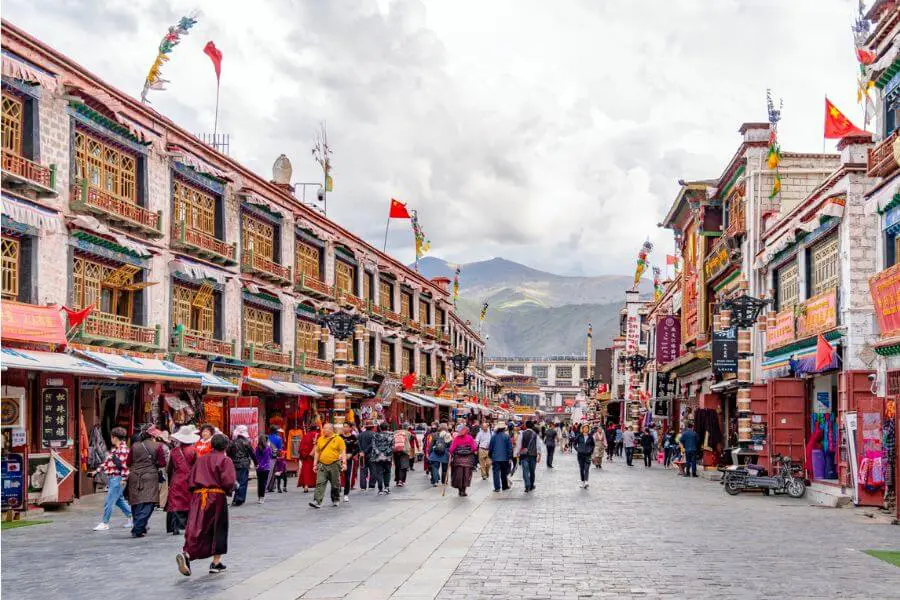
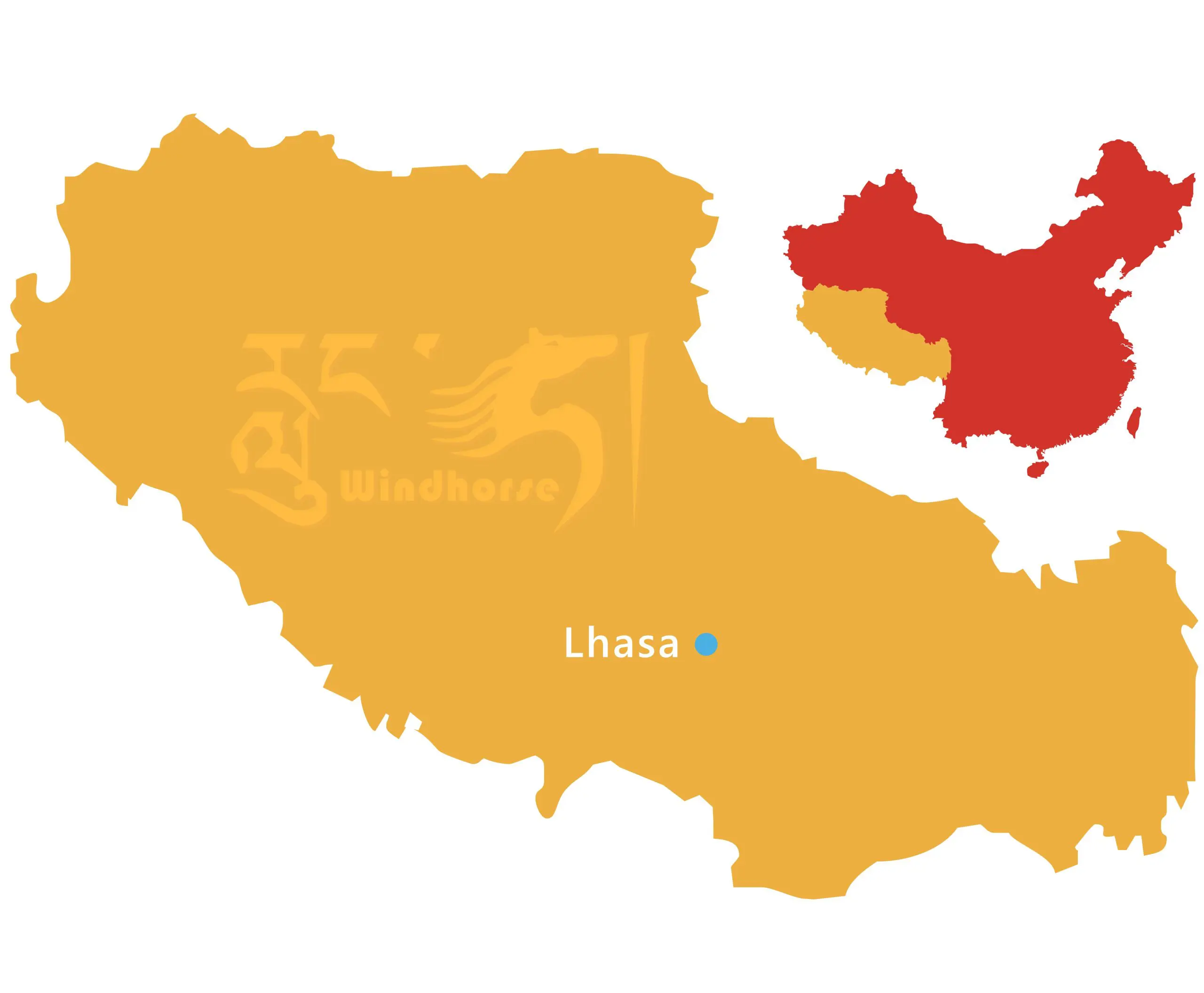
Lhasa sits in central Tibet, north of the towering Himalayas, along the banks of the Lhasa River. At an altitude of 3,650 meters (11,975 feet), it’s high enough that most travelers need a couple of days to adjust to the thinner air.
The city is framed by rugged mountains, with valleys that open out toward some of Tibet’s most sacred lakes, including Yamdrok Tso to the south and Namtso to the north.
Lhasa has a highland temperate, semi-arid monsoon climate with an annual average temperature of 8°C (46°F). Sunshine is intense, the air is dry, and temperatures can swing dramatically between day and night. Compared to western and northern Tibet, however, Lhasa is relatively mild. Winters are cold but bright and sunny, while summers are comfortably warm without ever becoming too hot, making the city a welcoming destination in every season.
Quick Facts about Lhasa:
- Altitude: 3,650 meters (11,975 feet)
- Population: Approximately 559,400 (as of 2020)
- Language: Tibetan (primary), Mandarin; English mainly spoken in tourism services
- Currency: Chinese Yuan (CNY)
- Time Zone: Beijing Standard Time (UTC+8)
- Nickname: “Sunshine City” (over 3,000 hours of sunshine per year)
One that all travelers should be aware before arriving in Lhasa is the high altitude. It is advisable to acclimate for a few days upon arrival to prevent altitude sickness. Drinking plenty of water, avoiding strenuous activities, and eating light meals can help with the acclimatization process. Additionally, wearing sunscreen and sunglasses is essential due to the strong UV radiation at high altitudes.
Major Landmarks in Lhasa
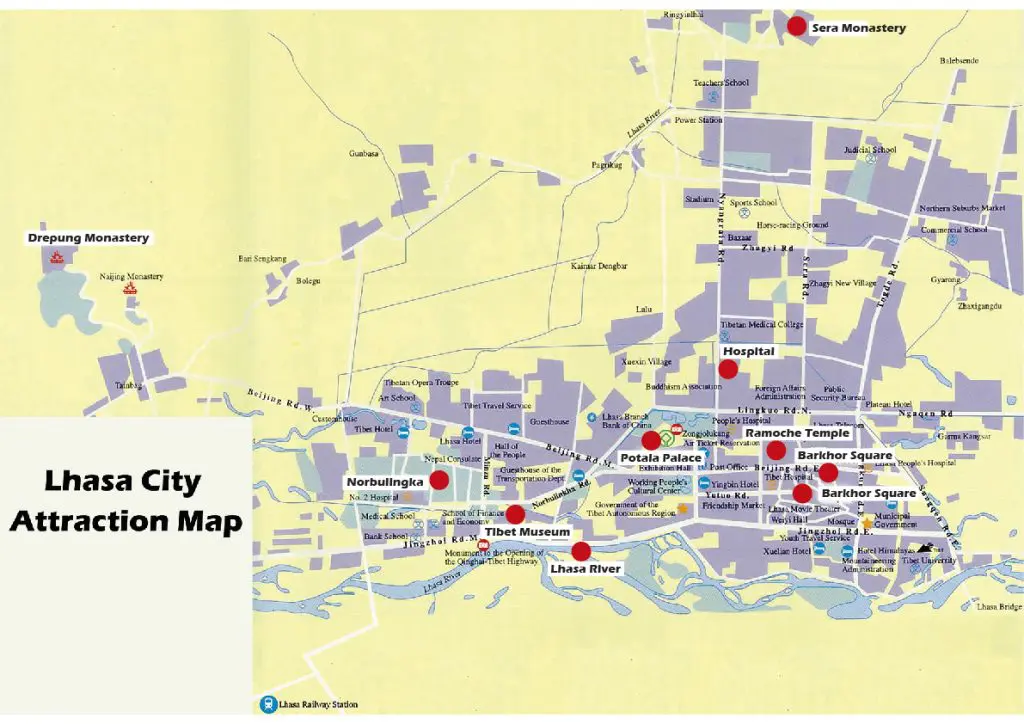
Most visitors spend 2–3 days exploring the highlights of Lhasa. The must-see landmarks include three UNESCO World Heritage Sites and two of the great Gelugpa monasteries, for a more in-depth guide, check our Top Things to Do in Lhasa and best day trips & excursions from Lhasa.
Potala Palace – The former residence of the Dalai Lamas and Tibet’s most iconic landmark.
Entrance fee: CN¥200 (May–Oct), CN¥100 (Nov–Apr)
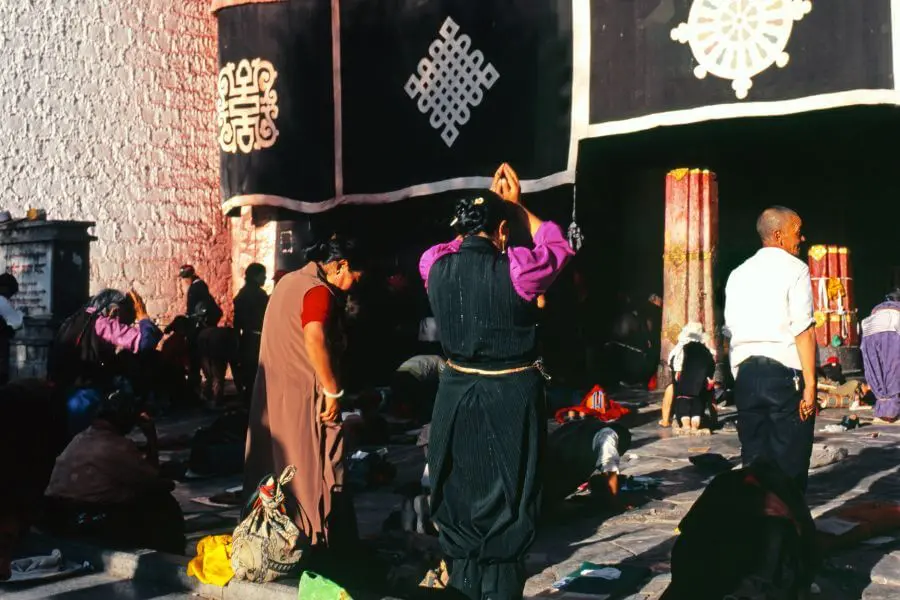
Jokhang Temple – Tibet’s holiest shrine, where pilgrims from across the plateau prostrate daily.
Entrance fee: CN¥85
Barkhor Street – The bustling pilgrimage circuit around Jokhang, lined with markets, shops, and traditional Tibetan life.
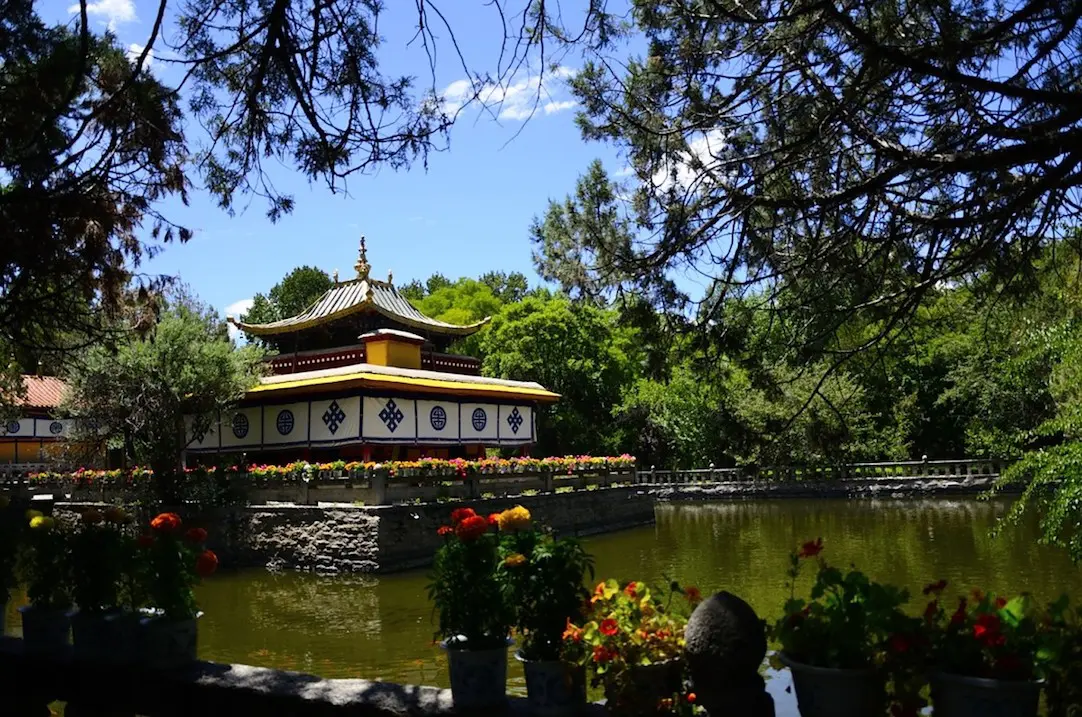
Norbulingka (Summer Palace) – The Dalai Lamas’ summer residence and garden retreat.
Entrance fee: CN¥60
Drepung Monastery – Once the largest monastery in the world, home to thousands of monks.
Entrance fee: CN¥50
Sera Monastery – Famous for its afternoon monk debates, a unique insight into Tibetan Buddhist philosophy.
Entrance fee: CN¥50
Many travelers plan visiting the Potala Palace, Jokhang Temple, and Barkhor Street in one day. If your hotel is near the old town, you can easily walk between these attractions. For another day in Lhasa, visit Drepung Monastery in the morning and watch the famous monk debates at Sera Monastery in the afternoon. If you have extra time, add a leisurely visit to Norbulingka’s gardens.
Climate & Best Time to Visit Lhasa
Lhasa enjoys more stable weather than many parts of Tibet and can be visited year-round, though each season offers a different experience. The best time to visit Lhasa is from April to October, when the weather is mild and pleasant for sightseeing. Winter (November to March) is also a rewarding option for budget travelers, with fewer crowds, bright sunshine, and a more authentic atmosphere as nomads gather in Lhasa for worship at monasteries and shopping for festivals.
- Spring (Apr–May) in Lhasa: Clear skies, blooming flowers, excellent for sightseeing.
- Summer (Jun–Aug) in Lhasa: Peak tourist season with warm days, festivals, and occasional evening rain.
- Autumn (Sep–Oct) in Lhasa: The most photogenic season, with stunning mountain views.
- Winter (Nov–Mar)in Lhasa: Sunny and dry, fewer crowds, budget-friendly. Avoid the excursion trip to Namtso Lake, as access may be blocked by snow at Nagena Pass.
You can also learn more through our Tibet Weather & Climate Guide.
How to get to Lhasa
Most visitors reach Lhasa by:
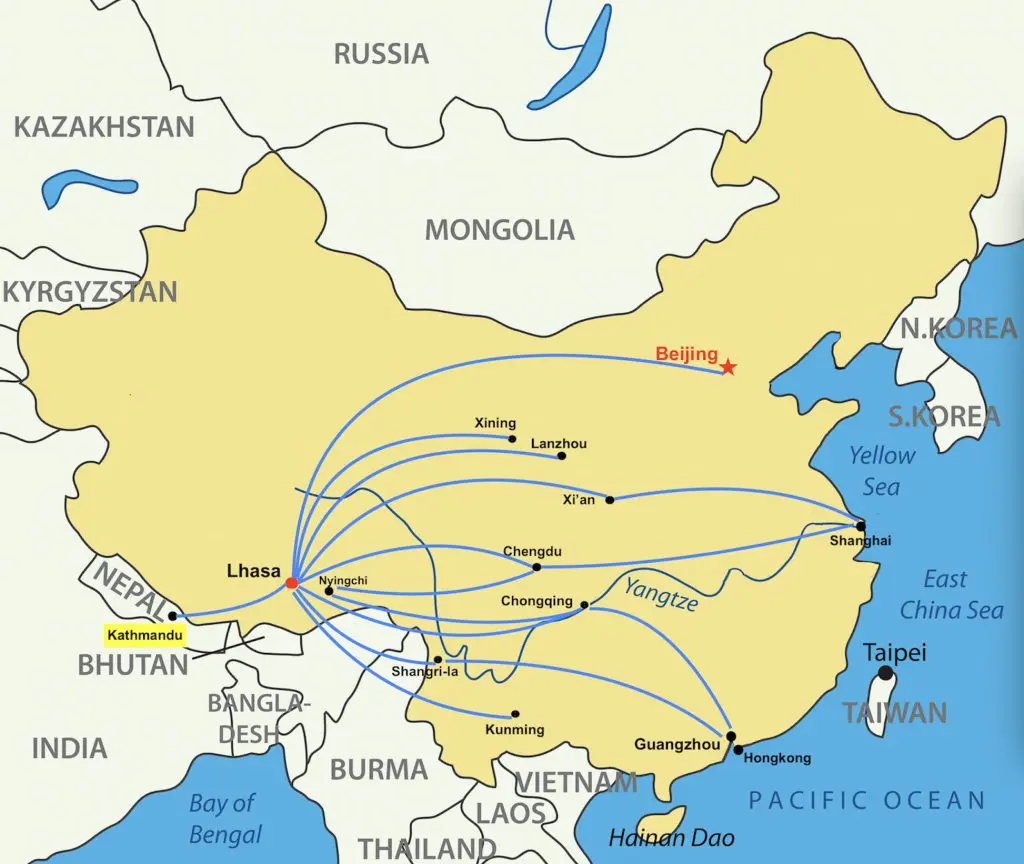
Train: The Qinghai-Tibet Railway, the world’s highest railway, offers spectacular views of the plateau and helps with gradual acclimatization. Trains connect Lhasa to Beijing, Chengdu, Chongqing, Shanghai, Xi’an, and Xining.
Flight: Lhasa Gonggar Airport has daily flights from major Chinese cities such as Beijing, Chengdu, Chongqing, Xi’an, etc, and Kathmandu in Nepal.
Overland travel to Lhasa: Road trip lovers can travel to Lhasa via the Qinghai–Tibet Highway (from Xining), Sichuan–Tibet Highway (from Chengdu), Yunnan-Tibet Highway (from Shangri-la or Lijiang), Xinjiang–Tibet Highway (from Kashgar), or China–Nepal Friendship Highway (from Kathmandu).
Within Lhasa, foreign travelers can get around by taxi or private car as long as you are with a licensed guide. For excursions beyond the city, regulations require traveling with a private vehicle, driver, and guide.
Travel Essentials for Lhasa
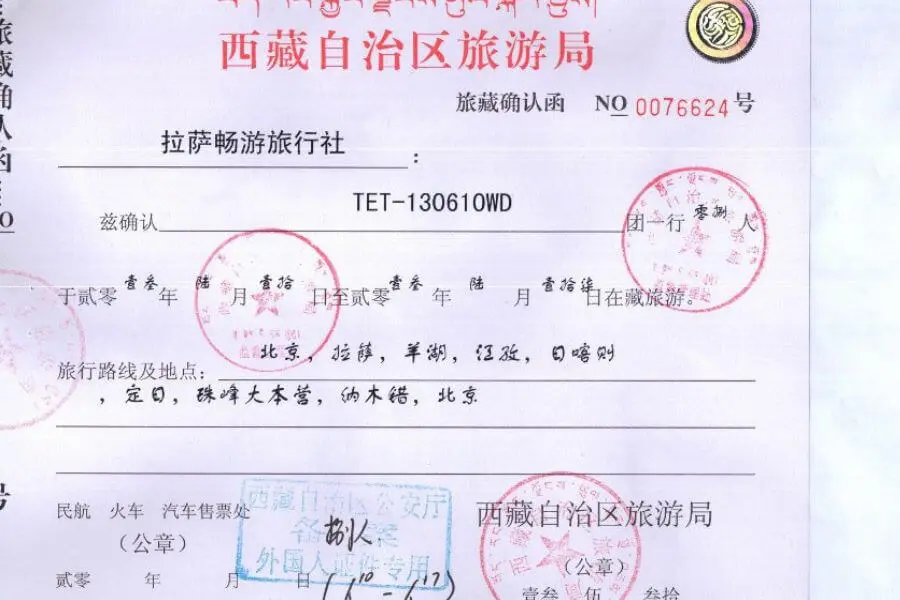
Permits: All foreign travelers must book with a licensed agency. Your Tibet Travel Permit is arranged in advance with the travel agency that your booked the tour with and will be checked upon taking the train and flights.
Altitude Acclimatization: Spend 2–3 days in Lhasa before heading higher. Avoid strenuous activity on your first day, drink plenty of water, and consider consulting your doctor about altitude medication.
Health & Safety: Basic medical care is available in Lhasa; for serious conditions, evacuation to Chengdu or another major Chinese city may be necessary.
What to Pack: Layered clothing, sun protection (hat, sunglasses, sunscreen), comfortable walking shoes, and personal medications. Even in summer, a warm jacket is needed for evenings.
Why Visit Lhasa
Lhasa is not just the capital of Tibet, it’s the beating heart of the Tibetan plateau. A city where history, spirituality, and everyday life come together.
Here you can:
- Join pilgrims as they circle Jokhang Temple, prayer wheels in hand.
- Marvel at the golden roofs of the Potala Palace, glowing against the mountain backdrop.
- Sit in a bustling teahouse, sipping sweet tea just like locals.
- Watch monks bring Buddhist philosophy to life through lively debates at Sera Monastery.
- Set out from Lhasa toward Tibet’s sacred lakes like Yamdrok tso Lake and Namtso lake, ancient valleys like Yarlung valley, and the snow-capped Himalayas or holy Mountain Kailash.
Plan Your Next Step
Check our carefully designed Lhasa tours to get an idea of the itineraries and experiences you can enjoy in Lhasa, or ready our complete Lhasa Travel Guide, where you’ll find everything you need to know about how to plan a trip to Lhasa, that including the permits, itineraries, transportation, and practical travel tips.
Related tours
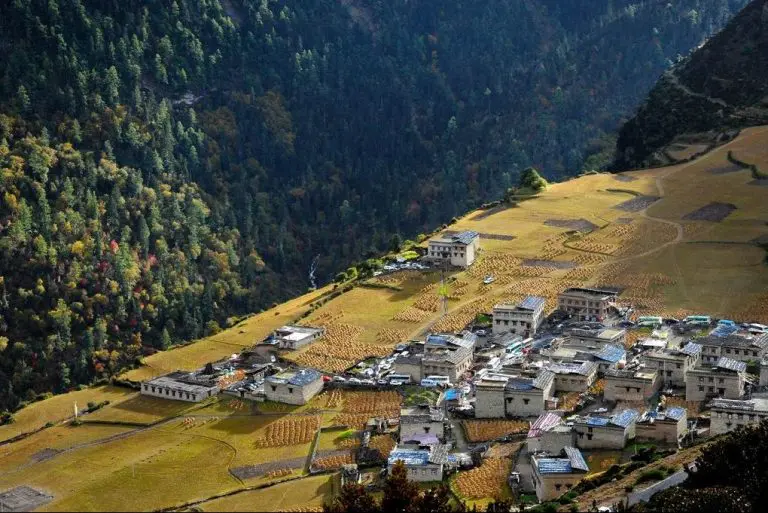
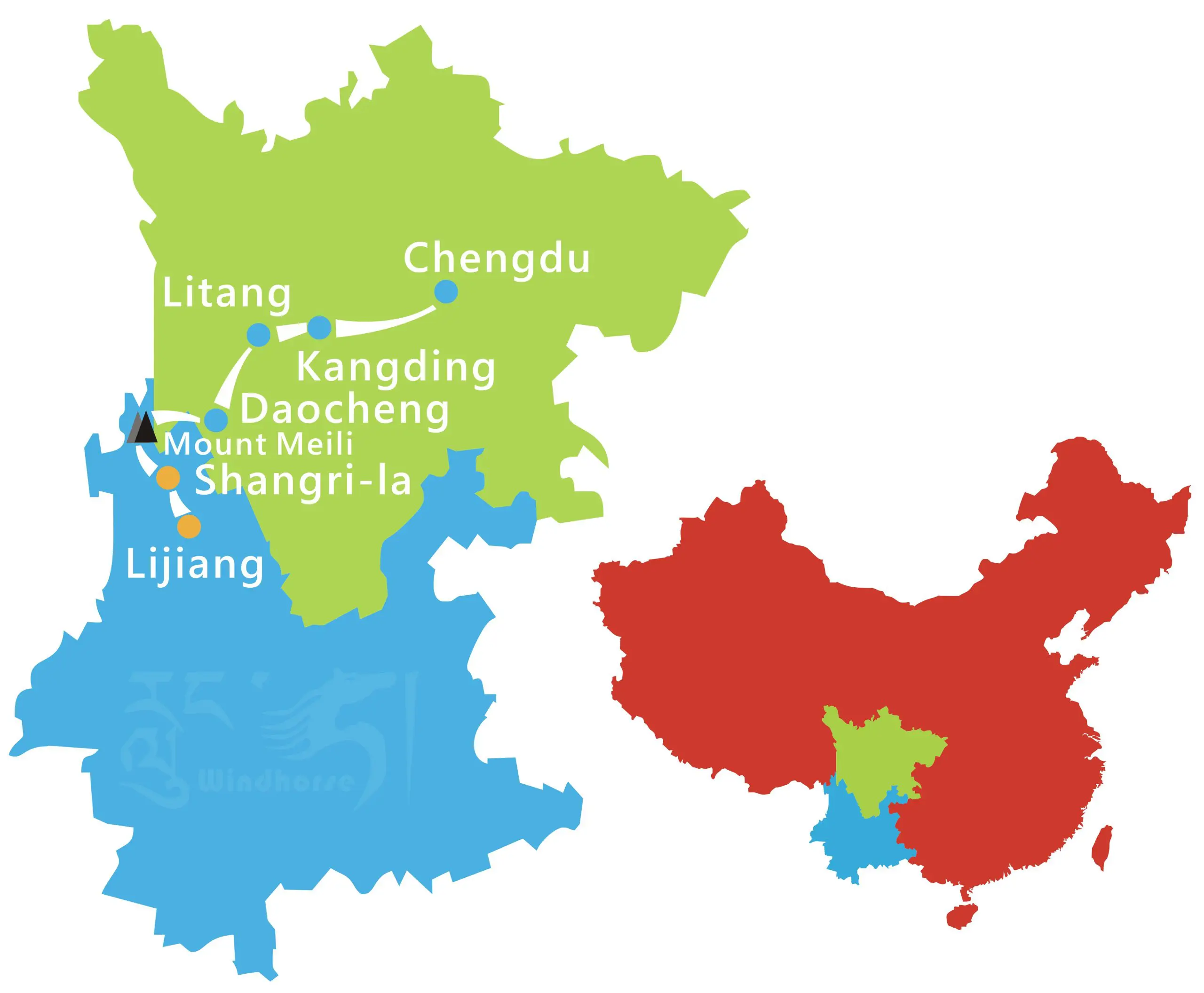
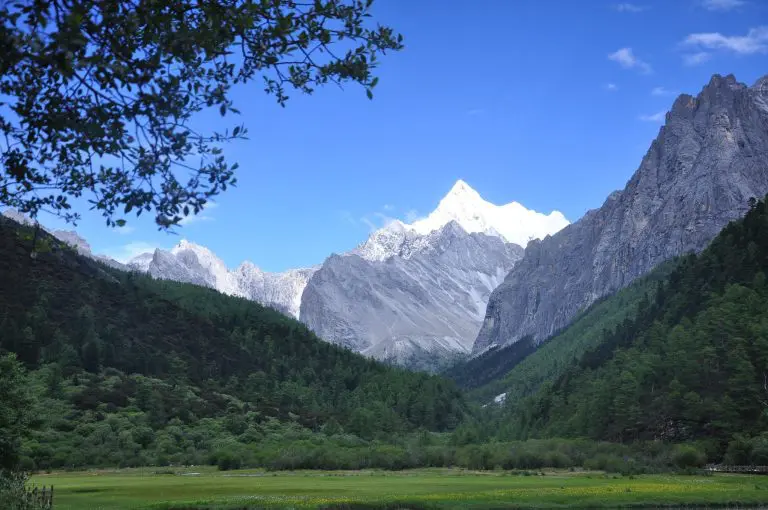
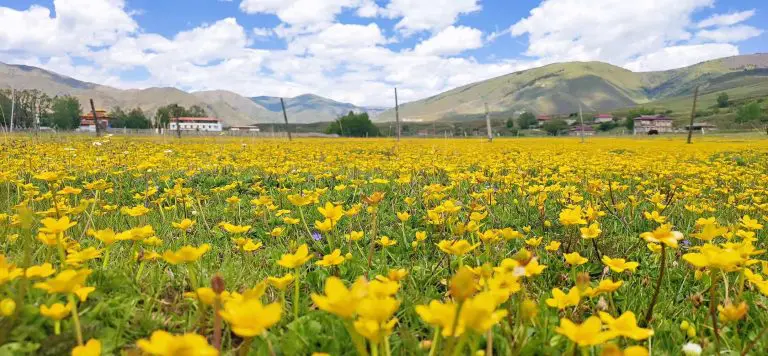
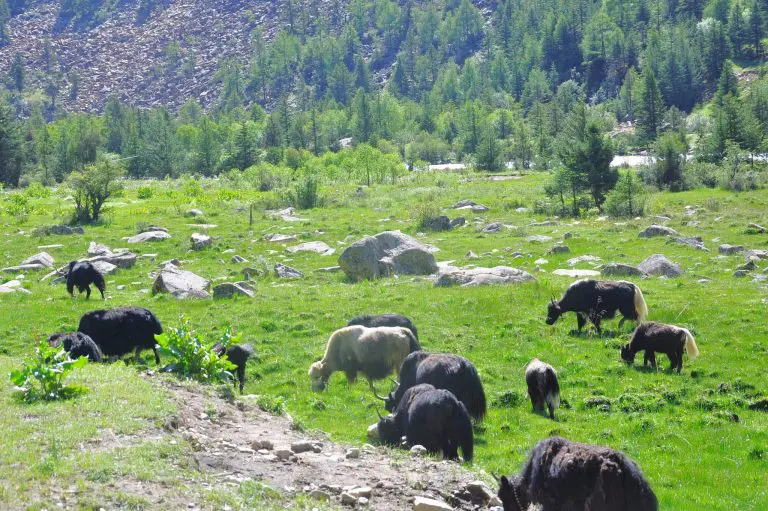
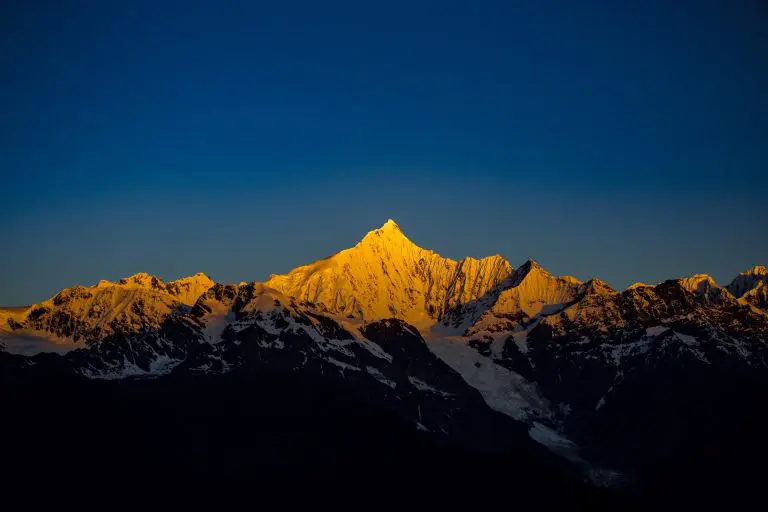
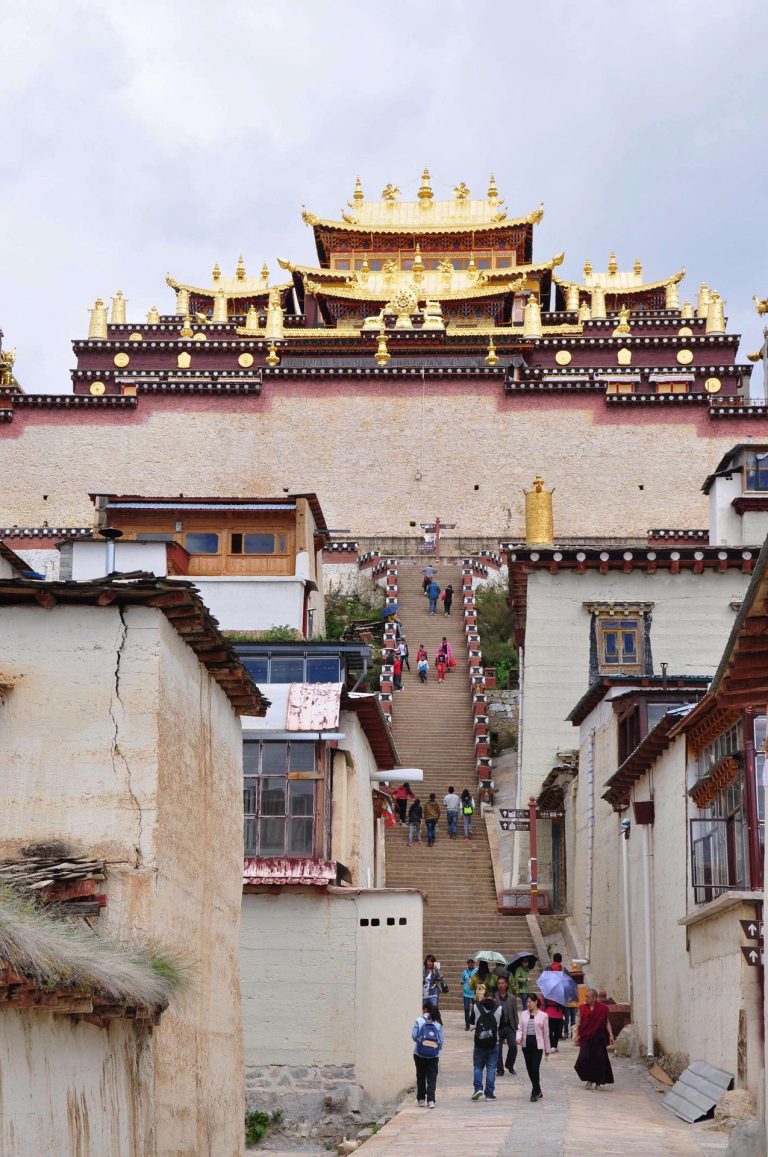
Experience an excellent picturesque trip traveling from Chengdu to the real Shangri-la and ending in Lijiang. A tour that passes through the wonderful virgin forest and snow-capped mountains of Daocheng and Yading. So much more awaits.
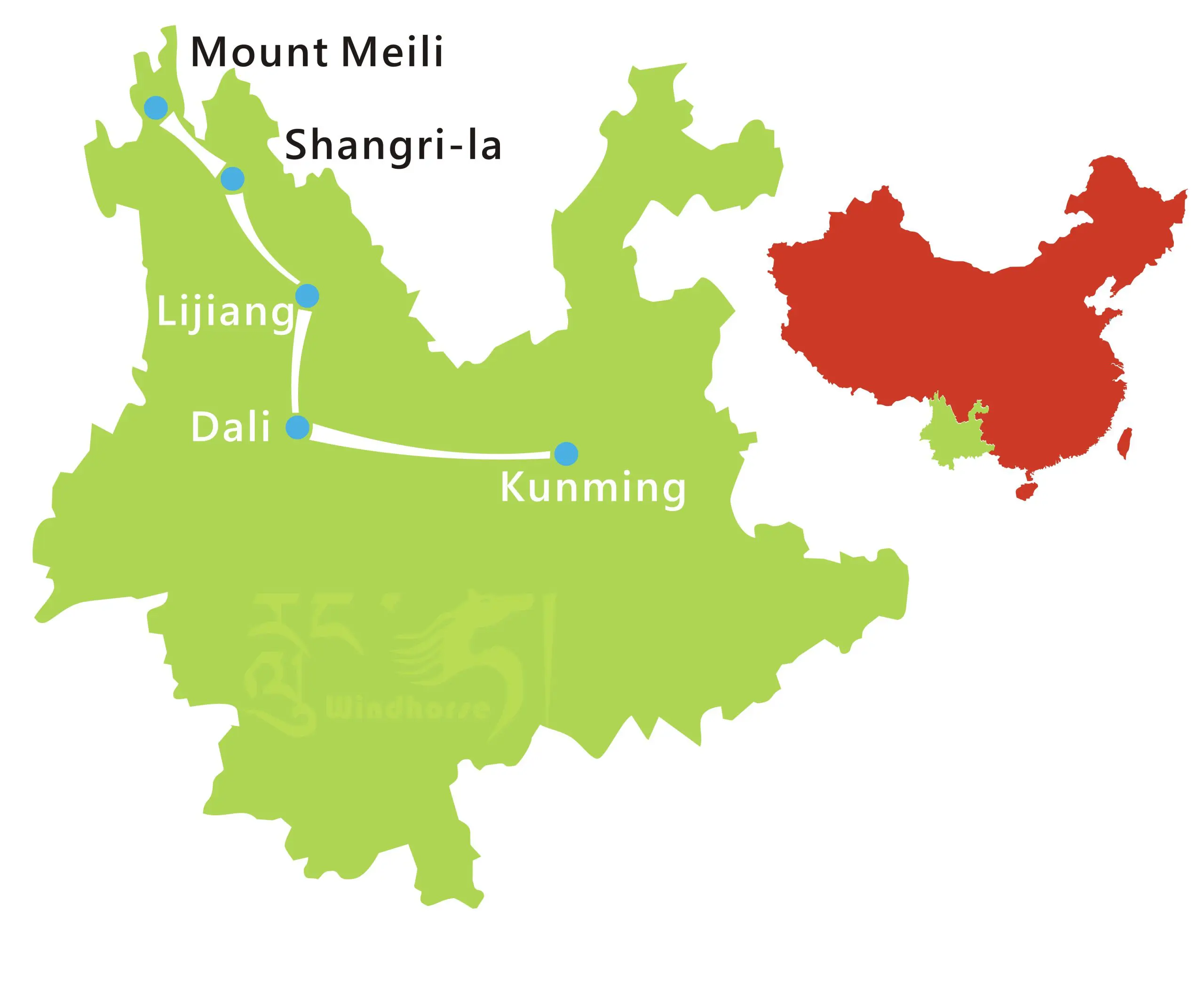
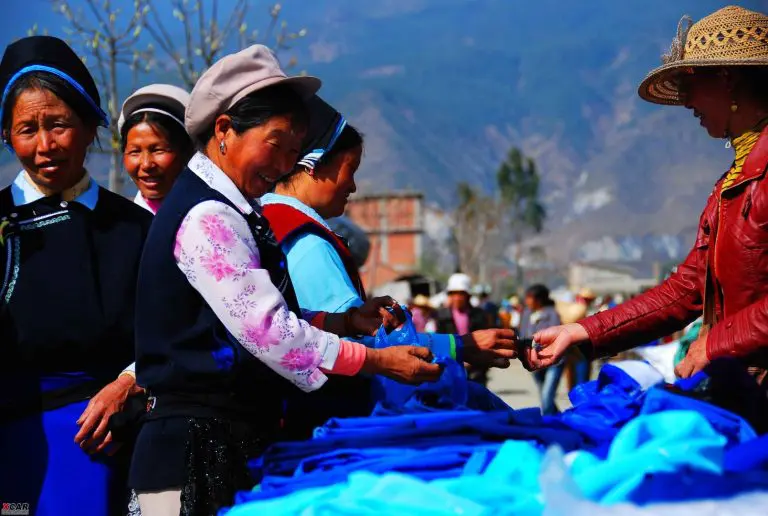
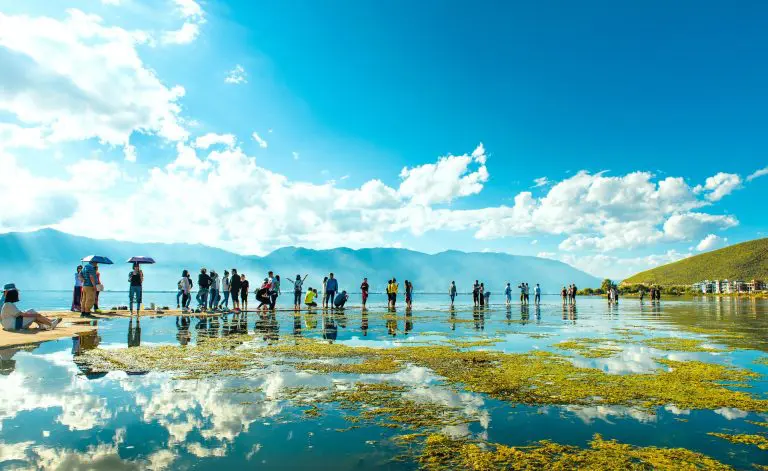
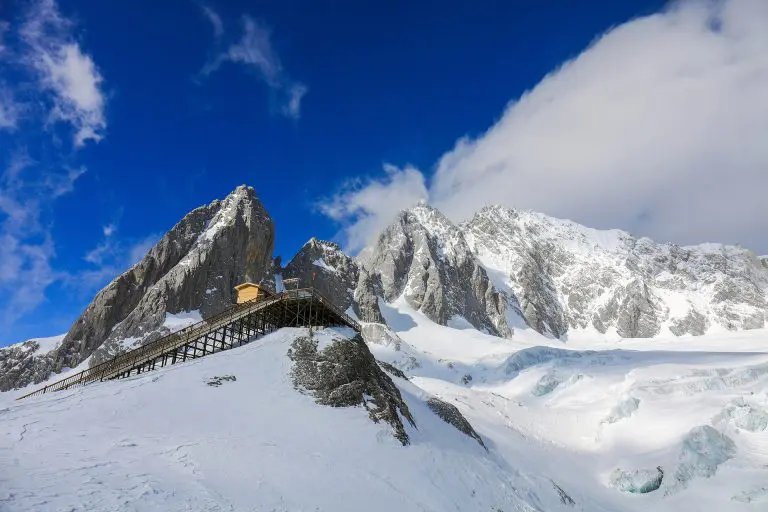
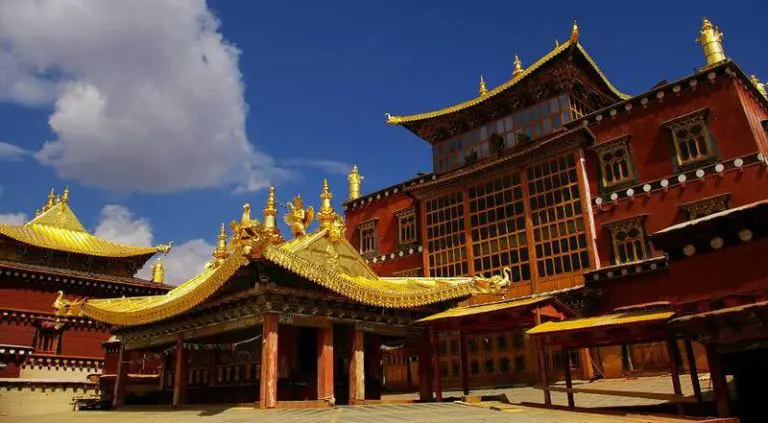
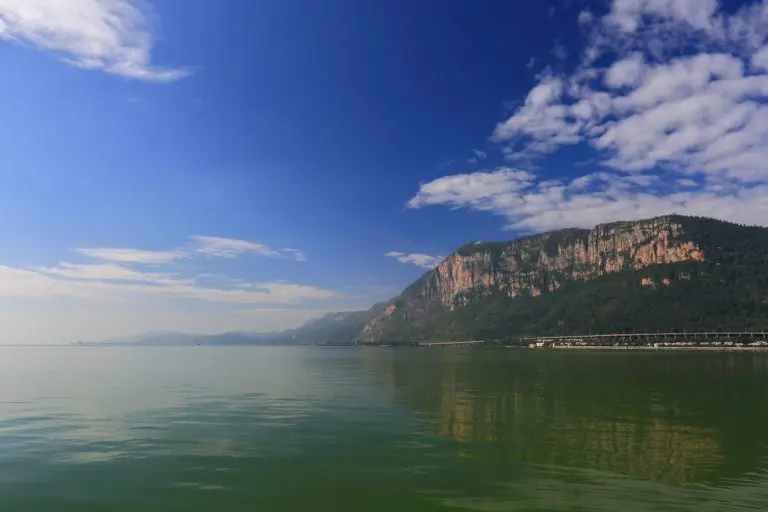
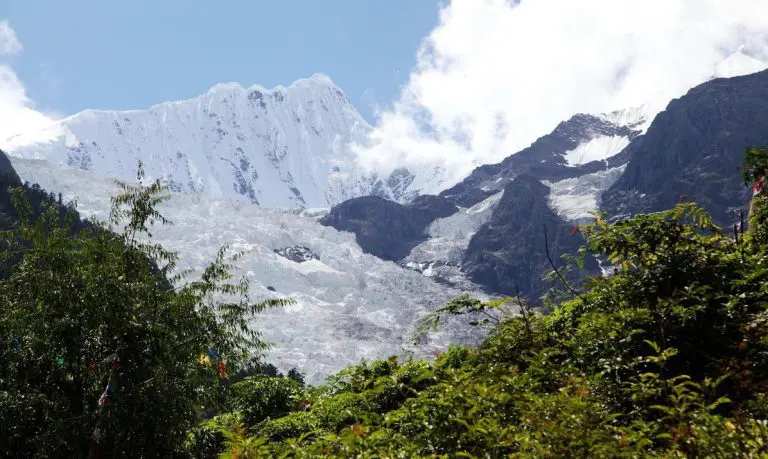
Discover Yunnan's highlights on this 10-day tour with Meili Snow Mountain, exploring Kunming, Dali, Lijiang and Shangri-La. Enjoy ancient towns, minority culture, lakes, gorges and sunrise and glacier views at Meili.
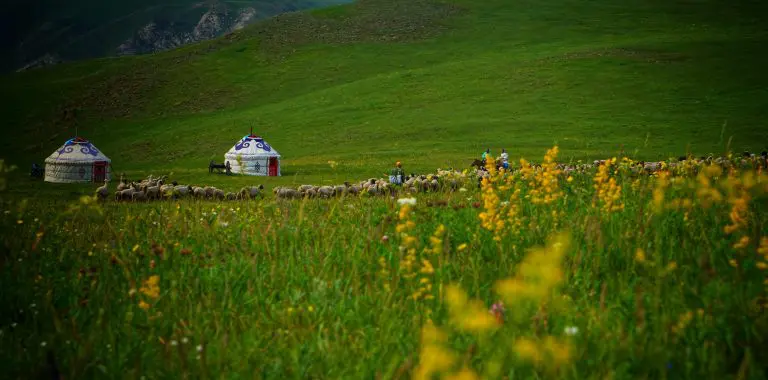

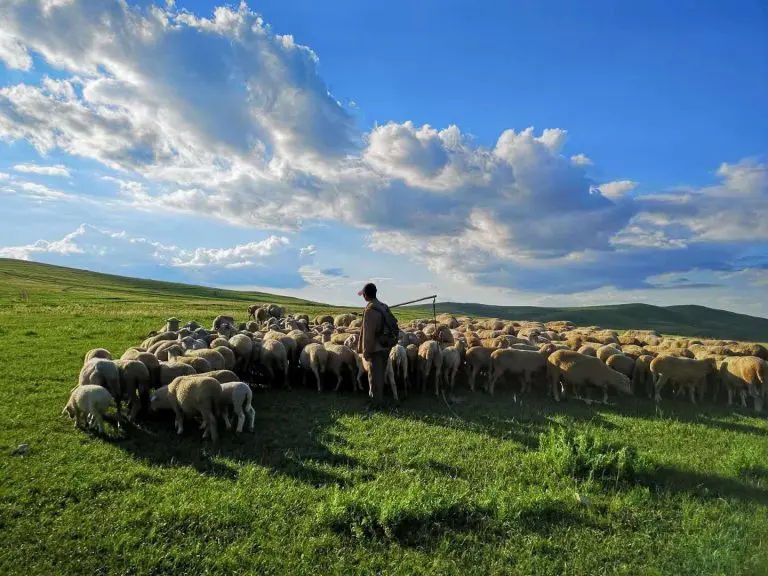
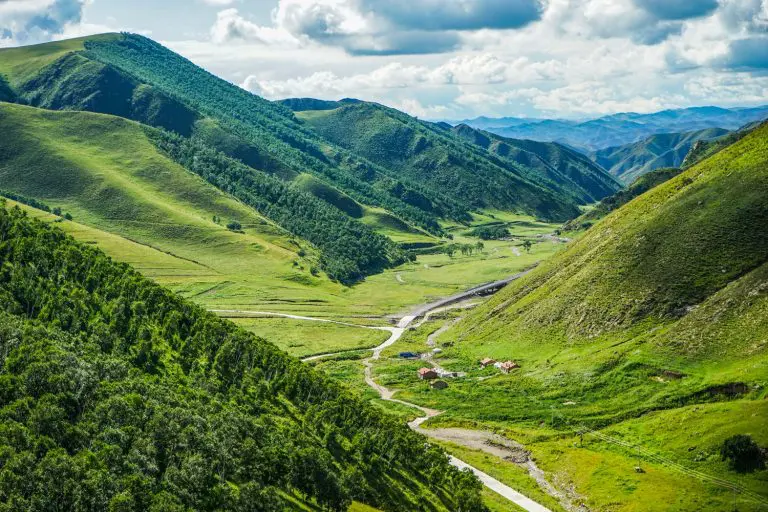
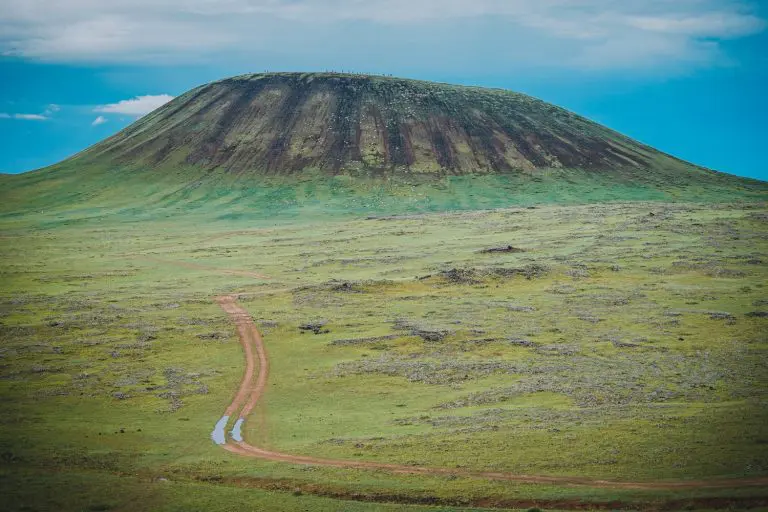
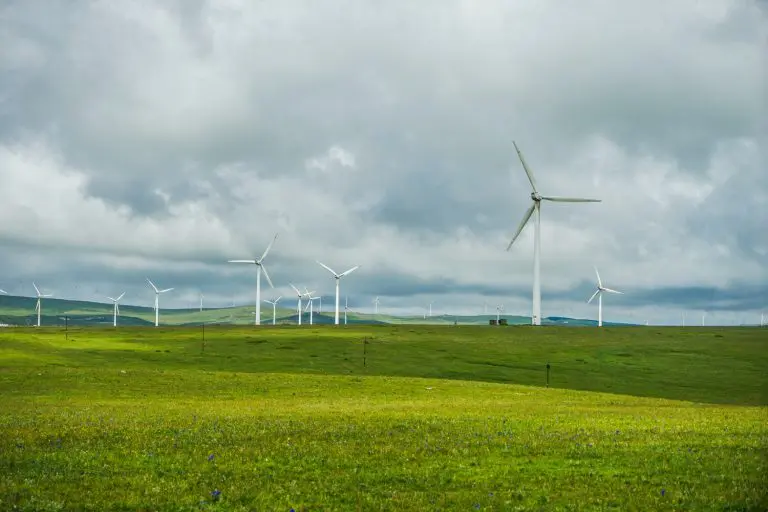
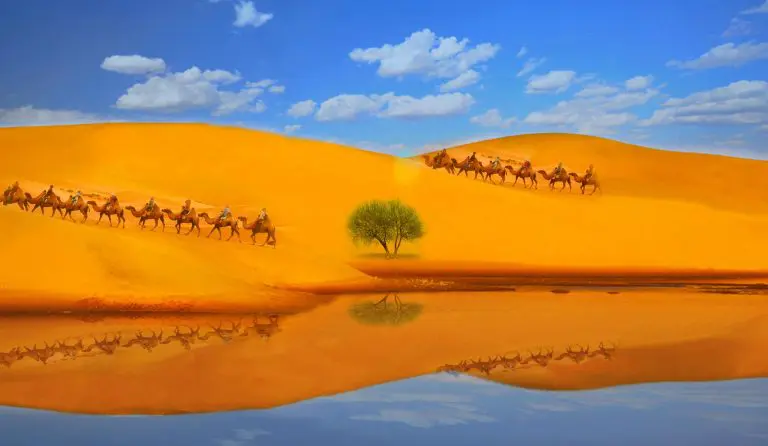
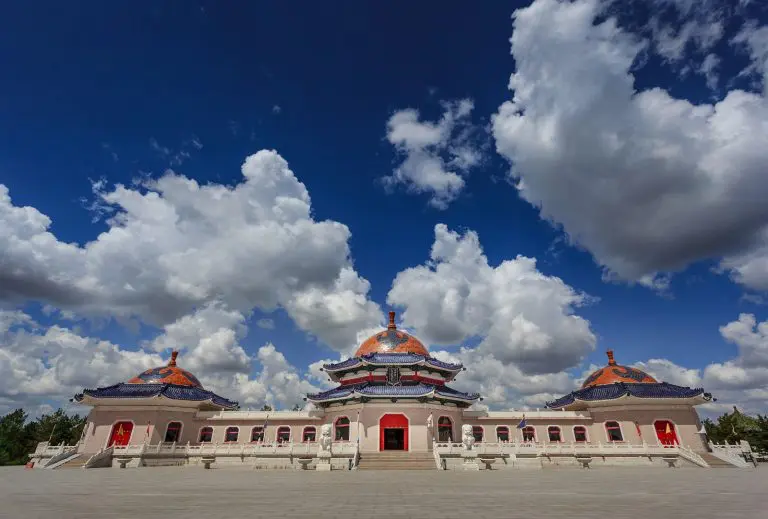
Experience Inner Mongolia’s diverse landscapes on this 5 Day Inner Mongolia Huitengxile Grassland Tour with Kubuqi Desert. Ride across rolling meadows, stay overnight in a traditional yurt, and explore vast golden dunes. Enjoy Mongolian culture, local cuisine, and scenic hikes through volcanoes and valleys.
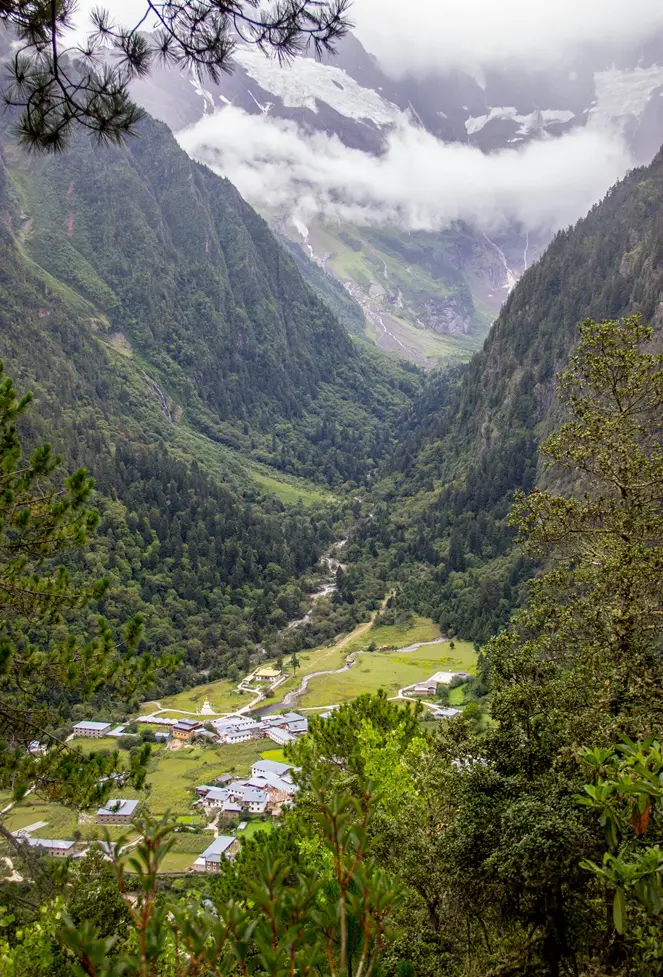
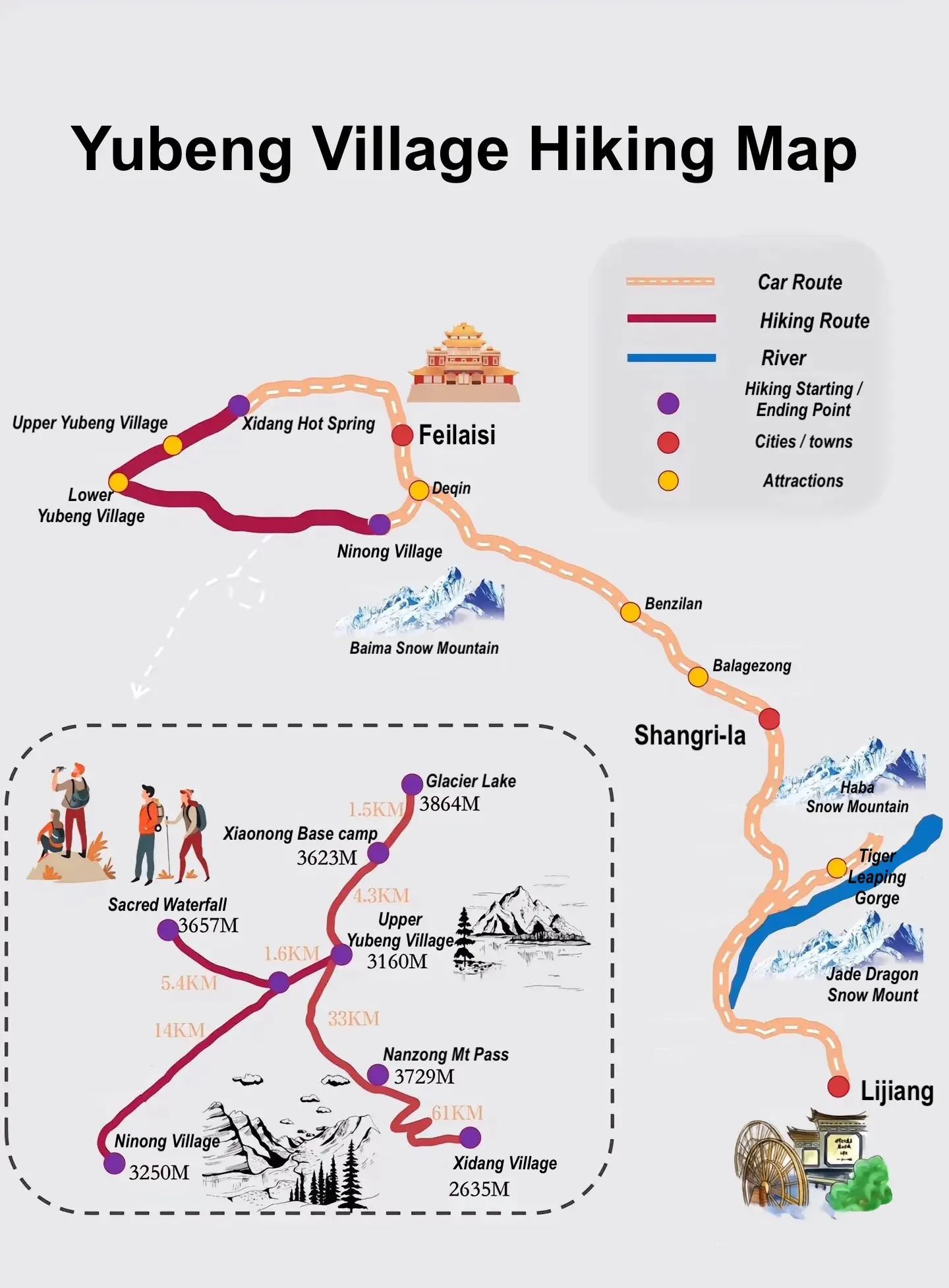
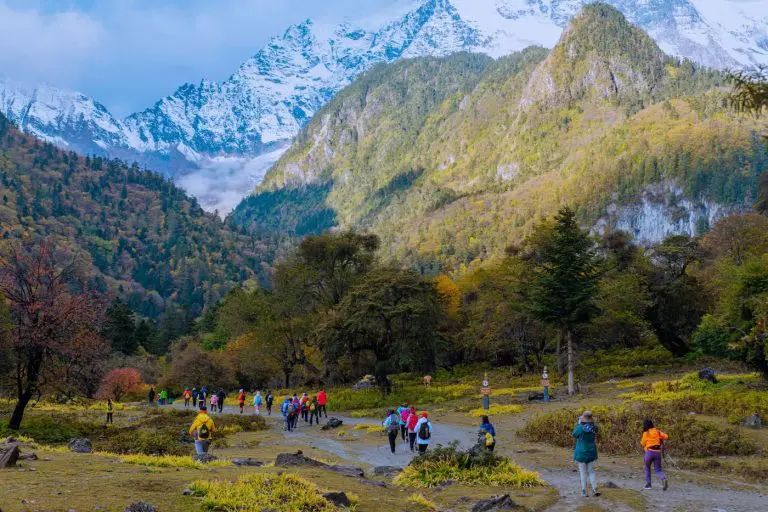
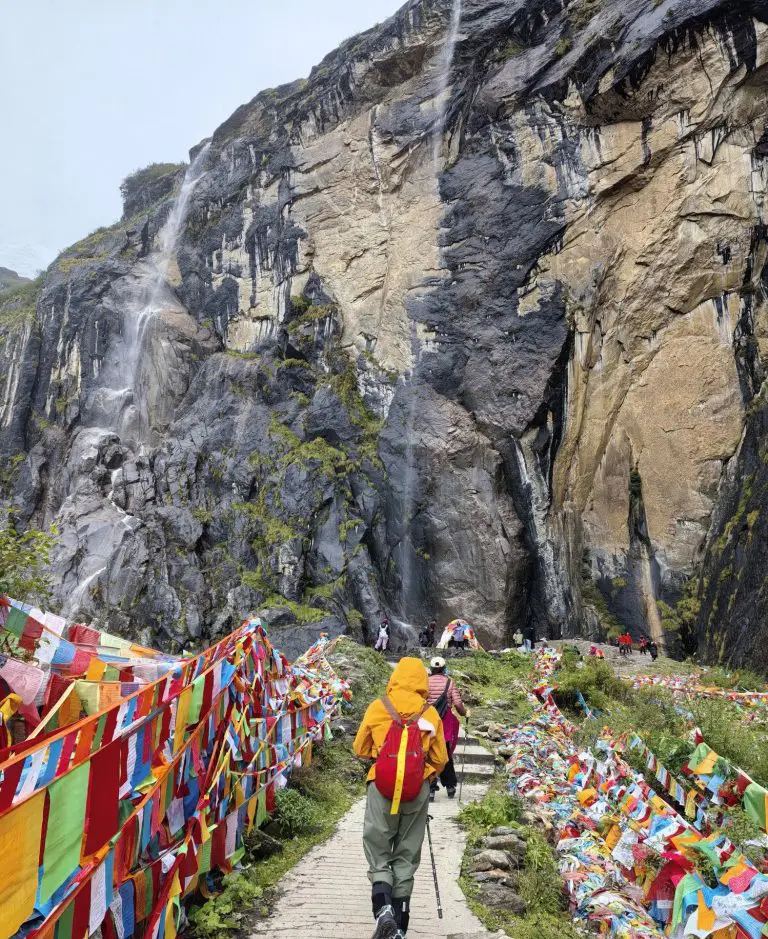
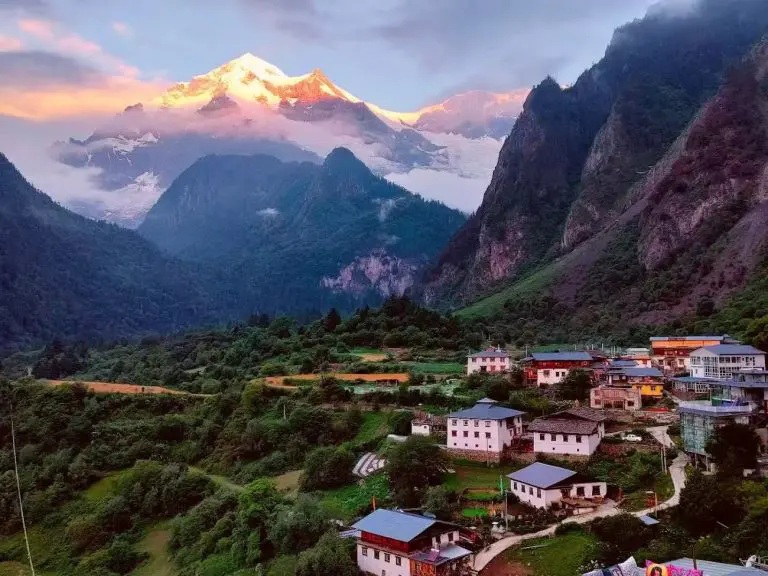
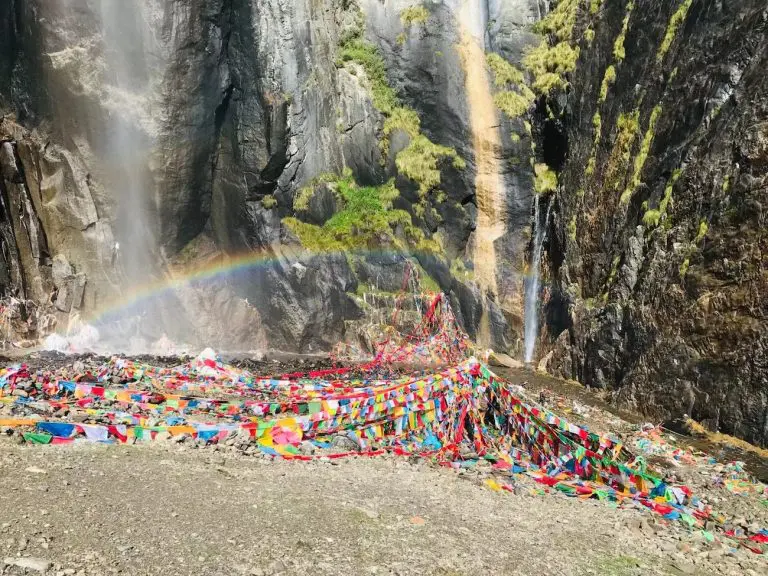
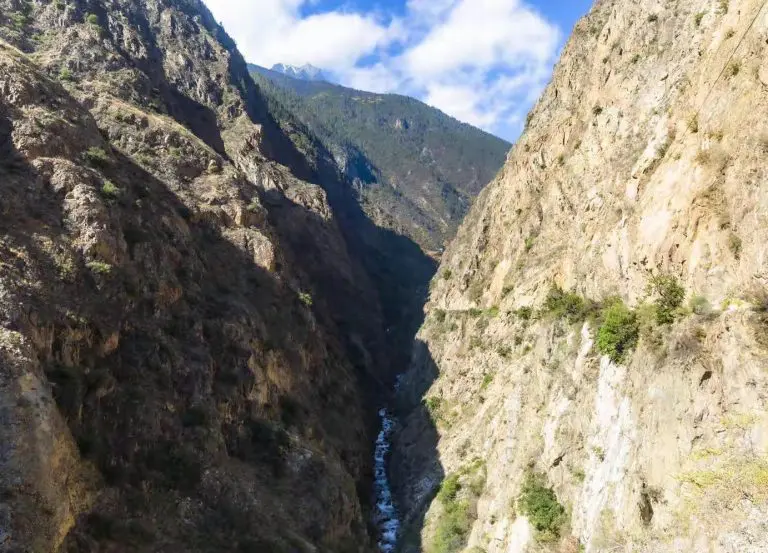
Join this 9 Day Yunnan Yubeng Village Hiking Tour to explore one of China’s most stunning hidden valleys beneath sacred Meili Snow Mountain. Trek through alpine forests, waterfalls, and meadows to Glacier Lake and the Sacred Waterfall for an unforgettable Yunnan trekking experience.