
How to Choose a Tibet Tour Operator
Planning a trip to Tibet is different from planning travel in most other destinations. Foreign travelers cannot visit Tibet independently and must arrange their trip through a licensed Tibet tour operator. The company you choose will handle your Tibet travel permit, guide, transportation, hotels, and itinerary planning — making the choice of operator especially important in Tibet.
As one of the earlier Tibet tour companies serving international travelers online, we’ve seen how differences in planning, local coordination, guide quality, and communication can significantly affect the overall travel experience. In this guide, we’ll explain what to look for in a reliable Tibet tour operator or tour company, what questions to ask before booking, and how to avoid common problems when planning a Tibet trip.
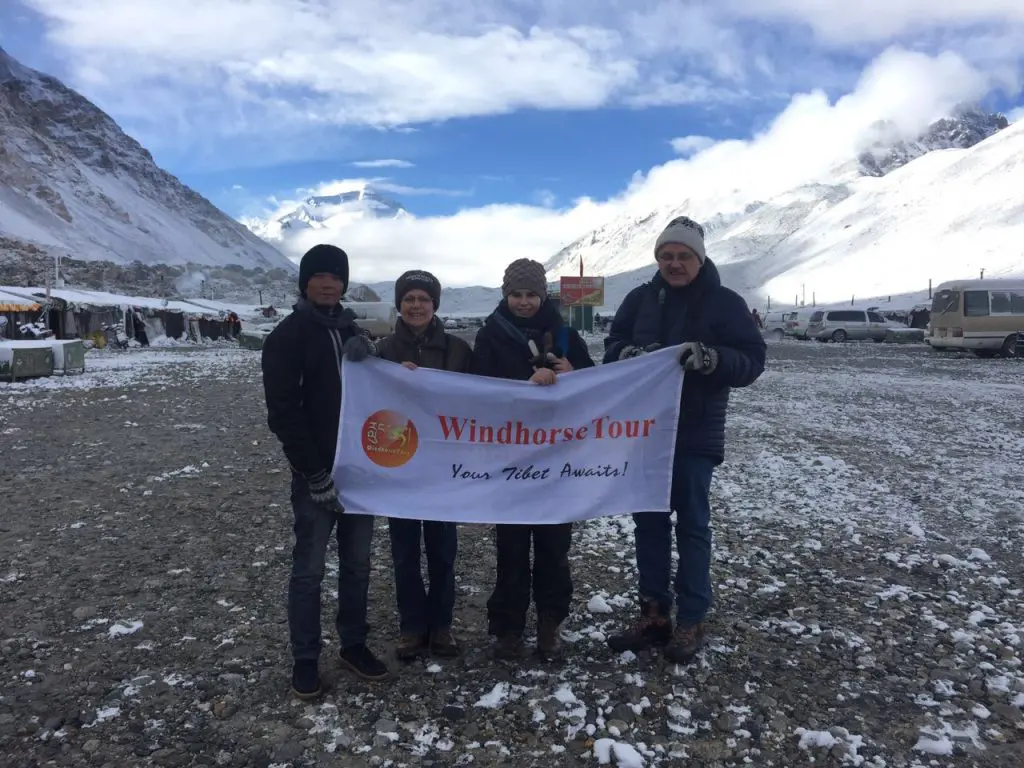
Quick Answer: How to Choose a Tibet Tour Operator
What to Check Why It Matters Real Tibet operating experience Experienced operators usually provide smoother coordination, better local knowledge, and more reliable trip arrangements Tibet itinerary planning and acclimatization Good route planning helps travelers adjust to Tibet’s high altitude more comfortably Experienced Tibetan guides Knowledgeable Tibetan guides with good communication skills greatly improve the cultural experience and overall trip quality Experience with international travelers International-focused operators better understand foreign travelers’ expectations, pacing, and service preferences Transparent pricing and clear communication Clear inclusions and responsive communication help avoid misunderstandings before and during the trip Recent traveler reviews Reviews often reveal guide quality, communication, and how problems were handled during the trip
Table of Contents
What Makes a Reliable Tibet Tour Operator?
1. Real Tibet Travel Experience
Reliable Tibet tour companies should have real experience organizing Tibet trips across different seasons and routes. Experienced operators are usually familiar with Tibet travel logistics, altitude pacing, permit timing, train and flight arrangements, and current travel conditions.
✓ Good sign: The operator can speak confidently and practically about Tibet routes, travel seasons, transportation arrangements, and recent travel conditions.
✗ Warning sign: Very generic answers with little knowledge of Tibet routes, logistics, or current travel conditions.
2. Thoughtful Itinerary Planning and Acclimatization
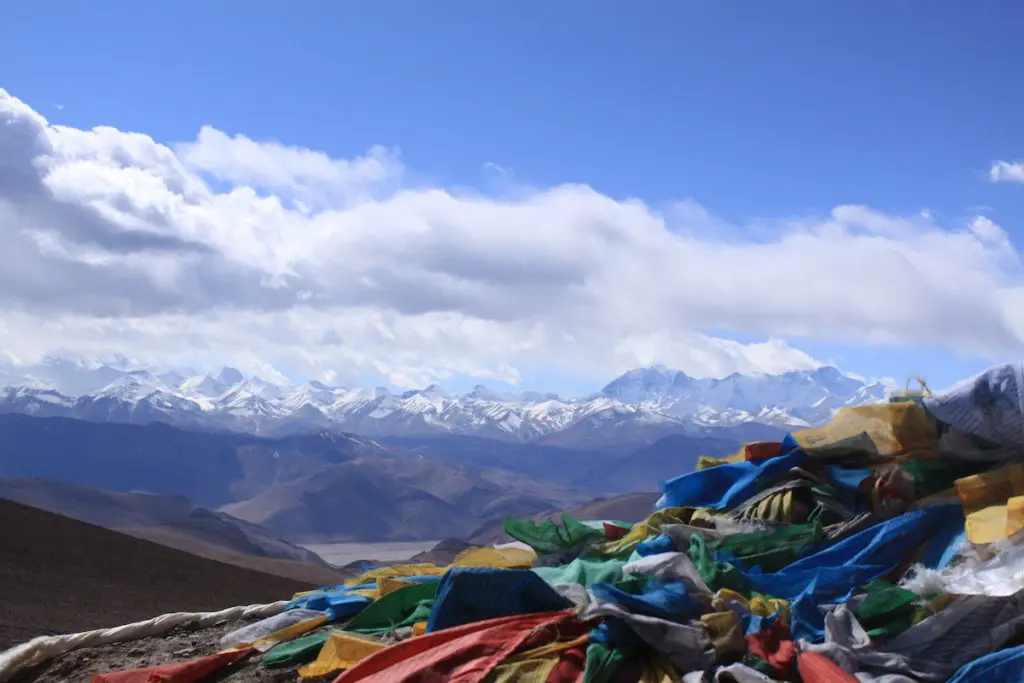
Good Tibet itineraries are carefully planned around altitude, driving distance, travel comfort, and traveler interests. This becomes especially important for Everest Base Camp, Mount Kailash, and some off-the-beaten-path travel through Kham Tibet in western Sichuan.
Experienced Tibet travel companies should be able to customize routes, pacing, accommodations, or activities based on different travel styles and comfort levels.
✓ Good sign: The operator gives practical itinerary suggestions based on altitude, driving distance, travel pace, and your interests.
✗ Warning sign: Rushed itineraries, unrealistic pacing, or little attention to altitude adjustment and overall travel comfort.
3. Experienced Tibetan Guides
The quality of your guide often shapes the entire Tibet travel experience. Experienced Tibetan guides usually provide deeper cultural insight, smoother local coordination, and better support throughout the journey.
✓ Good sign: The company works with licensed Tibetan guides who speak good English and have experience working with international travelers.
✗ Warning sign: Unclear answers about guide experience, language ability, or who will actually lead the tour.
4. Clear Pricing and Service Standards
Reliable Tibet operators should clearly explain hotel standards, transportation, permits, guide service, entrance tickets, and what is included or excluded before booking.
✓ Good sign: The operator explains the tour price and inclusions clearly before payment.
✗ Warning sign: Very low prices with unclear inclusions or additional charges added later during the trip.
Before making payment, always confirm that you are paying a registered company account and verify any updated bank details carefully. Payment scams and hacked email accounts occasionally affect international travel bookings, including Tibet tours.
5. Strong Communication
Responsive communication before booking is often a good indicator of how the operator will handle the trip itself. Reliable operators usually provide practical advice, realistic expectations, and timely responses throughout the planning process.
✓ Good sign: The operator responds clearly, answers questions thoughtfully, and communicates consistently during the planning stage.
✗ Warning sign: Slow replies, generic responses, or unclear communication during the booking process.
6. Strong Recent Traveler Reviews
Traveler reviews are often one of the few ways to verify service quality before booking. Pay attention to recent reviews on platforms like TripAdvisor and Google, especially comments about guides, itinerary pacing, communication, transportation, and how problems were handled during the trip.
✓ Good sign: Consistent recent reviews mentioning good guides, smooth organization, and reliable support during the trip. Check WindhorseTour travelers reviews
✗ Warning sign: Very few recent reviews, repeated complaints, or outdated feedback from many years ago.
Local Tibet Tour Operators vs. International Booking Platforms
Many travelers first discover Tibet tours through international booking platforms or large travel websites. What some travelers do not realize is that many of these companies do not operate Tibet tours directly, but subcontract the trip to local agencies in Tibet after booking.
Working directly with a local Tibet operator often means:
- More direct communication
- Fewer intermediaries between travelers and the actual operating team
- More flexibility when adjusting routes, accommodations, or travel arrangements
At the same time, travelers should still evaluate the operator carefully by looking at reviews, communication quality, guide experience, and how the itinerary is planned — not simply whether the company is local or international.
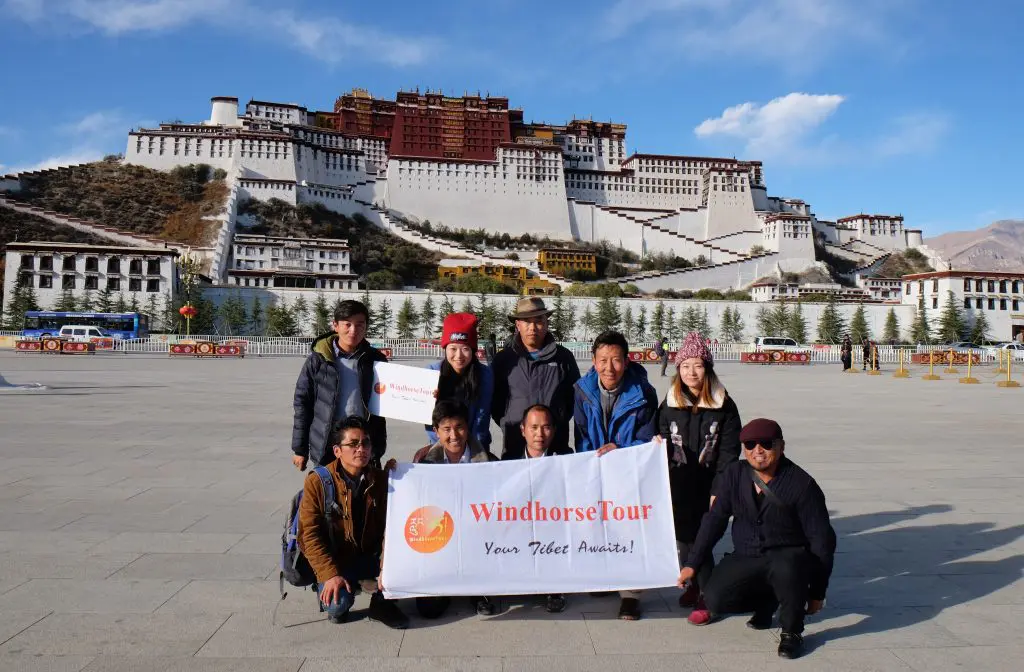
WindhorseTour operates Tibet tours directly with our Lhasa operations office and licensed Tibetan guides. This allows us to coordinate permits, transportation, guides, and itinerary planning directly without relying on third-party operators.
Why Do Tibet Tour Prices Vary So Much?
A wide price range for what appear to be similar Tibet itineraries is very common. In most cases, the difference comes down to service quality, trip style, and how the tour is actually operated.
Some of the biggest factors include:
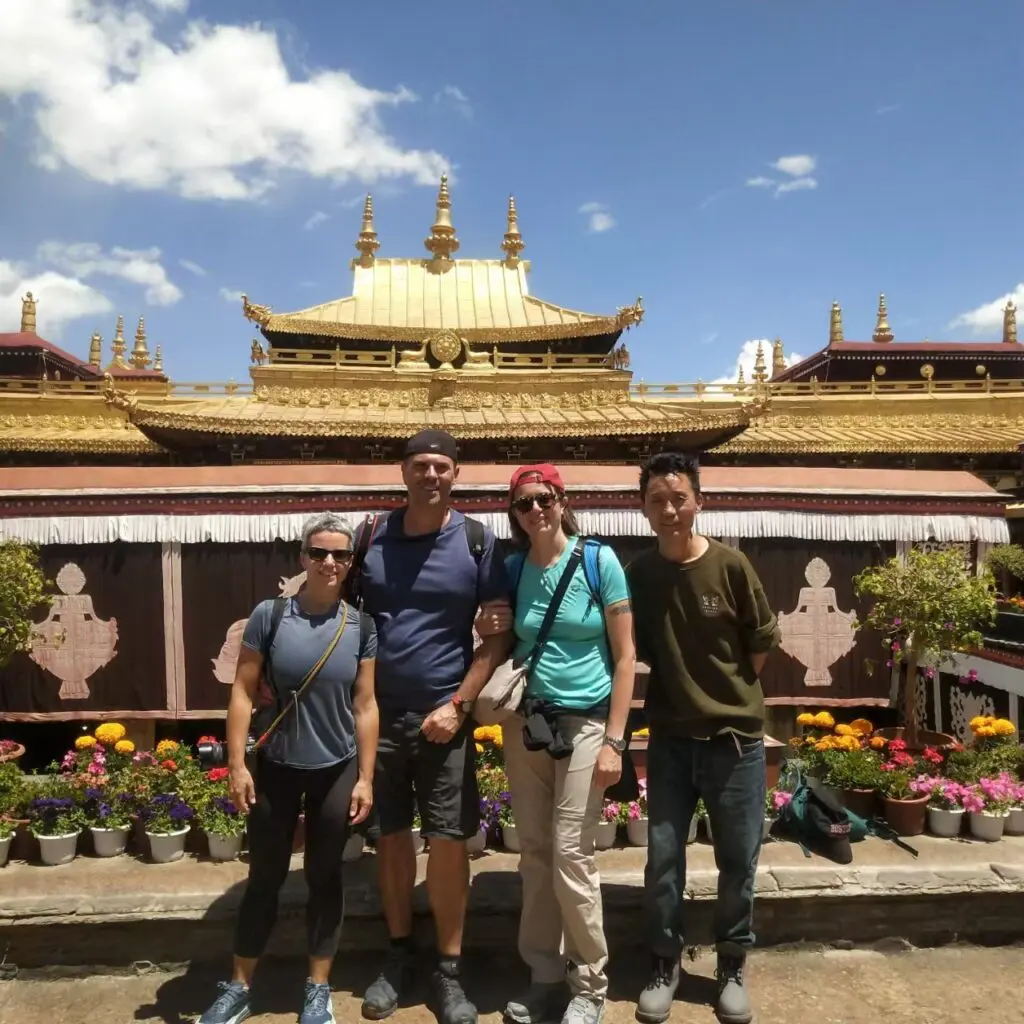
- Guide quality — experienced Tibetan guides with strong English and good local knowledge usually cost more, but often make the biggest difference to the overall trip experience.
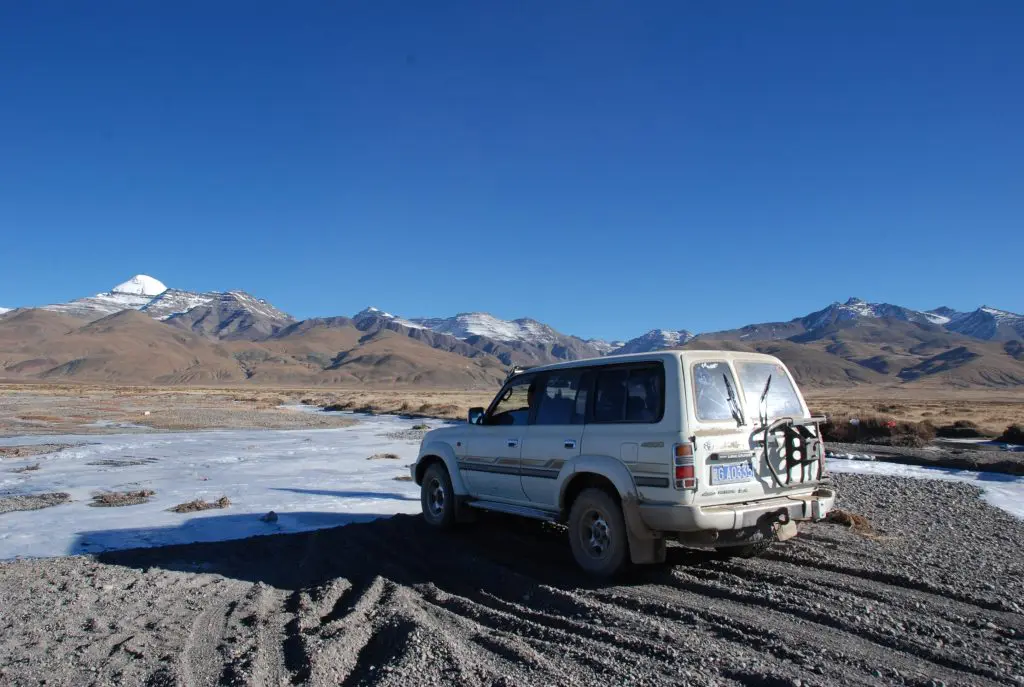
- Vehicle standard — long plateau journeys are much more comfortable with newer, well-maintained vehicles and experienced drivers.
- Accommodation level — most standard Tibet tours use 3-star hotels in Lhasa and Shigatse, while 4–5 star upgrades can increase the overall trip cost significantly.
- Group size — group tours spread fixed costs across more travelers, while private tours become more cost-effective for families or small groups traveling together.
- Service and trip coordination — experienced operators with stronger local support, better itinerary planning, and more responsive communication often cost more than simple resellers or budget-focused operators.
A large price difference between two operators offering a similar route is usually worth looking into carefully, especially when comparing hotel standards, guide quality, transportation, and what is actually included in the trip.
Group vs. Private Tibet Tours
Group tours run on fixed departure dates at a lower per-person cost and are popular with solo travelers and couples. Private tours offer more flexibility in pacing, accommodations, stops, and overall travel style, and often become more cost-effective for families or small groups traveling together.
See our Private vs. Group Tibet Tours guide for a full comparison.
Frequently Asked Questions
Can foreigners travel to Tibet independently?
No. Foreign travelers must book through a licensed Tibet travel agency that arranges permits, guides, transportation, and the approved itinerary. Read more about Tibet travel restrictions.
How much should a Tibet tour cost?
A standard 7–8 day Lhasa to Everest Base Camp group tour usually costs around USD 900–1,100 per person, while similar private tours typically start from around USD 1,300–1,600 per person for 2 travelers.
Prices vary by season, accommodation standard, group size, and overall service quality. Extremely low prices are usually worth checking carefully. Read more about Tibet tour cost guide.
Is it better to book with a local Tibet operator?
Many travelers prefer booking directly with experienced local Tibet tour companies because permits, transportation, guides, and itinerary planning can usually be coordinated more directly. Local operators also tend to have better firsthand knowledge of Tibet travel conditions and route logistics.
However, it is still important to check reviews, communication quality, guide experience, and overall service before booking.
How early should I book a Tibet tour?
Most Tibet tours should be booked at least 1 month in advance so there is enough time to arrange permits and transportation. For peak travel seasons such as April–May and September–October, we usually recommend booking 2–3 months ahead, especially for Tibet train tickets, Everest Base Camp tours, and Mount Kailash trips.
Can Tibet itineraries be customized?
Yes. Experienced Tibet operators can usually customize pacing, accommodations, routes, photography stops, trekking experiences, and cultural activities based on traveler interests and comfort levels.
Final Words
Choosing the right Tibet tour operator can make a major difference to your travel experience in Tibet, especially when it comes to itinerary planning, guide quality, permits, and local coordination.
At WindhorseTour, we have been organizing Tibet tours since 2007, with direct operations in Chengdu and Lhasa and a long-standing team of licensed Tibetan guides. We specialize in both classic Tibet itineraries and customized trips across Tibet and western China.
If you are planning a Tibet trip and would like practical advice or help comparing itinerary options, feel free to contact our team before booking.
Related tours
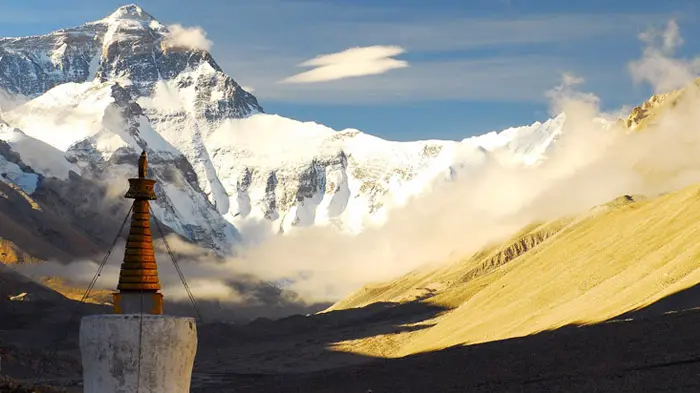
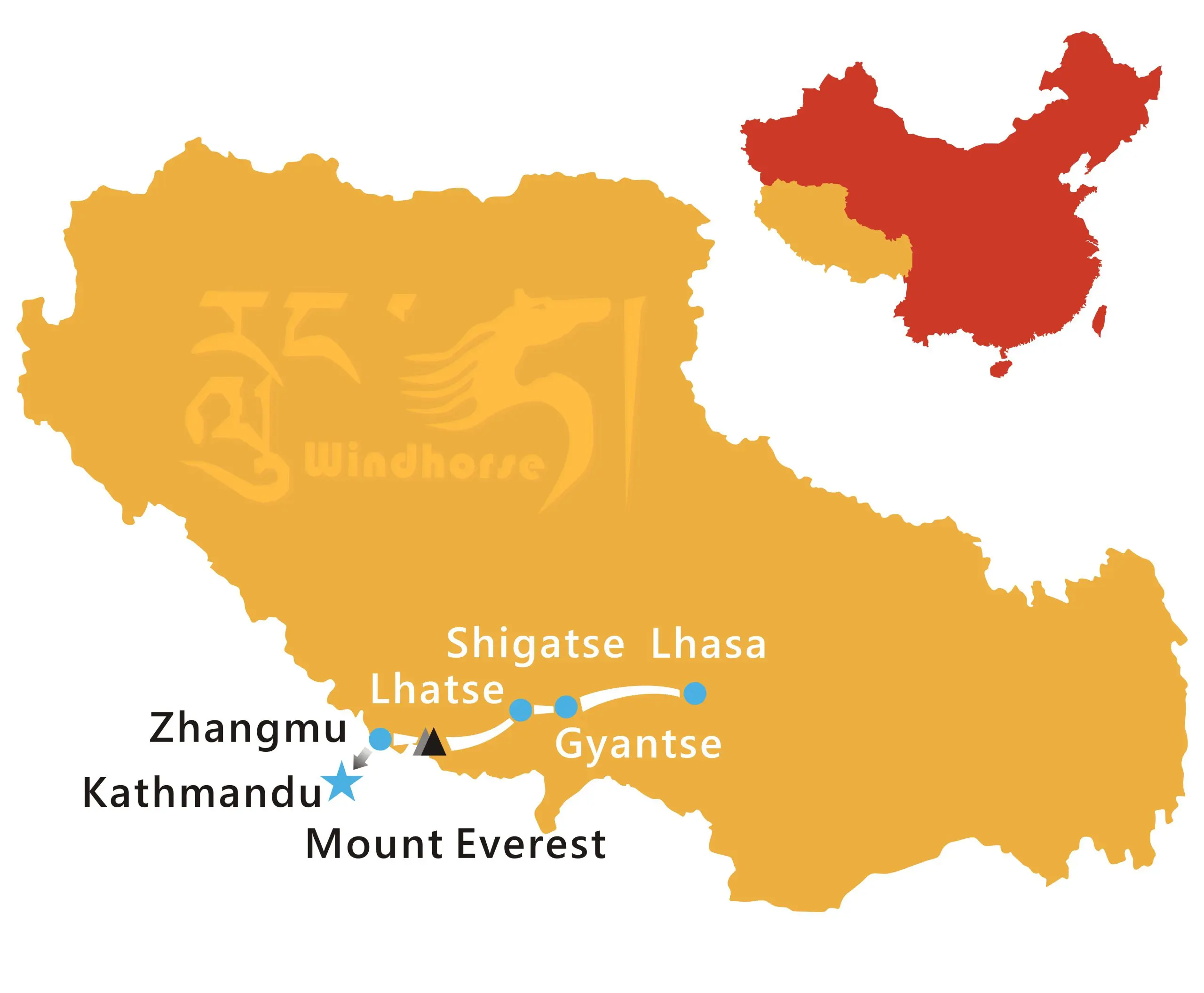
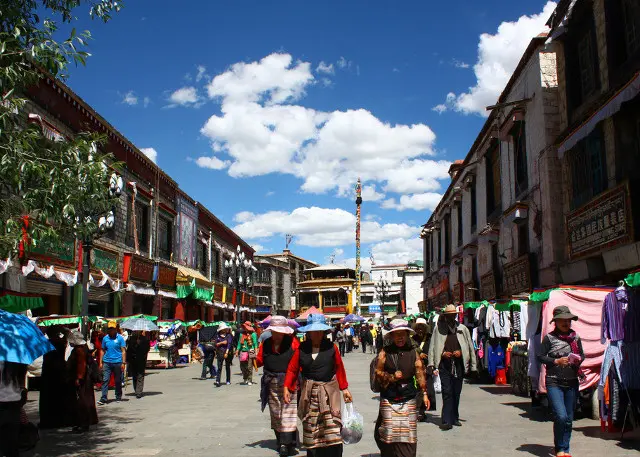
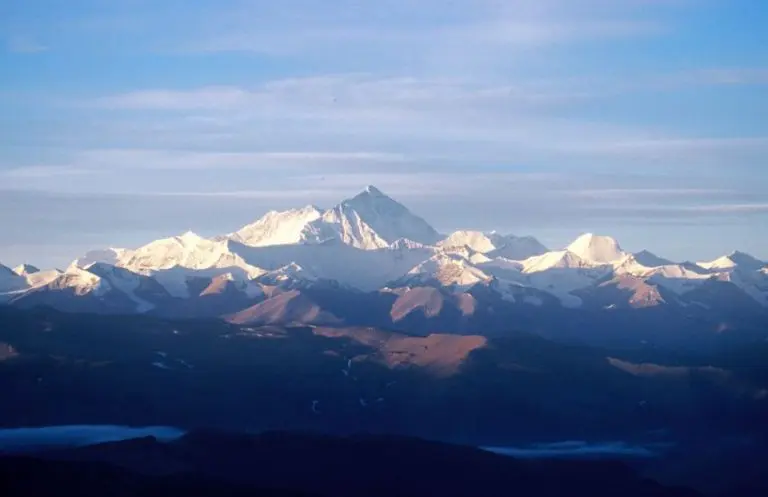

Take the Lhasa to Kathmandu Overland Tour via Everest, following the legendary Friendship Highway across Tibet. Visit Potala Palace, Yamdrok Lake, Gyantse, Shigatse, and Everest Base Camp before crossing the scenic Gyirong Border into Nepal.
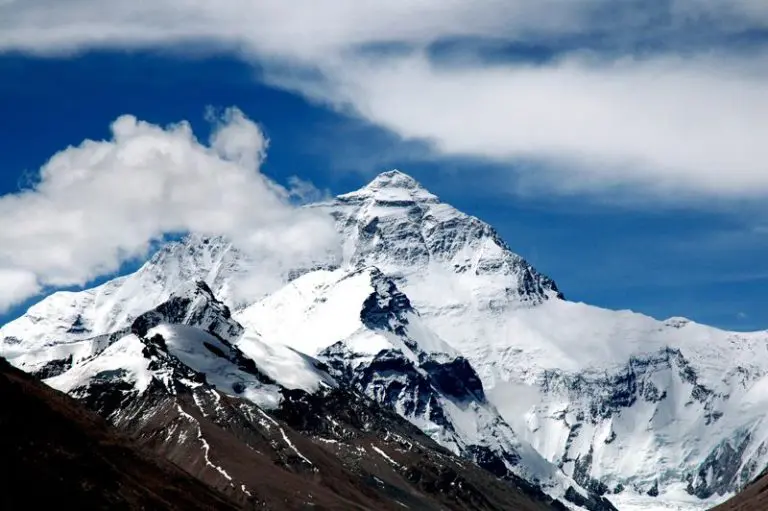
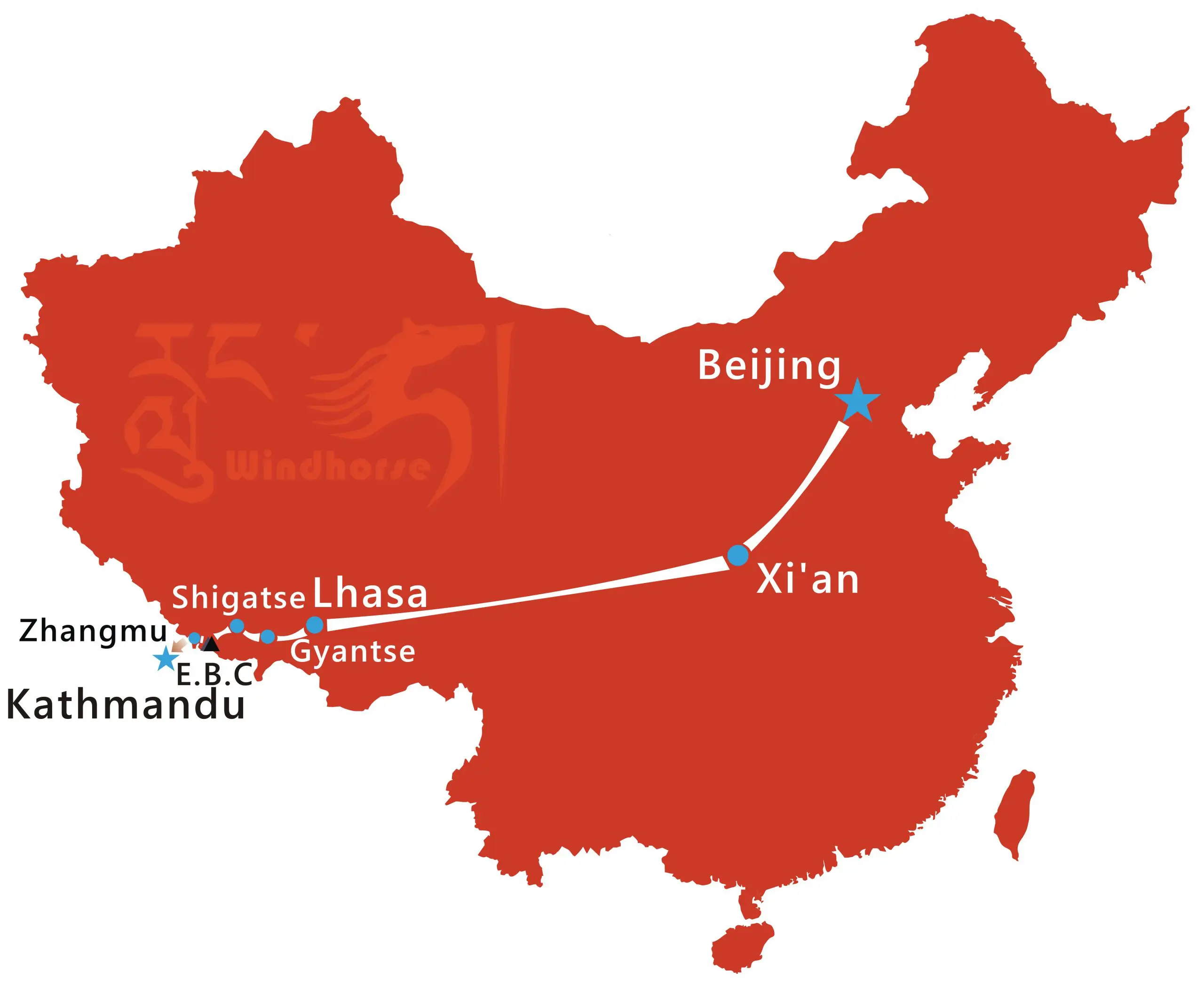
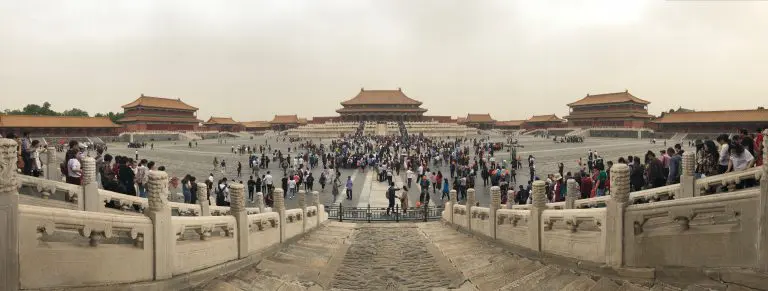
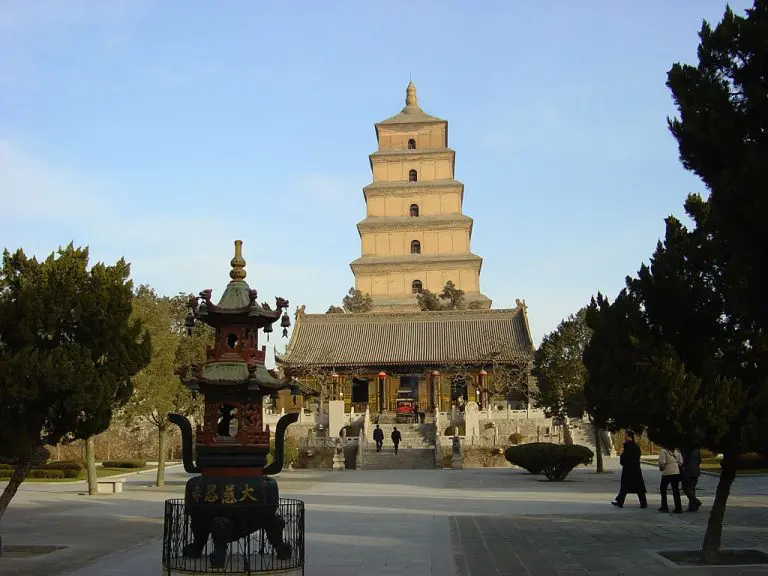
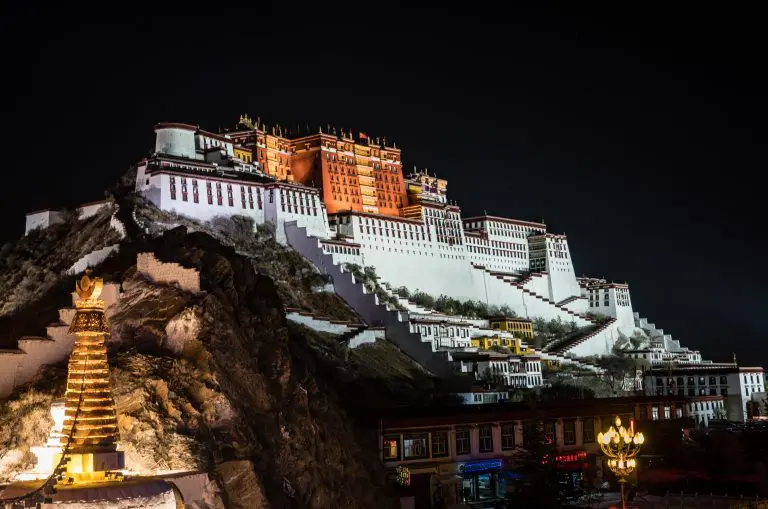
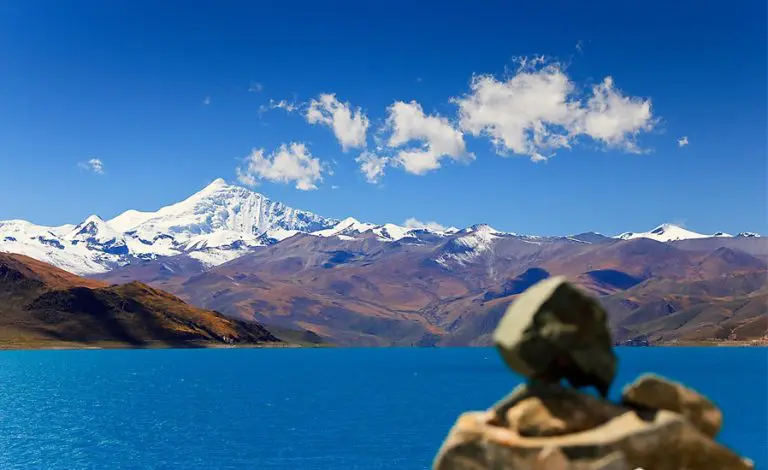
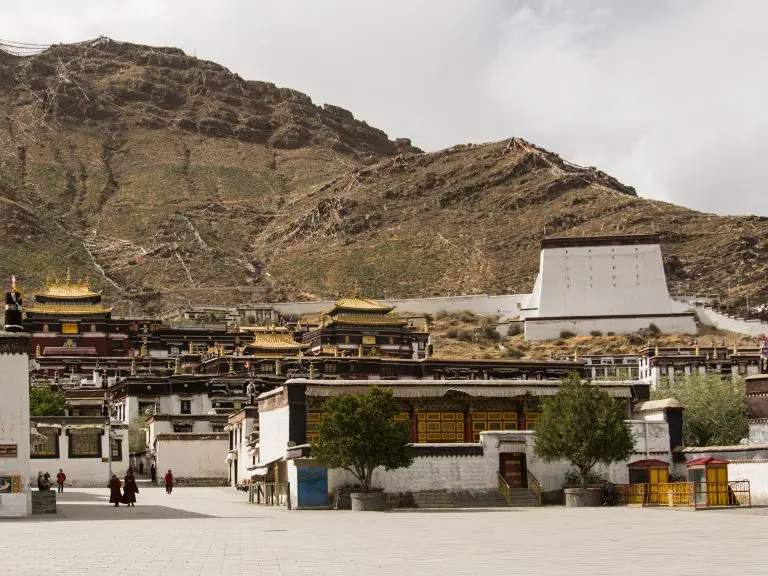
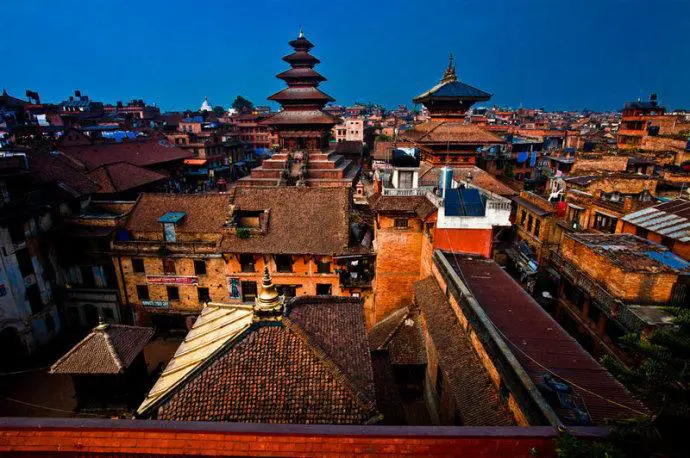
This China Tibet Tour from Beijing to Kathmandu links China’s imperial landmarks with Tibet’s sacred sites and dramatic Himalayan landscapes. Explore Beijing and Xi’an, ride the Qinghai-Tibet Railway to Lhasa, visit the Potala Palace and Everest Base Camp, then journey along the Friendship Highway to Kathmandu.
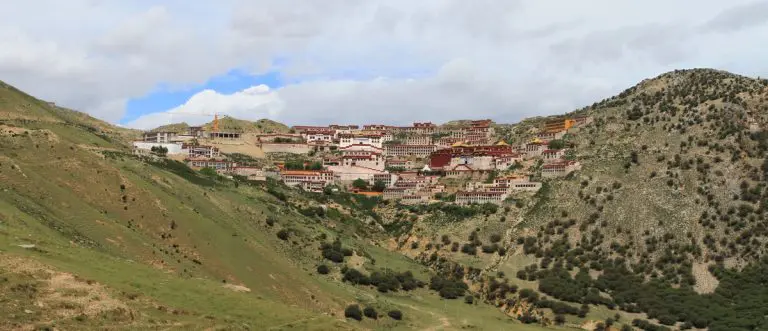
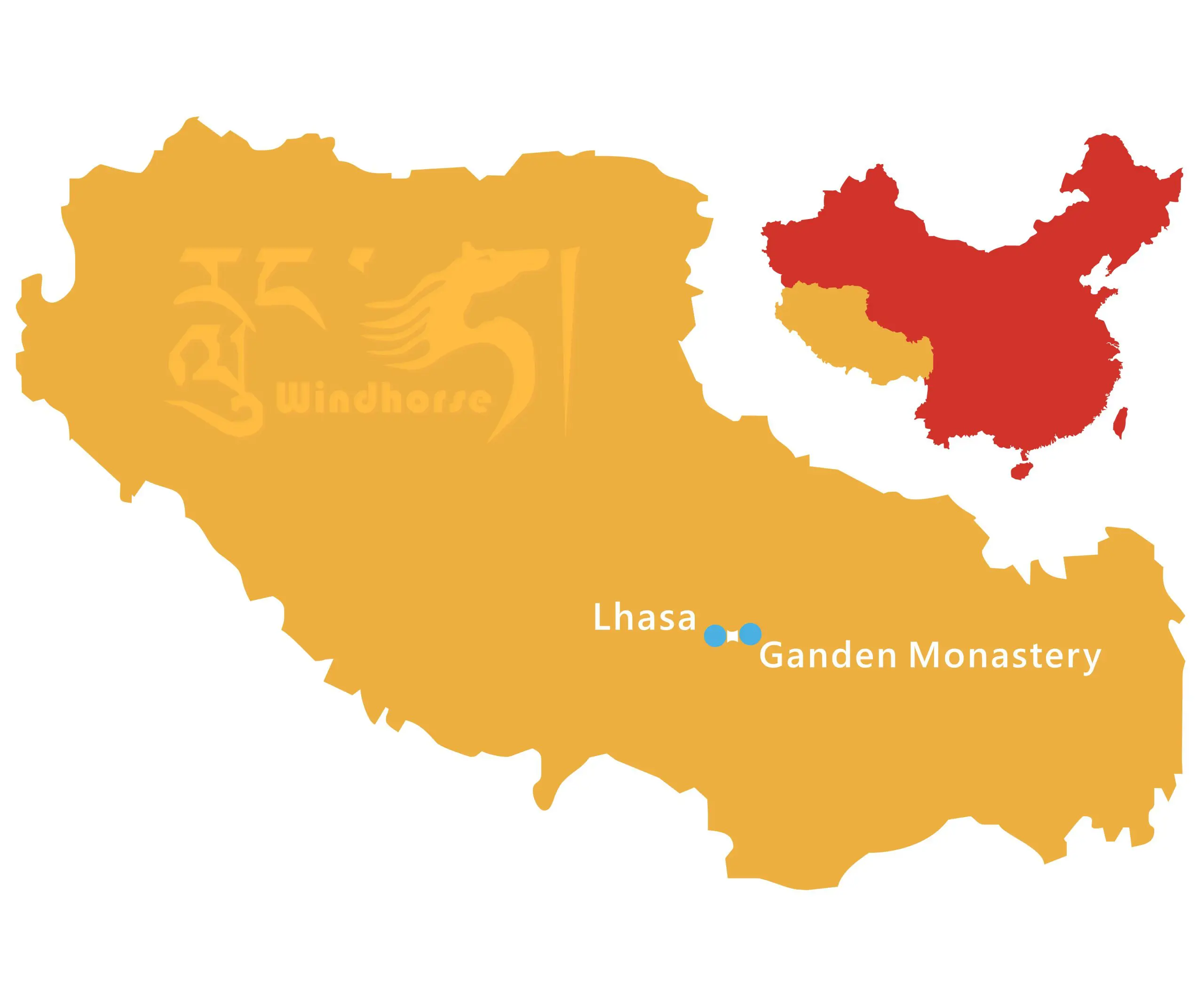
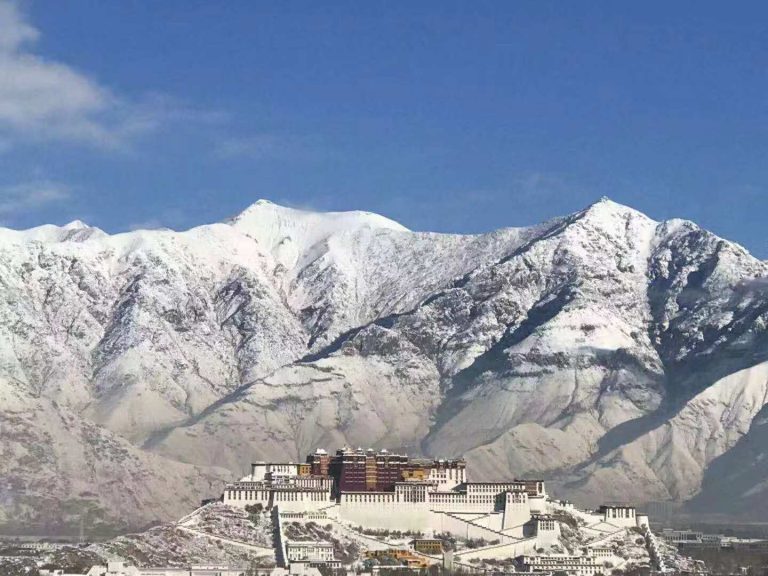
Discover Tibet’s spiritual and cultural heart on this 5 day Lhasa Ganden Monastery Tour. Explore Potala Palace, Jokhang Temple, Drepung, and Sera Monasteries, then travel to Ganden Monastery for panoramic views of Kyichu Valley and a scenic hike on the monastery hill.