
Where is Central Tibet? Discover the Cultural Heart of Tibet
When people think of Tibet, they often picture golden-roofed monasteries, towering Himalayan peaks, and a deep spiritual atmosphere. To truly understand this land, you need to go to its very center: Central Tibet.
More than a spot on the map, Central Tibet is the cultural, historical, and spiritual heart of the plateau. It’s where Tibet’s first kings ruled in the Yarlung Valley, where Buddhism first spread, and where iconic landmarks like the Potala Palace, Jokhang Temple, and Tashilhunpo Monastery still stand.
For travelers, Central Tibet offers the best window into Tibetan history and living culture. From the bustling streets of Lhasa to the valleys of Tsedang, from Gyantse’s fortress to Shigatse’s monasteries, this region captures the soul of Tibet and is the perfect starting point for any journey across the Roof of the World.
Table of Contents
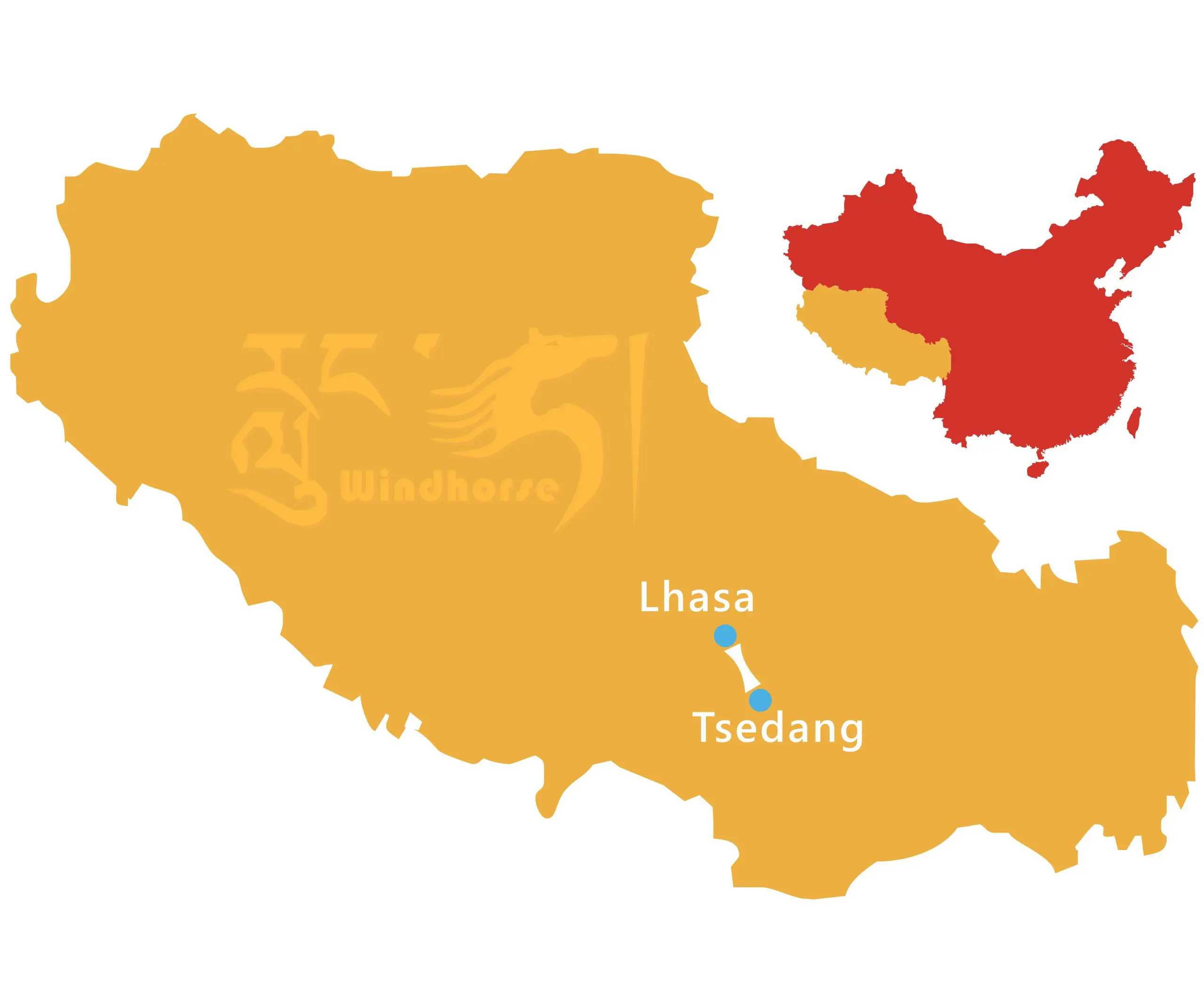
Central Tibet Location
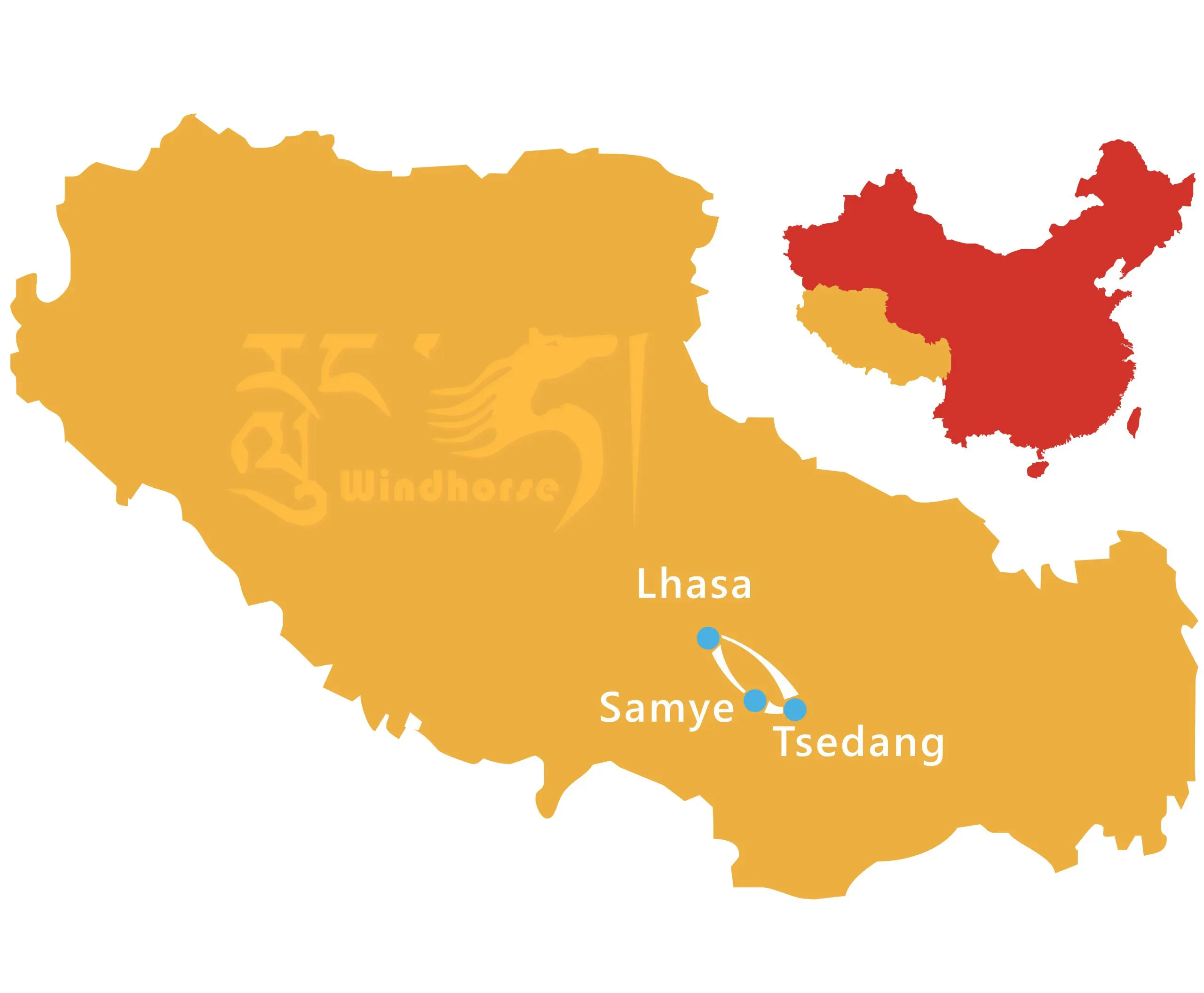
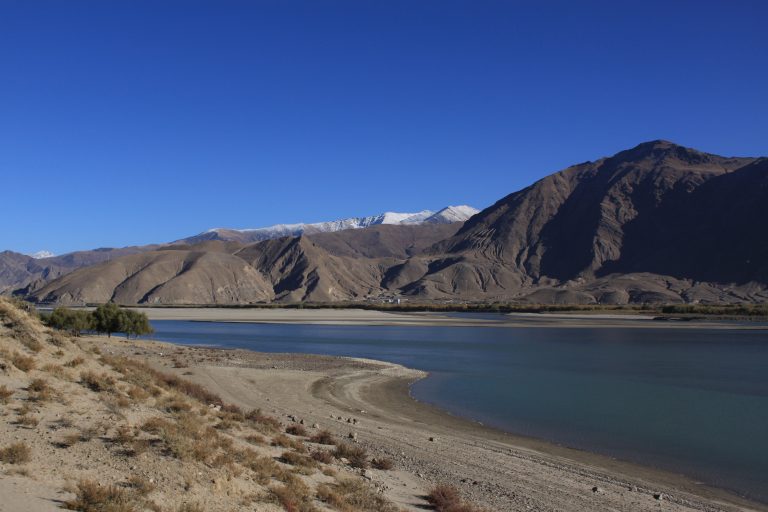
Central Tibet lies right in the middle of the Tibetan Plateau, between the Himalayas to the south and the Nyenchen Tanglha mountains to the north. The region follows the fertile valleys of the Kyi Chu, also called the Lhasa River, and the Yarlung Tsangpo, known as the Brahmaputra River.
The area sits at an average elevation of 3,600 to 4,000 meters, or 11,800 to 13,100 feet, and is the most accessible part of Tibet, starting from its capital, Lhasa.
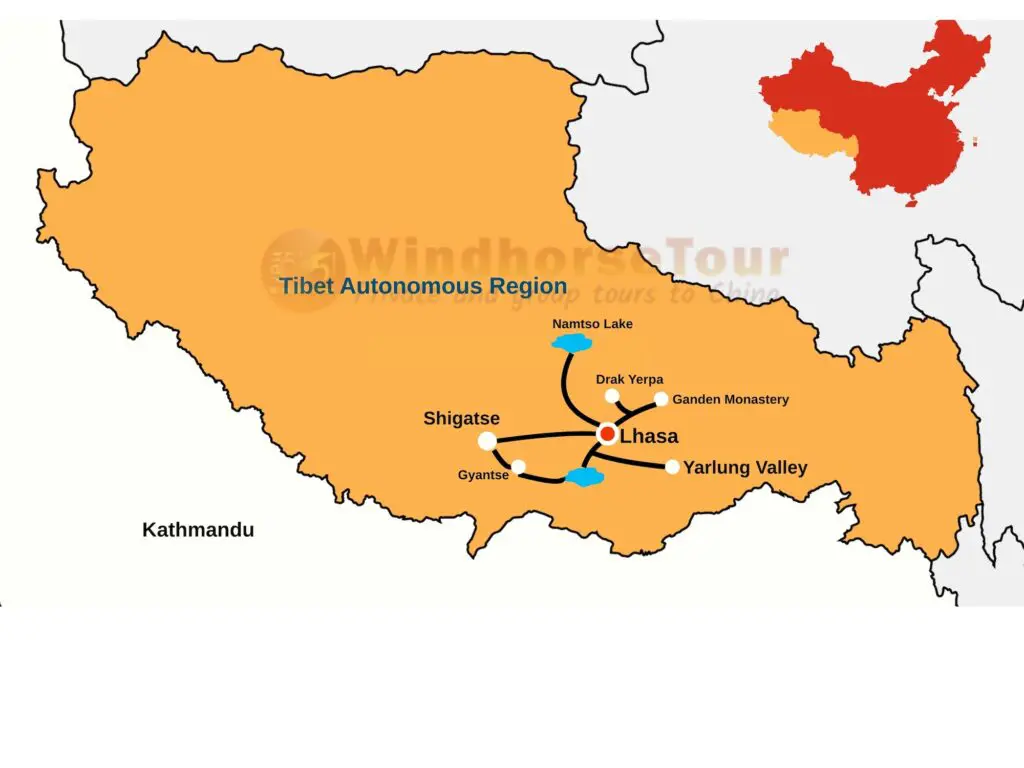
Central Tibet usually refers to four key places:
Lhasa (3,650 m): The capital and culture center of Tibet.
Shigatse (3,840 m): Tibet’s second-largest city and home to Tashilhunpo Monastery, seat of the Panchen Lama.
Gyantse (3,980 m): A historic town with the famous Kumbum Stupa, Pelkor Monastery, and Gyantse Dzong fortress.
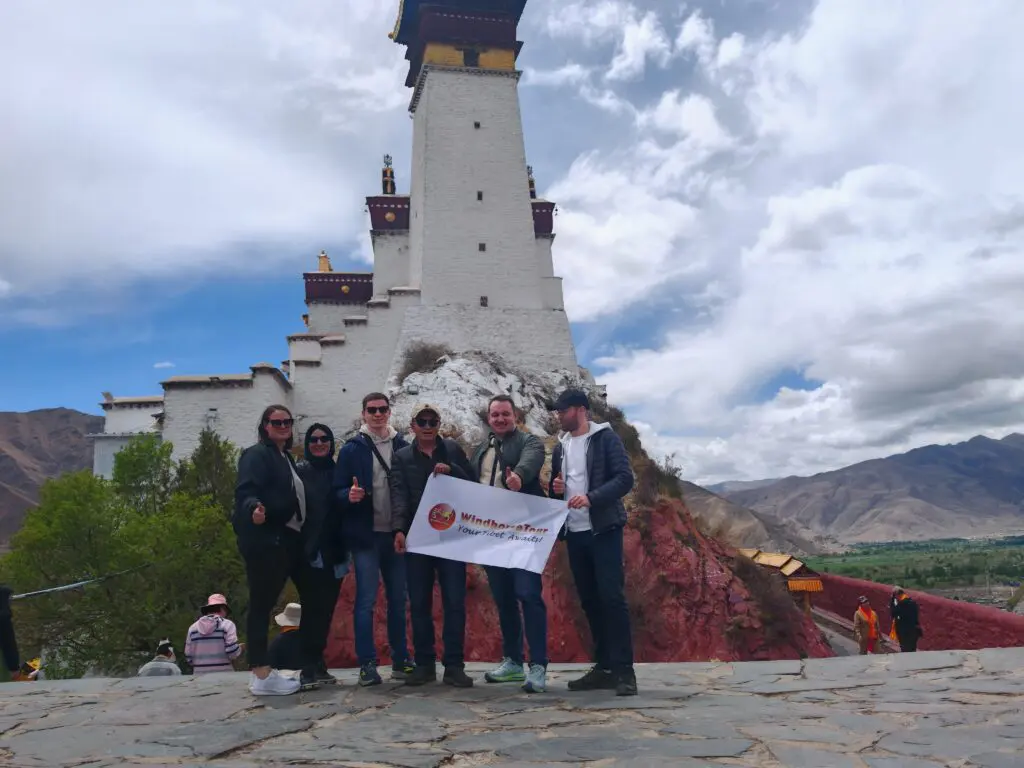
Yarlung Valley or Tsedang (3,100–3,500 m): Known as the cradle of Tibetan civilization, with Yumbulakang Palace, Trandruk Monastery, and the tombs of the first kings.

Why Central Tibet is the Cultural Heart of Tibet
Central Tibet is where Tibetan civilization first began and where its traditions are still part of everyday life. This is the land where history, spirituality, and culture come together in ways that make it the true heart of Tibet.
The Cradle of Tibetan Civilization
More than 2,000 years ago, Tibet’s first kings ruled from the Yarlung Valley, often called the birthplace of Tibetan culture. Here you can still visit Yumbulakang Palace, believed to be Tibet’s first palace, and Trandruk Monastery, one of its oldest temples. These sites tell the story of Tibet’s earliest rulers, long before Buddhism spread across the plateau.
The Birthplace of Tibetan Buddhism
Buddhism, which has shaped Tibetan identity for centuries, first took root in Central Tibet.
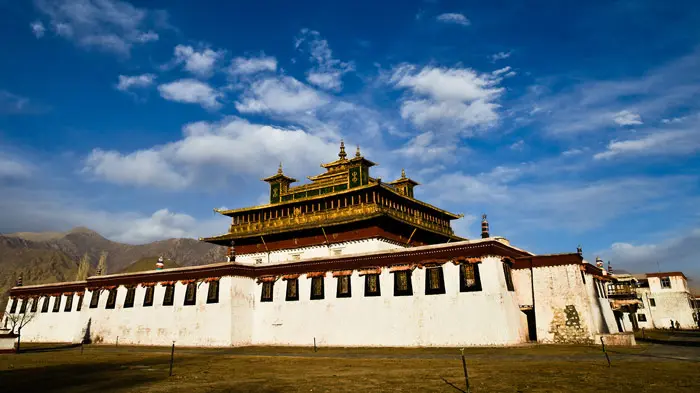
- Samye Monastery in Yarlung Valley: Built in the 8th century, it was the very first Buddhist monastery in Tibet.
- Jokhang Temple in Lhasa: The holiest temple in Tibet and the main pilgrimage destination for Tibetans from all over the plateau.
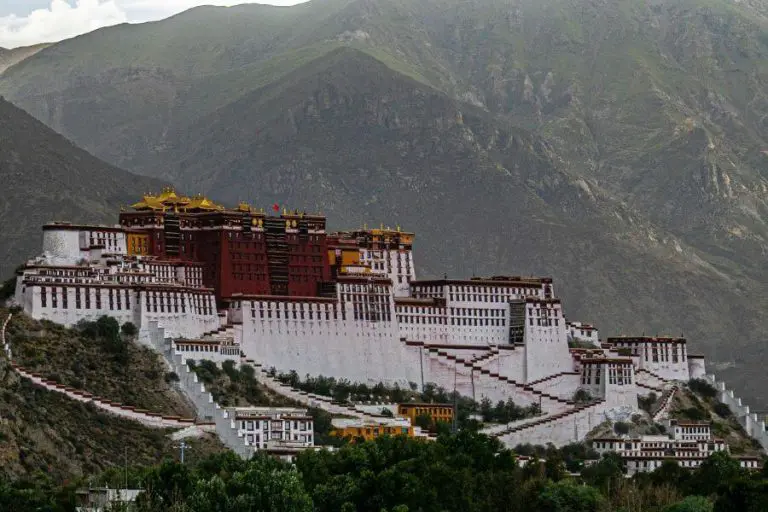
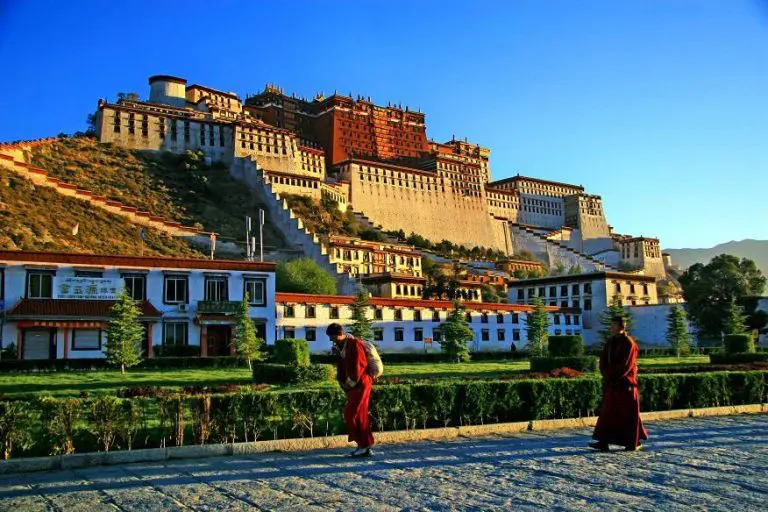
- Potala Palace in Lhasa:The former residence of the Dalai Lamas and Tibet’s most iconic landmark.
- Drepung, Sera, and Ganden Monasteries: Three great Gelupa monasteries in Lhasa area, once some of the largest and major learning centers in the Buddhist world.
- Tashilhunpo Monastery in Shigatse: The traditional seat of the Panchen Lama.
Living Culture
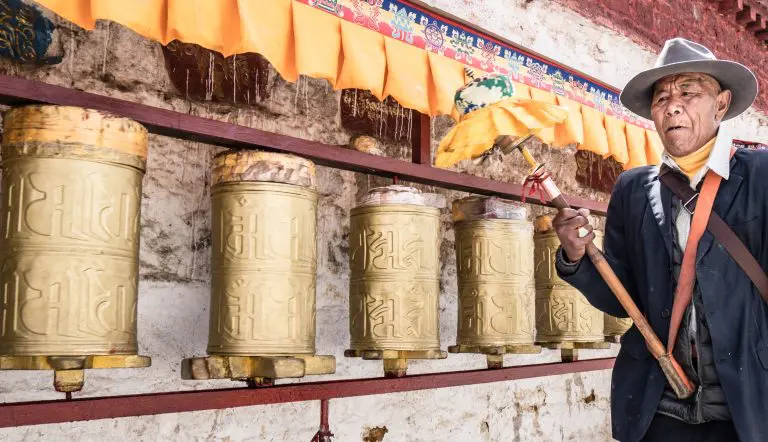
What makes Central Tibet so special is that its traditions are still alive today. Pilgrims walk the Barkhor kora around Jokhang Temple, spinning prayer wheels as they go. Monks debate Buddhist philosophy in the courtyards of Sera Monastery, clapping their hands as part of the discussion. Festivals like Losar (Tibetan New Year) and Saga Dawa (celebrating Buddha’s birth, enlightenment, and death) fill the streets with music, incense, and color. From sacred monasteries to lively markets, Central Tibet is where you can truly experience the living culture of Tibet.
What to Expect on a Central Tibet Tour
Traveling through Central Tibet is less about checking off sights and more about feeling the rhythm of Tibetan culture and life. You might:
- Visit the landmark Potala Palace in Lhasa, Tibet’s most iconic symbol.
- Join pilgrims circumambulating the sacred Jokhang Temple in Lhasa’s old town.
- Watch lively monk debates at Sera Monastery, a unique Tibetan tradition.
- Take a day excursion from Lhasa to Ganden Monastery or Drak Yerpa caves for stunning views and deep spiritual experiences.
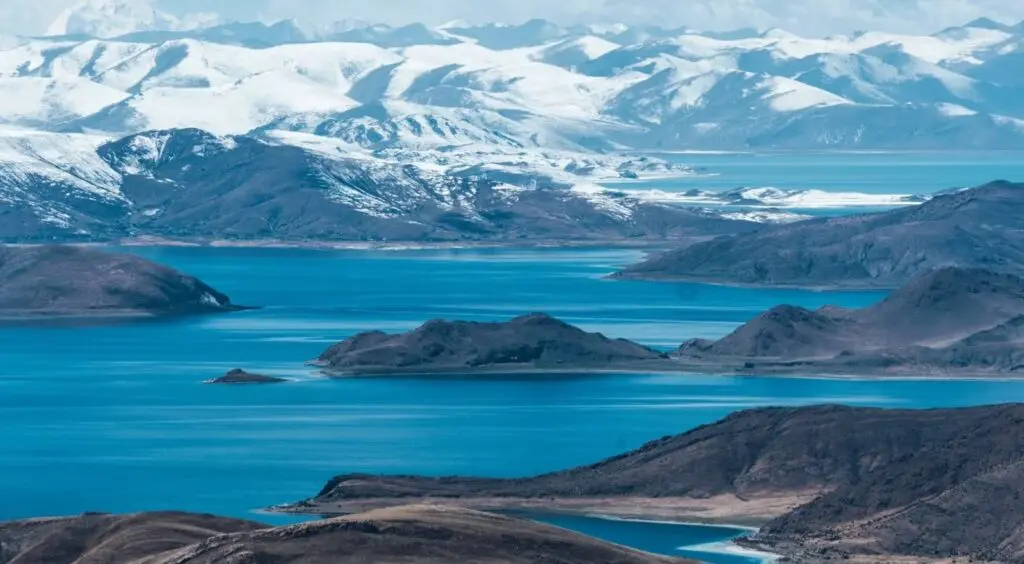
- Stop at Yamdrok Lake and the Karola Glacier on the way to Gyantse for unforgettable plateau views.
- Wander through Gyantse’s old town and explore the impressive Gyantse Kumbum Stupa at Pelkor Monastery.
- Discover Tashilhunpo Monastery in Shigatse and experience its bustling local markets.
- Trace Tibet’s early history in the Yarlung Valley, visiting Samye Monastery, Yumbulakang Palace, and hiking to the Chimpu meditation caves.
Most itineraries last 5 to 7 days and cover Lhasa with Shigatse or the Yarlung Valley. If you have 8-10 days, you can explore all four places and even add scenic extensions like Namtso Lake. With more time, you can continue overland to Everest Base Camp or Kathmandu.
Best Time to Visit Central Tibet
The best time to visit Central Tibet is from April to October, when the weather is mild and perfect for sightseeing.
Spring, from April to June, brings fresh green landscapes and blooming flowers across the areas.
Summer, in July and August, offers warmest days but raining season and the chance to experience colorful Tibetan festivals like Gyantse horse racing festival and Shoton festival in Lhasa, though it can be busier with visitors.
Autumn, from September to October, is often considered the most beautiful season, with cooler air and some of the clearest views of the surrounding mountains.
Winter, from November to March, is the coldest time of year in Central Tibet, but it brings its own rewards. With fewer tourists around, travel costs are lower, and the atmosphere feels more authentic and peaceful. This is also the season when many nomadic pilgrims journey from distant regions such as Nagqu, Ngari, and even Tibetan areas of Sichuan and Qinghai to worship in Central Tibet. Meeting these pilgrims and witnessing their devotion offers a rare cultural insight that you won’t find in the busier summer months.
Plan your Tibet culture trip with our Central Tibet tours.
Conclusion
So, where is Central Tibet?
It is the very heart of the Tibetan Plateau, centered on Lhasa, Shigatse, Gyantse, and the Yarlung Valley. This is where Tibetan kings ruled, where Buddhism first spread, and where you will find Tibet’s most famous monasteries, palaces, and spiritual traditions.
For travelers, exploring Central Tibet is the best way to understand both the history and the living culture of Tibet. Whether you are walking the Barkhor kora in Lhasa, visiting the cradle of Tibetan civilization in the Yarlung Valley, or visiting a carpet workshop in Gyantse old town, this region takes you straight to the soul of the Roof of the World.
Related tours
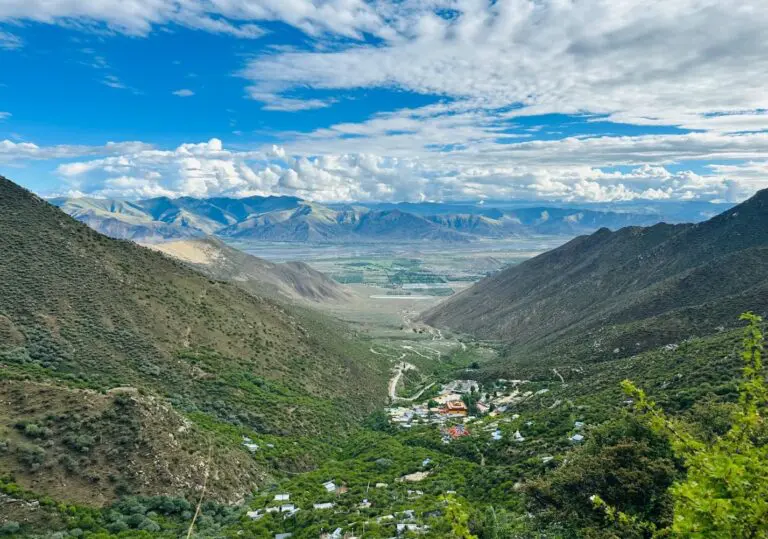

This 6-day Tibetan cultural heritage tour takes you from Lhasa to the historic Yarlung Valley. Visit Tibet’s first palace and monastery, explore sacred Buddhist sites, and enjoy a scenic hike to the meditation caves at Chim-puk Hermitage near Samye.
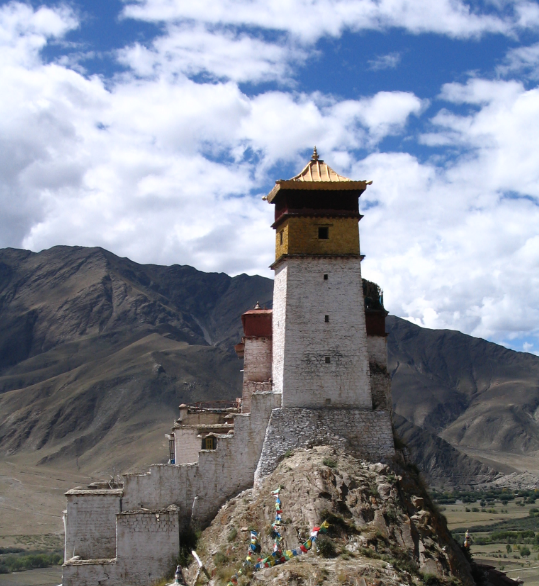
This 5-day Lhasa Samye Tour begins in Tsedang, the cradle of Tibetan civilization. Explore Yumbulakang Palace and Samye Monastery in the Yarlung Valley before traveling to Lhasa to visit the Potala Palace, Jokhang Temple, and the great monasteries of Drepung and Sera.
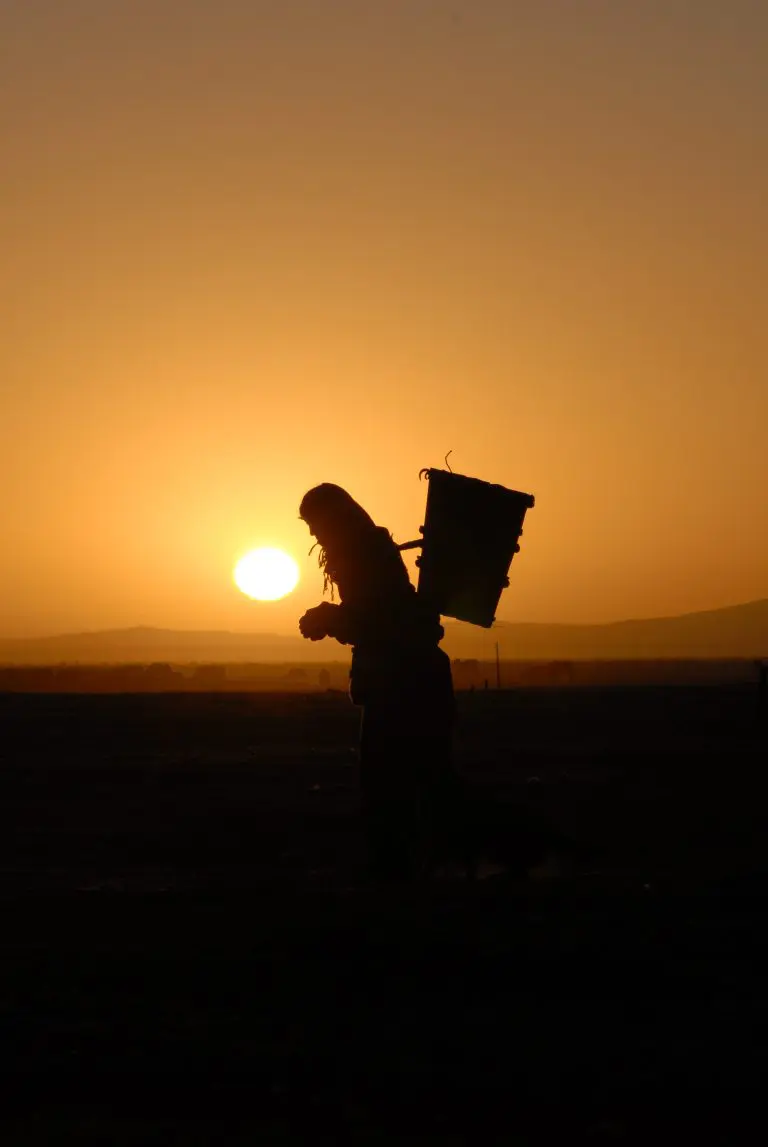
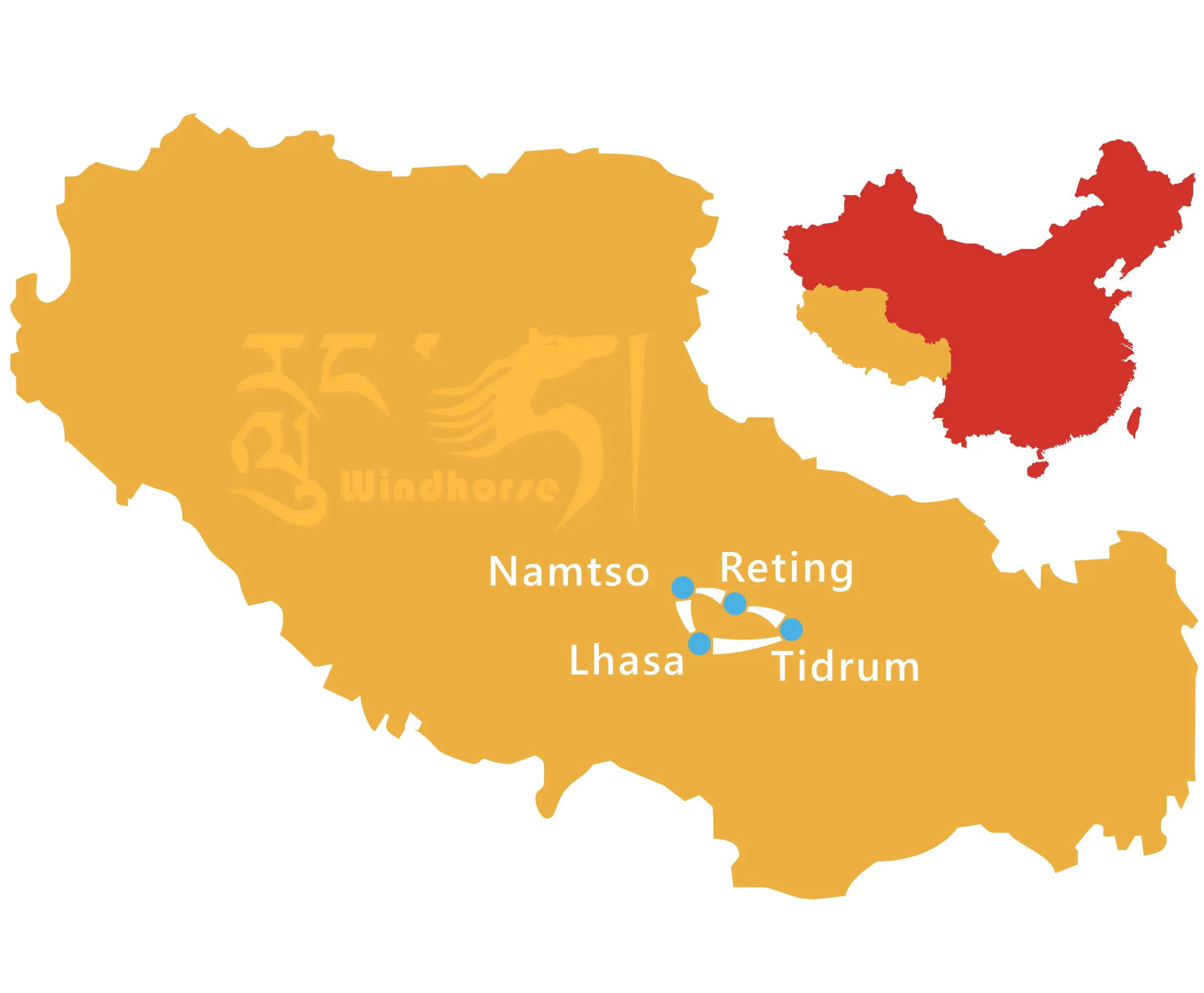
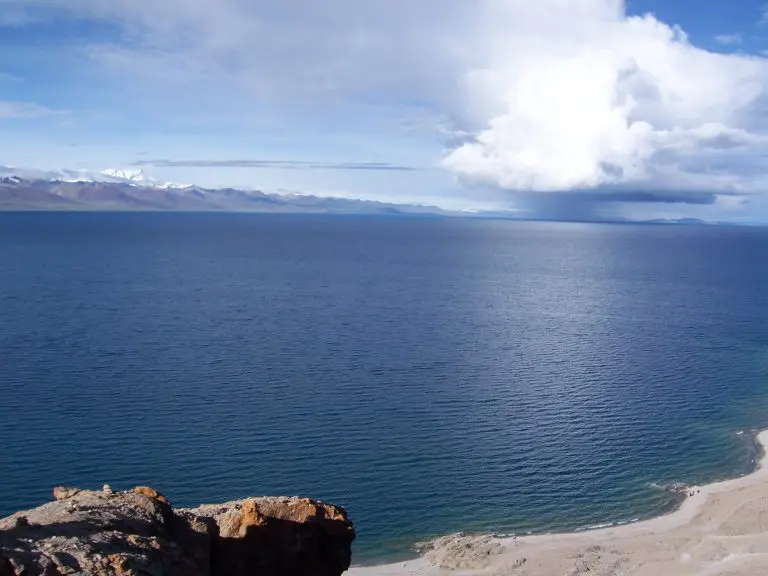
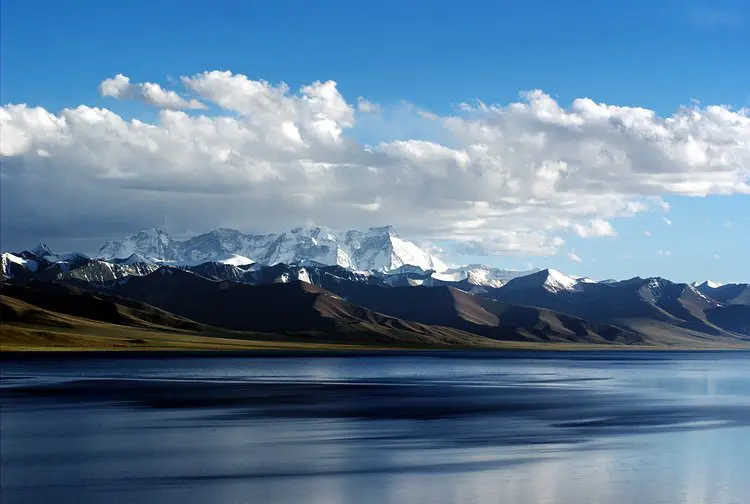

Discover Tibet’s spiritual and rural heart on this 8-day journey from Lhasa. Travel beyond the capital to visit ancient monasteries, soak in Tidrum Hot Springs, meet nomads on the Central Plateau, and admire the turquoise Namtso Lake amid vast highland scenery.