
Qingkou Hani Ethnic Village
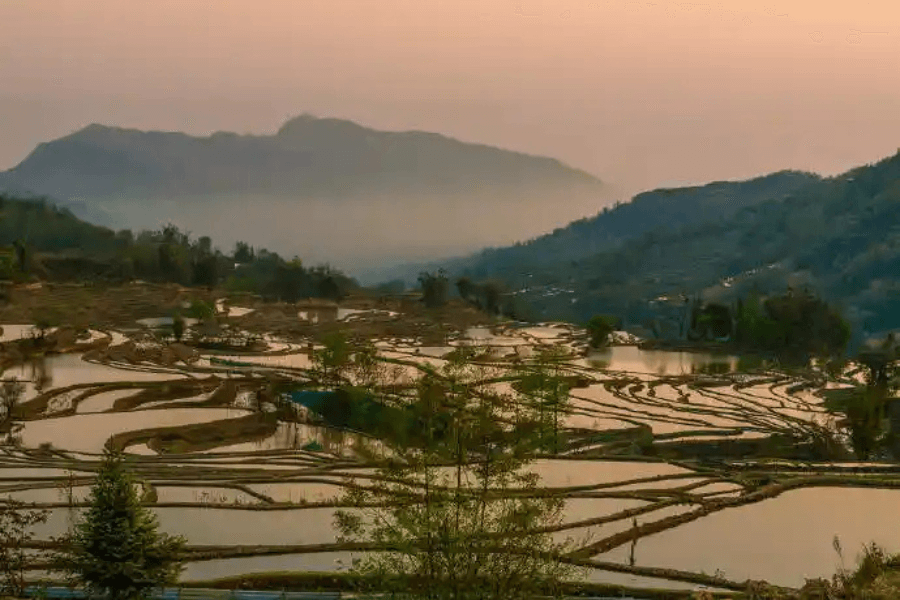
Qingkou Hani Ethnic Village is a culturally rich village located in Yuanyang County, Yunnan Province,close to the Vietnam border. It is home to the Hani people, an ethnic group known for their deep connection to nature and agricultural traditions. The village is nestled within the famed Yuanyang Rice Terrace.
Culturally, the village serves as a living museum, preserving the unique customs and traditions of the Hani people. Visitors can experience their traditional way of life, including their distinctive mushroom-shaped houses, colorful clothing, local handicrafts, and vibrant festivals such as the Kuzhazha Festival. The village offers a rare glimpse into the sustainable agricultural practices and enduring cultural heritage of the Hani ethnic group.
Historical and Cultural Significance
It is believed that the Hani people migrated from the Tibetan Plateau to the mountains of Yunnan over 1,000 years ago. In Yuanyang, they built terraced farms that have supported their communities for centuries. Their history is deeply connected to the rice terraces, which are a big part of their culture.
Qingkou Hani Ethnic Village helps protect the Hani language, customs, and way of life.
The village keeps old traditions alive, like its mushroom-shaped houses and colorful clothing.
Festivals, crafts, and farming skills are passed down through families, keeping their culture strong. Yuanyang Rice Terraces and the village are UNESCO World Heritage Sites.
The Hani people’s farming methods and culture are admired worldwide for their historical and environmental value.
Architectural Highlights
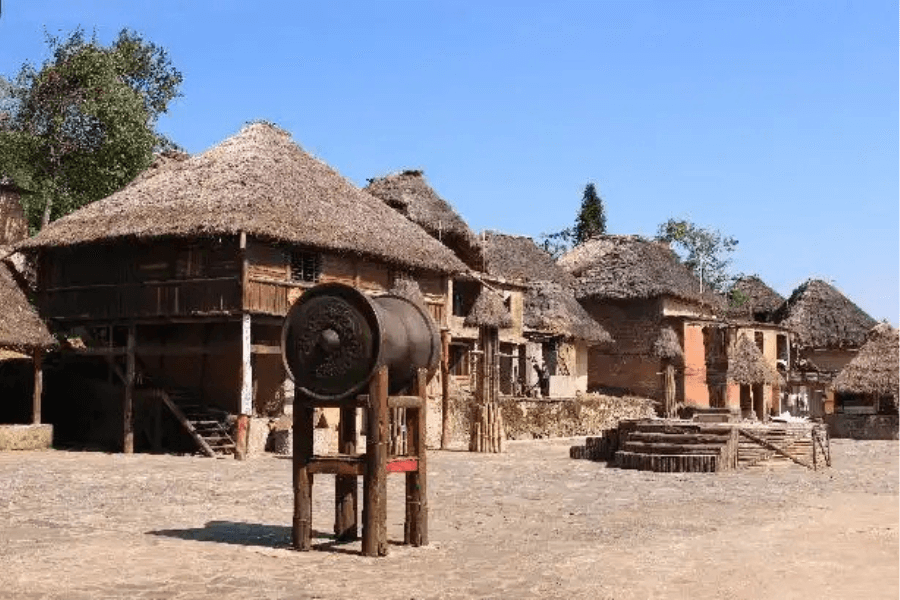
Mushroom-shaped Houses
The village is famous for its unique mushroom-shaped houses, a key feature of Hani architecture. These houses have thick, rounded walls and sloped roofs that look like mushrooms. The design helps keep the houses cool in summer and warm in winter. The houses are made from local materials like mud, bamboo, and wood. Their simple, eco-friendly design fits naturally into the environment. Sloped roofs, made of thatch or tiles, drain water well during the rainy season.
The architecture shows the Hani people’s close connection to the land and their rice terraces.
Houses are built on mountain slopes, blending with the natural terrain and terraced fields.
This harmony reflects the Hani people’s respect for nature and their sustainable way of life.
Daily Life and Traditions
Agricultural Lifestyle
Agriculture is the heart of life in Qingkou village, with terraced rice farming as the main source of livelihood. The villagers rely on the rice terraces, carefully designed and maintained by their ancestors over centuries. These terraces are a perfect example of sustainable farming, balancing the needs of the community with the natural environment. Every season follows the rhythm of planting, tending, and harvesting rice, shaping not only the daily work but also the social and cultural life of the village. This shared connection to the land and its cycles brings the community together, creating a strong bond through teamwork and tradition.
Traditional Crafts and Clothing
The Hani people are highly skilled and known for making beautiful handicrafts like bamboo weaving, embroidery, and metalwork. Their traditional clothing is colorful and detailed, with dark indigo fabrics decorated with bright patterns and silver ornaments. These vibrant outfits are especially worn during festivals and special events, showcasing their rich culture. Women often create these clothes by hand, using natural dyes and fabrics, keeping alive the techniques passed down through generations. This dedication to their craft not only preserves their traditions but also reflects the deep cultural pride of the Hani community.
Customs and Festivals
Major Hani festivals, such as the Kuzhazha Festival, are integral to the village’s cultural life, celebrating the end of the farming season with rituals, feasts, and traditional music. Festivals are filled with vibrant ceremonies that include dances, songs, and symbolic offerings to deities, reflecting the Hani people’s gratitude for the harvest and respect for nature. These events strengthen community bonds and give visitors a chance to experience the unique cultural expressions of the Hani people, showcasing their deep-rooted traditions.
The Yuanyang Rice Terraces
Connection to the Terraces
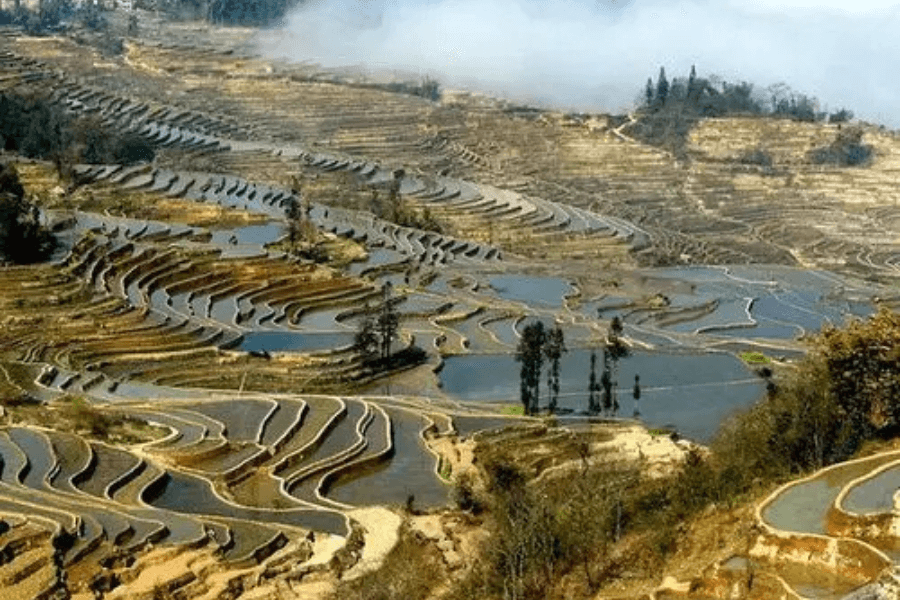
The Yuanyang Rice Terraces are an incredible achievement, shaped by the Hani people over 1,300 years. Qingkou Hani Ethnic Village is closely tied to these terraces, as they provide both food and a strong sense of cultural identity. The terraces are more than just a source of rice—they represent the Hani people’s deep connection to nature and their ability to live and prosper in the difficult mountain landscape. This harmony between the land and the people is a powerful symbol of their resilience and traditional way of life.
Irrigation Systems
The Hani people have created an advanced and sustainable irrigation system that channels water from mountain springs and forests into the rice terraces. This complex network ensures that every terrace gets enough water throughout the year, supporting rice cultivation. It reflects the Hani’s deep knowledge of their environment and their ability to balance productivity with water conservation. This system is not only vital for farming but also highlights their skill in working harmoniously with nature.
Best Times to Visit the Terraces
The most stunning times to visit the Yuanyang Rice Terraces are during December to March, when the fields are filled with water, creating a mirror-like effect that reflects the sky.
From April to September, the terraces are lush and green, with rice growing at different stages, offering a vibrant and scenic landscape.
Harvest season in late September to October showcases the golden hues of ripe rice, offering another picturesque view of the terraces.
Ecotourism and Cultural Tourism
Village Tours:
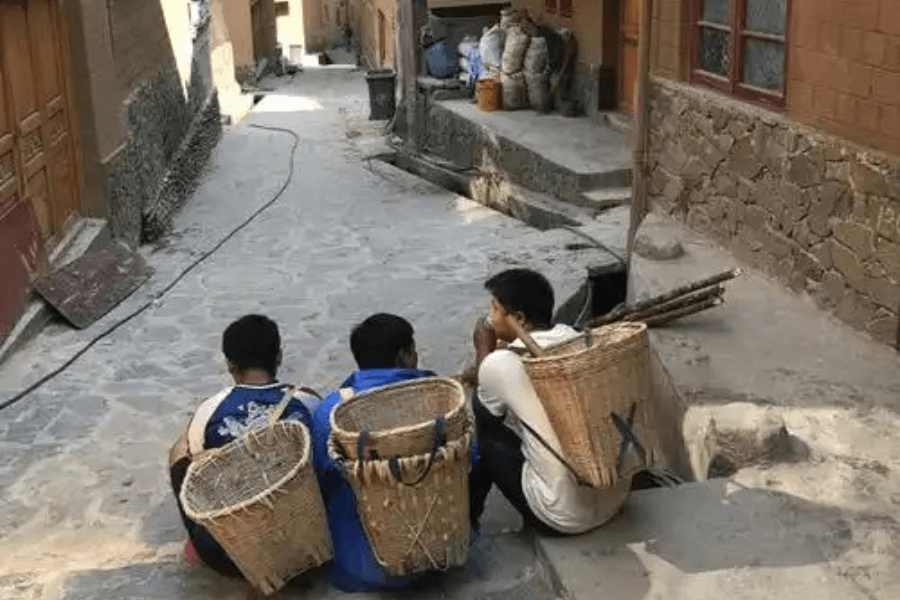
Visitors to Qingkou Hani Ethnic Village can enjoy guided tours that showcase its rich cultural and agricultural heritage. These tours often include exploring the breathtaking Yuanyang Rice Terraces, unique mushroom-shaped houses, and bustling local markets, offering a glimpse into daily life. Tourists can also take part in cultural activities like traditional dances, craft demonstrations, and even seasonal tasks such as planting or harvesting rice. Meeting local families adds a personal connection, giving visitors a chance to learn about Hani traditions, customs, and their sustainable way of living.
Homestays:
A key highlight of visiting Jingkou is the option to stay with local Hani families through homestay programs. These homestays give visitors a unique opportunity to live like the locals, experiencing Hani hospitality, traditional home-cooked meals, and the rhythms of rural life. Staying with a local family allows for deeper cultural exchange, where visitors can observe and participate in daily activities such as cooking, farming, and community gatherings.
Sustainability Efforts:
Qingkou Hani Ethnic Village promotes sustainable tourism by preserving its cultural heritage and protecting the surrounding environment. The village encourages responsible tourism practices, including limiting visitor impact on the rice terraces and promoting eco-friendly accommodations. Efforts are made to balance tourism with the preservation of traditional Hani customs and the natural landscape, ensuring that both the cultural and environmental aspects of the village are respected and maintained for future generations.
Useful Information
How to Get There:
- Qingkou Hani Ethnic Village is located in Yuanyang County, Yunnan Province, and is accessible from major cities such as Kunming.
- From Kunming, visitors can take a bus or hire a private car for a scenic 6-7 hour journey to Yuanyang. Regular buses are available from Kunming’s South Bus Station, heading to Xinjie Town, the gateway to the rice terraces and surrounding villages.
- Once in Yuanyang, visitors can use local transportation, such as taxis or minivans, to reach the village. Some organized tours also include transportation directly to the village from Kunming or other nearby tourist spots.
Best Time to Visit:
- The best time to visit Jingkou Hani Ethnic Village depends on what you want to experience with the Yuanyang Rice Terraces.
- December to March: During this period, the terraces are filled with water, creating stunning reflections of the sky. It’s ideal for photographers looking to capture the terraces’ beauty in a mirror-like effect.
- April to September: The terraces turn a lush green as the rice grows, offering a vibrant and lively landscape. This is a great time to witness the daily agricultural activities of the villagers.
- September to October: Harvest season brings golden hues to the terraces as the rice ripens, offering another picturesque view and a chance to observe traditional harvesting practices.
- While each season offers a unique experience, many visitors prefer the winter months for the water-filled terraces’ reflective beauty.
Accommodations:
- The Yuanyang area offers a range of accommodations, from simple guesthouses to more comfortable hotels.
- Guesthouses: Many villages, including Jingkou, have traditional guesthouses that provide a more authentic and rustic experience. These guesthouses are often run by local families, giving visitors a chance to engage closely with the Hani people and their culture.
- Hotels: In nearby Xinjie Town, visitors will find a selection of small hotels offering basic amenities and comfortable stays. These are convenient for travelers who prefer more facilities but still want to explore the surrounding villages and terraces.
- For those seeking a more immersive experience, homestays with local Hani families are highly recommended. These allow visitors to experience the daily life of the Hani people and enjoy traditional home-cooked meals.
Final Words
Qingkou Hani Ethnic Village offers a unique cultural experience, set against the stunning backdrop of the Yuanyang Rice Terraces. Known for its traditional mushroom-shaped houses and sustainable farming practices, the village showcases the rich heritage of the Hani people. Visitors can immerse themselves in the local culture, enjoy warm hospitality, and explore the beautiful landscapes, making Qingkou a must-visit destination for an authentic glimpse of rural China.
Related tours


This 6-day Lhasa Drigung Til Monastery Tour explores Lhasa’s off-the-beaten-path gems. Discover Potala Palace and Jokhang Temple, hike around Tidrum Nunnery, soak in its natural hot spring, and visit Drigung Til Monastery for authentic Tibetan spirituality.
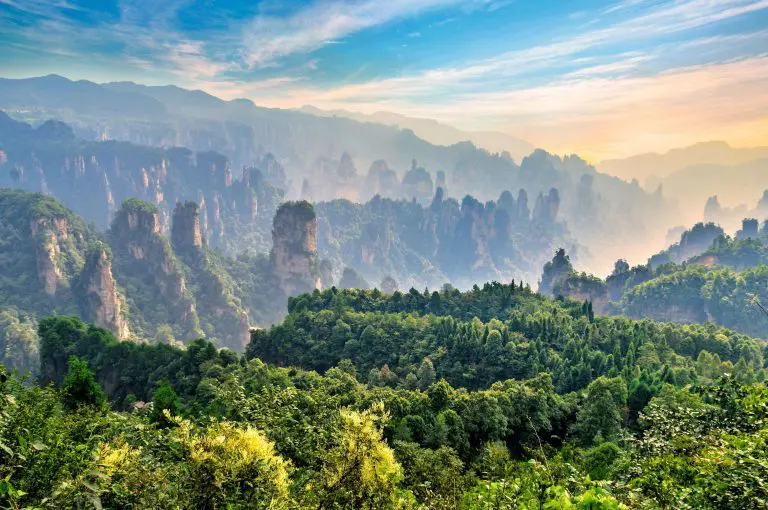
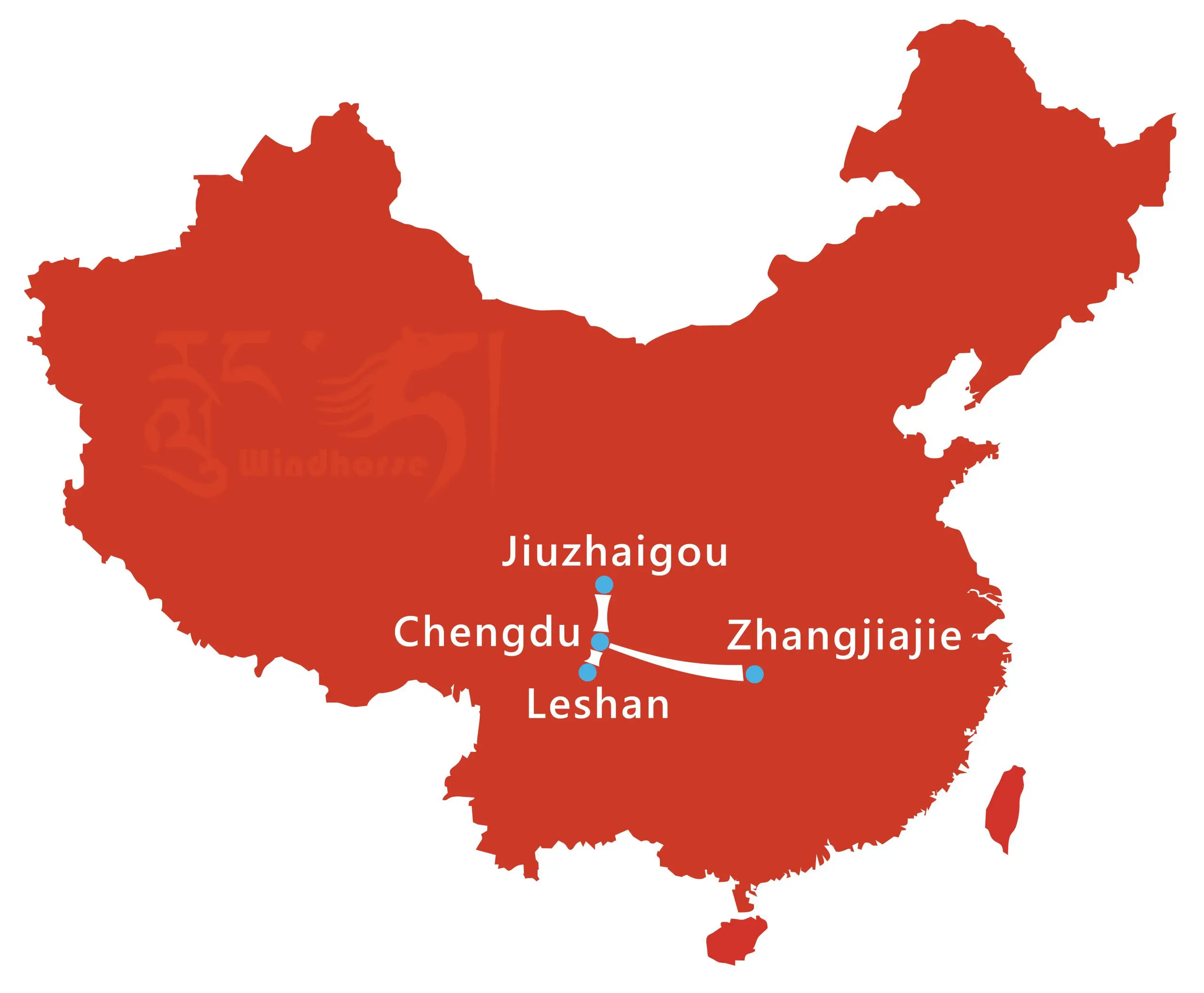


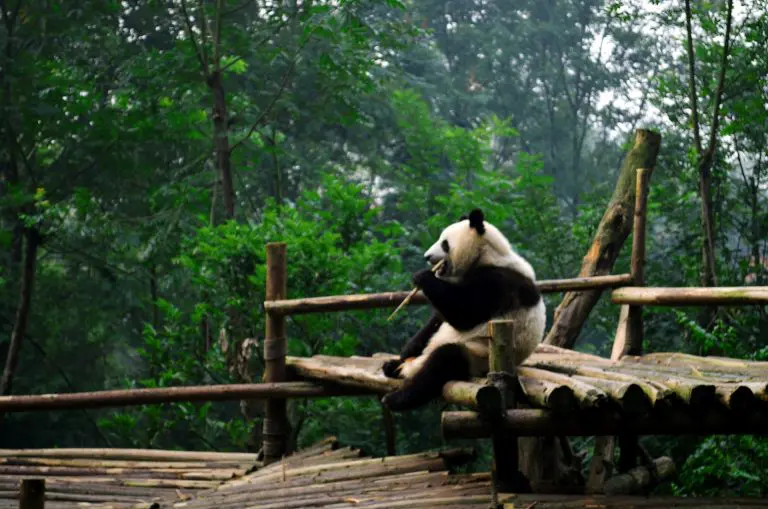
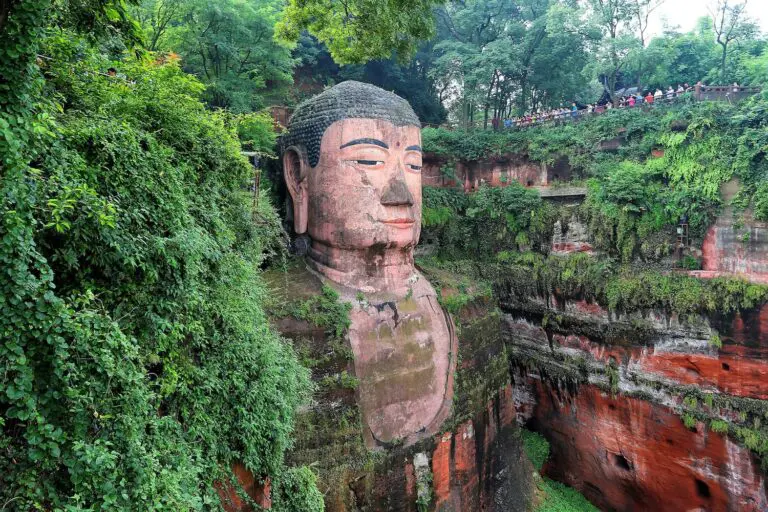
Experience China’s most breathtaking landscapes on this 8 Day Jiuzhaigou and Zhangjiajie Tour. Visit Chengdu’s pandas and Leshan Giant Buddha, explore Jiuzhaigou’s turquoise lakes and Huanglong’s colorful terraces, and marvel at Zhangjiajie’s sandstone pillars and glass bridge.

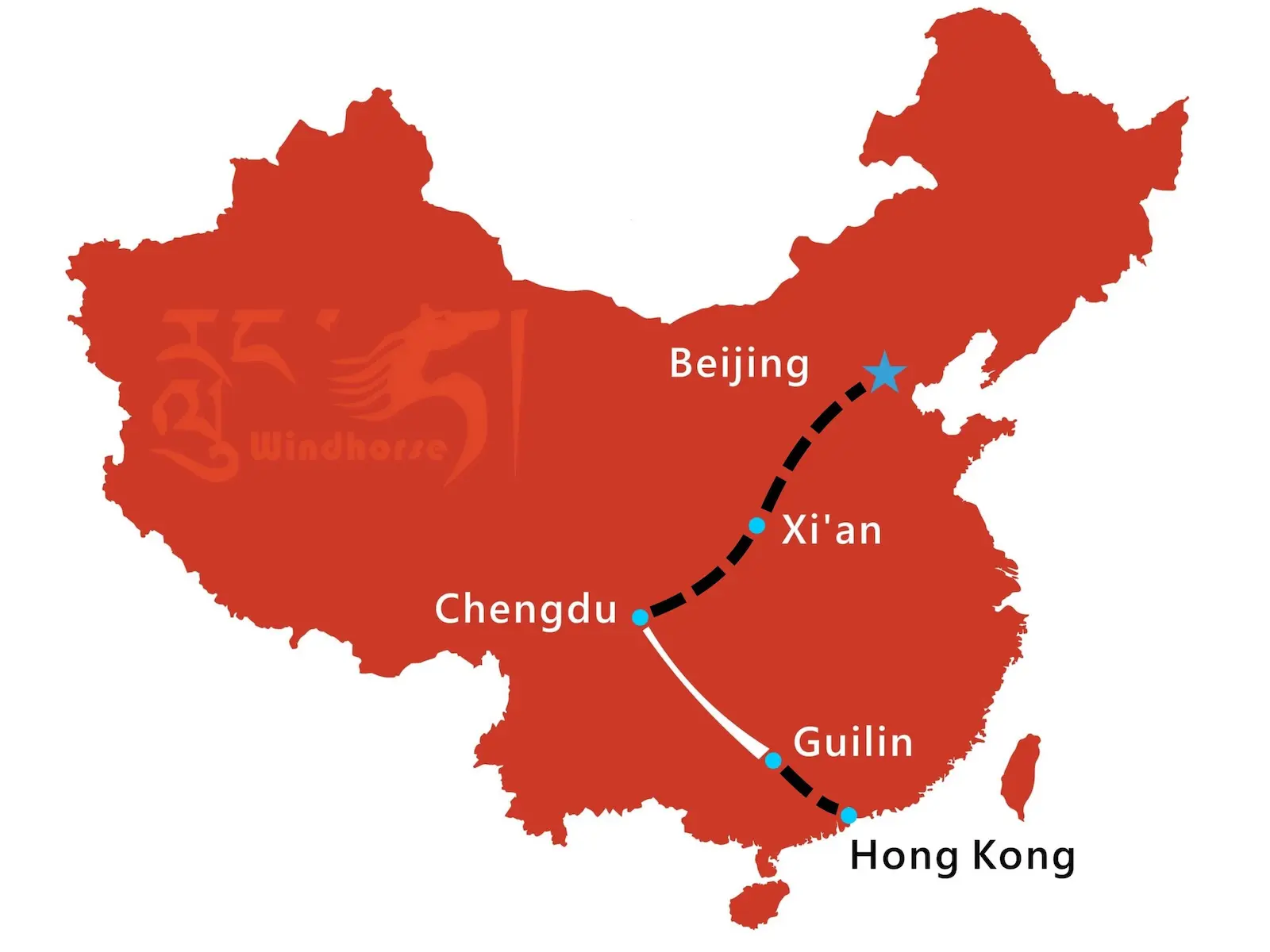
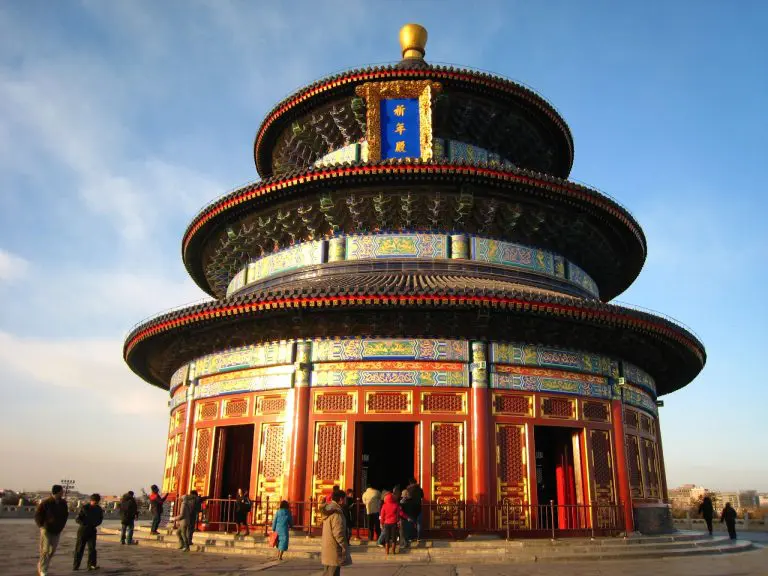
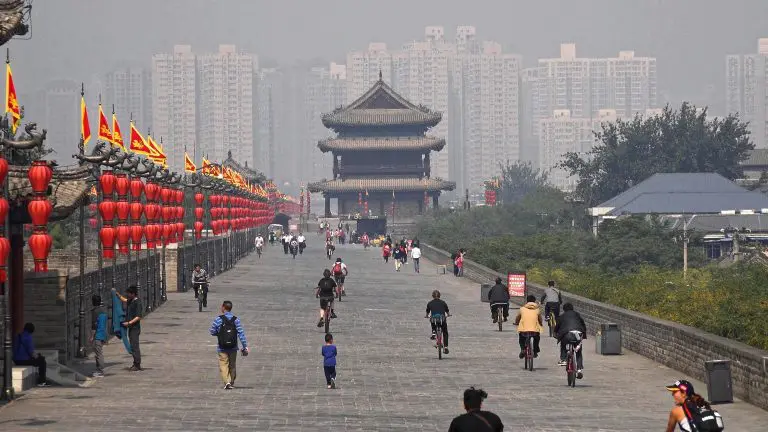

Experience China’s cultural and scenic highlights on this 13-day Essence of China tour from Beijing to Hong Kong. Explore the Great Wall, Terracotta Warriors, Chengdu pandas, Li River landscapes, and finish in vibrant Hong Kong for the perfect mix of history, nature, and modern city life.

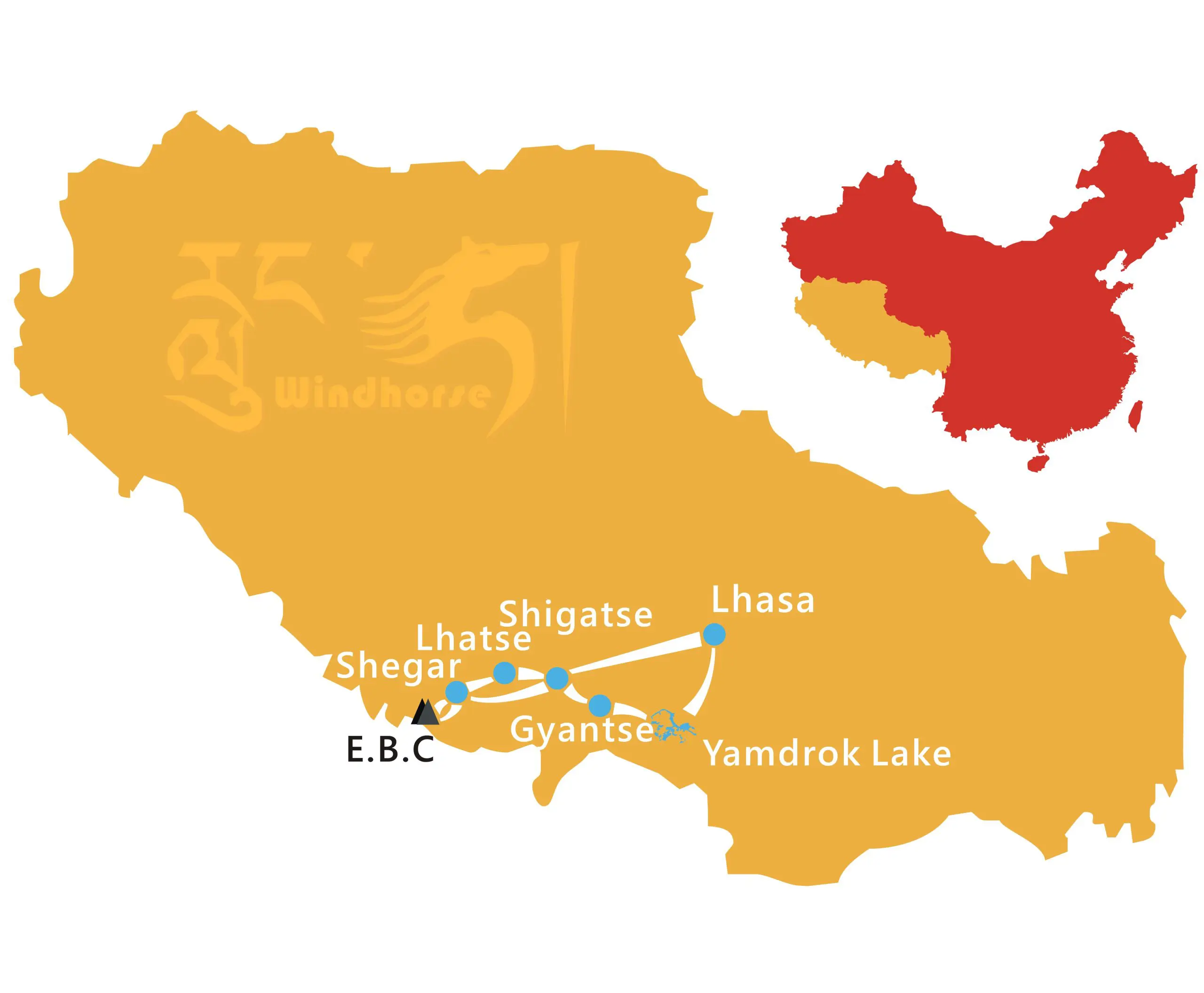




Join a 7-day Lhasa to Kathmandu group tour along the Friendship Highway. Explore Lhasa’s Potala Palace, Jokhang Temple, and monasteries, admire Yamdrok Lake and Shigatse, stand before the world’s highest peak at Everest Base Camp, and finish your journey at the Nepal border.