
10 Ancient Villages in Yunnan that You Should Visit This Year

China is home to many ancient villages that will take your breath away. But ancient villages in Yunnan province are seems as untouched by time. Yunnan ancient villages offer a rich tapestry of history, culture, and traditional architecture. Because of the geography in the southwestern corner of China, Yunnan Province is a land of breathtaking landscapes, diverse cultures, and a rich tapestry of history. While many travelers flock to its famous destinations like Lijiang, Dali, and Shangri-La, there are hidden gems scattered across the region, an ancient villages that seem to have been forgotten by time. If you visit some of these ancient villages in Yunnan you will have a glimpse into a way of life that has remained unchanged for centuries, where tradition, nature, and community intertwine in perfect harmony. Join us as we explore some most enchanting ancient villages in Yunnan province.
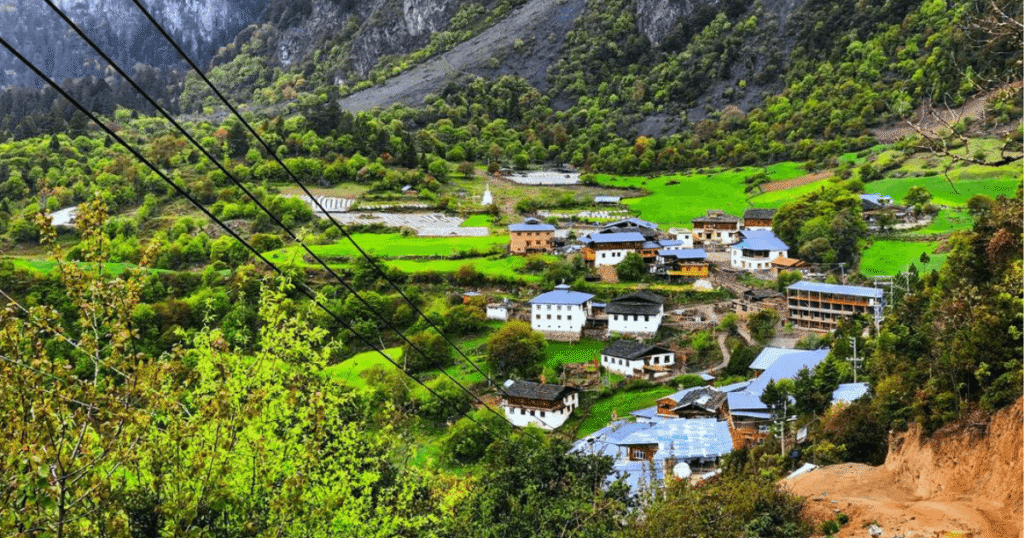
Here are some villages that are worth visiting during your China tour:
1. Tuanshan Village
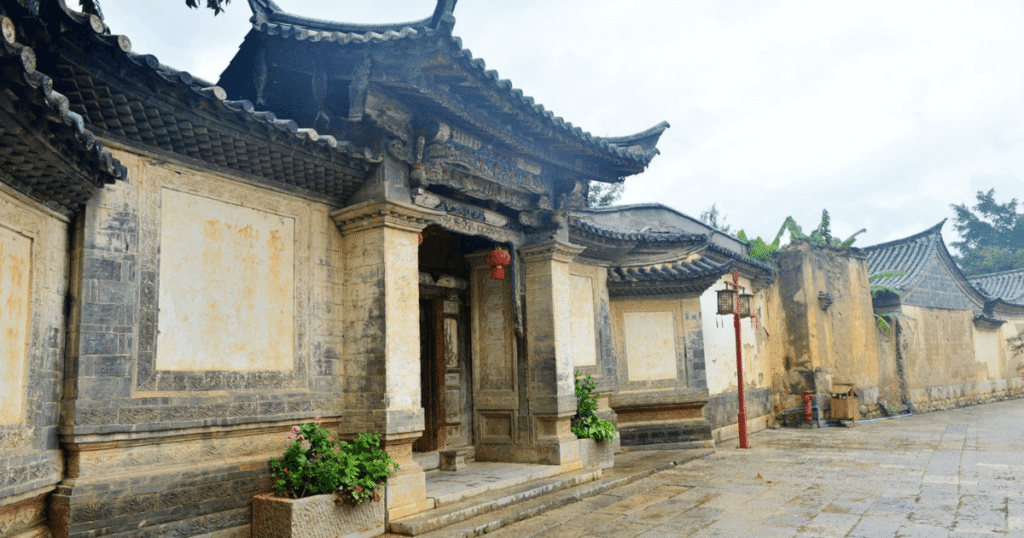
Tuanshan Village is a remarkably preserved Qing Dynasty settlement near Jianshui, where historic courtyard homes and ancestral halls line cobblestone paths. Its serene setting and traditional architecture that are highlighted by the grand Zhang Family Garden and offer a window into Yunnan’s imperial-era rural life.
Here are quick facts about Tuanshan village:
Location: Near Jianshui County, Honghe Prefecture, southern Yunnan Province, China.
Accessibility: Easily accessible by car or bus from Jianshui Old Town (about 13 kilometers away).
Best Time to Visit: Ideal times are March–May and September–November when the weather is pleasant, with fewer tourists.
How to Get There:
From Kunming: Take a high-speed train (approx. 2 hours) or bus (approx. 3-4 hours) from Kunming to Jianshui.
From Jianshui Old Town, take a local taxi, bus, or rent a bicycle for the short ride to Tuanshan Village.Notable for:
Well-preserved Qing Dynasty architecture, particularly Zhang Family Garden, a famous historical and cultural site.
2. Azheke Village
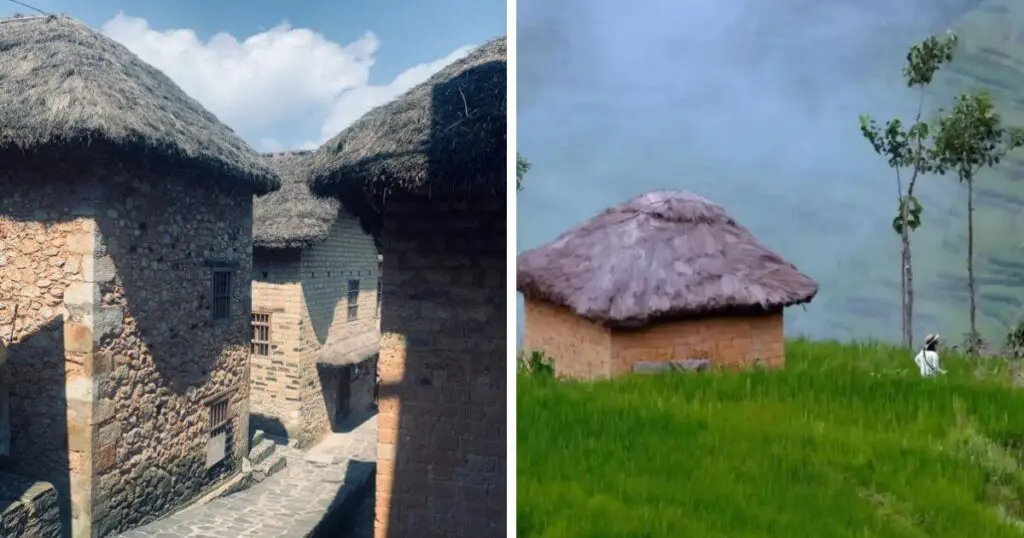
Azheke Village is an ancient village in Yunnan, that is famous for its traditional Hani “mushroom houses” and UNESCO-listed rice terraces, and it offers an immersive glimpse into local culture and breathtaking landscapes.
Quick facts about Azheke village:
Location: Situated within Yuanyang County, Honghe Prefecture, in southeastern Yunnan Province, China.
Accessibility: Moderately accessible; the village is remote, located within mountainous rice terrace areas. The last stretch typically involves narrow mountain roads.
Best Time to Visit: November to April, with January and February offering especially stunning views due to water-filled rice terraces.
How to Get There:
From Kunming: Take a long-distance bus or private car from Kunming to Yuanyang County (Xinjie Town), approximately a 6–7-hour journey.
From Yuanyang (Xinjie): Hire a local car, minivan, or motorcycle taxi for the roughly 1-hour drive to Azheke Village.
Notable for:
Traditional Hani ethnic architecture (“mushroom houses”), terraced rice fields (UNESCO-listed), and authentic local culture.
3. Chengzi Ancient Village
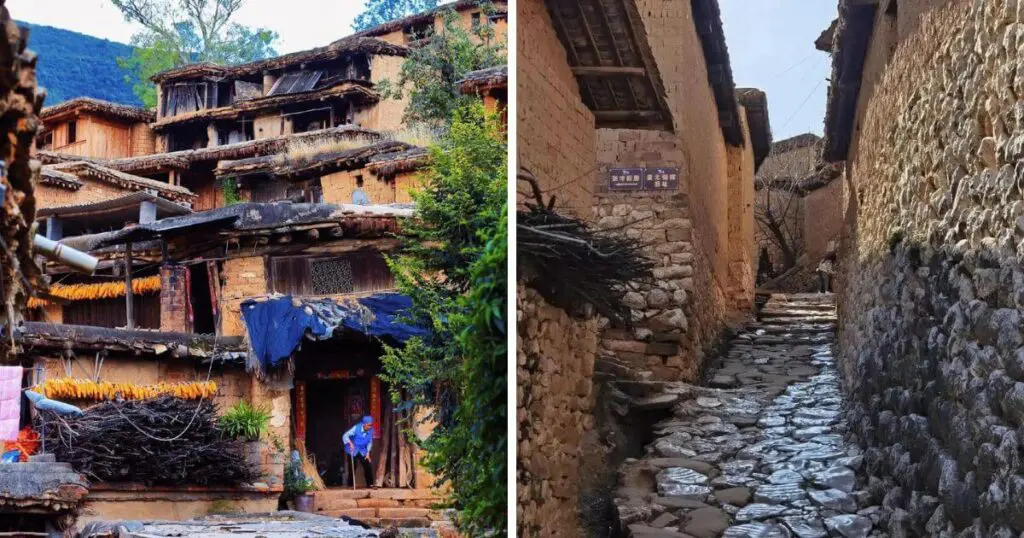
Chengzi Ancient Village has an unique earthen houses built into the slopes and winding stone pathways showcase centuries-old Yi cultural heritage and panoramic mountain vistas.
Here are some quick facts about the village:
Location: Located in Luxi County, Honghe Prefecture, southeastern Yunnan Province, China.
Accessibility: Moderately accessible, set on a mountainside. The final route involves rural mountain roads.
Best Time to Visit: Ideal from March to June or September to November for comfortable weather and vibrant landscapes.
How to Get There:
From Kunming: Take a bus or private car from Kunming to Luxi County (around 4-5 hours).From Luxi County: Hire a local taxi or minibus for a 30-minute ride to Chengzi Village.
Notable for:
Unique ancient earth-structured houses built on steep slopes, scenic mountain views, and authentic local culture.
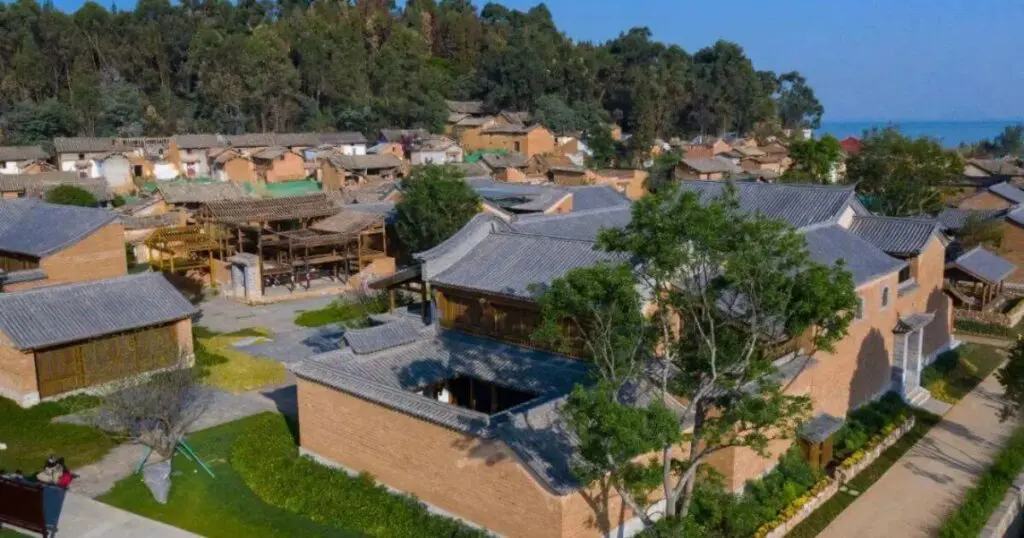
4. Wolong Ancient Fishing Village
Wolong Ancient Fishing Village is one of the ancient villages in Yunnan, that its traditional stilted wooden homes and lakeside docks reflect centuries-old fishing culture, while nearby lotus ponds and willow-lined paths evoke a serene, timeless atmosphere.
Location: Situated on the shores of Dianchi Lake, near Kunming city, Yunnan Province, China.
Accessibility: Easily accessible due to proximity to Kunming (about 30 kilometers away), with well-maintained roads.
Best Time to Visit:
Best from March to October; ideal weather and scenery, especially beautiful during spring and summer.
How to Get There:
From Kunming City Center: Approximately a 40-minute drive via taxi, private car, or bus to the village.
Regular public buses from Kunming to the Dianchi Lake scenic area, followed by a short walk or local transport to the village.
Notable for: Traditional fishing culture, charming historic architecture, lakeside scenery, and local cuisine featuring freshly caught fish.
5. Bamei Village
Bamei Village is a secluded Zhuang settlement accessed only by a boat ride through limestone caves, giving it the nickname “Peach Blossom Valley.”
Quick Facts about Bamei village:
Location: Located in Guangnan County, Wenshan Prefecture, southeastern Yunnan Province, China.
Accessibility: Quite remote; famously accessible only by boat through caves, contributing to its nickname “Peach Blossom Valley.”
Best Time to Visit: March–June and September–October for pleasant weather, lush greenery, and clear water conditions.
How to Get There:
From Kunming: Take a long-distance bus or drive (approx. 6-7 hours) to Guangnan County.From Guangnan County: Travel by local transport (bus/taxi) to the Bamei village entrance, then take a scenic boat ride through a cave to enter the village.
Notable for:
Its stunning isolation, cave entrances, traditional Zhuang ethnic culture, picturesque scenery, and peaceful rural atmosphere.

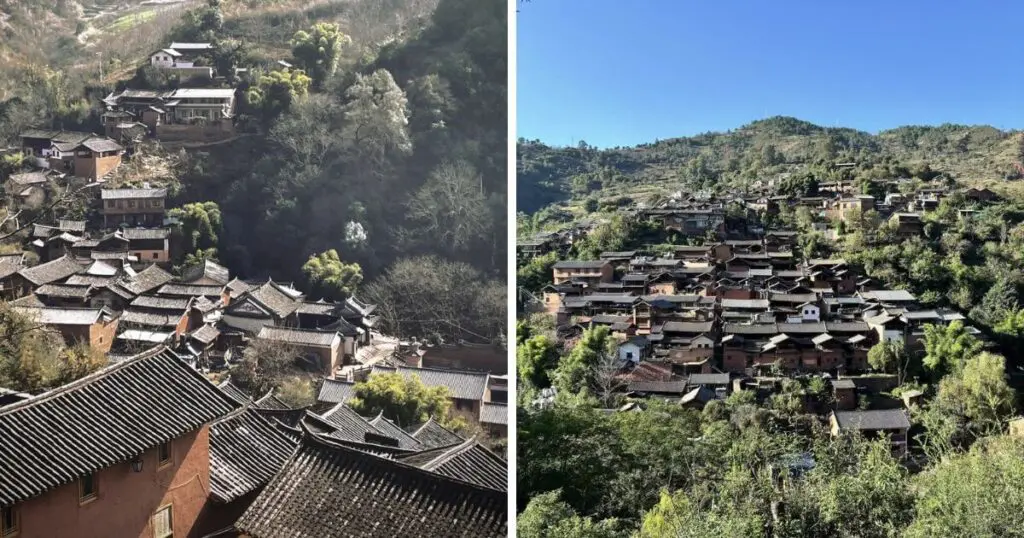
6. Nuodeng Village
Nuodeng Village is one with the most preserved Ming and Qing Dynasty architecture from all ancient villages in Yunnan.
Quick Facts about Nuodeng Village:
Location: Located in Yunlong County, Dali Bai Autonomous Prefecture, western Yunnan Province, China.
Accessibility: Moderately accessible but relatively remote; involves mountainous roads and rural scenery.
Best Time to Visit: March–May and September–November, offering pleasant weather, lush landscapes, and fewer visitors.
How to Get There:
From Dali Old Town: About a 3–4 hour drive by private car or bus to Yunlong County, then local transport to Nuodeng Village (approximately 30 minutes).
From Kunming: Bus or train to Dali first, then transfer to Yunlong County.
Notable for: Over a thousand years of history, preserved Ming and Qing Dynasty architecture, salt wells, traditional Bai culture, and historic temples.
7. Baisha Village
Baisha Village stands as the cradle of Naxi culture, where ancient Dongba murals and traditional customs remain preserved within whitewashed courtyard homes.
Here are some quick facts about Baisha Village:
Location: On the outskirts of Lijiang Old Town, in Yulong Naxi Autonomous County, Lijiang City, northwestern Yunnan Province, China.
Accessibility: Easily accessible via paved roads. Baisha lies about 10 km north of Lijiang Old Town along the G214 provincial highway, then a short local‐road drive into the village.
Best Time to Visit: March–May and September–November, when the weather is mild and clear, and fewer tourists venture beyond central Lijiang.
How to Get There:
From Lijiang Old Town: Take a local bus (Line 16) or a short taxi ride (≈20 minutes) northward along G214 to Baisha.
From Kunming: First travel by air or high‐speed train to Lijiang (flight ≈1 hour; train ≈3 hours). From Lijiang City, transfer to a bus, taxi, or private car for the ≈40 minute ride to Baisha.
Notable for:
It is a home to the famed Baisha Frescoes, murals dating back to the Yuan, Ming, and early Qing dynasties, depicting Tibetan Buddhist themes mixed with local Naxi customs. Traditional flat‐roofed dwellings built from local stone. As the original seat of Naxi kings, Baisha is rich in Dongba (Naxi shamanic) heritage. Baisha village is also notable for the local artisans produce silver jewelry, wood carvings, and handwoven textiles.

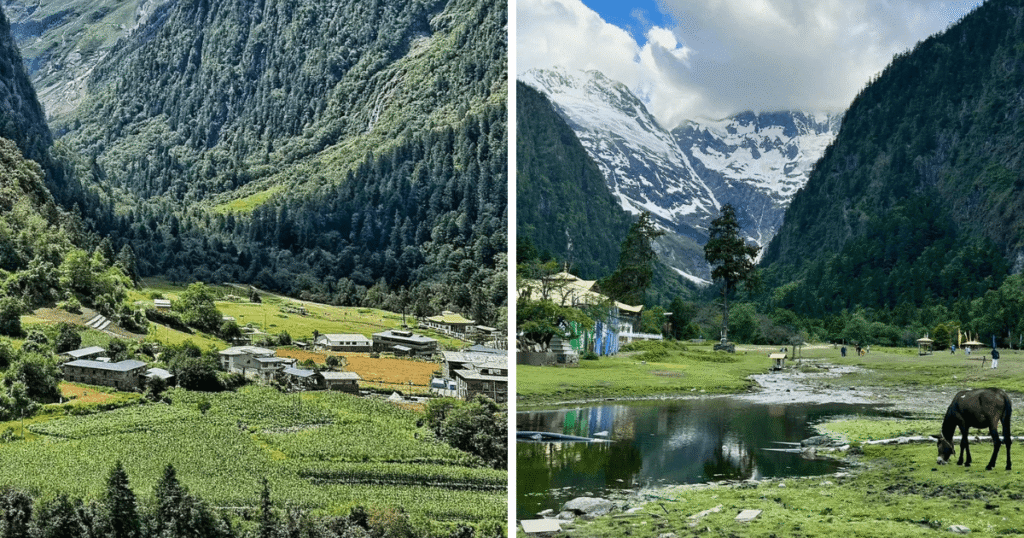
8. Yubeng Village
Visiting Yubeng Village is like trekking into one of the most remote ancient villages in Yunnan, where Tibetan prayer flags flutter against a backdrop of snow-capped peaks. It is hidden along mountain trails beneath Meili Snow Mountain, the village’s secluded hot springs and sacred waterfalls offer a profound glimpse into traditional Tibetan life.
Quick facts about Yubeng Village:
Location:
Situated at the foot of Meili Snow Mountain, in Deqin County, Diqing Tibetan Autonomous Prefecture, northwestern Yunnan Province, China.
Accessibility:
Remote and challenging. It is accessible only by trekking or horseback riding, typically taking 4–6 hours through mountainous terrain.
Best Time to Visit:
April to June and September to November offer ideal weather, clear skies, and breathtaking mountain views.
How to Get There:
From Shangri-La (Zhongdian): Travel by bus or private car to Deqin County (around 4–5 hours), then continue to Xidang Village (approx. 1 hour).
From Xidang Village: Hike or ride horseback along mountain trails for approximately 4–6 hours to reach Yubeng.
Notable for:
Spectacular natural scenery, Tibetan culture, sacred waterfalls, glaciers, pilgrimage trails, and remote mountain tranquility.
9. Xizhou Village
Visiting Xizhou village is like stepping into a living museum of Bai culture, where traditional courtyard homes and intricate wood-carved facades line peaceful lanes.
Quick facts about Yubeng Village:
Location:
Situated at the foot of Meili Snow Mountain, in Deqin County, Diqing Tibetan Autonomous Prefecture, northwestern Yunnan Province, China.
Accessibility:
Remote and challenging. It is accessible only by trekking or horseback riding, typically taking 4–6 hours through mountainous terrain.
Best Time to Visit:
April to June and September to November is ideal weather to visit Xizhou village. In this period the sky is clear and you will enjoy at the magnificent view of the mountains.
How to Get There:
From Shangri-La (Zhongdian): Travel by bus or private car to Deqin County (around 4–5 hours), then continue to Xidang Village (approx. 1 hour).
From Xidang Village: Hike or ride horseback along mountain trails for approximately 4–6 hours to reach Yubeng.
Notable for:
Spectacular natural scenery, Tibetan culture, sacred waterfalls, glaciers, pilgrimage trails, and remote mountain tranquility.

10. Heshun Ancient Town
Heshun Ancient Town is the most popular of all ancient villages in Yunnan that are here on this list, that’s why I keep it for the end of this article.
Quick facts about Heshun Ancient Town:
Location:
Located near Tengchong City, in Baoshan Prefecture, western Yunnan Province, China.
Accessibility:
Easily accessible; just a short 4 km drive from Tengchong city center via well-maintained roads.
Best Time to Visit:
March to June and September to November. This period offers mild weather, lush scenery, and fewer crowds.
How to Get There:
From Kunming: Take a flight (approx. 1 hour) or bus (8–9 hours) to Tengchong.
From Tengchong City: Short taxi or local bus ride (approximately 10 minutes) directly to Heshun Ancient Town.
Notable for:
Beautifully preserved architecture, historic overseas Chinese culture, relaxing hot springs, ancient temples, and traditional tea culture.

Why Visit These Ancient Villages?
Yunnan’s ancient villages are living communities where time seems to stand still. Visiting these villages offers a rare opportunity to connect with the past, experience the warmth of local cultures, and witness the beauty of unspoiled landscapes. Whether you’re a history enthusiast, a nature lover, or simply seeking a break from the modern world, these forgotten villages in Yunnan promise an unforgettable journey.
Tips for Travelers:
Respect local customs and traditions.
Bring cash, as many villages may not have ATMs.
Be prepared for basic accommodations and limited amenities.
Hire a local guide to gain deeper insights into the villages’ history and culture.
These ancient villages in Yunnan are a testament to the enduring spirit of humanity and the beauty of simplicity. Add these hidden gems to your travel bucket list and discover the magic of a world untouched by time. When you are ready to visit some of these remarkable and unique villages, you can choose from some of our tours in Yunnan, or you can make your own custom made tour.
Related tours

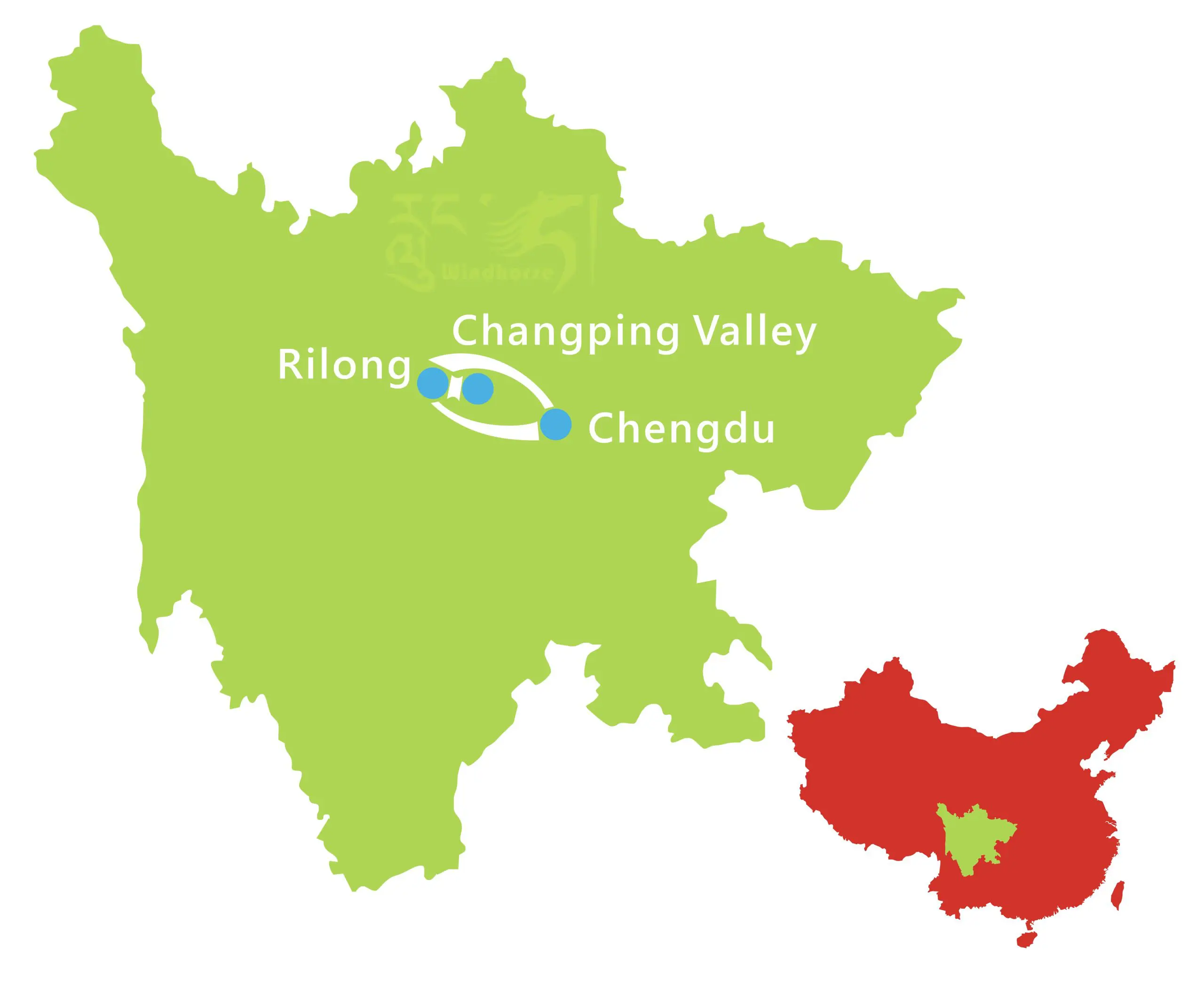



This one week long Siguniang Haizi Valley trekking tour starts in Chengdu and continues to Rilong for hikes in Shuangqiao Valley, Changping Valley and Haizi Valley. Explore alpine lakes, snow capped peaks, forests and meadows, then return to Chengdu to visit Dujiangyan and the Panda Base.

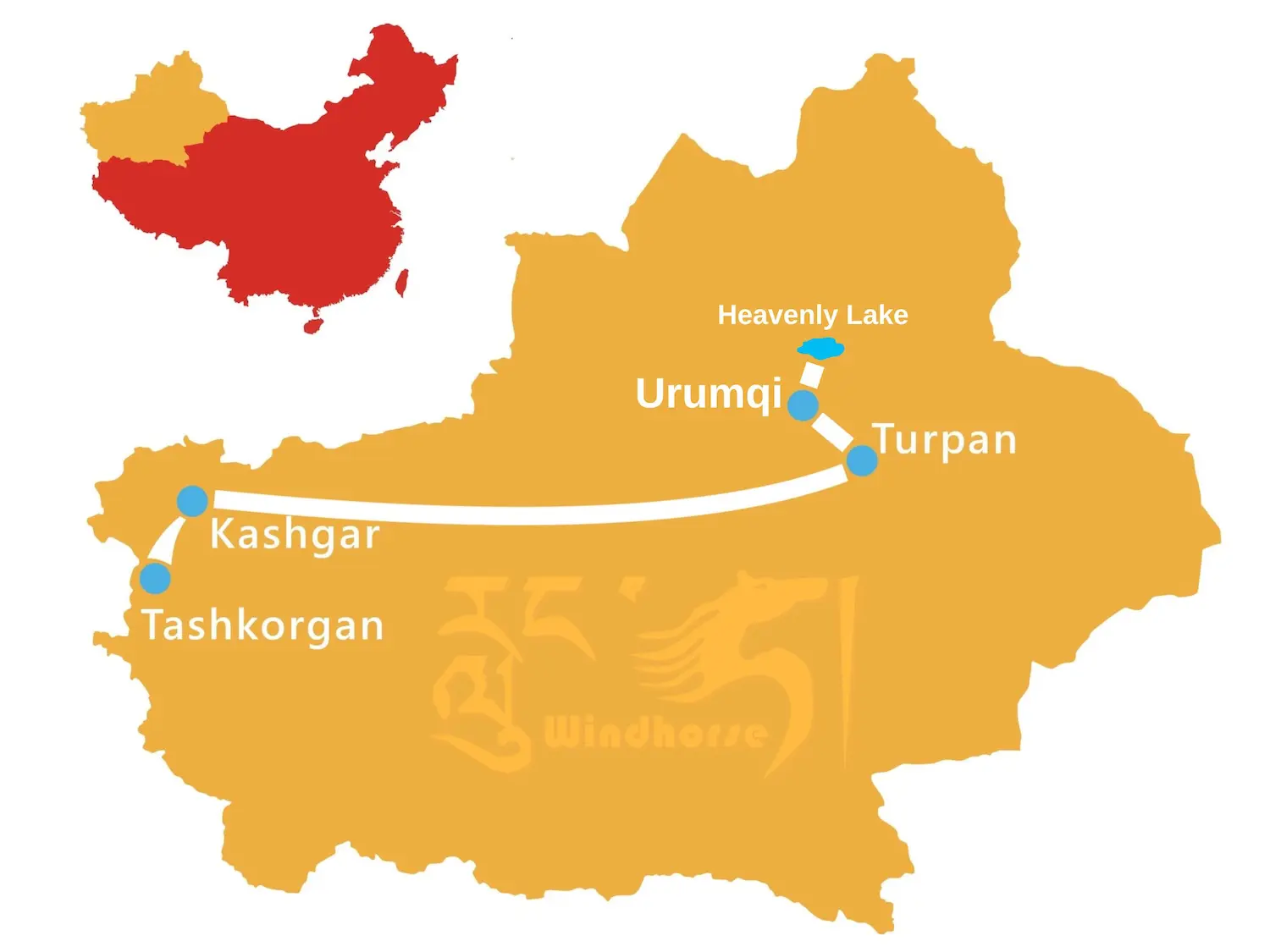



This Xinjiang Highlights Tour covers Urumqi, Turpan, Kashgar and Karakul Lake. Experience ancient Silk Road cities, Uyghur culture, desert ruins, alpine lakes and dramatic mountain landscapes along the Karakoram Highway.

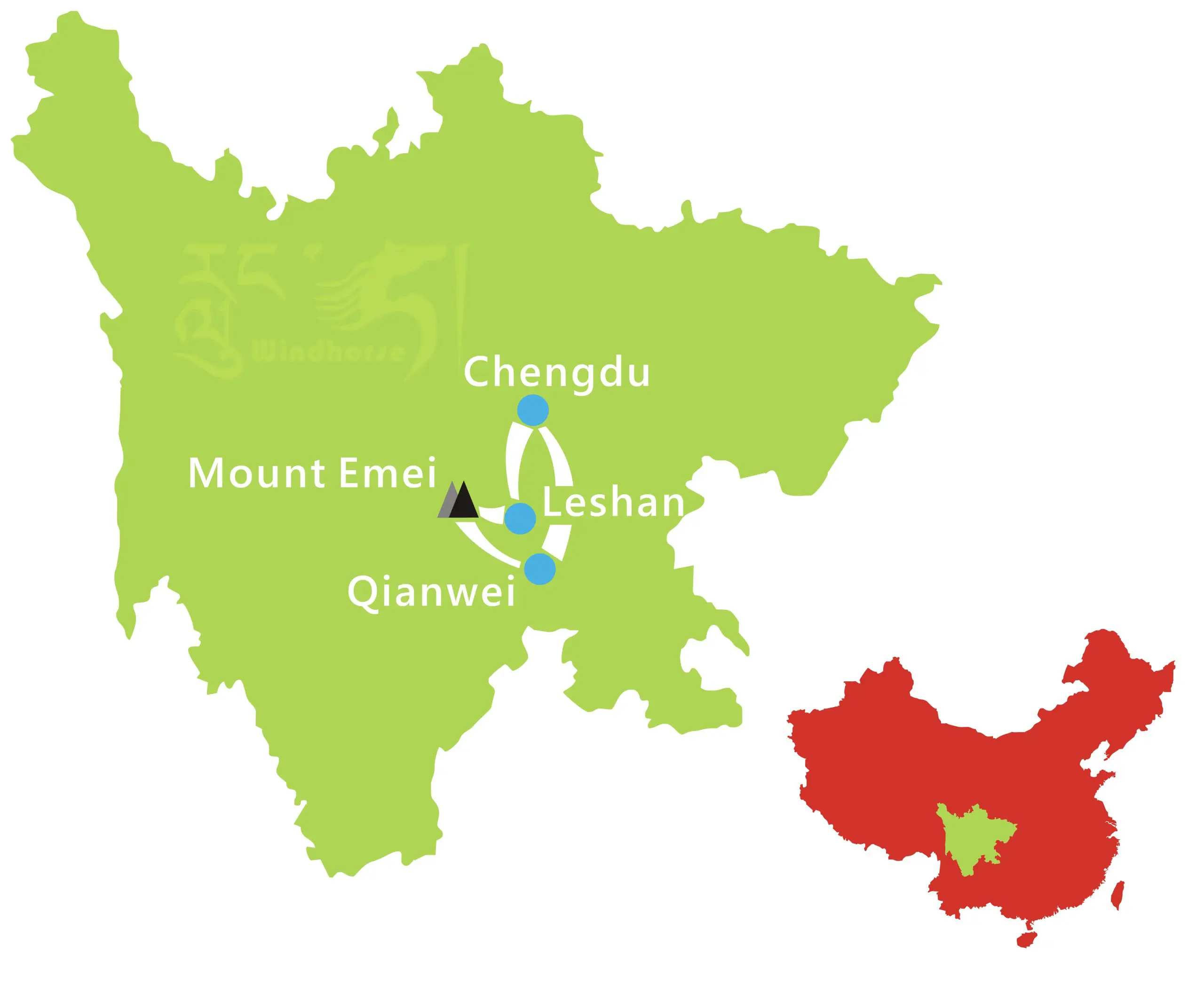



Get off the beaten track to discover the hidden ancient town Luocheng near Leshan Grand Buddha and take the world's only functioning steam train running in Qianwei, afterwards head to the scared Buddhist mount Emei for the splendid sunrise.

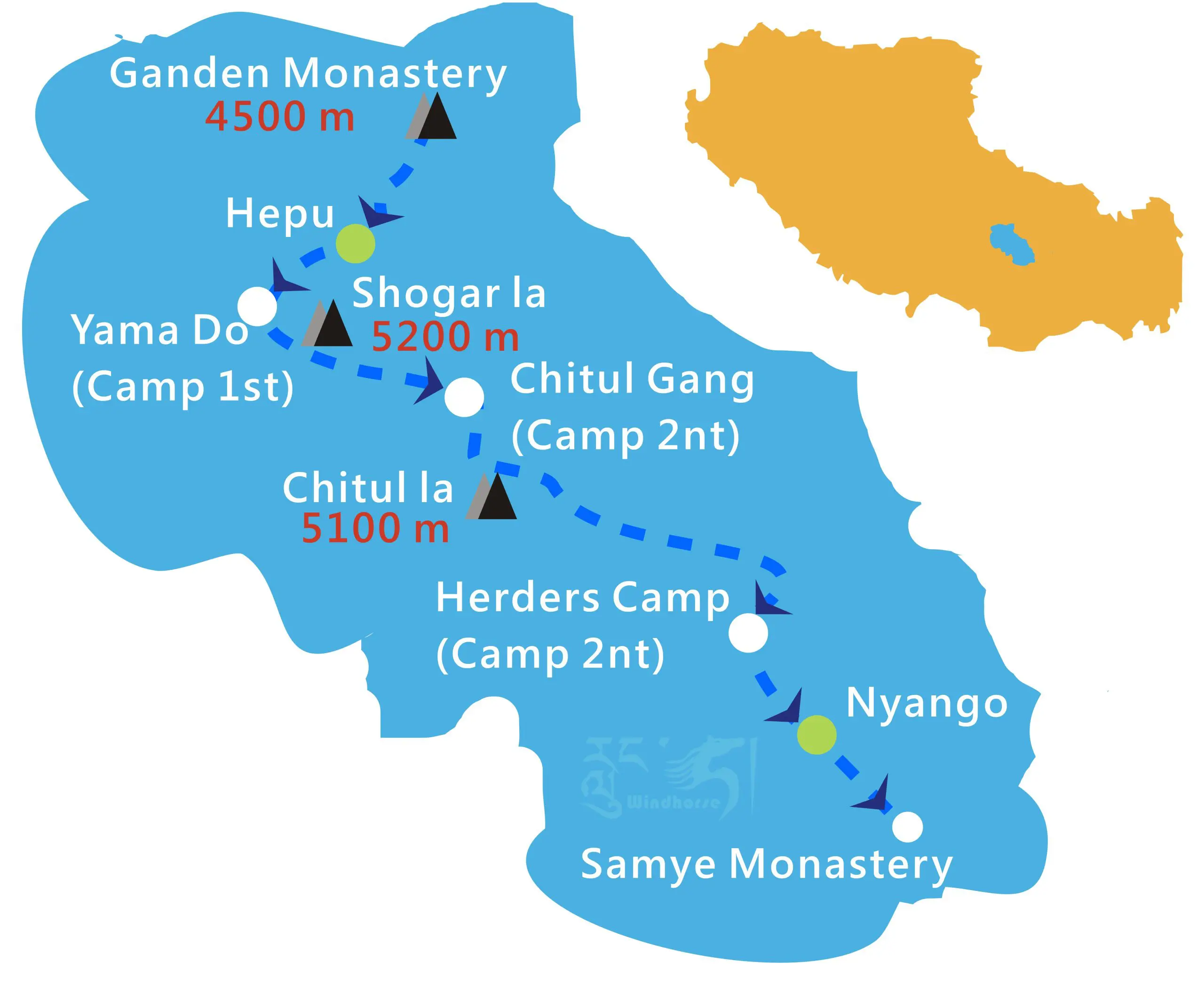
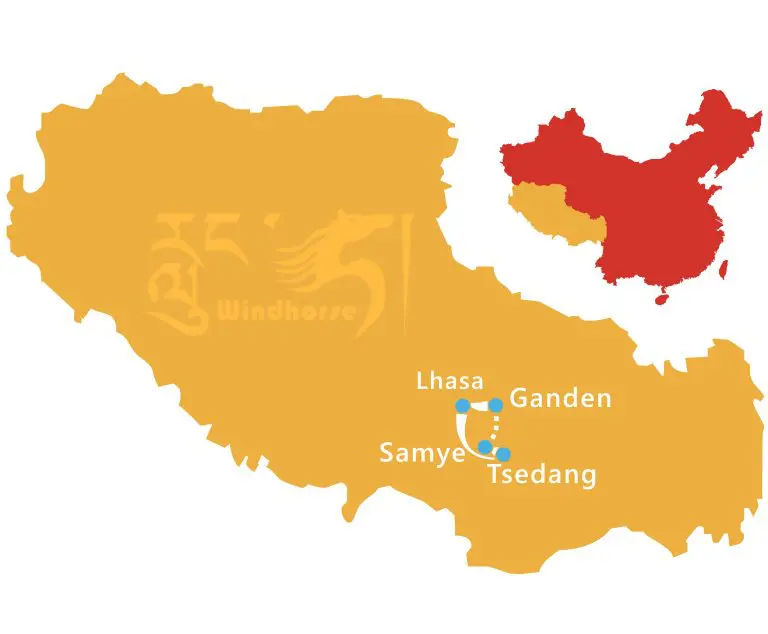



Trek from Ganden Monastery to Samye, Tibet’s most famous trekking route. Cross alpine valleys, high passes, and nomadic camps while exploring ancient monasteries and Tibetan culture along the way.