
Tibetan Carpet
Famous for its distinctive designs reflecting both the Tibetan nation and its religion, the Tibetan carpet has a history of over 600 years. It is a kind of traditional Tibetan handicraft, and its home is Gyangtse County, located southwest of Lhasa City.
Long ago, nomadic herders wove carpets by hand. They used them in monasteries, homes, or for trade. These carpets were part of daily living and showed the skill and creativity of the Tibetan people.
Materials and Practical Uses
Tibetan carpets are made from highland sheep’s wool, called changpel, which is soft, strong, and uniquely textured. This wool is perfect for making durable carpets that last a long time. However, it is also made from cotton and yak hair, hand-woven Tibetan carpets are damp-proof, durable, and have excellent insulators. These qualities make them essential for daily life in Tibet’s cold, high-altitude regions. Tibetan carpets come in various sizes and are used as chair cushions, mattresses, tapestries, pillowcases, back cushions, kettle covers, numnahs (embroidered rugs), and even as decorations for pack animals like yaks, mules, horses, and donkeys.
Artisans weave these carpets by hand, using the Tibetan knotting technique. This method is special because it creates strong knots and allows for detailed patterns. Each knot is tied by hand, making every carpet unique. This process takes time and skill, showing the dedication of the weavers.
The result is a beautiful, high-quality carpet with intricate designs that reflect Tibetan culture and artistry.
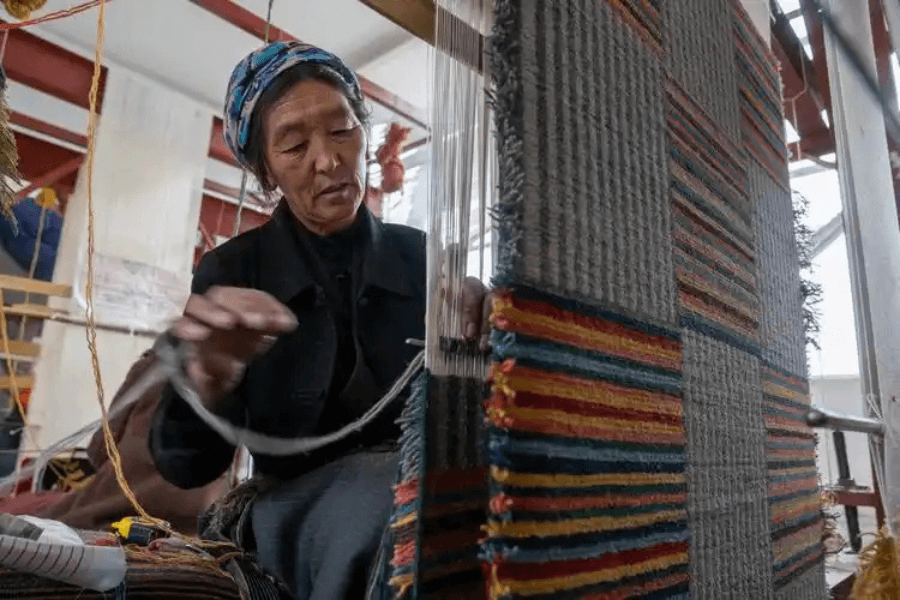
Artistic Value
Tibetan carpets are not only practical but also works of art. While early carpets were plain and limited in color, later ones became richly decorated. Designs drew inspiration from Thangkas, murals, and patterns from other regions, incorporating Tibetan styles. Traditional motifs include clouds, water, dragons, lions, phoenixes, cranes, deer, flowers, and bamboo, often symbolizing good wishes. Chinese characters representing longevity, wealth, and good luck are also popular.
Modern carpets feature larger patterns, such as depictions of the Potala Palace, Mount Everest, and the Great Wall. The colors on the Tibetan carpets are bright and eye-catching, traditionally created using natural dyes made from plants, minerals, and earth pigments.
Modern making of the Tibet carpets include also chemical dyes from India and Nepal, which became popular, and today, some factories use Swiss dyes. Natural dyes produce more durable and vibrant colors but are time-consuming and complex to make, so many factories now favor artificial dyes.
These natural dyes give the carpets rich and lasting colors that enhance their beauty and cultural value. Each design tells a story, reflecting Tibetan beliefs, traditions, and artistic creativity.
Unique Features and Global Recognition
Tibetan carpets are valued for their unique weaving methods, vibrant and long-lasting colors, soft texture, excellent insulation, non-shedding quality, and culturally rich patterns. They are recognized as one of the world’s top three carpet styles, alongside Persian and Turkish carpets. These masterpieces are highly sought after in North America, Western Europe, and Southeast Asia.
Related tours
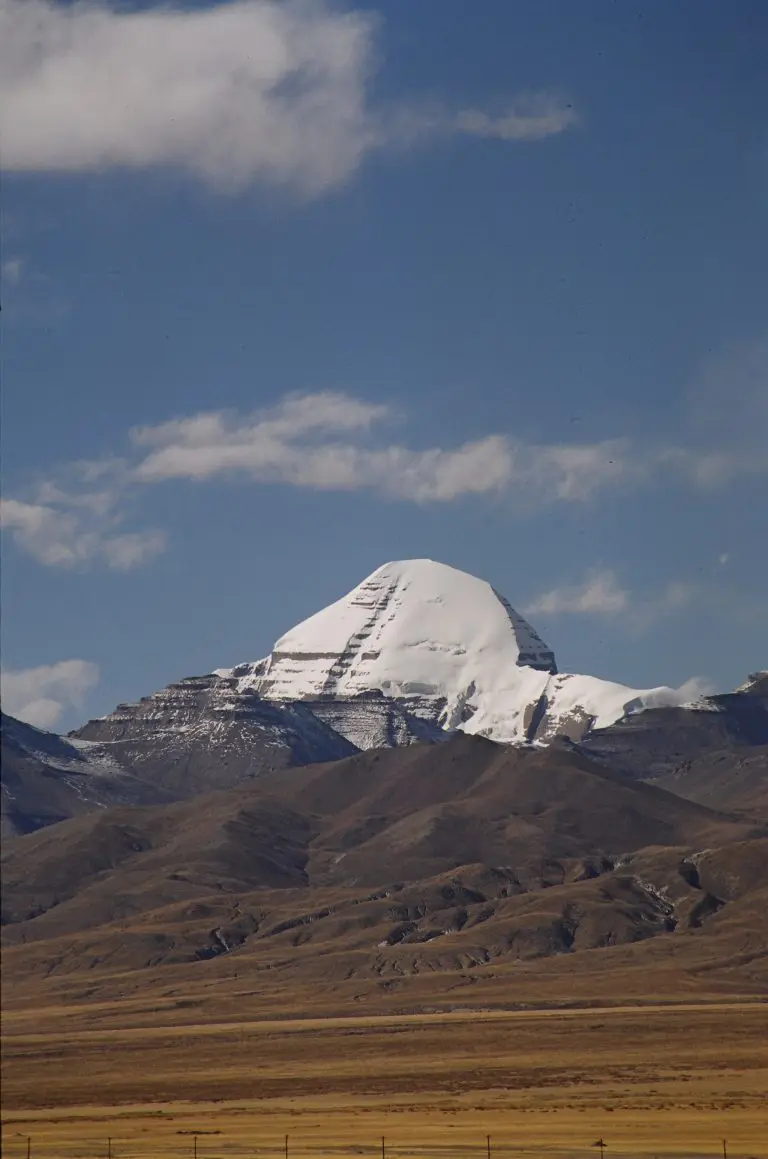
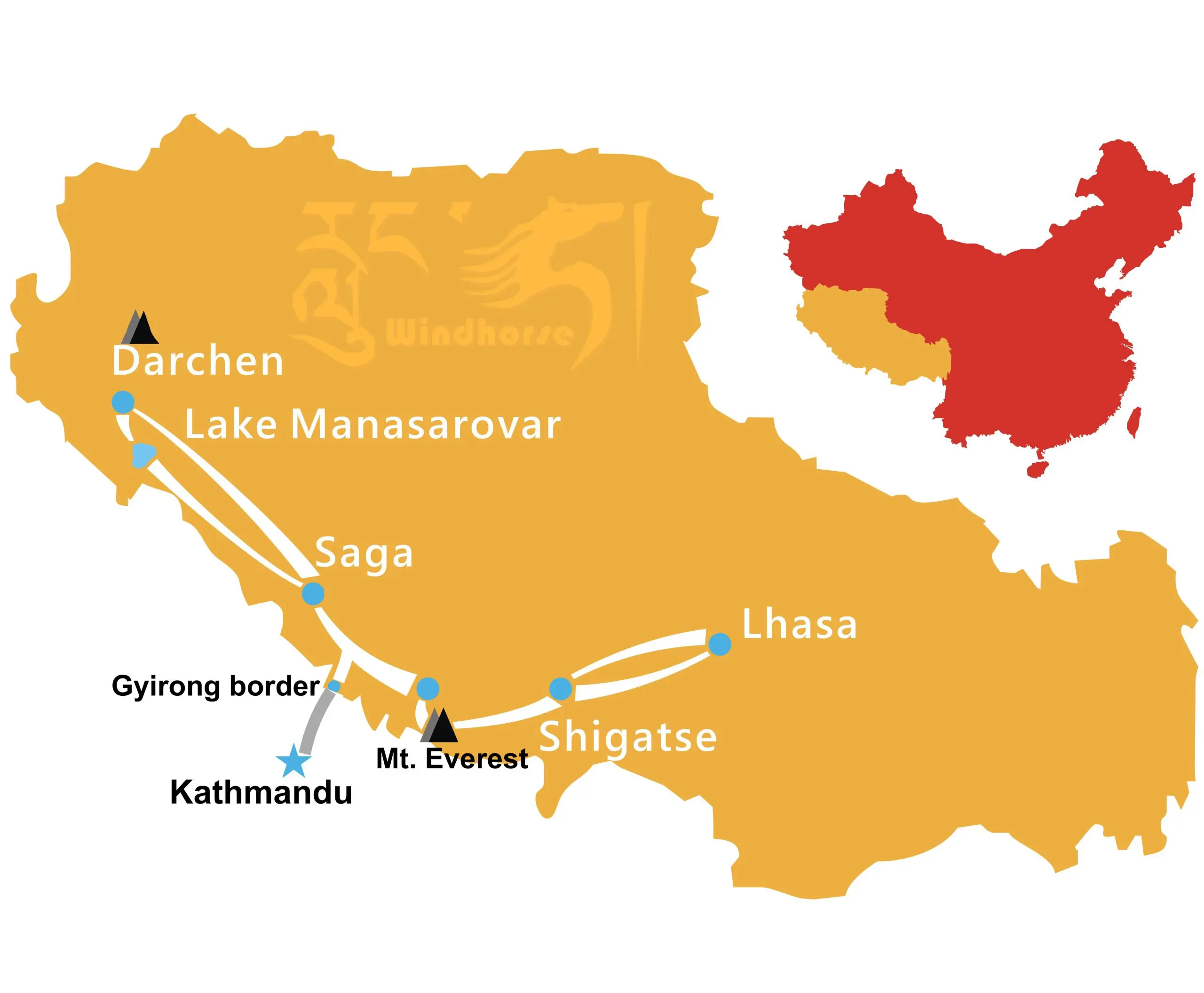
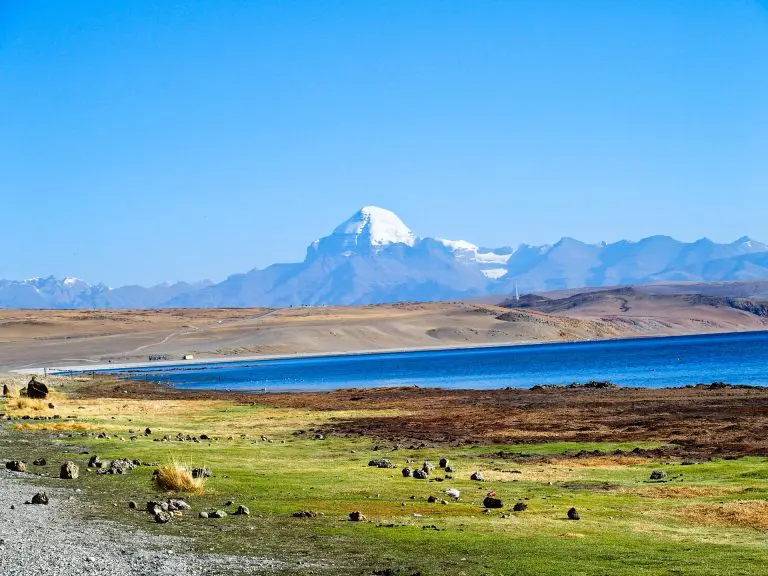


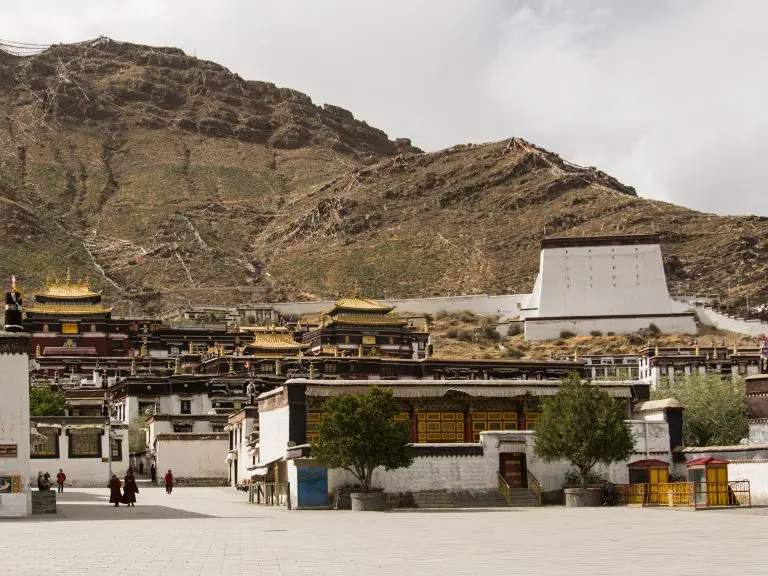
Take a 14-day Mount Kailash Tour from Lhasa to Kathmandu. Visit Lhasa’s Potala Palace and Jokhang Temple, see Everest Base Camp (North face), and trek the 3-day Kailash Kora, and relax by Lake Manasarovar before crossing the scenic Gyirong Valley into Nepal.
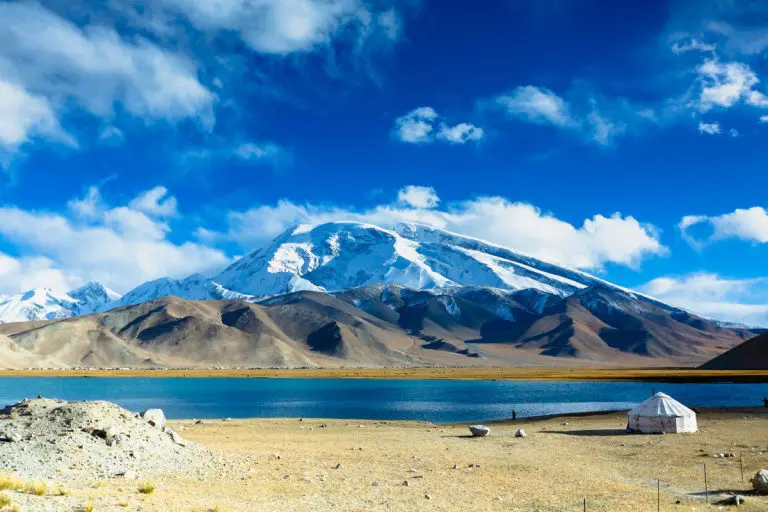
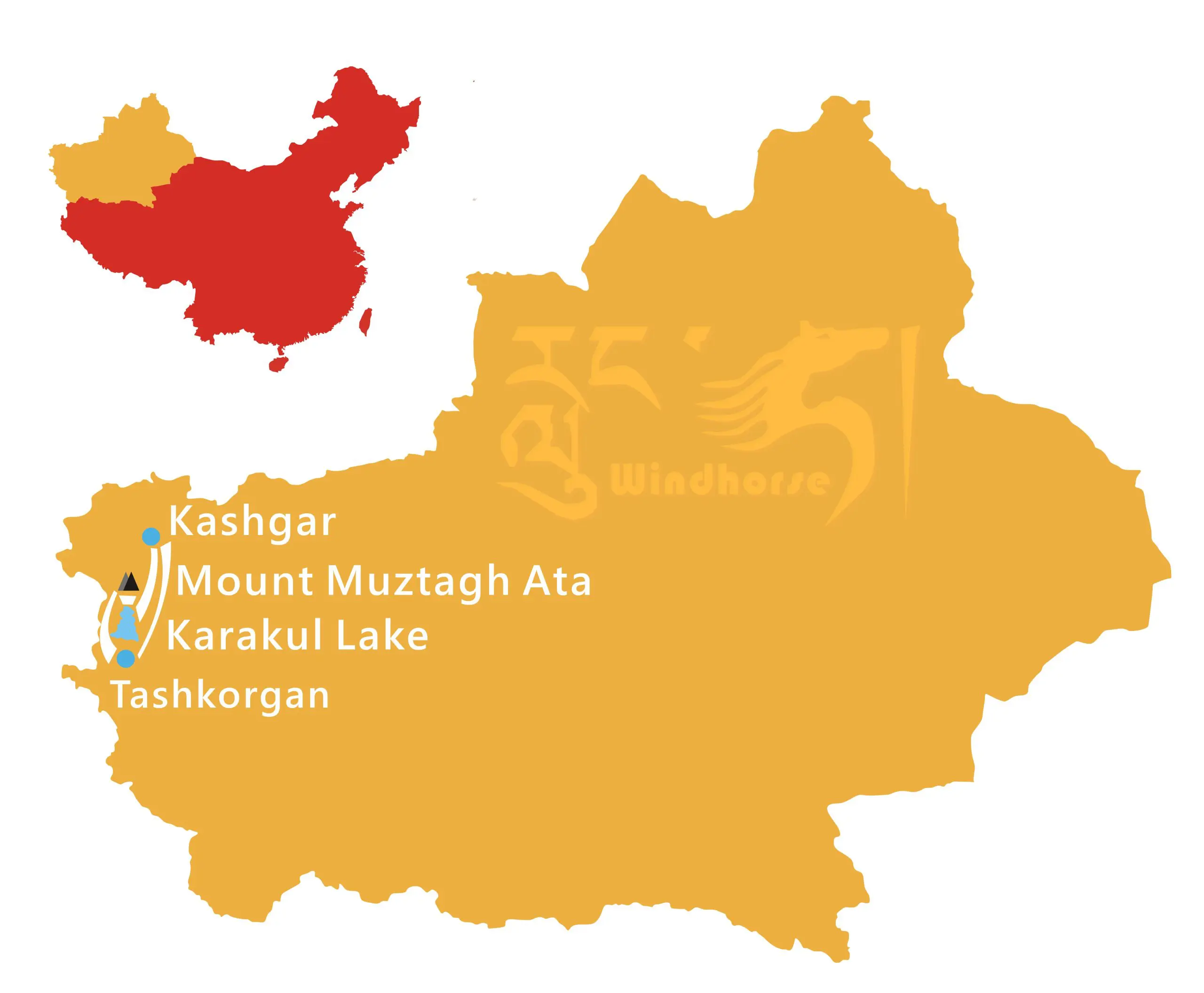
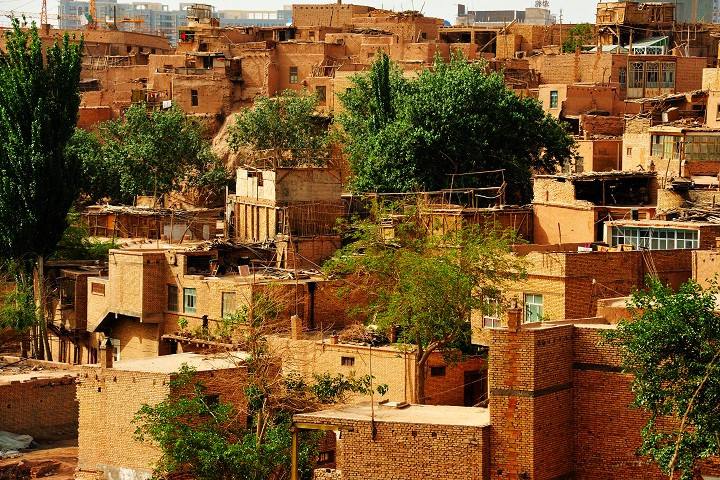

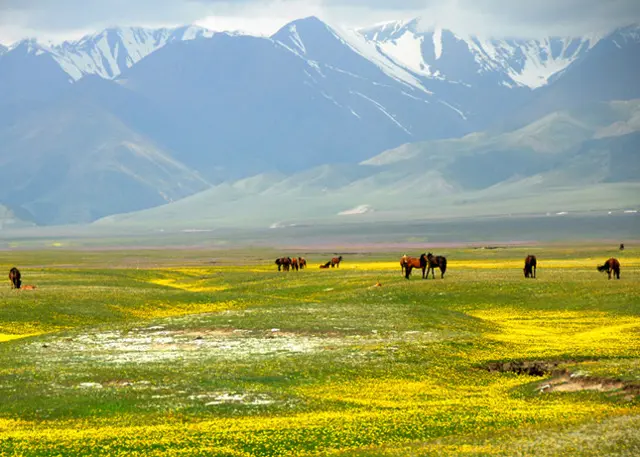
This 8-day Muztagh Ata Base Camp trekking tour starts in Kashgar and takes you to Karakul Lake, Kyrgyz nomad villages, and the Pamir Plateau. Hike through grasslands and glaciers up to 4,500 m for unmatched views of Muztagh Ata, with cultural stops in Tashkorgan and Kashgar.
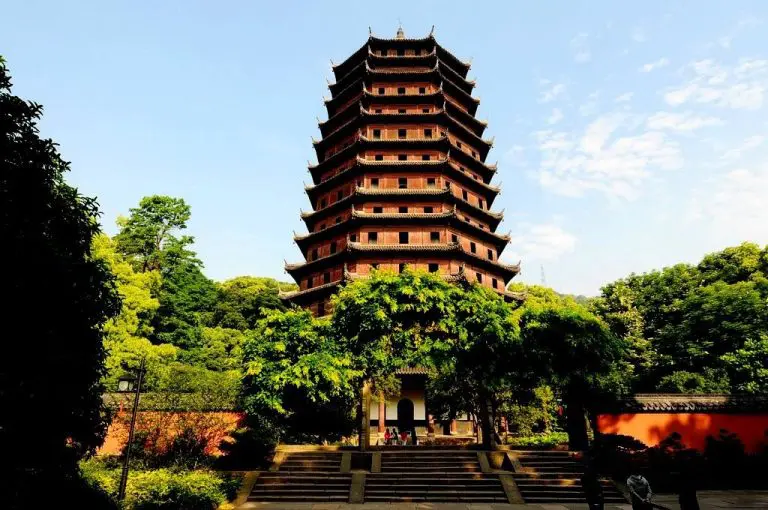
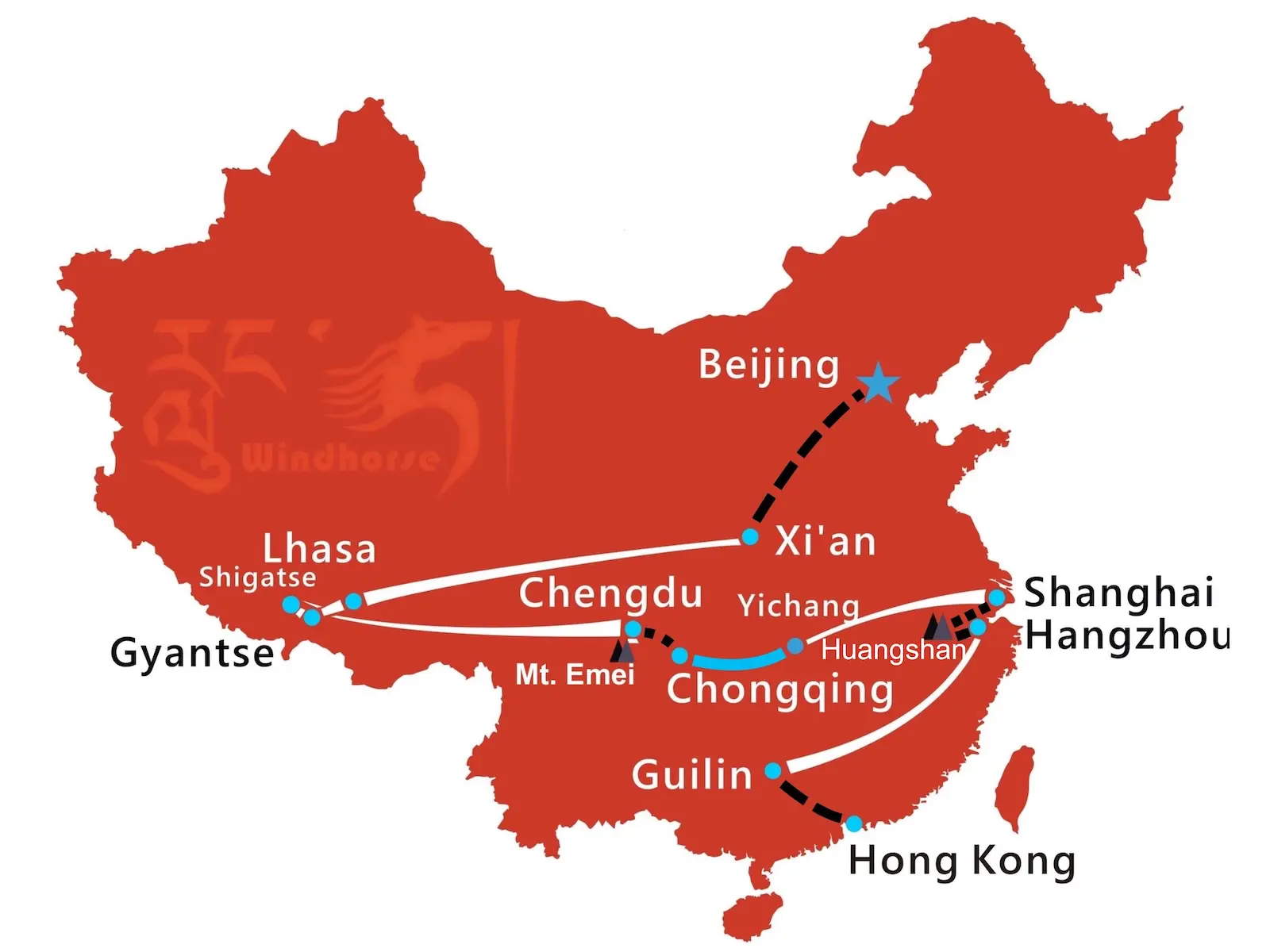
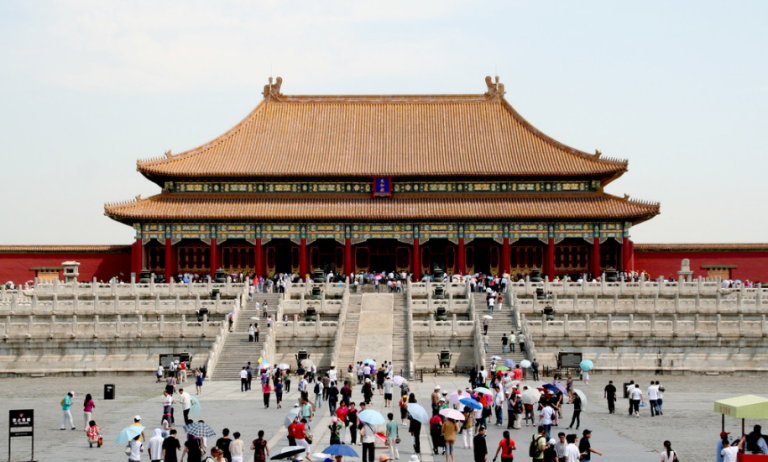

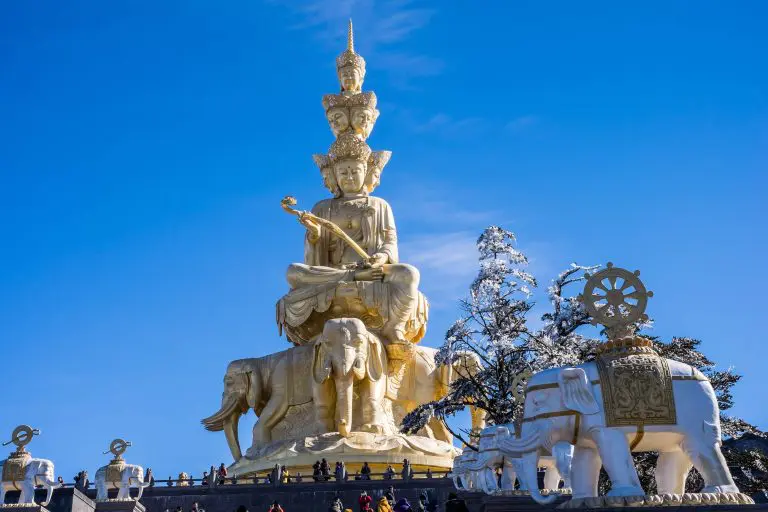
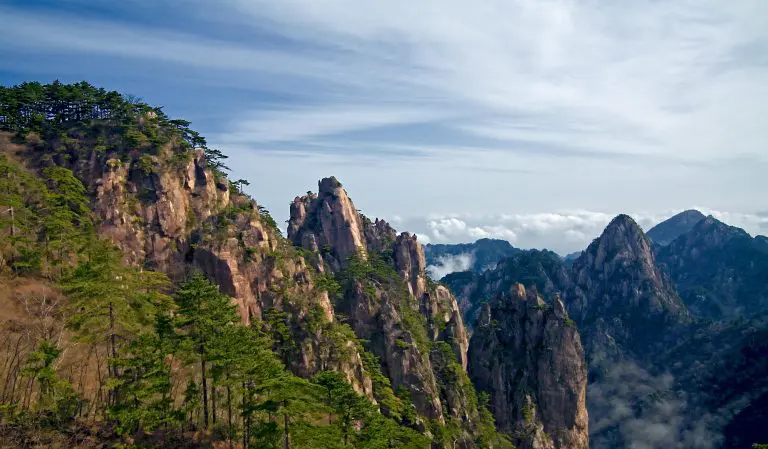
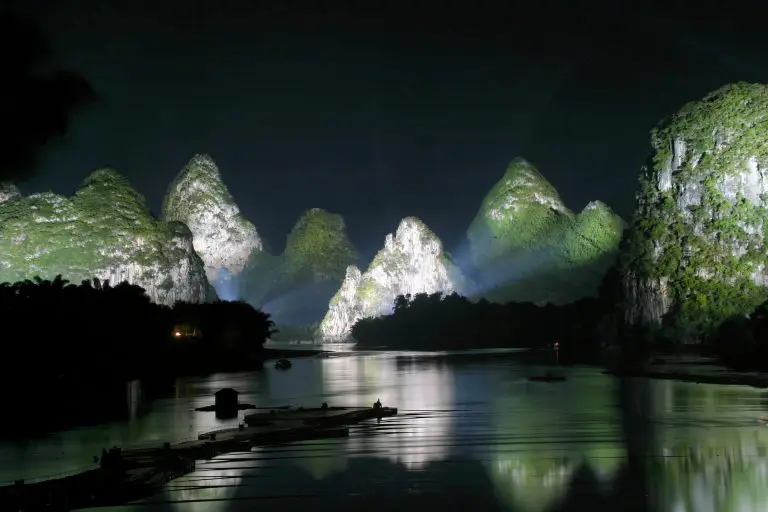
Explore China in 4 weeks on this Grand China Tour with Tibet & Yangtze Cruise. Visit Beijing, Xi’an, Lhasa, Chengdu, Mt. Emei, Yangtze River, Hangzhou, Huangshan, Shanghai, Guilin, and Hong Kong for a month-long cultural and scenic adventure.