
Tibet Buddhism Reincarnation System
The tulku system, often referred to as the reincarnation system, is a unique tradition of succession in Tibetan Buddhism. It is based on the belief that the enlightened consciousness of a great Buddhist master does not perish but reincarnates to continue guiding sentient beings toward liberation from suffering.
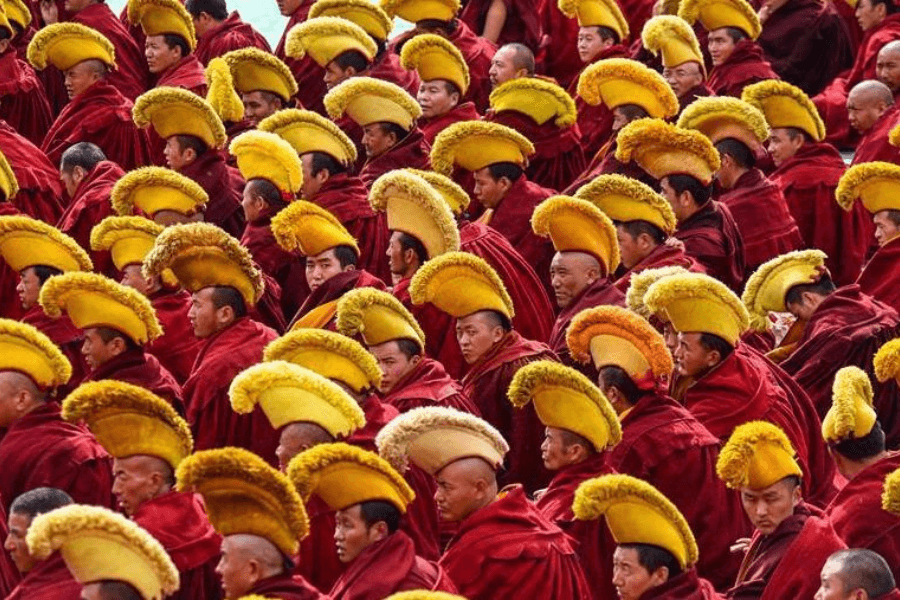
The system was first formalized by the Karma Kagyu school, also known as the Black Hat sect, in the late 12th century. It is said that when the first Karmapa, Dusum Khyenpa, passed away, he instructed his disciples that he would reincarnate to continue his teachings. His followers later identified a young boy believed to be his reincarnation—Karma Pakshi, who became the second Karmapa. He was recognized, trained, and enthroned, thus establishing the first official tulku lineage in Tibetan Buddhism. This system was later adopted by other schools, including the Gelugpa or Yellow Hat sect, to identify successors of major religious leaders such as the Dalai Lama and Panchen Lama.
Presenting and Identifying the Reincarnation
Identifying a reincarnated lama is a complex and sacred process. The search often begins with clues left behind by the previous lama, such as visions, dreams, prophecies, or spoken hints. Additional signs may be revealed through the oracles, divination rituals, or visions from sacred lakes such as Lhamo Latso.
In the case of an ordinary tulku, the deceased lama’s close disciples and attendants begin the search based on these signs. They evaluate physical features, birth omens, behavior, and even the candidate’s ability to recognize belongings of the previous lama. If multiple candidates seem suitable, respected high lamas are consulted to determine the true reincarnation. Once confirmed, a formal enthronement ceremony is held, during which the reincarnated child is installed as the successor.
Lot in Golden Jar
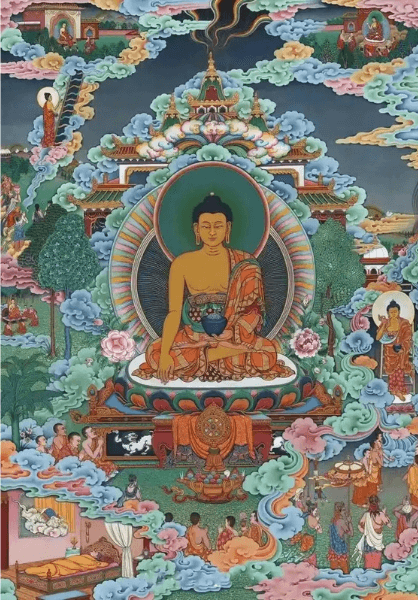
The process of identifying the Dalai Lama and Panchen Lama is more elaborate and formalized. In 1793, during the reign of Emperor Qianlong of the Qing Dynasty, a regulation was issued to standardize the recognition process. A method known as the Golden Urn (Golden Jar) system was introduced to ensure fairness and transparency.
Under this system, the names and birthdates of eligible candidates are written in Chinese, Tibetan, and Manchu, and placed into a golden urn granted by Emperor Qianlong. During a ceremonial drawing, conducted before the statue of Shakyamuni Buddha in Jokhang Temple, the final reincarnation is chosen by lot. The ceremony is overseen by a high lama (Khutuktu) and senior officials. The result is traditionally submitted to the imperial court for confirmation.
This process has also been used in identifying other high-ranking tulkus such as the Changkya Khutuktu, with ceremonies historically conducted at places like Yonghe Lamasery in Beijing.
More About Tibetan Buddhism reincarnation
- What do Tibetan Buddhists do when someone dies?
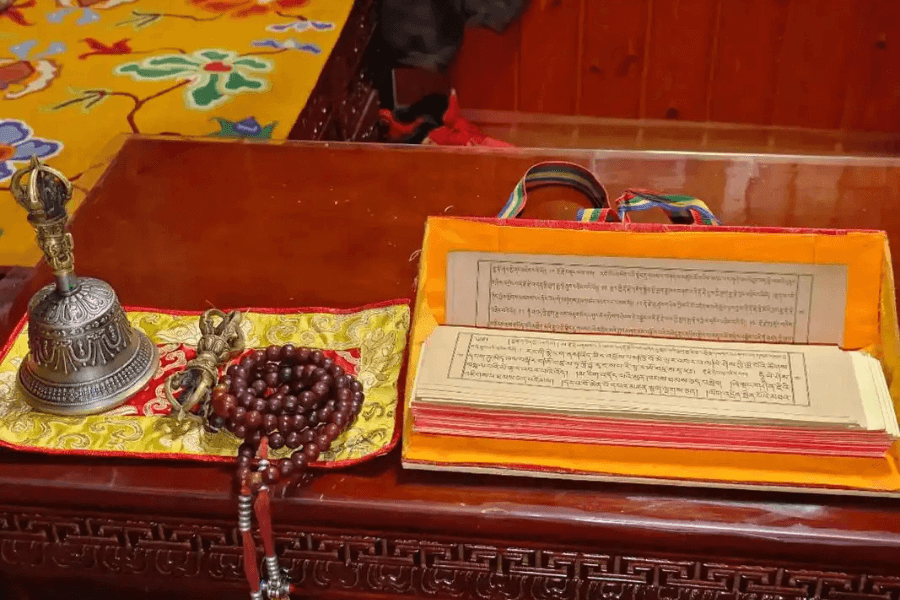
Tibetan Buddhists perform specific rituals to help guide the consciousness of the deceased toward a favorable rebirth. These rituals include chanting mantras, meditation, and especially the practice of phowa (transference of consciousness). Families often invite monks to perform prayers and rituals that provide peace and support to the soul’s transition.
- What is the tulku system in Tibet?
The tulku system is the tradition of recognizing the reincarnations of great lamas. It is based on the belief that enlightened beings choose to return in human form to continue their spiritual work. The Dalai Lama is the most well-known example of a tulku. Special signs, tests, and rituals are used to identify the child who carries the previous lama’s consciousness.
- What is the Buddhist process of reincarnation?
In Buddhism, reincarnation (or samsara) is the continuous cycle of birth, death, and rebirth. A being’s next life is influenced by karma, the accumulated actions of past lives. The ultimate goal in Buddhism is to break free from this cycle and attain nirvana, a state of liberation and enlightenment.
The 49-day process of reincarnation?
According to Tibetan Buddhist belief, the 49-day period after death is a critical transitional phase known as the bardo. During this time, the consciousness of the deceased is in a state between death and rebirth. Rituals, prayers, and offerings are performed to guide and support the soul’s journey. It is believed that with the right guidance, the consciousness can attain a favorable rebirth or even reach enlightenment.
What are the 8 stages of death in Buddhism?
Tibetan Buddhist teachings describe eight stages of the dying process, each representing the dissolution of elements and inner experiences that occur as death approaches. These are:
-
Dissolution of the earth element – loss of strength and stability
-
Dissolution of the water element – drying of bodily fluids
-
Dissolution of the fire element – loss of warmth and energy
-
Dissolution of the air element – fading of breath and motion
-
Dissolution of sensory consciousness – fading of awareness of the external world
-
Appearance of inner lights or visions
-
Experience of peaceful deities
-
Experience of wrathful deities
These stages are seen as spiritual opportunities for liberation. Advanced practitioners may recognize these signs and use them as a final gateway to realization or better rebirth.
Related tours
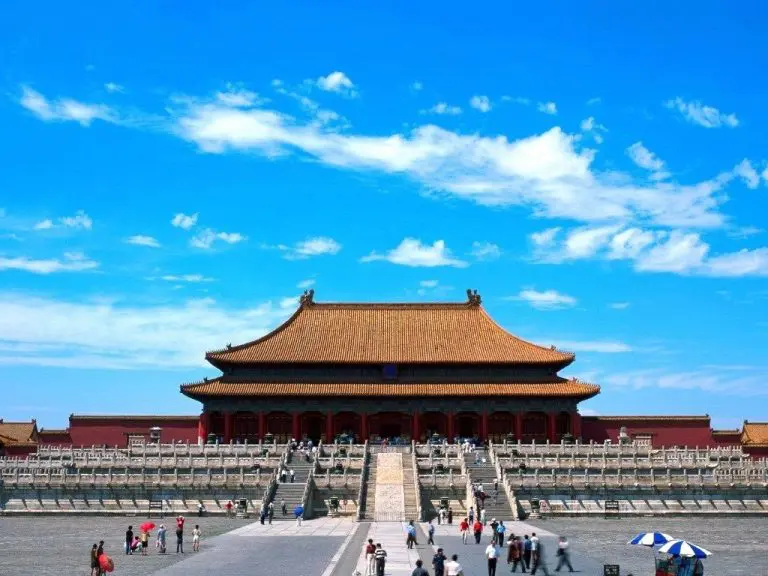
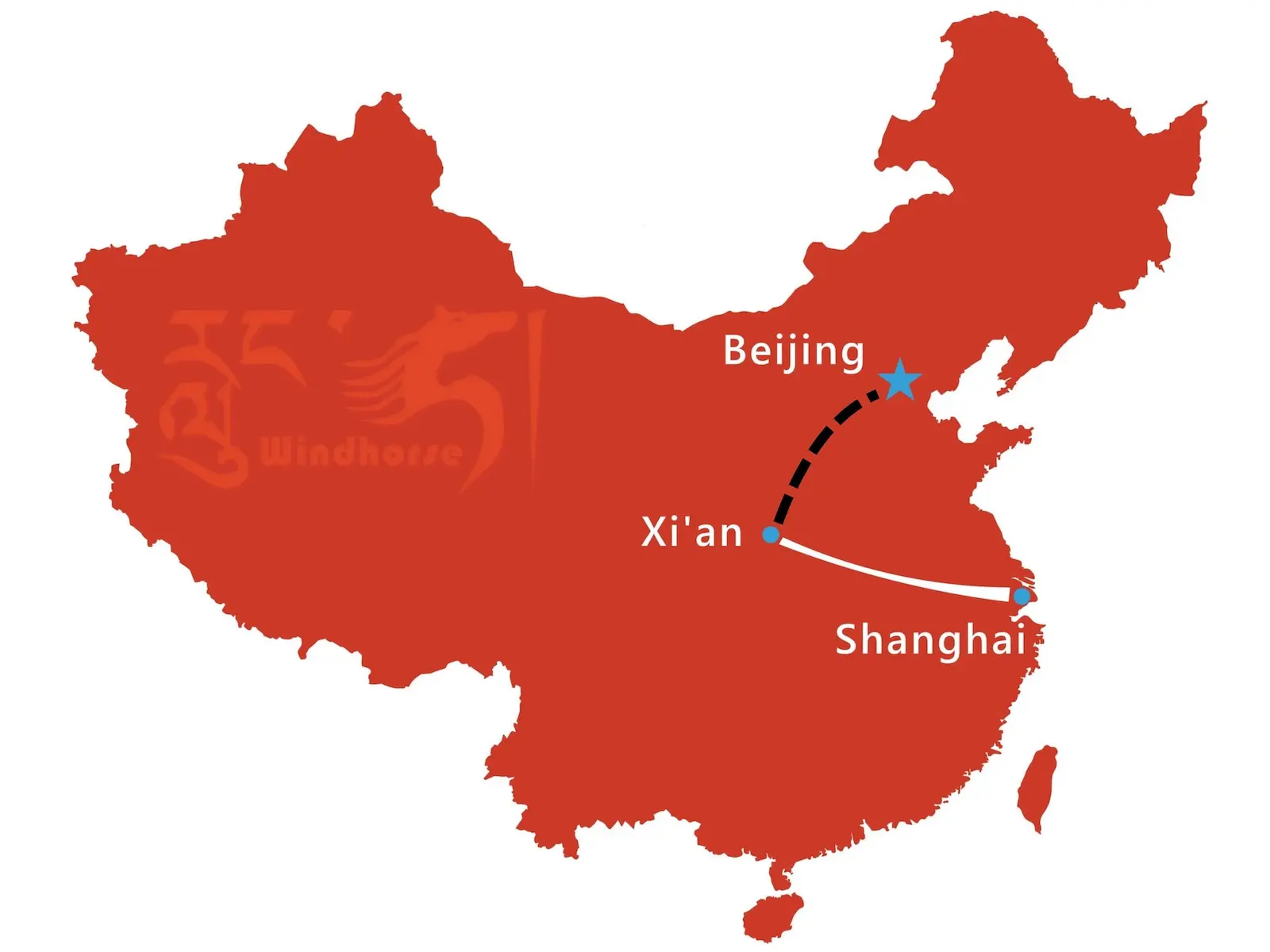


This 9 day Beijing Xi'an Shanghai tour covers China’s Golden Triangle highlights. Walk the Great Wall, explore the Forbidden City, see the Terracotta Warriors and experience Shanghai’s blend of historic charm and modern skylines.
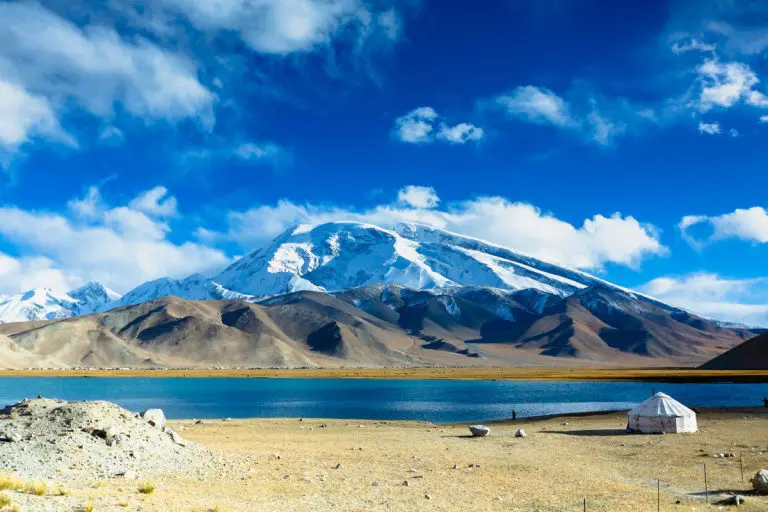
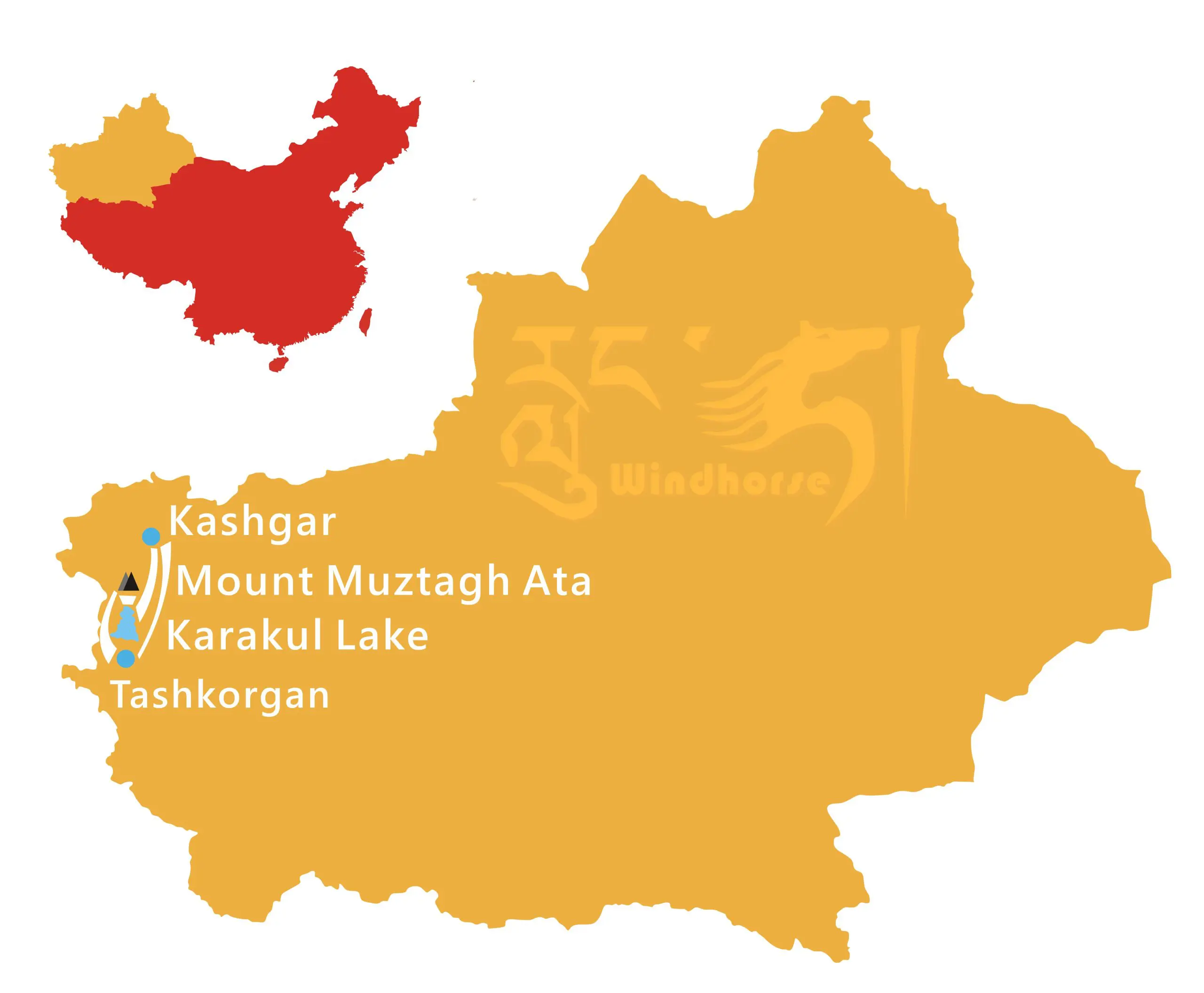
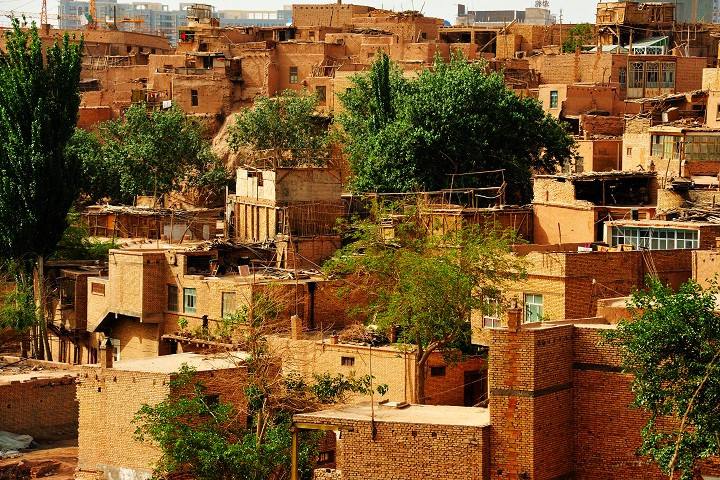
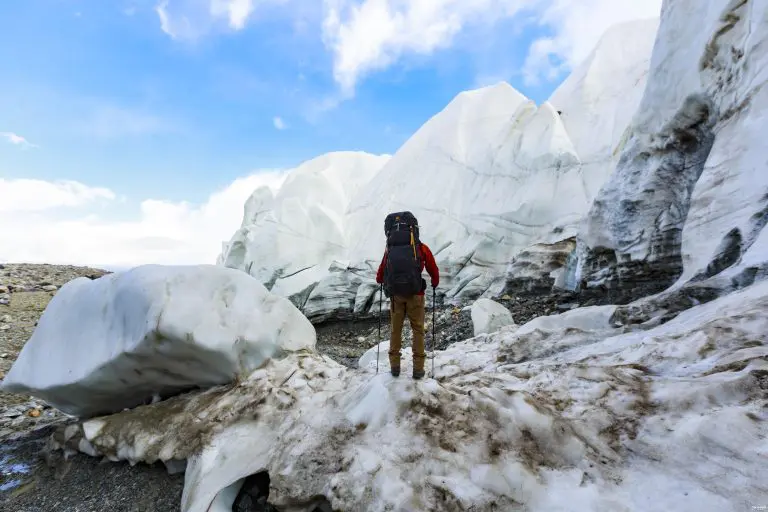
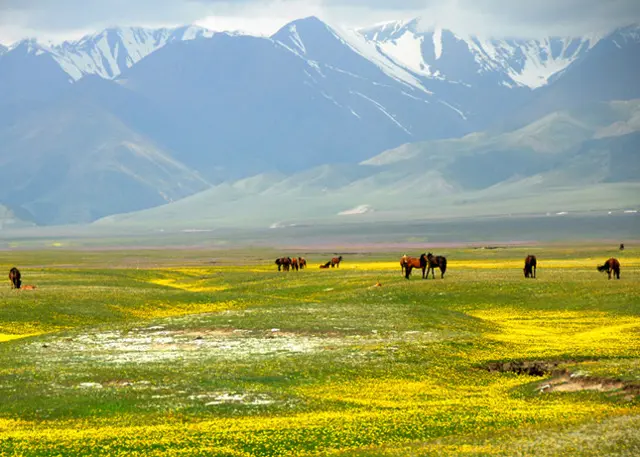
This 8-day Muztagh Ata Base Camp trekking tour starts in Kashgar and takes you to Karakul Lake, Kyrgyz nomad villages, and the Pamir Plateau. Hike through grasslands and glaciers up to 4,500 m for unmatched views of Muztagh Ata, with cultural stops in Tashkorgan and Kashgar.
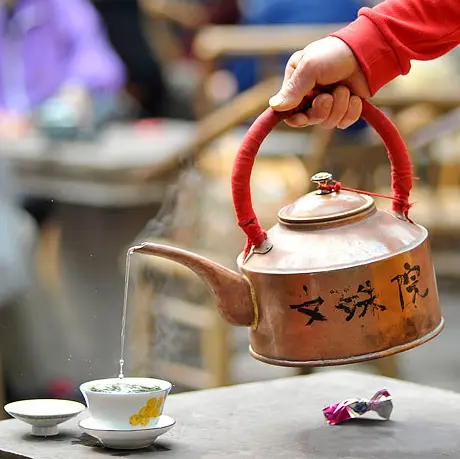
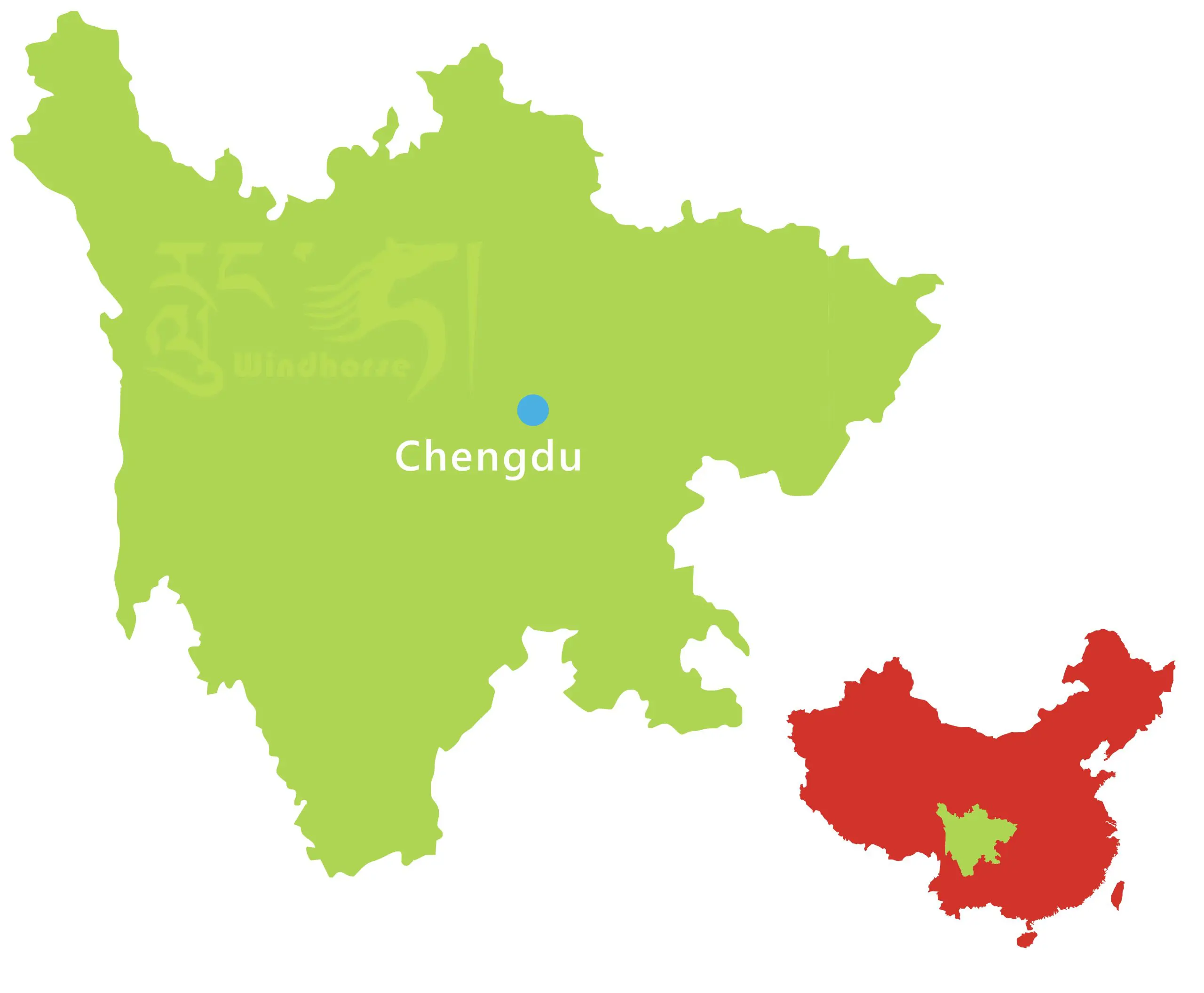

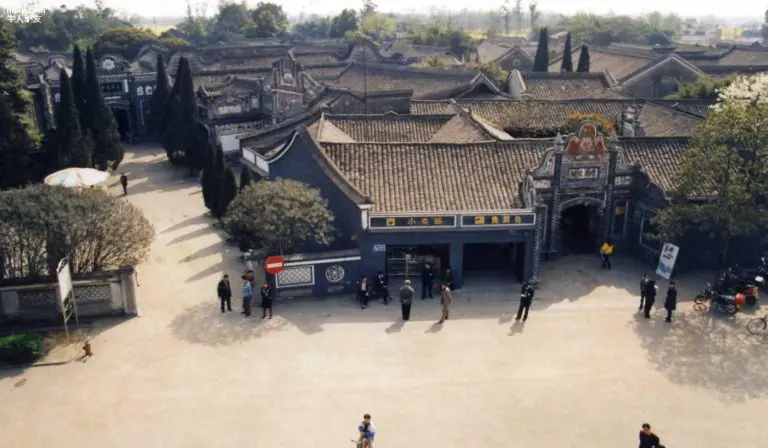
Discover Chengdu’s cultural gems in one day with visits to Qingyang Palace, Du Fu’s Cottage, Wuhou Temple, Wenshu Monastery, and a stroll through Jinli Street.