
What to Buy in Tibet: Traditional Handicrafts and Souvenirs
Tibet offers a fascinating variety of traditional handicrafts that serve as both practical items and treasured cultural artifacts. Deeply rooted in local beliefs and daily life, these handmade crafts—from woven carpets and vibrant thangkas to intricately carved statues and jewelry—are a reflection of Tibet’s rich artistic heritage. For travelers looking to bring home an authentic piece of Tibet, these unique handicrafts make thoughtful and meaningful souvenirs.
Textiles
Tibetan Carpets:
Woven using a unique technique, these carpets are durable, comfortable, gorgeous and are especially pleasing because of their auspicious patterns. They can also be used as cushions, mattresses, tapestries and backrests. Tibetan carpets are considered one of the three most famous carpets in the world. Gyangtse County of Shigatse, known as ‘Hometown of Rugs’, is the most famous for Tibetan carpets.
Tibetan Woolen Cloths:
The most famous Tibetan woolen cloths are made in Gyangtse, Dranang County of Shannan and Markham County of Chamdo, which have already had thousands of years’ history. These wools are delicate, smooth, thick and waterproof, so they are often used as materials for the exotic and pretty Tibetan costumes, boots, hats, aprons and other things. The best aprons are from a town in Gonggar County, Shannan, which is not far from Gonggar Airport of Lhasa.
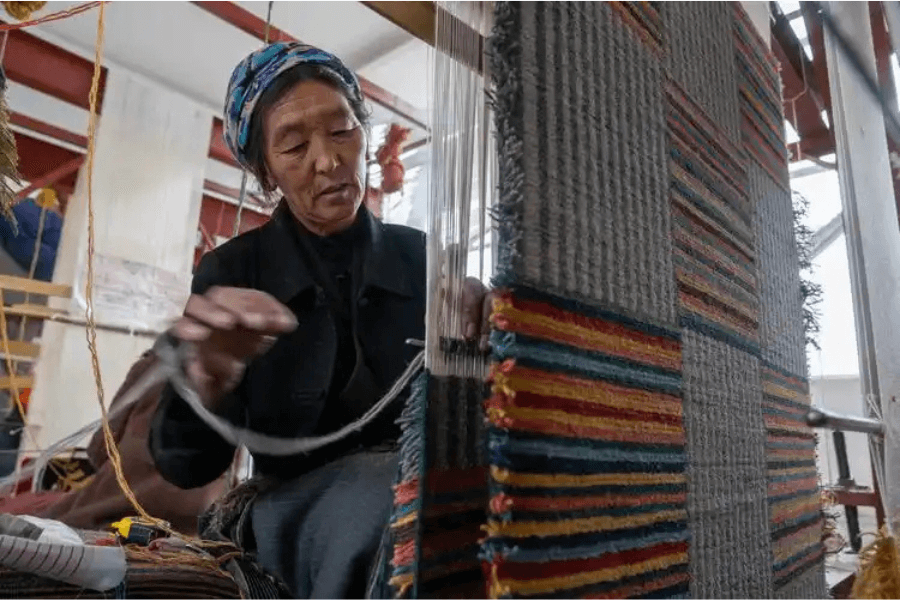
Tibetan Quilts:
Also made of the local wools, Tibetan quilts are soft, delicate, warm and durable, and are good choices for the windy and chilly living conditions. They generally have a weight of 5 kg. (11 pounds) – 10 kg. (22 pounds). They are mainly made in Lhasa, Shigatse and Shannan, while the best is in Shannan.
Tents:
For those who prefer outdoor activities, a Tibetan tent is a good accompaniment. There are three options for you: well-knit and waterproof woolen tents, flowery canvas tents and common cloth tents.
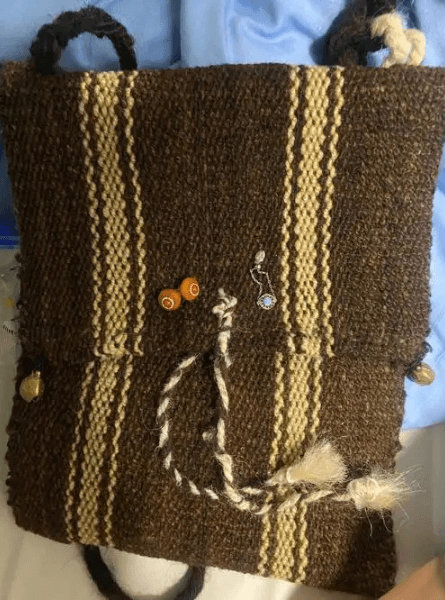
Woolen handbags:
They are made of wool and are very delicate and pretty with colorful decorations. It is a wise choice to buy one for carrying food and some small tools!
Paintings
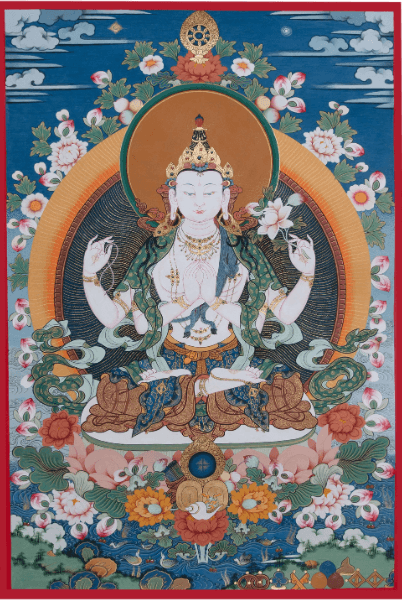
Thangka Paintings:
Thangkas are intricate scroll-mounted paintings, traditionally created on cotton or silk with vivid mineral pigments. These works of art often depict Buddhist deities, mandalas, or scenes from scriptures. They are not only visually stunning but also serve a spiritual purpose, aiding in meditation and religious practices. Thangkas are highly valued for their meticulous details and vibrant colors, making them treasures of Tibetan culture.
Murals:
Murals are large wall paintings commonly found in Tibetan monasteries. These artworks illustrate Buddhist narratives, featuring exquisite detail and harmonious color compositions. They often depict stories from scriptures, historical events, or spiritual teachings. The best-preserved examples can be admired in iconic monasteries like the Jokhang Temple in Lhasa and the Sakya Monastery in Shigatse. Tibetan murals are a testament to the region’s artistic heritage and religious devotion.
Sculptures and Objects
Bronze and Gilt Statues:
Tibetan bronze and gilt statues are exquisite representations of Buddhist figures such as Buddha, Tara, and Padmasambhava. These sculptures are crafted using the traditional lost-wax technique, which allows for intricate detailing. They are often adorned with semi-precious stones, giving them a rich and regal appearance. These statues are not only artistic masterpieces but also hold significant religious importance, making them cherished artifacts of Tibetan culture.
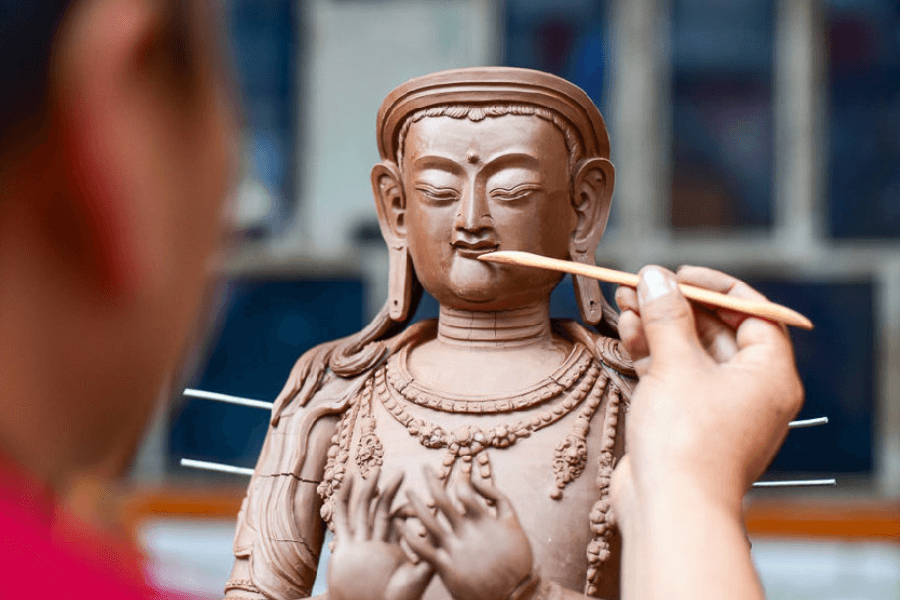
Clay Sculptures:
Clay sculptures are a prominent feature in Tibetan monasteries. These detailed works typically depict Buddhist deities and are painted with bright, vivid colors. They are carefully crafted to convey spiritual symbolism and are often used as offerings or to decorate temple altars. Renowned for their delicate craftsmanship and vibrant designs, Tibetan clay sculptures are a vital part of the region’s artistic and spiritual traditions.
Wooden Bowls: These are a favorite among all ethnic groups in Tibet. They often take along a bowl to fill with food and drinks when going out, even when visiting another family. Made of various excellent woods, these bowls are not easy to break and very pretty due to their delicate sculptures. Some of them also have a silver cover, or are wrapped with pieces of silver plates in their brims. The wooden bowls of Menpa minorities and Purang County, Ngari are the most well-known.
In addition, other wooden sculptured furniture, like Tibetan cabinets and tables are also very exquisite.
Gold and Silver Wares: The manufacture of these gold and silver wares is the most complicated traditional handicraft in Tibet. They need to be carefully forged and then sculptured into various fine patterns. Tibetan knife and various ornaments like bracelets, necklaces, rings, earrings and headgears are the most popular souvenirs. The Tibetan knives are mainly made in Lhasa, Shigatse and Chamdo, of which Lhatse (Shigatse) is the most famous.
Horn and Bone Wares: Ox is a common and sacred animal in Tibet, which can be made into various artworks. Horn combs do not easily produce static when being used, and are said to be healthy for hair, brain and head. There are also many bone-sculptured wares like amulets, necklaces, bracelets, etc.
Masks: They are mainly used in the performances of Tibetan Opera, Chamdo Dance, and as a decoration hanging in the temples of Tibet. The sculptures include figures of deities, devils and animal totems.
Significance
Spiritual Purpose:
Tibetan art pieces hold profound religious meaning, often serving as essential tools for spiritual practice. Thangkas, sculptures, and murals are used in meditation, rituals, and storytelling, guiding practitioners on their spiritual journey. Each creation reflects deep devotion and symbolizes key teachings of Tibetan Buddhism, making them an integral part of monastic and personal practices.
Cultural Heritage:
These crafts are a testament to the rich history and beliefs of Tibetan culture. Passed down through generations, they showcase the region’s artistic traditions and spiritual values. From intricate Thangkas to ornate statues, each piece preserves the essence of Tibetan identity, ensuring that its cultural legacy continues to inspire and endure.
Related tours
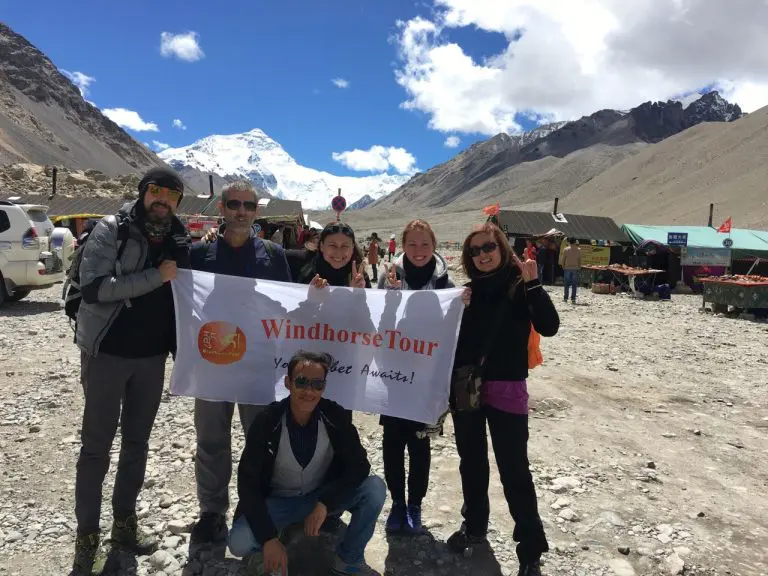

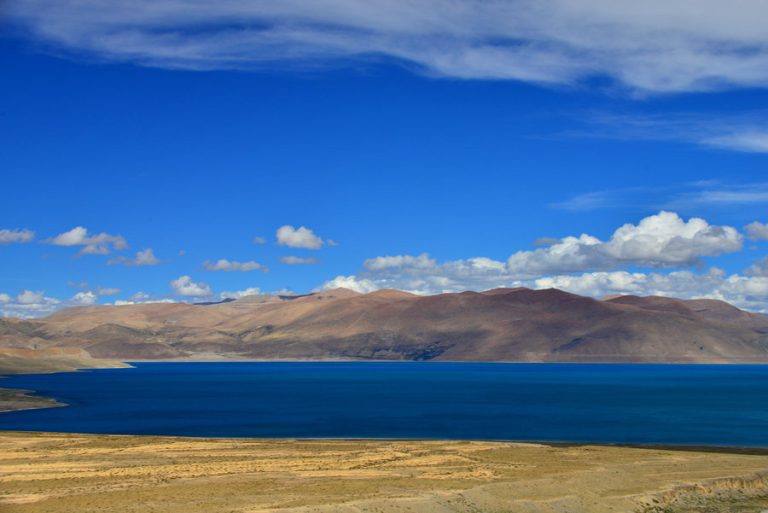
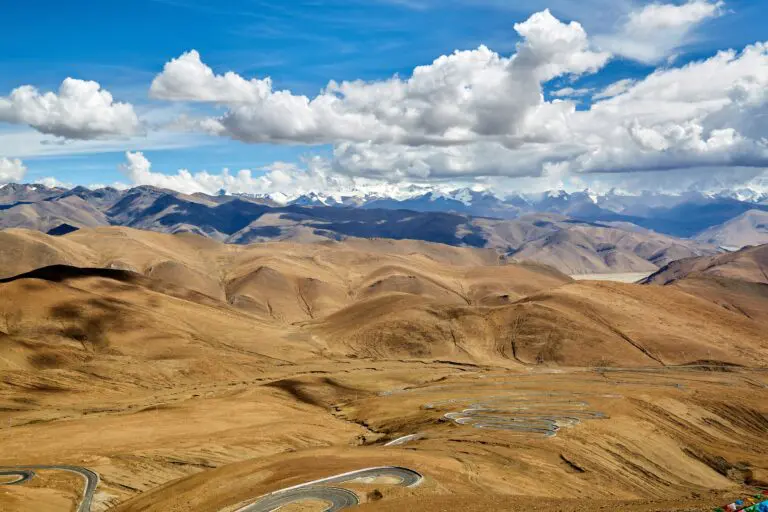
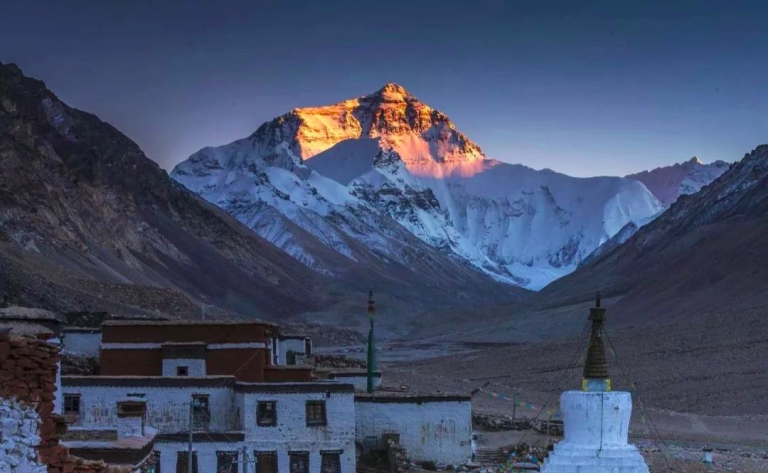
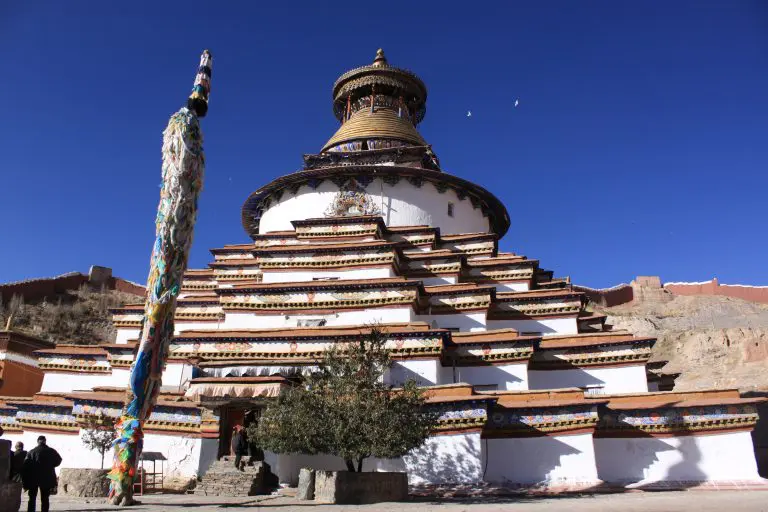

Travel from Kathmandu to Lhasa on an 8-day Kathmandu to Lhasa Group Tour, crossing the Himalayas via Everest Base Camp. This small-group overland journey combines dramatic landscapes, careful acclimatization, and Tibet’s cultural highlights.
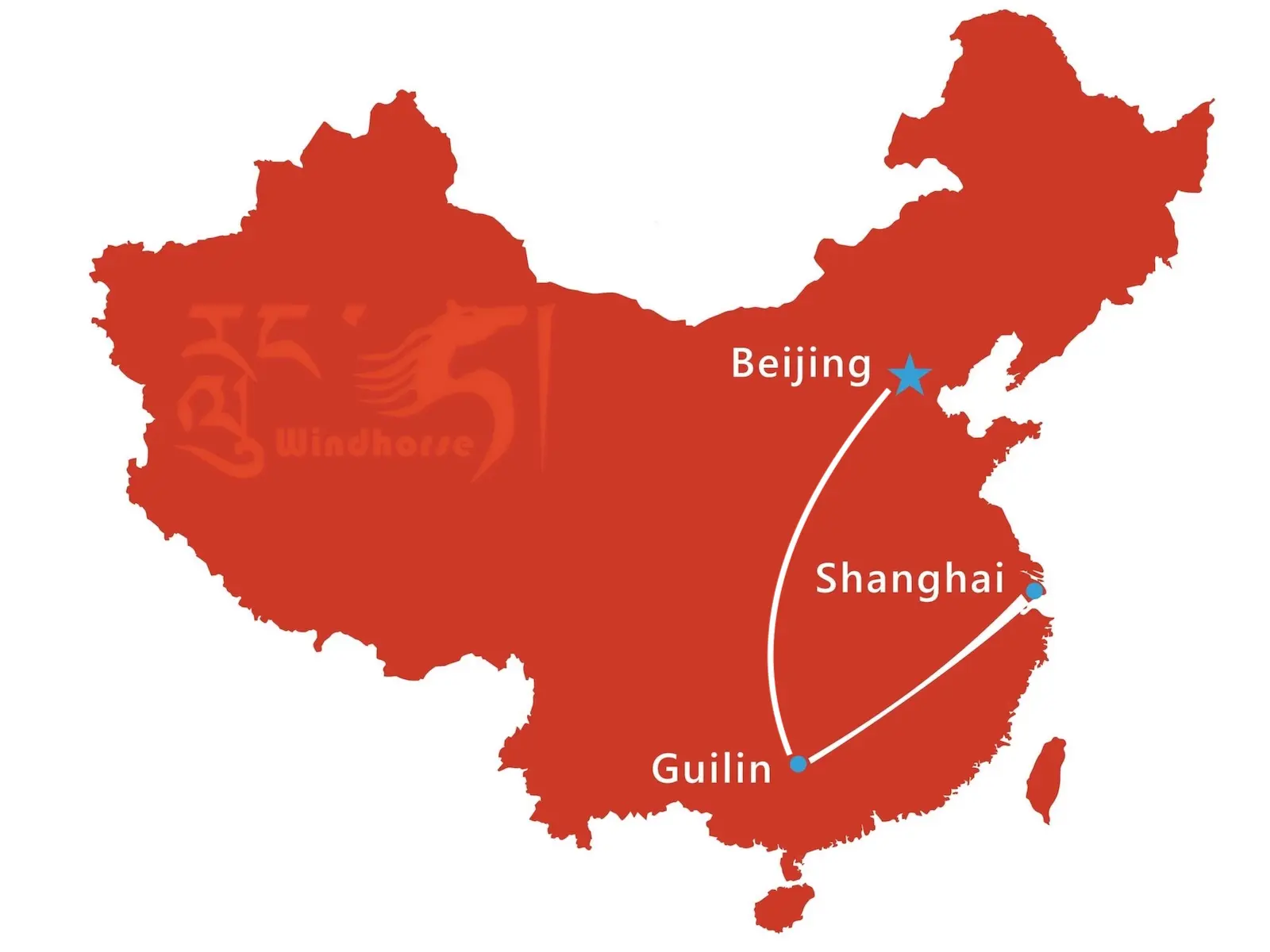
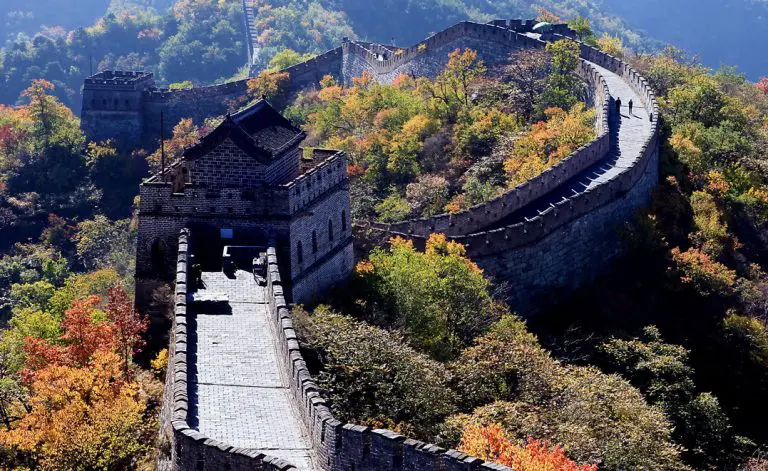
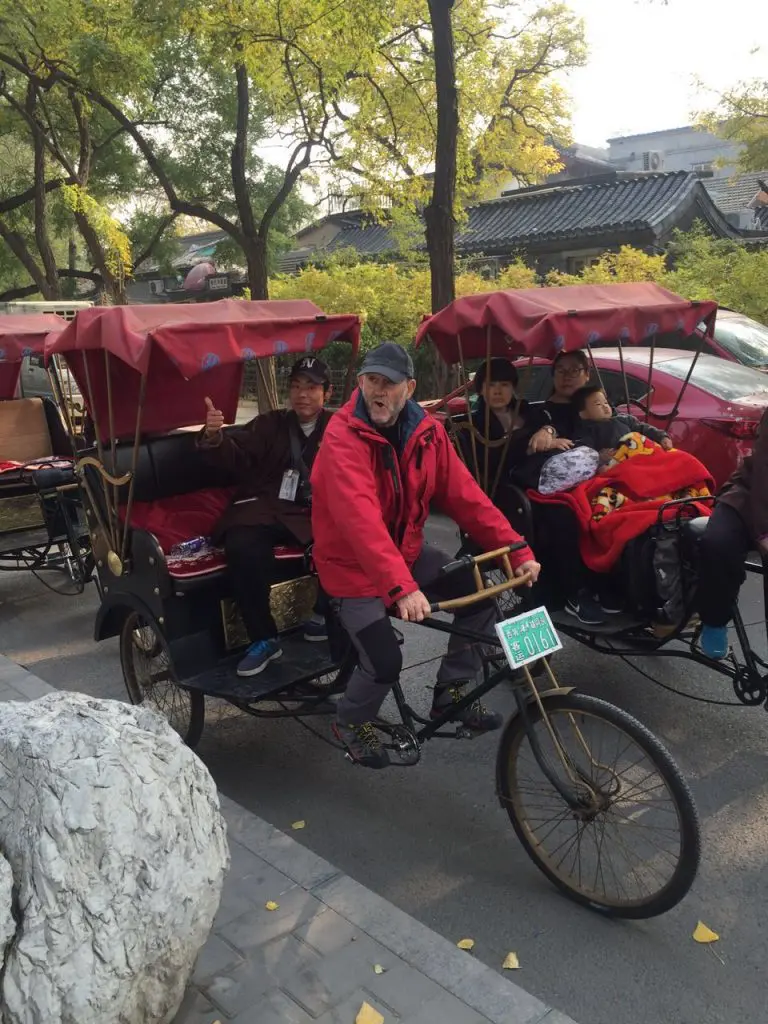
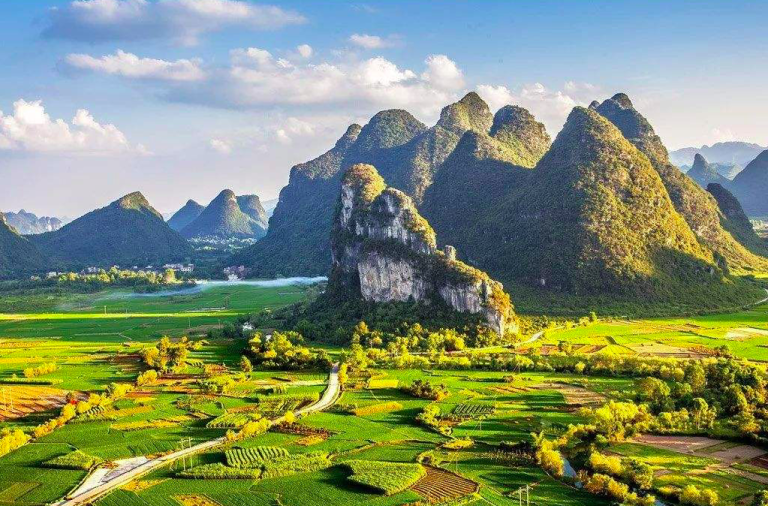
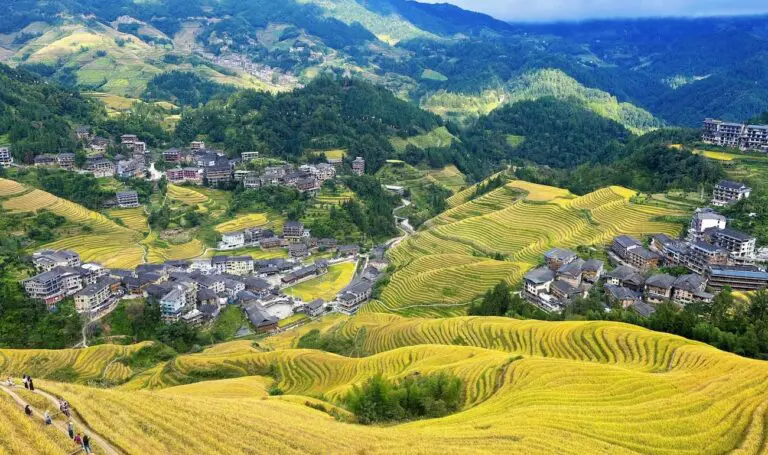
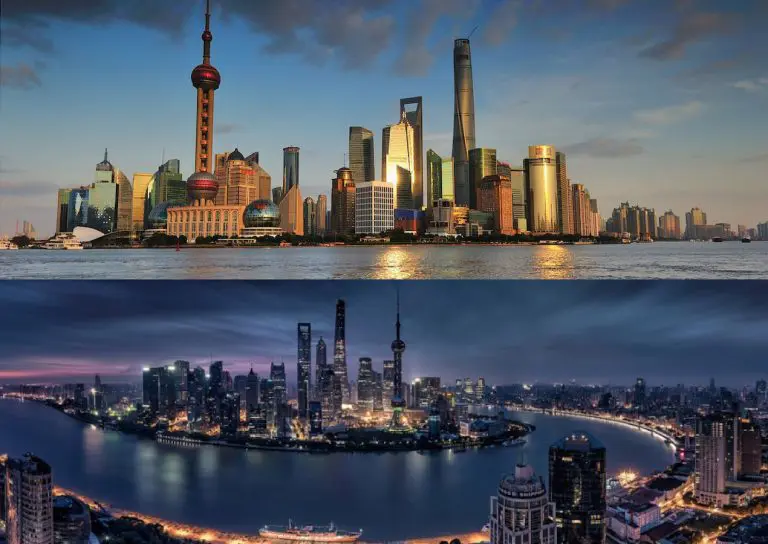
Explore Beijing, Guilin and Shanghai in 10 days, with the Great Wall, Li River cruise, Yangshuo countryside, Longji Rice Terraces and Zhouzhuang Water Town.
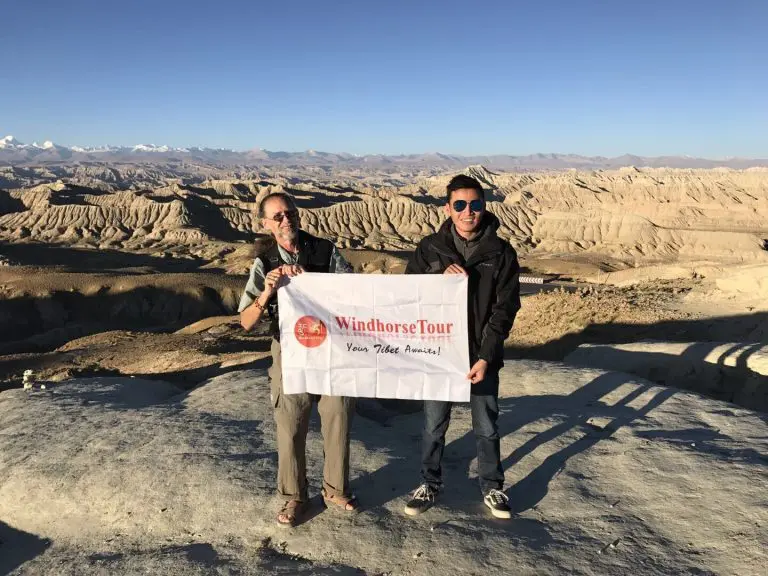
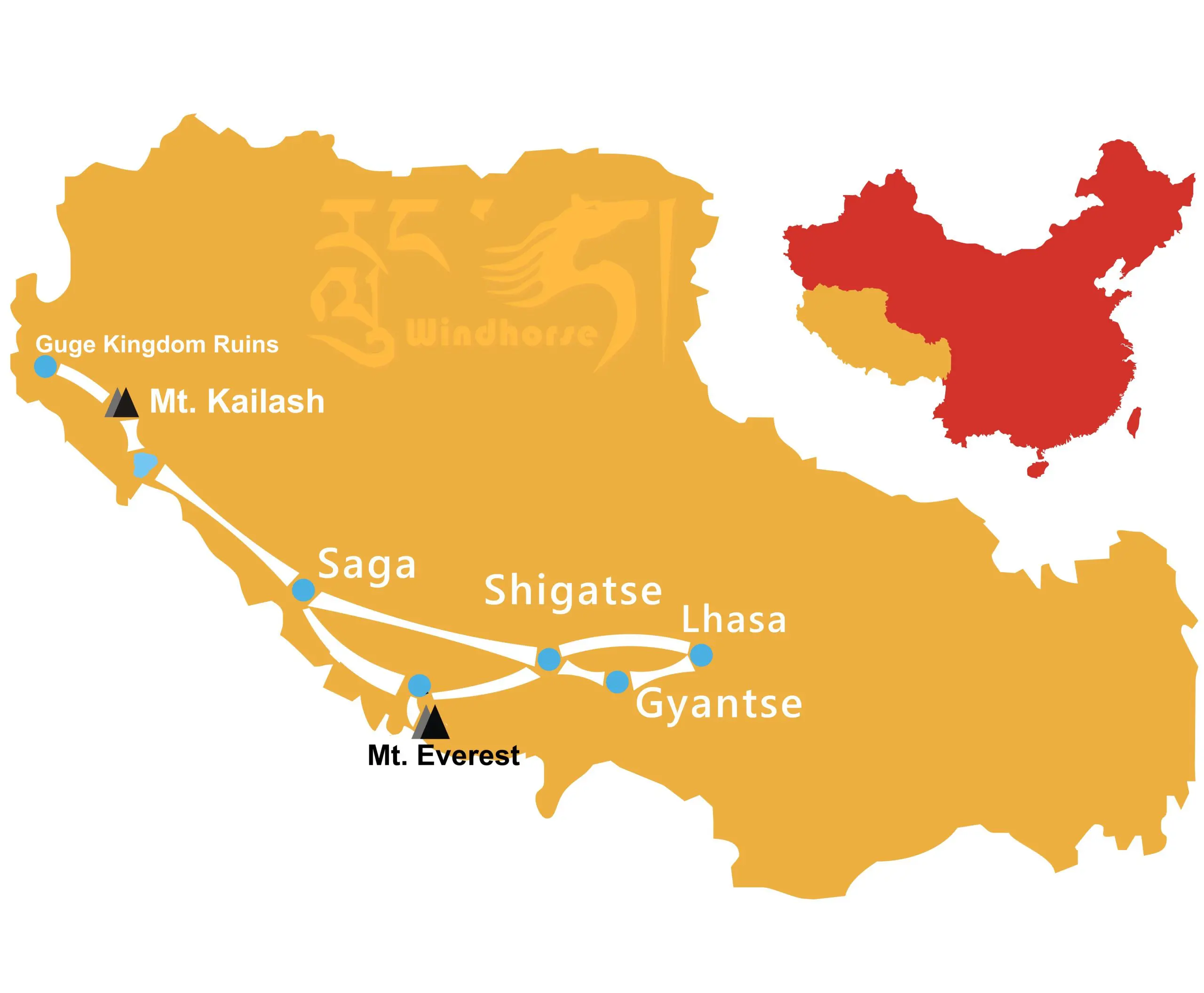
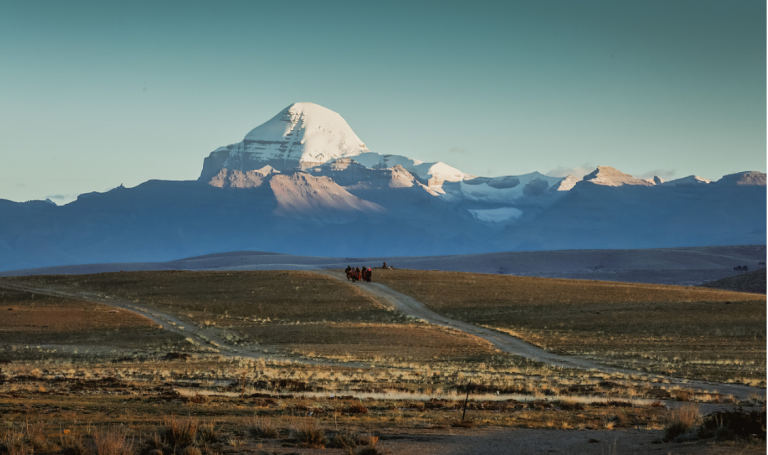

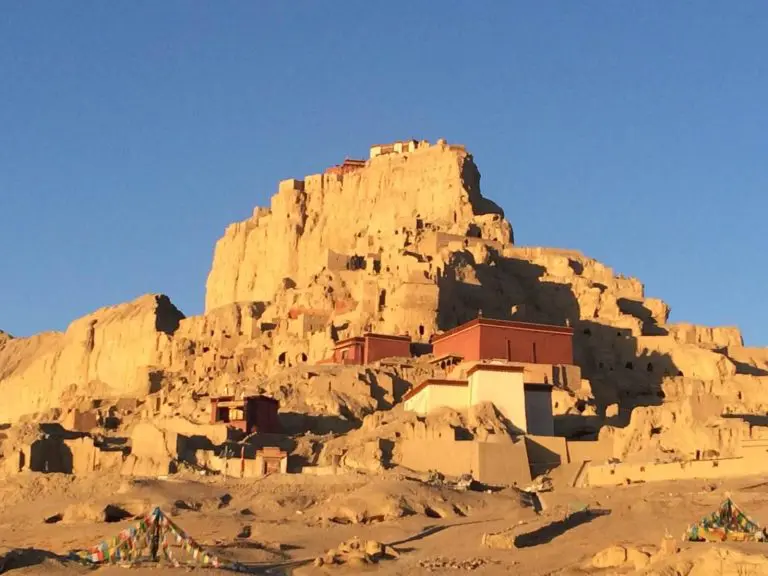
This 17-day Tibet Mt Kailash tour takes you on an in-depth journey through Far Western Tibet, featuring Mount Kailash trekking, the Guge Kingdom, Mount Everest, monasteries, and stunning landscapes. This tour starts and ends in Lhasa.