
Visiting Tibet in April
Visiting Tibet in April can be a great idea for those who want to experience pleasant weather, cultural events, and beautiful scenery. In April, Tibet begins to warm up as it enters spring. It’s the start of the tourist season, but it’s less crowded than the peak months of July and August. This means you can enjoy popular spots with fewer people and get a better chance to interact with locals. Here you can read our guide when is the best time to visit Tibet.
Tibet requires all foreign visitors to have a Tibet Travel Permit, and you should arrange this through a tour operator since you can’t travel independently here.
The nice weather in April is perfect for outdoor activities like trekking, visiting monasteries, and seeing natural sights. Places like the Potala Palace, Jokhang Temple, and Namtso Lake are easier to visit and less packed with tourists.
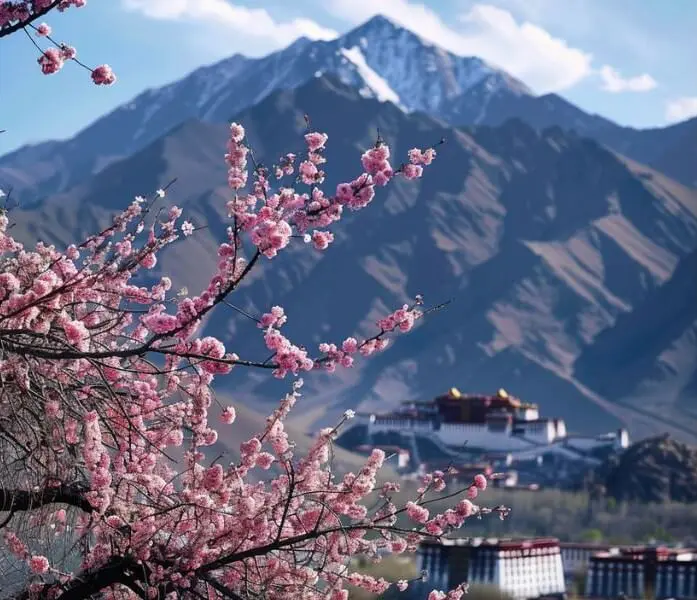
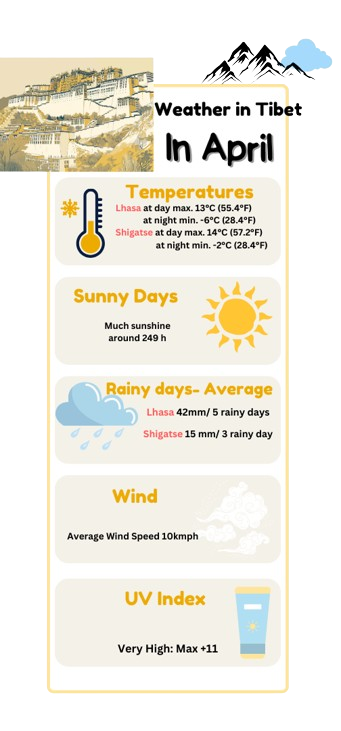
The Weather in Tibet in April
Visiting Tibet in April allows you to explore regions beyond just Lhasa and Shigatse. While these areas are warmer in January, February, and March, other parts of Tibet experience harsh weather, making visiting during the colder months of the year less advisable.
Lhasa Weather in April
The weather in Lhasa in April can be still with cold nights, but daily temperatures can rise to 13°C. The night temperatures drop average to -2°C. However, there are plenty of sunny days and an average of 5 days of rain.
Shigatse Weather in April
The weather in Shigatse in April is similar to Lhasa, with a mix of chilly nights and pleasantly warm daytime temperatures. Daytime temperatures can reach up to 14°C, making it comfortable for sightseeing and other outdoor activities. Nighttime temperatures, however, can drop to around -1°C, so warm clothing for the evening is essential. Shigatse also enjoys a good amount of sunshine in April, but it’s slightly less rainy than Lhasa, averaging around 3 days of rain throughout the month. This makes April a favorable time to visit, as the weather is generally clear and conducive to exploring the many cultural and historical sites in the area.
Nagqu weather in April
In April, Nagqu starts to warm up a bit as it moves from winter into spring, but it still stays pretty cold. During the day, temperatures often rise to about 5°C, which is cooler compared to Lhasa and Shigatse. At night, it can get even colder, sometimes going below -5°C, so it’s important to bring plenty of warm clothes, especially for the evenings. The weather can also be quite windy, which might make it feel colder than it is. Nagqu doesn’t see much rain or snow in April, usually only about 2 days’ worth, and there are many sunny days. This makes April a good time to go out and enjoy the vast, open landscapes of the area.
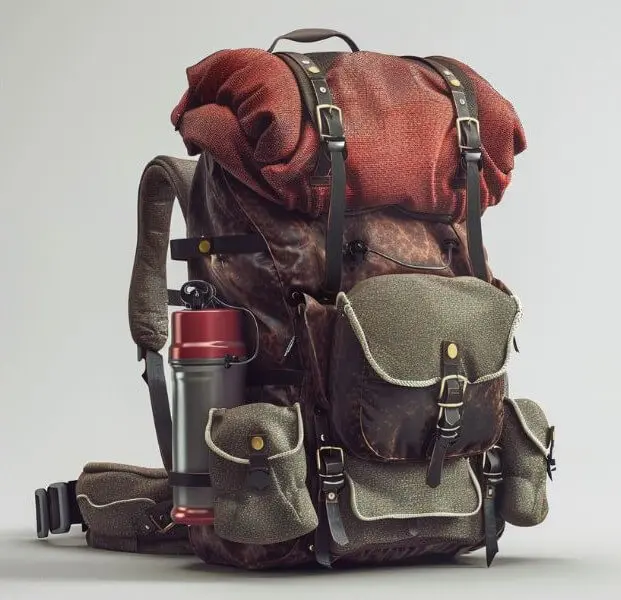
What to Pack for your Tibet Adventure in April
When packing for a trip to Tibet in April, it’s important to prepare for a range of weather conditions and the activities you plan to do. Here are some essentials to include:
Layered Clothing: April in Tibet can still be quite cool, especially in the mornings and evenings. Pack layers that you can add or remove as needed, such as a base layer, a fleece, and a windproof and waterproof jacket.
Comfortable Footwear: Bring sturdy, comfortable shoes or boots suitable for walking or hiking. The terrain can be rugged, so good ankle support is beneficial.
Sun Protection: The sun can be surprisingly strong in Tibet. Include a high-SPF sunscreen, sunglasses with UV protection, and a wide-brimmed hat to protect your face and neck.
Travel Documents: Ensure you have all necessary travel documents, including your passport, visa, and Tibet Travel Permit. Keep these accessible but secure.
Health Supplies: Pack a basic first aid kit, any prescription medications you need, and possibly altitude sickness medication, as Tibet is a high-altitude region.
Cultural Respect: Consider bringing clothing that covers shoulders and knees as a sign of respect when visiting monasteries and other religious sites.
What to visit in Tibet in April
During your tour in Tibet, spending at least two to three days in Lhasa is advisable to acclimate. However, almost every Tibet tour starts in Lhasa. You can see and visit Lhasa attractions like Potala Palace, Barkhor Street, Jokhang Temple, and others.
Some so many monasteries and temples are close to Lhasa, and not so popular, but also worth visiting.
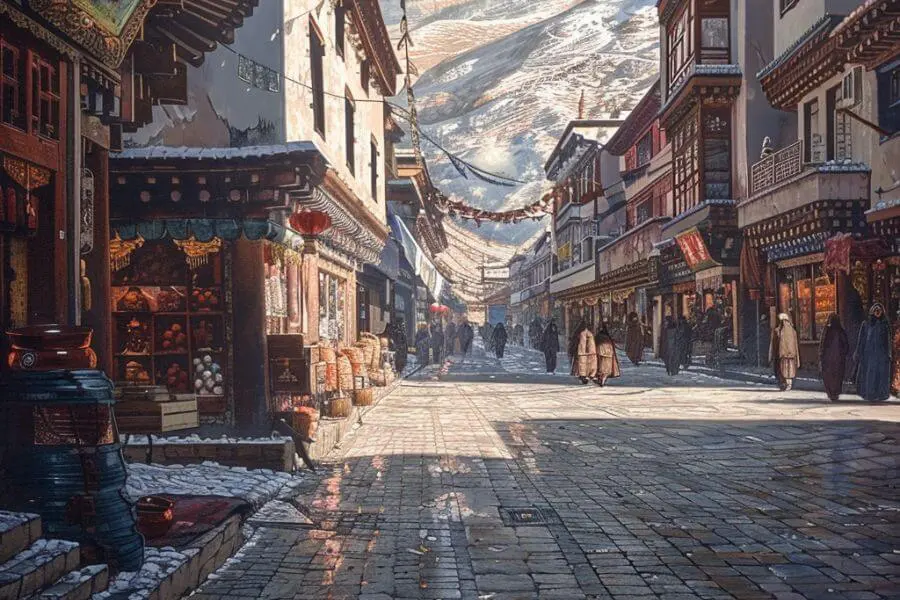
Old Town in Lhasa
If you have enough time for Lhasa’s beauty, you should take a walking tour of Old Town.
The historic Tibetan old town is at the heart of Lhasa. This walk includes visits to craft workshops, hidden chapels, and paths used by pilgrims, passing by some of Lhasa’s few remaining traditional buildings.
When you start the Barkhor Circuit, turn left, then quickly right to reach the bustling Tromsikhang Market. After exploring the modern market, head north to Beijing Donglu, then right to visit Gyüme Tratsang, Lhasa’s Lower Tantric College. It can be easy to miss, so look for its impressive entrance set back from the road. Nearby is the Meru Sarpa Monastery.
Cross Beijing Donglu, take the alley into the old town and follow it past the House of Shambhala. As you go south, you’ll see Tibetan artisans crafting various items. At the junction, turn left at the monks’ clothing store.
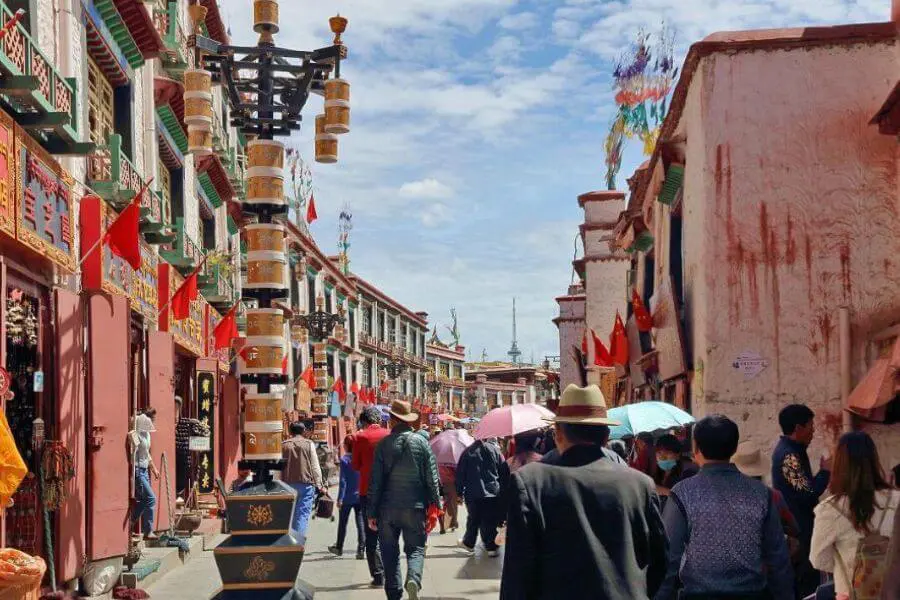
Continue southeast, passing by statue-makers and a kindergarten, until you reach the Karmashar Temple. This temple has historical significance as Lhasa’s main oracle’s residence. Don’t miss the Karmashar statue and the unique icon painted on a pigskin bag inside.
Further east, you’ll find Dropenling, where local craftsmen work on traditional art pieces. Ask to see their workshops and museum. Afterward, head south towards the Muslim quarter, known for its vibrant atmosphere and markets.
Explore the area, but note that non-Muslims may not enter the mosque. Continue southwest along the Lingkhor pilgrim circuit to Ani Sangkhung Nunnery, one of Lhasa’s oldest shrines. Then, visit Lho Rigsum Lhakhang, a beautiful chapel often overlooked by tourists.
Nearby, you’ll find shops selling prayer-wheel accessories and prayer flags. If you need a break, there’s a garden restaurant at Trichang Labrang Hotel. Continue north to reach Rabsel Tsenkhang, a small temple affiliated with Sera Monastery.
Finally, follow the alley north to complete the southeastern corner of the Barkhor Circuit, where you can continue clockwise to Barkhor Square.
Things to do in Tibet in April
Trekking
Weather in April allows adventurers to start trekking on the land of the highest altitude, Tibet.
Trekking options in Tibet vary from walking around Mount Kailash with Tibetan pilgrims to exploring remote wilderness areas where you might only come across a few herders’ camps. These treks are usually short but take place at high altitudes, and you can easily combine them with visits to Tibet’s famous monasteries. Tibet’s scenery is beautiful but can be tough, so it’s best for experienced trekkers or people who are used to high altitudes.
Some of the best treks in Tibet are:
Ganden to Samye trek: This trek offers a lot: lakes, beautiful mountain landscapes, camps where herders stay, and important religious sites. It’s popular for good reasons, but it’s also important to remember that it can be quite challenging.
Mt Kailash Kora: The ancient pathway around Mount Kailash is famous as one of the world’s important pilgrimage routes, encircling Asia’s sacred peak completely. It includes a challenging 5650m pass to cross, making it a test of both mental and spiritual strength.
The trek offers stunning mountain views, including up-close sights of Mount Kailash’s majestic pyramid shape. Meeting fellow pilgrims, many of whom have walked hundreds of kilometers to reach here, is also a rewarding part of the journey, especially during the main pilgrimage season from June to September when Hindus and Tibetans join in. Most pilgrims use horses and yak teams for supplies, and you’ll also encounter Chinese tourists.
The path around Mount Kailash follows a simple route: across a plain, up a river valley, over the 5650m Drölma-la pass, down another valley, and back to the starting point. Its natural beauty and ease of navigation have made it a favorite pilgrimage for centuries.
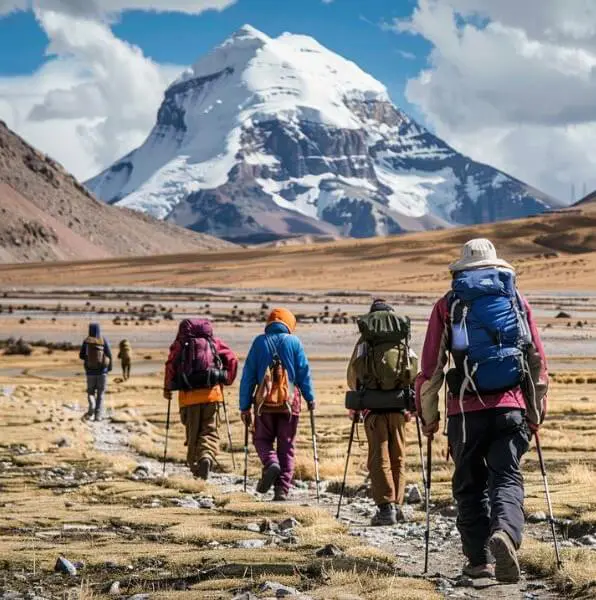
Tsurphu to Dorje Ling: Starting at Tsurphu Monastery, this challenging hike crosses numerous high valleys before reaching the expansive and windy Yangpachen Valley. Mixing alpine landscapes with breathtaking mountain views and monastery visits, this trek offers a good blend of nature and culture. The ideal time for this trek is from mid-April to mid-October, although summers can be rainy and snow can surprise you anytime. Since you’ll be in nomadic areas, watch out for aggressive dogs that might take pleasure in chasing unfamiliar faces. There are no stores for supplies, so make sure to bring everything you need. Along the route, there are few permanent settlements, and locals are often not around. You must be completely self-sufficient for this trek.
Final words
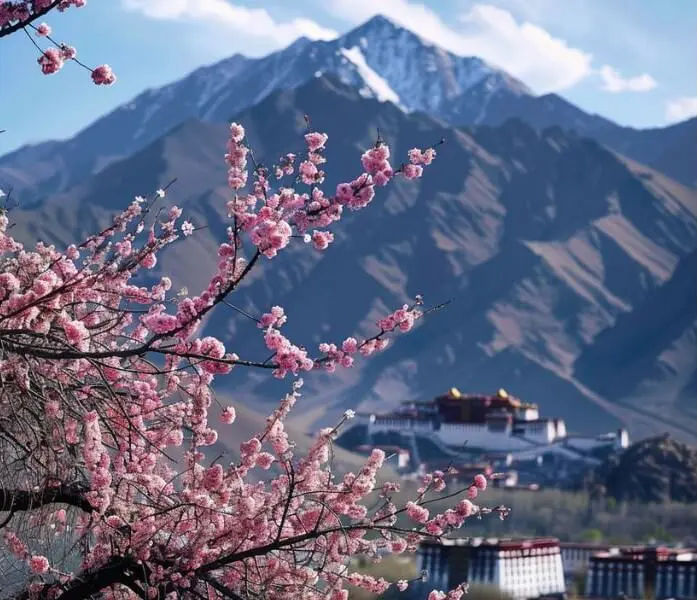
Visiting Tibet in April promises a unique adventure. You’ll enjoy vibrant cultural events, beautiful landscapes with blooming flowers, and clear skies offering stunning views of the mountains. Experience the warmth of Tibetan hospitality, explore ancient traditions, and witness spiritual ceremonies during this special time. Whether you’re interested in historic sites, scenic hikes, or cultural festivals, Tibet in April offers a captivating experience, inviting you to discover its rich heritage and breathtaking beauty.
Related tours
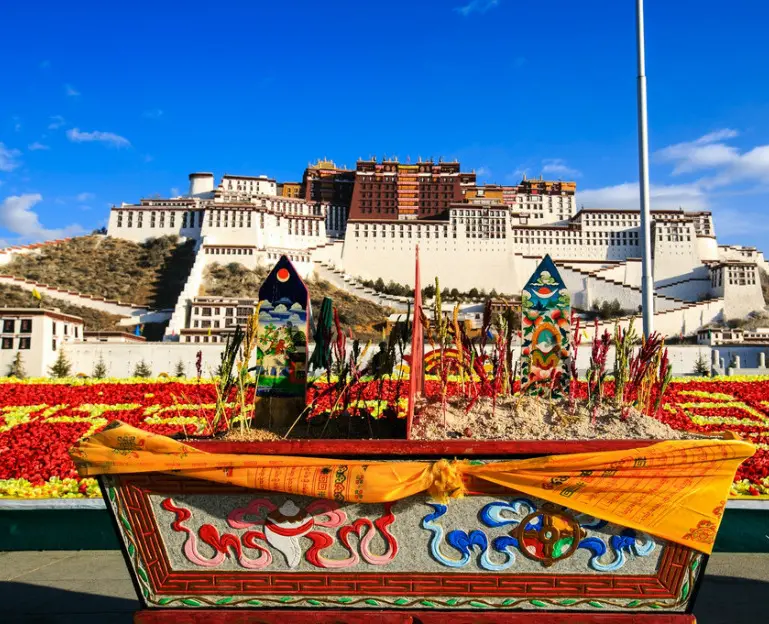

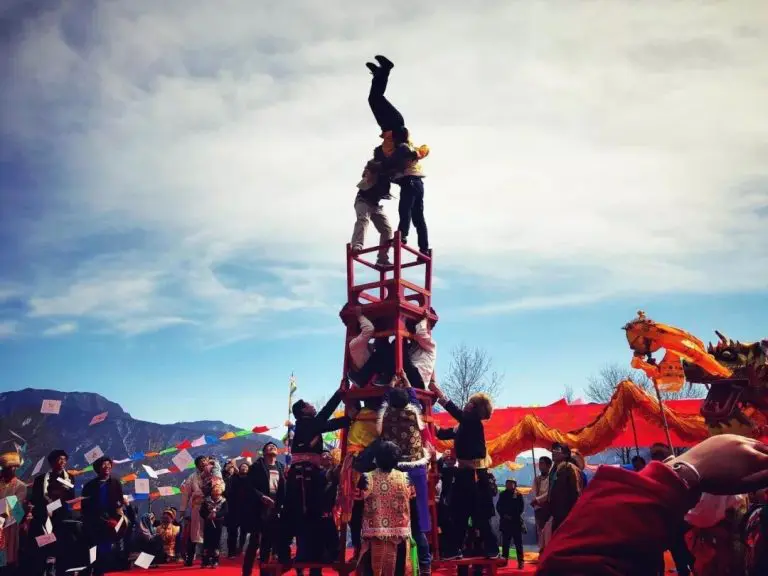
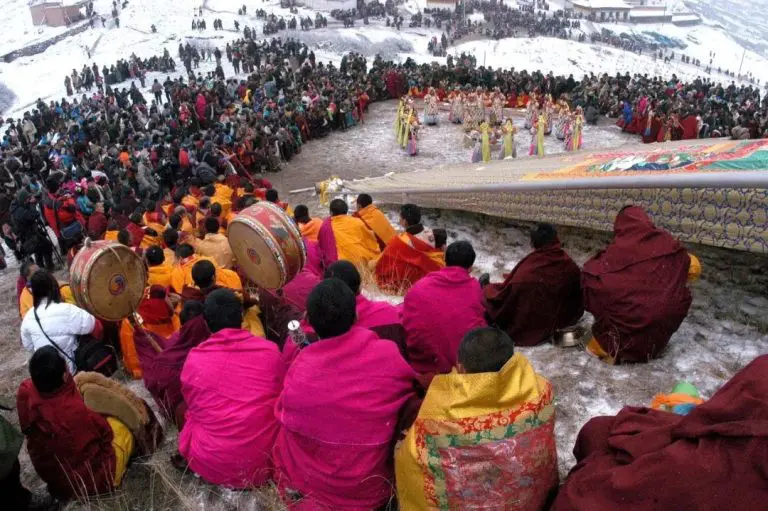
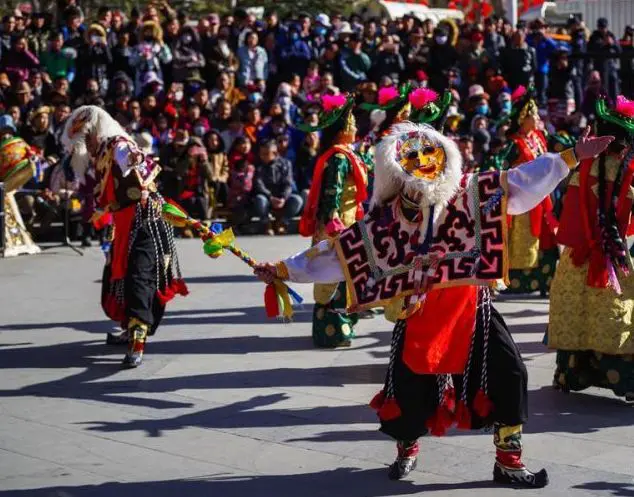
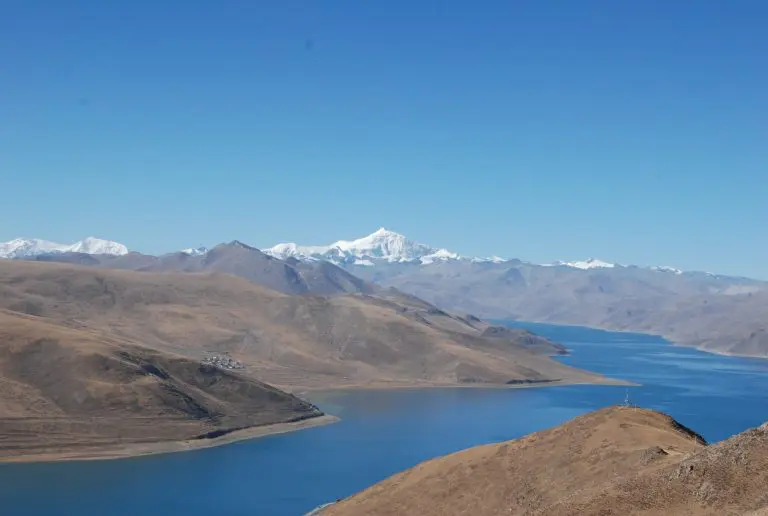
Celebrate Tibetan New Year (Losar) in Lhasa with sacred Cham dances, monastery ceremonies, festive markets, Tibetan opera, a local family visit, and breathtaking Yamdrok Lake on this immersive 7-day cultural journey.
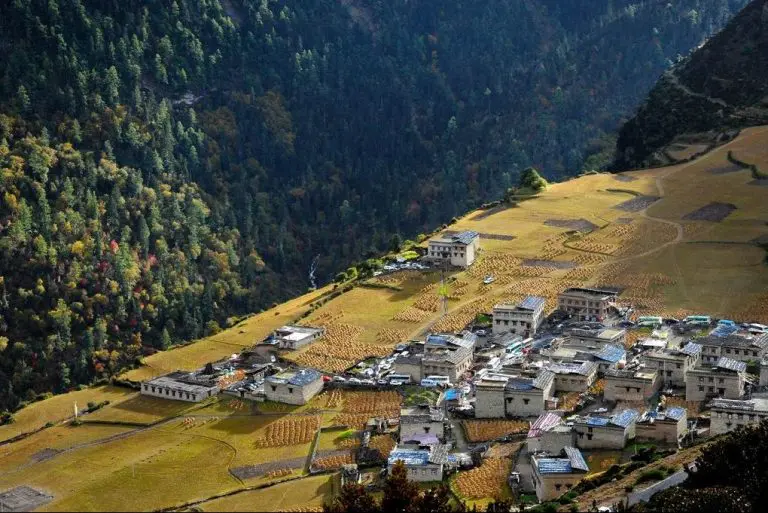
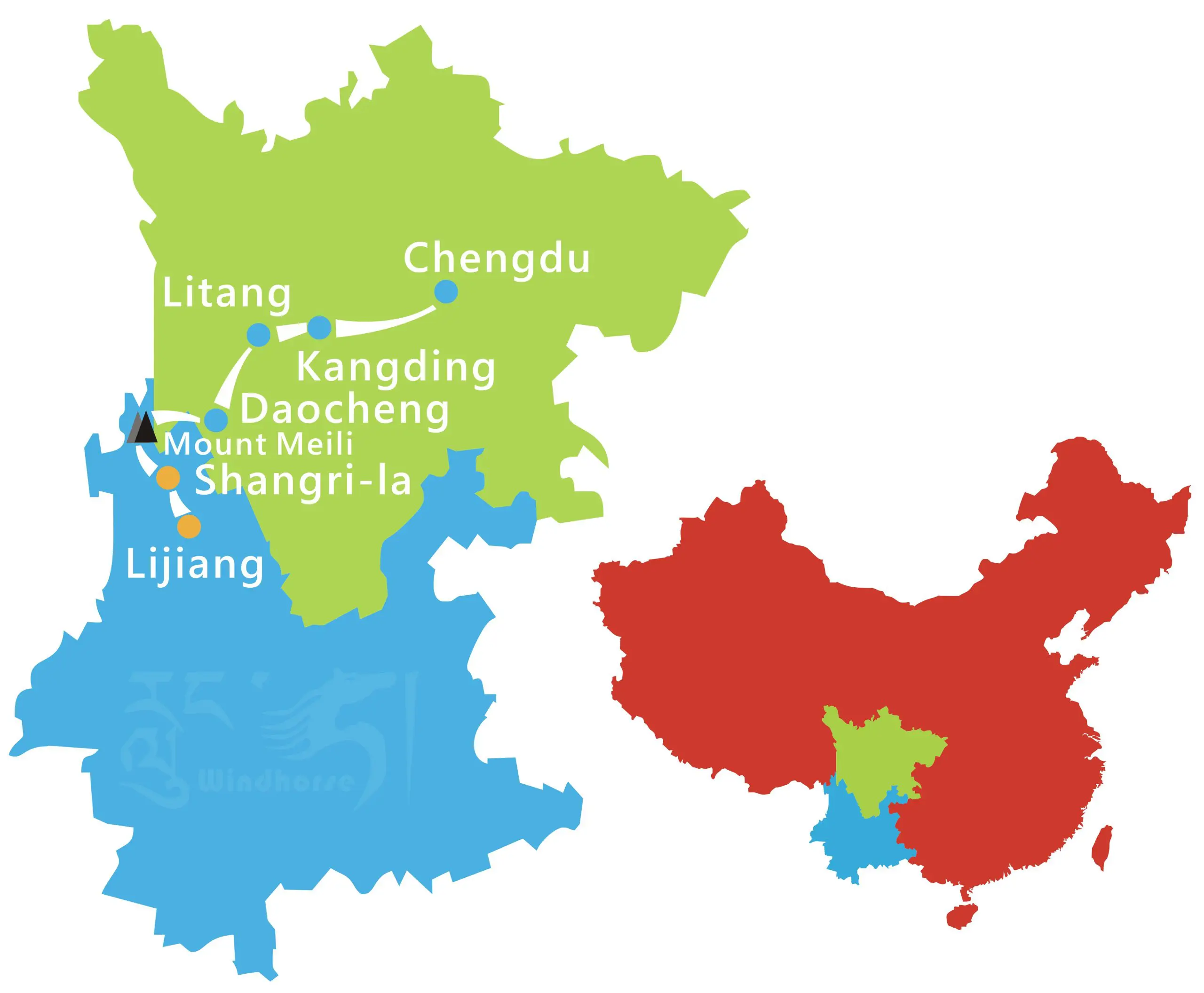
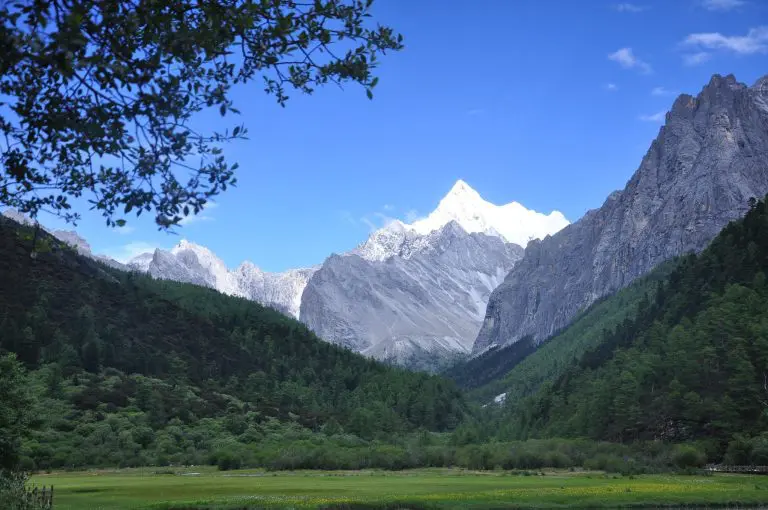
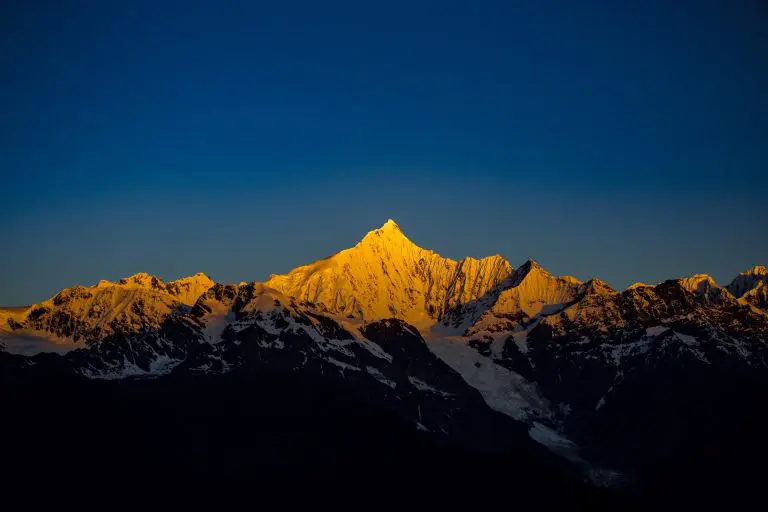
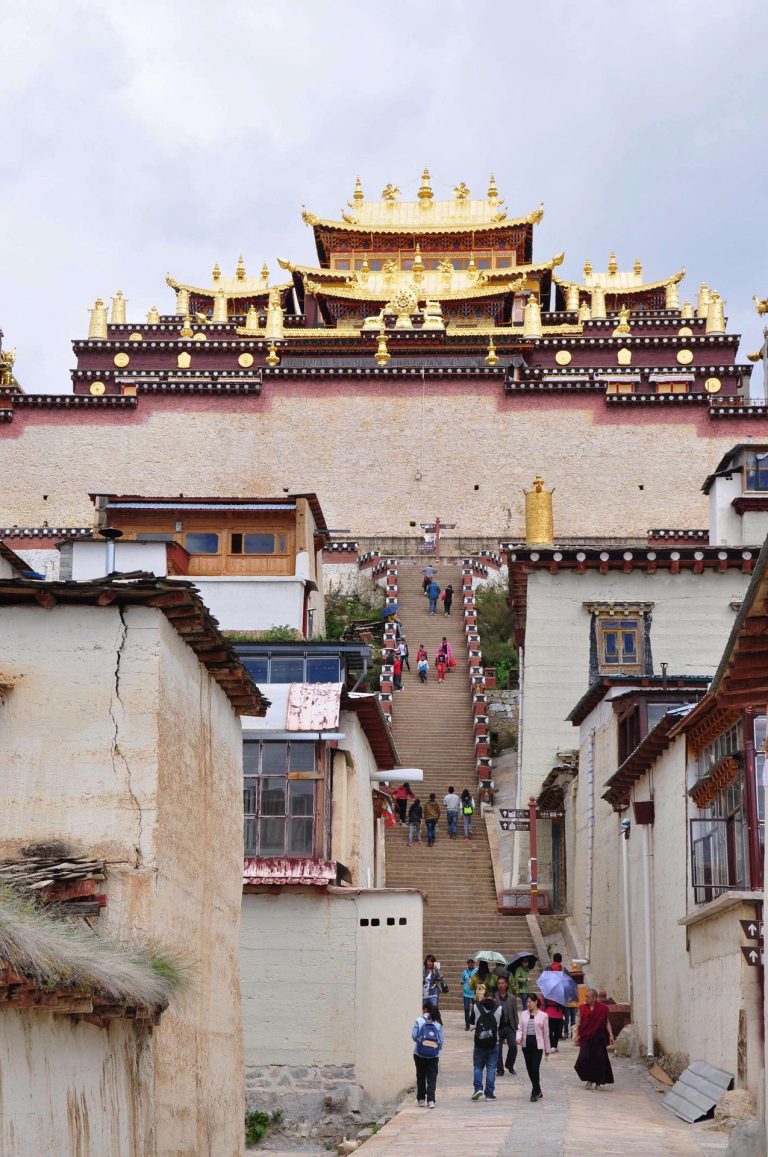
Experience an excellent picturesque trip traveling from Chengdu to the real Shangri-la and ending in Lijiang. A tour that passes through the wonderful virgin forest and snow-capped mountains of Daocheng and Yading. So much more awaits.
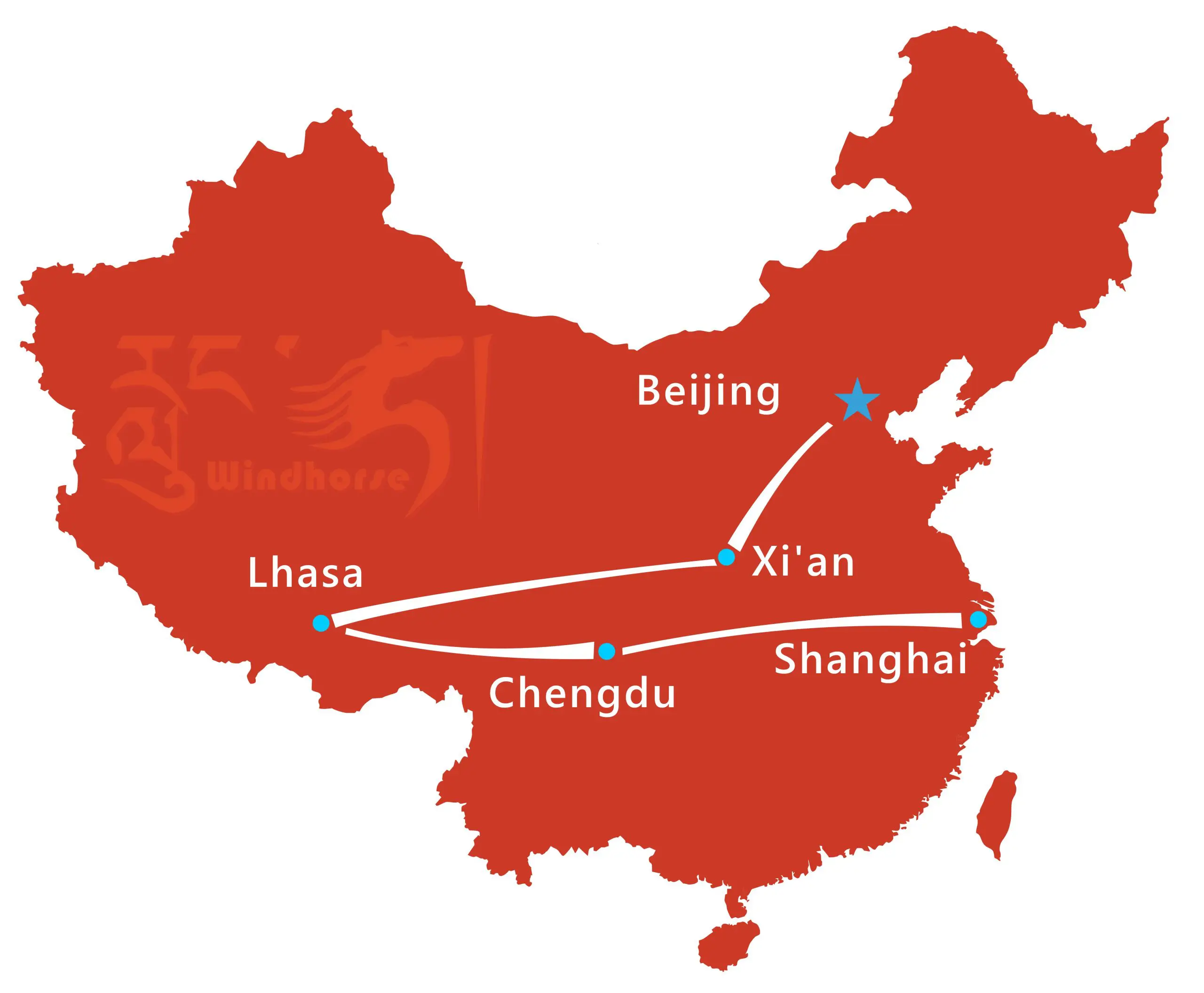
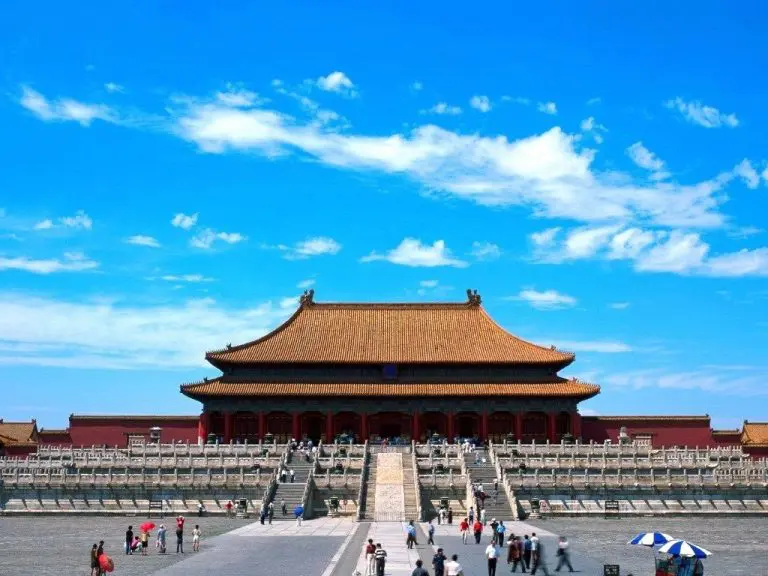
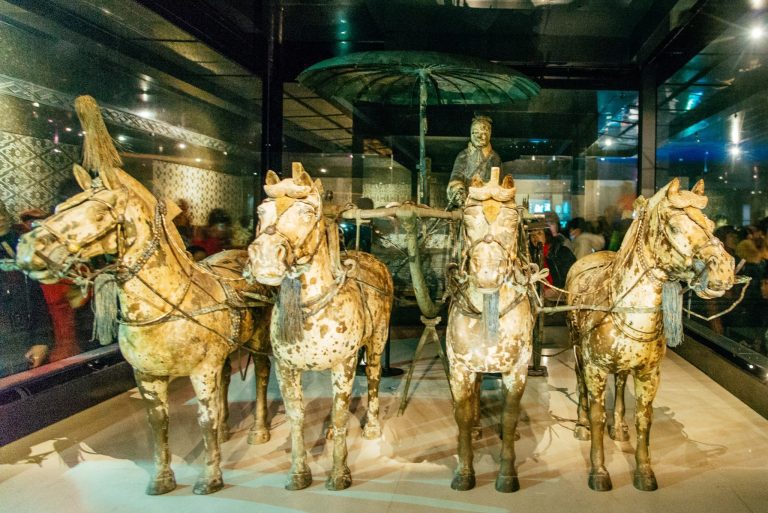
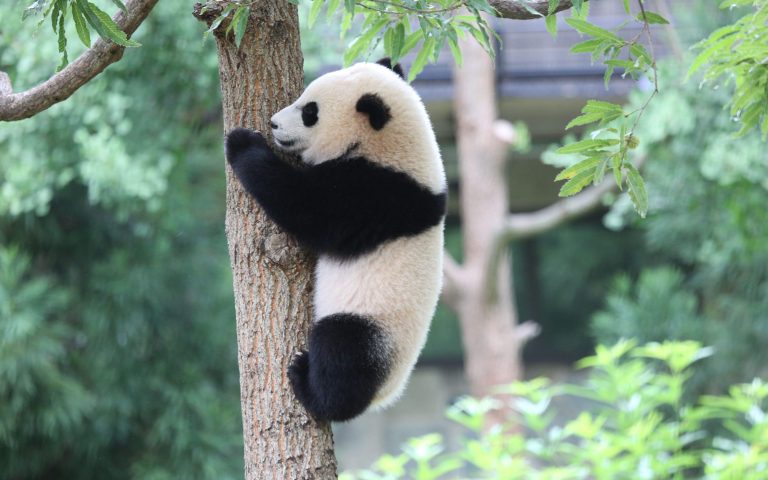
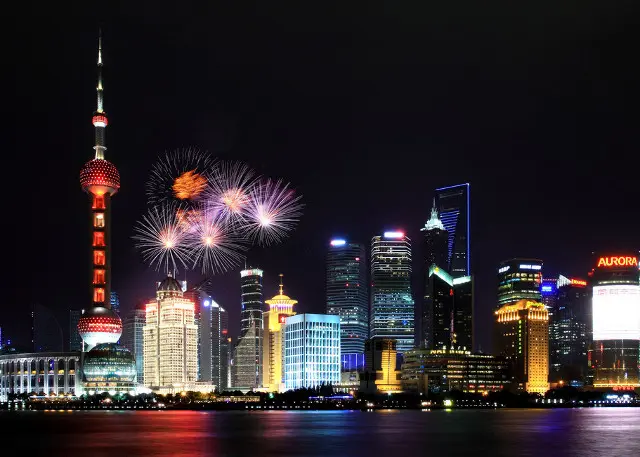
Experience the best of China and Tibet on this 2 week China Tibet Highlights Tour. Visit the Great Wall, Terracotta Army, Potala Palace, and pandas. A perfect mix of history, culture, and nature across Beijing, Xi’an, Lhasa, Chengdu, and Shanghai, perfect for first-time China Tibet travelers.