
Attractions along the ancient Silk Road

The ancient Silk Road is a living cultural bridge linking the ancient China, West Asia and the Mediterranean.
Traveling to the ancient Silk Road can take anywhere one week to several month since the route in China Extends 6,437 km. (4,000 mi.) and traverses Shaanxi, Gansu, Hexi Corridor as well as Xinjiang Uygur Autonomous Region.
The famous scenic spots and historic relics includes:
- Mogao Caves
- Gaochang Ruins
- Karakul Lake
- Sunday Markey in Kashgar
Xi’an, the Popular Starting City of Silk Road
The starting point of the ancient Silk Road usually mentioned in a common sense refers to Xi’an, also called Chang’an in ancient time. Silk and other commodities were gathered in this prosperous city from all parts of the country. At present, renowned as one of the most famous ancient capitals in China, Xi’an is a top travel destinations which preserves numerous cultural heritages. The highlights including Terracotta Warriors, Big Wild Goose Pagoda and Shaanxi History Museum etc. Travelers can also explore the unique Chinese Islamic culture by visiting the Great Mosque and its surrounding Islamic bazaars.
The Silk Road in Gansu Province

Climbing up the Loess Plateau, the ancient Silk Road enters Gansu Province, where travelers will explore the Tibetan culture in Northwest China region by visiting Lanzhou Binglingsi Monastery and Labrang Monastery in Xiahe. A splendid grassland is also located here.
After passing Xia’he, the route will reach Jiayuguan and Dunhuang, which are two must see attractions along the ancient Silk Road. In addition to Wuwei Confucius Temple, Jiayuguan Pass, Maiji Mountain and over one-thousand-kilometer Great Wall of Han Dynasty and Great Wall of Ming Dynasty, grottoes art is the most striking part of traveling in Gansu. Mogao Cave, Binglingsi Grottoes, Maiji Mountain Grottoes and Yulin Grotto are four pearls of grotto art in the Silk Road in Gansu.
The Silk Road in Xinjiang

The Silk Road crosses Qinghai and is divided into three sectors after stretching into Xinjiang. Urumqi is an important entrance city for those who seeking for the route of Silk Road in Xinjiang.
Ancient City of Gaochang and Bizaklik Thousand-Buddha Caves make Turpan a frequently visited place in middle route of the road hot not only in summer weather but also in its exotic flavor.
Marvelous Yardang Spectacle and Ancient City of Loulan in Korla are paradise for explores. Kashgar is the last stop on the central route and its busy Grand Bazaar show best the local customs. Jade and ancient cities of Niya, Yoktan and Malikawate make this unsophisticated stop on the southern route of Silk Road, Hetian, ever enchanting.
Among the lofty peaks of Kala Kunlun Mountain, the Khunherab Pass on the Pamirs is the west section of and the last stop of the ancient Silk Road in China.
Related tours
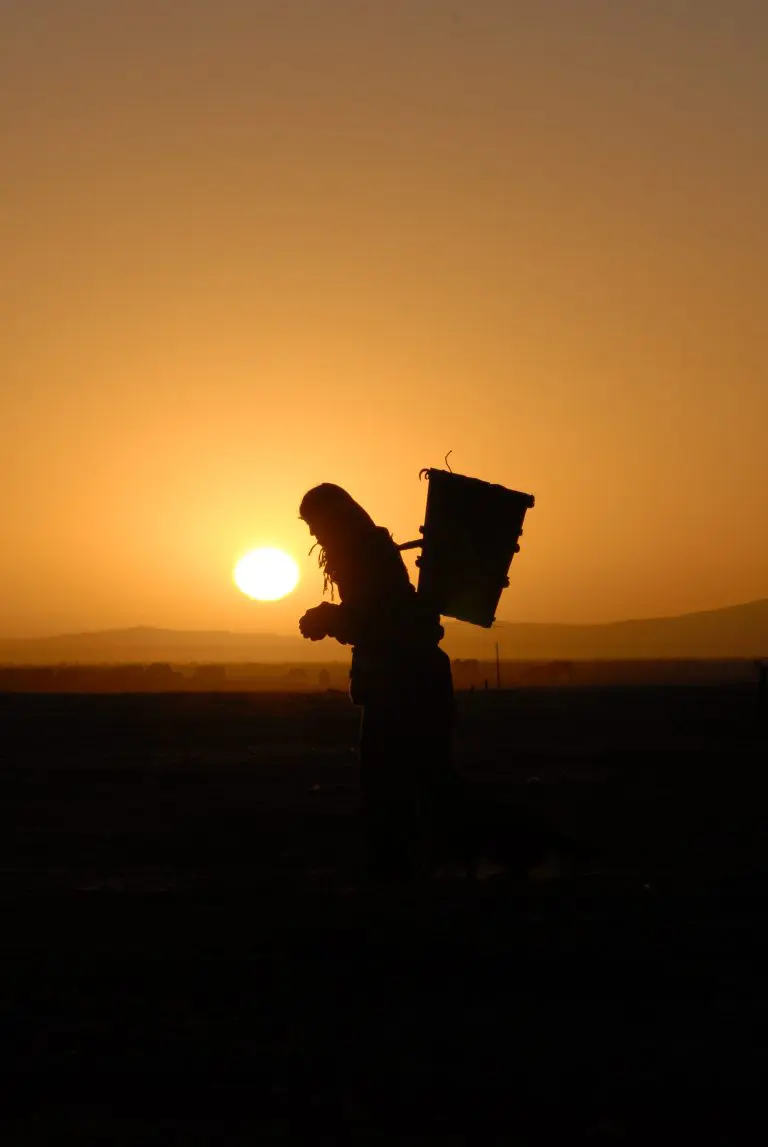
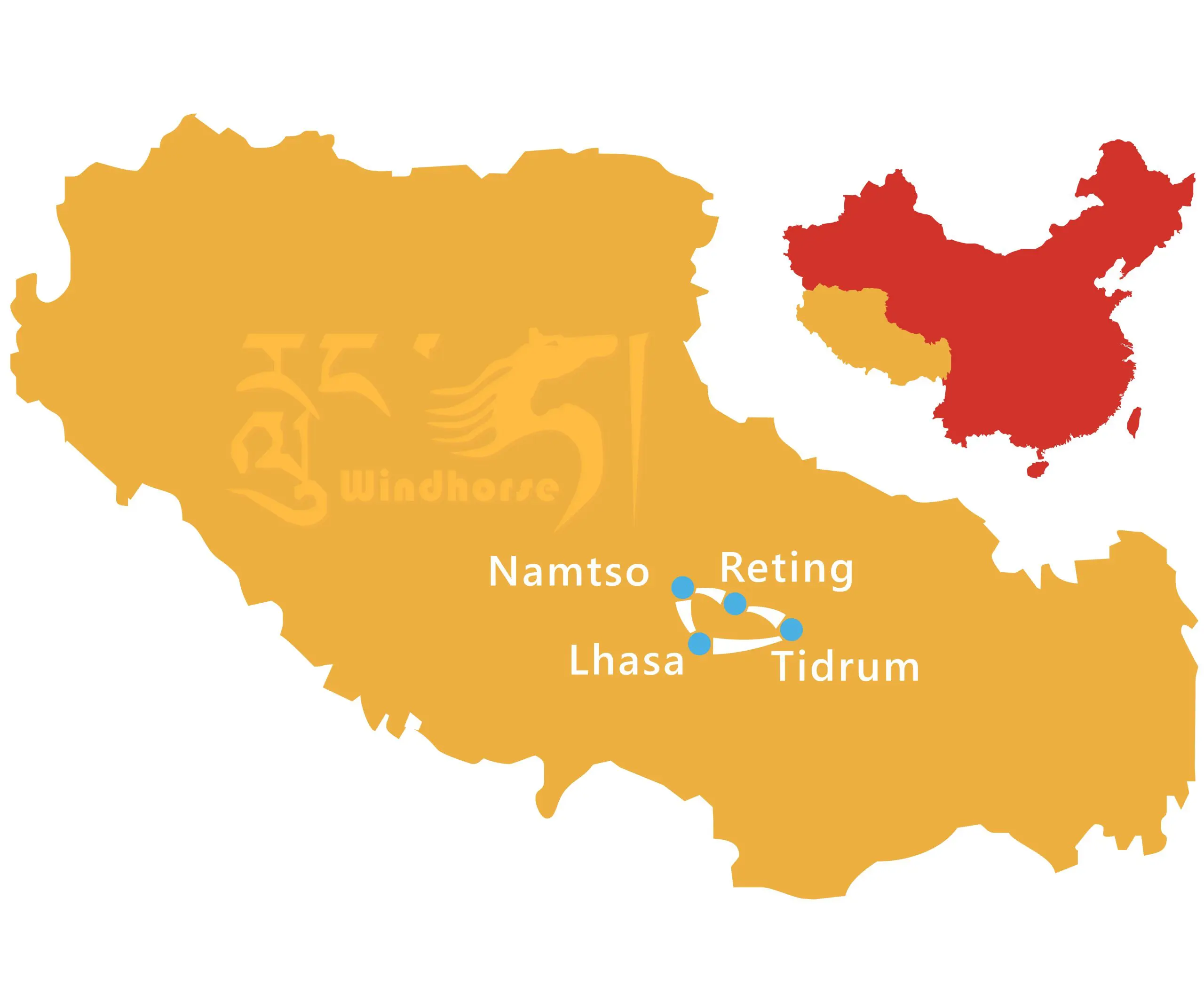
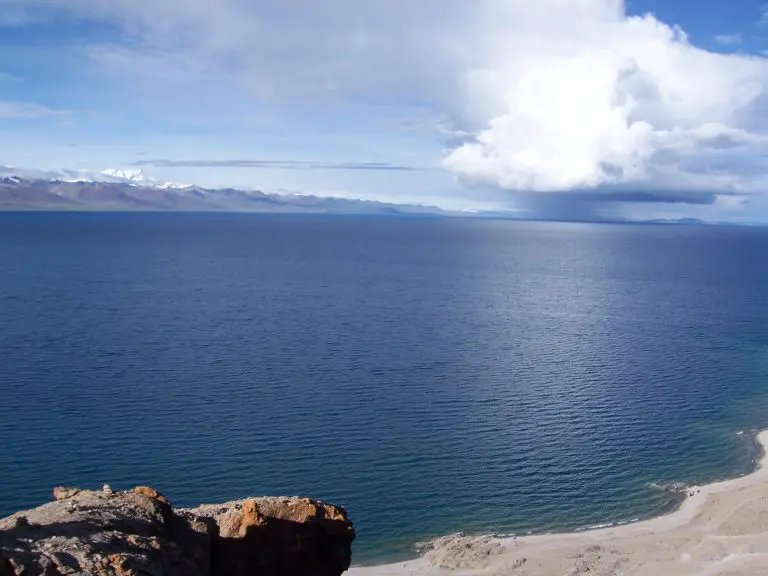
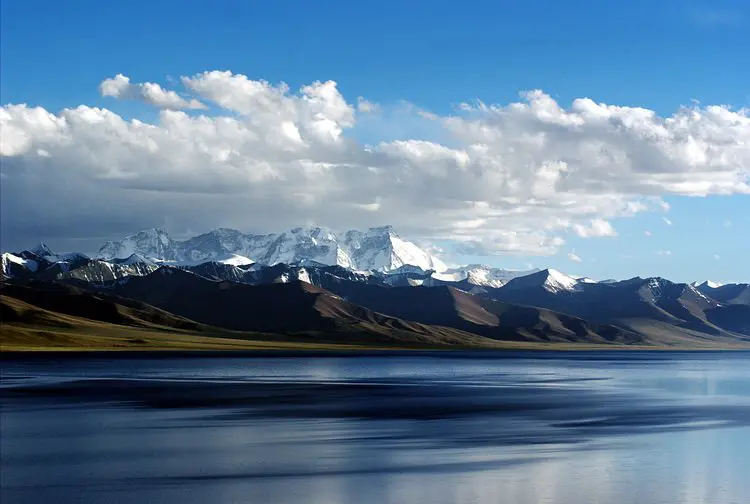

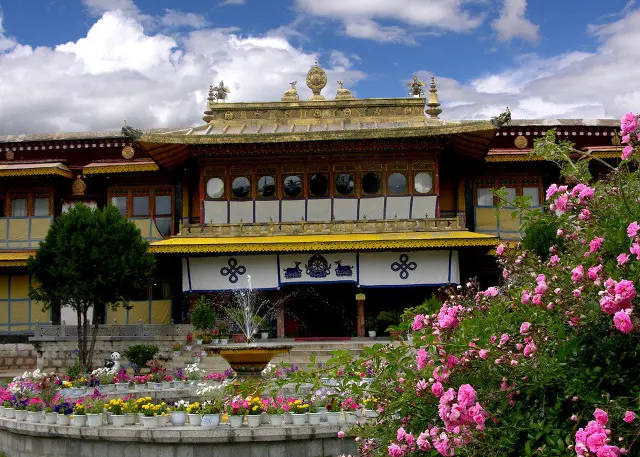
This Spiritual Tibet Tour from Lhasa takes you along less-traveled roads through northern Tibet's grasslands and rural valleys. Visit Tsurphu Monastery and Namtso Lake before continuing to Reting Monastery, Tidrum Hot Springs, and the monasteries of Drigung Til and Ganden. It's a good choice for travelers interested in Tibet's quieter spiritual and rural life.
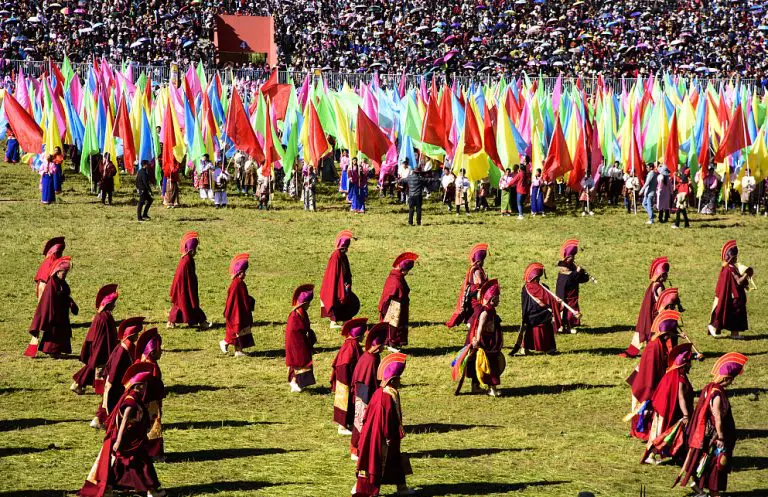
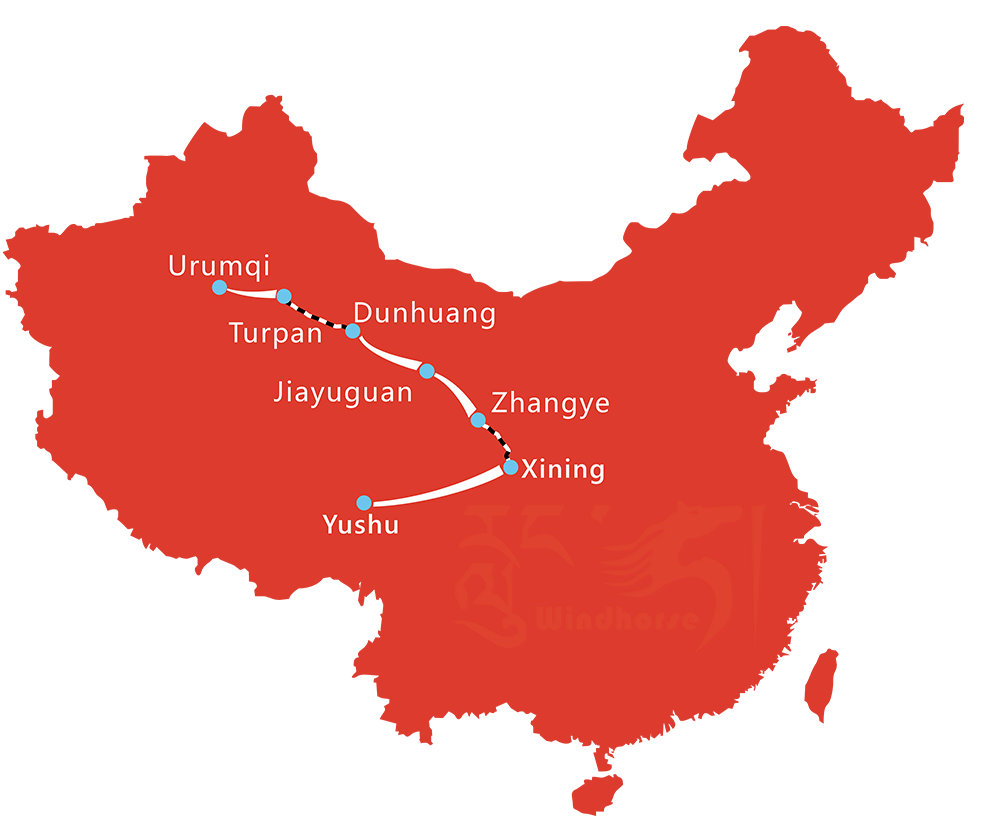
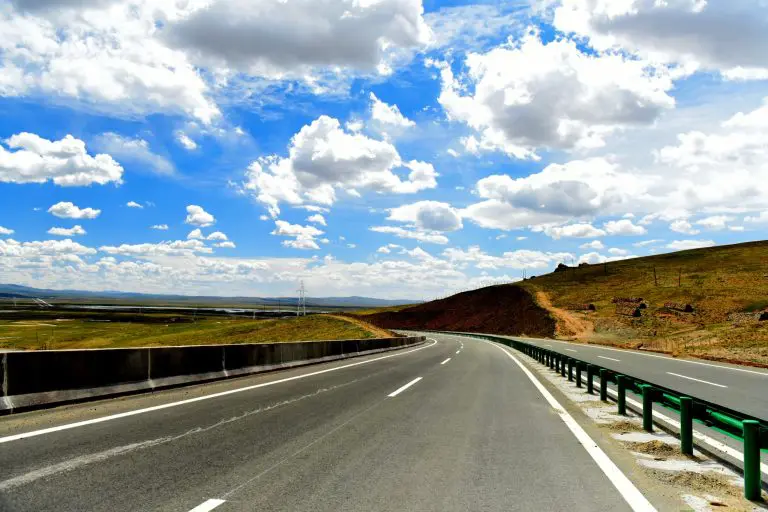
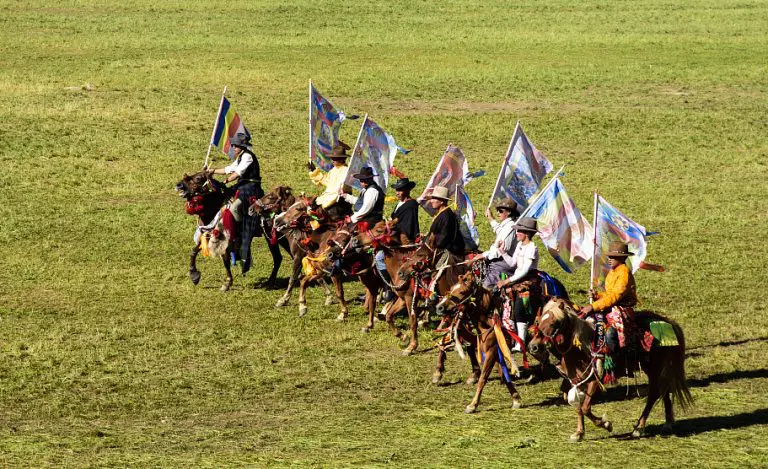
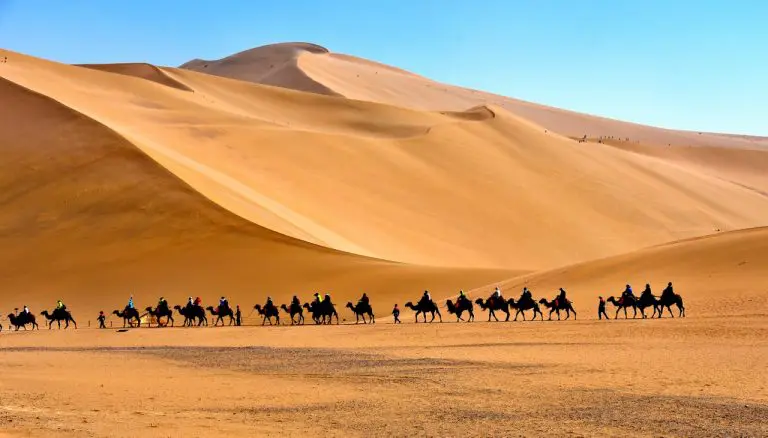
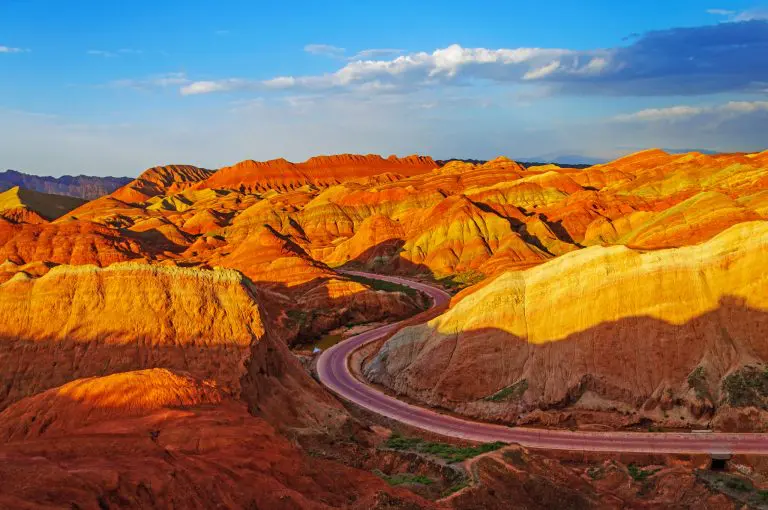
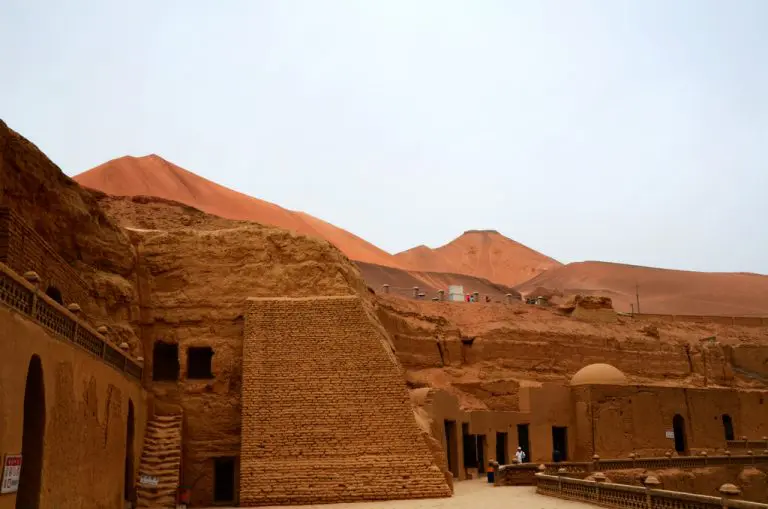
Experience the blend of adventure and culture on this 15-day Silk Road and Yushu Horse Festival Tour. Travel from Xining to Tibet’s grasslands, witness the Yushu Horse Racing Festival, explore monasteries, deserts, and ancient Silk Road cities like Dunhuang, Turpan, and Urumqi.


Start your Tibet Everest Base Camp tour in Lhasa, exploring Potala Palace, Jokhang Temple, and Drepung Monastery. Journey across Yamdrok Lake, Gyantse, and Shigatse to reach Mount Everest Base Camp, where you’ll witness the majestic sunrise over the world’s highest peak.


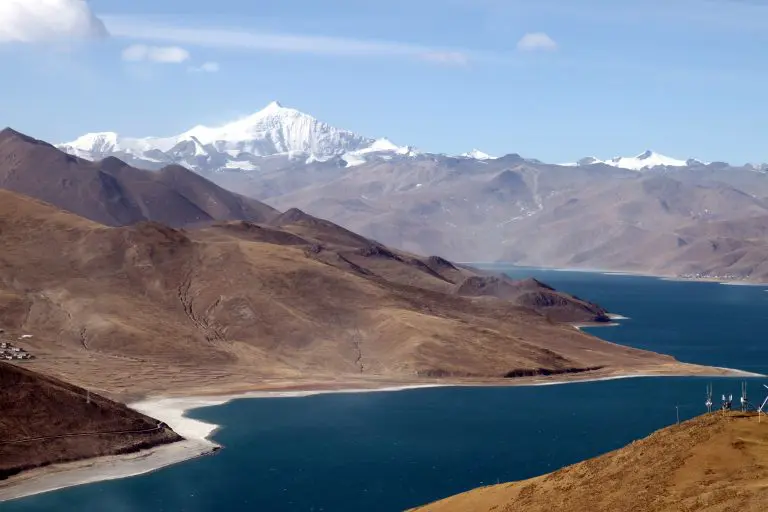


Cycle from Lhasa to Kathmandu via Everest Base Camp on this ultimate 19-day adventure. Pedal across six high Himalayan passes, past Yamdrok Lake, Gyantse and Shigatse, and descend into Nepal’s lush valleys for an epic ride through Tibet’s breathtaking landscapes and vibrant culture.