
Visiting Tibet in January
Visiting Tibet in January is a challenging adventure because the winter in January is at its peak. However, Tibet isn’t as cold as everyone imagines. However, l’s great advantage is visiting Tibet in January. There are many things you can do and see in Tibet during the winter—also, a low price for travel tours and accommodation.
It would help if you were prepared for this travel, so we created a guide on how to visit Tibet in January. And her is the guide for the best time to visit Tibet.
Weather in Tibet in January
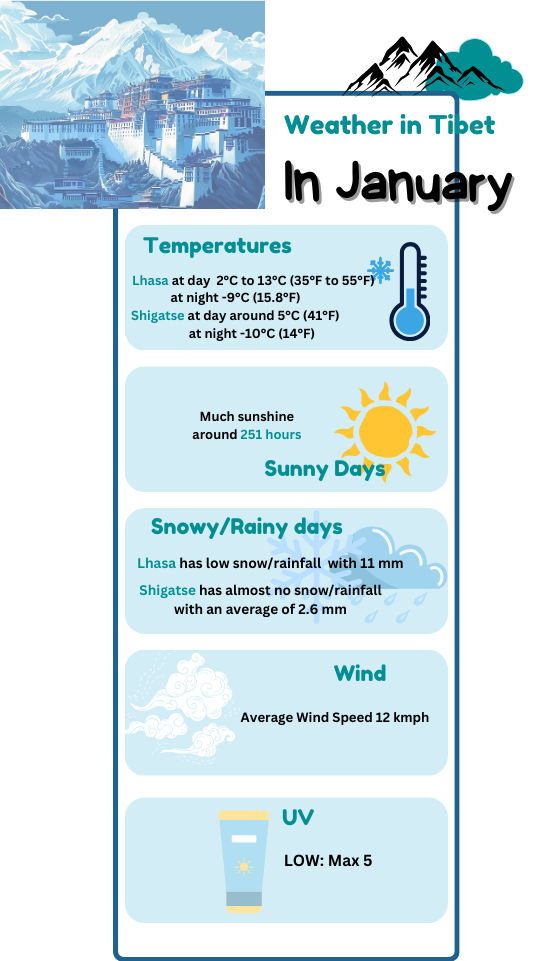
The weather in January in Tibet is dry and cold, with very low temperatures. Day temperatures in Lhasa are around 2°C to 13°C (35°F to 55°F), while at night, temperatures can drop as low as -9°C (15.8°F). I have to mention that Lhasa is one of the warmest regions in Tibet. The Temperatures in EBC are way too low in winter.
The region sees very little rainfall during this month, making it one of the driest periods, which contributes to clear and sunny skies for most of the day.
What to Pack
The most essential things you’ll need to pack are warm clothes. But here is a packing list for Tibet that you’ll need before going on an adventure.
- Warm sweaters
- Hat and sunglasses
- Down Jacket
- Windproof jacket
- Warm gloves
- Warm and strong boots
- Socks
- Sunscreen
- Moisturiser
- Lip balm
What to visit in Tibet in January
Lhasa
For those visiting Lhasa for the first time, the Jokhang Temple, located in the heart of the Tibetan old town, is a must-see. Before you enter the temple, consider walking around the Barkhor, a network of streets that circle the Jokhang complex. This area is a unique mix of religious significance and bustling market activity, making it both a spiritual center and the main shopping area for Tibetans.
Here you can see the top 7 Things to do in Lhasa.
The Vibrant Life of the Barkhor
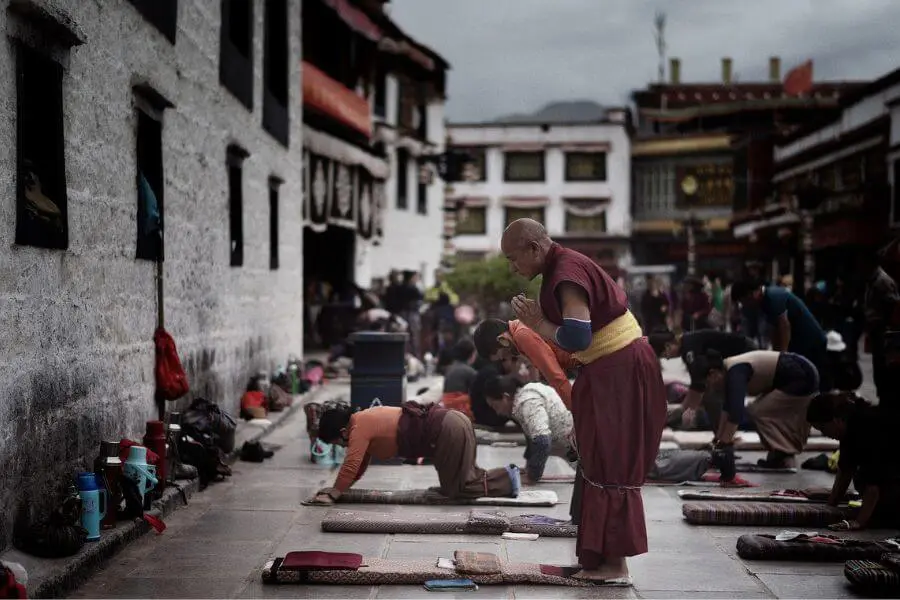
The Barkhor stands out in Lhasa as a place that still holds onto its traditional roots despite modern influences. Here, pilgrims from regions like Kham and Amdo effortlessly navigate around monks who are deep in prayer. Visitors often stop to look at items like jewel-encrusted daggers being sold at street stalls. Monks sit on the ground, chanting mantras by their alms bowls, while armed police patrol the area in a disciplined, counter-clockwise direction. With its deep cultural significance and lively atmosphere, the Barkhor is an intriguing place that many visitors find themselves returning to again and again.
Right by the entrance to the Jokhang Temple, you’ll notice a continuous flow of Tibetans walking the Barkhor route in a clockwise direction. At the front of the temple, look out for two distinct stone incense burners, known as sangkang. These are part of a set of four that mark the boundaries of the Barkhor Circuit; the remaining two are located at the back of the temple.
Directly behind the first two incense burners, you will find two open areas.
Potala Palace
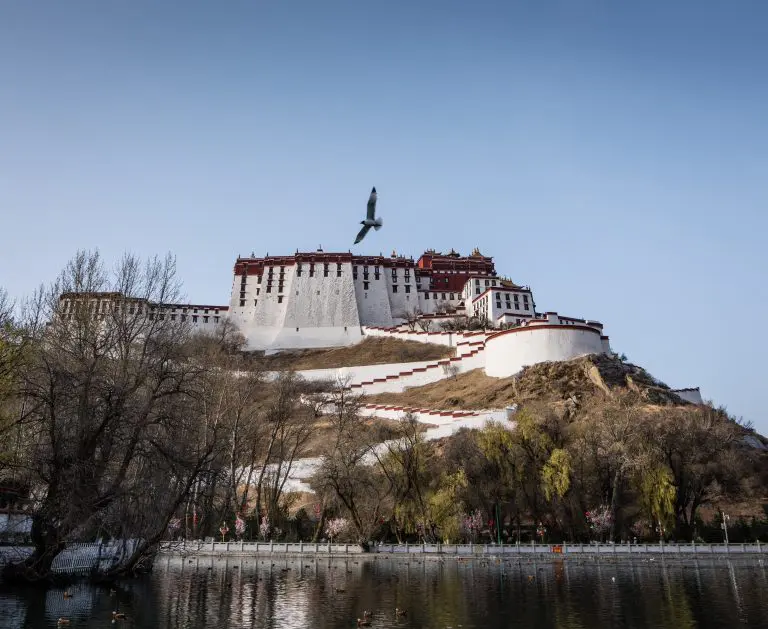
Visiting Potala Palace in January can be a great advantage because only 2800 people can enter the Palace per day, and when it’s crowded that is an issue.
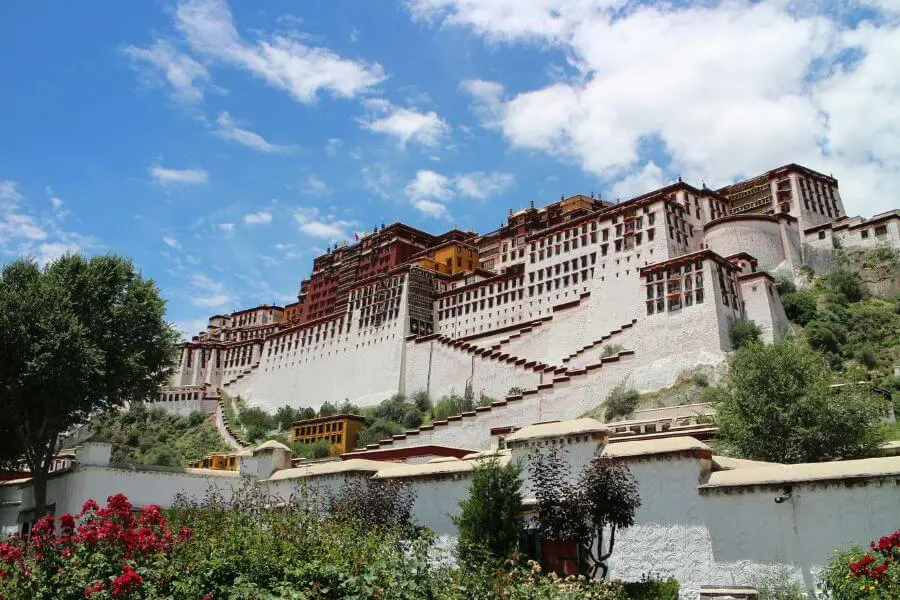
Lhasa’s most famous landmark, the Potala Palace, has been the home to every Dalai Lama from the fifth to the 14th. Known as one of the great architectural wonders of the world, the Potala Palace leaves a lasting impression on visitors. For hundreds of years, the first view of its imposing structure has been a breathtaking experience, creating memories that last for years.
The palace is enormous, with over 1000 rooms. Although visiting the Potala Palace is an awe-inspiring experience, some visitors feel slightly let down. Unlike the lively Jokhang Temple, the Potala Palace is quieter, resembling a large museum more than a place of active worship. Tourists usually move through the chapels quickly in a line, which makes it hard to get a close look at the artwork. The quiet atmosphere of the palace is a reminder that the government of the Dalai Lama is no longer there.
Marpo Ri (Red Hill), which stands about 130 meters tall and overlooks all of Lhasa, is where King Songtsen Gampo had his palace in the mid-7th century, long before the current Potala was built. Not much is left to show what this earlier palace looked like, but its historical importance influenced the fifth Dalai Lama to choose this site for his government, moving it from Drepung Monastery.
Near Lhasa
The Norbulingka ནོར་བུ་གླིང་ཁ 罗布林卡
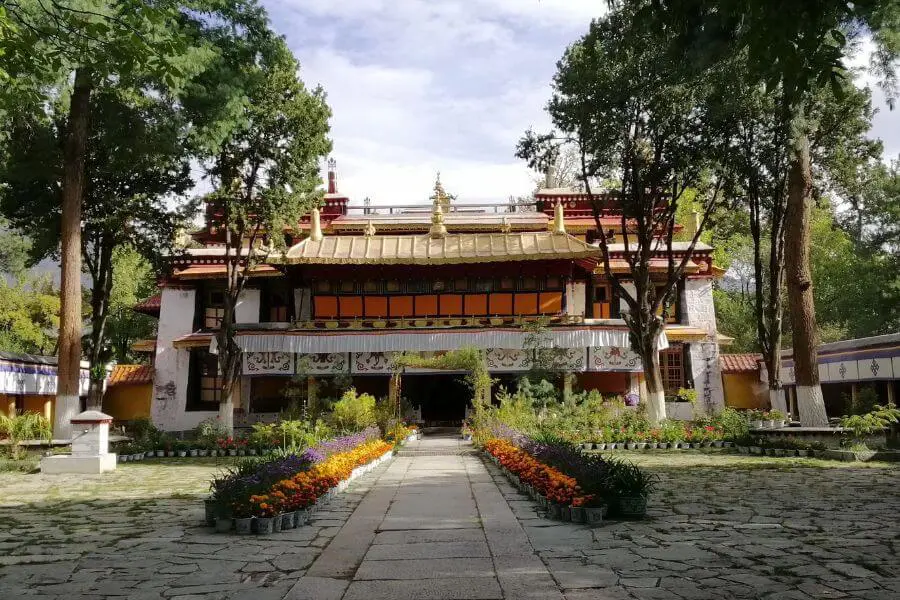
The Norbulingka, also known as the “Jewel Park,” is a historic park and palace in Lhasa, that is worth visiting. It was the summer home of the Dalai Lamas from the 1780s until the 1950s. The area spans about 36 hectares (89 acres), making it the largest man-made garden in Tibet.
Norbulingka is famous for its beautiful garden architecture. It features sprawling lawns, vibrant flowers, and peaceful ponds, providing a serene getaway within the city. The park is filled with various palaces and pavilions built by different Dalai Lamas over the years. These buildings are adorned with traditional Tibetan carvings, paintings, and artworks, showcasing Tibet’s rich cultural heritage.
Historically, Norbulingka was a center for religious and cultural events, especially during the Shoton Festival, which included performances of Tibetan opera in its gardens.
Open Hours: 9am-6pm
Drepung Monastery འབྲས་ སྤ་ ུངས 哲蚌寺
Drepung Monastery was once among the world’s largest monasteries and continues to be a significant site in Tibet, celebrated for its ancient prayer halls and dedicated college temples. Founded in 1416 by Jamyang Chöje, a charismatic monk and disciple of Tsongkhapa, Drepung quickly grew and attracted around 2,000 monks within its first year.
Over the centuries, Drepung endured attacks by the kings of Tsang and the Mongols. However, it remained relatively unharmed during the Cultural Revolution, preserving many of its historical aspects. The name ‘Drepung’ translates to ‘rice heap,’ referring to the large number of white buildings that once clustered densely on the hillside. Today, reconstruction and resettlement efforts have revived the site to resemble a bustling monastic village, home to about 600 monks, a stark contrast to its historical peak of approximately 7,000.
Drepung is larger and more expansive than Sera Monastery, making it advisable to set aside at least half a day for a visit. If you’re interested in a more immersive experience, consider spending more time to walk the scenic kora (pilgrim circuit) surrounding it.
Open Hours: 9.30am-5.30pm, smaller chapels close at 3pm
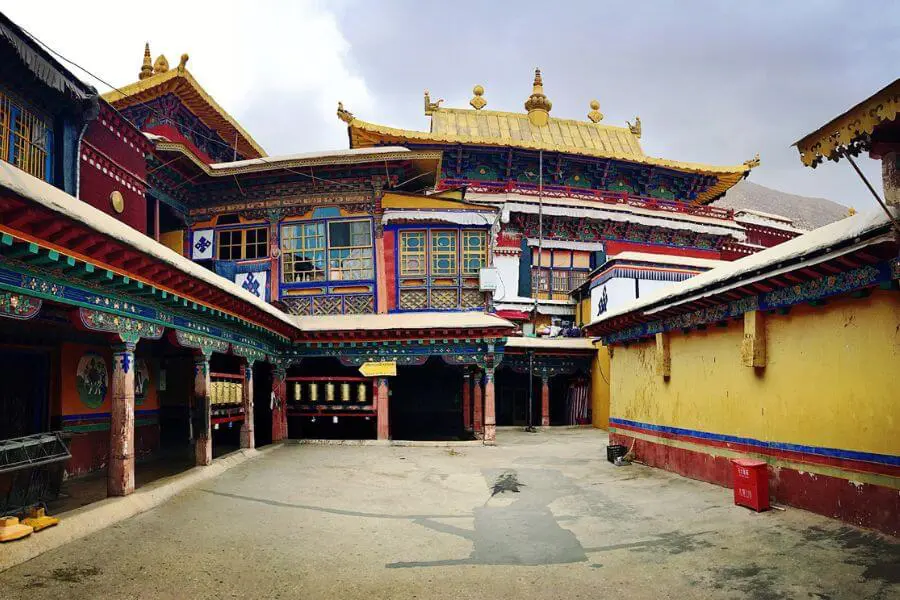
Ganden Monastery དགའ་ལྡན་ 甘丹寺
Ganden Monastery, located about 60 km from Lhasa, is a must-visit if you’re planning just one monastery trip outside the city. As the first monastery of the Gelugpa school of Tibetan Buddhism, Ganden has been a central figure since its foundation in 1409 by Tsongkhapa, a major reformer of the order. The monastery offers stunning views of the surrounding Kyichu Valley and features a fascinating pilgrim circuit, or kora, providing a unique experience compared to other Gelugpa monastic sites around Lhasa.
Ganden has faced challenges, including closures to tourists following protests and political tensions, notably in 1996 and after incidents in 2006 and 2008. The monastery’s name, meaning ‘joyous’ in Tibetan and referring to the Western Paradise home of Jampa, the Future Buddha, contrasts with its turbulent history.
Additionally, Ganden is the starting point for the popular trek to Samye Monastery, adding to its appeal for visitors interested in both cultural heritage and outdoor activities.
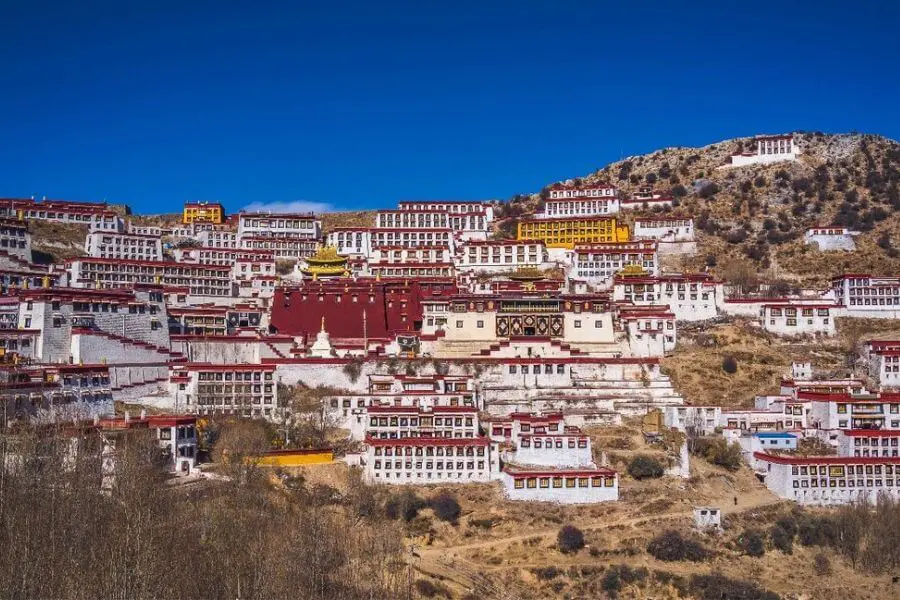
Treking to Namtso Lake
Namtso Lake water is frozen during the winter, but still, it radiates with beauty. Namtso Lake is the second-largest saltwater lake in China and one of the most beautiful natural sights in Tibet. Most people come here for the scenery and for the short but pilgrim-packed kora. The best time to visit Namtso Lake is during the summer, but keep in mind that in that period it is very crowded there.
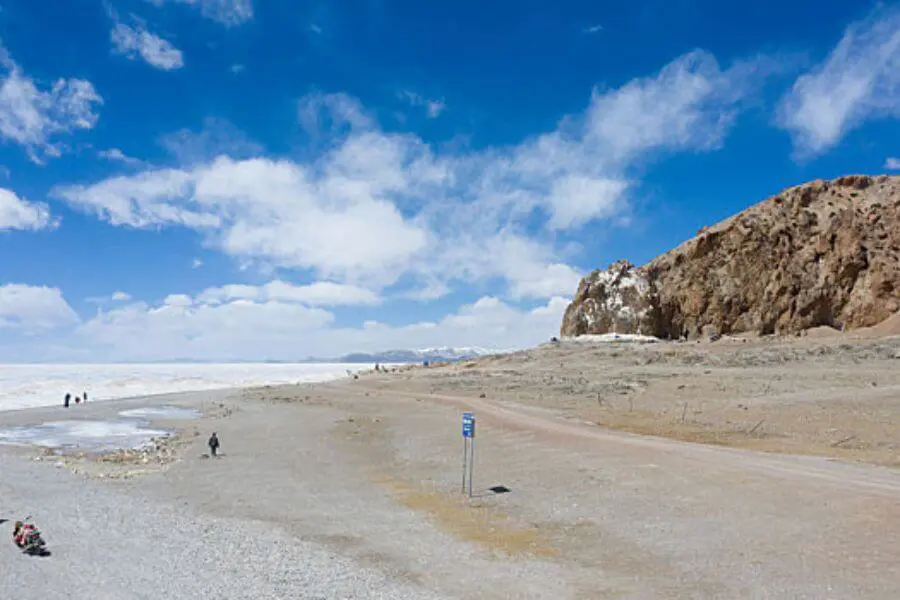
Try the Tibetan Cuisine
To be honest food in Tibet won’t be your highlight on your adventure. Although you need to try some of the traditional dishes.
Tsampa is one of the traditional and everyday foods in Tibet, and it’s a type of dough made from roasted barley flour mixed with yak butter and a liquid like water, tea, or beer. It’s kneaded into balls by hand, which is trickier than it sounds. Tsampa can also be mixed with milk powder and sugar to make a porridge, perfect for trekkers.
Other popular Tibetan dishes include momos and thukpa. Momos are small dumplings filled with yak meat, vegetables, or both, typically steamed but sometimes fried. There are also cheese and potato variations. Thukpa is a noodle soup enriched with meat or vegetables. There are different versions which have chunks of noodles and yak meat, and thenthuk, which features flat noodles. Sometimes, glass noodles called phing are used.
Another common dish is shemdre, often referred to as curried beef, which is a stew of potatoes and yak meat served over rice.
Shya vale, fried pancake-style pastries filled with yak meat, are also on the menu. High-end Tibetan restaurants often serve a variety of dishes made from yak offal, including yak tongues, stomachs, and lungs.
Yak sha, or dried yak jerky, is another favorite, especially among nomads. It’s usually cut into strips and dried on tent lines and is known for being very chewy.
Final words
There are many things to see and do in Tibet in January, all you have to do is keep an open mind, prepare well, and find the best tour and tour guide for your trip.
One of the most important things about traveling in Tibet is that no one can travel alone, travelers must be guided by local guides and have a planned tour.
Also, you will need valid documentation to enter Tibet, such as Tibet Travel Permit (TTP). You can apply for it your self or it can be applied on your behalf by your tour agent.
Related tours
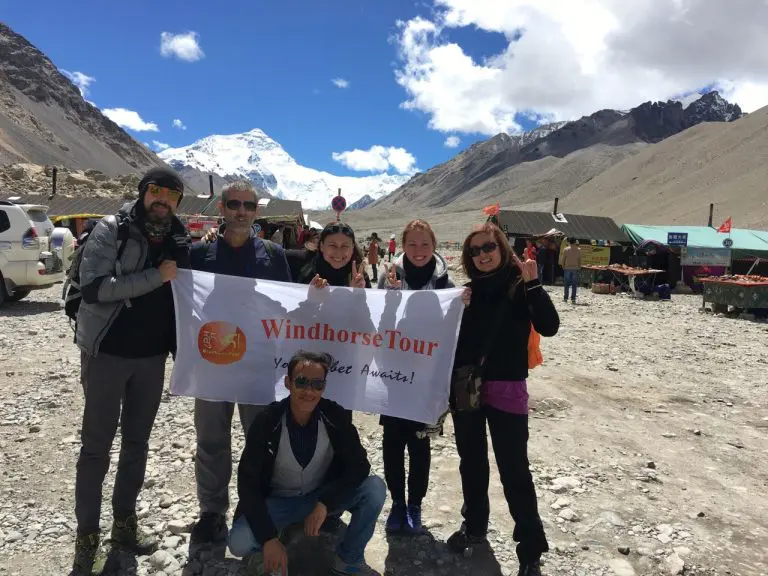

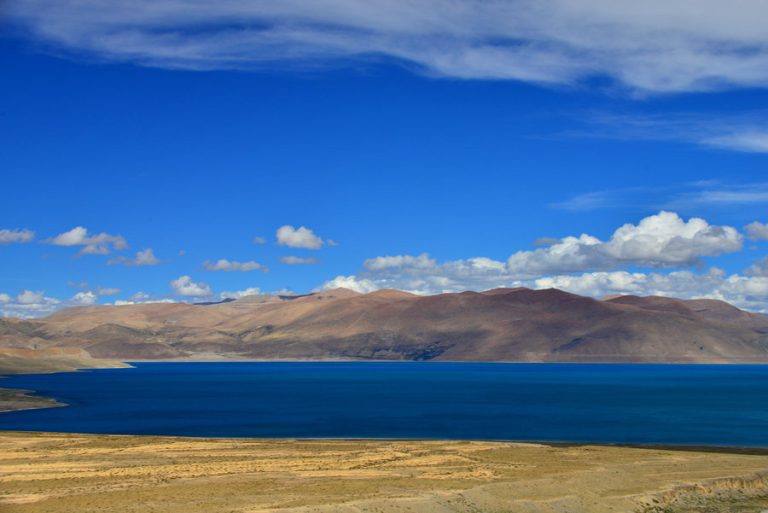
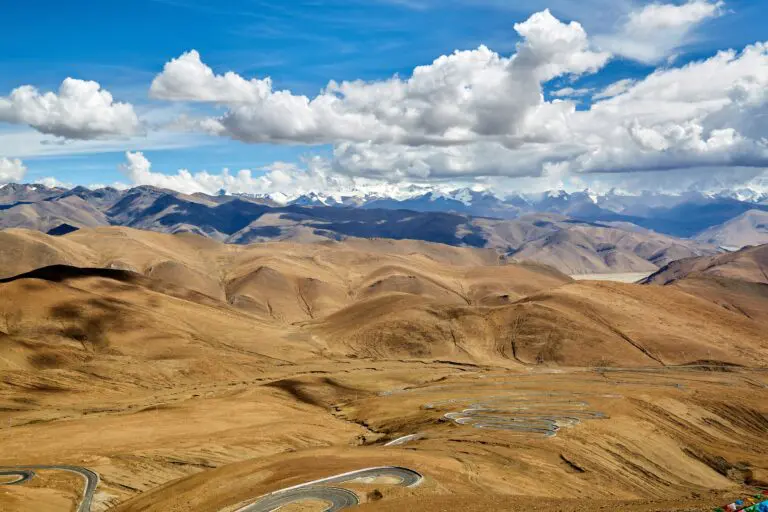
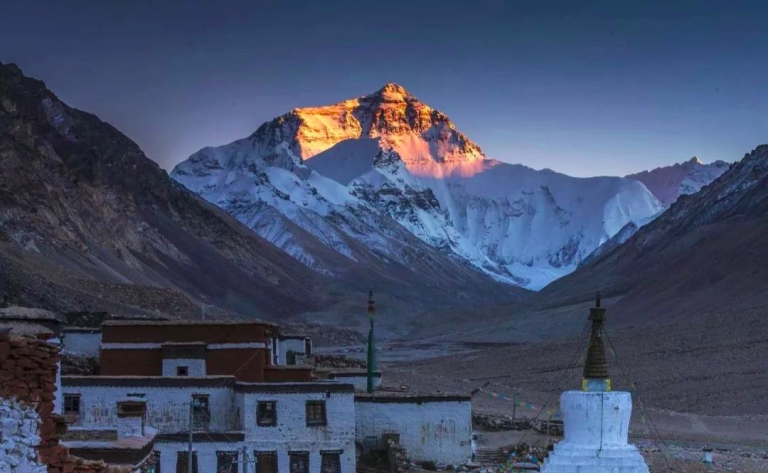
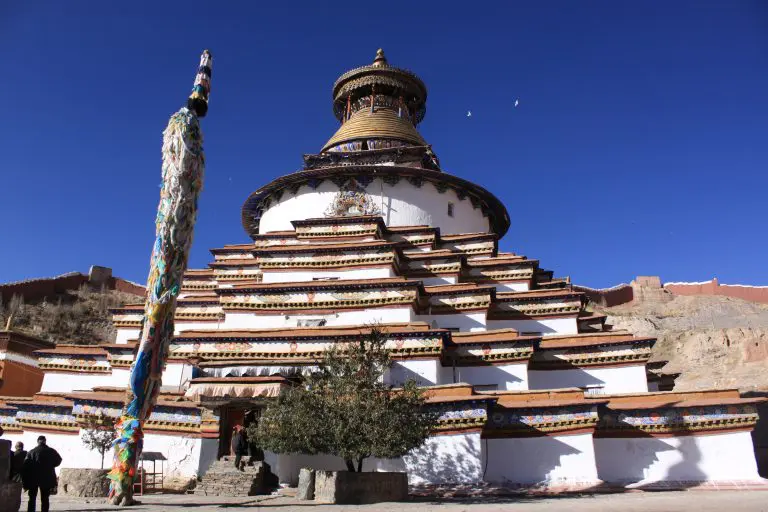
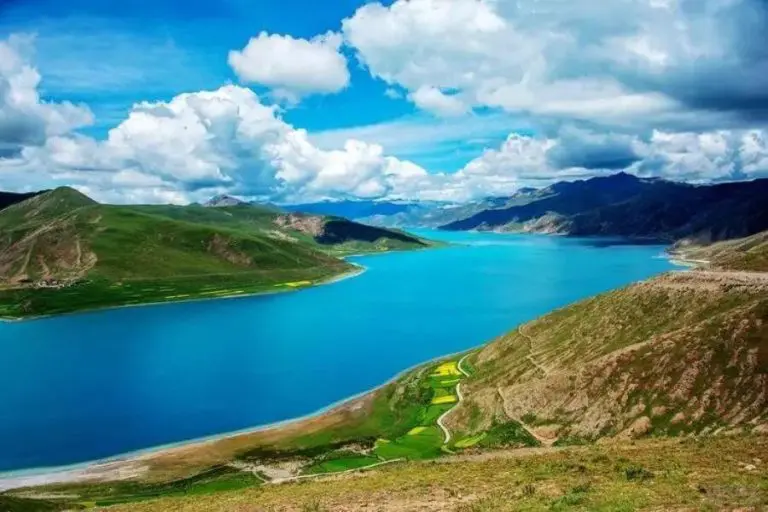
Travel from Kathmandu to Lhasa on an 8-day Kathmandu to Lhasa Group Tour, crossing the Himalayas via Everest Base Camp. This small-group overland journey combines dramatic landscapes, careful acclimatization, and Tibet’s cultural highlights.
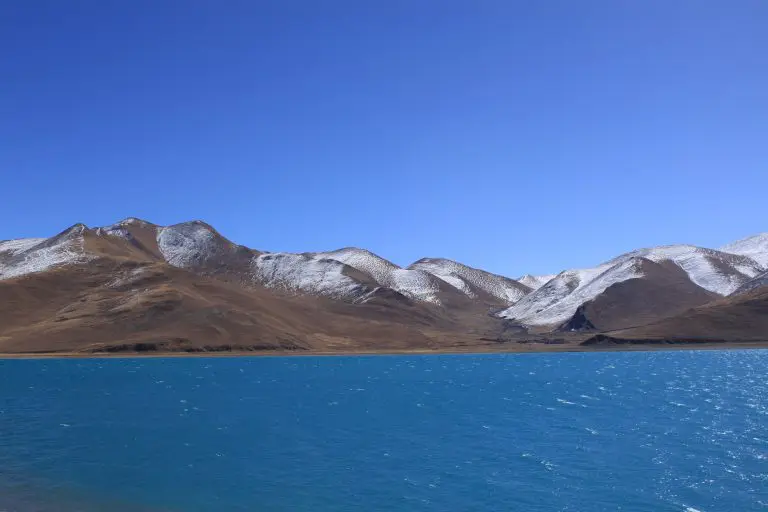
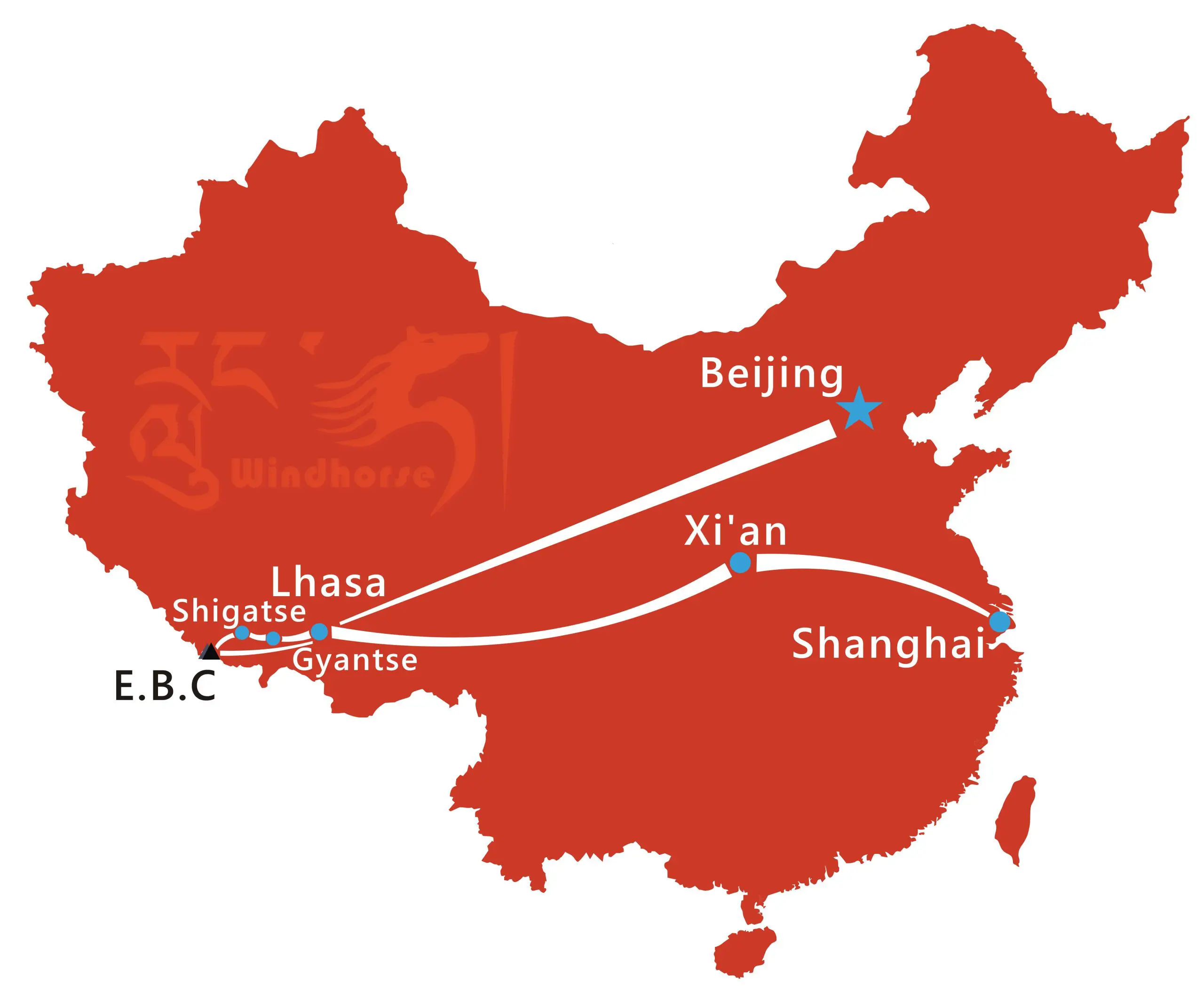
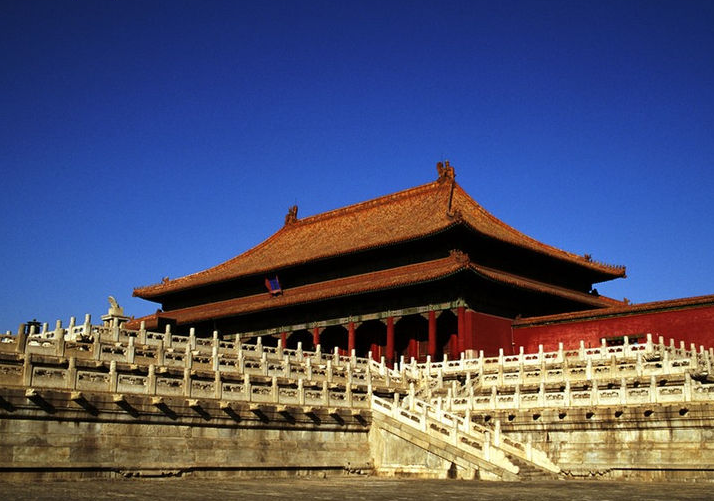
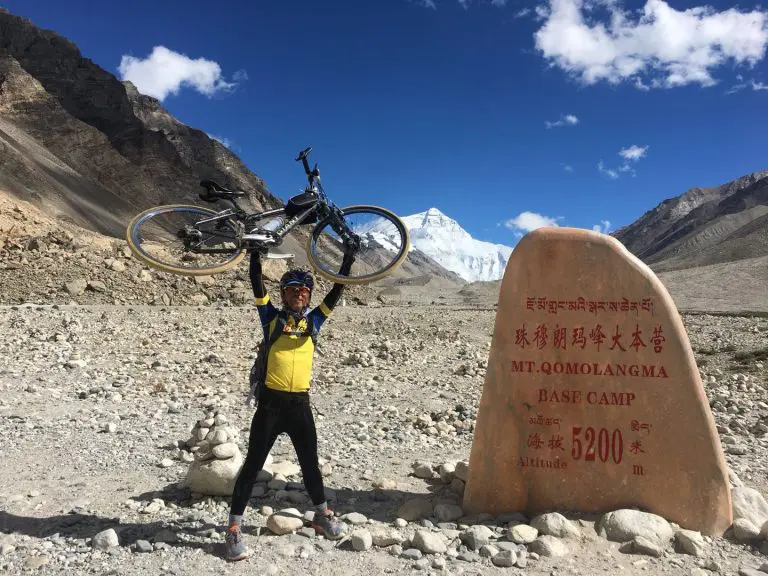
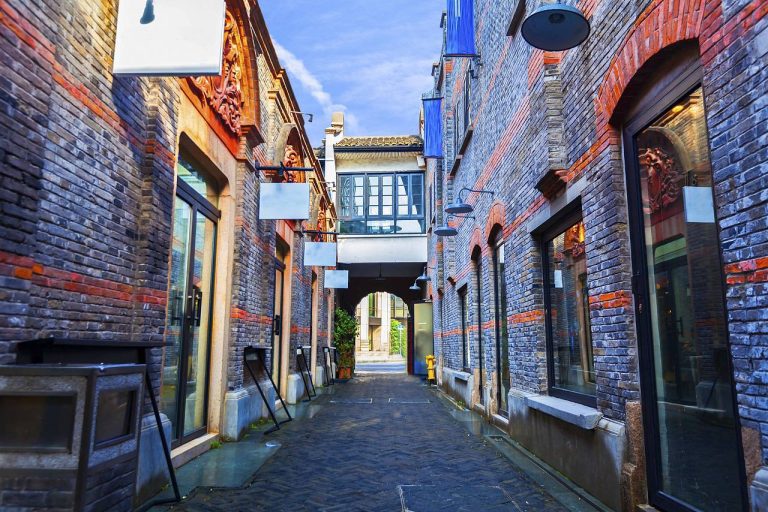
Set off on an epic Beijing to Tibet tour through five iconic cities. Explore ancient history in Beijing and Xi’an, discover Tibetan culture in Lhasa, stand before Mount Everest, and experience the vibrant energy of modern Shanghai. An unforgettable adventure awaits!
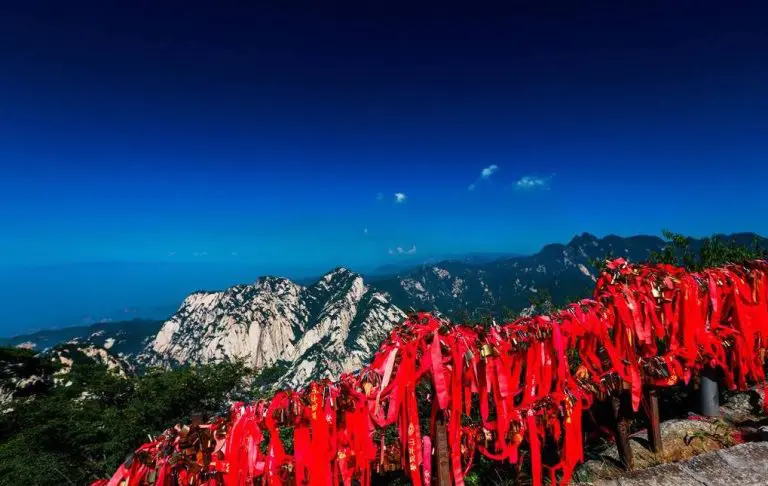
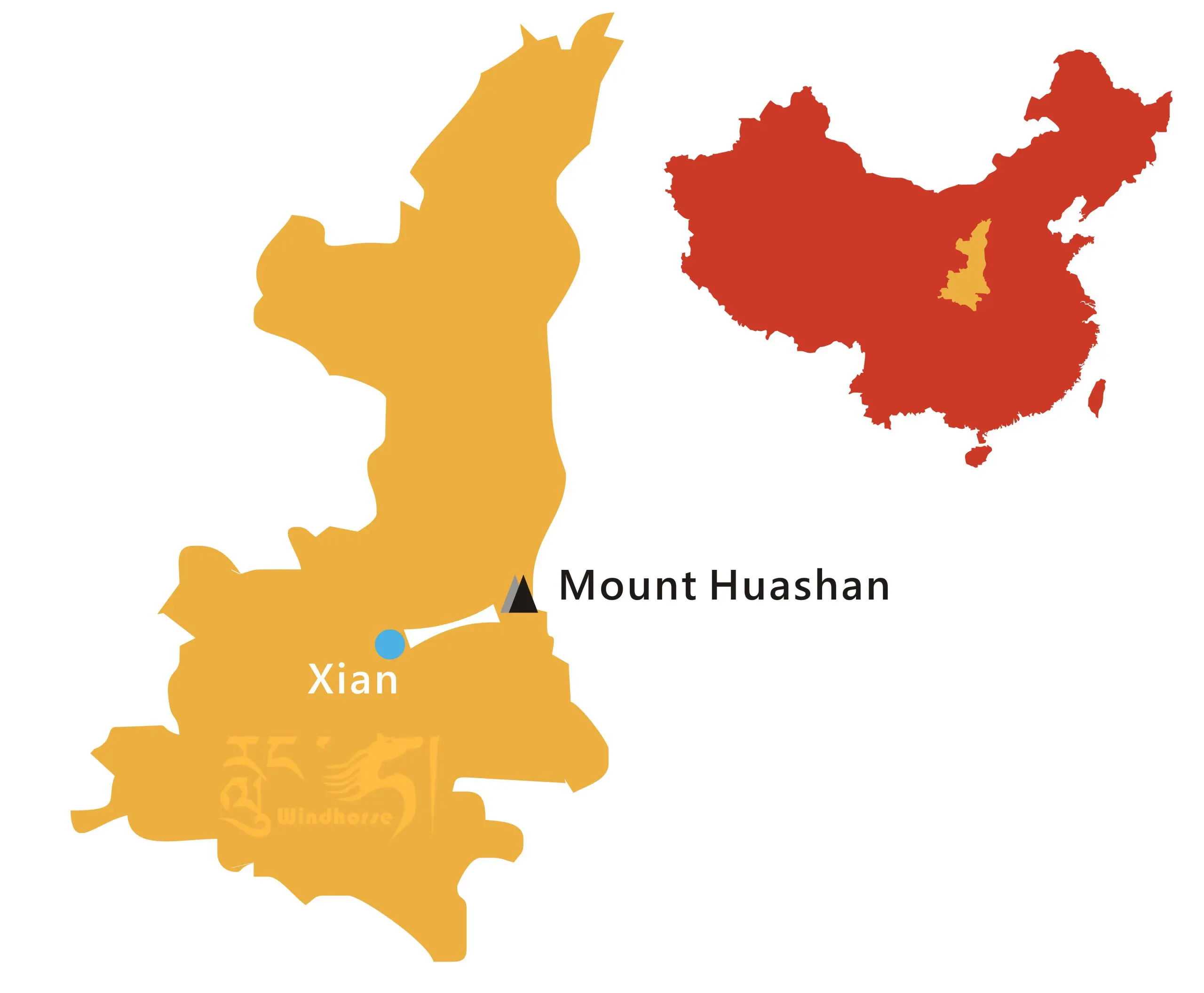
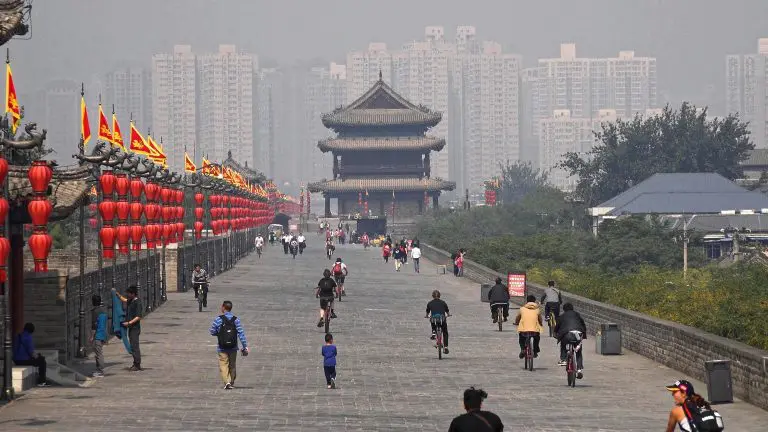
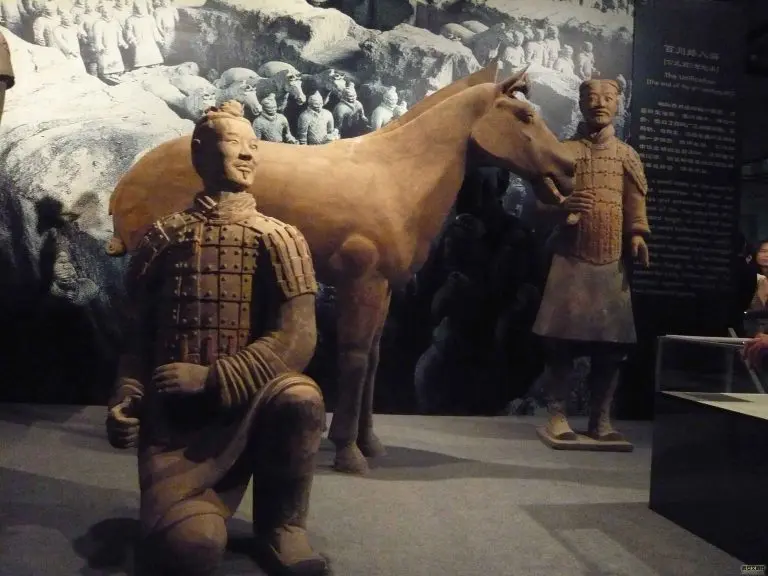
Near by famous Xian and its Terecotta Soldiers is grand Mount Huashan. Know for its spiritual importance and breathtaking summit views. An amazing site for natural scenery lovers. Stop at the Muslim Quarter, see a Tang Dynasty show and more.