
Visiting Tibet in July
Discover the enchanting allure of visiting Tibet in July, where timeless traditions harmonize with the vibrant energy of summer. Experience a captivating journey amidst majestic peaks and fluttering prayer flags. The clear skies offer breathtaking views of snow-capped mountains, creating moments of contemplation and wonder. Dive into bustling markets, savor the aromatic yak butter tea, and immerse yourself in the enduring spirituality that permeates every corner. Tibet in July promises an unforgettable blend of cultural richness and natural beauty, weaving together the threads of history and tradition into a mesmerizing experience. If you wondering what is the best time to visit Tibet, read here.
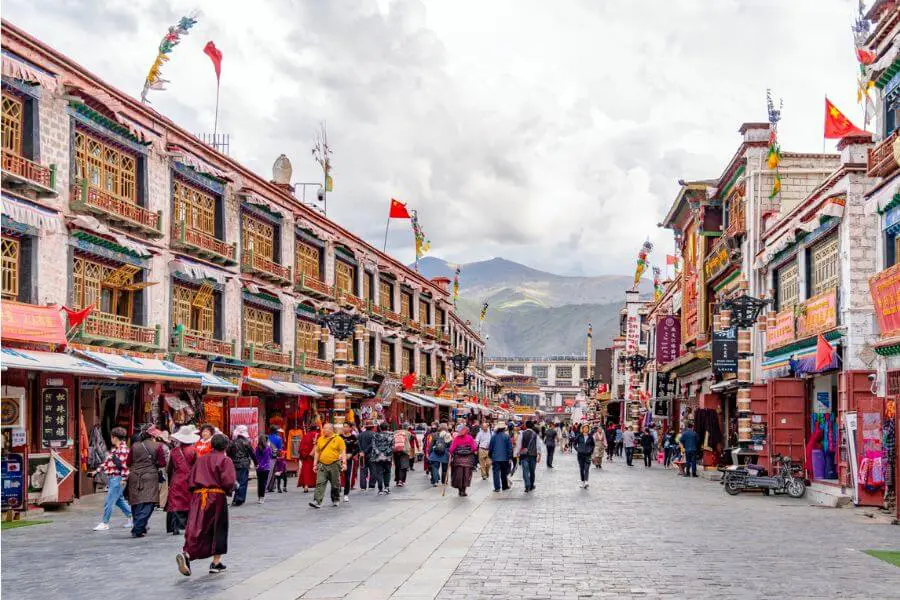
Weather in Tibet in July
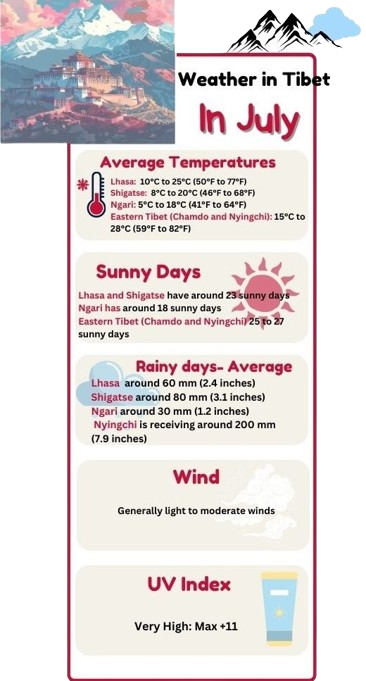
In July, Tibet has generally mild and pleasant weather, making it an ideal time for travel.
Lhasa, the capital city, enjoys average temperatures ranging from 10°C to 25°C (50°F to 77°F) with clear skies and minimal rainfall, perfect for exploring iconic landmarks like the Potala Palace and Jokhang Temple.
Shigatse, located to the west, shares similar weather patterns with slightly cooler temperatures due to its higher elevation, typically ranging from 8°C to 20°C (46°F to 68°F).
Ngari, in the far west, is cooler still, with temperatures around 5°C to 18°C (41°F to 64°F) and occasional showers.
Tsang region, encompassing areas like Gyantse and Yamdrok Lake, experiences comfortable temperatures between 12°C to 23°C (54°F to 73°F) with moderate rainfall.
Eastern Tibet, including places like Chamdo and Nyingchi, enjoys milder temperatures ranging from 15°C to 28°C (59°F to 82°F) with occasional showers, creating lush landscapes perfect for exploration.
Monsoon season in Tibet
The monsoon season in Tibet is from late June to September. So, July is falling right in the middle of this rainy period. During this time, monsoon winds bring moisture-laden air from the Indian Ocean, leading to increased rainfall across the region.
In July, the monsoon influence is more pronounced in southern Tibet, including areas like Nyingchi and parts of Tsang. These areas typically experience higher humidity levels and more frequent rainfall compared to northern Tibet, which includes Lhasa, Shigatse, and Ngari. However, even in the northern regions, there can be occasional afternoon showers or thunderstorms during this period.
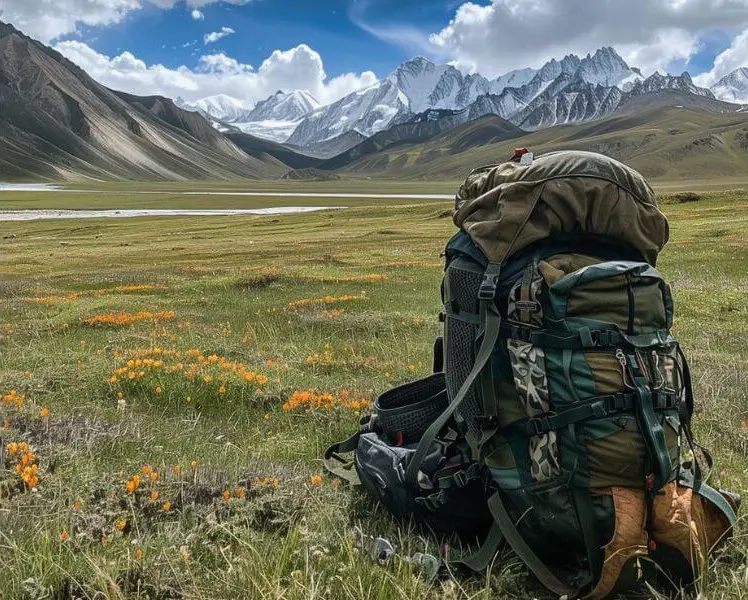
Packing Tips for Tibet Adventure in July
One of the most important things for a good trip is packing. We created a list of the most essential things that you should pack for your adventure in Tibet in July:
Clothing
- Light layers: Pack lightweight clothing for the daytime, such as t-shirts, shorts, and breathable pants.
- Warm layers: Include warmer layers like long-sleeve shirts, a fleece jacket, and a waterproof outer layer for cooler evenings and possible rain showers.
- Comfortable walking shoes or hiking boots for outdoor activities.
- A sun hat, sunglasses, and sunscreen with high SPF to protect against strong UV rays at high altitudes.
Accessories
- A sturdy backpack for day trips and carrying essentials.
- A refillable water bottle to stay hydrated, as the high altitude can lead to increased dehydration.
- Personal medication and a basic first aid kit, including altitude sickness remedies if needed.
- A compact umbrella or lightweight raincoat for unexpected showers.
Gear
- A quality camera or smartphone with a good camera for capturing stunning landscapes and cultural experiences.
- Portable power bank for charging electronic devices, as power outlets may not always be readily available.
- A headlamp or flashlight for evening walks or visits to dimly lit areas.
Miscellaneous
- Cash in small denominations for purchasing items in markets or small shops, as credit card acceptance may be limited.
- Copies of important documents like passports, visas, and travel insurance information.
- A travel guide or map of Tibet to navigate local attractions and understand cultural nuances.
Visit the most popular attractions in Tibet in July
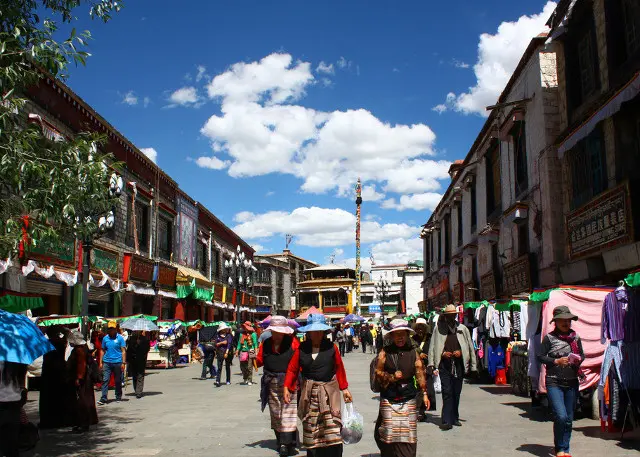
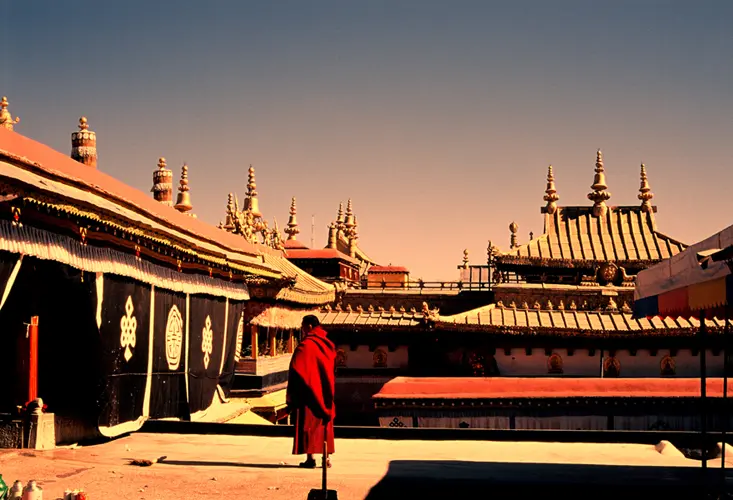
Among the most popular attractions in Lhasa, like Potala Palace, Jokhang Temple and Barkhor Street, there are Sera Monastery and Drepunng Monastery, and Ganden Monastery which are also must-visit places in Lhasa.
Sera Monastery
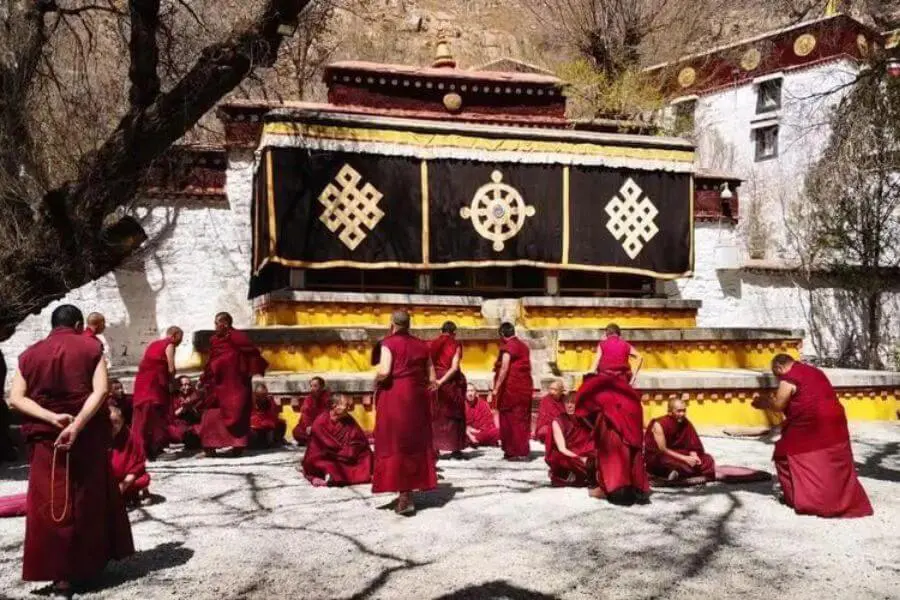
Sera Monastery in Lhasa used to be one of the city’s two major Gelugpa monasteries, ranking just below Drepung in size. It once housed around 5000 monks, but today, that number has drastically decreased by 90%. The monastery is still undergoing repairs, but it’s definitely worth a visit, especially in the morning when the chapels are most active. Another good time to visit is between 3 pm and 5 pm (except Sundays), as this is when lively debates take place in the monastery’s courtyard.
Although Sera Monastery sustained minor damages during the Cultural Revolution, many smaller colleges were lost. If you plan to take photos inside the chapels, there’s a fee ranging from ¥15 to ¥30, while video recording costs ¥800.
Drepung Monastery
Drepung Monastery, located near Lhasa, is one of Tibet’s most significant monastic institutions and a must-visit for travelers seeking cultural and spiritual experiences. Founded in 1416, it was once the largest monastery in the world, housing over 10,000 monks at its peak. Today, Drepung remains an important center for Tibetan Buddhism, with impressive architectural structures like the Ganden Potrang Palace and countless chapels showcasing intricate artwork and religious relics. Visitors can immerse themselves in the monastery’s serene ambiance, witness traditional rituals, and explore its historical and cultural significance, making it a memorable stop on any Tibet itinerary.
The most convenient way to reach Drepung is by taxi from the Barkhor area, which typically costs around ¥40. For a budget-friendly option, you can opt for buses 18, 25, or 16 at just ¥1 fare, all departing from Beijing Donglu and stopping at the base of Drepung Hill. Once there, minivans are available for ¥2, shuttling visitors up to the monastery’s bus stop.
Ganden Monastery
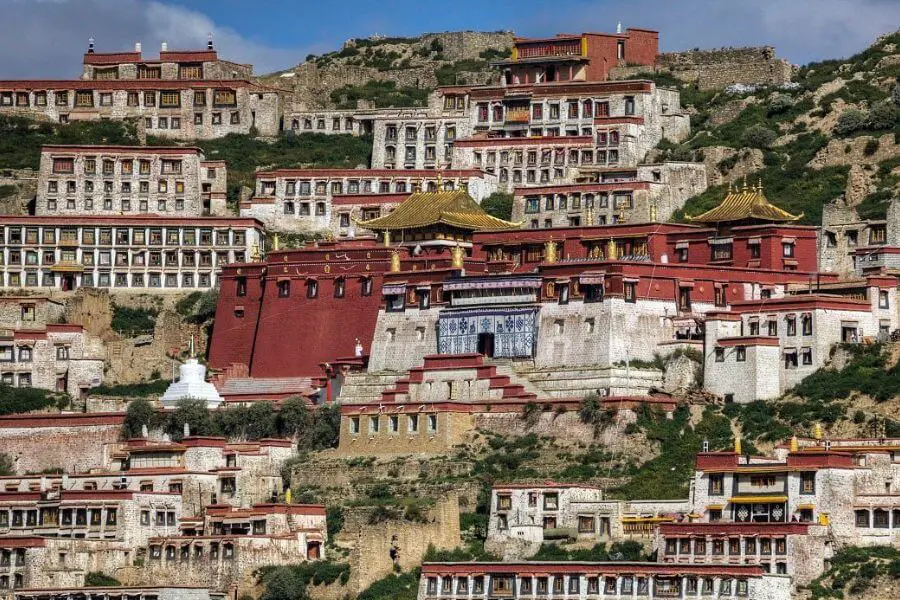
Ganden Monastery, founded as the first Gelugpa monastery and a central hub of Tibetan Buddhism, holds a special place in history. It’s located about 60 km from Lhasa and offers stunning views of the Kyichu Valley. The monastery is known for its unique pilgrim circuit (kora) and serene ambiance, making it a top choice for visitors looking to explore Tibetan spirituality.
“Ganden” means “joyous” in Tibetan, symbolizing the Western Paradise and the future abode of Jampa, the Future Buddha. Despite facing challenges, including political pressures, Ganden remains a significant and cherished destination.
If you’re short on time, Ganden is a great choice for a monastery excursion outside Lhasa. Don’t miss the chance to explore its chapels (photo fees apply) and consider visiting in the morning to catch them all open. Additionally, Ganden serves as the starting point for the popular trek to Samye Monastery.
For a more immersive experience, venture beyond the main sights to discover lesser-known residential colleges like Serkong Kangtsang, Tsowa Kangtsang, Dora Kangtsang, Hardong Kangtsang, or Trehor Kangtsang, tucked away behind the monastery’s main areas.
Things to do in Tibet in July
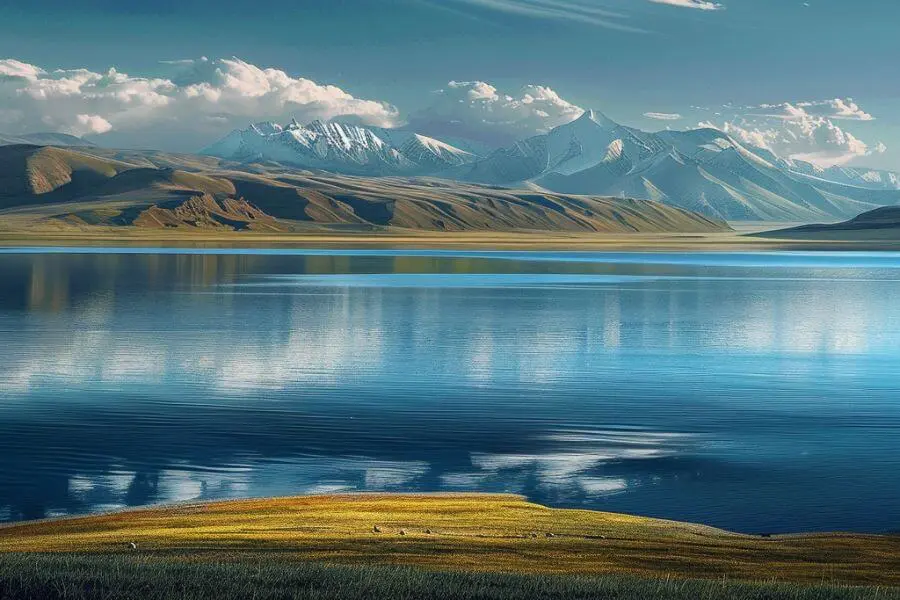
Hike near Chiu village for the best view over Manasorovar Lake
If you want to experience Lake Manasarovar in its full beauty, you need to do that on foot. Even if you can’t do the full four-day lake kora, you should still try a shorter section to take in the amazing scenery.
Here are some tips for you to experience the best of Tibet’s natural beauty in July:
For a quick hike of about an hour from Chiu village, head up to the ridge south of the guesthouses. You’ll get fantastic views of Chiu Monastery and Mt Kailash in the background. Continuing south to a second ridge gives you equally breathtaking views of Gossul Monastery and the snow-capped Gurla Mandata mountain.
If you’re up for a longer adventure, follow Lake Kora northeast of Chiu to discover the ancient hermit caves and meditation retreats of Cherkip. Keep an eye out for nesting birds, but be prepared with insect repellent for the shoreline flies.
Further along, about 6km away, you’ll find a chörten and a herders’ camp. From here, you can either turn back or take the hilltop ridge route for more panoramic lake views.
Another option is to continue east for another 6km to reach Langbona Monastery. You can arrange transport from there to Hor Qu and Saga. The lakeshore trail offers views of holy rocks and standing stones before reaching a viewpoint with prayer flags overlooking the monastery and offering excellent views of Mt Kailash and the surrounding area.
For a different experience, you can take a scenic 12km hike from Gossul Monastery to Chiu along the lakeshore Manasarovar kora path.
Try Traditional Tibetan Cuisine
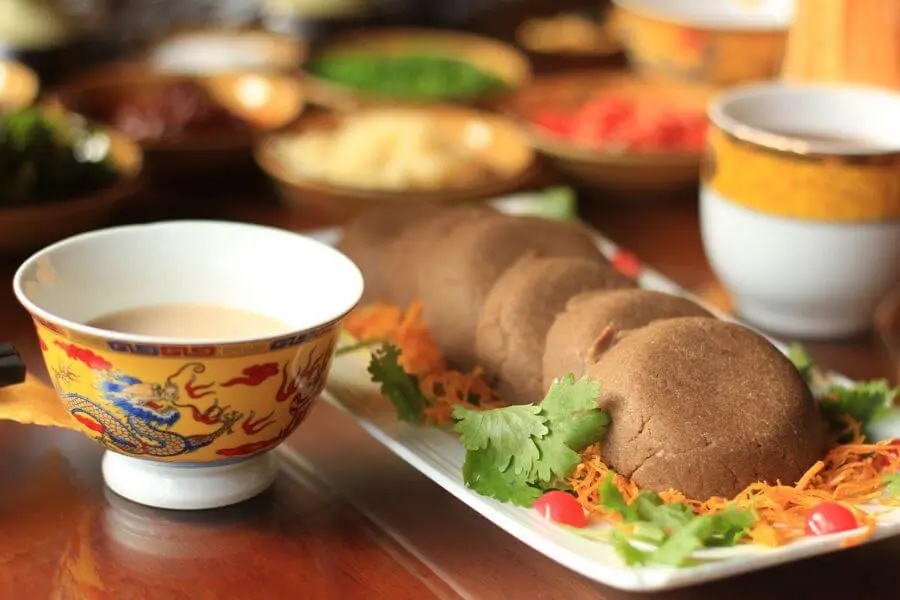
Tibet has unique and rich traditional cuisine, but the most popular food and drink among the tourists and the locals are Tsampa and Yak Butter Tea. Here are some of the most popular dishes and drinks that you should try in Tibet:
- Tsampa: Roasted barley flour, a staple food in Tibet often mixed with butter tea or water.
- Momos: Steamed or fried dumplings filled with meat or vegetables, commonly served as a snack or meal.
- Thenthuk: Hand-pulled noodle soup with vegetables or meat, offering a hearty and warming dish.
- Yak Butter Tea: A traditional Tibetan drink made from tea leaves, yak butter, water, and salt, providing energy and warmth in the high-altitude climate.
- Yak Meat: A common protein source in Tibetan cuisine, often cooked as stews, curries, or grilled dishes.
- Thukpa: Noodle soup with vegetables, meat, and sometimes eggs, offering a flavorful and filling meal.
- Chang: Traditional Tibetan barley beer, fermented and often consumed during festivals and celebrations.
- Khapse: Deep-fried Tibetan cookies, usually made during Tibetan New Year (Losar) or other special occasions.
Final Words
Even in its monsoon season, visiting Tibet in July is the most beautiful and right time to go on such an adventure, where tradition and spirituality come in one. Enjoy every moment in Tibet, no matter what area you are visiting, because Tibet promises an unforgettable fusion of experiences, inviting you to immerse yourself in the timeless charm of the Roof of the World.
Related tours
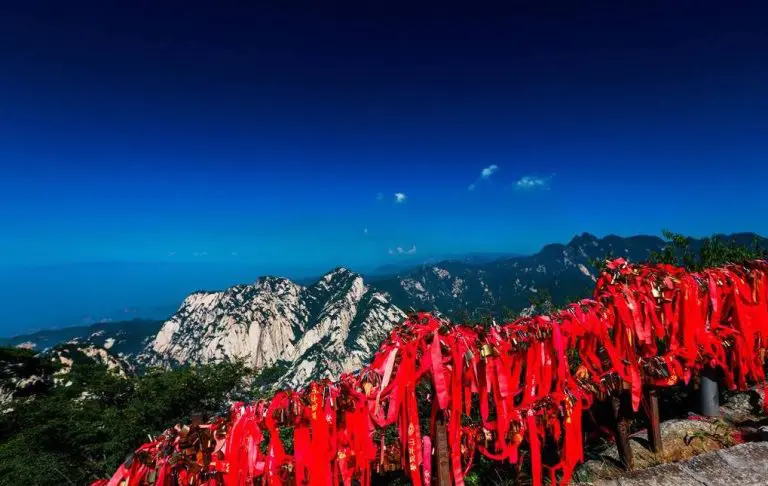
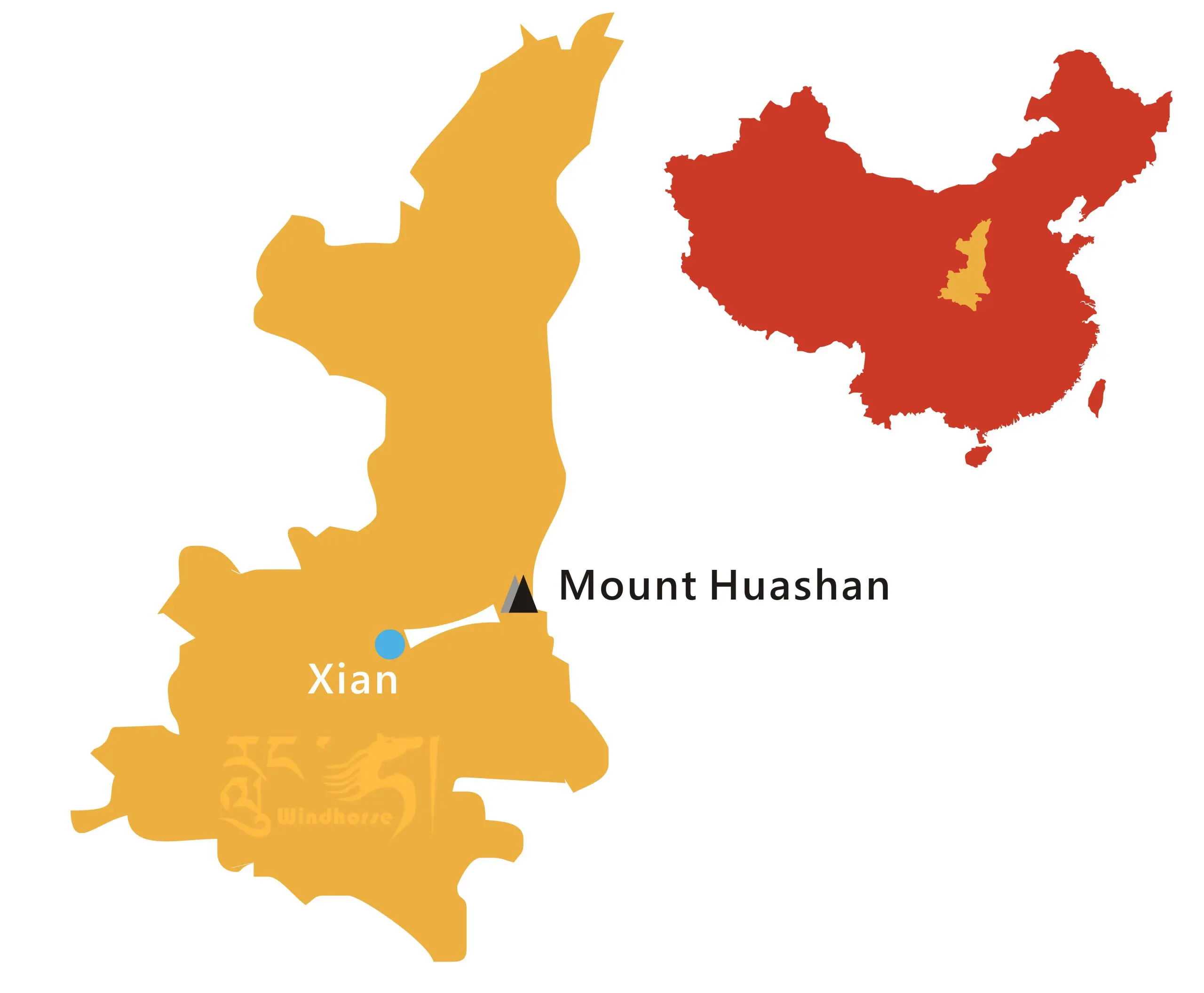
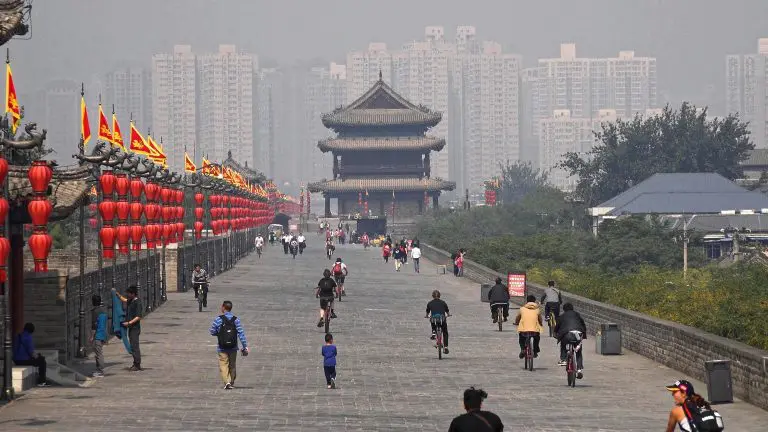
Near by famous Xian and its Terecotta Soldiers is grand Mount Huashan. Know for its spiritual importance and breathtaking summit views. An amazing site for natural scenery lovers. Stop at the Muslim Quarter, see a Tang Dynasty show and more.
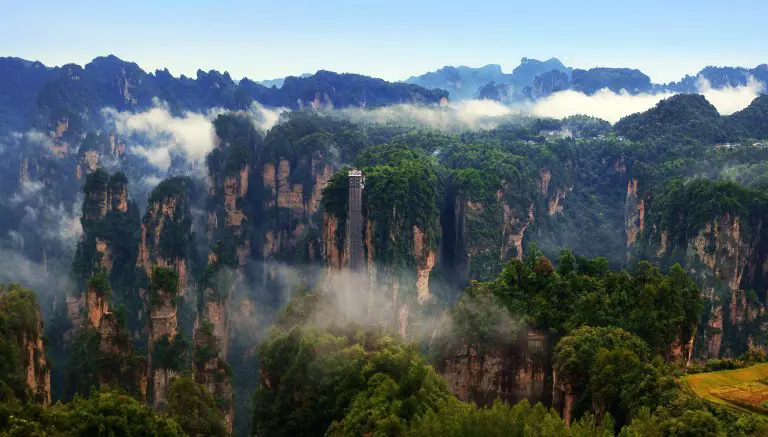
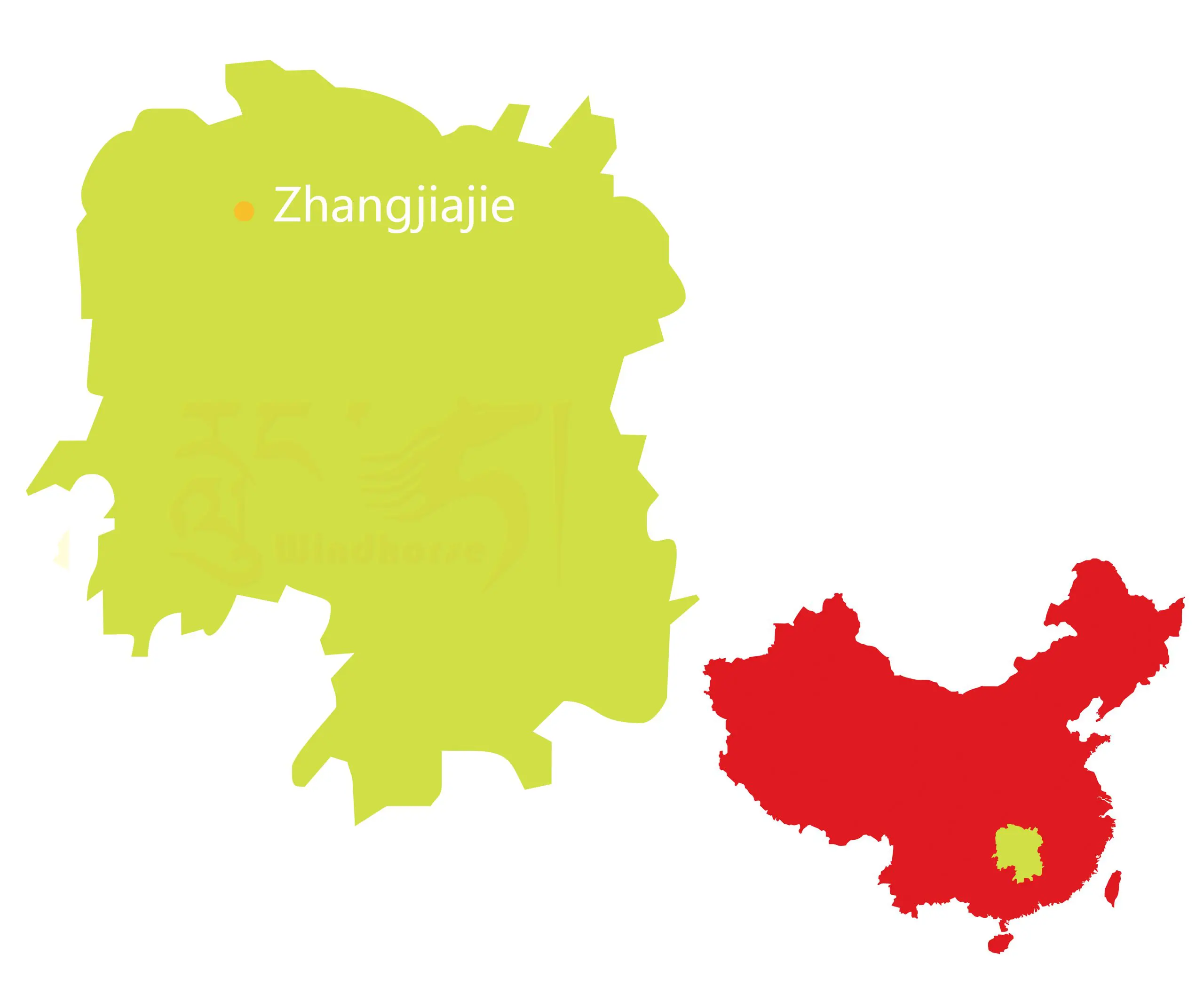
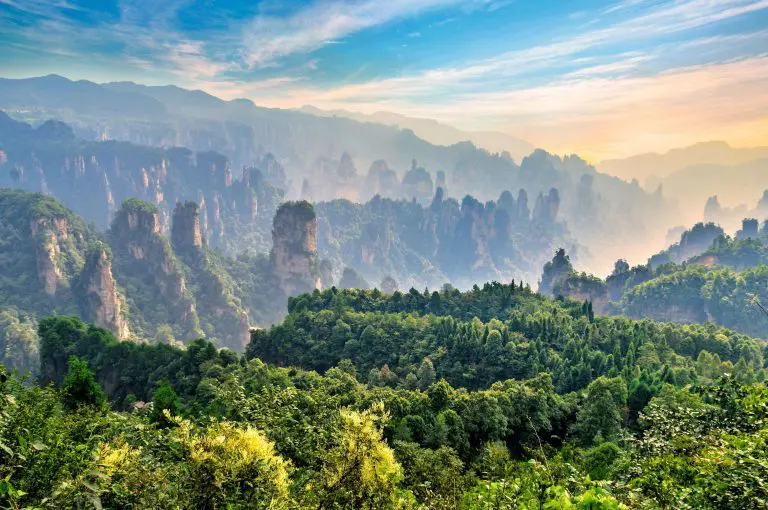
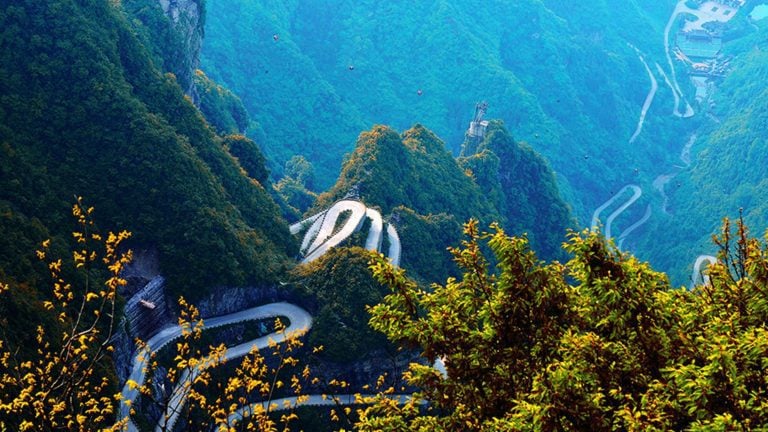
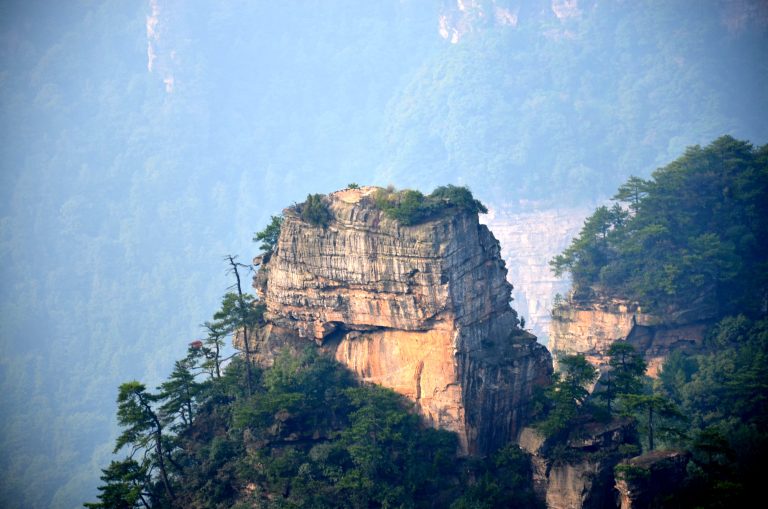
Explore the Avatar Mountains of Yuanjiajie, Tianzi Mountain, Golden Whip Stream, and Tianmen Mountain's Heaven's Gate on this 4-day private Zhangjiajie National Forest Park tour.
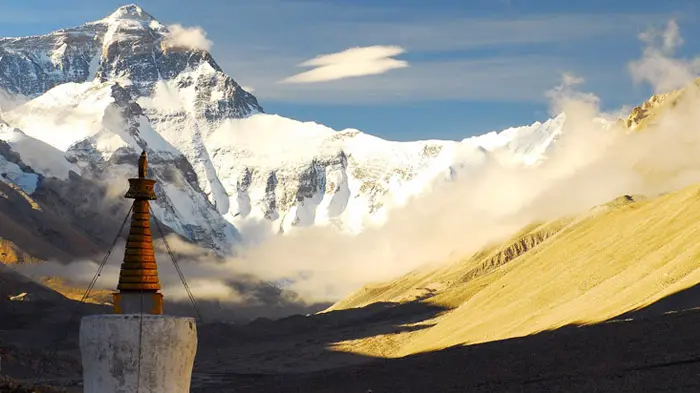
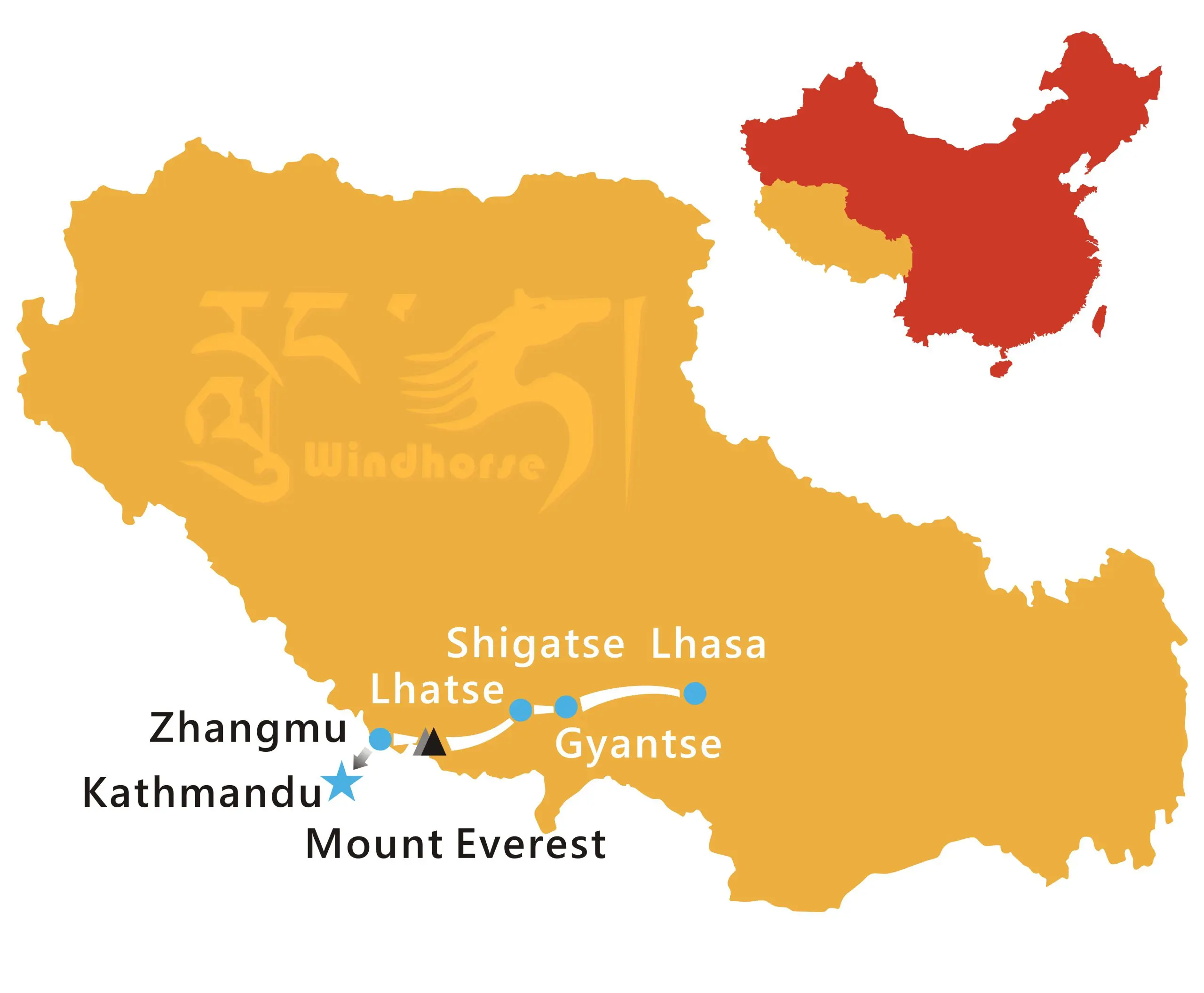
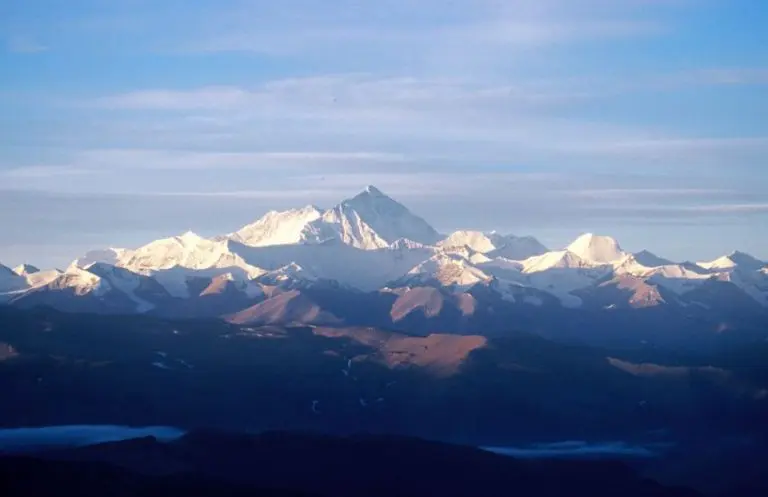
Take the Lhasa to Kathmandu Overland Tour via Everest, following the legendary Friendship Highway across Tibet. Visit Potala Palace, Yamdrok Lake, Gyantse, Shigatse, and Everest Base Camp before crossing the scenic Gyirong Border into Nepal.