
Visiting Tibet in February
Visiting Tibet in February can offer you a special chance to see this high-altitude area at a quieter, colder time of year. Compared with the weather in January, now the temperatures can be quite higher. However, during this month, Tibet is still cold, with temperatures often falling below freezing, especially during the night. With fewer tourists around, you can enjoy a more peaceful visit, getting a closer look at Tibetan culture and the stunning landscapes.
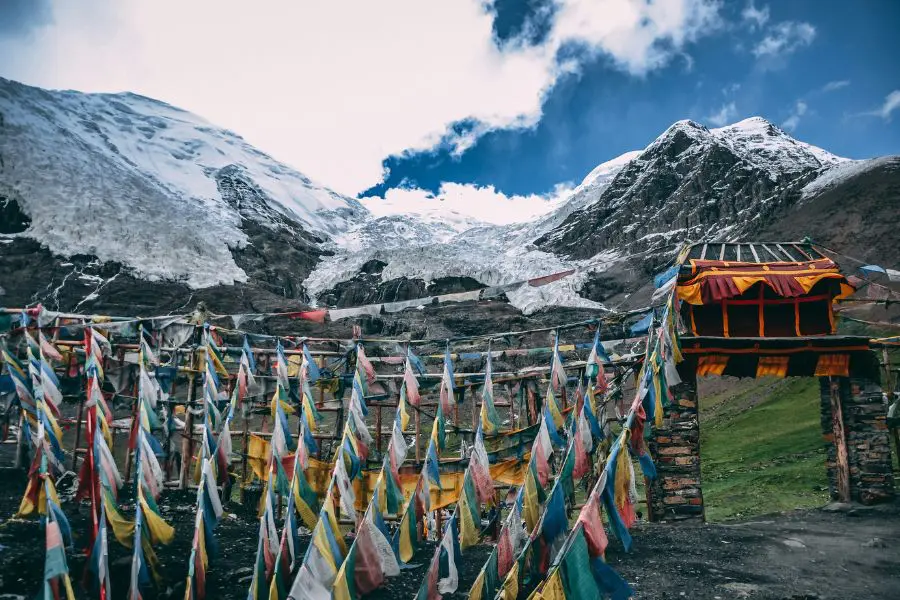
The air is usually very clear in February, making the views of the Himalayas even more impressive. The mountains, covered in snow, are incredibly beautiful and great for taking photos.
However, it’s important to dress warmly and be ready for the cold. You should also take time to adjust to the high altitude. While some more remote places might be hard to reach because of snow, the main cities like Lhasa are accessible, offering a glimpse into daily life and the area’s rich history during the peaceful winter months.
This will help you to decide what is the best time to visit Tibet.
Weather in Tibet in February
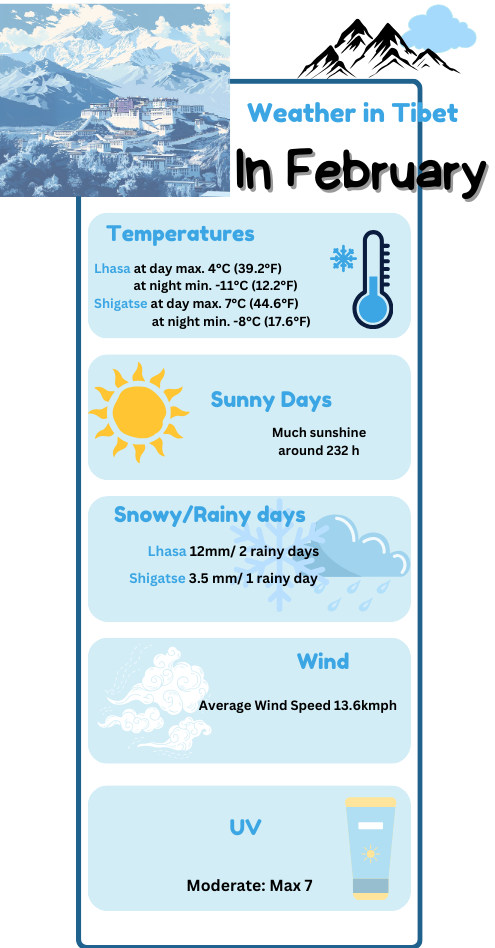
Tibet has a dry mountain climate, characterized by very cold winters that become even colder at higher elevations. The optimal time to visit Tibet is from early May to October when the weather is more favorable. However, if you decide to visit Tibet in February, here are the weather details:
Lhasa: Average day temperature is 4°C and at night drops to -11°C.
Shigatse: The average daily temperature is around 7°C and at night falls to -8°C.
Precipitation varies across different regions in February. Shigatse sees very little, with an average of just 3.5 mm of snow or rain, while Lhasa receives a bit more, at 12 mm. However, Lhasa also enjoys about 232 hours of sunlight during the month, making it ideal for those who love sunny, bright days despite the cold.
What to pack for your visit to Tibet in February
The list isn’t quite different from the packing list from January, because it’s still cold winter in Tibet, so essential things that we advise you to take with you are:
Clothing
- Layered Clothing: Bring clothing that you can layer to adjust to changing temperatures throughout the day. This should include thermal underwear, a fleece jacket, and a heavy outer coat to keep warm.
- Windproof and Waterproof Jacket: A must-have for unexpected weather changes, particularly if you plan to trek or be outside for long periods.
- Hat, Gloves, and Scarf: These are essential for staying warm during chilly mornings, evenings, and at higher elevations where it gets extremely cold.
- Comfortable Walking boots: Choose sturdy, waterproof shoes that can handle different types of terrain.
- Sunglasses and Sunscreen: The sun can be very intense at high altitudes, so it’s important to protect your eyes and skin.
Health Supplies
- Altitude Sickness Medication: Talk to your doctor about medication and preventive measures for altitude sickness before you go.
- First Aid Kit: Pack a kit with band-aids, antiseptic, pain relievers, and any necessary personal medications.
- Lip Balm and Moisturizer: Protect your skin and lips from the cold, dry air with moisturizing products.
Travel Essentials
- Travel Documents: Keep your passport, visa, and any necessary permits up-to-date and accessible.
- Power Bank: Power sources might be scarce in remote areas, so a power bank is crucial.
- Thermal Flask: Carry a thermal flask to keep beverages warm, helping you stay heated on cold days.
- Snacks: Bring high-energy, easy-to-carry snacks for sustenance during travel or trekking.
- Local Currency and Credit Cards: Cash access can be limited, so carry enough local currency and ensure your credit cards are accepted in the region.
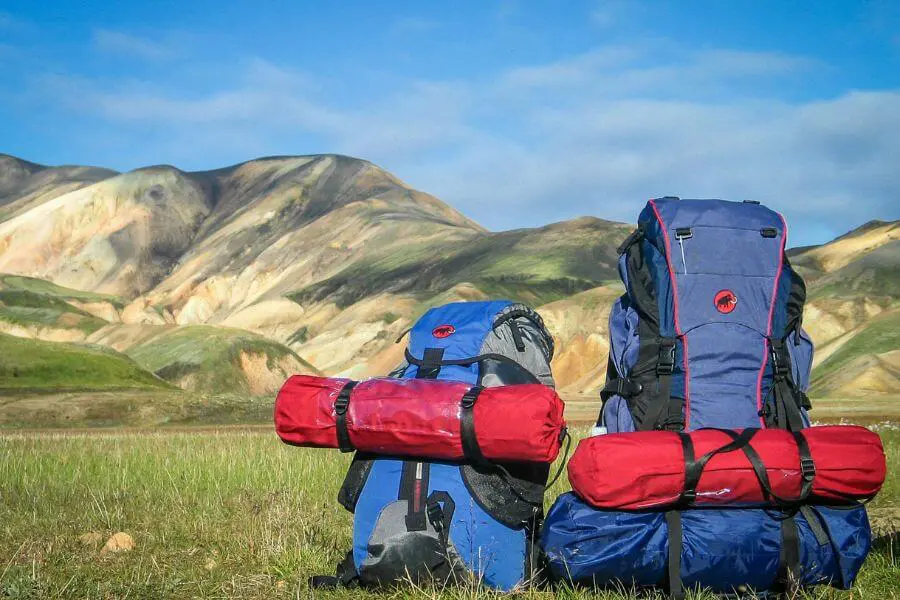
There are a lot more packing items for traveling to Tibet, but that depends on what type of tour you are going. If you want to trek in Tibet, for example, you will need special equipment for that.
What to visit in Tibet in February
Whenever you are visiting Tibet, you must visit all the attractions in Lhasa. First, because they are worth visiting, and second you will need time (two to three days) to acclimatize to the high-altitude air.
Lhasa Attractions
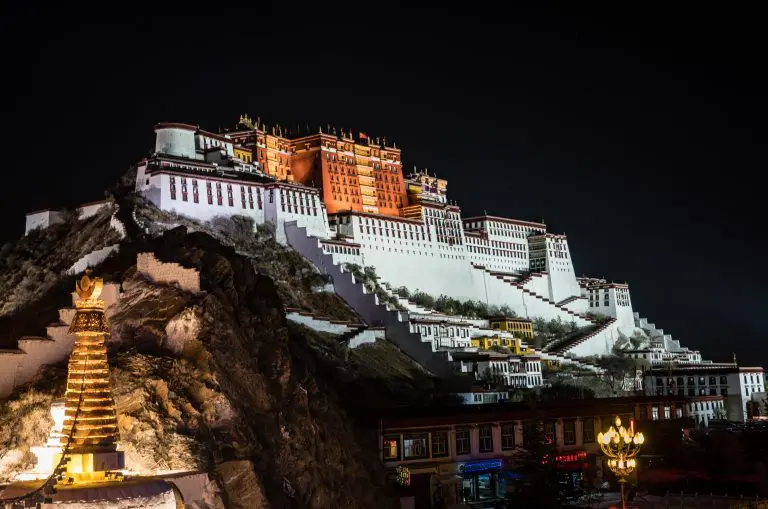
Many of the tourists that are Visiting Tibet in February are going only to visit the Holy City- Lhasa. The main attraction in Lhasa is Potala Palace.
If you want to avoid crowds, then visiting Potala Palace in February can be the perfect time to do that. This period of the year is quieter with fewer tourists, so you can enjoy seeing impressive halls and chapels. Don’t be disappointed if Potala Palace is more museum, tourists can truly appreciate the artwork up close.
Working Hours of Potala Palace: 9.30 am-3 pm November to April,
9 am-3.30 pm May to October,
interior chapels close at 4.30 pm
Jokhang Temple on the other side is so vibrant and radiates with religious energy. There is a reason why is the most revered religious structure in Tibet. In high season the chapels can be very busy, with long queues of pilgrims, so try to view the most popular ones just after the temple opens or just before it closes (around noon), but in February you will not have that type of issue.
Working Hours of Jokhang Temple: from 8.15-noon & 3-5.30 pm, most chapels closed afternoon.
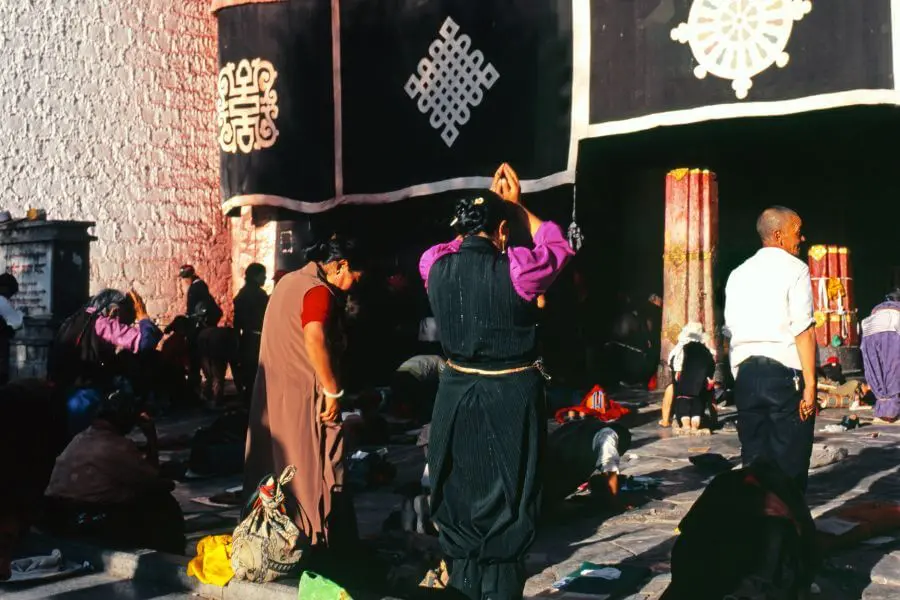
You can’t miss Barkhor Street, it’s located in the heart of Lhasa. This lively street circles around the sacred Jokhang Temple and is always filled with pilgrims, tourists, and locals. As you wander through Barkhor, you’ll see many shops selling handmade Tibetan crafts, jewelry, and traditional clothing. There are also plenty of places to grab a bite and taste authentic Tibetan cuisine. Besides shopping, you can observe or join in the kora, a spiritual practice where pilgrims walk around the temple in a clockwise direction. Remember to respect the local traditions as you enjoy the vibrant scene.
Festivals in Tibet in February
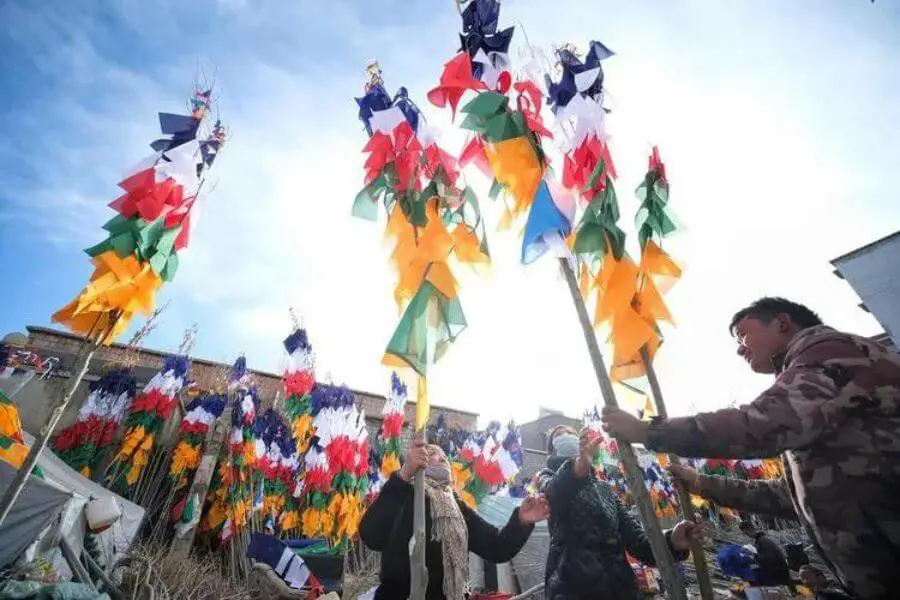
February is reserved for the most popular and important festival for Tibetans- Losar (Tibetan New Year).
Tibetan New Year, also known as Losar, is the biggest and most joyful celebration in Tibet. It usually happens in February, based on the lunar calendar (on the first day of the first lunar month), and the festivities can last for several days. In 2025, the Tibetan New Year will be celebrated on 28 February.
During Losar, the streets come alive with colorful performances, traditional music, and the smell of incense. Families make special foods like ‘guthuk’, a noodle soup that is part of the celebrations to clear away any bad vibes from the old year. For tourists, Losar is a wonderful opportunity to see Tibetan culture at its most festive and lively. So, if you decide to visit Tibet in February, then you must be there for the Losar.
Final words
Visiting Tibet in February isn’t impossible, on the contrary, it can be a very mind-opening journey. You will enjoy the quietness and the breathtaking view of the snowy mountains. This trip can be your wintry escape with the unique opportunity to witness the vibrant celebrations of Tibetan New Year, Losar. Fewer tourists during this time mean more peaceful exploration of Tibet’s stunning monasteries and bustling markets like Barkhor Street. Remember to dress warmly and allow time to acclimate to the high altitude. Embrace the cold, dive into the rich cultural festivities, and enjoy a quieter, more intimate experience of Tibet’s extraordinary spiritual and natural beauty.
Related tours
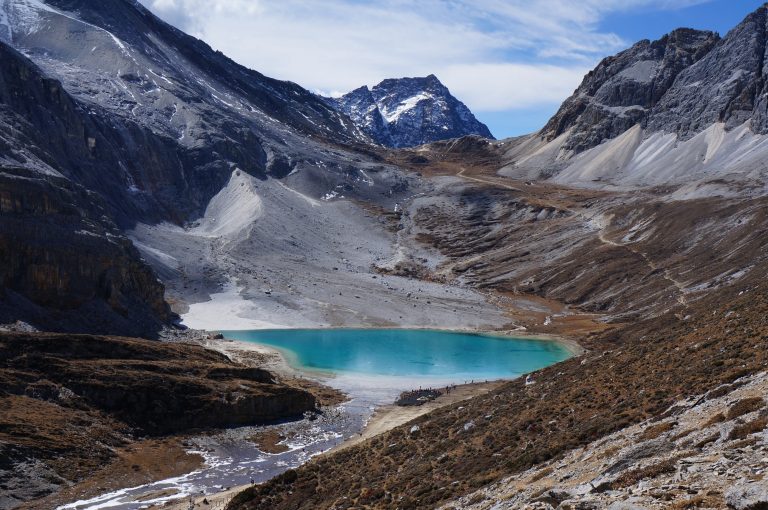
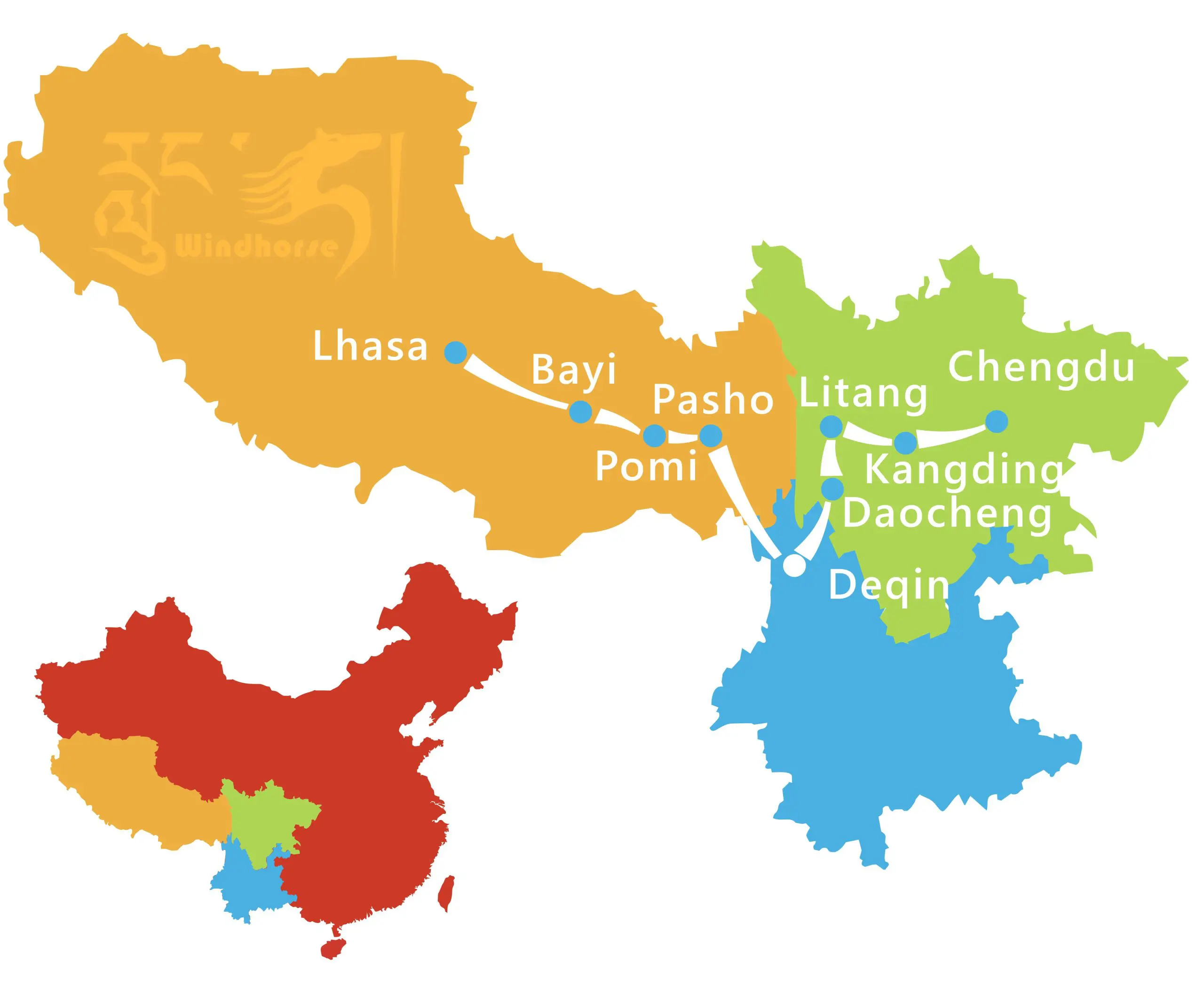
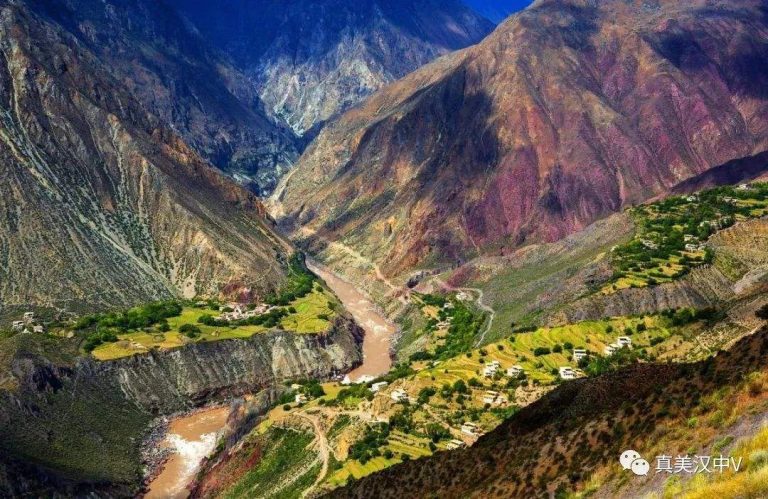
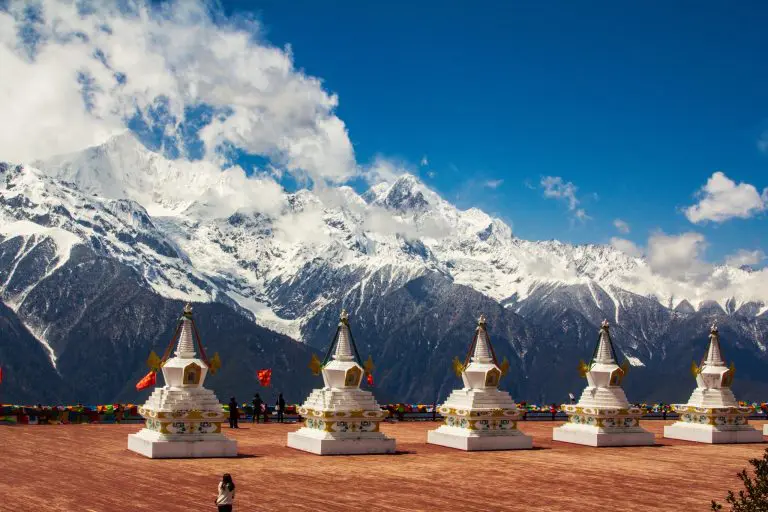
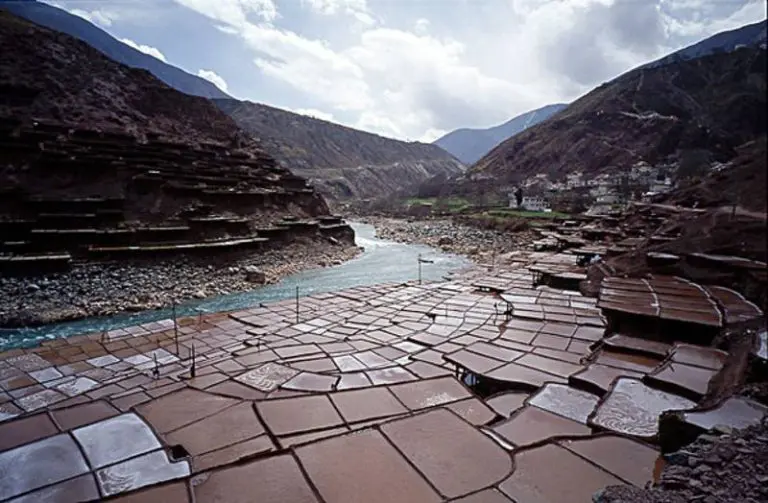
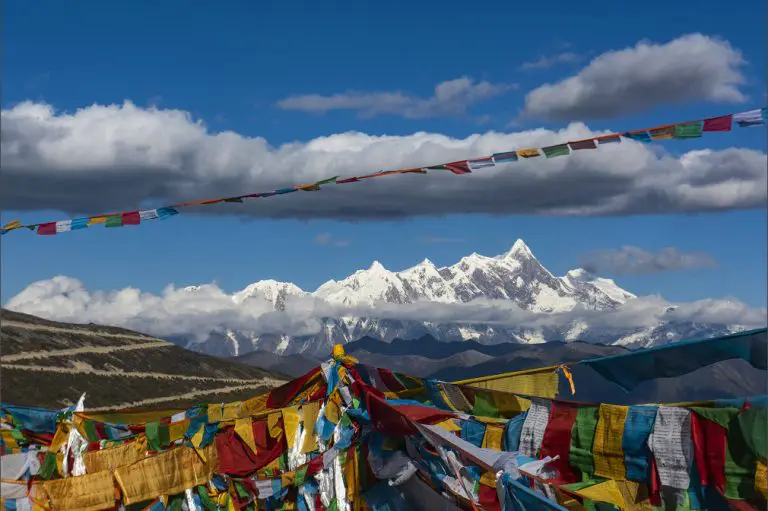
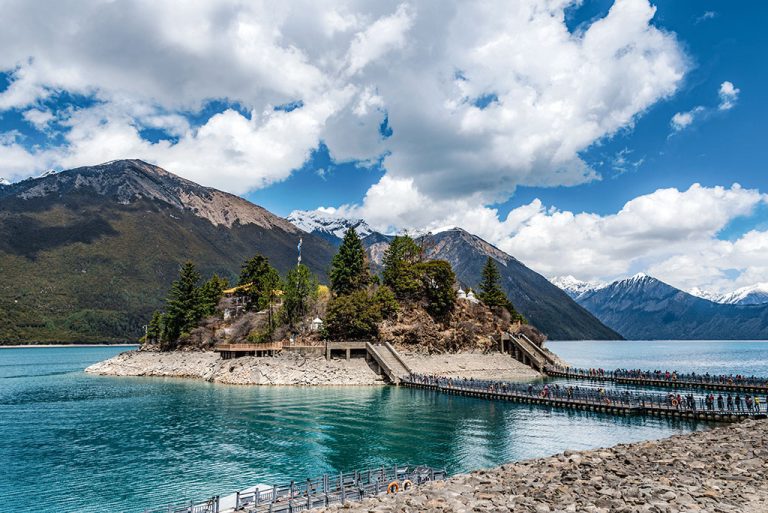
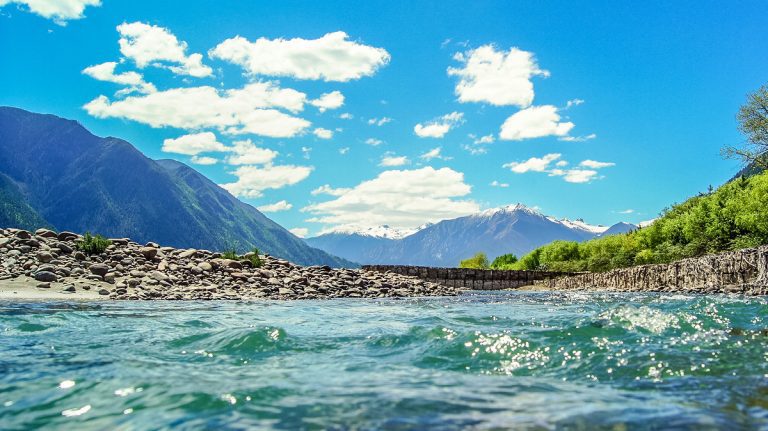
Travel from Chengdu to Lhasa along the Sichuan–Tibet Highway (G318) and Yunnan–Tibet Highway (G214), with detours to Daocheng Yading and Mount Meili. Explore Mount Siguniang, Danba Tibetan villages, monasteries, holy lakes, glaciers, and the dramatic landscapes of Kham regions in Sichuan, Yunnan, and Tibet.
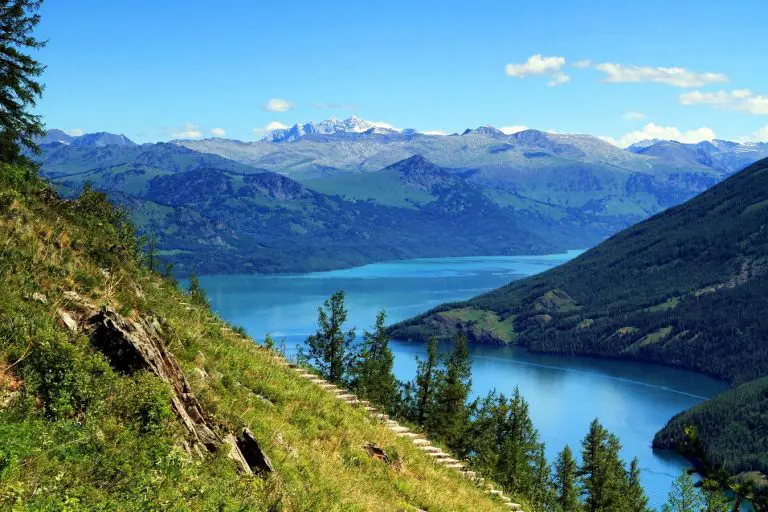
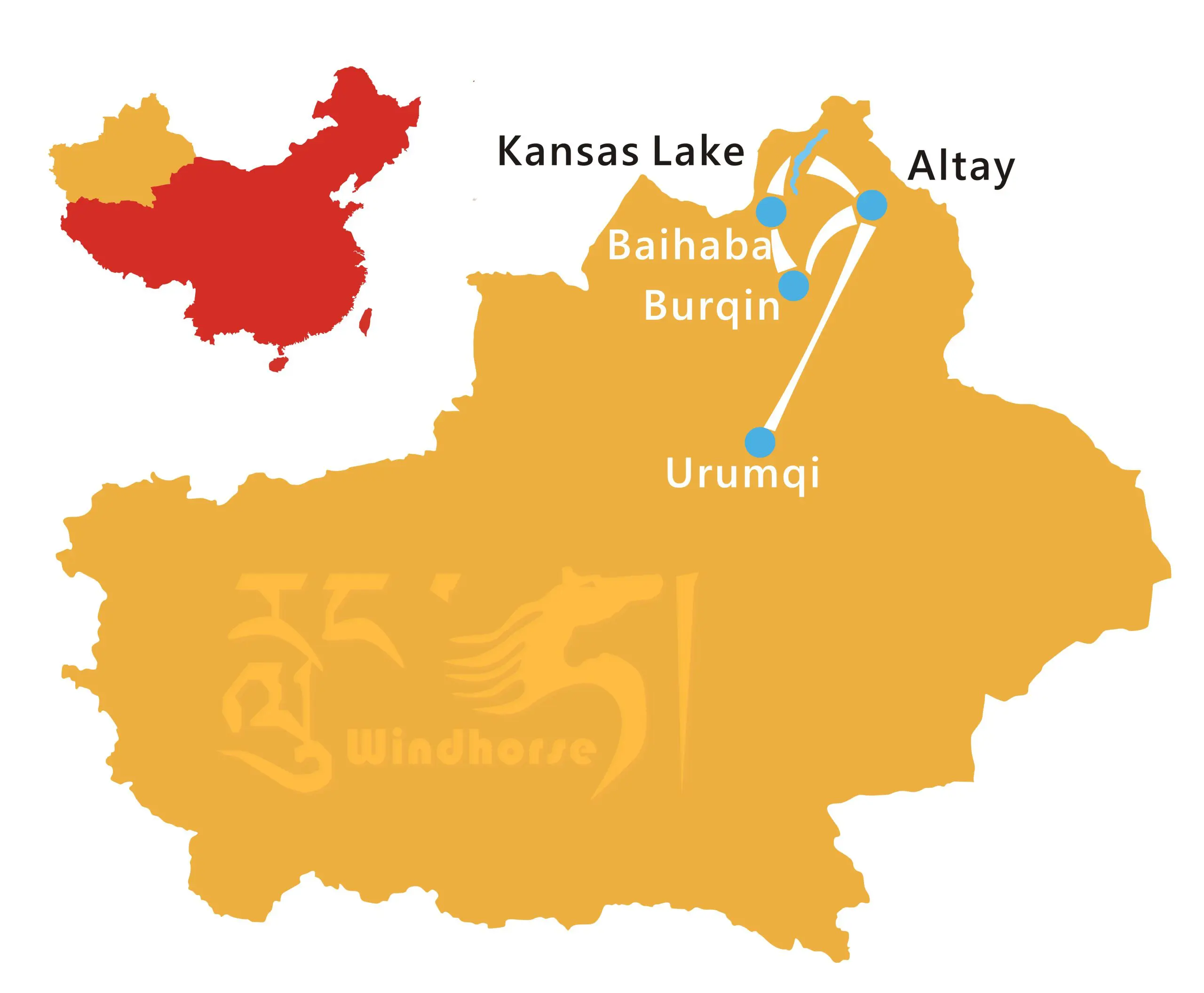
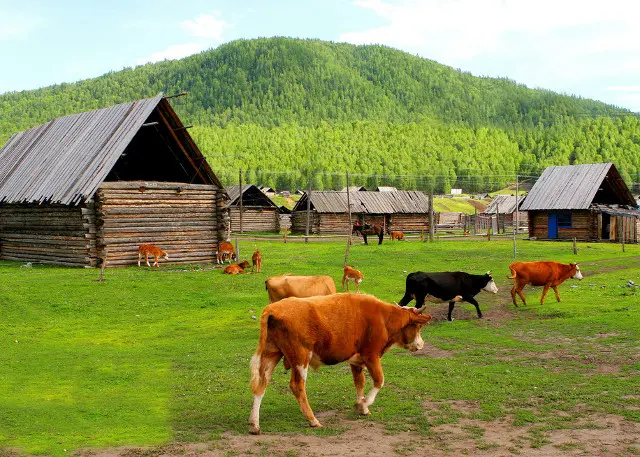
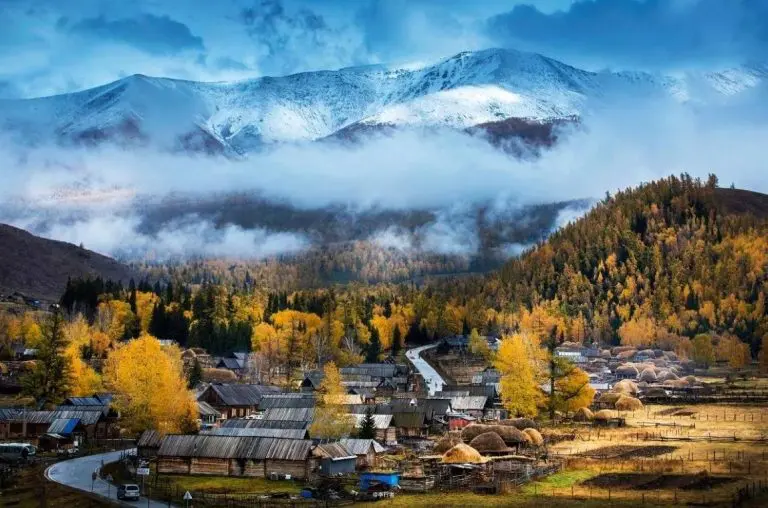
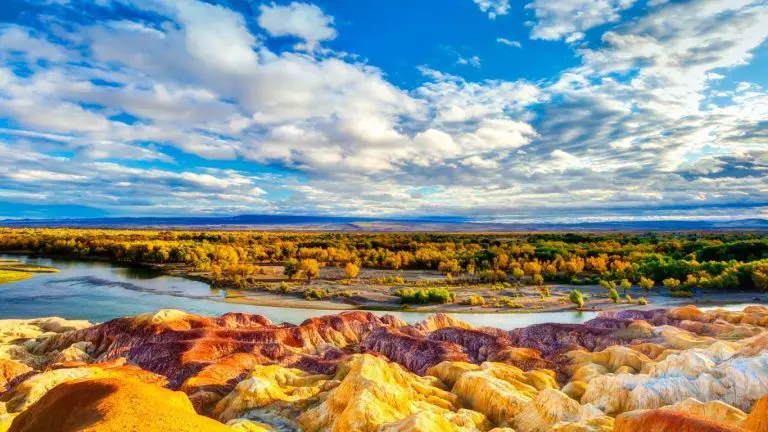
This Kanas Lake trekking tour leads you through Northern Xinjiang’s most scenic trails. Trek from Jiadengyu to Hemu Village, then to Kanas Lake across forests, rivers, alpine meadows, and panoramic ridges while experiencing Tuwa culture and the region’s famous turquoise lake.
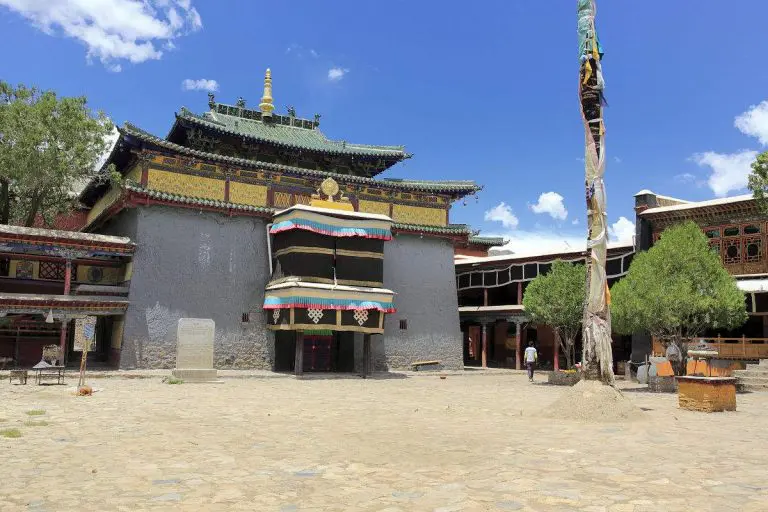
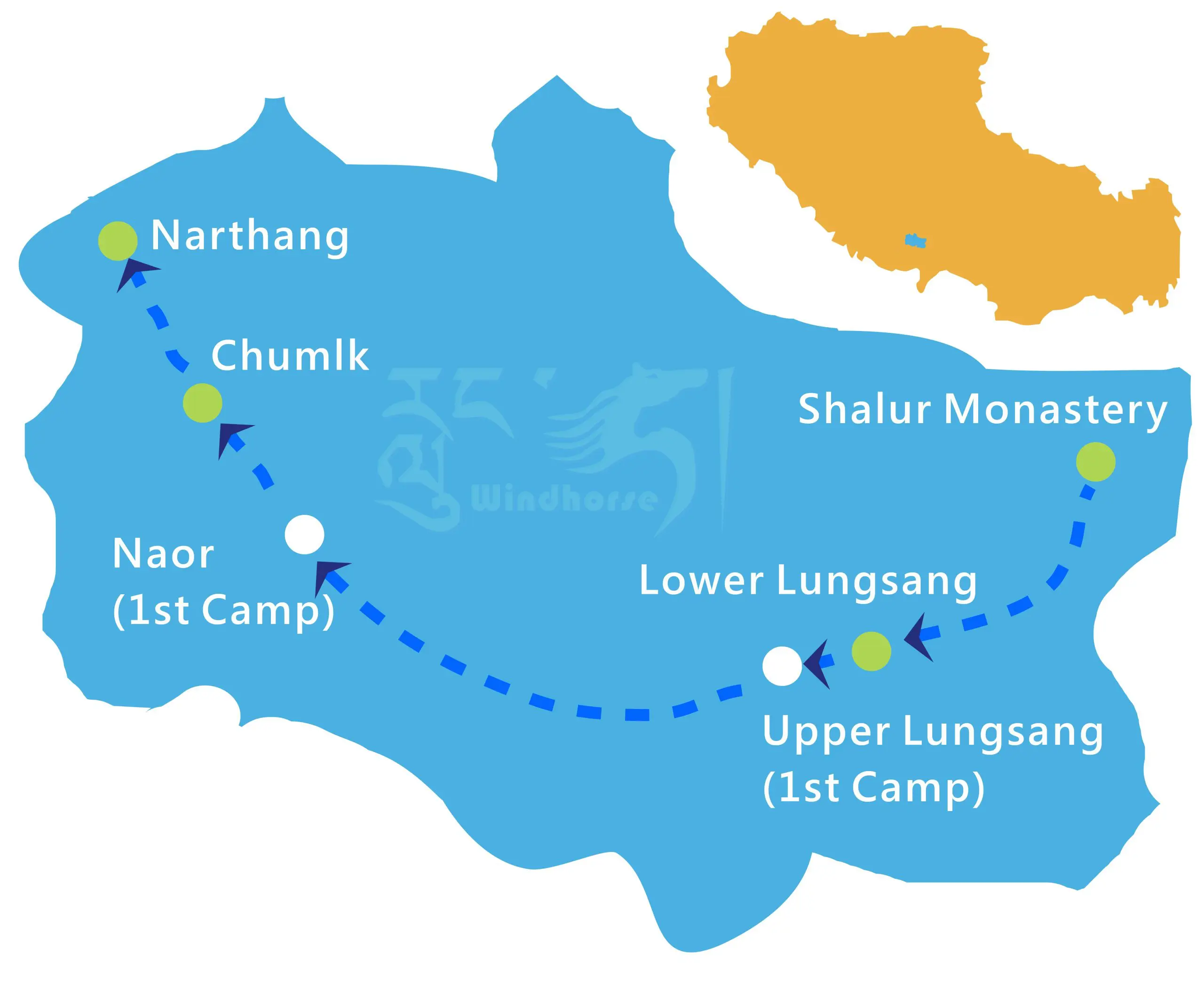
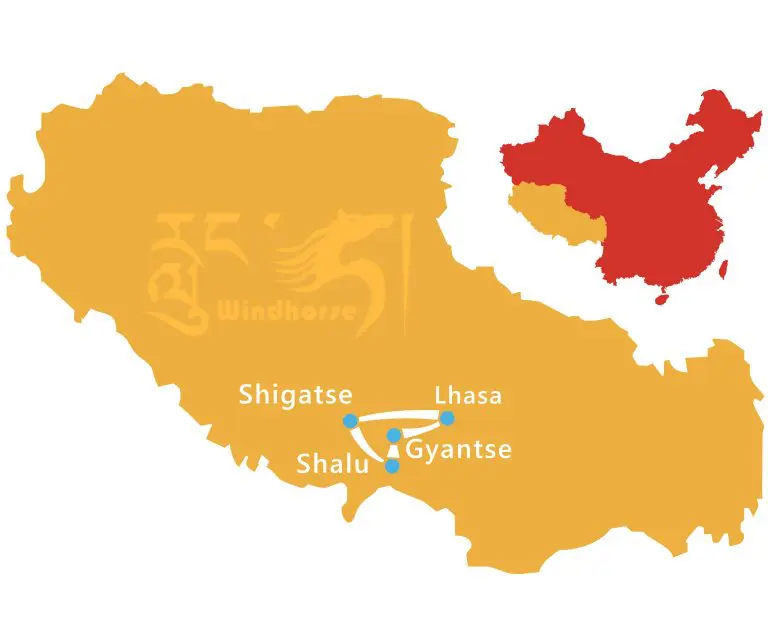
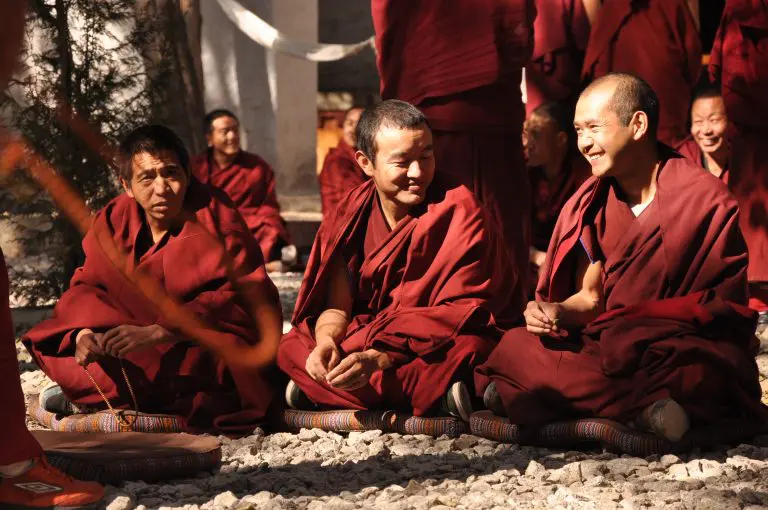
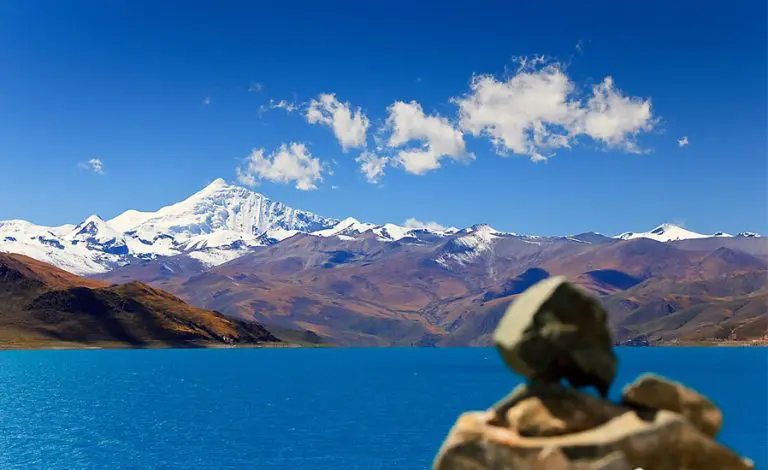
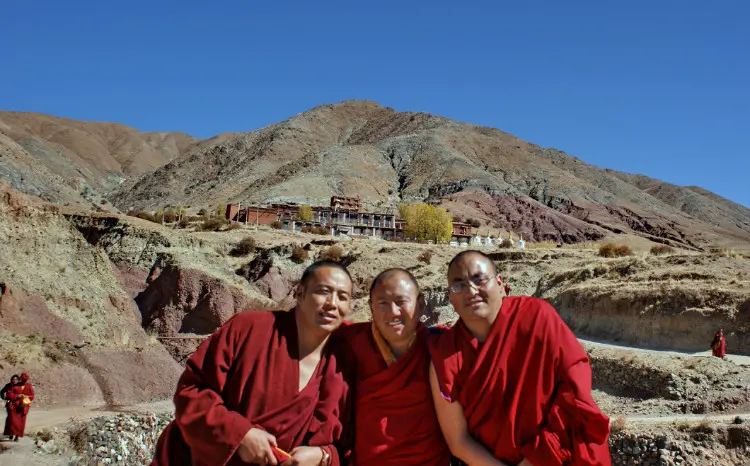
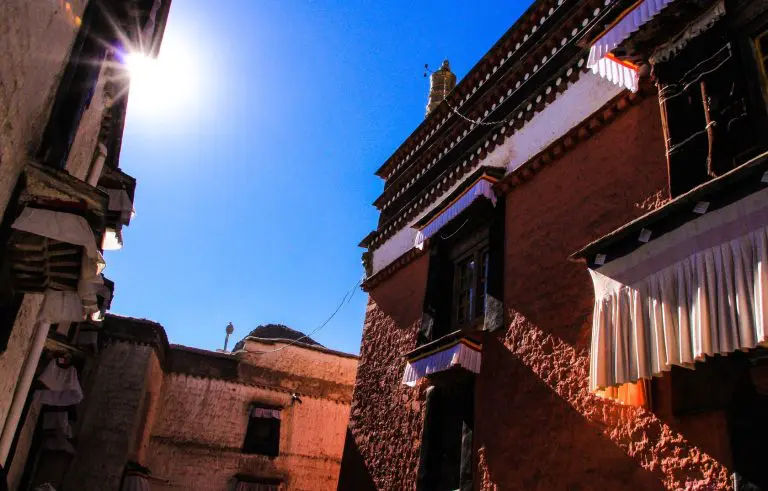
This 8-day Shalu to Nartang Monastery Trek combines Tibetan culture and easy trekking. Walk through quiet villages, barley fields, and dry valleys between two historic monasteries near Shigatse, offering a glimpse into authentic Tibetan life and scenery.