
Shegar
Overview of Shegar
Shegar (also called New Tingri) belongs to Tingri County under the Shigatse City, which is about 600km away from the capital city Lhasa. The altitude is about 4,200 meters above sea level, which is the closest town to Mount Everest region. It is also the political, economic, and cultural center of Tingri County. The public services facilities such as roads, water supply, and power supply in the town are complete.
Shegar has a rich history and serves as a vital resting point for travelers and adventurers heading to Everest. The town is known for its stunning natural beauty, with panoramic views of the Himalayas visible from various points within the town. Shegar’s climate is characterized by cold winters and cool summers, making it important for visitors to pack appropriately.
The town offers a blend of modern amenities and traditional Tibetan culture. Visitors can experience the unique local customs and hospitality while enjoying the convenience of essential services. Shegar hosts several festivals throughout the year, where traditional music, dance, and local crafts are showcased. These cultural events provide a deeper understanding of Tibetan heritage and offer an immersive experience for tourists.
Additionally, Shegar has a few small markets where travelers can purchase basic supplies and local handicrafts. The town’s strategic location makes it an ideal base for exploring the surrounding region, including the Everest Base Camp and other nearby attractions. With its blend of natural beauty, cultural richness, and modern facilities, Shegar is a key destination for those visiting the Everest region.
Strategic Importance
Shegar is a large passageway leading to South Asia and the rear base of the two major China-Nepal borders: Zhangmu and Gyirong. It is also the only road to Everest National Road 318, and the planned National Road 219 South Line will meet here as well. It is an important transportation hub leading to all townships in the whole county.
Entry to Qomolangma Nature Preserve
Shegar is where you can buy your entry ticket to visit the Qomolangma (Everest in Tibetan language) Nature Preserve. Inside the preserve are Mount Everest Base Camp, Rongphu Monastery, and Mount Cho Oyu Base Camp. The preserve office is in the QNP San Cheng Guesthouse.
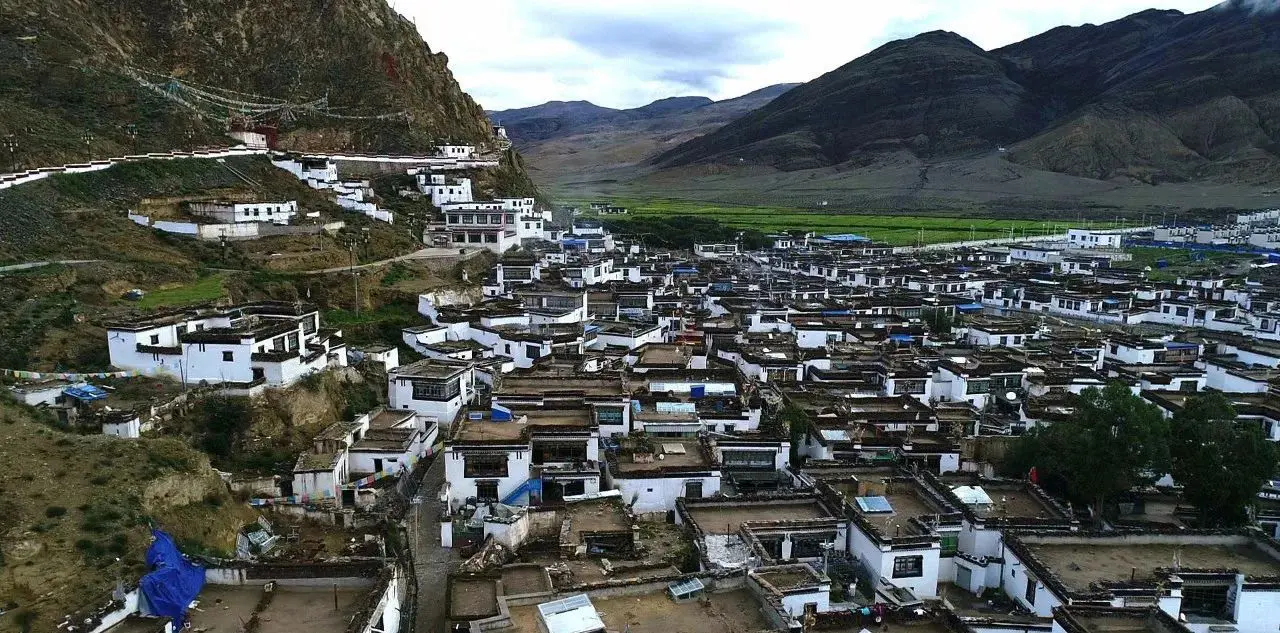
Shegar Town
Shegar itself lies a 7-kilometer diversion northwest of the China-Nepal Friendship Highway. Tourists always stop here to have breakfast after Lhatse or stay here overnight before heading out early the next morning to Everest Base Camp. There are a few Chinese, Tibetan, and Muslim Restaurants here, together with some budget standard hotels/guesthouses, but most of them charge overpriced. From Shegar there is no public transport to Rongbuk Monastery and Everest Base Camp, the only possibility is to hitch a private vehicle.
The town offers a glimpse into the daily life of the local Tibetan people. Walking through Shegar, you can see traditional Tibetan homes adorned with prayer flags fluttering in the wind. The local market is a bustling place where traders sell fresh produce, yak butter, and handmade crafts. It’s a great spot to pick up some unique souvenirs and interact with the friendly locals.
In Shegar, you can also visit the local Tibetan Buddhist temples, where monks engage in their daily rituals. These temples are not only spiritual centers but also house ancient Tibetan artworks and scriptures. For those interested in local history, the Shegar Dzong, an ancient fort, provides a fascinating look into the region’s past. Though mostly in ruins, the fort offers panoramic views of the surrounding valleys and mountains.
The town’s elevation means that the air is crisp and the skies are often clear, offering spectacular views of the Himalayan peaks. During your stay, you might witness local festivals, where vibrant costumes, traditional music, and dances bring the town to life. These events are a testament to the rich cultural heritage of the region.
For adventure enthusiasts, Shegar is a starting point for several trekking routes that offer breathtaking views and challenging trails. The nearby natural hot springs provide a relaxing way to unwind after a long day of exploration. Despite its small size, Shegar has a lot to offer, making it a memorable stop on the journey to Mount Everest.
Historical Architecture
Shegar is built on a mountain, and a river runs through the middle of the city. Looking up, you can see the buildings of the ancient fort (Dzong) on the mountain. In many parts of Tibet, Dzong (Dzong architecture is a distinctive type of fortress architecture found mainly in Bhutan and Tibet) architecture remains. For example, the ruins of the Guge Kingdom and the Gyantse Dzong are world-famous architecture. The remains of the Dzong’s defensive walls snake up the near-vertical pinnacle that looms over the town.
Kora Trail
If you have time, it’s worth making a short Kora around the town. A 2-kilometer Kora trail leads up from the western side of town to the top of the steep crag. Along the way, you can see Mount Everest in the distance if the weather permits. Morning light is the best for taking photographs.
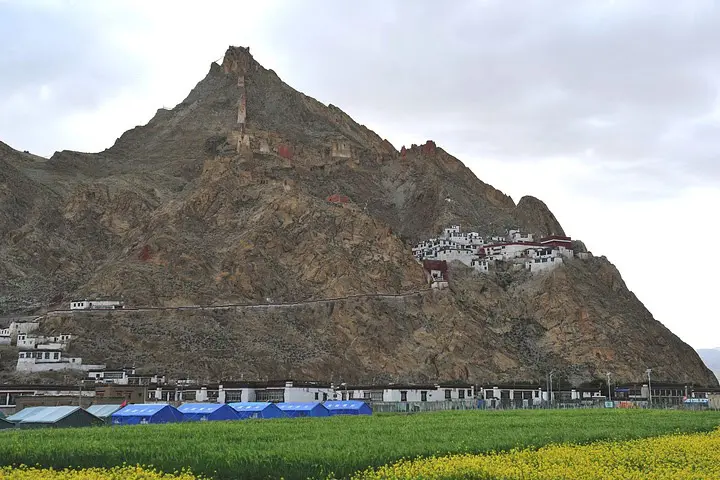
Shegar Chode Monastery
On the way up you will pass the Shegar Chode Monastery (Altitude 4,050m), a small Gelugpa institution built-in 1269. The monastery is located on a towering hill, and very few tourists go deep into this corner. From the mural on the left side of the entrance of the main hall, you can see that the monastery once occupied the grandeur of the entire mountain in the 14th century. However, after being destroyed, the ubiquitous ruins are more worth visiting than the monastery itself. These ruins extend to the top of the mountain.
Local Culture and Traditions
More than 90% of local people in the county are good at singing and dancing. Silverware processing, hand sewing, and other crafts have been circulating for thousands of years. In addition, there are still many more traditional folk customs, such as Wedding Customs, Equestrian Competitions, Luoxie Dance Festival, etc. Most villages are built on the mountain, with a compact layout and distinct levels, forming beautiful folk customs.
As its special geographical location and unique natural environment, Shegar has formed a cultural and artistic hometown of important cultural relics, traditional singing and dancing with distinctive characteristics, exquisite ethnic handicrafts, and simple folk customs.
Related tours
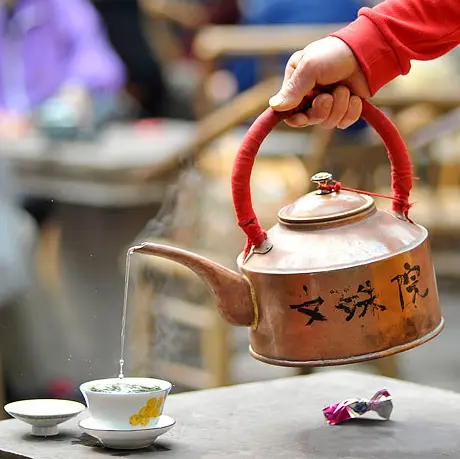
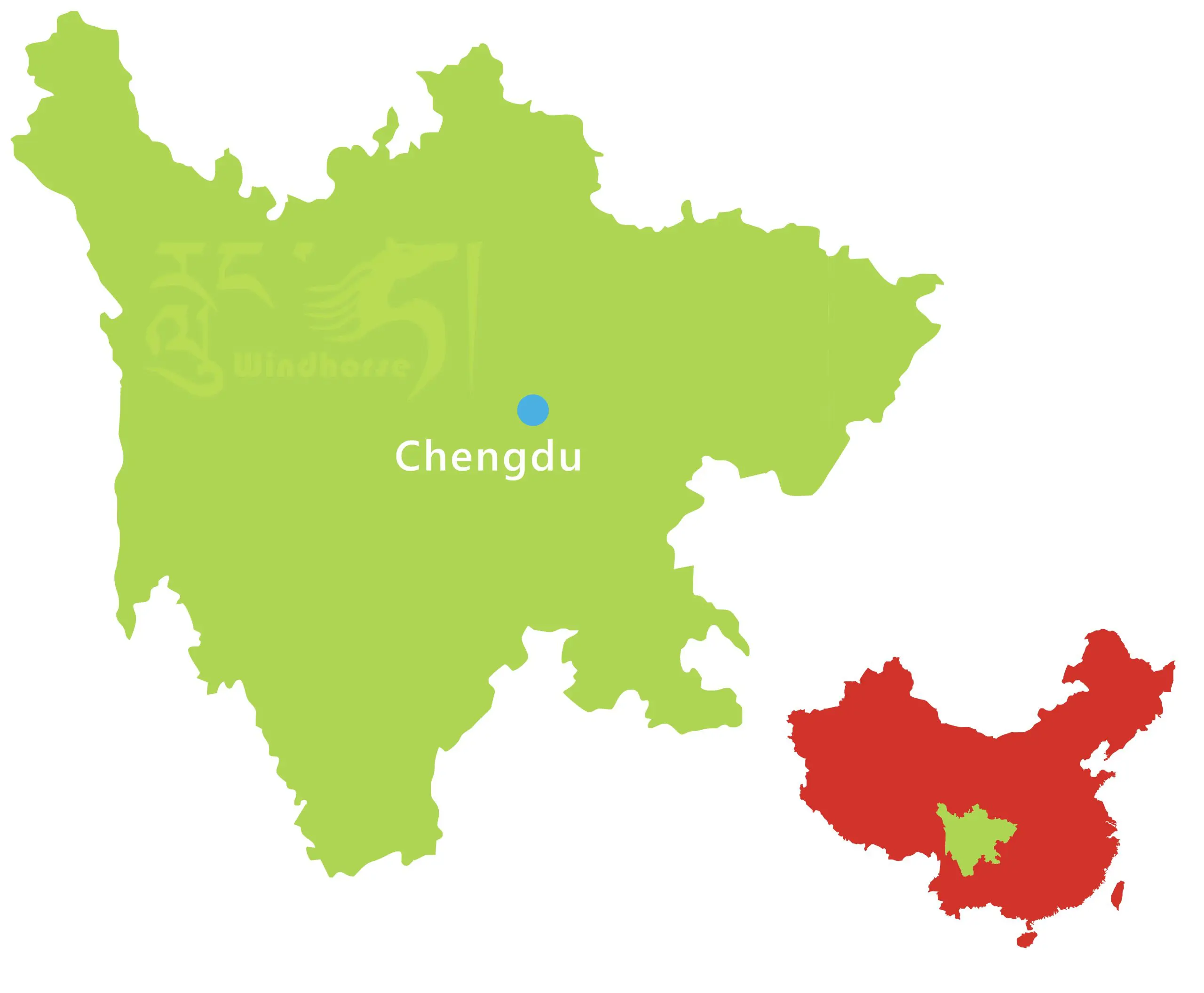
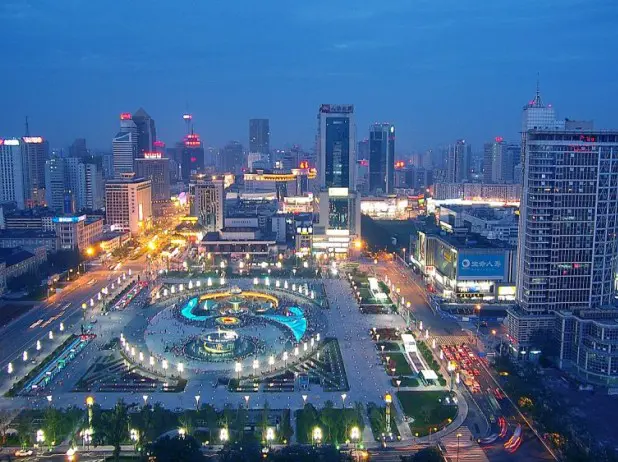
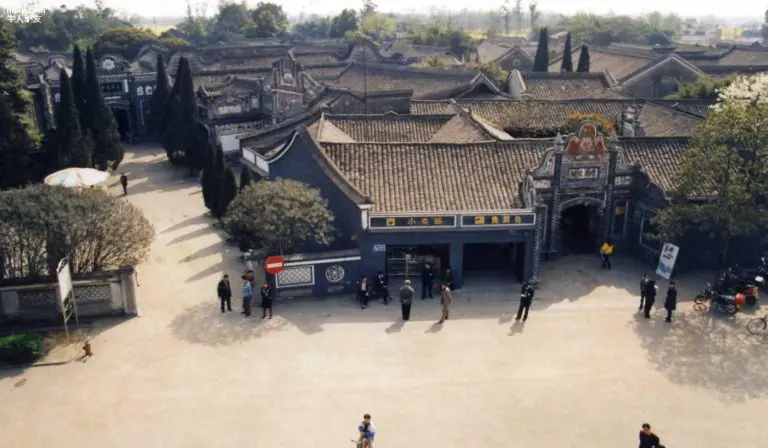
Discover Chengdu’s cultural gems in one day with visits to Qingyang Palace, Du Fu’s Cottage, Wuhou Temple, Wenshu Monastery, and a stroll through Jinli Street.
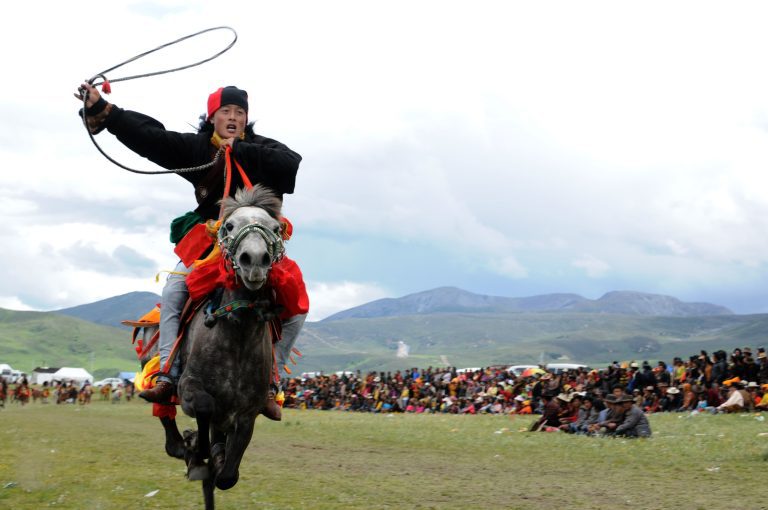
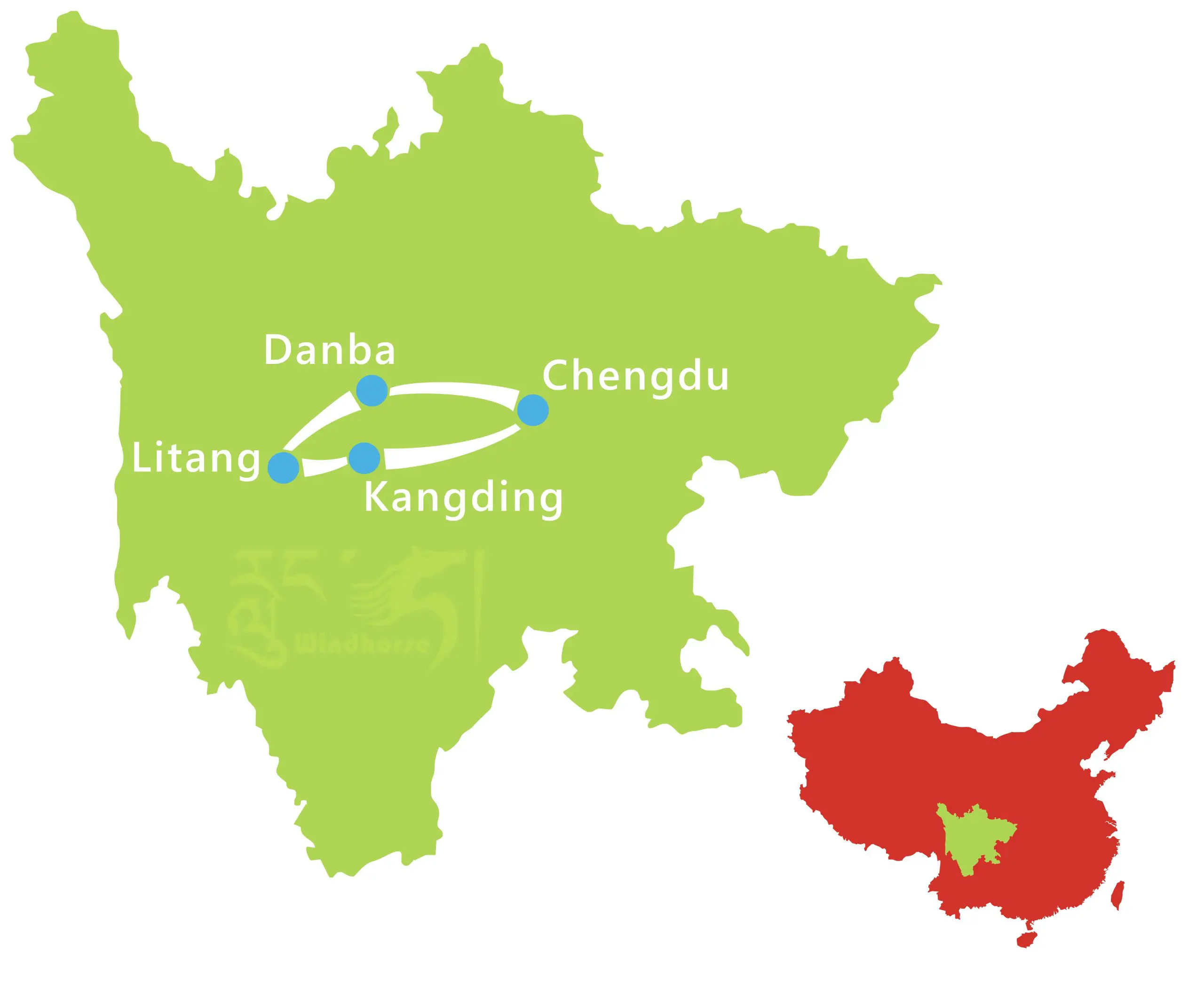
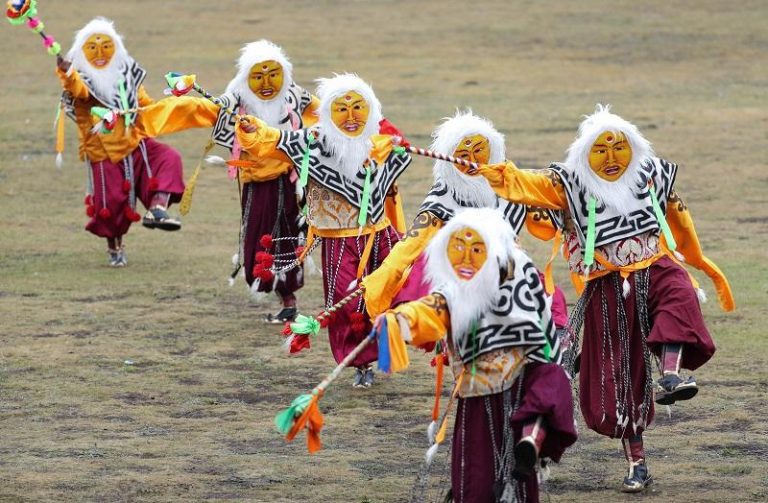
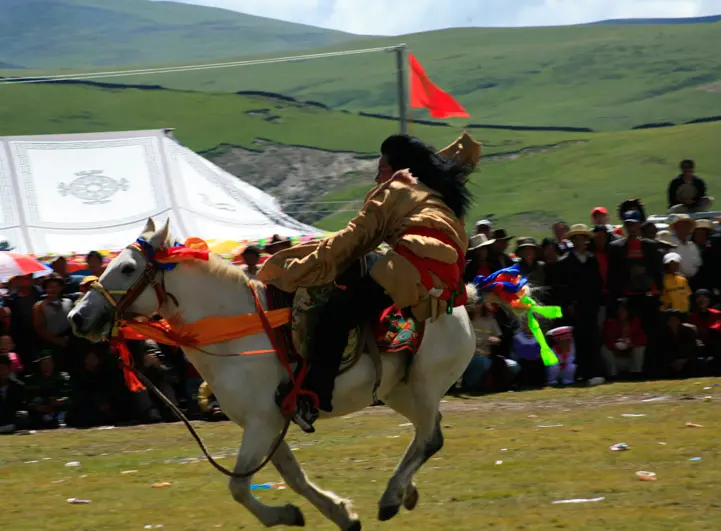
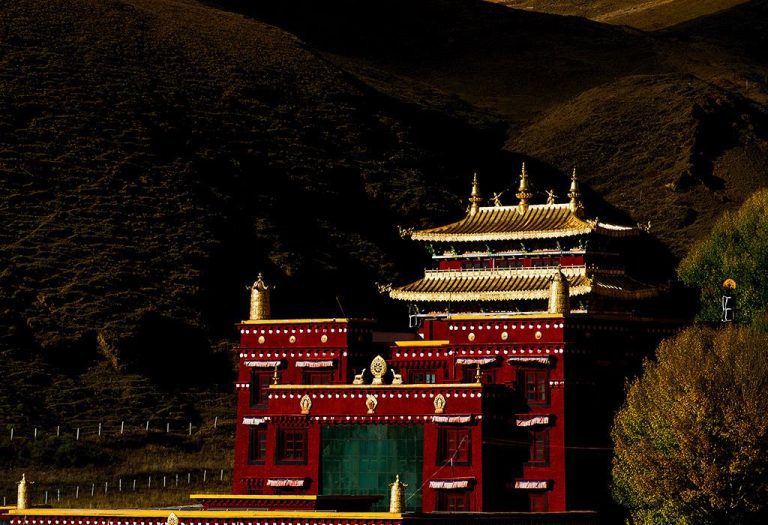
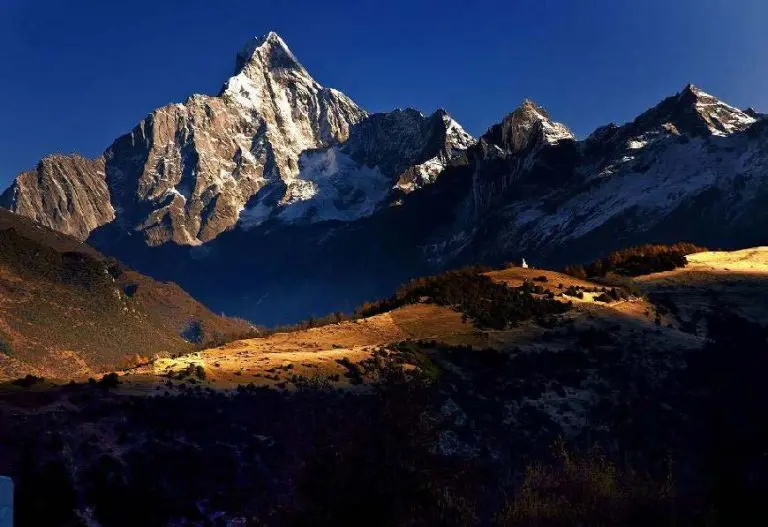
Enjoy the once a year Litang Horse Racing Festival and see long distance riding, trekking, horse riding tricks and shooting from horseback, all first hand. Traveling from Chengdu to Litang is half the fun filled with fantastic natural scenery.
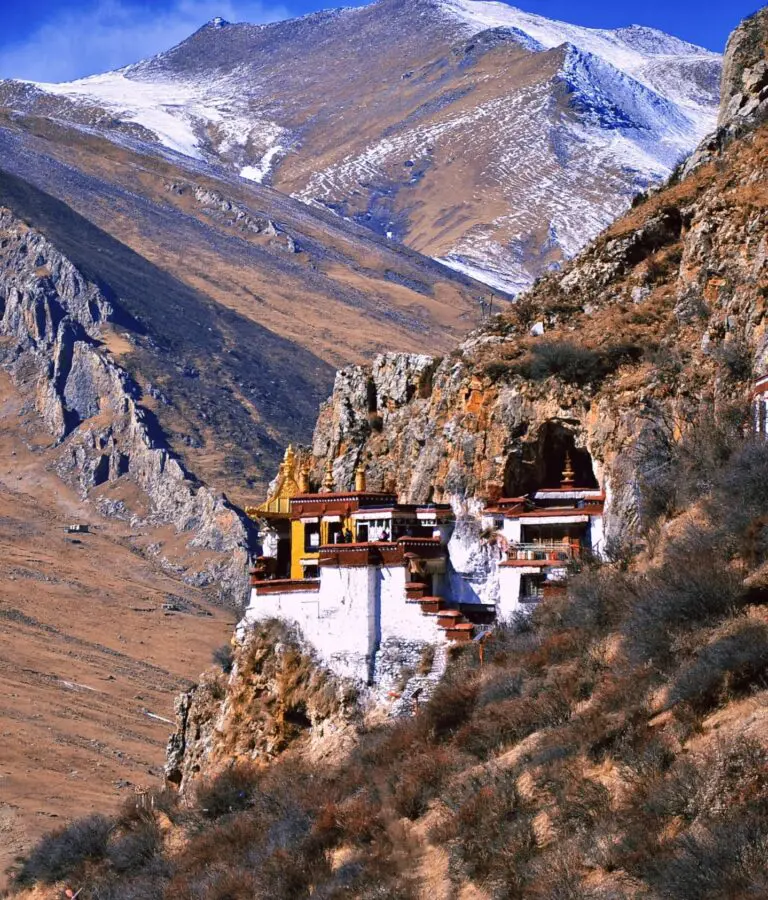
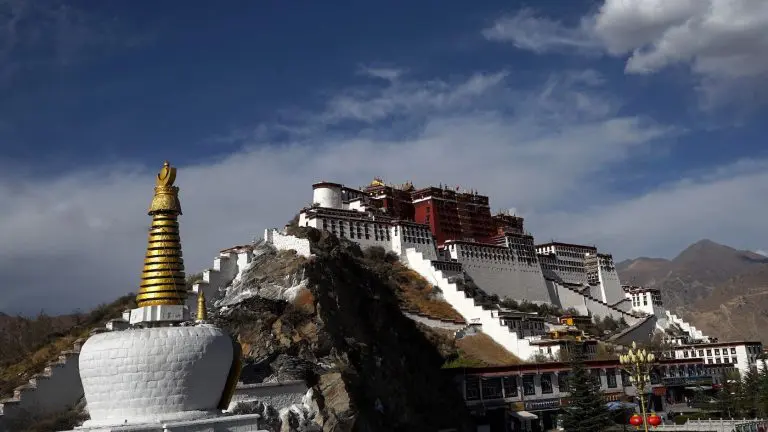
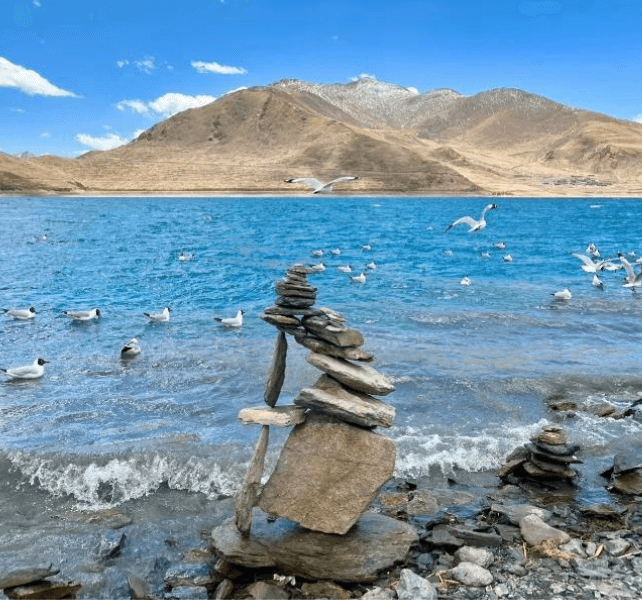

Experience Tibet’s calm winter landscapes on this 6-day Lhasa Winter Tour. Explore Potala Palace, Jokhang, and Sera Monastery, enjoy Yamdrok Lake’s turquoise beauty, and hike to Drak Yerpa meditation caves. A perfect blend of culture, nature, and local life.
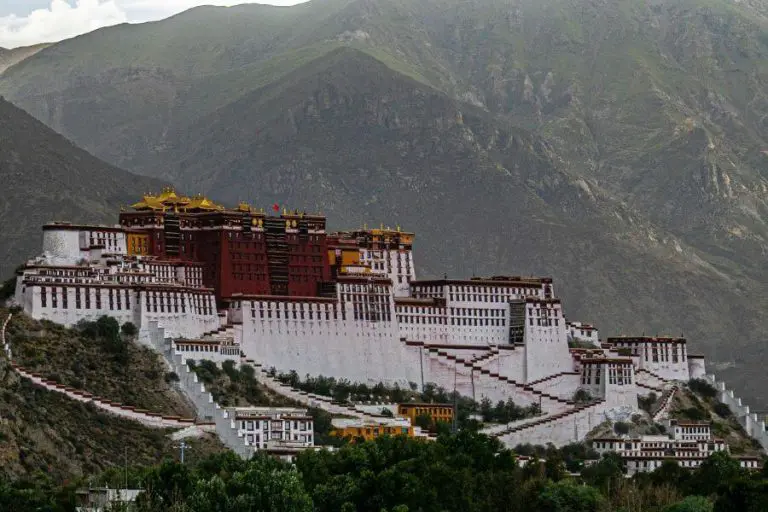
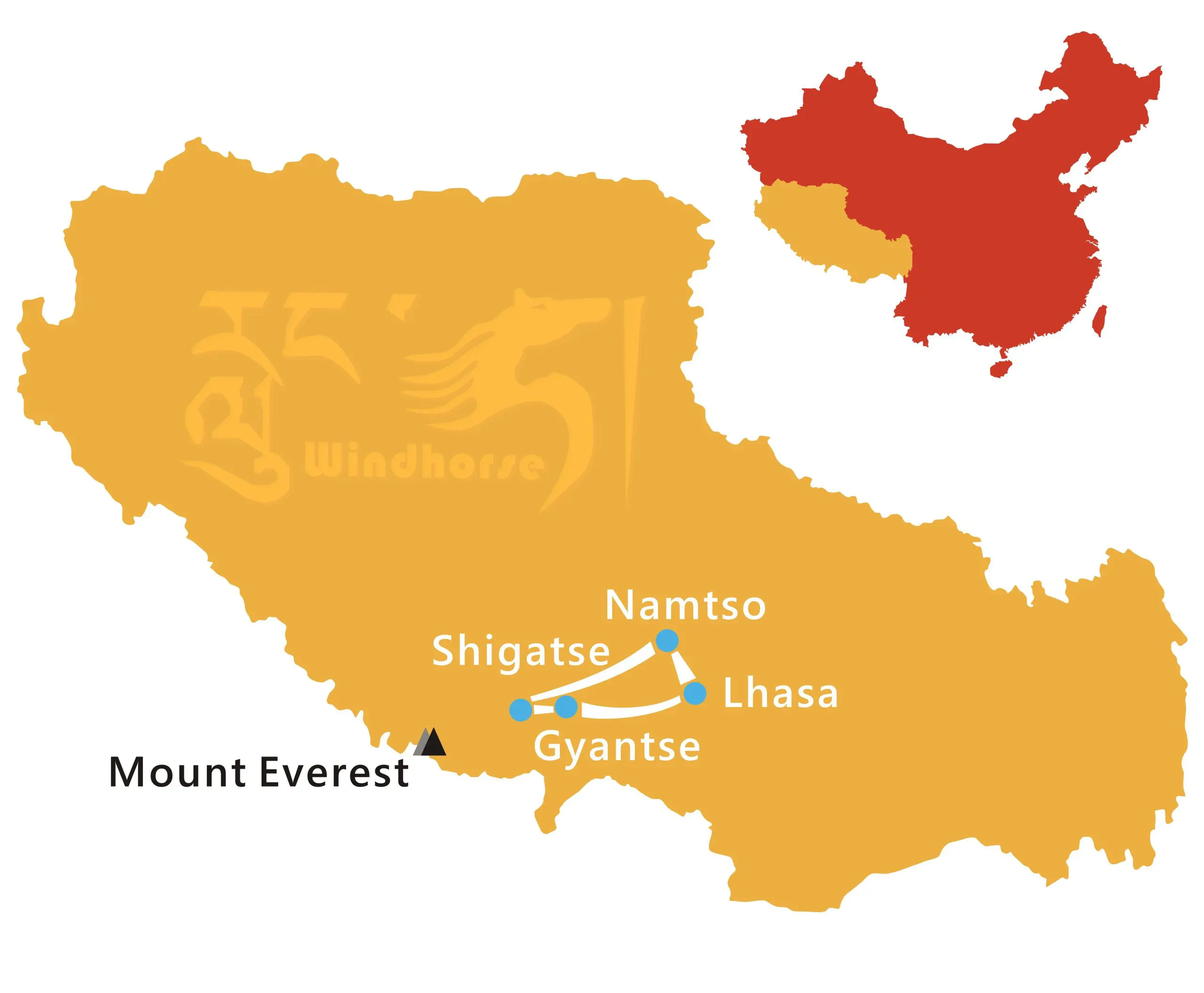
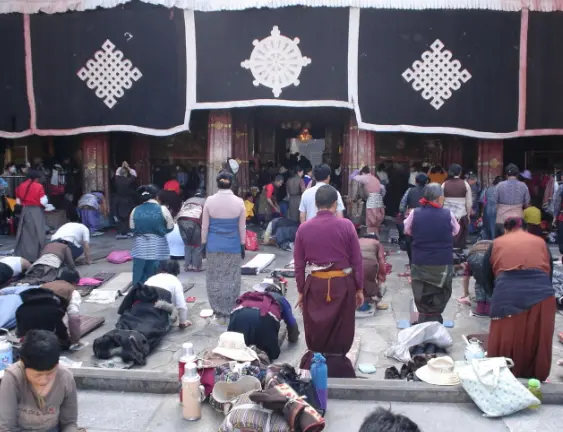
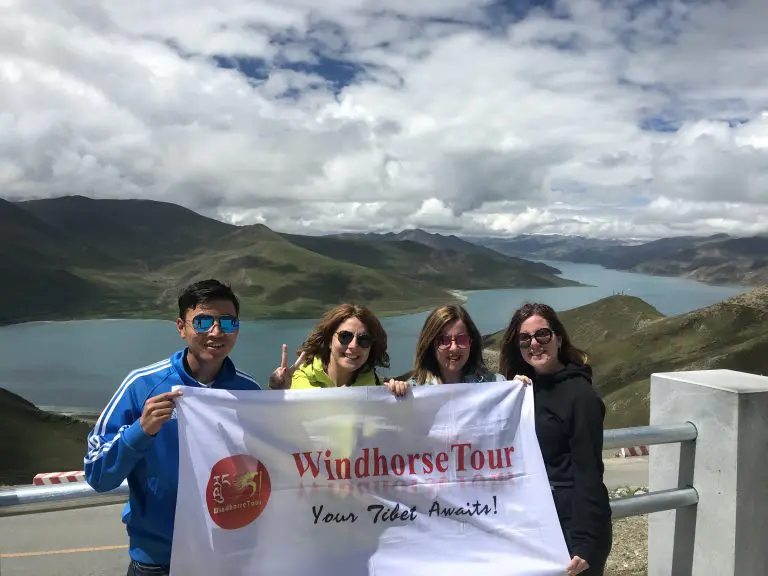
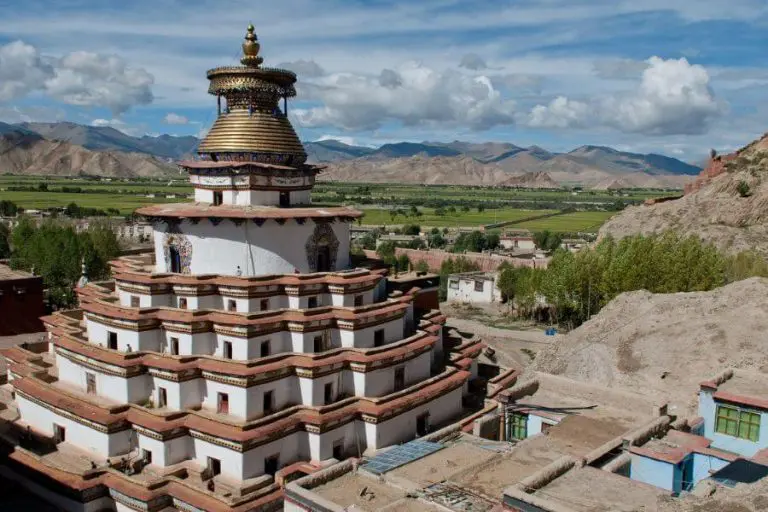
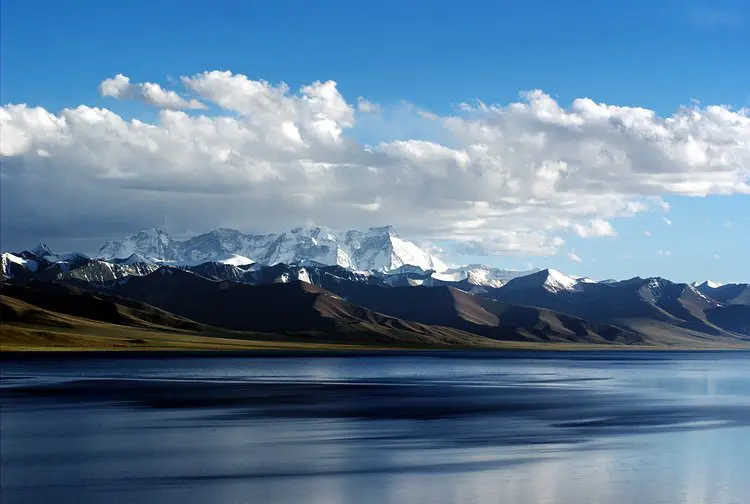
Explore Tibet’s cultural heart and natural wonders on this 8-day Lhasa, Shigatse and Namtso tour. Visit Potala Palace, Yamdrok Lake, Gyantse, Tashilhunpo Monastery, and sacred Namtso Lake on the vast grasslands of northern Tibet (Changtang region).