
Tibet-Nepal Friendship Highway
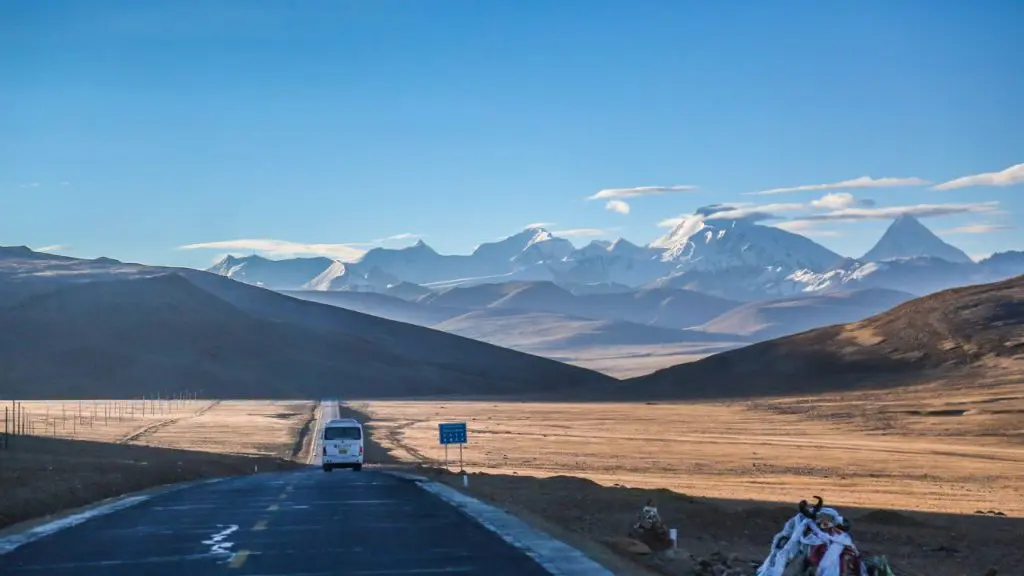
The Friendship Highway, also known as the China-Nepal Highway, connects Lhasa, China, with Kathmandu, Nepal. It is the westernmost part of China National Highway 318, with a total length of 943 kilometers, of which 829 kilometers are in Tibet. After passing through Shigatse and Lhatse, it divides into two branch lines: the east line via Zhangmu, a border town on the Chinese side, leading to Kathmandu, and the west line via Gyirong, another border town on the Chinese side, also leading to Kathmandu.
Route Conditions
However, the east line via Zhangmu to Kathmandu has been closed to tourists since 2015 due to extensive damage caused by the 2015 Nepal earthquake. The west line via Gyirong to Kathmandu has been open for travel since September 1, 2017. Since then, all overland tours from Lhasa to Kathmandu have used this route. The road in Tibet is well-paved, while in Nepal, it is rugged and bumpy.
Popularity
The China-Nepal Friendship Highway is the most popular travel route in Tibet for tourists, passing through the two major urban centers of Shigatse and Gyantse, as well as other important attractions like Sakya and Mt. Everest Base Camp. Foreign travelers are required to take an organized trip through a travel agency like WindhorseTour to cross the border, with several excellent detours along the Highway.
Table of Contents
Best Time to Travel along the Tibet-Nepal Highway
Travel along this highway is suitable all year round, attracting thousands of travelers annually. However, the best times to travel along this route are April to June and September to October, due to more stable weather with clear skies, better visibility, and fewer travelers. July and August are also good times, as the weather is warm, and the landscapes are lush, but it is the busiest travel period, and landslides often block the roads on the Nepal side.
Typically, travelers spend about 7-10 days journeying along the Friendship Highway from Lhasa to Kathmandu, affording them the opportunity to fully savor the breathtaking vistas of the Tibetan Plateau and visit some of its core attractions. This itinerary often includes a 3-4 day leisure trip in Lhasa to acclimatize to the high altitude before embarking on the overland journey to Nepal.
Key Stops along the Tibet-Nepal Highway
The Southern Friendship HWY from Lhasa to Shigatse via Gyantse
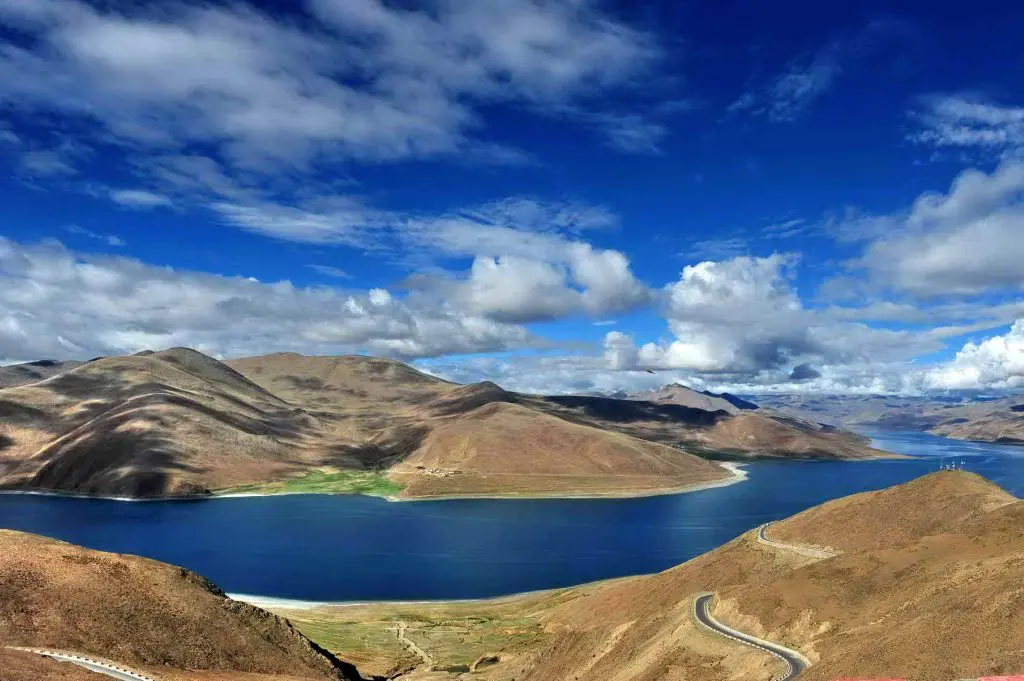
The Southern Friendship highway from Lhasa to Shigatse via Gyantse is a scenic and culturally rich route, offering travelers stunning landscapes and historic sites along the way. The journey begins in Lhasa, leading to the breathtaking Yamdrok Lake, one of Tibet’s three sacred lakes, known for its turquoise waters and stunning mountain reflections. Near the lake, travelers can hike to Samding Monastery, the monastery offers stunning panoramic views of Yamdrok Lake, surrounded by the vast Tibetan plateau..
Continuing along the highway, the route passes through the Karola Glacier, a striking roadside glacier with massive ice formations, followed by a stop at Manla Reservoir, an artificial lake with clear waters reflecting the surrounding mountains.
The journey then reaches the historical Gyantse Old Town, home to ancient fortresses and narrow alleys, and visit the famous Gyantse Kumbum Stupa inside Pelkor Monastery, known for its stunning murals and Buddhist chapels.
The final leg of the Southern Friendship Highway leads from Gyantse to Shigatse, a 1.5-2 hour drive, with an optional detour to Shalu Monastery, a site renowned for its distinctive Tibetan art and unique architecture, which blends Tibetan and Han Chinese styles.
Key Highlights Along the Route:
- Yamdrok Lake – One of Tibet’s three sacred lakes, with turquoise waters and breathtaking scenery.
- Samding Monastery – The only Tibetan monastery led by a female reincarnation, located on a peninsula in Yamdrok Lake.
- Karola Glacier – A stunning roadside glacier with towering ice formations, offering a spectacular high-altitude experience.
- Manla Reservoir – A scenic artificial lake near Karola Glacier, known for its crystal-clear waters and picturesque surroundings.
- Gyantse Old Town – A well-preserved Tibetan town with historic fortresses, traditional alleys, and rich cultural heritage. Gyantse Dzong (Fortress) played a key role in resisting British forces during the 1904 British expedition to Tibet.
Shigatse and Tashilhupon monastery
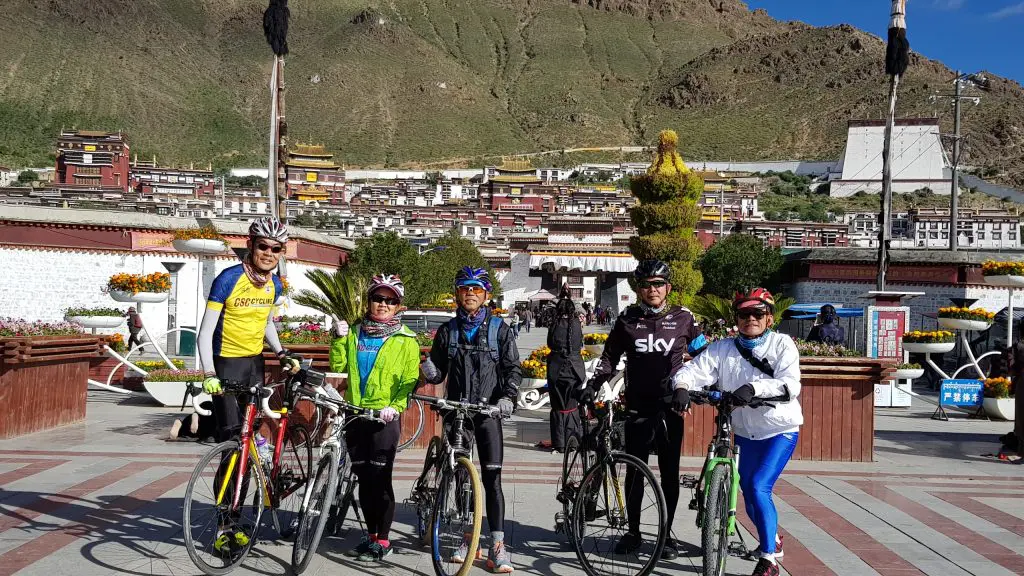
Shigatse is one of the main stops along the Friendship Highway. As Tibet’s second-largest city and the traditional capital of the Tsang region, it is home to Tashilhunpo Monastery, the seat of the Panchen Lamas, the second-highest spiritual authority in Tibetan Buddhism after the Dalai Lama. Founded in 1447 by the 1st Dalai Lama, Gendun Drup, the monastery is renowned for its grand architecture, golden rooftops, the 26-meter-high Future Buddha statue, and the elaborate golden tombs of past Panchen Lamas.
For adventure seekers, a 2-hour kora (pilgrimage circuit) around the monastery offers breathtaking views of Shigatse and its surrounding countryside, passing prayer wheels, sacred rocks, and devoted pilgrims. If time allows, visit the bustling Shigatse Market, where you can browse traditional Tibetan handicrafts, including Thangka paintings, Tibetan knives, and handwoven carpets, while immersing yourself in authentic Tibetan daily life.
Sakya Monastery
The scenic drive from Shigatse to Lhatse along the Friendship Highway takes travelers through vast Tibetan plateaus, rugged mountains, and winding river valleys. Along the way, you’ll see rolling hills, golden barley fields, and traditional Tibetan villages, with the Yarlung Tsangpo River flowing alongside and yaks grazing in the open grasslands. The route includes high mountain passes and picturesque landscapes, making it a visually stunning journey.
A detour to Sakya Monastery, founded in 1073 by Khön Könchok Gyalpo, offers a deeper look into Tibetan Buddhism. As the mother monastery of the Sakya school, it is known for its fortress-like walls painted in red, white, and black, symbolizing Manjushri, Avalokiteshvara, and Vajrapani. Inside, it houses a vast library with shelves stretching 60 meters long and 10 meters high, filled with ancient Buddhist scriptures, along with vibrant murals, sacred statues, and historic artifacts.
You can explore the monastery’s ancient halls, admire its exquisite murals and Buddhist relics, or hike to the monastery’s Northern Ruins of, where remnants of the monastery’s original structures provide a glimpse into its past.
You can spend the night at Sakya or continue along the Friendship Highway to Shegar (New Tingri), the gateway to the Mount Everest region.
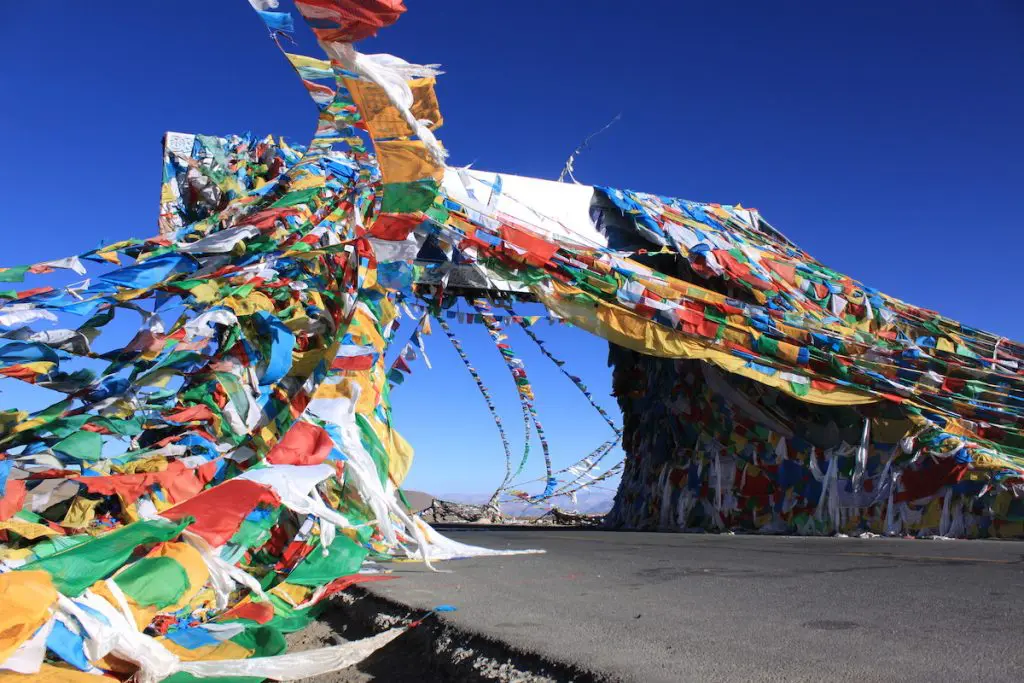
On the way, you’ll cross Gyatso La Pass (5,248m), the highest point on this route, where you’ll catch your first breathtaking glimpse of Mount Everest if weather permits. At the summit, prayer flags flutter in the wind, adding to the peaceful and spiritual atmosphere.
As you descend, the landscape shifts to rugged highlands, leading you to Shegar, a small but important town where many travelers rest and acclimatize before heading toward Everest Base Camp.
Mount Everest Base Camp (E.B.C) in Tibet
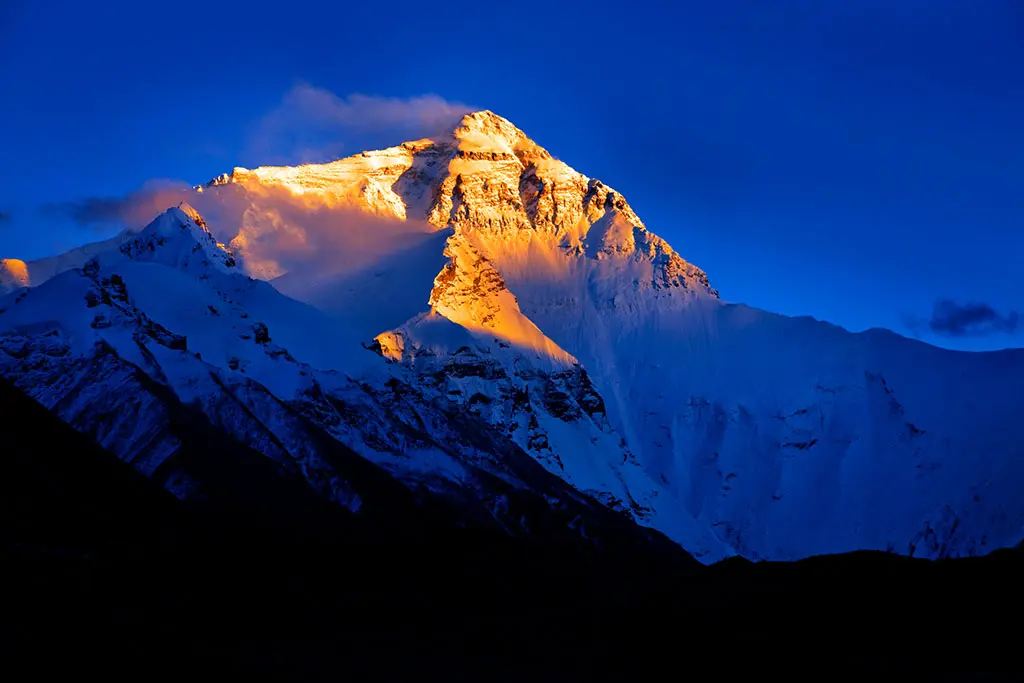
Tibet Mount Everest Base Camp (E.B.C), located on the north face of Mount Everest, is the iconic destination along the Friendship Highway, one of Tibet’s top travel attractions. The drive from Shegar (New Tingri) to Everest Base Camp (EBC) takes about 2 to 3 hours and covers around 100 km.
As you leave Shegar, you’ll pass through the vast, windswept landscape of the Tibetan Plateau, dotted with small Tibetan villages and nomadic camps. The road ascends gradually, passing through the famous 108 hairpin turns, offering impressive views of rugged mountain terrain. A stop at Gawu La (or Pang La) Pass (5,200 meters) provides breathtaking panoramic views of the Himalayan range, including Mount Everest, Lhotse, Makalu, and several other majestic peaks.
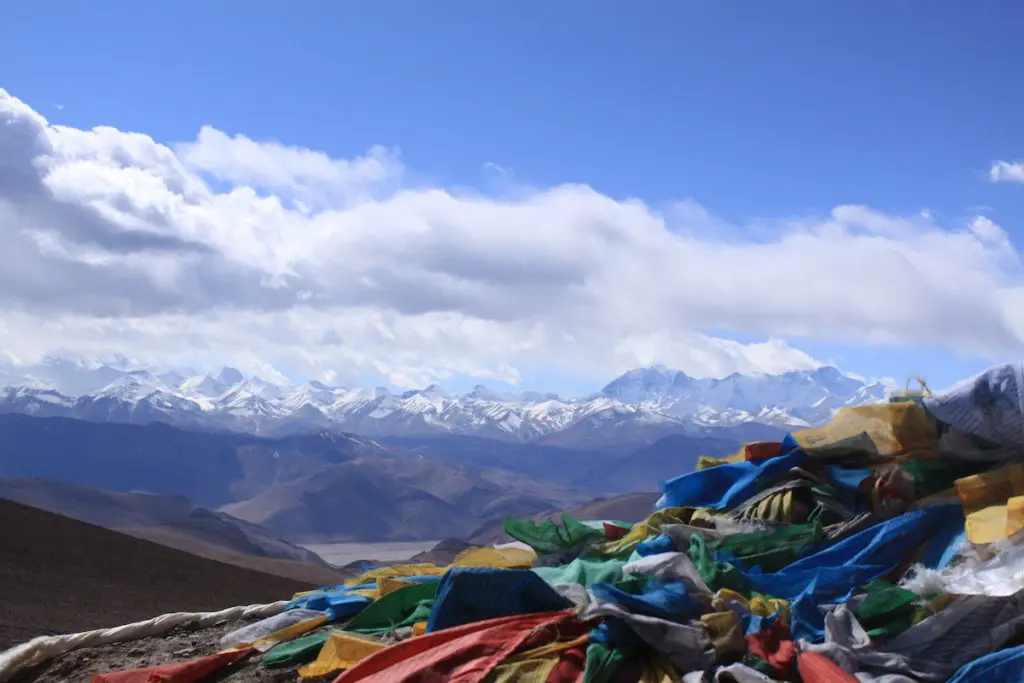
After descending from the pass, the journey continues through rugged mountains and valleys until you reach Tashi Zong Village. There, you’ll switch to an eco-sightseeing bus that will take you to Rongbuk Monastery, the highest monastery in the world, located at 5,009 meters (16,435 feet). From the monastery, a short hike leads to North Everest Base Camp, where you can enjoy unmatched views of Mount Everest. Be sure to catch a stunning sunset over the mountain. It is recommended to spend the night at E.B.C. in a local guesthouse or monastery hotel and experience a starry night under the high-altitude sky.
For those seeking a more immersive experience, some adventurers opt for a three-day trek from Old Tingri to Everest Base Camp, covering about 70 kilometers (43 miles). This trek offers a perfect blend of thrilling exploration and breathtaking vistas, passing through remote valleys, alpine meadows, and rugged glacial terrain, with Mount Everest’s north face and other majestic peaks towering overhead.
Gyirong border (Tibet Nepal border) and continue to Nepal
After visiting Everest Base Camp, continue your journey to Gyirong Town, the border town between Tibet and Nepal. This approximately 380 km drive takes you through dramatically changing landscapes, transitioning from towering snow-capped peaks to lush verdant forests and scenic canyon views. The route descends from elevations exceeding 5,150 meters at Everest Base Camp to around 2,700 meters in Gyirong Town.
En route, you’ll pass by the tranquil Pelku Tso Lake (also known as Peiku Tso), located at an elevation of about 4,591 meters. Nestled in the grasslands, the lake is renowned for its crystal-clear waters and the stunning backdrop of Shishapangma Mountain (8,027 meters). The surrounding area is rich in wildlife, including species such as the Tibetan wild donkey, black-necked crane, and bar-headed goose.
After passing Pelku Tso Lake, the altitude decreases, leading you through mesmerizing forests, past waterfalls, and through deep canyons as you approach the edge of the Himalayas.
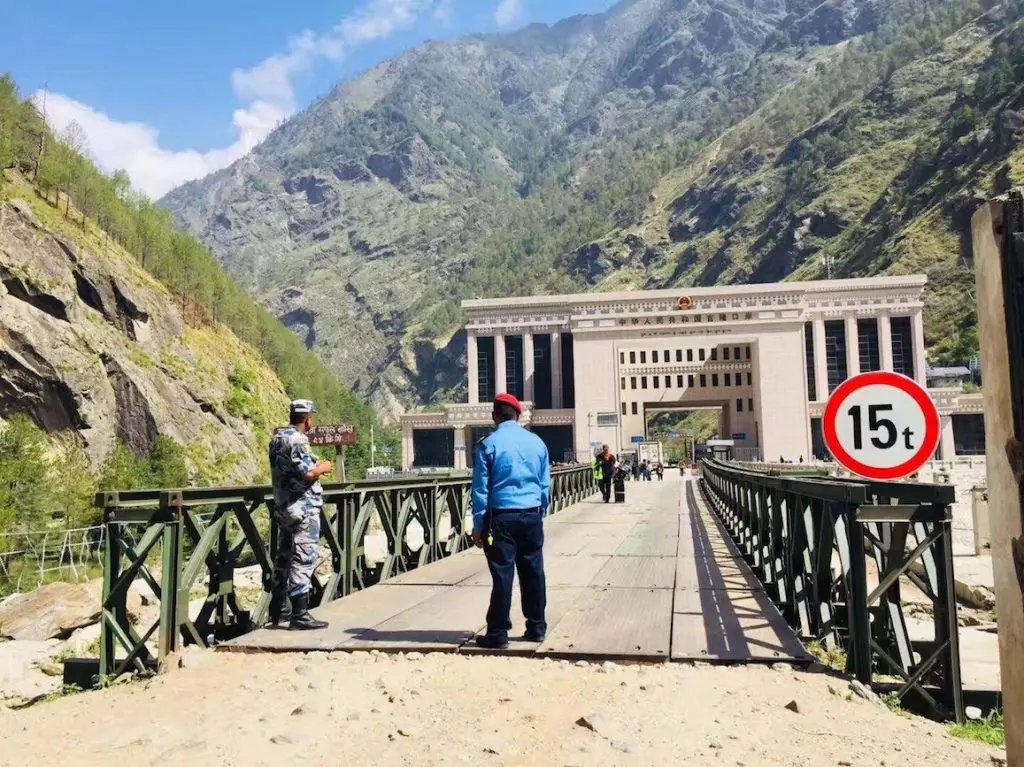
We normally suggest our groups to stay one night in Gyirong Town before proceeding to the border and continuing the journey into Nepal.
Tibet-Nepal Travel Options
For travelers in search of a memorable experience along the Friendship Highway, WindhorseTour offers both group tour and private tour options for the journey from Lhasa to Kathmandu. The group tour is scheduled weekly and operates yearly around, providing an opportunity to join like-minded travelers on a set itinerary. On the other hand, the private tour can be fully customized to cater to your specific needs and preferences, allowing for a more personalized and flexible travel experience.
Tibet-Nepal Friendship Highway Travel Advice
Preparation and Planning
- Permits and Documentation: Ensure you have all necessary permits and documents. Foreign travelers need a Tibet Travel Permit, an Alien Travel Permit, and a Chinese Visa. For Nepal, you’ll need a Nepal Visa, which can be obtained on arrival at the border.
- Book with a Travel Agency: Due to restrictions on independent travel, book your trip with a reputable travel agency like WindhorseTour that can organize your permits, transportation, accommodation, and guide services.
- Acclimatization: Spend at least 3-4 days in Lhasa to acclimatize to the high altitude before embarking on the highway. Altitude sickness can be a serious issue, so take it slow and stay hydrated.
- Health and Insurance: Have comprehensive travel insurance that covers high-altitude trekking and medical evacuation. Carry a basic first-aid kit, including medication for altitude sickness.
Packing Essentials
- Clothing: Dress in layers to adapt to varying temperatures. Pack warm clothes, including a good quality jacket, hat, gloves, and thermal wear. Don’t forget comfortable walking shoes or hiking boots.
- Sun Protection: The high altitude and clear skies mean intense UV radiation. Pack high-SPF sunscreen, sunglasses, and a wide-brimmed hat.
- Water and Snacks: Carry enough water to stay hydrated and bring high-energy snacks. While there are places to buy food, having your own supply is convenient.
- Personal Hygiene: Wet wipes, hand sanitizer, and personal toiletries are essential. Public restrooms may be scarce or not well-maintained along the route.
Travel Tips
- Currency and Payments: Carry enough cash in Chinese Yuan and Nepalese Rupees. ATMs may not be available in remote areas, and credit cards are rarely accepted outside major cities.
- Communication: Mobile network coverage can be unreliable, especially in remote areas. Consider purchasing a local SIM card in both China and Nepal for better connectivity.
- Photography: Always ask for permission before photographing people, especially monks and locals. Respect religious sites and do not use flash photography inside monasteries.
- Respect Local Customs: Be aware of and respect Tibetan and Nepali customs and traditions. Dress modestly, especially when visiting religious sites.
- Language: While your guide will likely speak English, learning a few basic phrases in Tibetan and Nepali can enhance your interactions with locals.
- Environmental Responsibility: Be mindful of the fragile environment. Carry reusable water bottles and avoid plastic waste. Leave no trace and respect the natural beauty of the region.
Safety and Security
- Travel in Groups: For safety, especially in remote areas, always travel with your group and guide. Do not wander off alone.
- Road Conditions: Be prepared for rugged and bumpy roads, especially on the Nepal side. Long travel times and potential roadblocks are common, so plan for delays.
- Health Precautions: Be vigilant about hygiene to avoid food and waterborne illnesses. Only drink bottled or purified water and eat at reputable establishments.
Related tours
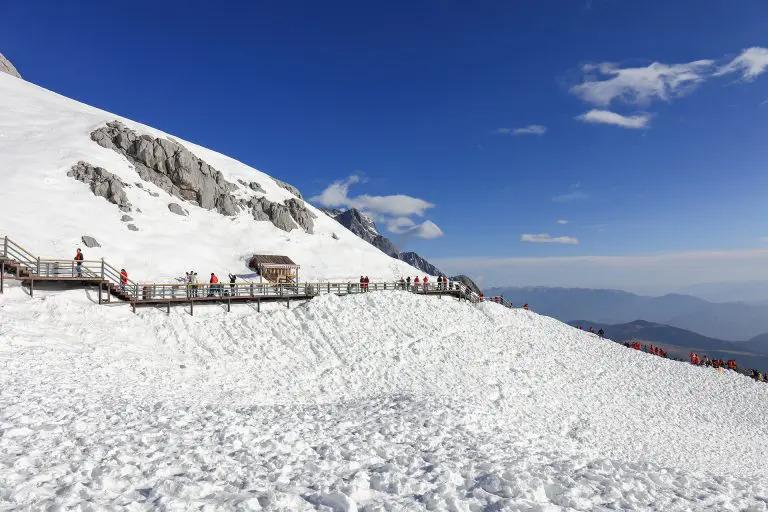
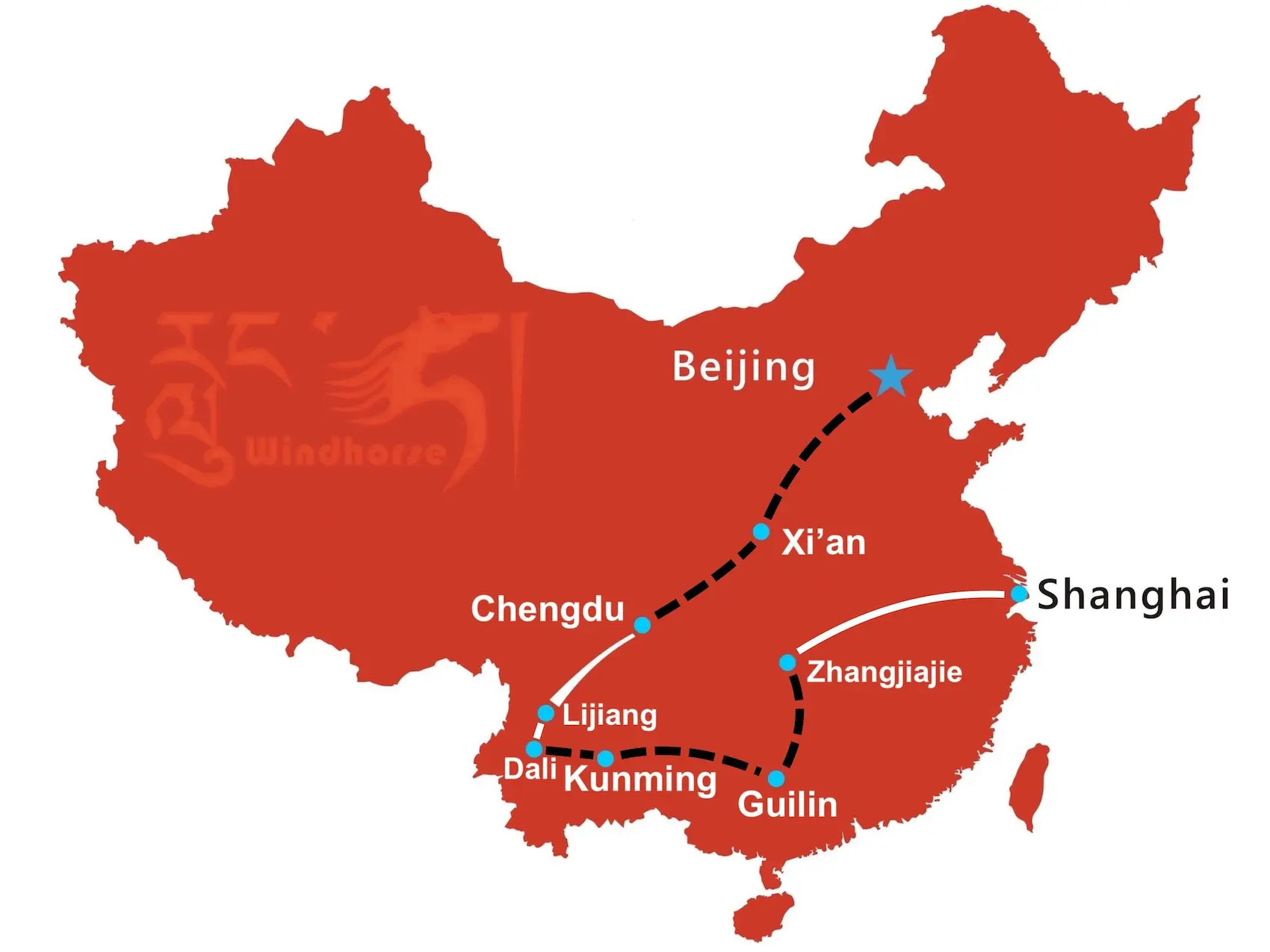
Travel across China in 21 days from Beijing and Xi’an to Chengdu, Yunnan, Guilin, Zhangjiajie, and Shanghai. This private journey highlights China’s top cities, historic towns, mountain scenery, and diverse cultures with well planned pacing and expert local guides.
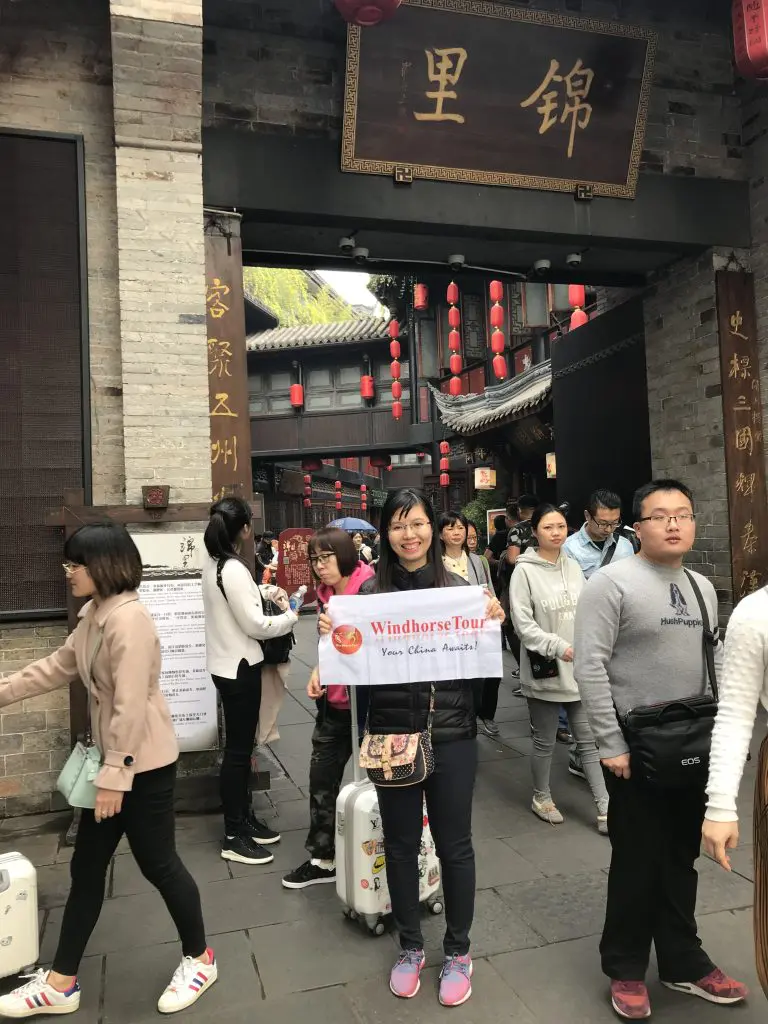
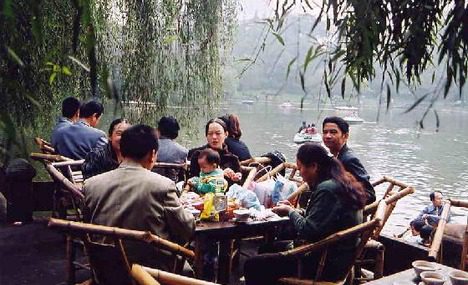
Experience Chengdu in a day! Visit the Chengdu Panda Base to watch giant pandas during feeding time, explore Wuhou Shrine’s rich history, stroll lively Jinli Ancient Street, and relax at People’s Park with locals over tea for a taste of Chengdu’s laid-back culture.


Begin your train journey in the multinational city-Xining, Qinghai province. This Tibet train tour offers you a once in a lifetime chance to relax in these breathtaking spots including Qinghai Lake, the Potala Palace and more.
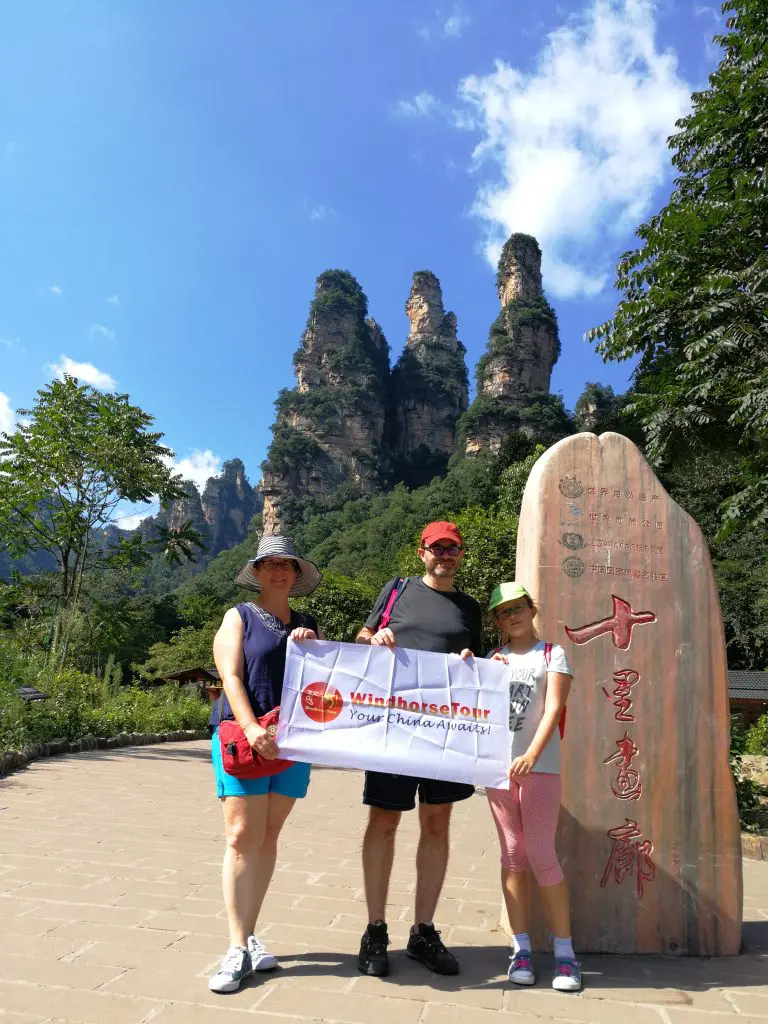
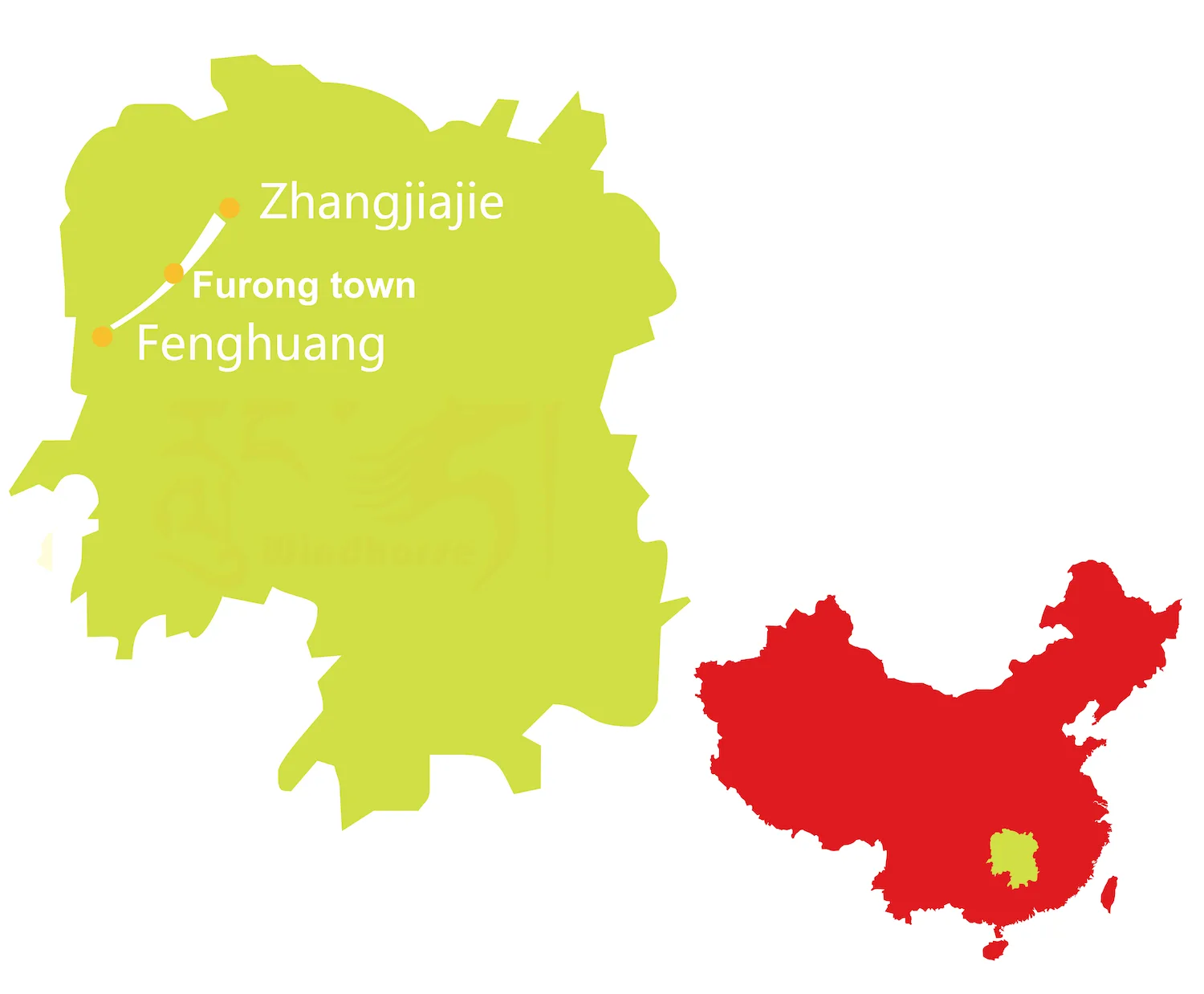
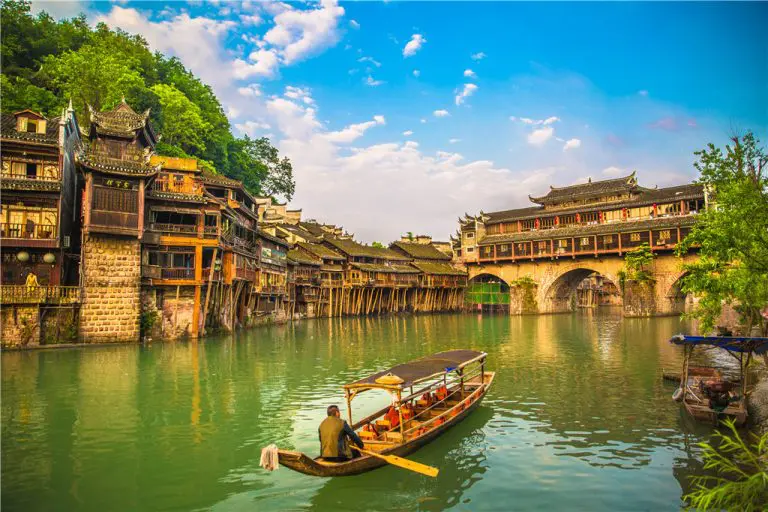
Explore Avatar Mountains, Tianzi Mountain and Tianmen Mountain in Zhangjiajie, then experience the waterfall town of Furong and the riverside streets of Fenghuang on this private 6-day tour.
Comments

We are a party of three interested in joining others traveling the friendship highway, Llasa to Kathmandu. We are in the preliminary stages of planning, so are open to options. The 7 to 8 day journey fits our planning, and the time frame we are looking at is some time in the first three weeks in November, 2019. We will also visit Bhutan, and would be interested if you also offer guide service there as well.

Hello Jeff,
Glad to hear from you! This is Anita from WindhorseTour.
We can definitely make your overland tour from Lhasa to Kathmandu happen. Based on your information, I have already sent the detailed itinerary with price by email. Please kindly go through it and let me know if you have any further questions or comments on it.
I will look forward to hearing from you soon.
Best Regards,
Anita

Hi
I would be interested in the friendship highway tour in June. Could you tell me more about prices and what’s included. Thank you

Hello Edoardo,
You can consider to join one of our 7 days group tour to travel along the Friendship highway, starting from Lhasa and ending at Gyirong border where you can head to Kathmandu, this tour will include a visit Mount Everest Base Camp (north face): https://windhorsetour.com/tibet-group-tour/8-day-tour-to-kathmandu-via-e.b.c,
Cheers,
Helen