
China's Top 10 Most Beautiful Mountains
China is a mountainous country with mountains, plateaus, and hills making up two-thirds of its territory and mostly extending east-west and northeast-southwest, making it become one of the most popular travel destinations among ordinary tourists, ambitious adventurers, and professional climbers. Among the 19 mountain peaks above 7,000 meters above sea level in the world, 7 are located in China and on its national border, particularly on the Qinghai-Tibet Plateau in the west of China, including the world’s highest peak, Mount Everest (8848.86 meters). Besides, many more majestic mountain peaks such as Mount Kailash, Mount Namcha Barwa, Mount Gongga, etc. are located on this world’s highest plateau.
In addition, many other less-elevated but famous mountains with beautiful scenery such as Mount Huang, Mount Tai, Mount Emei, Mount Wuyi, Mount Qingcheng, Mount Hua, Mount Lu, etc. are distributed in the other parts of China. For travelers’ inspiration, here we have carefully selected a list of the 10 most beautiful mountains in China to help you better plan the China tour with mountain exploration. With a high altitude, well-preserved beautiful scenery, and original natural appearance, they are with well-worth appreciating value. Among them, some mountains have a long history and culture, a close relationship with Buddhism, and are filled with deep Zen.
- Namcha Barwa in Tibet – Paradise in the Clouds
- Mount Gongga in Sichuan – The King of Sichuan Mountains
- Mount Everest in Tibet – The World’s Highest Mountain
- Meili Snow Mountains in Yunnan – Snow God’s Guard of Honor
- Mount Huangshan in Anhui – The Bonsai of God
- Three Holy Mountains in Daocheng Yading – Landmarks of Shangri-La
- Chogori Peak or K2 in Xinjiang – An Remote Unexplored Region
- Mount Kailash in Tibet – Abode of the Gods
- Mount Tai in Shandong – Totem of China
- Mount Emei in Sichuan – Ascend from the Basin to Heaven
.png)
Namcha Barwa in Tibet – Paradise in the Clouds
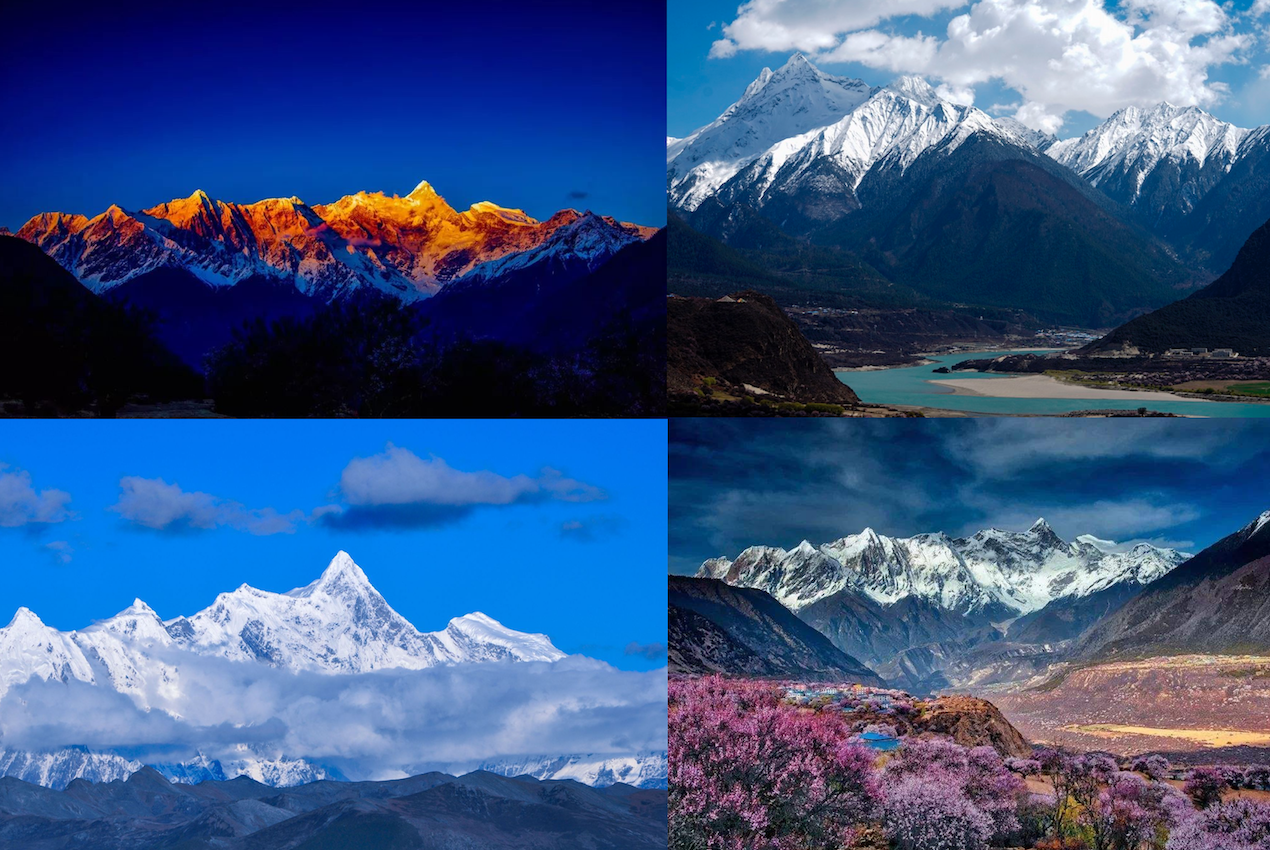
Namcha Barwa, located in Nyingchi of Tibet, ranks the 15th among the highest peaks in the world, with an altitude of 7,782 meters above sea level. The summit of the mountain is topped by glaciers with beautiful shape, and under the mountain is dense vegetation with beautiful scenery. The magnificence and beauty of Namcha Barwa, as well as the wonder of the world’s largest gorge created by the Yarlung Zangbo River that travels around Namcha Barwa doubles its value, let it be rated as the most beautiful mountain among “China’s Top Ten Most Beautiful Mountains” by Chinese National Geography Magazine.
What makes it unique is that it’s always hidden in the clouds and mist and rare to see its real face, hence, it wins the reputation of “Paradise in the Clouds”. Viewed from afar the peak hides behind floating clouds; and observed closely it may scare away any climbers for its height of over 5,000 meters, till now, only very few climbers conquer it. There are several viewing spots to appreciate the beauty of Namcha Barwa, namely the viewing platform of the Yarlung Zangbo Grand Canyon Scenic Area, Zhibai Village, Serkhym-la Pass, Suosong Village, etc. Tourists usually have a stop at Serkhym-la Pass to view Namcha Barwa during their overland Sichuan to Tibet tour.
- Popular activities: Photography, sightseeing, trekking, and mountain climbing.
- Best travel time: October to the next April, especially Autumn from October to November with light clouds.
- Required Tibet Permit: TTB permit, ATP permit.
Mount Gongga in Sichuan – The King of Sichuan Mountains
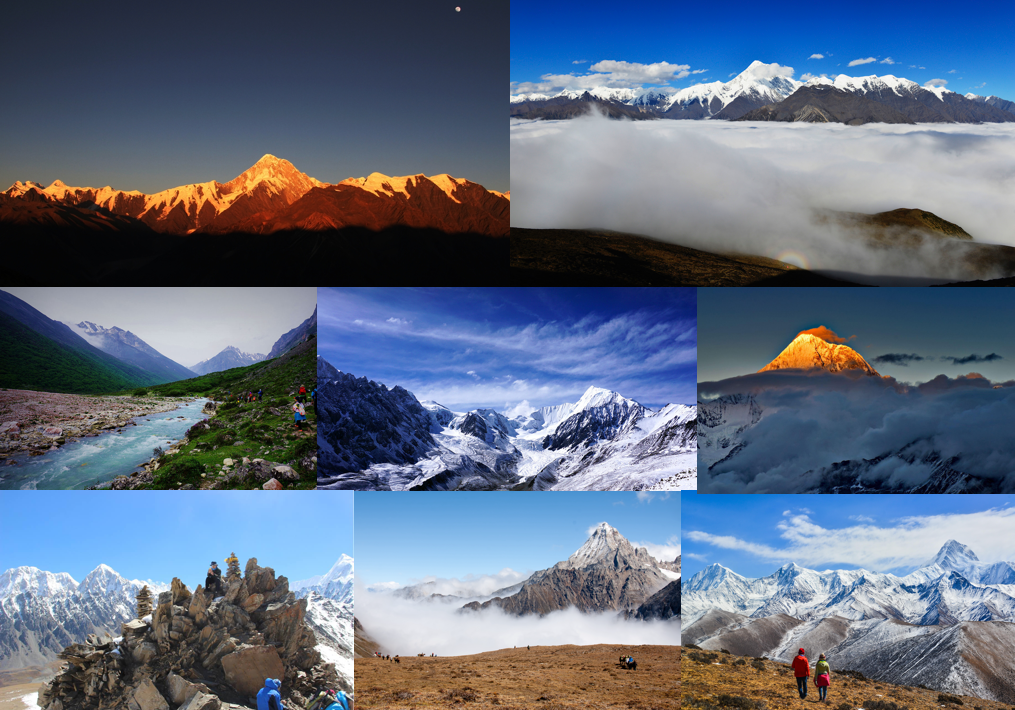
Gongga Mountain (Mount Minya Konka), which means “the highest snow mountain” in Tibetan, is located about 55KM south of Kangding. The main peak, with an altitude of 7,556 meters above sea level, is the highest mountain in Sichuan Province, known as the “King of Sichuan Mountains”. Gongga Mountain is steep and straight, with a 70-square-meter platform on the top of the mountain, which is one of the most unique glacier wonders in our country, covered with snow all year round, and when the sky is clear, it shines with a shining light and is magnificent.
Surrounding the main peak of Gongga, there are 145 ice peaks with an altitude of 5,000-6,000 meters, forming a magnificent scene of clusters of peaks and snow-capped mountains. There are more than 10 plateau lakes in the Gongga mountain area. Gongga Mountain is an internationally renowned mountaineering destination, but also the most difficult mountain to conquer. It is far more difficult to reach the summit than Mount Everest. According to statistics, so far, only 24 people have successfully climbed to the summit, but 37 people died during and after reaching the summit. The mortality rate far exceeds 14% of Mount Everest and 30% of K2.
- Popular activities: Photography, sightseeing, trekking, and mountain climbing.
- Best travel time: May and June.
Mount Everest in Tibet – The Worldu2019s Highest Mountain
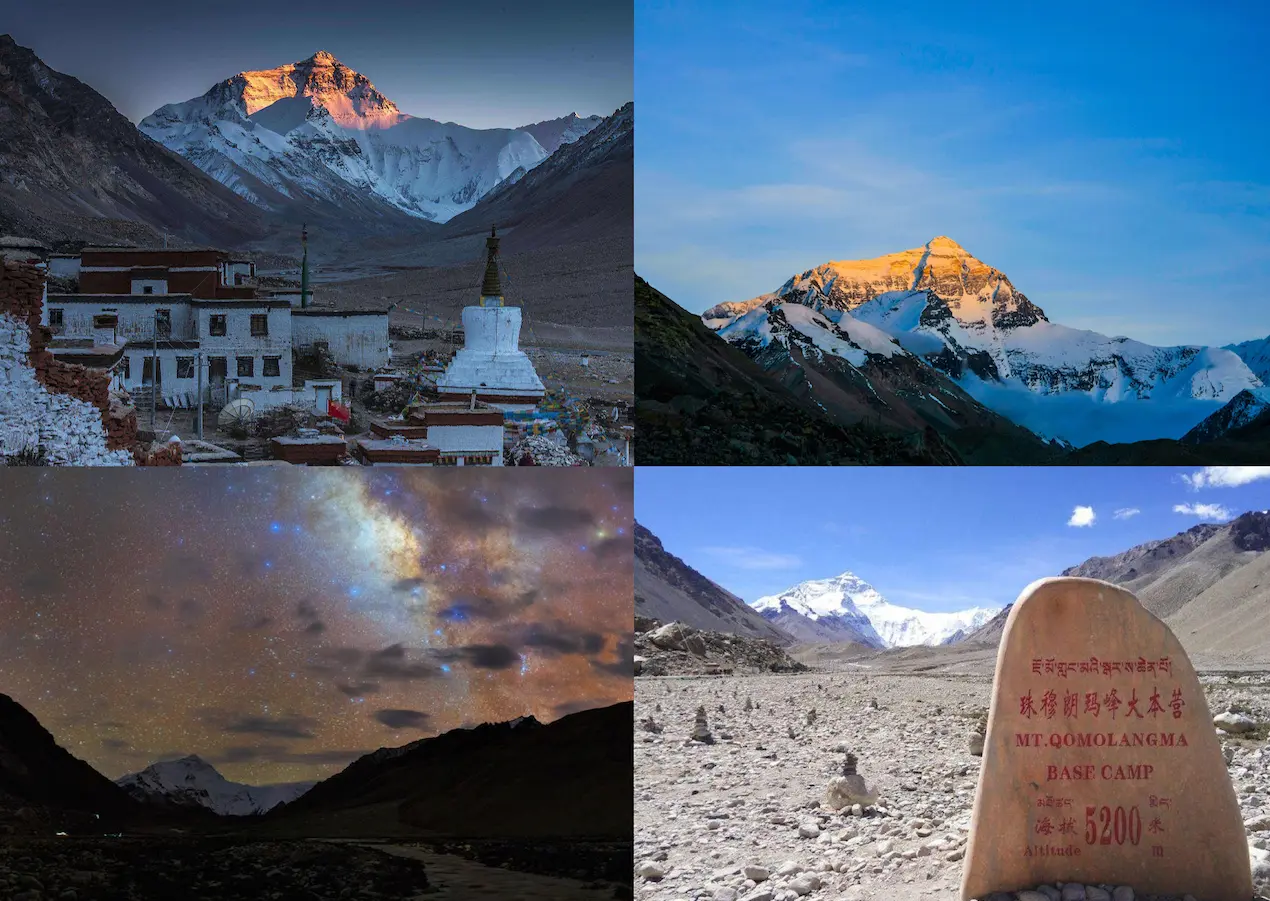
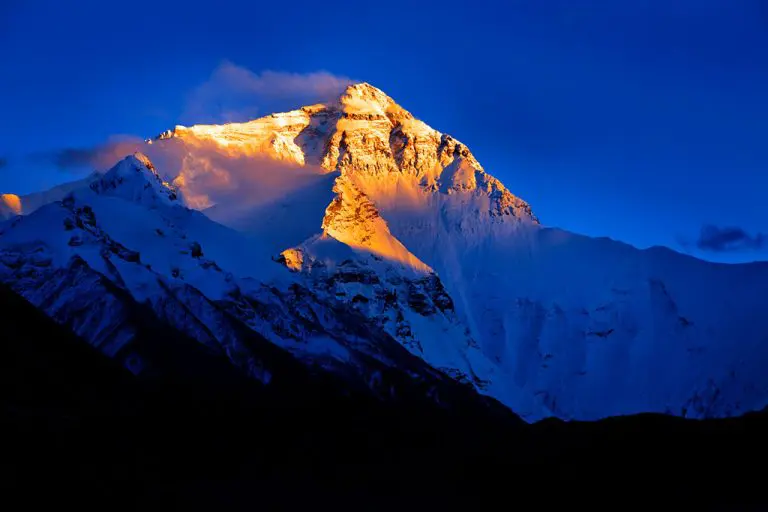
Mount Everest, the main peak of the Himalayas, is the highest peak in the world, with an altitude of 8848.86 meters above sea level. This snow-capped mountain is like a giant pyramid, majestic and magnificent, with extremely steep terrain and a very complicated environment, which inspires countless ambitious trekkers and mountaineers to explore its mystery. There are lots of glaciers in various, magnificent, and rare shapes, such as ice tower forests, ice bridges, ice cliffs of tens of meters high, light and dark ice cracks with step-by-step traps, as well as dangerous ice avalanches, covering an area of 10,000 square kilometers, which increase the difficulty and potential danger of this adventure.
As a magnificent mountain with spectacular natural scenery, in addition to various beautiful glaciers, its southern slope is rich in precipitation, with tropical monsoon forests below 1,000 meters, subtropical evergreen forests at 1,000-2,000 meters, temperate forests above 2,000 meters, and alpine meadows above 4,500 meters. The northern slope is mainly alpine meadows, and there are forests and shrubs in the valley below 4100 meters. Here, except for the different natural wonders, once you are there, you will have the chance to encounter various rare birds and animals such as peacocks, gibbons, Tibetan bears, snow leopards, Tibetan antelopes, etc., and appreciate its stunning beauty during sunrise and sunset at Rongbuk Monastery or Mt Everest Base Camp.
- Popular activities: Photography, sightseeing, trekking, and mountain climbing.
- Best travel time: April to early June and mid-September to October.
- Required Tibet Permit: TTB permit, ATP permit, Tibet Frontier Pass.
Meili Snow Mountains in Yunnan – Snow God’s Guard of Honor
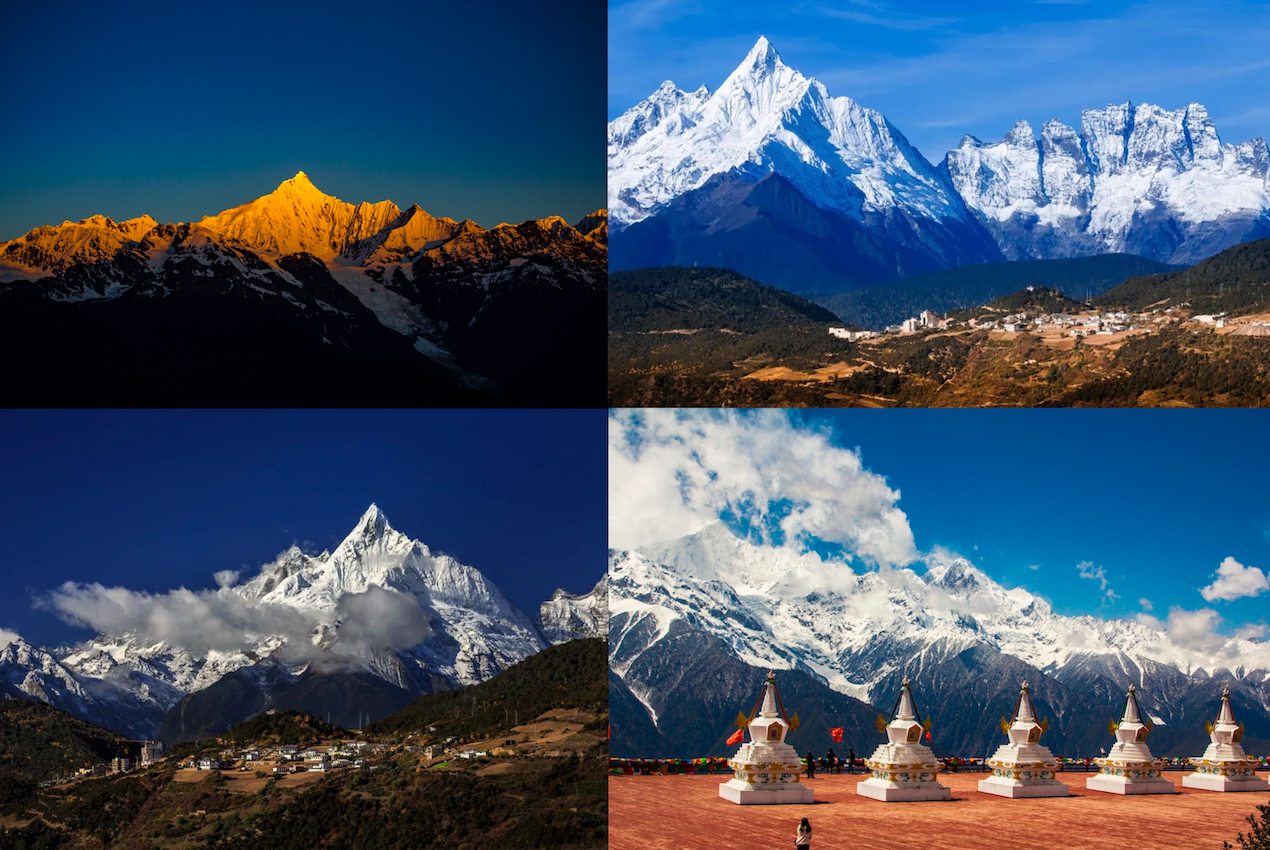
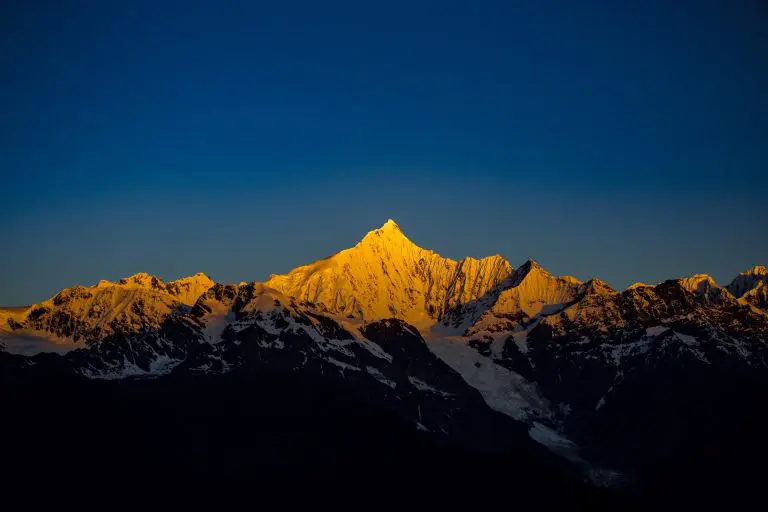
Meili Snow Mountains, also known as Prince Snow Mountain, is located at the junction of Chayu, Tibet and Deqin, Yunnan. There are 13 peaks with an average altitude of 6,000 meters or more, called the “13 Prince Peaks”. The main peak, Kawagarbo, is 6,740 meters above sea level and the highest peak in Yunnan. It is regarded as the top of the “eight sacred mountains in Tibet” and the holy place for Tibetan pilgrimage and Bon religion. Besides, it is a snow mountain that has not been conquered by humans so far, and one of the most dangerous snow mountains in the world.
Hailed as one of the “ten most beautiful mountains in China”, and one of the “ten majestic peaks in China”, it offers marvelous scenery with a perfect combination of snow, glacier, forests, and grasslands. Above the 4,000-meter snowline, the snow-capped peaks are steep and surrounded by clouds and mists. The glaciers in the valley stretch for several kilometers and are spectacular. Below the snowline, the mountain slopes on both sides of the glacier are covered with dense alpine shrubs and coniferous forests, which are lush and vivid with white snow. In addition, there are fertile natural grasslands in the forest. One of the most exciting things that you will never forget is to watch the splendid sunshine over the Golden Mountain, which is extremely spectacular and usually only occurs in the early morning of a clear sunny day. Wulongding and Feilaisi are the best places to watch and take photos of this beautiful natural wonder.
- Popular activities: Photography, sightseeing, and trekking.
- Best travel time: January to May.
Mount Huangshan in Anhui – The Bonsai of God
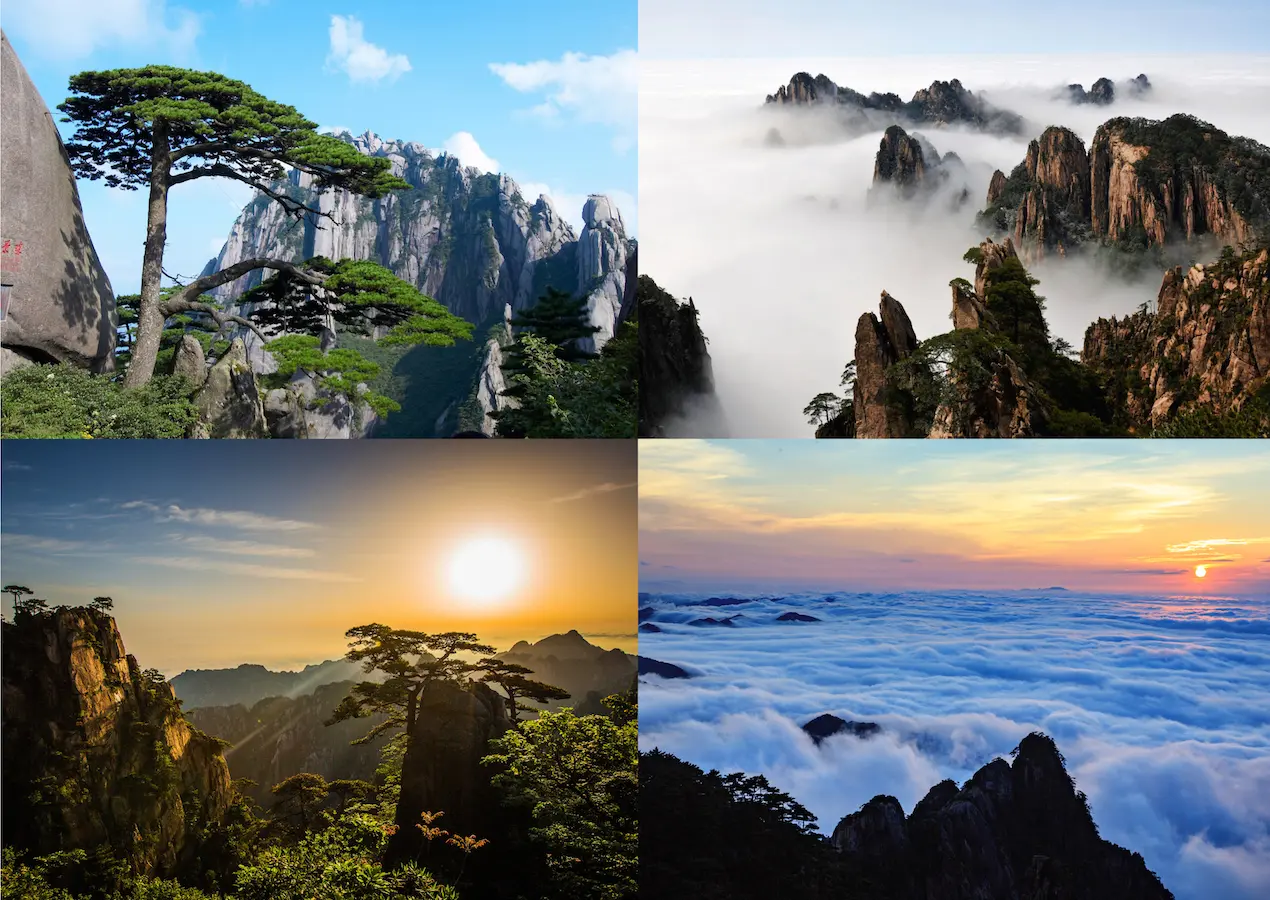
Mount Huangshan is located in the beautiful mountainous area of southern Anhui in eastern China, famous for its “three wonderful waterfalls and four wonders”. Mount Huangshan has all the masterpieces of nature. The strangely shaped peaks, the unique grotesque rocks, the pine trees in various shapes, and the endless sea of clouds constitute endless magical scenery here that have attracted thousands of tourists, photographers, poets, etc. coming here for a visit since ancient times.
In addition, the spectacular sunrise and sunset here, especially in winter with snow scenes, are particularly worth a visit, they are the must-see that you shouldn’t miss. Other than its amazing natural beauty, Mount Huangshan is also abundant in cultural heritage. Its cultural landscapes mainly include religious culture, ancient architecture, cliff carvings, and numerous literature and art with poems, songs, paintings, and images as the main content. With such beautiful natural scenery and cultural significance, Mount Huangshan has been listed as the World Geopark and World Cultural and Natural Double Heritage site. It also won the reputation as one of “the 10 most beautiful mountains in China”.
- Popular activities: Photography, sightseeing, and trekking.
- Best travel time: April to November.
Three Holy Mountains in Daocheng Yading – Landmarks of Shangri-La
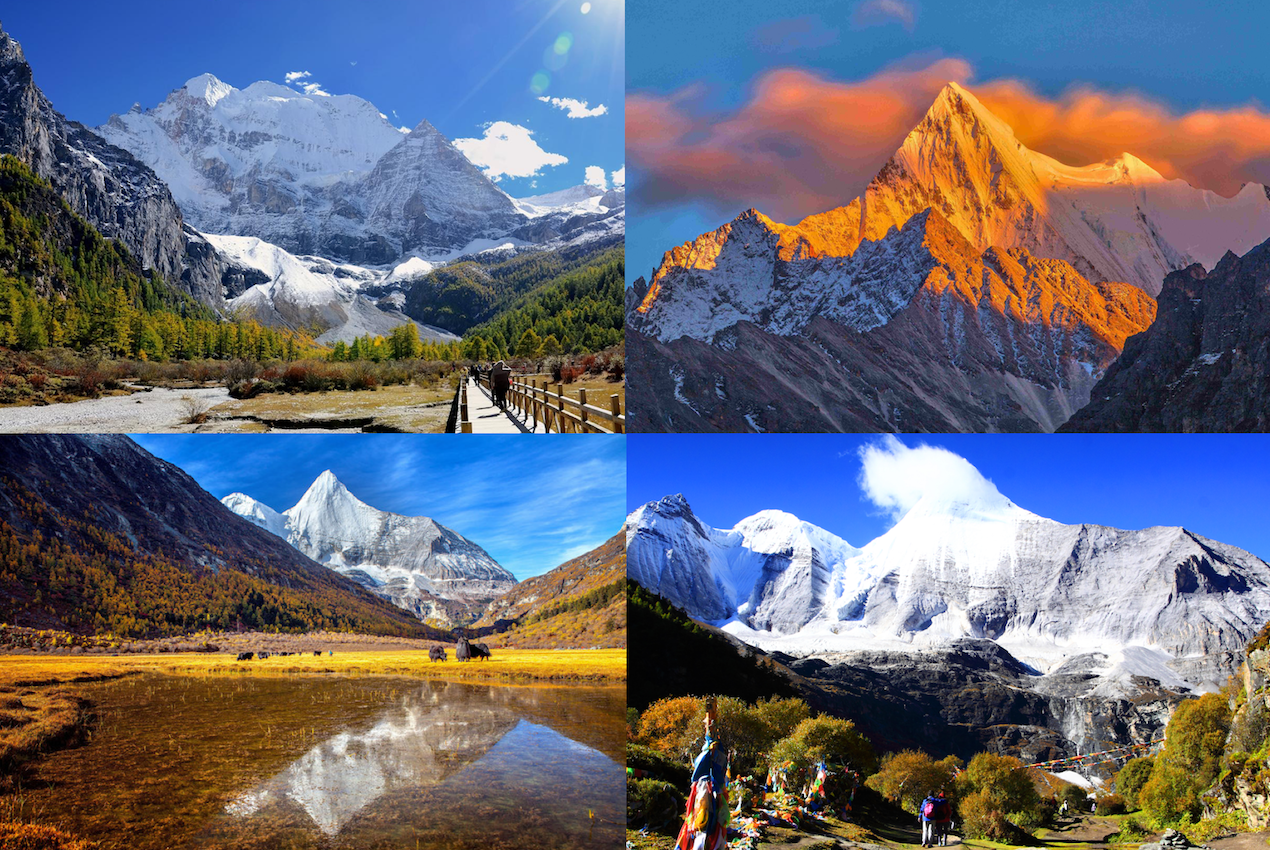
The Three Holy Mountains in Daocheng Yading consists of three snow-capped mountains, the north peak Xiannairi (6,032 m), the south peak Yangmaiyong (5,958 m), and the east peak Xianuoduoji (5,958 m), representing Avalokitesvara Bodhisattva, Manjusri Bodhisattva, and Vajrasattva Bodhisattva. The three mountain peaks are not far apart, each rising from the ground in a triangular shape, covered with snow all year round, echoing each other, and like sharp swords thrusting into the sky.
The three snow-capped peaks have different shapes, but all white and spotless. Their mountainside is boundless forests, flying waterfalls fall in between them, the foot of the peaks is the wide valley and winding creek, inlaid with mirror-like lakes. The perfect combination of snow peaks, cliffs, glaciers, forests, streams, waterfalls, meadows, and lakes, with wild animals haunting them, revealing a peaceful and pure land.
For people who are keen on snow-capped tourism, it is a lifelong regret to not be in Daocheng, because the three holy mountains in Daocheng are extraordinary, mysterious, and spiritual, which is amazing. They are also holy places for Tibetans to worship gods, which ranks 11th among the 24 holy sites of Buddhism in the world. Nowadays, many Tibetans like to come here for pilgrimage.
- Popular activities: Photography, sightseeing, and trekking.
- Best travel time: September to October.
Chogori Peak or K2 in Xinjiang – An Remote Unexplored Region
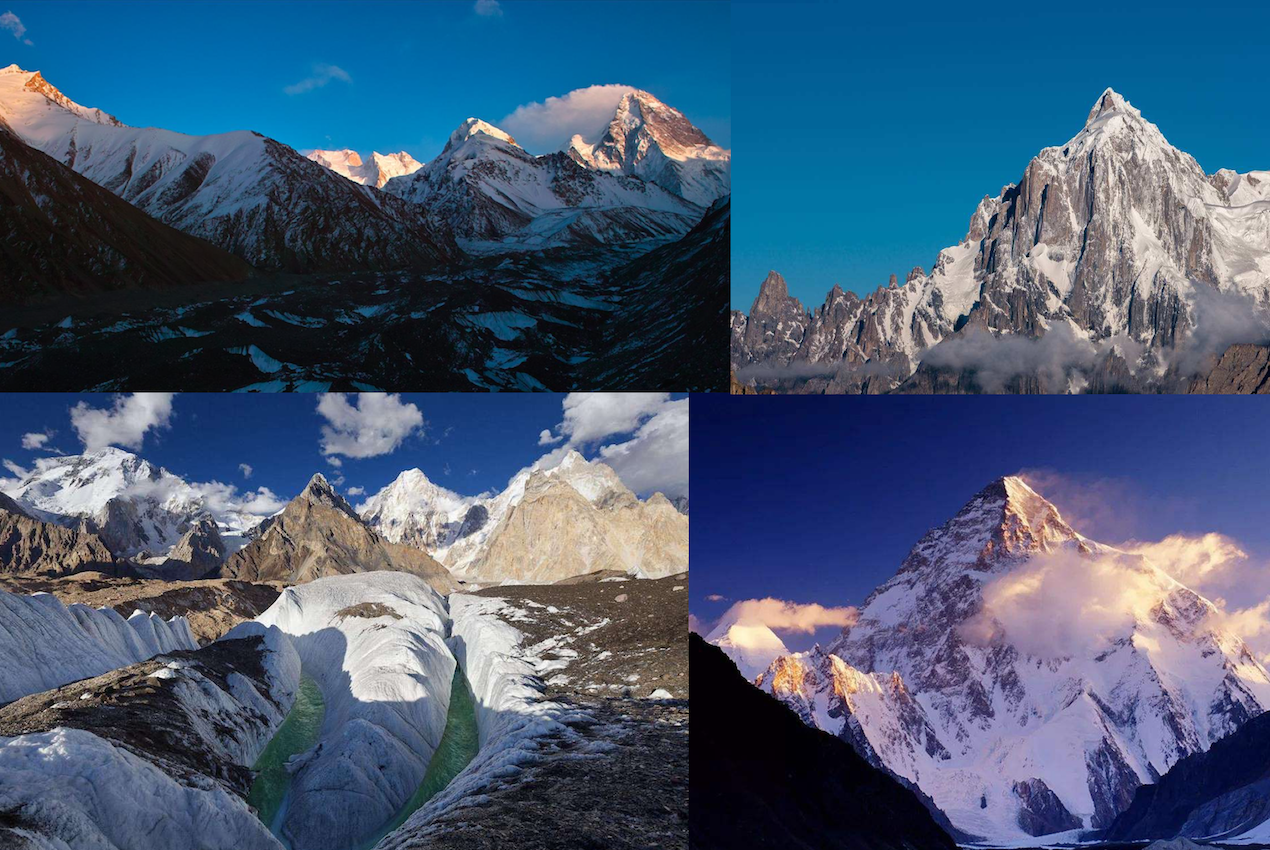
Chogori, which means “tall and majestic” in Tajik, is the main peak of the Karakoram Mountains. With an altitude of 8,611 meters above sea level, the altitude is second only to Mount Everest, it is the second-highest peak in the world, also called K2 Peak abroad. It is located at 76.5 degrees east longitude and 35.9 degrees north latitude and in the middle section of the Karakoram Mountains. The side of Chogori Peak belonging to China is located in Yecheng County of Xinjiang Uygur Autonomous Region. Known as the “cruel peak” and “the peak without return” in mountaineering, as well as the “most dangerous mountain”, it is recognized as the most difficult 8,000-meter mountain to climb. At the same time, it is the highest spiritual sanctuary in the minds of climbers, which belongs only to first-class climbers.
The Chogori Peak is a pyramid-shaped and steep mountain with ice cliffs standing steeply on its summit. The steep slope is covered with traces of avalanche chute. The top of the mountain is a large ice slope rising slightly from north to south. The north side is like being chopped by a knife, with an average slope of 45 degrees or more. From the base camp on the north side to the summit, the vertical height difference is 4700 meters, which is the highest peak in the world with the highest vertical height difference above 8000 meters. The glacier on the north side is called Chogori Glacier, and the terrain is complex and changeable. The surface of the glacier is broken, and the light and dark ice cracks crisscross. The valley on the west side of the glacier is a steep rock wall with frequent rolling rocks, ice avalanches, and avalanches. On both sides of the Chogori Peak is the 44-kilometer-long Yinsugeti Glacier.
- Popular activities: Trekking, mountain climbing, sightseeing, and photography.
- Best travel time: Summer and Autumn.
Mount Kailash in Tibet – Abode of the Gods
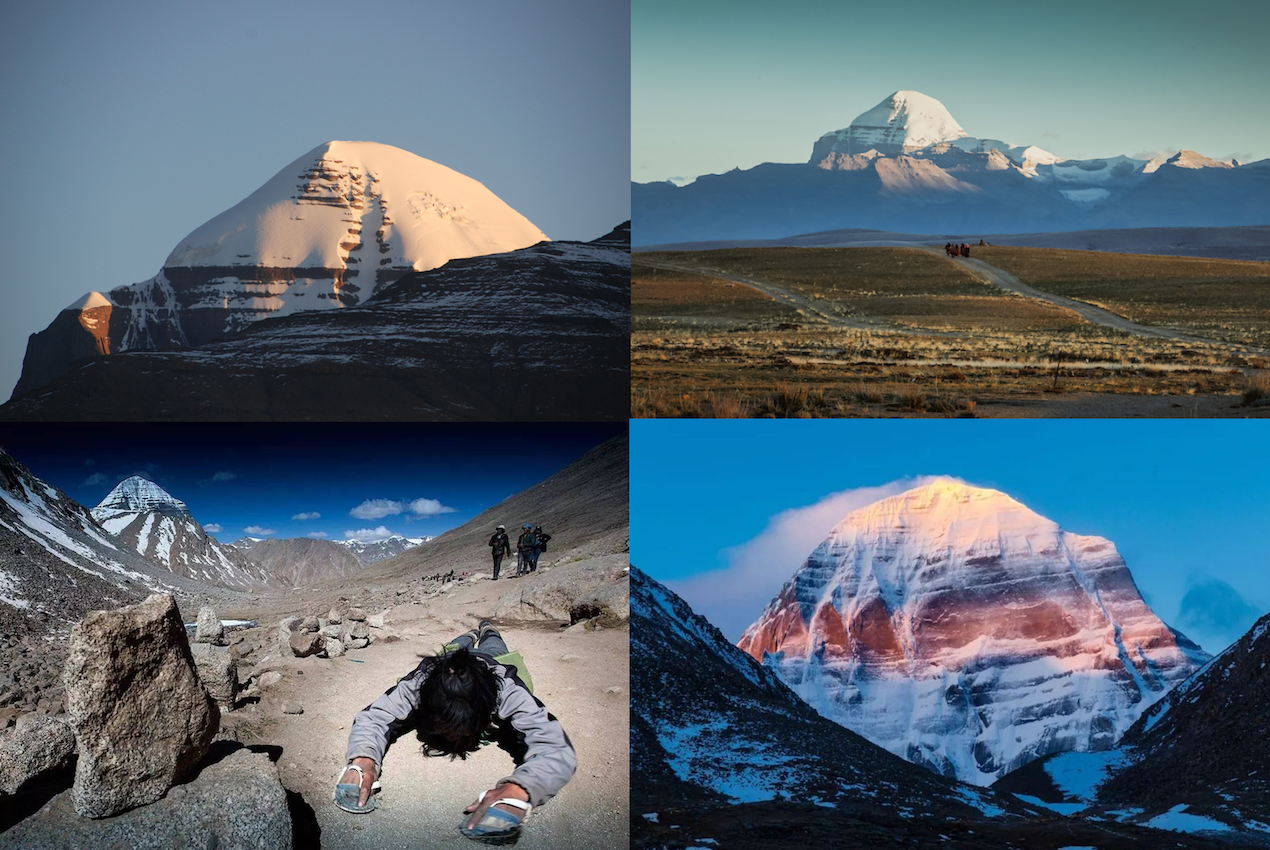
Located in the north of Burang County in southwest Tibet, Mount Kailash is the main peak of the Gangdise Mountains in China, one of the 10 most beautiful mountains in China. With an altitude of 6,656 meters above sea level, it is the second-highest peak of the Gangdise Mountains. In Tibetan, it means “the mountain of gods”, which is a world-known sacred mountain, recognized as the center of the world by Hinduism, Tibetan Buddhism, Ben religion, and ancient Jainism.
The mystery of the sacred mountain is that The sunny side of the mountain is snow-capped all year round, while the shady side of the mountain is snow-free all year round, even if it is covered with snow, the sun will melt immediately when the sun comes out, which is just the opposite of nature, making people have to be full of religious piety and wonder. This towering and upright mountain is not only majestic but also quiet and solemn. There are not only many peculiar peaks surrounding it but also many wonderful rocks, canyons, bushes, and ancient cypresses, and clean springs.
Its peak is covered with snow and ice all year round, and the four walls of the peak are symmetrical, in the shape of a round-crown pyramid. Surrounded by white clouds, it is difficult to see the true appearance of Mount Kailash, making it more mysterious and unpredictable. The distance of the pilgrimage Kora around the mountain is 52KM, which is a popular 3-day route if you plan to go hiking in Tibet.
- Popular activities: Trekking and photography.
- Best travel time: mid-May to mid-October.
- Required Tibet Permit: TTB permit, ATP permit, military permit.
Mount Tai in Shandong – Totem of China
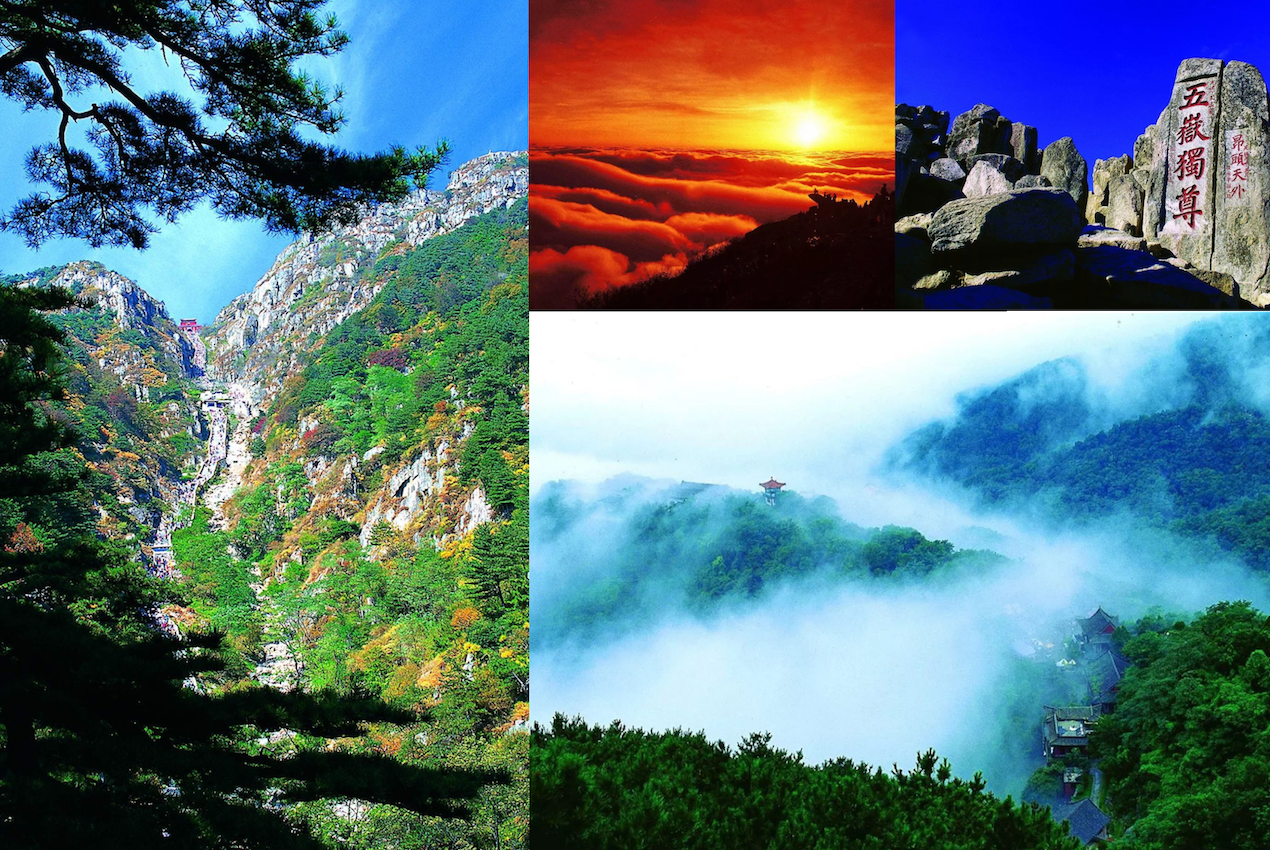
Mount Tai is the most famous mountain with the longest tour history in China. Because of its majestic momentum, it is the first of the Five Sacred Mountains and has the reputation of the “No. 1 Mountain in the World”. Also called Dongyue, the mountain is majestic and was regarded by the ancients as a paradise “straight through the throne”, and became a sacred mountain for the worship of the common people and the sacrifice of the emperors. There are more than 20 ancient buildings on the mountain and more than 2,200 steles and stone inscriptions.
Mount Tai is also a scenic spot for both Buddhism and Taoism. The temples and scenic spots of the two religions are all over the mountain and become one of the highlights of Mount Tai. Daimiao Temple is the largest and most complete ancient building complex in Mount Tai. The temple’s main building, Tianben Hall, Taihe Hall of the Palace Museum, and Dacheng Hall of the Confucian Temple are collectively called the three major halls of our country. The famous Lingyan Temple is located in the northern part of Mount Tai, the Pizhi Pagoda, the Thousand Buddhas Hall, and the Muta Forest inside the temple was built in the Tang Dynasty, which is a valuable stone cultural heritage. Hence, it has been listed as a World Natural and Cultural Heritage site.
Mount Tai is the symbol of the Chinese nation, the epitome of Eastern culture, the place where the idea of “Harmony between Man and Nature” was issued, and the home of the Chinese national spirit. The sunrise on Mount Tai, the sunset glow, the sea of clouds, and the golden belt along the Yellow River are the four wonders that you must see when touring Mount Tai.
- Popular activities: Hiking, sightseeing, and photography.
- Best travel time: May to November.
Mount Emei in Sichuan – Ascend from the Basin to Heaven
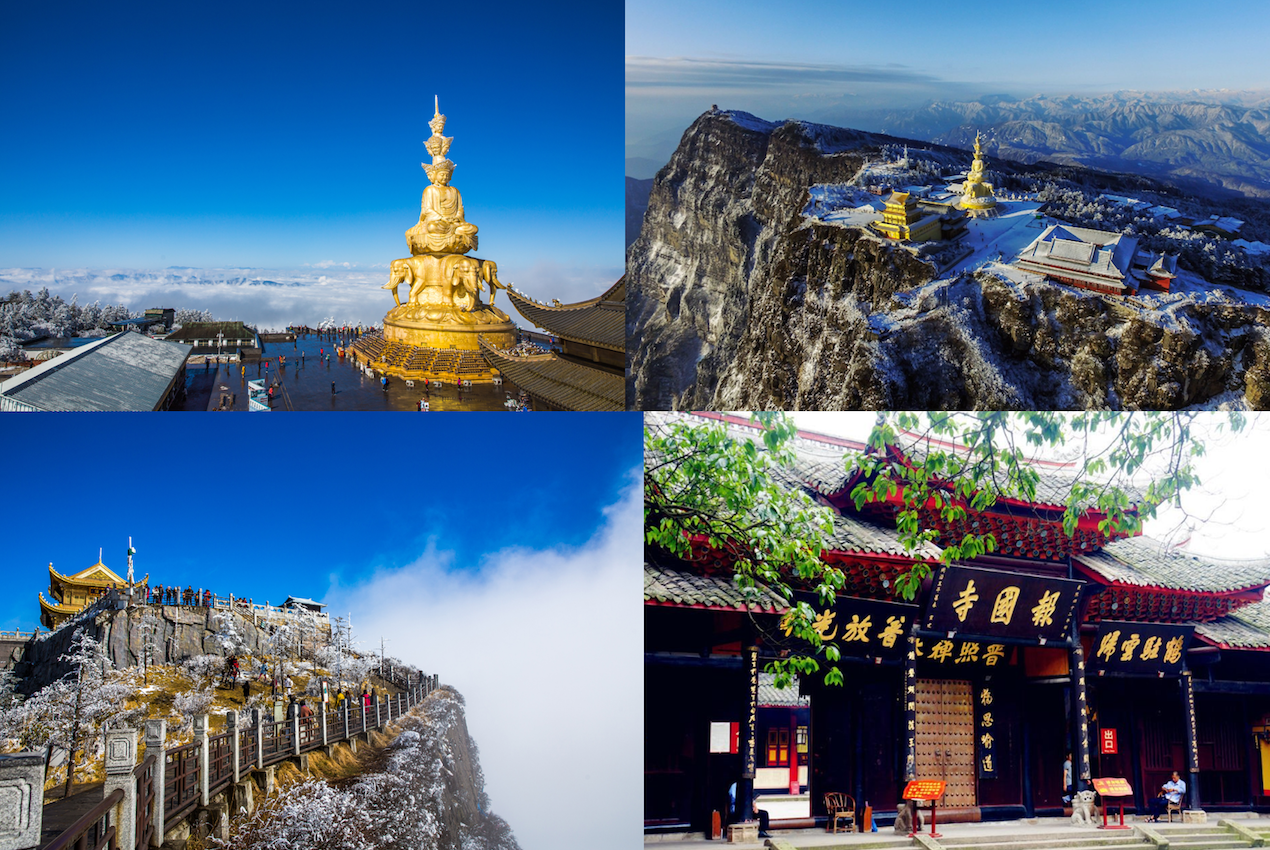
Mount Emei, one of the four famous Buddhist mountains in China and the dojo of Samantabhadra, is one of the only four world cultural and natural heritage sites in mainland China. In 2006, the Golden Summit of Mount Emei was grandly reopened after its reconstruction, since then, it has been well-known at home and abroad for the six wonders of Golden Buddha, Golden Temple, Sunrise, Sea of Clouds, Buddha Rays, and Saint Lamps, and has become the world’s highest Chinese Buddhist worship center and largest viewing platform.
Higher than any of the Five Great Mountains of China and Mount Huangshan, this awe-inspiring and beautiful mountain is a perfect place to experience four seasons in one day. In spring, you can see the wildflowers and the lush forests; In summer, you can enjoy the deep valleys and gurgling mountain streams in a cool climate; in autumn, you can be intoxicated by the red leaves of the mountains and the misty clouds surrounding the mountain, in winter, you can look at the holy world wrapped in white snow. Besides, the hot-spring in the lower mountain area is also a must-try experience.
Reputed as “Buddhist Celestial Mountain”, “Kingdom of Plants”, “Animals’ Paradise” and “Geological Museum”, etc., Mount Emei, with its long history and profound Buddhist culture, beautiful natural scenery, rich flora and fauna resources, and complete tourist service facilities attract thousands of internal and international tourists to travel.
- Popular activities: Hiking, sightseeing, and photography.
- Best travel time: Spring and autumn, particularly April and October.
No matter if you are a common tourist or professional mountaineer, and no matter what kind of mountains that you would prefer to conquer, there are one or more mountains in China that can perfectly match your desires. Please feel free to contact us directly if you need more information about mountain tours in China.
Related tours
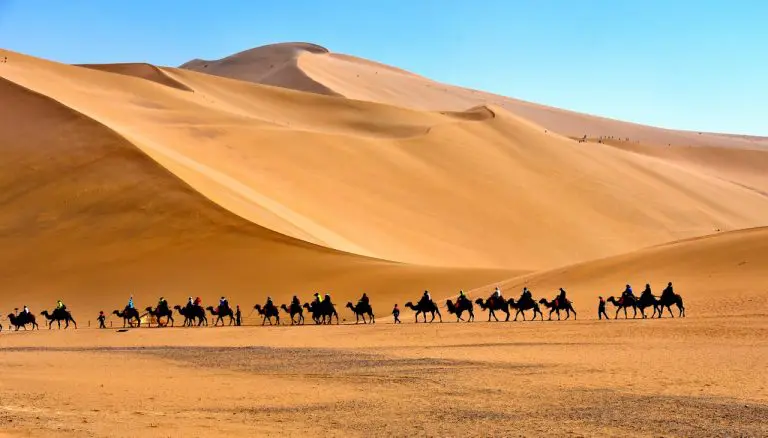
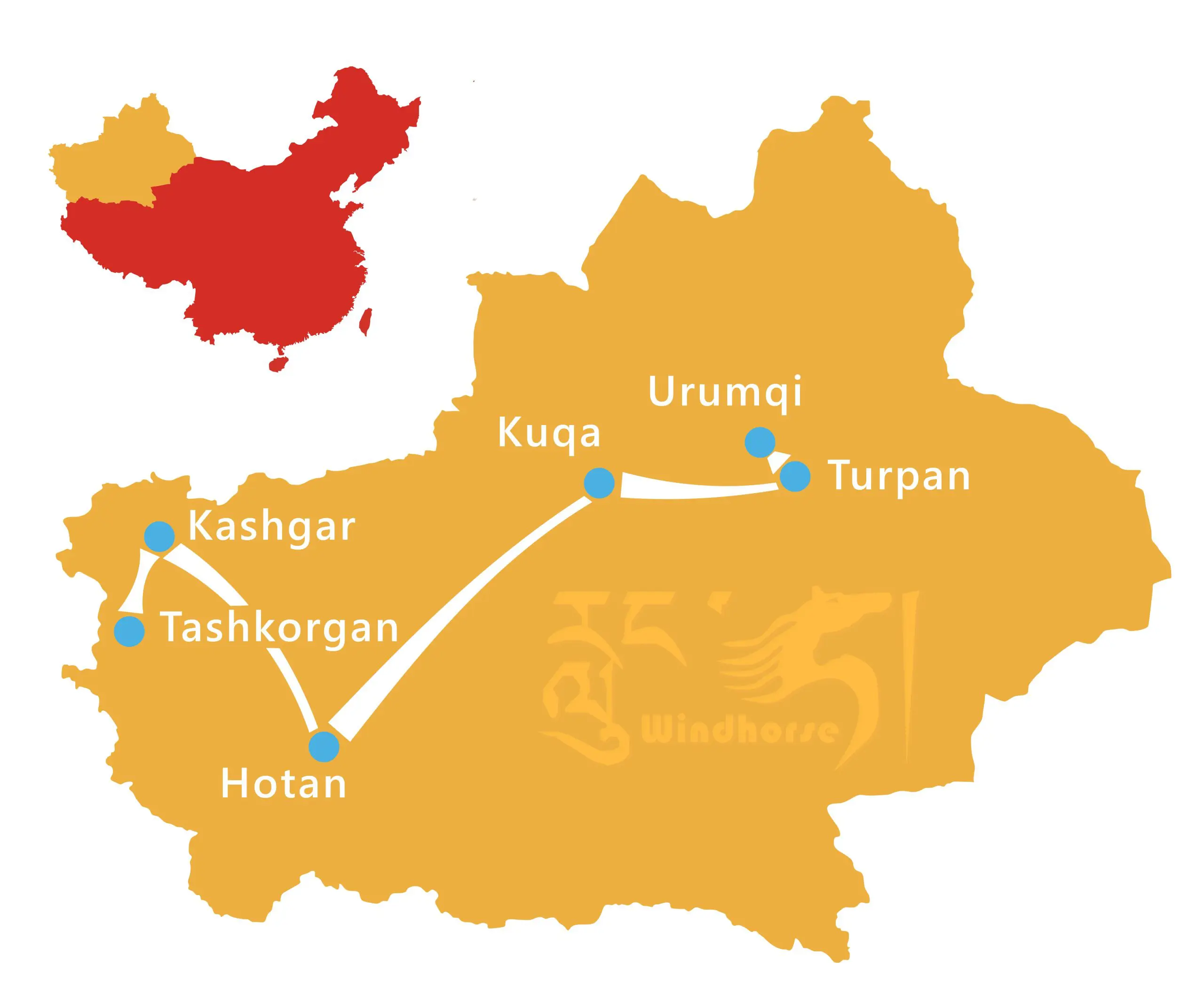
Explore Southern Xinjiang on a 12-day Urumqi to Kashgar tour. Cross the Taklamakan Desert, ride camels, camp under stars, and visit ancient Silk Road cities, Uyghur villages, and scenic highlands on this immersive desert highway journey.

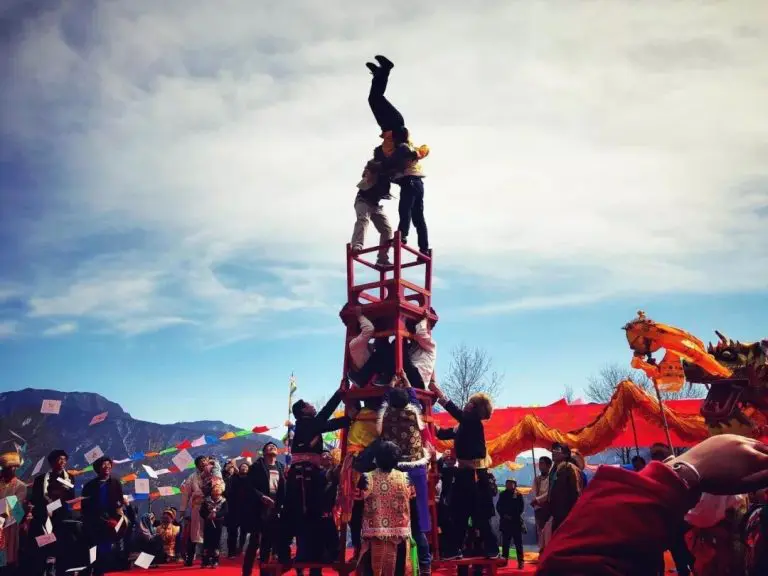
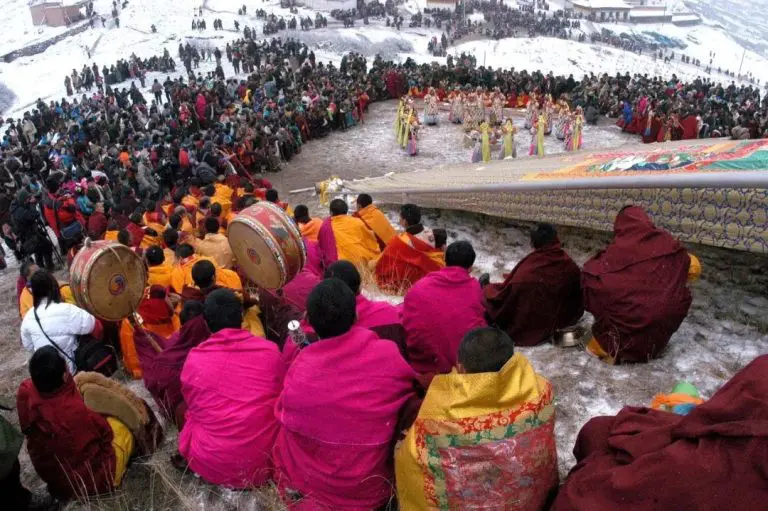
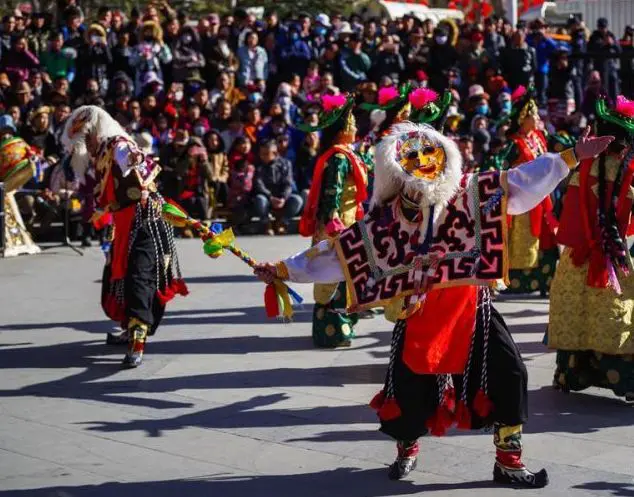
Celebrate Tibetan New Year (Losar) in Lhasa with sacred Cham dances, monastery ceremonies, festive markets, Tibetan opera, a local family visit, and breathtaking Yamdrok Lake on this immersive 7-day cultural journey.
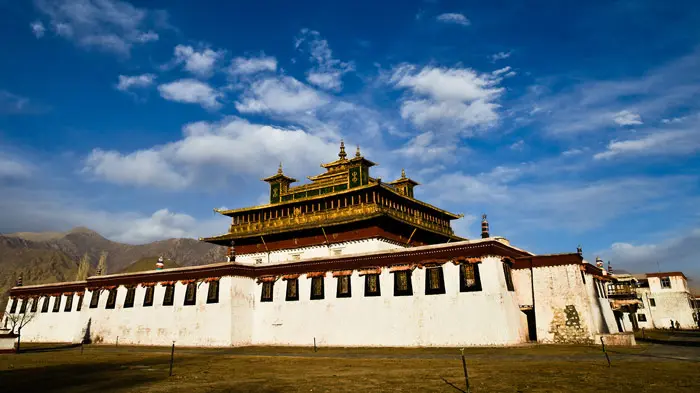
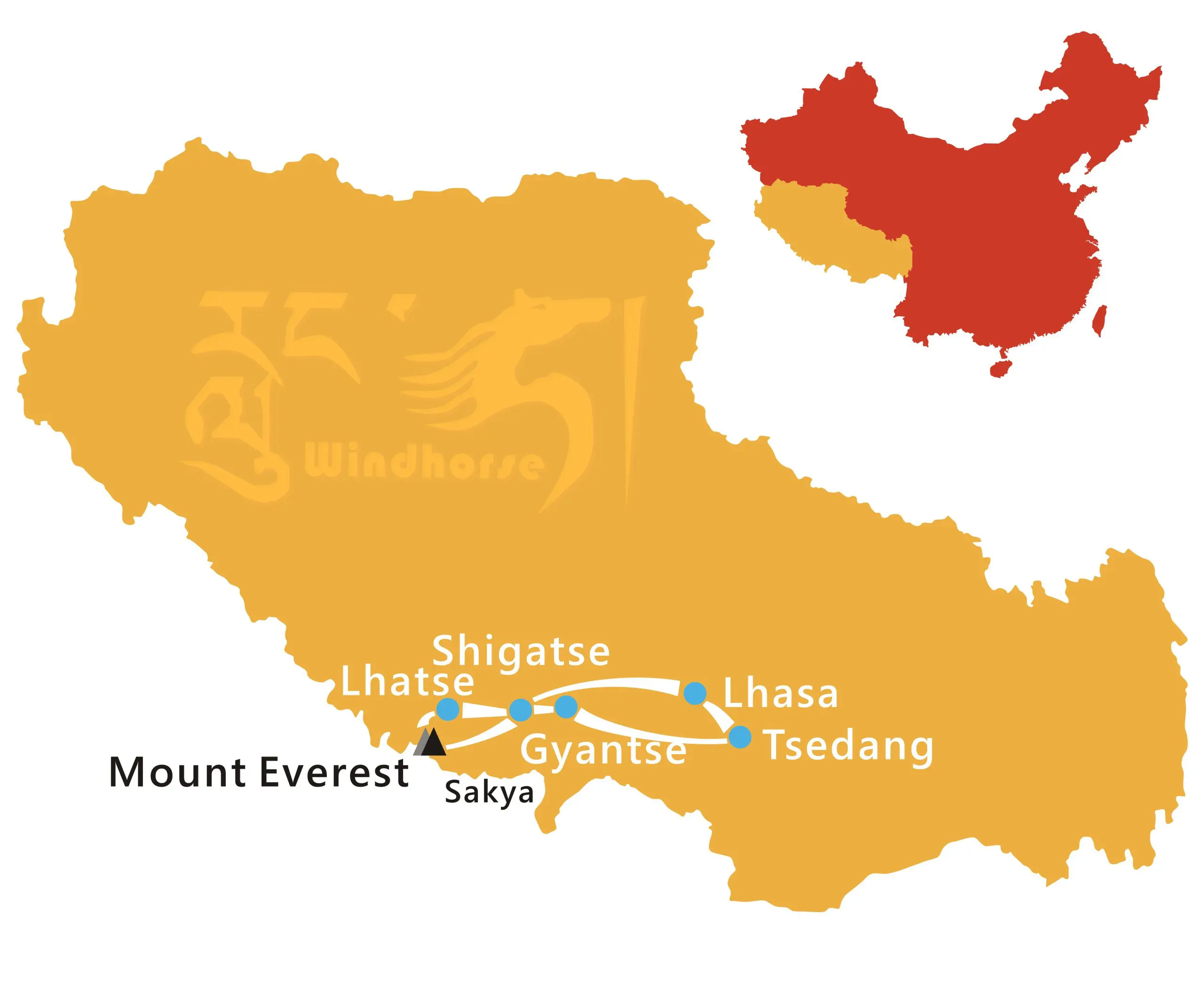
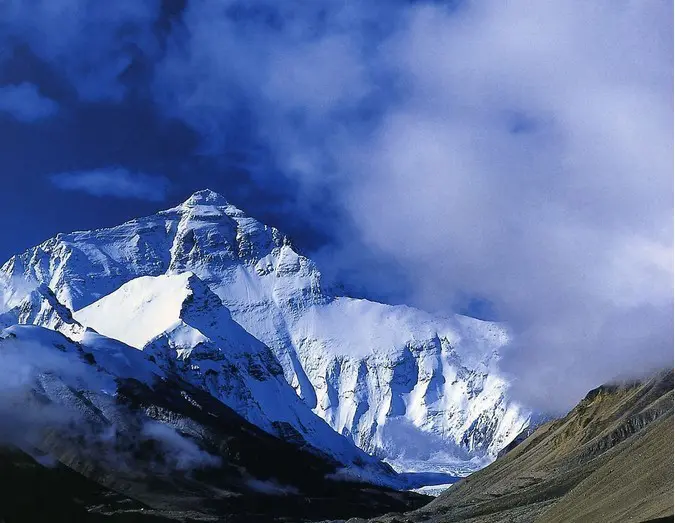

This 10 day Tibet Everest Base Camp Tour with Tsedang combines Tibet’s cultural roots and Himalayan grandeur. Visit Samye Monastery, Yumbulakang Palace, Potala Palace, Yamdrok Lake, and the North Face of Mt. Everest for breathtaking sunrise views.