
Chinglish: when east meets west

Chinese is the native tongue of more people on earth than any other language. English is the international business language. So what happens when 1.3 billion Chinese speakers rush to learn the global language of business? A happy mess, that’s what!
Chinese and English words and phrases get blended together and the result is jokingly called “Chinglish.” In fact, “Chinglish” is the linguistic result of English language adaptations that are created and influenced by native Chinese speakers. You could even call it 中式英语(zhōng shì yīng yǔ) – “Chinese-style English”! You can’t find these Chinglish words in any dictionary, but on your next China adventure, you will most certainly encounter “Chinglish.”

As native Chinese speakers study English, they often generate phrases through translation and homophones. One common example is the phrase “Good good study, day day up,” spoken by many studying English.
The phrase actually means “Study hard and you will make great progress,” but to a native English speaker, the phrase means nothing. Yet, a native Chinese speaker who also knows English would immediately recognize this as simply the translation of a common idiom spoken by teachers and parents to schoolchildren in China – 好好学习,天天向上 (hǎo hǎo xué xí tiān tiān xiàng shàng).
Other Chinglish can combine sounds and meanings to create tongue-in-cheek phrases. For instance, the overwhelming popularity of the iPhone in China has led consumers to do some outlandish things to acquire one. Because of the esteem (or obsession) that people hold for their iPhones, they have now been deemed “iFeng,” stemming from the Chinese word for “crazy,” which is pronounced “feng”!
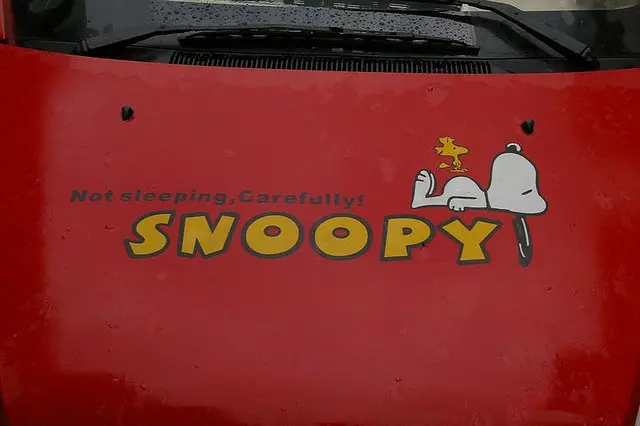
When you tour China, you may also see signs written in Chinglish. As you can see in the picture at right, English was clearly used to form a sentence for this car decal, but the grammar leaves us guessing as to its acutal meaning – Chinglish!
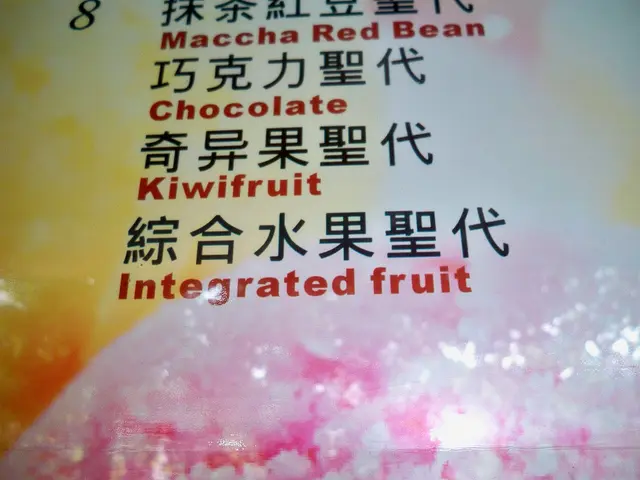
How about the menu to the left with a number of different flavor options? The last option is certainly Chinglish, but what does it mean? Actually, the Chinese characters say “mixed fruit,” but by way of an accidental word choice from the dictionary, we get “Integrated Fruit”!
Language is used for communicating ideas and culture. In Chinese culture, language is also an opportunity for wordplay and witticisms, like the various ancillary uses of numbers in China. Take note so that your next Beijing tour or Tibet travel will not leave you confused, but simply laughing smugly to yourself!
Related tours

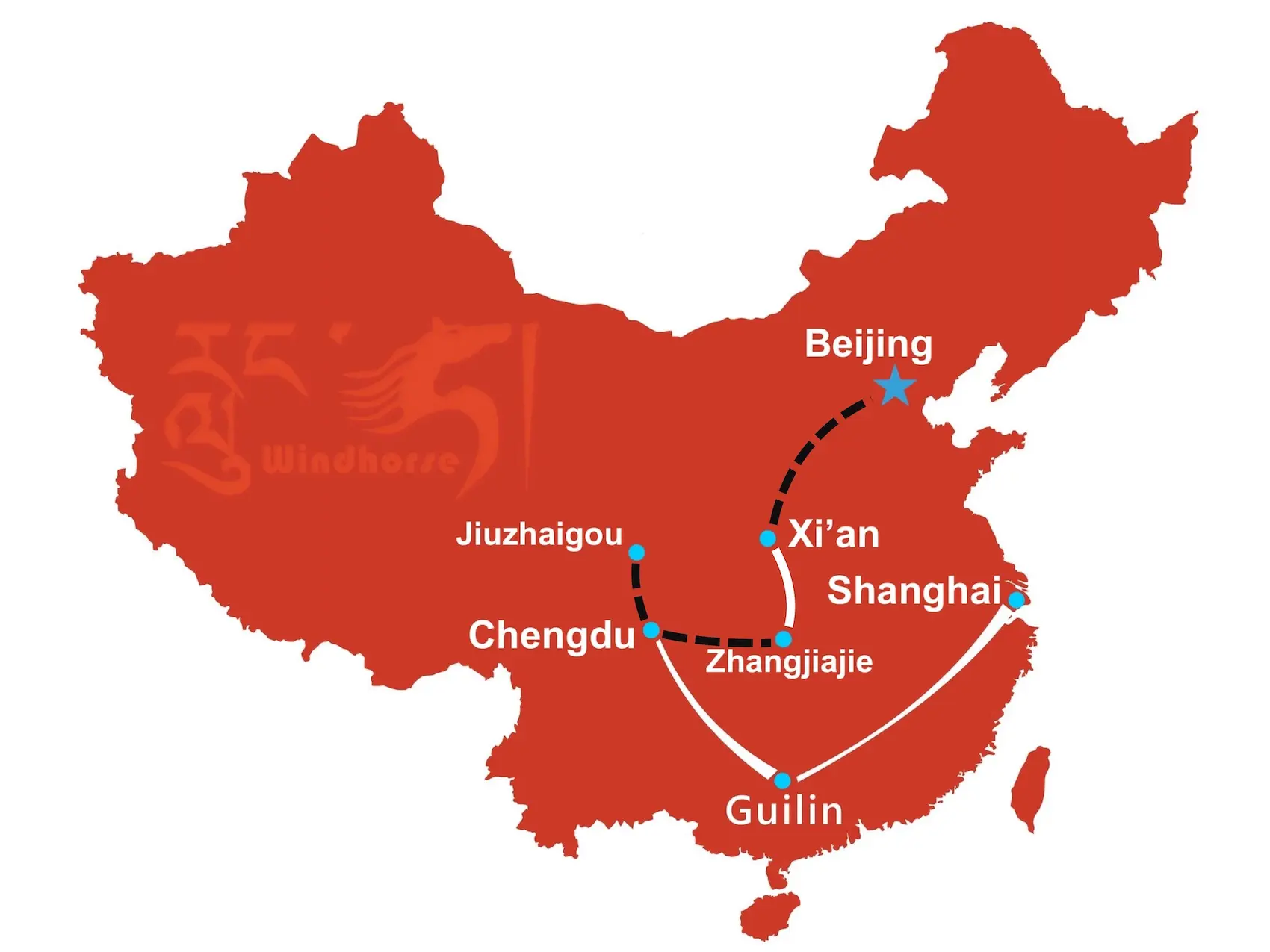

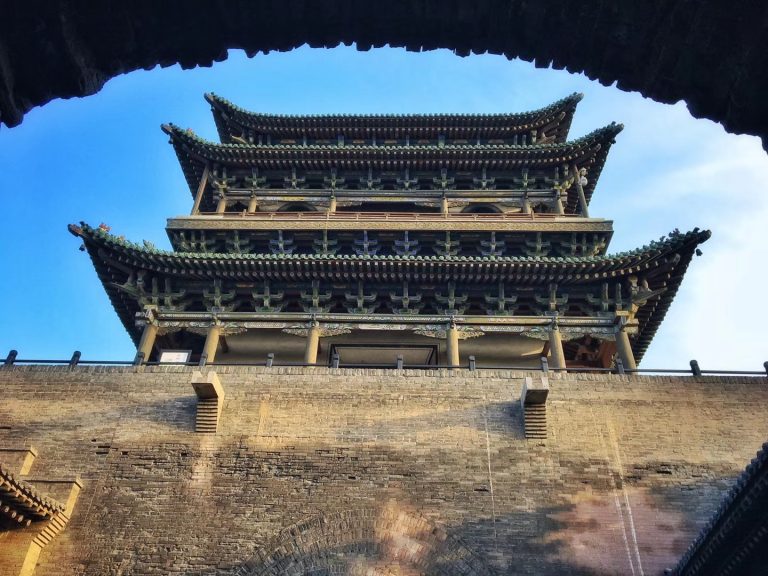
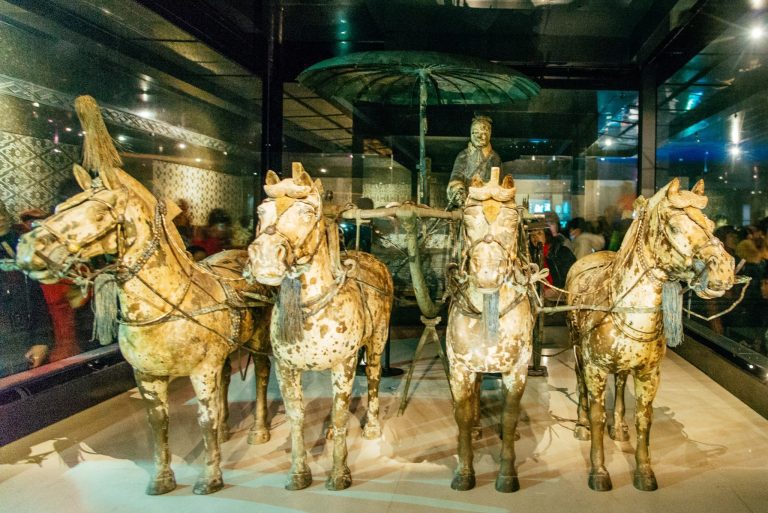
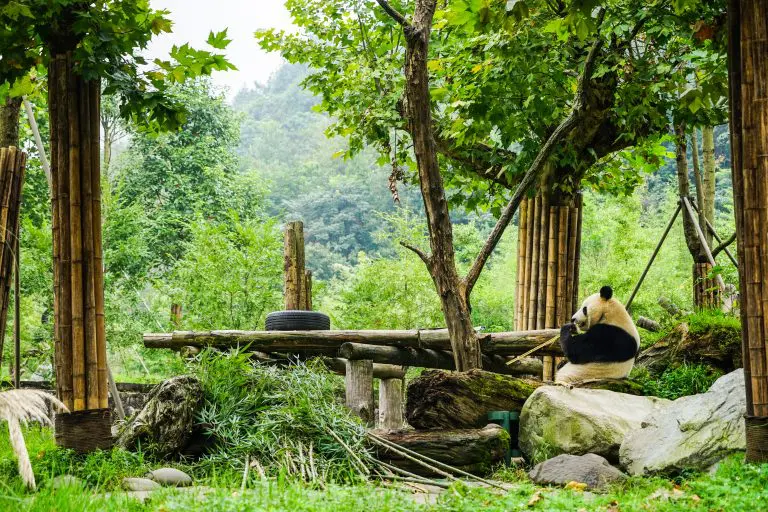

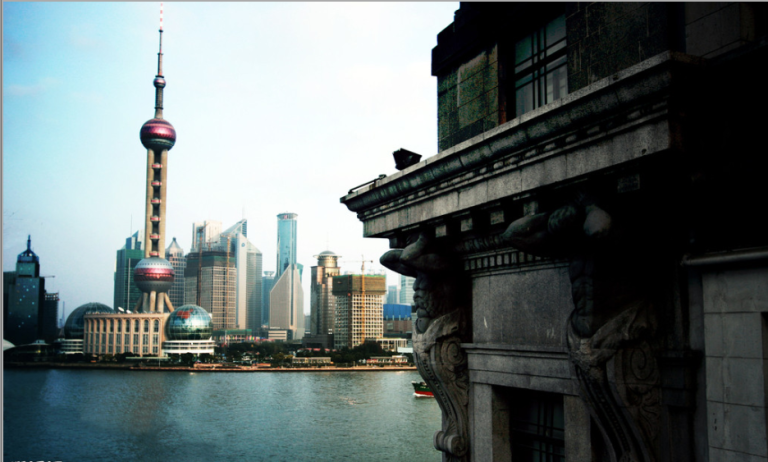
This 18-day China Nature & Culture Tour blends the country’s most stunning landscapes with its most meaningful heritage sites. Explore Beijing, Xi’an and Chengdu, then discover Jiuzhaigou, Zhangjiajie and Guilin before ending in dynamic Shanghai.
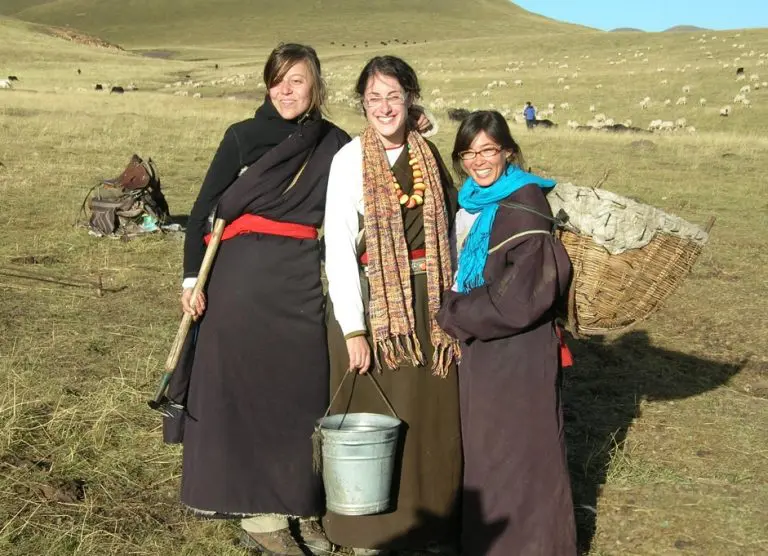
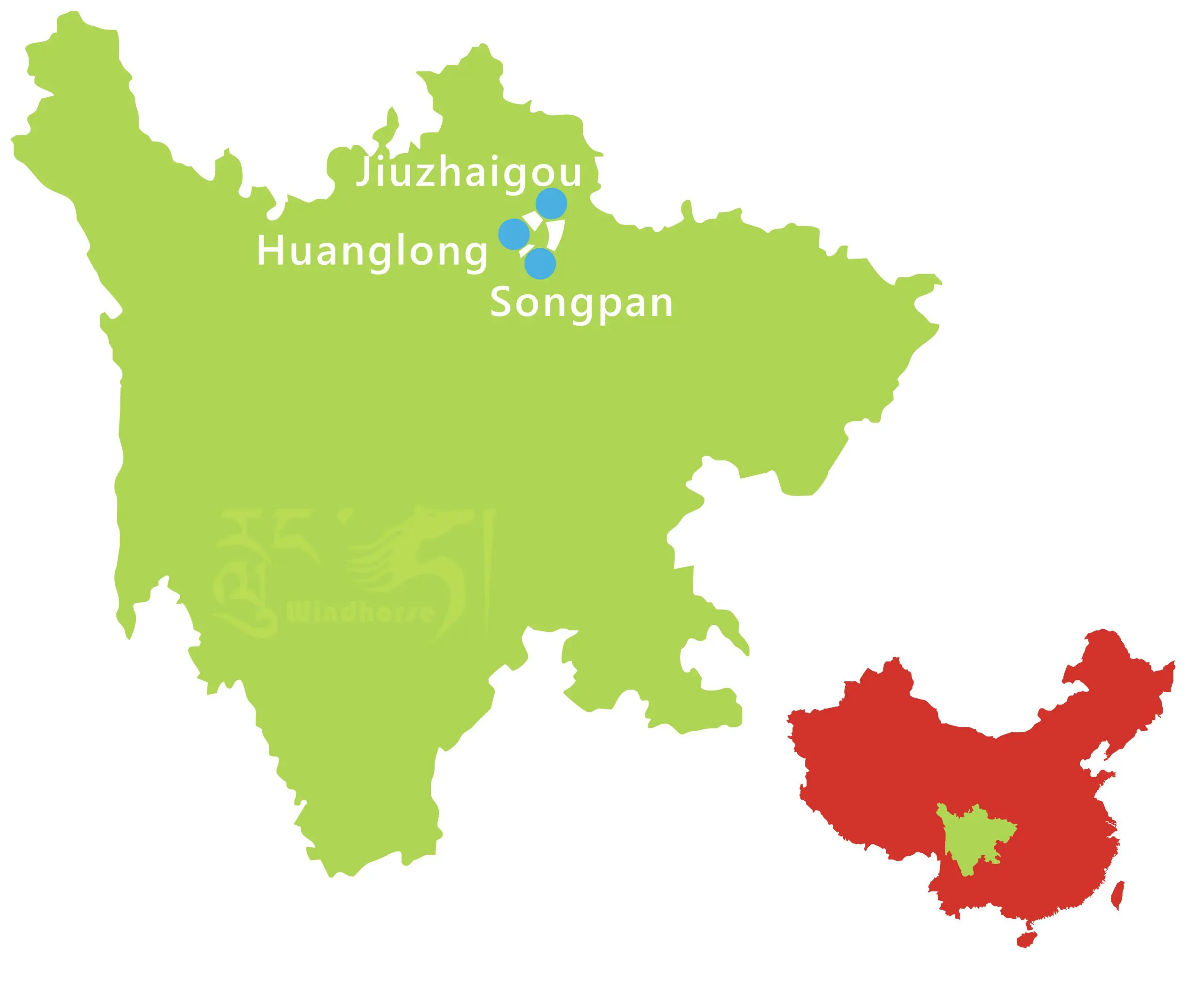



This Jiuzhaigou-Langmusi horse trekking and nomad tour offers a unique opportunity to experience Tibetan nomadic life and culture, as well as to appreciate the incredible natural beauty of Jiuzhaigou, Huanglong, and the Ruoergai grasslands.
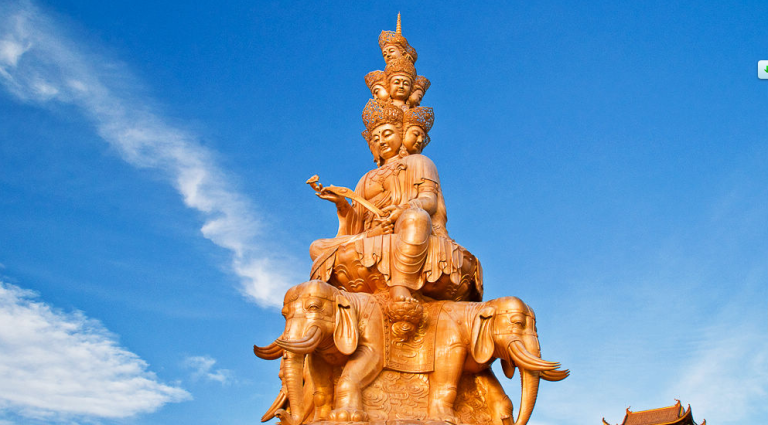
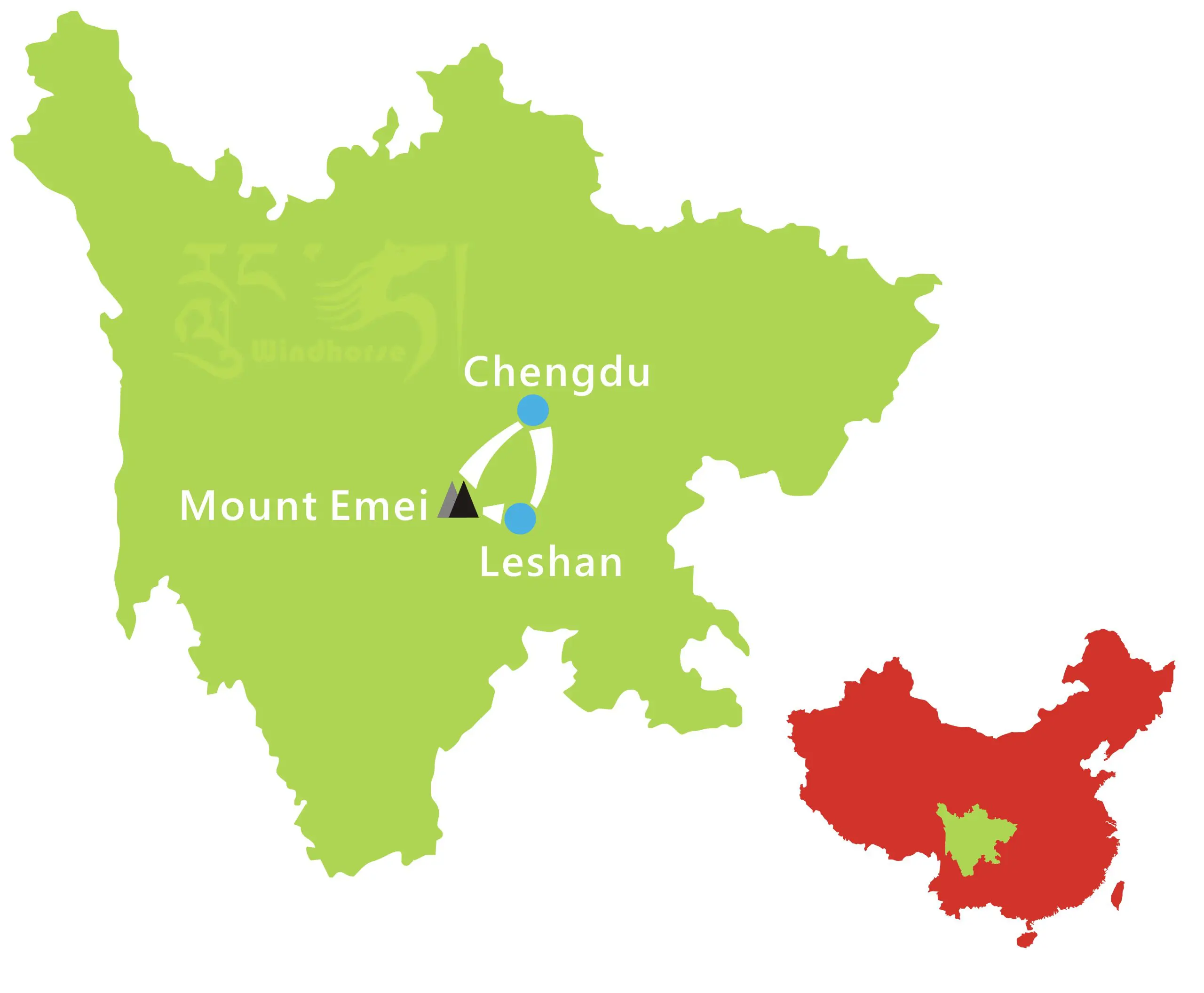


A classic trip to Leshan and Mount Emei only takes 2 days. Leshan Grand Buddha is the biggest sitting Buddha in the world and Mount Emei is one of the four Buddhist Mountains in China.

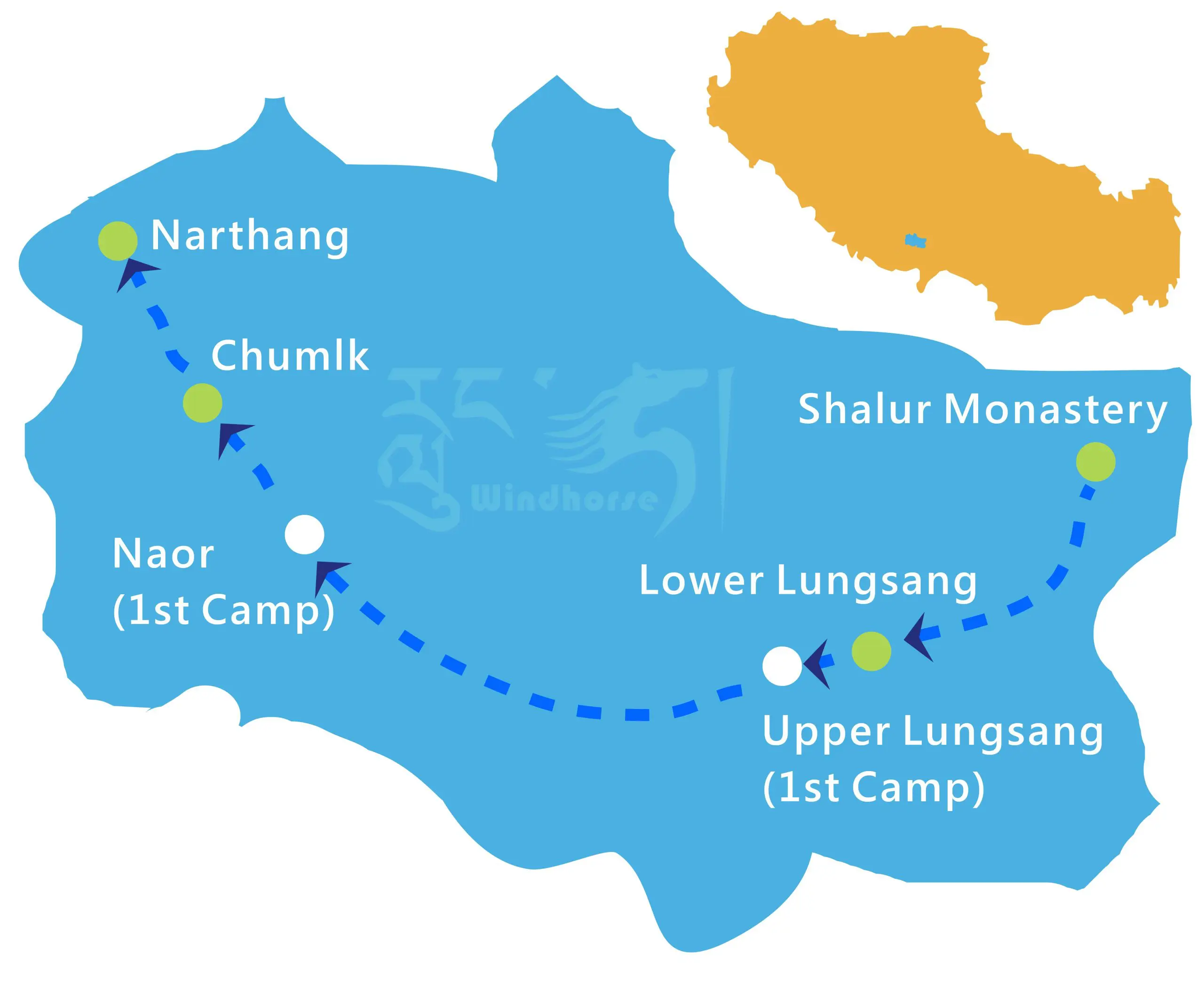
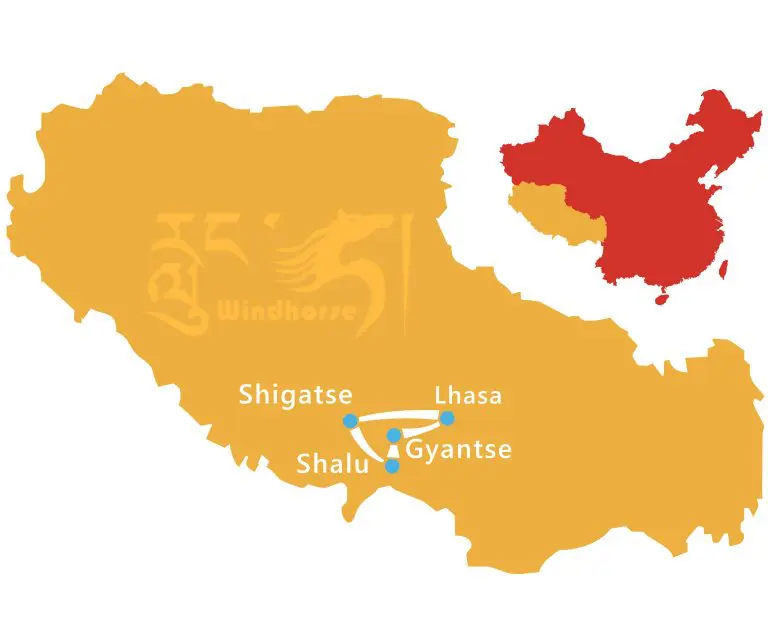
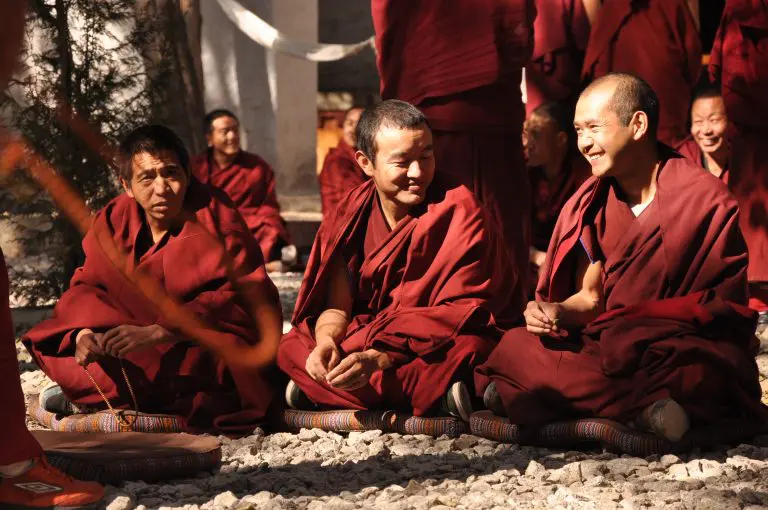



This 8-day Shalu to Nartang Monastery Trek combines Tibetan culture and easy trekking. Walk through quiet villages, barley fields, and dry valleys between two historic monasteries near Shigatse, offering a glimpse into authentic Tibetan life and scenery.