
Jianshui Confucius Temple
There are many Confucius temples in China that have been built for over 2000 years to honor Confucius. Confucius is one of the greatest philosophers and teachers that lived from 551 to 479 B.C.E. So, Confucius’ teachings are based on old religious ideas. They helped shape the values, traditions, and beliefs of Chinese society.
The first temple was built in Qufu, Confucius’ hometown, right after his death in 479 BC. Over time, more temples were built across China, becoming important places where people could learn and honor his teachings. All these temples also played a big role in education, especially since Confucian ideas were central to the civil service exams, which helped shape government officials. Many Confucius temples were located near schools and became hubs for learning and promoting Confucian values throughout Chinese history.
Jianshui Confucius Temple
Jianshui Confucius Temple is an important temple because it’s the second-largest Confucius temple in China, just after the one in Qufu. Its size and importance show how strong Confucianism’s influence was in Yunnan Province and in Chinese culture as a whole. The temple was not just a place of worship but also a major center for education, especially for scholars studying for the civil service exams. Today, it is a popular destination for tourists and those interested in Chinese culture, offering a glimpse into Confucian philosophy and its lasting influence.
The Jianshui Confucius Temple is located in Jianshui County, in Yunnan Province, which is in southwestern China.
Jianshui is known for its rich history and cultural heritage. The town itself feels like a “living museum” with its old architecture, gardens, and other historical sites. The Confucius temple is one of the main attractions, blending the region’s historical importance with the natural beauty of Yunnan, making it a must-see for visitors.
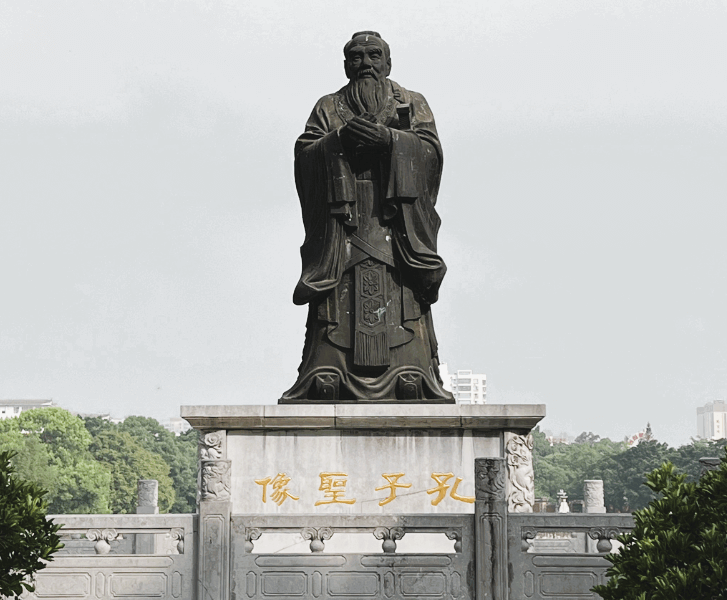
Jianshui Confucius Temple: A Short History
Build: 1285 during the Yuan Dynasty. It has been expanded and renovated many times.
Renovations: In 1835 shaped how it looks today.
Highlights of Jianshui Confucius Temple Architecture
Traditional Design and Layout
The temple has a traditional Chinese architecture with a symmetrical layout inspired by the Confucius Temple in Qufu. Its courtyards, halls, gates, and pools are arranged along a central path, reflecting harmony and order, key ideas in Confucian thought.
Key Structures
- Dacheng Hall (Hall of Great Accomplishment): The main hall honors Confucius. It’s grand and used for ceremonies, featuring statues of Confucius, his students, and tablets of his teachings.
- Lingxing Gate: Known as the “Gate of Wisdom,” it symbolizes learning and is richly decorated with carvings.
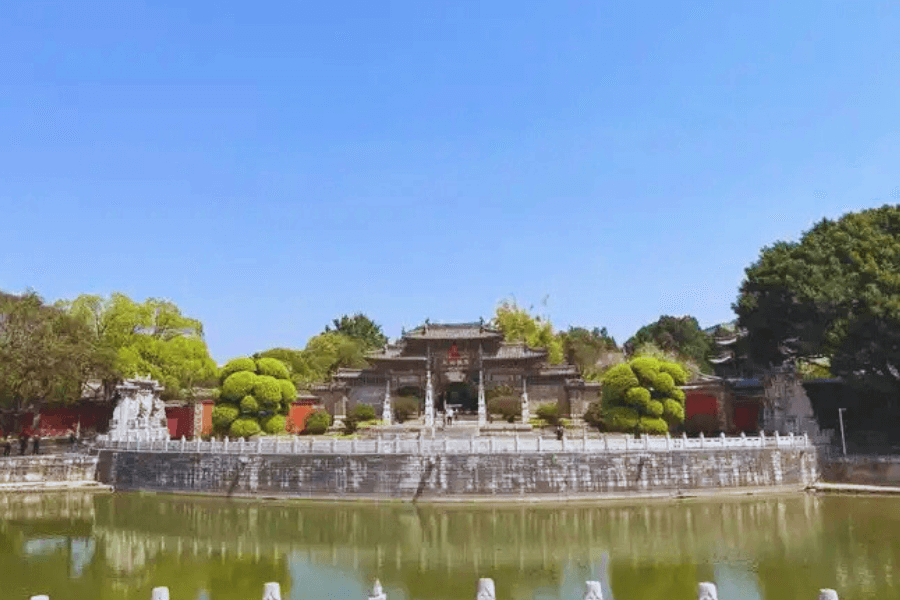
- Pan Pool (Pan Chi): A calm pool in front of Dacheng Hall reflects the buildings and represents purity and reflection.
Classical Chinese Features
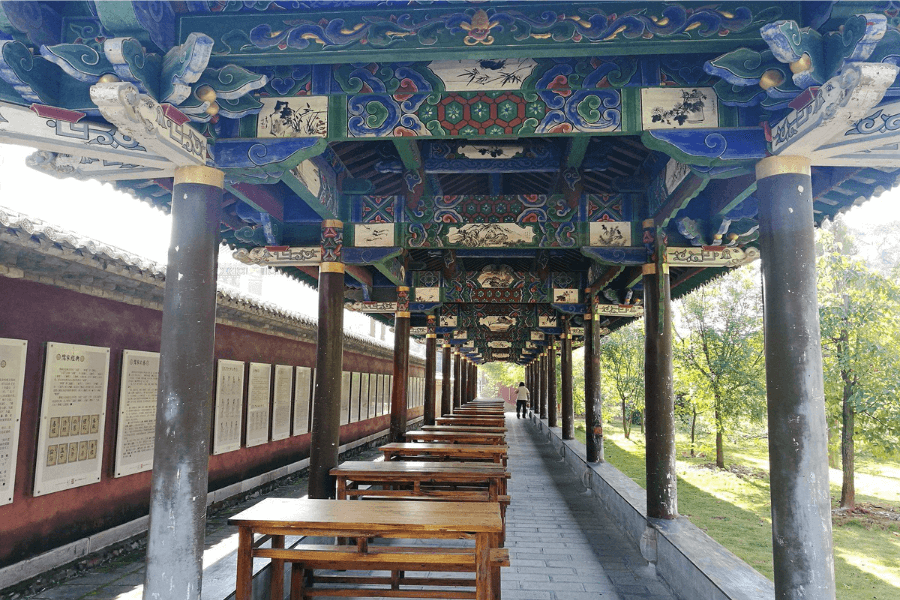
- Carved Beams and Painted Rafters: Detailed carvings and bright colors like red, gold, and green showcase traditional craftsmanship.
- Courtyards and Symmetry: Open courtyards provide light and space, reflecting Confucian values of balance and order.
- Roof Design: Curved roofs with glazed tiles protect from rain and add elegance to the temple’s look.
The temple’s design honors Confucius while showcasing the skill of ancient Chinese builders, making it a site of cultural and historical importance.
What to See and Do at Jianshui Confucius Temple
Explore the Halls and Courtyards
The temple has many courtyards and halls connected by gates and paths. Each courtyard reflects Confucian values like balance and harmony. Walk around to admire the colorful decorations and carvings while enjoying the peaceful atmosphere.
Visit Dacheng Hall
Dacheng Hall, the temple’s main building, honors Confucius. Inside, you’ll find a statue of Confucius, his famous students, and traditional Chinese art. The hall is a calm and respectful space where visitors can learn about Confucius’ impact on Chinese culture.
Relax by Pan Pool
Pan Pool, in front of Dacheng Hall, is a quiet, reflective pool. It symbolizes purity and reflection, key ideas in Confucian philosophy. The pool adds to the peaceful setting and is linked to historical stories and myths.
See Stone Steles and Inscriptions
The temple has stone steles with Confucian teachings carved in elegant calligraphy. These inscriptions are important historical records that share lessons about morality, leadership, and self-growth.
Visiting Jianshui Confucius Temple is a chance to learn about history, Confucianism, and traditional Chinese culture in a serene and inspiring setting.
Travel Tips for Jianshui Confucius Temple
Here are some helpful tips to plan your visit to Jianshui Confucius Temple, including the best times to go, how to get there, and what to expect when you arrive.
Best Time to Visit (Spring and Autumn Recommended)
The best times to visit Jianshui Confucius Temple are in spring (March to May) and autumn (September to November). The weather during these seasons is mild and comfortable for exploring the temple grounds. In spring, you’ll see blooming flowers, while autumn brings cooler air and colorful fall leaves. Summer can be quite hot, and winter is often cold, so it’s best to avoid those seasons if possible for a more enjoyable experience.
Opening Hours, Ticket Prices, and Guided Tours
The temple is generally open from 8:00 AM to 6:00 PM every day, but it’s a good idea to check ahead of time in case of any changes. The entrance ticket costs around RMB 60.
If you want to learn more about the history and meaning behind the temple, you can join a guided tour for an extra fee. The guides will provide detailed information about the temple’s architecture and Confucian teachings. Some tours may offer English-speaking guides, but it’s a good idea to arrange this in advance.
How to Get There (Transportation Tips from Kunming or Other Nearby Cities)
Jianshui is located about 220 kilometers (137 miles) south of Kunming, the capital of Yunnan Province. Here are a few ways to reach Jianshui:
- By Bus: The most common way to get from Kunming to Jianshui is by long-distance bus. Buses leave from Kunming’s South Bus Station regularly and take about 3 to 4 hours to reach Jianshui. The bus ride gives you a nice view of the Yunnan countryside.
- By Train: You can also take a high-speed train from Kunming to Jianshui. The trip takes around 2 hours, and the trains are fast and comfortable. Once you arrive at Jianshui station, it’s a quick taxi or local bus ride to the temple.
- By Car: If you prefer more flexibility, you can rent a car and drive from Kunming to Jianshui. The drive takes about 3 hours, depending on traffic, and gives you the chance to see more of the Yunnan countryside along the way.
No matter which option you choose, Jianshui is easy to reach from Kunming, making it a great day trip or overnight stop for travelers interested in exploring more of China’s cultural and historical sites.
Tips for Visiting Jianshui Confucius Temple
- Show respect when visiting the temple.
- Wear modest clothing that covers your shoulders and knees.
- Speak quietly and avoid loud conversations.
- Show respect by bowing or pausing at the main hall or in front of Confucius’ statues.
- Don’t touch religious objects or altars unless allowed.
Photography Tips
The temple has beautiful details and views perfect for photos. Use a zoom lens for close-ups of carvings and decorations. Wide-angle shots work well for the symmetrical courtyards and halls. Early morning or late afternoon light is best for soft, natural shadows. Capture reflections in Pan Pool on calm days, but check if photos are allowed in certain areas.
Plan Your Visit
Set aside at least half a day to explore the temple’s halls, courtyards, and gardens at a relaxed pace. For nearby attractions like Jianshui Ancient Town or Zhu Family Garden, plan for a full day to fully enjoy the area.
Nearby Attractions
Jianshui Ancient Town
In Jianshui Ancient Town you will have an amazing time walking through the narrow streets that are lined with old buildings, wooden beams and intricate carvings. Also you can explore ancient temples, ancestral halls, and traditional homes that showcase classic Chinese design.
Zhu Family Garden
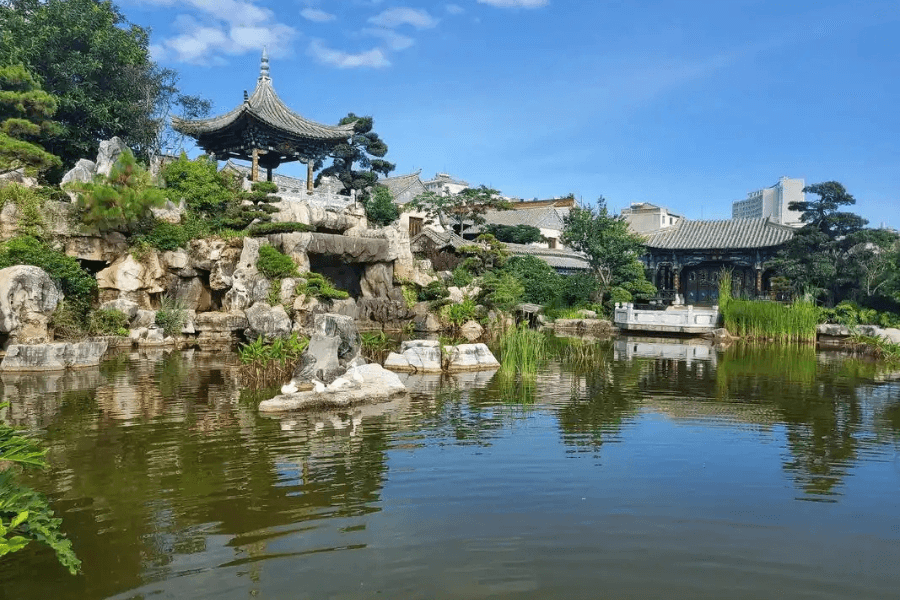
This is a large garden that was built during the Qing Dynasty, it spans over 20,000 square meters. It is always peaceful and it makes a great place for relaxing and enjoying traditional Chinese landscaping.
Double Dragon Bridge
This 17-arch bridge, built in the Qing Dynasty, spans two rivers that resemble dragons. At 148 meters long, it’s a stunning example of ancient Chinese engineering. The surrounding countryside adds to its charm, making it ideal for photos and leisurely walks.
These attractions provide a deeper look into Jianshui’s rich history and culture, complementing a visit to the Confucius Temple.
Final Words
Jianshui Confucius Temple is a must-visit for cultural and historical enthusiasts due to its rich heritage, stunning architecture, and deep connection to Confucian philosophy. A visit to the temple offers valuable insights into Confucianism and ancient Chinese culture, providing a deeper appreciation for the traditions and values that have shaped Chinese society for centuries.
Related tours
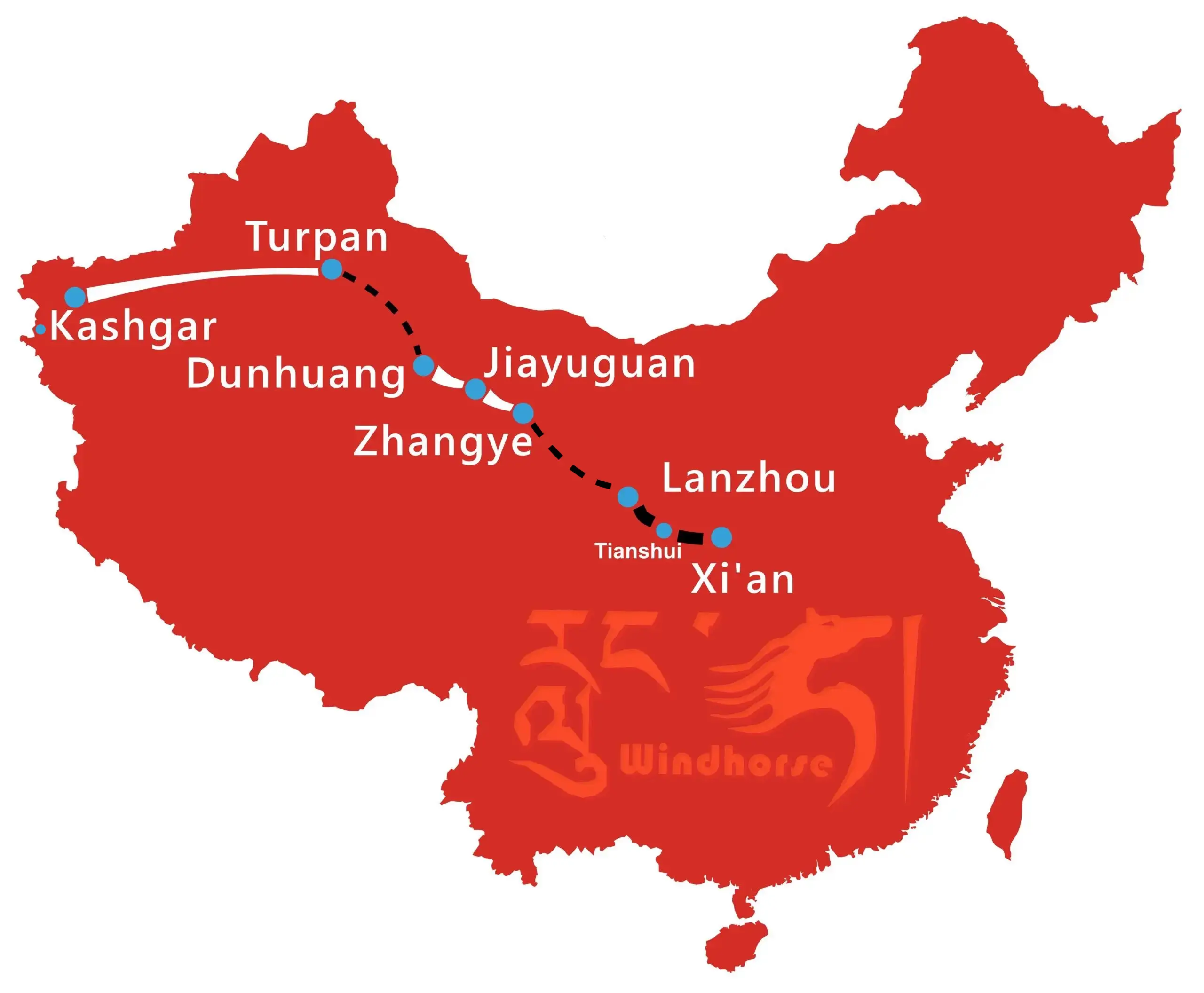


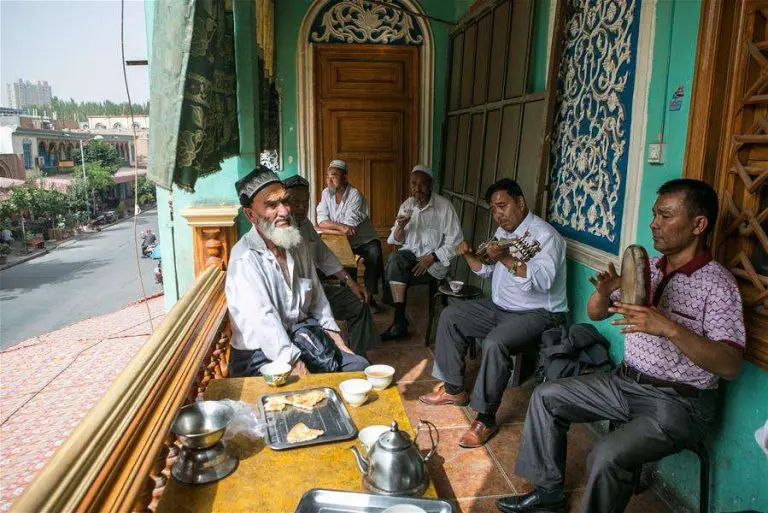

Experience the highlights of China’s Silk Road in 14 days, traveling from Xi'an to Kashgar through Tianshui, Lanzhou, Zhangye, Jiayuguan, Dunhuang and Turpan, before continuing into the spectacular Pamirs.

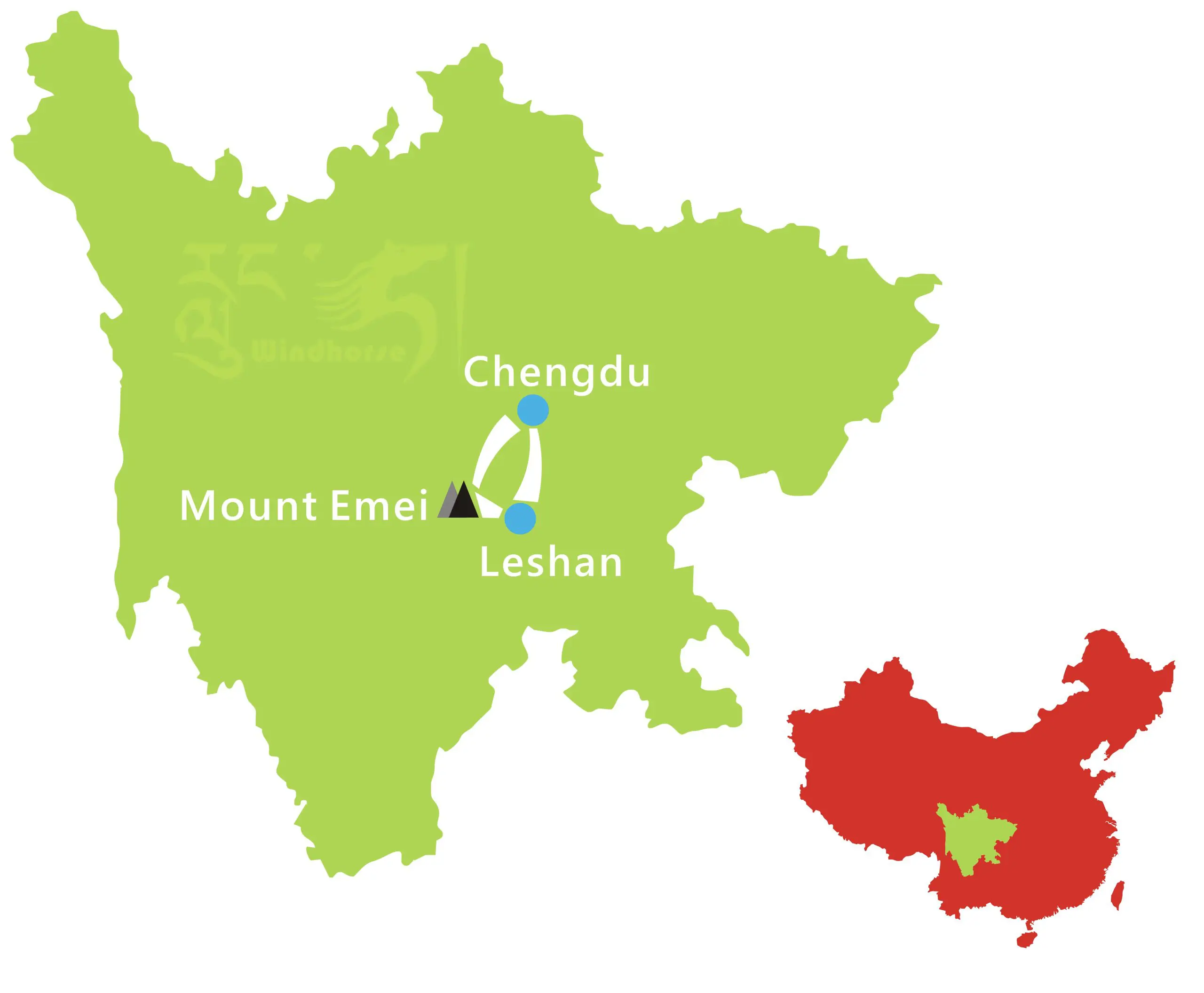
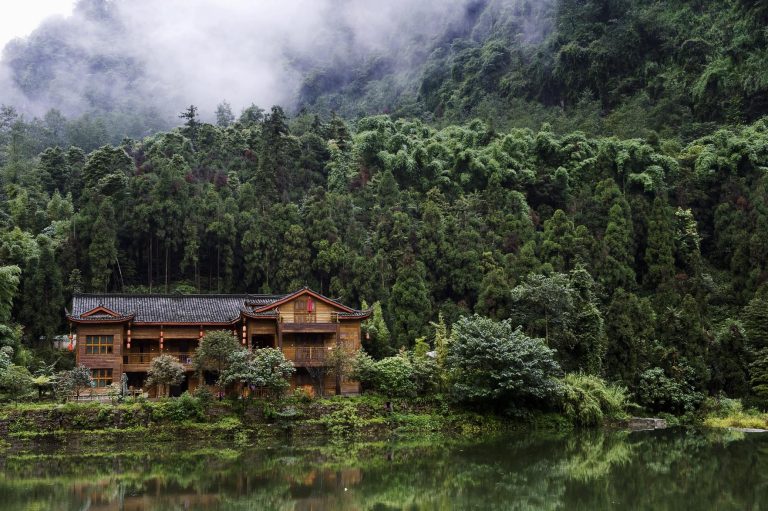
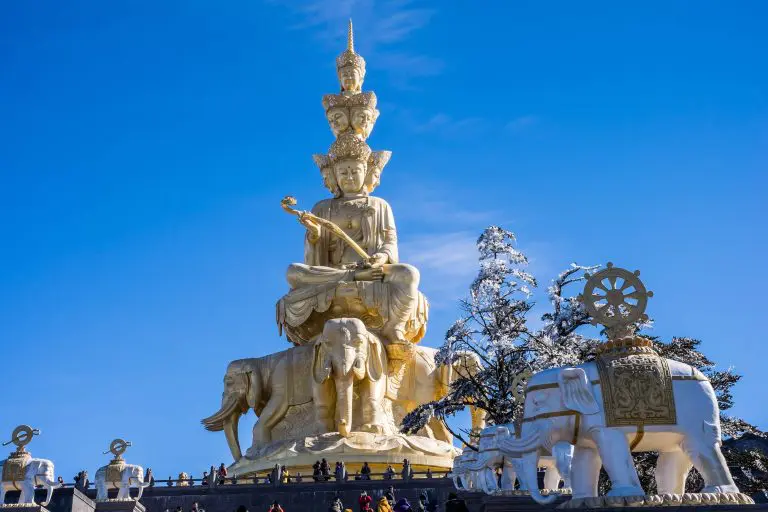
Mount Emei Hiking from the foot of the mountain to the Golden Summit along the paths and stairs enables you to explore and engage the magnificence of Mount Emei in a different way. The hiking could be easy or tough.



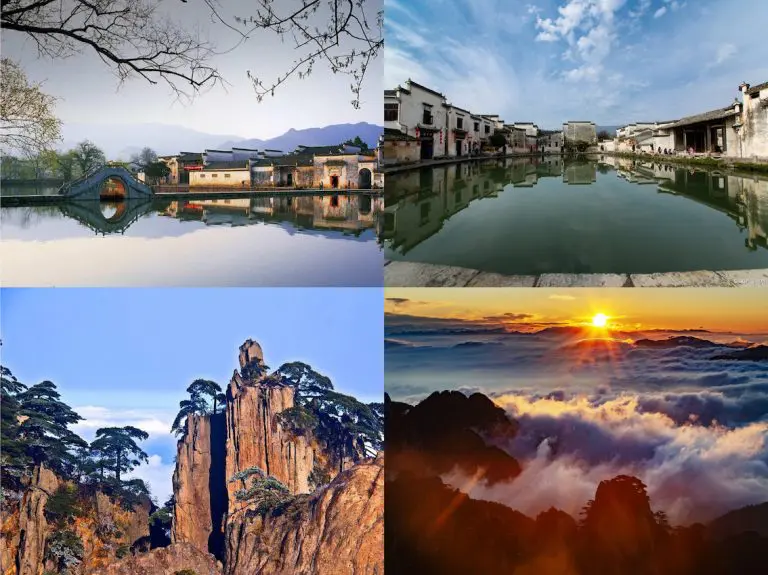


Join this 3 day Mount Huangshan Tour to explore China's most scenic mountain and its nearby UNESCO sites. Hike among dramatic granite peaks, ancient pine forests, and magical sea of clouds on Mount Huangshan, then visit the picturesque Hongcun Village to experience authentic Huizhou architecture and culture.

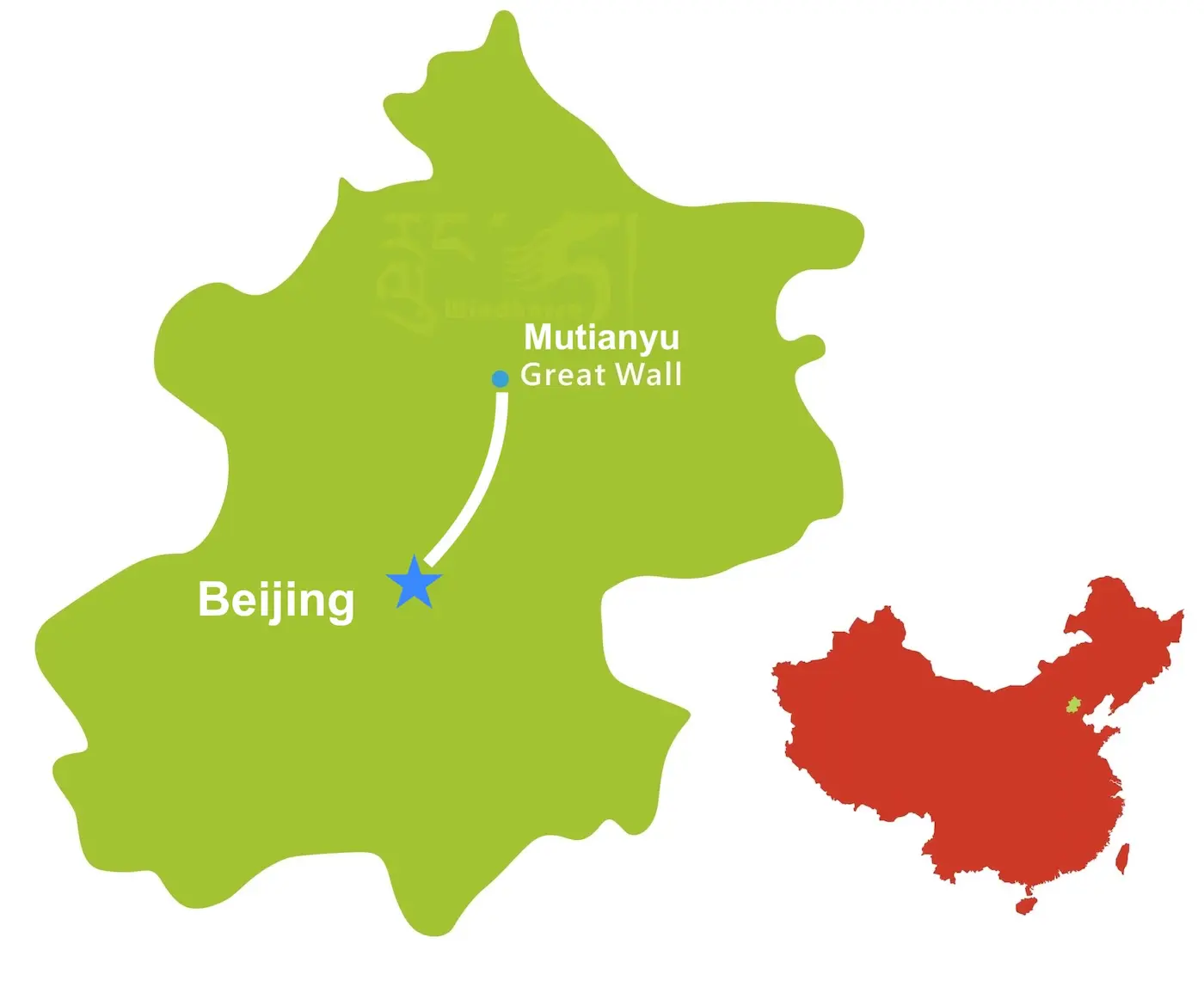
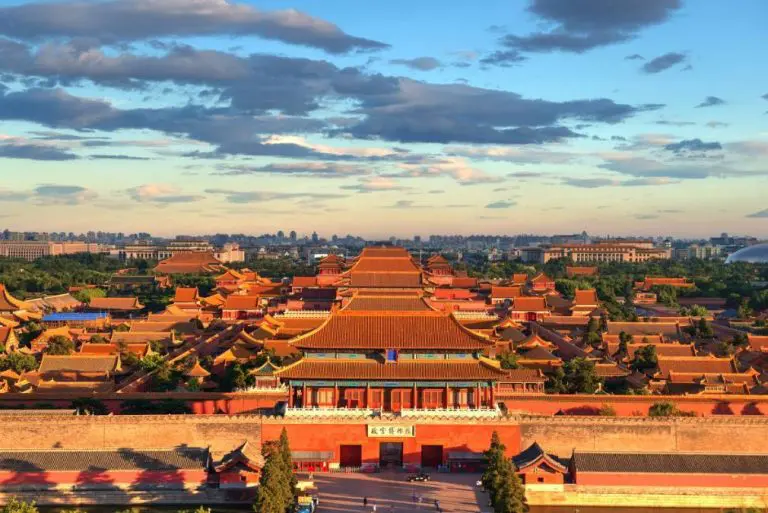

Explore Beijing’s essential sights in two days, including the Forbidden City, Summer Palace, Temple of Heaven, traditional hutongs and Mutianyu Great Wall on a private tour.