
Shaping monday market
If you come to Dali City, after a tiring trip, you maybe wondering where you can buy some local goods. Well, the Shaping Monday Market is your good choice. It is located on the north of the Butterfly Spring, on the foot of the Cangshan Mountain and off the north bank of Erhai and is the best place to savor the local custom of the farmers.
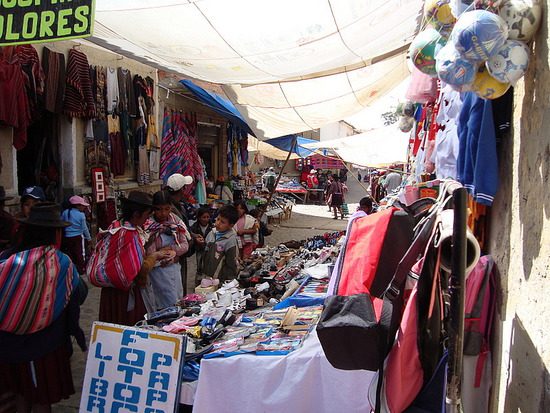
There are various kinds of good selling on the stands at the two sides of the Streets. When you enter it, you are presented with a lively and busy sights, with many people arguing and bargaining here and there. Many tourists, especially foreigners are allured to buy precious local products here such as multitudinous curios, jade article, embroider and so on. Therefore, it got the reputation of “the Foreigners’ Street”.
The Shaping Market is also one important pass from to Lijiang or Shangti-la. Each year, more than 10 million tourists pass by the Shaping Market will choose some local products. If you happen to be visiting in Dali, don’t forget to hunt some treasures for your friends and families as souvenir.
Related tours
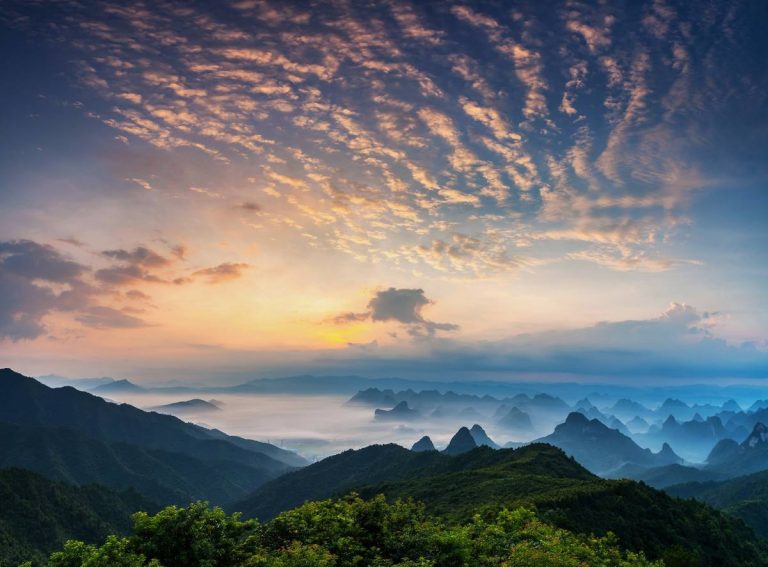
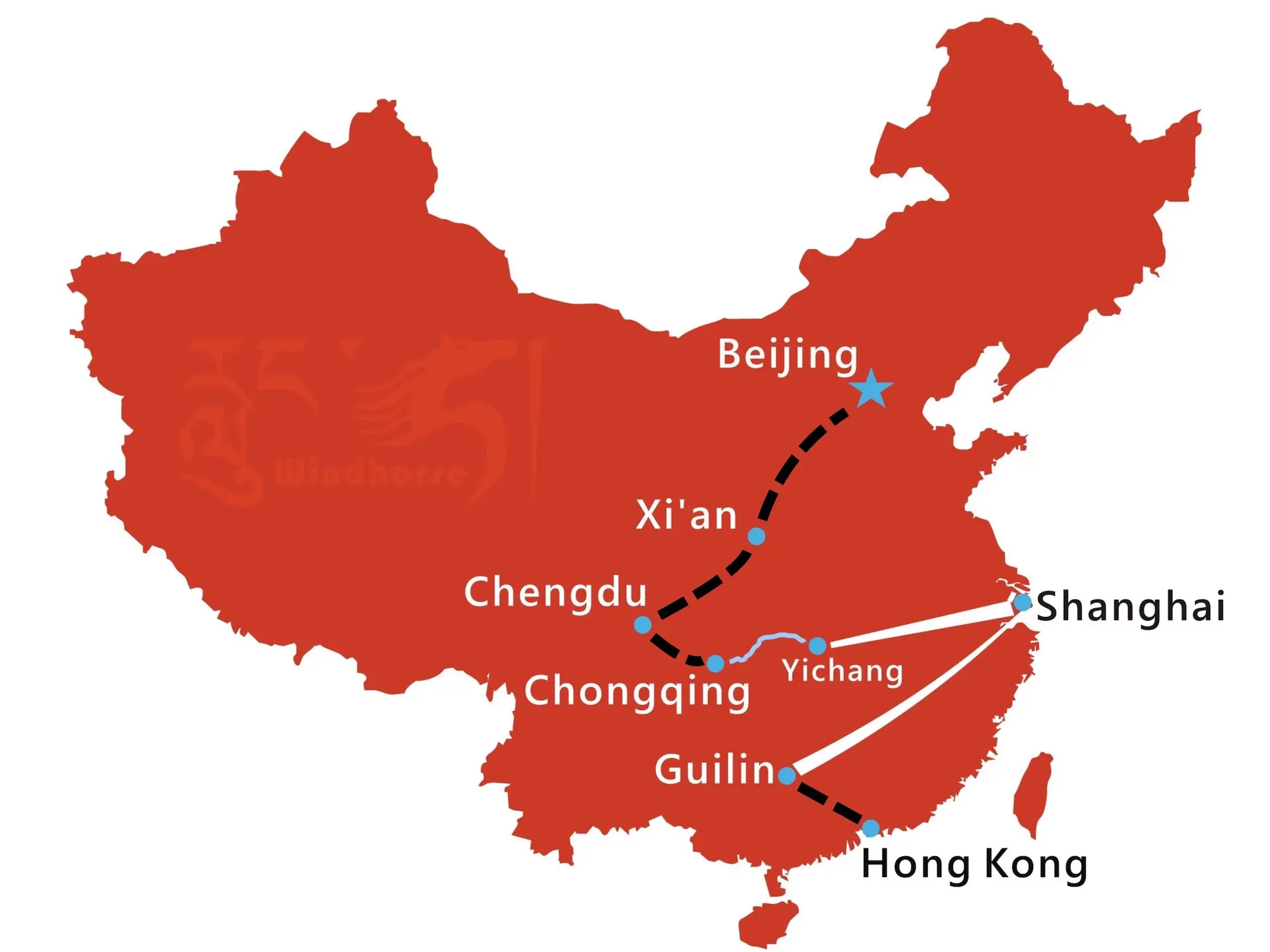
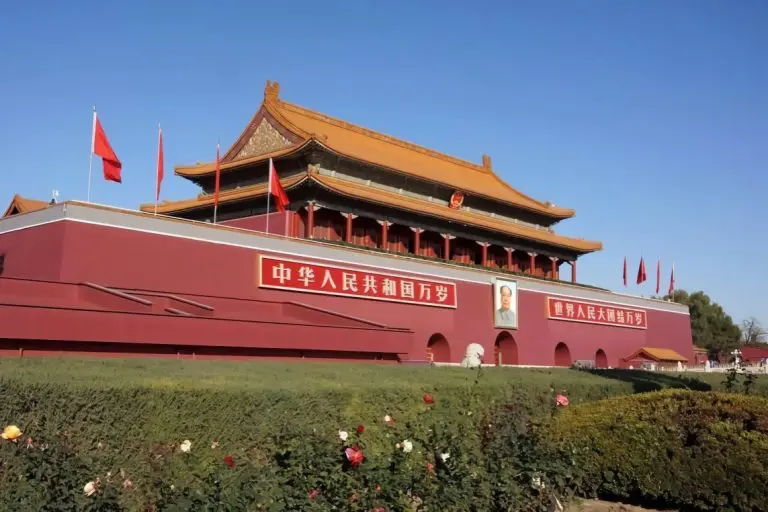
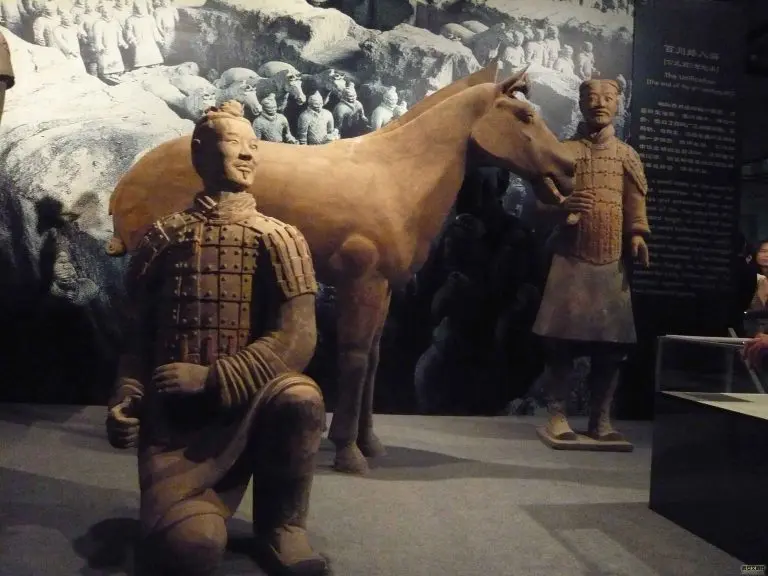
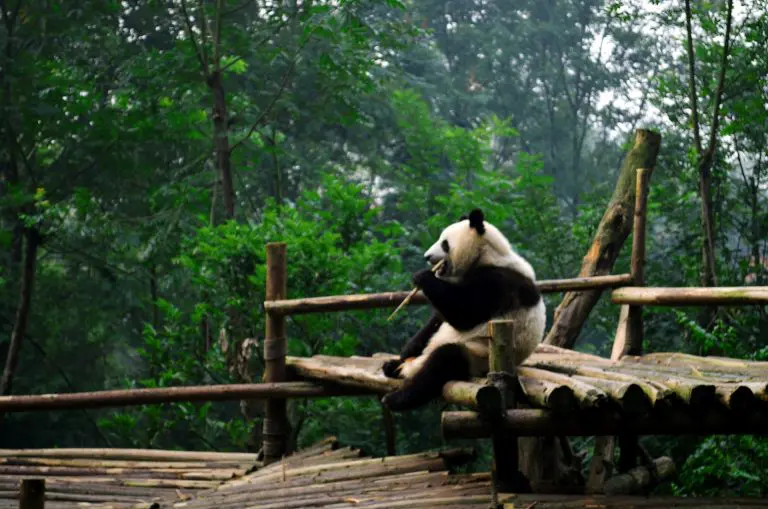
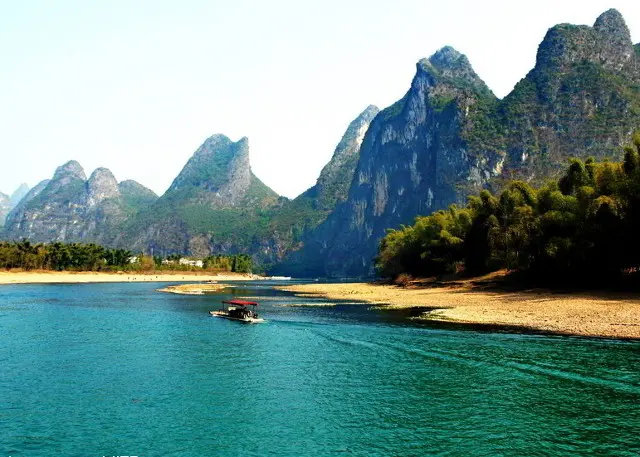
This 21-day China tour from Beijing to Hong Kong with a Yangtze River cruise covers imperial capitals, ancient wonders, pandas, water towns, classical gardens, and breathtaking karst landscapes. A complete journey through China’s culture, nature, cuisine, and city life.
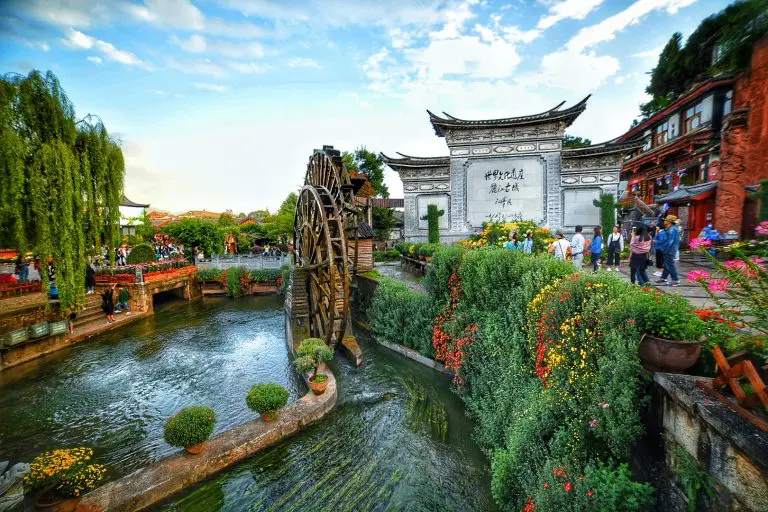
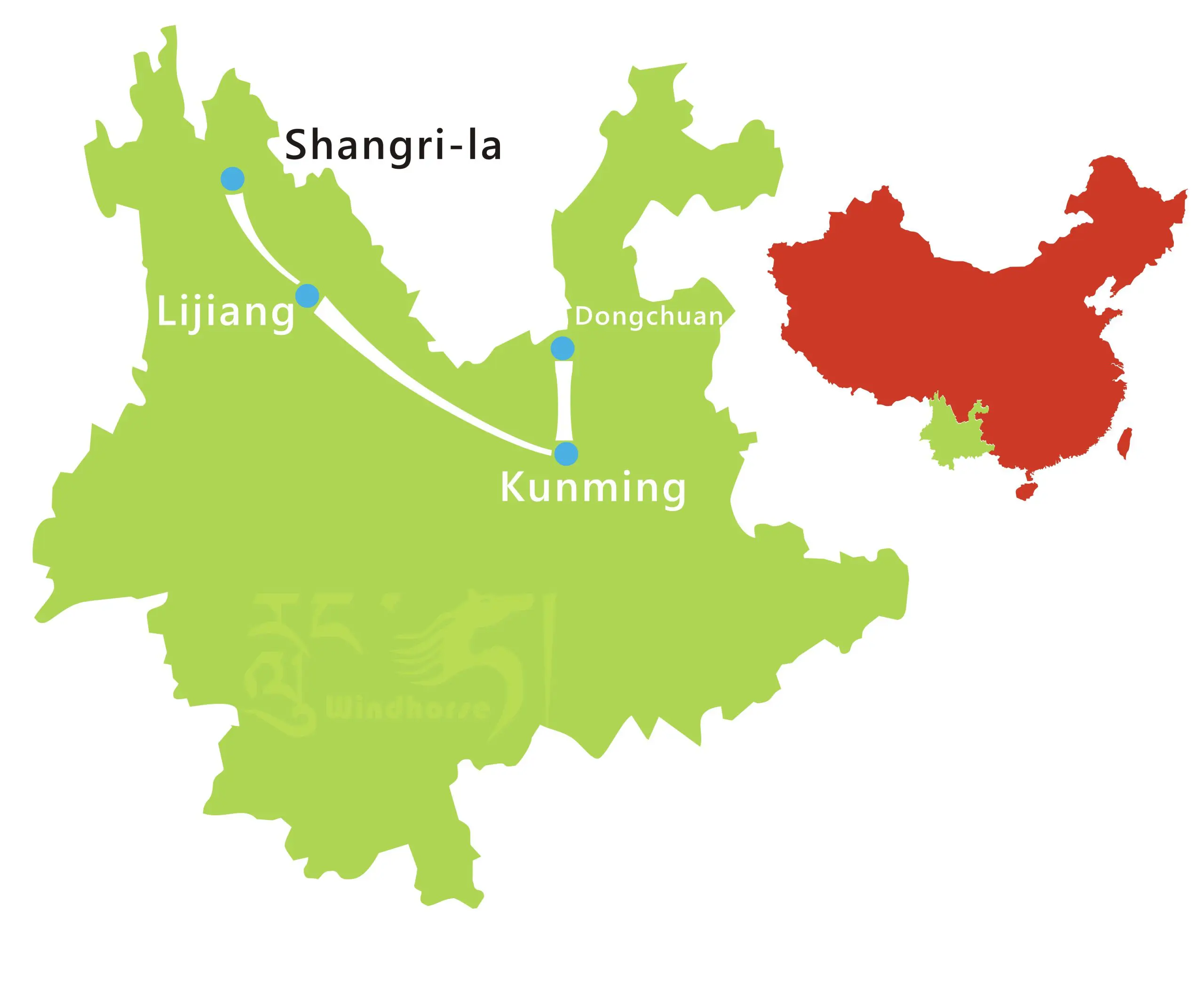

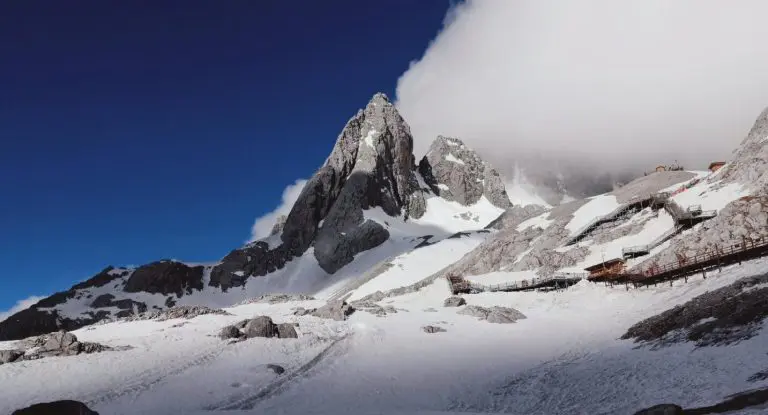
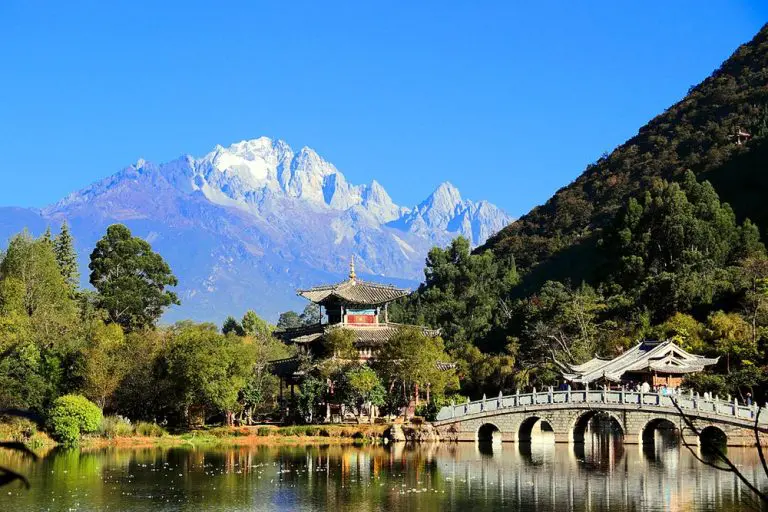
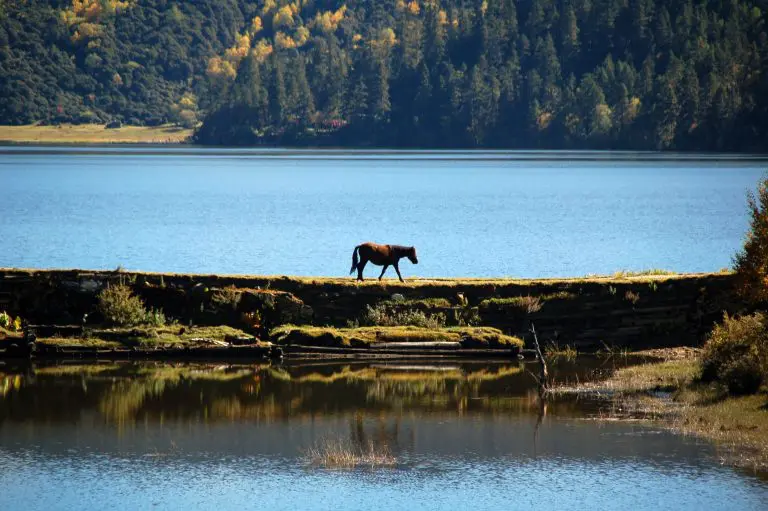
Explore North Yunnan on this 9-day tour through Kunming, Dongchuan Red Land, Lijiang, and Shangri-La. Capture Red Land’s vibrant terraces, explore ancient towns, and experience Tibetan culture and highland scenery.
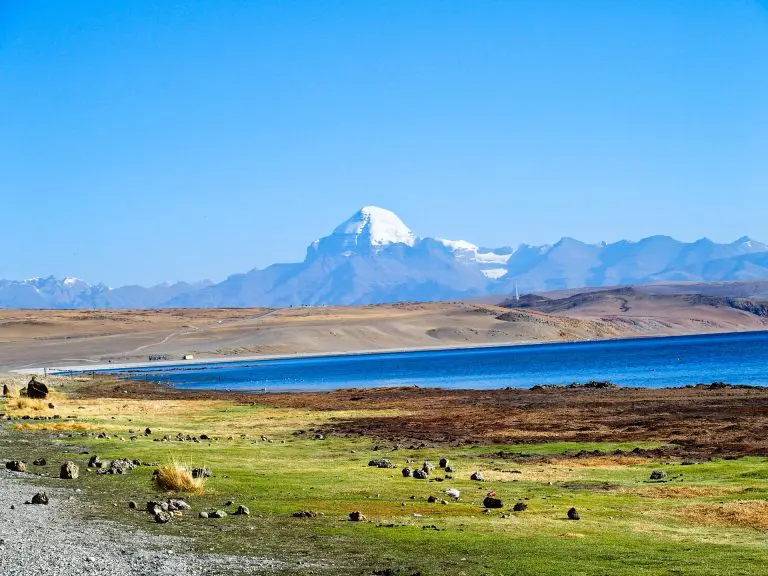
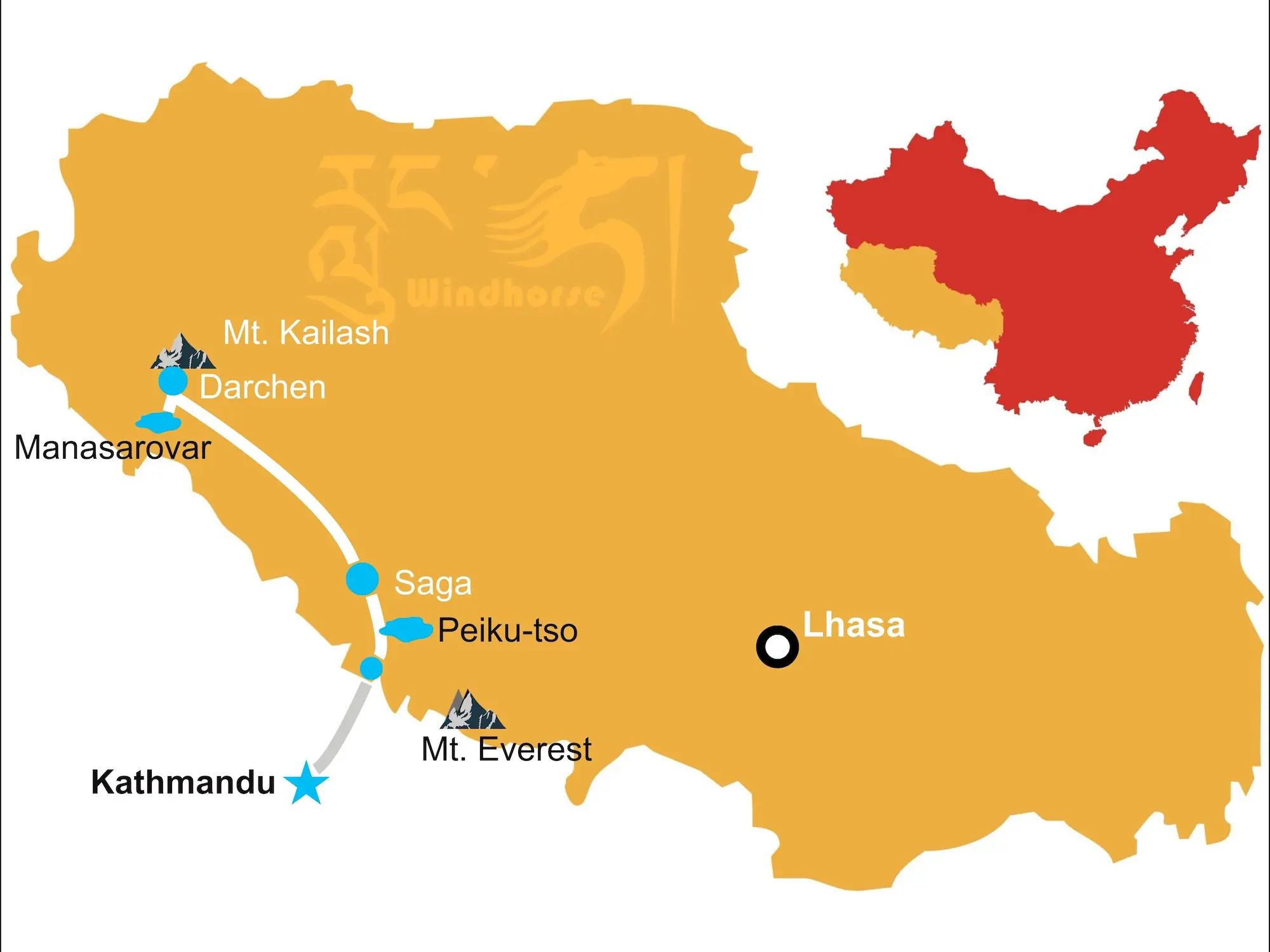
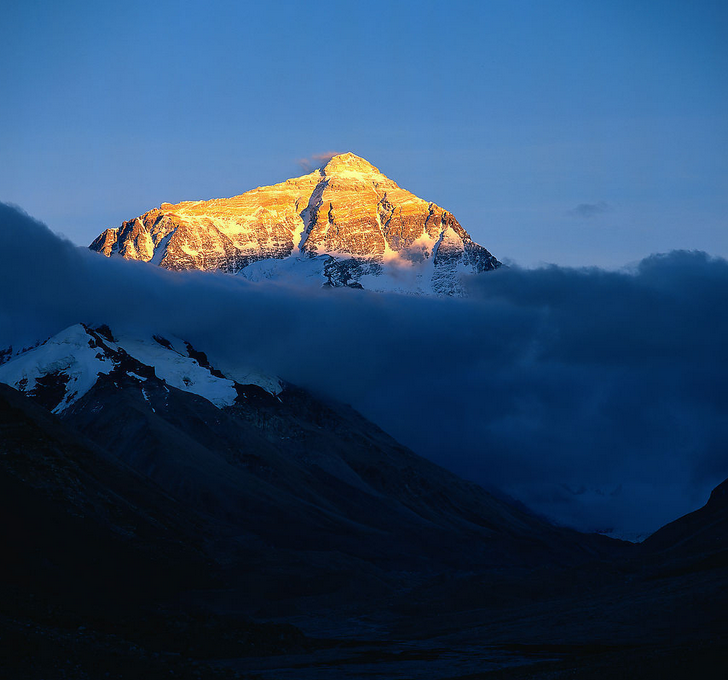
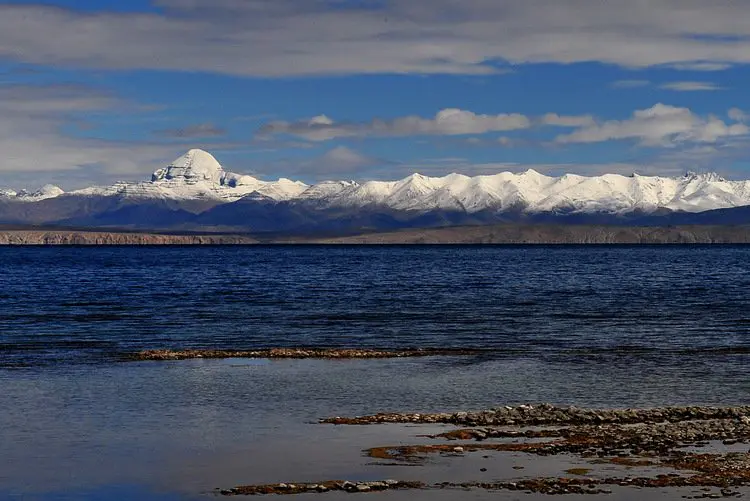
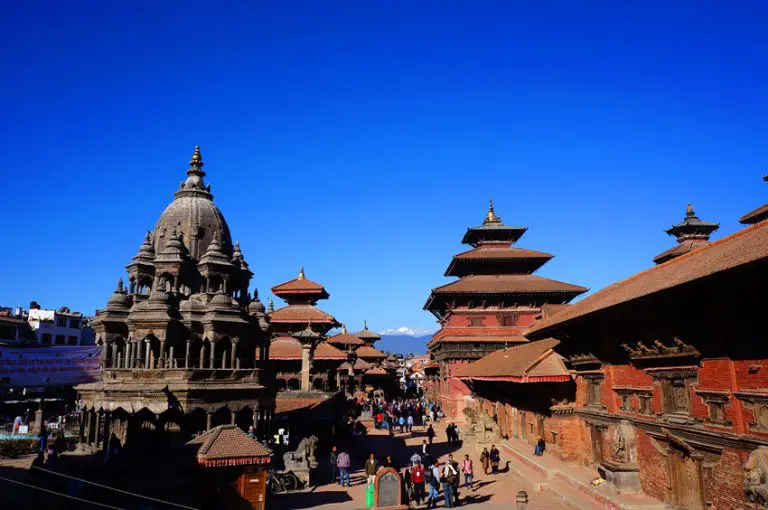
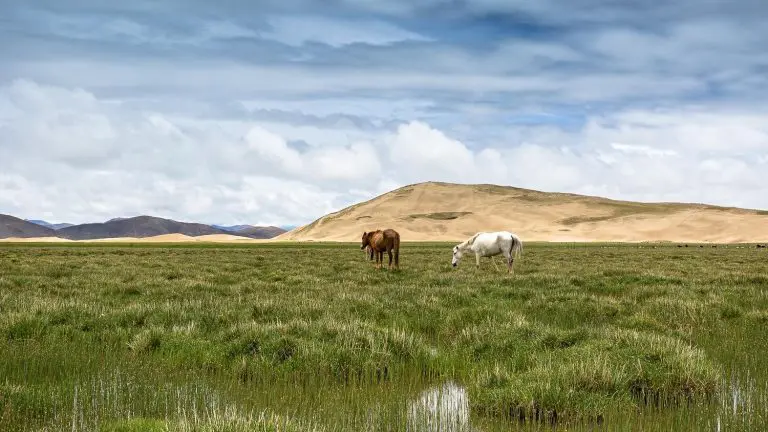
Take an 11-day Mount Kailash Tour from Kathmandu, traveling overland into Tibet’s sacred west. Visit holy Lake Manasarovar and complete the 3-day Kailash Kora trek, a spiritual journey through Tibet’s remote highlands.
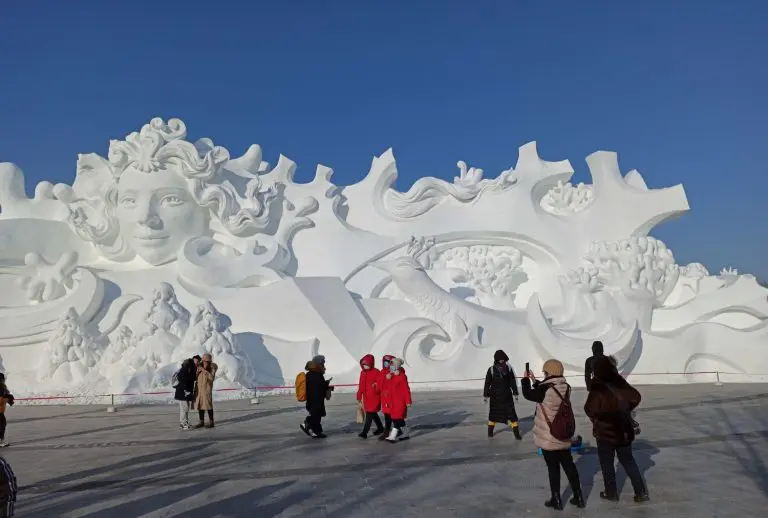

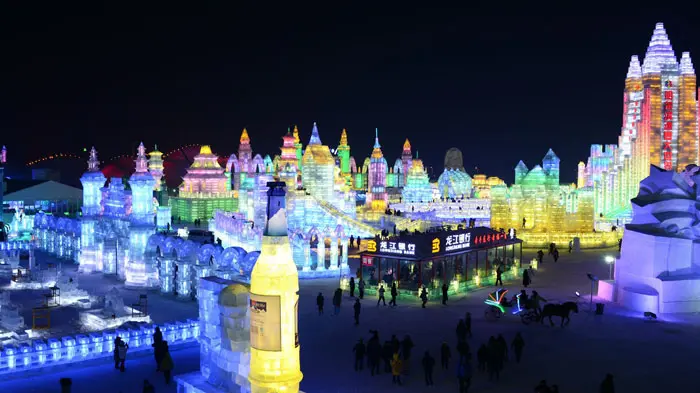
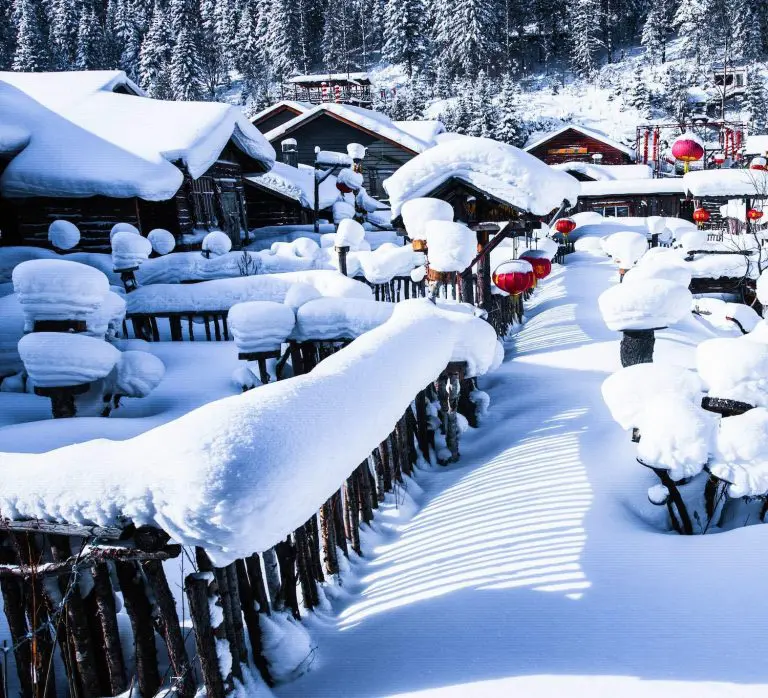
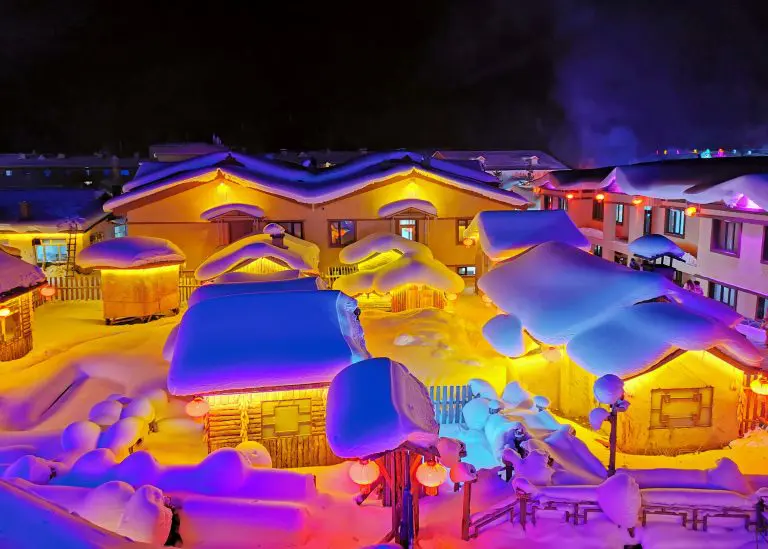
This 5 day Harbin Ice Festival Tour and China Snow Town trip combines the magical ice sculptures of the Harbin Ice and Snow Festival with the fairytale landscapes of China Snow Town. A perfect winter adventure to experience snow, culture, and the joy of the season in northeast China.