
Visiting Tibet in November
Visiting Tibet in November offers a special experience, different from other months. This time marks the beginning of winter in Tibet, which means fewer tourists and a quiet atmosphere. Although it’s cold, especially at night, the days are often clear and sunny, giving excellent views of the mountains and landscapes. The clear skies also make it a fantastic time for photography.
If you plan to visit in November, it’s important to dress warmly, especially if you want to explore remote areas or go on hikes. The temperatures can drop below freezing.
Visiting in November can also save you money since it’s the off-season and prices for hotels and tours are usually lower. Plus, you can see some local Buddhist festivals, which can add a unique cultural experience to your trip.
Overall, November is a great time to see Tibet if you like cooler weather and fewer crowds, and if you’re interested in experiencing its nature and culture up close.
Here you can read when is the best time to visit Tibet.
Weather in Tibet in November
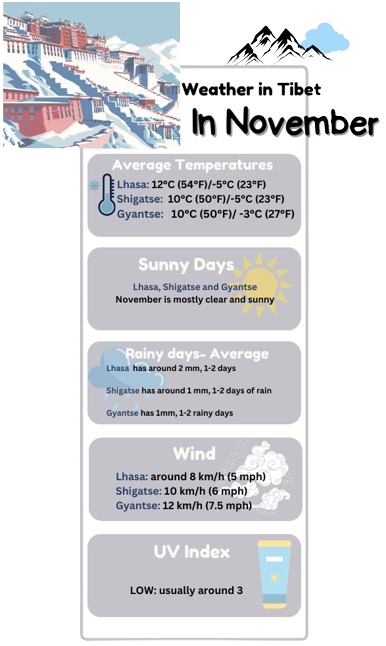
In November the winter is already here in Tibet. The daily average temperatures are between 6°C to 12°C (43°F to 54°F), however, it gets much colder at night, and temperatures can easily drop below freezing.
The weather is cold, but the sky is clear. Because it’s so clear, temperatures can drop quickly once the sun goes down. Snow is also possible, especially in higher areas, and it gets colder as the month goes on.
The wind in Tibet can make it feel even colder than it is, so if you’re planning a trip in November, make sure to pack warm clothes. This includes layers, a good winter jacket, hats, gloves, and thermal wear to keep warm during your visit.
Weather in Lhasa in November
Average Temperatures: Daytime highs are around 12°C (54°F), and nighttime lows can drop to about -5°C (23°F).
Sunny Days: November is mostly clear and sunny, with abundant sunshine throughout the month.
Snowfall: In November, Lhasa typically experiences very light snowfall. On average, the total snowfall for the month is about 1-2 centimeters.
Wind: The wind speed can vary but typically averages around 8 km/h (5 mph), occasionally gustier.
UV Index: The UV index in November is generally low, averaging around 3, due to the lower angle of the sun and shorter daylight hours. However, the high altitude can intensify UV exposure, so protection is still recommended.
Shigatse
Here’s the typical November weather for Shigatse:
Average Temperatures: Daytime highs average around 10°C (50°F), while nighttime lows can go down to -5°C (23°F).
Sunny Days: November is predominantly sunny with lots of clear skies.
Snowfall: Shigatse is located at a higher altitude, so it tends to have slightly more snowfall than Lhasa. The average snowfall in November is around 3-5 centimeters. The snowfall is generally light and intermittent, contributing to the colder, dry winter atmosphere
Wind: Average wind speeds in November are around 10 km/h (6 mph), with occasional gustier days.
UV Index: The UV index for November in Shigatse is generally low, around 3, but due to the altitude, proper sun protection is still necessary.
Gyantse Weather in November
Here’s the typical November weather for Gyantse, which is slightly different from Lhasa due to its higher altitude and location:
Average Temperatures: Daytime highs are around 10°C (50°F), and nighttime lows often drop to -3°C (27°F).
Sunny Days: The month is generally sunny with clear skies most of the time.
Snowfall: Gyantse is similar to Shigatse in climate, and also experiences light snowfall in November. The average snowfall is approximately 2-4 centimeters. The weather remains quite cold, and snowfall, while present, is usually not heavy enough to cause significant accumulation
Wind: The average wind speed in Gyantse during November is about 12 km/h (7.5 mph), and it can be windier on some days.
UV Index: Similar to Lhasa, the UV index in Gyantse is low at around 3, but due to its elevation, sun protection is advisable.
What to pack for your trip to Tibet in November
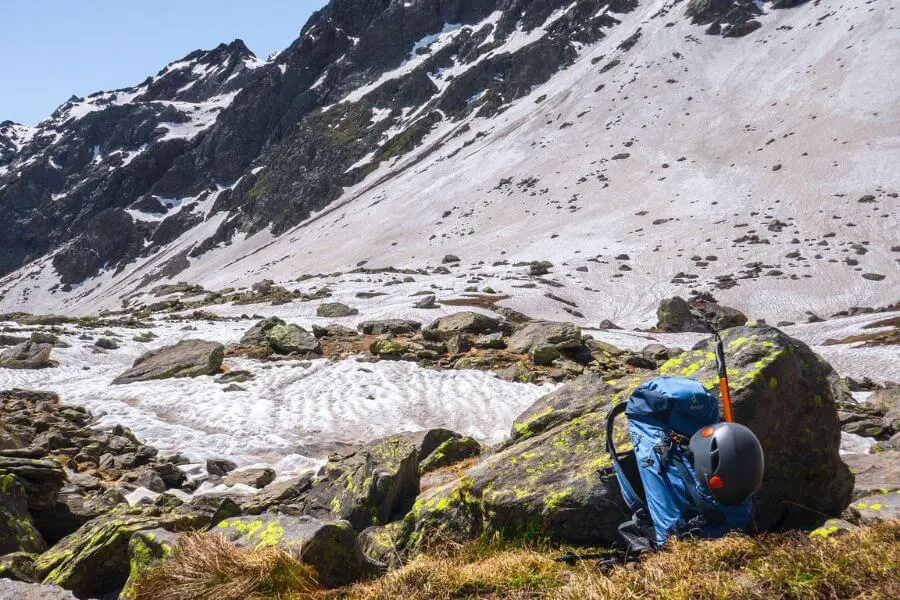
Packing for a trip to Tibet in November requires careful consideration due to the cold weather and variable conditions. Here’s a list of essentials to bring along:
Warm Clothing: Layering is key in Tibet. Pack thermal underwear, fleece layers, and woolen sweaters to stay warm.
Insulated Jacket: A good quality, windproof, and waterproof insulated jacket is essential to protect against cold winds and occasional snow.
Hat, Gloves, and Scarf: A warm hat, a pair of gloves, and a scarf will help protect against the cold, especially during windy days.
Sturdy Footwear: Waterproof and insulated hiking boots are crucial for keeping your feet warm and dry, whether you’re walking around town or venturing into the countryside.
Sunglasses and Sunscreen: The high altitude and reflection from any snow can increase UV exposure, making sunglasses and sunscreen (SPF 30 or higher) must-haves.
Lip Balm and Moisturizer: The cold, dry air can chap lips and dry out skin, so bring lip balm and a good moisturizer.
Daypack: A comfortable daypack is useful for carrying water, snacks, extra layers, and other essentials while exploring.
Water Bottle: Staying hydrated is important in a dry, high-altitude environment. Consider a thermos for keeping liquids warm.
Medications and First Aid Kit: Include any personal medications, altitude sickness medication (like acetazolamide), and a basic first aid kit.
Travel Documents: Don’t forget your passport, visa, and any necessary travel permits for Tibet.
What to Visit in Tibet in November
Because of the cold weather in Tibet in November, we advise you to visit attractions that are in the cities or around them, like Lhasa the capital of Tibet.
Visit Potala Palace in Lhasa
Potala Palace is a must-visit attraction for so many reasons, here are some of them:
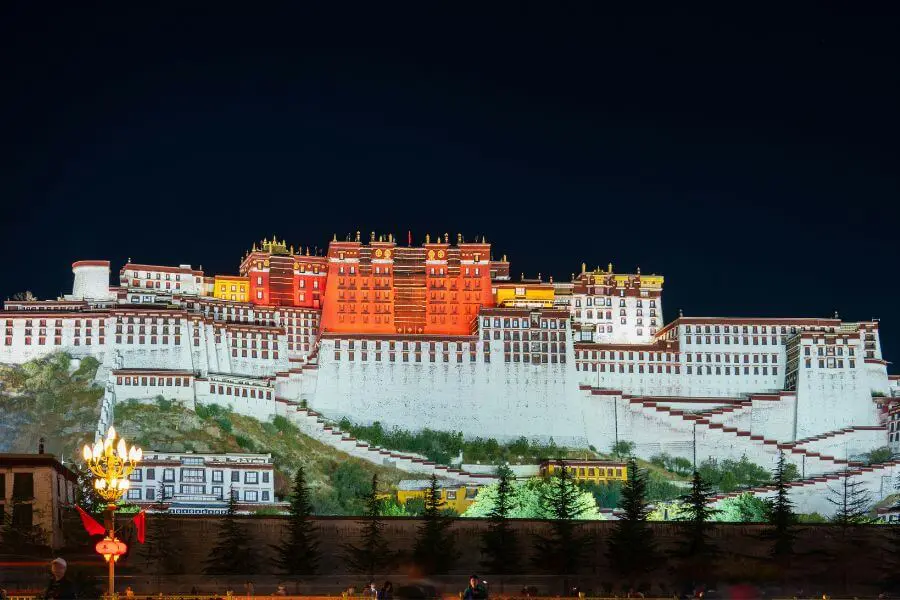
Rich History: Built in the 7th century by King Songtsen Gampo and later the winter home of the Dalai Lamas since the 17th century, the palace is a key part of Tibet’s history and its connection to Tibetan Buddhism.
Potala Palace has Impressive Architecture: Sitting high on Marpo Ri Hill, the palace towers over the Lhasa Valley. Its design showcases a mix of Tibetan and Chinese styles and is known for its massive walls and decorative details.
Cultural Importance: Inside, you’ll find thousands of rooms filled with ancient Buddhist statues, old scriptures, and historical artifacts that tell the story of Tibet.
What Makes the Palace Unique
Location and Views: Its position provides stunning views over Lhasa and the mountains around, making it visually spectacular.
Art and Murals: The palace walls are covered with beautiful murals that depict Tibetan history and mythology and are decorated with gold and jewels.
Dalai Lamas’ Tombs: The palace houses the ornate tombs of several past Dalai Lamas, which are both spiritually significant and artistically impressive.
Construction: The building is remarkably made without nails or iron bars, with walls that are thicker at the bottom and thinner at the top, which helps it resist earthquakes.
Cultural Mix: The palace is a blend of Indian, Tibetan, and Chinese architectural influences, symbolizing the coming together of different cultures.
Jokhang Temple in Lhasa
The Jokhang Temple in Lhasa is a key site for Tibetan Buddhism and offers a deep cultural experience, making it a must-visit for tourists. Here are the reasons why many tourists visit the Jokhang Temple, even if they are not pilgrims.:
Spiritual Heart: The Jokhang Temple is the most sacred temple in Tibet, making it the top pilgrimage spot for Tibetan Buddhists.
Historical Importance: Established in the 7th century by King Songtsen Gampo, the temple was built to house important Buddha statues, linking it closely with the beginnings of Buddhism in Tibet.
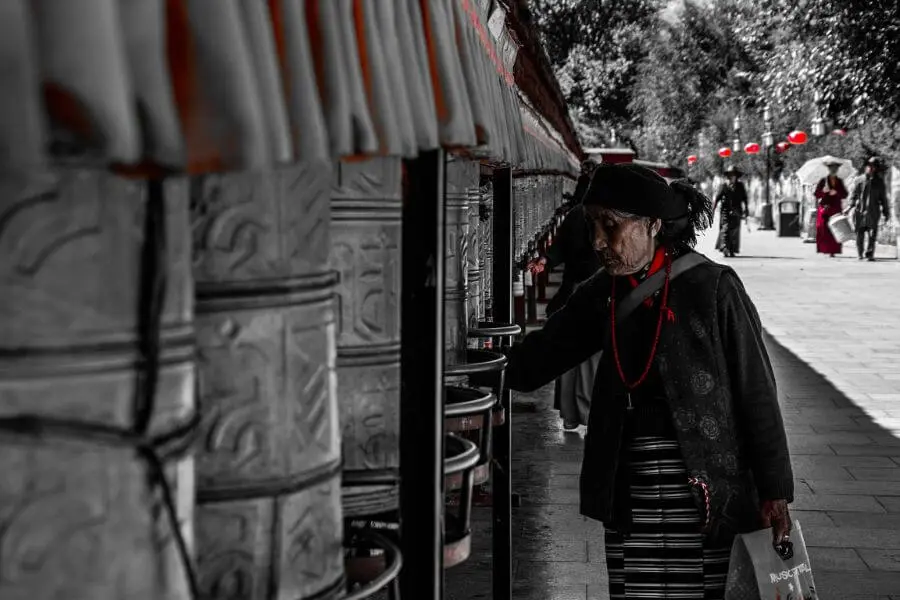
Cultural Experience: Here, you can see daily religious activities, with pilgrims praying and performing rituals. It’s a place to observe and learn about Tibetan religious practices up close.
Architectural Charm: The temple combines design elements from India, Tibet, and Nepal, making it visually stunning. Its elaborate wood carvings and golden roofs are particularly striking.
What Makes the Temple Unique:
Central Location: Located in Barkhor Square, the temple is surrounded by lively streets and markets where you can shop for traditional Tibetan crafts.
Jowo Rinpoche Statue: Inside the temple, you’ll find the Jowo Rinpoche, a highly revered statue representing Buddha at age 12. This statue is considered the most sacred in all of Tibet.
Mixed Design: The temple’s architecture is a blend of different styles, reflecting the various cultural influences throughout its history. From its rooftops, you can enjoy beautiful views over Lhasa.
Festivals: The Jokhang is the center for many Buddhist festivals, including the colorful Monlam Prayer Festival, featuring prayers and religious dances.
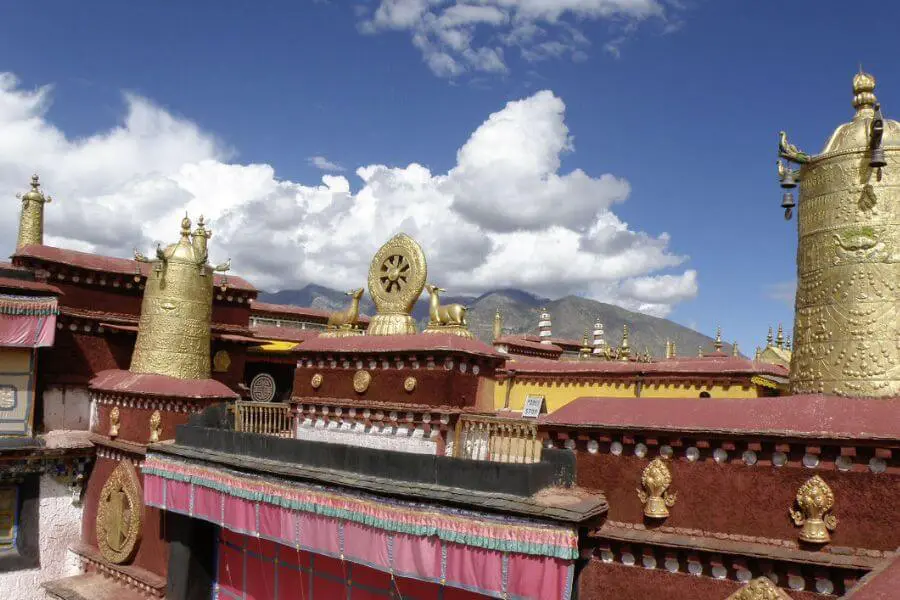
Barkhor Street
Barkhor Street and Square are at the center of life in old Lhasa, surrounding the Jokhang Temple and bustling with both religious and commercial activity.
What to Know About Barkhor Street and Square:
Religious Heart: Barkhor is a key spiritual area where many Tibetan Buddhists perform kora, which involves walking in a clockwise direction around the Jokhang Temple as a religious practice.
Lively Market: The streets here are alive with a market atmosphere, featuring narrow alleys lined with vendors and shops. You can find all sorts of items for sale, from Tibetan crafts and religious items to jewelry and traditional clothes. It’s the perfect place to buy souvenirs and see local commerce in action.
Traditional Architecture: Walking through Barkhor, you’ll see lots of traditional Tibetan buildings with intricate decorations, colorful windows, and wooden balconies. This area shows the old style of Tibetan architecture, giving a visual contrast to the newer parts of the city.
Local Cuisine: The area is filled with teahouses and small restaurants where you can sample local dishes like tsampa (barley flour), butter tea, and various Tibetan noodles and dumplings. These spots offer a chance to try traditional Tibetan food.
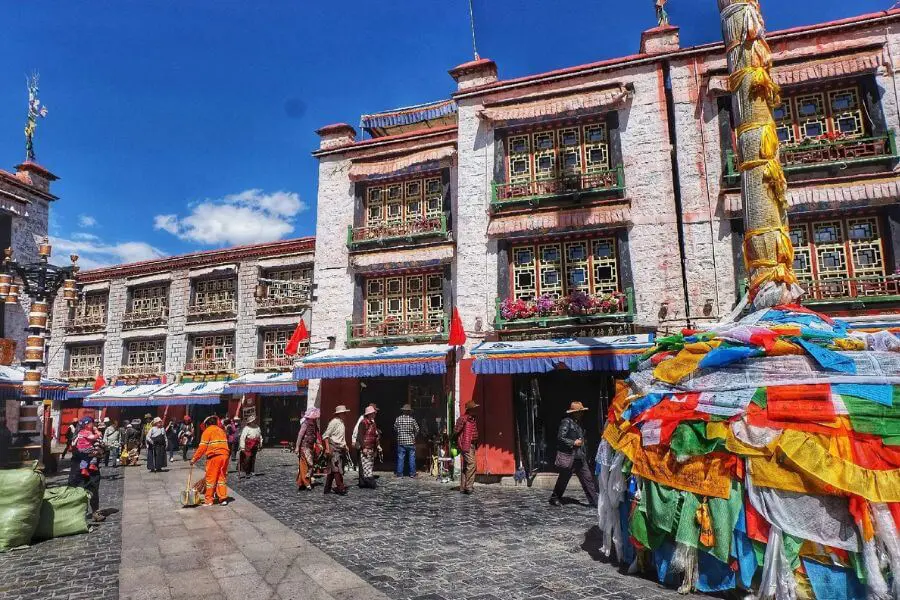
Please respect the pilgrims going to the Johkang Temple, they are praying for everyone, including tourists. They believe that the more they suffer, the less all living beings will suffer.
Final Words
Visiting Tibet in November gives you another level of perspective for believers, prayers, and what the holy city means. Because of the cold weather, in Lhasa, there are fewer tourists this month, so if you decide to travel in November to Tibet, you will experience a tranquil and peaceful time in Lhasa. Also, November is low season, so on your trip, you can save money for your tour and stay in a hotel.
If you are prepared for a different type of adventure, then pack your bags and we are expecting you in Tibet in November.
Related tours
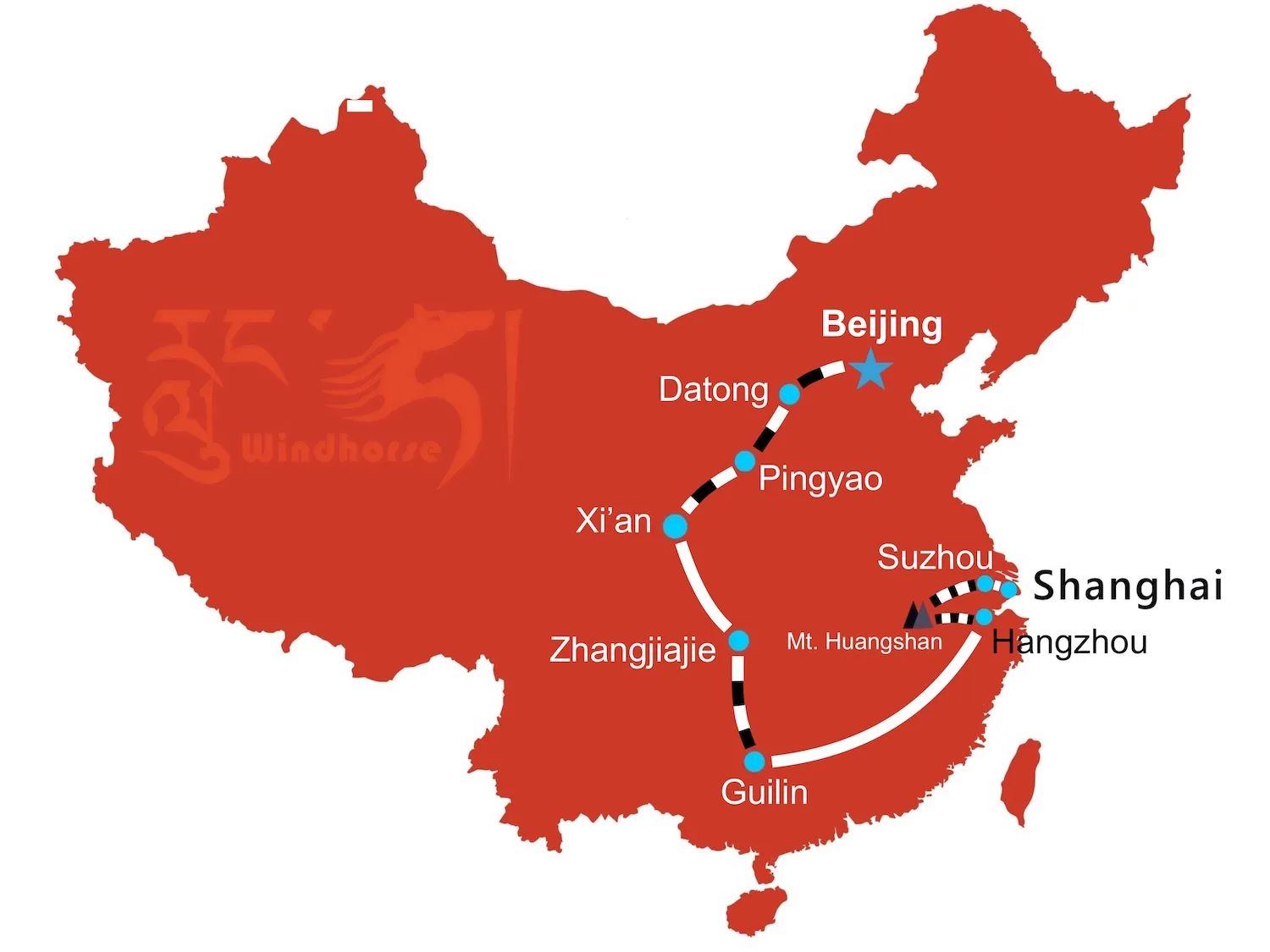
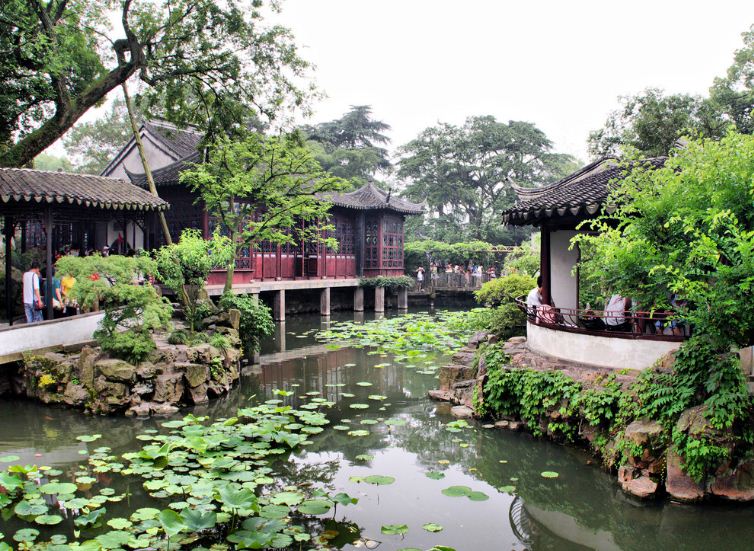
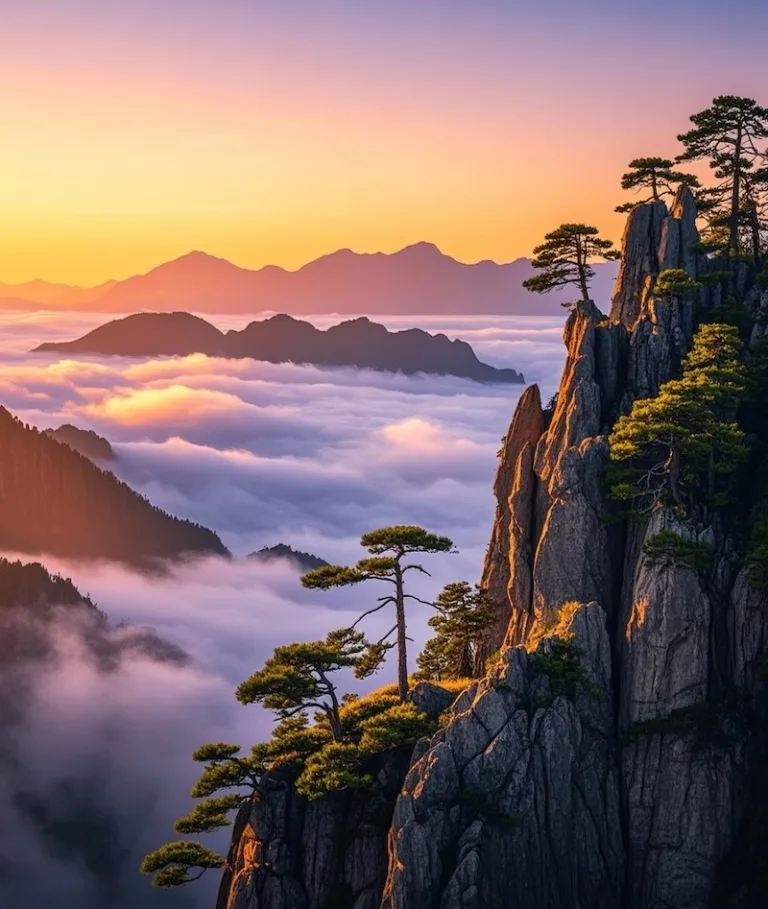
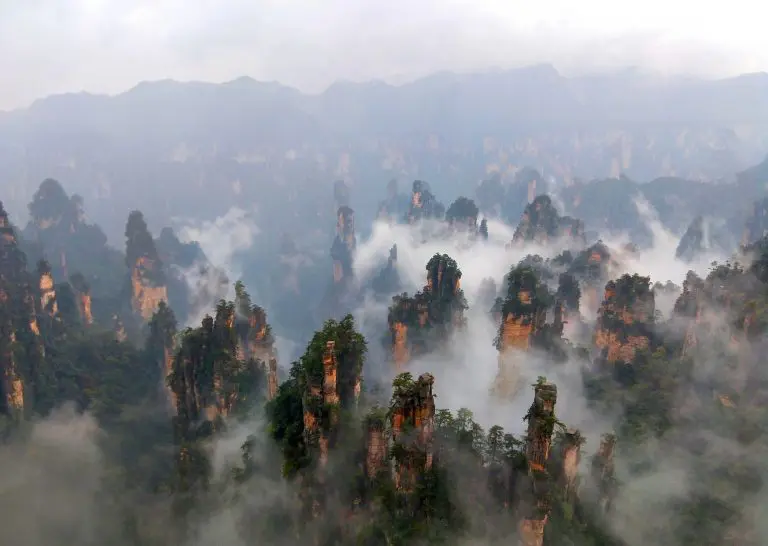
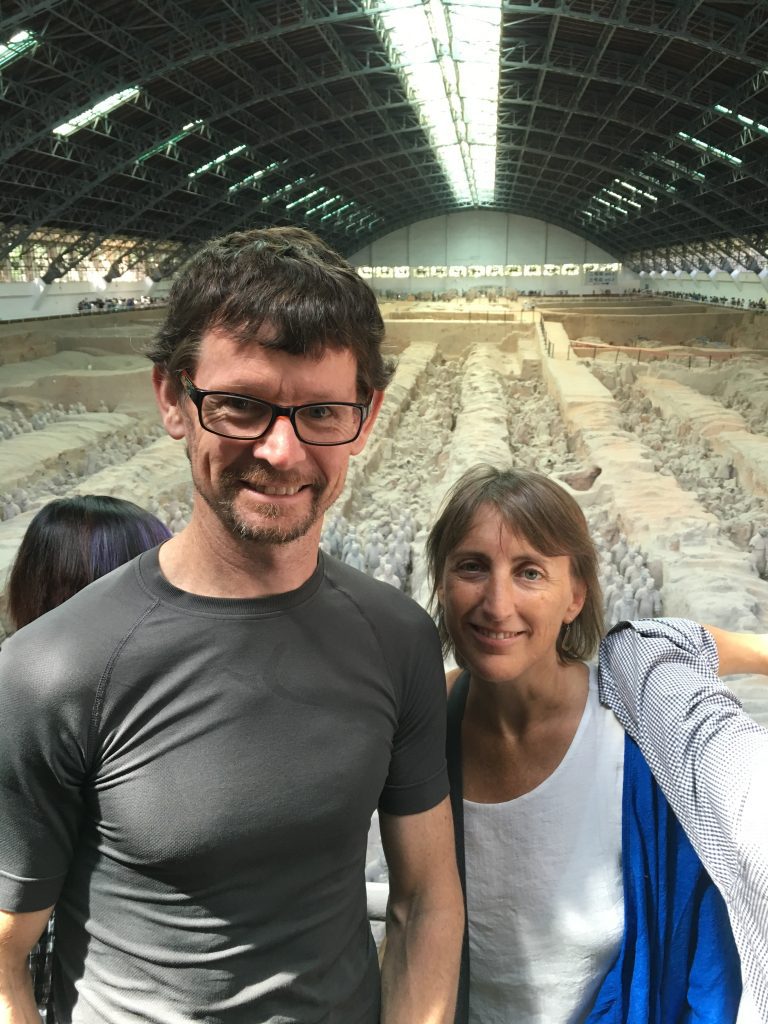
This 3 week China tour from Shanghai to Beijing connects the country’s most important cultural heritage sites with its iconic natural landscapes including Suzhou, Huangshan, Hangzhou, Guilin, Zhangjiajie, Xi’an, Pingyao, and Datong.


Begin your train journey in the multinational city-Xining, Qinghai province. This Tibet train tour offers you a once in a lifetime chance to relax in these breathtaking spots including Qinghai Lake, the Potala Palace and more.
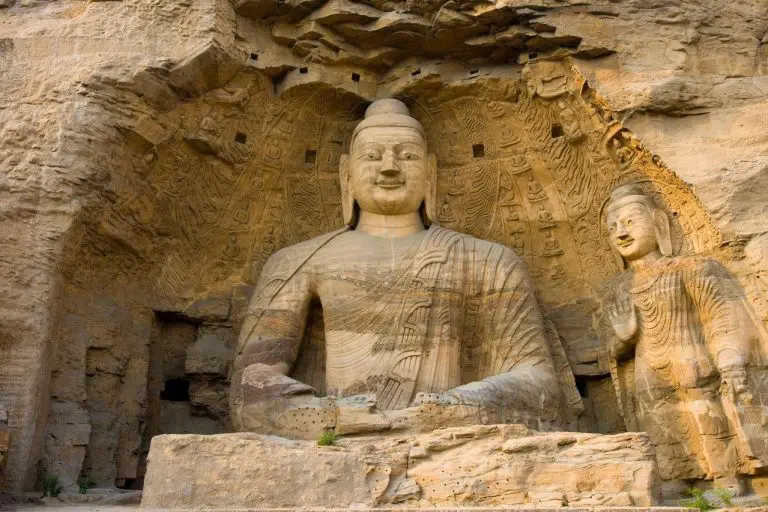
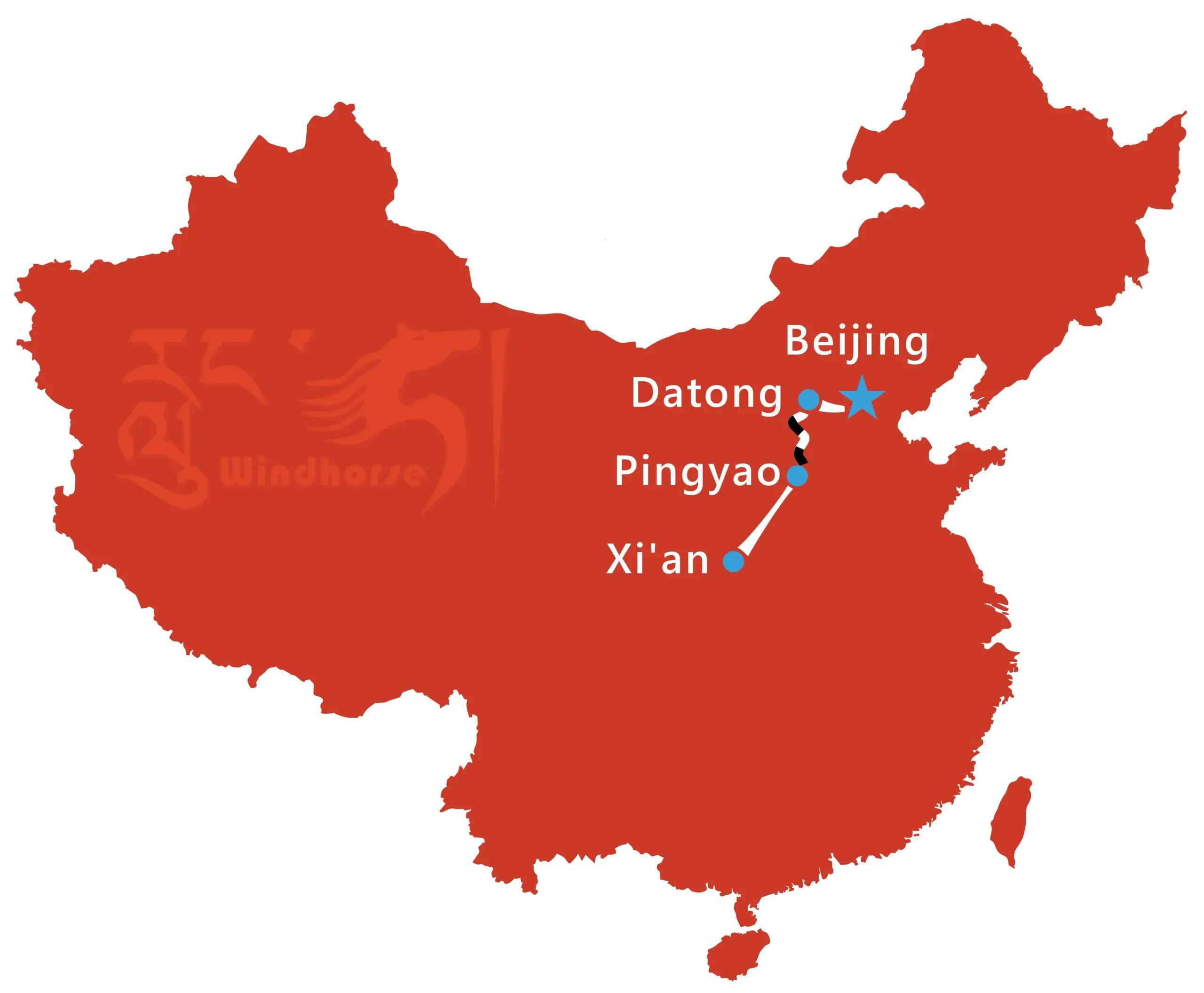
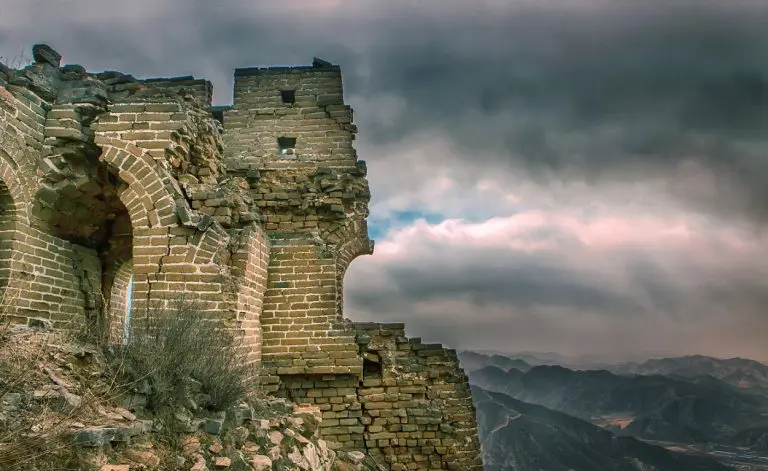
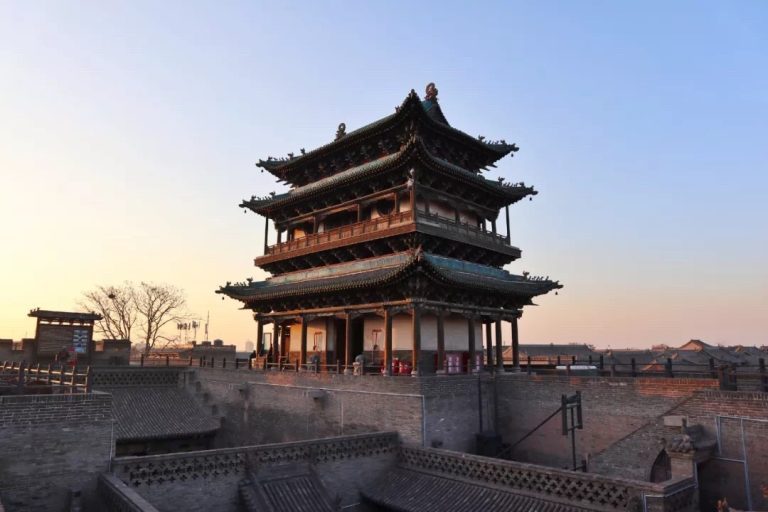
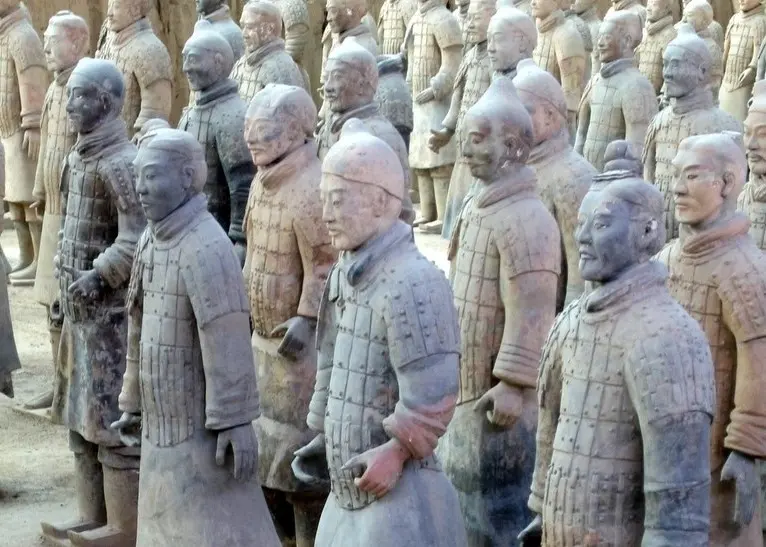
Explore Beijing, Datong, Pingyao and Xi’an on this cultural China tour. Visit the Great Wall, Yungang Grottoes, Hanging Temple, Pingyao Ancient City and the Terracotta Warriors, traveling comfortably by train between historic cities.