
Kham Tibetan Region: A Cultural and Historical Introduction
Kham has long been regarded as one of the most dynamic and distinctive parts of the Tibetan world. Unlike the centralized authority of Lhasa in Central Tibet or the wide-open grasslands of Amdo, Kham developed its own identity—fiercely independent, spiritually diverse, and deeply tied to its rugged landscapes.
For centuries, this was a land of warrior tribes, thriving monasteries, and caravan trade routes. Politics shifted between dozens of small kingdoms, religion flourished in many forms, and its people became renowned across Tibet as skilled horsemen and resilient survivors. Today, Kham continues to embody this blend of strength and spirit, standing as a cultural heartland where history, spirituality, and the natural world remain inseparable.
Table of Contents
Defining Kham: Geography and Scope
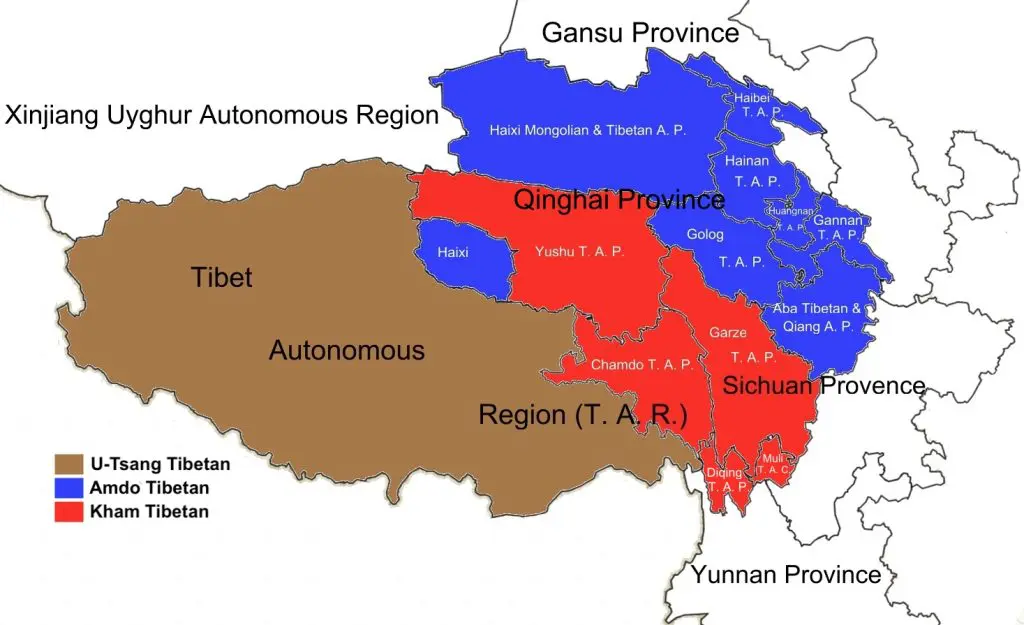
Kham is one of the three great historical regions of Tibet, alongside Ü-Tsang (Central Tibet, centered on Lhasa) and Amdo (northeastern Tibet). Traditionally known as Chushi Gangdruk, meaning the “Four Rivers and Six Ranges”, the name reflects the geography that defines it.
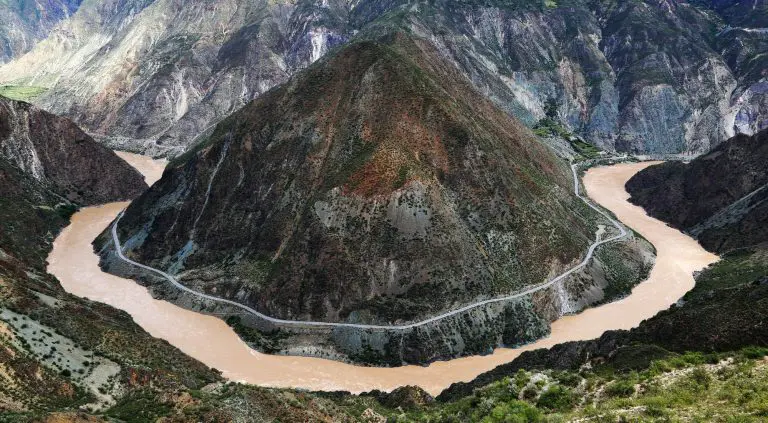
The region is carved by the Hengduan Mountains, a chain of towering ridges running north to south, separated by immense gorges and river valleys. Four of Asia’s greatest rivers rise or flow through Kham:
• Yangtze River (Jinsha) – Asia’s longest river, rising on the plateau.
• Mekong River (Lancang) – flowing south into Southeast Asia.
• Salween River (Nujiang) – One of the last major undammed rivers in the world.
• Yalong River – a major tributary of the Yangtze.
This rugged geography of steep passes, fertile valleys, and alpine grasslands has made Kham one of the most ecologically diverse parts of Tibet.
Today, Kham is not a single administrative unit but spread across four provinces:
• Sichuan Province – Garze and parts of Aba Tibetan Autonomous Prefectures.
• Qinghai Province – Yushu Tibetan Autonomous Prefecture.
• Yunnan Province – Diqing Tibetan Autonomous Prefecture.
• Tibet Autonomous Region (TAR) – Chamdo, Nagchu, and parts of Nyingchi.
Altogether, Kham covers about 924,000 km² (356,000 mi²), roughly the size of France, and is home to around 2 million people.
A History of Independence and Fragmentation
Unlike Central Tibet, governed for centuries from Lhasa, Kham was never fully unified. From the 10th century until the mid-20th century, it remained politically fragmented into dozens of small kingdoms and local chiefdoms, including Derge, Chakla, Lingtsang, Nangchen, and Lhatok. Each had its own rulers and often clashed with neighbors, reinforcing the Khampa reputation for resilience and independence.
Religion further distinguished the region. While Lhasa became the stronghold of the Gelugpa (Yellow Hat) school, Kham nurtured the older Buddhist traditions of Nyingma, Kagyu, and Sakya, along with pockets of the ancient Bön religion, particularly in the Kongpo region of Nyingchi. This diversity gave Kham one of the most varied spiritual landscapes in Tibet.
In the 20th century, China created Xikang Province (1939) with Kangding (Dartsendo) as its capital. It was short-lived: dissolved in 1955, with most of its territory merged into Sichuan, forming today’s Garze Tibetan Autonomous Prefecture. Despite such divisions, Kham is still recognized as one of Tibet’s three great cultural regions.
The Khampa People: Life, Identity, and Traditions
The people of Kham, known as Khampas, are among the most distinctive Tibetans, admired for their resilience, independence, and strong cultural identity. Shaped by the region’s rugged geography and diverse ecology, their way of life, appearance, and traditions set them apart within the Tibetan world.
Ecological and Daily Life
The dramatic shifts in elevation across Kham create two very different lifestyles.
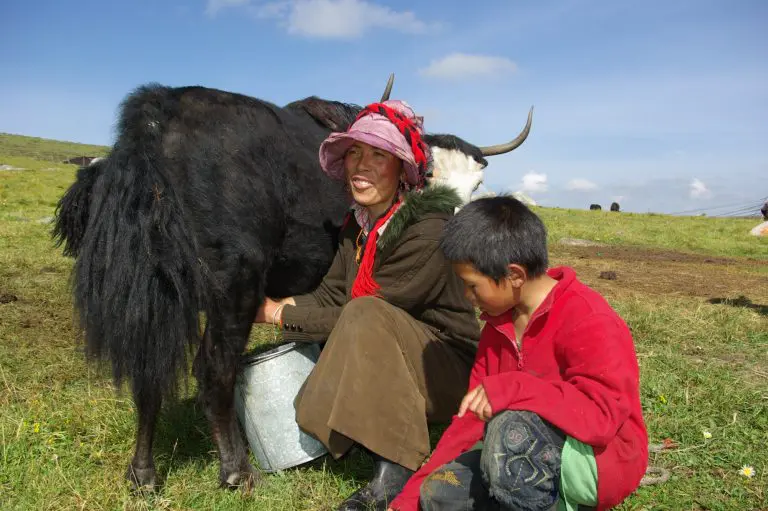
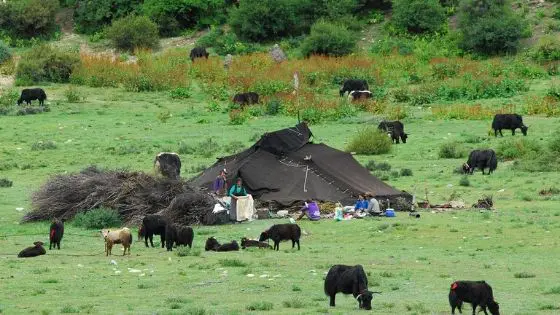
• Nomadic Grasslands (North/West): In Yushu (Qinghai) and Nagchu (TAR), high-altitude plateaus above 4,000 m make farming nearly impossible. Here, Khampas live as pastoral nomads, moving seasonally with their yak and sheep herds to find new pastures. Life is tough, with long, cold winters and reliance on herding for survival.
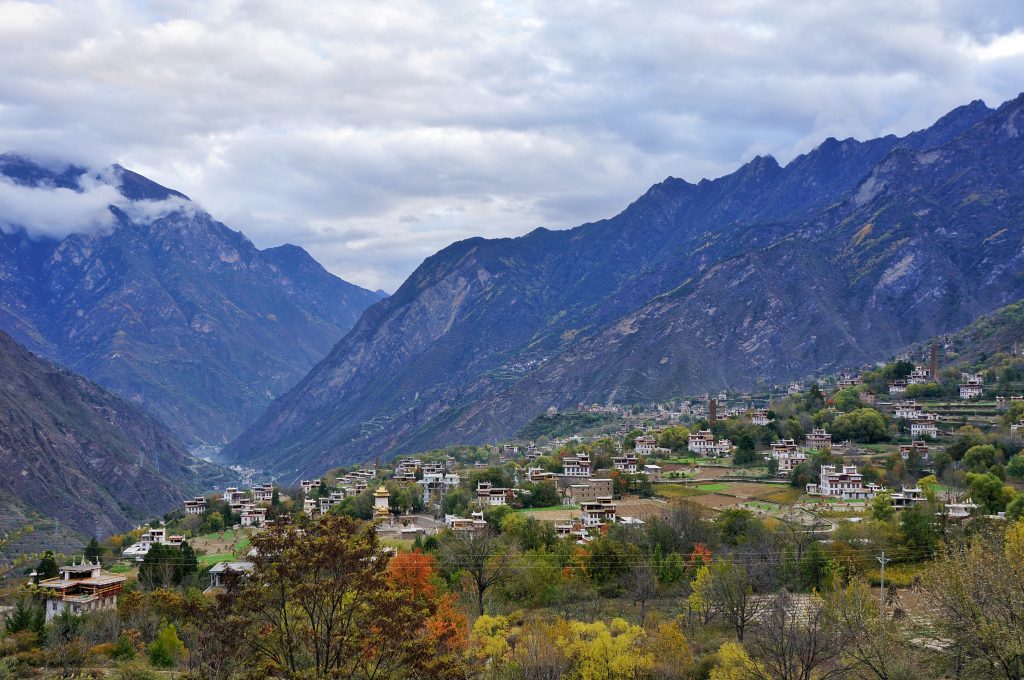
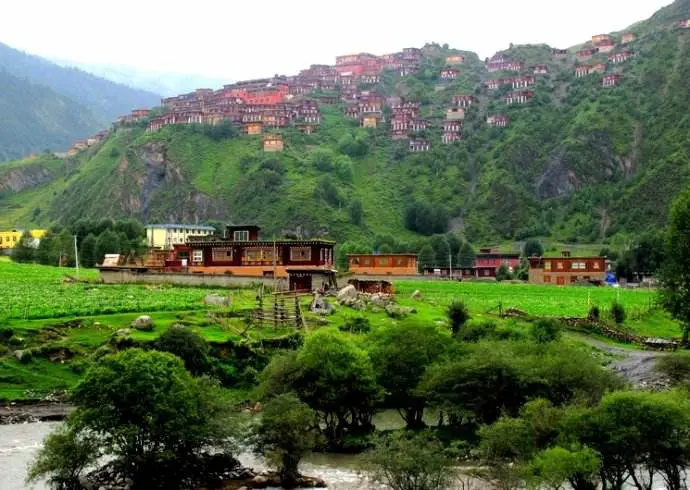
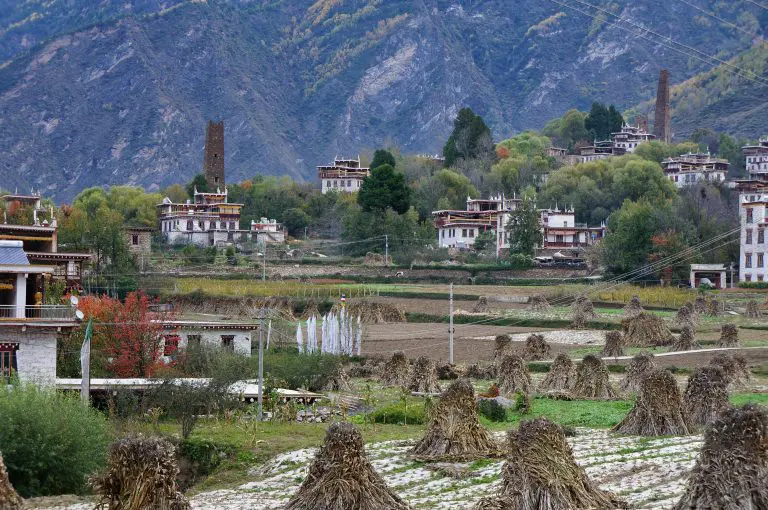
• Fertile River Valleys (East/South): In Sichuan and Yunnan, elevations of 2,800–3,400 m allow for farming. These valleys are home to dense forests, fertile fields, and ornate multi-story wooden houses, especially in places like Danba. Agriculture, crafts, and colorful festivals enrich settled village life in this part of Kham.
Appearance and Language in Kham Tibetan Region
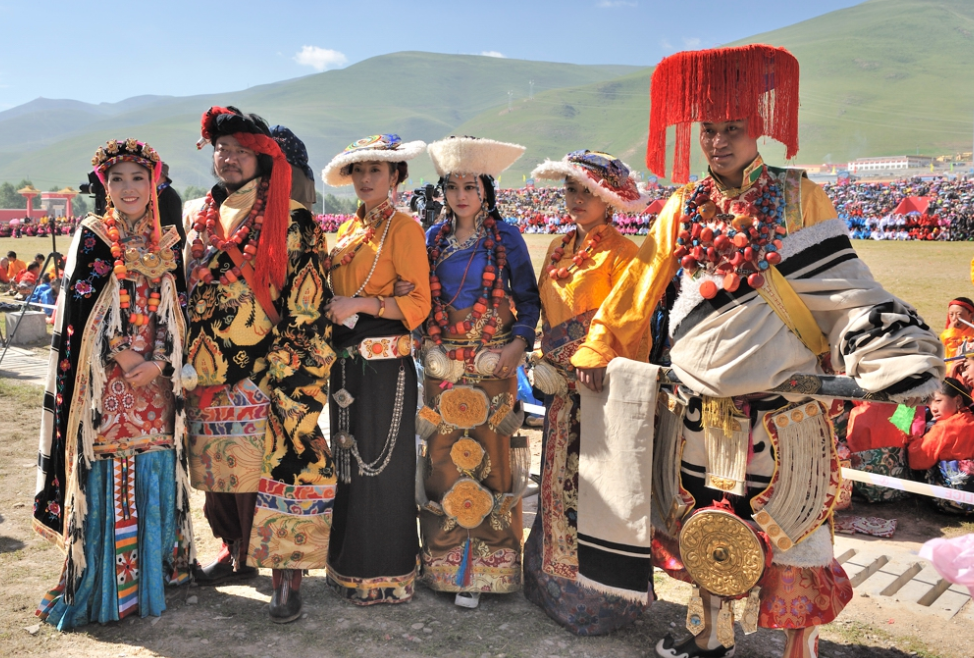
Khampas are instantly recognizable across Tibet. Men traditionally wear voluminous sheepskin or woolen robes (chubas), adorned with bold turquoise, coral, and silver jewelry. A distinctive braid wrapped in red thread and ornate knives carried at the waist remain iconic symbols of their heritage.
Equally distinctive is the Kham dialect of Tibetan, which differs significantly from the Lhasa dialect. Its many regional variations are so pronounced that even neighboring valleys may speak noticeably different forms, further reinforcing Kham’s strong sense of local identity.
Kham Warrior Tradition
Historically, Khampas were feared and respected as warriors. For centuries, tribal rivalries, horseback raids, and the defense of mountain valleys gave them a reputation for toughness and bravery that still defines their cultural pride today.
Kham Horsemanship and Festivals
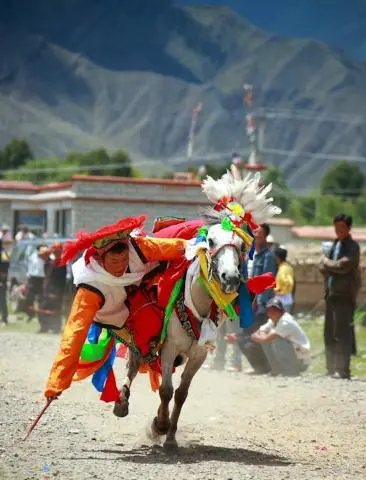
Horses have always been central to Khampa life. Generations have bred powerful mountain horses adapted to the high plateau, and horsemanship remains an important part of their culture. Today, this tradition thrives at major festivals like the Litang Horse Racing Festival in western Sichuan and the Yushu Horse Racing Festival in Qinghai. These gatherings draw thousands of participants and spectators for long-distance races, trick riding, music, dancing, and displays of traditional Khampa dress—celebrations that blend sport, culture, and community pride.
Culture and Spirituality
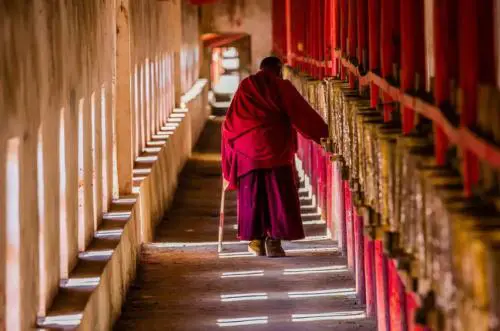
Kham is one of the cultural and spiritual heartlands of Tibet, with monasteries representing all the major schools of Tibetan Buddhism.
Sichuan (Eastern Kham) – The Cultural Heartland of Kham
This region, primarily the Garze (Ganzi) Tibetan Autonomous Prefecture, holds the greatest number of important monasteries and cultural landmarks.
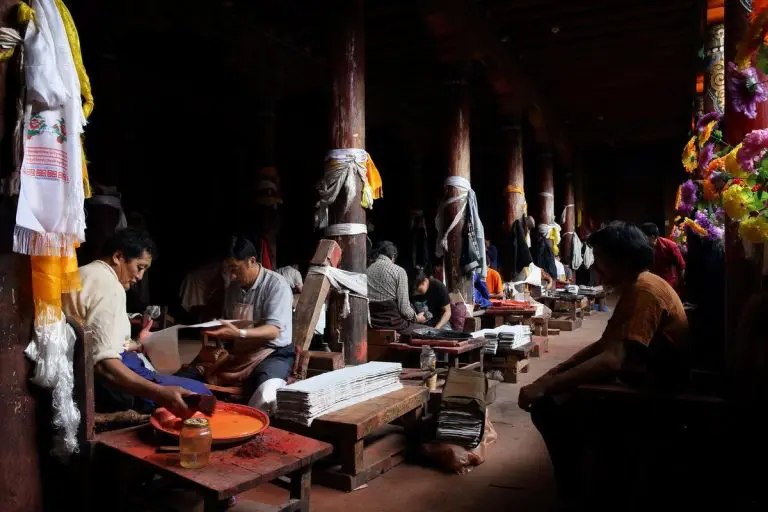
• Derge Printing House (Parkhang) – Considered one of the three great cultural treasures of Tibet. Since the 18th century, it has preserved and printed the entire Tibetan Buddhist canon using thousands of hand-carved woodblocks.
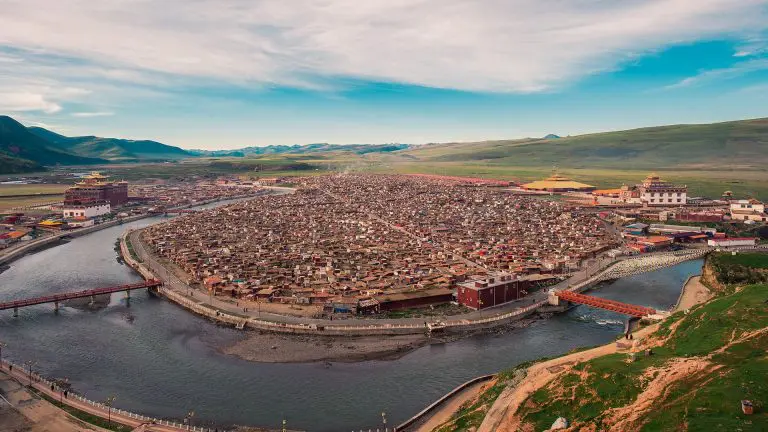
• Larung Gar Buddhist Academy – Located in Sertar, this vast monastic settlement is one of the world’s largest centers for Buddhist study and meditation, especially within the Nyingma tradition.
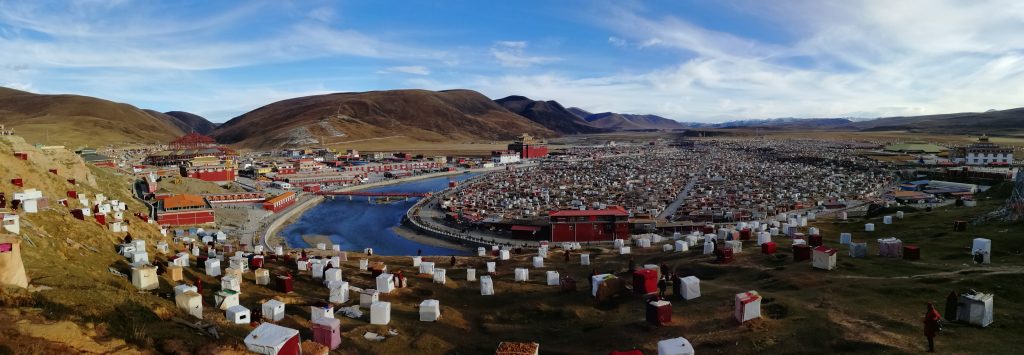
• Yarchen Gar (Yachen Gar) – Sometimes called the “City of Nuns,” it is believed to house the largest community of Buddhist nuns in the world.
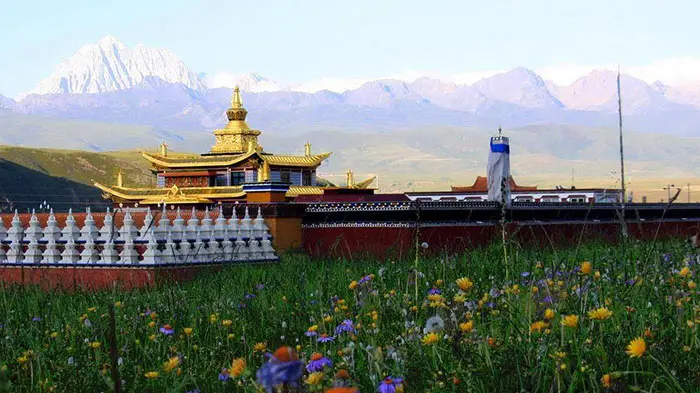
• Tagong Monastery – A major pilgrimage site set against the backdrop of Mount Yala, often referred to as the “Small Jokhang” because of its connection to a sacred image of the Buddha.
• Dzogchen Monastery – Founded in 1675, this is one of the six great Nyingma monasteries and a key center for the study of Dzogchen (“Great Perfection”).
• Dzongsar Monastery – An influential Sakya monastery known for its emphasis on Tibetan medicine, philosophy, and education.
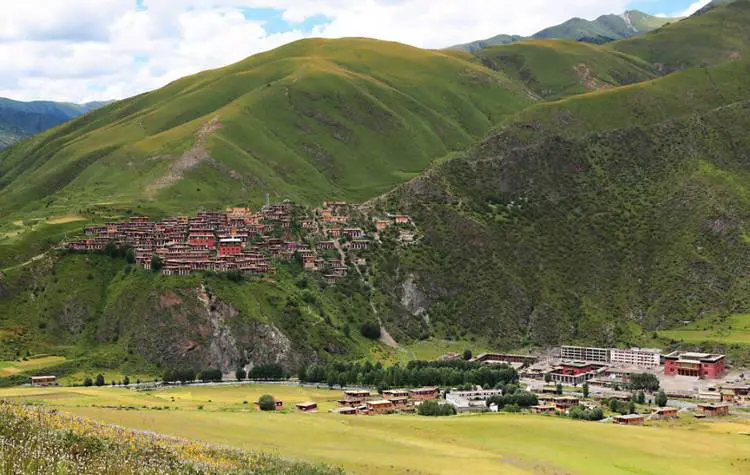
• Danba Tibetan Villages – Famous for their preserved Gyarong Tibetan architecture, featuring ornate multi-story stone houses and striking Diaolou (watchtowers).
Qinghai (Northern Kham) – The Heart of Nomadic Culture
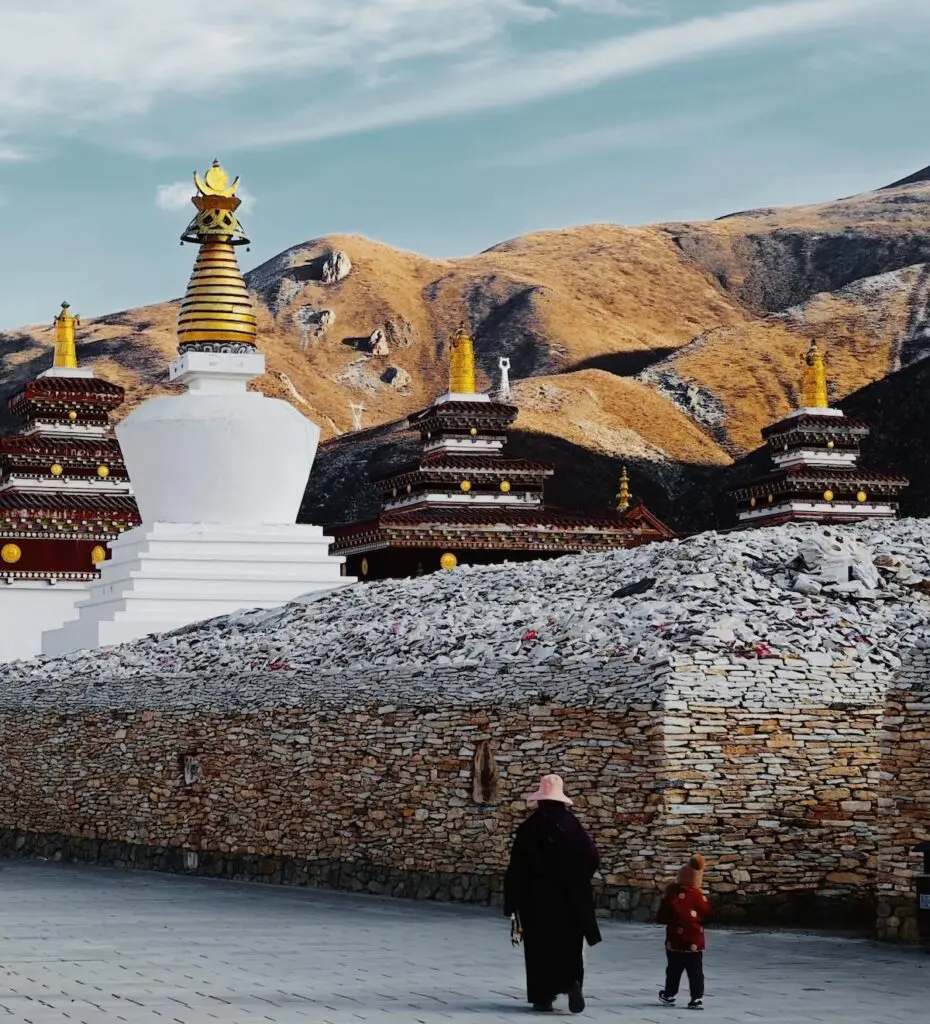
Centered on Yushu Tibetan Autonomous Prefecture, this area is rich in nomadic traditions and monumental sites of devotion.
• The Yushu Gyanak Mani Stone Pile – The largest mani stone field in the world, with more than two billion stones engraved with Buddhist prayers and images, creating a vast landscape of devotion.
• Temple of Princess Wencheng – Said to date back to the 7th century, this temple honors the Tang Dynasty princess who married Tibetan King Songtsen Gampo, symbolizing the cultural union of Tibet and China.
• Yushu Horse Racing Festival – Held annually in late July or early August, this is one of Kham’s largest cultural gatherings, featuring thrilling horse races, traditional Khampa attire, music, and dance.
Yunnan (Southern Kham) – Monastic Grandeur and Sacred Peaks
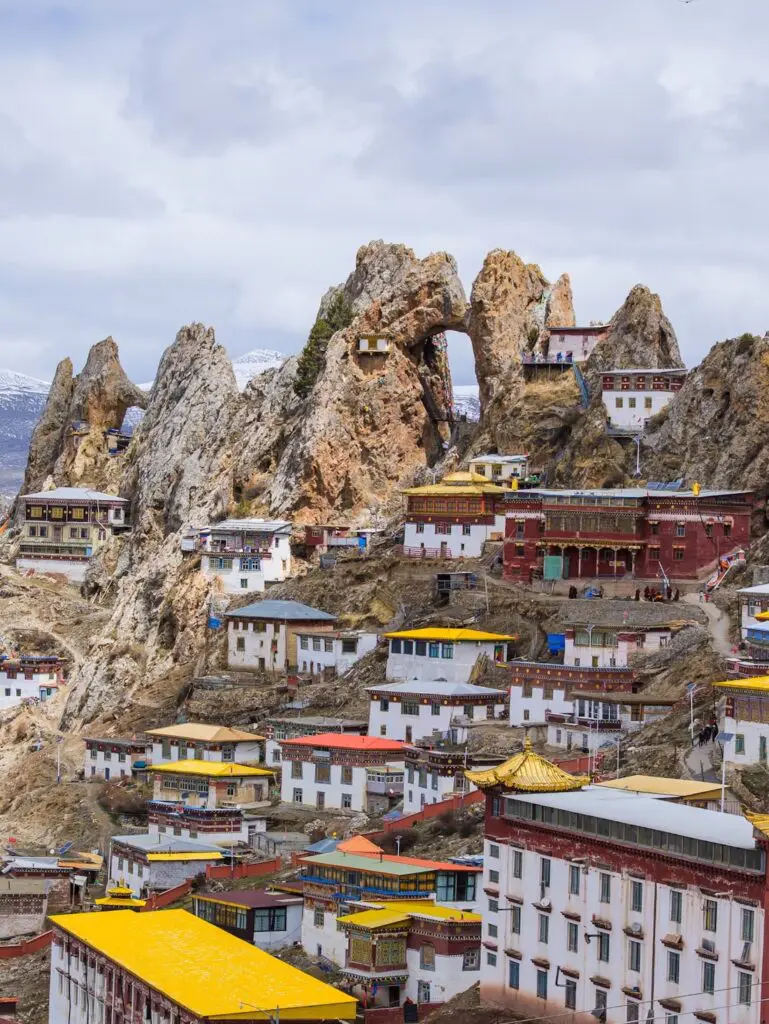
Centered around Shangri-La (Diqing Tibetan Autonomous Prefecture), this area combines important monasteries with sacred mountain landscapes.
• Ganden Sumtseling Monastery – The largest Tibetan Buddhist monastery in Yunnan, founded in the 17th century and often nicknamed the “Little Potala Palace” for its architectural resemblance and cultural significance.
• Meili Snow Mountain (Kawagarbo Peak) – Rising to 6,740 m, Kawagarbo is one of the most sacred peaks in Tibetan Buddhism. It remains unclimbed out of respect for its spiritual sanctity and is the focus of a major pilgrimage kora.
Tibet Autonomous Region (Chamdo Prefecture)
Historically known as “Upper Kham,” Chamdo lies at the meeting point between central Tibet and eastern Tibetan regions. It has long been a religious, cultural, and trading hub, home to influential monasteries and revered natural sites.
• Galden Jampaling Monastery – The largest Gelugpa monastery in Kham, founded in the 15th century by a disciple of Tsongkhapa. Once housing thousands of monks, it played a major role in spreading Gelug teachings throughout eastern Tibet.
• Riwoqe Monastery – Founded in the 13th century, this is one of the oldest monasteries in Chamdo and a key seat of the Taklung Kagyu school of Tibetan Buddhism, still active as a major monastic and pilgrimage center today.
Kham Today: A Living Cultural Landscape
Despite administrative divisions, Kham remains one of Tibet’s most vibrant cultural landscapes. It is a region of contrasts—snow-covered mountain passes and fertile valleys, nomadic herders and settled farming villages, warrior heritage and spiritual devotion.
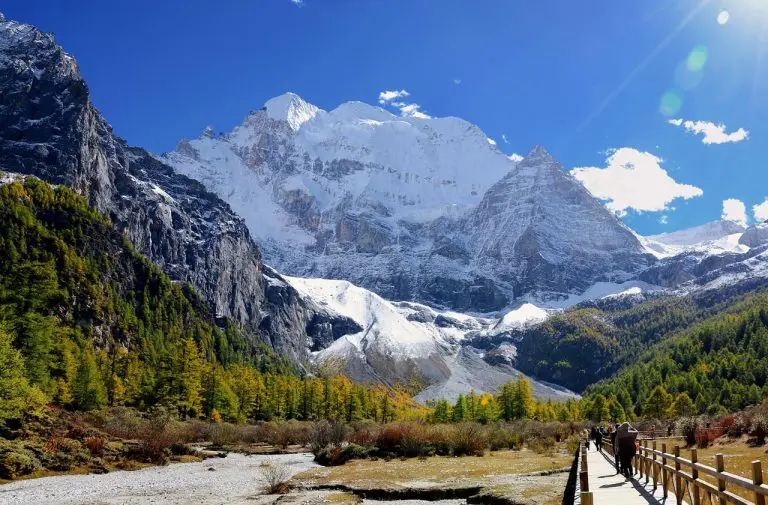
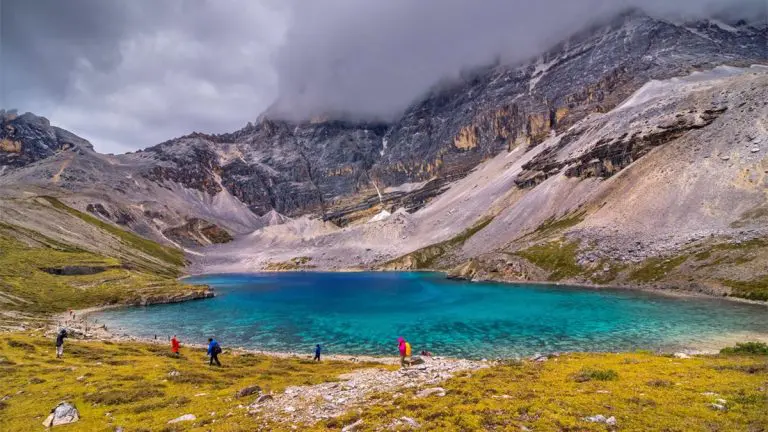
For travelers, Kham offers a chance to experience a Tibet beyond Lhasa. From the sacred peaks of Yading to the beautiful Tibetan villages of Danba, from the excitement of horse festivals in Litang and Yushu to the spiritual treasures of Derge and Mount Meili, Kham presents an unforgettable journey into the heart of Tibetan history, culture, and identity.
For practical travel tips, routes, and permits, see our Ultimate Kham Tibet Travel Guide.
Related tours
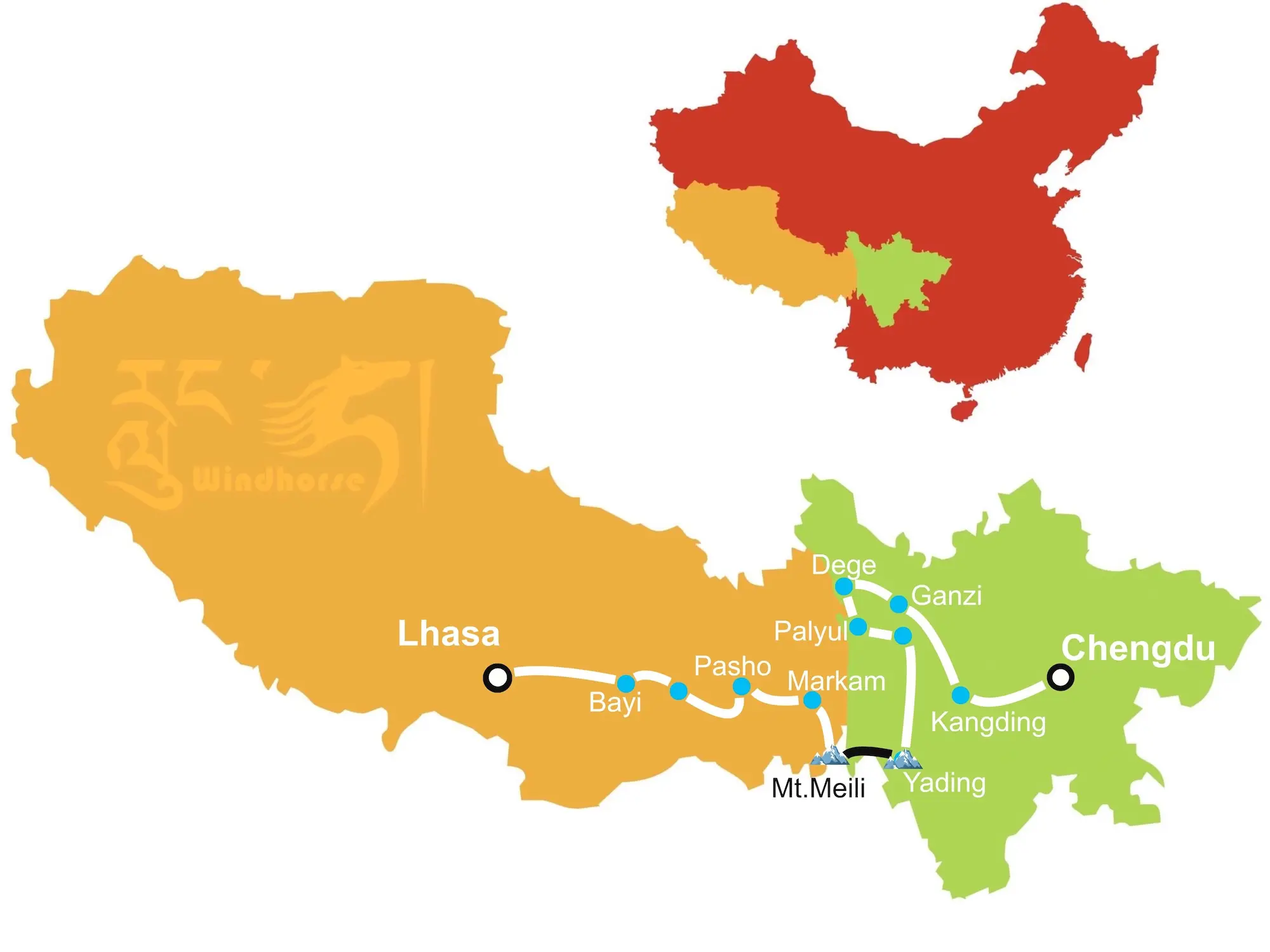
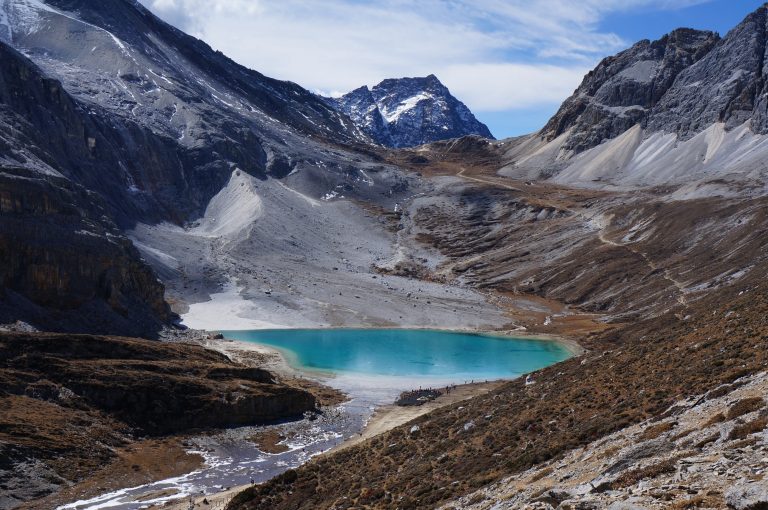
Experience Tibetan Kham culture and landscapes on this 3 week overland journey from Chengdu to Lhasa. Visit sacred monasteries, Daocheng Yading Nature Reserve, and Mount Meili, then follow the Yunnan–Tibet and Sichuan–Tibet Highways (G214/G318) through epic scenery to Lhasa.
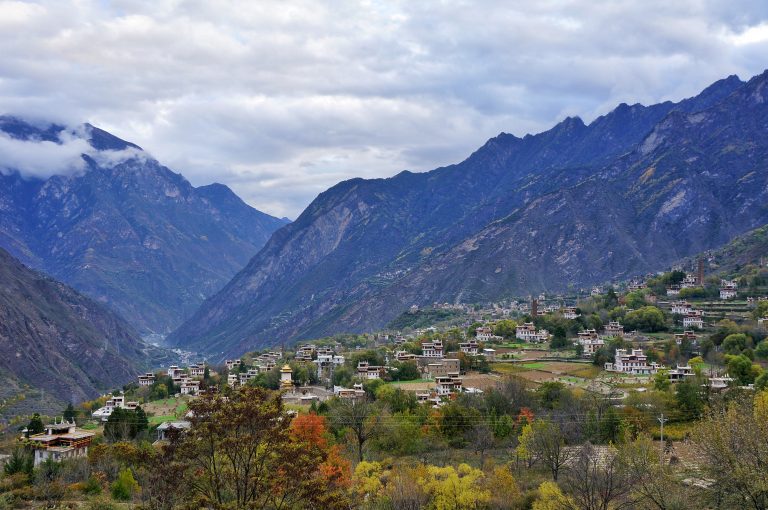

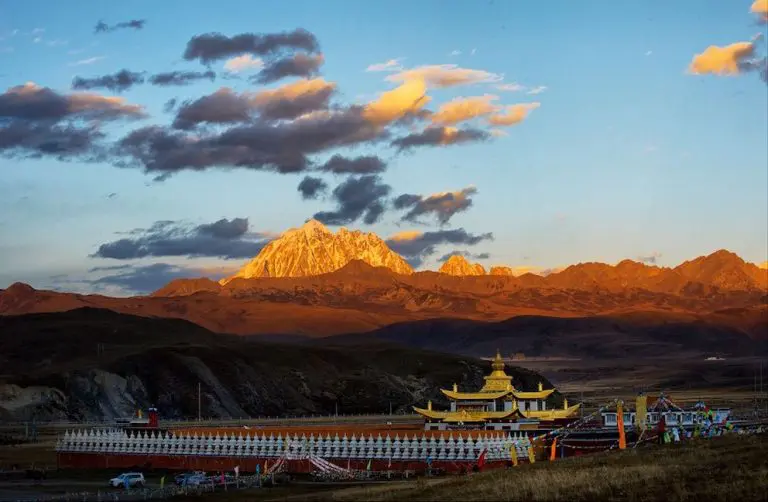
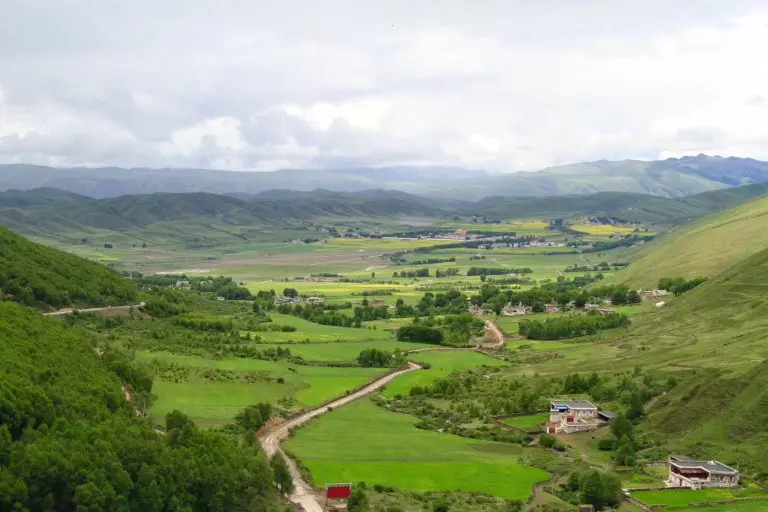
Explore the essence of Kham on this 13-day Western Sichuan Tibet Overland Tour. Journey from Chengdu to Yading via Tagong, Ganzi, and Dege, discovering monasteries, snow peaks, and remote Tibetan villages rich in culture and natural beauty.

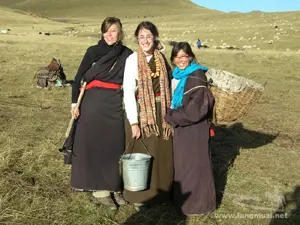
Our 7-day Tagong Nomad Life Experience will ensure you a remarkable journey through the heart of Western Sichuan. It is a tailor-made tour for those seeking a deeper connection with Tibetan nomadic life, culture, nature on Tagong grasslands.
Comments

Gooday,I am from South Africa and want to come Kham Tibetan region please. .I travel on a British passport a.

Dear Pamela,
This is Jenny from WindhorseTour. Thank you very much for your interest in our services!
Your proposed travel plan is absolutely feasible. As requested, I’ve prepared and sent the detailed itinerary to your email for your review. Please have a look at your convenience.
I look forward to hearing your thoughts and would be happy to make any adjustments based on your preferences.
Best regards,
Jenny