
Tibetan Taboos: What Not to Do in Tibet
Tibet is a land of profound Buddhist traditions, sacred rituals, and unique cultural customs. Many Tibetan taboos originate from religious beliefs, local customs, and centuries of deeply rooted values. While these customs may vary by region or monastic community, they all emphasize respect for the sacred, cleanliness, and appropriate social conduct. Whether you’re a traveler or a long-term visitor, understanding what is considered taboo in Tibetan culture can help you avoid offense and build deeper, more respectful connections. This guide highlights key Tibetan taboos to help you navigate this remarkable culture with awareness and care.
Taboos Related to Religion
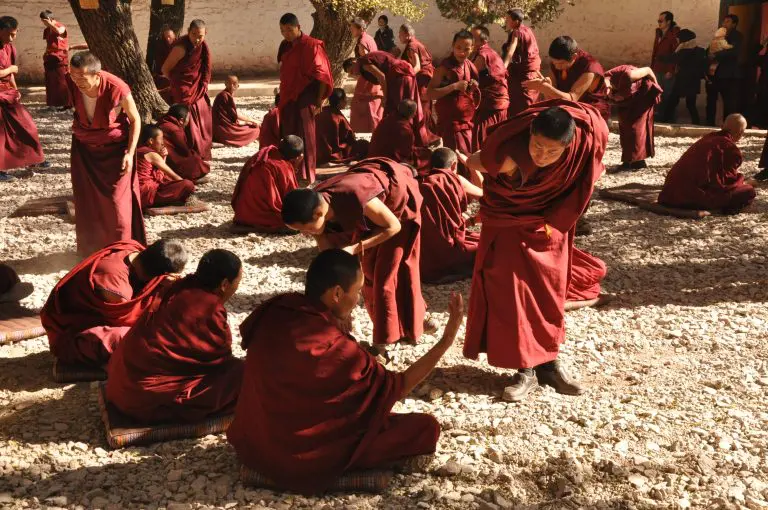
- A monastery cannot be entered without permission. Once inside a monastery, people should not smoke or take photos. Statues of deities and books of scriptures should not be touched. Stepping over a brazier or other holy items must be avoided. During religious ceremonies in the monastery, people should be as quiet as possible.
- When meeting a lama, it is not appropriate to hug him or shake hands with him. It is proper to hold the two hands upright, palms together in front of the chest, and lower the head. It is not wise to talk with them on sensitive topics, such as marriage and the eating of meat.
- Walk clockwise around a monastery, mani stones , pagodas, or other religious structures. Prayer wheels should also be turned clockwise. However, anything of Bon should be circled or turned counterclockwise. It is considered profane to do otherwise.
Indoor Taboos
- When entering a house or a tent, people should avoid stepping on the threshold. And when seated inside, men sit on the left, while women sit on the right. Men and women are not allowed to sit together.
- When someone is ill in a family, a sign will be posted at the gate. Others should not visit during this time. The family with a patient should not throw away garbage of the house at night.
- When it is dark, white items should not be taken out of the house, or else there will be a loss of fortune.
- Whistling in the house is thought to be inauspicious. People whistle when they are exorcising evil spirits.
- It is not good to shovel into a pan, tread on or sit on the kitchen range if it is not for the sake of preparing for a meal.
Taboos at the Table
- The meat of horses, donkeys and dogs is completely taboo. In some regions, even fish, chicken and eggs are forbidden.
- Do not make any noise when eating or drinking.
- When a guest is offered yak butter tea, he should not drink until the host hands the bowl to him with both hands. The guest should also receive it with both hands.
- Do not throw bones into a fire. It is said that it will bring evil spirits.
New Year Taboos
During the Tibetan New Year, people should not sweep the floor. Food with fillings is avoided. People should refrain from quarreling and crying. There should be no mention of negative terms or foul words. Borrowing items in the first days of the New Year means you will be borrowing throughout the whole year.
Other Taboos
- Do not watch a sky burial without permission. If it is allowed, do not take photos.
- People should keep quiet on the top of mountains. It is believed that loud noise will result in heavy snow, storms or hail.
- Women should not shake their skirts in front of others. It will bring bad luck to other people.
- Yaks and sheep roaming freely with red, yellow, or green strips of cloth may be sacrifices to deities. Do not do any harm to them. Eagles are holy birds in Tibet, so do not shoot at them.
- Never touch the head of another person.
- It is impolite to spit in front of or behind others. Clapping hands behind others is also considered impolite.
- Do not use paper printed with Tibetan language to scrub anything.
- After the death of a person, relatives must not dance or sing to ensure that the soul of the deceased can arrive quietly in heaven.
Related tours
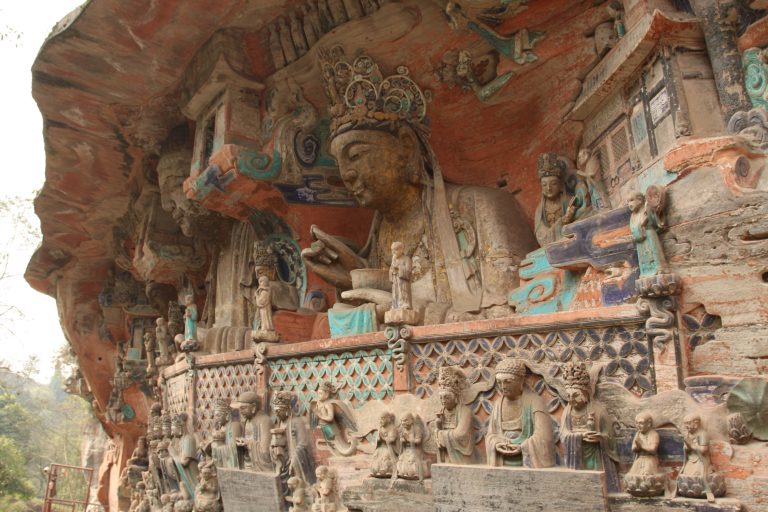
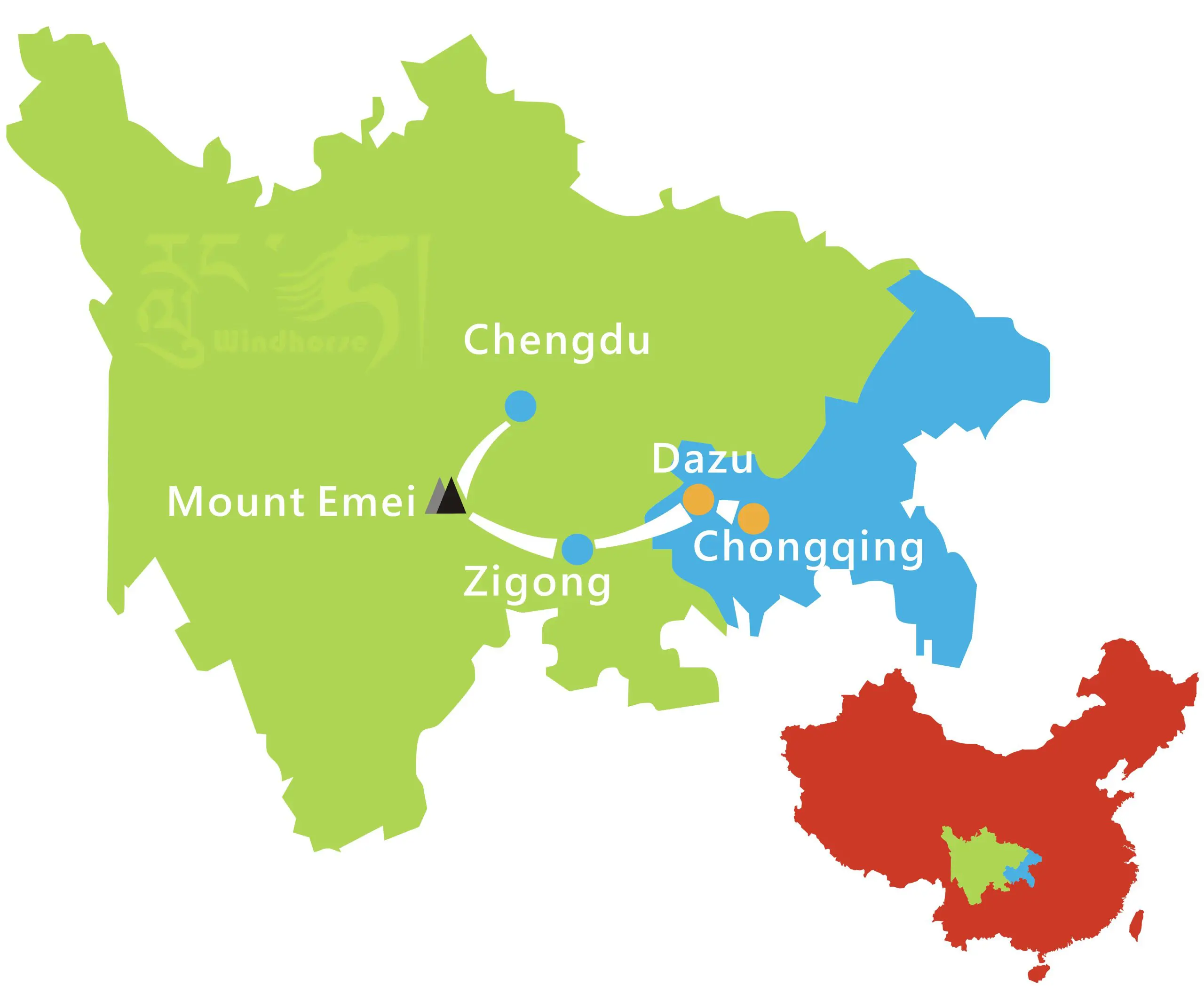
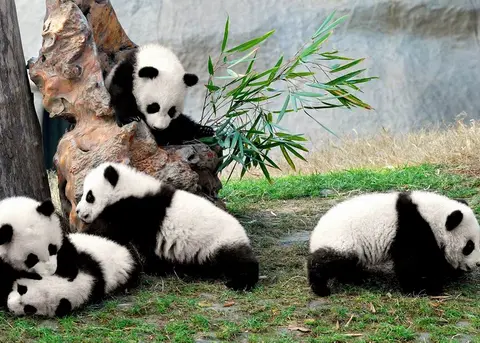
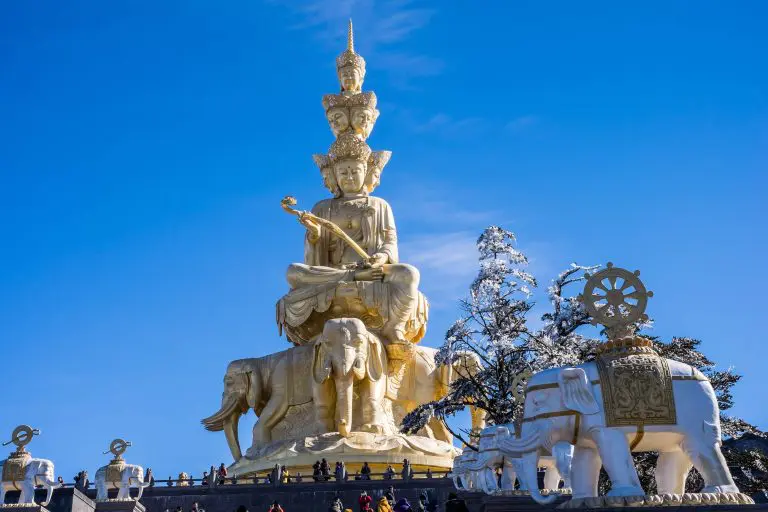
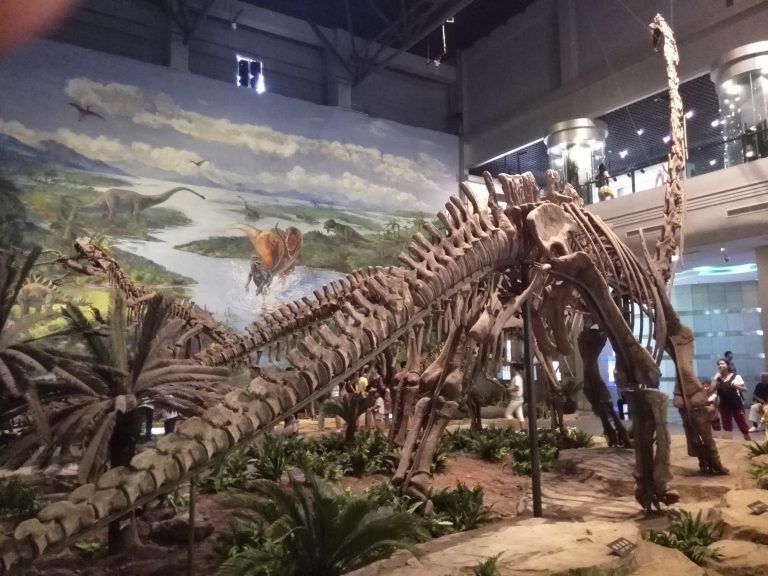
Explore the highlights of Sichuan and Chongqing on this classic tour. Visit Mt Emei and the Leshan Grand Buddha, uncover fossils at the Zigong Dinosaur Museum, and discover the UNESCO-listed Dazu Rock Carvings before ending in vibrant Chongqing.
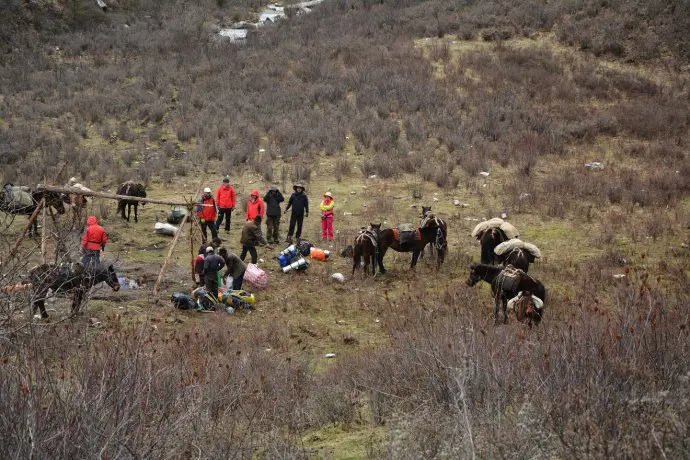
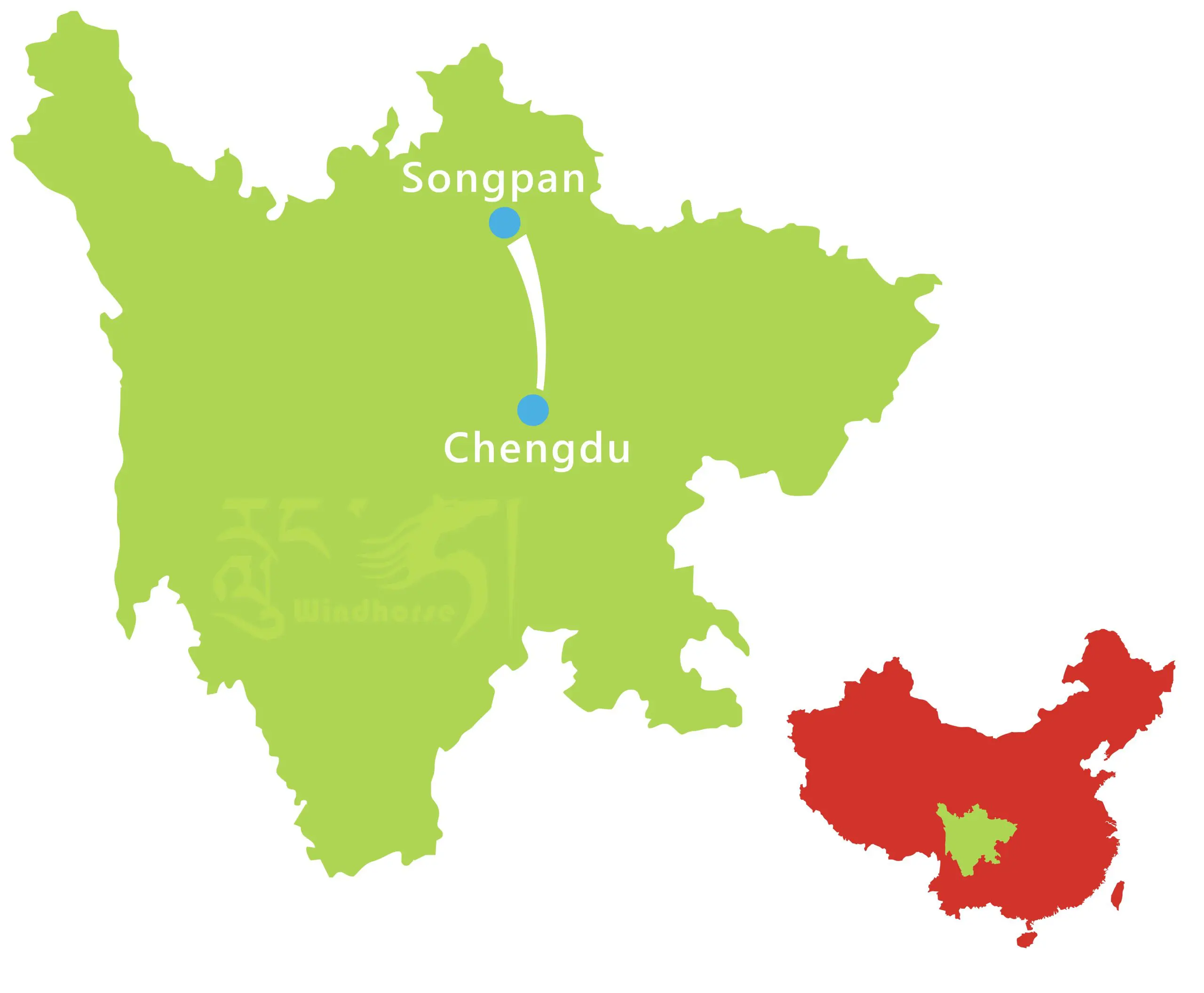
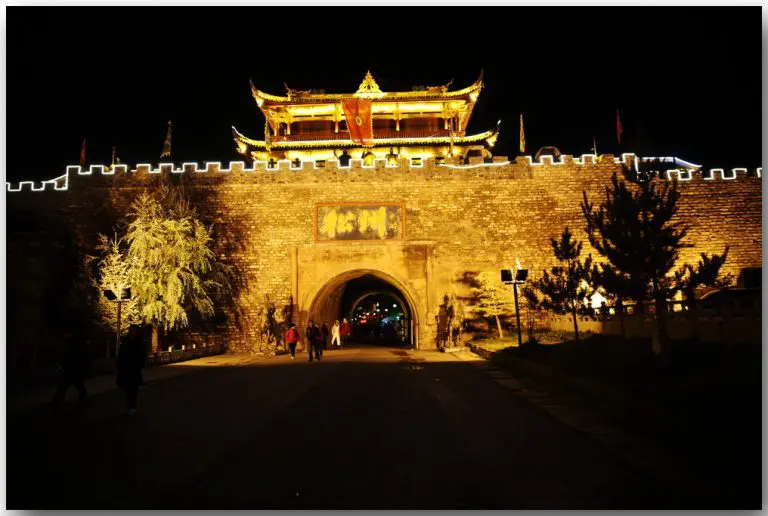
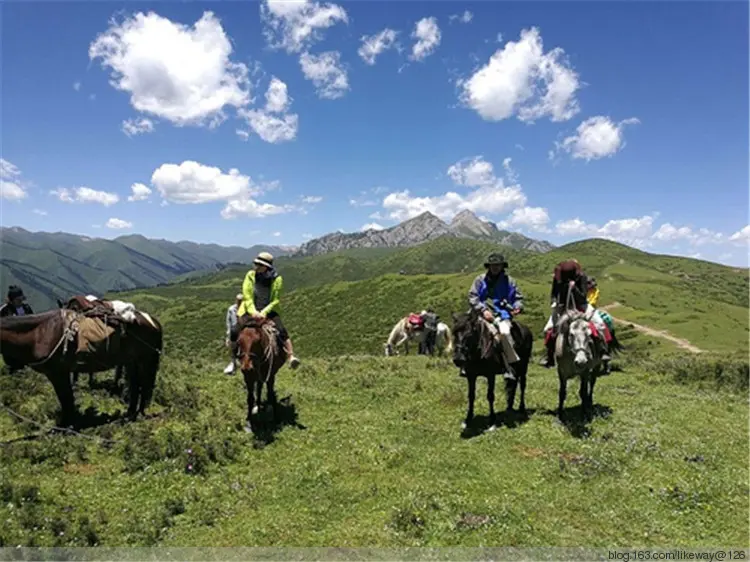
Enjoy the breathtaking scenery of Songpan in the highlands of norther Sichuan. Experience the life of the local Tibetan people as you ride into the woods. This unique horse riding experience adds to any Sichuan trip.
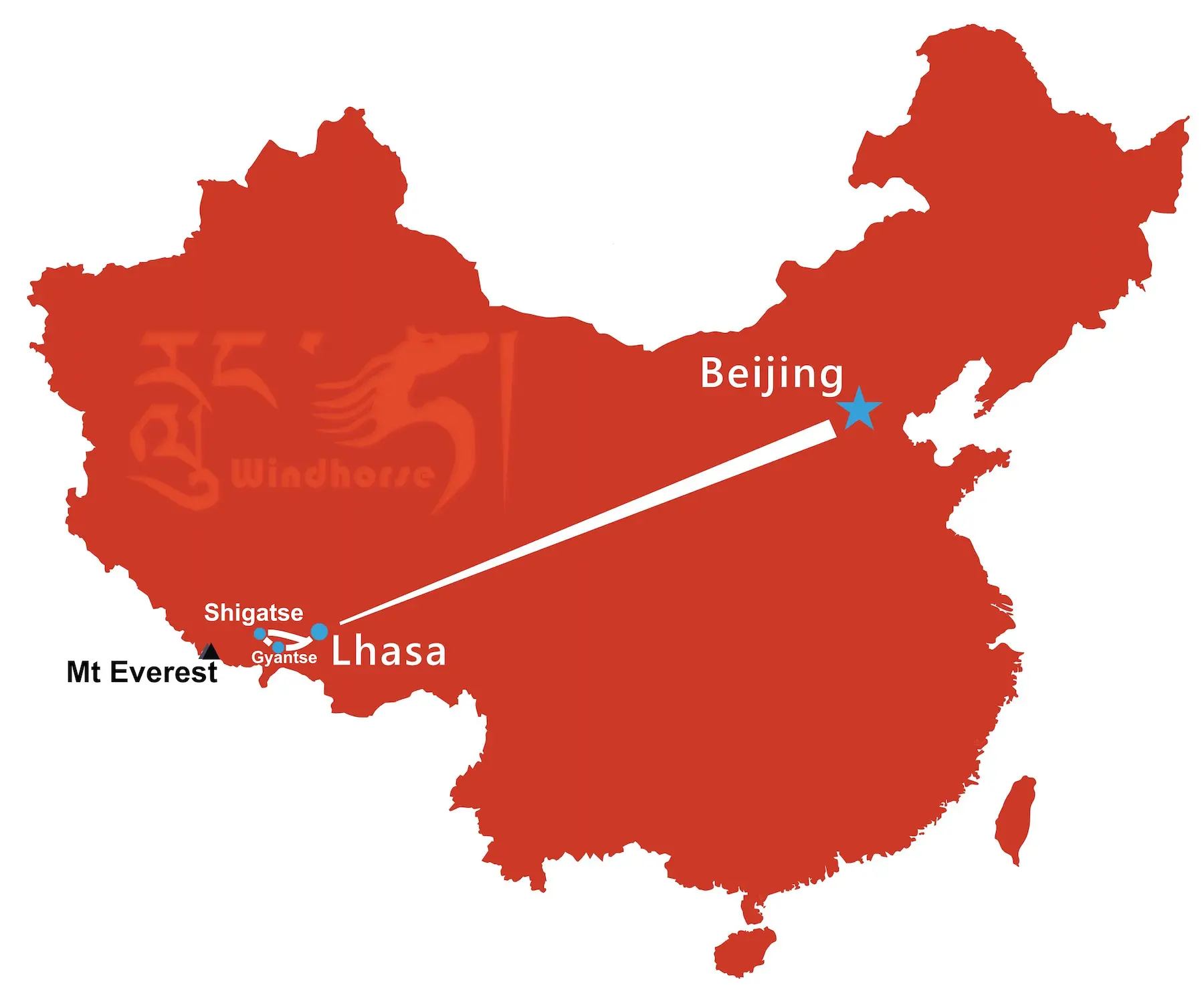
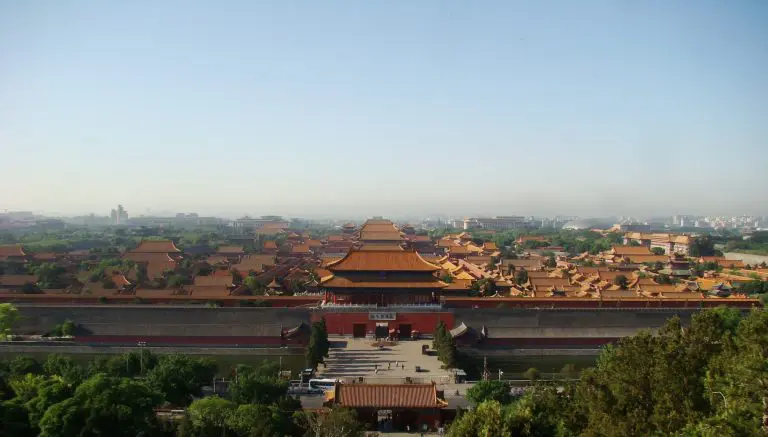
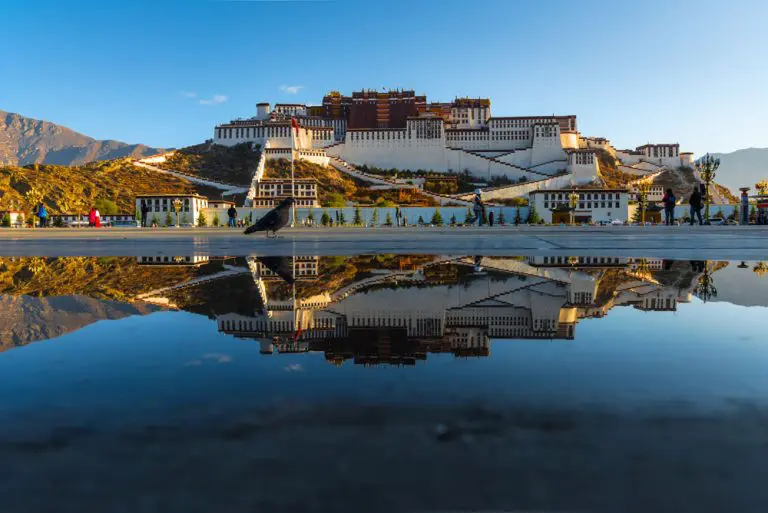
Combine Beijing's Forbidden City and Great Wall with Lhasa, Yamdrok Lake, Gyantse and Shigatse on a 10-day private Beijing and Tibet tour.