
Tibetan Thangka: Sacred Scroll Paintings of Himalayan Buddhism
Thangka is a traditional Tibetan scroll painting that combines exquisite artistry with deep religious meaning. Typically displayed in an upright rectangular form and less commonly in horizontal banners, thangkas consist of a central painted or embroidered panel, framed by colorful textiles and decorative elements. The most common size seen in monasteries and household altars measures around 75 cm (30 inches) by 50 cm (20 inches), though monumental examples exist, like the massive thangka at Potala Palace, which reaches 55.8 meters (183 feet) in height and 46.81 meters (154 feet) in width.
Thangkas serve multiple purposes: they are used to convey Buddhist teachings, decorate temples, assist in meditation, and preserve cultural stories. The main painting panel typically features vivid depictions of Buddhas, deities, Bodhisattvas, and scenes from Tibetan history, folklore, medicine, cosmology, and sacred symbolism. The iconography is rich and detailed, with figures shown in various postures and settings, offering insight into the spiritual and artistic traditions of Tibet.
Based on their materials and crafting techniques, thangkas can be grouped into two categories: those painted on cloth, silk, or paper; and those made using silk weaving, embroidery, or appliqué. Each type reflects the unique craftsmanship and religious devotion of Tibetan art.
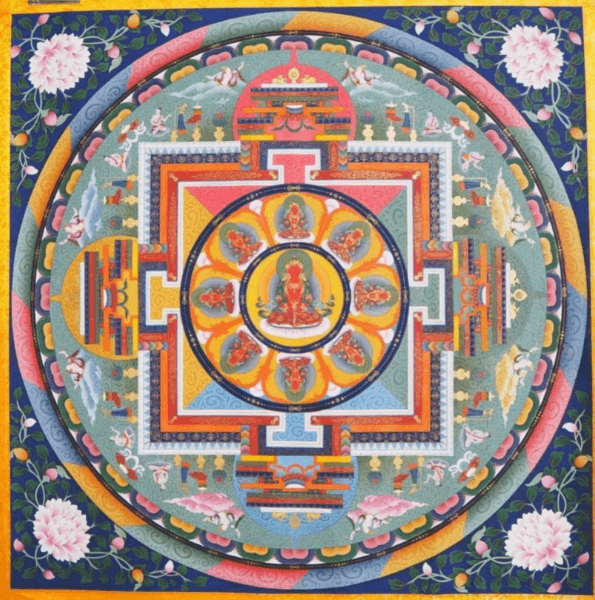
The history and development
Thangka plays a very important role in the history and development of Tibetan paintings. According to historical materials, the origin and development of thangka painting accompanied the evolution of Buddhism in Tibet. It is said that the first thangka appeared as early as 1,000 years ago. The painting which is convenient for carrying and collecting came into shape then, and was very popular among the nomadic people. At the end of the tenth century, Buddhism experienced a thriving era again after a period of time when Buddhism was in the doldrums. Since then thangka’s have taken big strides in their development and come into a prosperous era. Painters with superb techniques have enjoyed great popularity which enabled the thangka to reach its peak during the Ming Dynasty (1368-1644) and the Qing Dynasty (1644-1911), and consequently different genres with distinctive painting styles appeared.
The creation of thangkas
Being a unique art genre only found in Tibet, the creation of thangkas is quite complicated, subtle and also requires different techniques and training skills. The process of making a thangka follows a precise set of rules that are considered sacred. After a proper cotton canvas is selected, each side of the cloth is stitched onto a wooden stick. Then the cloth is stretched over a wooden frame in order to create a smooth and flat surface. After setting up the cloth, a mixture made of glue and talcum powder is brushed evenly on both the front and back of the cloth. Then the cloth is removed to a flat position where it is thoroughly dried. Then using a shell or a round stone burnish on the both sides until the lines of the cloth are indescribable and the cloth looks and feels smooth and lustrous.
Now it is ready for painting. Contour lines are drawn with charcoal or graphite, and then the surrounding elements of the composition are outlined right after the principle person is outlined. The subsequent procedure, applying of colors, follows a certain process. Note that the dyes are all made of minerals and added animals’ bile to prevent it from rotting. So the colors can keep bright through the ages. The painters start from the outer areas setting around the central person such as sky, clouds, subordinate and attendants. Then the Lotus seat is colored before the body of the central figure. Then finally the eyes of the Buddha are painted to bring the deity to life.
Another important procedure is the mounting of the picture. The cloth with picture is then bordered in red and mounted on a bigger piece of blue brocade or silk. Two narrow sticks are then attached on the top and bottom of the scroll so that it can easily be rolled up. Two red ribbons are then hung along the scroll frame. And you can also see a piece of satin rolled up at the top that is used as a cover for when the thangka is not being displayed. So from all the details that are previously mentioned we know that thangkas are a unique art form that are not merely a painting but a three-dimensional object.
Thangkas have long been treasured and highly prized because of their close connection with religions and unique art style. They can virtually be regarded as a historical recording of the evolution of Tibetan civilization.
Related tours
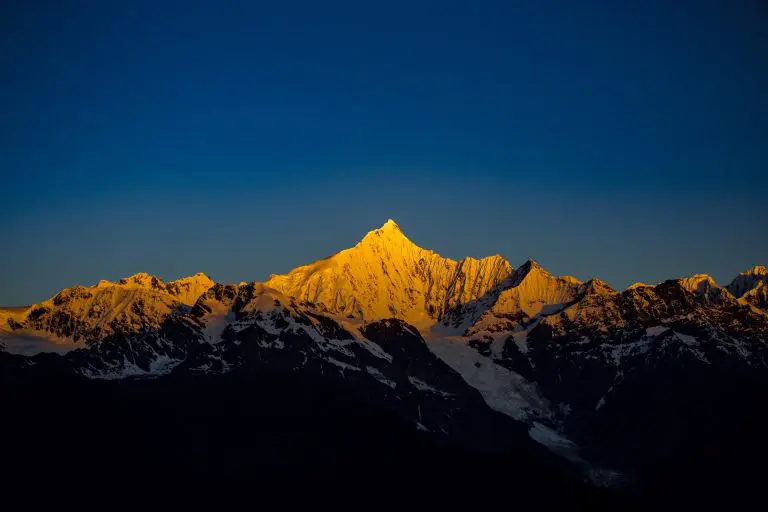
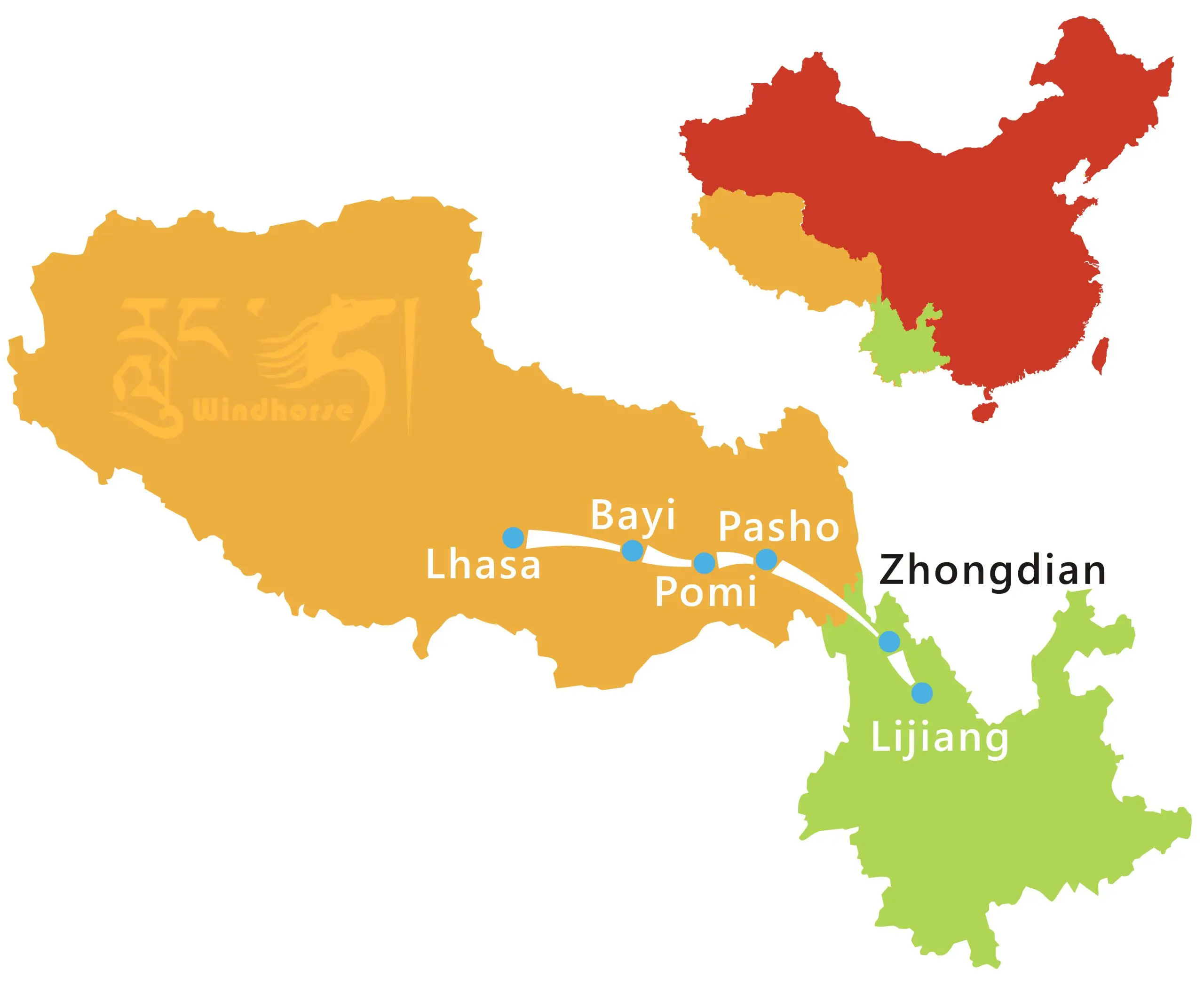
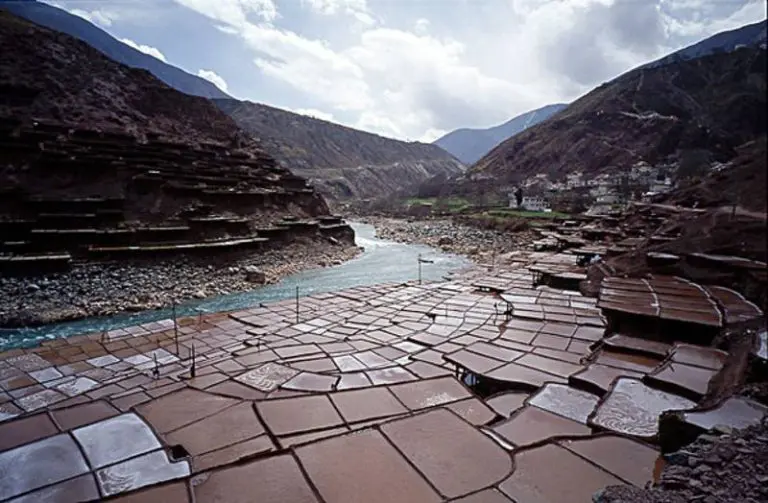
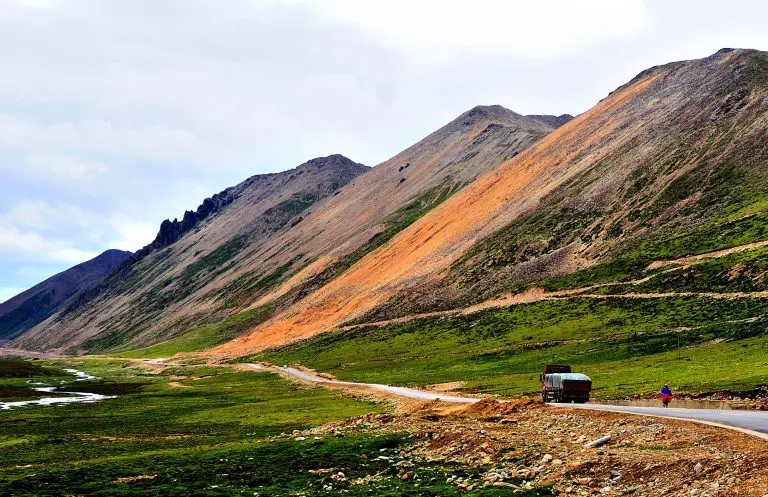
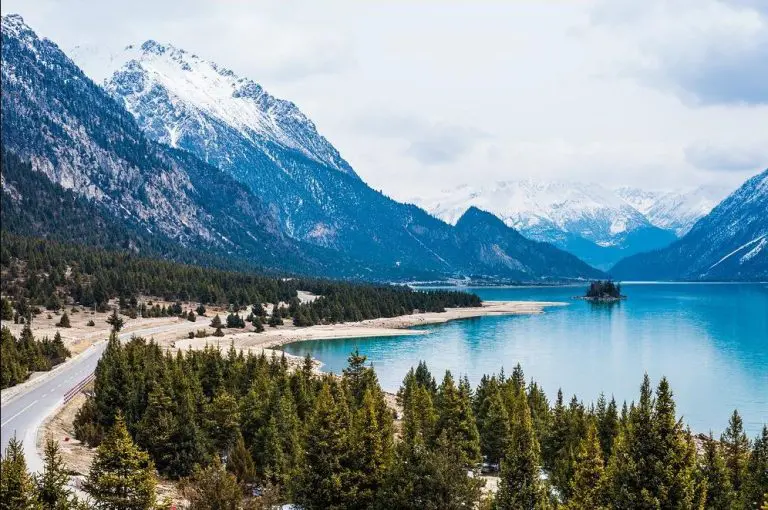
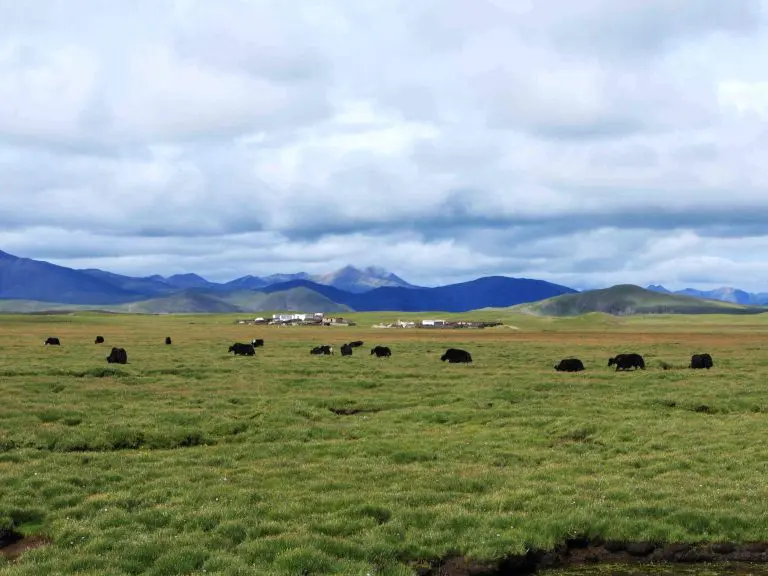
Follow the Ancient Tea Road to Tibet Lhasa from Yunnan Lijiang and discover the beautiful landscapes by driving through deep gorges, alpine forests, vast grasslands steppe.
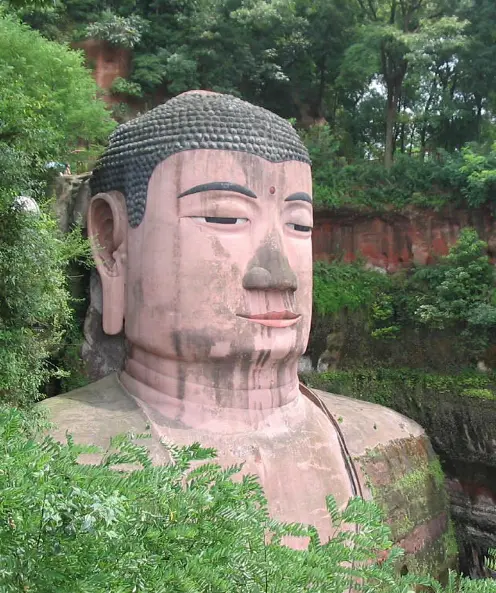
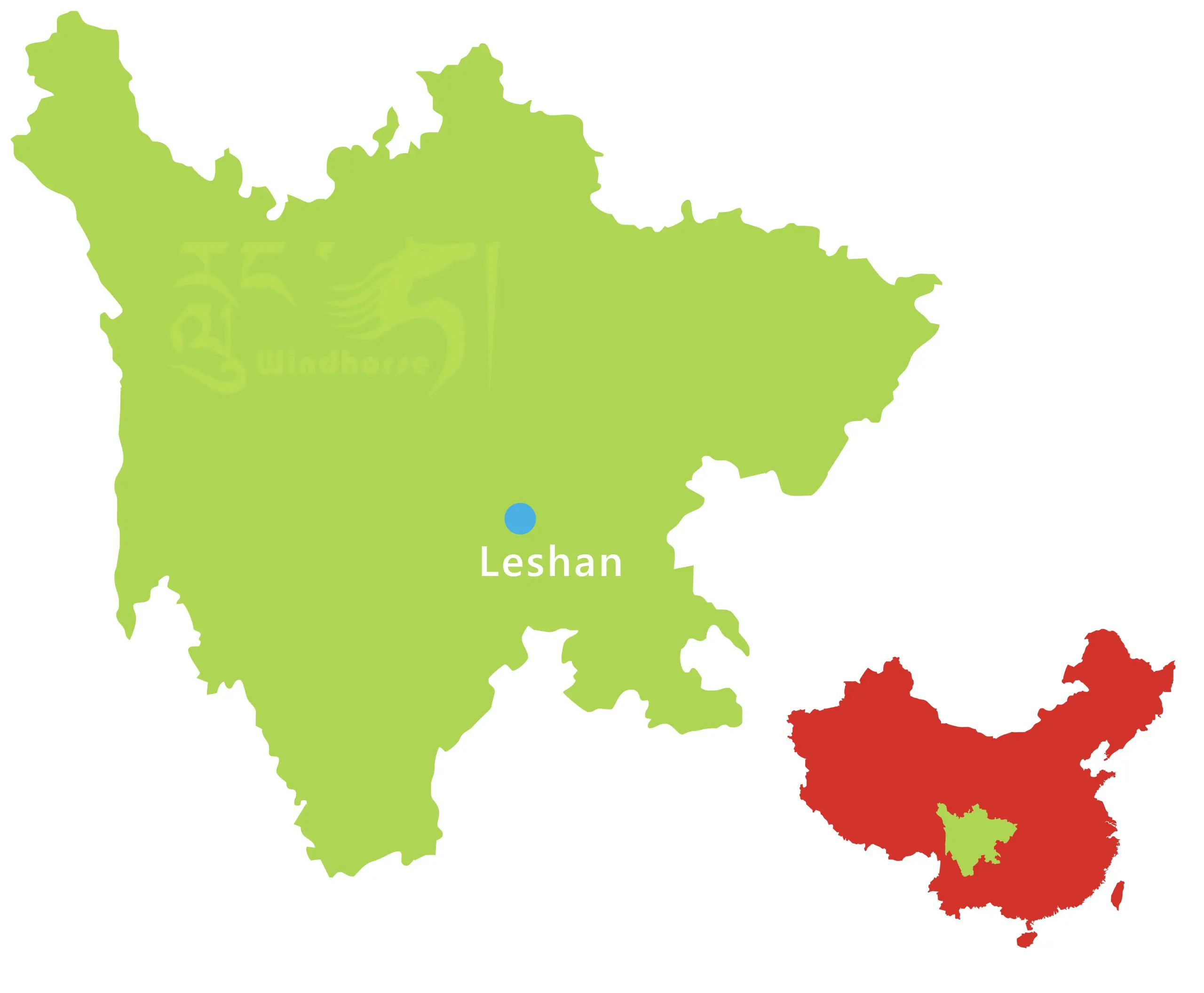
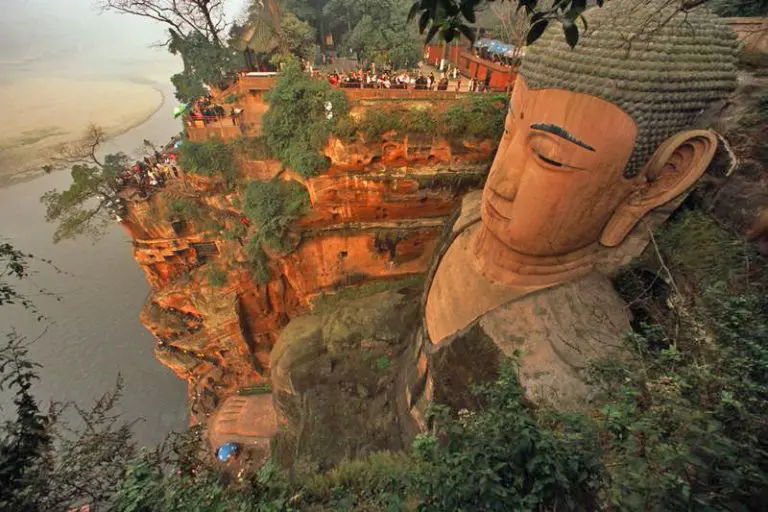
Leshan Grand Buddha is renowned for the world's largest sitting buddha. At 71 m. (233 ft.) high, it took over 100 years to carve into a cliff in hopes of calming the merging rivers below. Take this 1 day tour to explore this massive creation.
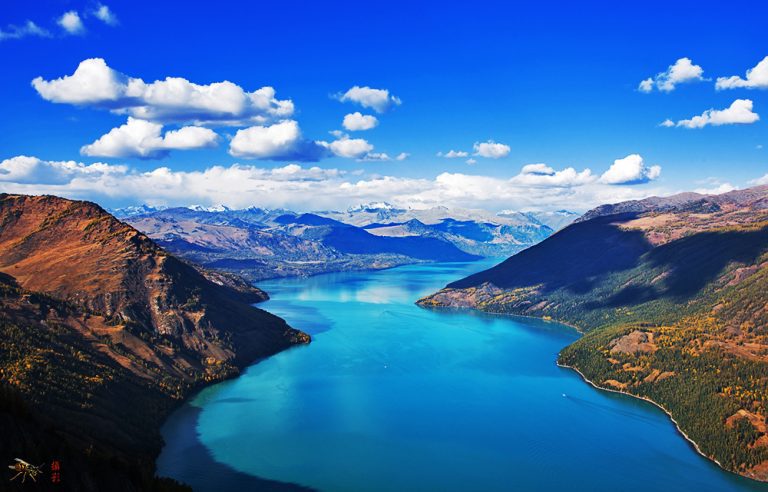
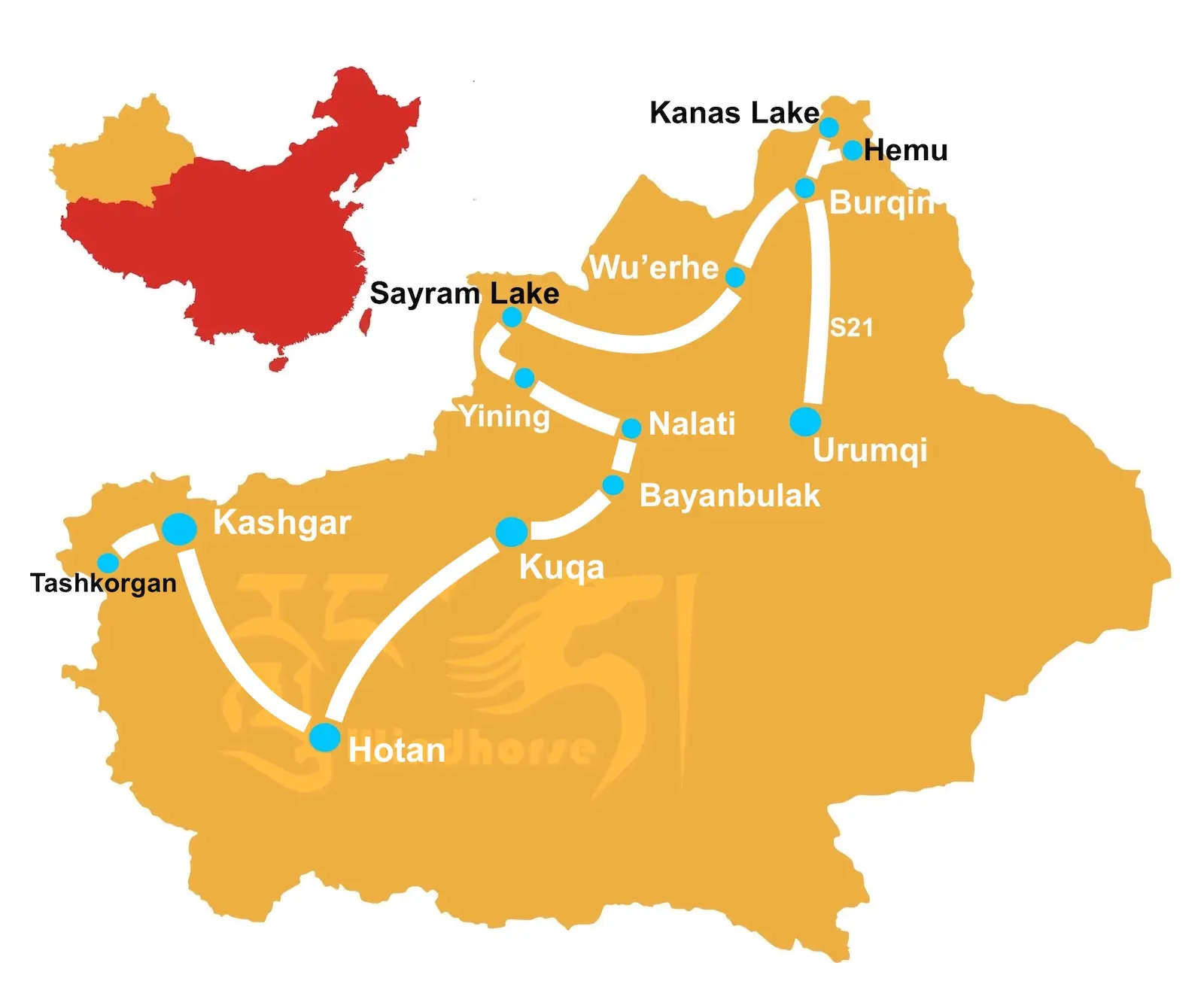
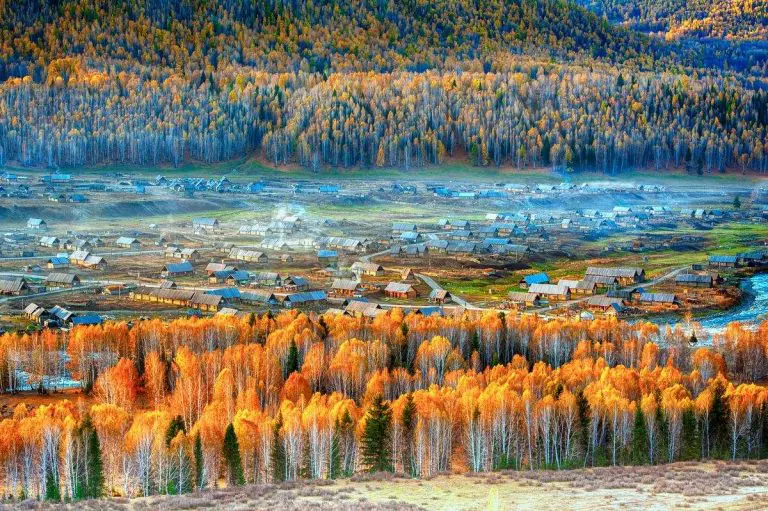
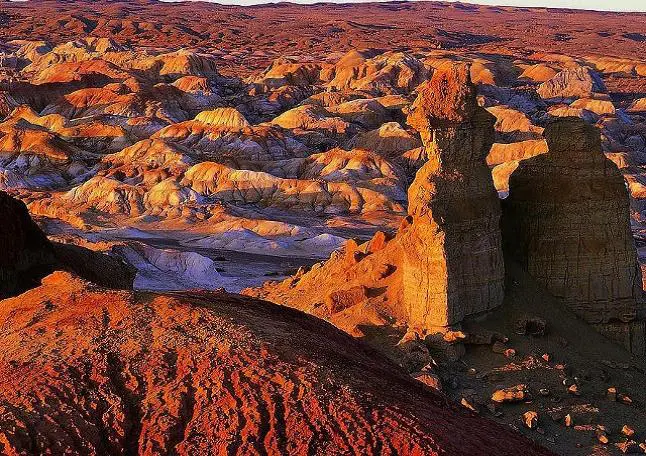
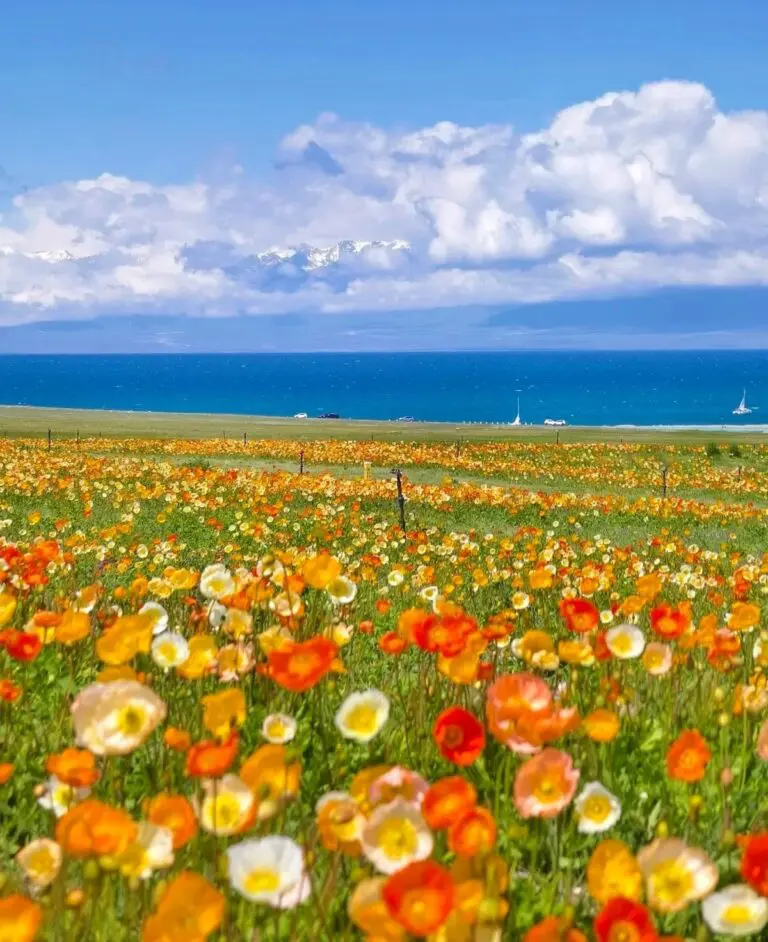
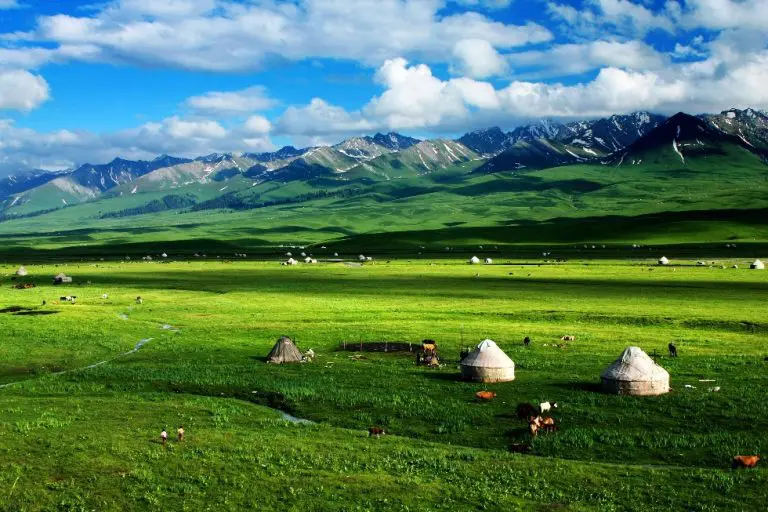
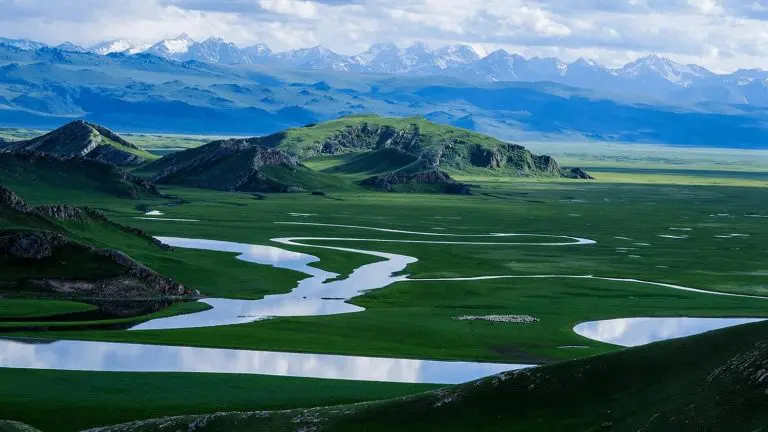
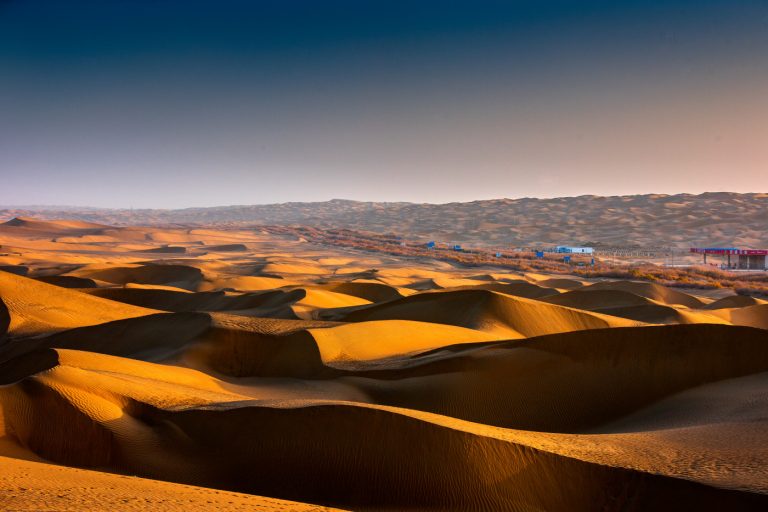
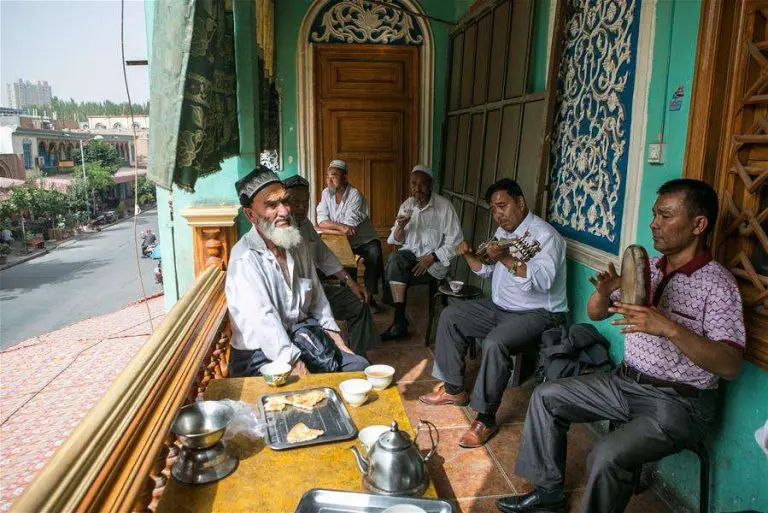
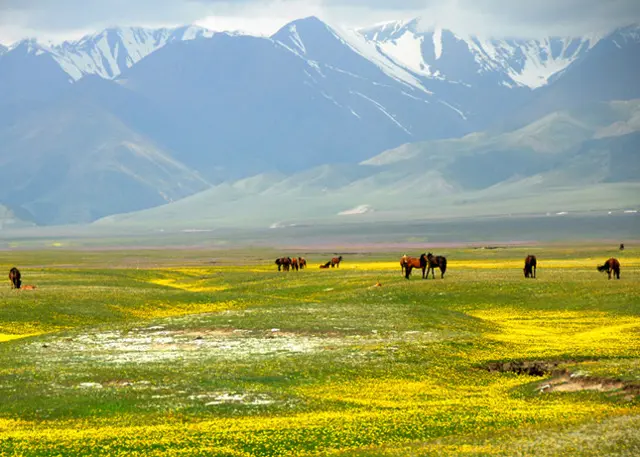
Travel from Urumqi to Kashgar on a 16-day private journey across North and South Xinjiang, exploring Kanas, Ili, the Duku Highway, Taklamakan Desert, Silk Road oasis towns and the Pamir Plateau.