
Discovering the Legacy of the Tang Dynasty

Do you ever wonder what China was like over a thousand years ago? Well the period of the Tang Dynasty (618–907 AD) is where things were really interesting to know. The Tang Dynasty period was a time of booming culture, stunning art, and crazy innovations, and many says that this time is kind of like China’s golden age. From bustling cities and elegant poetry to colorful silk robes and ancient temples, the Tang Dynasty left behind a legacy that still shapes Chinese culture today.
In this post, we’re taking a journey back in time to explore the heart of this incredible era. Whether you’re a history buff or just love discovering beautiful places with rich stories, you’ll find something to spark your curiosity. So grab your virtual backpack, and let’s dive into the world of emperors, artists, and explorers from one of the most exciting times in Chinese history!
Quick Facts About the Tang Dynasty
Time Period: 618–907 AD.
Capital: Chang’an (today Xi’an), one of the largest cities in the world at the time.
Golden Age: Known for its advancements in art, poetry, trade, and governance.
Silk Road Boom: Trade flourished, connecting China to Central Asia, the Middle East, and Europe.
Cultural Influence: Chinese culture spread to Korea, Japan, and Vietnam.
First and Only Female Emperor: Wu Zetian ruled China as the only woman to claim the title of emperor.
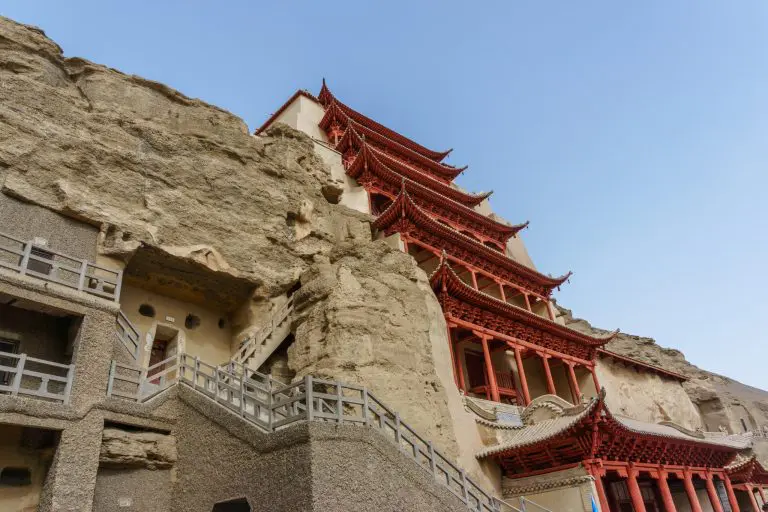
Buddhism Thrived: Major temples and grottoes were build, some of these are the Mogao Caves and Longmen Grottoes.
Advanced Printing: The world’s first known printed book, the “Diamond Sutra,” was created in the Tang era.
Tea Culture Grew: Drinking tea became popular, laying the foundation for Chinese tea culture.
Decline: The dynasty weakened due to rebellions, corruption, and military defeats, eventually falling in 907 AD.
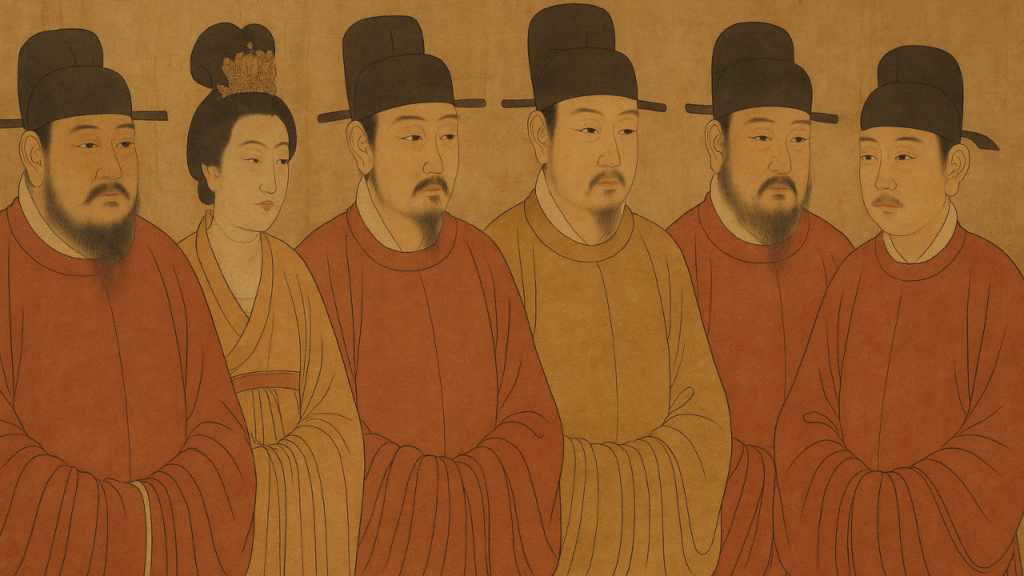
The Rise and Glory of the Tang Dynasty
Back in 618 AD, after years of chaos and fighting during the Sui Dynasty, a man named Li Yuan rose to power, establishing the Tang Dynasty. That wasn’t an easy start, quite opposite- there were plenty of struggles and battles, but soon, stability returned, and China started to prosper again.
The two main Periods of Tang Dynasty
Early Tang (618–690)
This period began with the founding by Emperor Gaozu and included the rise of powerful rulers like Emperor Taizong and Emperor Xuanzong. It ended when Empress Wu Zetian proclaimed her own Zhou dynasty.
Notable emperors during this period:
- Emperor Gaozu (Li Yuan) – founder
- Emperor Taizong (Li Shimin) – expanded the empire significantly
- Emperor Gaozong (Li Zhi) – husband of Wu Zetian
- Empress Wu Zetian (ruled 690–705) – only woman to rule China as emperor (declared the Zhou dynasty, interrupting Tang rule)
Later Tang (705–907)
After Wu Zetian’s fall, the Tang Dynasty was restored. This period saw both cultural flourishing and increasing internal instability.
Key emperors:
- Emperor Zhongzong, Emperor Ruizong – reinstalled after Wu Zetian
- Emperor Xuanzong – oversaw the Golden Age of Tang (reigned 712–756)
- Emperor Suzong, Emperor Daizong, and others – dealt with the An Lushan Rebellion and subsequent decline
- Emperor Xizong, Emperor Zhaozong, and Emperor Ai – the last emperors before the dynasty ended in 907
Total Count of Emperors during the Tang Dynasty
- Tang emperors (not counting Wu Zetian): 20
- Including Wu Zetian: 21 rulers total
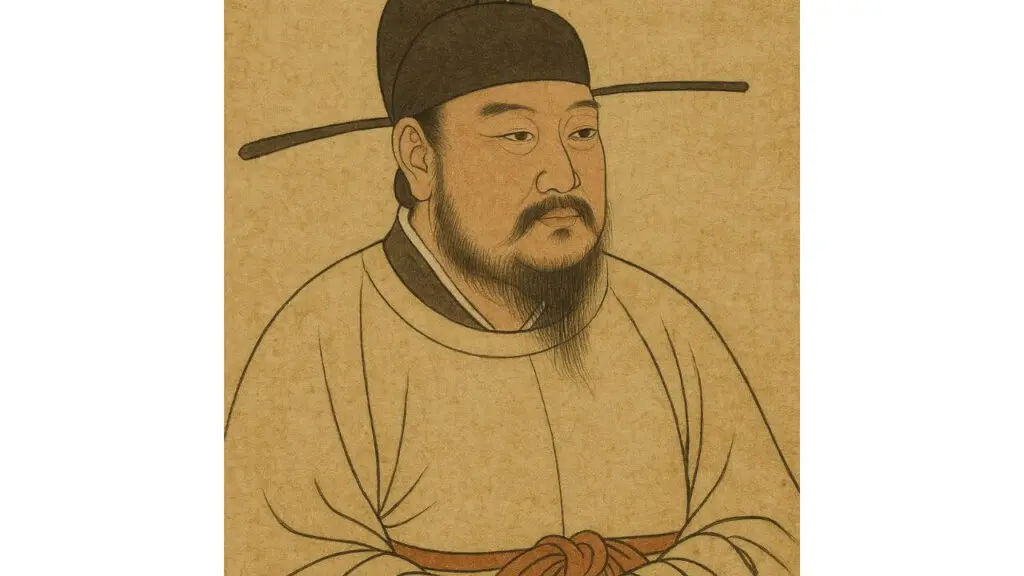
One of the most famous leaders during the Tang period was Emperor Taizong. He was known as a wise and fair ruler, he also worked hard to create a stable government and encouraged his officials to speak openly. He believed that listening to criticism was key to ruling well. Under his leadership, China became strong, peaceful, and rich.
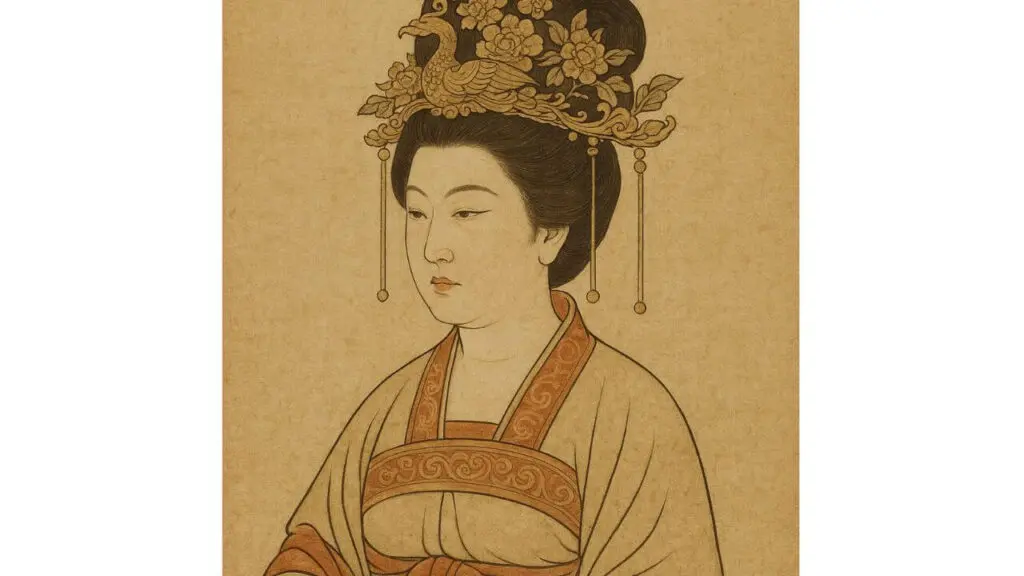
Another standout ruler was Empress Wu Zetian, China’s only female emperor. She was intelligent and ambitious, shaking things up by improving the civil service exams and supporting the arts. Wu Zetian promoted Buddhism, helping it spread across China and even influencing cultures beyond its borders.
The empire grew larger than ever before, connecting to faraway lands through the famous Silk Road. This meant lots of trade and cultural exchanges, with new ideas, goods, and traditions flowing freely across continents. Chang’an (today’s Xi’an), the Tang capital, became one of the biggest and most diverse cities in the world, bustling with traders, artists, and adventurers.
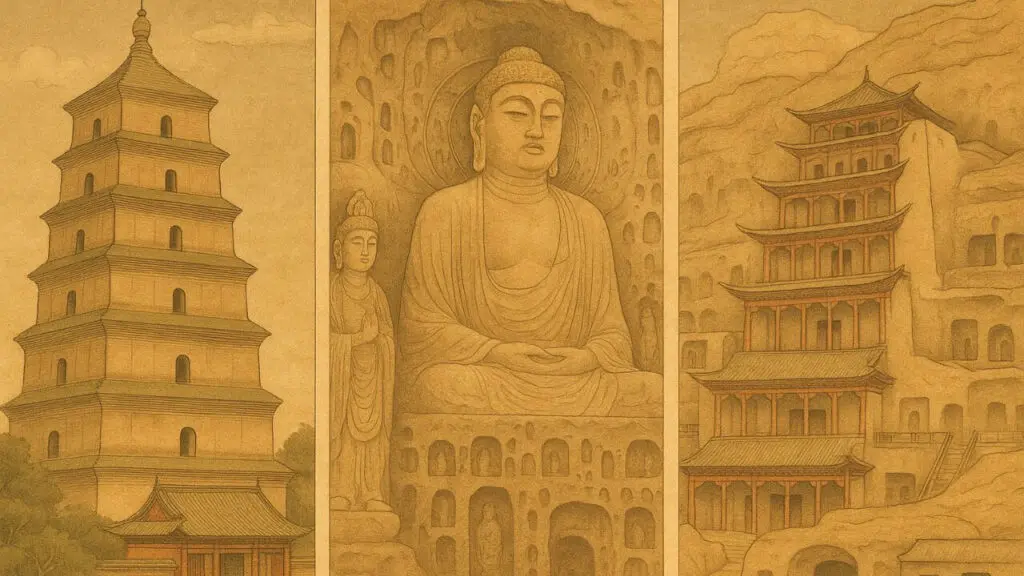
Today, if you’re traveling in China, you can still see the Tang Dynasty’s footprints everywhere, from stunning pagodas and sculptures to traditional festivals and poetry that people still love and cherish.
Tang Dynasty Sites Tourists Can Visit Today
Xi’an – The Heart of the Tang Dynasty
- Giant Wild Goose Pagoda is famous for its connection to the Buddhist monk Xuanzang, who stored scriptures brought back from India after his epic journey.
- Tang Paradise is a stunning park and entertainment complex that recreates the gardens and cultural performances from the Tang era.
- Shaanxi History Museum is a home to a vast collection of Tang Dynasty artifacts, offering visitors a glimpse into this historic period.
Luoyang – The Buddhist Center
- Longmen Grottoes are spectacular Buddhist stone carvings and statues, dating back to the Tang Dynasty, showcasing remarkable artistic and spiritual devotion.
Dunhuang – Silk Road Legacy
- Mogao Caves are famous for their intricate Buddhist murals, sculptures, and ancient scriptures, highlighting the rich cultural exchanges along the Silk Road.
Other Tang-Era Temples and Structures
- Daming Palace ruins (Xi’an): Remains of the grand palace complex that once served as the imperial residence of the Tang Dynasty.
- Famen Temple: Renowned for preserving precious Buddhist relics from the Tang era, offering insights into religious and historical traditions.
All of these reasons—Chang’an’s global significance, lasting cultural influences, and the flourishing of Buddhism—make the Tang Dynasty an unforgettable and important chapter in history.
Conclusion
The Tang Dynasty’s influence extends far beyond its historical period, leaving a lasting mark on Chinese culture and the world. Exploring Tang-era heritage sites today allows travelers to experience firsthand the richness, beauty, and diversity of this remarkable period. From ancient temples and stunning sculptures to vibrant cultural landmarks, visiting these sites provides a unique glimpse into what made the Tang Dynasty truly China’s Golden Era.
Choose some of the China tours, to decide where to next trip, and visit some of the most popular attractions that are built during the Tang Dynasty.
Related tours

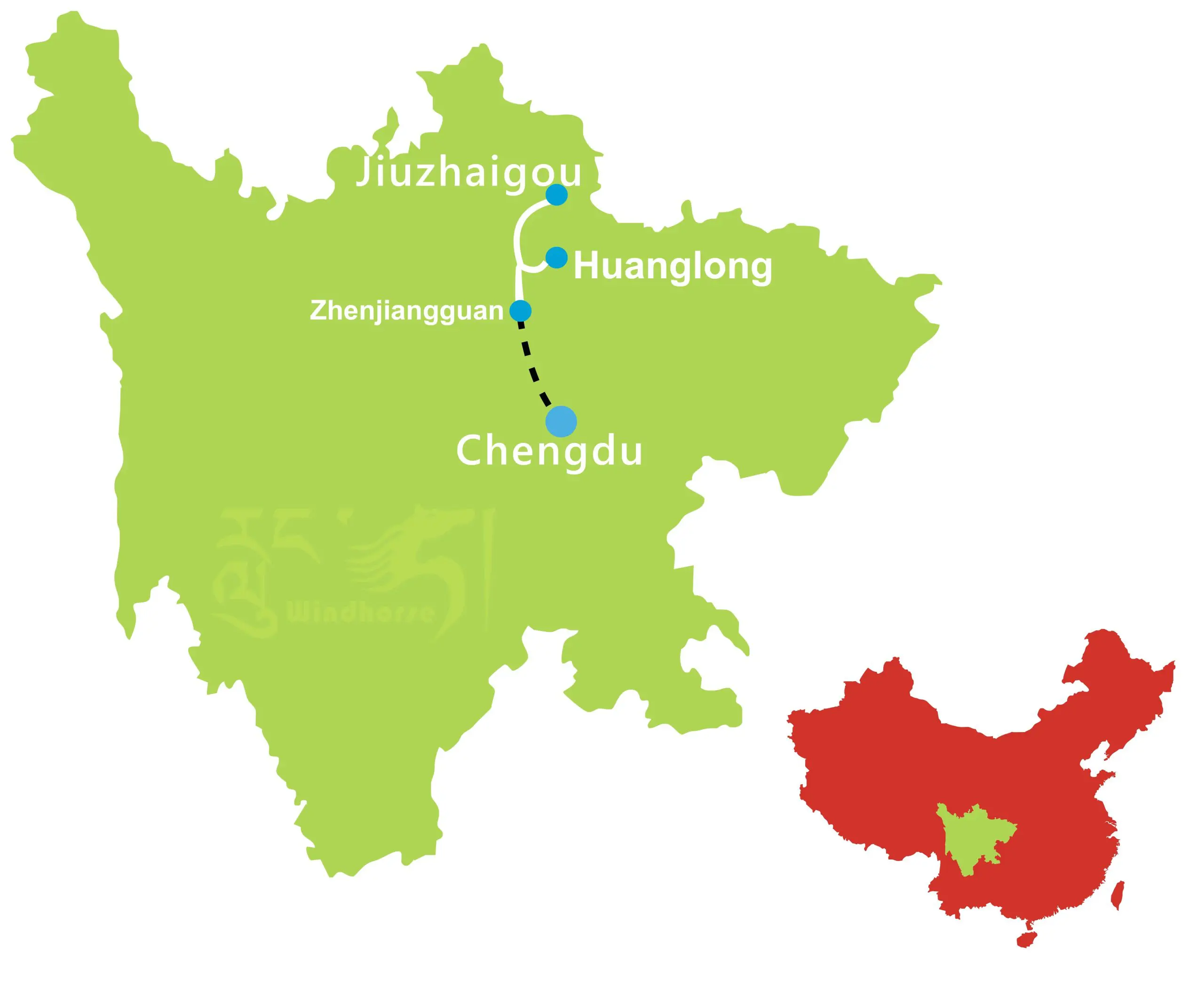
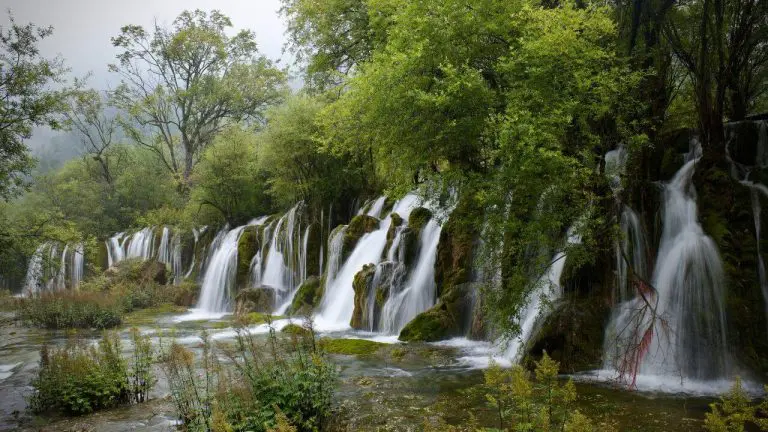

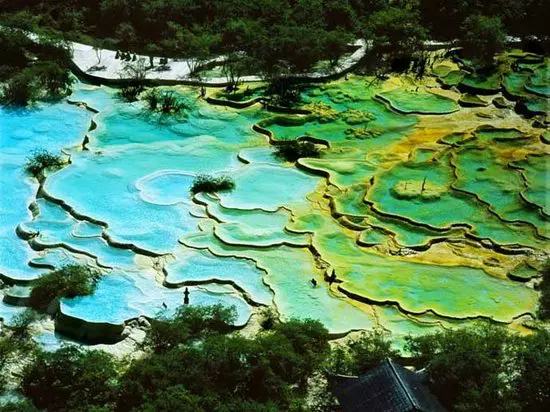
Take this 3 day Jiuzhaigou Train Tour from Chengdu, the fastest and most affordable way to explore Jiuzhaigou and Huanglong. Travel by high speed train, enjoy a full day in Jiuzhaigou National Park, and explore the colorful pools of Huanglong National Park with stunning mountain views.
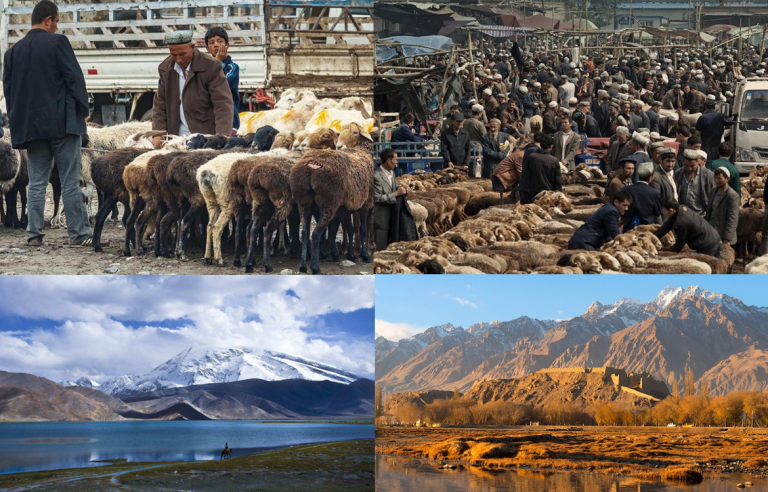
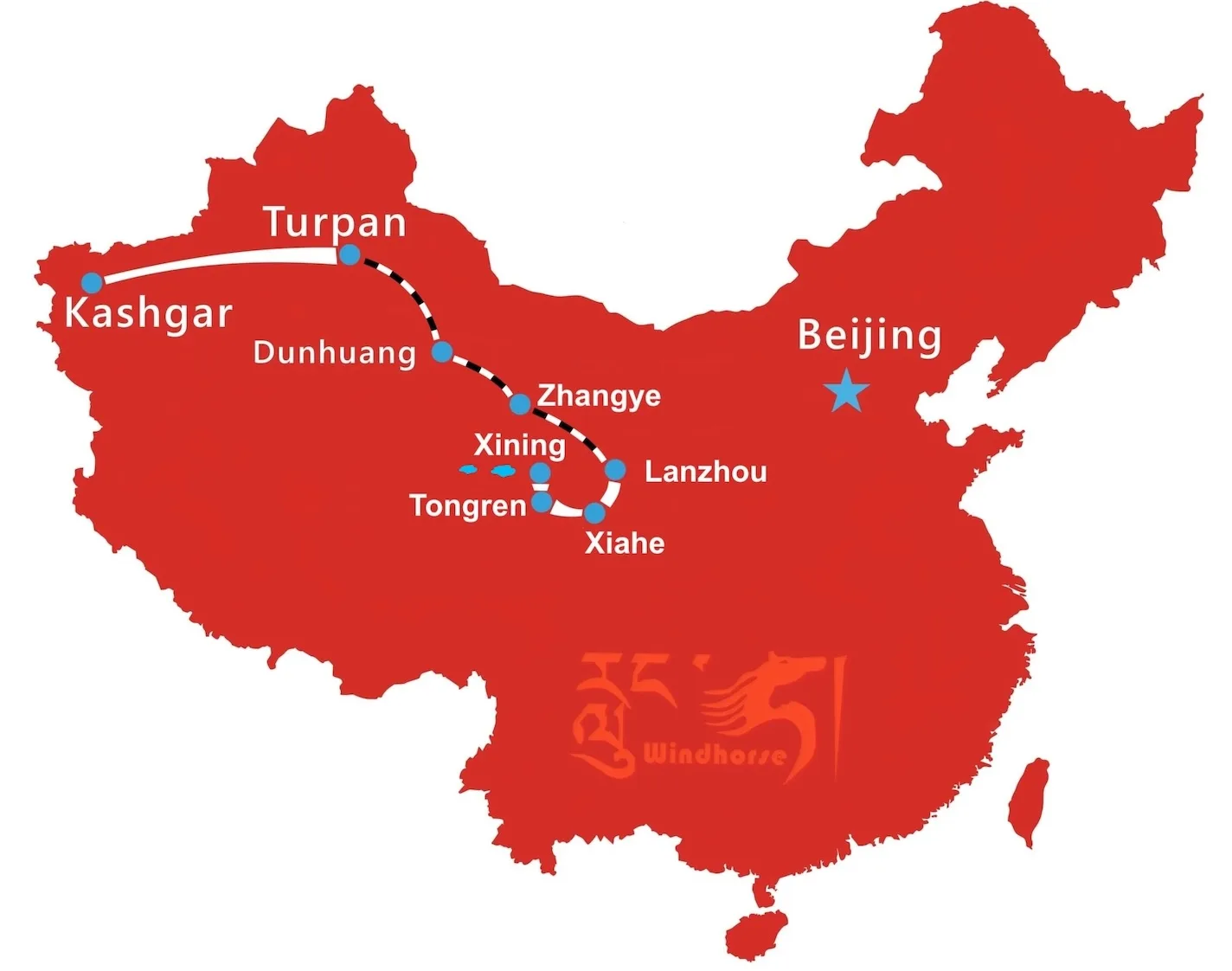
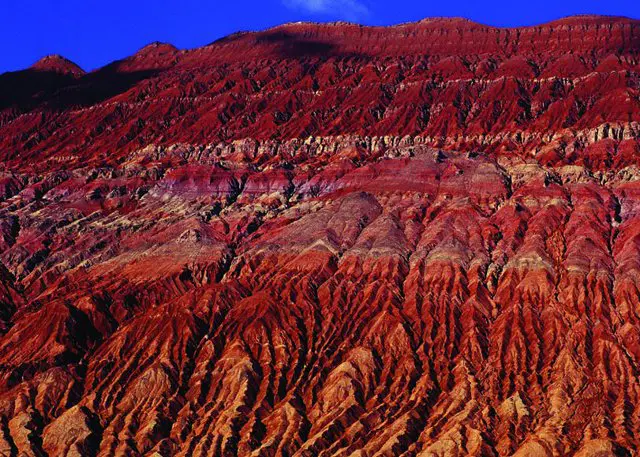
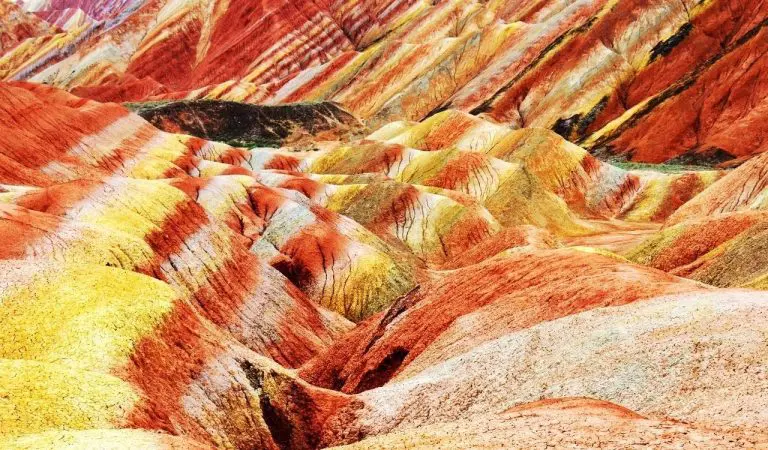


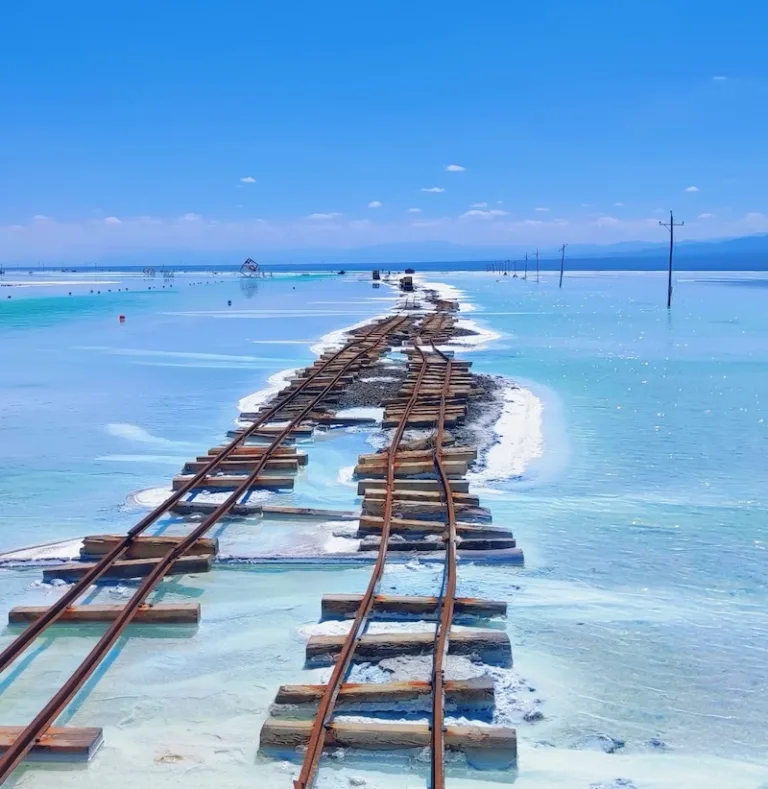
Journey across Western China on this 15-day Silk Road tour through Xinjiang, Gansu and Qinghai. Explore Kashgar, Turpan, Dunhuang, Zhangye Rainbow Mountains, Labrang Monastery, Xining, Qinghai Lake and the stunning Chaka Salt Lake.

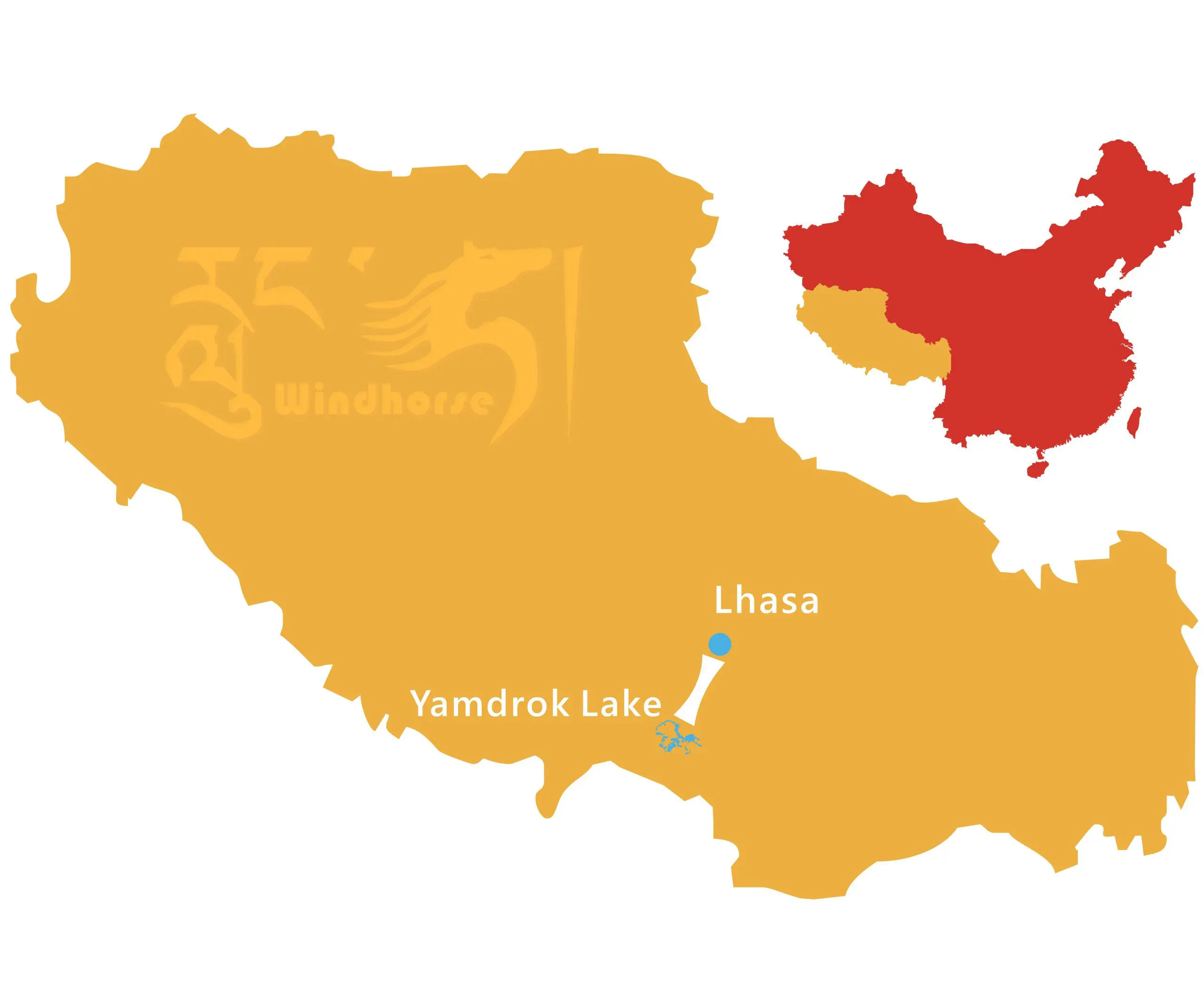

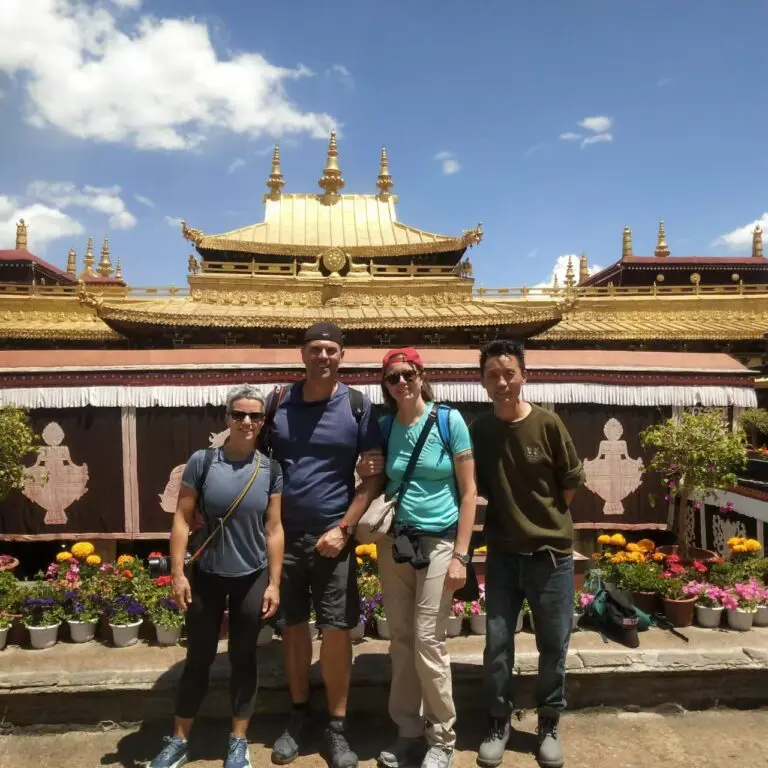
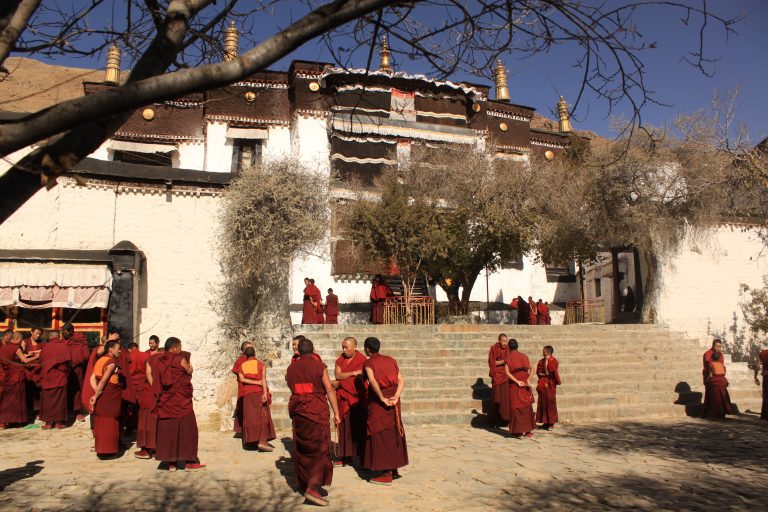
This 5-day Lhasa & Yamdrok Lake small group tour is a great way to experience Tibet in a short time. Visit Potala Palace, Jokhang Temple, Drepung and Sera Monasteries, walk Barkhor Street with pilgrims, and enjoy the stunning turquoise waters of Yamdrok Lake.
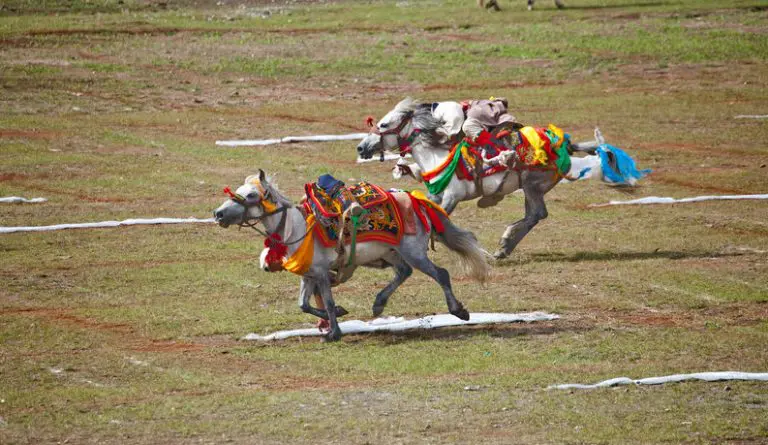
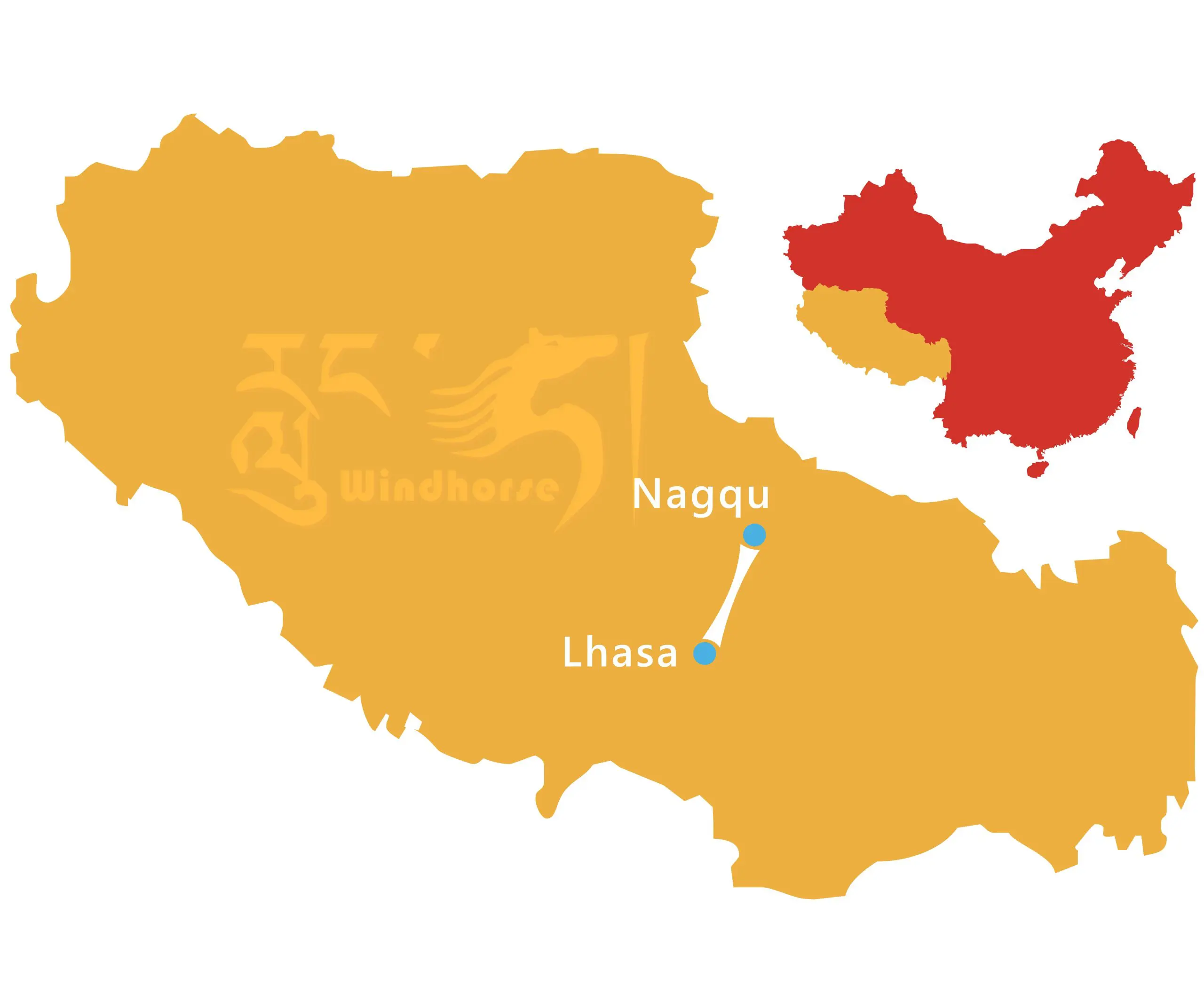
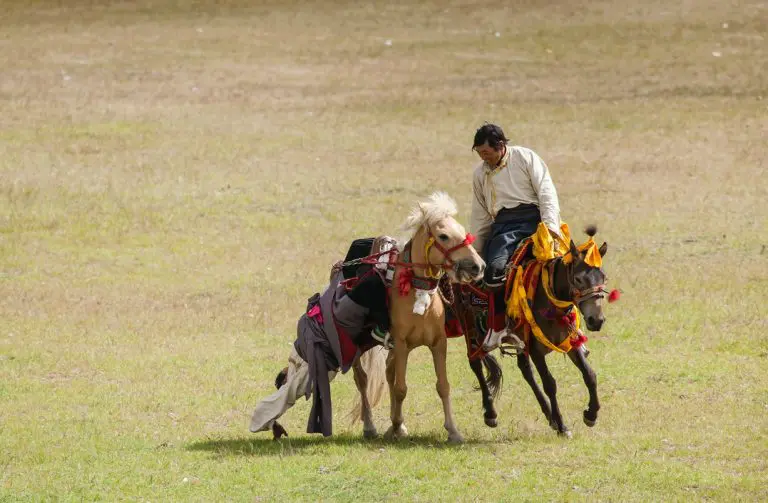

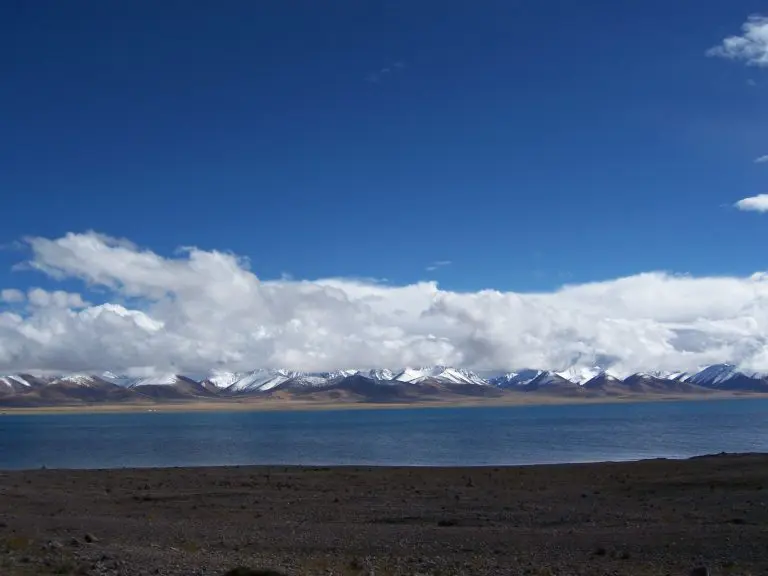

Tibet Nagchu Horse Racing Festival is one of the main summer festivals in Tibet. Join this festival tour and see with your own eyes the local brave Tibetan herdsmen's skilled riding techniques while experiencing authentic Tibetan culture.