
Learning More About The Kham Region of Tibet

Nestled within the expansive landscapes of the Tibet Autonomous Region (TAR) is a land filled with a rich tapestry of history, culture, and unparalleled natural beauty – the Kham region. While Tibet as a whole holds immense cultural and spiritual significance, the Kham stands as a testament to the vast diversity that exists within TAR. As we delve into the heart of the Kham, we will unravel the complexities of its unique Tibetan culture and the distinctiveness of its inhabitants. For many, Tibet might conjure up images of vast plains and monastic traditions, but Kham offers a different narrative, one that is vibrant and multifaceted.
The Kham People: Pillars of Uniqueness
The essence of any region lies in its people, and the Kham region is no exception. The Kham people, known for their distinct identity, form a vibrant part of the broader Tibetan tapestry. These individuals are not merely Tibetan; they embody the essence of Kham.
-
Physical Distinctiveness: Often taller and robust, with pronounced features, the Kham people are sometimes distinguishable from other Tibetan groups. Their rugged appearances mirror the vast landscapes they’ve inhabited for centuries.
-
Linguistic Diversity: The Kham dialect, while still Tibetan, holds unique phonetic and linguistic variations that set it apart from Central and Amdo Tibetan dialects. This distinction showcases the rich linguistic diversity within the Tibetan plateau.
-
Dress and Adornments: Kham men and women are renowned for their intricate jewelry and traditional wear. Rich in vibrant colors and laden with silver and turquoise ornaments, their attire is a reflection of their profound connection to their ancestry.
Delving into Kham’s Unique Culture
To truly understand Kham, one must delve deeper than just its surface differences. The region’s cultural depth is evident in its customs, traditions, and spiritual practices.
-
Horse Culture: Unlike some other parts of Tibet, the Kham region is deeply rooted in horse culture. The annual horse festivals draw visitors from far and wide, showcasing not just equestrian skills but also the profound cultural significance of these majestic animals in Kham society.
-
Artistic Expression: Kham boasts a unique artistic style. From intricately carved wooden homes to vibrant Thangka paintings that reflect a slightly different style than those of central Tibet, the artistic flair of Kham is both distinctive and mesmerizing.
-
Religious Practices: While Buddhism is prevalent throughout Tibet, the practices in Kham are interwoven with older, animistic beliefs. This blend creates a spiritual tapestry that is both familiar and distinct from mainstream Tibetan Buddhism.
Why Kham Stands Apart
The vastness of the Tibetan plateau has allowed for regional cultures to develop and flourish independently. Kham, with its majestic mountains, lush valleys, and roaring rivers, has always been a region of strategic importance. This significance has fostered a strong sense of independence and resilience among its inhabitants.
Historically, Kham has been a crossroads of sorts, bridging the cultures of central Tibet with those of Sichuan and Yunnan. This interaction has imbued Kham with a unique cultural richness that sets it apart from what many might traditionally associate with Tibet.
Discovering Kham
For those keen on truly understanding the nuances of Tibetan culture, a journey into Kham is indispensable. We’re pleased to dedicate this page to the exploration of this majestic region. By diving into its history, engaging with its people, and immersing oneself in its traditions, one gains a broader and richer perspective on Tibet.
Conclusion
Tibet, in its entirety, is a land of wonder and spirituality. Yet, within its vast expanse, regions like Kham stand as beacons of unique identity and culture. To engage with Kham is to broaden one’s understanding of Tibet, to appreciate the intricate tapestry that forms this sacred land. As we continue our journey into the heart of Tibet, let us always remain open to its many stories, each as captivating and profound as the next.
Related tours
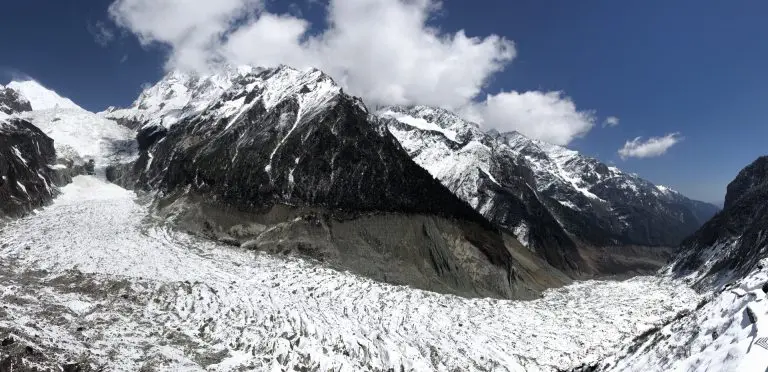
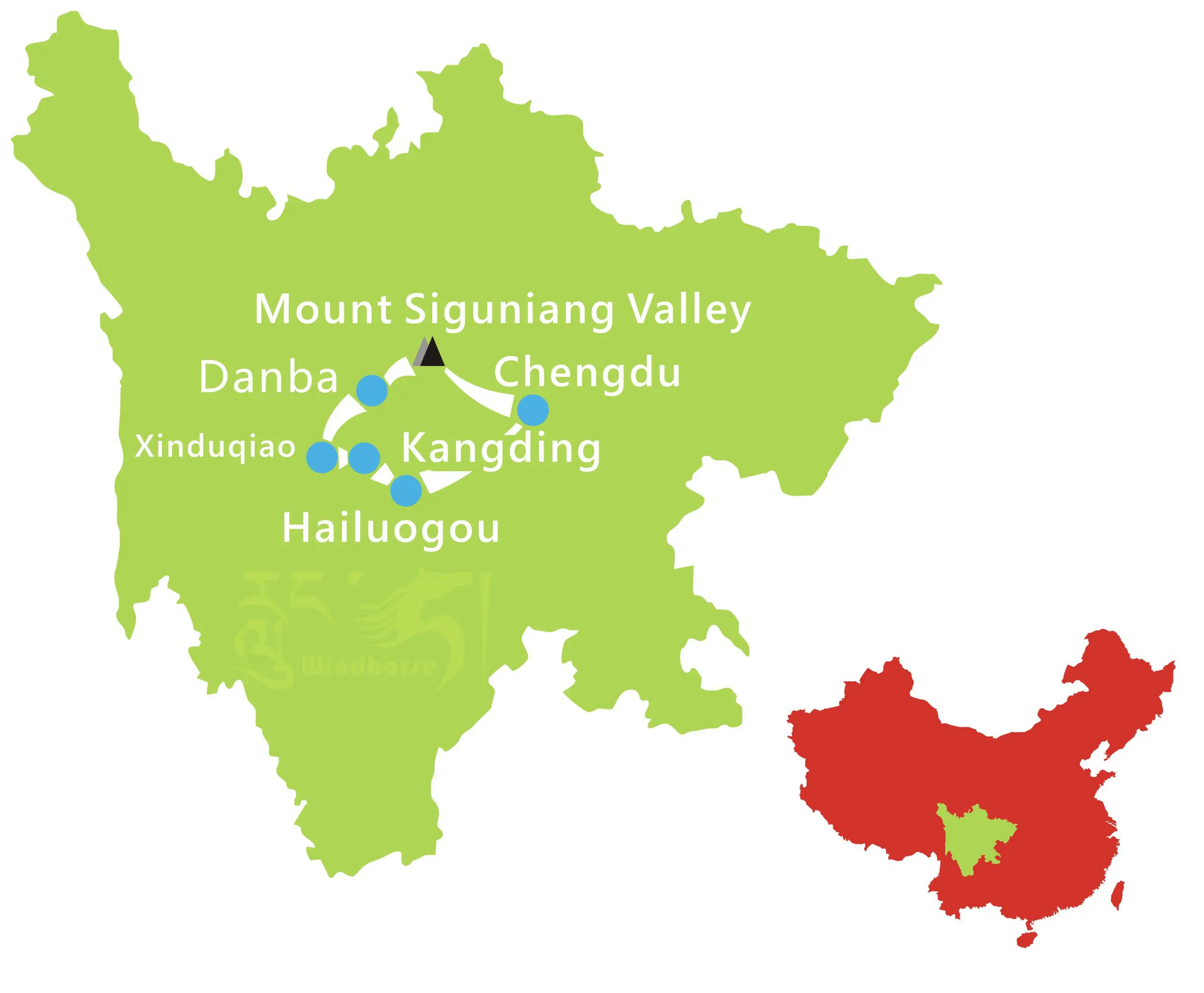
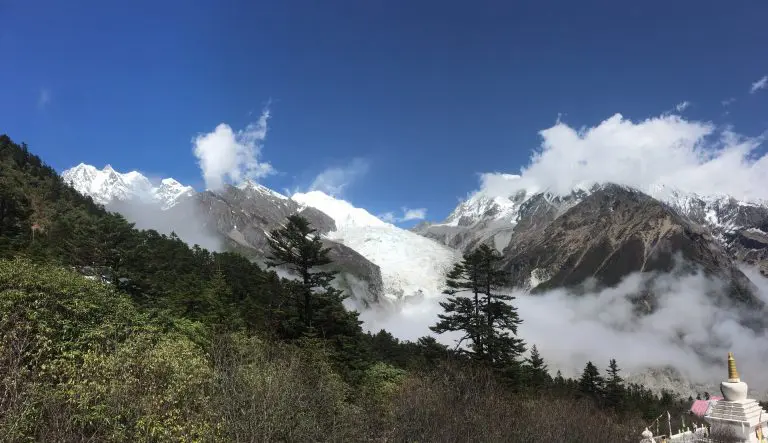
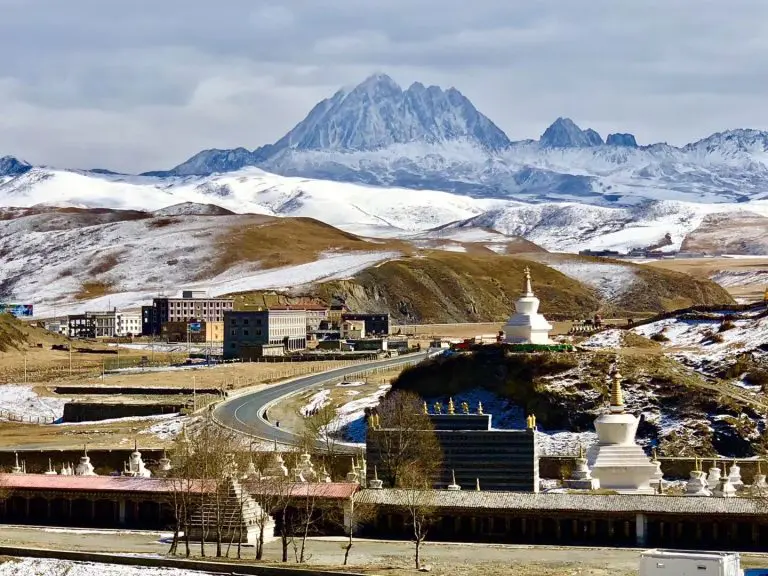
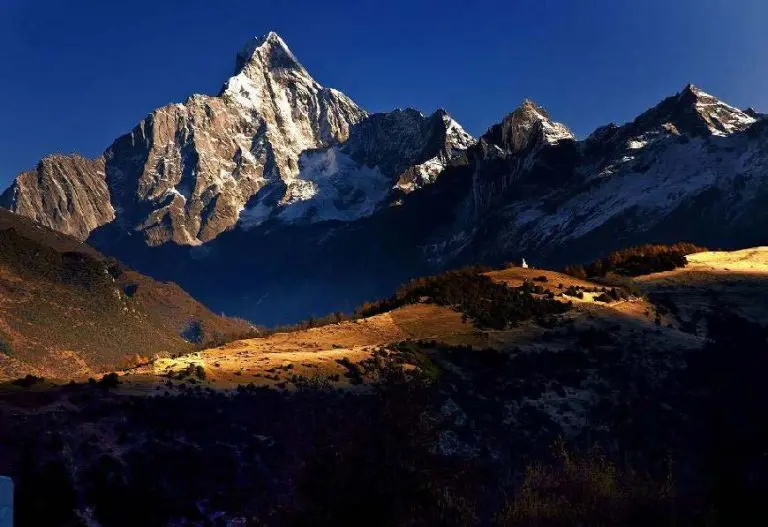
Enjoy the “king of shu mountains” Hailuogou Glacier as you travel into the Tibetan Kham region of western Sichuan. The beautiful Tagong grassland and the East Alpine Mount Siguniang offers some of the best sightseeing in all of China.
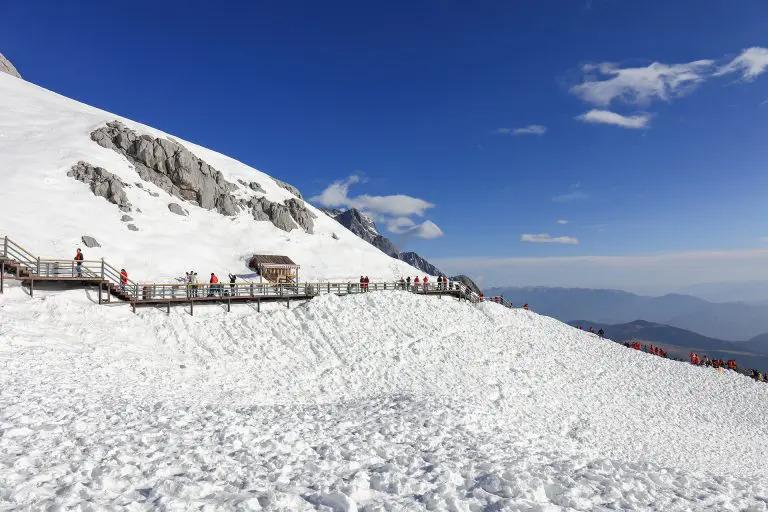
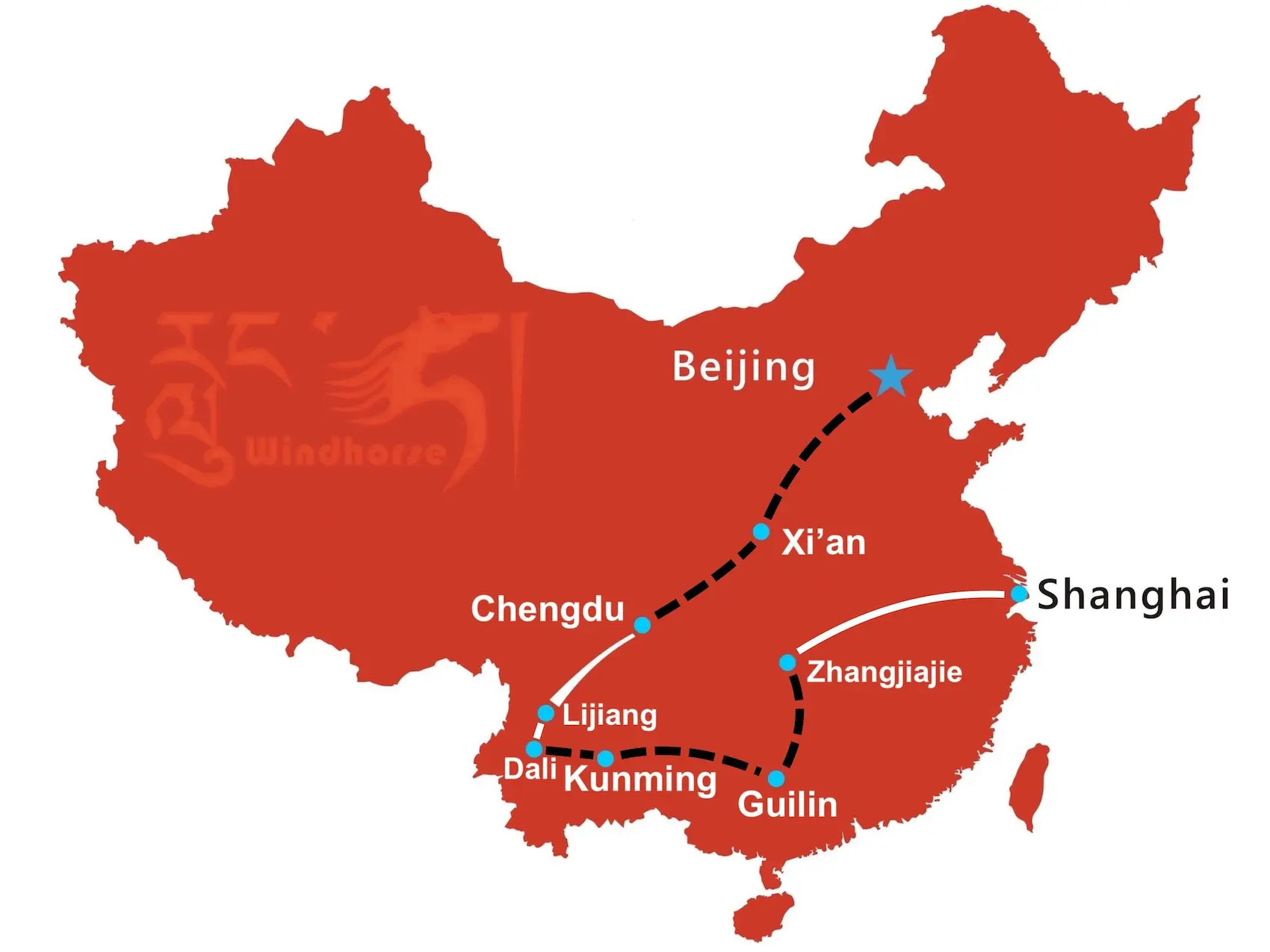
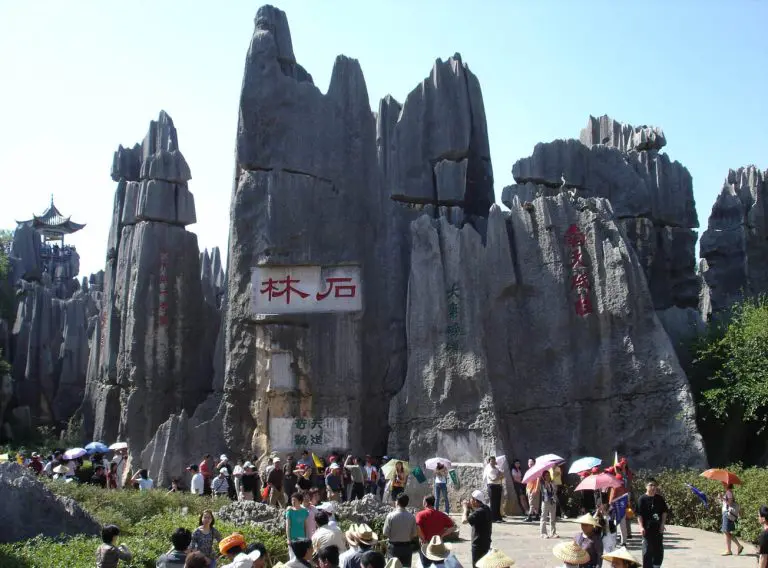
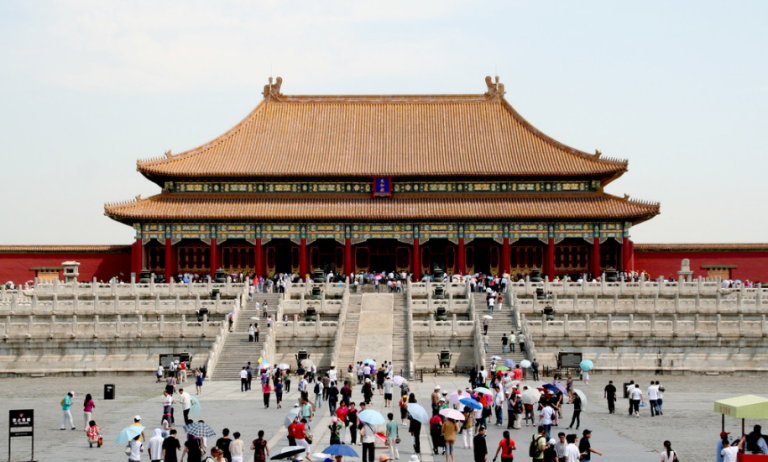
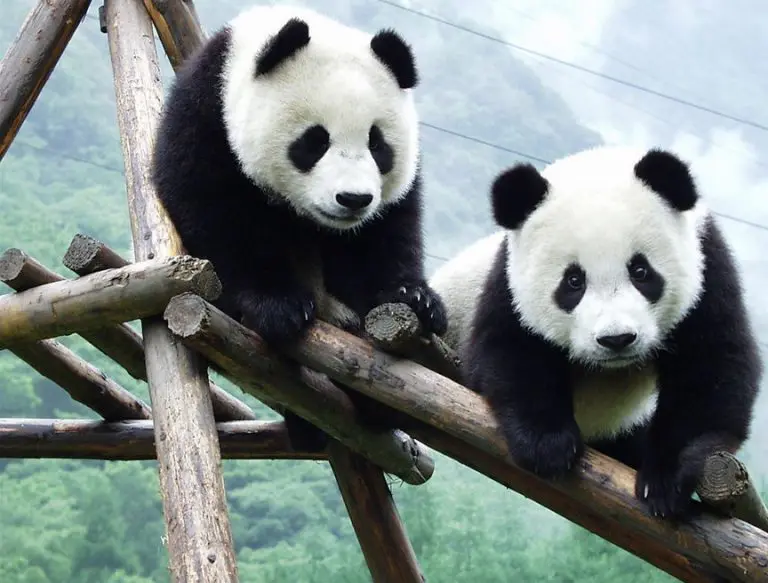
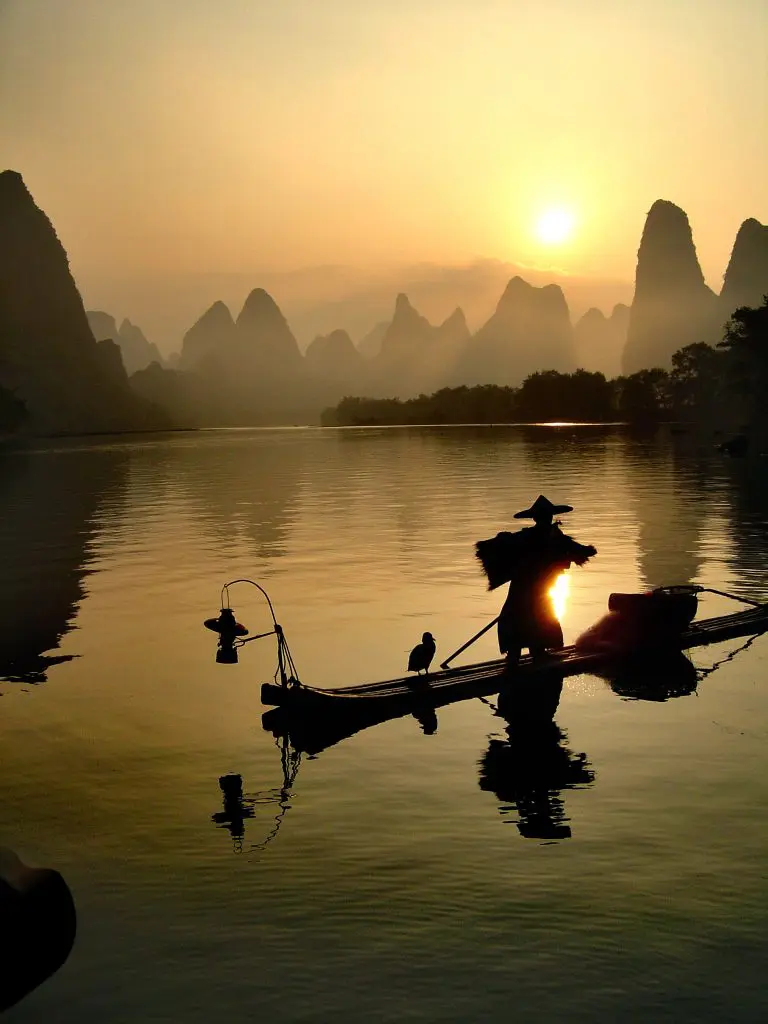
Travel across China in 21 days from Beijing and Xi’an to Chengdu, Yunnan, Guilin, Zhangjiajie, and Shanghai. This private journey highlights China’s top cities, historic towns, mountain scenery, and diverse cultures with well planned pacing and expert local guides.
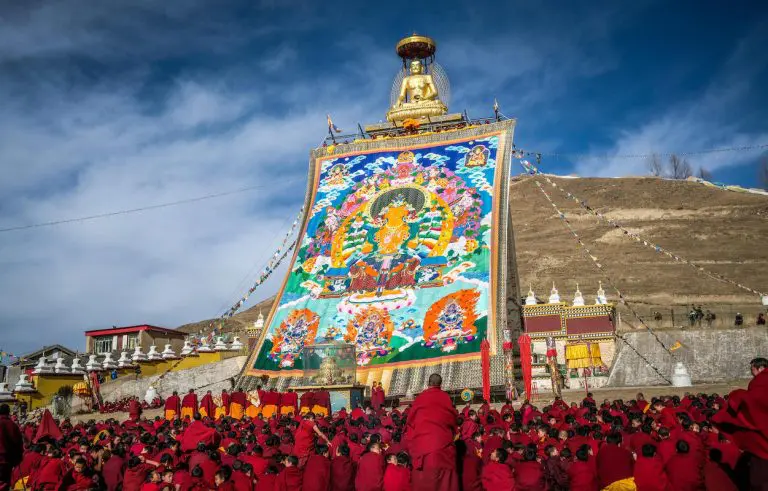

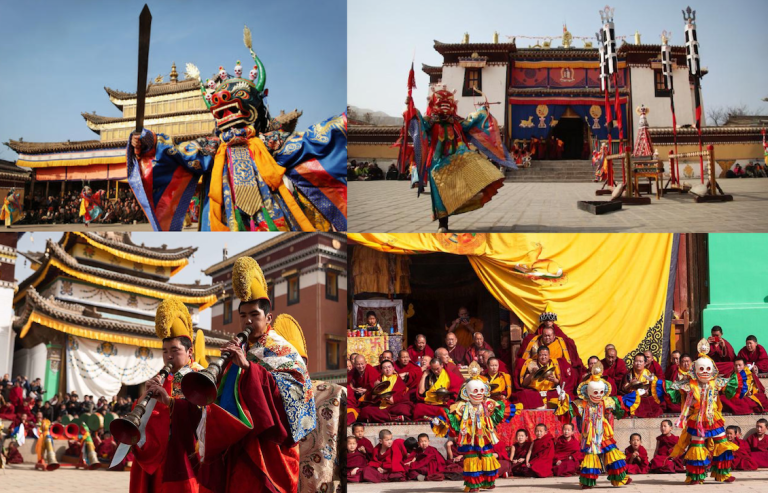
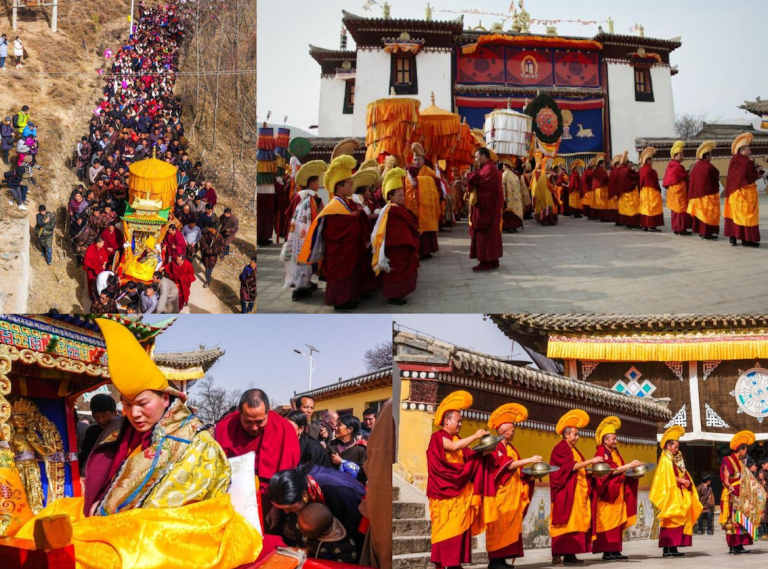
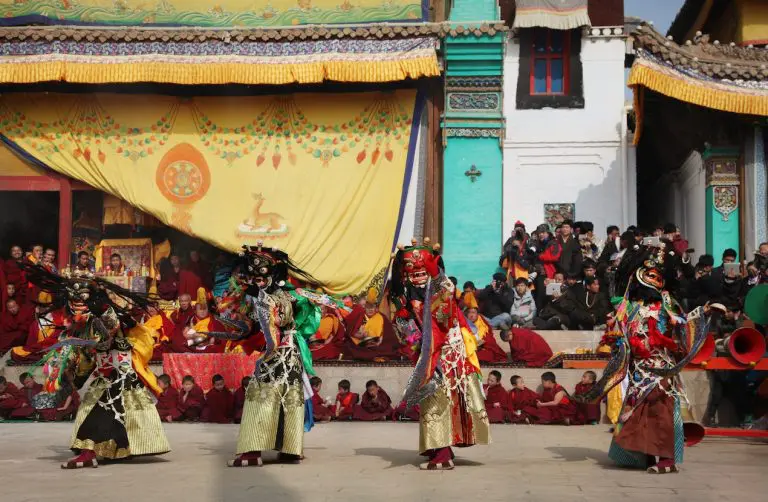
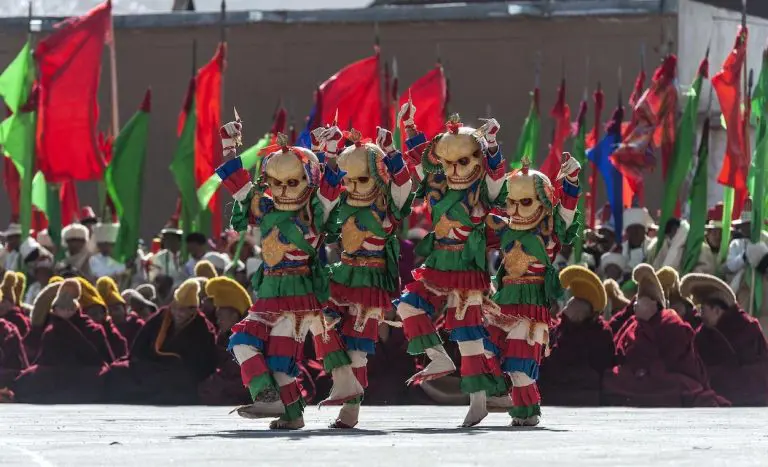
Experience the Amdo Monlam Festival across southern Qinghai and southwestern Gansu. Witness giant thangka unveilings, cham dances, butter sculpture displays, and centuries-old monastery ceremonies on this 10-day cultural journey.
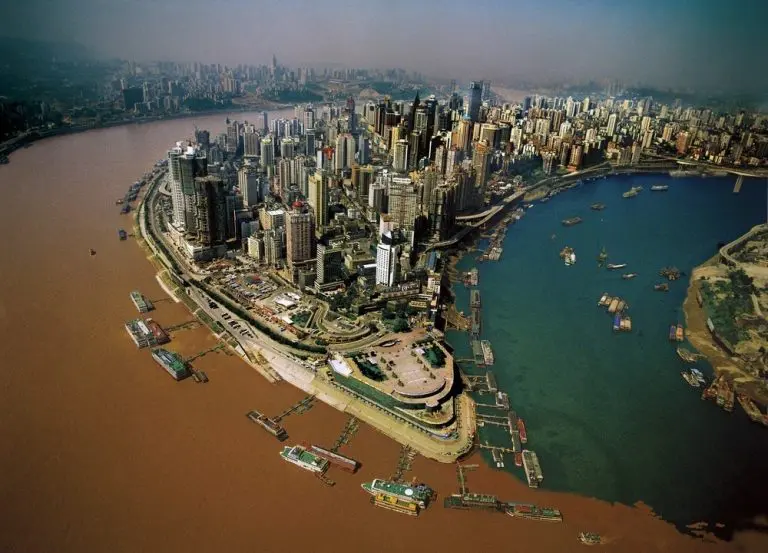
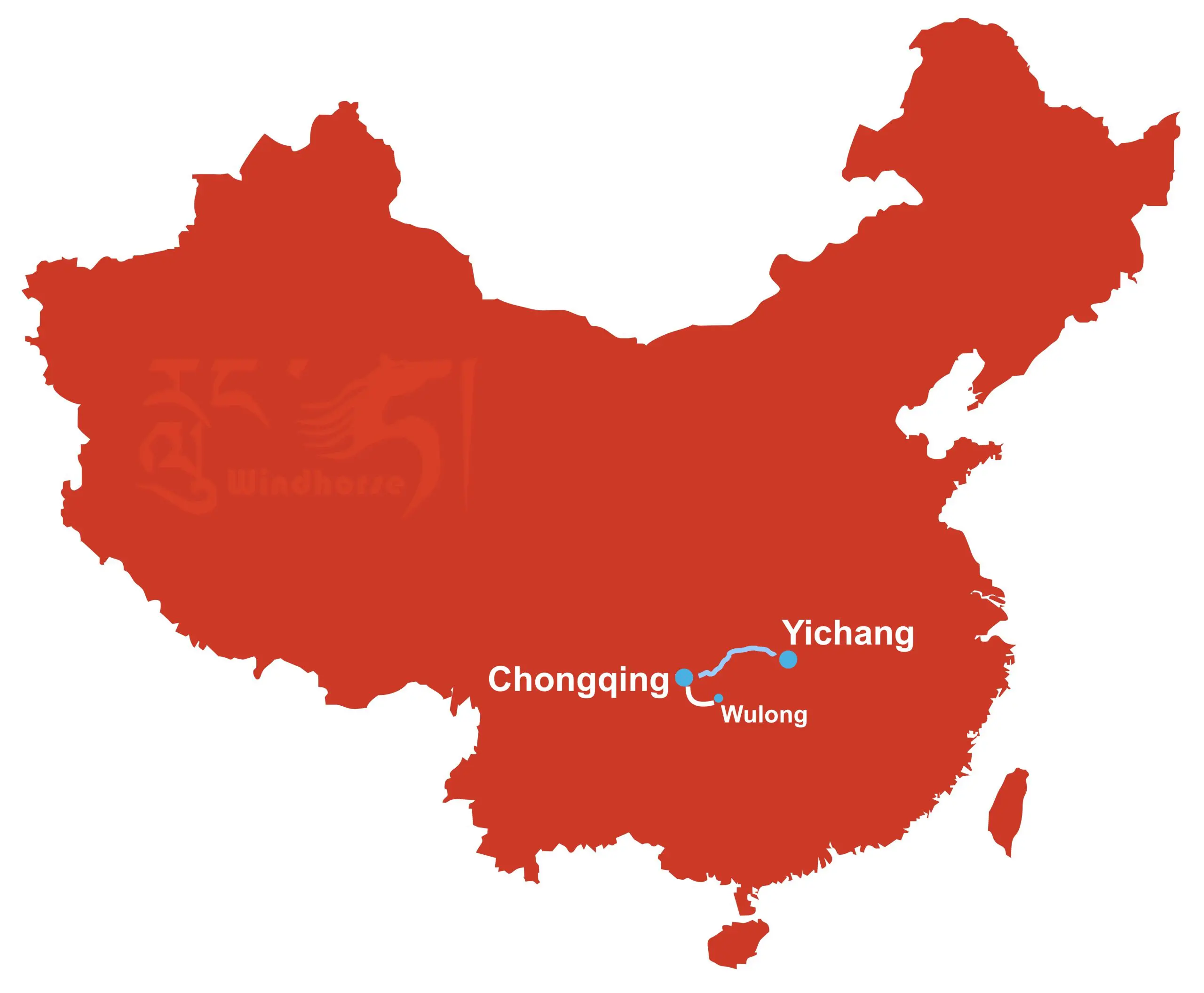
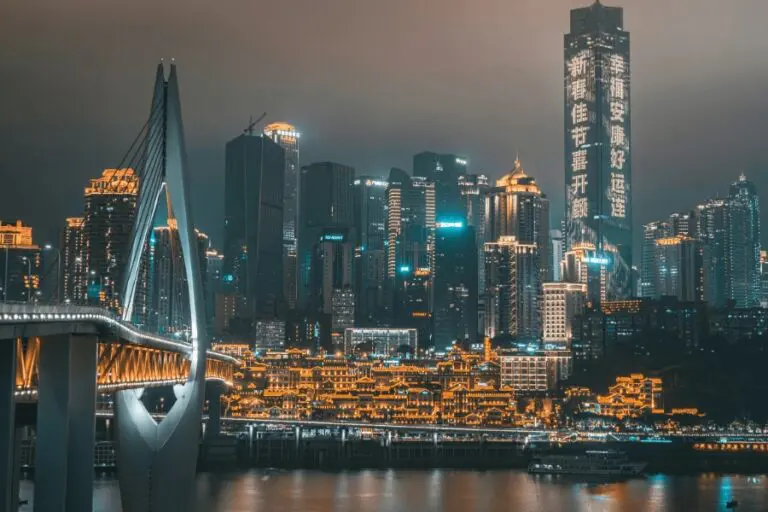
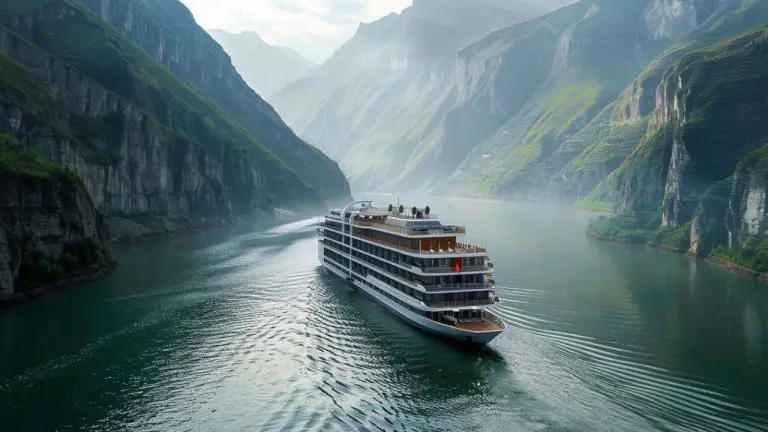
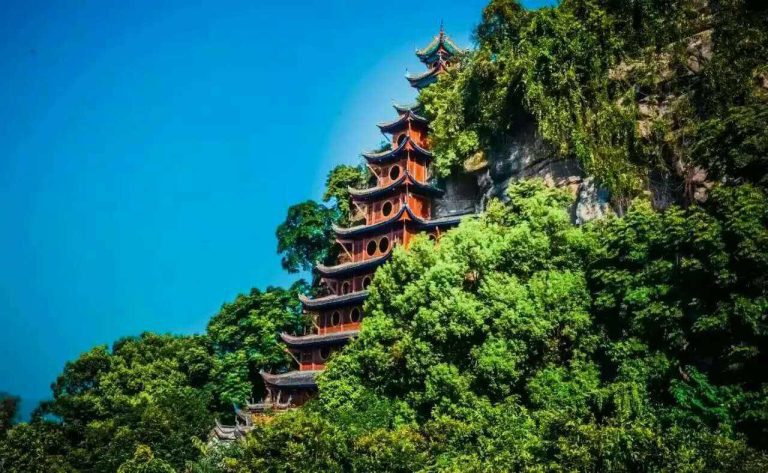
This 7-day Chongqing Yangtze River Cruise Tour with Wulong Karst combines city exploration, UNESCO landscapes, and a relaxing river voyage. Visit Chongqing’s highlights, marvel at Wulong Karst Park, and cruise through the majestic Three Gorges of Yangtze River to Yichang.