
Zhangjiajie National Forest Park Travel Guide
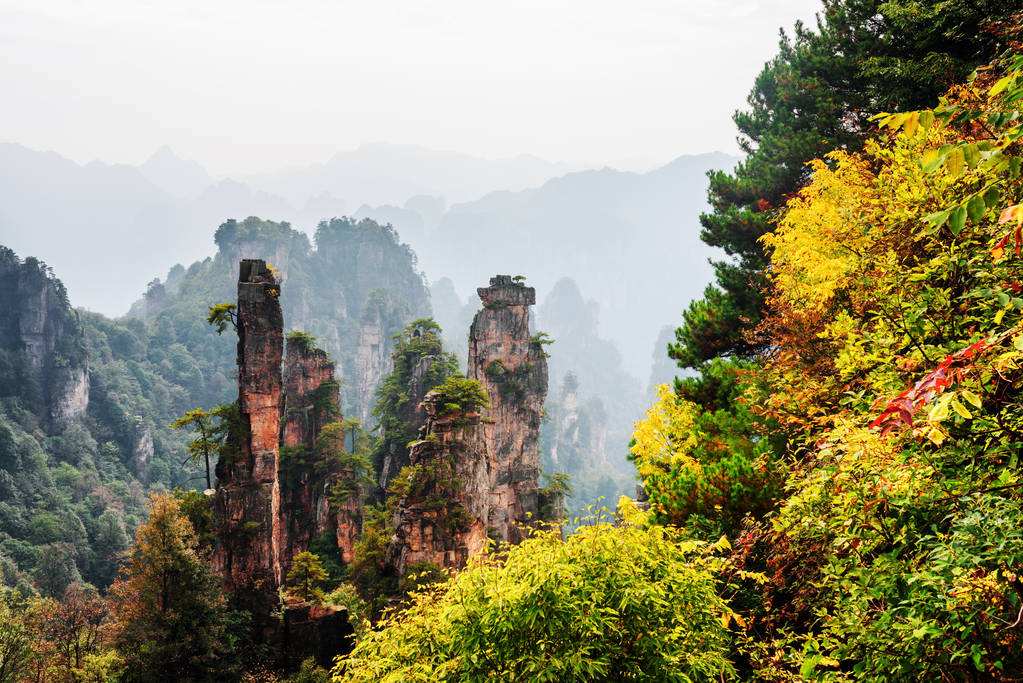
Zhangjiajie National Forest Park is the heart of Zhangjiajie’s dramatic mountain scenery and the reason most travelers visit this region of China. As China’s first national forest park and part of the UNESCO-listed Wulingyuan Scenic Area, it is world-famous for its towering quartz sandstone pillars, deep valleys, forested trails, and mist-covered peaks.
Often associated with the landscapes that inspired Avatar, the park offers far more than cinematic views. Well-developed walkways, cable cars, and sightseeing routes allow visitors to experience its most impressive scenery without extreme hiking, making it suitable for a wide range of travelers.
This guide focuses specifically on how to visit Zhangjiajie National Forest Park, including the best time to go, key scenic areas, route planning, accommodation choices, and practical tips to help you explore the park comfortably and efficiently. For a broader overview of attractions and experiences beyond the forest park, see our Things to Do in Zhangjiajie guide.
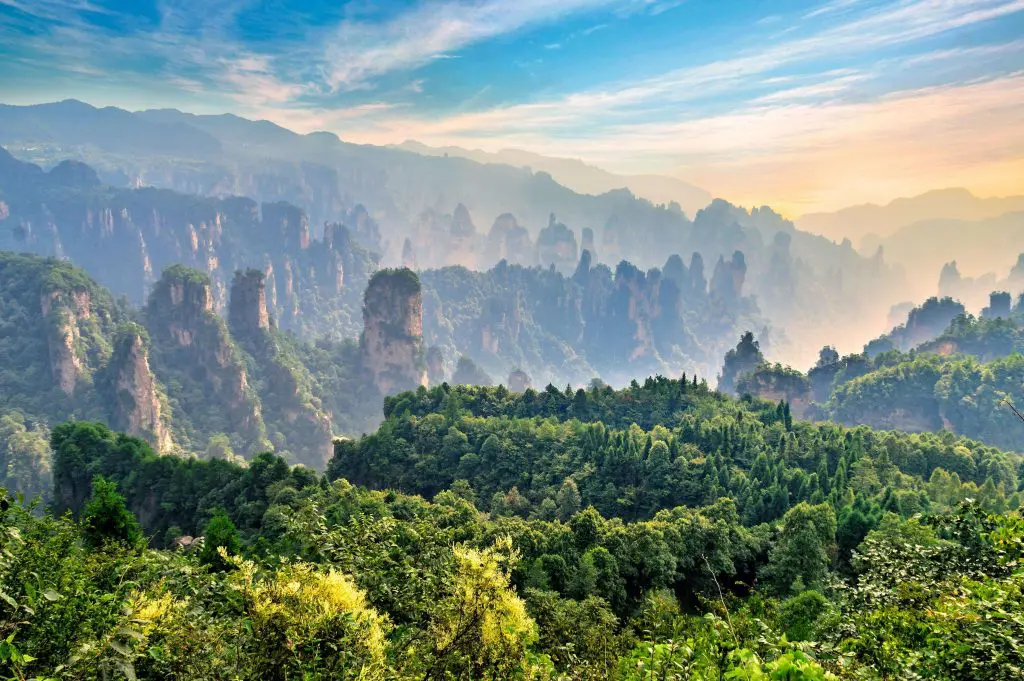
Table of Contents
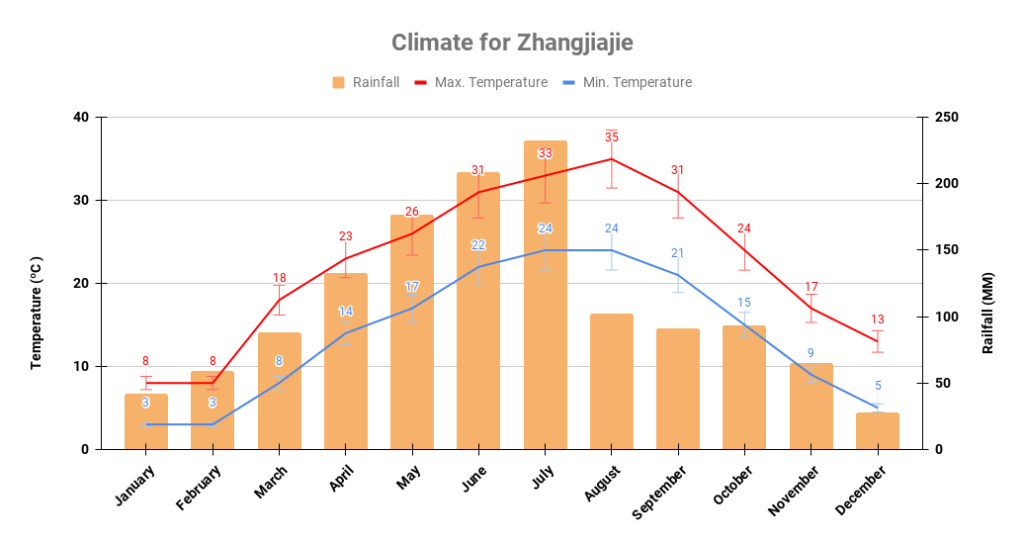
Best Time to Visit Zhangjiajie National Forest Park
April to June and September to November are widely considered the best times to visit Zhangjiajie National Forest Park, offering the most comfortable weather and the best scenery for sightseeing and photography.
Spring (April–June) brings mild temperatures and fresh greenery. Wildflowers such as camellias and azaleas bloom across the mountains, and the forest gradually turns vibrant green. Visitor numbers are generally moderate during this period, making it an excellent time for travelers who prefer pleasant weather without peak-season crowds.
Autumn (September–early November) is the most popular and visually striking season in Zhangjiajie. Clear skies, crisp air, and colorful foliage create ideal conditions for panoramic views and photography. Because autumn is considered the most beautiful time of year, visitor numbers are higher, and accommodation prices tend to reach their annual peak.
Summer (July–August) is hot, humid, and rainy. While the landscapes are lush and cloud formations can be dramatic, this period coincides with school holidays, resulting in heavier crowds and longer waits for cable cars and elevators.
Winter (December–February) is cold, with occasional snowfall transforming the sandstone peaks into a dramatic winter landscape. Visitor numbers are much lower, but some plants wither, and certain facilities may operate on reduced schedules.
Main Scenic Areas Inside Zhangjiajie National Forest Park
Zhangjiajie National Forest Park is the first national forest park in China and forms the core of the UNESCO-listed Wulingyuan Scenic Area. Its unique quartz sandstone peak forest landscape was inscribed as a World Natural Heritage Site in 1992 and later recognized as a Global Geopark.
The park covers a vast mountainous area with thousands of stone pillars, deep valleys, forests, and streams. Rather than being a single viewpoint, it is divided into several distinct scenic zones. Understanding how these areas differ helps travelers plan routes efficiently and decide how to pace their visit. Most visitors need at least two full days to explore the main highlights inside the park.
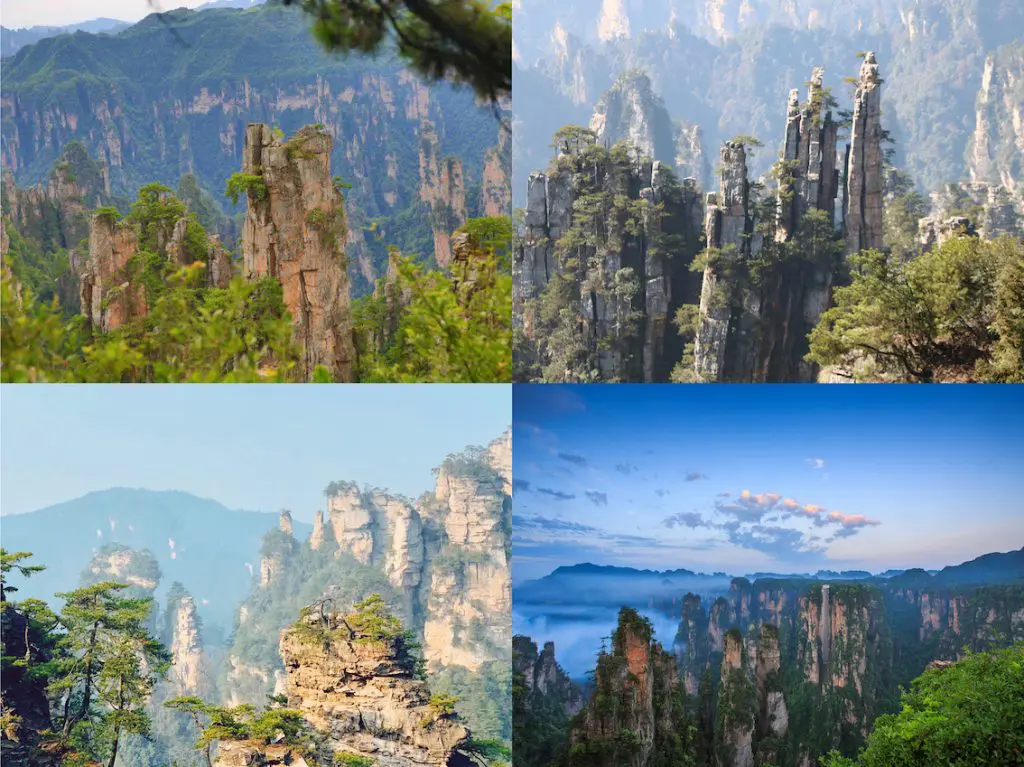
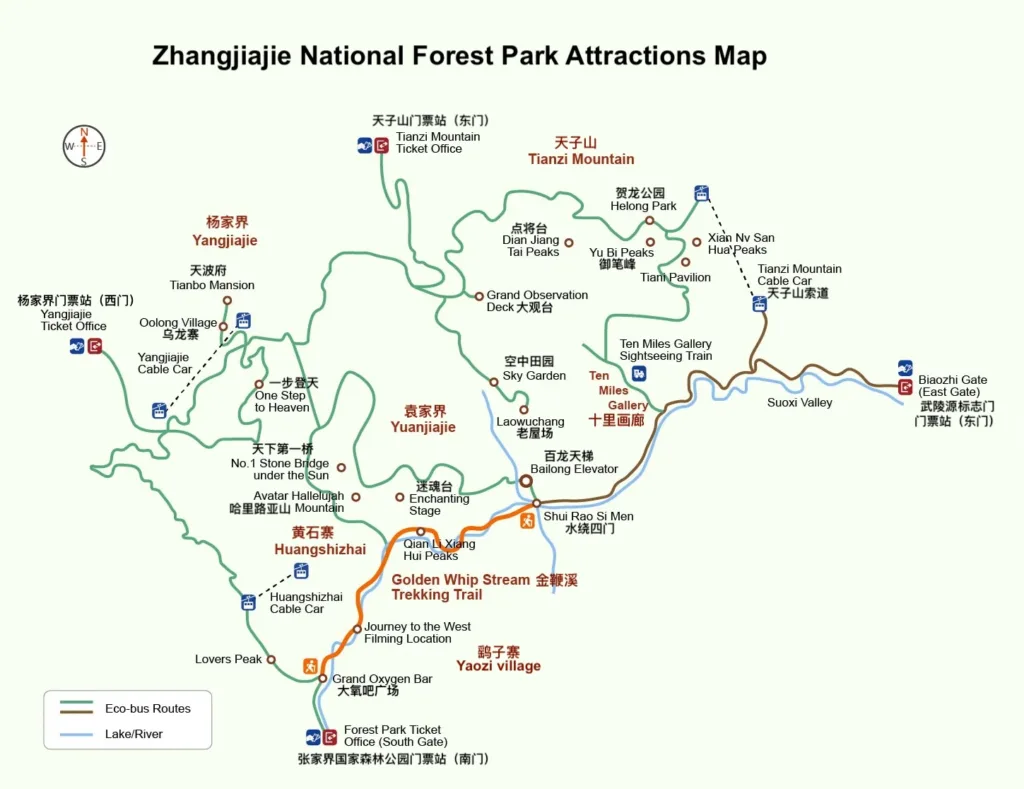
| Yuanjiajie | Yuanjiajie is the most recognizable area of the park and home to the famous sandstone pillars that inspired the floating mountains in Avatar. Elevated walkways connect a series of viewpoints, including the First Bridge Under Heaven. The Bailong Elevator provides fast access from the valley floor, making Yuanjiajie a central hub for park exploration. |
| Tianzi Mountain | Located in the northern part of the park, Tianzi Mountain is known for its wide-open panoramas and ever-changing scenery. Compared to the vertical formations of Yuanjiajie, Tianzi Mountain feels more expansive, with layered peaks and classic “sea of clouds” views, particularly at sunrise and after rain. |
|---|---|
| Huangshizhai (YellowStone) Village | Huangshizhai is one of the highest and most traditional viewpoints in Zhangjiajie National Forest Park, sitting at an elevation of around 1,080 meters. Local sayings claim that “a visit to Zhangjiajie is incomplete without Huangshizhai.” From the top, visitors enjoy sweeping views over peaks, valleys, and forested slopes. The area can be reached by hiking or cable car. |
| Golden Whip Stream | Golden Whip Stream runs for about 6.5 kilometers through the eastern part of the park, following a clear stream beneath towering cliffs and dense forest. The trail is flat and shaded, making it one of the easiest and most relaxing walks in the park. It is especially pleasant during the warmer summer months. |
| Ten Miles Gallery | Ten Miles Gallery is a scenic valley in the Suoxi Valley area, where rock formations along the route resemble people, animals, and mythical figures. Visitors can explore the area on foot or take a small sightseeing train, making it suitable for travelers of all fitness levels. |
| Bailong Elevator | The Bailong Elevator is the world’s tallest outdoor elevator, built directly into a cliff face. With a vertical rise of over 300 meters, it connects Golden Whip Stream with Yuanjiajie in just two minutes, saving hours of uphill hiking. It plays an important role in linking the park’s main scenic areas and improving accessibility. |
Nearby Attractions Often Combined with Zhangjiajie National Forest Park
While Zhangjiajie National Forest Park is the main highlight of the region, many travelers choose to combine it with nearby attractions to create a more varied itinerary. These sites are typically visited before or after time inside the park, depending on arrival and departure schedules.
Tianmen Mountain
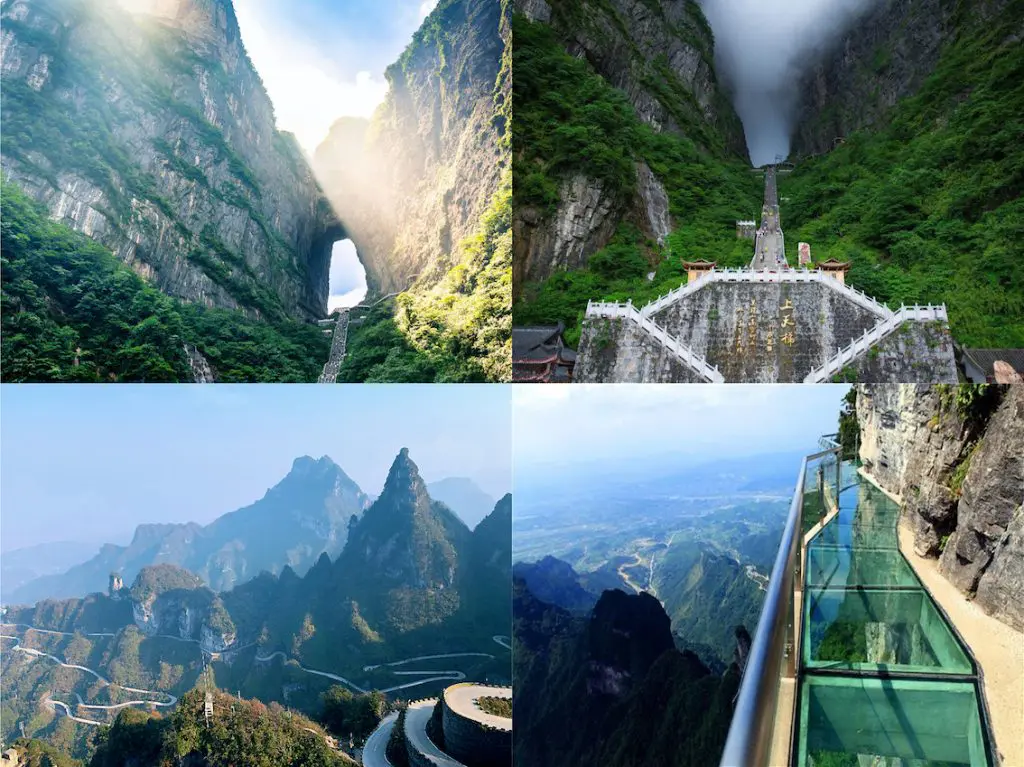
Located about 8 kilometers from downtown Zhangjiajie, Tianmen Mountain is best known for Tianmen Cave (Heaven’s Gate) and its dramatic cliffside scenery. The long cable car ride from the city offers sweeping views, and several walking routes allow visitors to choose paths based on time and physical comfort. Tianmen Mountain is often scheduled on arrival or departure days due to its proximity to the airport.
Zhangjiajie Grand Canyon & Glass Bridge
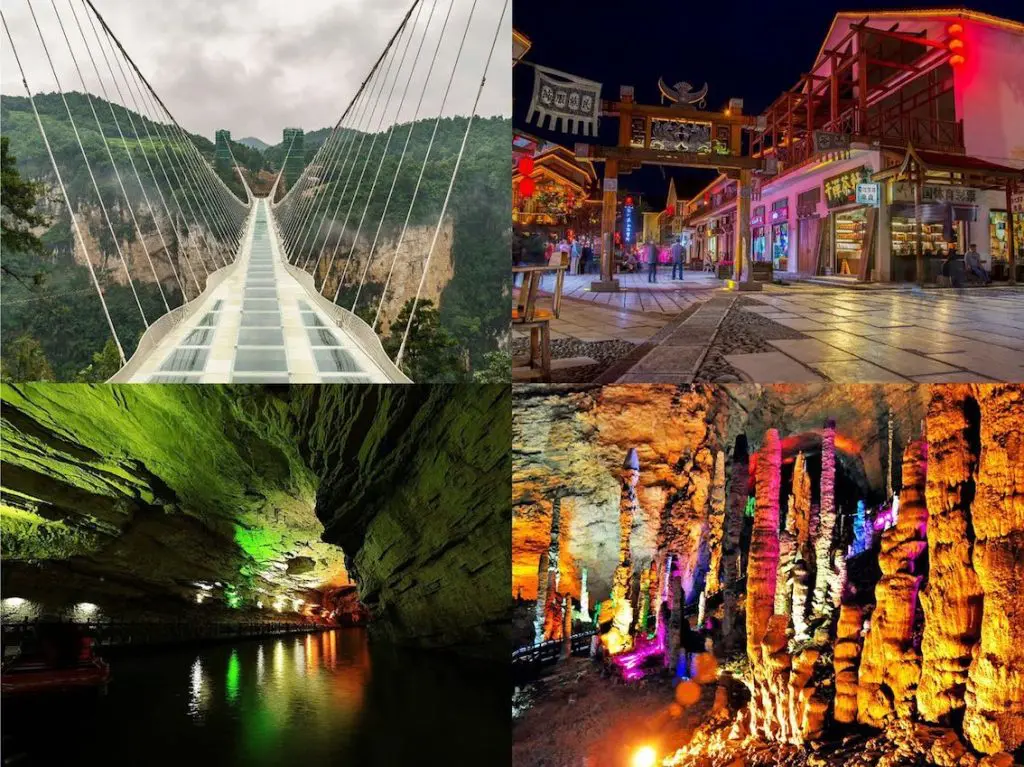
Zhangjiajie Grand Canyon offers a contrasting landscape of waterfalls, streams, and lush vegetation. It is most famous for its glass bridge suspended high above the valley floor. The canyon is usually visited as a half-day excursion and pairs well with forest park sightseeing.
Baofeng Lake
Baofeng Lake provides a quieter and more relaxed experience compared to the dramatic mountain scenery of the forest park. Surrounded by steep green peaks, the lake is usually explored by boat, allowing visitors to enjoy reflections of the cliffs and calm waters at an unhurried pace. It works well as a short visit or rest day between more intensive sightseeing days.
Yellow Dragon Cave
Located in the Wulingyuan area, Yellow Dragon Cave is a large karst cave system featuring underground rivers, stalactites, and expansive chambers. Visitors explore the cave via well-lit walking paths combined with a short boat ride, making it an easy and weather-proof addition to a Zhangjiajie itinerary.
Evening Options Near Zhangjiajie National Forest Park
After a full day in the park, many travelers prefer relaxed evening activities. Xibu Street in Wulingyuan District offers convenient dining and casual shopping close to the park. For those staying downtown, 72 Qilou provides a lively evening atmosphere with illuminated architecture and local snacks.
Several evening shows are also popular optional additions. The Tianmen Fox Fairy Show is an outdoor performance staged near Tianmen Mountain, while the Charming Xiangxi Show offers an indoor cultural experience near Wulingyuan. These are best enjoyed as low-effort evening activities rather than core sightseeing.
Nearby Cultural Extensions (Optional, require 1-2 days)
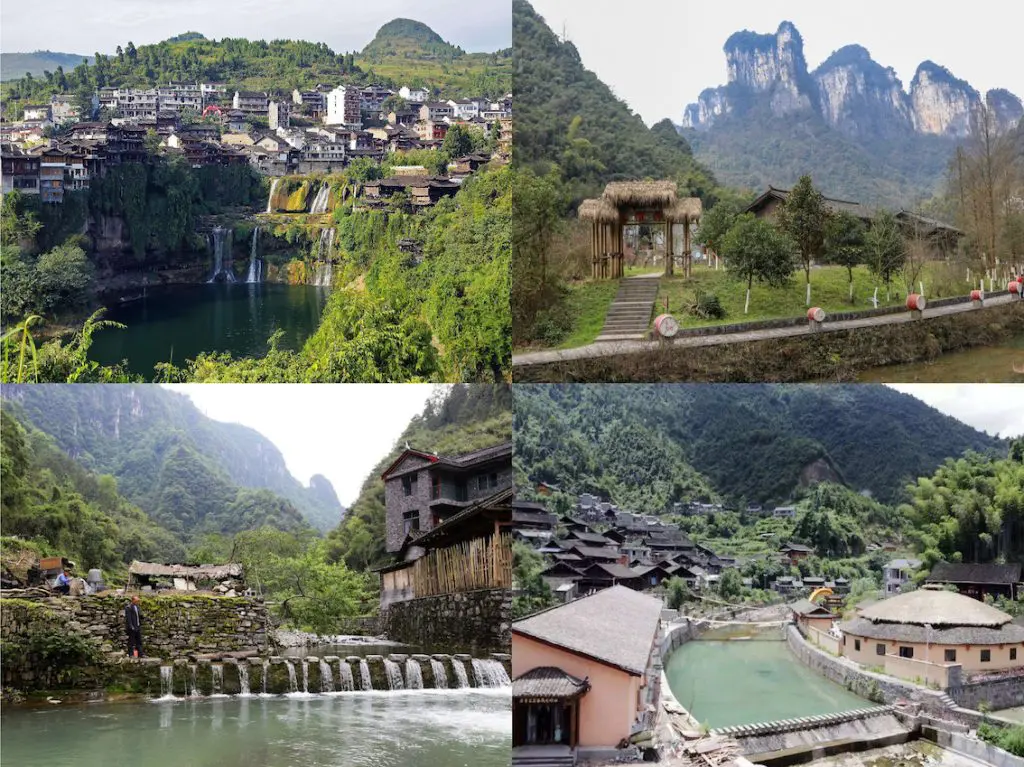
For travelers with extra time, nearby destinations such as Furong Ancient Town, Dehang Miao Village, or Fenghuang Ancient Town can be added as cultural extensions. These locations are usually visited on separate days and are better suited for longer itineraries rather than short park-focused trips.
How to Get to Zhangjiajie National Forest Park
Zhangjiajie is accessible by air and rail, making it easy to reach from major cities across China. The city is served by Zhangjiajie Hehua International Airport and an expanding high-speed rail network, allowing travelers to combine Zhangjiajie smoothly with other destinations such as Changsha, Chengdu, Guilin, and Fenghuang.
By Air
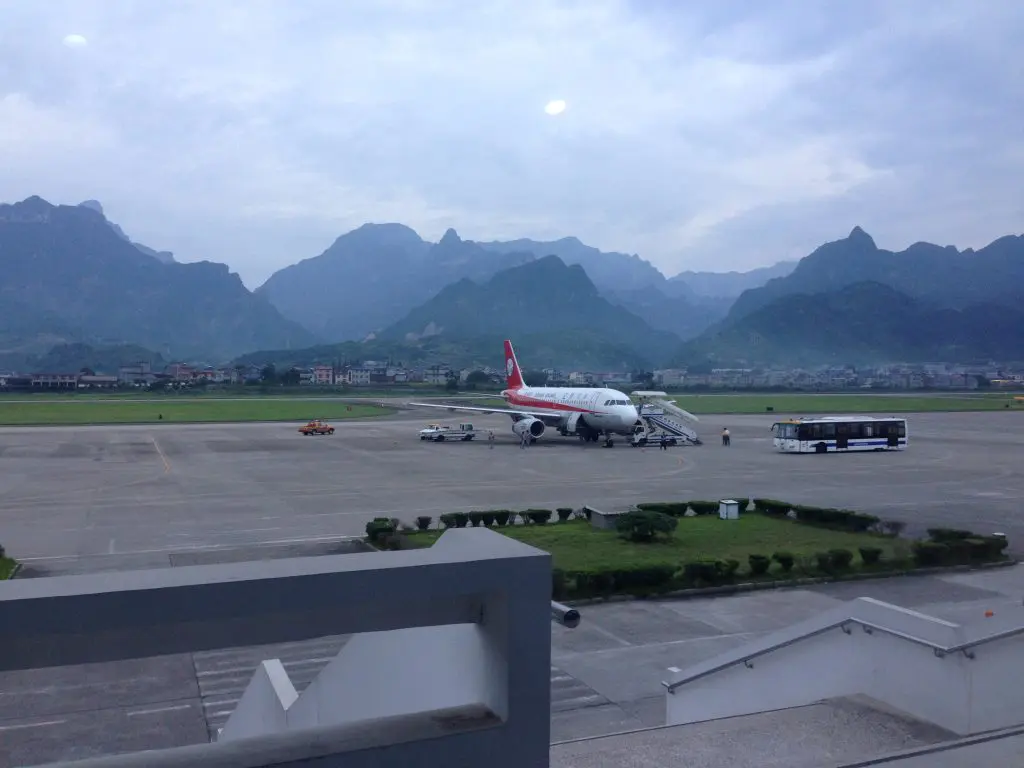
Zhangjiajie Hehua International Airport is located in Yongding District, about 15–25 minutes from downtown Zhangjiajie and around 40 minutes from Zhangjiajie National Forest Park by car. Direct flights operate from major Chinese cities such as Beijing, Shanghai, Guangzhou, Chengdu, Xi’an and Changsha, with additional seasonal routes.
Travelers continue to Fenghuang Ancient Town may also consider routing via Tongren Fenghuang Airport, depending on their overall itinerary planning.
By Train
High-speed trains connect Changsha and Zhangjiajie West Railway Station in around 2 hours. Direct high-speed services also operate from major tourist cities such as Chengdu, Chongqing, Guilin, Guangzhou and others, with travel times typically ranging from 3 to 7 hours, depending on the route.
High-speed rail also links Zhangjiajie with Furong Town and Fenghuang Ancient City, making it easy to combine these destinations without long road transfers. From the railway stations, travelers can reach Wulingyuan and Zhangjiajie National Forest Park by local bus, taxi, or private transfer.
Getting Around Zhangjiajie
Within Zhangjiajie, metered taxis are widely available and reliable for short distances. As scenic areas are spread out, many travelers choose a private car with driver to save time and reduce transfers when moving between Zhangjiajie National Forest Park, Tianmen Mountain, and nearby attractions.
Length of Stay & Route Planning in Zhangjiajie
Zhangjiajie National Forest Park is extensive, and visiting it requires thoughtful time planning. For most travelers, 3–4 days in Zhangjiajie allows a comfortable overview of the main scenic areas without rushing, while also leaving time to add one surrounding attraction.
Short stays (around 2 days): Focus on the most iconic sections of the National Forest Park, such as Yuanjiajie (Avatar Mountains) and Tianzi Mountain, using cable cars and elevators to save time.
Typical stays (3–4 days): A common Zhangjiajie travel plan that explores Zhangjiajie National Forest Park over two days and adds other highlights such as Tianmen Mountain, Baofeng Lake, or Yellow Dragon Cave.
Longer stays (5 days or more): Suitable for travelers who prefer a slower pace or wish to combine Zhangjiajie with nearby old towns such as Furong Town and Fenghuang Ancient City.
Route Planning Overview
Zhangjiajie National Forest Park is divided into several scenic zones, so route planning matters more than distance. Most visitors explore one or two scenic areas per day, rather than moving between distant sections. Cable cars, elevators, and park shuttle buses are commonly used to handle elevation changes and reduce walking time.
For multi-day visits, Wulingyuan is the most popular place to stay thanks to its proximity to the main park entrances. Travelers who want a smoother experience usually follow a well-paced Zhangjiajie route plan that avoids backtracking and adjusts sightseeing times based on crowd levels and weather.
Where to Stay When Visiting Zhangjiajie National Forest Park
Wulingyuan District (Best Location)
Most travelers stay in Wulingyuan District, particularly near the East Gate (Wulingyuan Sign Gate) of Zhangjiajie National Forest Park. Hotels in this area are within walking distance or a short ride to the park entrance and shuttle buses, making early entry and multi-day visits much easier. The area around Xibu Street also offers convenient dining and simple evening options. Well-known hotels near the East Gate include Hampton by Hilton Zhangjiajie National Forest Park, Hilton Garden Inn Zhangjiajie Wulingyuan, and Pullman Zhangjiajie, along with many local guesthouses.
Yongding District (Downtown Zhangjiajie)
Yongding District is convenient for Tianmen Mountain, the airport, and train stations. It works well for arrival or departure nights, but daily transfers to Zhangjiajie National Forest Park take longer compared with staying in Wulingyuan.
Staying Inside the Forest Park
Staying inside Zhangjiajie National Forest Park is generally not recommended. Accommodation options are very limited, facilities are basic, and prices are higher than comparable hotels in Wulingyuan.
Food & Dining Near Zhangjiajie National Forest Park
Zhangjiajie’s local cuisine blends Tujia ethnic flavors with Hunan cooking, typically featuring smoked, pickled, and mildly spicy dishes. Meals are hearty and rustic, well suited for travelers after long days of walking and sightseeing.
Where to Eat
Wulingyuan District: Around the National Forest Park, most dining options are local farmhouse restaurants serving simple Hunan-style dishes. Near park shuttle stops, you’ll also find small snack streets selling items such as fried potatoes, glutinous rice cakes, sweet potatoes, sausages, and smoked meats. Food inside scenic areas is convenient but generally more expensive than outside the park.
Downtown Zhangjiajie (Yongding District): In the city center, dining is more varied. Popular evening food areas include Dayong Fucheng, as well as local night markets such as Nanzhuangping Market and Dongmen Bridge Night Market, where street food stalls offer a wide range of affordable snacks.
Inside Scenic Areas: At places like Tianmen Mountain, restaurants are concentrated near major viewpoints such as Tianmen Cave. Options are mostly fast food and simple local snacks, with higher prices due to location.

Local Specialties to Try
Local Kiwi Juice – A popular regional product, easy to find in shops and markets.
Sanxiaguo (三下锅) – A signature local dish combining three meats (such as pork belly, ribs, chicken, or tripe) cooked together with vegetables and spices.
Stewed Chicken with Rock Fungus (岩耳炖鸡) – A nutritious local specialty made with rock fungus that grows on cliffs in the region.
Seasonal Wild Vegetables – Fresh and locally foraged, changing with the seasons.
Additional Useful Zhangjiajie Travel Tips
Ticket & Entry Tips
- Park tickets are valid for multiple days. Zhangjiajie National Forest Park tickets usually allow entry over 4 consecutive days, so you don’t need to rush everything into one visit.
- Bring your passport when entering the park. Tickets are linked to ID and checked at entrances.
Weather & Visibility
- Mountain weather changes quickly. Fog and clouds can appear suddenly, especially in the morning. If visibility is poor, adjust routes and return later in the day when views often improve.
- Carry a light jacket or rain layer, even in warmer months, as temperatures at higher elevations can drop quickly.
Crowds & Timing
- Arrive early (before 8:00 am) to avoid peak crowds at Bailong Elevator, Tianzi Mountain cable car, and Yuanjiajie viewpoints.
- Midday can be the busiest. If possible, plan scenic viewpoints early or late in the day and use valley walks or lunch breaks during peak hours.
Payments & Facilities
- Mobile payment is widely used. Alipay and WeChat Pay are accepted almost everywhere; cash is less commonly used inside scenic areas.
- Restrooms are available at major shuttle stops and entrances, but can be basic, carry tissues just in case.
Physical Comfort
- Avoid large backpacks on narrow cliffside walkways for comfort and safety.
- Trekking poles can help on long stair sections, especially for older travelers or those with knee issues.
Final Thoughts
Zhangjiajie National Forest Park covers a vast area, so planning ahead makes a real difference. Allowing enough time and following a clear route helps you see the park’s highlights without feeling rushed.
Most travelers enjoy the park more by spreading visits over several days and using cable cars, elevators, and shuttle buses to handle distance and elevation. Staying close to the park entrances and adjusting plans for weather and crowd levels can noticeably improve the experience.
For travelers who prefer a smoother, well-organized visit with local support, our Zhangjiajie tours are designed to balance key scenic areas, pacing, and seasonal conditions. With the right approach, Zhangjiajie National Forest Park offers some of the most impressive natural scenery in China.
Related tours
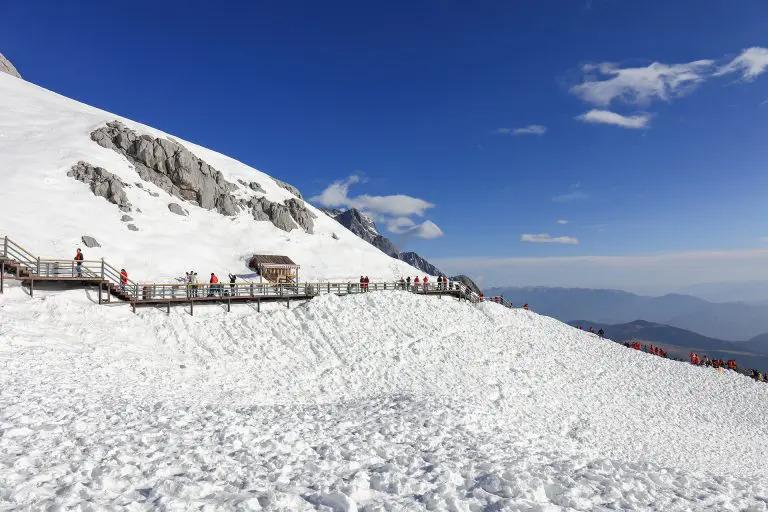
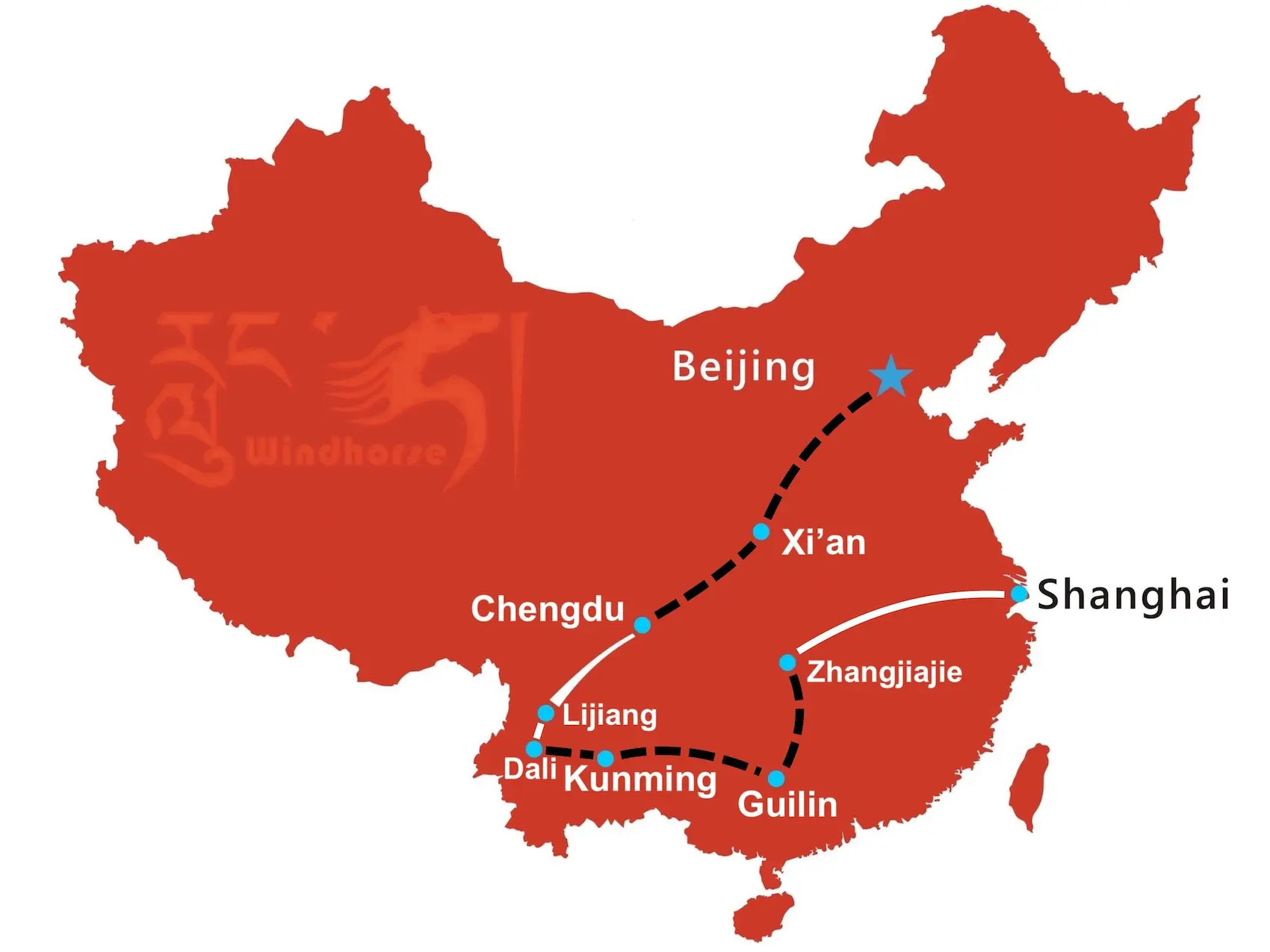
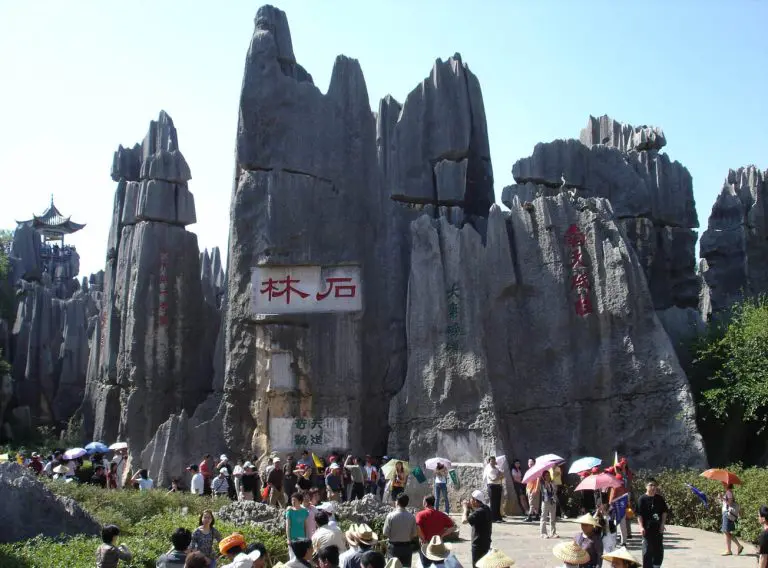
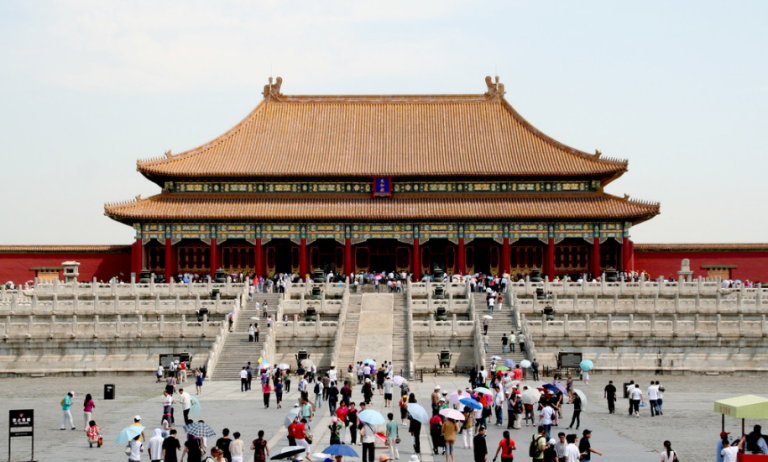

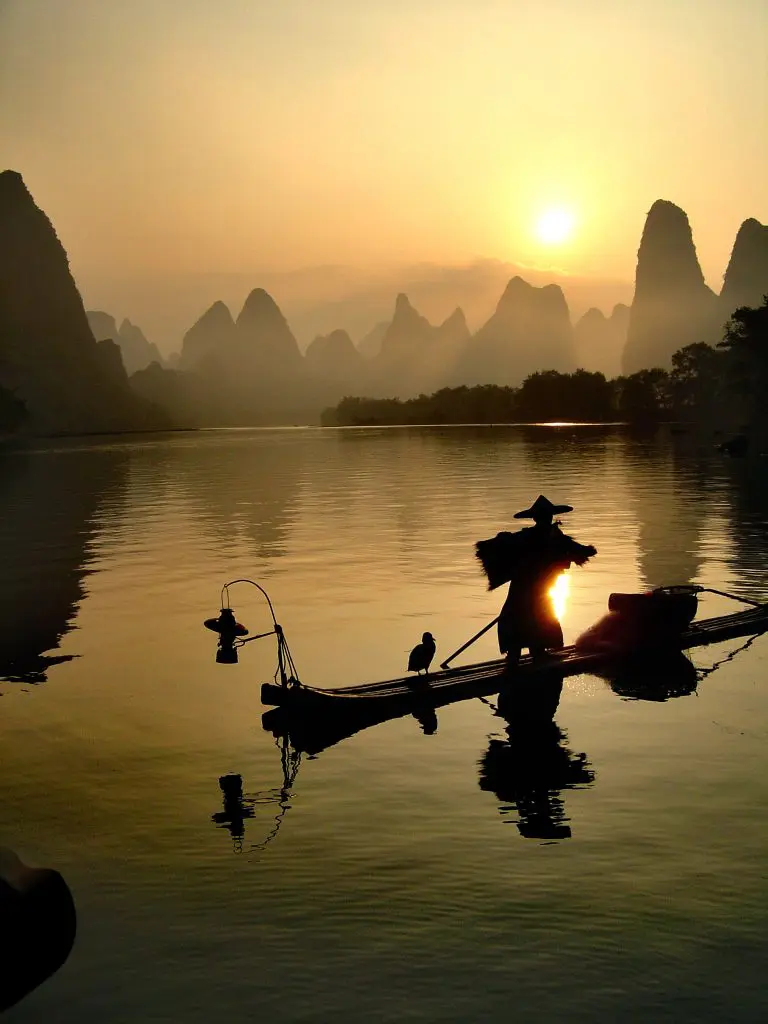
Travel across China in 21 days from Beijing and Xi’an to Chengdu, Yunnan, Guilin, Zhangjiajie, and Shanghai. This private journey highlights China’s top cities, historic towns, mountain scenery, and diverse cultures with well planned pacing and expert local guides.
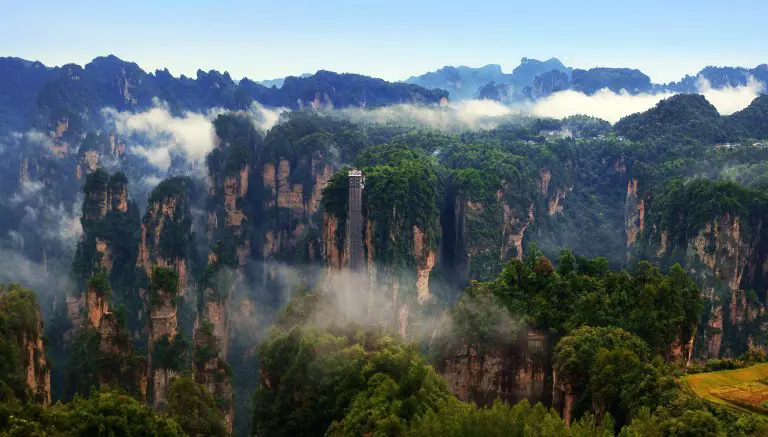
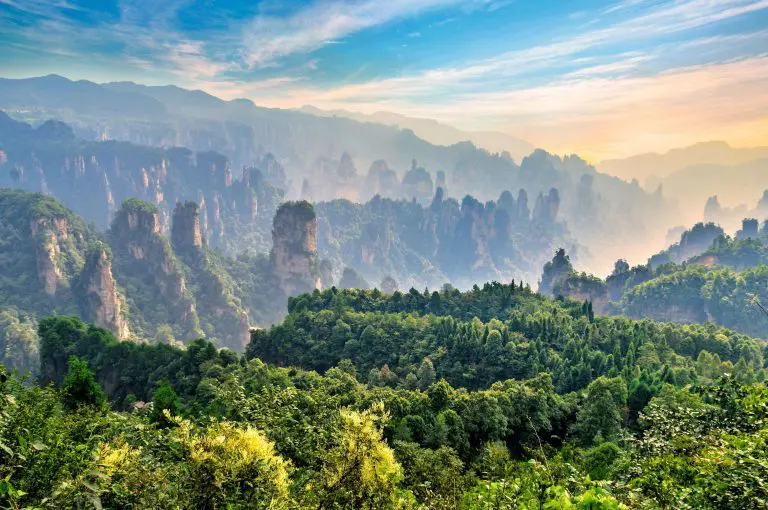
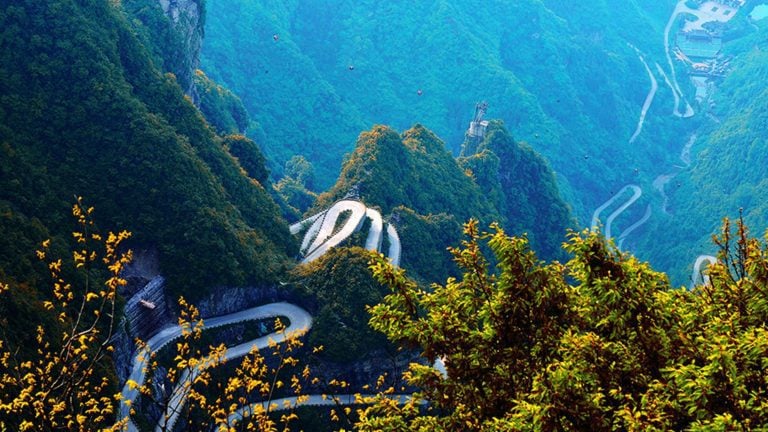
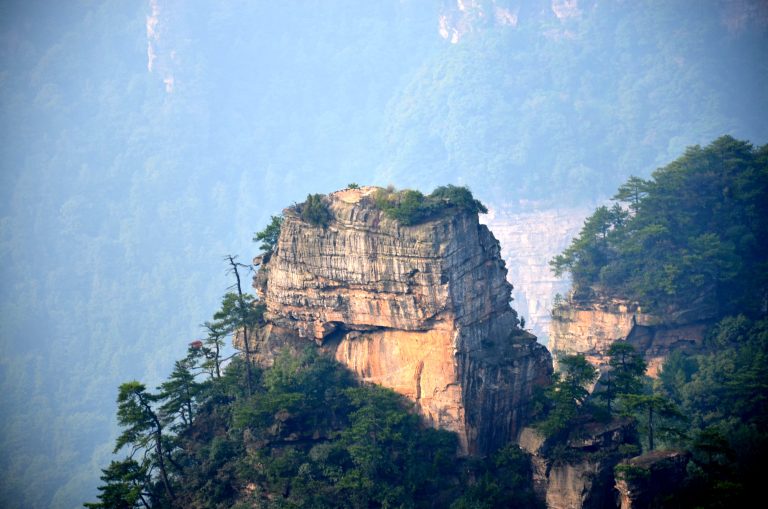
Explore the Avatar Mountains of Yuanjiajie, Tianzi Mountain, Golden Whip Stream, and Tianmen Mountain's Heaven's Gate on this 4-day private Zhangjiajie National Forest Park tour.
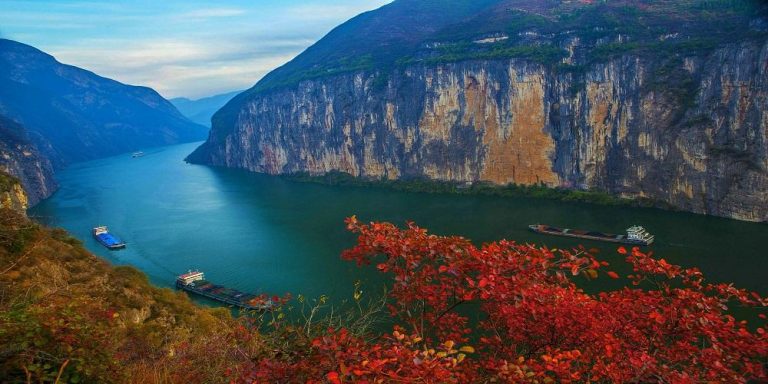
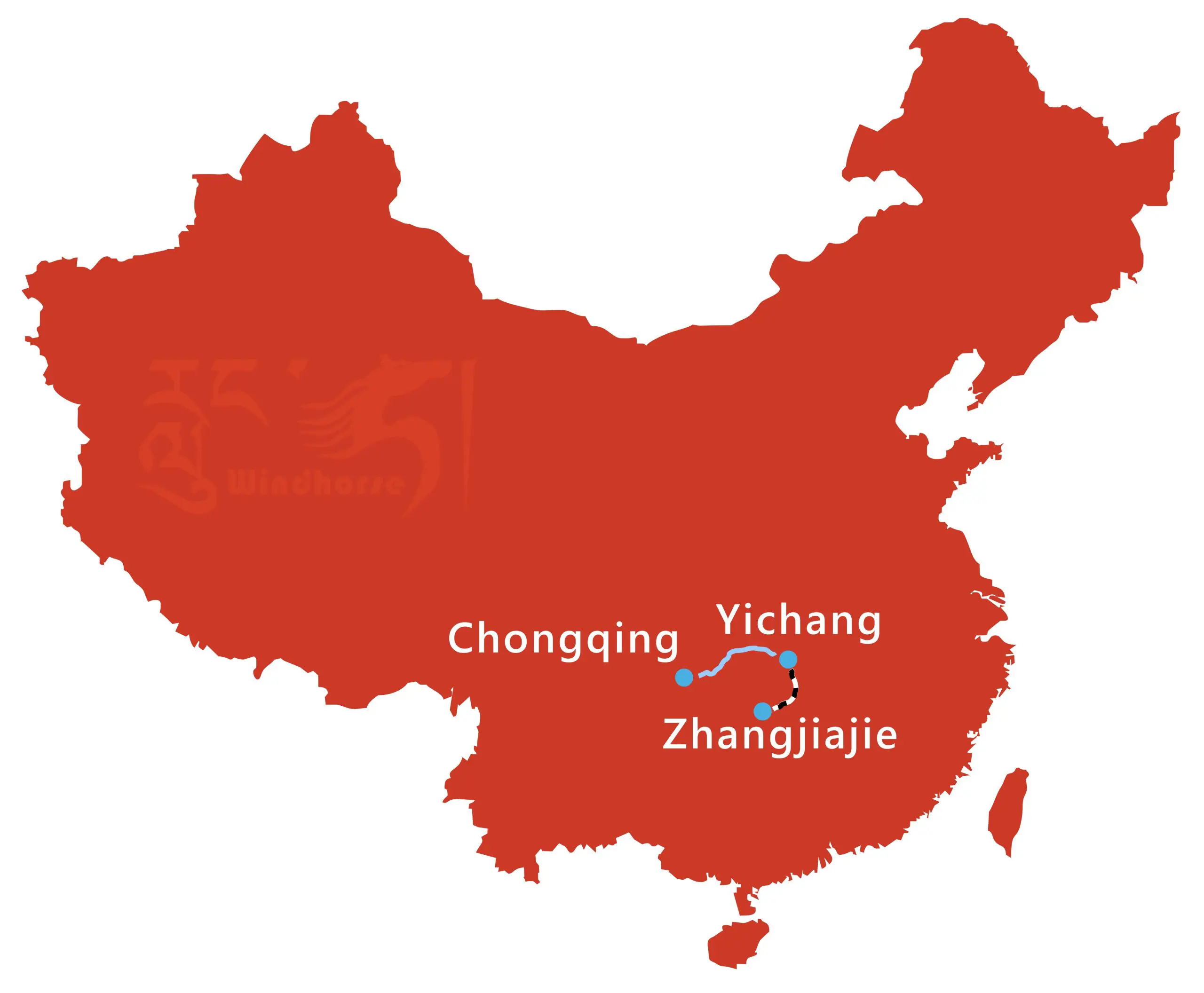
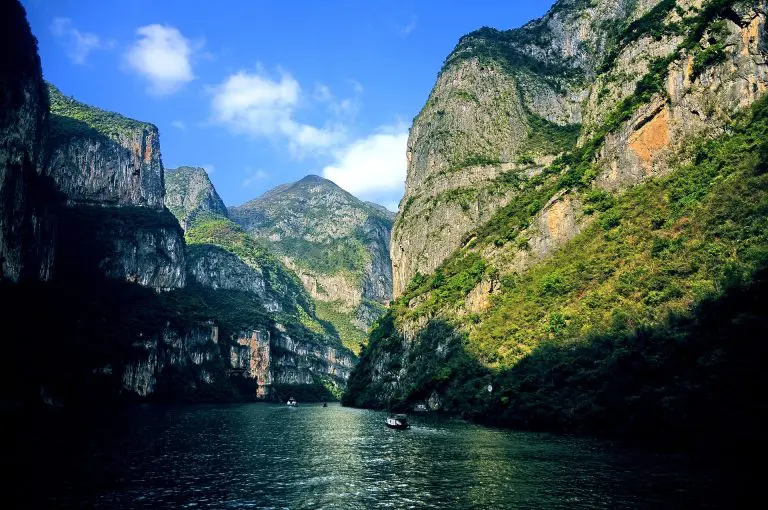
Experience an 8-day Chongqing Yangtze Cruise and Zhangjiajie Tour, combining a classic Three Gorges cruise from Chongqing to Yichang with Zhangjiajie’s top sites, including Yuanjiajie, Tianzi Mountain, the Glass Bridge, and Tianmen Mountain.
Comments

I WANT TRAVEL PLEASE ADD ME

Hi Noor,
Thanks for contacting us! I'm Savannah from WindhorseTour, and I'm delighted to assist you in your Zhangjiajie travel planning.
Of course we can make this tour happen for you. The more details about this tour I have sent to you via email, please check. You can also add me. My WeChat is: 17882129635, and I also available in WhatsApp: +86-17882129635.
Looking forward to your reply.
Best Wishes,
Savannah