
Visiting China in August
Visiting China in August can bring you a lot of memorable time spent in this beautiful country full of tradition, culture, amazing nature, and modern living. August can be a perfect time to explore the Sichuan Province, and its beautiful cultural attractions there. We suggest visiting Mt.Emei and Leishan Buddha, and while you are in Sichuan you must try the most delicious food that they are having. The best time to visit Sichuan can be in spring or autumn, but visiting in summer also has its benefits.
We have some tips before you visiting China in August, and here you can read in general what is the best time to visit China.
Weather in China in August
When visiting China in August, you need to know the weather before preparing your trip. In general, China’s climate in August can be described as hot, humid, and rainy, because Many parts of China experience significant rainfall due to the monsoon season. The southern and eastern regions, in particular, can be very wet.
Also in August, there is a Typhoon Season: Coastal areas, especially in the southeast, can be affected by typhoons, which bring heavy rains and strong winds.
Here is a specific weather average in bigger cities in China:
Weather in Beijing in August
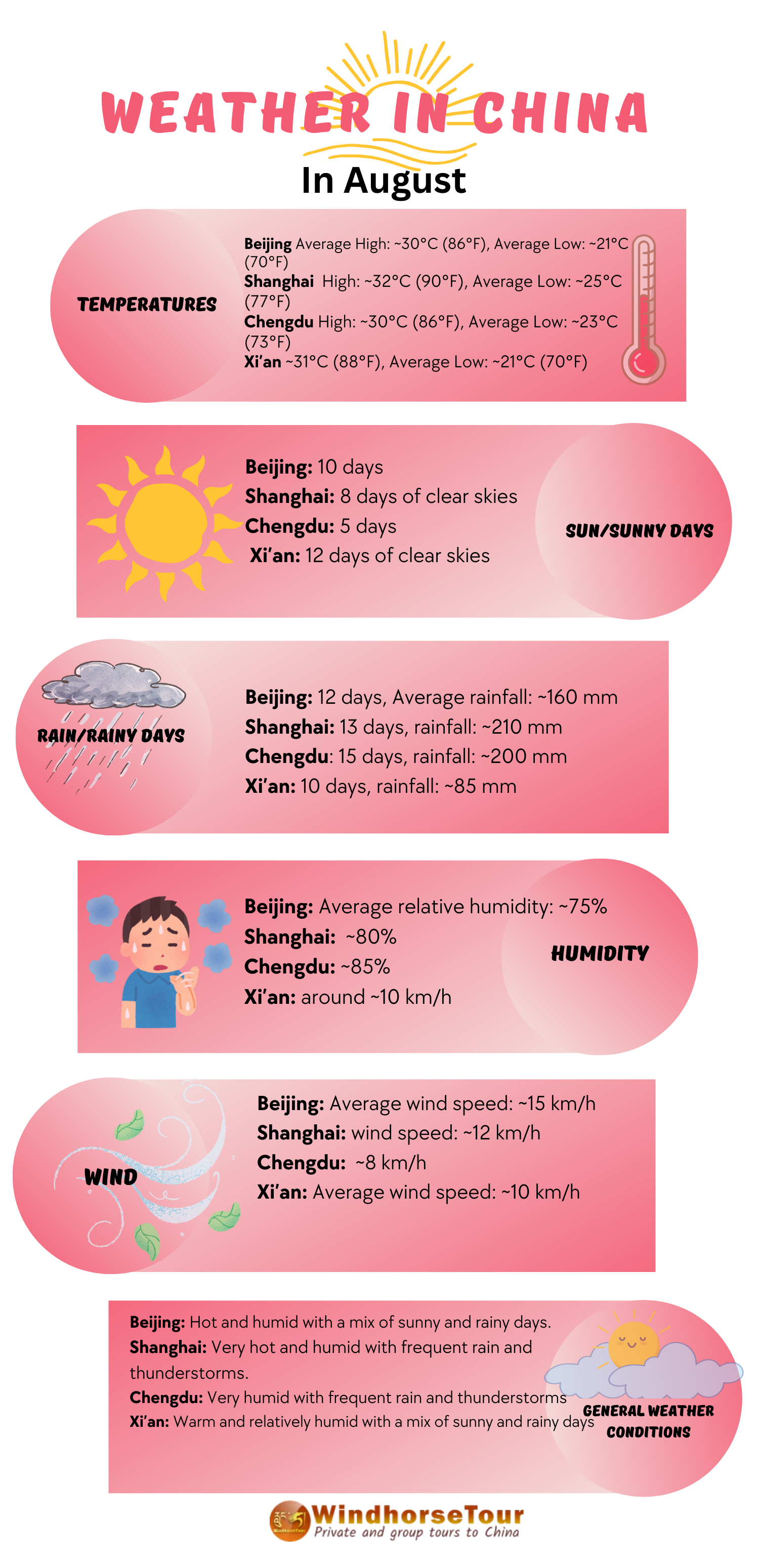
Temperature: Average High: ~30°C (86°F), Average Low: ~21°C (70°F)
Sunny Days: Approximately 10 days of clear skies.
Rainy Days: Average rainfall: ~160 mm, Number of rainy days: ~12 days
Humidity: Average relative humidity: ~75%
Wind Speed: Average wind speed: ~15 km/h
Overall Weather Condition: Hot and humid with a mix of sunny and rainy days. Expect occasional thunderstorms.
Weather in Shanghai in August
Temperature: Average High: ~32°C (90°F), Average Low: ~25°C (77°F)
Sunny Days: Approximately 8 days of clear skies.
Rainy Days: Average rainfall: ~210 mm, Number of rainy days: ~13 days
Humidity: Average relative humidity: ~80%
Wind Speed: Average wind speed: ~12 km/h
Overall Weather Condition: Very hot and humid with frequent rain and thunderstorms. Typhoon activity may occur.

Weather in Chengdu in August
Temperature: Average High: ~30°C (86°F), Average Low: ~23°C (73°F)
Sunny Days: Approximately 5 days of clear skies.
Rainy Days: Average rainfall: ~200 mm, Number of rainy days: ~15 days
Humidity: Average relative humidity: ~85%
Wind Speed: Average wind speed: ~8 km/h
Overall Weather Condition: Very humid with frequent rain and thunderstorms. Expect more overcast days and limited sunshine.
Weather in Xi’an in August
Temperature: Average High: ~31°C (88°F), Average Low: ~21°C (70°F)
Sunny Days: Approximately 12 days of clear skies.
Rainy Days: Average rainfall: ~85 mm, Number of rainy days: ~10 days
Humidity: Average relative humidity: ~70%
Wind Speed: Average wind speed: ~10 km/h
Overall Weather Condition: Warm and relatively humid with a mix of sunny and rainy days. Occasional thunderstorms can be expected.
Weather on Mt.Emein and Leishan Buddha in August
The weather on Mt.Emei and Leishan Buddha is very similar to the weather in Chengdu. On Mt.Emeican be cool and very humid with frequent rain and mist. The mountain can be foggy, with occasional thunderstorms, while Leishan Buddha is warm and very humid with frequent rain. Expect a mix of overcast and sunny days, with occasional thunderstorms.
What to visit in China in August
Visit Mt Emei
Mount Emei stands at 3,099 meters (10,167 feet) and is one of China’s four sacred Buddhist mountains, alongside Putuo Shan, Wutai Shan, and Jiuhua Shan, excluding Tibetan regions. Also, one of the many must-visit attractions when visiting China. The first temple on Mount Emei was built by a farmer near the Jinding summit in the 1st century, though it was destroyed by fire in 1972. Today, around 30 of the original 150 temples on the mountain have been maintained and restored to varying degrees.
Mount Emei is also a UNESCO World Heritage Site, recognized for its rich diversity. It is located on the edge of the eastern Himalayan highlands and hosts a wide range of flora and fauna.
Key Temples and Sites
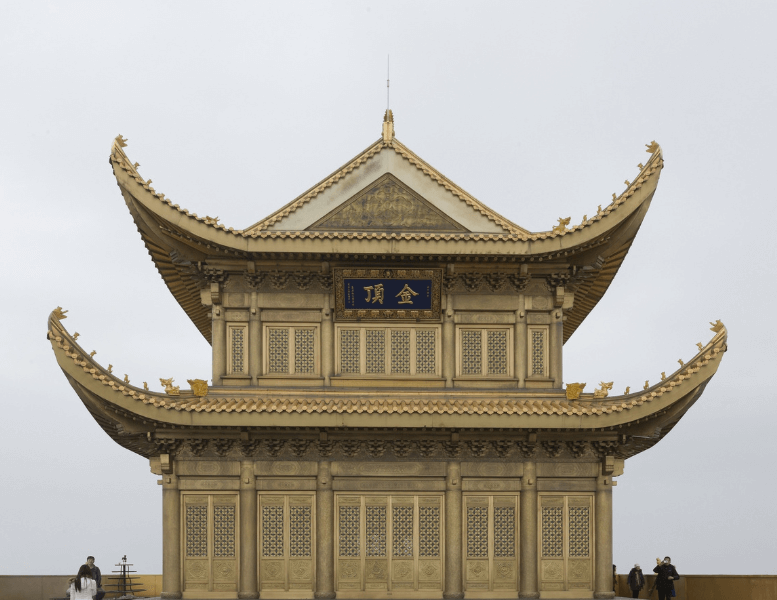
Golden Summit (Jinding):
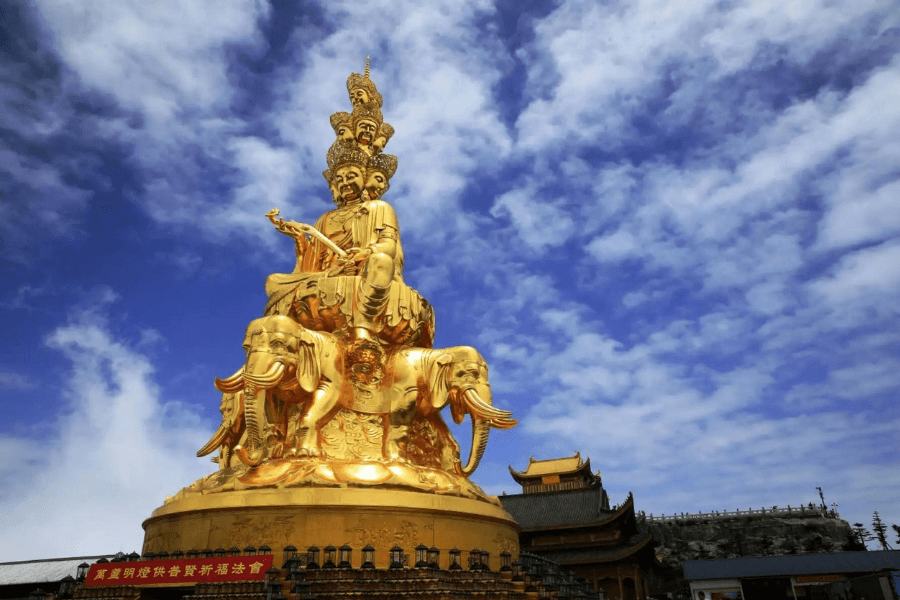
- Features a 48-meter-tall golden statue of Samantabhadra
- Modern renovation with glazed tiles and white marble balustrades
- Offers stunning sunset and sunrise views
Wannian Temple:
- The oldest surviving temple, reconstructed in the 9th century
- Dedicated to Bodhisattva Puxian with an 8.5-meter-high copper and bronze statue from AD 980
Qingyin Pavilion:
- Named ‘Pure Sound Pavilion’ for the soothing sounds of water
- Located on a rock outcrop surrounded by flowing streams
Baoguo Temple:
- Constructed in the 16th century
- Features rare plant gardens and a 3.5-meter-high porcelain Buddha from 1415
Tips for Visiting
What to Wear:
- Layered clothing for varying temperatures
- Comfortable shoes for hiking
- Rain gear for frequent rain and mist
- Warm clothing for higher altitudes
Entry Fees:
- Adult: ¥160, Student/Senior: ¥90, Winter: ¥110/55
- Additional compulsory insurance fee: ¥5
- Ticket does not include bus rides or some temple entries
- Passport: Required to buy a ticket
Hiking:
- Most rewarding to walk from Baoguo Temple
- Many opt to ride to Wannian or Wuxiangang depots for easier access to cable cars and important sites
- Leidongping bus depot is closest to the summit, about an hour or two from Jinding Peak
Experience Highlights
Full Day Visit: Recommended to spend at least a full day, ideally two or three, to explore the mountain
Buddha’s Halo: Early morning light in the cool mist creates a phenomenon known as Buddha’s Halo
Sea of Clouds: The view of clouds stretching to the horizon is breathtaking
Emei Shan offers a rich cultural heritage and natural beauty, making it a must-visit for both spiritual and adventurous travelers.
Leishan Buddha
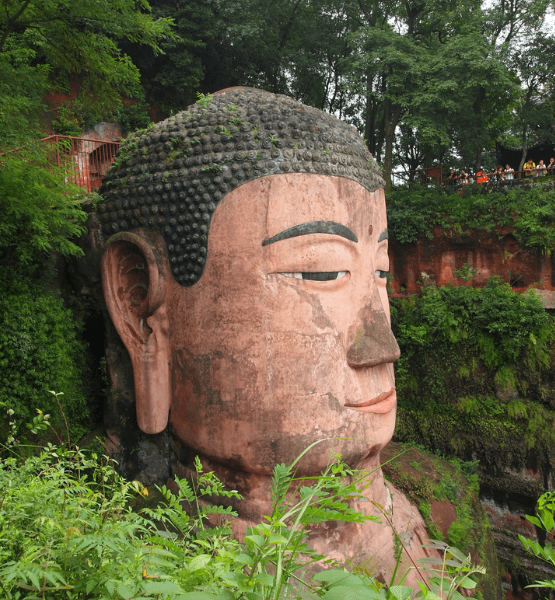
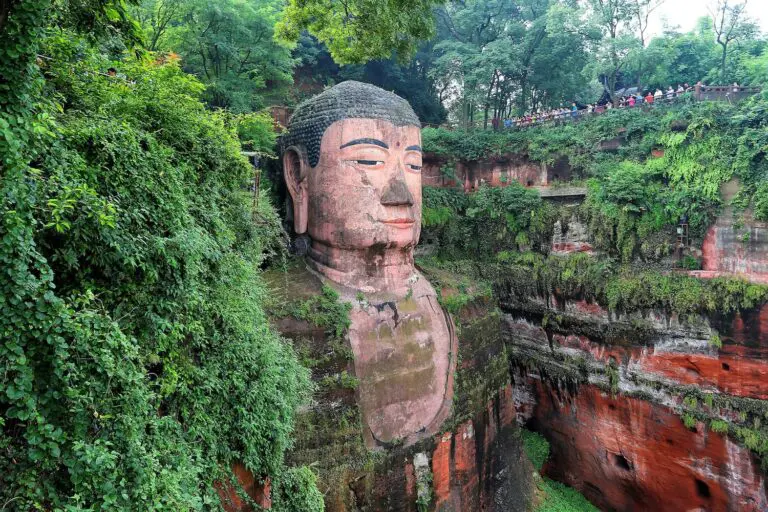
The Leshan Giant Buddha, recognized as the world’s largest ancient Buddha, is a UNESCO World Heritage Site and a major tourist attraction in Leshan. It symbolizes wisdom and the abandonment of materialism.
It is located overlooking the confluence of the Dadu, Min, and Qingyi rivers. The statue was conceived by the Buddhist monk Haitong in AD 713 to protect boats from dangerous currents. The construction was completed 90 years after Haitong’s death. The Buddha stands 71 meters tall, with shoulders that span 28 meters, toes that are 8.5 meters long, and ears that are 7 meters long.
Did you know?
Inside the body is a water-drainage system to prevent weathering.
Attractions
Le Shan Grand Buddha:
- Panoramic Views: Begin your visit with an up-close look at the Buddha’s head before descending the steep, winding stairway to appreciate the full magnitude of the statue from below.
- Admission: ¥80 for adults, ¥40 for children, students, and seniors.
- Visiting Hours: 7:30 am-6:30 pm (April to early October), 8:00 am-5:30 pm (early October to March).
Su’s Garden:
- Located above the Buddha’s entry/exit area.
- Features a cliffside teahouse and manicured garden.
Mahaoya Tombs Museum:
- Displays tombs and burial artifacts from the Eastern Han dynasty.
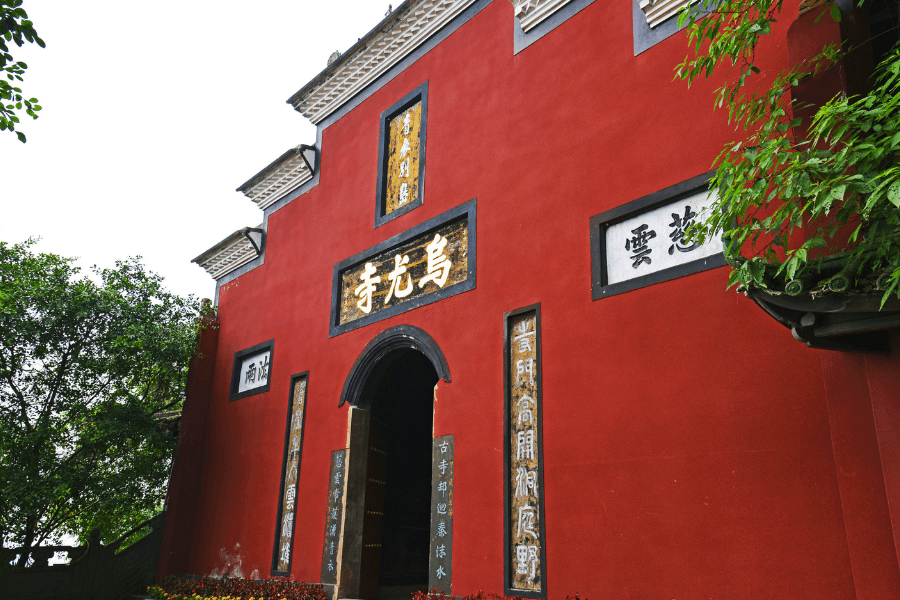
Wuyou Temple:
- Dates from the Tang dynasty with Ming and Qing renovations.
- Houses calligraphy, artifacts, and the Luohan Hall with 1000 terracotta arhat statues.
Oriental Buddha Capital:
- Separate park with 3000 Buddha statues and figurines.
- Includes a 170-meter-long reclining Buddha, one of the world’s longest.
- Admission: ¥80, open from 8:00 am-6:00 pm.
- Accessible via bus 3 or 13.
Visiting Tips
Best Time to Visit: Weekdays to avoid crowds and long queues.
- What to Wear: Comfortable shoes for walking, as the site involves a fair amount of climbing and descending stairs. Light clothing in summer and a light jacket in cooler months.
- Photography: The best spots for photography are from the base of the statue and the viewing platforms along the stairway.
- Guided Tours: Consider hiring a local guide to fully appreciate the historical and cultural significance of the site.
Experience tips:
- Take time to view the Buddha’s head up close and descend the stairway for a full view.
- Explore the surrounding caves, temples, and additional parks for a comprehensive visit.
What to do in China in August
Try Sichuan food
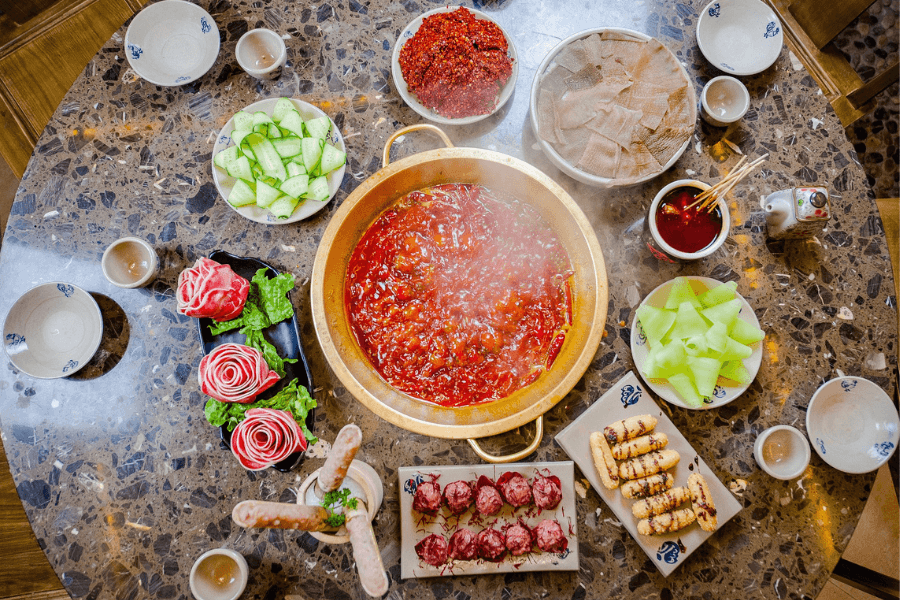
When visiting China, trying Sichuan food is a must. Sichuan cuisine, is worldwide known for its bold flavors and spicy kick, is a must-try for any visitor to the region. The cuisine is characterized by the liberal use of garlic, chili peppers, and the unique flavor of Sichuan peppercorns, which create a distinctive numbing sensation.
When exploring Sichuan food, be sure to try the following dishes:
Hot Pot (火锅, Huǒguō): A communal dish where various meats, vegetables, and noodles are cooked in a simmering pot of spicy broth.
Mapo Tofu (麻婆豆腐, Mápó Dòufu): Silky tofu cubes in a spicy, fragrant sauce made with minced meat, fermented beans, and Sichuan peppercorns.
Kung Pao Chicken (宫保鸡丁, Gōngbǎo Jīdīng): A stir-fry dish featuring diced chicken, peanuts, vegetables, and chili peppers.
Dan Dan Noodles (担担面, Dàndàn Miàn): Spicy noodles topped with minced pork, chili oil, and preserved vegetables.
Twice-Cooked Pork (回锅肉, Huíguōròu): Slices of pork belly that are first boiled and then stir-fried with chili bean paste and vegetables.
Sichuan Dumplings (红油抄手, Hóngyóu Chāoshǒu): Dumplings served in a spicy red oil sauce.
To fully enjoy Sichuan cuisine, embrace the heat and flavors. Local restaurants and street food vendors offer an authentic taste of the region.
Explore Chengdu
If you visiting China in August, and you want to explore Chengdu, here are some attractions that are most popular and also some useful tips:
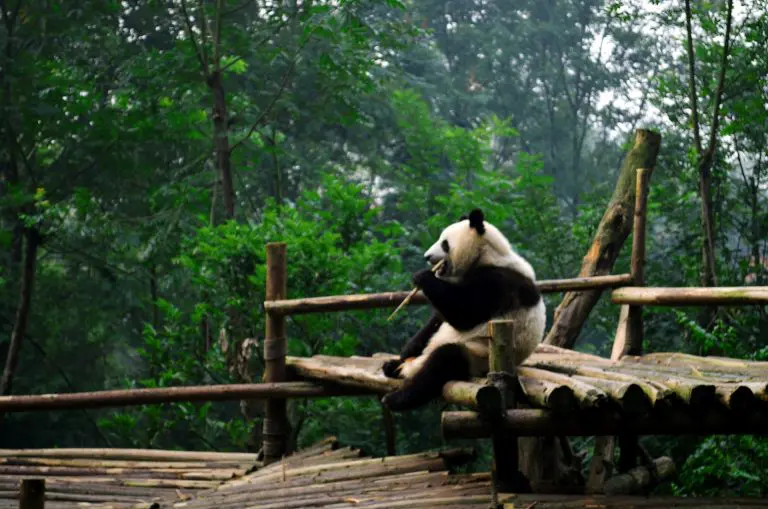
Chengdu Research Base of Giant Panda Breeding
This is the best place to see China’s iconic giant pandas in a natural habitat. The research base focuses on conservation and breeding, offering visitors the chance to observe pandas of all ages.
Highlights: Panda nursery, adult panda enclosures, and red panda exhibits.
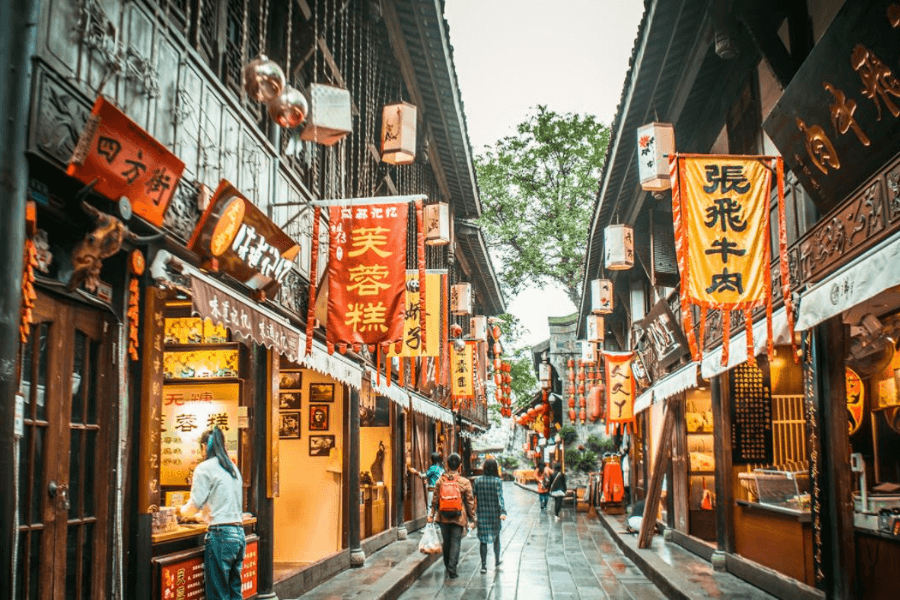
Jinli Ancient Street
A historic street that dates back over 1,800 years, Jinli Ancient Street is a bustling area filled with traditional architecture, shops, and food stalls.
Highlights: Traditional Sichuan snacks, handicrafts, and cultural performances.
Wuhou Shrine (Wuhou Temple)
Dedicated to Zhuge Liang, the famous strategist of the Three Kingdoms period, this temple complex includes beautiful gardens and historical relics.
Highlights: Statues of historical figures, ancient inscriptions, and serene garden settings.
Chengdu Wuhou Shrine Museum
Located next to Wuhou Shrine, this museum offers extensive exhibits on the history of the Three Kingdoms period.
Highlights: Artifacts, dioramas, and detailed historical information.
Kuanzhai Alley (Wide and Narrow Alleys)
A charming area composed of three parallel ancient alleys, showcasing traditional courtyards and modern establishments.
Highlights: Boutiques, tea houses, restaurants, and cultural performances.
Sichuan Opera and Face-Changing Show
Experience the unique Sichuan opera, famous for its face-changing performances where actors switch masks in a split second.
Highlights: Theatrical performances, traditional music, and acrobatics.
People’s Park
A popular spot for locals and tourists alike, People’s Park offers a glimpse into local life with tea houses, gardens, and a variety of recreational activities.
Highlights: Traditional tea houses, boat rides, and seasonal flower exhibitions.
Sichuan Cuisine Museum
This museum is dedicated to the rich culinary history of Sichuan cuisine. Visitors can learn about the ingredients, and cooking techniques, and even participate in cooking classes.
Highlights: Interactive cooking experiences, historical exhibits, and tastings of traditional dishes.
Chengdu offers a mix of historical, cultural, and natural attractions that provide a well-rounded experience for any visitor. From pandas and ancient temples to vibrant streets and culinary delights, there’s something for everyone in this captivating city.
Final Words
Visiting China in August is ones in a lifetime experience, especially if you visit Sichuan Province and enjoy the mix of tradition, culture, more living, and stunning nature.
The weather in China in August is hot and humid, so keep yourself hydrated and use sun protection. Pack comfortable shoes and come with us on an adventure in China
Related tours
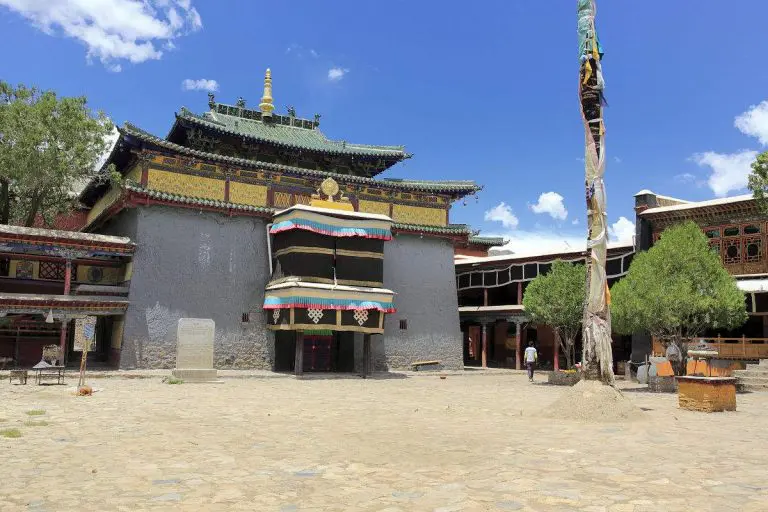
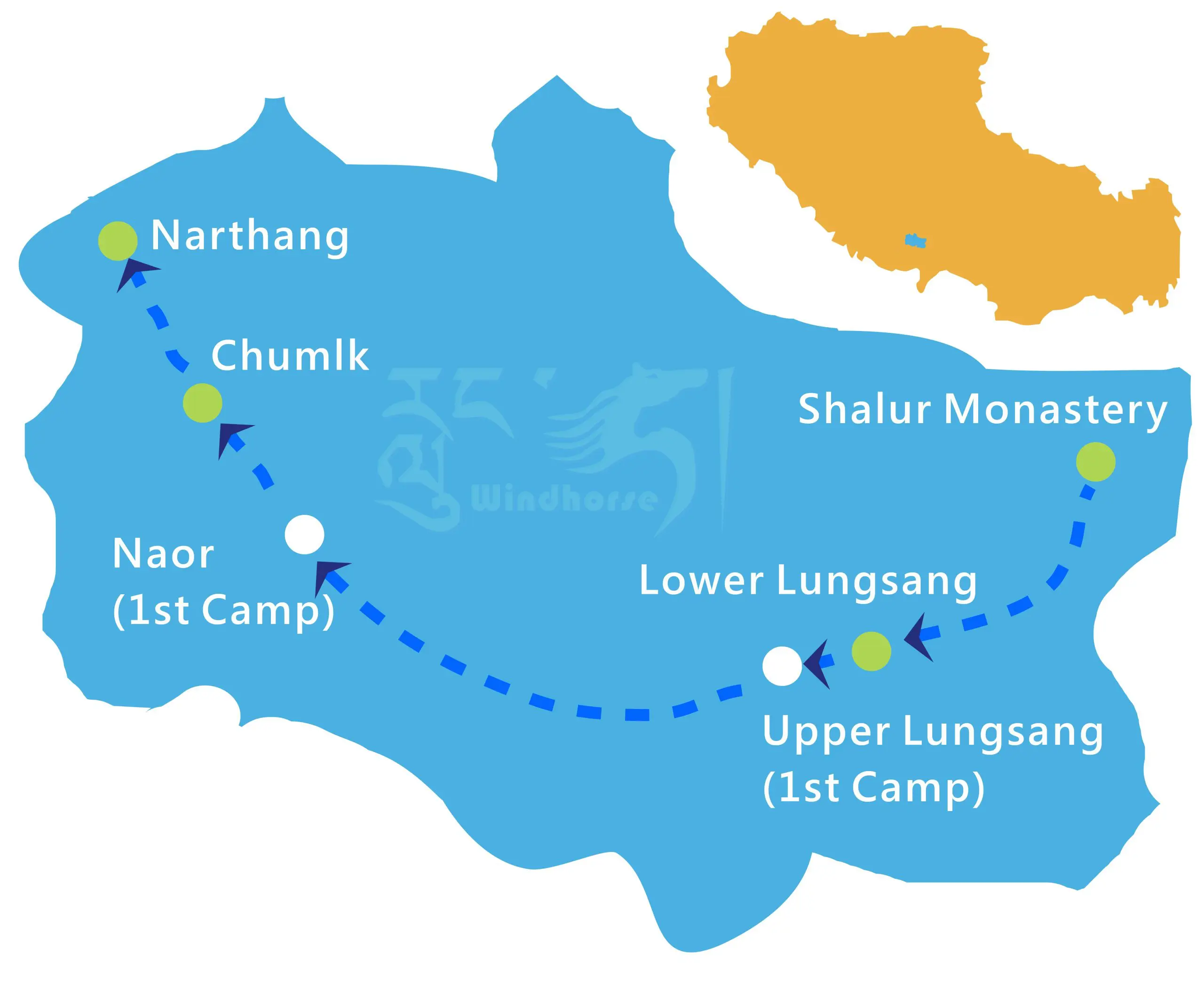
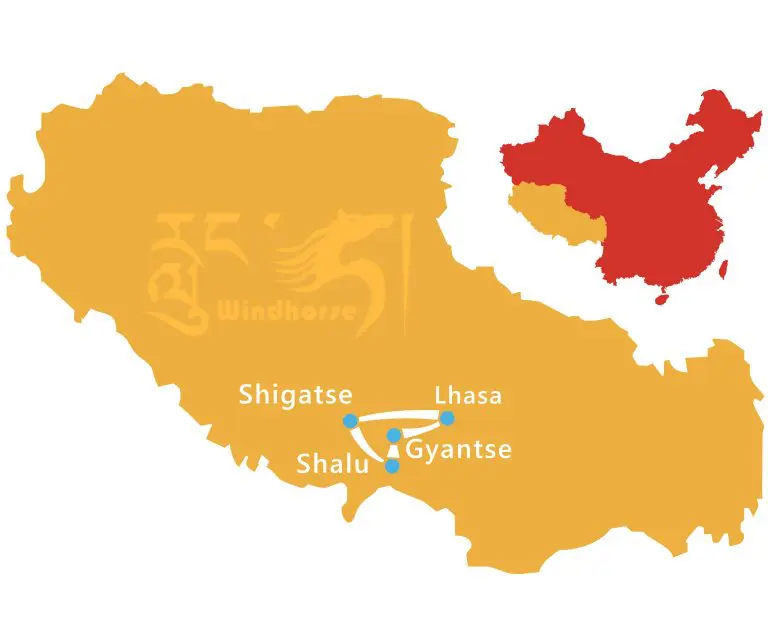
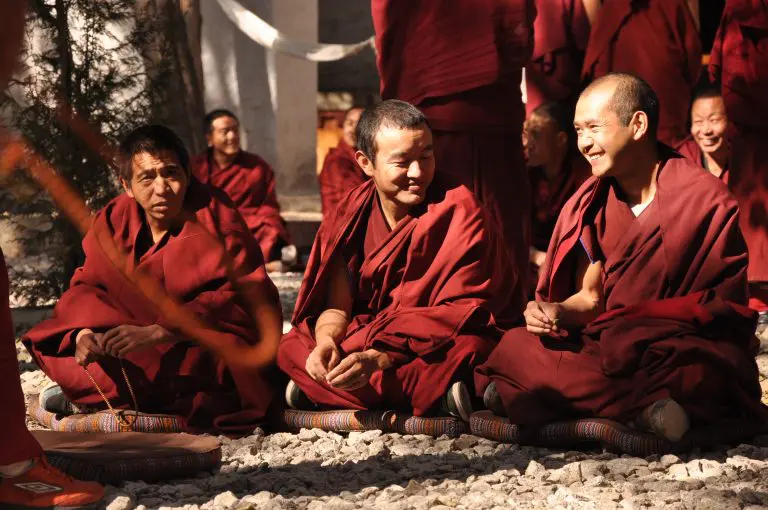

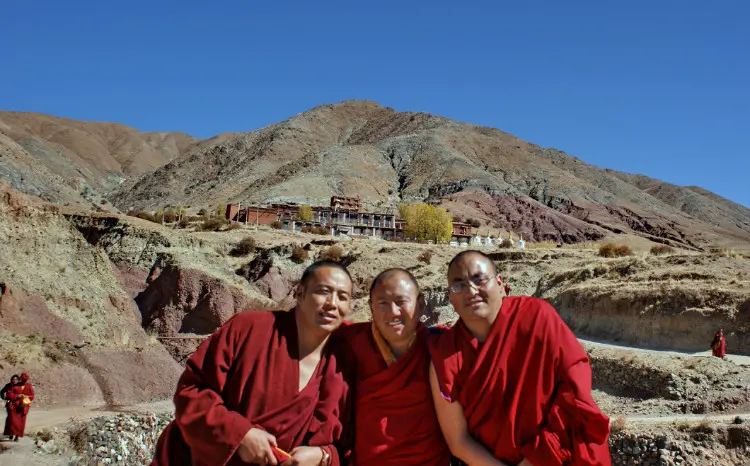
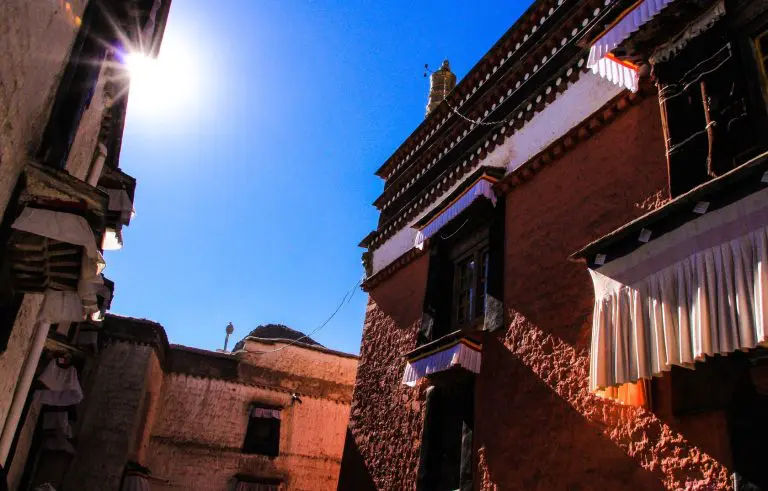
This 8-day Shalu to Nartang Monastery Trek combines Tibetan culture and easy trekking. Walk through quiet villages, barley fields, and dry valleys between two historic monasteries near Shigatse, offering a glimpse into authentic Tibetan life and scenery.
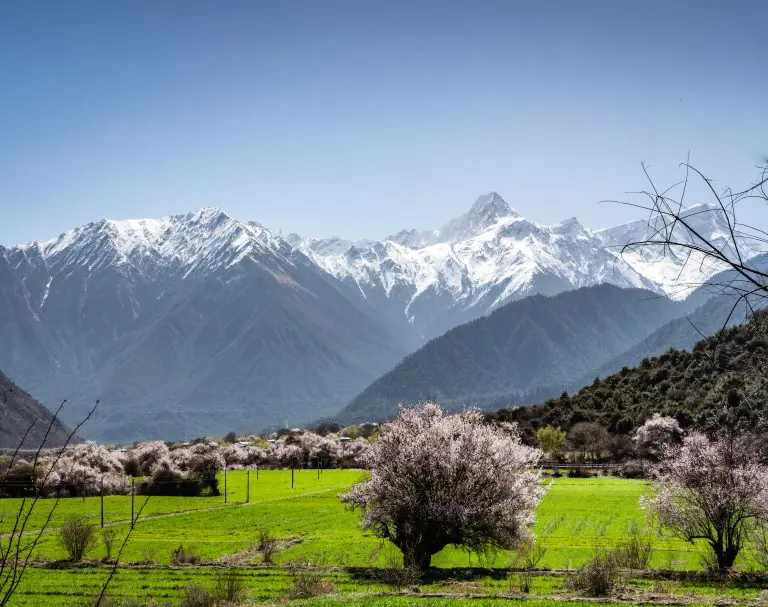
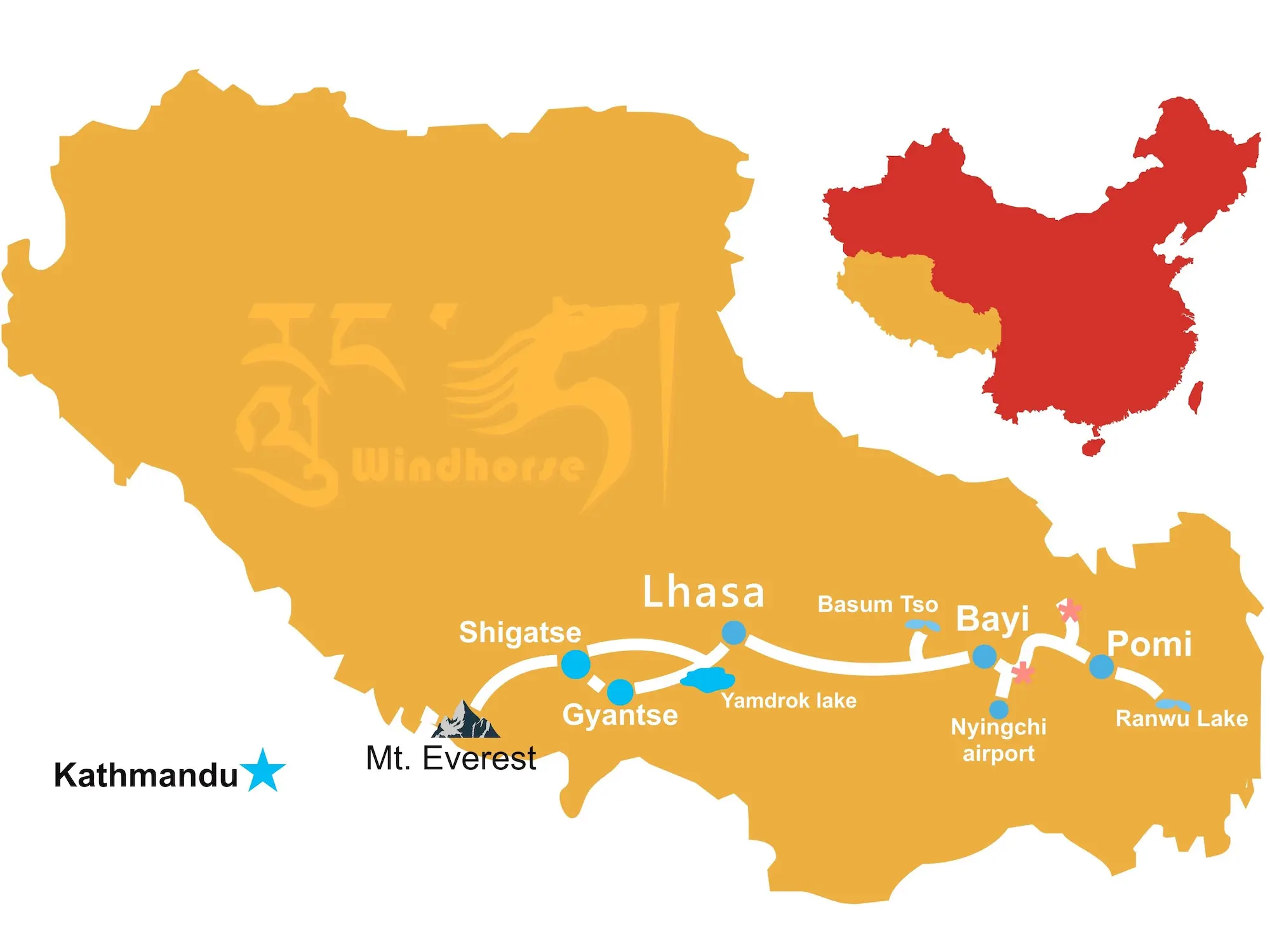
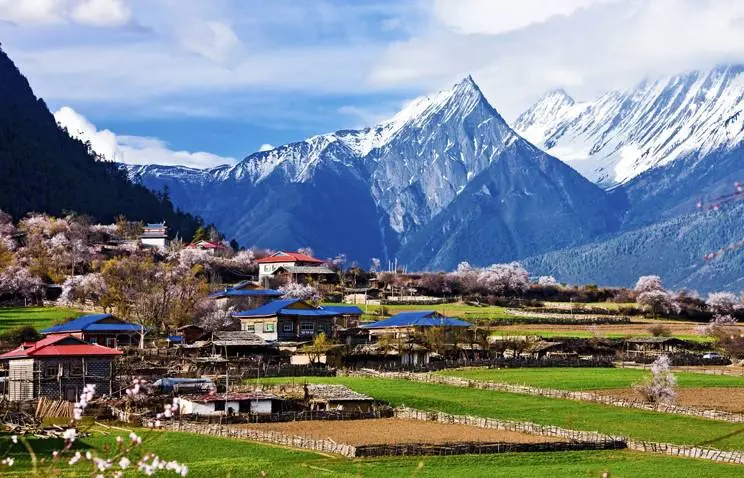


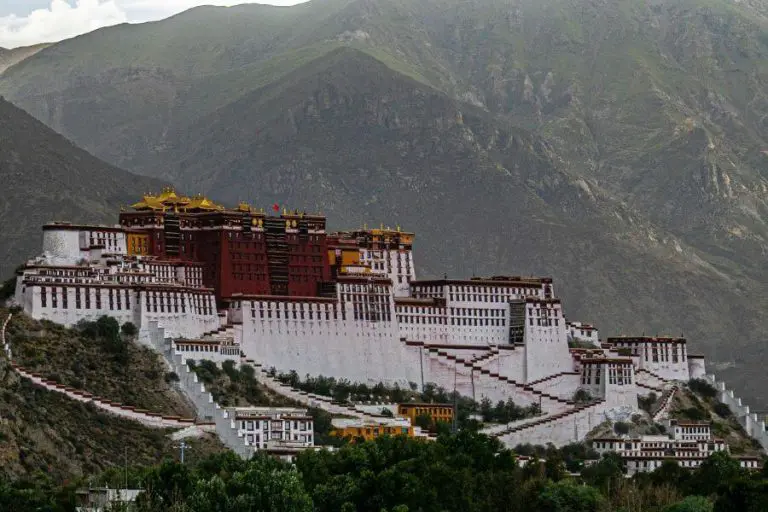

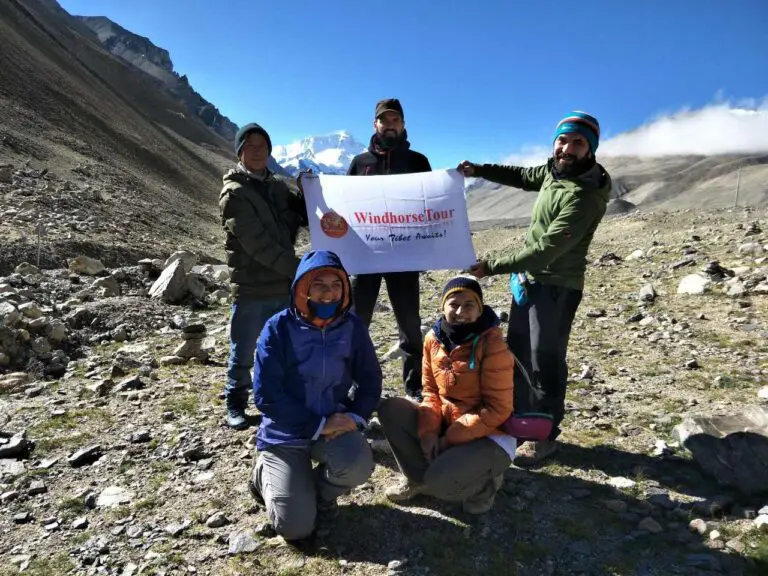
Experience the best of Tibet in spring on this 2 week Tibet tour. Join Nyingchi’s Peach Blossom Festival, explore Bomi Peach blossom valley, Ranwu Lake, visit Lhasa’s Potala Palace and monasteries, and overland trip to Everest Base Camp for stunning Himalayan views.
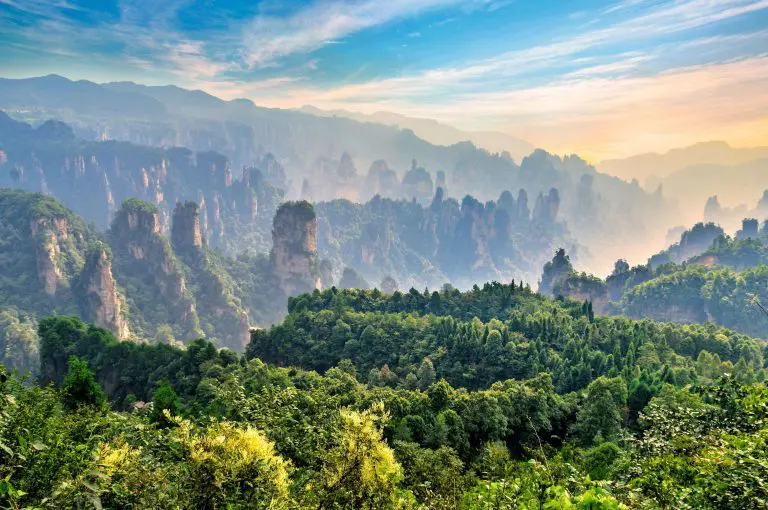
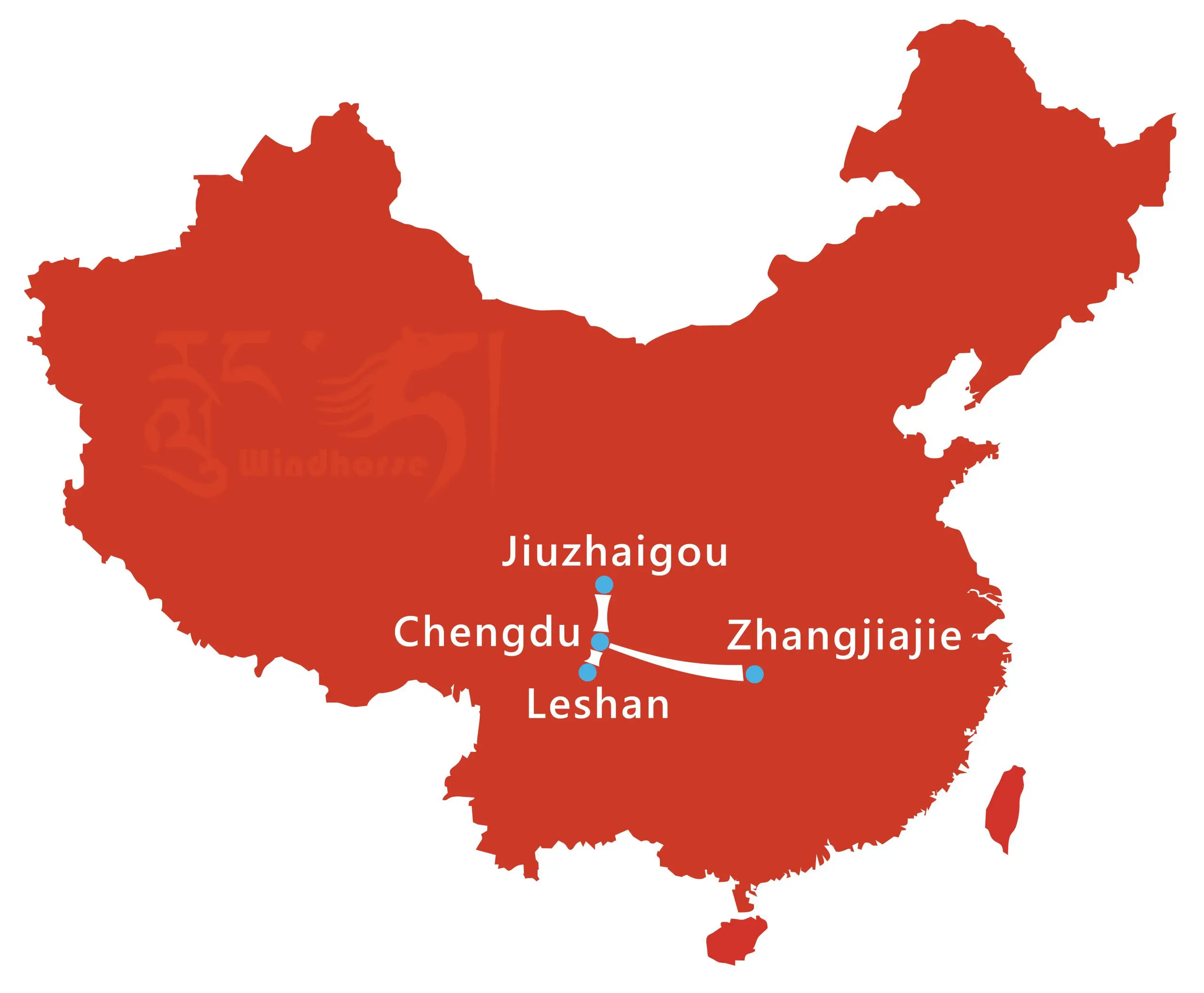
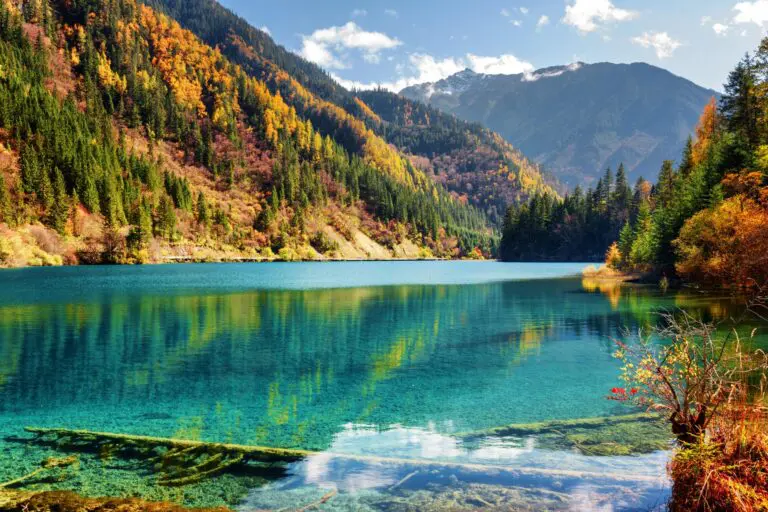
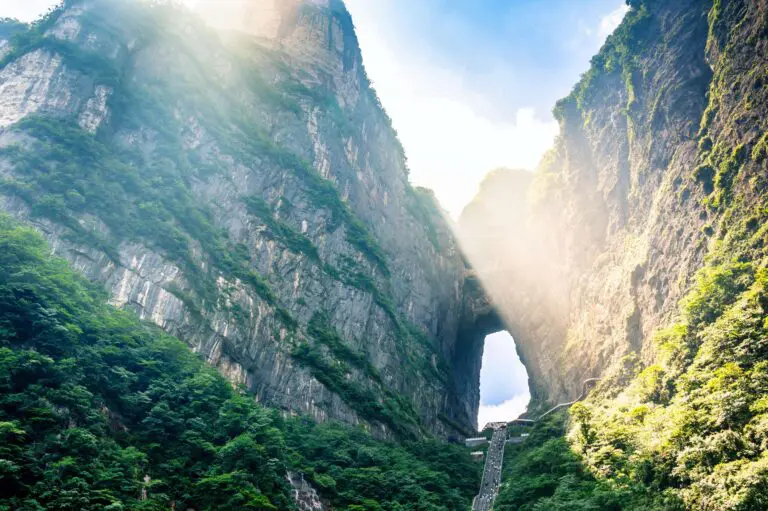
Experience China’s most breathtaking landscapes on this 8 Day Jiuzhaigou and Zhangjiajie Tour. Visit Chengdu’s pandas and Leshan Giant Buddha, explore Jiuzhaigou’s turquoise lakes and Huanglong’s colorful terraces, and marvel at Zhangjiajie’s sandstone pillars and glass bridge.