
Top Things to Do in China in Summer
China in summer is two completely different trips depending on where you go. Cities like Wuhan, Nanjing, and Chongqing record temperatures above 40°C, with humidity that makes the heat feel worse than the number suggests. Travel west and north, and the picture changes entirely. Above 2,500 meters, summer is the peak season: the window when high mountain passes open, wildflowers cover the grasslands, nomadic festivals begin, and the Tibetan plateau comes alive.
This guide covers the top things to do in China in summer, with honest advice on timing, logistics, and where to avoid. The full 2026 festival calendar is included so you can plan around the experiences that are hardest to find anywhere else in the world.
The best places to visit in China in summer are in the western highlands — western Sichuan, Qinghai, southern Gansu, northern Yunnan, and Tibet. Regions above 2,500 meters stay cool (15–24°C in July and August), with wildflower blooms, open mountain passes, and peak nomadic festival season. Lowland cities in central and eastern China are hot and humid in summer and are best treated as transit hubs rather than core destinations.
Table of Contents
Head to the Highlands: Cool China Above 2,500 Meters
The most reliable summer strategy in China is altitude. The highland belt stretching from northern Yunnan through western Sichuan, Qinghai, southern Gansu, and into northern Xinjiang stays between 15°C and 24°C through July and August. While cities in the lowlands bake, the plateau blooms.
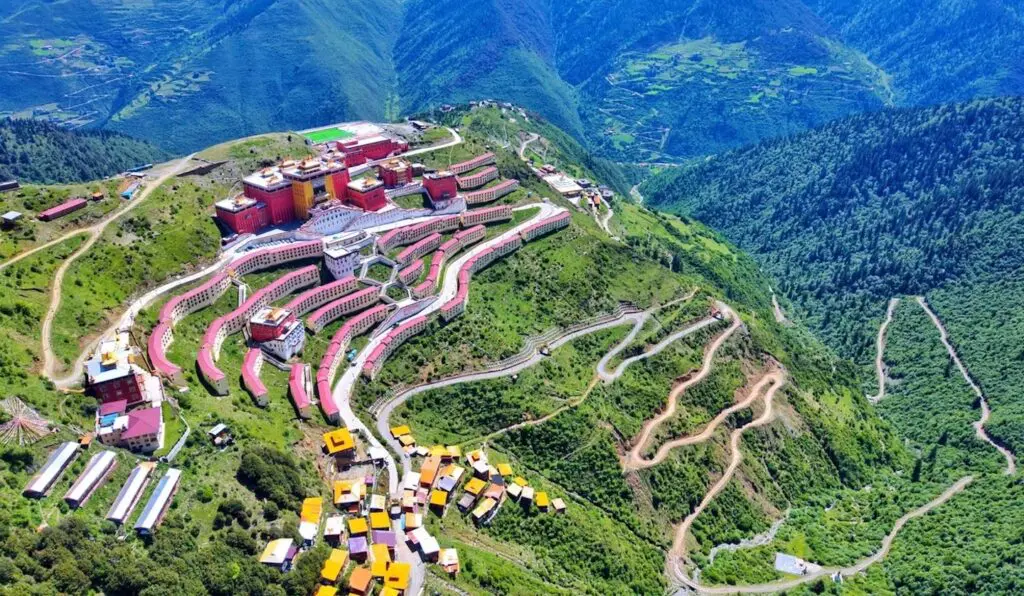
Western Sichuan: Mount Siguniang, Tagong, and Kham Tibet
Western Sichuan is the most accessible Tibetan highland destination in China for international travelers. It requires no Tibet Entry Permit, sits four hours west of Chengdu by road, and offers genuine Tibetan cultural immersion at elevations above 3,000 meters.
- Mount Siguniang (Four Girls Mountain) has four peaks reaching up to 6,250 meters, but most visitors explore the three valleys, which sit between 3,200 and 3,800 meters elevation. The valleys are snow-free from June through September and hold daily temperatures between 18°C and 22°C. Alpine wildflowers peak in July, making it the best season for trekking and photography.
- Tagong Grassland: Located one hour further west, Tagong opens into vast nomadic pastures. The grassland is at its peak green in July and August. This is one of the best locations where we arrange for our travelers to have an authentic Tibetan nomadic experience by participating in their daily life as well as horse riding on grasslands.
- Ganzi (Garze) Prefecture: The heart of Kham Tibet in Sichuan. This region offers deep immersion through ancient monasteries, traditional villages, and the Litang Horse Racing Festival in late July or early August.
Permit fact: No Tibet Entry Permit is required for western Sichuan, including the entire Ganzi Prefecture. International travelers can visit independently or on a private tour directly from Chengdu.
Best for: Tibetan Khampa culture, alpine hiking, wildflower photography, nomadic festivals
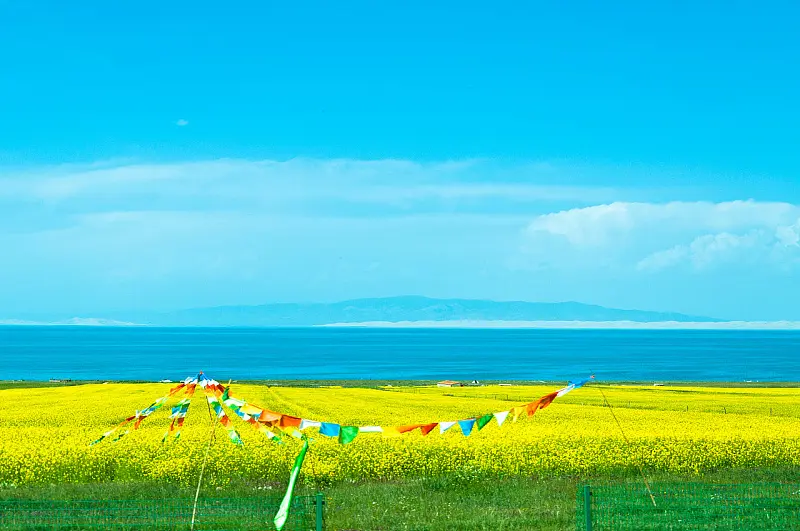
Qinghai: Canola Fields, Sacred Lakes, and Nomadic Festivals
July and August are the best months to visit Qinghai. Natural spectacle, Tibetan Buddhist culture, and a dense festival calendar combine to make it one of the most rewarding summer destinations in China.
- Menyuan Canola Fields and Qinghai Lake: Mid-July (July 10 to July 25, 2026) is peak bloom for the Menyuan rapeseed fields, one of the largest continuous golden stretches in China. The valley turns into a gold carpet against the snow-capped Qilian Mountains, while the northern shore of Qinghai Lake mirrors the scene with yellow blooms against deep blue water. High-speed trains from Xining reach Menyuan in approximately 30 minutes.
Expert note: Qinghai draws large numbers of Chinese visitors during the rapeseed bloom but sees far fewer international travelers than Tibet or Yunnan, giving it a more rugged and authentic feel. - Yushu Horse Racing Festival (July 25 to August 1, 2026): The largest nomadic gathering in Qinghai, drawing tens of thousands of Tibetan herders, monks, and families to Yushu at 3,700 meters. Horseback archery, traditional dancing, and a tent city stretching for miles. No Tibet permit required.
- Tongren (Rebgong) Shaman Festival (August 2 to August 10, 2026): 2-3 hours from Xining, this ancient festival features trance dances and traditional piercing ceremonies — a powerful look at Amdo Tibetan folk religion.
Best for: Wildflower landscapes, nomadic festivals, and visiting major Tibetan Buddhist monasteries like Kumbum (Ta’er)
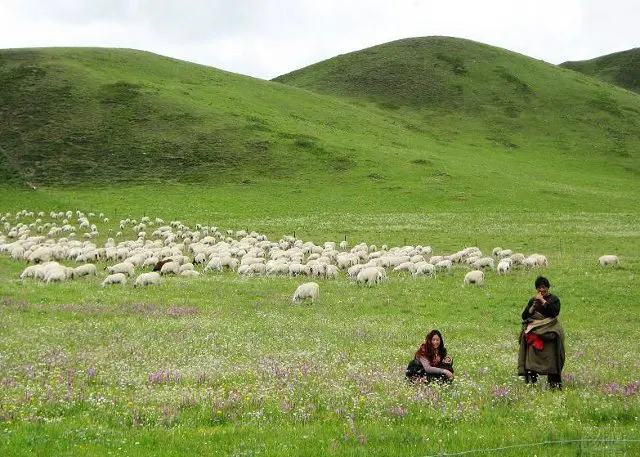
Northern Sichuan and Southern Gansu: Jiuzhaigou and the Plateau Grasslands
Northern Sichuan and southern Gansu offer the scenic richness of the Tibetan plateau without any permit requirements. Summer is the only season when the high-altitude wetlands are fully vibrant and accessible.
- Jiuzhaigou National Park: Summer is when the park reaches peak lushness. Water levels are at their highest, waterfalls like Pearl Shoal are at their most powerful, and the multi-colored lakes are at their most vivid under the direct summer sun.
Expert tip: To beat the summer crowds, enter the park as early as 7:30 AM. The morning light on Mirror Lake provides the best reflections of the year before the afternoon winds pick up. - Zoige and Sangke Grasslands: These plateau grasslands on the Sichuan-Gansu border are often called the Back Garden of Tibet. In July, nomadic families gather in summer yurt camps and wildflowers bloom in such density that parts of the plateau look like an oil painting.
The experience: The landscape feels largely untouched by modern tourism. We can arrange a visit to a local nomad family’s summer pasture, witness traditional butter making, and experience the vastness of the First Bend of the Yellow River at sunset.
Best for: Photography, UNESCO World Heritage landscapes, and nomadic culture without any permit requirements
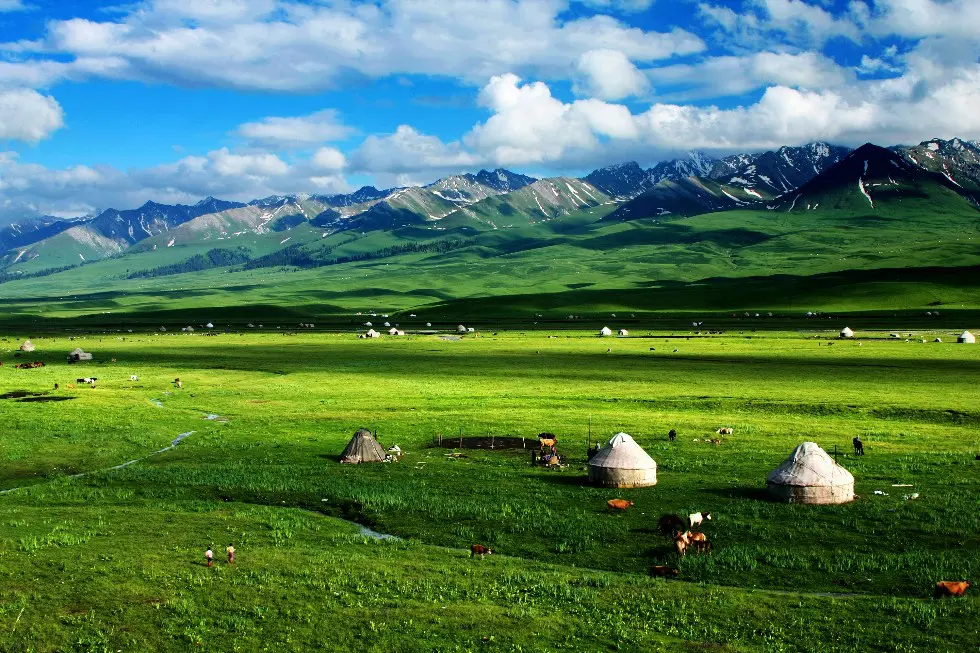
Xinjiang: Ili Grasslands and Kanas Lake
The Ili grasslands — including Nalati, Kalajun, and Kanas — are accessible from late May through October. June and July offer the peak “Golden Window” for greenery and wildflower coverage. Often called the Little Switzerland of the East, this region delivers snow peaks, dense spruce forests, and undulating meadows.
- Nalati and Kalajun (The Sky Grasslands): These high-altitude meadows are at their most vibrant in July. We arrange stays in luxury yurt camps or local Kazakh log cabins, offering a front-row seat to nomadic herding culture and some of the clearest stargazing in China.
- Kanas Lake and Hemu Village: Located in the Altai Mountains near the borders of Russia and Kazakhstan, Kanas is remote and spectacular. The lake is famous for its changing colors — shifting from milky cyan to deep emerald as summer progresses.
Best for: Photography, Wildflower grasslands, Altai mountain scenery, isolation, and stargazing
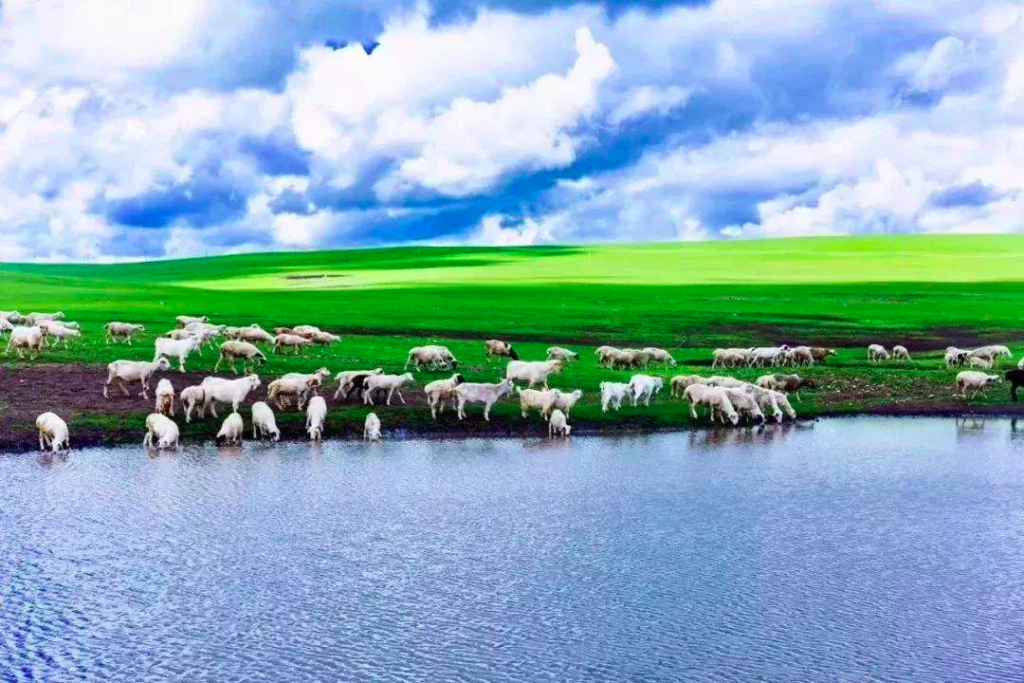
Inner Mongolia: The Grassland Empire
July and August are the Golden Months for the northern steppe — grass at its lushest, temperatures between 16°C and 26°C, and a genuine escape from the southern humidity.
- Hulunbuir Grassland: Widely considered the most pristine steppe in China. High latitude means long summer days, cool clear nights, and some of the best stargazing in northern China.
- The Naadam Experience (mid-July to August 2026): Naadam is the Olympics of the Steppe. Local festivals across Hulunbuir, Xilin Gol, and Ordos run throughout mid-July and early August, featuring the Three Manly Sports: Mongolian wrestling, long-distance horse racing, and archery.
- Yurt Stays — Authentic to Boutique: We offer two options. For full immersion, stays with nomadic families in traditional felt gers. For more comfort, boutique yurt camps with private ensuite bathrooms and stargazing roofs, still located deep in the grasslands.
- Beyond the Festivals: Horseback riding across the Ribbon River loops, visiting the Aoluguya Reindeer Tribe in the northern forests, and roasted whole lamb under a genuinely dark sky.
Best for: Steppe culture, Naadam festivals, photography, and families looking for a cool-weather nature escape
Check the full list of top 20 Coolest Places to Visit in China in Summer 2026
The 2026 Summer Festival Calendar
Summer is the high season for nomadic and cultural festivals across the Tibetan plateau, Inner Mongolia, and southwestern China. The festivals below represent the most significant gatherings on the calendar.
| Festival | 2026 Dates | Note |
|---|---|---|
| Tongren Shaman Festival | Aug 2 to 10 | Corresponds to the 17th–25th day of the 6th lunar month. The most intense rituals are usually Aug 4–7. |
| Litang Horse Racing | Aug 1 – 5 | Traditionally opens on August 1st. While smaller local races happen all summer, the “main” festival is the first week of August. |
| Yushu Horse Racing | Jul 25 to Aug 1 | These are the fixed annual dates for Yushu. The opening ceremony on the 25th is the unmissable highlight. |
| Nagqu Horse Racing | Around Aug 10 | Typically begins on August 10 and lasts 5–7 days. It is the largest event in Northern Tibet (Qiangtang). |
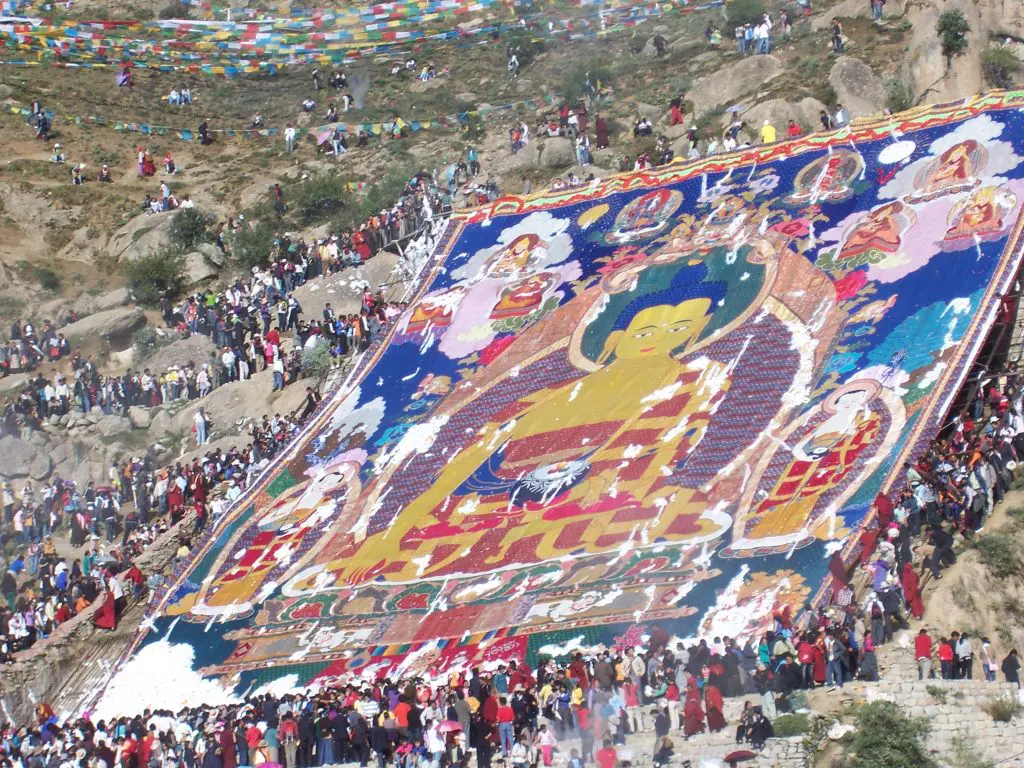
| Shoton Festival | Aug 12 to 18 | Dawn thangka unrolling at Drepung Monastery, Lhasa. One of Tibet’s most iconic annual rituals |
| Yi Torch Festival | Aug 6 to 8 | Three-day fire festival across Yi communities in Sichuan and Yunnan. Dali is a good base |
| Naadam Festival (Inner Mongolia) | Late Jul to Aug | Mongolian wrestling, bareback horse racing, and archery on the northern steppe of Inner Mongolia |
| Qingdao Beer Festival | Late Jul to late Aug | Asia’s largest beer festival on the cool northern coast. An urban counterpoint to plateau travel. Usually opens the second or third Friday of July and runs for 24 days. |
The horse racing festivals at Litang, Yushu, and Nagqu are the cultural core of summer travel on the Tibetan plateau. Each draws thousands of nomadic families in traditional dress, and the atmosphere is unlike any staged cultural performance. If your itinerary can include one of these, it should.
Permit fact: The Nagqu Horse Racing Festival and the Shoton Festival in Lhasa both require a Tibet Entry Permit arranged in advance through a licensed operator. All other festivals on this list are accessible without a permit.
Check the full list of 2026 Tibetan festival dates.
Cool Canyons and Karst Landscapes
For travelers seeking a different kind of relief, the karst regions of Guizhou, Chongqing, Hubei, and Hunan offer natural air conditioning via deep canyons, shaded river valleys, and constant-temperature caves.
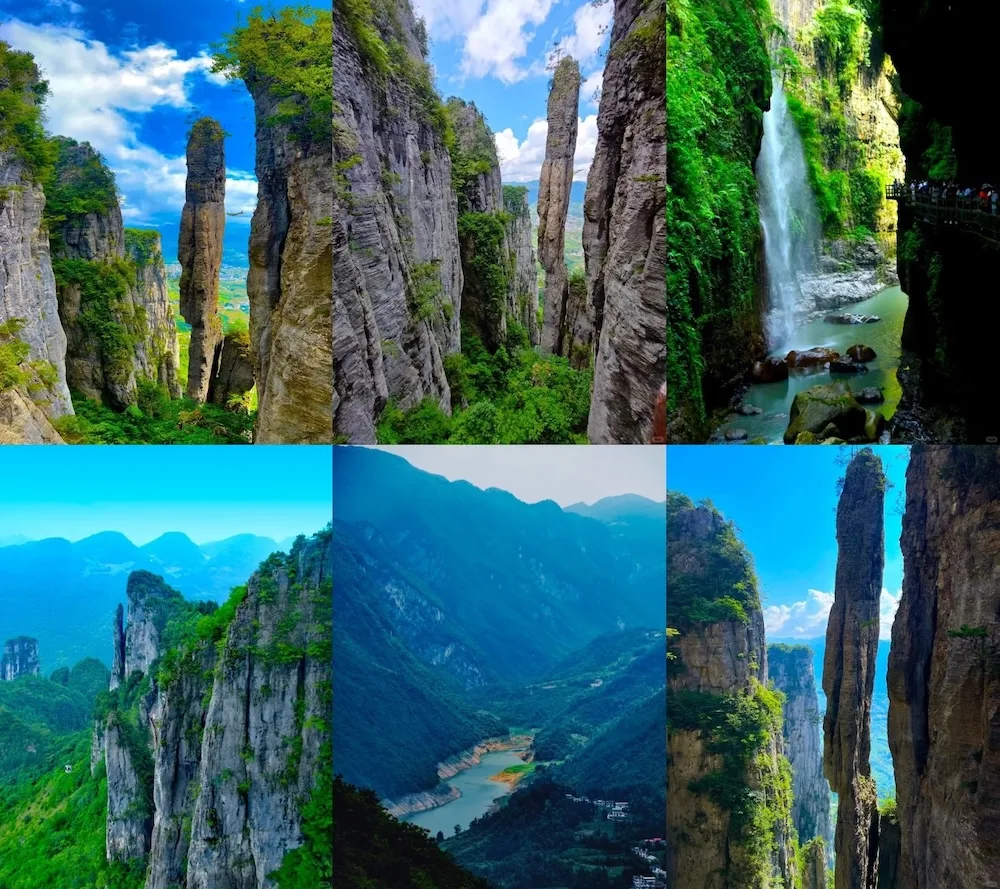
Enshi Grand Canyon and Zhangjiajie: The Vertical Feast
Pairing Enshi with Zhangjiajie is the ultimate summer strategy. While the lowlands of Hubei and Hunan swelter, these sandstone and karst giants create their own temperate ecosystems.
- Enshi Grand Canyon (Hubei): Known as the cool heart of Central China. The Cloud Dragon Crevice features vertical cliffs with a river at the bottom that keeps the air naturally chilled. The One Incense Pillar is a photographer’s landmark, best captured in the crisp morning light of July.
- Zhangjiajie (Hunan): Just a one-hour high-speed train from Enshi. In summer, the Avatar mountains are often draped in a sea of clouds after afternoon rains. The Golden Whip Stream at the canyon floor is shaded by a thick canopy, keeping temperatures 3 to 5°C lower than the peaks.
Best for: Escaping the Yangtze corridor heat and high-contrast landscape photography
Wulong Karst, Chongqing
Skip the Chongqing city heat and head two hours south to this high-altitude UNESCO plateau.
- The Escape: Furong Cave is a literal refuge, maintaining a constant 18°C year-round.
- The Wind Tunnels: Outside, the Three Natural Bridges form massive stone arches that create shaded, breezy corridors perfect for walking even at high noon.
Best for: Families seeking active day trips and fans of Transformers or Curse of the Golden Flower (both filmed here)
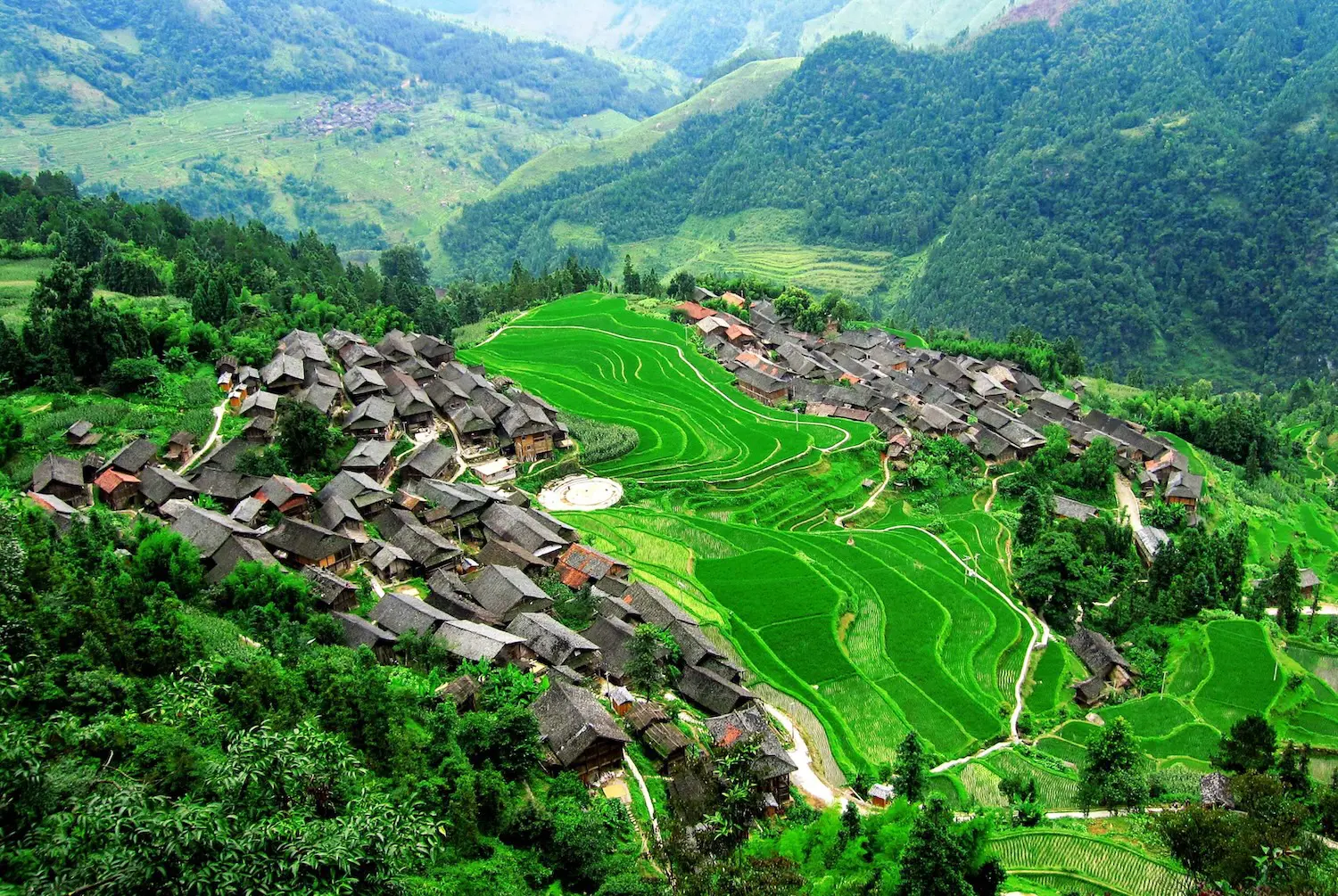
Guizhou: Minority Villages and Rice Terraces
Guizhou is China’s premier mid-altitude summer retreat. July averages 21°C to 29°C, providing a much-needed break from the coastal humidity.
- Cultural Highs: In Zhaoxing Dong Village, summer nights are the best time to hear the Grand Chorus of the Dong People performed in open-air drum towers.
- Landscape: In July, the Jiabang Rice Terraces are at their peak emerald phase. Morning mist creates a floating world effect that photographers come specifically for.
- UNESCO Water: Libo Xiaoqikong features jade-green lakes and 68-level waterfalls beneath dense subtropical forest. Less crowded than Guilin or Zhangjiajie, though still busy during Chinese school holidays.
Best for: Ethnic culture, green-season photography, and mid-altitude relief
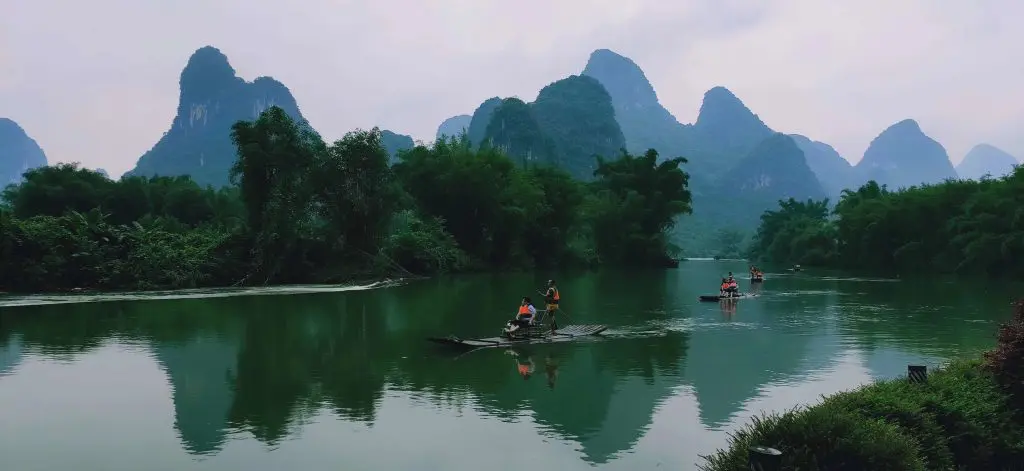
Guilin and Yangshuo
The classic karst landscape. While south China is humid in summer, the heat is manageable if you stay underground or on the water.
- The Cool Zones: Reed Flute Cave maintains a steady 18°C and is the ideal midday escape.
- The River Breeze: Bamboo rafting on the Yulong River is quieter than the motorized Li River cruise, and the splashing water combined with the river breeze keeps temperatures pleasant.
- Note for 2026: If traveling in early July, keep a flexible schedule. Heavy rains can occasionally cause temporary rafting closures or turn the rivers brown.
Best for: Classic scenery, family trips, and travelers wanting a water-based summer base
Summer Hiking on the Tibetan Plateau
June through September is the most reliable window for high-altitude trekking across Tibetan plateau. Snow clears from major passes, trails reopen, and oxygen levels are at their seasonal peak.
The 2026 Horse Year Pilgrimage
2026 is the Year of the Horse in the zodiac, considered one of the most auspicious years for pilgrimage.
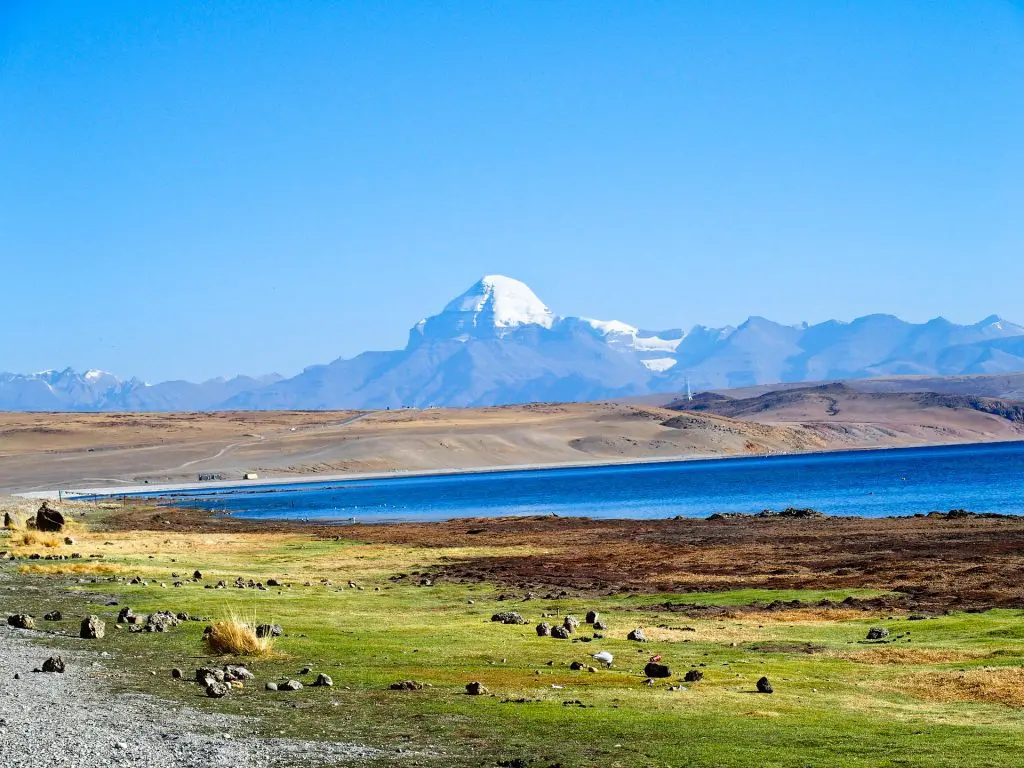
Mount Kailash Kora (Western Tibet)
In Tibetan Buddhist tradition, completing one Kailash Kora during a Horse Year is believed to carry the spiritual merit of 13 circuits. As a result, pilgrimage activity typically increases during these years. The best travel window is June to September, with the Dolma La Pass reaching 5,630 meters at its highest point. Given the increased demand in 2026, booking your Mount Kailash tour at least 4 to 6 months in advance is strongly advised to secure permits and accommodation.
Amne Machin (Qinghai)
The sacred peak of Amdo Tibet is a powerful alternative for those seeking fewer crowds and deeper isolation. Massive glaciers, remote grasslands, and nomadic culture define this route. No Tibet Entry Permit is required, though the high altitude and remote logistics make it best suited to experienced trekkers traveling with a support team.
Other Classic Summer Trekking Routes on Tibetan Plateaus
Ganden to Samye Trek (Central Tibet): A classic multi-day route near Lhasa crossing several high passes above 5,200 meters with panoramic views across the Yarlung Valley. Considered one of the best trekking routes in Tibet. A Tibet Entry Permit is required.
Tsurphu to Yangpachen (Central Tibet): A shorter plateau crossing near Lhasa through traditional nomadic areas. Less trekked than Ganden to Samye and equally rewarding. Tibet Entry Permit required.
Mount Siguniang Hikes (western Sichuan): The four valleys around Siguniang offer everything from half-day walks to multi-day alpine routes at elevations between 3,000 and 4,500 meters. Accessible directly from Chengdu.
Minya Konka Trekking (western Sichuan): A demanding multi-day route circling one of the highest peaks in western Sichuan at 7,556 meters. Best attempted with a local guide and a flexible schedule to account for weather.
Note: Treks inside the Tibet Autonomous Region require a Tibet Entry Permit. Treks in Sichuan and Qinghai require only a standard Chinese visa.
The Great Summer Road Trips in China
China’s western highway network is at its most passable in summer. These are the routes that reward travelers who have 10 days or more and want to cover serious ground across multiple regions.
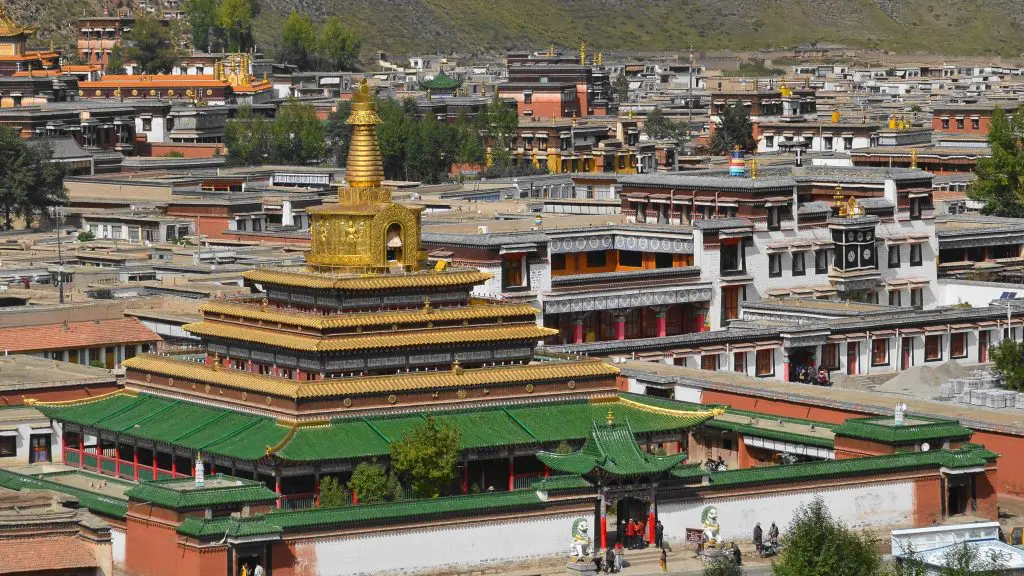
The Qinghai – Gansu “Silk Road” Road Trips (10-12 days)
Begin in Lanzhou, travel south to Labrang Monastery and the Sangke Grasslands, then continue through Tongren (Rebkong) to Xining, Qinghai Lake, and Menyuan for the summer canola bloom. Head north to Zhangye’s Danxia Rainbow Mountains and finish in Dunhuang at the Mogao Caves.
This route links four major regions and is one of the best summer road trips in northwest China, combining Tibetan Buddhist culture, highland landscapes, and classic Silk Road history.
Best for: Tibetan culture immersion, high-altitude scenery, Silk Road history, first-time northwest China road trips
Related tour: 10 days Urumqi to Xining Silk Road Tour
Western Sichuan Kham Culture Route (10 to 13 days)
From Chengdu, drive west through Mount Siguniang and Danba, travel to the cultural heart of Kham Tibet in Ganzi and Dege, then continue to Litang at 4,014 meters before descending to Daocheng and Yading. This is the most rewarding road trip in western China for depth of experience. The Litang Horse Racing Festival in late July or early August transforms the route into something exceptional.
Best for: Tibetan culture immersion, high-altitude driving, festival timing, experienced China travelers
Related tour: 13 days Western Sichuan Kham Tibet Overland Tour
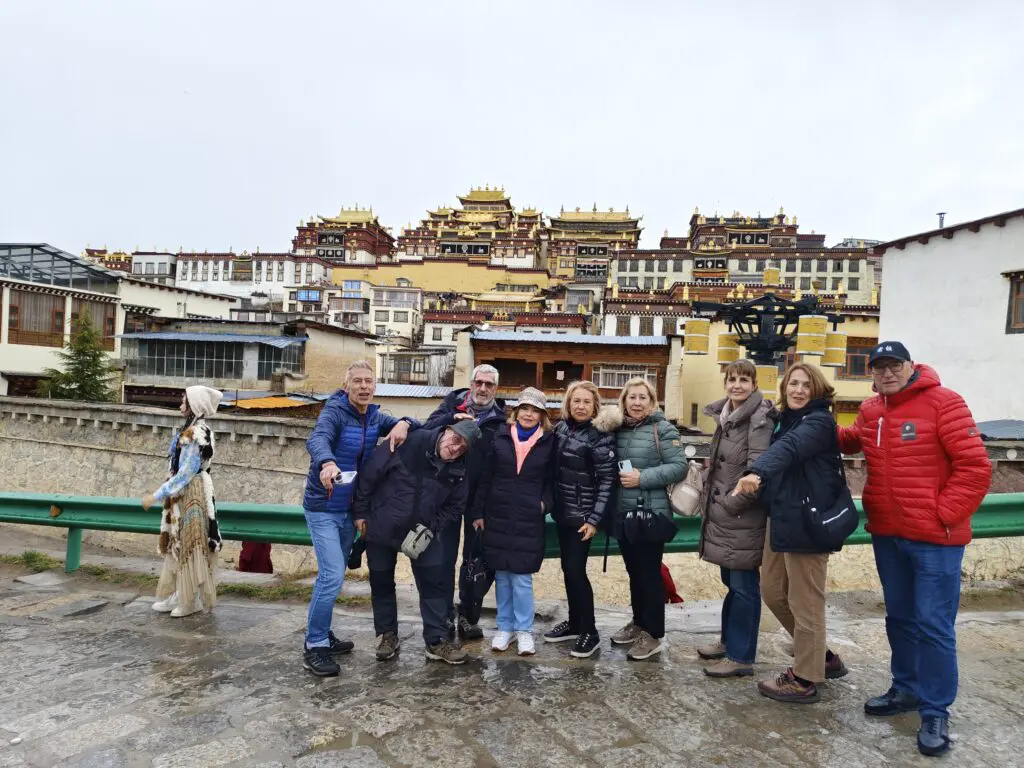
Classic Yunnan including Shangri-la (8-10 days)
Kunming, Dali, Lijiang, and Shangri-La all hold between 15°C and 25°C in summer, making Yunnan one of the most comfortable routes in China during July and August. One caution: Tiger Leaping Gorge can be done in summer, but landslide risk rises after heavy rain and sections of the trail can close without warning. Spring and autumn offer more stable conditions for this hike.
Best for: Comfortable summer temperatures, minority culture, Himalayan foothills scenery
Related tour: 10 days Best of Yunnan with Meili Snow Mountain
Tibet Road Trips
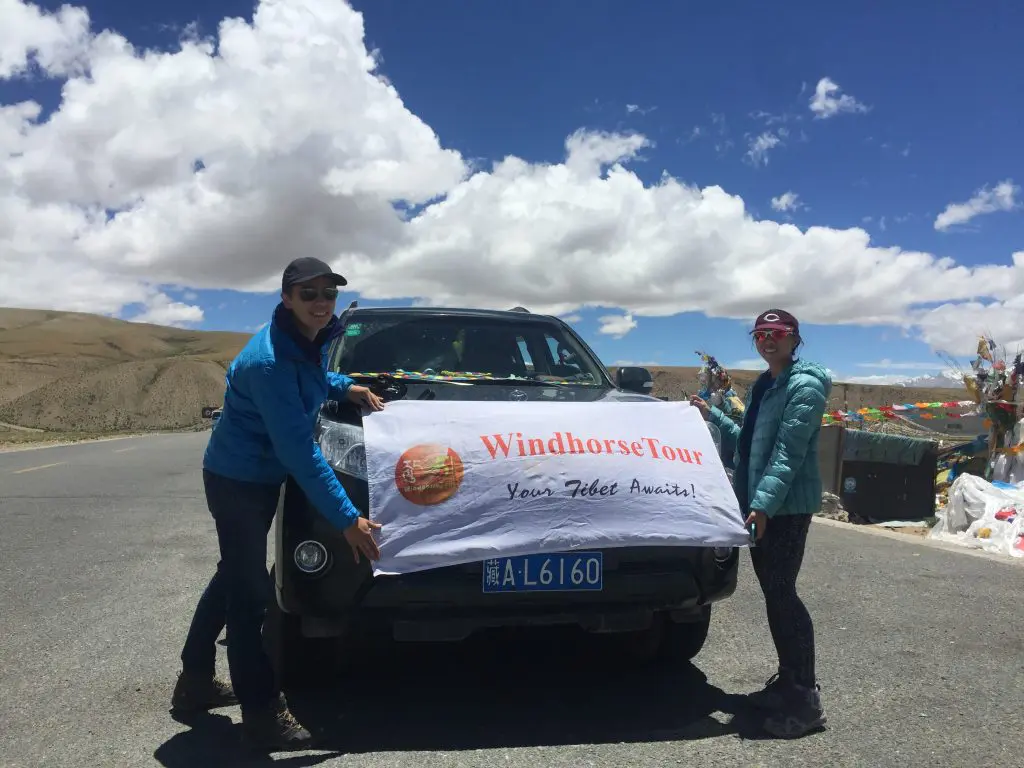
Summer is the best season for most road trips in Tibet. Routes to Mount Kailash in western Tibet and across the Changtang (the remote northern plateau) are most accessible between June and September, when snow has melted and high passes are open.
Overland journeys require flexibility. If traveling from Chengdu to Lhasa via the G318, or from Lhasa toward Kathmandu, several buffer days are strongly recommended. In July and August, heavy monsoon rains on the southern Himalayan slopes can trigger landslides, temporarily closing sections of highway with little warning.
Border note: As of 2026, the Zhangmu (Dram) border has become the primary crossing point for the road trip from Lhasa to Kathmandu, as the bridge at Gyirong was previously damaged by floods and the road is not open for tourists yet.
Best for: Mount Kailash Kora, Tibet tours, full Tibet overland itineraries with schedule flexibility
Family-Friendly Summer Experiences
Summer is peak travel season for families in China, but it works best when you plan around heat, crowds, and timing. These experiences balance fun, comfort, and practicality for parents traveling with children.
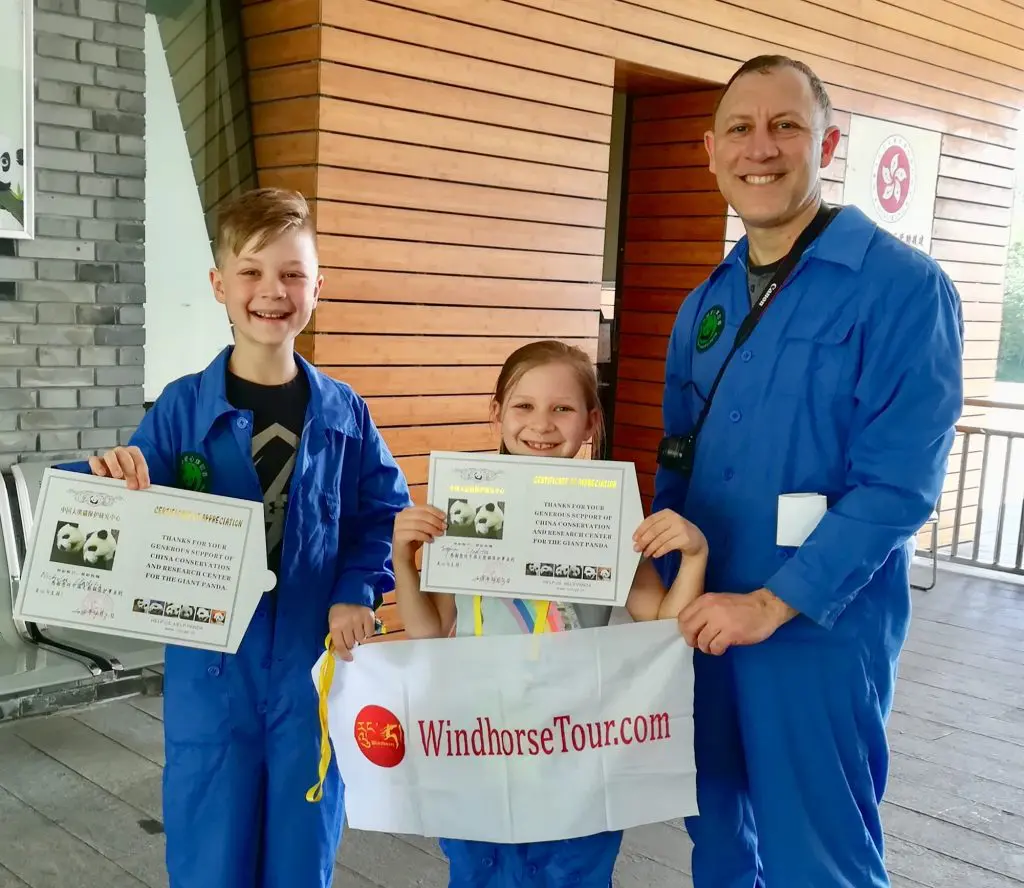
- Panda Encounters (Chengdu, Dujiangyan, Wolong, Bifengxia): Seeing giant pandas is one of the most popular highlights of any family trip to China. One practical note that most guides omit: pandas move into air-conditioned indoor spaces by around 10:00 AM in summer. Early morning arrival is essential to see them active.
- Chimelong Water Park (Guangzhou): One of the world’s largest water parks, with large-scale slides and evening Water Music Festival events running through the summer months.
- Atlantis Aquaventure (Sanya, Hainan Island): High-end water slides and marine life encounters on Hainan Island. Best for families seeking a resort-style summer break with beach access in a tropical climate.
- Water Towns near Shanghai: Skip the midday heat and explore after 6:00 PM when lanterns light up the canals. Evening boat rides through narrow waterways offer a calmer, cooler atmosphere compared to daytime crowds.
- Light Nature Adventures (Without Extreme Altitude): Choose destinations with moderate elevation and easy walking. Jiuzhaigou’s boardwalk trails, bamboo rafting on the Yulong River in Guilin, and Mount Emei’s shaded temple paths all deliver outdoor experiences without extreme altitude. Avoid trekking above 3,500 meters with young children unless properly acclimatized.
- Theme Parks for Kids: Shanghai Disneyland, Beijing Universal Studios, and Chimelong Safari Park are strong summer options in major cities. Book timed-entry tickets in advance.
Plan each day with a simple practice: start early, rest indoors during the midday heat, and explore again in the evening.
Classic Cities: The Smart Summer Approach
China’s major historical cities are worth visiting in summer if you shift your schedule around the heat. The effective window for outdoor sightseeing is roughly 7:00 AM to 11:00 AM and again after 5:00 PM. Plan indoor or shaded activities for the midday hours.
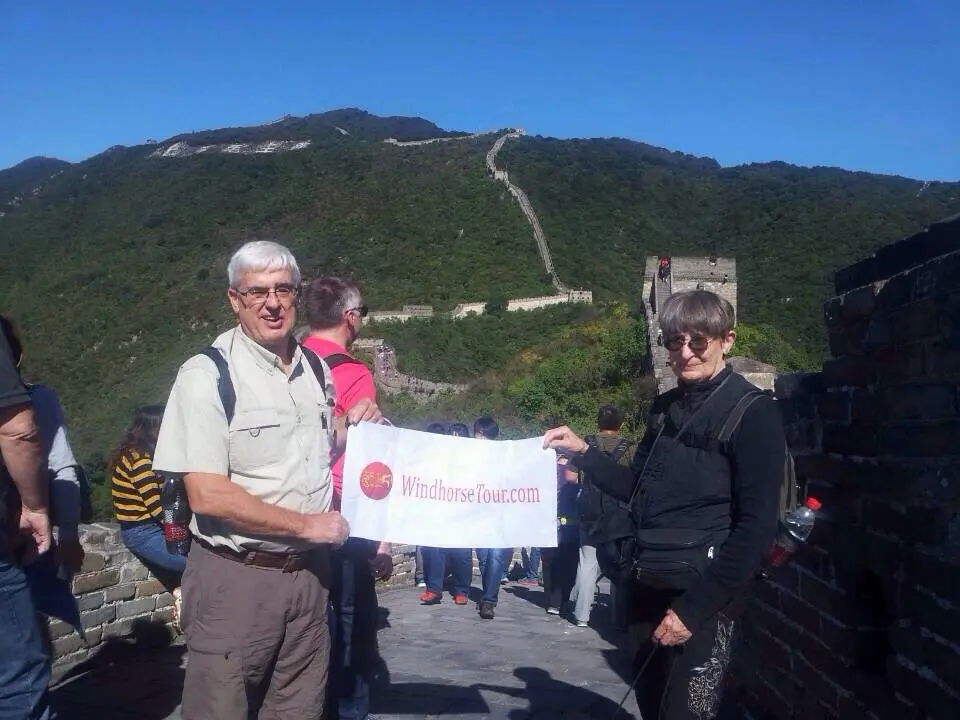
- Beijing: The Summer Palace was built by the Empress Dowager Cixi specifically as a heat retreat, which tells you something useful about how Beijing summers work. The Simatai section of the Great Wall runs a night tour that is both cooler and far less crowded than daytime visits. The Temple of Heaven is best in early morning.
- Xi’an: The City Wall is fully exposed and punishing at midday in July. The evening cycle along the wall top is the standard fix, as is an evening food tour through the Muslim Quarter when the night market is at full energy.
- Shanghai: The Bund is best experienced at night in summer. Disney’s summer events run through July and August. Avoid transitioning between indoor and outdoor spaces too frequently as the temperature differential in Shanghai in July can be significant.
Where Not to Go in China in Summer
Honest summer planning in China requires knowing which destinations to skip or handle carefully.
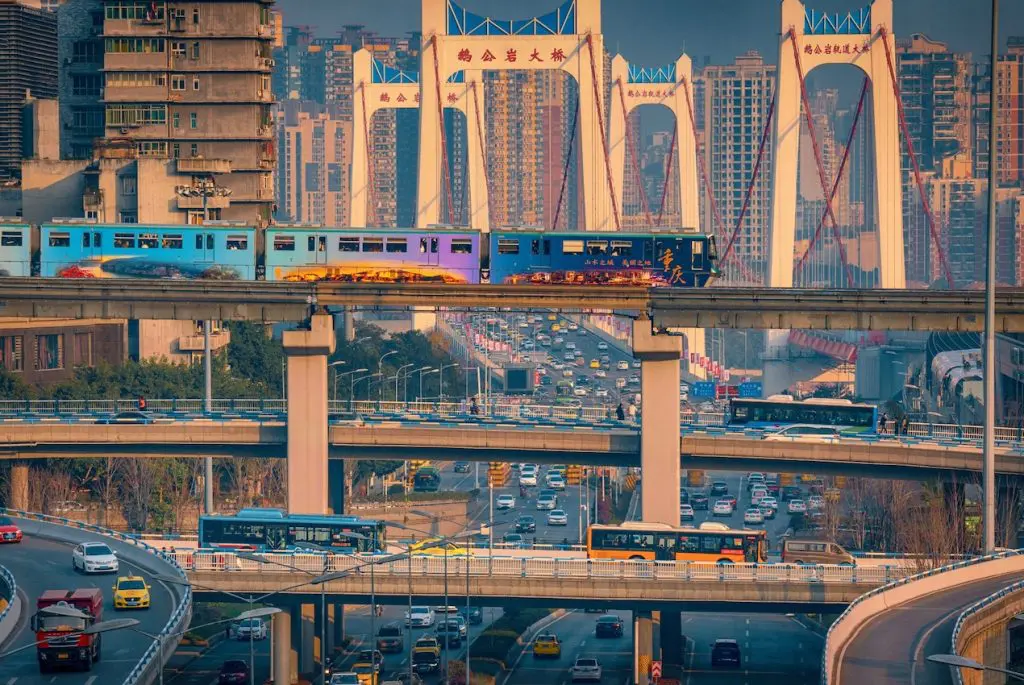
The Three Furnaces: Chongqing, Wuhan, and Nanjing are famous across China for combining extreme heat (above 38°C) with humidity that makes the air feel closer to 45°C. Use them as transit hubs only. Do not anchor a summer itinerary around any of them.
Summer in China vs Spring or Autumn
- Summer (June–September): Best for highland travel, festivals, wildflowers, open mountain passes.
- Spring (April–May): Fewer crowds, cooler cities, but some high passes still closed.
- Autumn (September–October): Stable weather, golden landscapes, fewer domestic tourists.
For high-altitude western China, summer is the only season when the full range of routes is accessible.
Frequently Asked Questions
Is China too hot to visit in summer?
China is hot in central and eastern lowland cities, where temperatures often exceed 35–40°C. However, highland regions above 2,500m including western Sichuan, Qinghai, Tibet, northern Yunnan, and northern Xinjiang remain cool and are at their seasonal peak.
What is the best time to visit western Sichuan in summer?
The best time to visit western Sichuan is mid-June to mid-August, with July as the peak month. Alpine wildflowers bloom at Mount Siguniang and Tagong Grassland, high passes are open, and the Litang Horse Racing Festival takes place in late July or early August.
Do I need a permit to visit western Sichuan or Qinghai?
No. Western Sichuan and Qinghai do not require a Tibet Entry Permit.
International travelers only need a standard Chinese visa.
A Tibet Entry Permit is required only for the Tibet Autonomous Region, including Lhasa, Shigatse, Mount Kailash, and overland routes into Tibet.
What are the best summer festivals in China in 2026?
The most important summer festivals in China in 2026 include:
Litang Horse Racing Festival (late July / early August, western Sichuan)
Yushu Horse Racing Festival (July 25 – August 1, Qinghai)
Shoton Festival (August 12–18, Lhasa, Tibet – permit required)
Tongren Shaman Festival (August 2–10, Qinghai)
Naadam Festival (late July–August, Inner Mongolia)
For travelers without a Tibet permit, Litang and Yushu are the strongest alternatives.
Which parts of China are cool in summer?
The coolest regions in China in summer are areas above 2,500 meters elevation, including: Western Sichuan, Qinghai Province, Southern Gansu, Northern Yunnan (Shangri-La region), Tibet, Northern Xinjiang, Inner Mongolia (northern steppe).
Summer temperatures in these regions range between 15°C and 24°C, compared to 35–40°C in lowland cities.
Is summer a good time to travel to Tibet?
Yes, summer (June–August) is one of the best times to travel to Tibet. High passes are open, trekking routes are accessible, and major festivals such as the Shoton Festival take place.
However, July and August bring monsoon rains that can cause landslides on mountain roads. Build buffer days into your itinerary.
What should I avoid in China in summer?
Avoid anchoring your trip around:
The “Three Furnaces”: Chongqing, Wuhan, and Nanjing (extreme heat + humidity)
Midday desert activities in Dunhuang
Tiger Leaping Gorge during heavy rain (landslide risk)
Tight overland Tibet schedules without buffer days
How far is western Sichuan from Chengdu?
Western Sichuan is accessible by road from Chengdu:
Mount Siguniang: ~4 hours
Tagong Grassland: 5–6 hours
Litang: 9–10 hours (usually split over 2 days)
Most international travelers visit on a private tour with driver due to mountain road conditions.
Planning a 2026 Summer Trip to Western China or Tibet?
We design private summer itineraries across western Sichuan, Qinghai, Gansu, Yunnan, and Tibet — including festival scheduling, Tibet Entry Permits, overland road trips, and local guides who specialize in highland travel.
Tell us your dates and travel style, and we’ll build a a custom itinerary that avoids the heat and maximizes the season.
Related tours
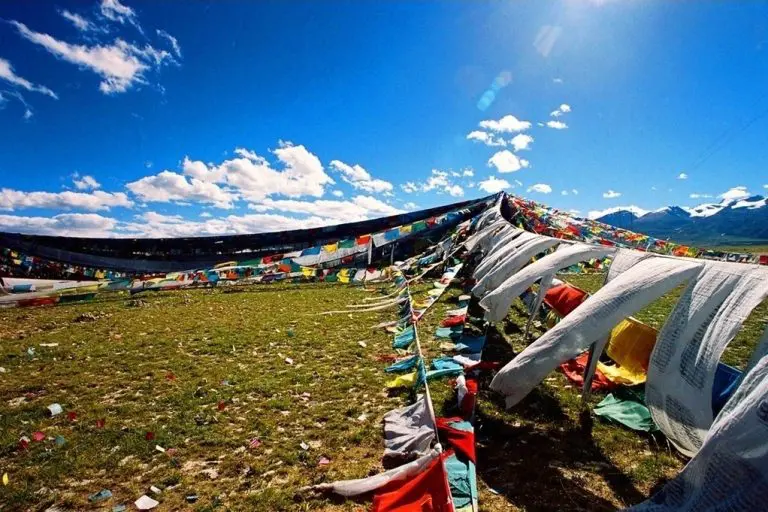
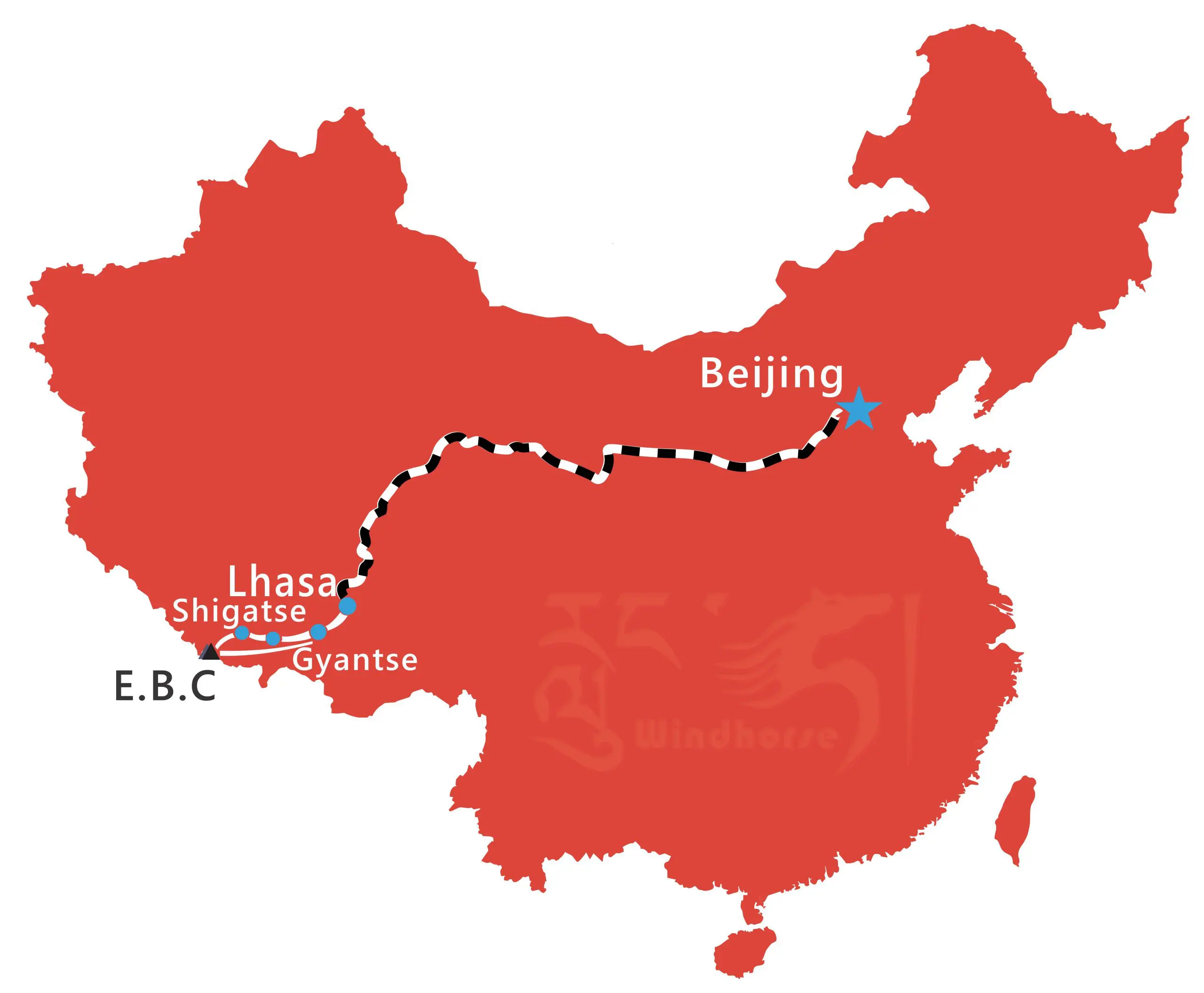
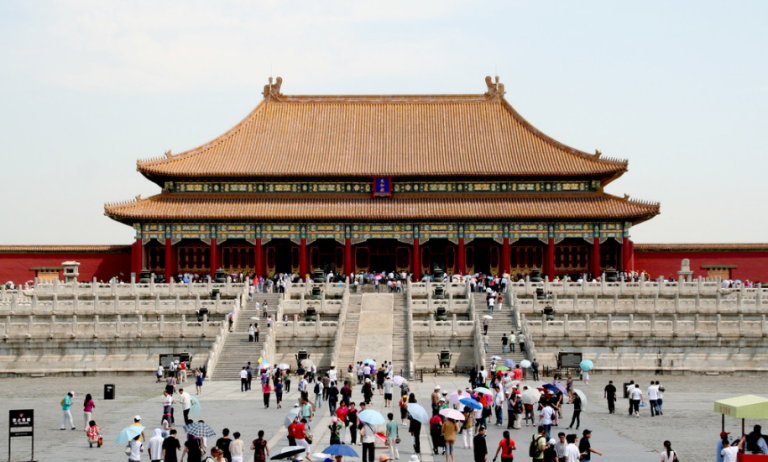

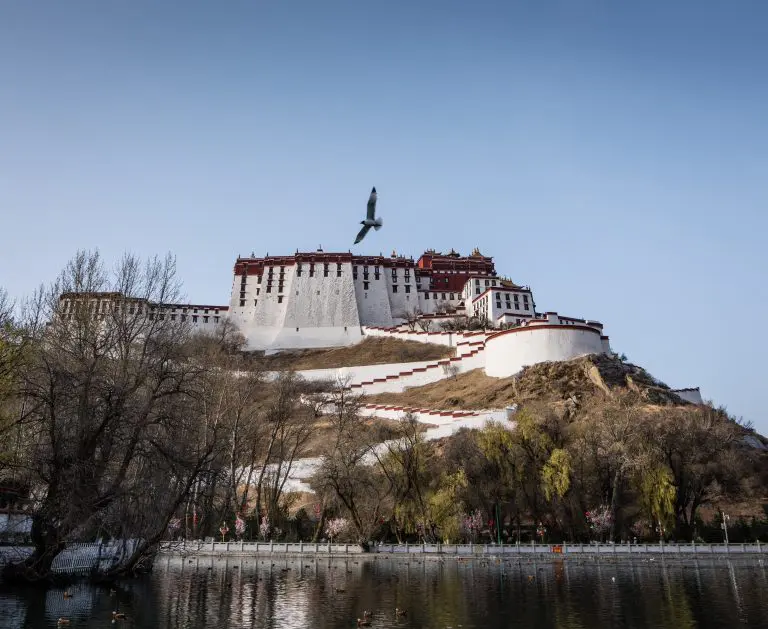
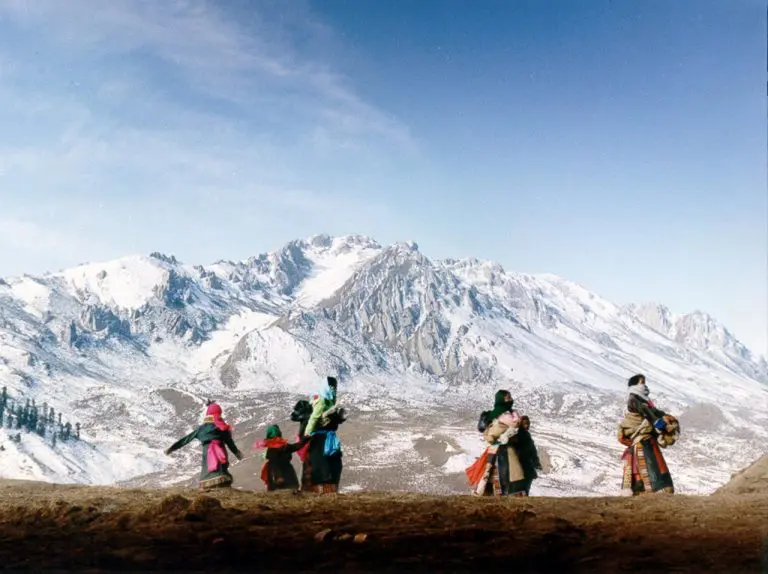
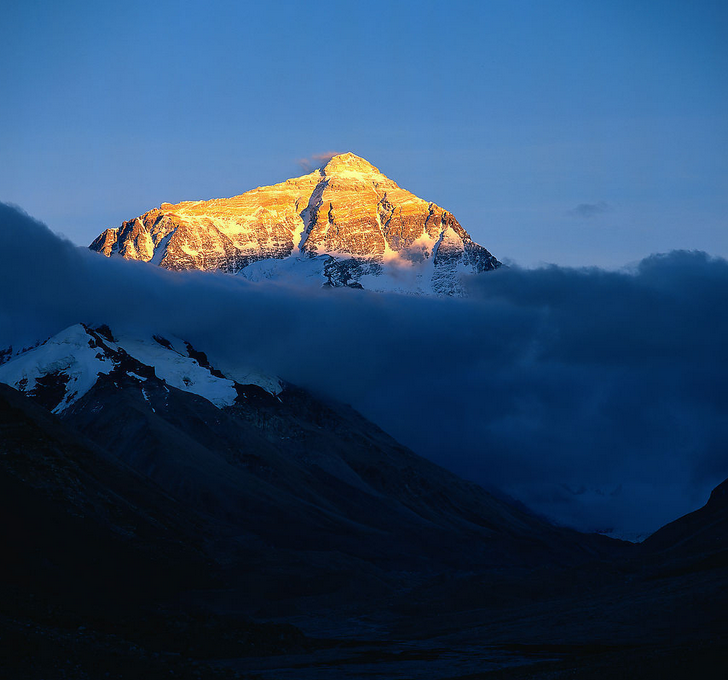
Travel from Beijing to Kathmandu on this 11-day Tibet group tour. Visit the Great Wall & Forbidden City in Beijing, ride the Qinghai–Tibet Railway to Lhasa, visit Potala Palace and Everest Base Camp, then continue overland to Nepal.
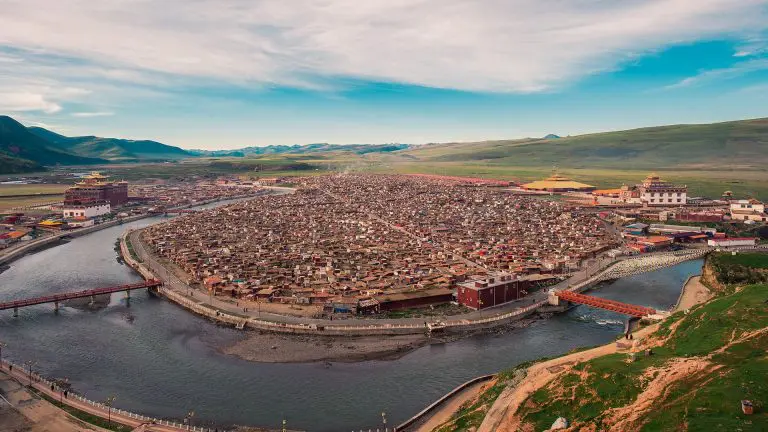
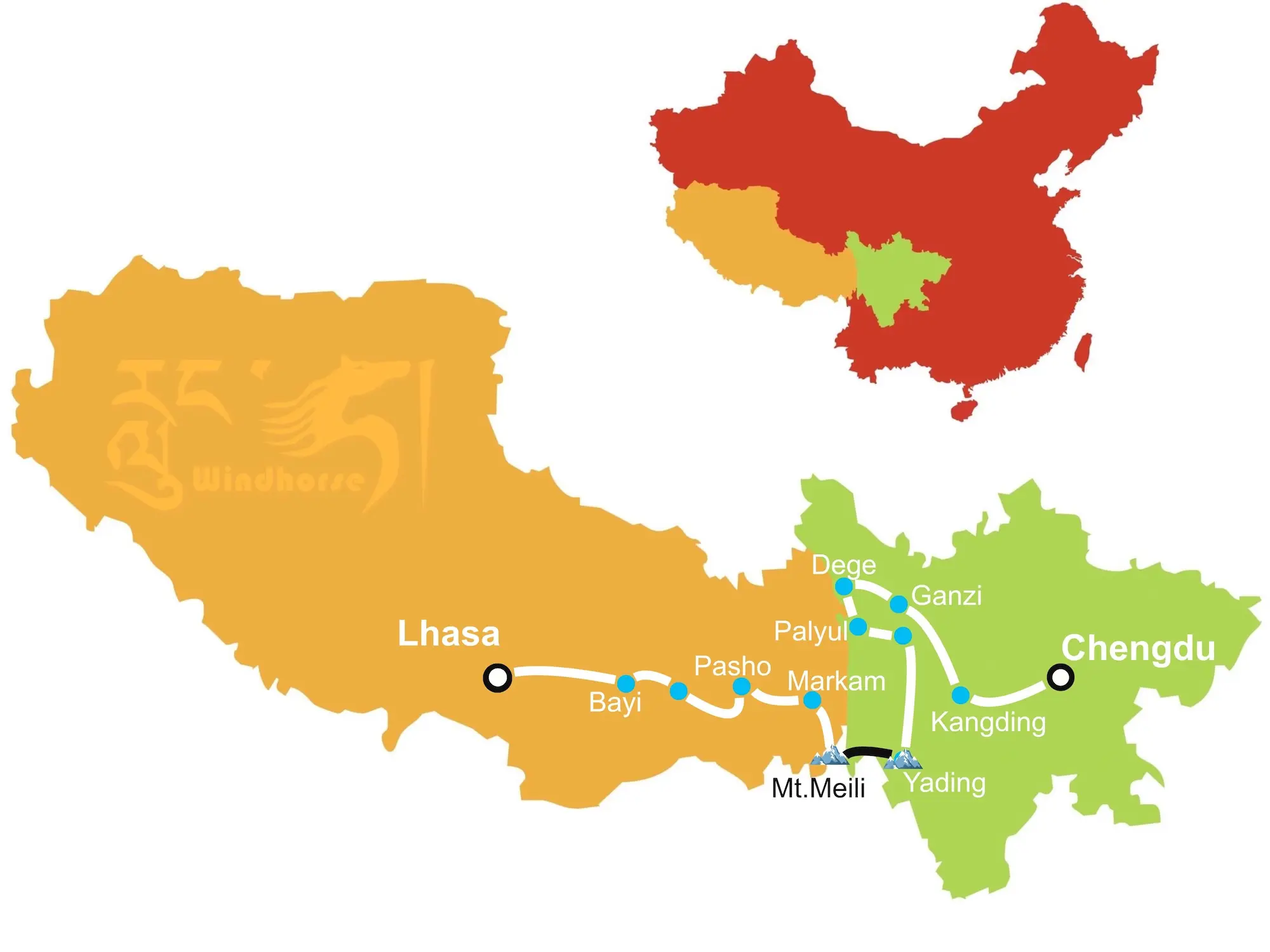
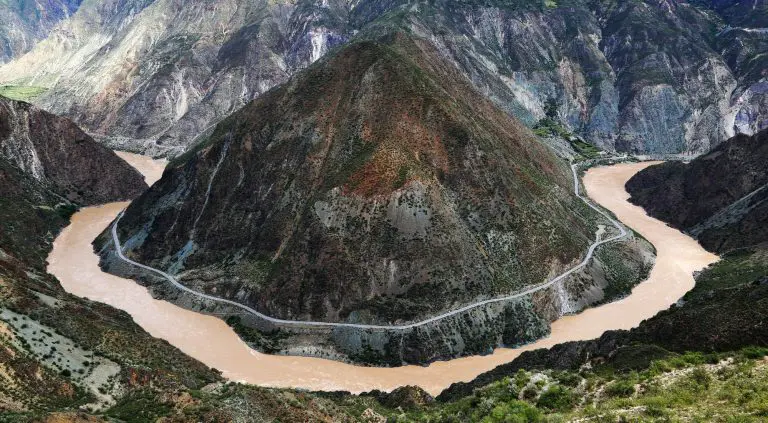
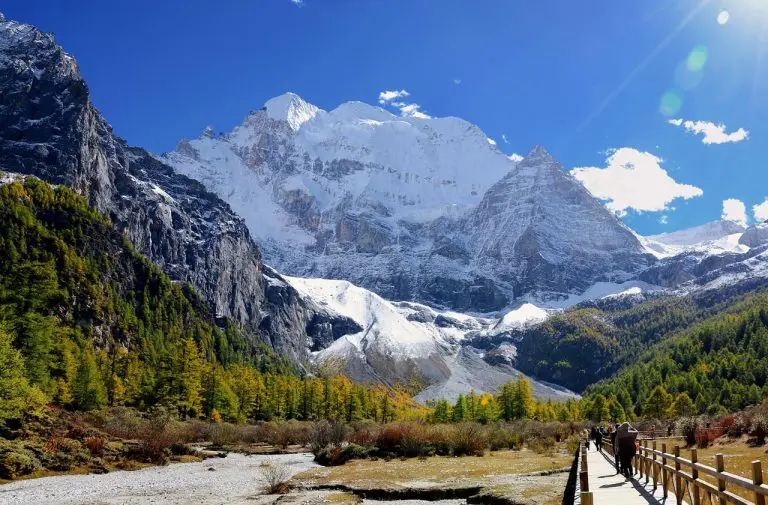
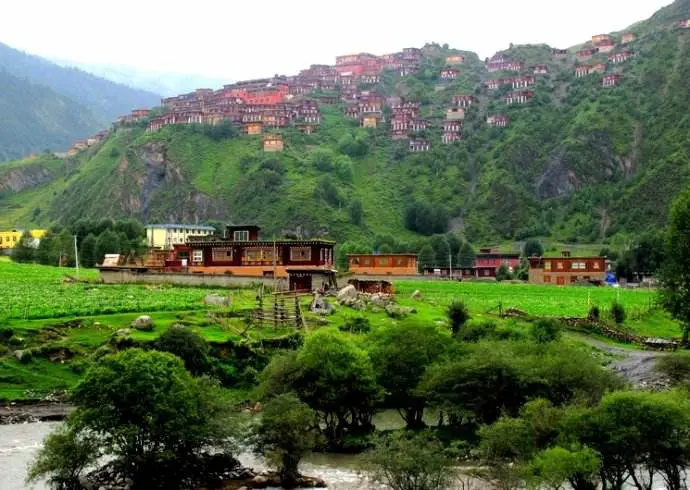
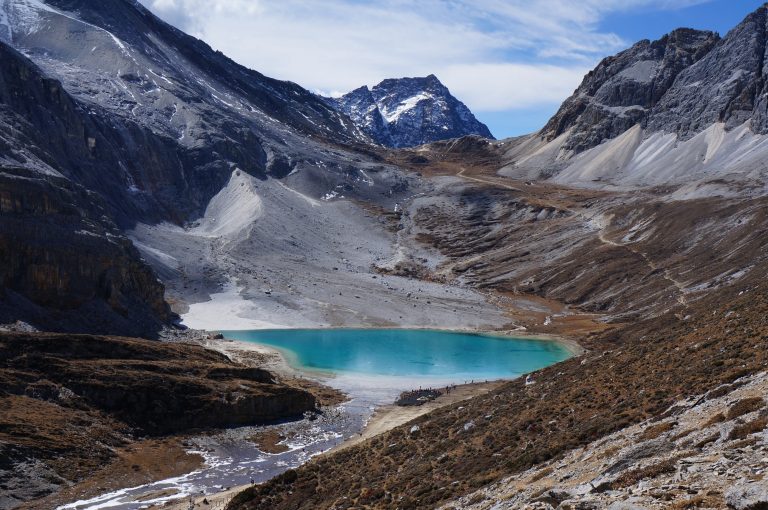
Experience Tibetan Kham culture and landscapes on this 3 week overland journey from Chengdu to Lhasa. Visit sacred monasteries, Daocheng Yading Nature Reserve, and Mount Meili, then follow the Yunnan–Tibet and Sichuan–Tibet Highways (G214/G318) through epic scenery to Lhasa.
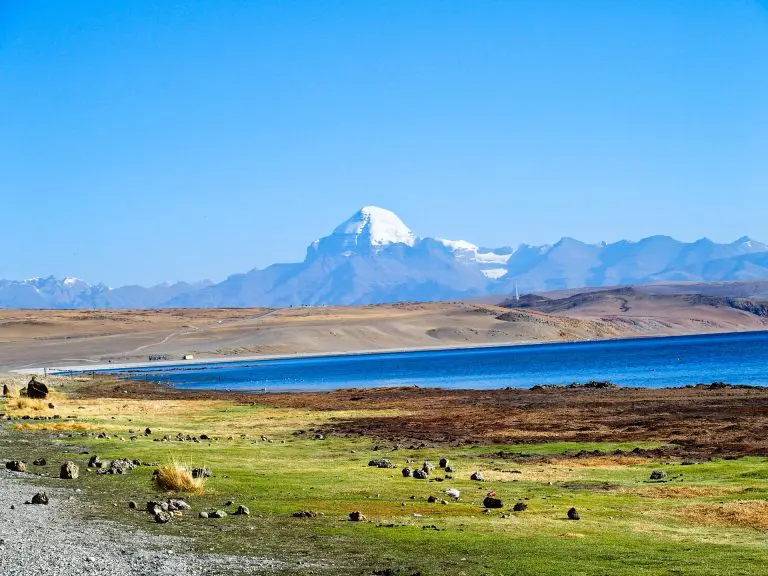
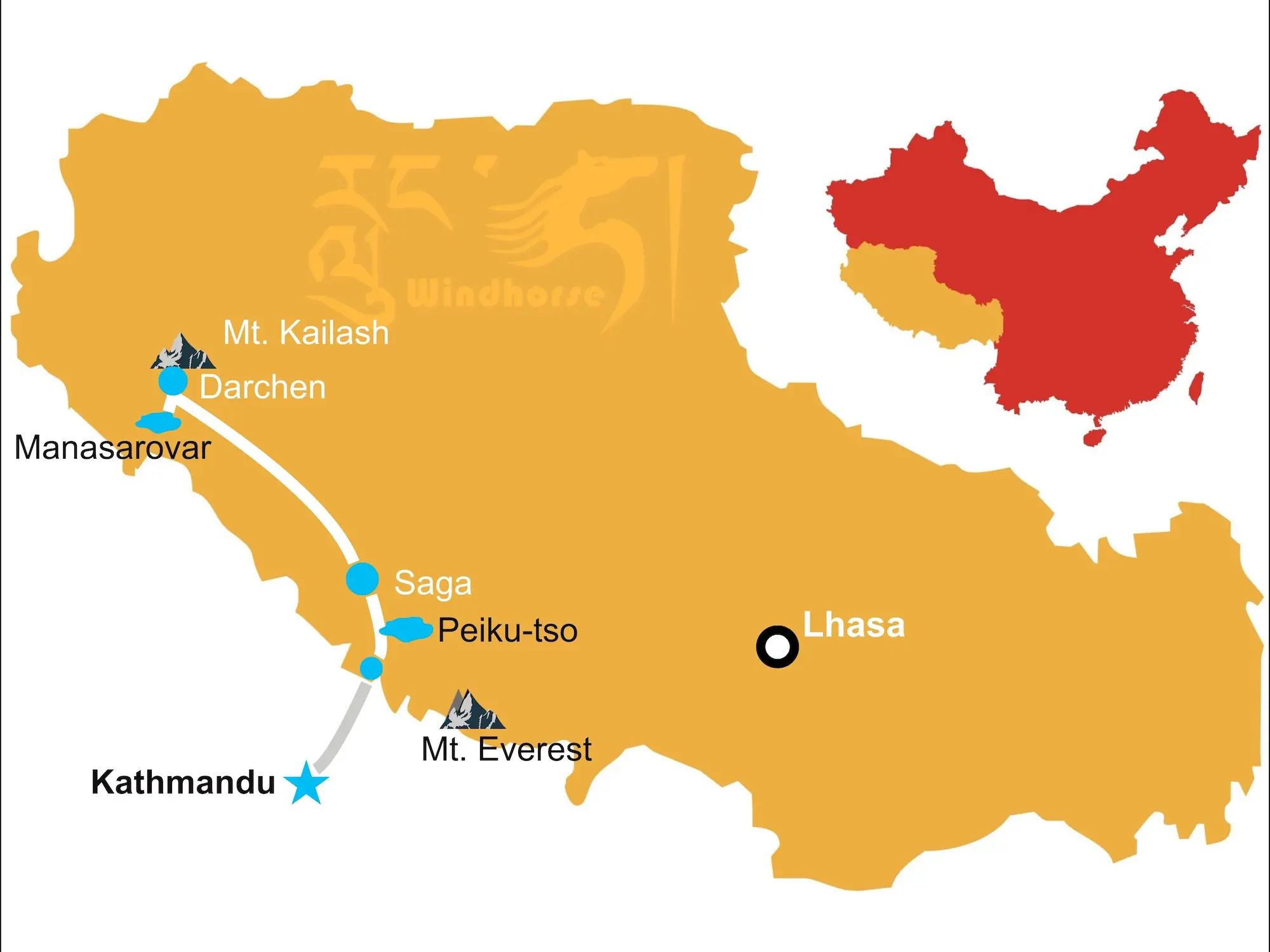
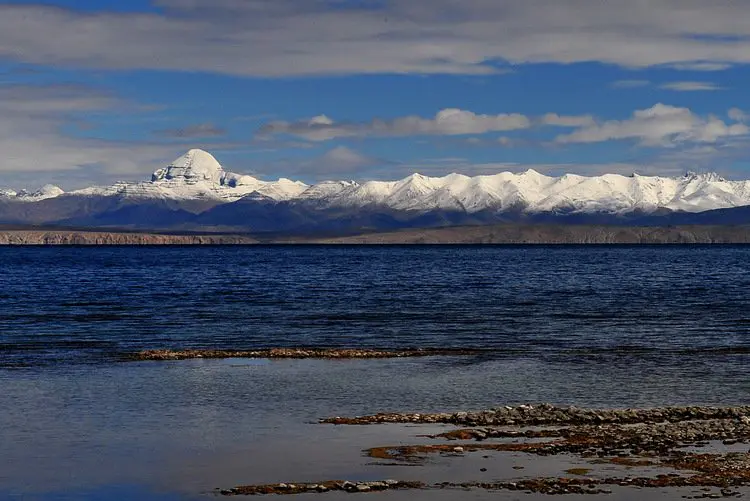
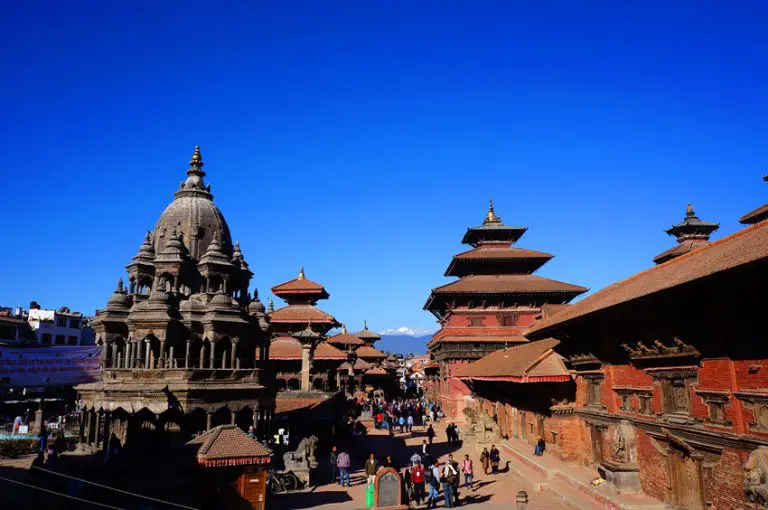
Take an 11-day Mount Kailash Tour from Kathmandu, traveling overland into Tibet’s sacred west. Visit holy Lake Manasarovar and complete the 3-day Kailash Kora trek, a spiritual journey through Tibet’s remote highlands.