
16 days Chengdu to Lhasa Overland Tour via Daocheng Yading & Mount Meili
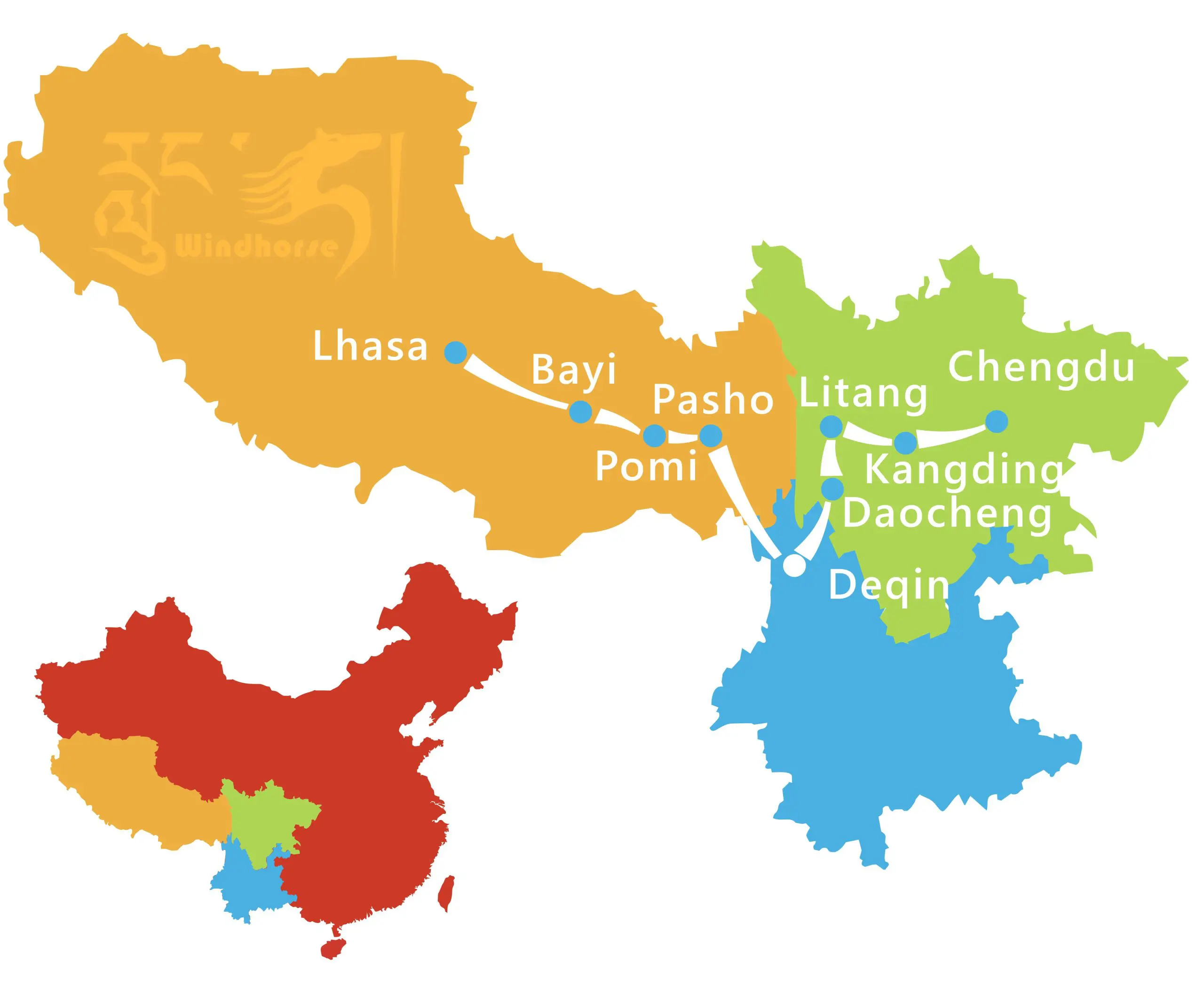
Travel from Chengdu to Lhasa along the Sichuan–Tibet Highway (G318) and Yunnan–Tibet Highway (G214), with detours to Daocheng Yading and Mount Meili. Explore Mount Siguniang, Danba Tibetan villages, monasteries, holy lakes, glaciers, and the dramatic landscapes of Kham regions in Sichuan, Yunnan, and Tibet.
Itinerary
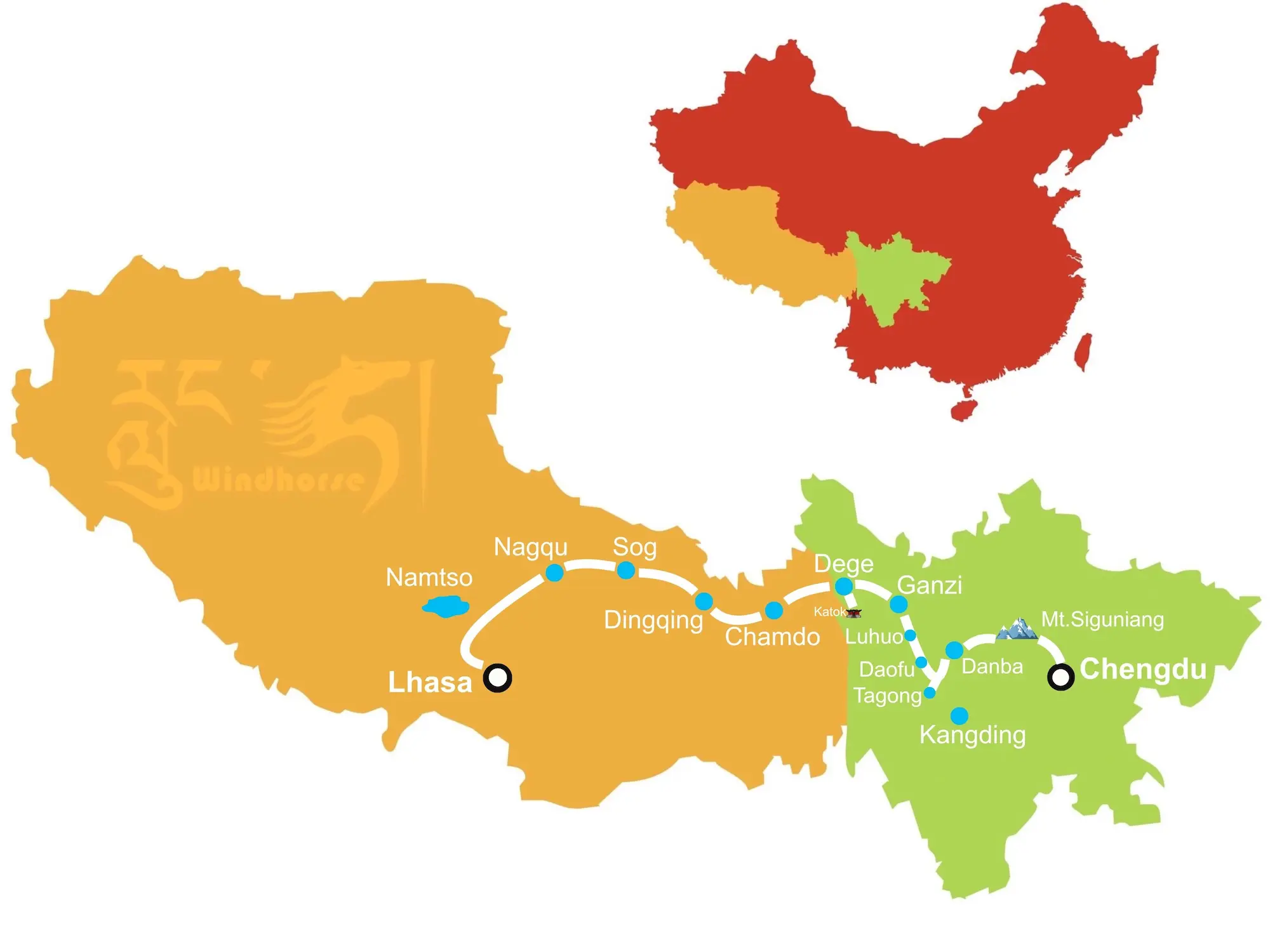
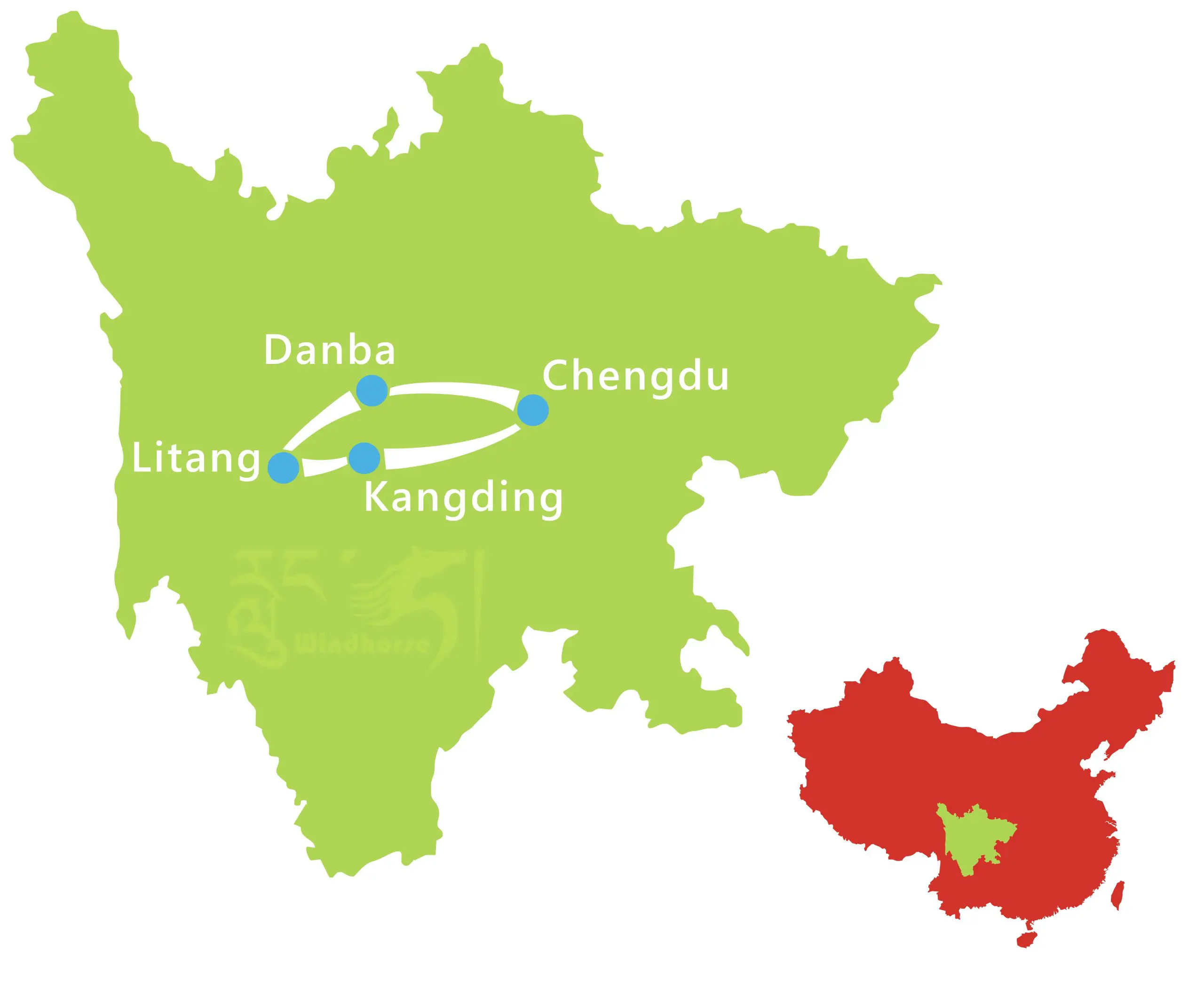
This 16-day Chengdu to Lhasa overland tour combines the legendary Sichuan–Tibet Highway (G318) with the Yunnan–Tibet Highway (G214), showcasing the diverse landscapes of Tibetan Kham in western Sichuan, northern Yunnan, and eastern Tibet. Start with Mount Siguniang and the ancient watchtower villages of Danba, then cross the Tagong Grasslands and Litang to reach Daocheng Yading, the “Last Shangri-La,” where sacred snow peaks rise above turquoise lakes. Continue to Mount Meili, one of the most revered holy mountains in Tibetan Buddhism, before entering Tibet at Markham. From there, follow the G318 through dramatic gorges, Ranwu Lake, Midui Glacier, and Lulang Forest, concluding in Lhasa with its iconic monasteries and cultural treasures.
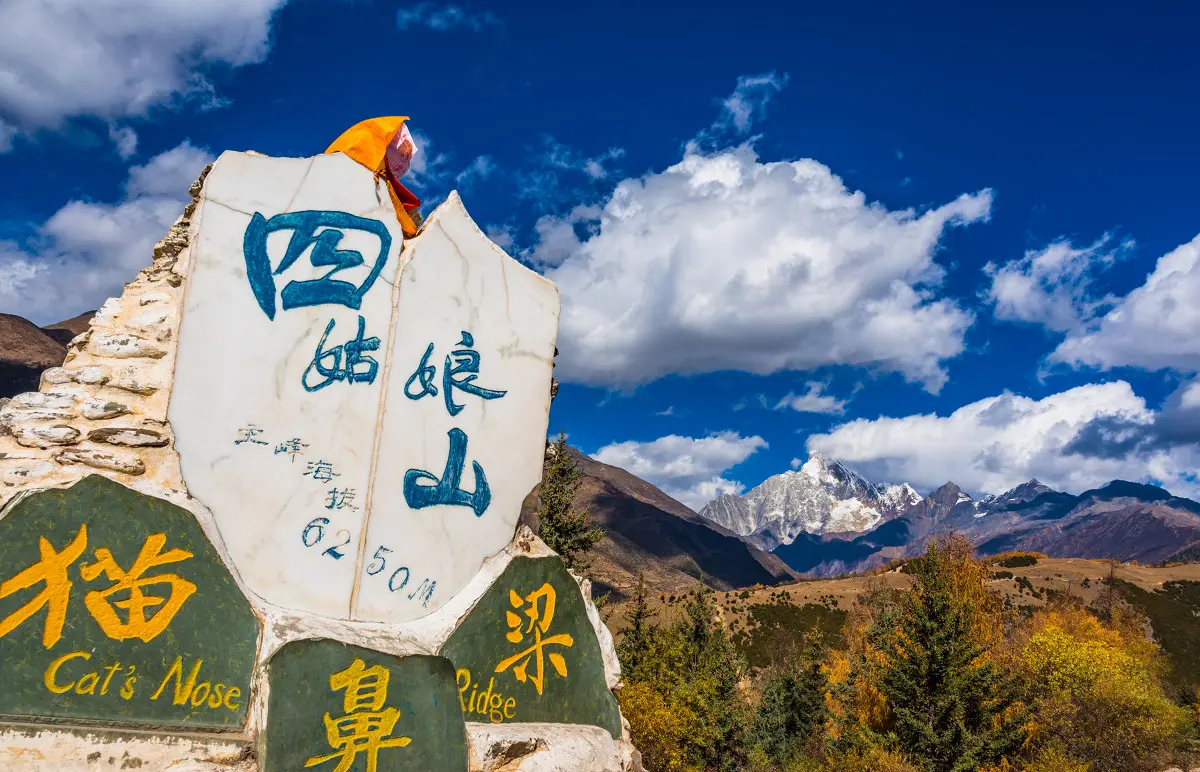
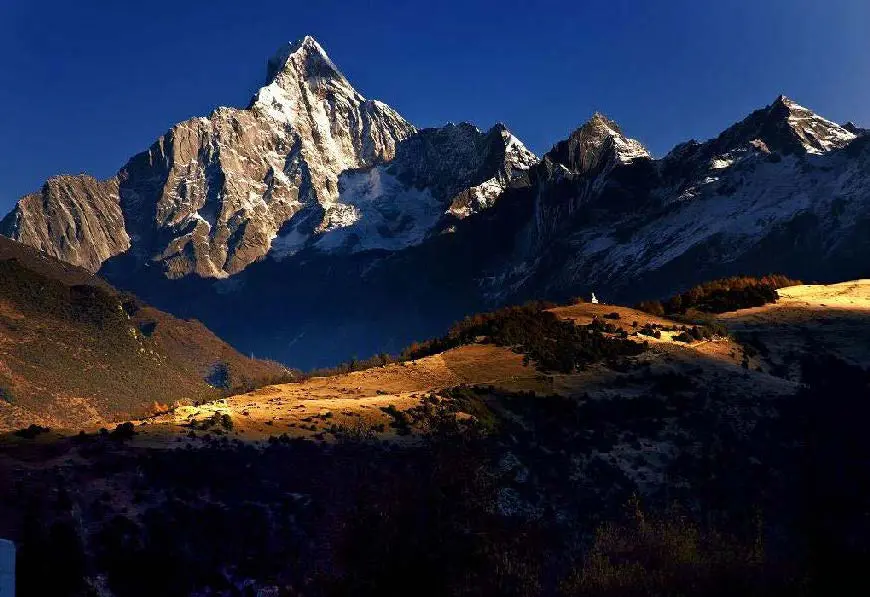
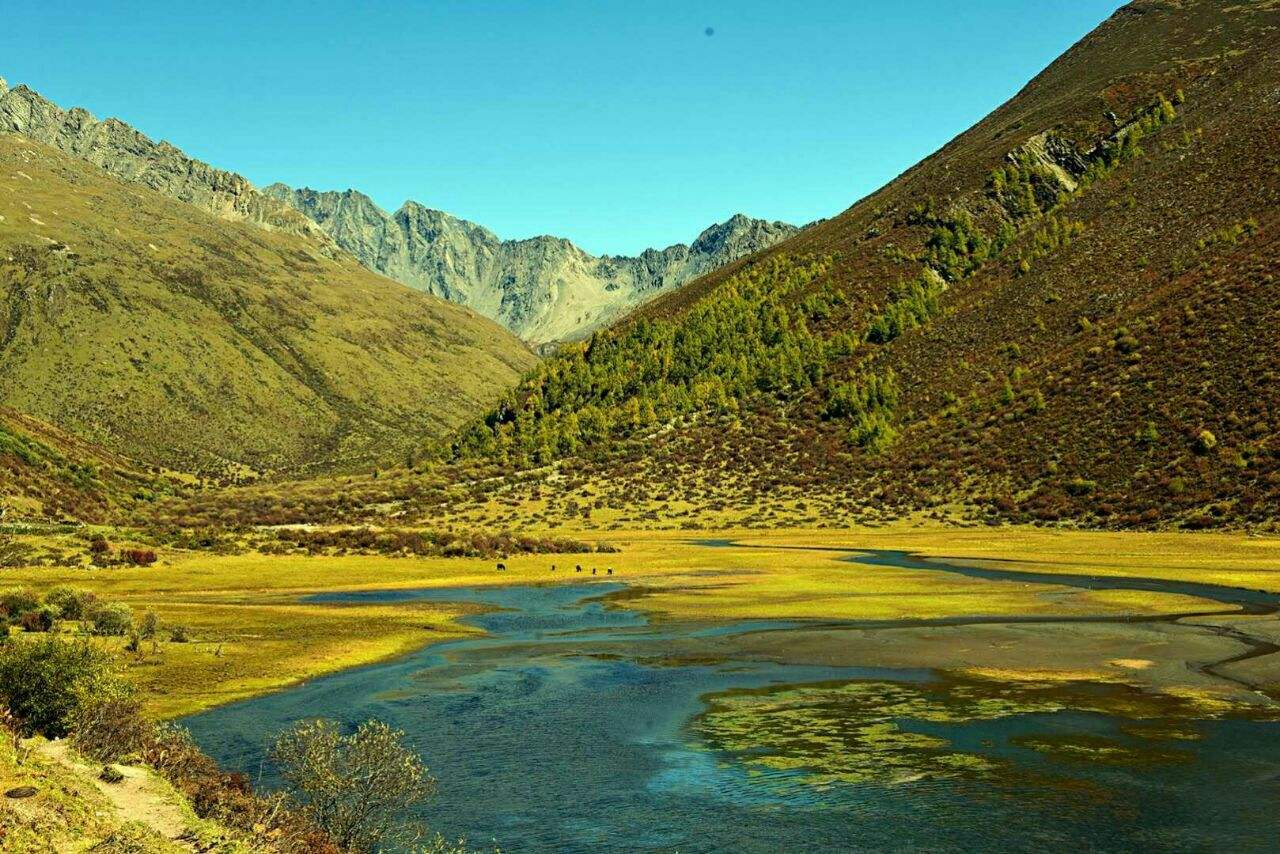
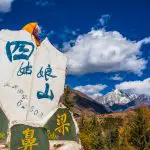
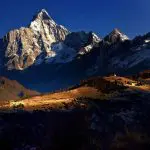
After breakfast, drive about 4–5 hours from Chengdu to Rilong, the small town at the foot of Mount Siguniang. The journey takes you over Mount Balang Pass (4,487 m), where you can stop at the Maobiliang platform for breathtaking views of the Four Sisters Peaks, the highest rising to 6,250 m. On clear days, the panorama of snow peaks, clouds, and valleys is one of the highlights of the drive.
In the afternoon, explore Shuangqiao Valley, the most accessible of the three valleys in Mount Siguniang National Park. Stretching nearly 35 km, the valley is lined with more than a dozen snow-capped peaks over 4,000 m, alongside alpine meadows, pristine forests, rivers, and waterfalls. The local scenic sightseeing bus takes you deep into the valley, with optional short walks to viewpoints where you can admire the glaciers, rock spires, and Tibetan prayer flags set against the dramatic mountain backdrop. Overnight in Rilong.
This morning, explore Changping Valley, another main valley of Mount Siguniang National Park. This scenic valley stretches about 29 km and sits at 3,600 m, with wooden walkways and trails leading through old cypress groves, alpine meadows, clear streams, and grazing pastures. Along the the trail, you’ll enjoy stunning views of Mount Siguniang’s four peaks, often called the “Alps of the Orient.”
After lunch, drive about 3–4 hours (110 km) to Danba County, known as the “Valley of Beauties” and famous for its traditional Tibetan watchtowers and villages. You will be arranged to visit Zhonglu Tibetan Village, one of the best-preserved Gyarong Tibetan settlements, where stone-built houses rise along terraced hillsides surrounded by orchards and fields. Stroll through the village, soak in the tranquil atmosphere, and, if weather permits, enjoy sunset views over the Danba valley. Overnight at hotel in Zhonglu village.
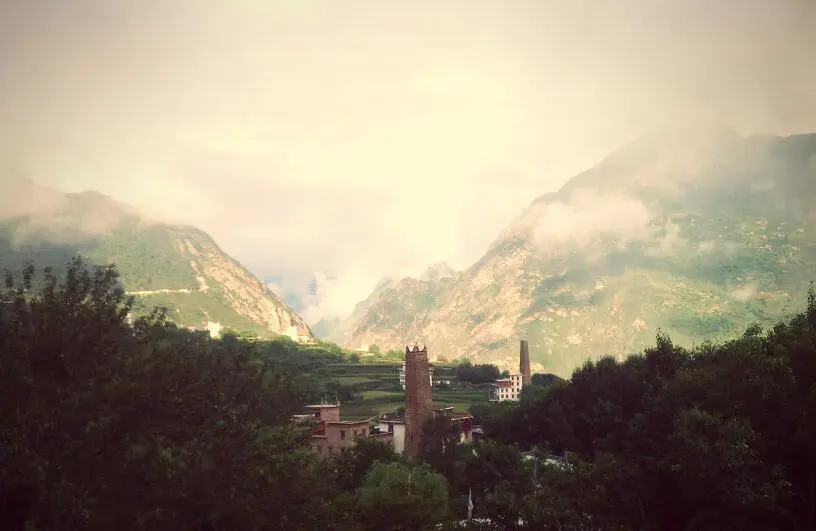
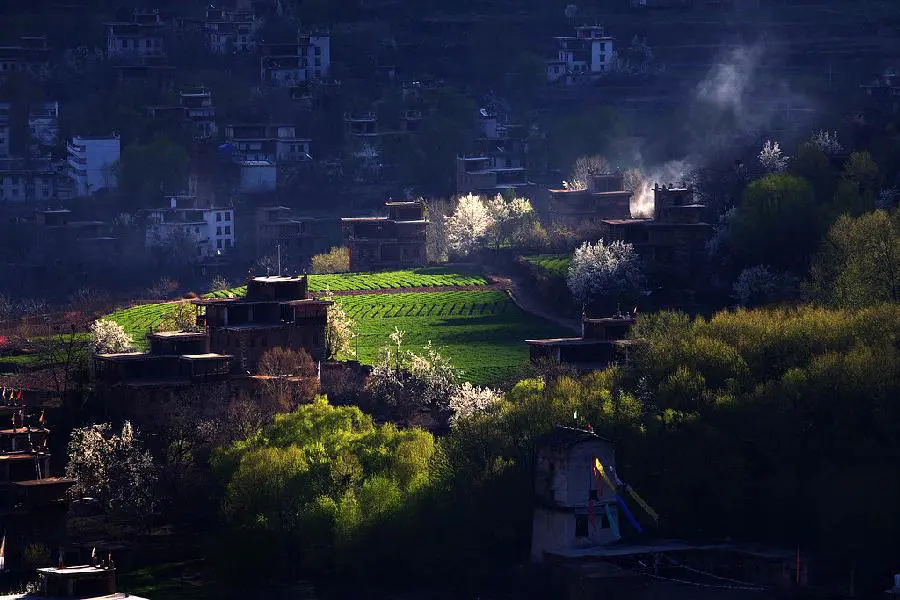
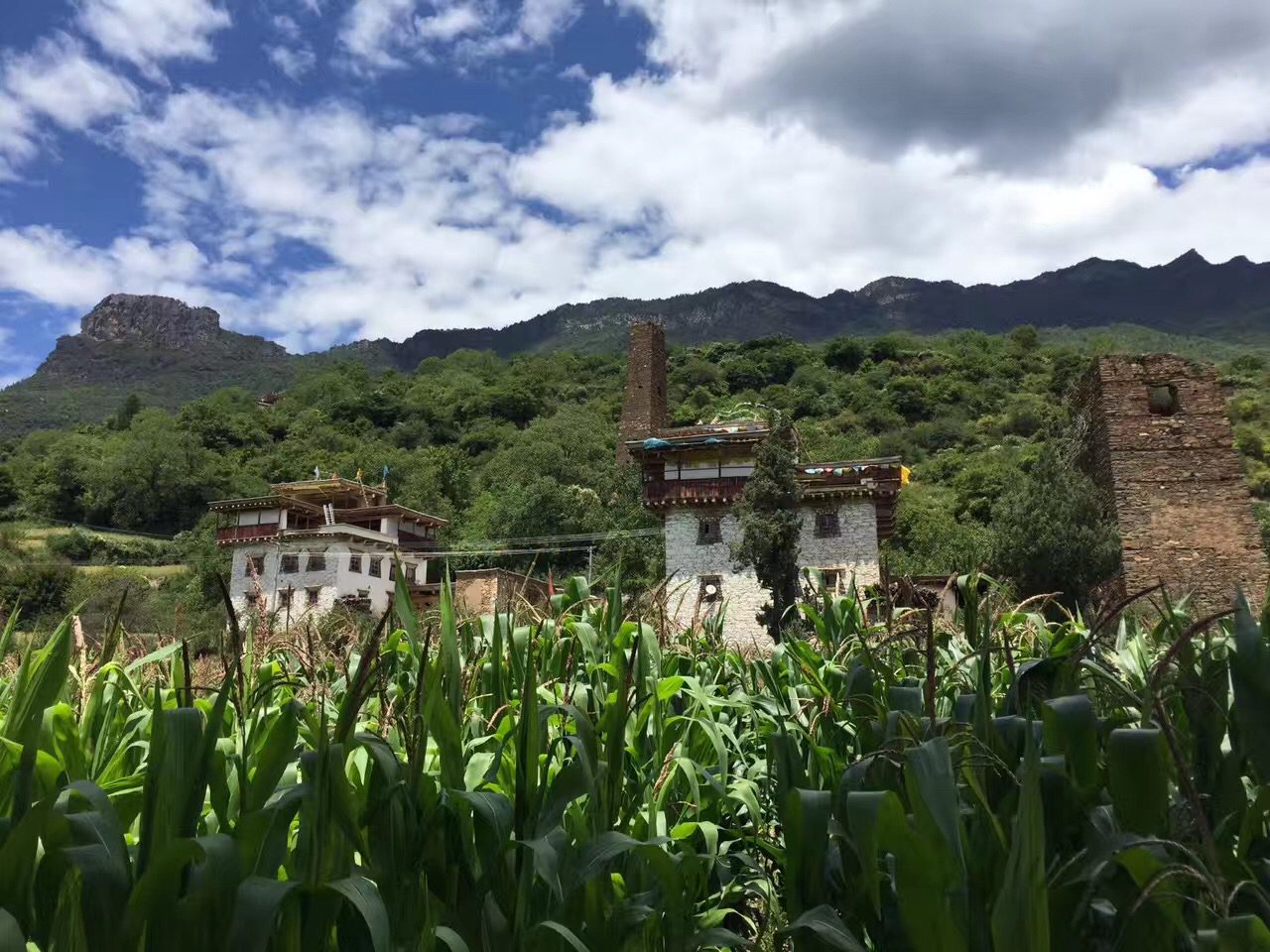
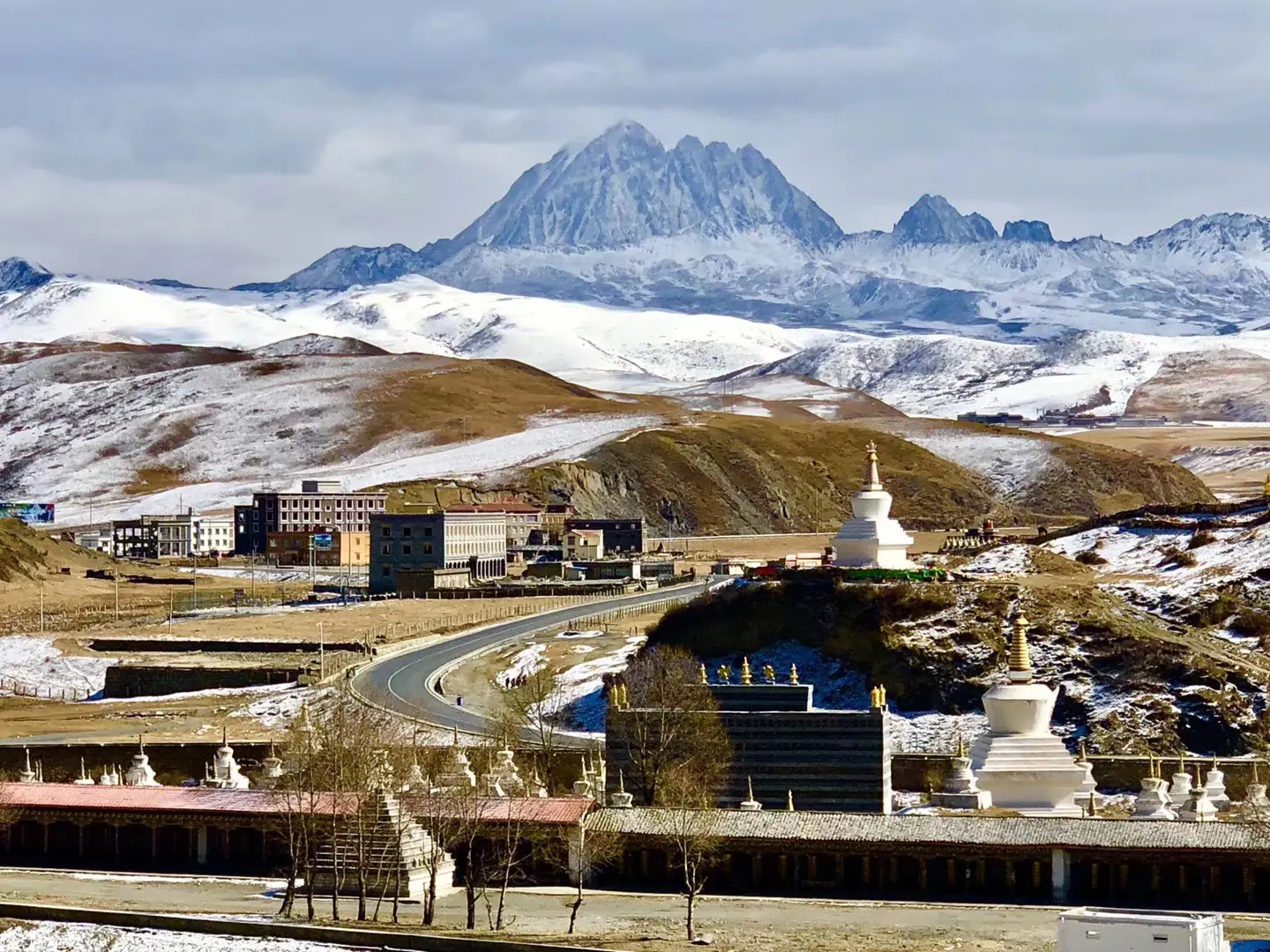
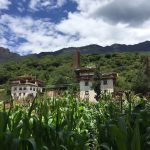
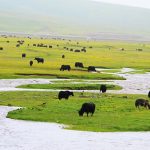
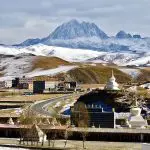
This morning, drive to visit Suopo Village in Danba, renowned for its centuries-old stone watchtowers and traditional Tibetan houses scattered along the valley slopes. Continue westward and stop at Moshi Park, a stunning geological wonder of stone forests and surreal rock formations sculpted by wind and erosion, a dramatic contrast to the surrounding grasslands.
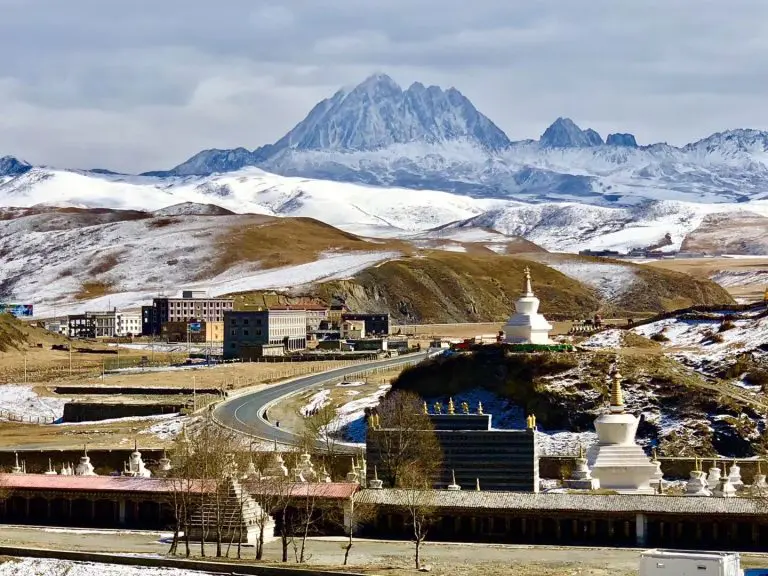
Arrive in Tagong, a small town set on sweeping alpine pastures. Visit the historic Tagong Monastery, an important Sakya monastery often called the “Little Jokhang”, and enjoy panoramic views of Mount Yala (5,820 m) rising above the grasslands.
In the afternoon, travel through Xinduqiao, famed as the “Photographers’ Paradise” for its valleys, rivers, Tibetan villages, and ever-changing light. Make a stop at Gao’ersi Mountain Pass (4,410 m) for breathtaking vistas of Gongga snow mountains, the highest peak in Sichuan.
By evening, arrive in Yajiang (2,530 m), a quiet town along the Sichuan–Tibet Highway, where you’ll overnight.
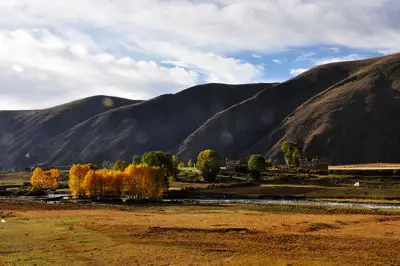
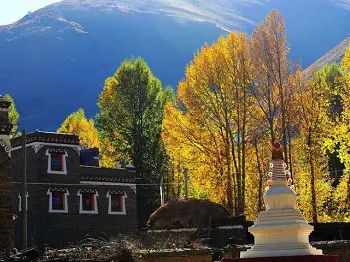
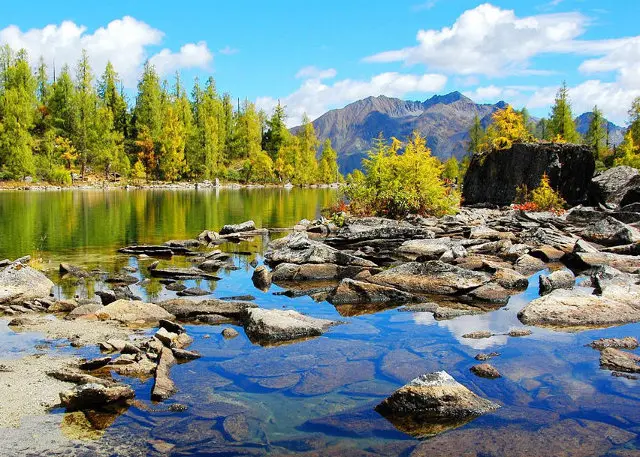
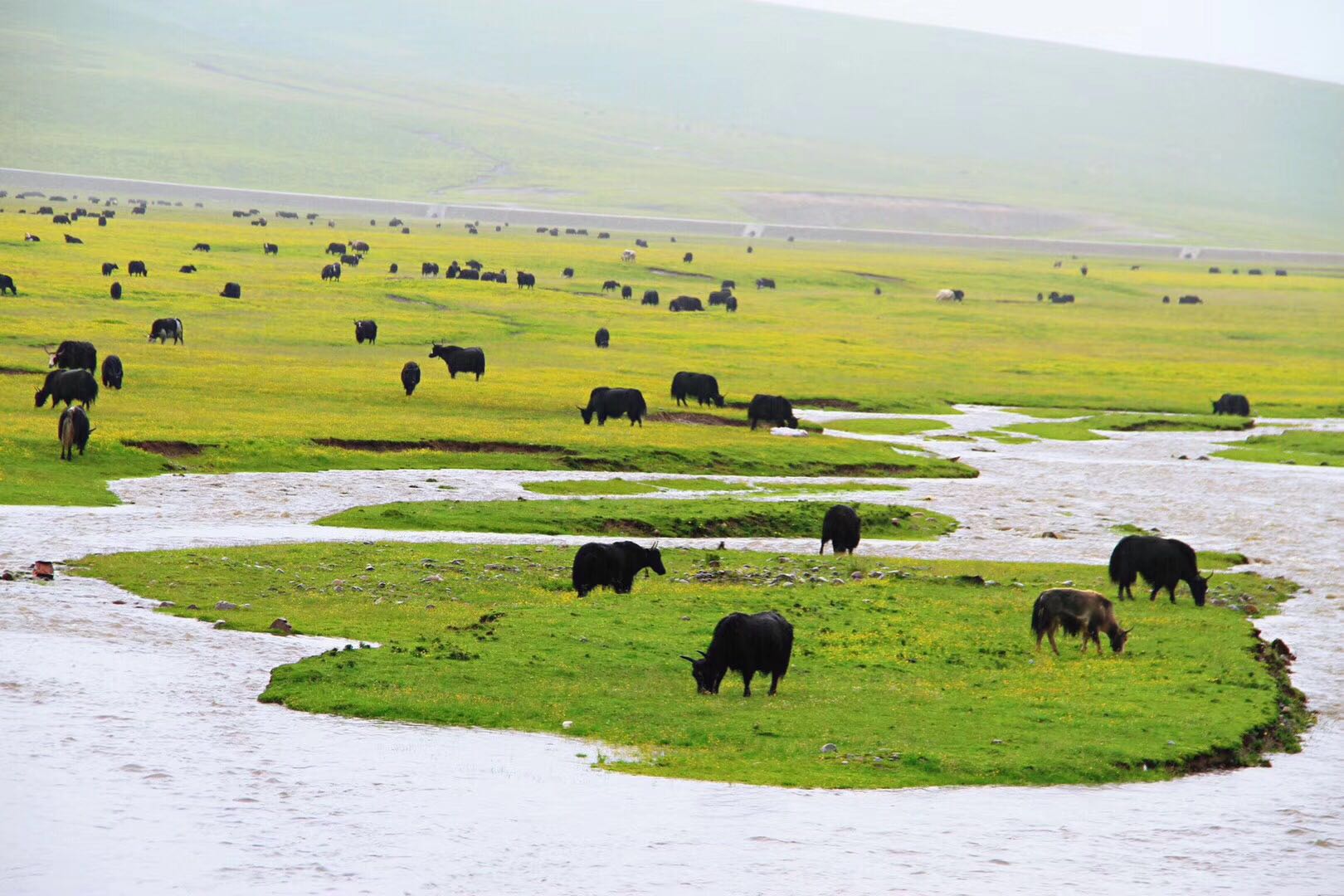
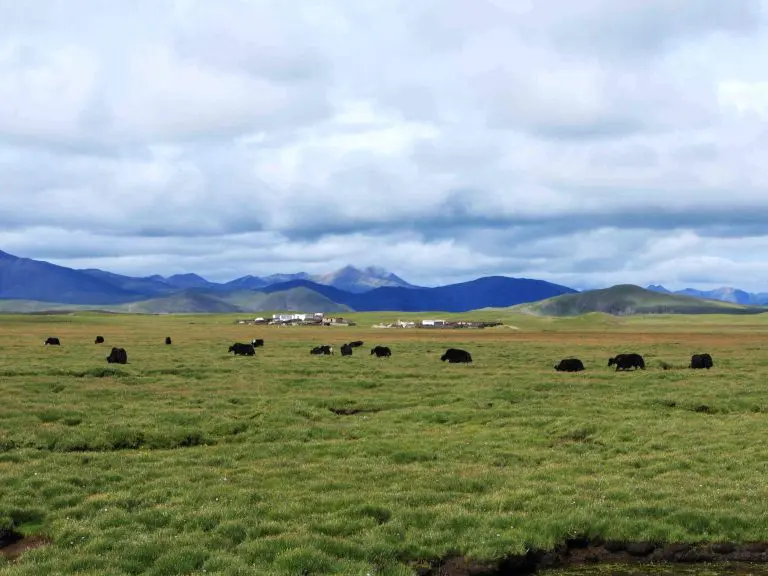
Depart Yajiang and continue west along the scenic Sichuan–Tibet Highway, winding through the famous Sky Road 18 Bends before crossing Jianziwan Pass (4,659 m) and Kazila Pass (4,718 m). The drive offers dramatic views of deep valleys, snow-capped peaks, and grasslands dotted with yaks and nomadic herders.
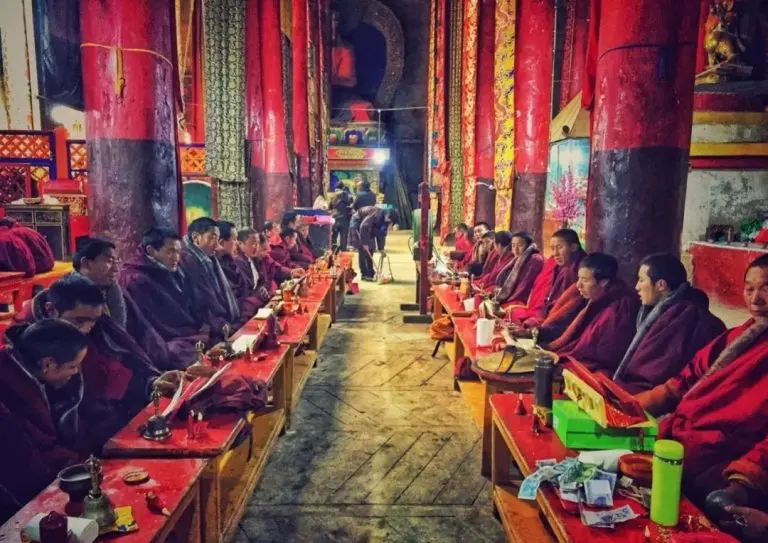
Arrive in Litang (4,010 m), one of the world’s highest towns, set on the vast Maoya Grassland. Visit the historic Litang Monastery, an important Gelugpa institution with close ties to the Dalai Lamas. Litang is also famous for its vibrant Horse Racing Festival every August, when locals gather for horse riding, traditional dress, and cultural performances.
In the afternoon, continue to Shangri-La Town in Daocheng (2,750 m), the gateway to Yading Nature Reserve. Surrounded by fertile grasslands and rich Tibetan culture, it provides a comfortable overnight stop at a lower altitude — perfect for recharging before two days of exploration in Yading’s sacred peaks and alpine lakes.
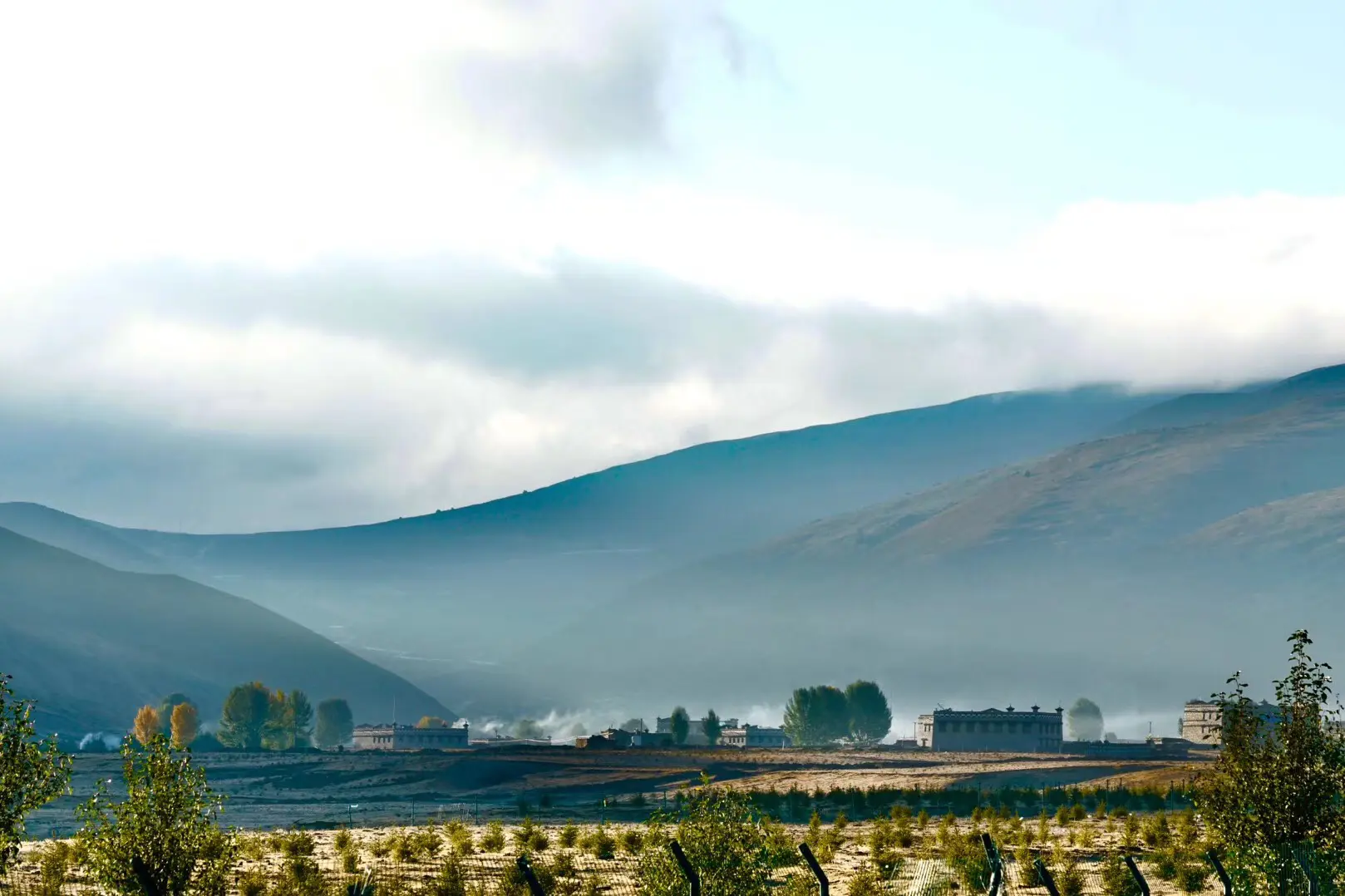

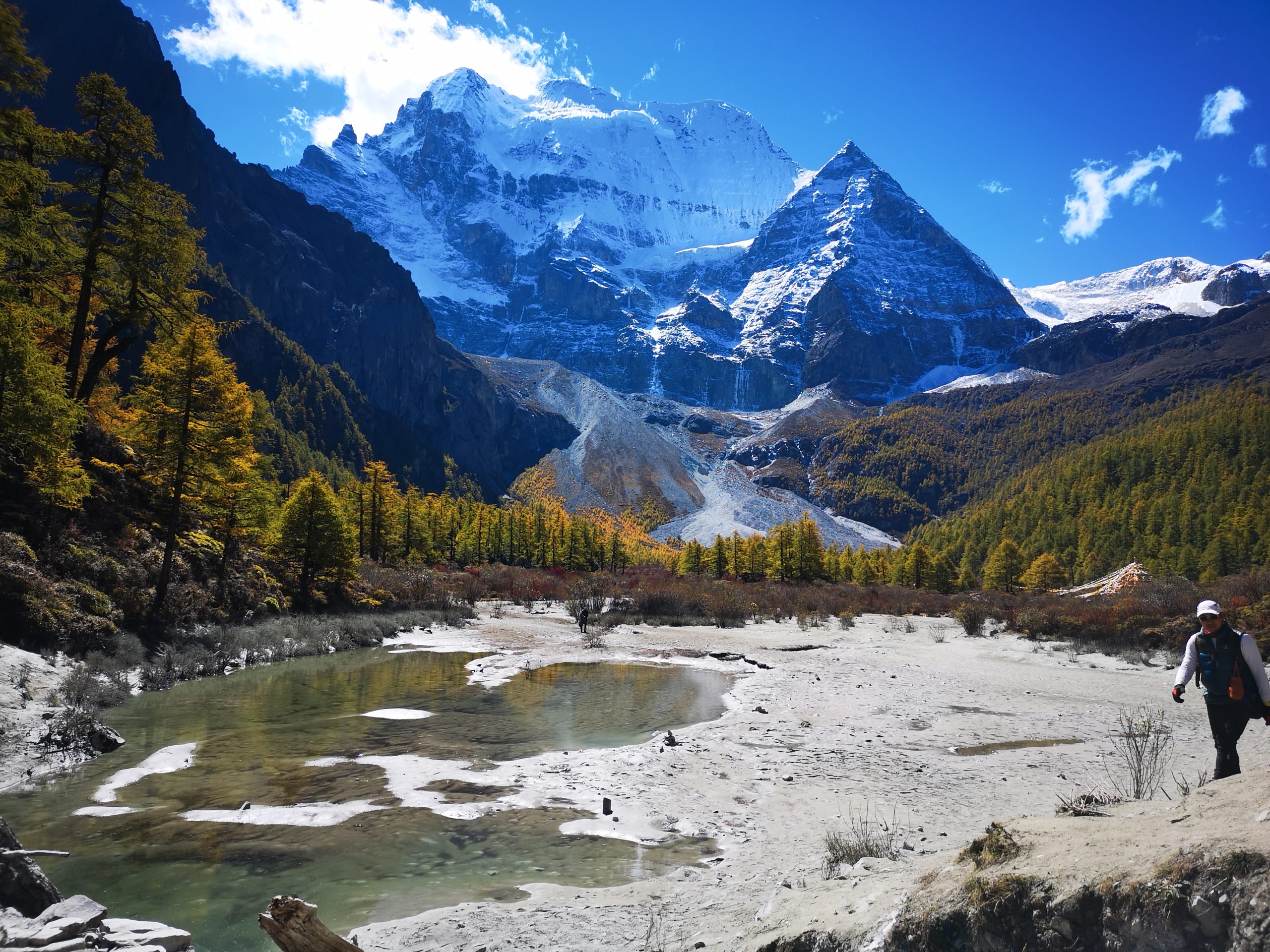
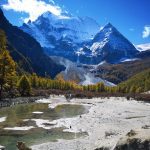
In the morning, take the local sightseeing bus from tourist center at Shangri-La Town (Daocheng) to Zhaguanbeng (about 1 hour). From there, hike about 15-20 minutes to Chonggu Monastery, with stunning views of the sacred peak Xiannairi (6,032 m). Continue on the plank trail for about 1-1.5 hour to reach Pearl Lake (Drolma-la Tso), the best spot to admire Xiannairi mirrored in its turquoise waters. Afterward, walk back to Zhaguanbeng (about 1 hour) and head to your hotel in Yading Village. The afternoon is free to rest and acclimatize to the altitude. Overnight in Yading Village.
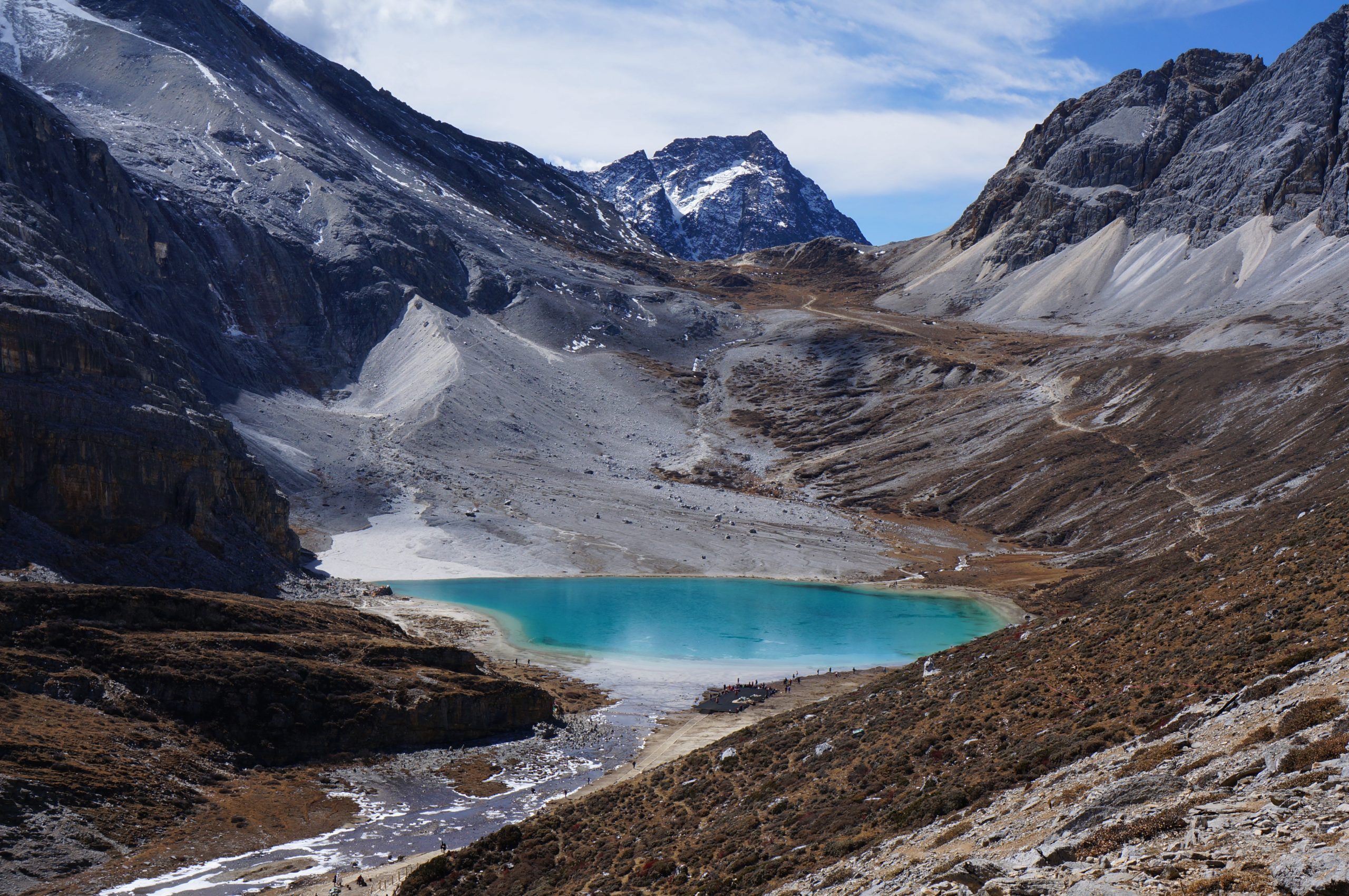
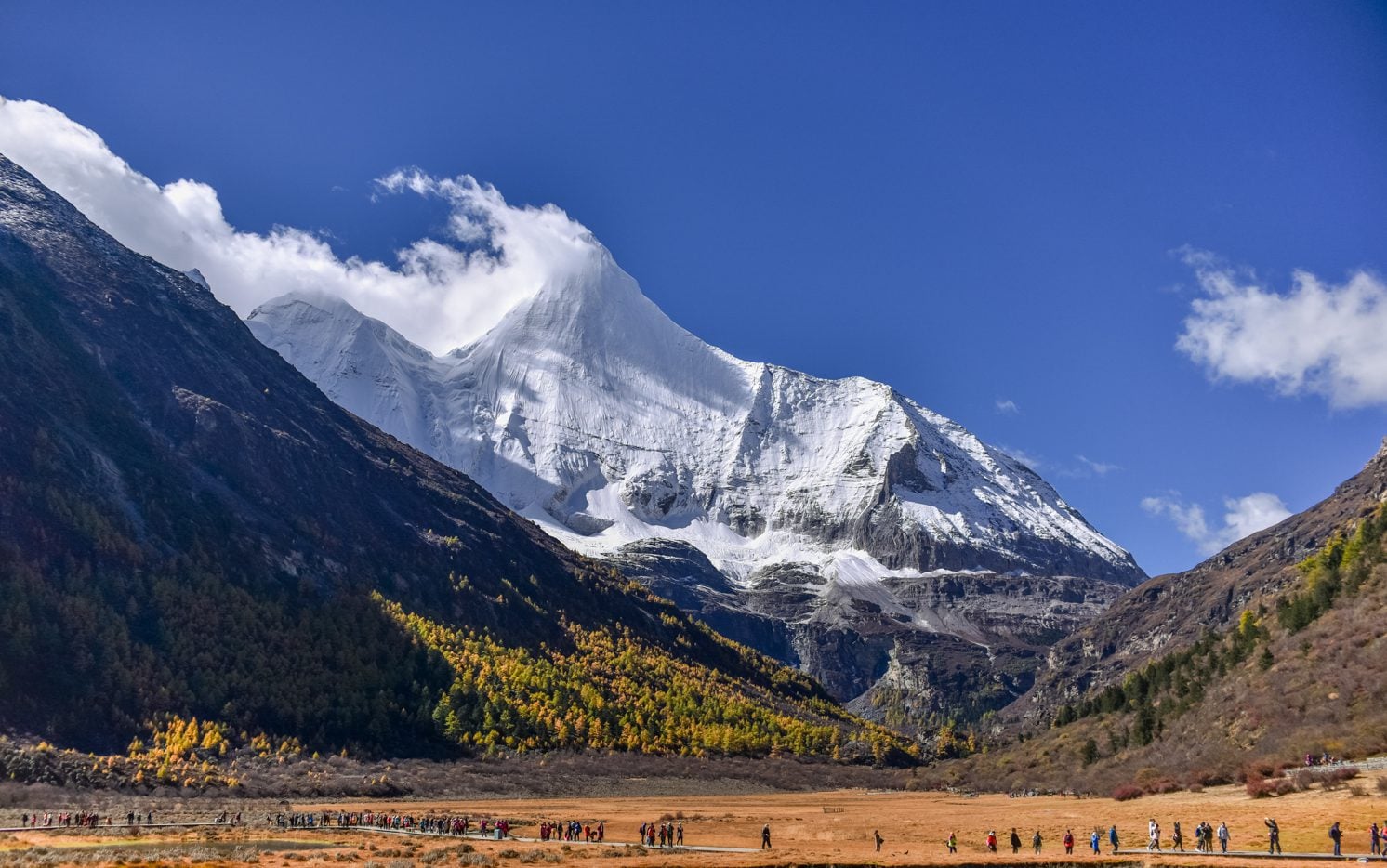

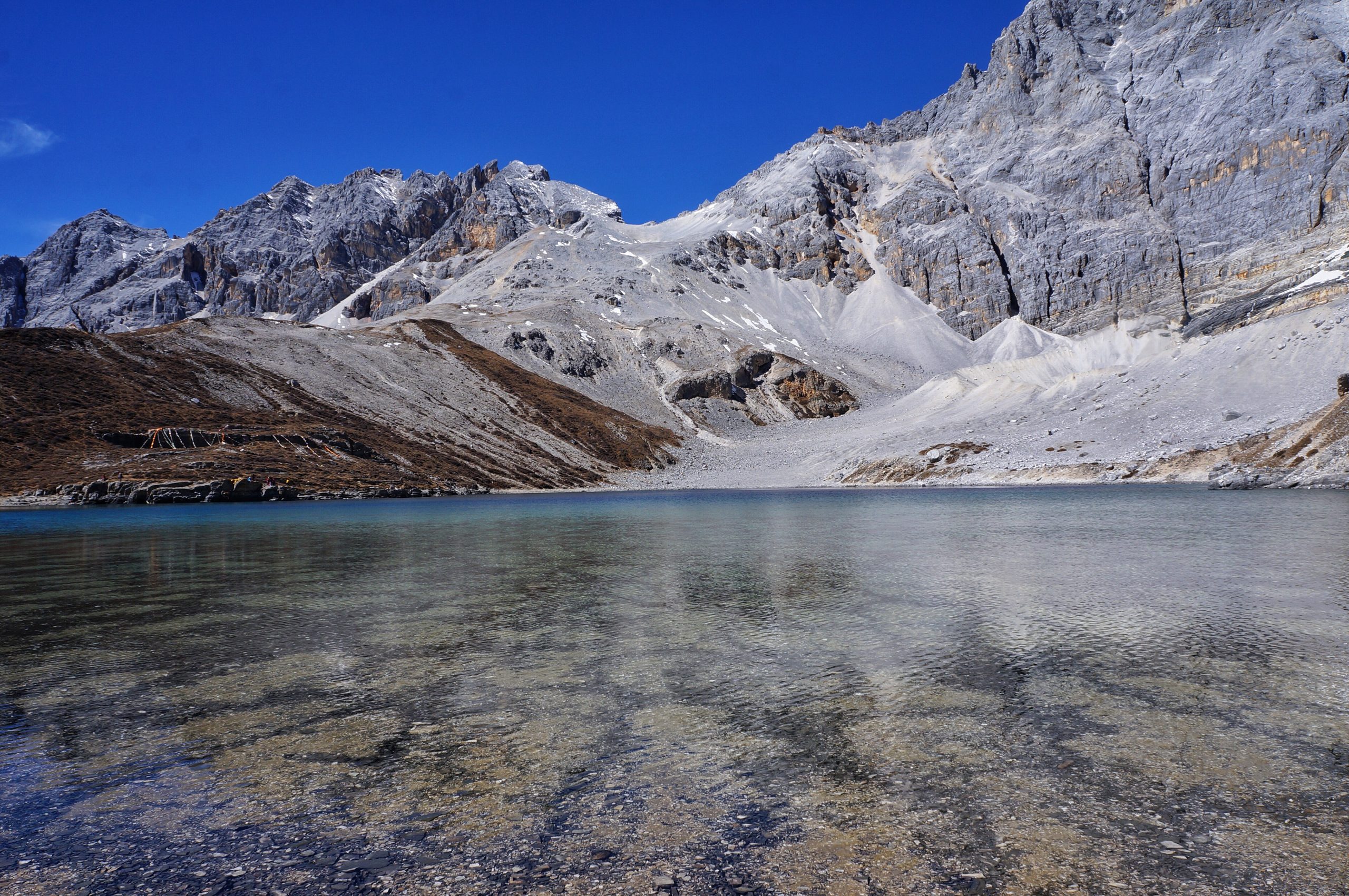
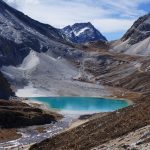
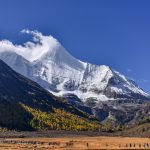
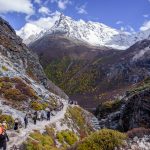
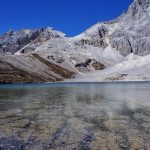
Begin the day with sunrise views at Chonggu Temple, framed by the sacred peak Xiannairi (6,032 m). Then take the local battery car up to Luorong Pasture (4,150 m), a breathtaking alpine meadow and one of the best vantage points for admiring the three holy peaks: Xiannairi, Yangmaiyong, and Xialuoduojie.
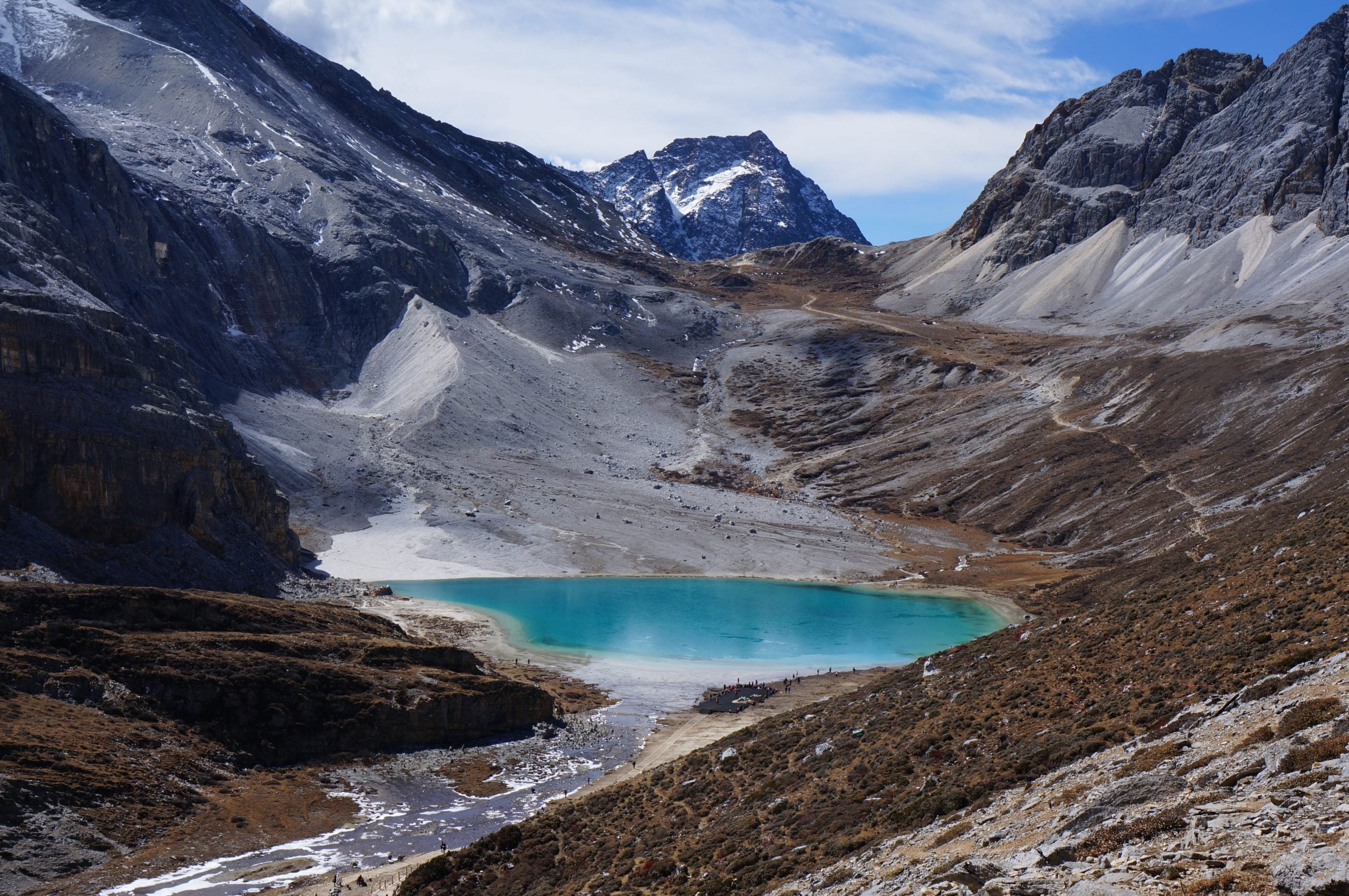
From Luorong pasture, you can either take a short, easy walk to Gongga tso lake, or continue the trek (about 5 km, 4 hours round trip) to Milk Lake (4,600 m) and Five-Color Lake (4,700 m). The round trip trek takes about 4–5 hours on foot (or 3–4 hours with horse riding partway). These two high-altitude lakes are among Yading’s most spectacular sights, their turquoise and multicolored waters reflecting the snow-capped peaks.
In the late afternoon, return via battery car and sightseeing bus back to Shangri-La Town (Daocheng) for overnight.
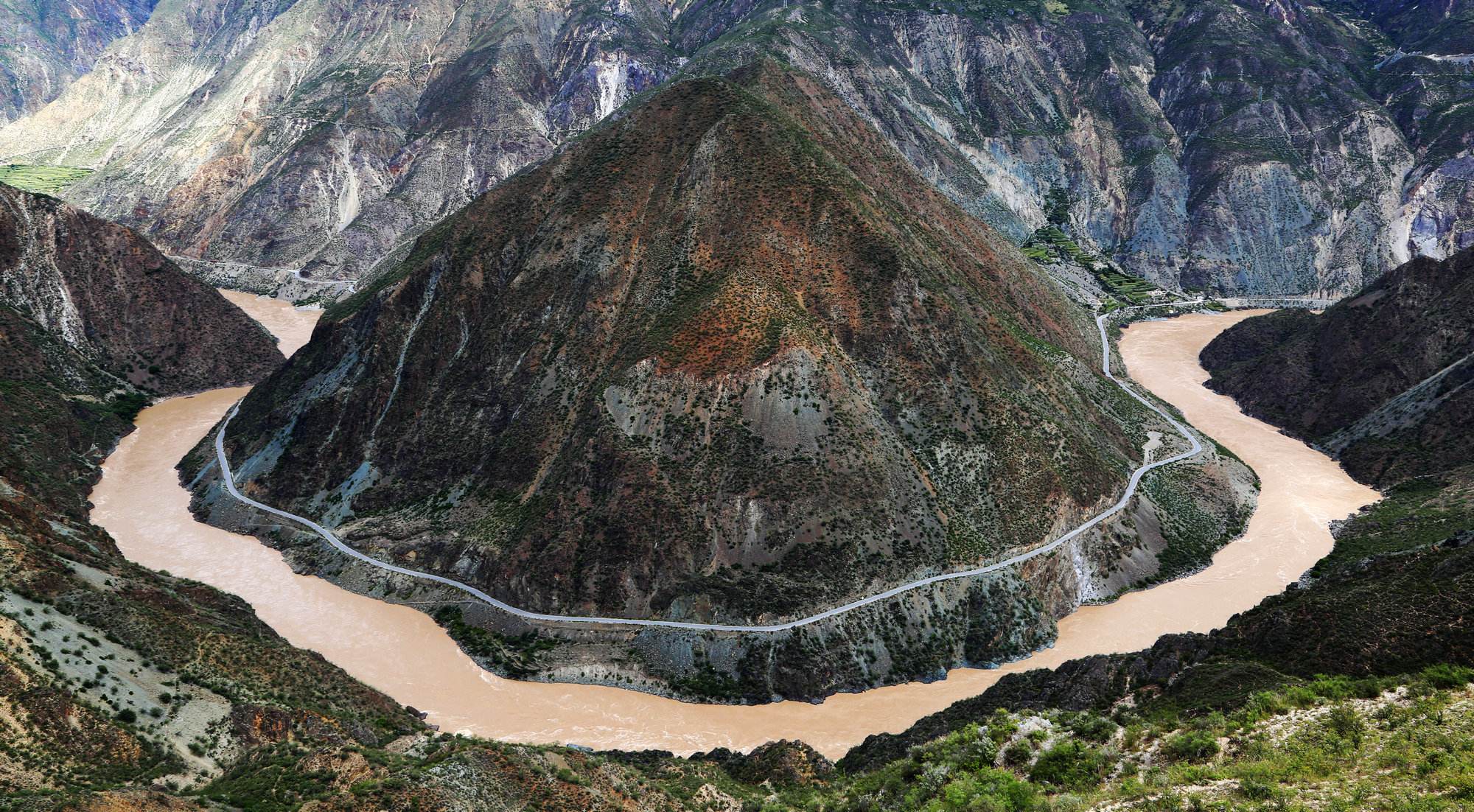
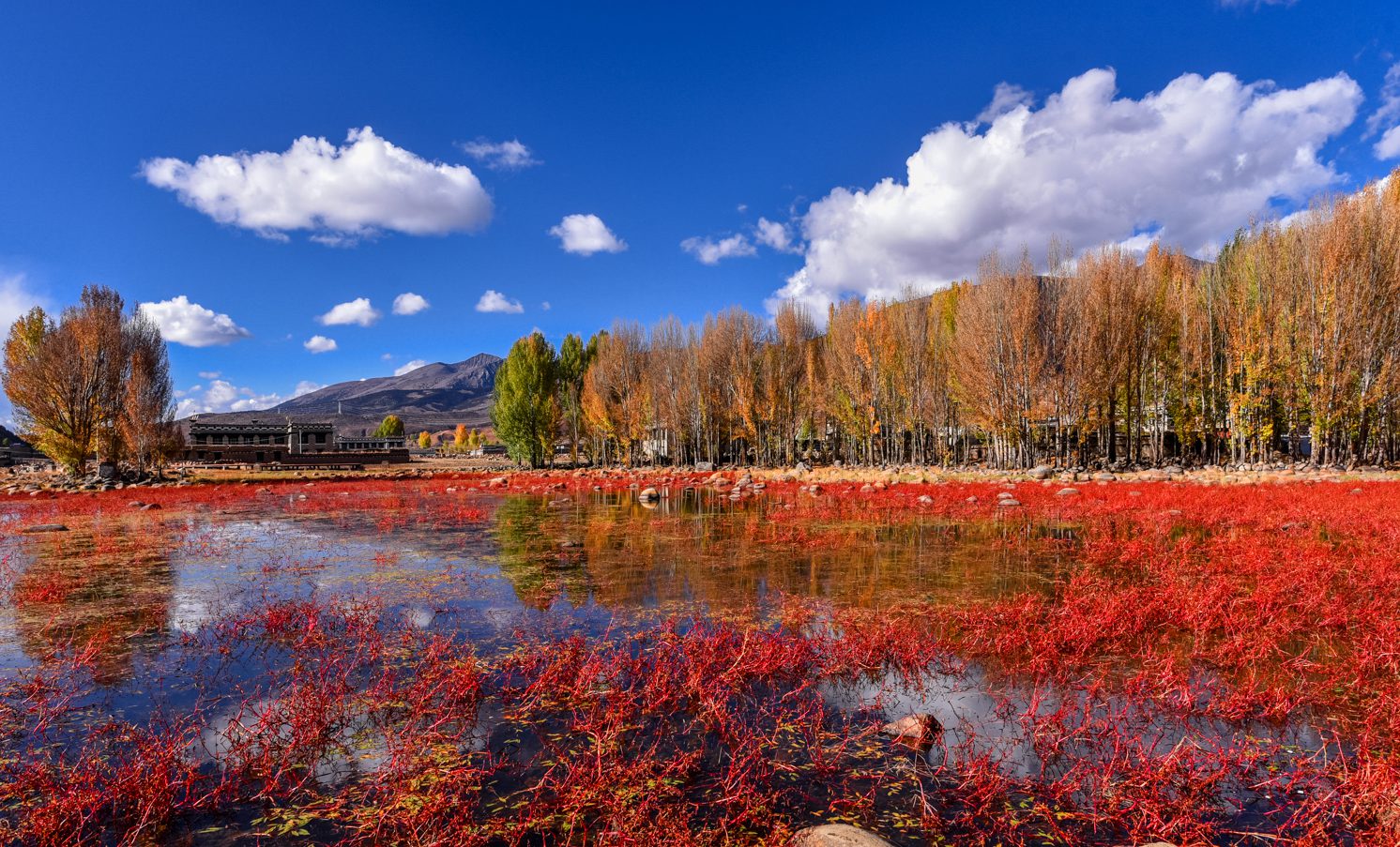
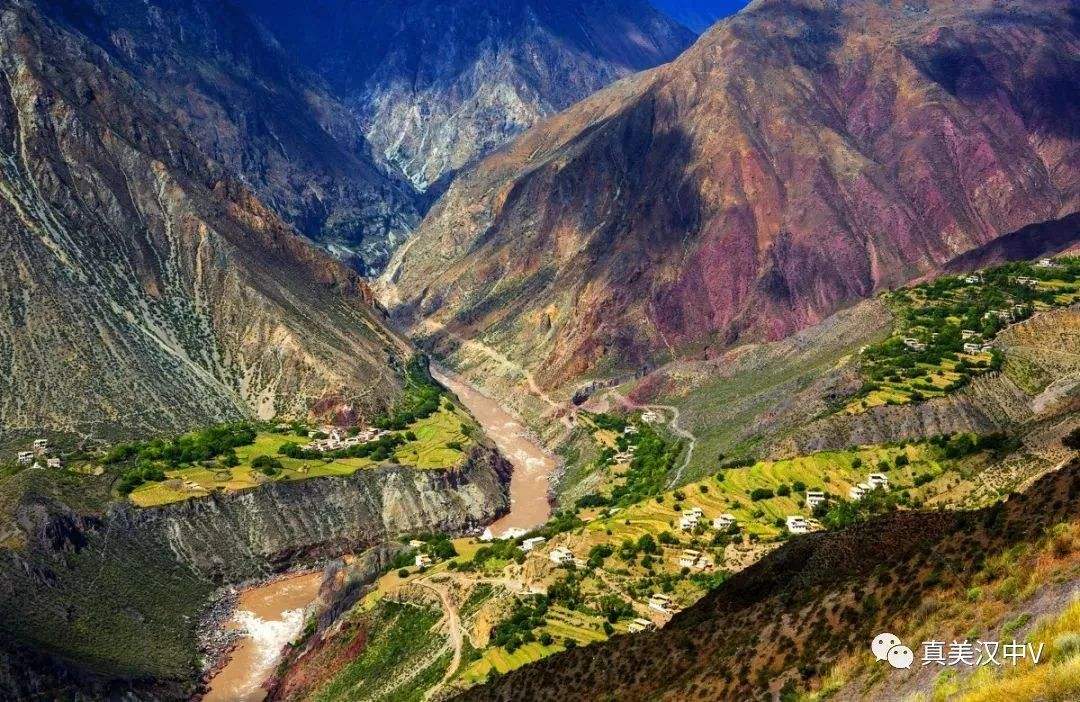
Leave Shangri-La Town in the early morning and head toward Xiangcheng, passing through alpine forests, highland meadows, and scattered Tibetan villages that dot the valleys. The road then winds into Derong County, where the scenery becomes more dramatic with steep gorges and rugged river valleys carved by the upper reaches of the Yangtze. By late afternoon, arrive in Benzilan, a quiet town on the banks of the Jinsha River. Here you can admire the famous First Bend of the Jinsha River, where the mighty Yangtze makes a spectacular turn amidst the mountains. Overnight in Benzilan.
P.S. An alternative route from Shangri-La Town to Benzilan runs via Xiangcheng, Guxue, and Maowu Daxiagu, offering dramatic scenery but also potential risks. This road is prone to falling rocks and landslides, particularly in the summer months. For safer travel, we recommend the main route described above.
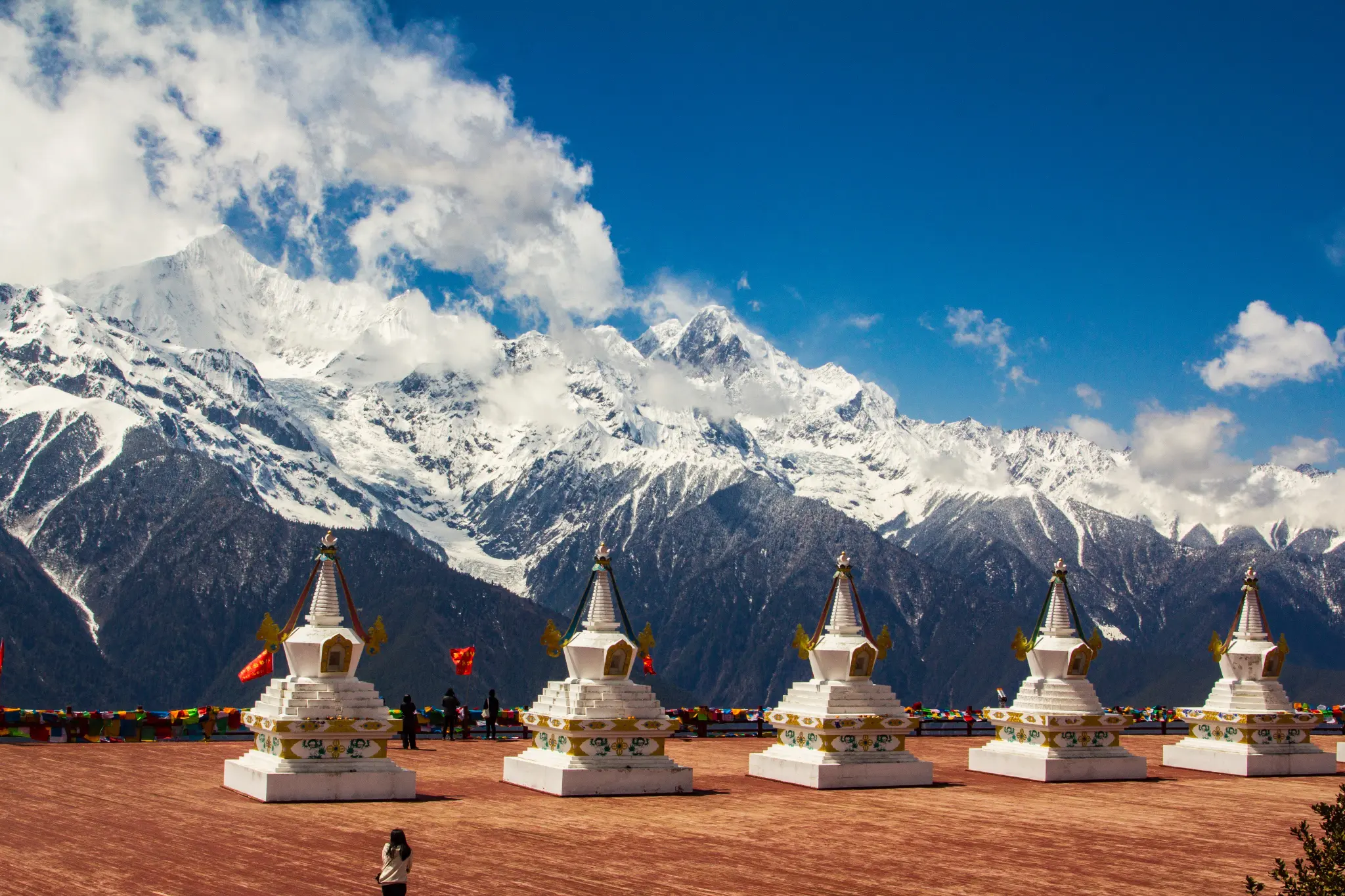
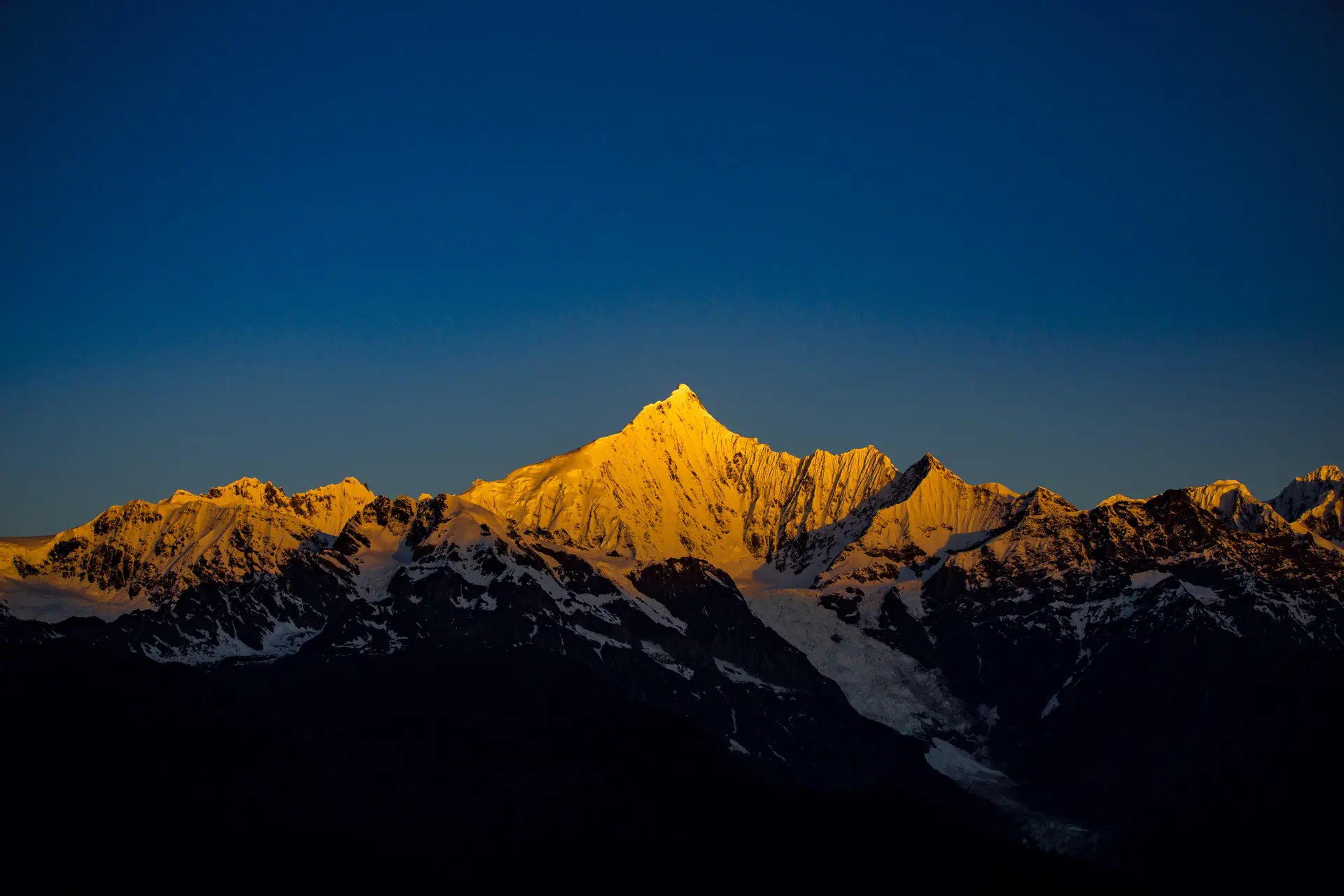
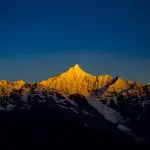
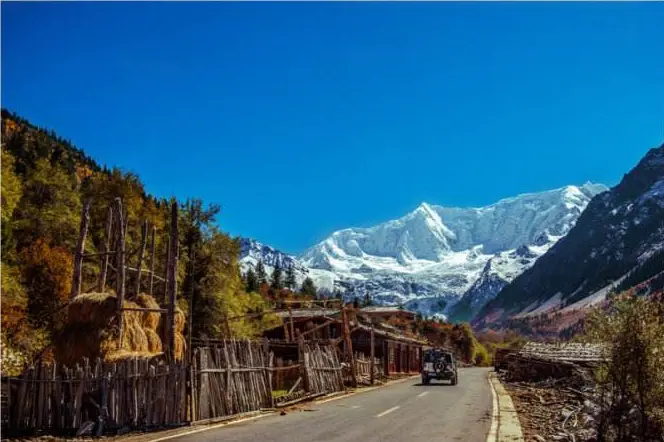
In the morning, drive north to Deqin and continue to Feilai Temple (Feilaisi) near Deqin, the best viewpoint for Mount Meili (Kawagarbo/Kang Karpo, 6,740 m), one of the most sacred peaks in Tibetan Buddhism. “Kang Karpo” means the God of Snow Mountain in Tibetan, and each winter pilgrims from Tibet, Qinghai, Sichuan, and Gansu gather here to circumambulate the mountain in devotion.
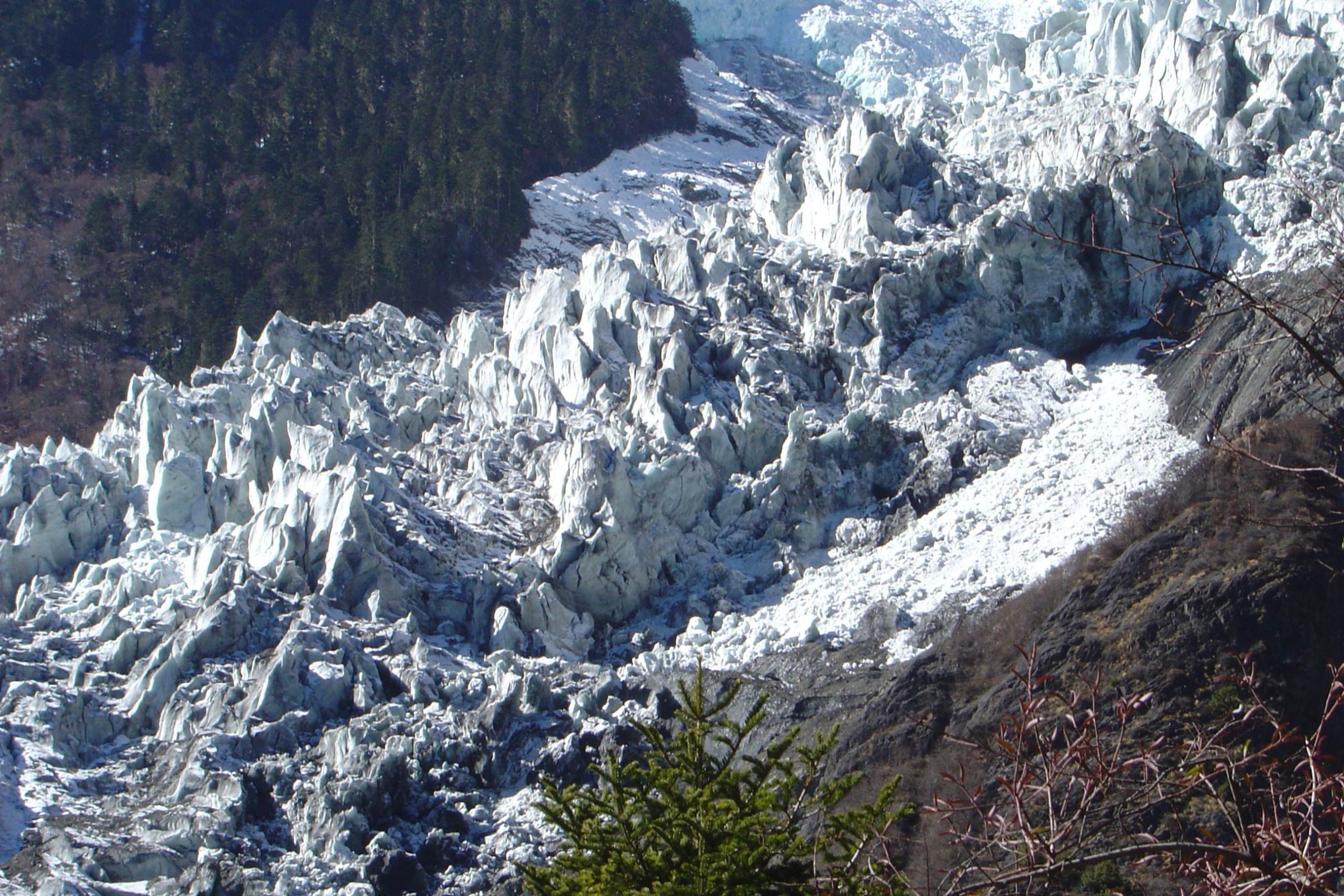
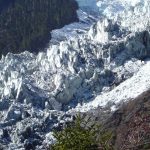
After a short break, head to Mingyong Glacier, located at the foot of Mount Meili and known as one of the world’s lowest-altitude glaciers. Cascading like a long white ribbon, it descends from around 5,500 m (18,000 ft) down to 2,700 m (8,900 ft), cutting through forested slopes. The hiking trail doubles as a pilgrimage path, leading through woodlands up to Taizi Monastery and Lotus Monastery. From the viewing platforms near Taizi Monastery, you’ll be rewarded with magnificent views of the glacier. This trek is optional — you may choose a full hike, a shorter walk, or simply enjoy the scenery at a more relaxed pace.
Return to Feilaisi for overnight. On clear evenings, you can enjoy a spectacular sunset over the sacred peaks.
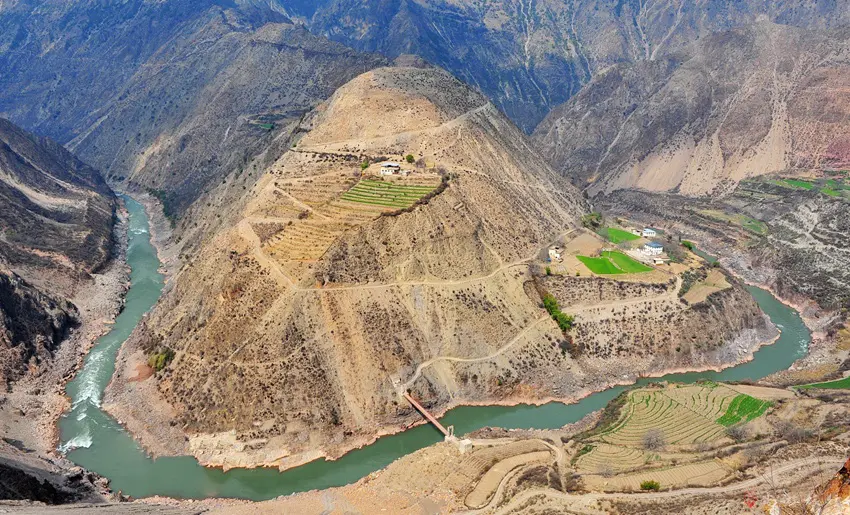
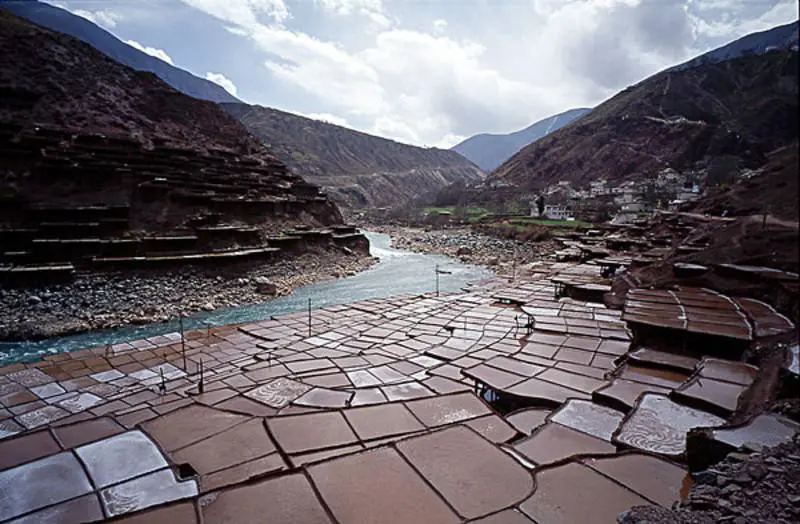
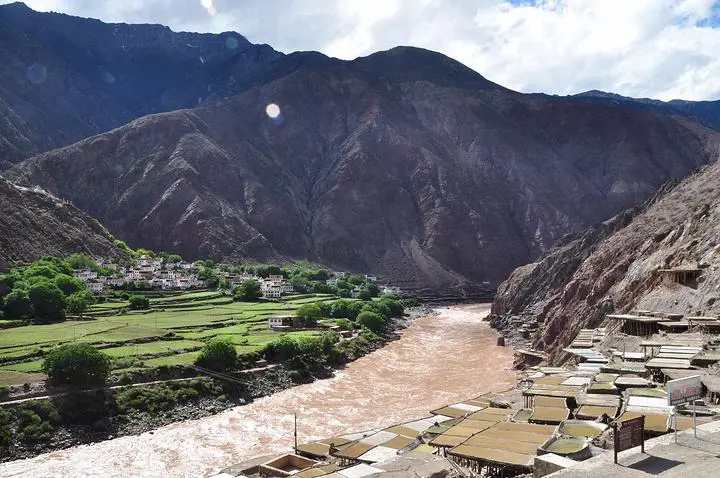
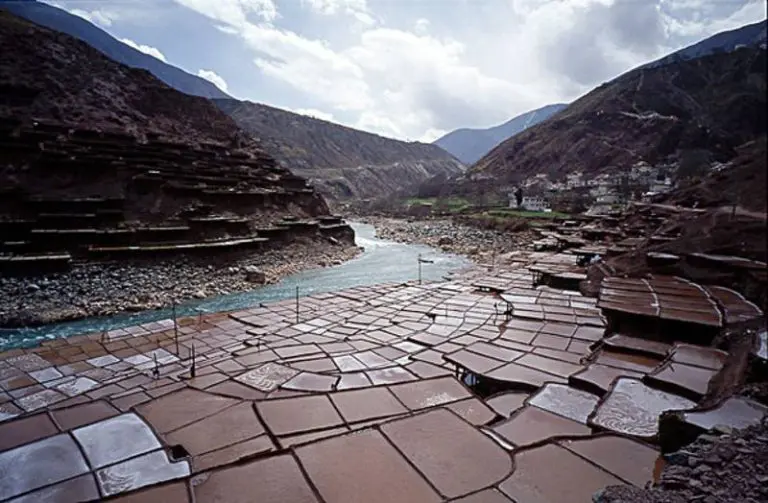
Today drive north along the Yunnan–Tibet Highway (G214), following the scenic Lancang River Valley, which forms part of the upper reaches of the Mekong River. Stop at Yanjing, the last town in Yunnan before entering Tibet, famous for its centuries-old salt pans where locals still use traditional methods of salt production. The checkerboard of drying pools along the riverbank makes for a fascinating cultural and photographic stop.
From Yanjing, continue across the border into Tibet and drive about 111 km to Markham (3,750 m), the first major town in Tibet. Historically an important crossroads of the Tea-Horse Road, Markham is also where the G214 (Yunnan–Tibet Highway) meets the G318 (Sichuan–Tibet Southern Highway).
By late afternoon, continue westward to Rumei Town (2,640 m), a lower-altitude settlement that makes an ideal overnight stop before the higher passes ahead.
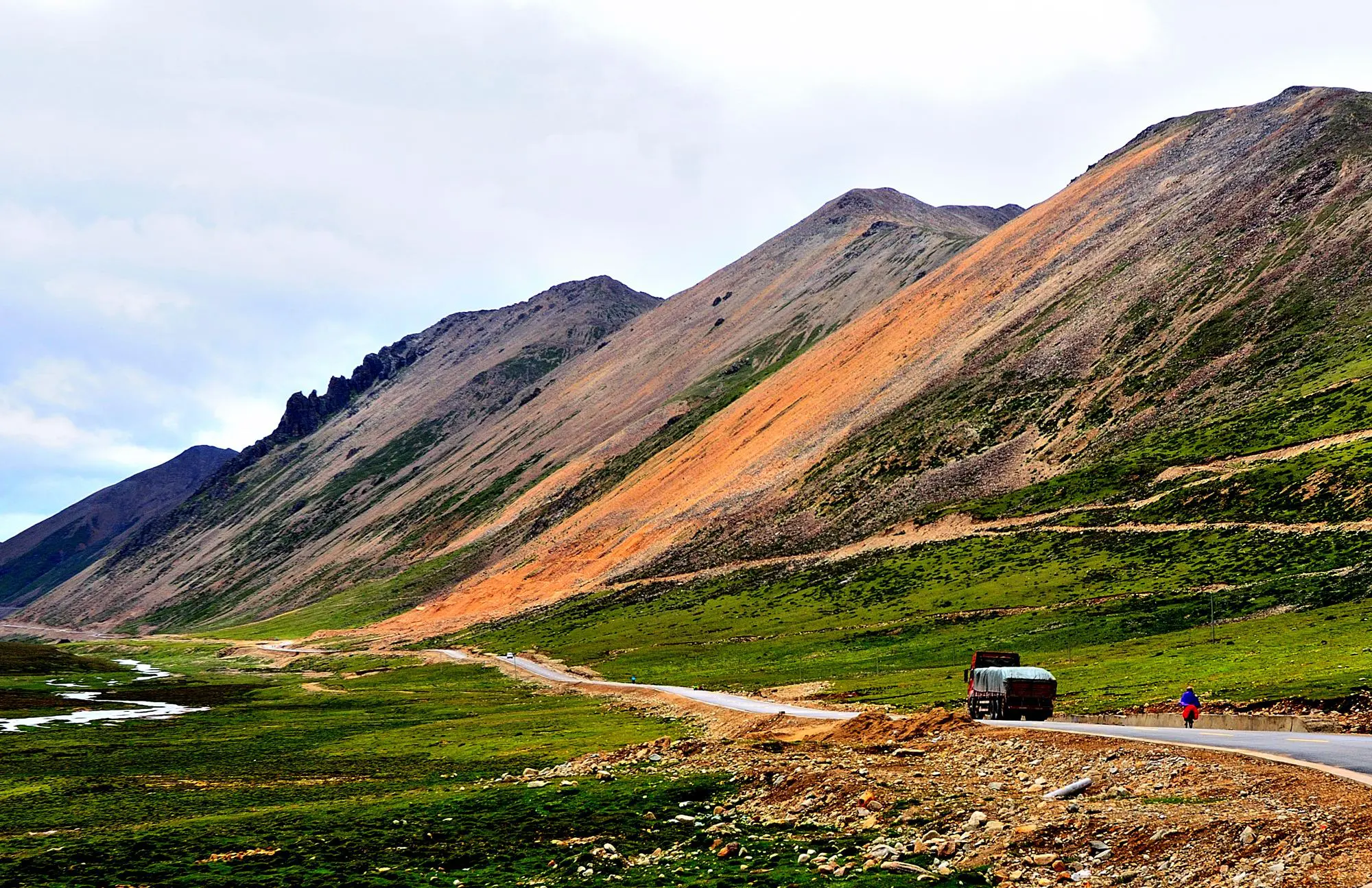
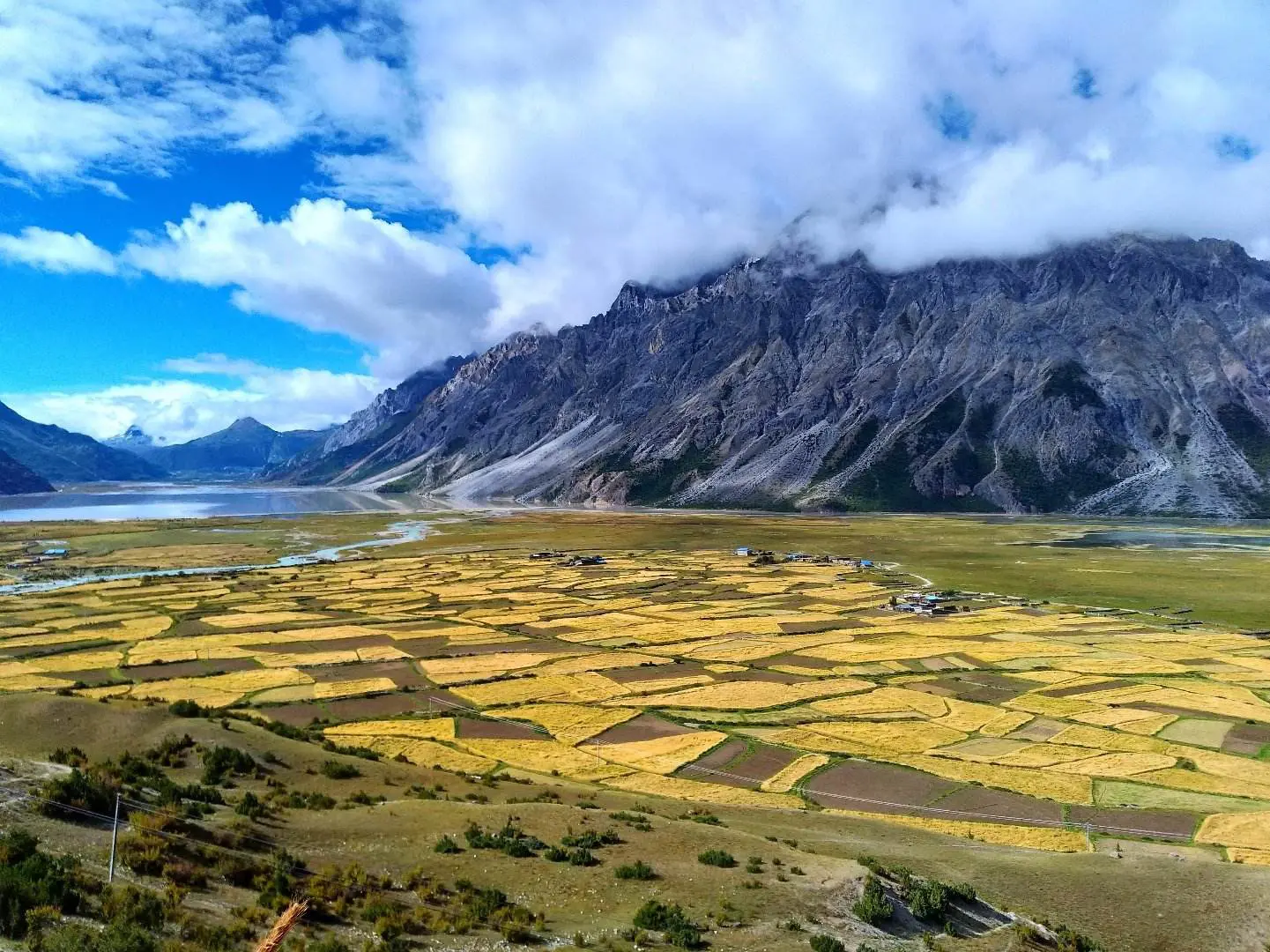
Start early (around 6:00 am) to avoid road restrictions and make the most of one of the most dramatic drives on the Sichuan–Tibet Highway. Today’s journey is packed with towering passes, deep gorges, and legendary road bends.
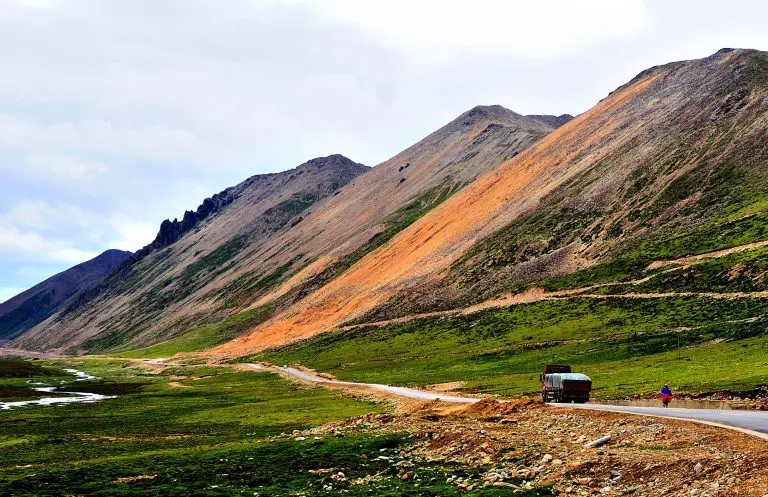
From Rumei town, climb over Jueba Mountain (3911 m), then continue to the Dongda Pass (5130 m) — the highest point on the highway. The air here is thin and cold, even in summer, but the sweeping views of snow-capped peaks are unforgettable. Descend to Dzogong, a lively county town that makes a good stop for rest and lunch.
In the afternoon, drive across the Pomda Plateau, the landscape changes to stretching grassland but sparsely inhabited due to the hard climate. Then ascend the Yela Pass (4658 m). From its viewing platform, look down at the world-famous 72 Bends of the Nujiang River, where the road zigzags nearly 2000 m down into the valley. It’s one of the most iconic sights of the entire overland route. Descend carefully, taking time at viewpoints to admire the canyon.
Continue through the spectacular Nujiang Grand Canyon and cross the Nujiang Bridge, a dramatic crossing with both historic and scenic significance. By late afternoon or evening, arrive at Pasho (3260 m). Overnight in Pasho.

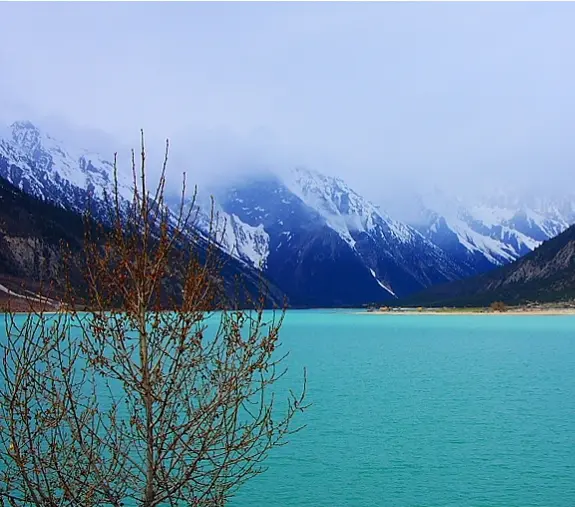
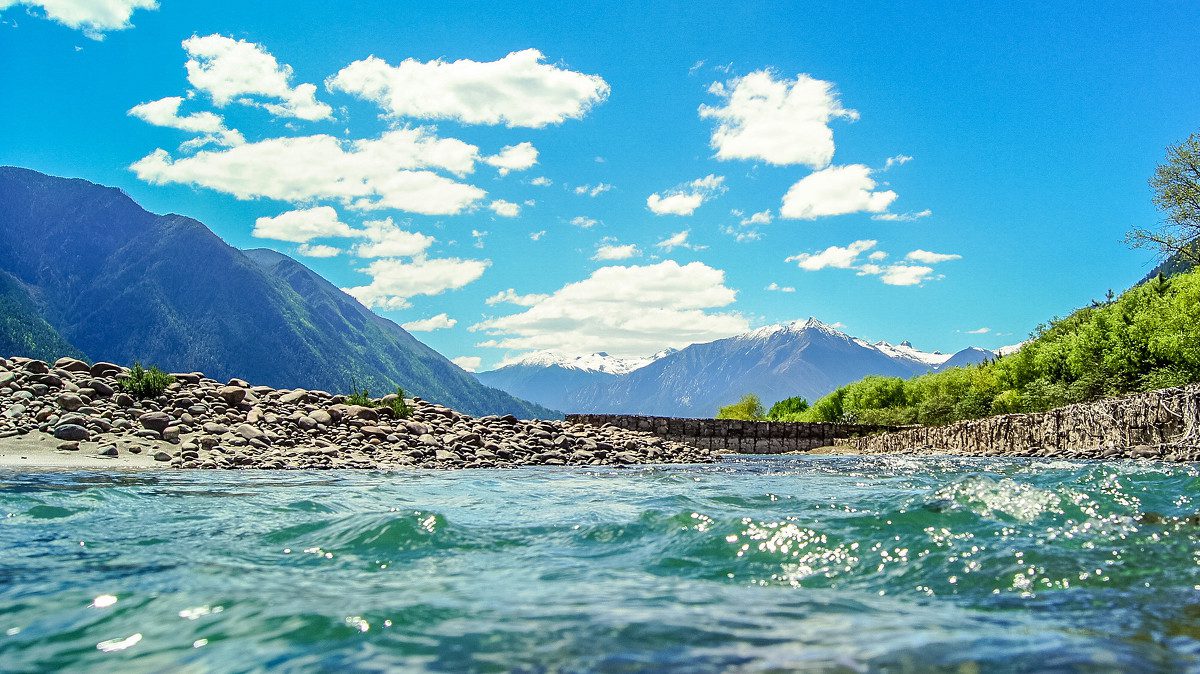
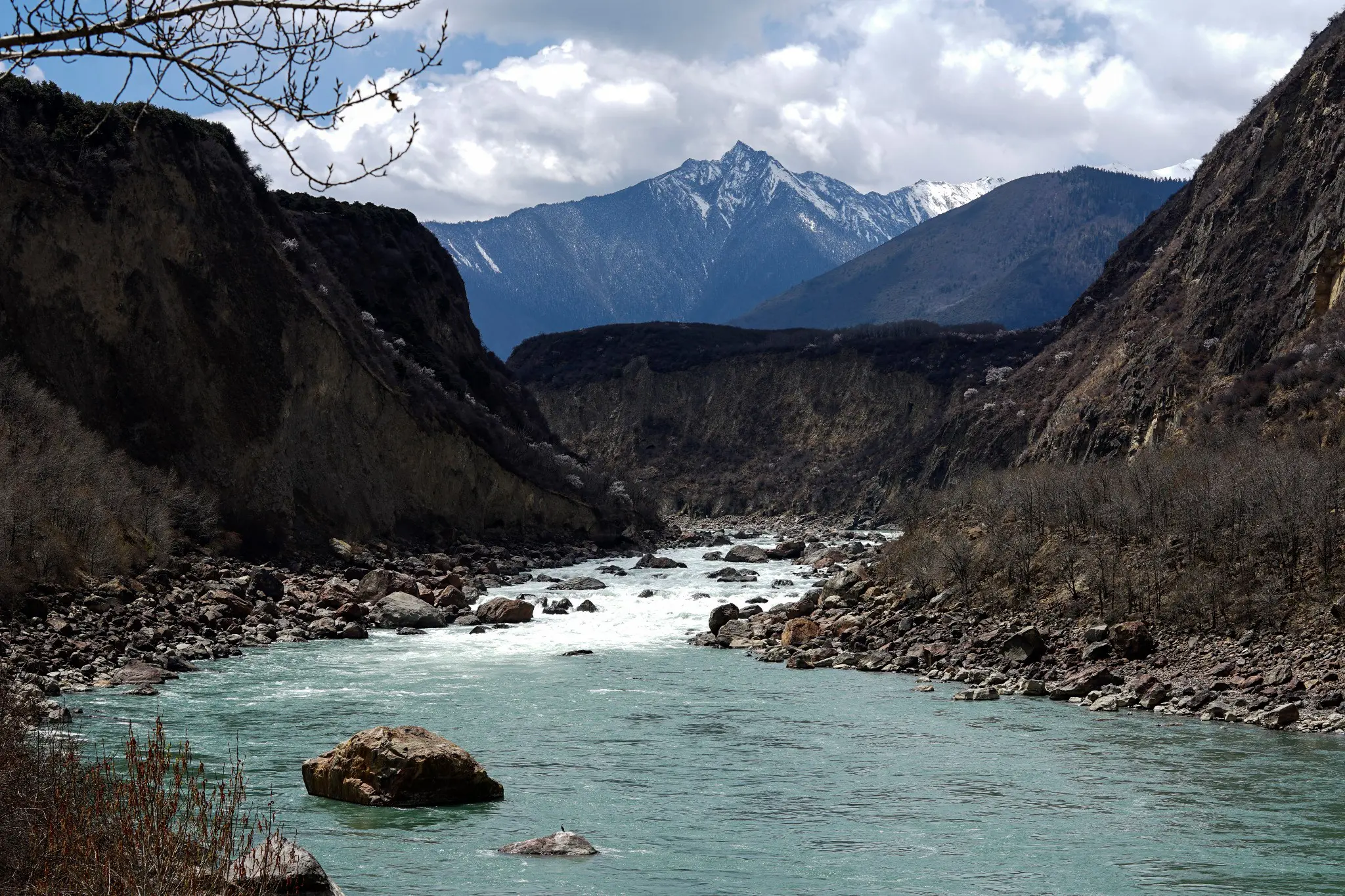
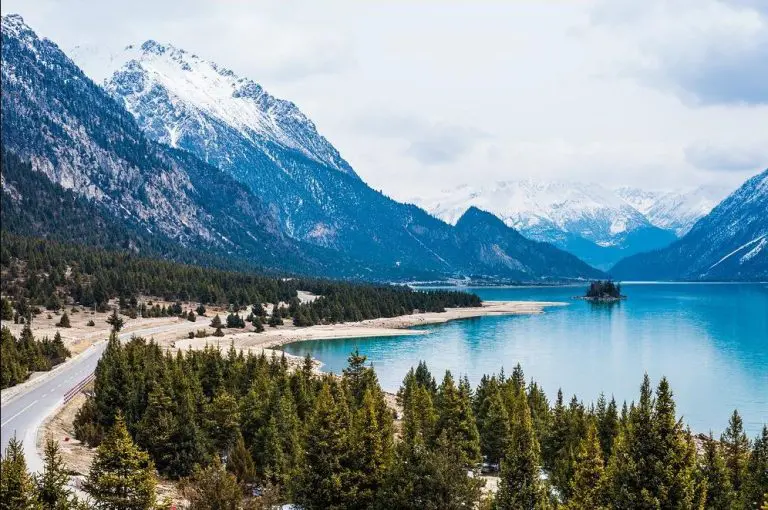
Start early (around 6:00 am) to pass the traffic-controlled section between Pasho and Ranwu. The drive soon brings you to Ranwu Lake (3,850 m), a glacier-fed lake surrounded by snow peaks and alpine meadows. Depending on the season and light, its waters shift from aquamarine to turquoise, making stops at the upper, middle, and lower viewpoints of the lake worthwhile.
Continue west through Ranwu town and into one of the most beautiful stretches of the Sichuan–Tibet Highway, where snow-capped mountains, dense forests, rivers, and traditional Tibetan villages create ever-changing scenery. Along the way, take a detour to Midui Glacier (2,400 m), the lowest-altitude glacier in China, famed for its striking mix of snow, forest, and farmland.
Arrive in Pomi (2,750 m) by evening, a quiet town surrounded by lush valleys, and stay overnight.
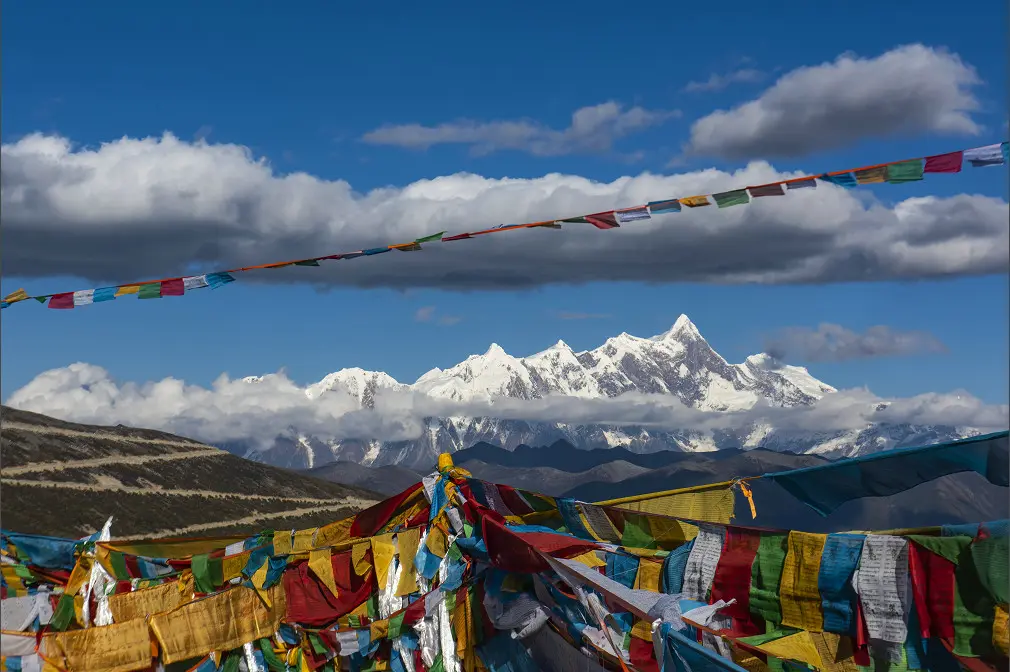
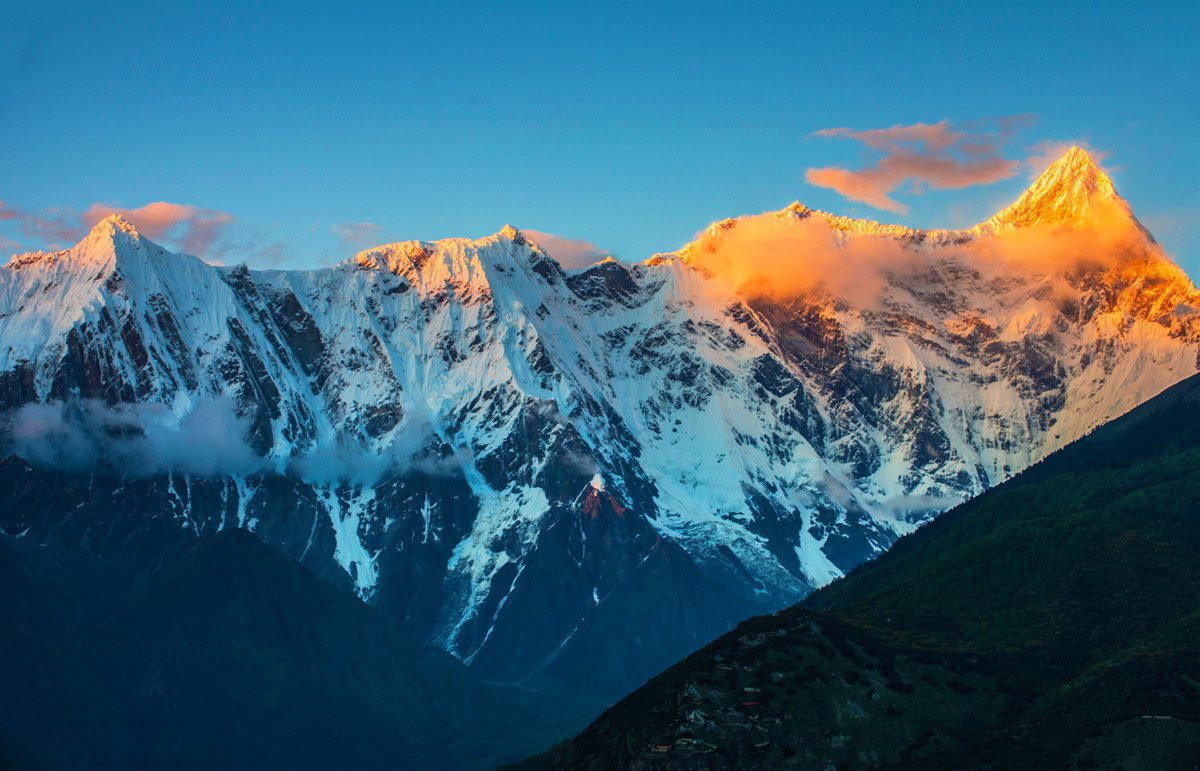
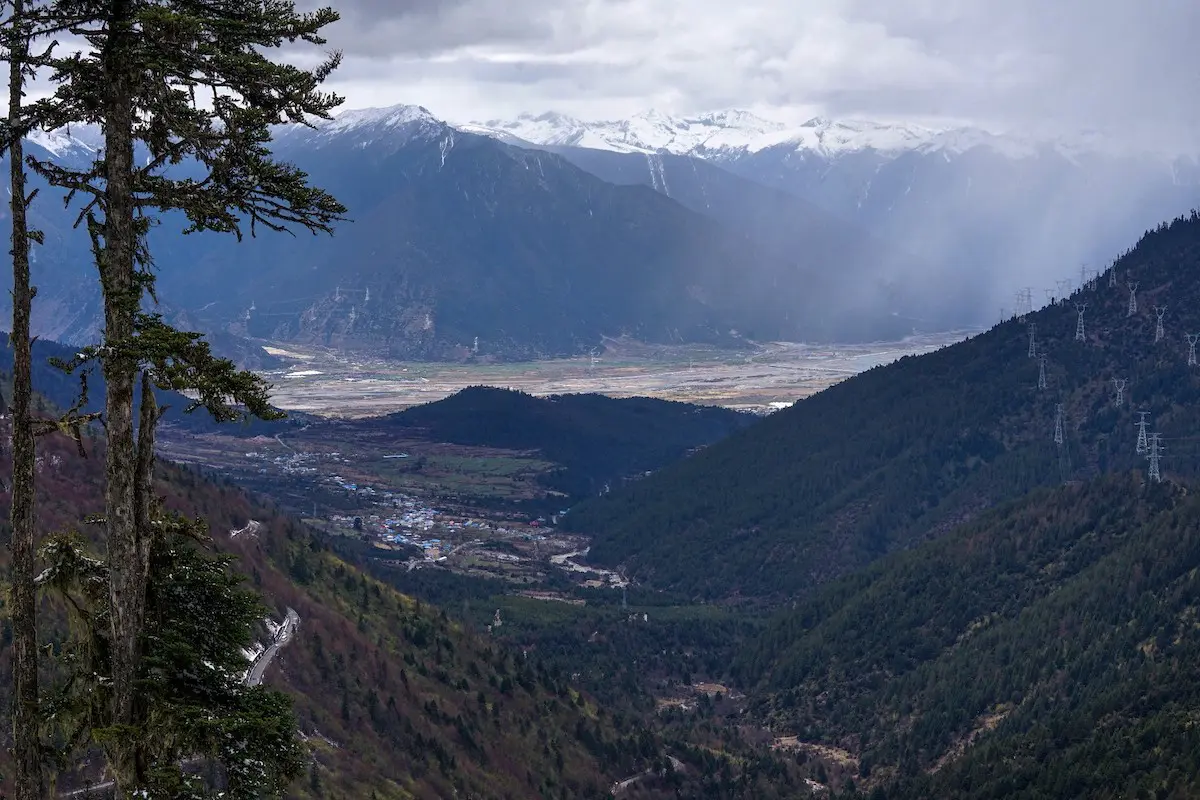
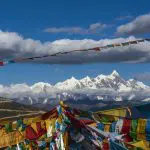
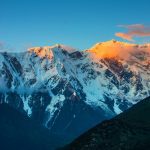
Depart Pomi and continue west along the G318. Stop at Tashigang Village, a traditional Tibetan settlement with stone houses, terraced fields, and grazing yaks set against a backdrop of snow-capped peaks. Drive onward through the vast Lulang Forest, a highland meadow of spruce, pine, and rhododendron framed by jagged mountains. From the viewing platform, take in stunning views of alpine valleys, often compared to the landscapes of Switzerland. Cross the Sejila Pass (4,728 m), where colorful prayer flags mark the summit and, on clear days, you’ll enjoy breathtaking vistas of Mount Namche Barwa (7,782 m). By late afternoon, descend into the Nyang River Valley and arrive in Bayi (2,900 m) for overnight.
P.S. If you take this overland trip in late March or early of April, then add an extra day to visit Pomi Peach Blossom Valley, where the villages and valleys burst into pink and white blossoms framed by snow peaks.
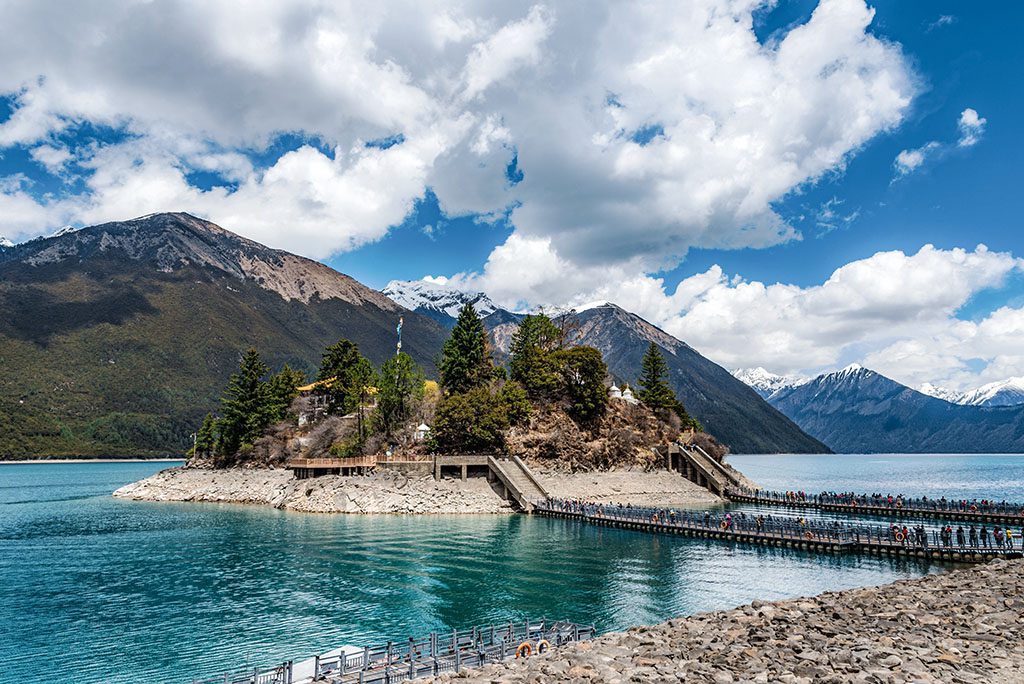
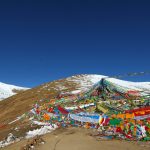
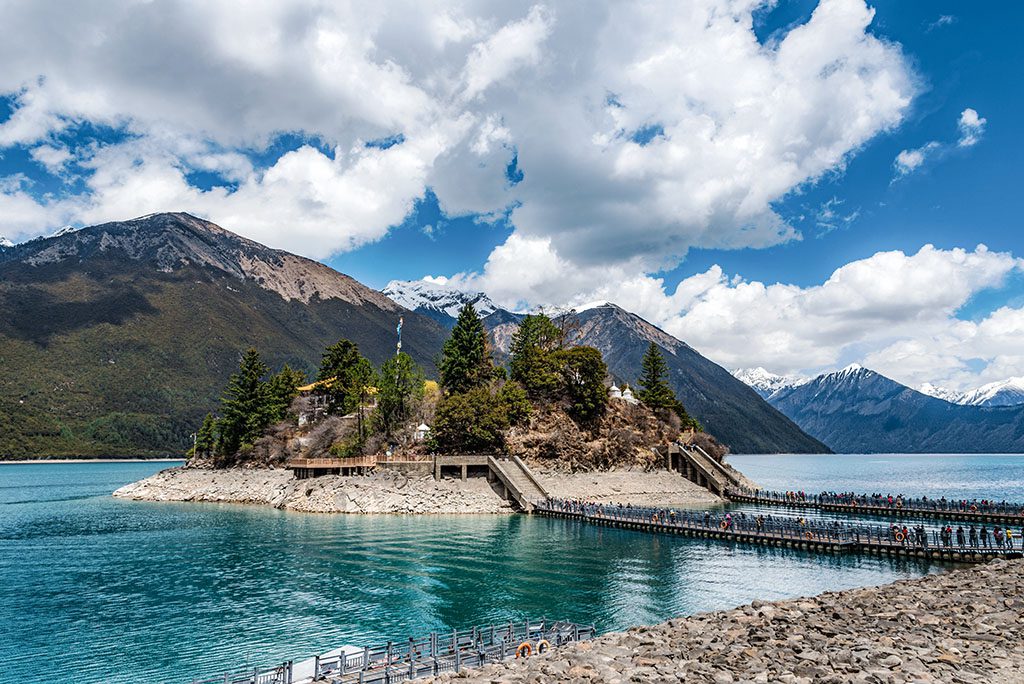
In the morning, visit Bayi Giant Cypress Park, home to ancient cypress trees including the sacred “King Cypress,” believed to be over 2,500 years old. Then follow the scenic road along the Niyang River, making a detour to the stunning Draksum-tso (Basum-tso Lake, 3,500 m). Surrounded by snow-capped mountains and dense forests, this turquoise alpine lake is one of the most beautiful in eastern Tibet. Walk across the wooden floating bridge to Tsodzong Island, where the 1,500-year-old Tsodzong Monastery nestles among trees, the spiritual highlight of the lake.
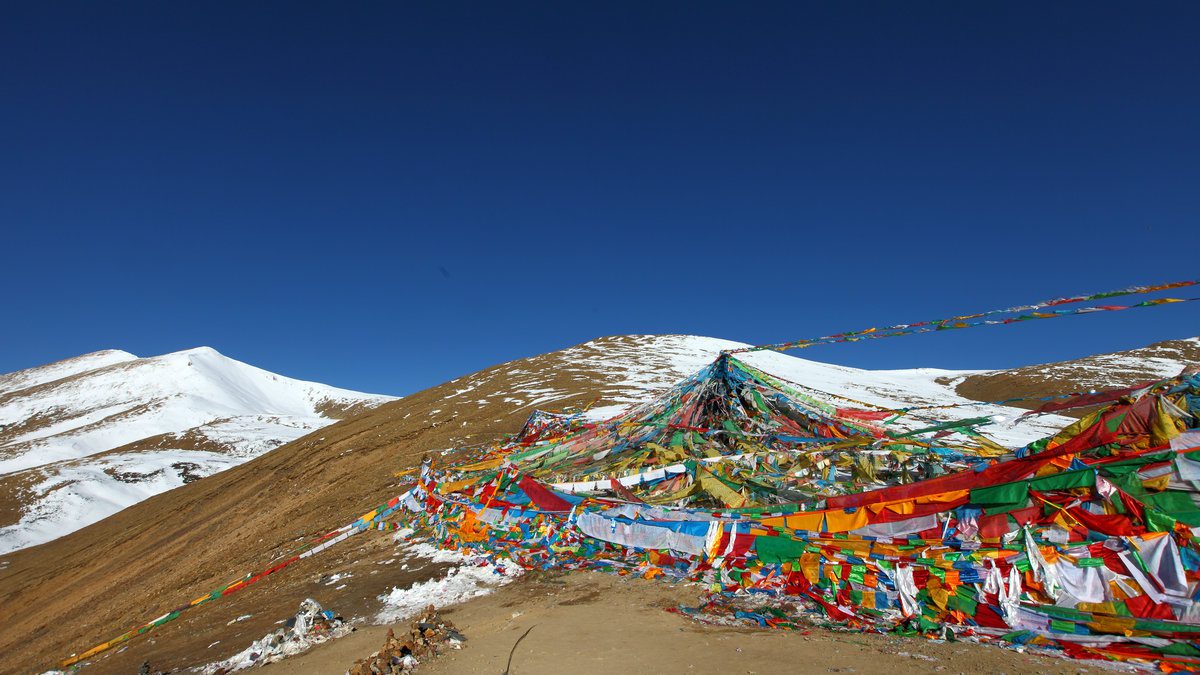
Afterwards, continue the drive to Lhasa along the newly built Lhasa–Nyingchi Highway. Cross the Mila Pass (5,013 m), where colorful prayer flags flutter over sweeping mountain views. By late afternoon, arrive in Lhasa (3,658 m), the capital of Tibet. Overnight in Lhasa.
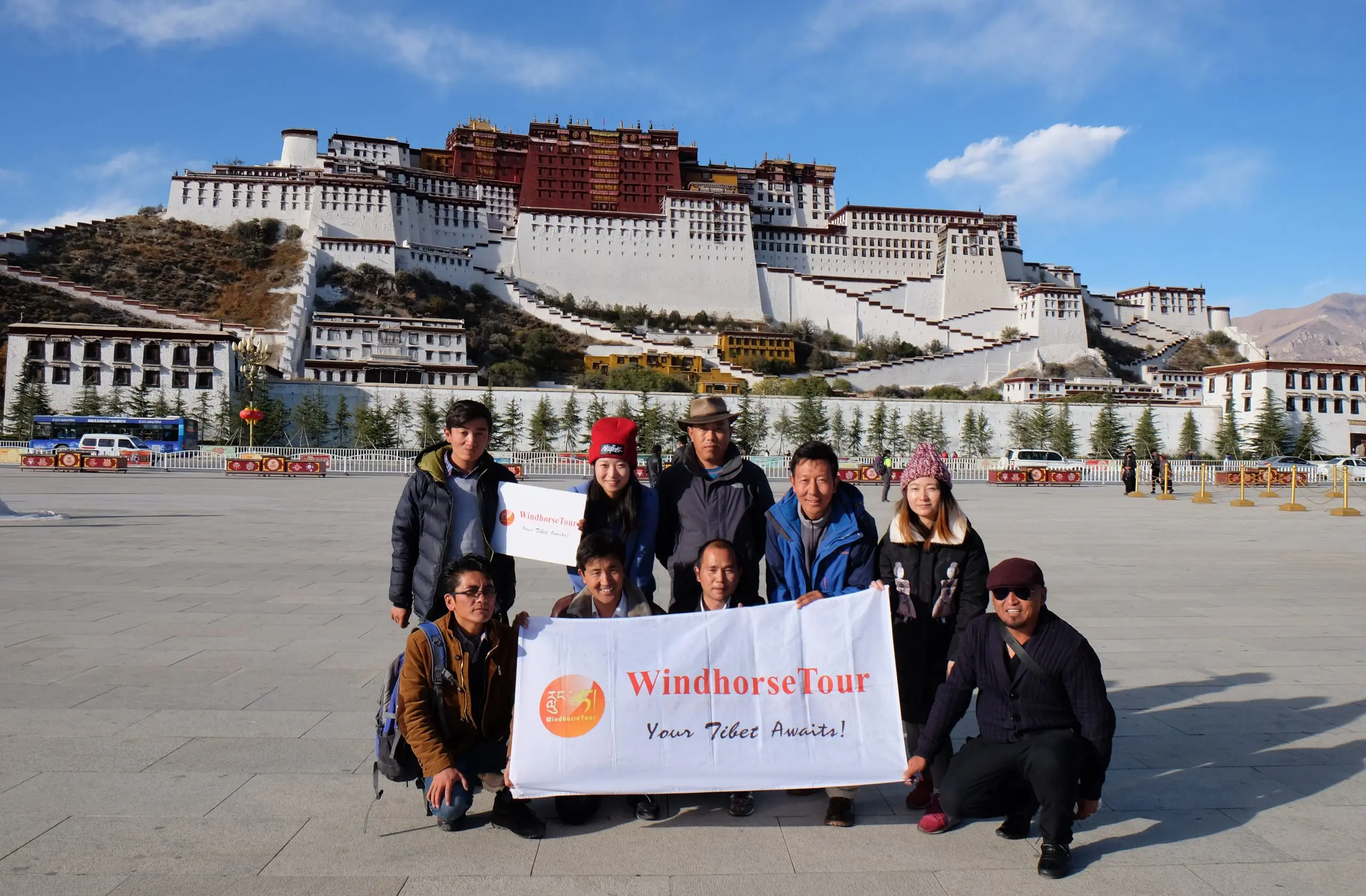
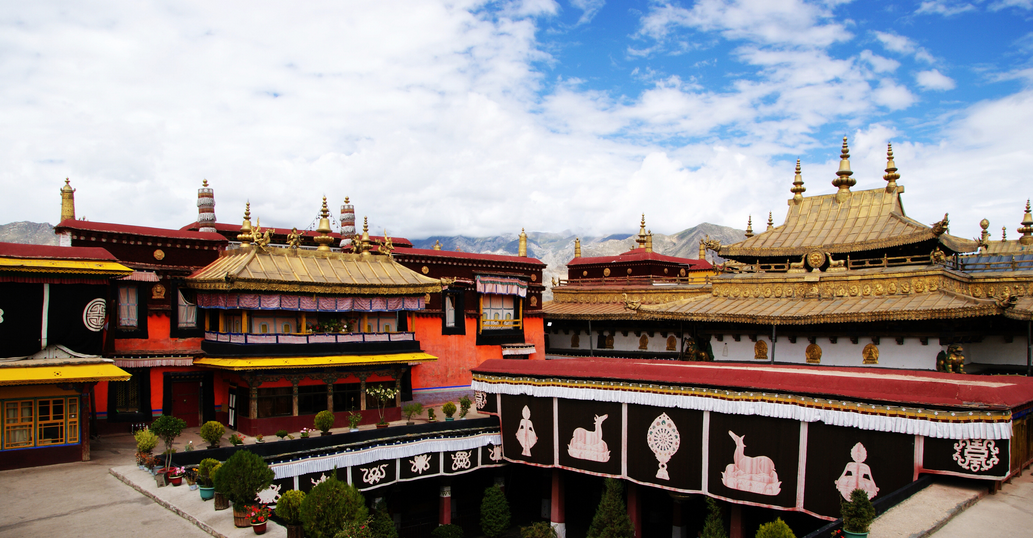
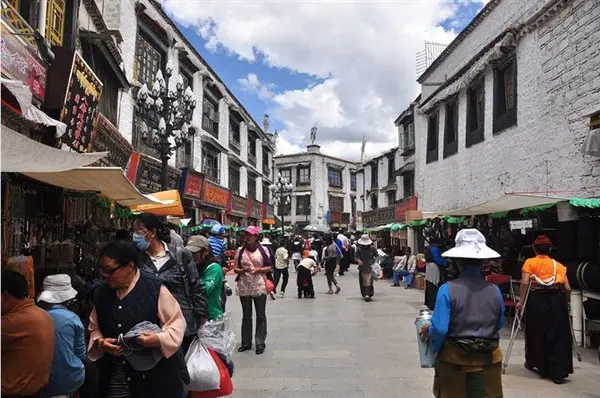
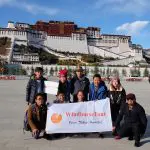
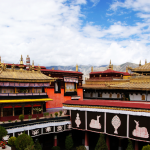
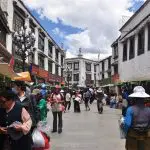
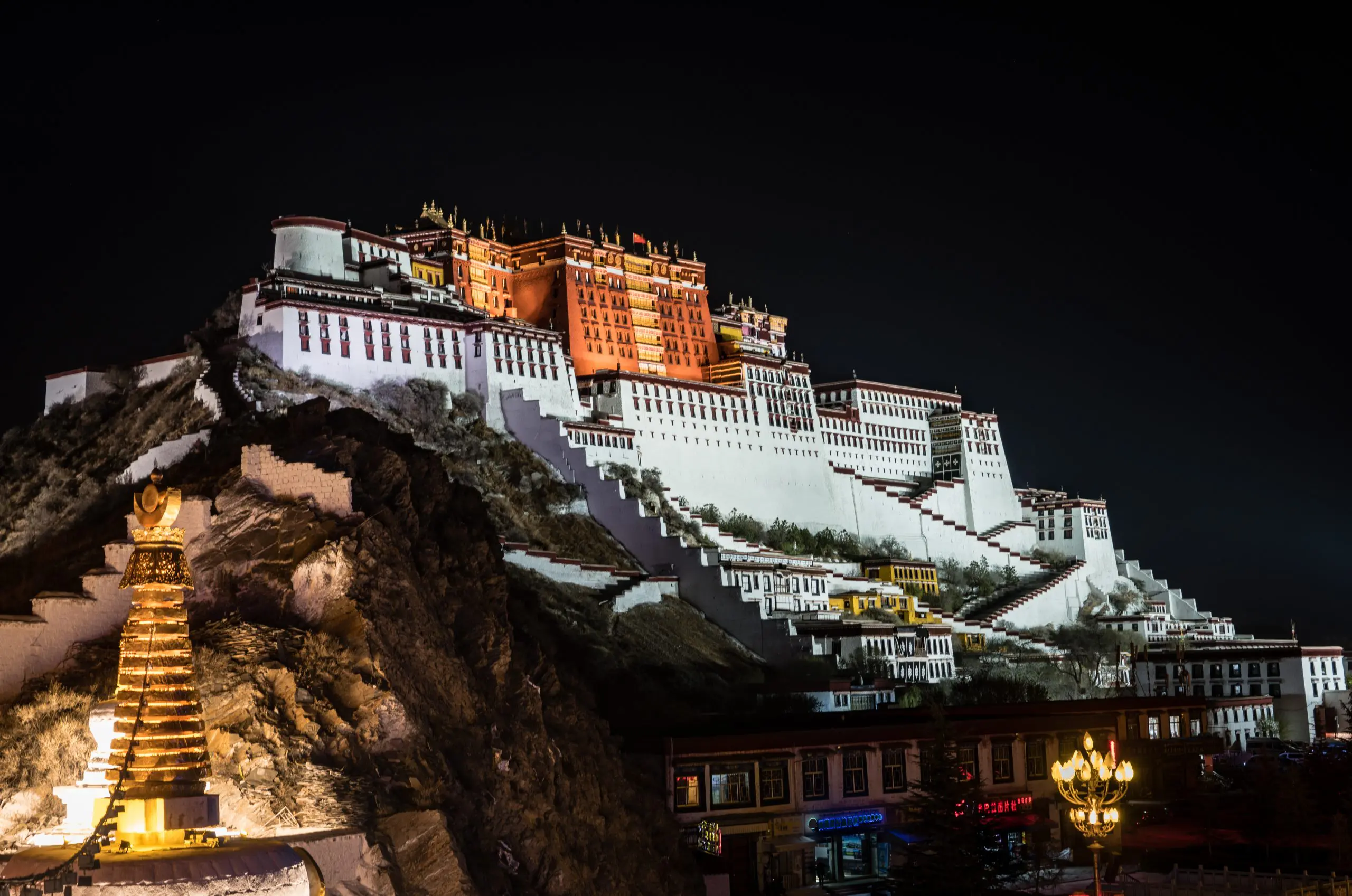
Today you will be arranged to visit Jokhang temple and Potala Palace. Jokhang temple is the most sacred shrine in Tibet which was built in the 7th century and located at the heart of old town in Lhasa, the circuit around it called Barkhor street, which is a good place to purchase souvenirs. Potala Palace is the worldwide known cardinal landmark of Tibet. The massive structure itself contains a small world within it. Mostly it is renowned as residence of the Dalai Lama lineages (Avalokiteshvara). Both of them are the focal points of pilgrims from the Tibetan world, multitudinous pilgrims are circumambulating and prostrating in their strong faith. Overnight at Lhasa.
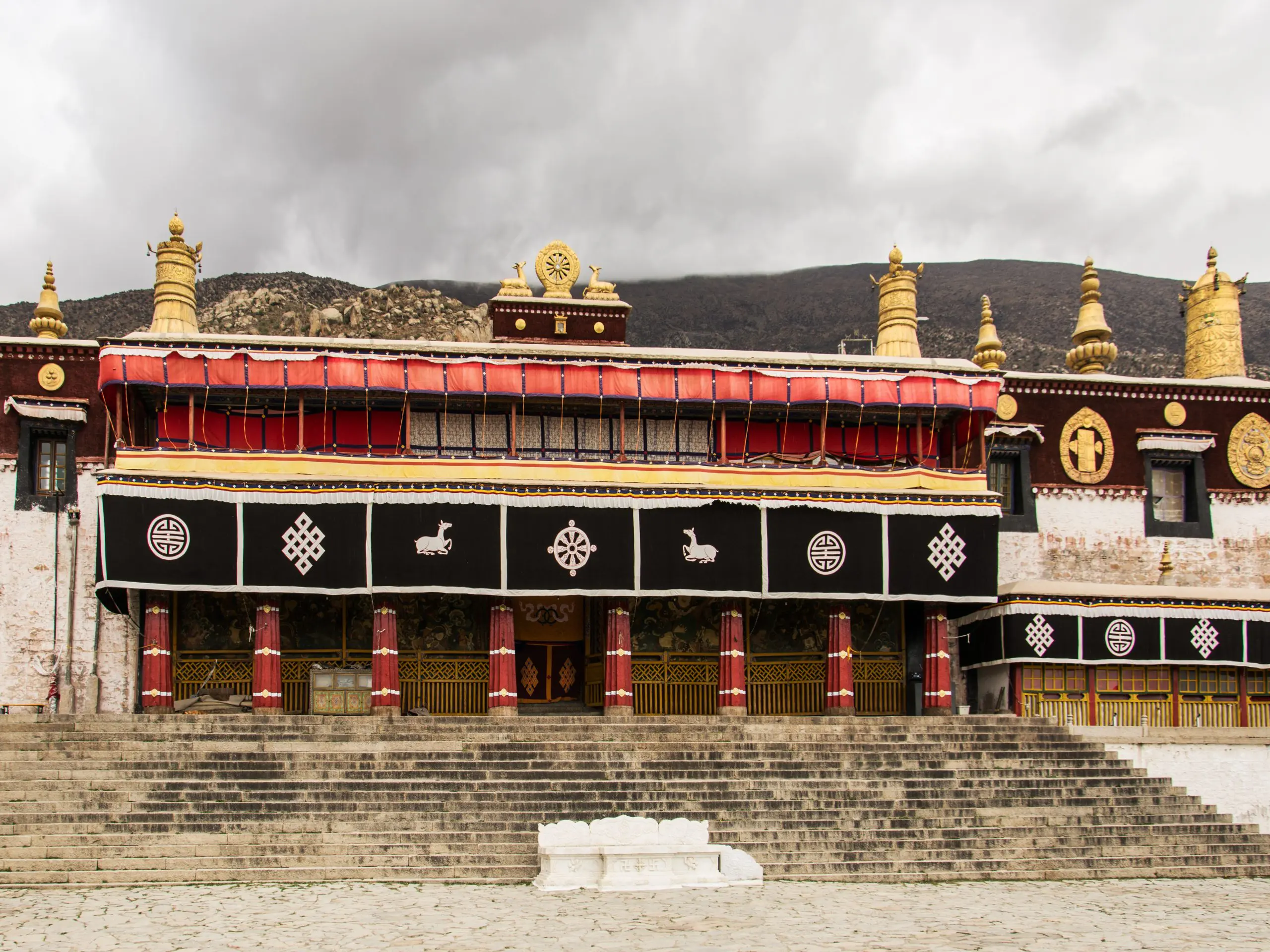
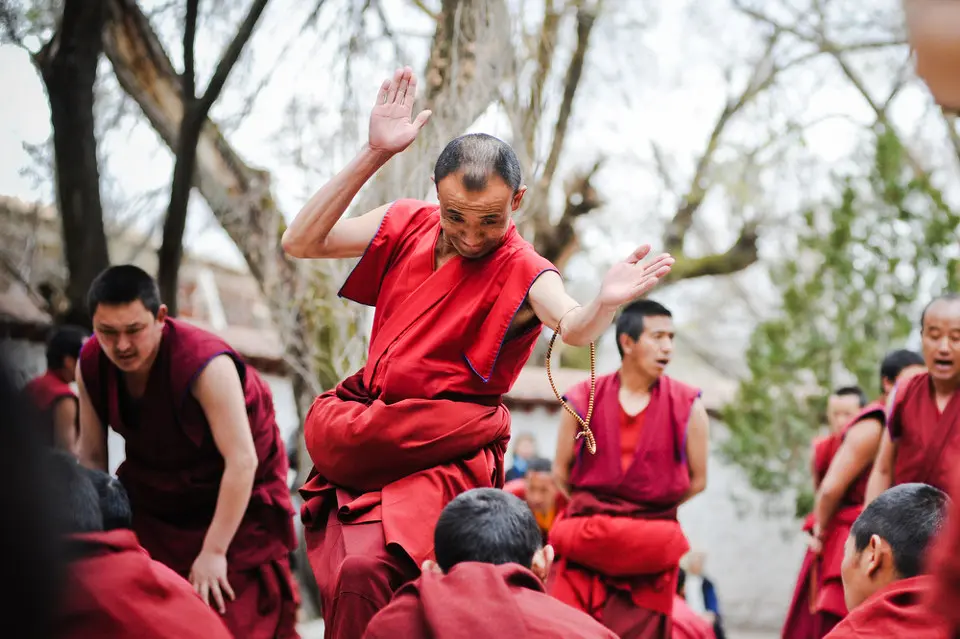
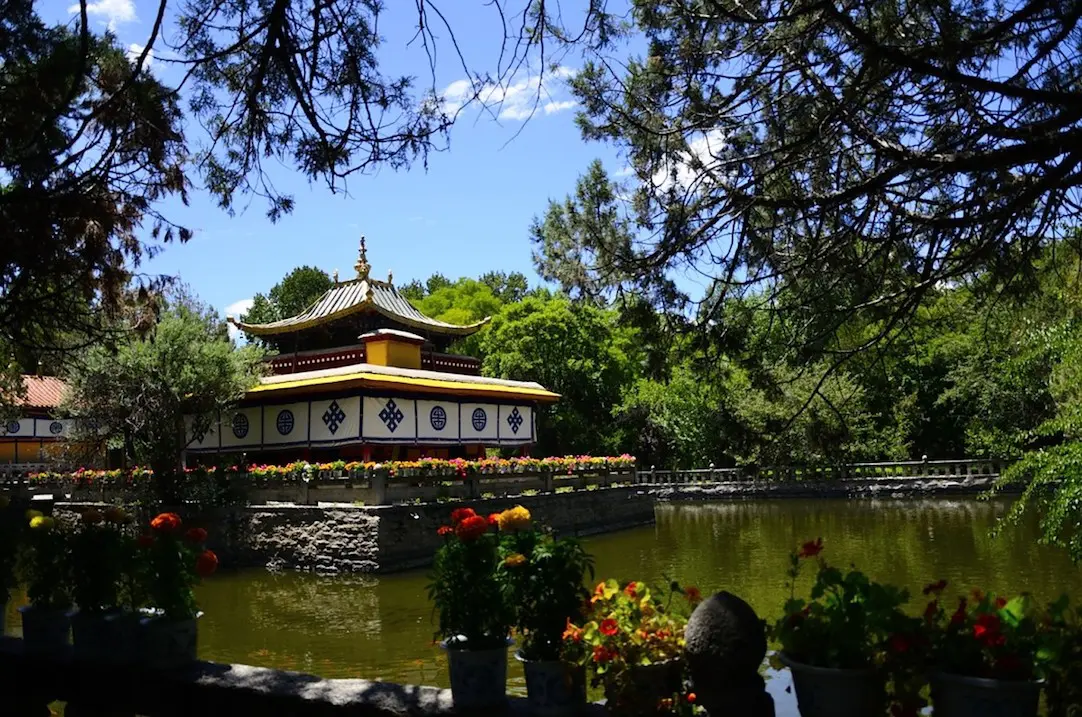
Today you will visit Drepung, Sera monasteries and Summer Palace Norbulingka. Both Drepung and Sera monasteries are Gelugpa (yellow hat) sect monastic colleges. Drepung monastery was the seat of the Government prior to Potala, it was once the world largest monastery in the history with 7,700 monks hailed from different monasteries all over Tibet. Sera monastery is famous for its Buddhism philosophical debate practice, the clapping sound and aggressive expression of the monks are well worth to see. Norbulingka is the summer palace of Dalai Lama, you can visit the residences of different lineages of the Dalai Lama. The park is crowded with picnickers and traditional activities during the Shoton (Yogurt festival) in August. Overnight at Lhasa.
Your guide and driver will see you off at the airport or train station, end of the trip.
Inclusions
Tour notes:
General inclusions:
General exclusions:
You may also like
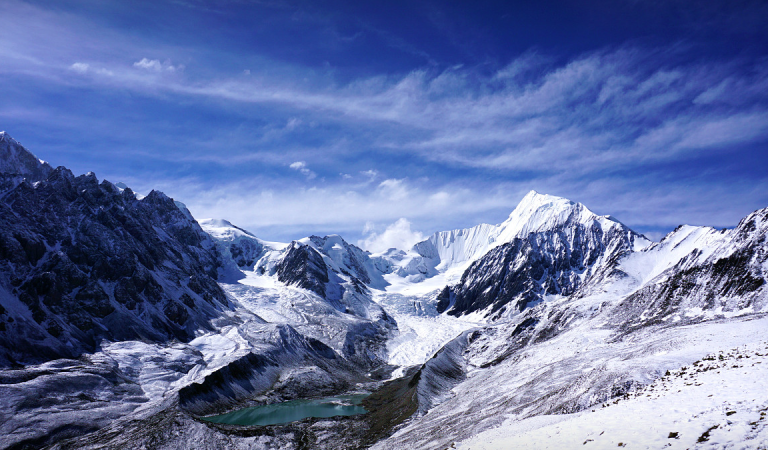
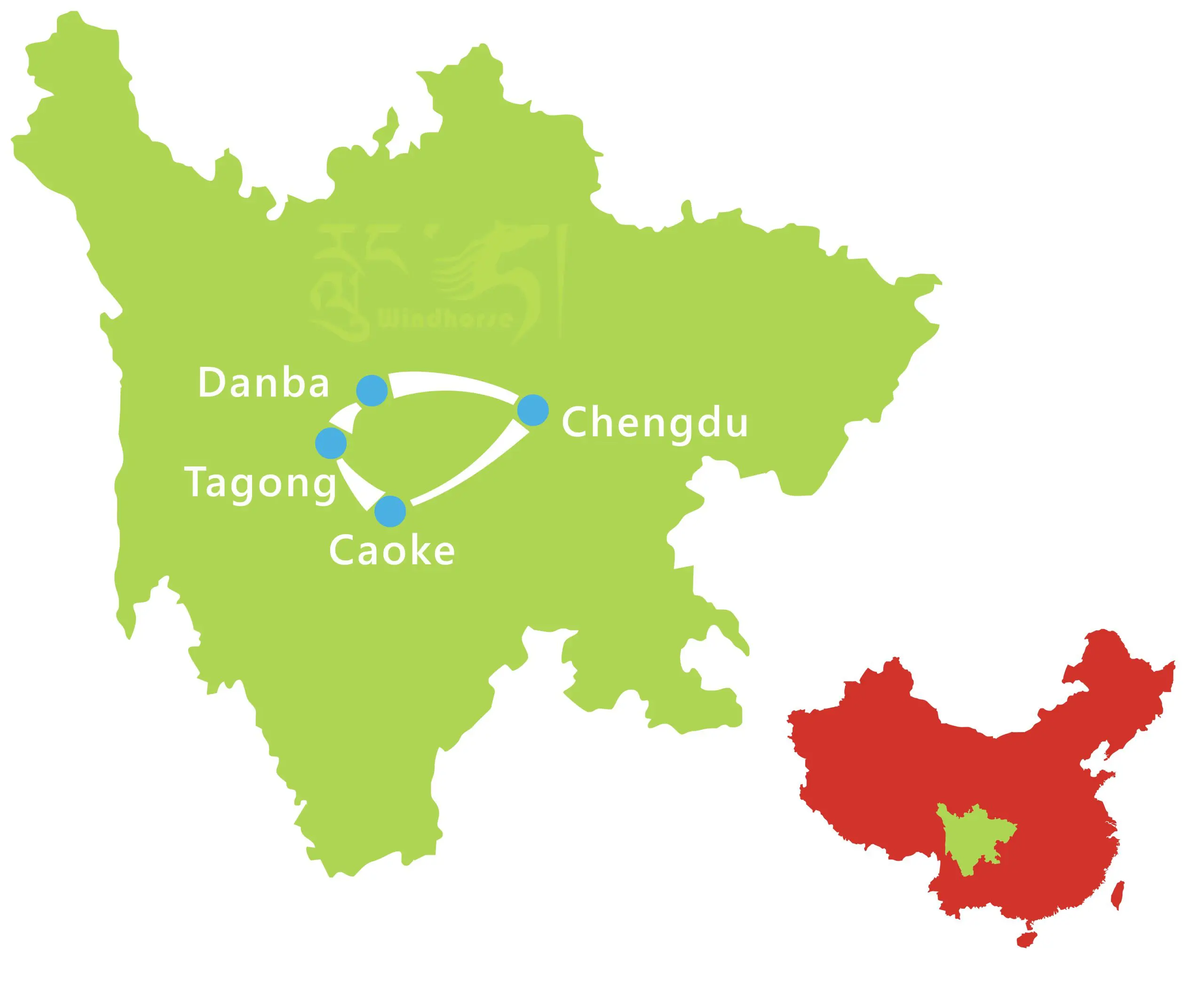
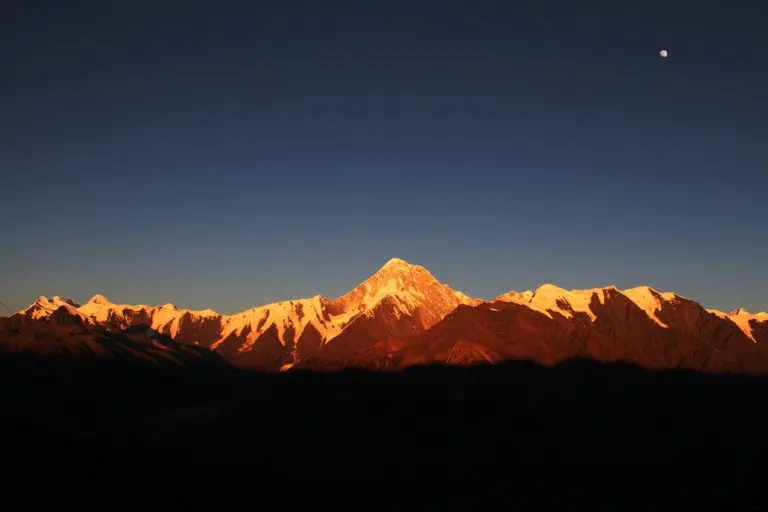
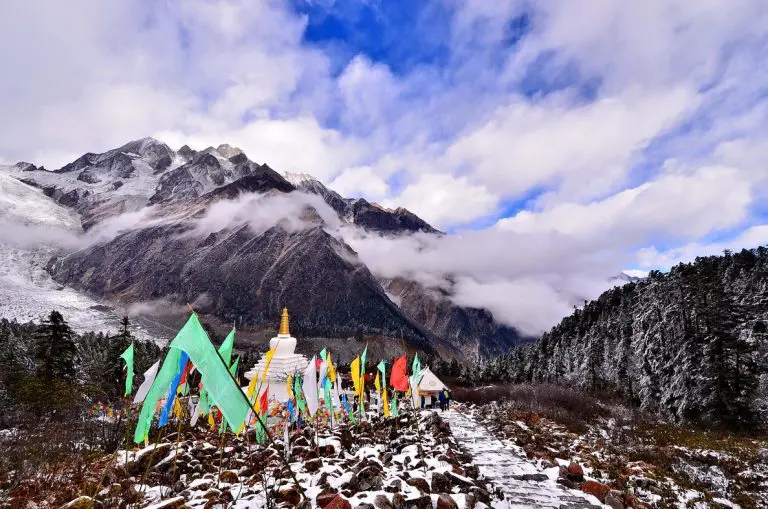
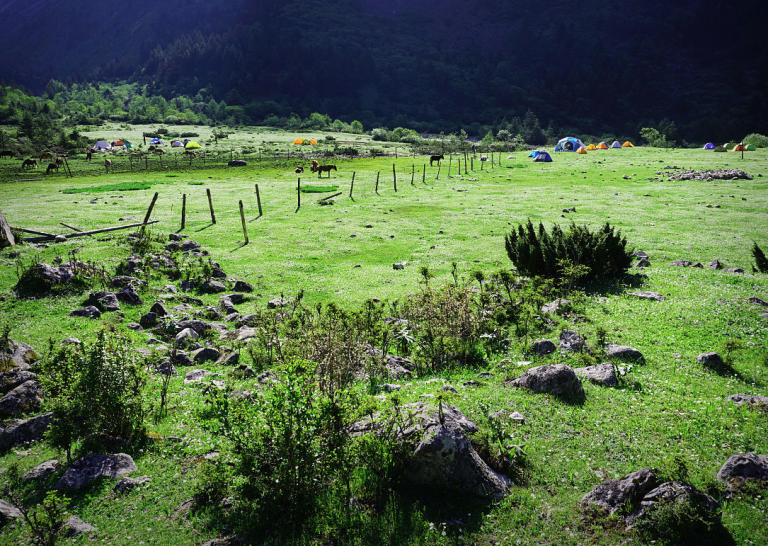
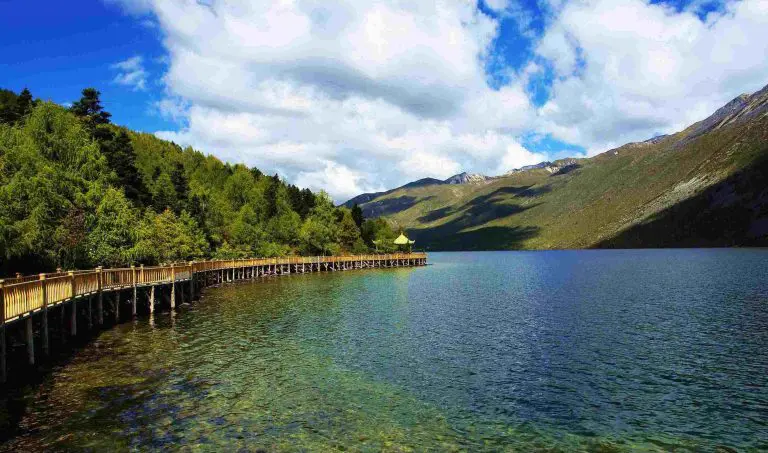
This 12-day Minya Konka trekking tour takes you deep into Western Sichuan to explore glacier valleys, high passes, alpine grasslands, and Tibetan villages. Trek beneath the sacred Minya Konka (Gongga Mountain) and experience Kham culture, monasteries, and dramatic plateau landscapes.
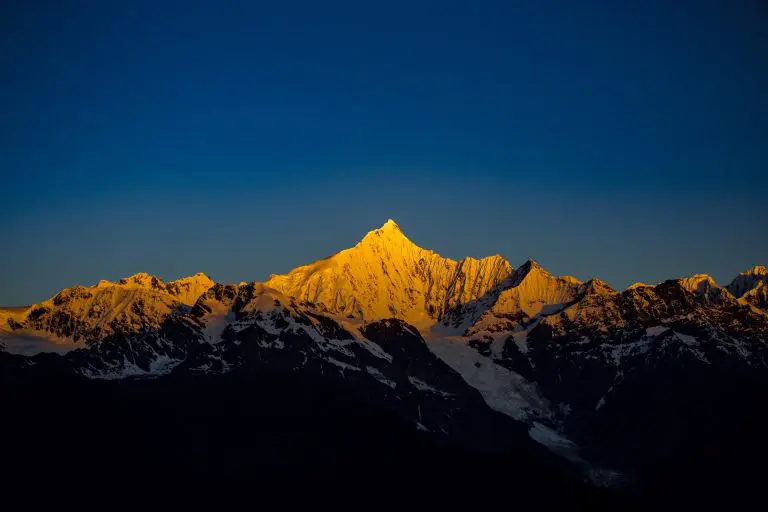
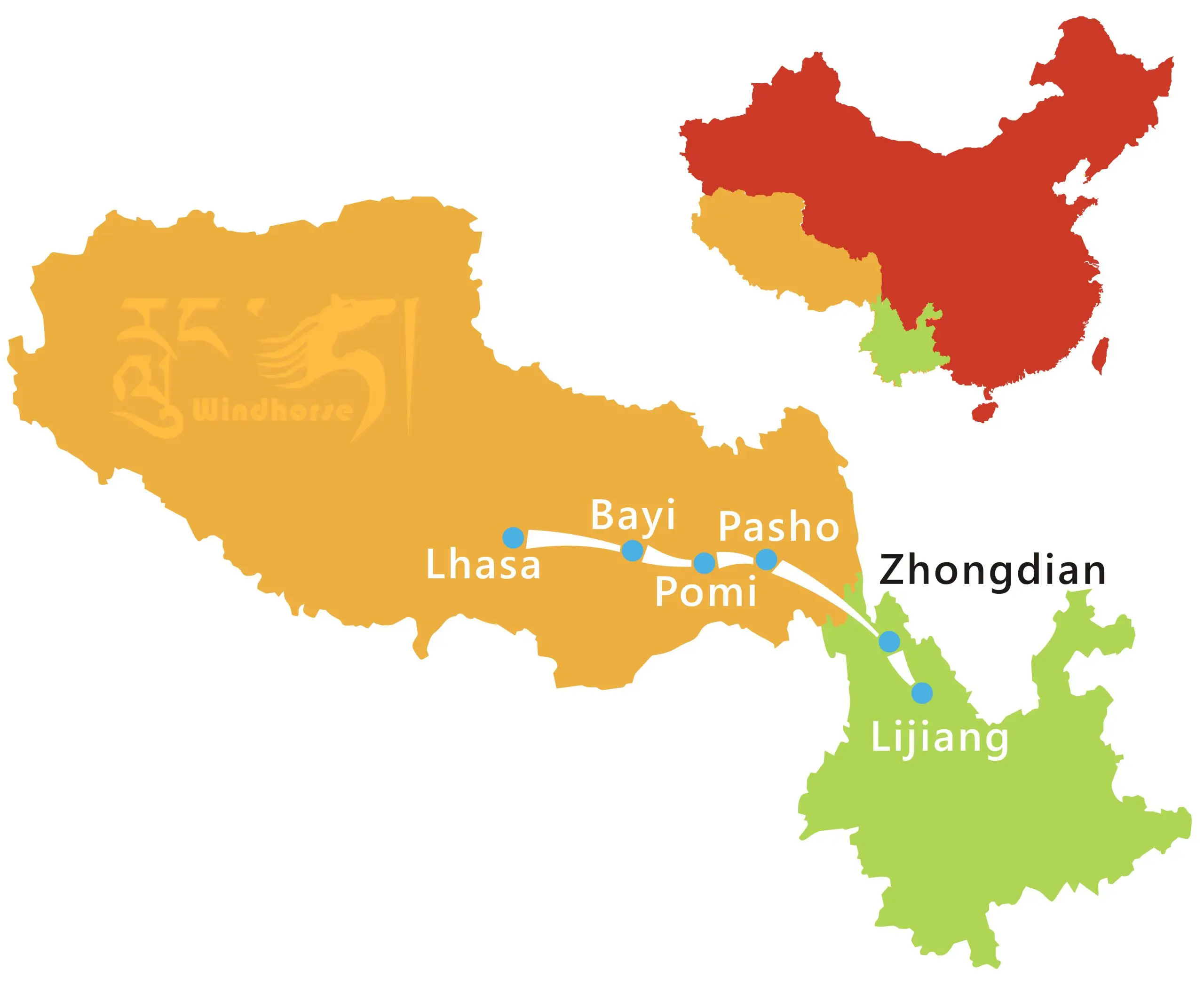
Follow the Ancient Tea Road to Tibet Lhasa from Yunnan Lijiang and discover the beautiful landscapes by driving through deep gorges, alpine forests, vast grasslands steppe.
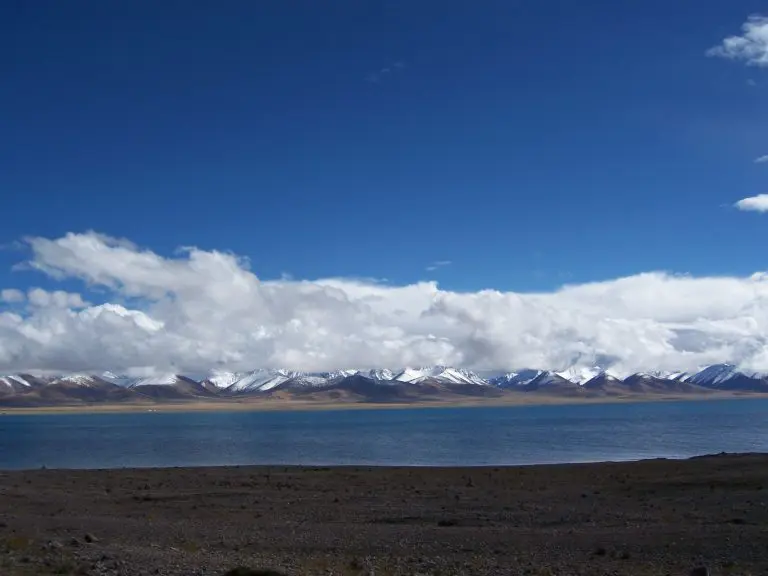
Discover the overland journey along the legendary Sichuan–Tibet Highway Northern Route (G317) from Chengdu to Lhasa. Travel through alpine valleys, ancient monasteries, and Tibetan villages, experiencing the stunning landscapes and rich culture of Kham and northern Tibet.
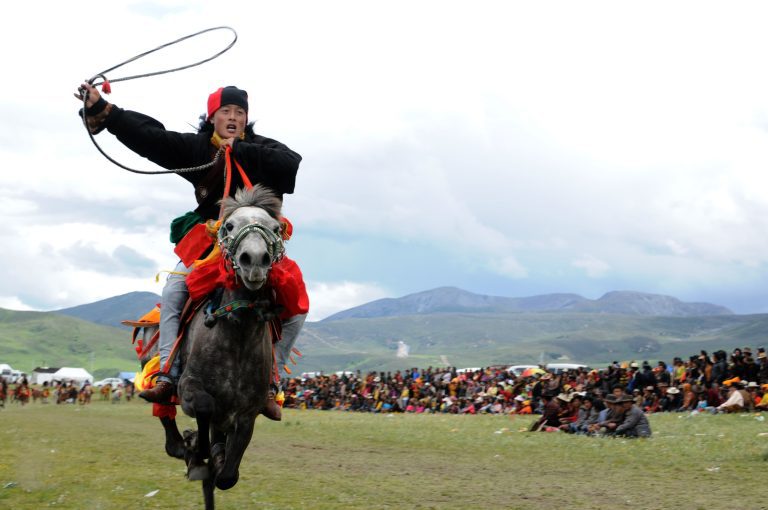
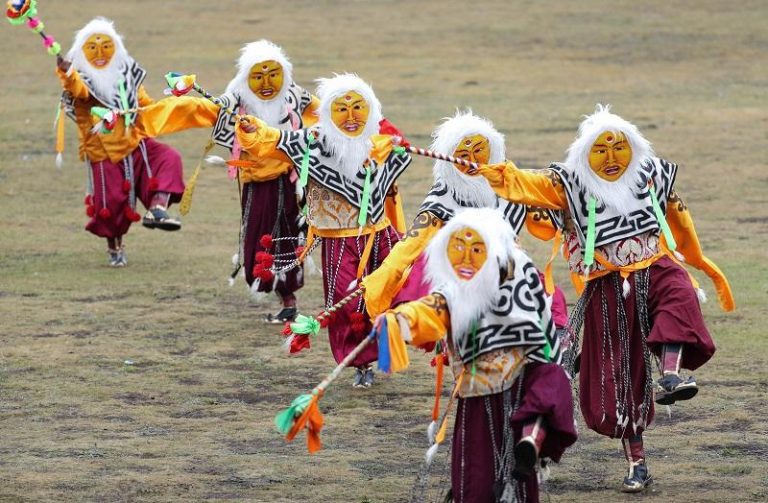
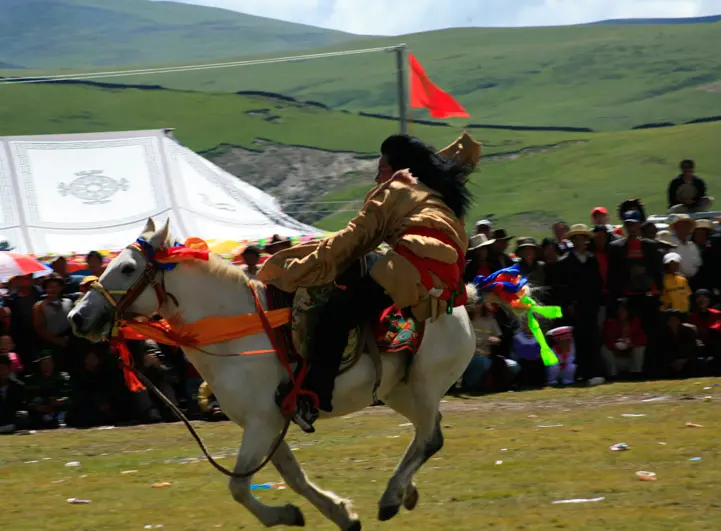
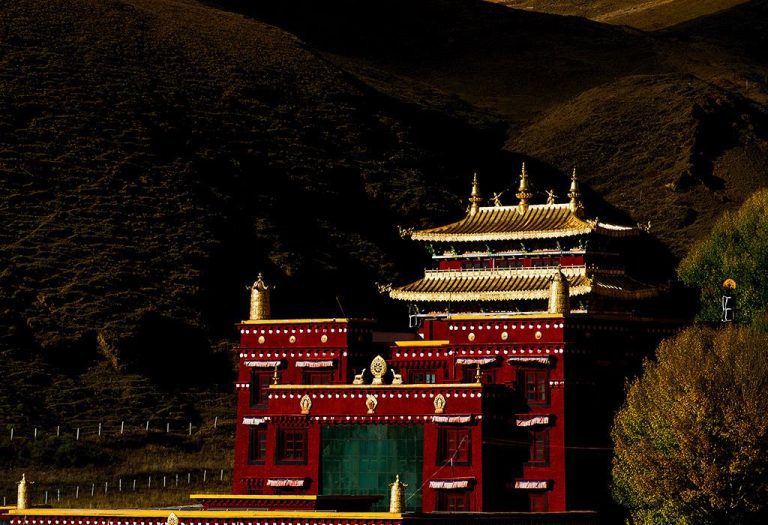
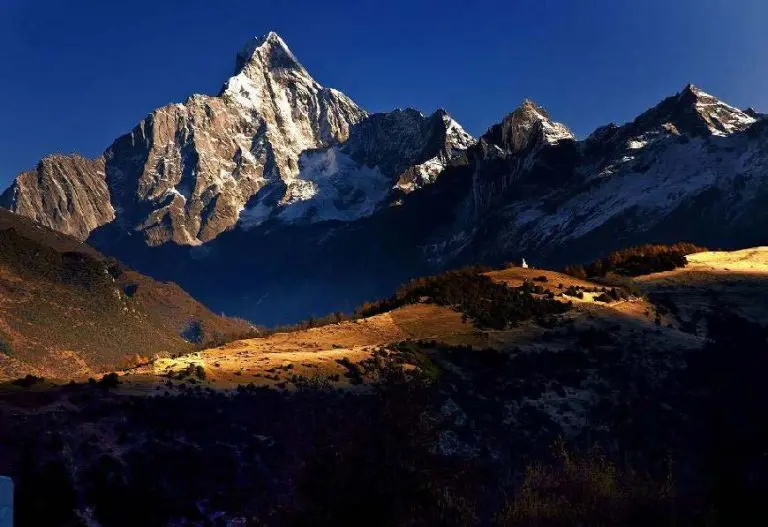
Enjoy the once a year Litang Horse Racing Festival and see long distance riding, trekking, horse riding tricks and shooting from horseback, all first hand. Traveling from Chengdu to Litang is half the fun filled with fantastic natural scenery.
Comments
Dear Sir,
We are a group of 4/5 from Singapore (1 Vietnamese and 3/4 Singaporean) interested in the above package. Kindly quote us your above package. What is the cost for air ticket from Lhasa to Chengdu? We may extend and additional day to the following in Lhasa 1) Lhasa to Namso-tso. 2) Lhasa to Gyantse.
We look forward to your response. Our tentative travel date will be from 14 Sep 2013
Dear Tan,Thanks for contacting us! Based on your requirements I've sent you an email with some advice for your reference, please check it and I'm looking forward to hearing your comments on it!Best Regards,Murphy
Sorry, I may hv missed your email or deleted them without reading because to too many spam mail. Kindly forward again with the subject Tibet so that I can be watchful for them.
Hi Tan,No problem, I've re-sent my previous email to you in subject - Tibet Tour Inquiry. Hope you can get it this time :)Kind Regards,Murphy
Hi there, please can you send me a quote on this trip for two travellers? Also if it woulf be possible to do in reverse (Lhasa-Chengdu). We would be looking at around 20-24 May. We would be happ for others to join the trip to keep costs down.
Kind regards,
Simone
Hi Simone,Thank you for your comment! I've sent you an email with some suggestions about this tour, please check it and let me know how you think about it. I'm looking forward to hearing from you again!Kind Regards,Murphy
Is it possible to visit Yading and Tibet within 9 days?
Hello Woon,
Thanks for contacting us.
Yes, we can arrange you guys to visit Yading and Tibet within 9 days, however, you need to take the flight to Lhasa from Kangding, not an overland trip - it's not available this year though.
I have sent the tour proposal via email, please kind have a look and feel free to share your comments and thoughts.
Best regards,
Yuki
Hi Windhorse tour,
I'm interested in the 16 days Chengdu to Lhasa via Daocheng Yading and Mount Meili overland tour in October 2025.
I'm from Australia and im planning to travel alone.
Is there a date for the Tour in October for me to consider planning?
regards,
Jasper
Hi, my wife & I are from Malaysia and we are interested to explore the 16 days Chengdu to Lhasa Overland Tour via Daocheng Yading & Mount Meili trip. We prefer a customised private trip with an English-speaking guide. Is this 16 days trip customisable, i.e. can delete certain or add items, as we are more interested in the natural outdoors and less interested in ancient sites, history, monasteries (maybe one or two is enough) etc.
Hi David,
Thank you for reaching out and sharing your interest in our Chengdu–Lhasa Overland Tour! This is Sylvia from WindhorseTour.
Yes, the 16-day itinerary is fully customizable. We can certainly remove or adjust historical and monastery visits and focus more on natural landscapes, outdoor scenery, and scenic drives, such as Daocheng Yading, Mount Meili, alpine valleys, grasslands, and highland lakes. We can also keep just one or two representative monasteries if you’d like, for cultural context, without making them the focus of the trip.
The tour can also be arranged as a private journey with an English-speaking guide and private vehicle throughout, tailored to your interests, pace, and comfort level.
Feel free to let me know your preference and I'd be happy to adjust the itinerary for you. Looking forward to your reply!
Best regards,
Sylvia
Reply