
11 days Classic Chengdu to Lhasa overland tour via G318
Set out on an unforgettable 11-day Chengdu to Lhasa overland tour along the Sichuan–Tibet Highway (G318). Cross high passes, vast grasslands, glaciers, and sacred lakes while experiencing yourself in Kham culture and the dramatic landscapes of eastern Tibet.
Itinerary
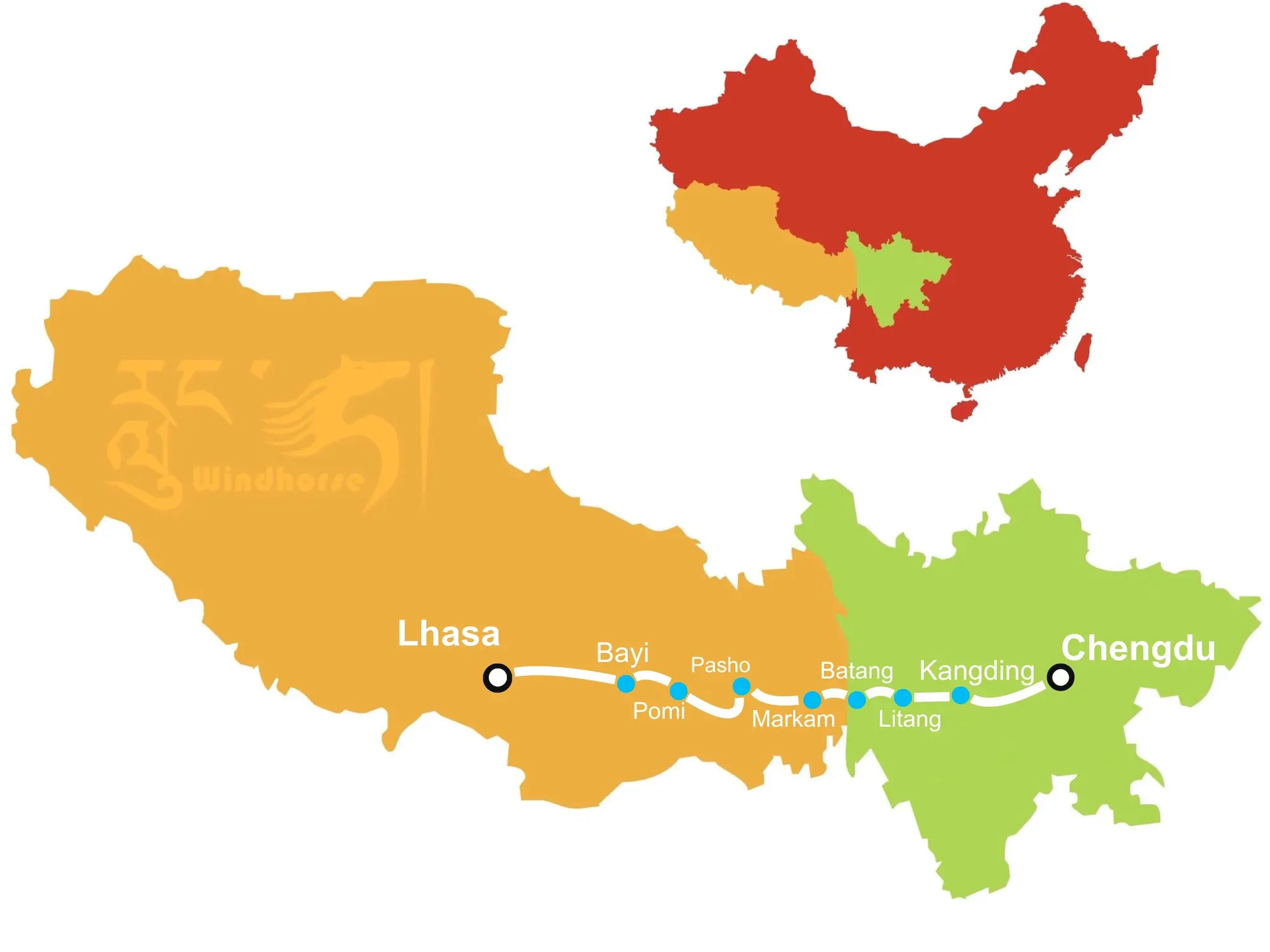
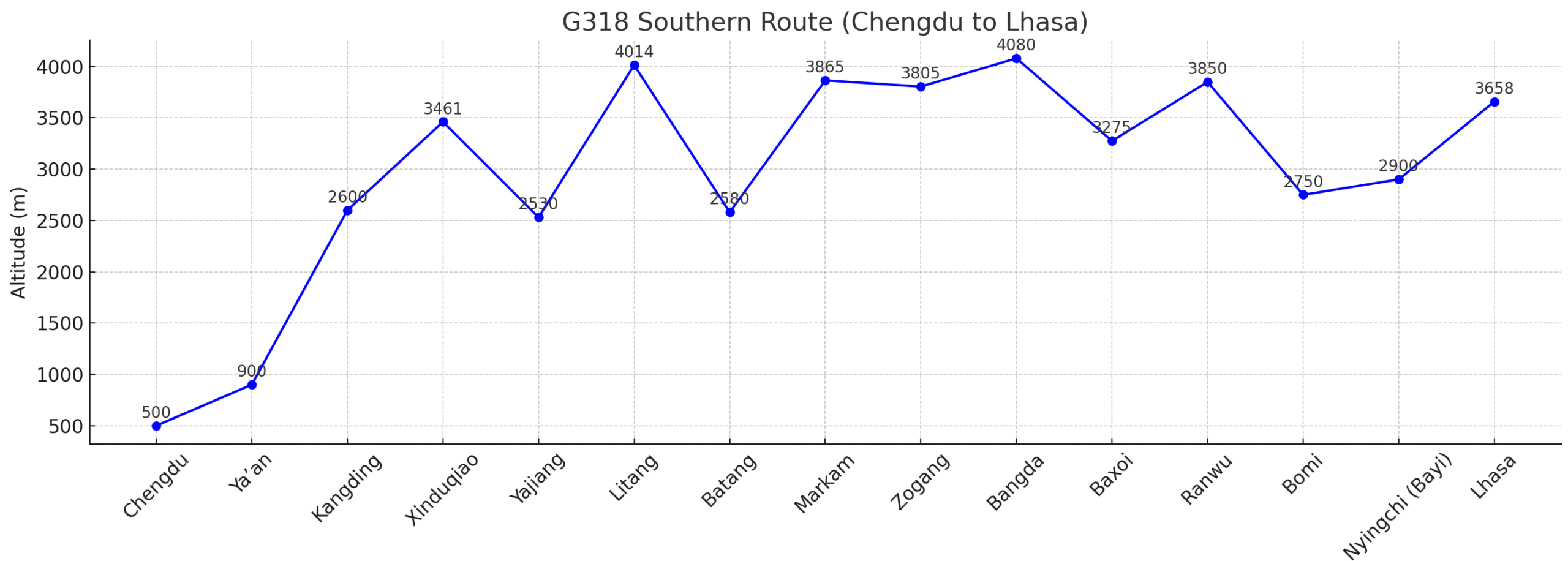
This 11-day Chengdu to Lhasa overland tour follows the Sichuan–Tibet Highway (G318), often praised as “the most beautiful highway in China.” Spanning over 2,000 km, it offers a gradual ascent, ideal for altitude acclimatization.
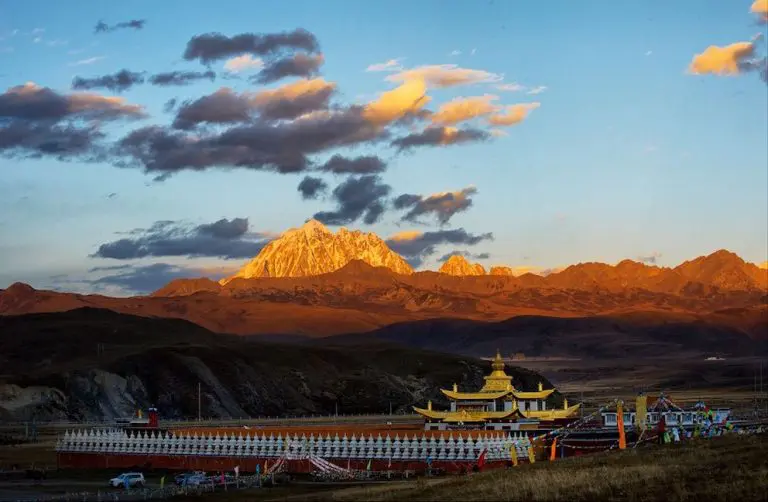
Starting in Chengdu, travel west via Ya’an and Kangding to the vast Tagong Grasslands with views of Mount Yala. Continue through the “Photographers’ Paradise” of Xinduqiao and across the vast Litang Grasslands, then on to Batang, the last Sichuan town before Tibet.
Entering Tibet, drive through Markham, cross Wula and Dongda Passes, and marvel at the famous 72 Bends of the Nujiang River. Visit ever-changing Ranwu Lake and the stunning Midui Glacier before continuing through alpine valleys to Pomi. From Lulang Forest and Sejila Pass, enjoy sweeping views of Mount Namche Barwa (7,782 m).
In Nyingchi (Bayi), stop at the sacred Draksum-tso Lake before following the new Lhasa–Nyingchi Expressway over Mila Pass into Lhasa, Tibet’s spiritual heart. End your journey exploring the Potala Palace, Jokhang Temple, and Barkhor Street.
This overland adventure offers a great opportunity to enjoy stunning landscapes with Tibetan culture in Tibet Kham areas, making it one of the most rewarding ways to reach Lhasa.
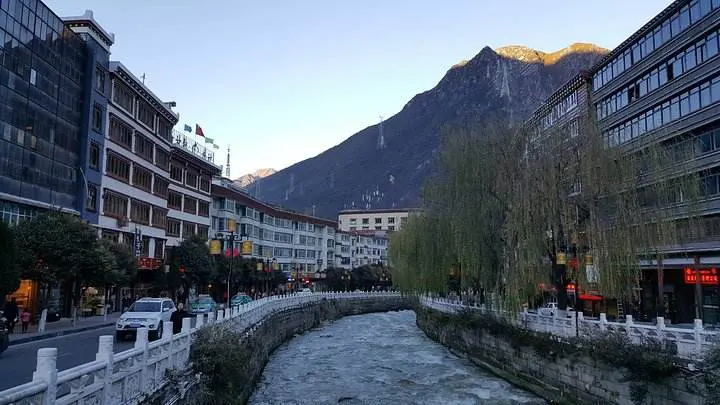
Today you’ll set out from Chengdu and drive west to Kangding, the prefectural capital of Ganzi Tibetan Autonomous Prefecture, known as the gateway to the Khampa region of Tibet. Kangding has a population of around 100,000, made up of Tibetans, Han Chinese, and other minorities, creating a rich blend of cultures.
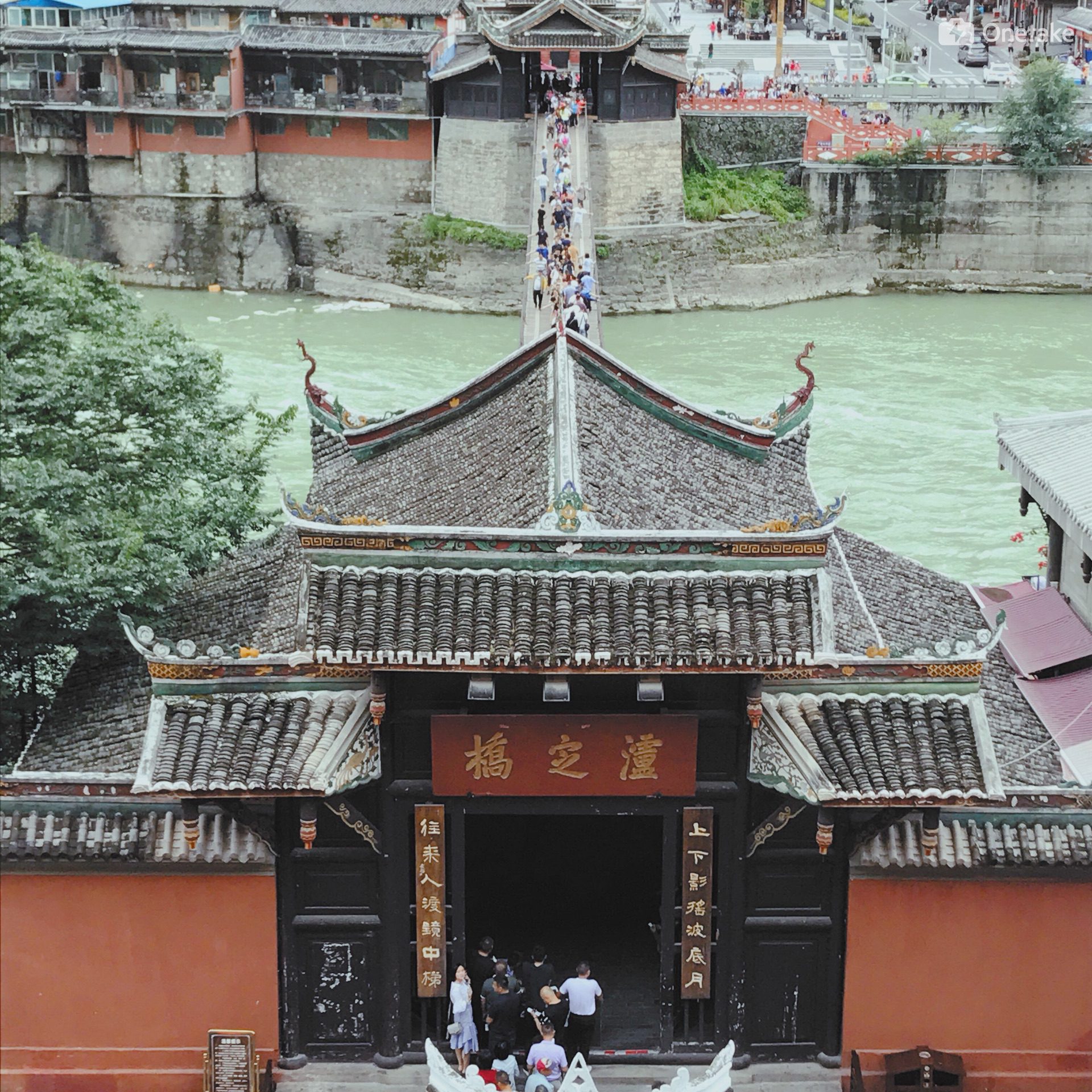
Along the way, stop at Tianquan Service Area, a popular landmark where travelers pose by the “Start of the Sichuan–Tibet Highway” marker, and visit the historic Luding Bridge, an iron-chain suspension bridge across the Dadu River with deep ties to Chinese history.
In the afternoon, explore the local markets of Kangding with your guide, where you can experience the daily rhythm of Tibetan and Han communities. In the evening, join the lively open-air dance and music gathering in Kangding’s public square, a joyful way to connect with locals and soak in the town’s vibrant spirit. Overnight in Kangding.
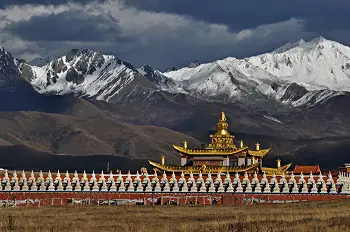
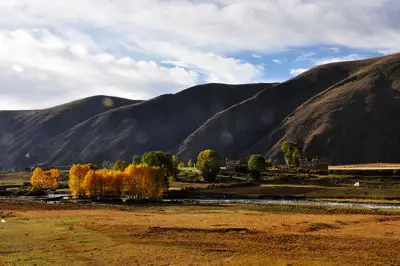
After breakfast, depart Kangding and follow Provincial Road 434 toward Tagong, one of the most scenic drives in western Sichuan. Along the way, stop at Honghai Lake (Honghaizi), where snow peaks are reflected in its clear waters, and pass through Jiangba Pasture, a vast meadow dotted with grazing yaks.
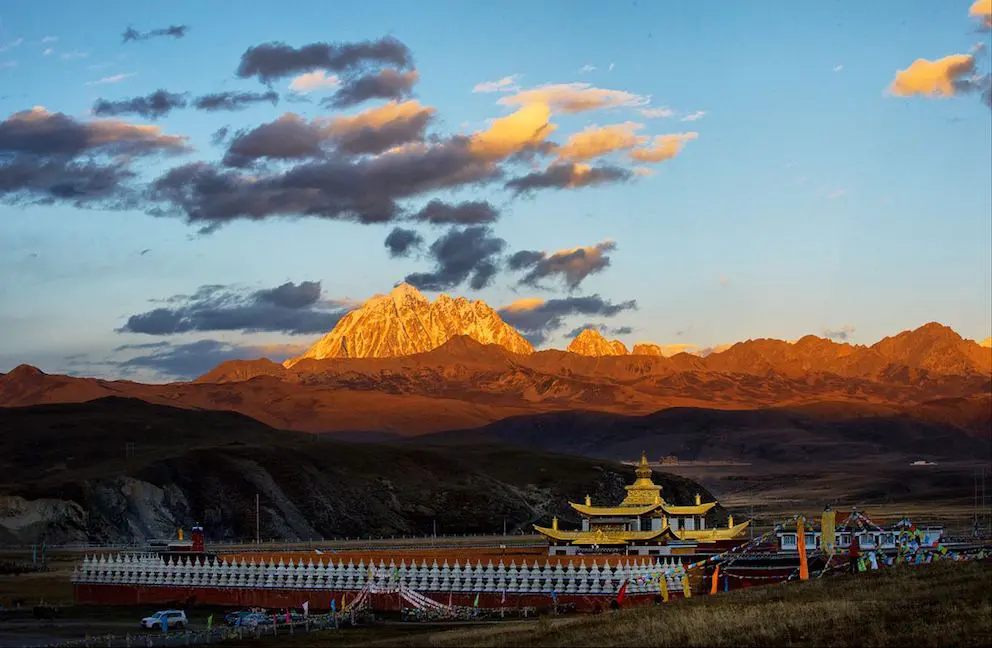
Arrive at the expansive Tagong Grasslands (3,700 m), a vast alpine pasture dotted with yaks and framed by snow peaks. Visit the historic Tagong Monastery, known as the “Little Jokhang,” and enjoy panoramic views of Mount Yala (5,820 m) from nearby viewpoints.
In the afternoon, continue the drive via Xinduqiao, nicknamed the “Photographers’ Paradise” for its rolling valleys, Tibetan villages, rivers, and ever-changing light. Cross Gao'ersi pass (about 4,410m high) where you can have the panoramic views of Gongga Snow Mountains before reaching Yajiang (2,530 m), a quiet town along the Sichuan–Tibet Highway, where you’ll overnight.
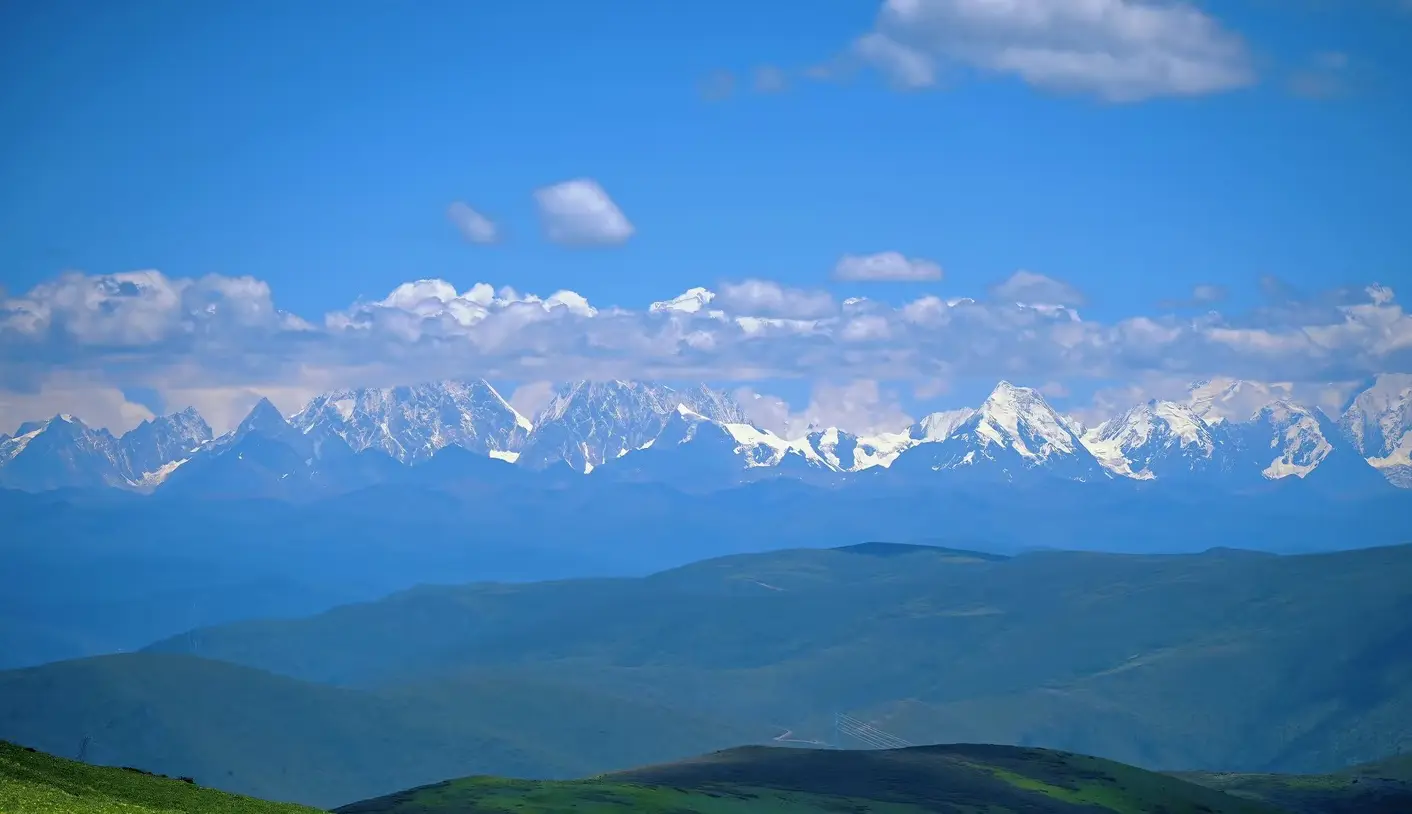
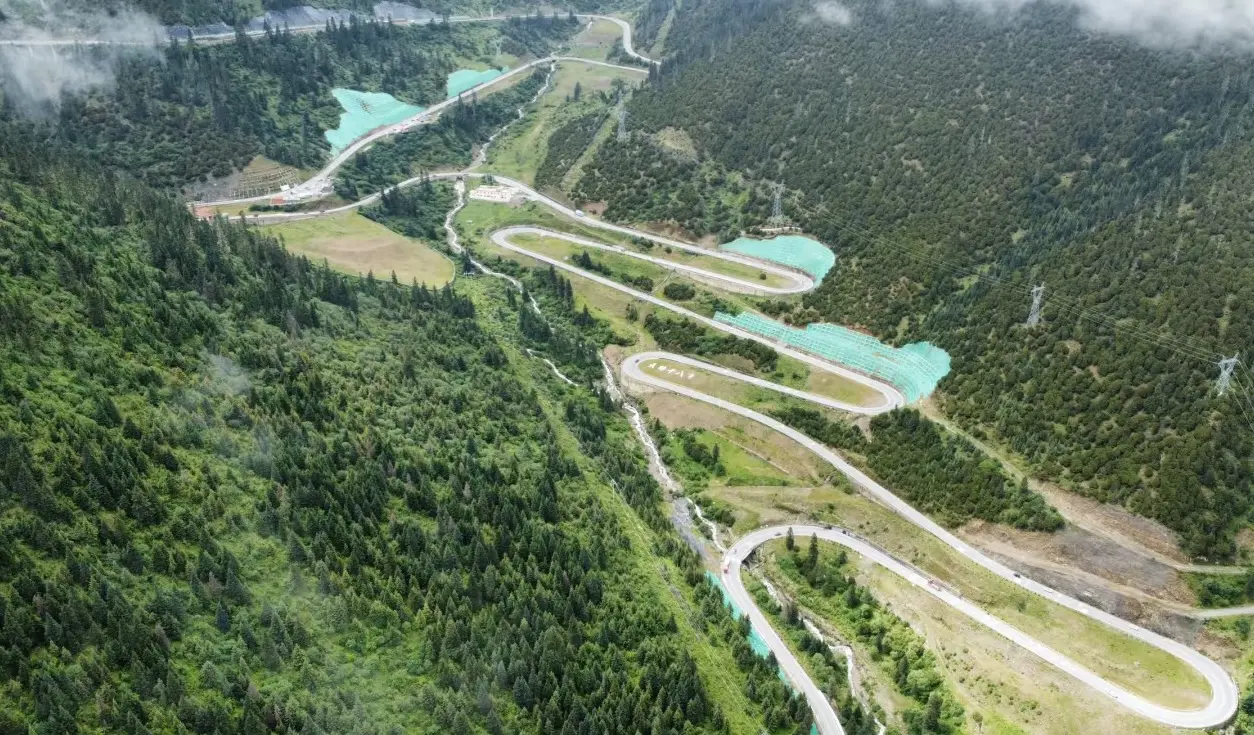
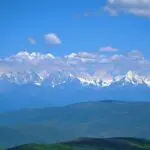
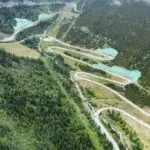
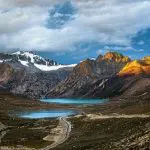
Depart Yajiang and follow the scenic highway west, winding through the Sky Road 18 Bends before crossing Jianziwan Pass (4,659 m) and Kazila Pass (4,718 m). Along the way, enjoy sweeping views of deep valleys, snow-capped peaks, and grasslands dotted with yaks.
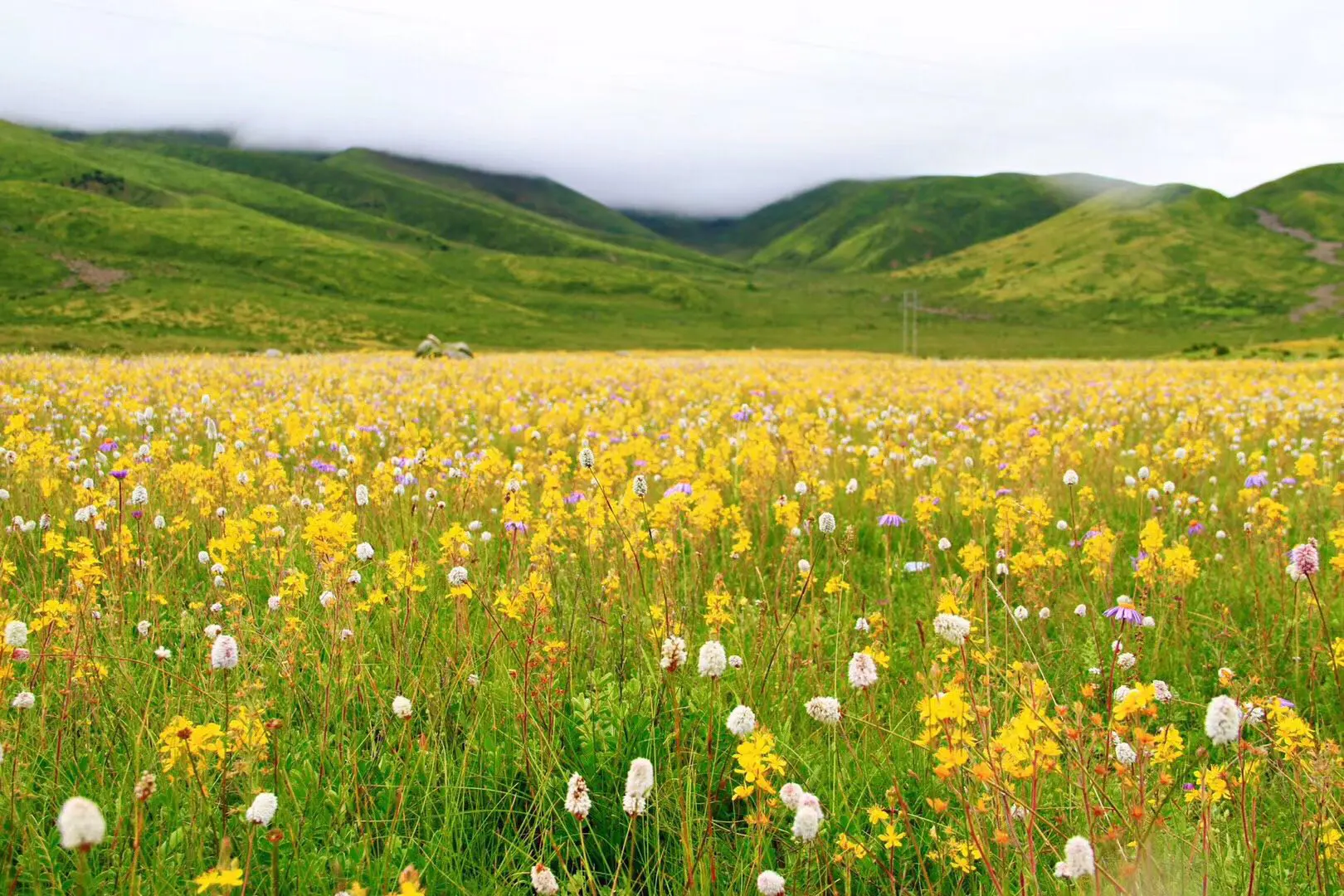
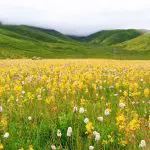
Arrive in Litang (4,010 m), one of the world’s highest towns, set on the vast Maoya Grassland. Visit the historic Litang Monastery, an important Gelugpa institution with close ties to the Dalai Lamas. In summer, the grassland bursts into bloom with wildflowers (peak is around mid-late July), while in early August the town comes alive with the famous Litang Horse Racing Festival.
In the afternoon, continue across the Haizi Mountain, stopping at viewpoints to admire the turquoise Sister Lakes framed by snow peaks. The drive from Litang to Batang is with stunning landscapes especially in summer month. By late afternoon or evening, reach Batang (2,700 m), the last major town in Sichuan before crossing the Jinsha River (upper Yangtze) into Tibet.
Tips:
1. If you want to include a detour to Cuopu Valley, plan an extra day in the itinerary.
2. The road between Yajiang and Batang is often busy with trucks, and ongoing railway construction can cause delays. Be prepared for longer driving hours.
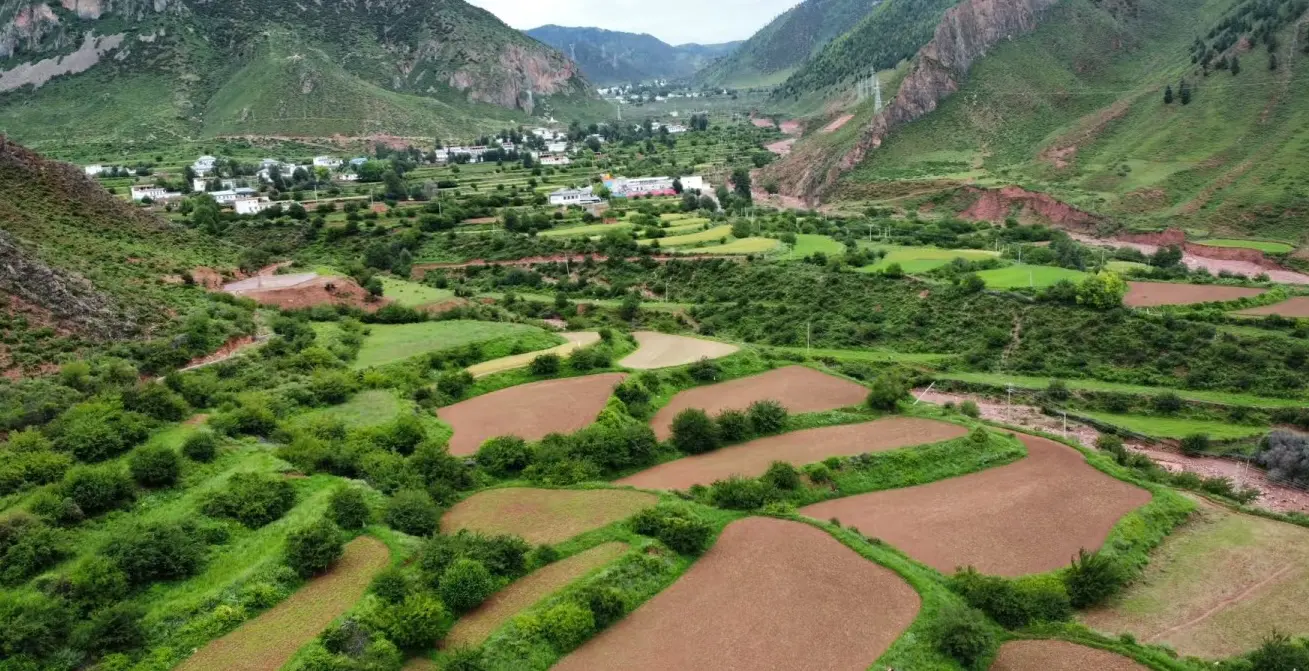
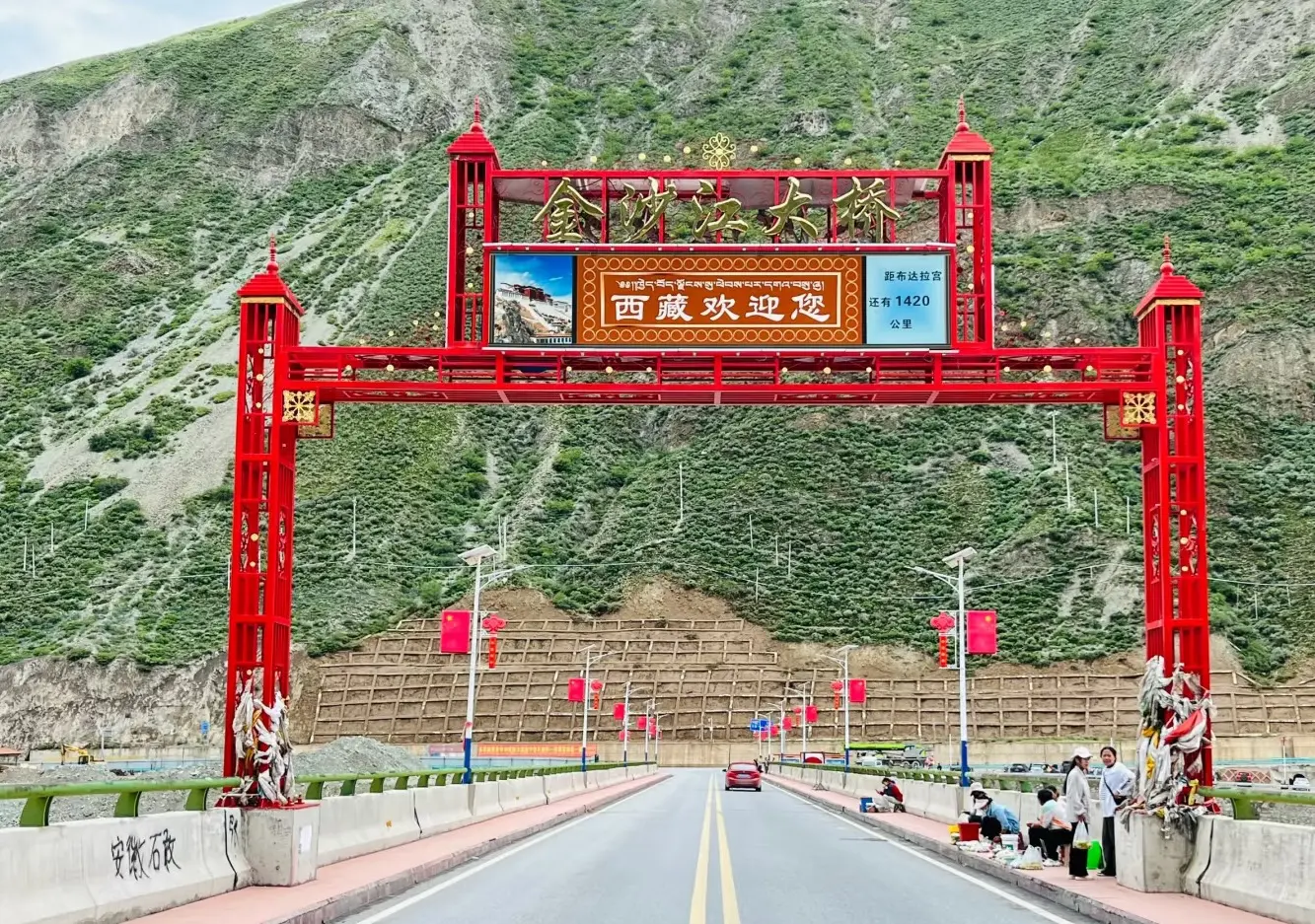
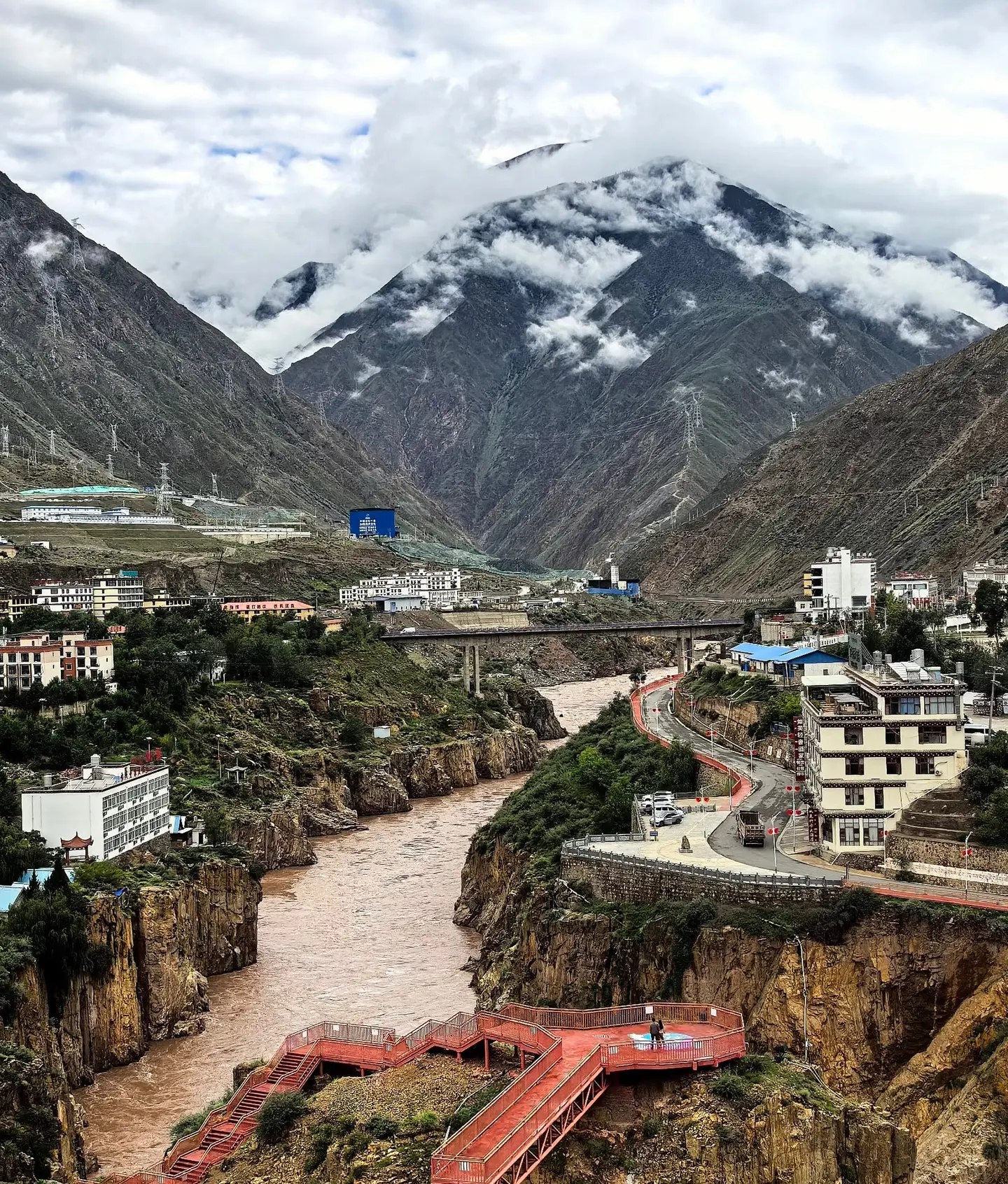
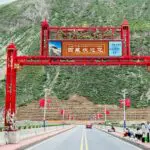
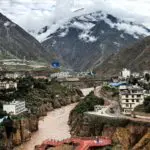
This morning, cross the Jinsha River Bridge, marking your official entry into Tibet. Soon after, ascend the Zongla Pass (4,170 m), your first high pass inside Tibet, with stunning views of rugged mountains and valleys as the landscape begins to open into the vast Tibetan Plateau.
After about two hours, arrive in Markham (3,750 m), the first major town in Tibet. Once an important crossroads on the ancient tea–horse trade route linking Tibet with Sichuan and Yunnan, it remains an important hub of the Kham region.
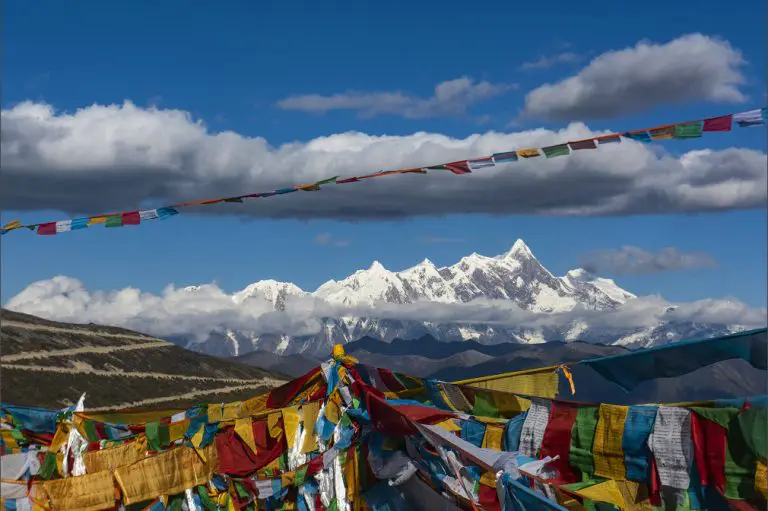
Continue west along the G318, climbing to the Lawu Pass (4,285 m), where colorful prayer flags flutter against a backdrop of alpine meadows and snow peaks. From here, the road descends into the Lancang River Valley, with dramatic gorges and winding roads.
In the afternoon, reach Rumei town (2,600 m), a quiet service town that makes an ideal overnight stop thanks to its lower altitude. Take a good rest here before the next day’s more challenging drive over higher mountain passes.
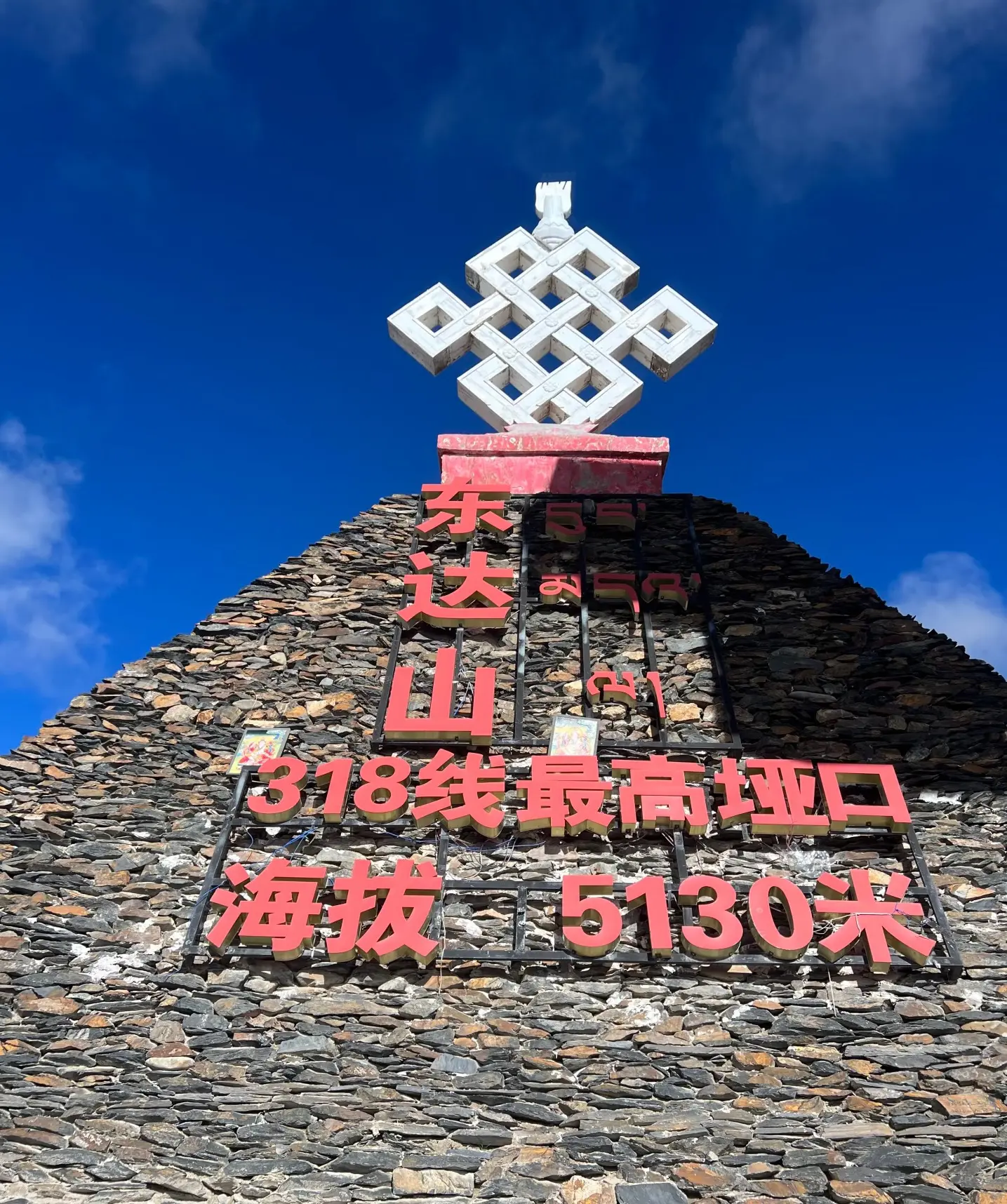
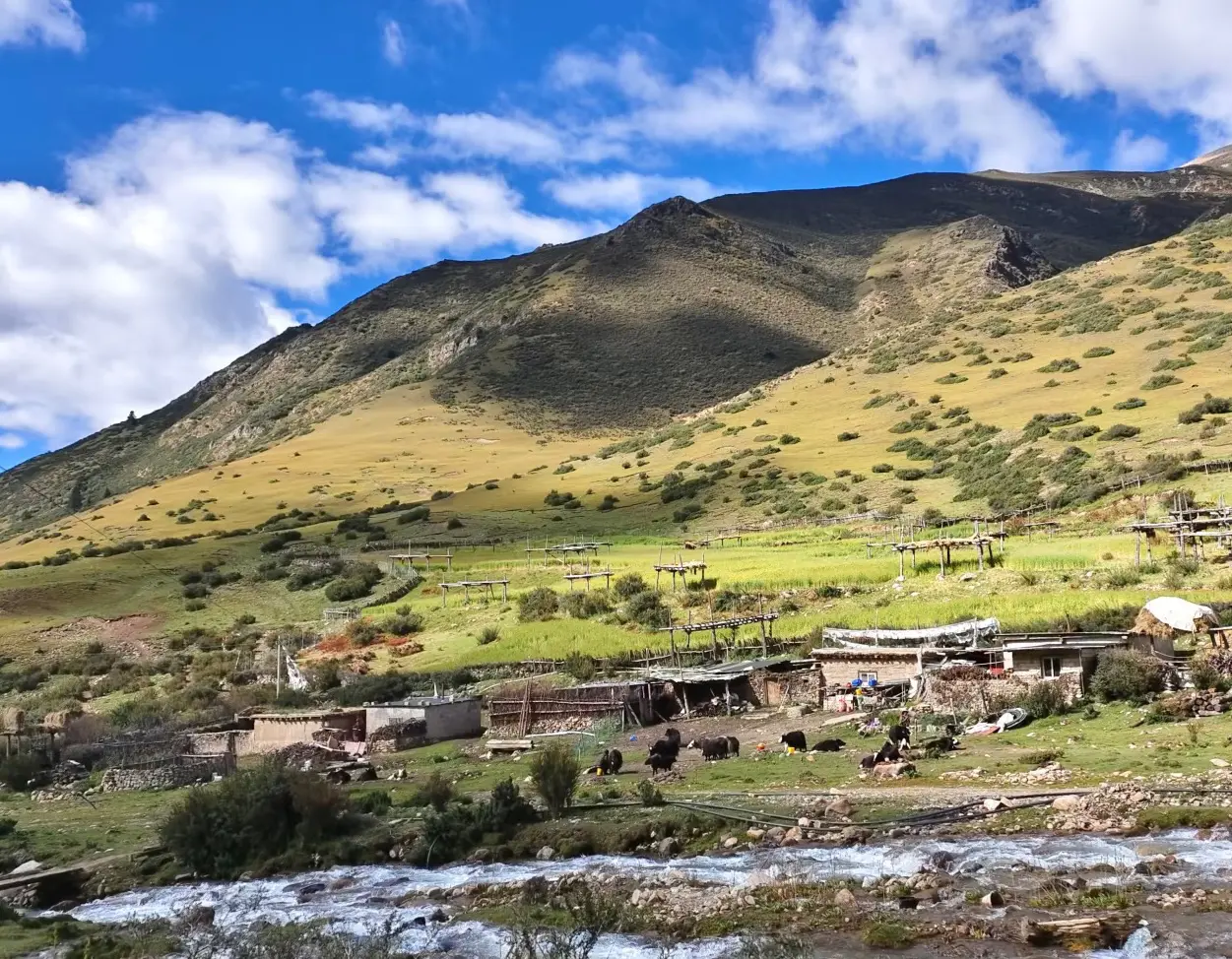
Start early (around 6:00 am) to avoid road restrictions and make the most of one of the most dramatic drives on the Sichuan–Tibet Highway. Today’s journey is packed with towering passes, deep gorges, and legendary road bends.
From Rumei town, climb over Jueba Mountain (3911 m), then continue to the Dongda Pass (5130 m) — the highest point on the highway. The air here is thin and cold, even in summer, but the sweeping views of snow-capped peaks are unforgettable. Descend to Dzogong, a lively county town that makes a good stop for rest and lunch.
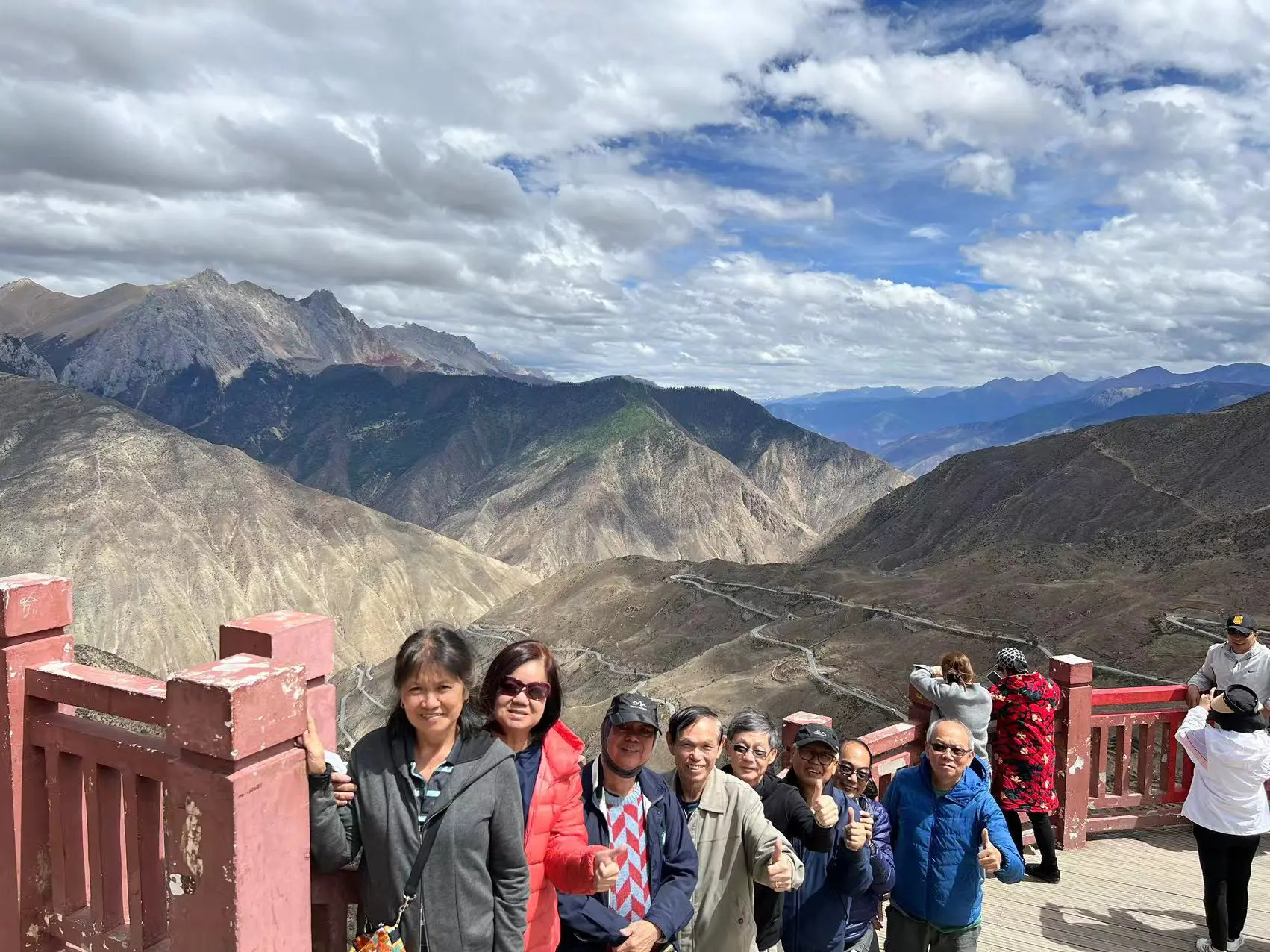
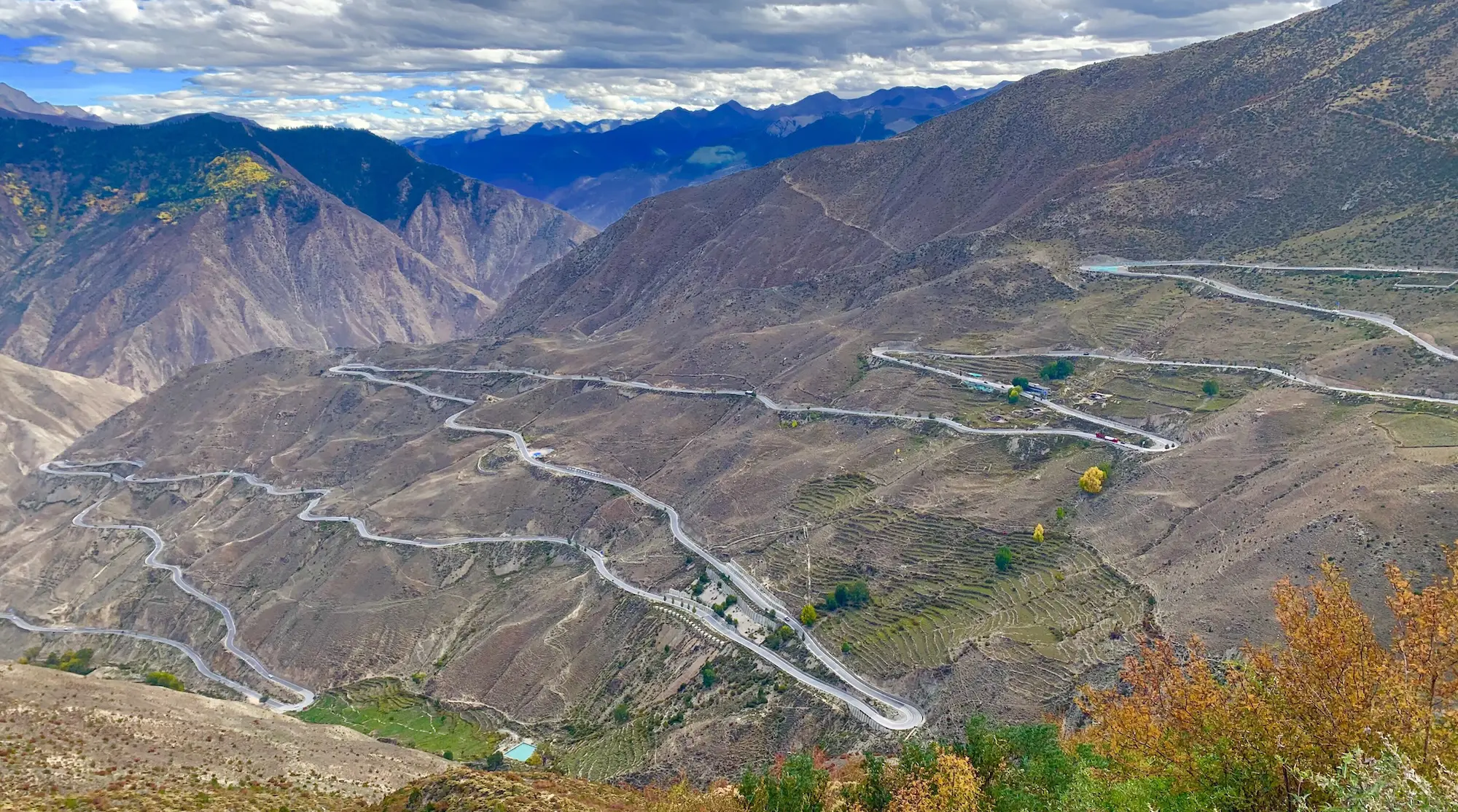
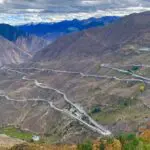
In the afternoon, drive across the vast Pomda Plateau before ascending the Yela Pass (4658 m). From its viewing platform, look down at the world-famous 72 Bends of the Nujiang River, where the road zigzags nearly 2000 m down into the valley. It’s one of the most iconic sights of the entire overland route. Descend carefully, taking time at viewpoints to admire the canyon.
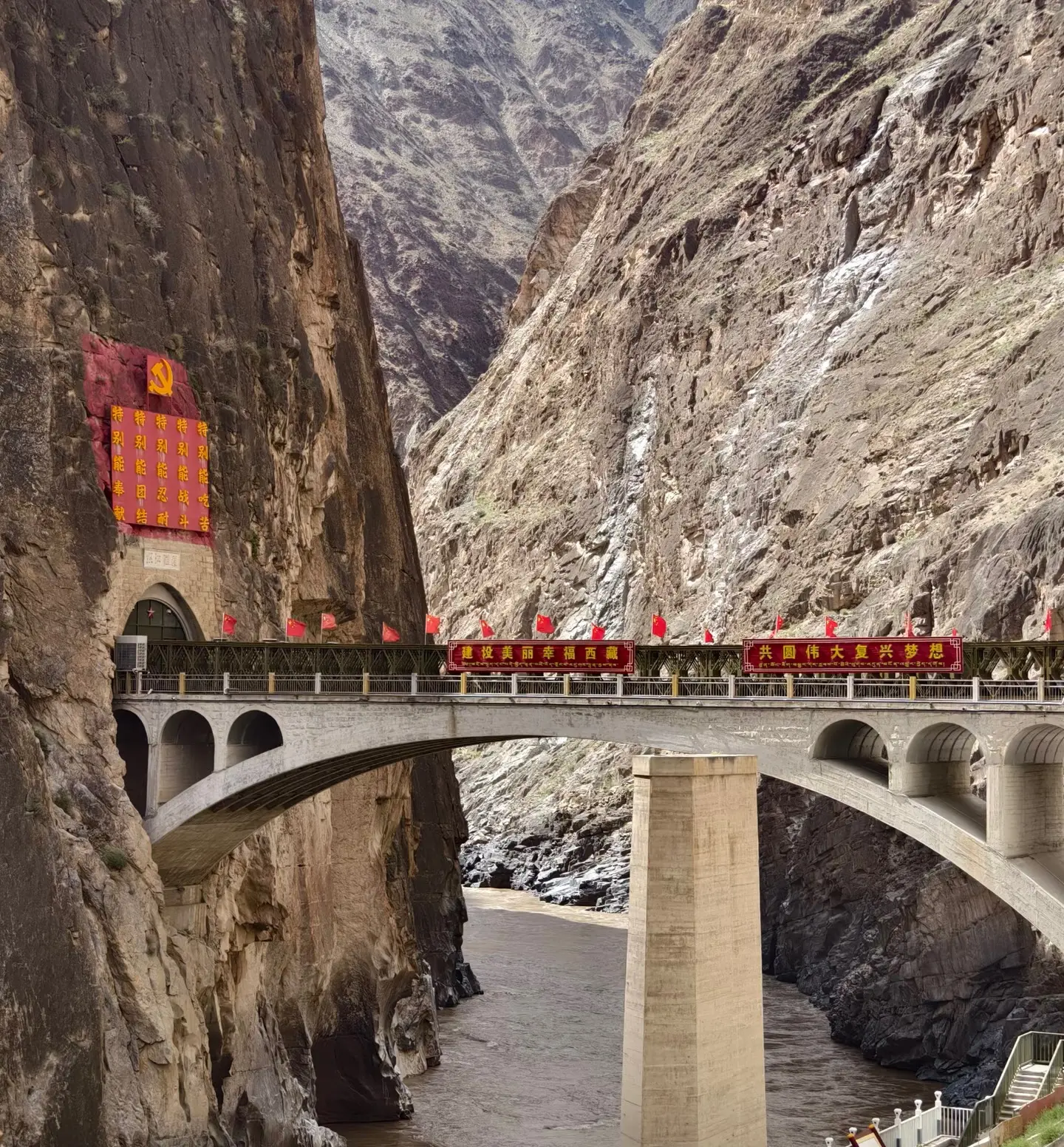
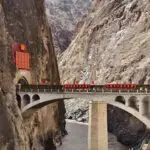
Continue through the spectacular Nujiang Grand Canyon and cross the Nujiang Bridge, a dramatic crossing with both historic and scenic significance. By late afternoon or evening, arrive at Baxoi (Pasho, 3260 m). Overnight in Baxoi.
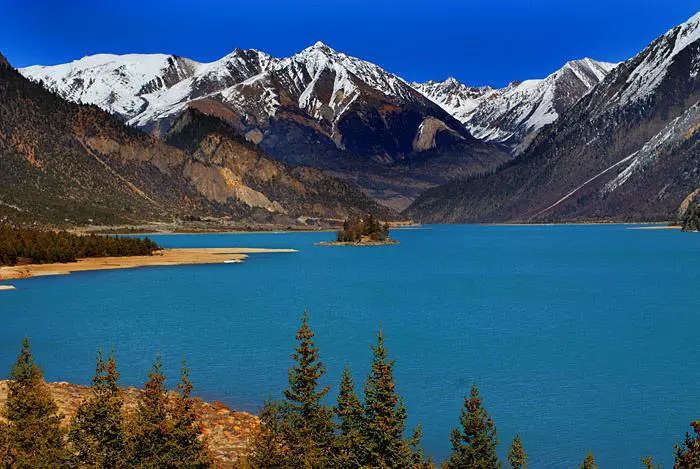
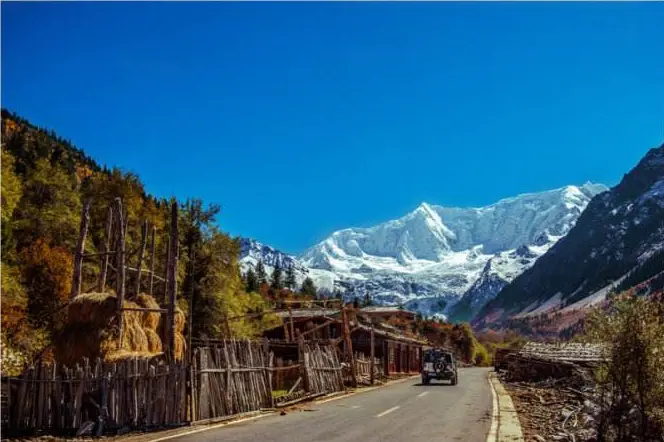
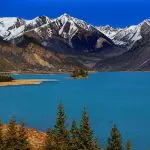
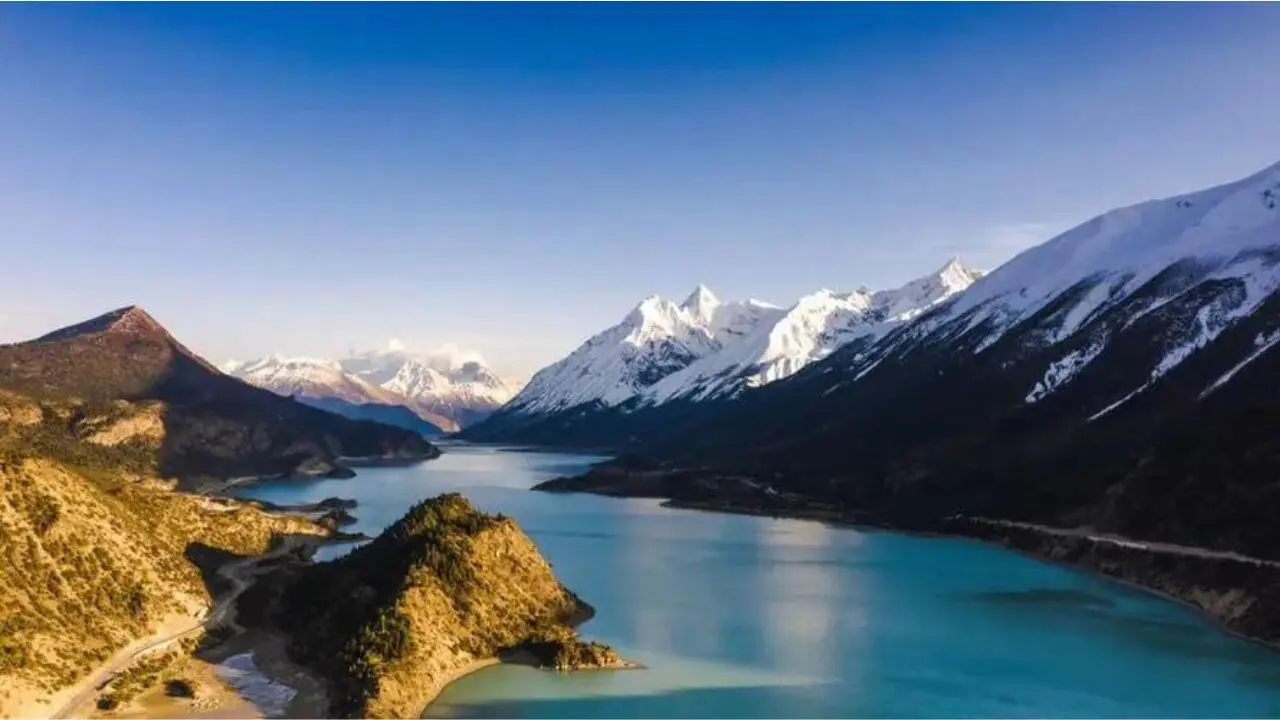
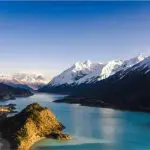
Start early (around 6:00 am) to pass the traffic-controlled section between Pasho and Ranwu. The drive soon brings you to Ranwu Lake (3,850 m), a glacier-fed lake surrounded by snow peaks and alpine meadows. Depending on the season and light, its waters shift from aquamarine to turquoise, making stops at the upper, middle, and lower viewpoints of the lake worthwhile.
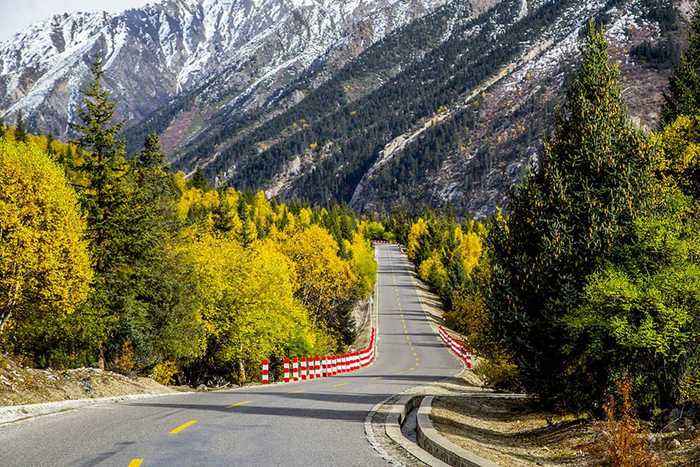
Continue west through Ranwu town and into one of the most beautiful stretches of the Sichuan–Tibet Highway, where snow-capped mountains, dense forests, rivers, and traditional Tibetan villages create ever-changing scenery. Along the way, take a detour to Midui Glacier (2,400 m), the lowest-altitude glacier in China, famed for its striking mix of snow, forest, and farmland.
Arrive in Pomi (2,750 m) by evening, a quiet town surrounded by lush valleys, and stay overnight.
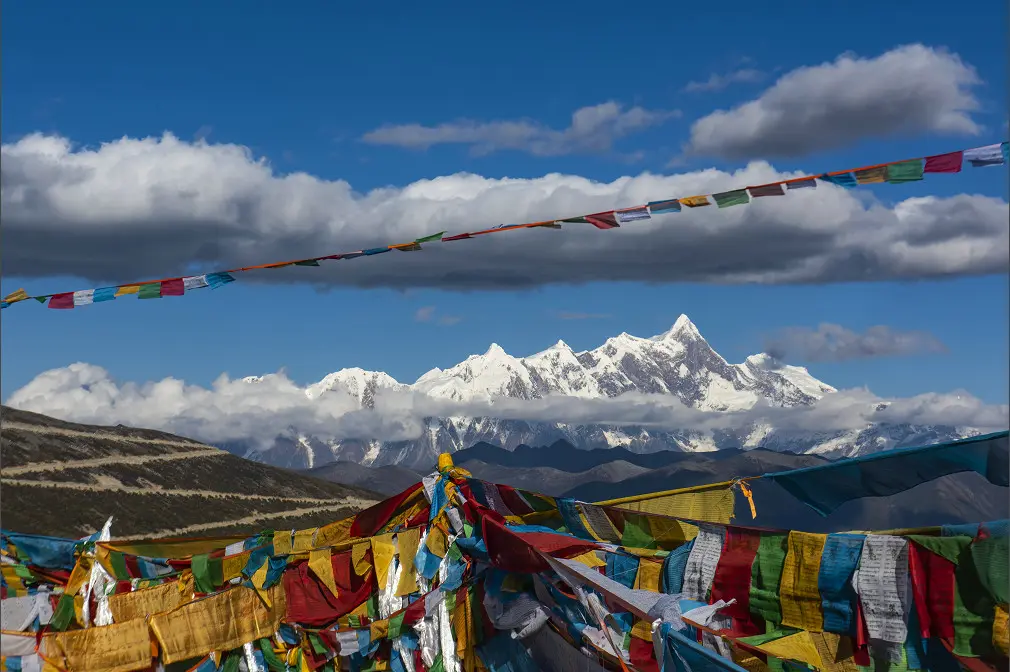
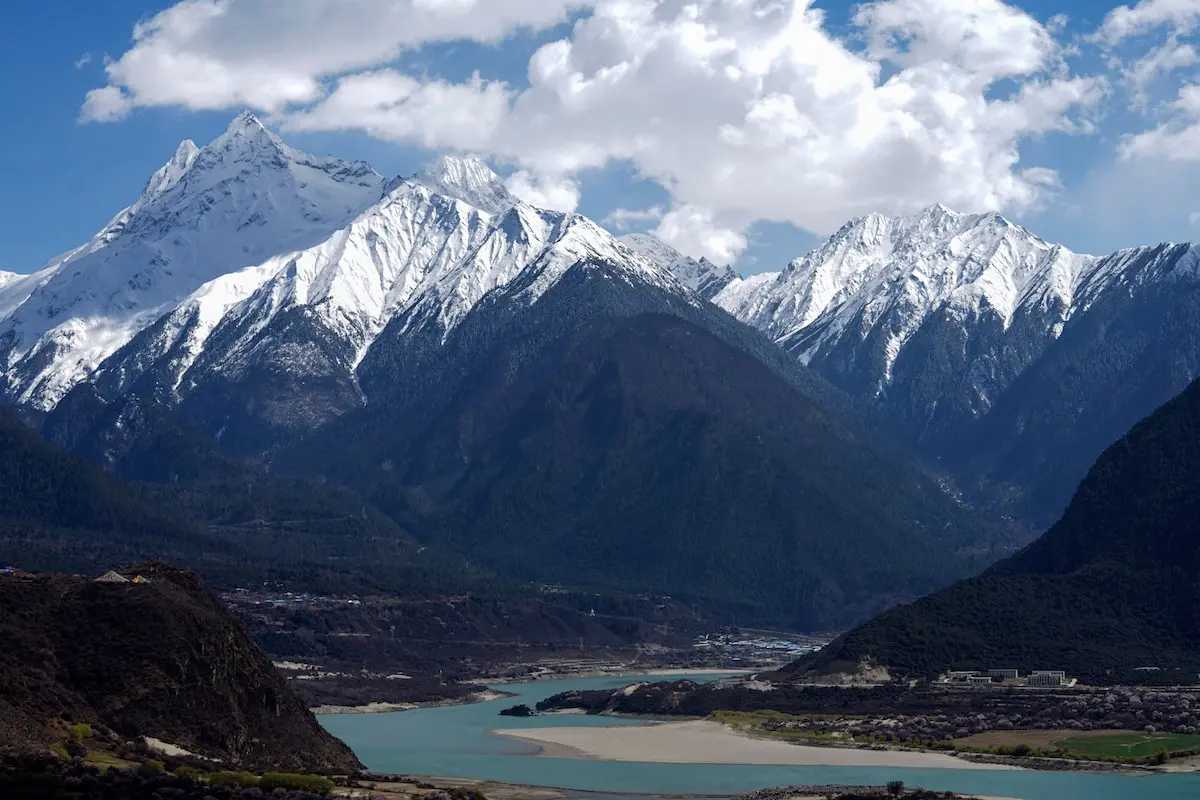
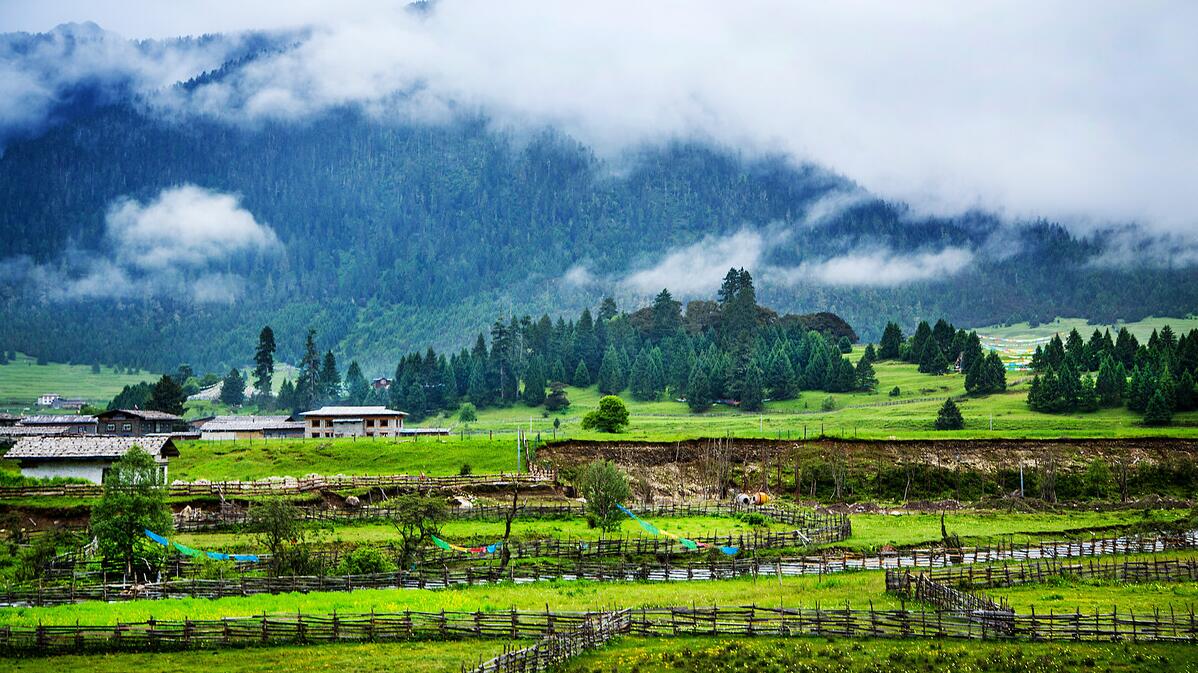
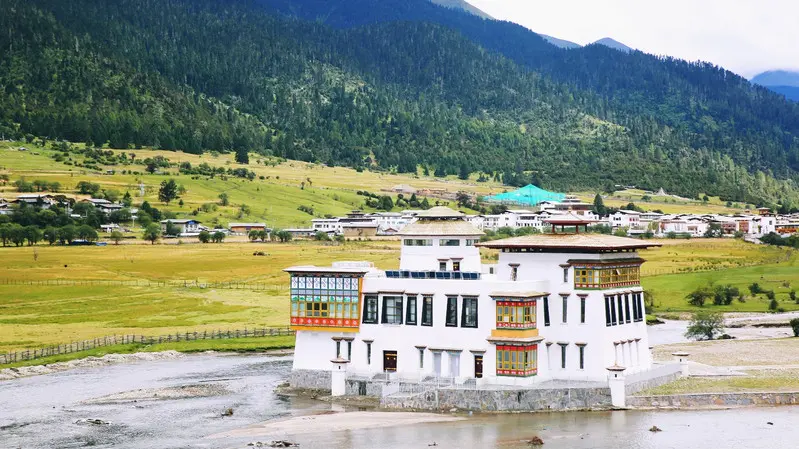
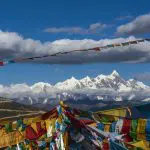
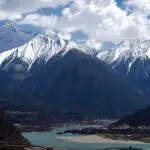
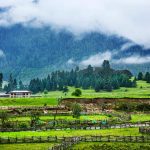
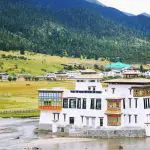
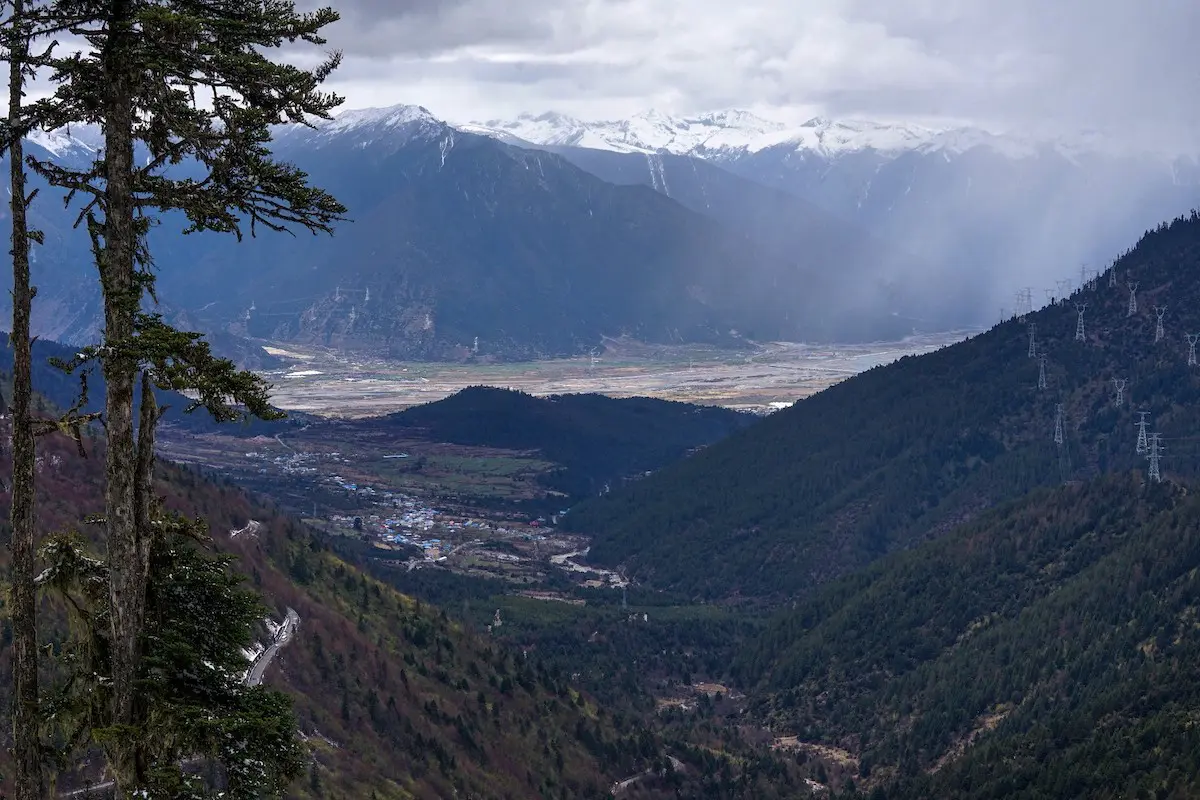
Depart Pomi and continue west along the G318. Stop at Tashigang Village, a traditional Tibetan settlement with stone houses, terraced fields, and grazing yaks set against a backdrop of snow-capped peaks. Drive onward through the vast Lulang Forest, a highland meadow of spruce, pine, and rhododendron framed by jagged mountains. From the viewing platform, take in stunning views of alpine valleys, often compared to the landscapes of Switzerland. Cross the Sejila Pass (4,728 m), where colorful prayer flags mark the summit and, on clear days, you’ll enjoy breathtaking vistas of Mount Namche Barwa (7,782 m). By late afternoon, descend into the Nyang River Valley and arrive in Bayi (2,900 m) for overnight.
P.S. If you take this overland trip in late March or early of April, then add an extra day to visit Pomi Peach Blossom Valley, where the villages and valleys burst into pink and white blossoms framed by snow peaks.
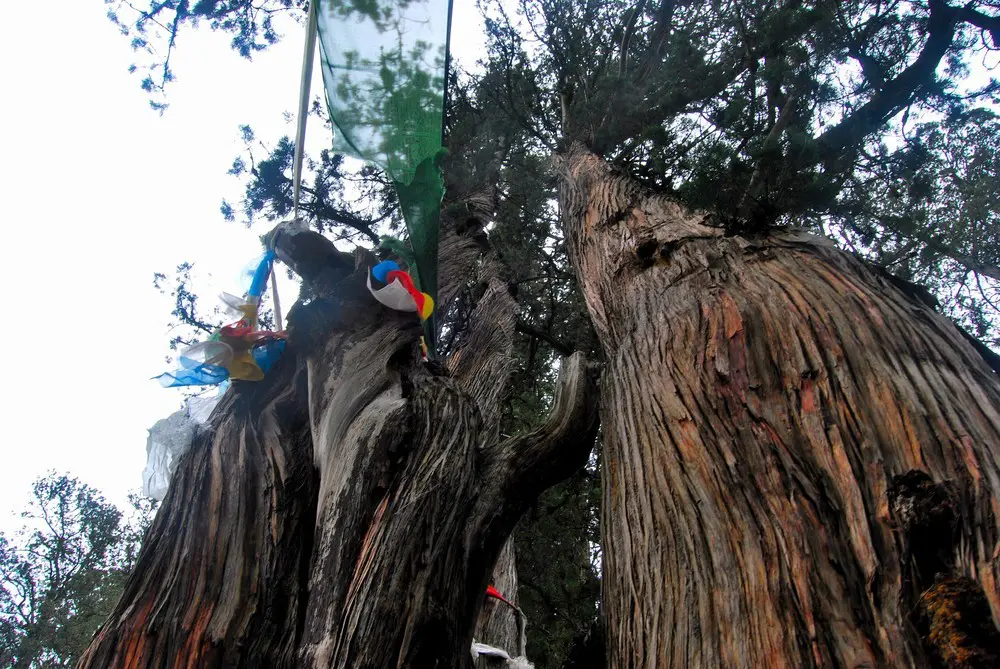
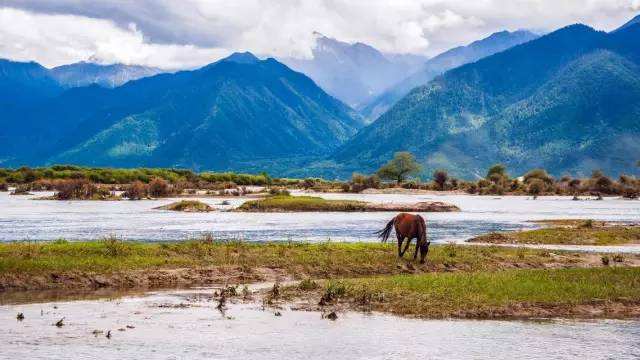
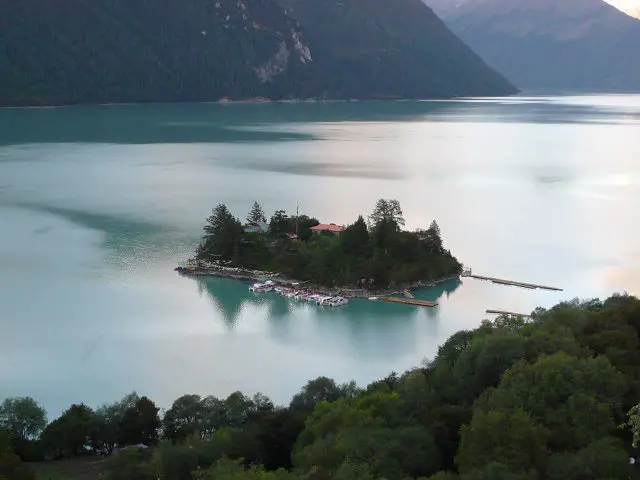

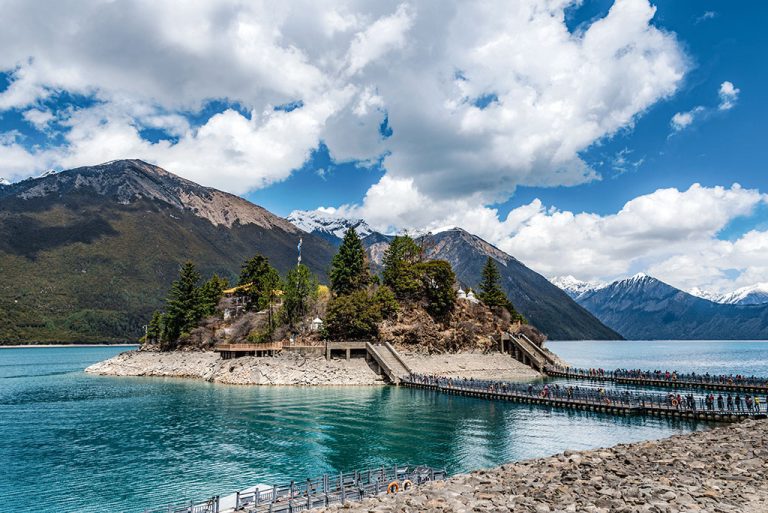
In the morning, visit Bayi Giant Cypress Park, home to ancient cypress trees including the sacred “King Cypress,” believed to be over 2,500 years old. Then follow the scenic road along the Niyang River, making a detour to the stunning Draksum-tso (Basum-tso Lake, 3,500 m). Surrounded by snow-capped mountains and dense forests, this turquoise alpine lake is one of the most beautiful in eastern Tibet. Walk across the wooden floating bridge to Tsodzong Island, where the 1,500-year-old Tsodzong Monastery nestles among trees, the spiritual highlight of the lake.
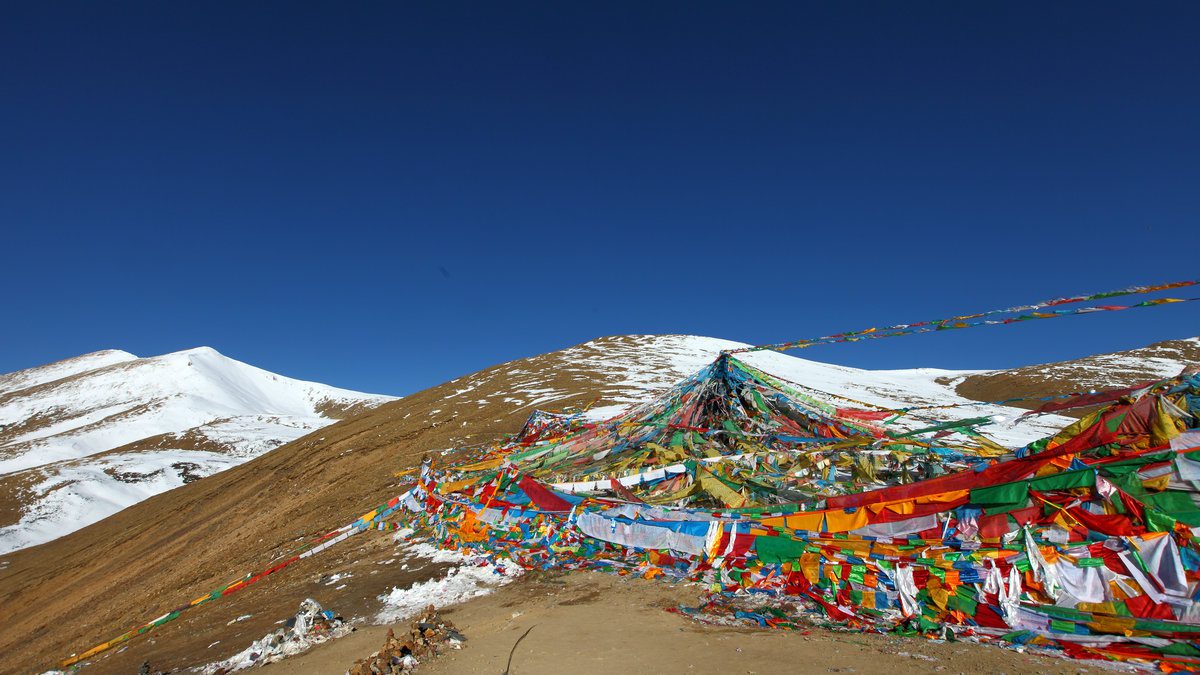
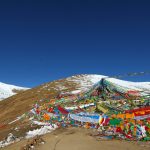
Afterwards, continue the drive to Lhasa along the newly built Lhasa–Nyingchi Highway. Cross the Mila Pass (5,013 m), where colorful prayer flags flutter over sweeping mountain views. By late afternoon, arrive in Lhasa (3,658 m), the capital of Tibet. Overnight in Lhasa.
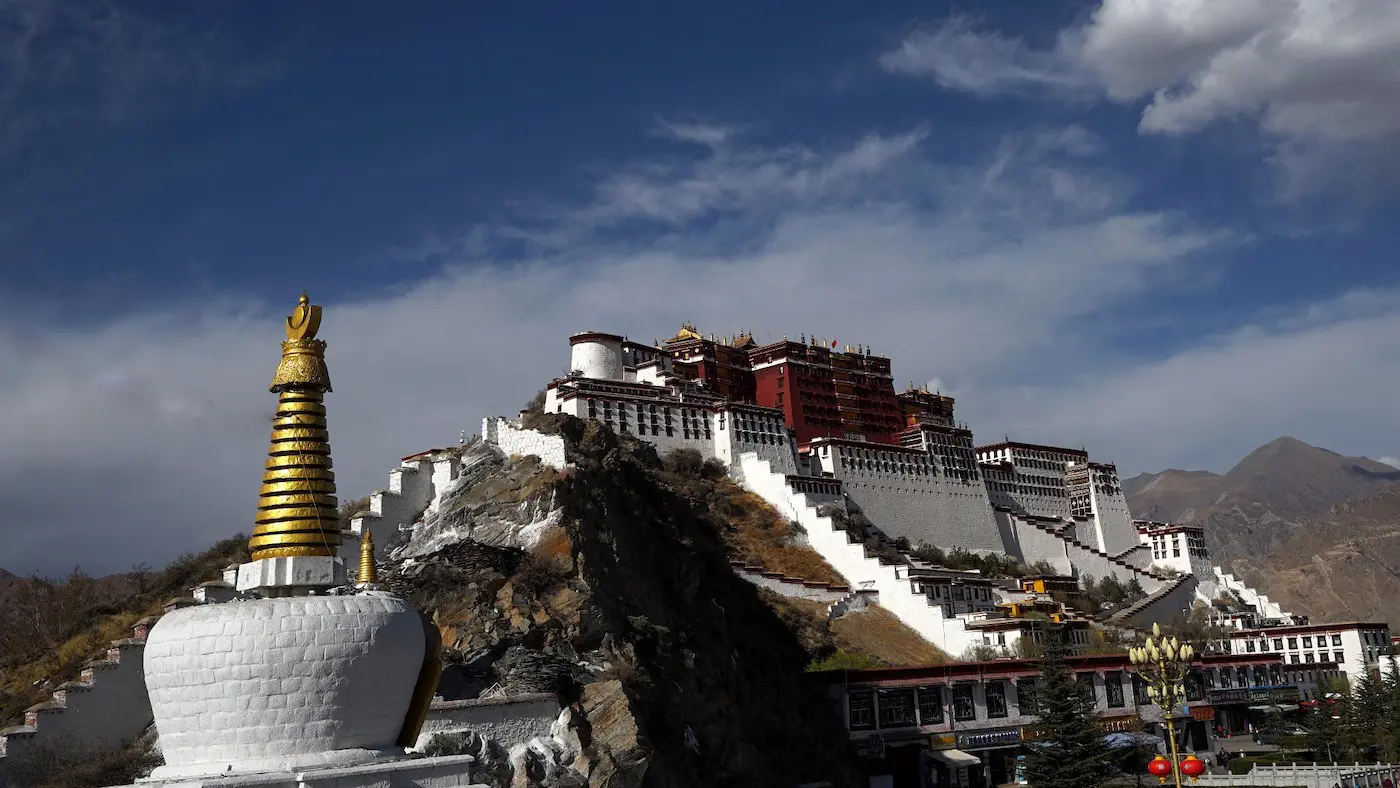
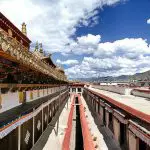
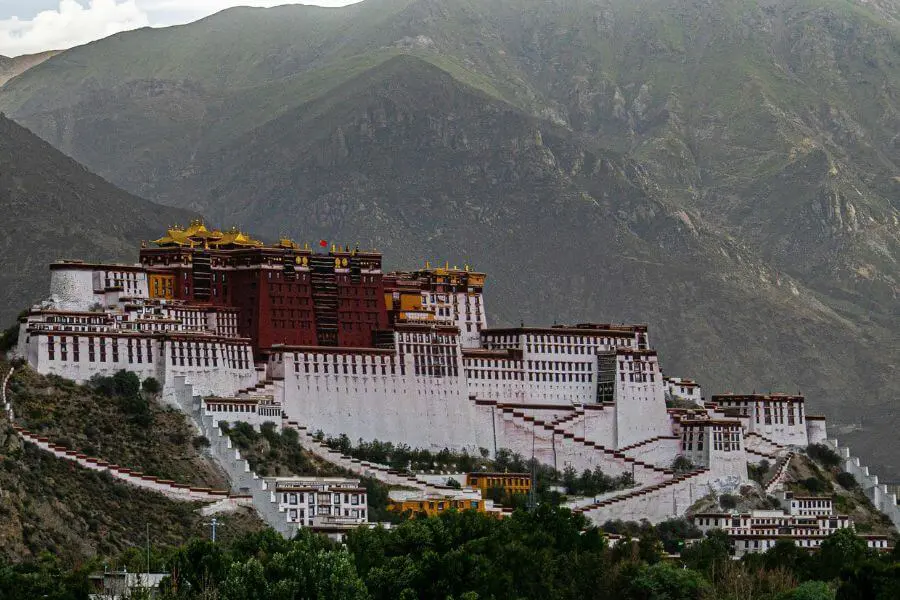
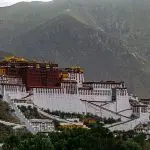
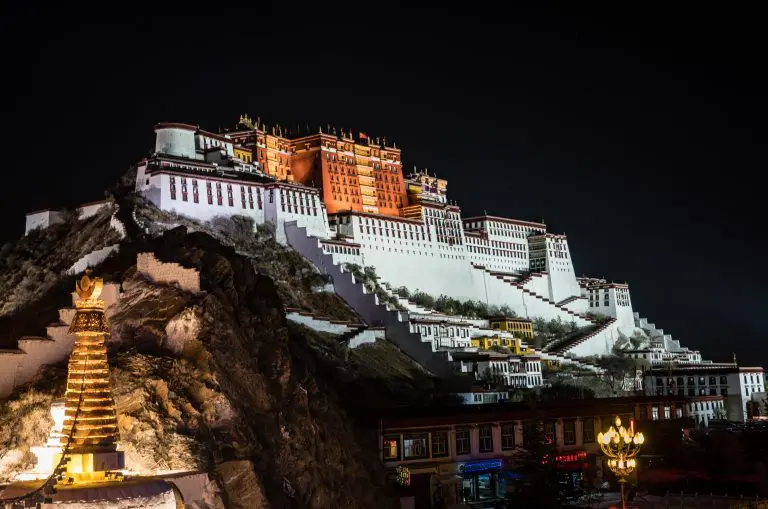
Start your exploration of Lhasa with a visit to the iconic Potala Palace, a UNESCO World Heritage Site and one of Tibet’s most celebrated landmarks. Once the winter residence of the Dalai Lama, this magnificent structure offers panoramic views of the city and showcases exquisite Tibetan architecture and sacred relics. Afterwards head to Jag Pori (Yaowang Shan) Viewing Platform, the best vantage point for the classic postcard photograph of the Potala Palace.
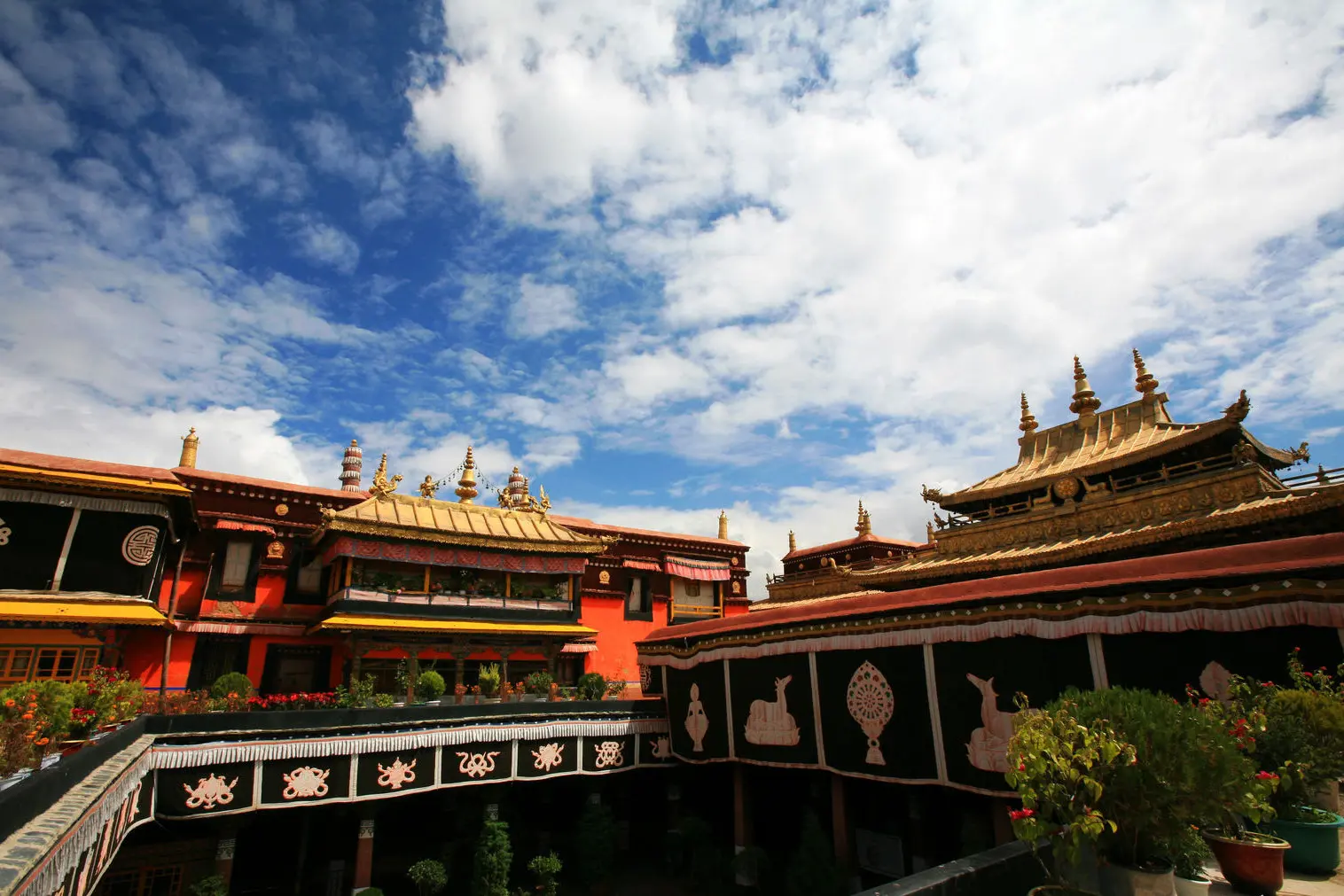
Then, head to visit the Jokhang Temple, another UNESCO-listed site and the spiritual heart of Tibetan Buddhism. Revered as the holiest temple in Tibet, it draws pilgrims from across the plateau who prostrate and walk the kora around the temple.
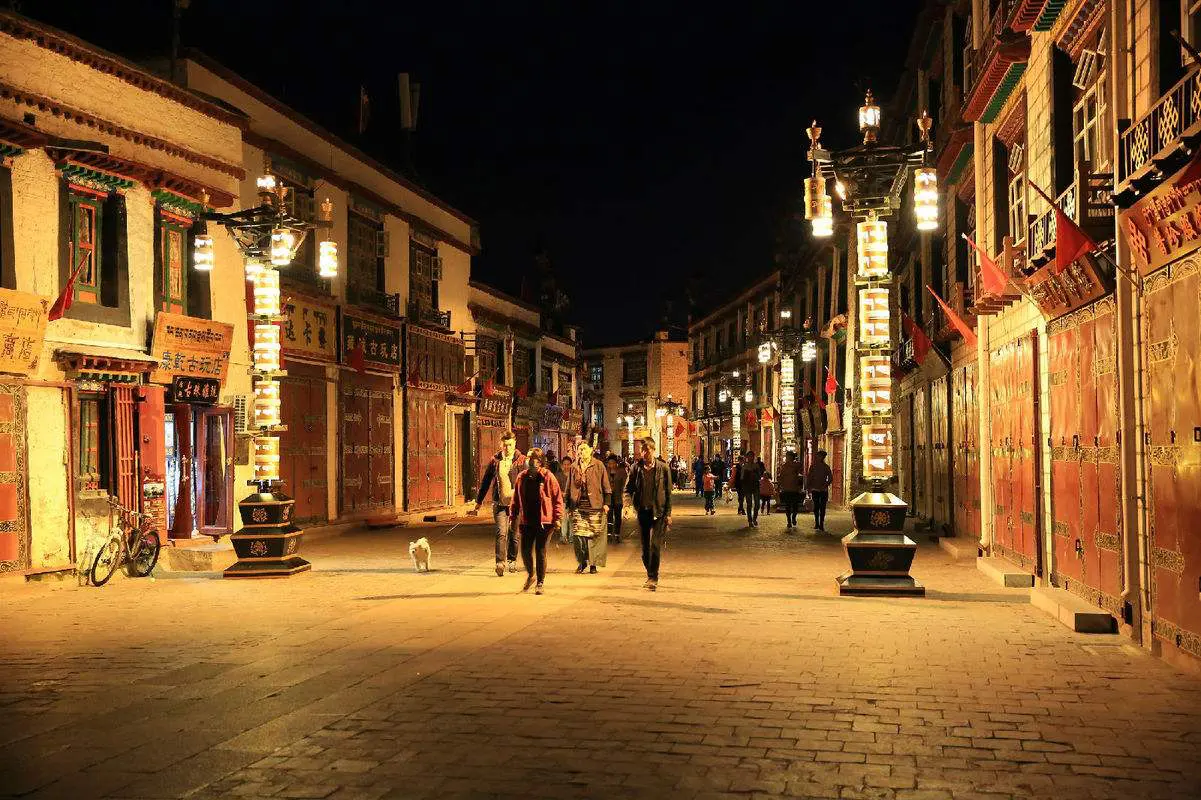
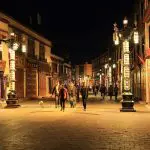
Stroll along Barkhor Street, the bustling pilgrimage circuit encircling the Jokhang, where you can witness devotion in motion, spin prayer wheels, and browse stalls filled with Tibetan crafts, incense, and traditional items.
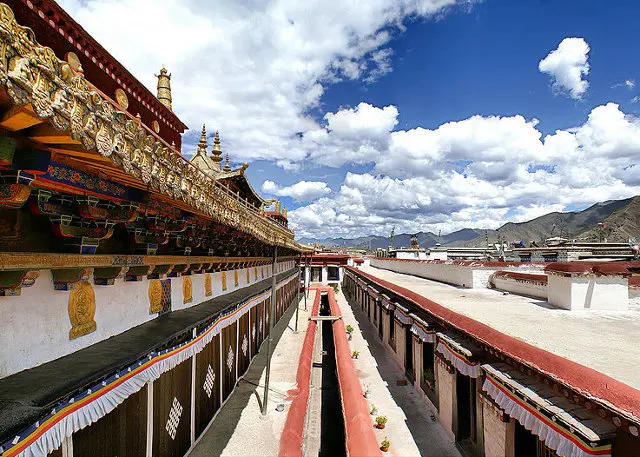
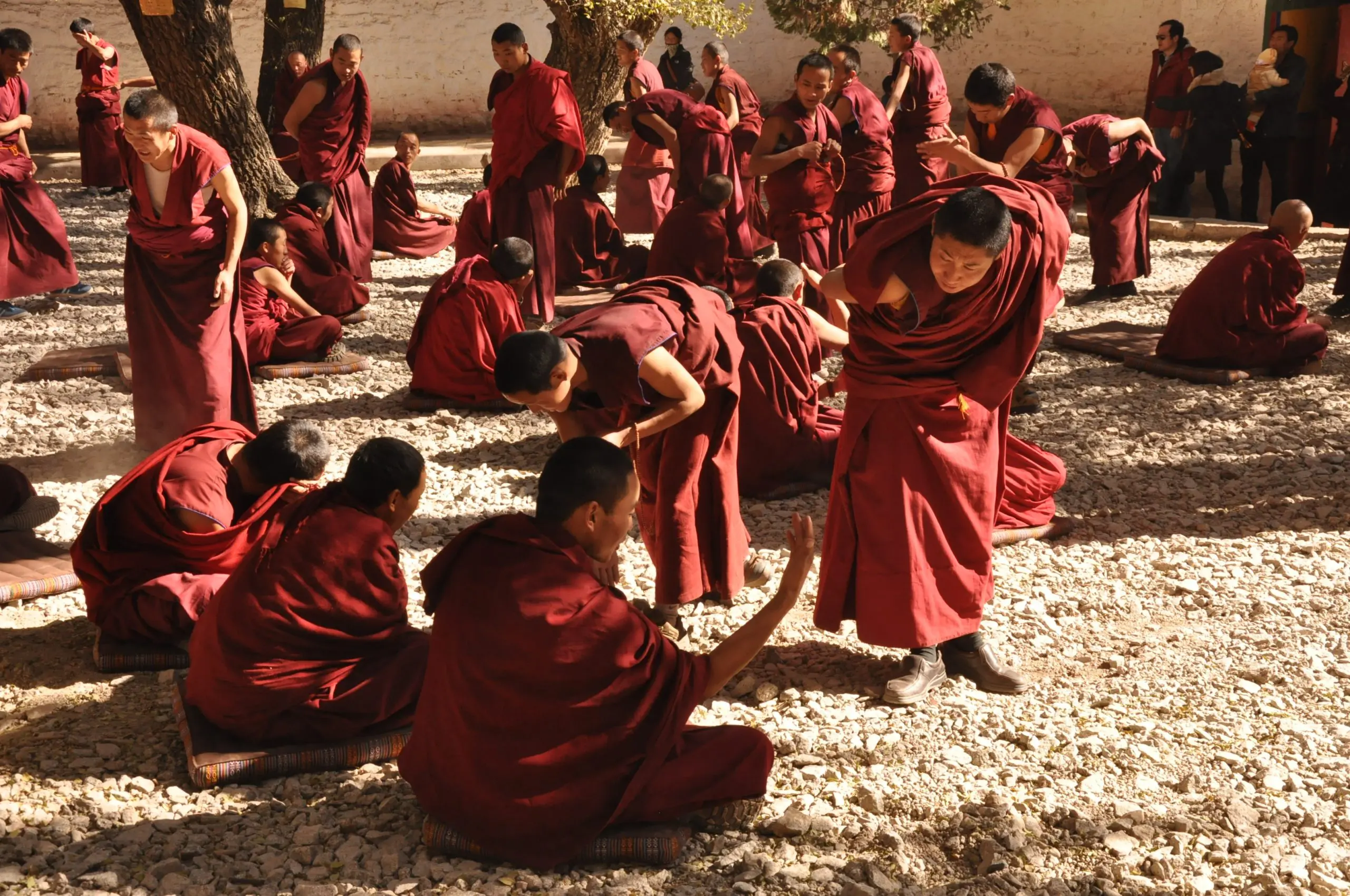
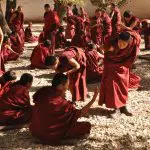
In the afternoon, head to Sera Monastery, one of the three great Gelugpa monasteries of Lhasa. Famous for its monastic debates held in the courtyard, Sera offers a lively window into Tibetan Buddhist learning and tradition.
Overnight in Lhasa.
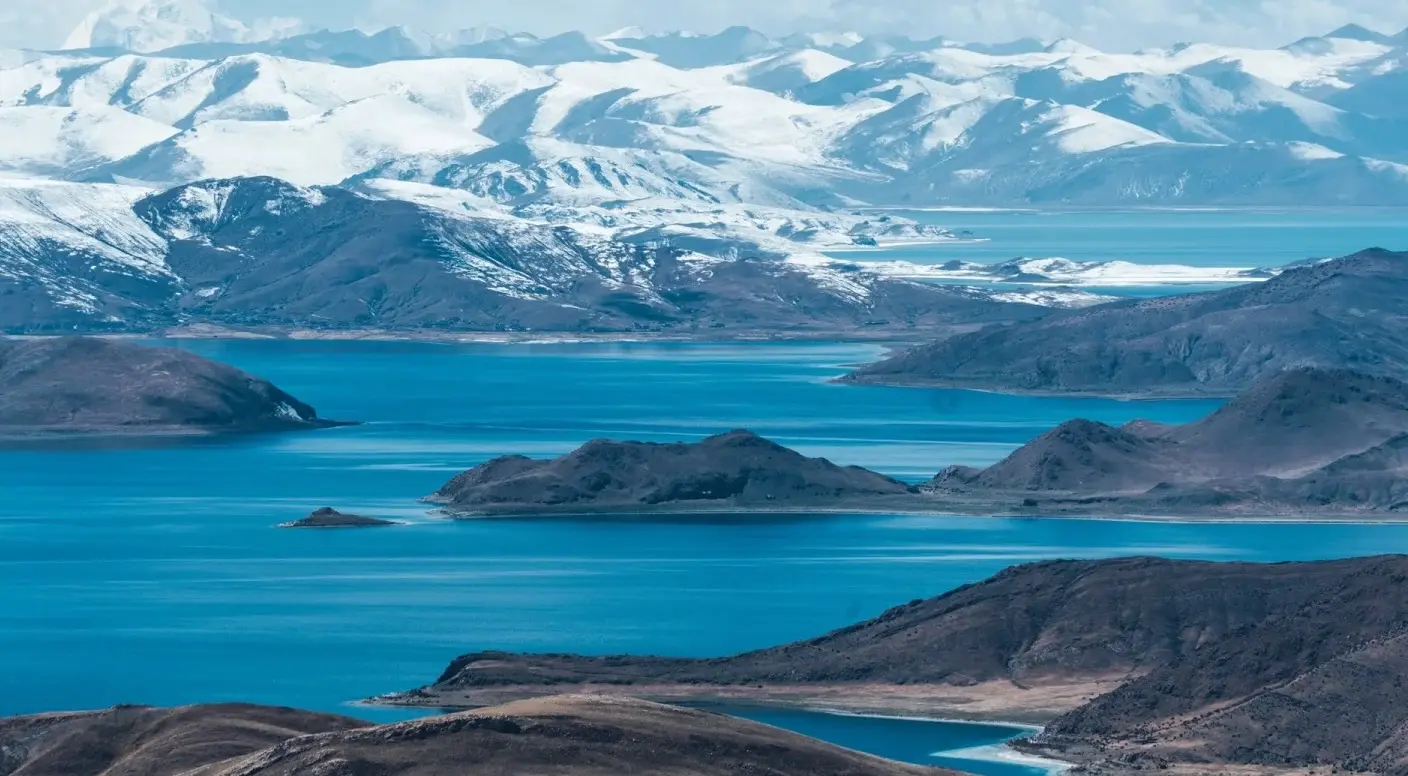
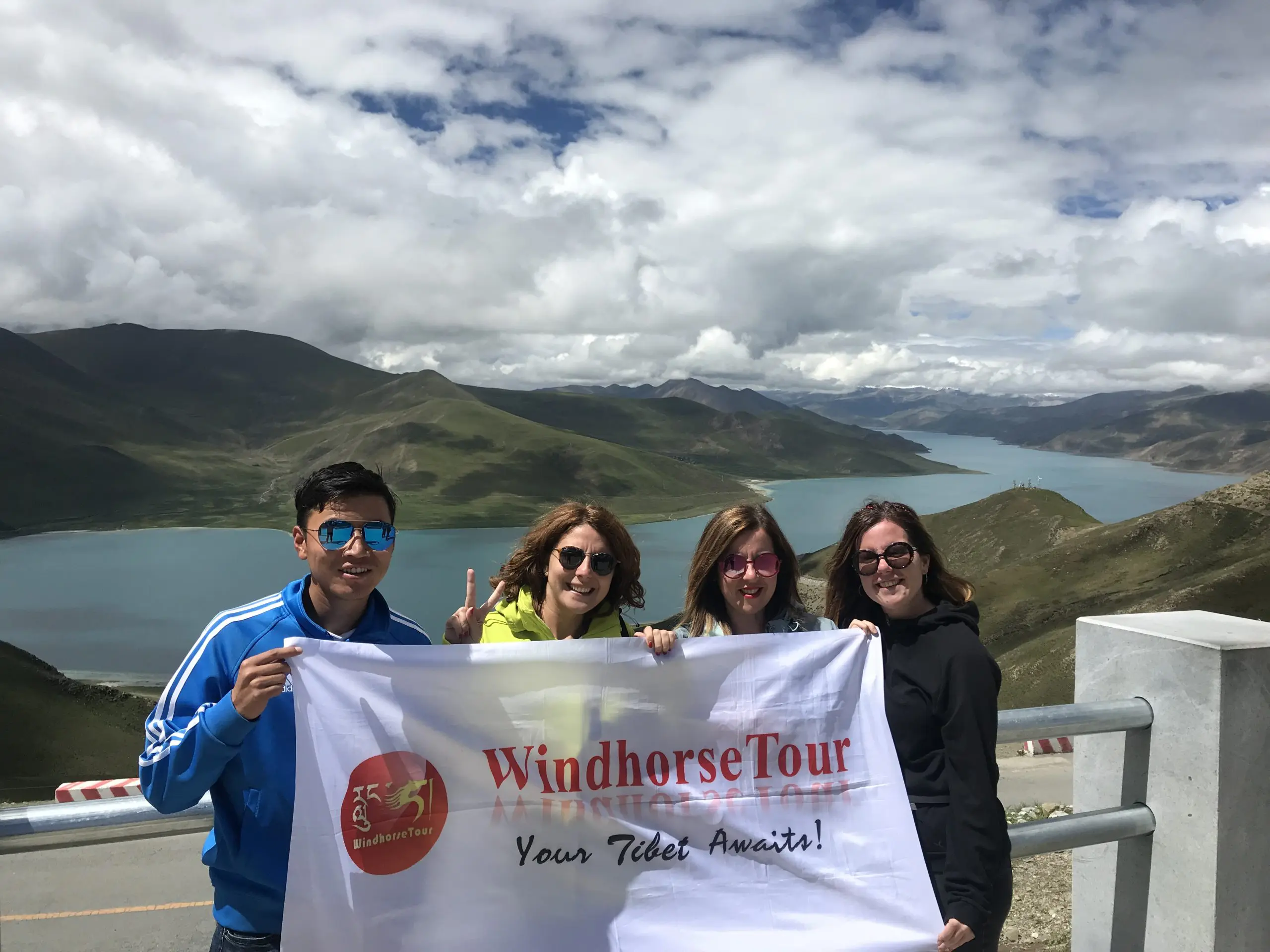
After breakfast, meet your guide and driver at the hotel and set out on a day trip to the turquoise Yamdrok Lake, one of Tibet’s three sacred lakes.
After about two hours, arrive at the Lu Ri La viewpoint, where you’ll be rewarded with panoramic views of Yamdrok’s shimmering waters, scattered islands, and snow-capped peaks on the horizon.
Continue along the lakeshore road for different perspectives of the lake, stopping at Rituo Monastery, a small and secluded temple that sits on a peninsula jutting into the water. Its peaceful setting and resident monks make it one of the most atmospheric sites around Yamdrok.
In the afternoon, return to Lhasa via the Gampala Pass (4,900 m). From here, enjoy a final sweeping view of Yamdrok Lake, with Noijin Kangsang Peak (7,191 m) rising in the distance, before descending back to the city.
Overnight in Lhasa.
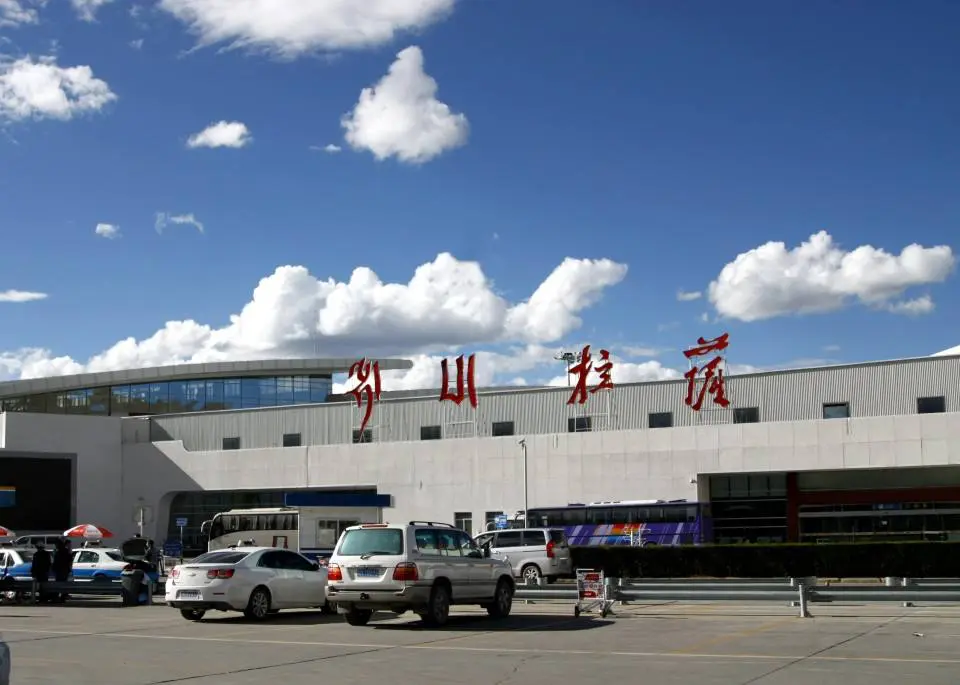
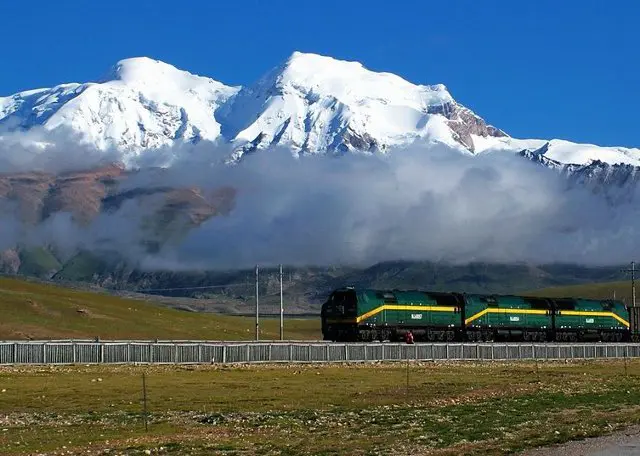

Your guide and driver will see you off at the airport or train station, end of the trip.
Inclusions
Tour notes:
General inclusions:
General exclusions:
You may also like
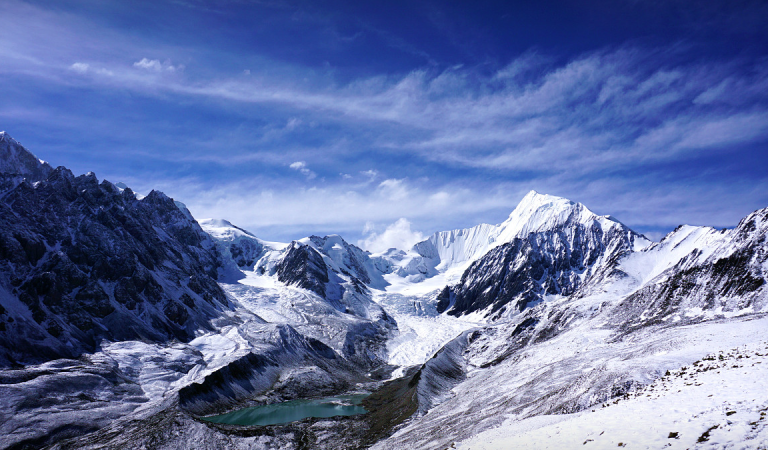
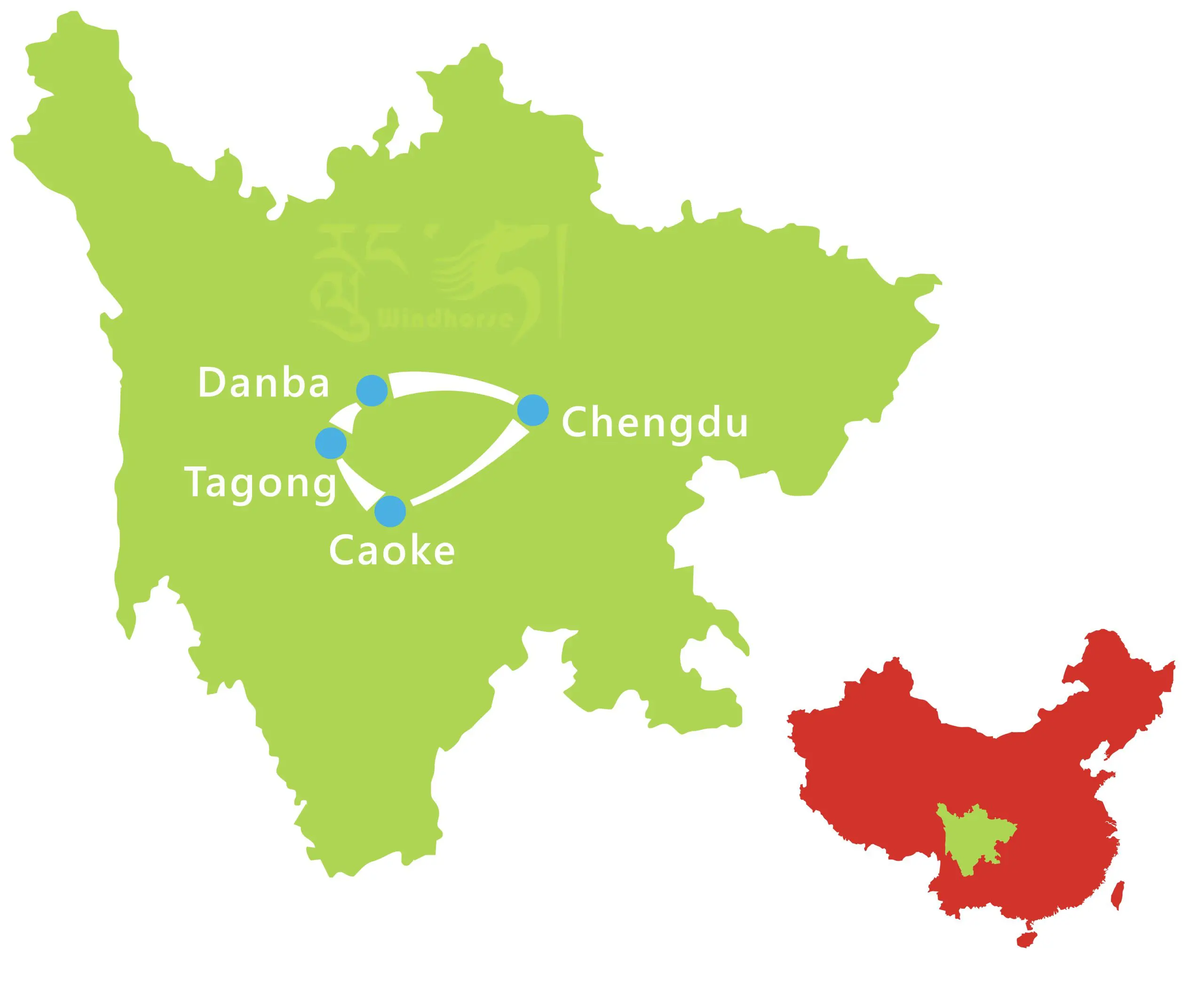
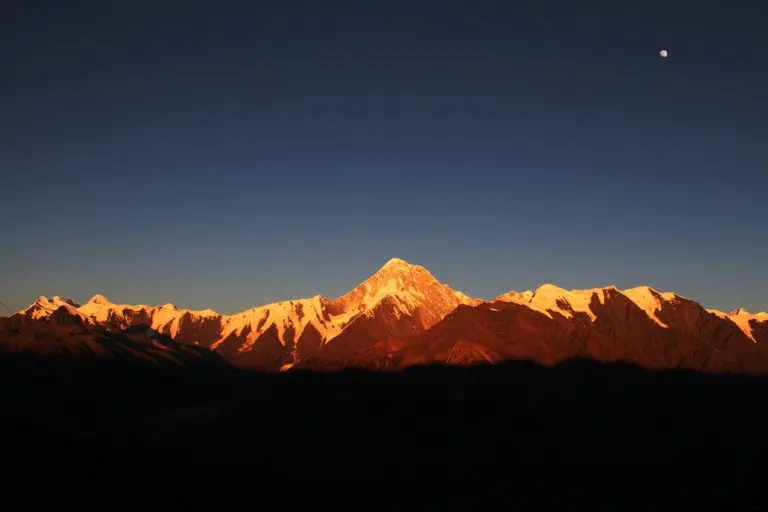
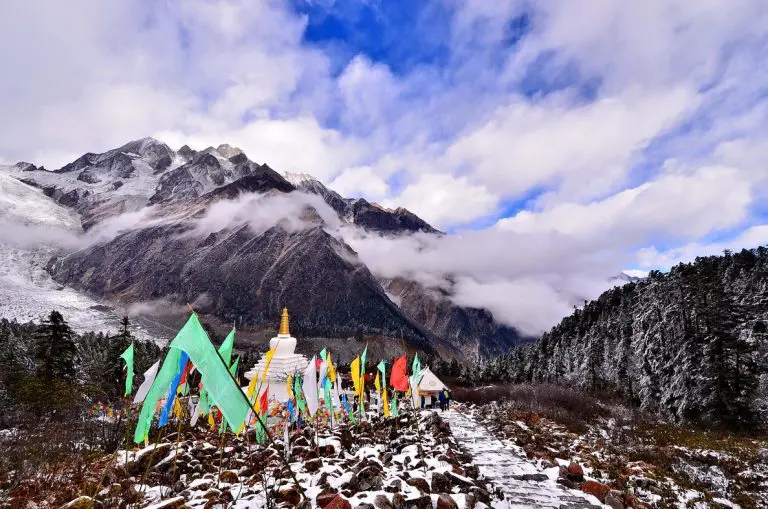
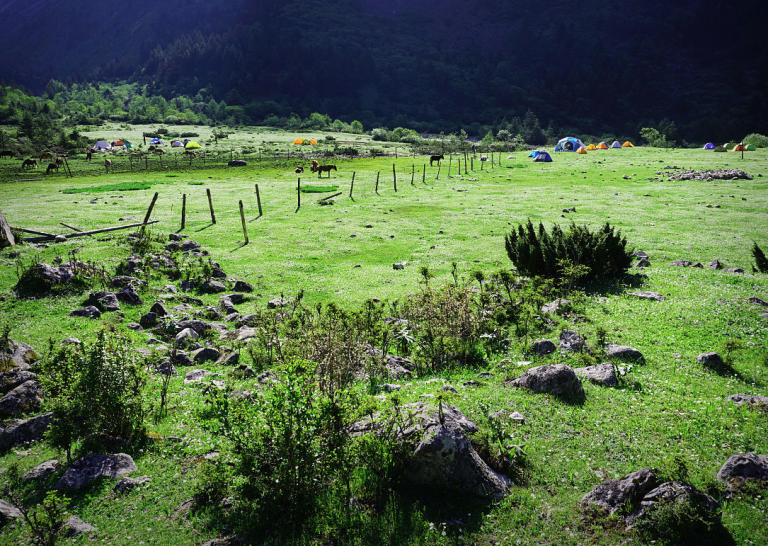
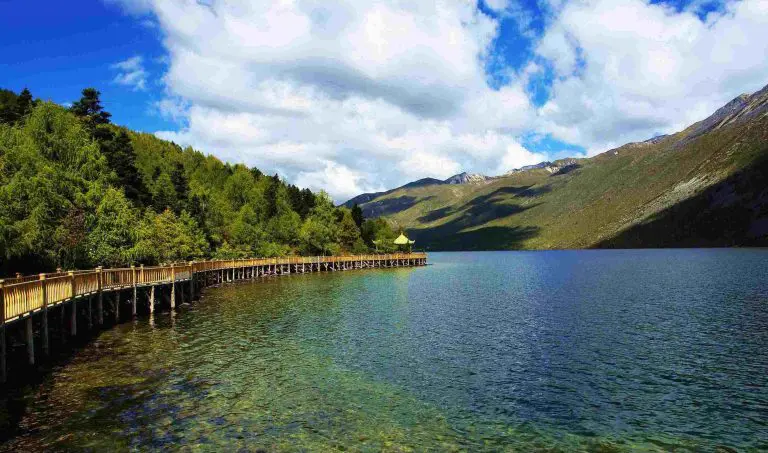
This 12-day Minya Konka trekking tour takes you deep into Western Sichuan to explore glacier valleys, high passes, alpine grasslands, and Tibetan villages. Trek beneath the sacred Minya Konka (Gongga Mountain) and experience Kham culture, monasteries, and dramatic plateau landscapes.
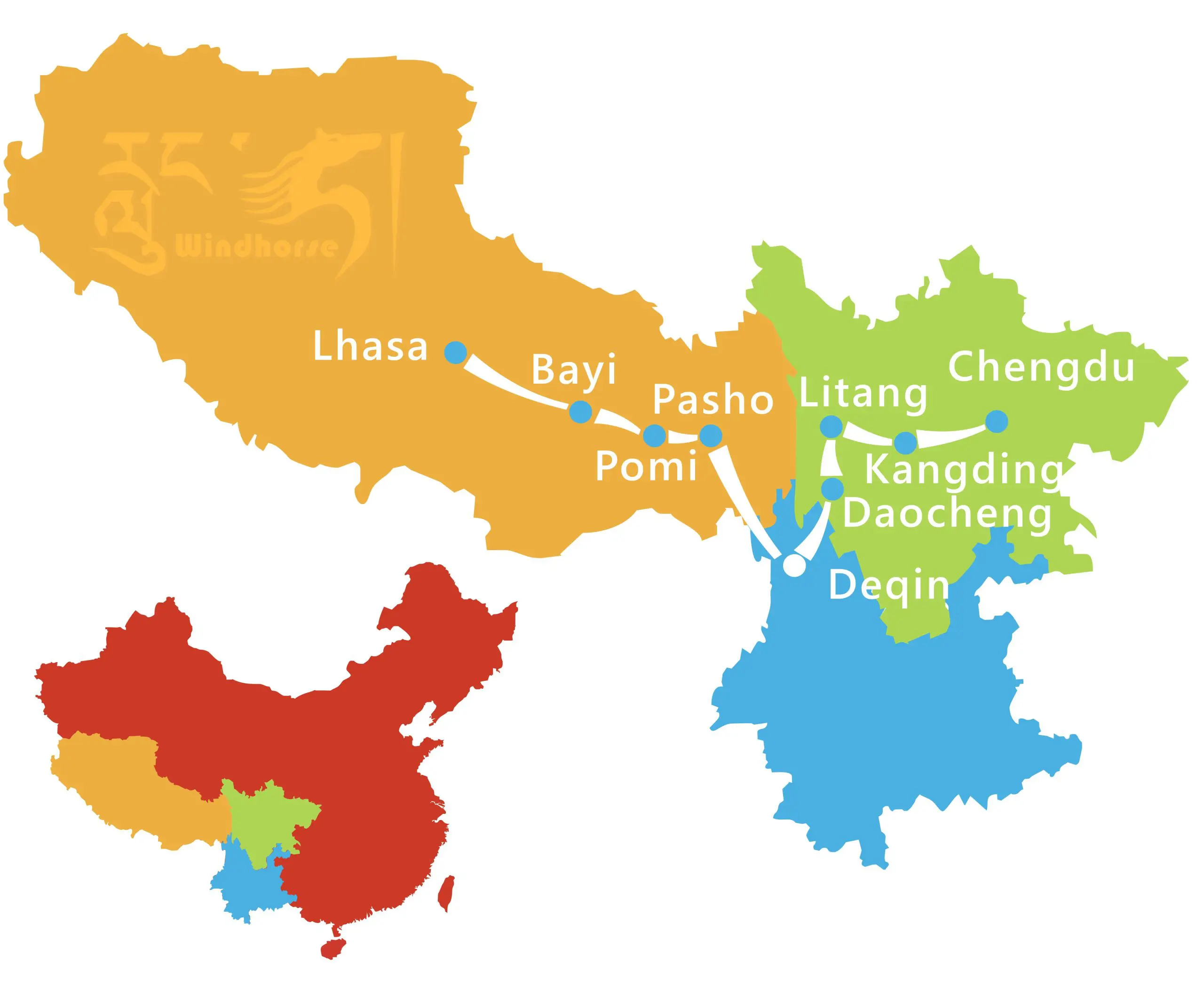
Travel from Chengdu to Lhasa along the Sichuan–Tibet Highway (G318) and Yunnan–Tibet Highway (G214), with detours to Daocheng Yading and Mount Meili. Explore Mount Siguniang, Danba Tibetan villages, monasteries, holy lakes, glaciers, and the dramatic landscapes of Kham regions in Sichuan, Yunnan, and Tibet.
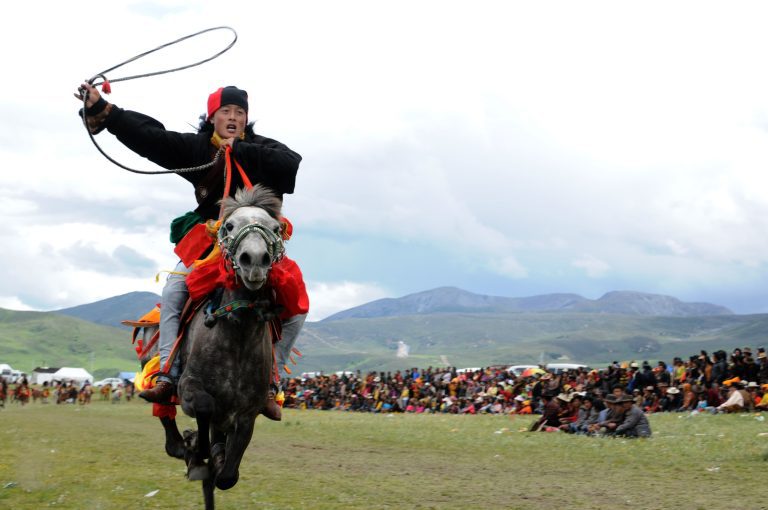
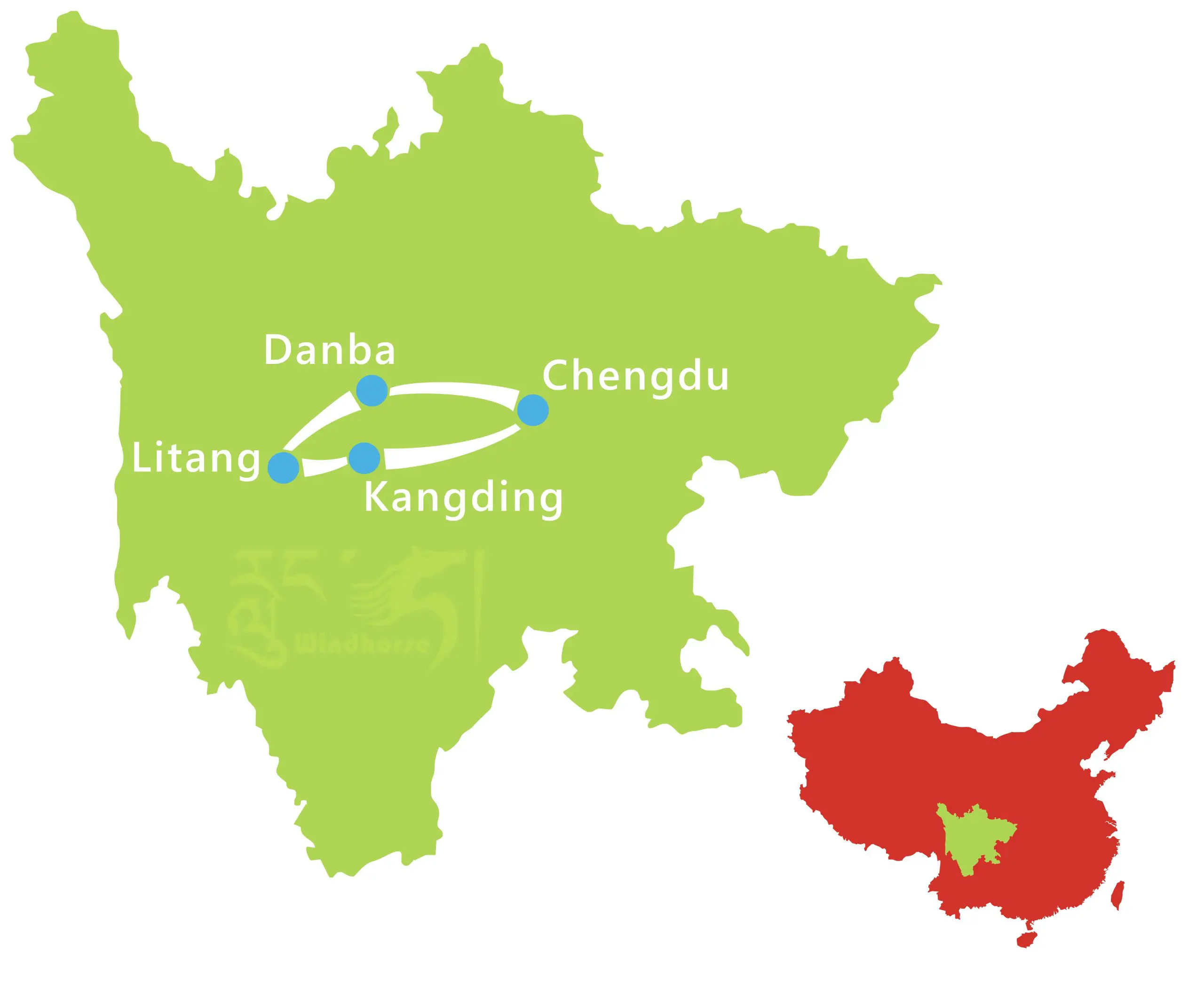
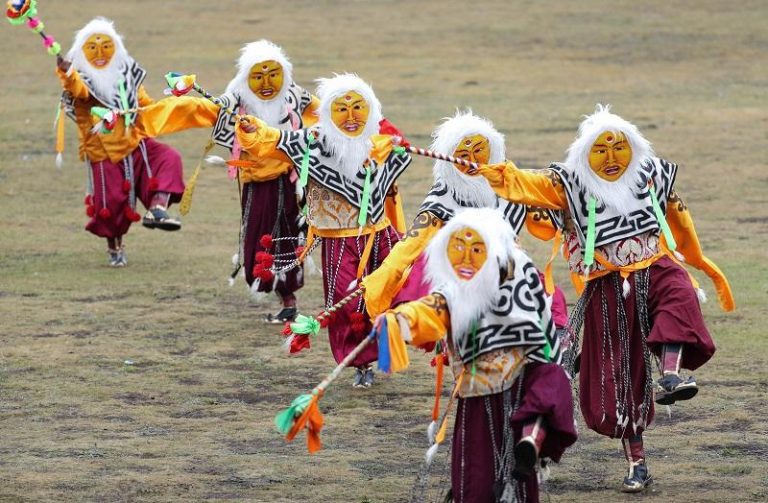
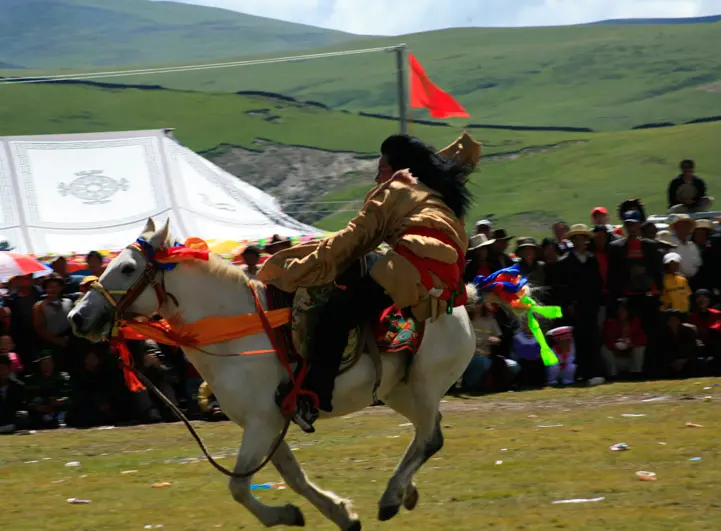
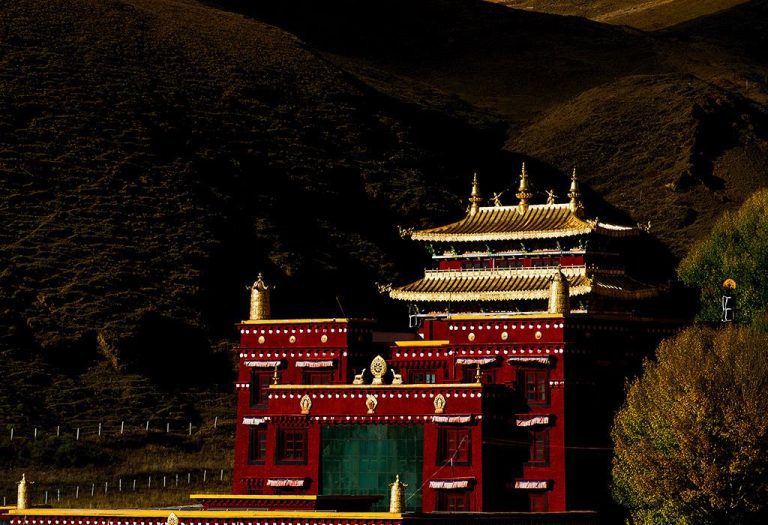
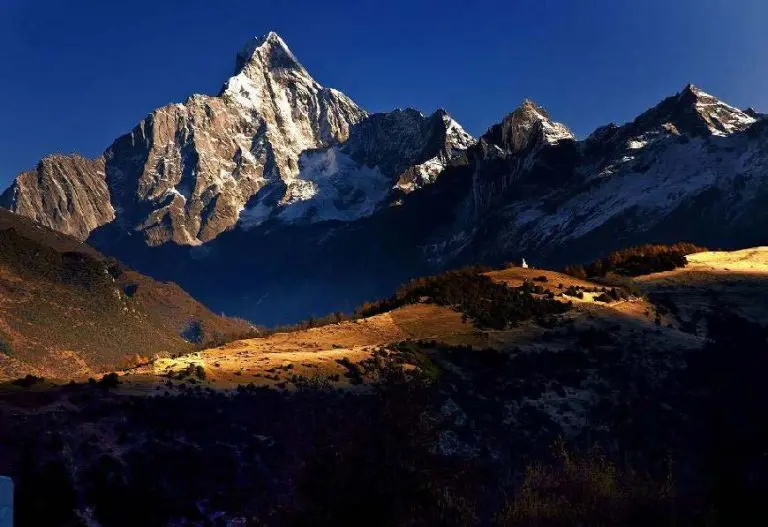
Enjoy the once a year Litang Horse Racing Festival and see long distance riding, trekking, horse riding tricks and shooting from horseback, all first hand. Traveling from Chengdu to Litang is half the fun filled with fantastic natural scenery.
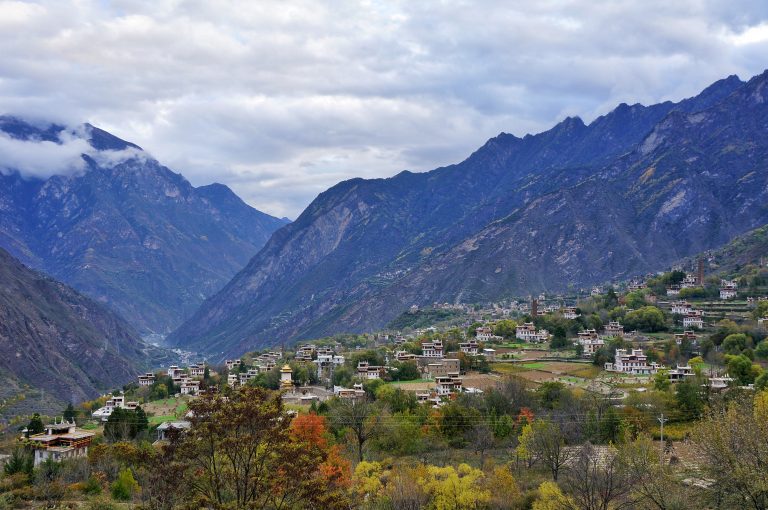

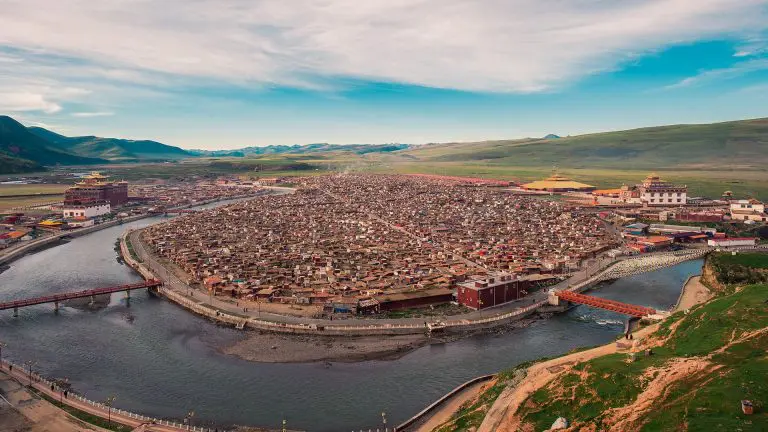
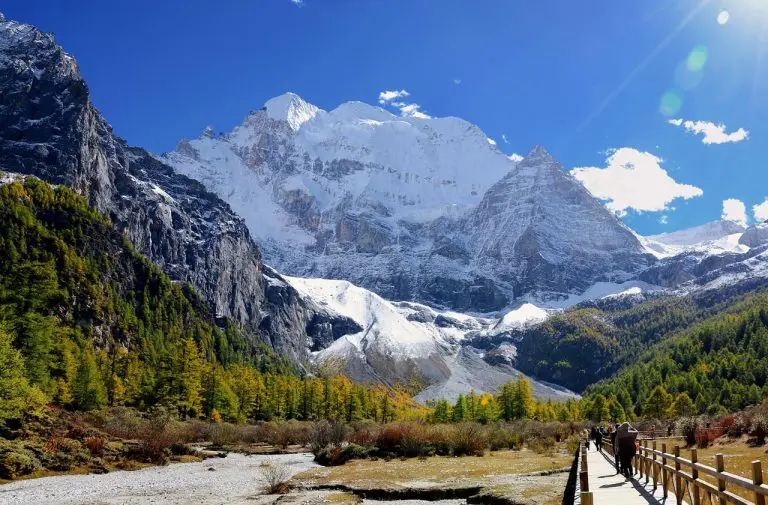
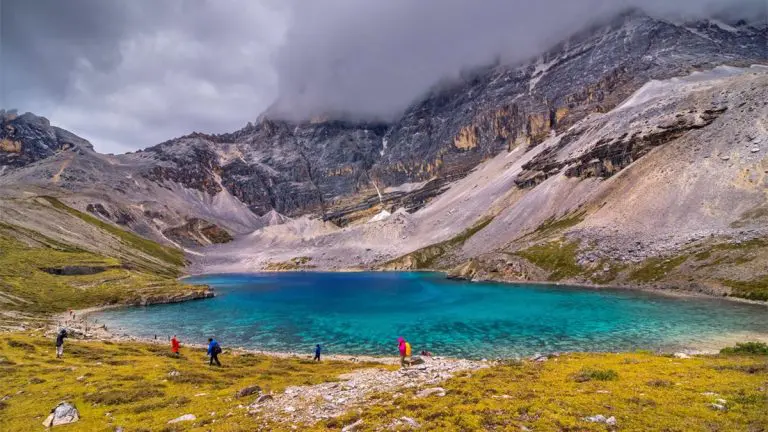
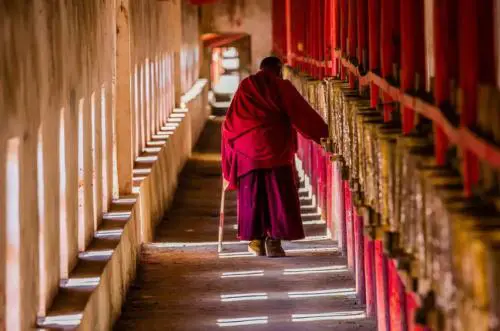
Explore the essence of Kham on this 13-day Western Sichuan Tibet Overland Tour. Journey from Chengdu to Yading via Tagong, Ganzi, and Dege, discovering monasteries, snow peaks, and remote Tibetan villages rich in culture and natural beauty.
Reply