
The Legacy of the Song Dynasty

The Song Dynasty was one of China’s most remarkable golden ages. They ruled from 960 until 1279 CE and all this period is a time when art flourished, cities expanded, and innovations quietly changed the course of history. There are not so many visible sites like warriors of the Tang Dynasty or the grandeur of the Ming, the Song Dynasty era brought something different like elegance, thoughtfulness and refined living.
This was the age of landscape painting, delicate porcelain, classical poetry and tea culture. It was also the time when China introduced the world’s first paper money, and used gunpowder and the compass in ways that would shape global history.
For those who travel in China and want to see what is the legacy of the Song Dynasty, you will have an unique kind of adventure, not just that you’ll see famous landmarks but also you can experience the quietness in the temples, gardens, museums and you can experience the tradition that still echo the soul of this refined and poetic era in China. You can choose some of these tours, and visit attractions that are legacy from Song Dynasty.
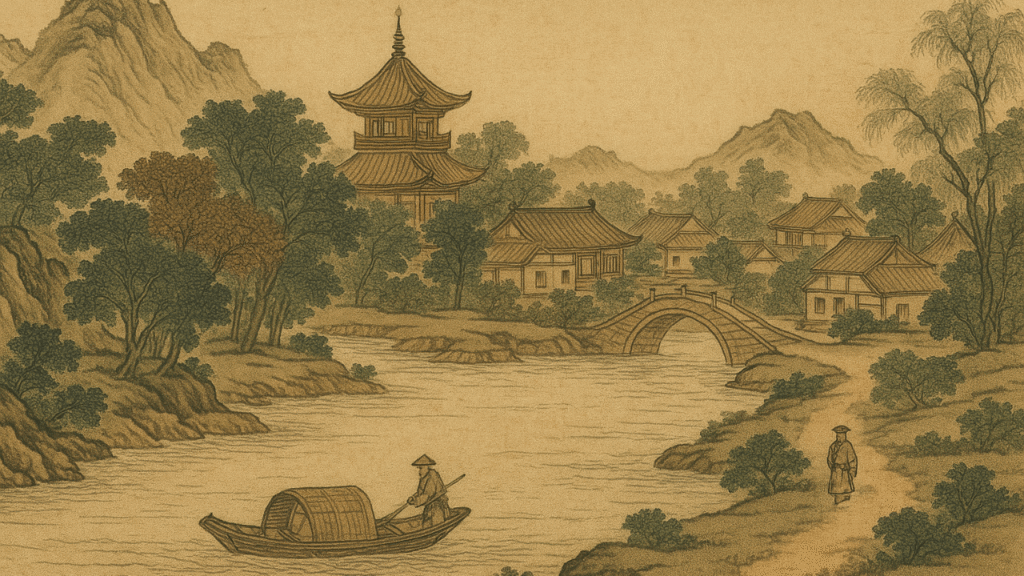
Quick Facts: Song Dynasty (960–1279 CE)
- Ruled China for over 300 years, from 960 to 1279 CE
- Divided into two periods:
- Northern Song (960–1127), capital at Kaifeng
- Southern Song (1127–1279), capital at Hangzhou
- Founded by Emperor Taizu (Zhao Kuangyin)
- First government in the world to issue paper money
- Major technological inventions:
- Movable type printing
- Gunpowder weapons
- Magnetic compass
- Cultural boom in painting, poetry, ceramics, and calligraphy
- Song ceramics, especially celadon and porcelain, were highly prized
- Significant agricultural advances, including widespread rice cultivation
- Song navy developed during Southern Song period
- Weak military compared to neighbors; lost northern territory to Jurchen Jin
- Conquered by the Mongols under Kublai Khan in 1279, marking the rise of the Yuan Dynasty
- Remembered as one of the most artistically and intellectually advanced periods in Chinese history
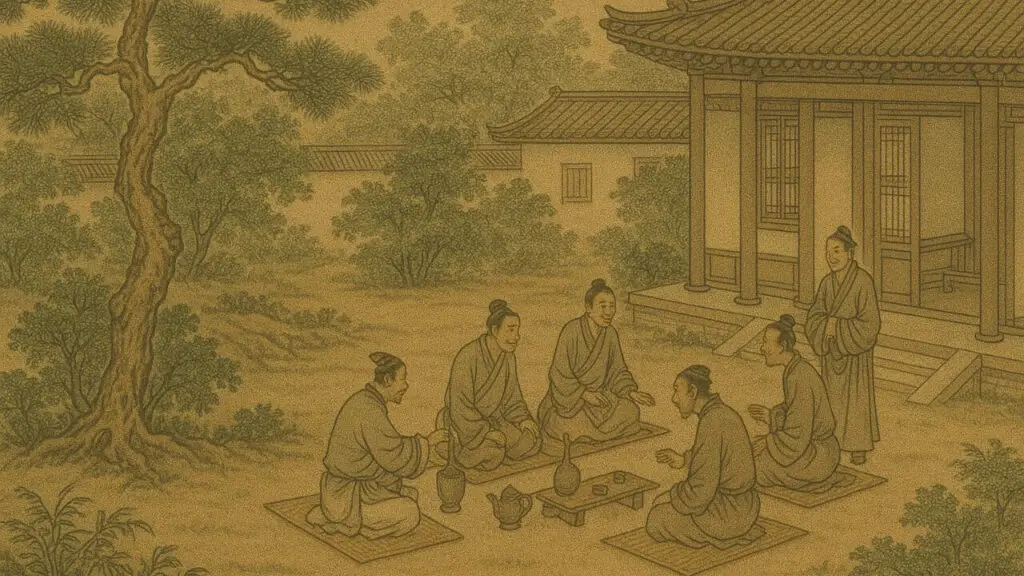
Must-Visit Historic Cities
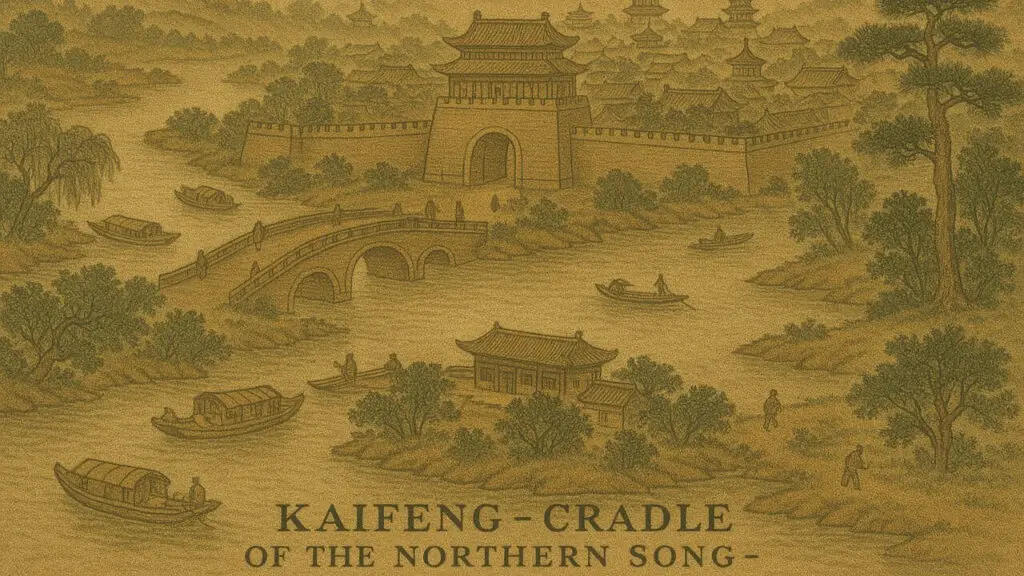
Kaifeng – Cradle of the Northern Song
If you love history then Kaifeng is one of those places that can instantly take you back in time. This ancient city used to be one of the largest and thriving capitals in the world during the Northern Song Dynasty period. While it is very different from its past, you can still walk the old remnants of the city walls, and visit the spectacular Iron Pagoda, a nearly 900-year-old tower that is very much worth visiting, both photographically and historically.
What I love about Kaifeng is its ability to let you glimpse the layout of an imperial Chinese city like bustling markets, traditional temples and remnants of brilliant planning still exist if you know where to look. It’s that place where the past doesn’t feel like a museum, it’s there within the fabric of the actual place in the present.
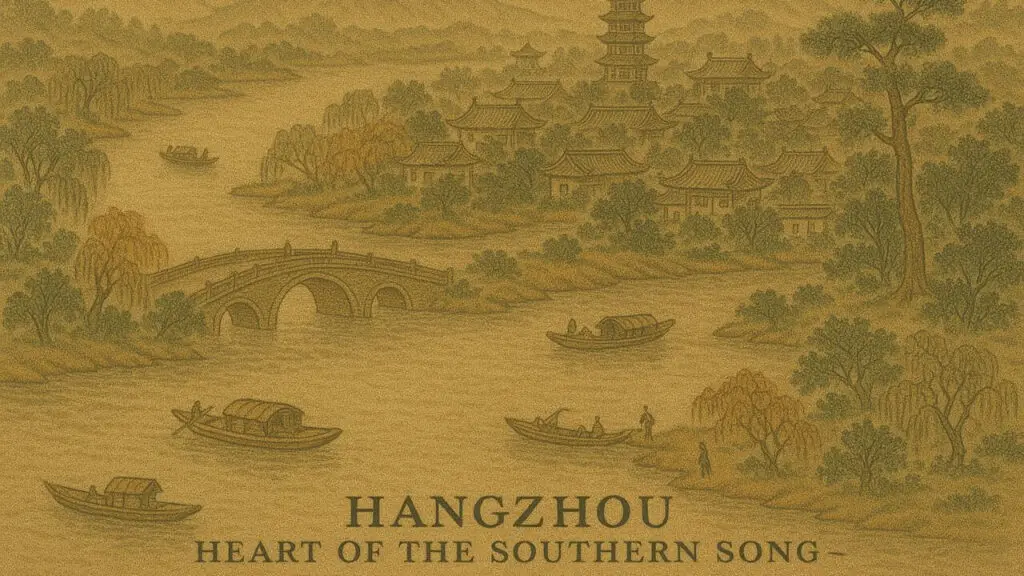
Hangzhou – Heart of the Southern Song
If you proceed south to Hangzhou, you will discover a very different feeling like graceful, poetic and serene. Hangzhou became the capital during the Southern Song period, and it’s not hard to see why emperors and poets alike came to love the city. The crown jewel of Hangzhou is West Lake which is a seemingly magical stretch of water. It is framed by paths lined with willows, stone bridges and tea houses that look like they came straight out of a scroll painting.
You must visit Lingyin Temple, which is one of the oldest and one of the most important Buddhist temples in China. It is built into a lush, green wooded hillside. The area is also rich with Song-era gardens and pavilions that epitomize the refined elegance of this period. Hangzhou does not only claim to represent history, it also connects you to history through its landscapes, traditions and scenic pace of life.
Song-Era Wonders & Innovations
The Song Dynasty wasn’t just a golden age of art and culture but also was one of the most inventive periods in Chinese history. If you’re the type of traveler who loves discovering how the past shaped the world we live in today, these Song-era breakthroughs are worth diving into. You’ll find their influence in museums, hands-on exhibits, and even the fireworks shows that light up the sky.
Printing Technology
Long before the printing press made waves in Europe, the Song Dynasty was already experimenting with movable type printing. It was a game-changer for spreading knowledge because the books became more accessible, and literacy started to grow. Today, you can find reconstructions of these early printing methods in museums around China. Some places even let you try your hand at printing the old-fashioned way, which makes for a fun and memorable stop on your travels.
Gunpowder
Yes, that spectacular firework show you saw in China, that was invented in the time during the Song Dynasty. This is the era when gunpowder went from a curious chemical experiment to something that would reshape military strategy, and later, entertainment. Museums and historical parks often highlight this transformation, showing everything from early bomb casings to beautiful displays of fireworks and their cultural role.
Compass Navigation
It might seem simple now, but the compass was a revolutionary invention, and the Song Dynasty was the first to use it for maritime navigation. This leap forward helped sailors explore more confidently and laid the groundwork for the age of exploration. When you’re walking through Song-related exhibits, especially in coastal cities like Hangzhou or Ningbo, keep an eye out for ancient compasses and navigation tools that connect China with the wider world.
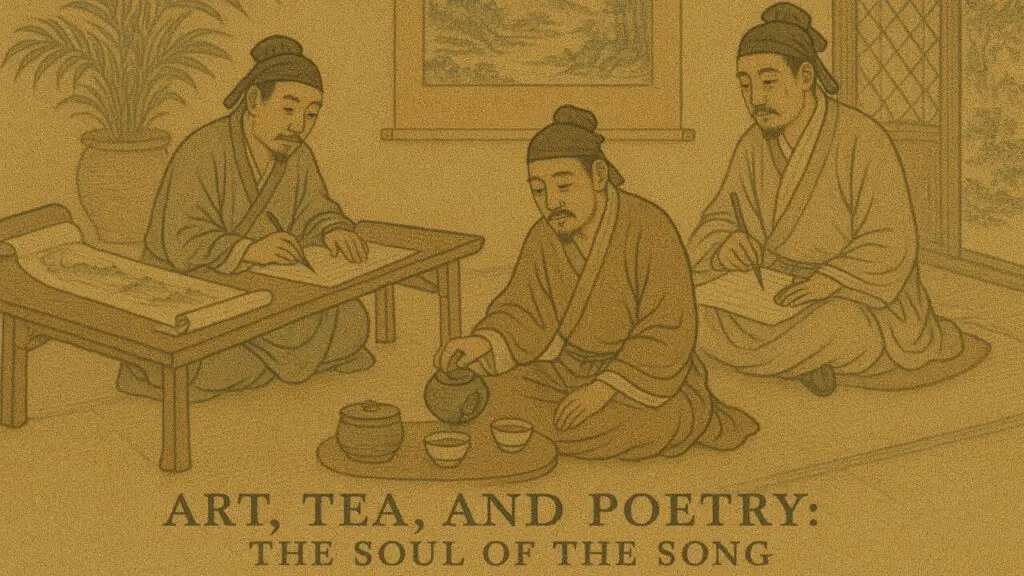
Art, Tea, and Poetry: The Soul of the Song
If we give personalities to each great of China, the personality of the Song Dynasty would be the poet. More than any other era, the Song period embraced the quiet beauty of everyday life, expressed through delicate art, thoughtful tea rituals, and poetry that captured the spirit of a mountain, a moment, or a single falling leaf.
Landscape Painting
In the period during the Song Dynasty the painting took a new level, especially with its breathtaking landscape art. Think towering peaks fading into clouds, quiet rivers winding through bamboo, and tiny figures wandering under ancient pines. You’ll find these masterpieces in museums across China and often so detailed and meditative, they feel like windows into another world. Even modern ink artists still draw inspiration from Song-era techniques.
Travel tip: Look for Song-style scrolls and ink wash paintings in Hangzhou and Beijing’s major art museums. Some even have live demonstrations of traditional brushwork.
Tea Ceremonies
Tea wasn’t just a drink in the Song Dynasty—it was an art form. The Song-style tea ceremony was about simplicity, mindfulness, and appreciation of the moment. Unlike the more formal rituals of later dynasties, the Song version is quiet and refined, focusing on whisked powdered tea (yes, it’s kind of like the ancestor of matcha).
Some teahouses in Hangzhou and nearby regions still offer Song-style tea experiences. It’s the perfect way to unwind after a day of sightseeing—and a great reminder that sometimes, slowing down is the real luxury.
Poetry and Calligraphy
The Song era produced some of China’s most beloved poets, some of them is Su Shi (also known as Su Dongpo) who wrote about nature, politics, love, and longing. Take a moment during your visit to stop in a quiet corner of a temple or pavilion, where you might find a few lines of calligraphy on the wall. Even if you can’t read the characters, the elegance of the brushwork speaks its own language.
Where to Feel the Song Spirit Today
You don’t need a time machine to experience the elegance and legacy of the Song Dynasty, but we have a good itinerary. Across China, there are incredible places where the spirit of the Song era still lingers, from carefully preserved textiles to full-on immersive town recreations. If you’re planning a trip and want to truly feel what life was like during this golden age, these spots should be at the top of your list.
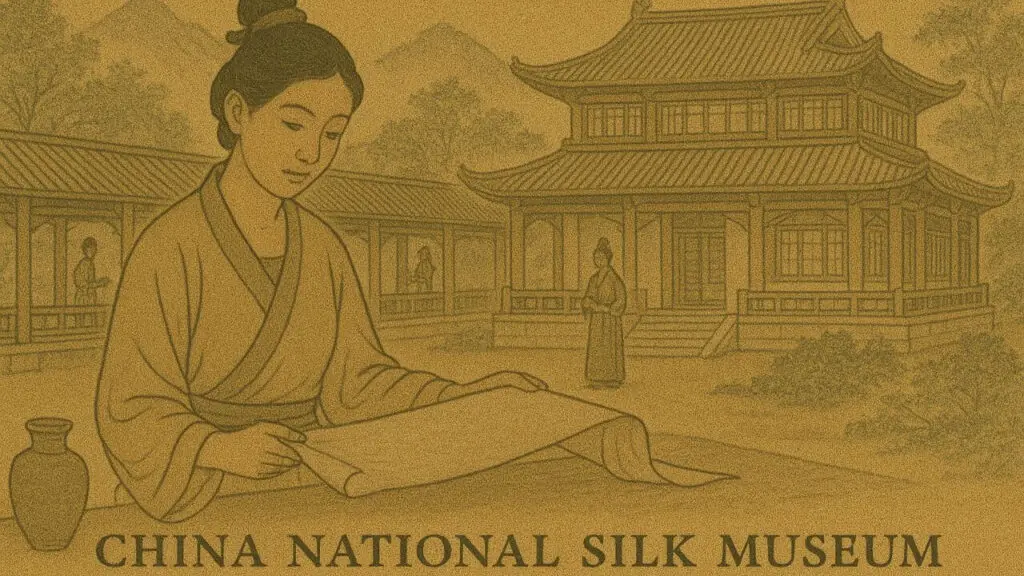
China National Silk Museum (Hangzhou)
Hangzhou was a major hub for silk during the Southern Song Dynasty, and that legacy continues today at the China National Silk Museum. This beautifully curated space offers a chance to see real Song-era silk artifacts, including intricate garments, weaving tools, and dyeing techniques. You’ll come away with a new appreciation for the artistry that made Song textiles so sought after around the world.
Travel tip: Check the museum’s calendar. There are often hands-on workshops and fashion shows blending ancient designs with modern creativity.
Songcheng Theme Park
If you want to really step into the world of the Song Dynasty, Songcheng Theme Park in Hangzhou is pure magic. It’s a full-on recreation of a Song-era town, complete with period-style streets, shops, food vendors, and costumed performers. Throughout the day, you can catch cultural shows, acrobatics, and musical performances that bring ancient traditions to life in an incredibly lively, theatrical way.
Yes, it’s a little crowded and touristy, but it’s also unforgettable. Especially fun if you’re traveling with kids or just want a break from the typical museum route.
Ancient Academies
If you’re looking for something quieter and more reflective, visit one of China’s ancient academies, where scholars studied centuries ago. One of the best preserved is the Yuelu Academy in Hunan Province. It was founded over a thousand years ago and still feels like a sanctuary of thought and tradition.
Wandering its stone pathways and leafy courtyards, you’ll understand why the Song Dynasty was such a golden age for philosophy, education, and culture.
Final Thoughts
The Song Dynasty may not always be the first name that comes to mind when we think of ancient China, but once you experience it, whether through art, poetry, or a quiet walk by West Lake, all that it stays with you. This was a time when elegance mattered more than conquest, when scholars and artists shaped the rhythm of life, and when some of the most influential ideas and inventions quietly emerged and changed the world.
Traveling through the legacy of the Song Dynasty it’s about slowing down, noticing the details, and appreciating how deeply culture can shape a civilization. It’s about standing in a garden, sipping a cup of tea, and realizing that even centuries later, the Song still speaks to the heart, to the senses, and to the soul.
So if you’re planning a journey through China, let the Song Dynasty be your guide to a more reflective, artful, and meaningful travel experience.
Related tours

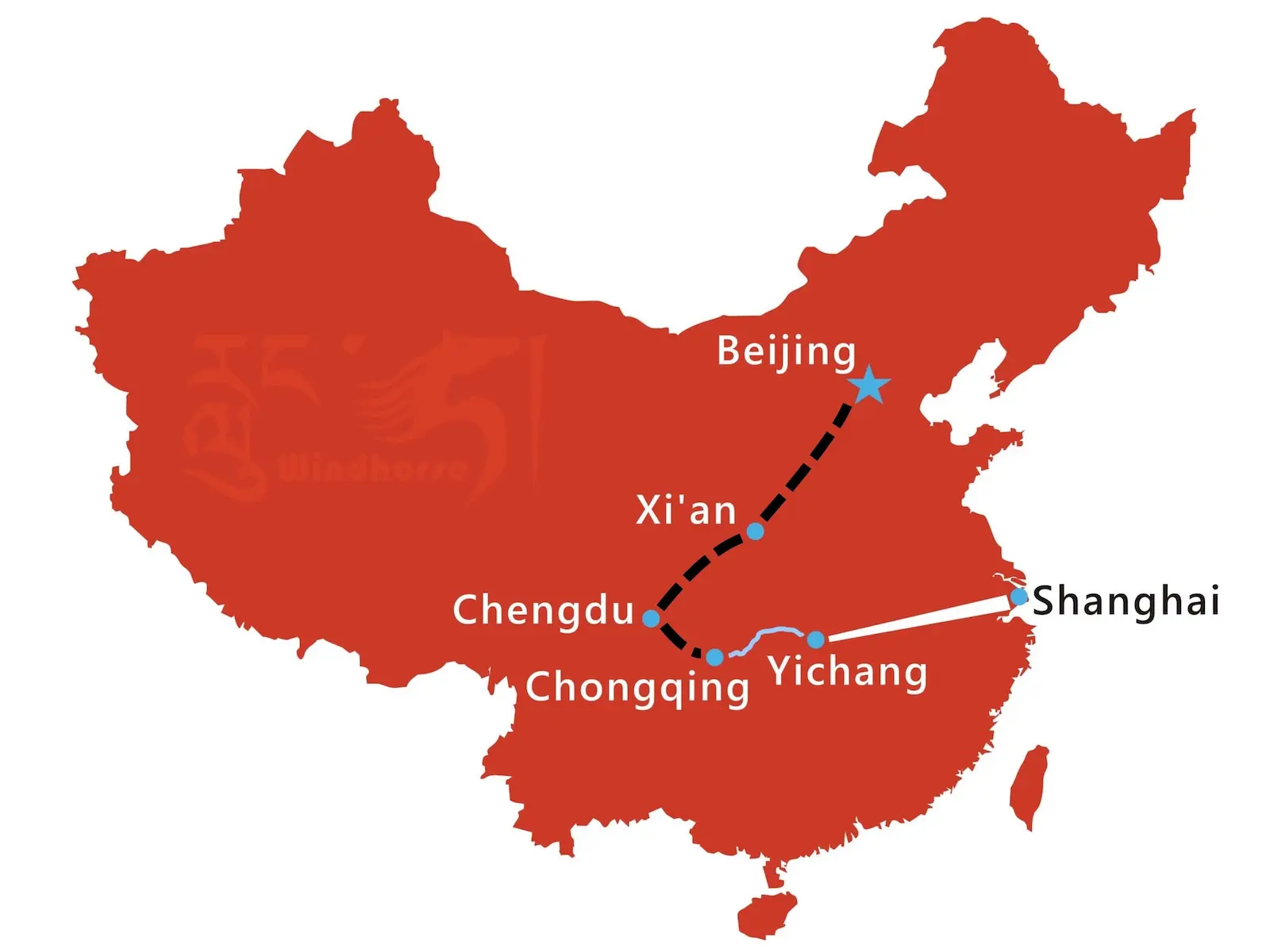
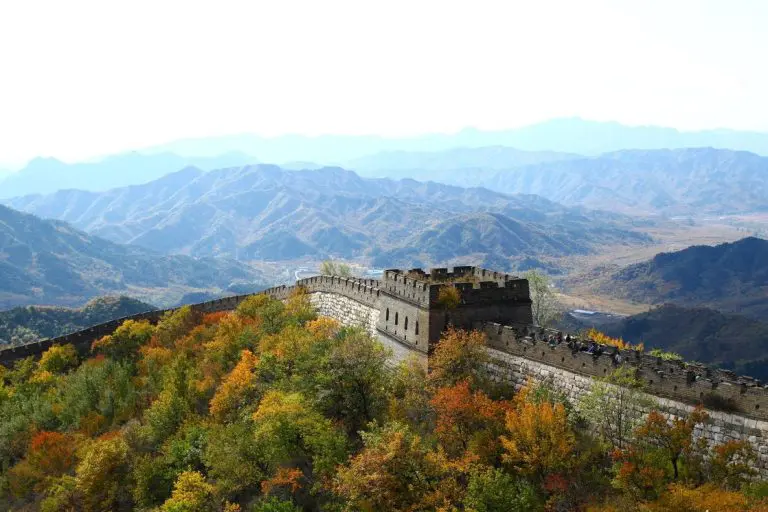
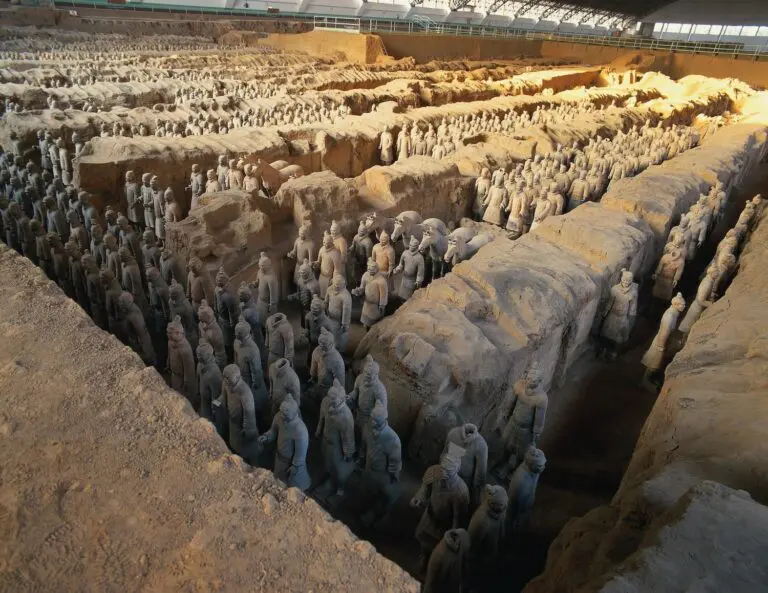


Experience the best of China on this 2-week China highlights tour with Yangtze cruise and pandas visit. Explore Beijing, Xi’an, Chengdu, Chongqing, and Shanghai, see world-famous landmarks, meet giant pandas, and enjoy a relaxing cruise through the scenic Three Gorges.





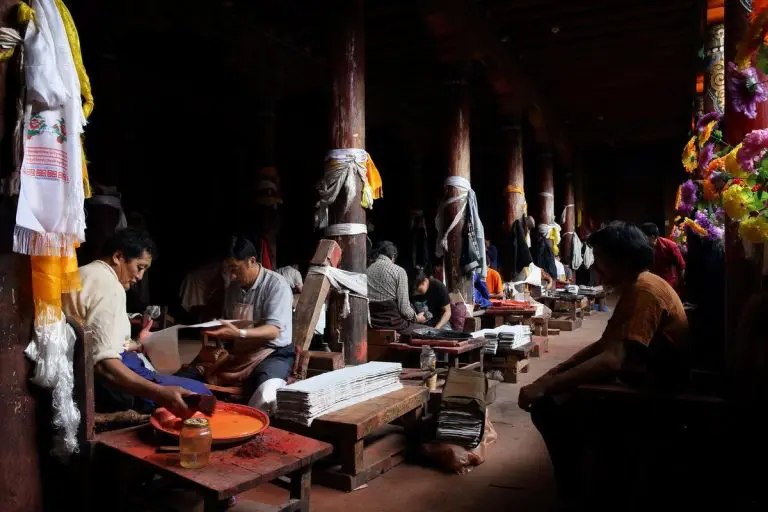



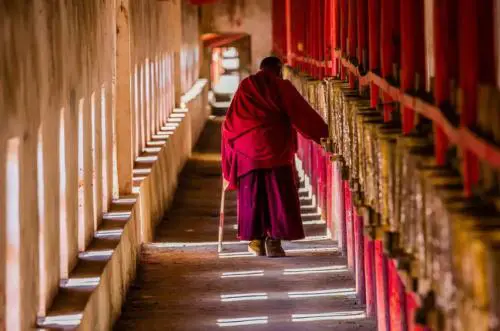
Explore the essence of Kham on this 13-day Western Sichuan Tibet Overland Tour. Journey from Chengdu to Yading via Tagong, Ganzi, and Dege, discovering monasteries, snow peaks, and remote Tibetan villages rich in culture and natural beauty.

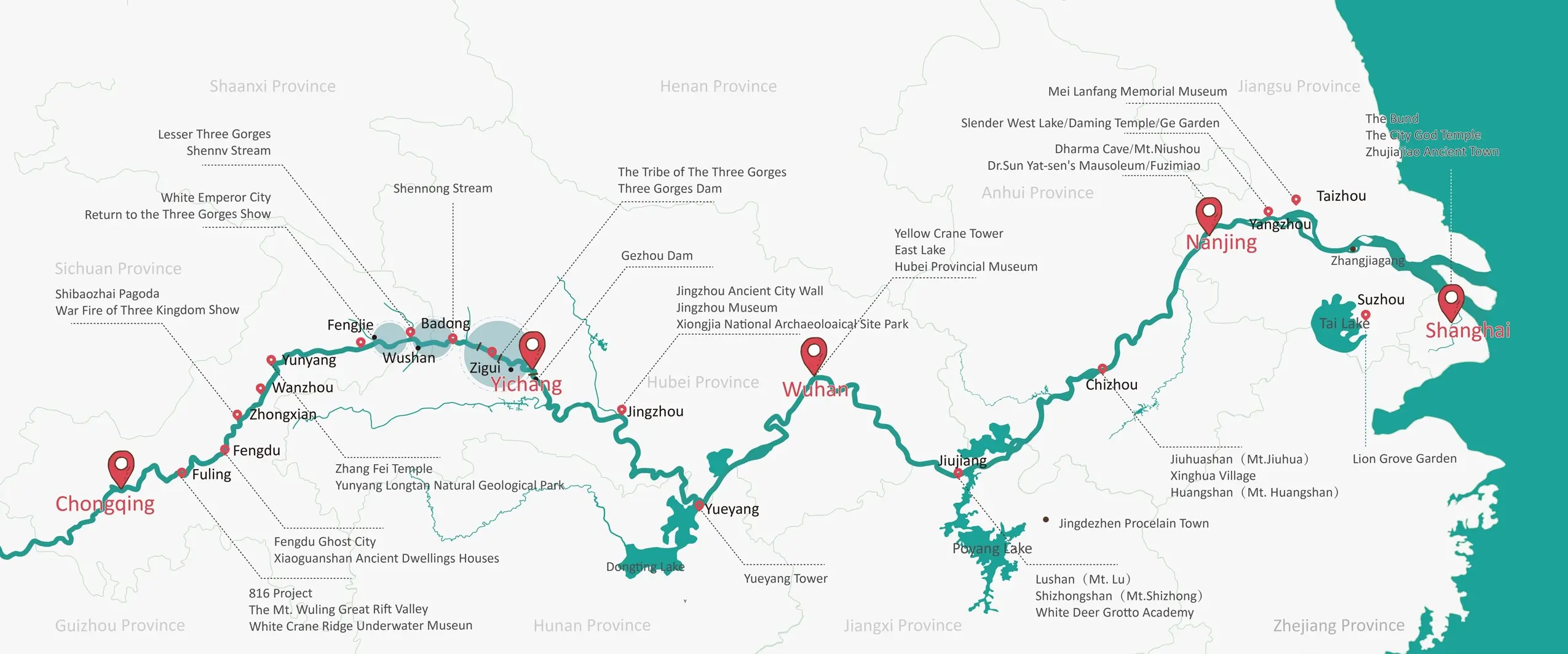

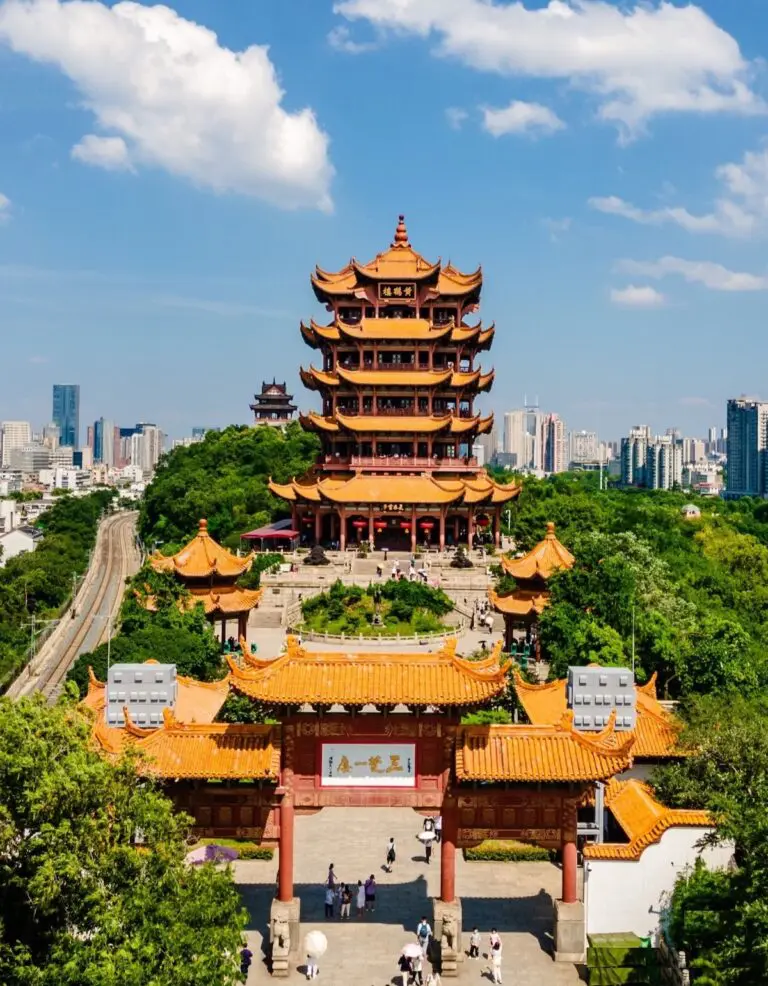
Take an 11-day Yangtze River cruise from Chongqing to Shanghai aboard Century Legend, traveling beyond the Three Gorges along the middle and lower Yangtze, with included shore excursions along the way
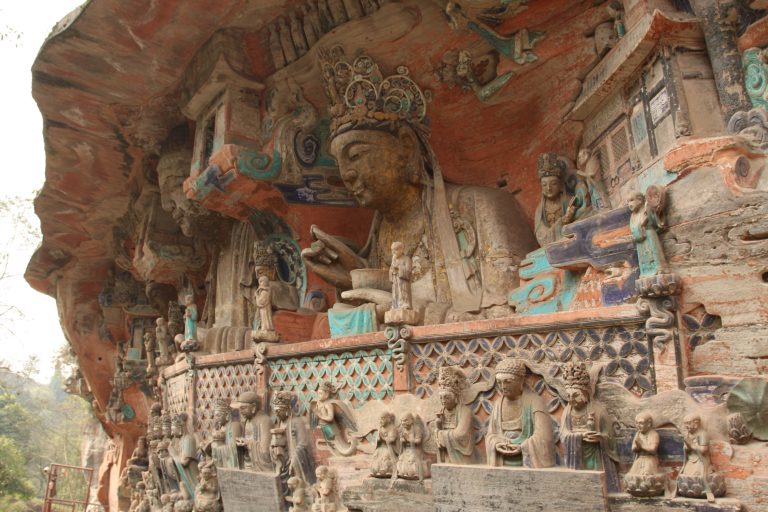
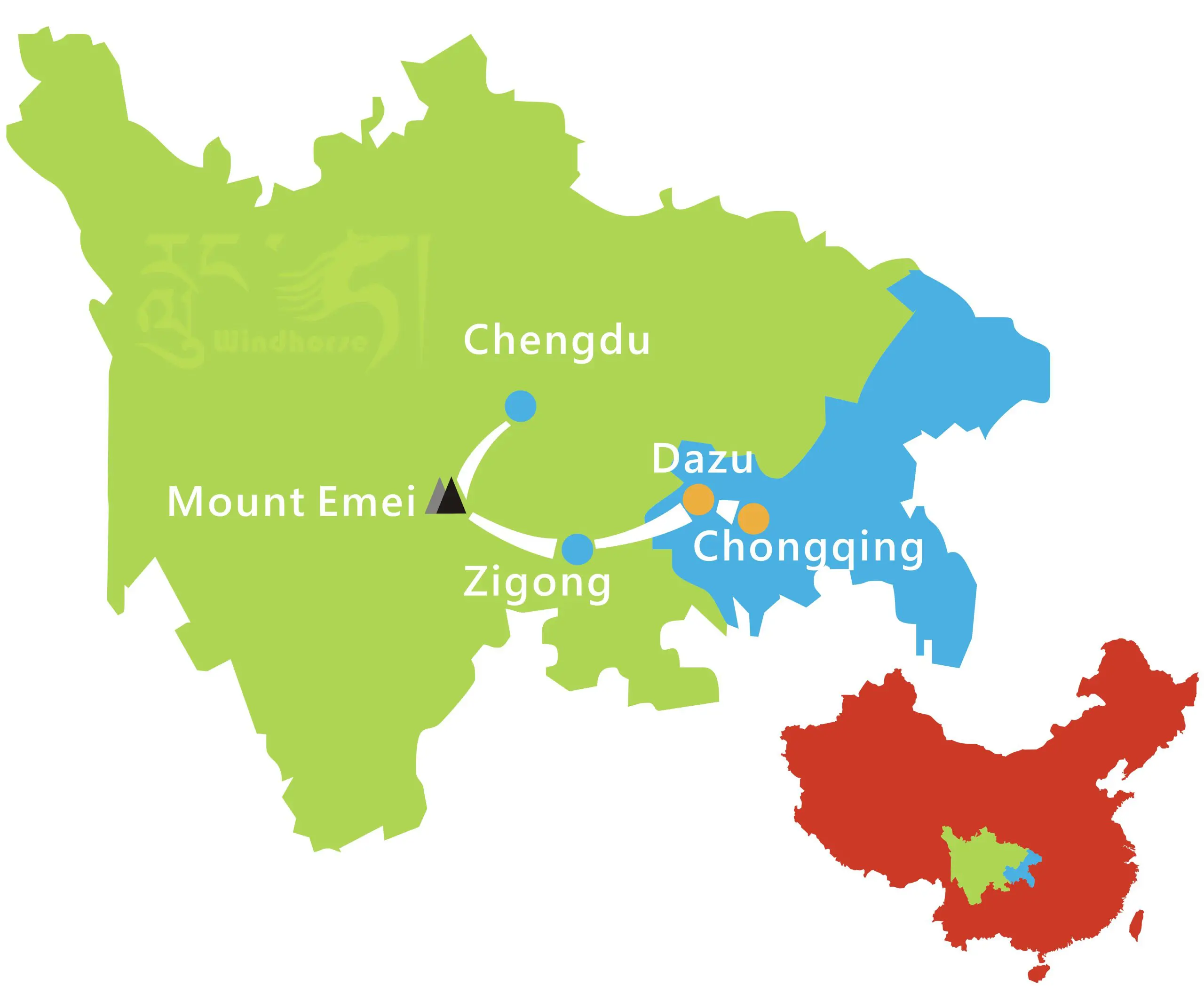
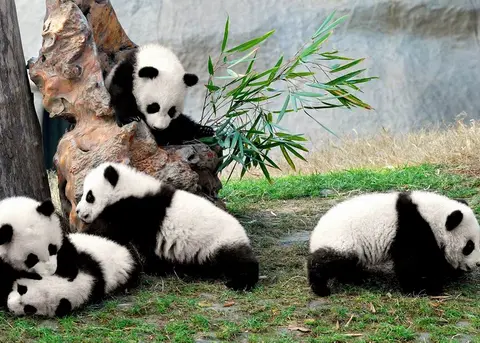
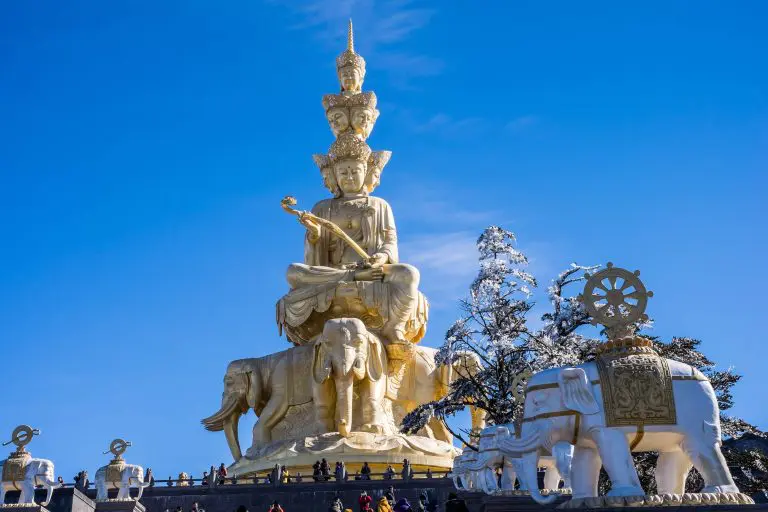
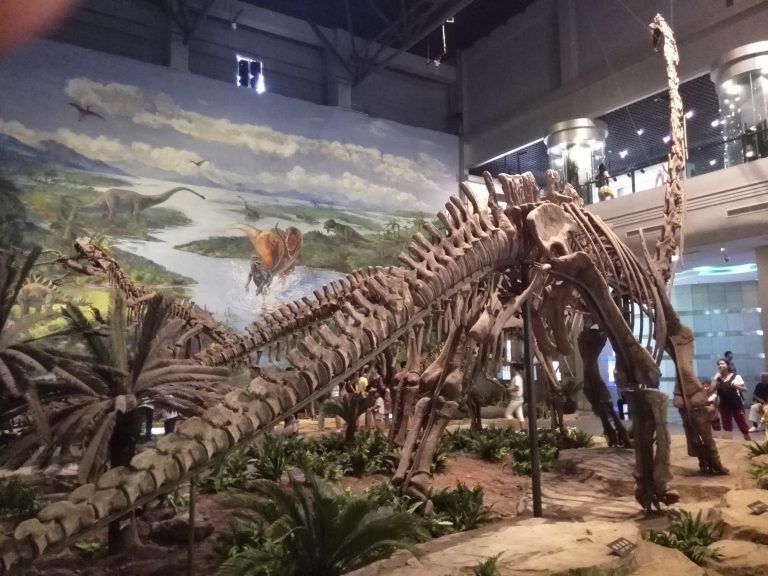
Explore the highlights of Sichuan and Chongqing on this classic tour. Visit Mt Emei and the Leshan Grand Buddha, uncover fossils at the Zigong Dinosaur Museum, and discover the UNESCO-listed Dazu Rock Carvings before ending in vibrant Chongqing.