
China’s Buddhist Mountains That Everyone Should Visit

When someone first heard about China’s Buddhist Mountains, they imagined serene temples tucked away on misty peaks, monks chanting peacefully, and pathways lined with ancient trees whispering stories of centuries past. And when they finally visited, they were never disappointed! China has four sacred Buddhist Mountains- Wutai, Emei, Jiuhua, and Putuo, and each mountain offers something unique, from breathtaking landscapes and vibrant culture to spiritual tranquility.
If you’re looking to experience beauty, culture, and spirituality all at once, these Buddhist Mountains should definitely be on your travel bucket list. Trust me, you’ll return home feeling refreshed, inspired, and deeply connected to something timeless.
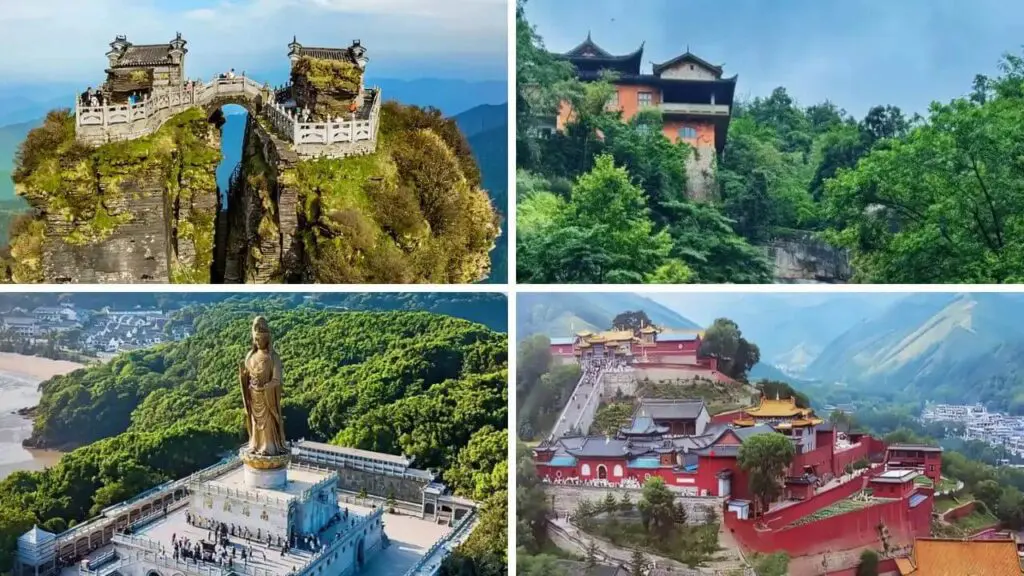
The Four Sacred Buddhist Mountains
China’s Four Sacred Buddhist Mountains are Wutai, Emei, Jiuhua, and Putuo. All of these mountains are stunning destinations where nature, history, and spirituality meet. Each is dedicated to a different Bodhisattva and represents a core value of Buddhism: wisdom, practice, vows, and compassion. These sites aren’t just for monks or pilgrims, anyone can visit and be moved by their beauty and peace. From misty peaks to ancient temples, they offer a unique window into China’s spiritual heritage and natural splendor.
These are traditionally the most famous Buddhist pilgrimage mountains in China:
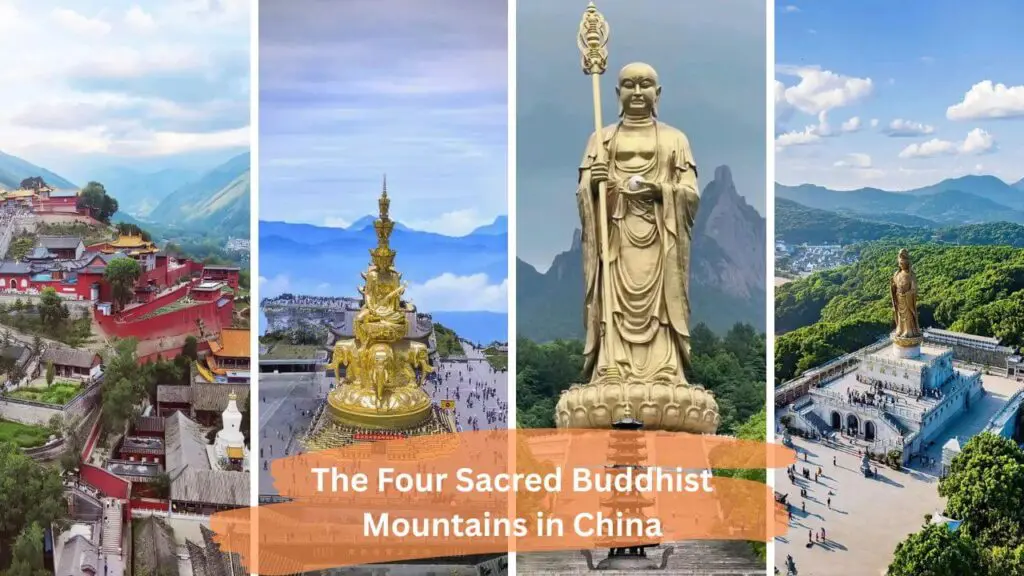
Mount Wutai (五台山), Shanxi
Location: Shanxi Province, Northeastern China
Accessibility: Good infrastructure with buses, cable cars, and well-maintained paths
Best Time to Visit: May to October, ideal weather conditions and natural beauty
How to Get There:
- By Air: Fly to Taiyuan Wusu International Airport, then take a bus or taxi (approximately 3-4 hours).
- By Train: Take a train to Wutaishan Railway Station, then transfer to local buses or taxis.
- By Bus: Direct long-distance buses available from major cities like Beijing, Datong, and Taiyuan.
Significance: Sacred site of Manjushri Bodhisattva, important for Tibetan and Han Buddhism.
Highlights: Beautiful temples, including Tayuan Temple and Xiantong Temple.
Mount Wutai is located in northeastern Shanxi Province, China, and is one of the Four Sacred China’s Buddhist Mountains. Renowned for its stunning natural scenery and historical temples, it attracts pilgrims, tourists, and scholars alike.
Mount Wutai is especially significant for Buddhists as it is dedicated to the Bodhisattva of Wisdom, Manjushri (Wenshu Pusa). Buddhists believe that visiting Mount Wutai can help in achieving spiritual wisdom and enlightenment. It has been a prominent pilgrimage site for centuries, boasting numerous temples, monasteries, and historical relics.
Things to See
- Nanchan Temple: China’s oldest wooden temple structure.
- Xiantong Temple: The largest and oldest temple complex on Mount Wutai.
- Tayuan Temple: Famous for its white pagoda, which is an iconic symbol of Mount Wutai.
- Pusading Temple: Known for Tibetan Buddhist influences and imperial history.
Mount Emei (峨眉山), Sichuan
Location: Sichuan Province, Southwestern China
Accessibility: Extensive hiking trails, buses, cable cars
Best Time to Visit: April to October for pleasant weather; winter months for snow-covered landscapes
How to Get There:
- By Air: Fly to Chengdu Shuangliu International Airport, then take a bus or train (approximately 2-3 hours).
- By Train: High-speed trains available from Chengdu to Emeishan Station, followed by a short bus or taxi ride.
- By Bus: Regular buses depart from Chengdu, Leshan, and other nearby cities.
Significance: Associated with Samantabhadra Bodhisattva (Puxian).
Highlights: Giant Buddha statue at Leshan nearby, Golden Summit Temple, spectacular sunrise views.
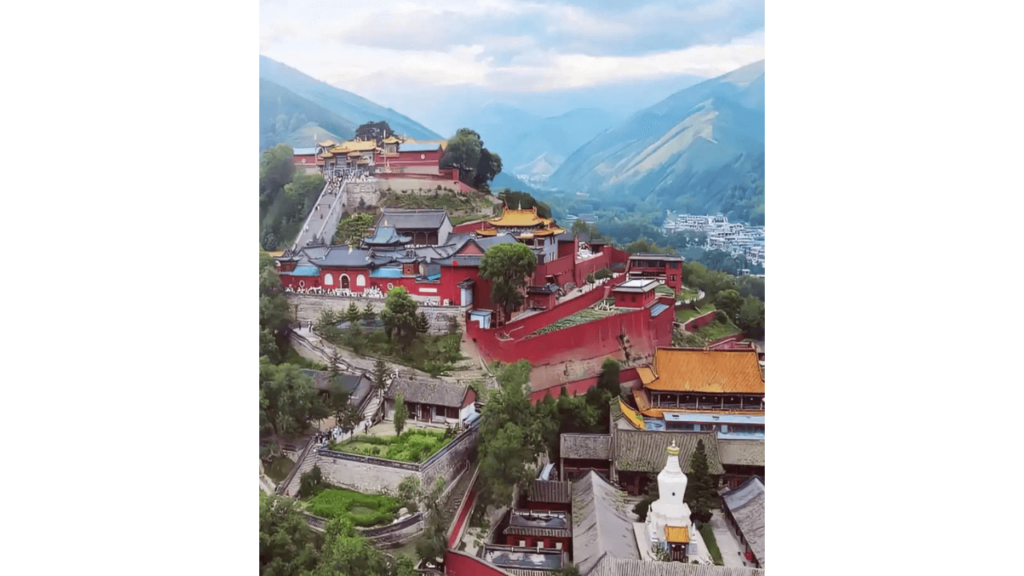
Mount Emei is situated in Sichuan Province, and it is also one of the Four Sacred Buddhist Mountains. It is also a UNESCO World Heritage site that is renowned for its majestic beauty and rich cultural heritage. It holds special significance in Buddhism as the sacred place of the Bodhisattva Samantabhadra (Puxian Pusa), embodying meditation and practice. This is the most popular mountain among the tourists, because of the significance and also for the stunning view and beauty.
Pilgrims and visitors are attracted by its spectacular landscapes, abundant biodiversity, and historically significant temples and monasteries. The mountain is also famous for the stunning “Sea of Clouds,” sunrise views, and resident monkeys.
Things not to miss
- Golden Summit (Jinding): Offers breathtaking panoramic views and the iconic statue of Samantabhadra.
- Baoguo Temple: The main temple at the mountain’s base, dating back to the Ming Dynasty.
- Wannian Temple: Known for its historical artifacts and peaceful ambiance.
- Qingyin Pavilion: Famous for its tranquil setting and beautiful natural scenery.
- Ecological Monkey Zone: Home to the playful and occasionally mischievous Tibetan macaques.
Mount Jiuhua (九华山), Anhui
Location: Anhui Province, Eastern China
Accessibility: Accessible hiking trails, cable cars, well-maintained infrastructure
Best Time to Visit: March to November for mild weather and vibrant scenery
How to Get There:
- By Air: Fly to Hefei Xinqiao International Airport or Chizhou Jiuhuashan Airport, then travel by bus or taxi.
- By Train: Trains available to Chizhou Railway Station, followed by a bus or taxi.
- By Bus: Regular buses connect Mount Jiuhua with major cities such as Hefei, Shanghai, and Nanjing
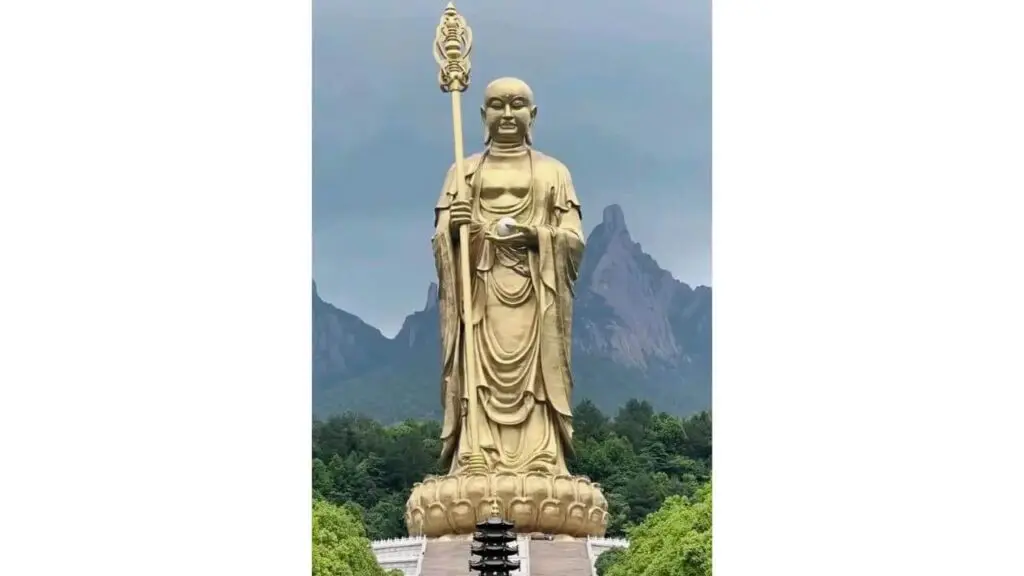
Significance: Sacred to Ksitigarbha Bodhisattva (Dizang), renowned for serene temples.
Highlights: Tiantai Temple, Huacheng Temple, and stunning mountain scenery.
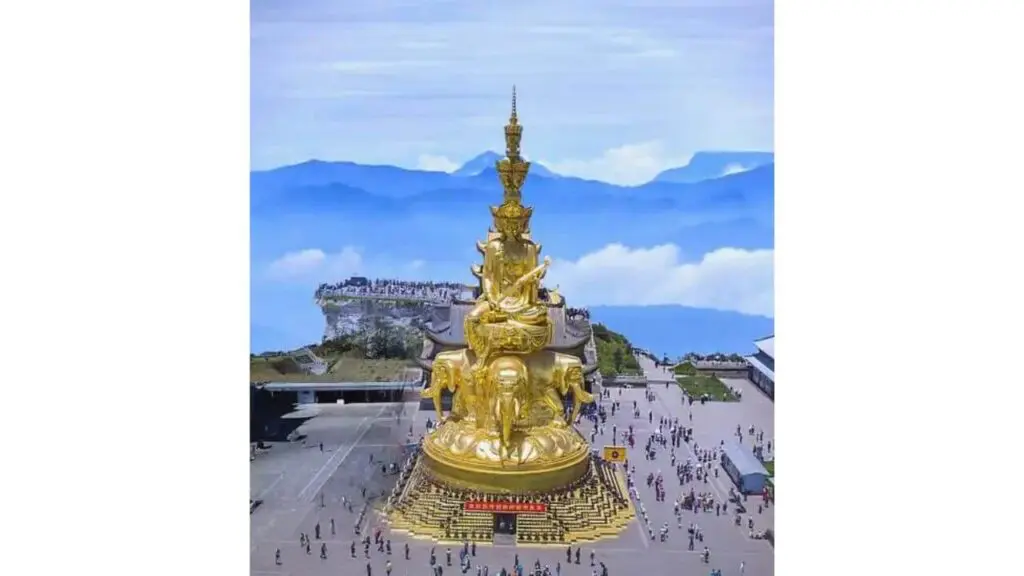
Mount Jiuhua one of the most popular China’s Buddhist Mountains that is revered as the spiritual abode of the Bodhisattva Ksitigarbha (Dizang Pusa), known for compassion and salvation from suffering. The mountain is celebrated for its picturesque peaks, lush landscapes, ancient temples, and rich spiritual history.
Visitors come to Mount Jiuhua for its serene natural beauty, religious significance, and cultural attractions. The area boasts historic temples, monasteries, and numerous pilgrimage sites that have attracted devotees for centuries.
Things to See:
- Huacheng Temple: The oldest and most prominent temple on the mountain.
- Tiantai Peak: Offers spectacular scenic views and significant religious importance.
- Baisui Palace: Known for the preserved body of the monk Wuxia, a symbol of enlightenment.
- Zhantanlin Temple: Famous for its beautiful architecture and serene atmosphere.
Mount Putuo (普陀山), Zhejiang
Location: Zhoushan Archipelago, Zhejiang Province, Eastern China
Accessibility: Boats, ferries, and well-maintained walking paths
Best Time to Visit: March to November, especially spring and autumn for pleasant weather
How to Get There:
- By Air: Fly to Zhoushan Putuoshan Airport, then take a ferry to the island.
- By Train: Travel to Ningbo Railway Station, then transfer via bus and ferry.
- By Bus/Ferry: Regular ferry services connect Mount Putuo from Shanghai, Ningbo, and Zhoushan City.
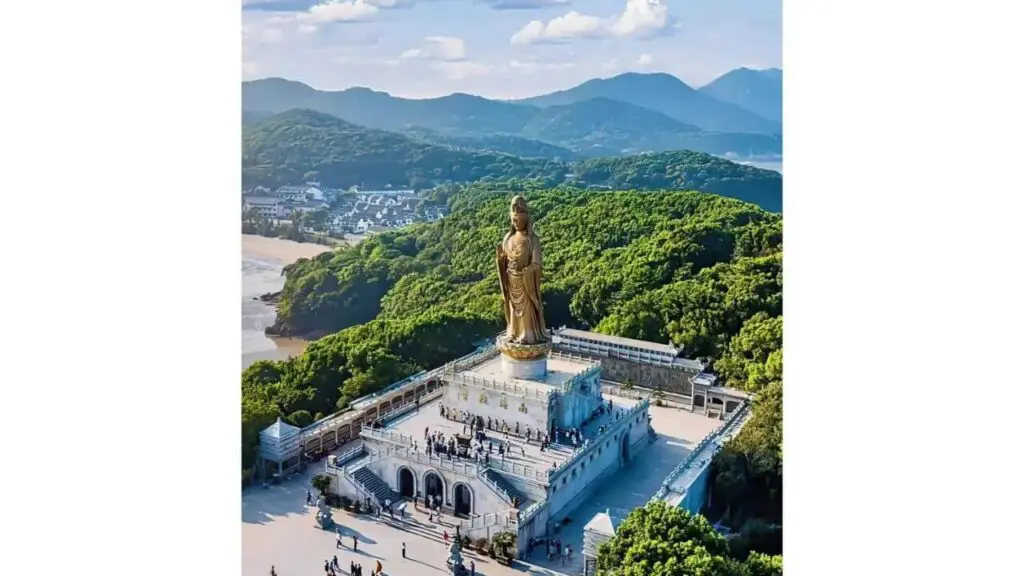
Significance: Dedicated to Avalokitesvara (Guanyin) Bodhisattva, popular for devotion and pilgrimage.
Highlights: Puji Temple, iconic seaside views, and a peaceful atmosphere.
Mount Putuo is renowned as the spiritual sanctuary of the Bodhisattva Guanyin, associated with compassion and mercy. It is an important pilgrimage destination, famous for its tranquil beaches, lush vegetation, historical temples, and deep religious heritage.
Visitors and pilgrims flock to Mount Putuo to explore its spiritual sites, participate in religious ceremonies, and experience its serene natural beauty, characterized by stunning sea views and peaceful paths.
Things to See:
- Puji Temple: The largest temple complex on the island, dedicated to Guanyin.
- Fayu Temple: Known for its beautiful gardens, architecture, and ancient artifacts.
- Huiji Temple: Located at the peak, offering panoramic views of the surrounding sea and island.
Guanyin Statue: A prominent landmark, depicting the Goddess of Mercy overlooking the sea.
Other Important Buddhist Mountains Worth Visiting
Mount Fanjing (梵净山), Guizhou
Location: Guizhou Province, Southwestern China
Accessibility: Well-maintained hiking trails, cable cars
Best Time to Visit: April to November, ideal for pleasant weather and clearer views
How to Get There:
- By Air: Fly to Tongren Fenghuang Airport, followed by bus or taxi (around 1.5 hours).
- By Train: Take a train to Tongren Railway Station, then transfer via local bus or taxi.
- By Bus: Regular buses available from Tongren and other major regional cities.
Significance: UNESCO World Heritage Site, historically significant in Chinese Buddhism.
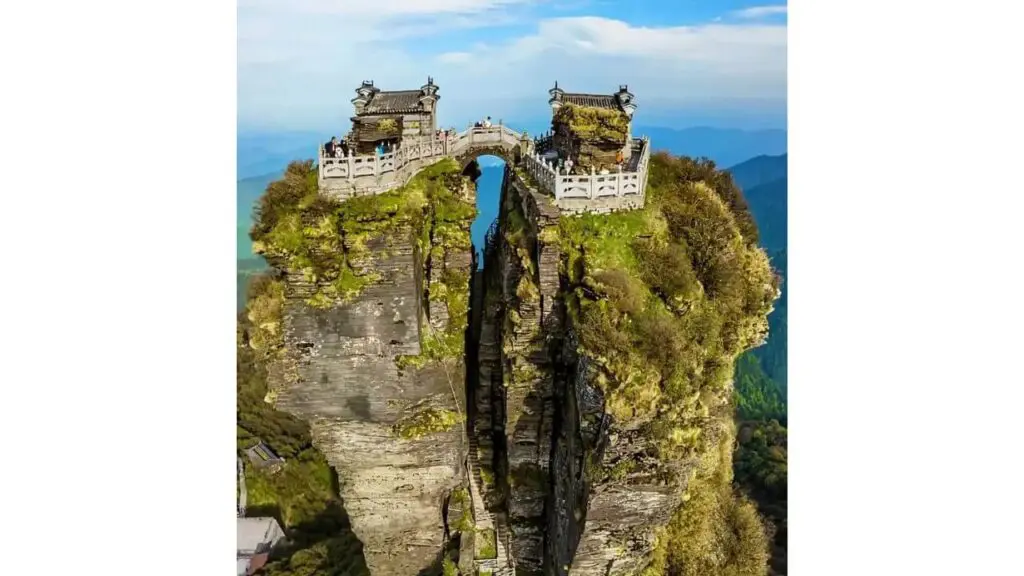
Highlights: Unique rock formations, Red Cloud Golden Peak Temple, rich biodiversity.
Mount Fanjing is located in Guizhou Province, and it is a UNESCO World Heritage Site renowned for its unique geological formations, historical Buddhist significance, and extraordinary biodiversity. Historically significant in Chinese Buddhism, the mountain is revered as a sacred Buddhist site, drawing pilgrims, nature enthusiasts, and cultural tourists from around the globe.
Mount Fanjing stands out for its breathtaking landscapes, including remarkable rock formations and lush forests, and it is celebrated for its ecological diversity, home to numerous rare and endangered species.
Highlights:
- Red Cloud Golden Peak Temple (Hongyun Jinding): Iconic temple perched atop stunning rock formations.
- Mushroom Stone: A famous natural rock formation uniquely shaped by erosion.
- Rich Biodiversity: Habitat for the rare Guizhou golden monkey and numerous endemic plant species.
Mount Heng (衡山), Hunan
Location: Hunan Province, South-Central China
Accessibility: Cable cars, hiking trails, and good road infrastructure
Best Time to Visit: April to October, ideal weather for sightseeing and outdoor activities
How to Get There:
- By Air: Fly into Changsha Huanghua International Airport, then transfer via bus or train (approximately 2 hours).
- By Train: Travel to Hengshan West Railway Station, then take local buses or taxis.
- By Bus: Regular buses available from Changsha, Hengyang, and surrounding cities.
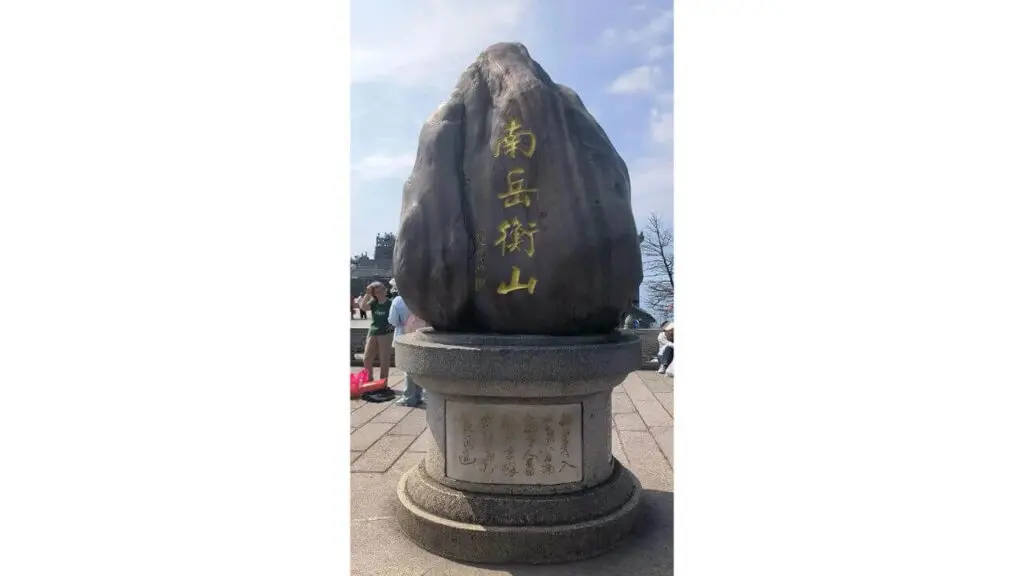
Significance: One of China’s Five Great Mountains (Wu Yue), strong Buddhist and Taoist traditions.
Highlights: Nanyue Temple, numerous ancient monasteries, lush forests.
Mount Heng is one of China’s Five Great Mountains, and it known for its scenic beauty, historical temples, and cultural importance. Revered in Taoism and Buddhism, Mount Heng has been an important spiritual and pilgrimage site, attracting countless visitors and devotees annually.
Famous for its lush forests, serene temples, and panoramic views, Mount Heng combines natural wonders with cultural heritage, providing a unique experience for travelers and spiritual seekers.
Things to See:
- Grand Temple of Mount Heng (Nanyue Damiao): One of the largest and most historically significant temple complexes in southern China.
- Zhurong Peak: The highest peak offering breathtaking views and historical significance.
- Fangguang Temple: Known for its peaceful environment and beautiful architecture.
- Water Curtain Cave: A natural scenic spot noted for waterfalls and lush surroundings.
Mount Tiantai (天台山), Zhejiang
Location: Zhejiang Province, Eastern China
Accessibility: Hiking trails, roads, cable cars
Best Time to Visit: April to October for pleasant weather and vibrant natural scenery
How to Get There:
- By Air: Fly to Hangzhou Xiaoshan International Airport, then take a bus or train to Tiantai.
- By Train: High-speed trains available to Taizhou Railway Station, followed by local bus or taxi.
- By Bus: Regular bus services connect Mount Tiantai from Hangzhou, Ningbo, and other nearby cities.
Significance: Birthplace of the Tiantai sect of Buddhism, one of the earliest Chinese Buddhist schools.
Highlights: Guoqing Temple, serene meditation areas, waterfalls and scenic views.
Mount Tiantai is historically significant as the birthplace of the Tiantai sect of Buddhism, one of the most influential Buddhist traditions in East Asia. The mountain is famous for its stunning natural beauty, serene landscapes, and historical temples, making it a popular destination for pilgrims, tourists, and scholars alike.
Visitors come to Mount Tiantai for spiritual exploration, cultural experiences, and enjoyment of its lush forests, waterfalls, and scenic trails.
Things to See:
- Guoqing Temple: The founding temple of the Tiantai Buddhist sect, rich in history and architectural beauty.
- Shiliang Waterfall: A picturesque natural stone bridge and waterfall, iconic for its natural beauty.
- Huading Peak: The highest peak, known for spectacular sunrise views and biodiversity.
Chicheng Mountain: Famous for its red cliffs, unique rock formations, and historical significance.
Mount Lu (庐山), Jiangxi
Location: Jiangxi Province, Southeastern China
Accessibility: Well-maintained roads, walking trails, and cable cars
Best Time to Visit: April to November, particularly spring and autumn for ideal weather conditions
How to Get There:
- By Air: Fly to Nanchang Changbei International Airport, then transfer via bus or taxi (approximately 2-3 hours).
- By Train: Trains to Jiujiang Railway Station, followed by bus or taxi to Mount Lu.
- By Bus: Regular bus services from nearby cities such as Nanchang, Wuhan, and Jiujiang.
Significance: Historically significant Buddhist center, UNESCO World Heritage Site.
Highlights: Donglin Temple, picturesque landscapes, waterfalls, and literary history.
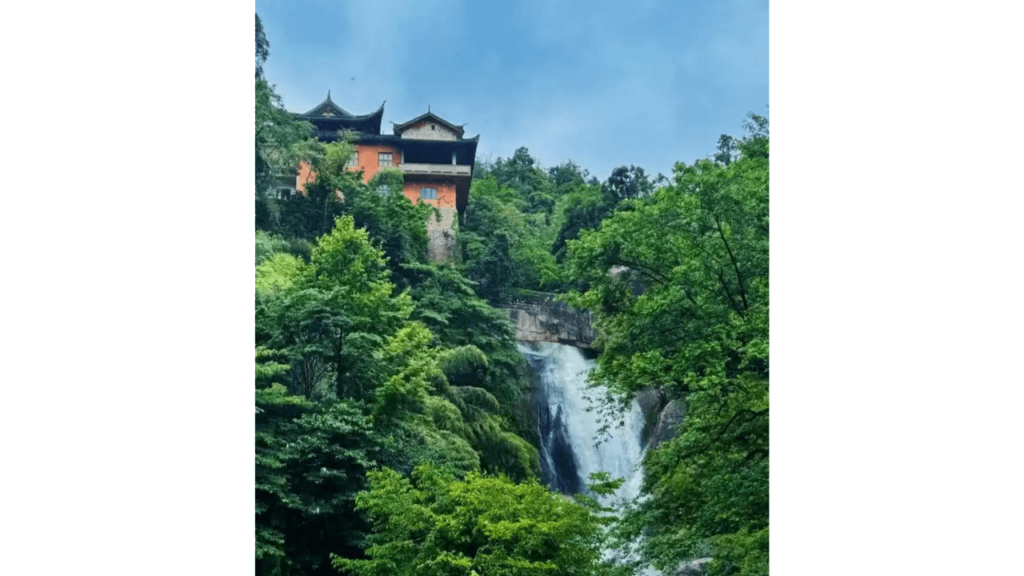
Mount Lu is a UNESCO World Heritage Site renowned for its striking landscapes, rich historical heritage, and cultural significance. Famous for its inspiring scenery, Mount Lu has historically been a center for Chinese poetry, philosophy, and spirituality, influencing artists, scholars, and leaders throughout history.
The mountain offers visitors lush forests, scenic waterfalls, historical villas, and temples, making it a perfect destination for cultural, historical, and nature tourism.
Things to See:
- Guling Town: Historic mountain resort known for European-style architecture.
- Lushan Botanical Garden: China’s first botanical garden, showcasing rich biodiversity.
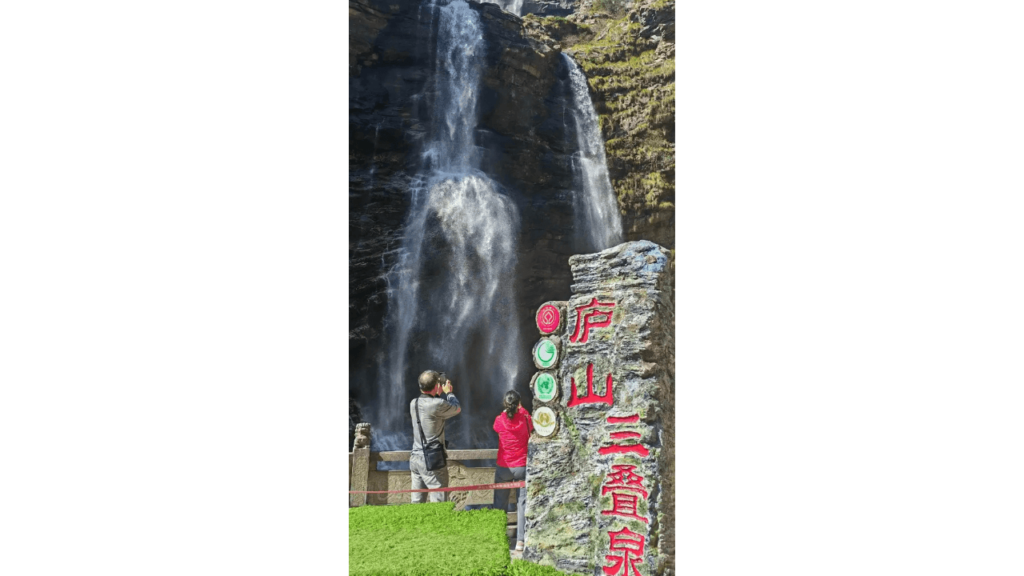
- Three-Step Waterfall: Renowned for its breathtaking beauty and dramatic cascades.
Donglin Temple: An ancient temple significant in Buddhism, famous for its serene environment.
Final words
China’s Buddhist mountains are very beautiful and definitely worth visiting. Each of these ten mountains is special, bringing peace and meaning not only to Buddhists but also to travelers who visit.
When you visit these sacred mountains, you can experience China’s deep spiritual traditions, enjoy stunning natural scenery, and explore old temples that share stories about wisdom and learning. Whether you’re visiting for spiritual peace, to learn about history and culture, or just to see beautiful sights, China’s Buddhist mountains offer wonderful and memorable experiences for everyone.
Related tours
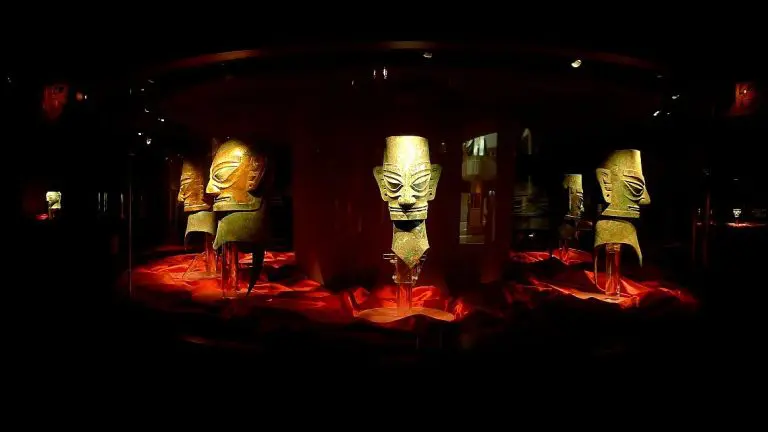
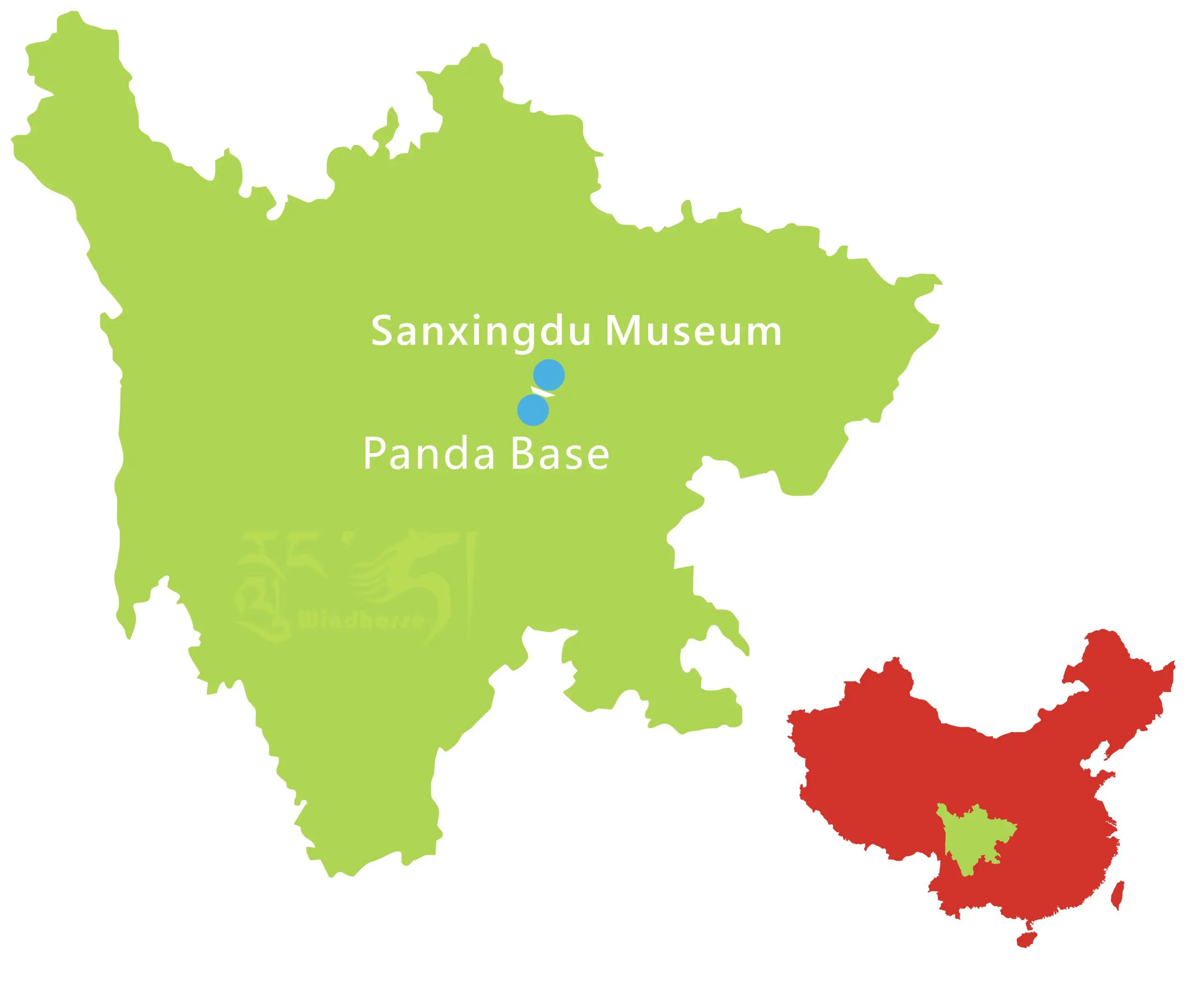
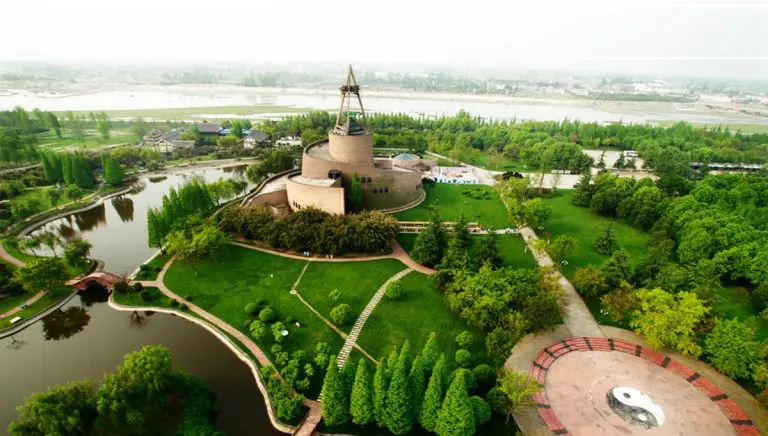

A great experience of Chengdu in just one day. Start in the morning to visit the international known Pandas Breading Center, a cuddly symbol of China. In the afternoon be driven to Sanxingdui Museum to explore the mysterious ancient Shu Kingdom.

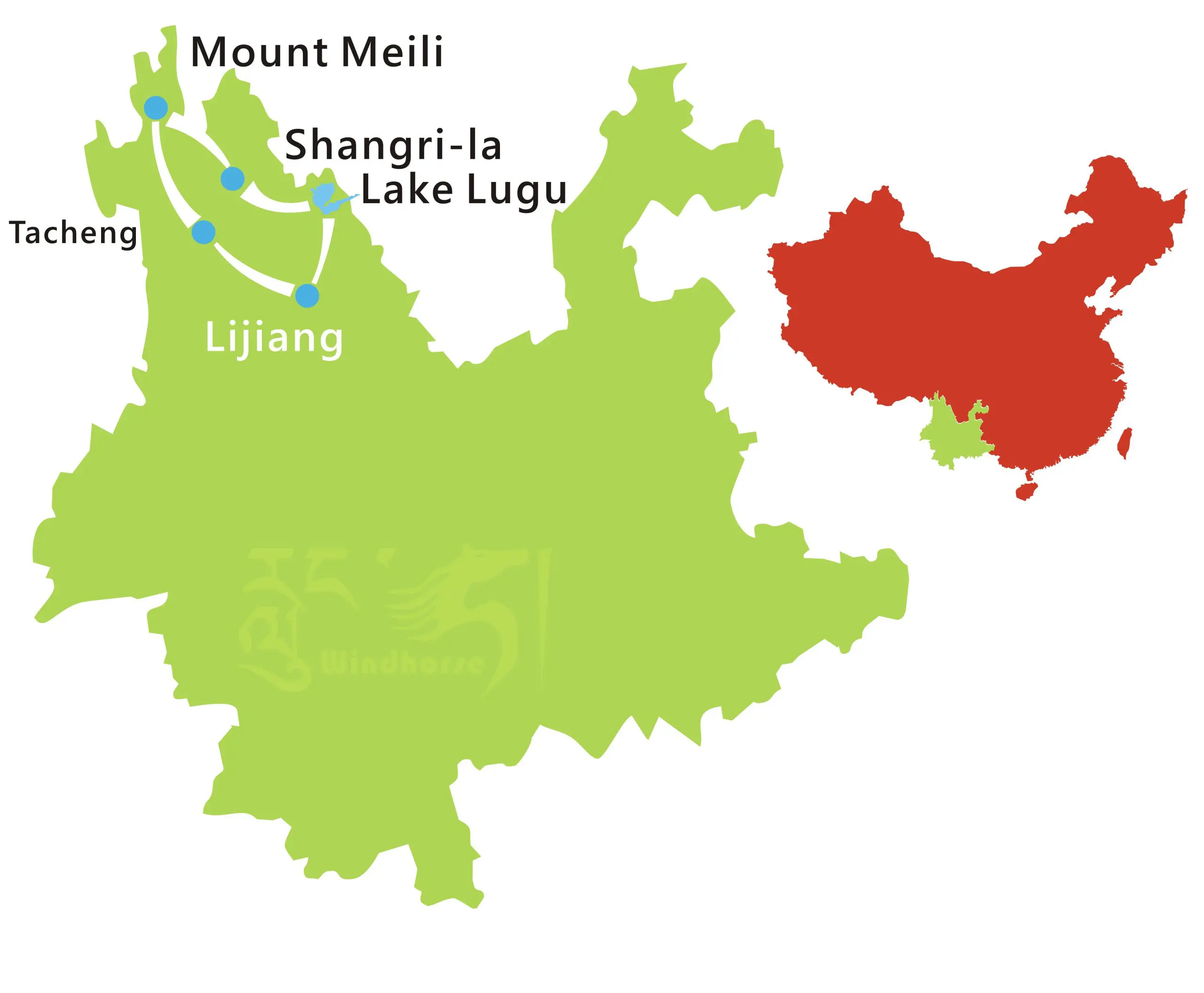
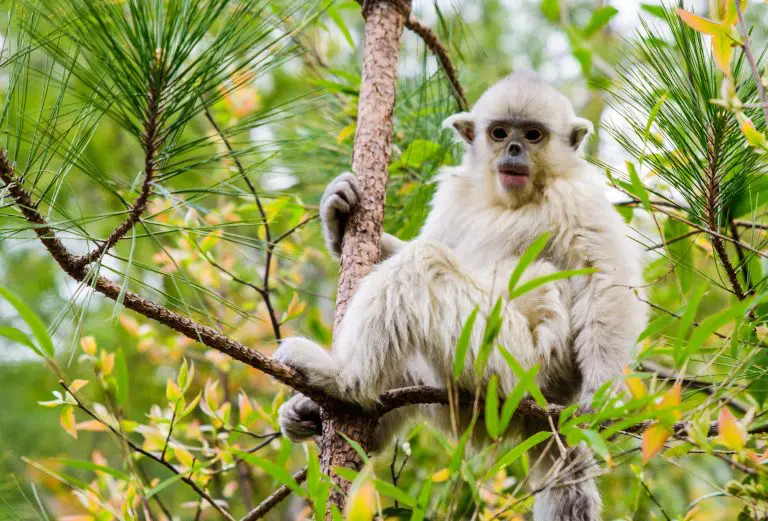
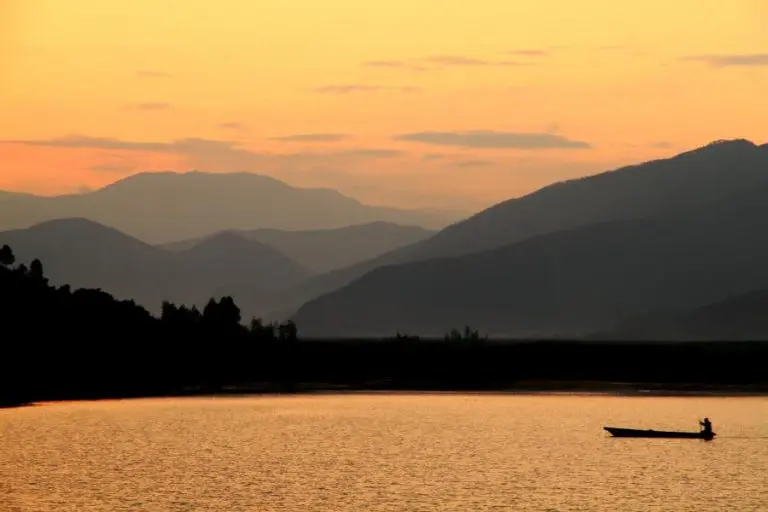
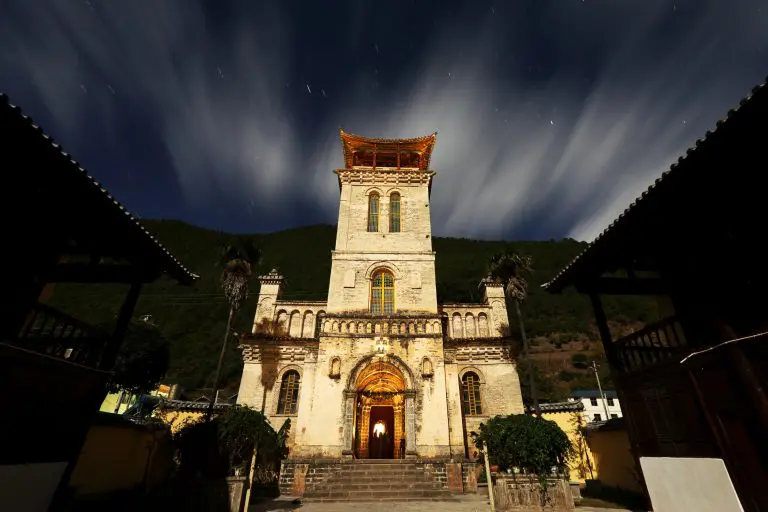
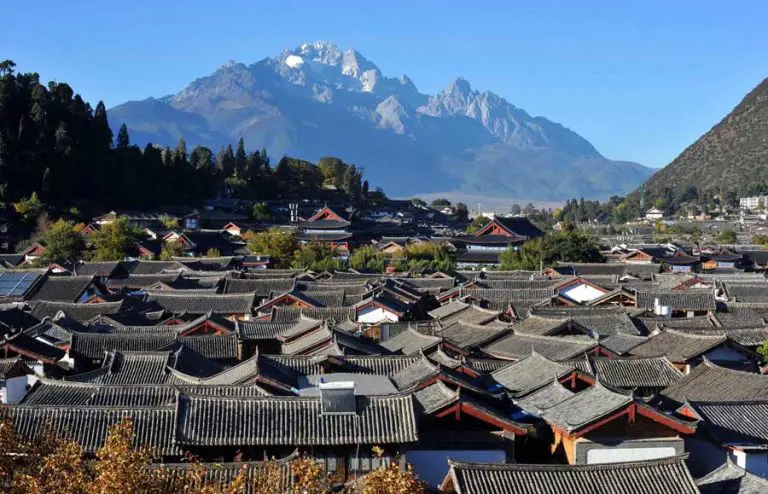
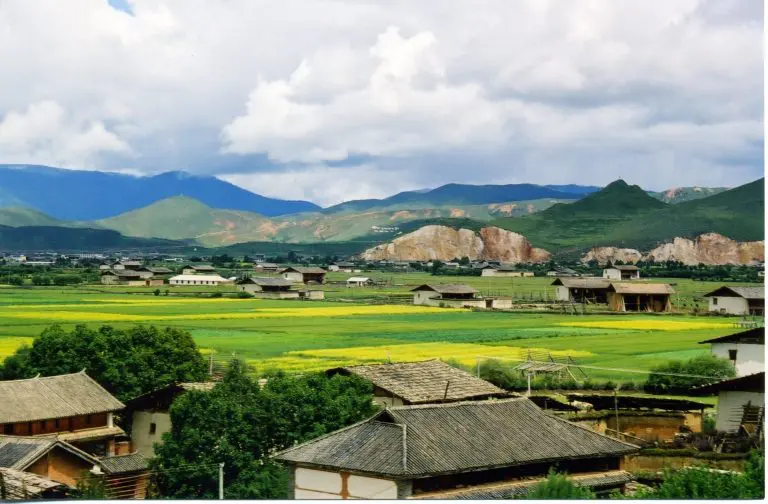
Explore the Yunnan highlands on this 12 day cultural tour from Lijiang to Lugu Lake, Shangri-La, Meili Snow Mountain, Cizhong, and Tacheng. Experience Mosuo, Naxi, and Tibetan culture amid lakes, monasteries, glaciers, and mountain villages.
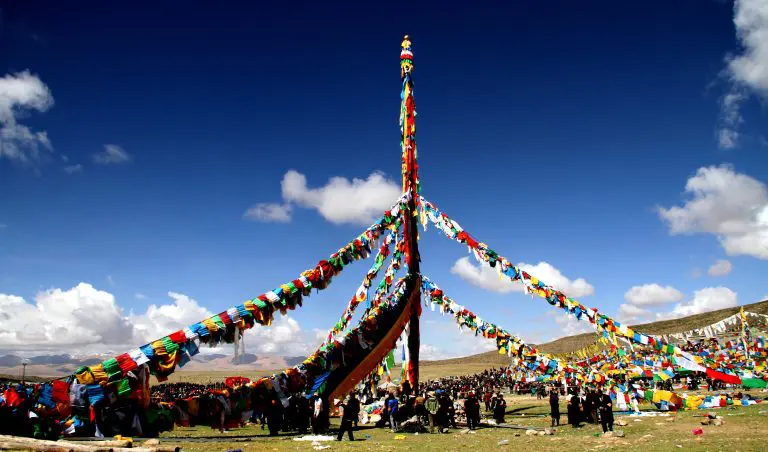
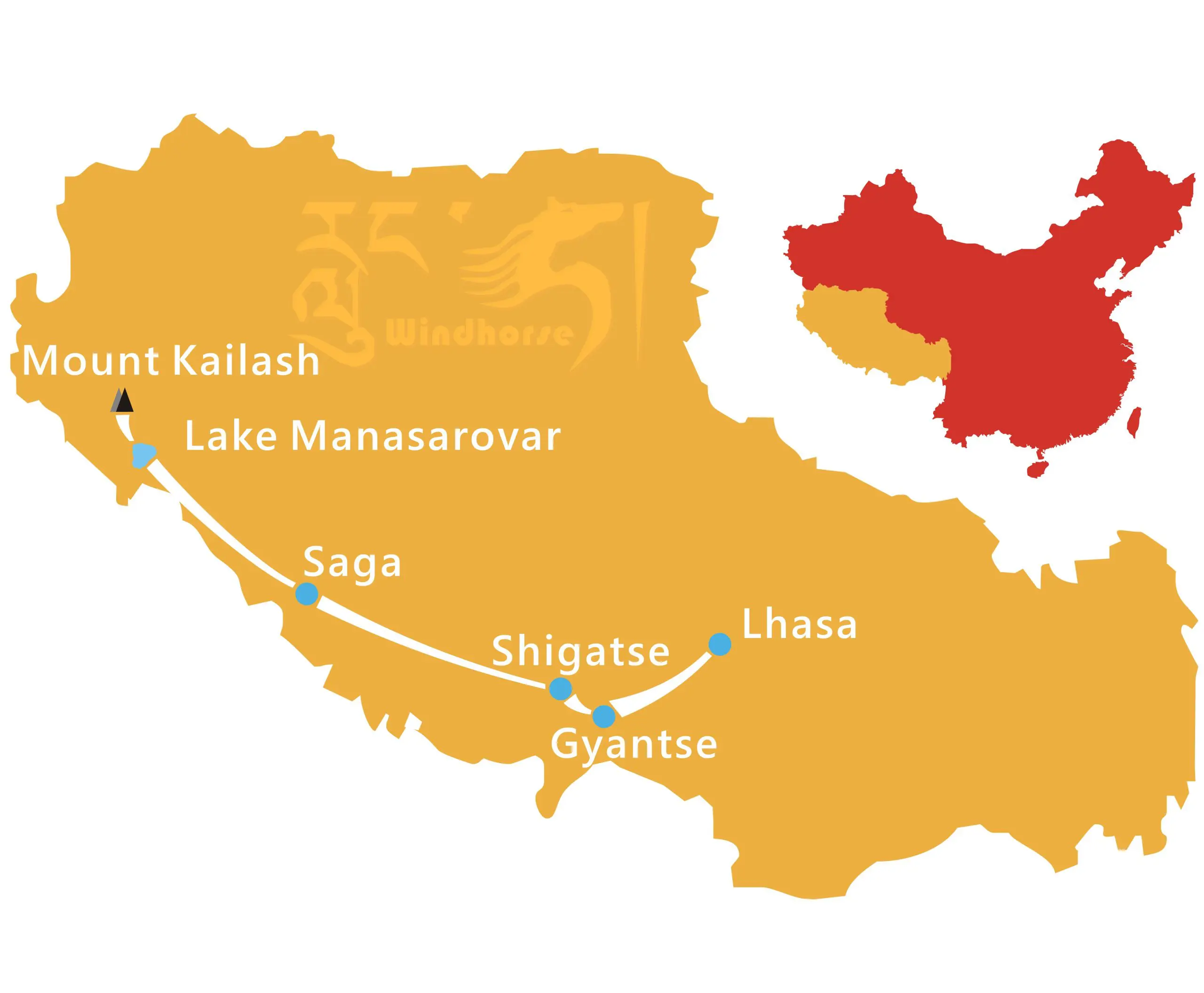
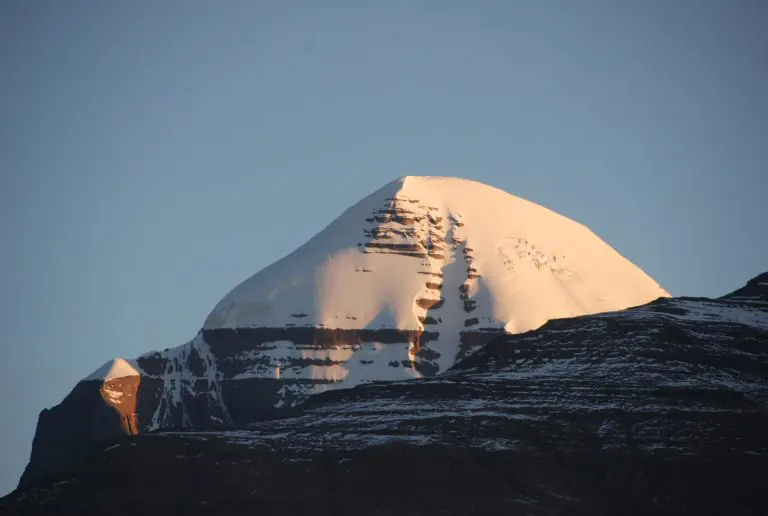

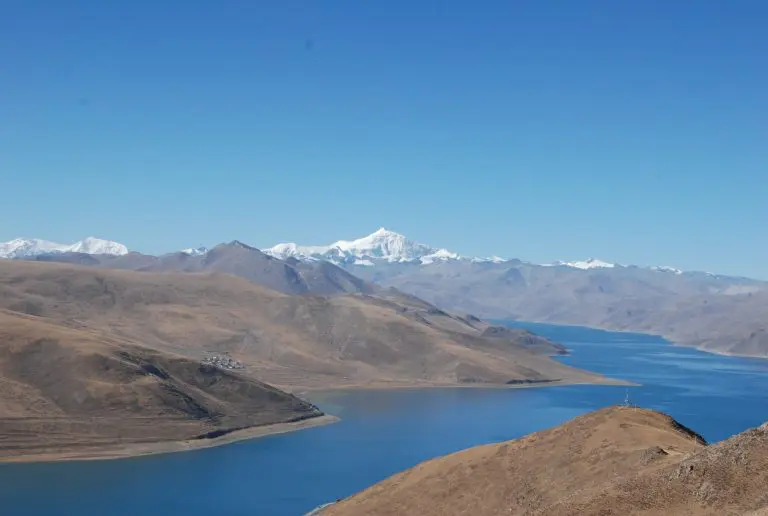
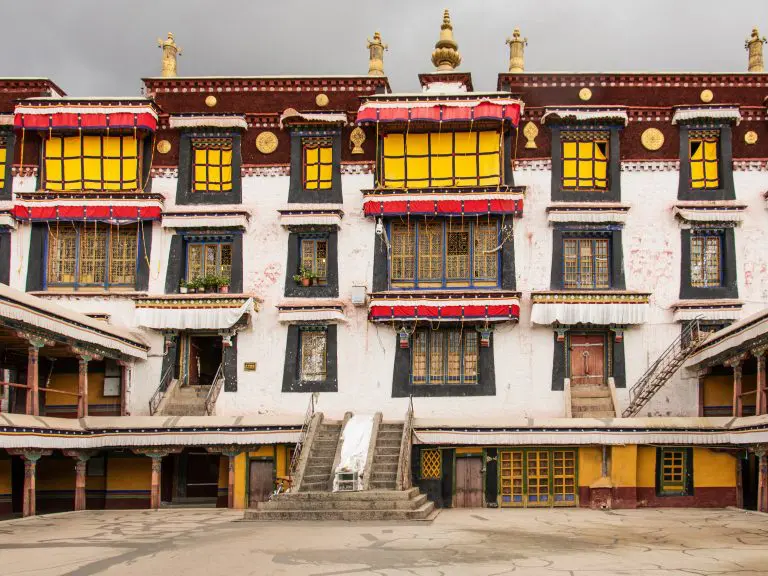
This private 15-day Mount Kailash & Saga Dawa Festival Tour follows Tibet's classic overland route, allowing you to experience the annual Saga Dawa Festival while completing the sacred Kailash Kora.

Discover China’s cultural diversity on this 2-week China minority tour. Travel through Guizhou and Guangxi to visit Miao, Dong, and Zhuang villages, while also exploring the classic highlights of Beijing, Xi’an, Guilin, and Shanghai.