
Han Dynasty

If you’re into stories of ancient empires in China and everyday life way back when, the Han Dynasty is one of China’s most fascinating chapters. The Han Dynasty lasted for over 400 years (around 206 BC to 220 AD), and during that time, China wasn’t just growing- it was thriving. That was a time when paper was first invented, trade routes like the Silk Road were buzzing with activity, and Confucian ideas really started shaping how people lived and governed.
The Han era was full of innovation, culture, and serious empire-building. But it wasn’t just emperors and battles, it also was a time when family, education, and a structured society really took root. If you’re in China and wandering around places like Xi’an or Luoyang, you’re walking in the footsteps of this incredible dynasty. It’s kind of amazing to think that so much of what we consider “classic China” today really started back then. So, here, in this article, we would like to introduce to you the most powerful dynasty in China and also the legacy that this dynasty has left for us to admire.
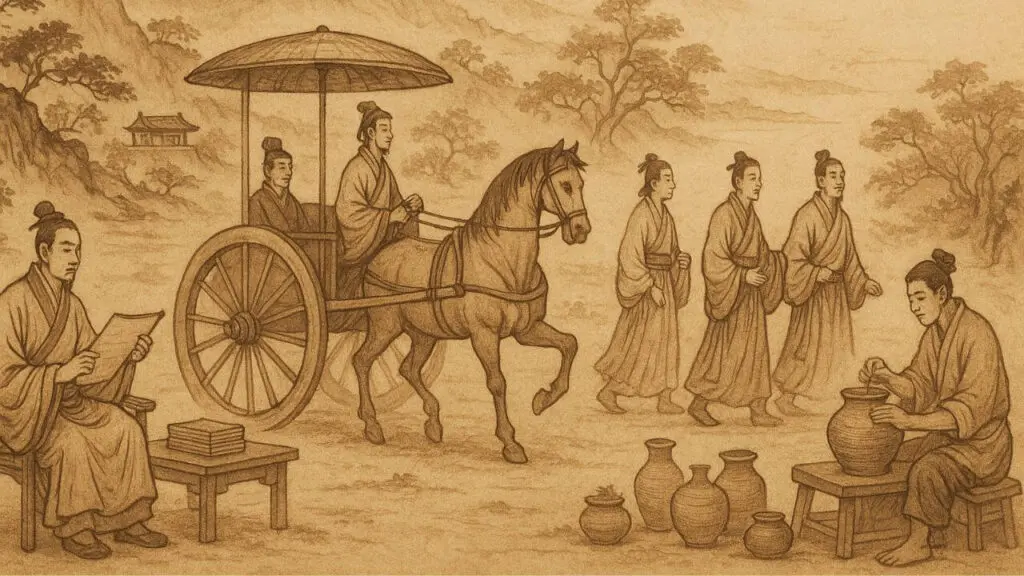
Quick Facts About the Han Dynasty
Time frame: 206 BC – 220 AD (yep, over 400 years!)
Founded by: Liu Bang, a peasant-turned-emperor
Silk Road started here: Major trade with the West began during Han times
They invented paper: Seriously—imagine a world before it!
Confucianism ruled the day: Education and order were big deals
Life was organized: Civil service exams started then to pick government workers
Had some epic wars: Fought off nomadic tribes and expanded the empire
Capital cities: First Chang’an, later Luoyang—both packed with history
Cultural boom: Art, poetry, astronomy, and medicine flourished
Dynasty split: Eventually broke into the Three Kingdoms (lots of drama)
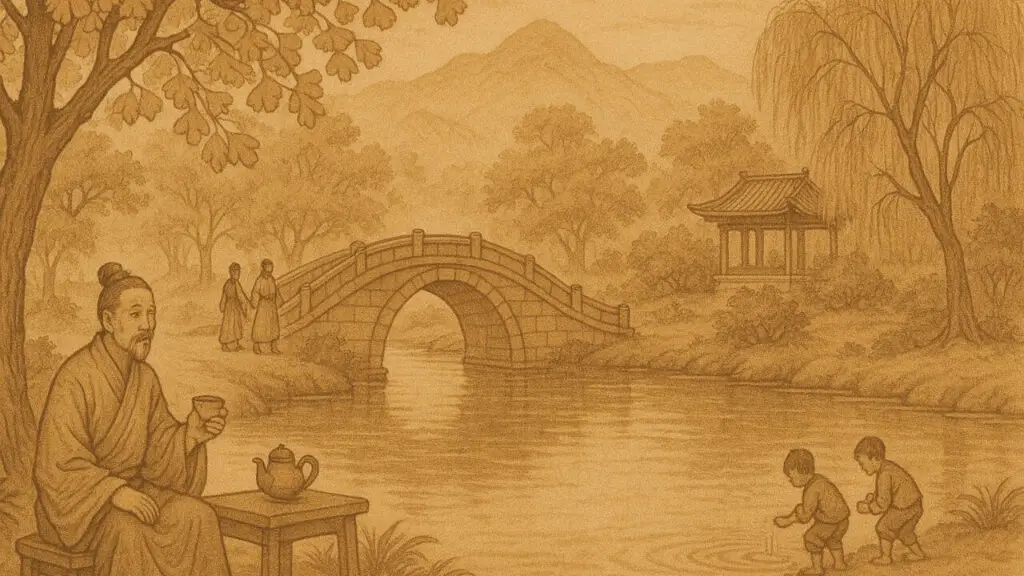
How was Liu Bang (the First Emperor of the Han Dynasty)
Liu Bang (刘邦, 256–195 BC), also known historically as Emperor Gaozu of Han (汉高祖), was the founder and first emperor of China’s influential Han Dynasty (206 BC–220 AD). His reign laid the foundation for a dynasty that shaped much of China’s cultural and political identity.
Here’s a clear breakdown covering key points about Liu Bang’s life and legacy:
Early Life
Liu Bang started life as an ordinary peasant in present-day Jiangsu Province. Unlike many other Chinese emperors, he was not born into nobility. Instead, Liu Bang was known as a charismatic but somewhat rough-around-the-edges character, working initially as a village officer (亭长, tingzhang), a low-level official position tasked with maintaining local order.
According to historical records, Liu Bang was not especially disciplined or studious in his youth, often preferring leisure and drinking. Nevertheless, his strong leadership qualities, charisma, and instinctive understanding of people would later prove crucial.
Rise to Power
The opportunity for Liu Bang’s rise came during the decline of the Qin Dynasty (221–206 BC). Following the death of Qin Shi Huang, China plunged into chaos, sparking rebellions across the empire. Liu Bang became a prominent leader among rebel forces. Notably, he captured the Qin capital of Xianyang in 206 BC, effectively ending the Qin Dynasty’s brutal but brief reign.
However, after the fall of Qin, Liu Bang faced a fierce rivalry with another powerful warlord, Xiang Yu (项羽), leading to the famous Chu-Han Contention (楚汉之争), a civil war lasting from 206 to 202 BC. Liu Bang ultimately defeated Xiang Yu at the decisive Battle of Gaixia in 202 BC, securing his position as sole ruler of China.
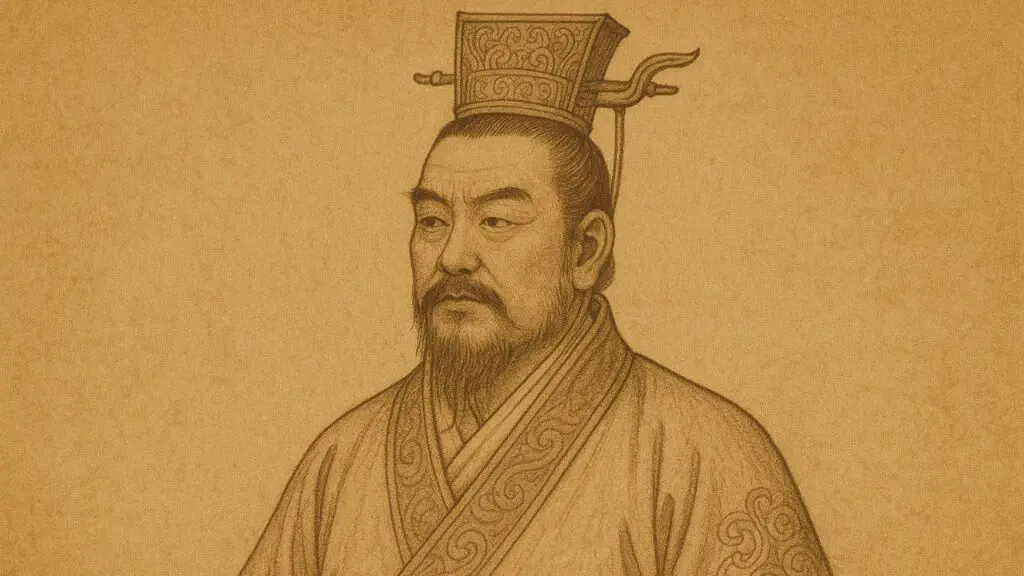
Emperor Gaozu of Han (汉高祖)
Liu Bang ascended the throne in 202 BC, taking the title Emperor Gaozu, marking the formal beginning of the Han Dynasty. His reign (202–195 BC) was characterized by pragmatic reforms and relative stability after years of warfare.
Key Reforms:
- Reduced Taxes and Corvée Labor: Liu Bang understood the hardships of common people and significantly reduced oppressive Qin-era laws and heavy labor obligations.
- Centralization with Feudal Elements: He balanced a centralized bureaucracy with a feudal nobility system, appointing trusted generals and relatives to positions of power across the empire.
- Meritocracy and Bureaucracy: Expanded the importance of merit-based governance, laying groundwork for the future civil service examinations.
Legacy and Significance
Liu Bang’s Han Dynasty became one of China’s most influential periods, lasting over four centuries and setting the template for future dynasties. The Han Dynasty is so foundational to Chinese culture that even today, the majority ethnic group in China identifies itself as “Han Chinese.”
Liu Bang’s personal story—of rising from peasant to emperor—became legendary, symbolizing possibilities beyond birthright and inspiring generations of Chinese leaders.
His combination of charismatic leadership, political savvy, and empathy for ordinary citizens solidified his historical reputation as a wise yet approachable ruler. Even centuries later, Liu Bang remains one of the most admired and studied leaders in Chinese history.
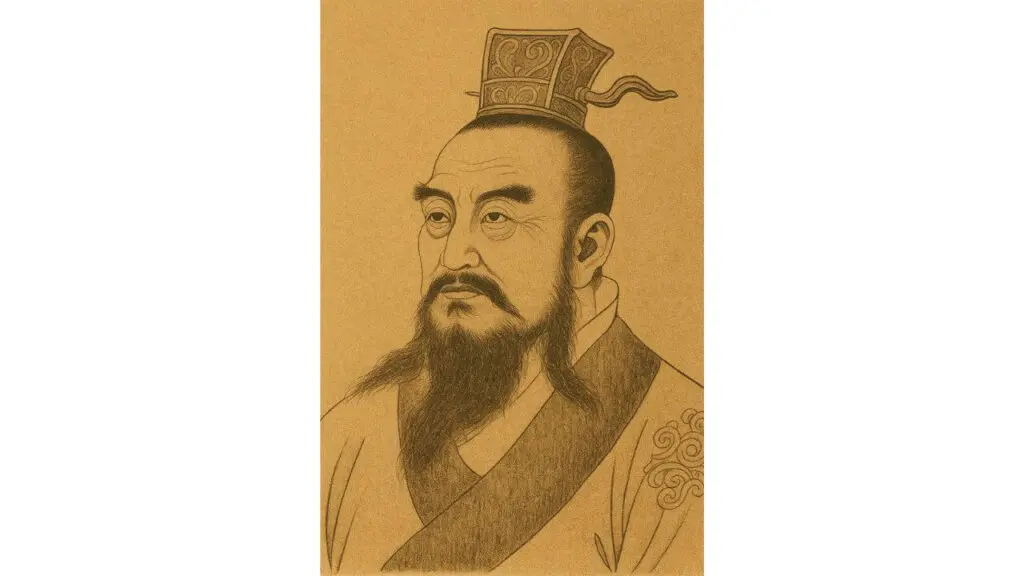
The Rise and Glory of the Han Dynasty
Early Han rulers knew they had to win people’s trust. They eased harsh laws, cut taxes, and focused on stability. As a result, people started farming more, trade picked up, and cities grew. But the real magic happened during the rule of Emperor Wu, one of China’s most powerful and ambitious emperors. Under his reign, the Han pushed their borders far and wide, opened the famous Silk Road, and made Confucianism the core of government and society.
The Han period is often called the golden age of ancient China—and it’s easy to see why. It was a time of huge scientific discoveries, major engineering projects, booming trade, and cultural achievements that still influence the world today. This was when China really started to define itself as a strong, unified empire with a deep identity and global reach.
Even today, the legacy of the Han Dynasty lives on. In fact, many Chinese people refer to themselves as “Han Chinese” as a nod to this incredible era. Whether you’re visiting historic cities like Xi’an or exploring museum artifacts from the time, you’re stepping into a story that began over 2,000 years ago and still echoes through the heart of China.
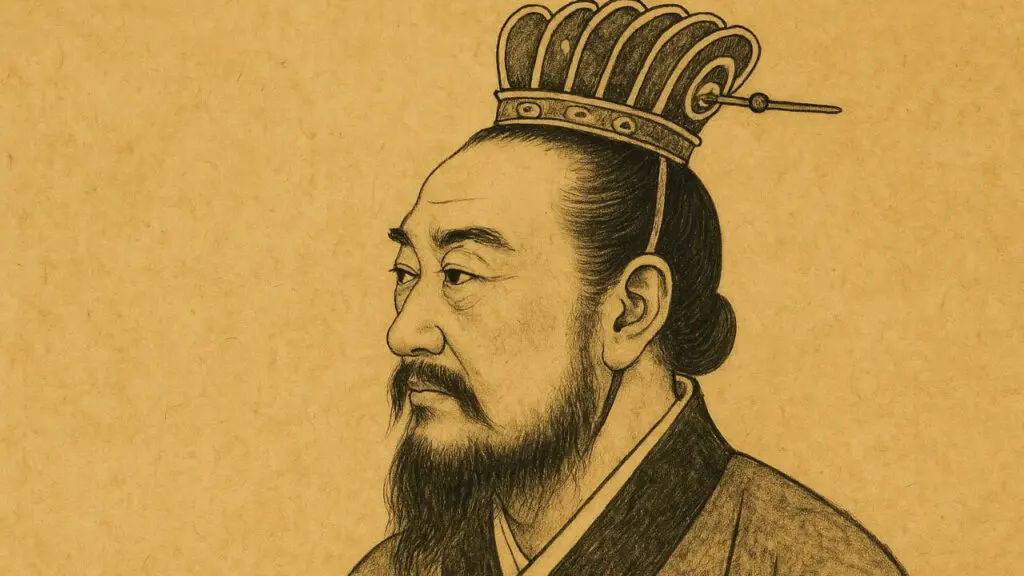
Top Highlights from the Han Dynasty
Invention of Paper
Yep, one of the biggest game-changers in human history happened during the Han Dynasty. Around 100 AD, a guy named Cai Lun improved the papermaking process. Before that, people were writing on bamboo or silk (super expensive!). Paper made writing and record-keeping way easier and more affordable.
Opening of the Silk Road
Trade with the West took off thanks to the Silk Road, a network of routes that connected China to places like India, Persia, and even Rome. The Han Dynasty officially opened this up, making silk, spices, and ideas flow across continents. It was ancient globalization!
Rise of Confucianism as State Philosophy
Confucian values like respect, family, and education weren’t just popular—they became official. The Han emperors made Confucianism the foundation of government and daily life, which influenced Chinese society for centuries.
Civil Service System
The Han started a system where government jobs were earned by passing exams instead of just knowing the right people. It gave smart, hard working folks a shot at moving up in the world—and laid the foundation for China’s merit-based bureaucracy.
Military Expansion and Stability
The Han expanded the empire’s borders and built defenses like the early Great Wall sections. They pushed back against nomadic invasions and kept the peace across a massive area, from Korea to Vietnam.
Advancements in Science and Tech
Astronomy, medicine, and engineering all saw huge progress. They tracked comets, improved tools, and even developed an early version of a seismograph to detect earthquakes!
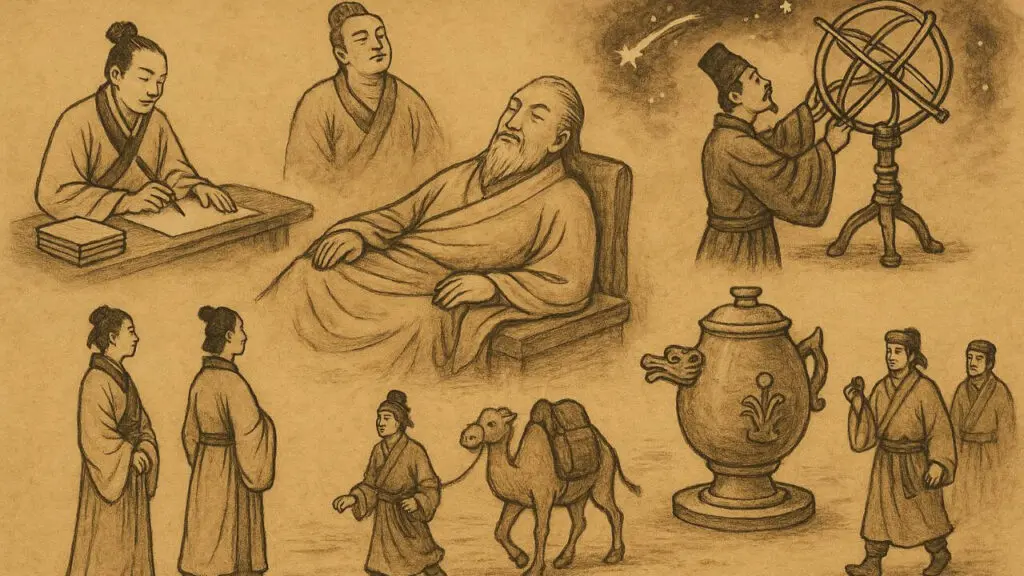
The Legacy of the Han Dynasty – And Why It Still Matters Today
A Lasting Name
First off, most people in China today actually refer to themselves as Han Chinese. That’s not just a nod to the past- it’s a statement about shared roots. About 90% of China’s population identifies as Han, named directly after the dynasty that helped unify the country and set the tone for its culture.
Confucianism and Social Values
The Han Dynasty took the teachings of Confucius and turned them into the backbone of society- values like respect for family, loyalty, education, and order. These ideas still shape Chinese culture today, from how families are structured to how government and education are approached.
Language and Writing
The foundation for modern written Chinese—how it’s organized, standardized, and taught—was heavily influenced by Han scholars. Many of the characters used today, as well as early dictionaries and historical texts, trace back to that time.
The Civil Service System
The Han introduced the idea of merit-based government jobs. Back then, if you wanted to work in public service, you had to pass serious exams. That legacy lives on in the high value China places on education, testing, and academic achievement.
Infrastructure and Innovation
Some of the canals, roads, and agricultural systems that began in the Han era continued to support life in China for centuries. They also gave the world paper, early seismographs, and advances in astronomy—just to name a few things.
When people talk about ancient China’s “golden age,” there’s often a friendly debate: Was it the Han Dynasty, or was it the Tang?
The truth is they were both incredible, but in very different ways. Whether you’re traveling through China or just curious about its rich past, understanding these two legendary dynasties helps paint a clearer picture of what shaped the country as we know it today.
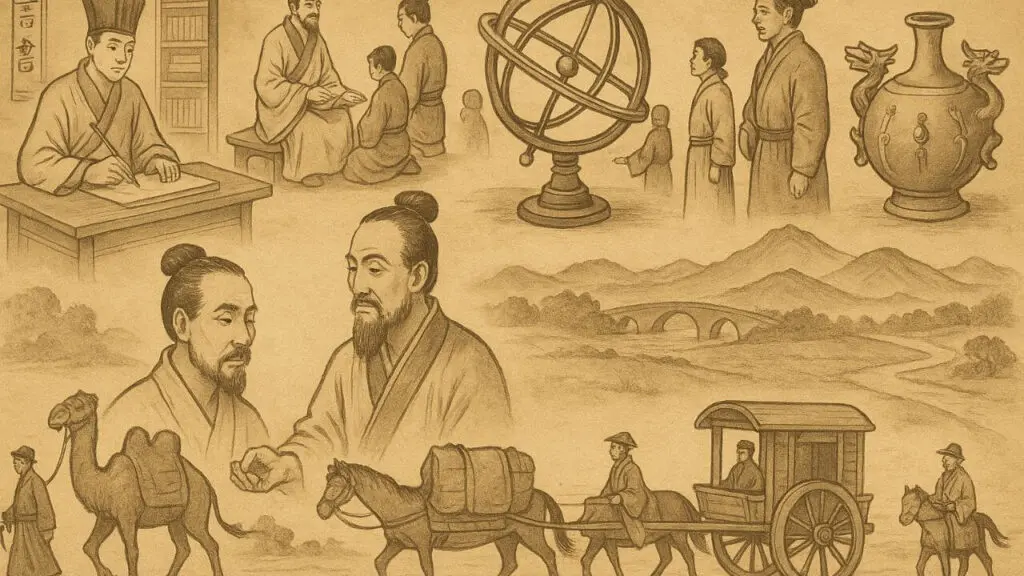
Han vs Tang Dynasty: Two Golden Ages of China
Han vs Tang: How Are They Different?
| Aspect | Han Dynasty | Tang Dynasty |
| Timeframe | 206 BC – 220 AD | 618 – 907 AD |
| Strength | Political foundation, Confucian order | Cultural glow, openness to the world |
| Innovation | Paper, civil service system, Silk Road | Art, poetry, music, fashion |
| Society | Conservative, structured, family-centered | Diverse, expressive, cosmopolitan |
| Famous For | Starting what we now see as Chinese identity | Taking Chinese culture to its most dazzling heights |
Han Dynasty Sites Tourists Can Visit Today
If you’re traveling through China and love a mix of history and adventure, the Han Dynasty left behind some incredible places that are still around today. These sites give you a real sense of what life was like over 2,000 years ago—and they’re not just ruins, they’re windows into one of China’s most legendary eras.
Mausoleum of Emperor Jing (Yangling Mausoleum) – Xi’an, Shaanxi Province
This underground tomb is like stepping into a time capsule. Emperor Jing, who ruled during the Western Han period, was buried here along with thousands of miniature terracotta figures. It’s quieter than the more famous Terracotta Army but just as fascinating. The museum is built right over the excavation site, so you can literally walk above ancient history.
Han Yangling Museum – Also near Xi’an
This museum is part of the same complex as Emperor Jing’s tomb and is incredibly well-designed. Glass floors let you look down into the burial pits, where you’ll see tiny soldiers, servants, and even pottery horses—things meant to serve the emperor in the afterlife.
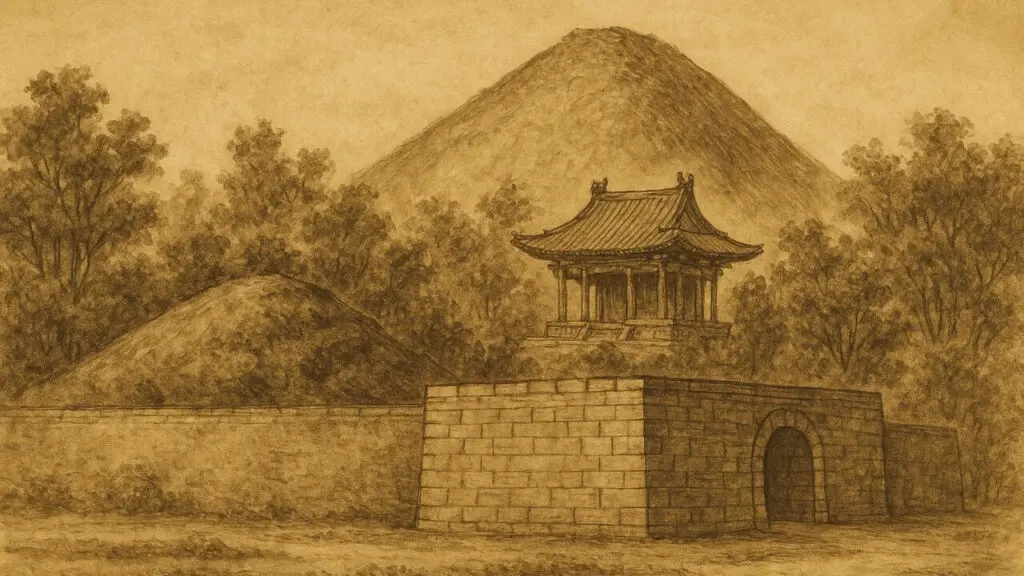
Luoyang Ancient Tombs Museum – Luoyang, Henan Province
Luoyang was one of the Han capitals, and this museum showcases dozens of tombs from the Eastern Han period. What makes it stand out? You can walk into reconstructed underground tombs and see the murals, carvings, and layouts just as they were centuries ago.
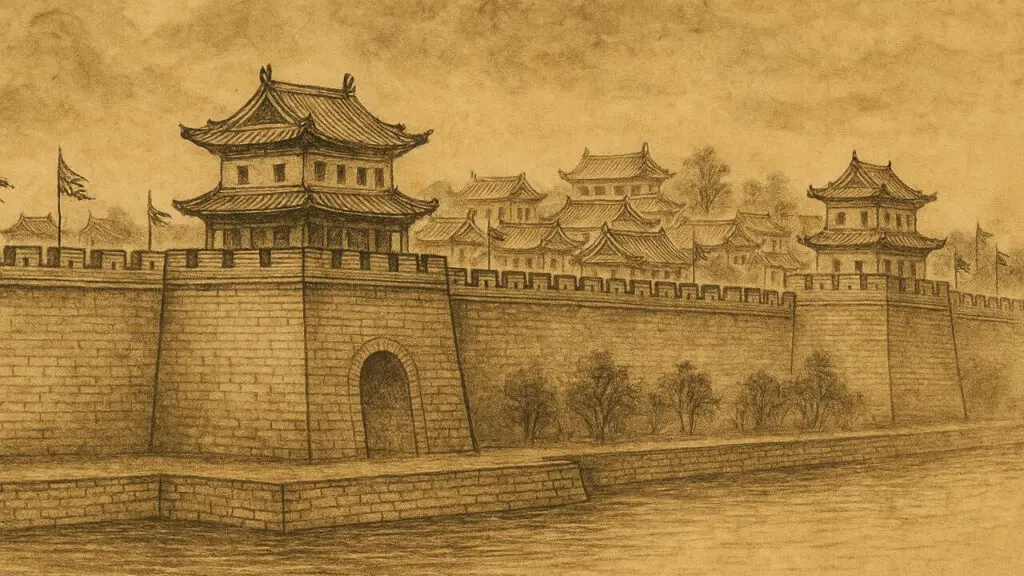
The Ancient City Wall of Xi’an
While most of the wall seen today was rebuilt during the Ming Dynasty, the city layout traces all the way back to the Han period. Strolling or biking on top of the wall offers views of both modern life and deep history layered together.
Silk Road Starting Points – Xi’an and Gansu Province
The Han Dynasty officially opened up the Silk Road for trade, and today, you can visit key stops along that ancient route. In Dunhuang, for example, the Mogao Caves tell stories of Han-era travelers, artists, and monks who passed through with silk, spices, and scrolls.
Mawangdui Tombs – Changsha, Hunan Province
This lesser-known but fascinating site is where one of the most famous Han mummies was found—Lady Dai, incredibly well-preserved after over two millennia. Her tomb contained everything from silk clothes to ancient medical books, giving us an intimate look at Han elite life.
Final Words
The period of the Han Dynasty was the moment when so much of what we now think of as “China” truly began. From paper and politics to values that still shape everyday life, its legacy runs deep. Whether you’re walking through ancient tombs or reading about emperors and scholars, the Han story is everywhere—and it’s still alive in the spirit of the people, the culture, and the land. It’s not just history. It’s heritage.
Related tours

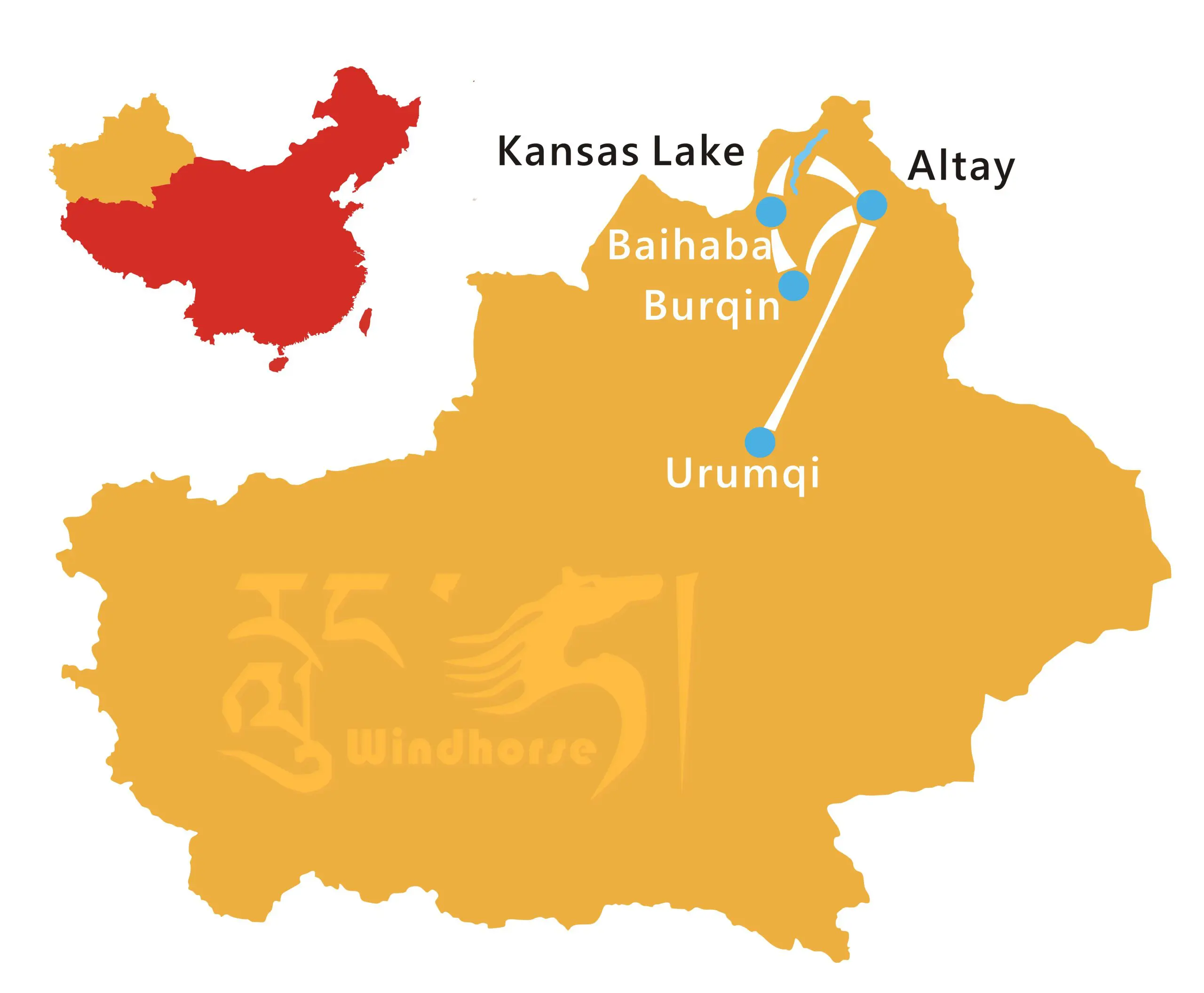



This Kanas Lake trekking tour leads you through Northern Xinjiang’s most scenic trails. Trek from Jiadengyu to Hemu Village, then to Kanas Lake across forests, rivers, alpine meadows, and panoramic ridges while experiencing Tuwa culture and the region’s famous turquoise lake.








Challenge yourself on this 6 day Mount Siguniang Dafeng Peak Climbing tour. Trek through stunning Haizi Valley to reach the 5,025 m summit, perfect for fit beginners aiming to conquer their first 5,000 m peak. Enjoy incredible alpine views, expert guides, and full support from Chengdu.
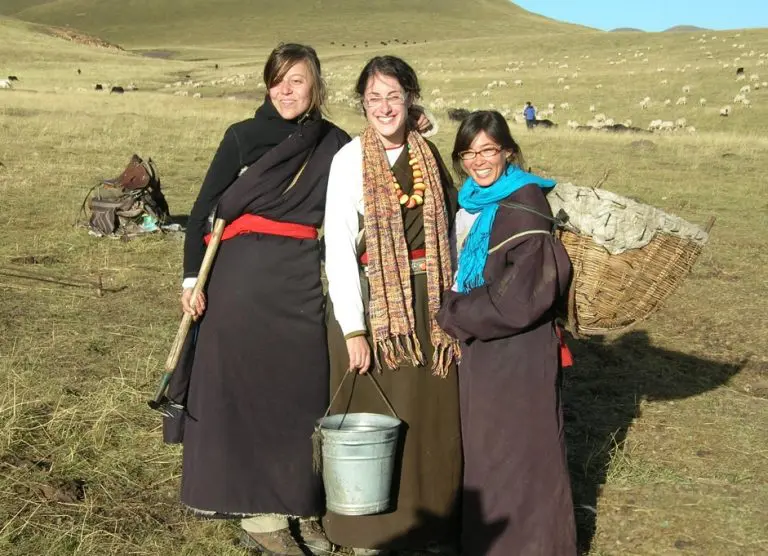
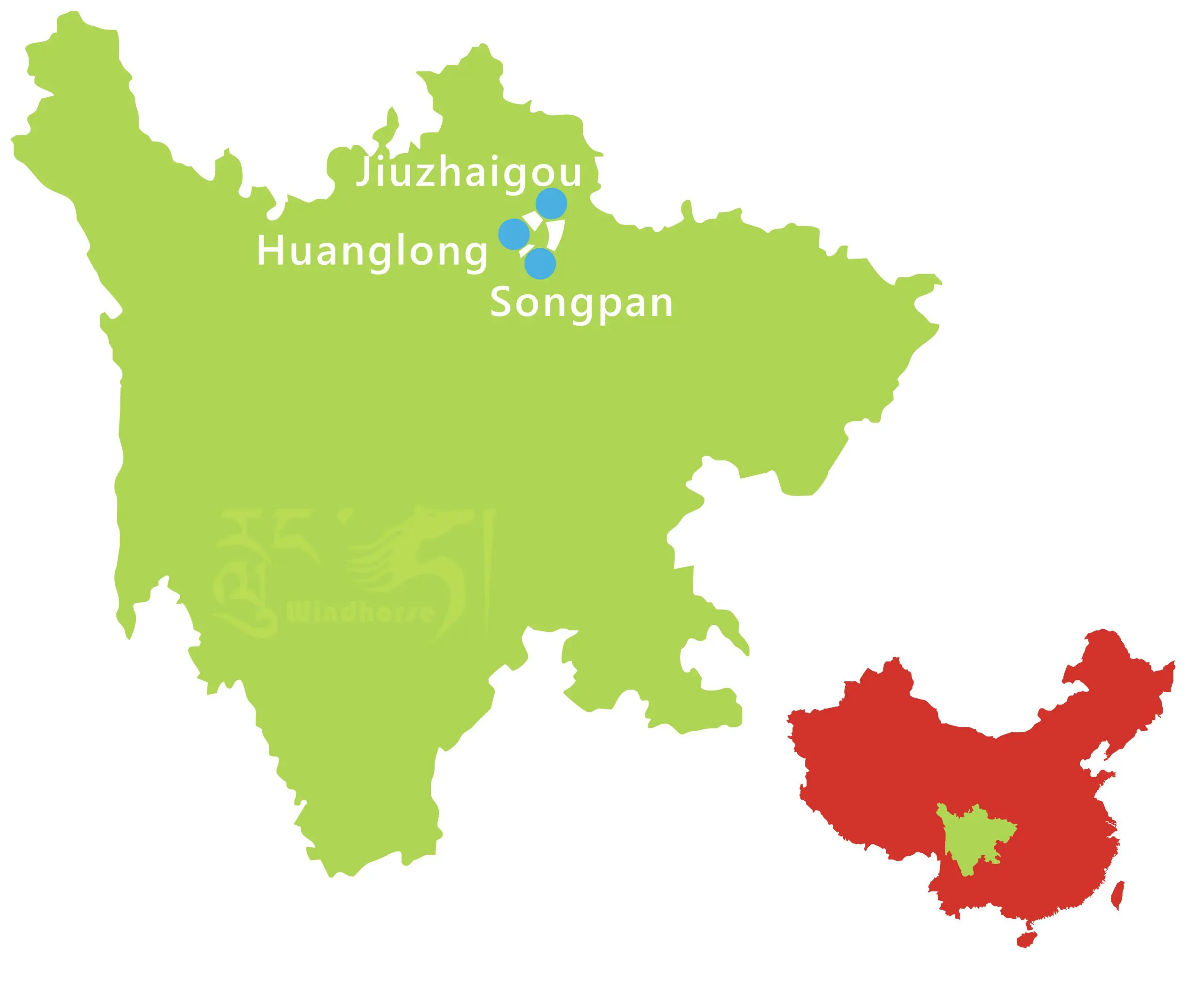



This Jiuzhaigou-Langmusi horse trekking and nomad tour offers a unique opportunity to experience Tibetan nomadic life and culture, as well as to appreciate the incredible natural beauty of Jiuzhaigou, Huanglong, and the Ruoergai grasslands.

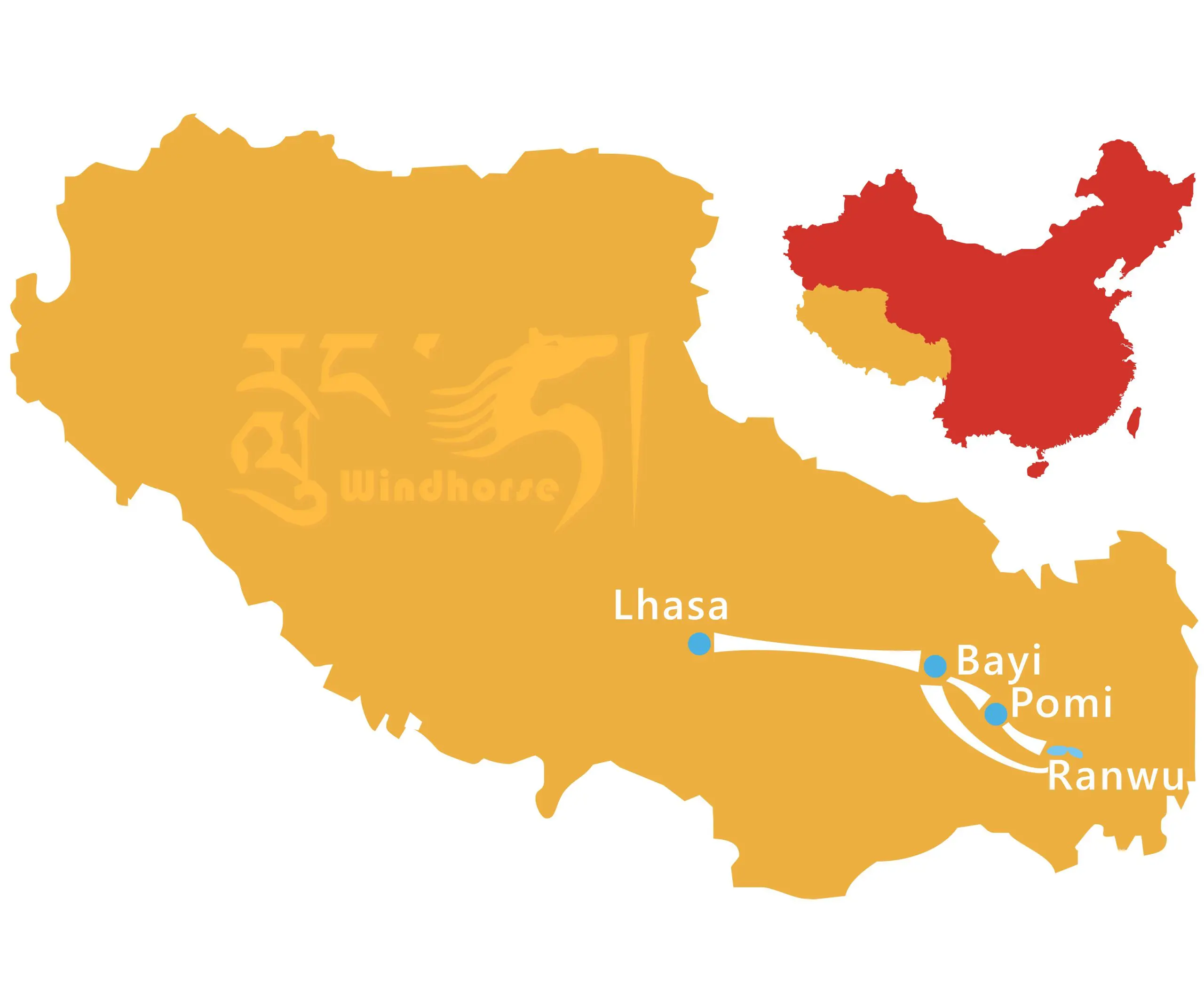




This 9-day Nyingchi, Ranwu Lake and Lhasa overland Tour combines eastern Tibet’s alpine beauty with Lhasa’s sacred landmarks. Visit Lulang Forest, Midui Glacier, Ranwu Lake, Basum-tso, Potala Palace, Jokhang Temple, and the great monasteries of Lhasa.