
The overhanging Great Wall of Gansu Province

The so-called Overhanging Great Wall, one of the great sightseeing spots in Jiayuguan city of China’s Gansu province, is located just miles away from the spectacular Jiayuguan Pass. This remarkable section of the Great Wall was built in 1539, during the Ming dynasty, as an important defensive position of the empire’s western edge.
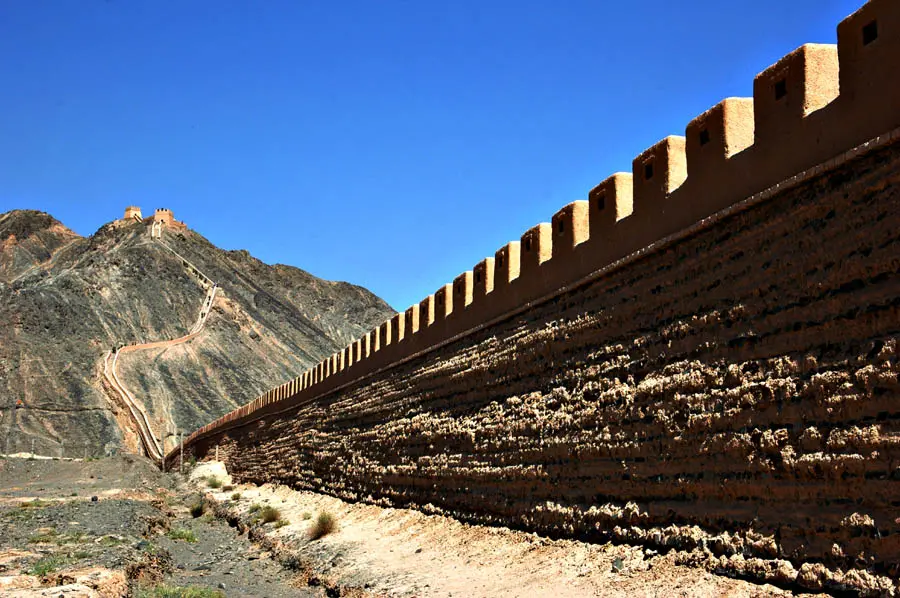
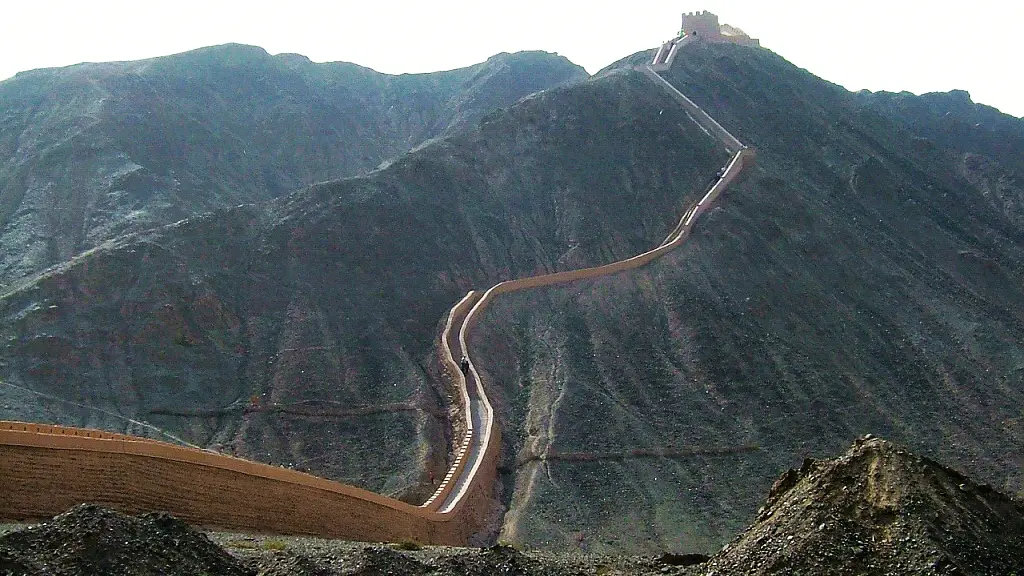
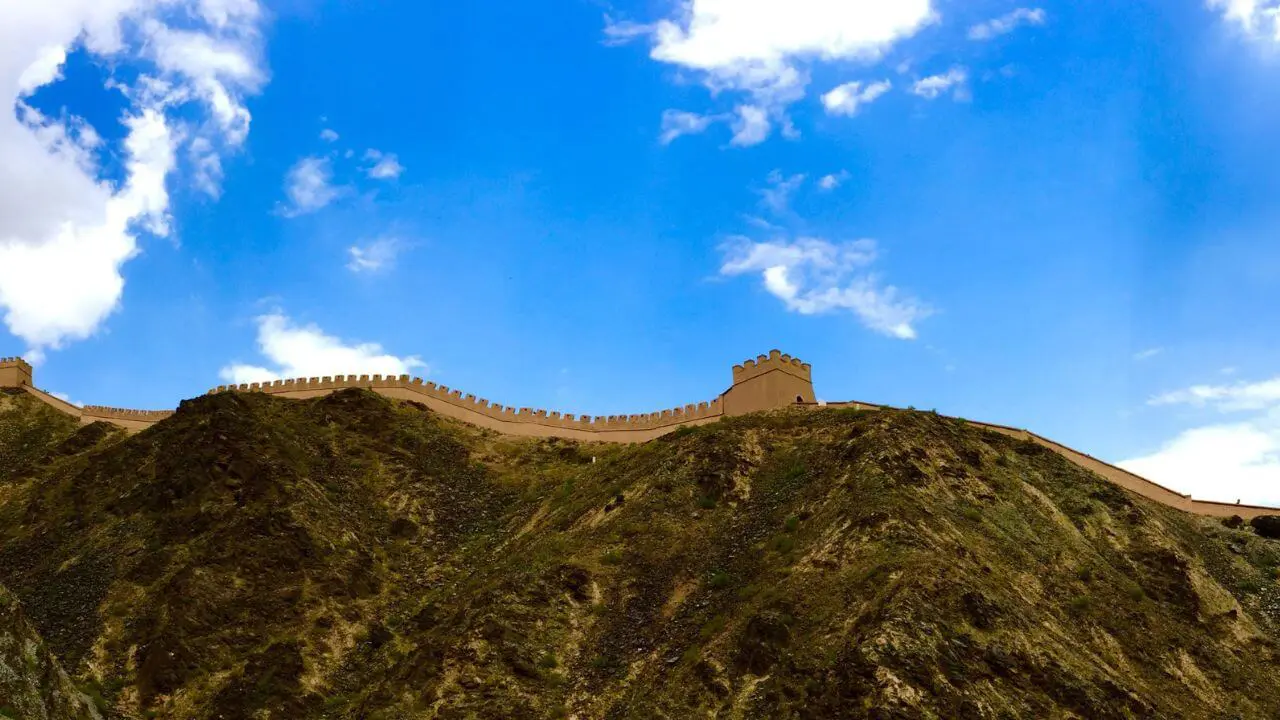
Viewed from a distance, this section of the wall looks like a dragon hanging over the eastern slope of Mt. Heishan (Black Mountain), which is where the peculiar name comes from. The Overhanging Great Wall is constructed from layer upon layer of gravel and yellow earth, and its spectacular construction and imposing outlook have earned it the reputation of “the western Badaling Great Wall.”
Facts about The Overhanging Great Wall
The Overhanging Great Wall, known as “Xuánkōng Chángchéng” (悬空长城) in Chinese, is a distinctive section of the Great Wall of China that exhibits unique architectural features and historical significance.
Chinese Name: Xuánkōng Chángchéng (悬空长城), which translates to “Hanging” or “Suspended” Great Wall, is a name that reflects the wall’s unique construction along the steep mountain ridges, giving the illusion of hanging over the void.
Structural Details
Materials Used: The wall is primarily constructed from bricks, stones, tamped earth, and wood, similar to other sections of the Great Wall. However, its construction technique and adaptation to the terrain make it unique.
Length and Height: The Overhanging Great Wall stretches approximately for 1.5 kilometers. It was initially built to extend the defensive capability of the Jiayuguan Fort, serving as an additional barrier against potential invaders. The height varies along the structure, adapting to the mountainous terrain it traverses.
Comparisons with Other Sections of the Great Wall of China
Location and Terrain: Unlike the more famous sections of the Great Wall like Badaling or Mutianyu, which are closer to Beijing, the Overhanging Great Wall is situated in Gansu Province, characterized by its arid terrain and steep mountain ridges. This location contributes to its unique ‘overhanging’ appearance, as it clings to the mountainside and winds through treacherous terrain.
Purpose and Design: While most parts of the Great Wall were built for military defense against northern invaders, the Overhanging Great Wall also served as a secondary line of defense for the Jiayuguan Fort, an important Silk Road outpost. Its design and construction were specifically tailored to the challenging landscape, utilizing the natural contours of the land for enhanced defense capabilities.
Preservation and Tourism: The Overhanging Great Wall has undergone restoration to preserve its unique structure and historical value. However, it is less commercialized and crowded compared to other sections, offering a more serene and authentic experience to visitors interested in exploring the rich history and remarkable engineering of the Great Wall of China.
Brief History
Origin and Purpose of Construction
The Overhanging Great Wall, known as the “Xuankong Changcheng” in Chinese, was originally constructed during the Ming Dynasty, primarily for defense purposes. It served as a crucial military fortification, designed to protect the Chinese empire from invasions and raids by nomadic tribes from the north. The wall was an extension of the defensive structures that make up the vast Great Wall of China, symbolizing the lengths to which the Ming rulers went to safeguard their realm.
Historical Timeline
Ming Dynasty (1368–1644): Initial construction of the Overhanging Great Wall took place under the Ming Dynasty‘s rule. It was strategically placed in the steep mountain ranges of Gansu Province to serve as an early warning and defense system against invasions.
Qing Dynasty (1644–1912): The wall continued to hold its defensive significance but saw periods of neglect and disrepair, as the Qing Dynasty had a more stable hold over the region and faced fewer threats from northern invaders.
20th Century: The Overhanging Great Wall underwent several restoration efforts during the 20th century, particularly as its value as a cultural and historical monument became increasingly recognized.
Recent Decades: Modern restoration projects have aimed to preserve the wall’s structure and historical integrity, turning it into a significant cultural heritage site and a popular tourist attraction, balancing conservation efforts with the need to accommodate and educate visitors about its rich history.
Location of The Overhanging Great Wall
Geographical Setting
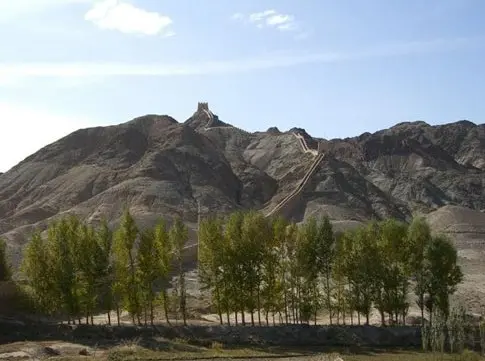
The Overhanging Great Wall is ingeniously nestled in the rugged terrain of Gansu Province, demonstrating the strategic brilliance of ancient Chinese military architecture. Perched precariously on the steep slopes of the mountains, the wall integrates seamlessly with the natural landscape, creating an illusion of vulnerability to invaders while actually serving as a formidable defensive structure. Its placement in the mountainous region not only provided a vantage point for surveillance but also leveraged the natural topography for enhanced defense.
Proximity to Other Notable Places
The Overhanging Great Wall is strategically positioned near Jiayuguan Pass, another significant historical site in Gansu Province. This proximity to Jiayuguan Pass is crucial, as the pass served as a vital gateway on the ancient Silk Road and a cornerstone in the defense system against northern invasions. The relationship between the Overhanging Great Wall and Jiayuguan Pass epitomizes the comprehensive defense strategy employed by the ancient Chinese, creating layers of protection that challenged and deterred potential invaders.
The location of the Overhanging Great Wall reveals the ingenuity of the ancient Chinese people, as it is subtly situated among the mountains, leading invaders to believe they could easily enter China without needing to breach the defenses of Jiayuguan Pass. However, as the invaders drew closer, they would quickly realize their mistake and find themselves confronted by yet another stretch of the Great Wall, effectively thwarting their efforts to penetrate China’s territory. This remarkable defensive barrier stands not only as a testament to ancient engineering prowess but also as a symbol of the enduring spirit and strategic acumen of the Chinese people.
Architectural Features
Unique Architectural Elements
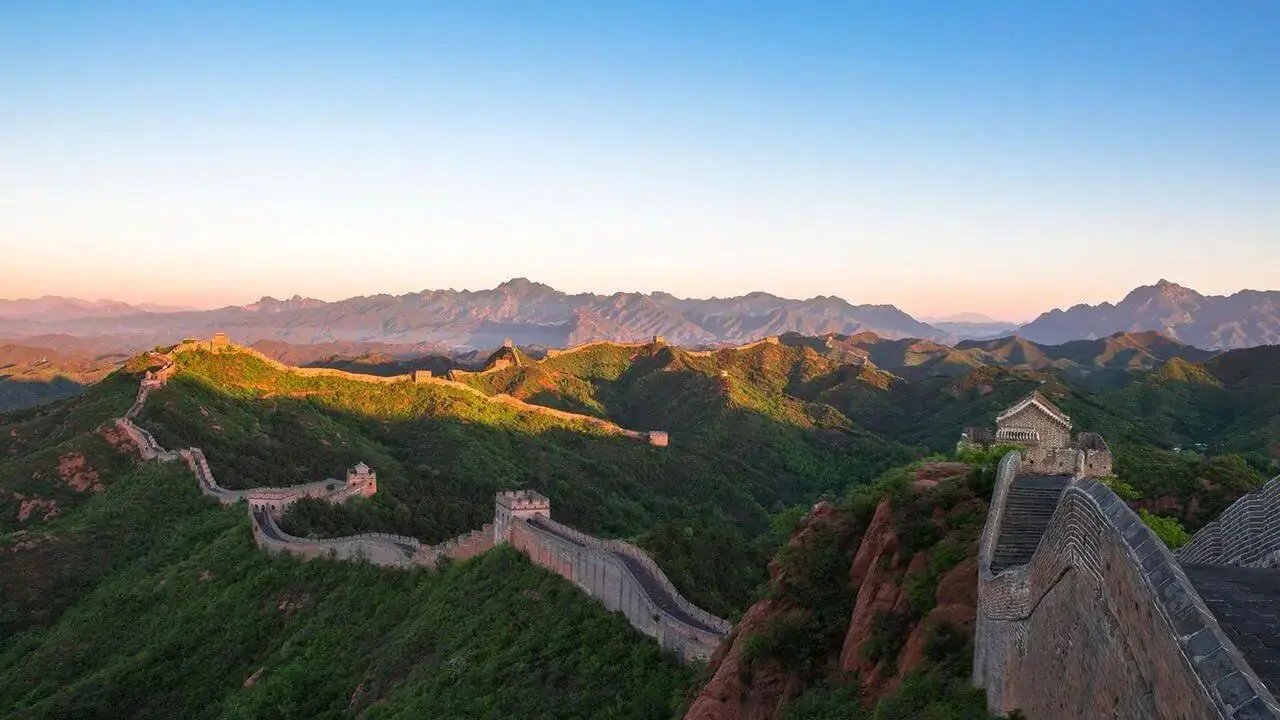
Overhanging sections: Portions of the wall cling to the mountain edges, creating an overhanging effect that enhances both its defensive capabilities and aesthetic appeal.
Watchtowers: Strategically placed at intervals, providing vantage points for surveillance and defense.
Crenelated battlements: Notched parapets on the wall’s top, allowing defenders to observe and fire at invaders while staying protected.
Engineering Techniques
Use of local materials: Stones and rammed earth from nearby areas were predominantly used, ensuring the wall blended with and adhered to the natural terrain.
Advanced masonry: Techniques that ensured the stability and longevity of the structure, even in the steep and rugged mountainous landscape.
Integration with natural defenses: The wall was constructed to complement the natural topography, using cliffs and ridges as part of the defensive barrier.
What to See
Key Sights and Interesting Segments of the Overhanging Great Wall
Overhanging Sections: Marvel at the gravity-defying segments of the wall that seem to cling to the cliffs, offering breathtaking views and a testament to ancient engineering prowess.
Watchtowers: Explore the ancient watchtowers that dot the wall, each telling its own story of historical vigilance and strategic importance.
Panoramic Views: Don’t miss the panoramic vistas of the surrounding landscape from the top of the wall, where the mingling of natural beauty and historical grandeur creates a truly mesmerizing spectacle.
Nearby Attractions and Cultural Sites
Jiayuguan Pass: Visit this crucial part of the Great Wall’s defense system, historically known as the ‘Mouth of China,’ offering insights into the military and cultural significance of the region.
Jiayuguan Fort: Explore the nearby fort, which stands as a symbol of the Ming Dynasty’s farthest western reach and is an excellent example of ancient Chinese fortification.
Silk Road Museum: Take a trip to the museum to delve into the rich history of the Silk Road, where the cultural and commercial exchanges that shaped much of ancient Eurasian history are beautifully documented and displayed.
First Beacon Tower of the Great Wall: A short drive away, this tower marks the western starting point of the Ming Dynasty Great Wall, offering a unique historical perspective and a sense of closure to the expanse of this monumental structure.
Best Time to Visit
Seasonal Weather Considerations
Spring (April to June): Enjoy mild temperatures and blooming landscapes, making it an ideal time for hiking and photography. However, be prepared for occasional spring winds.
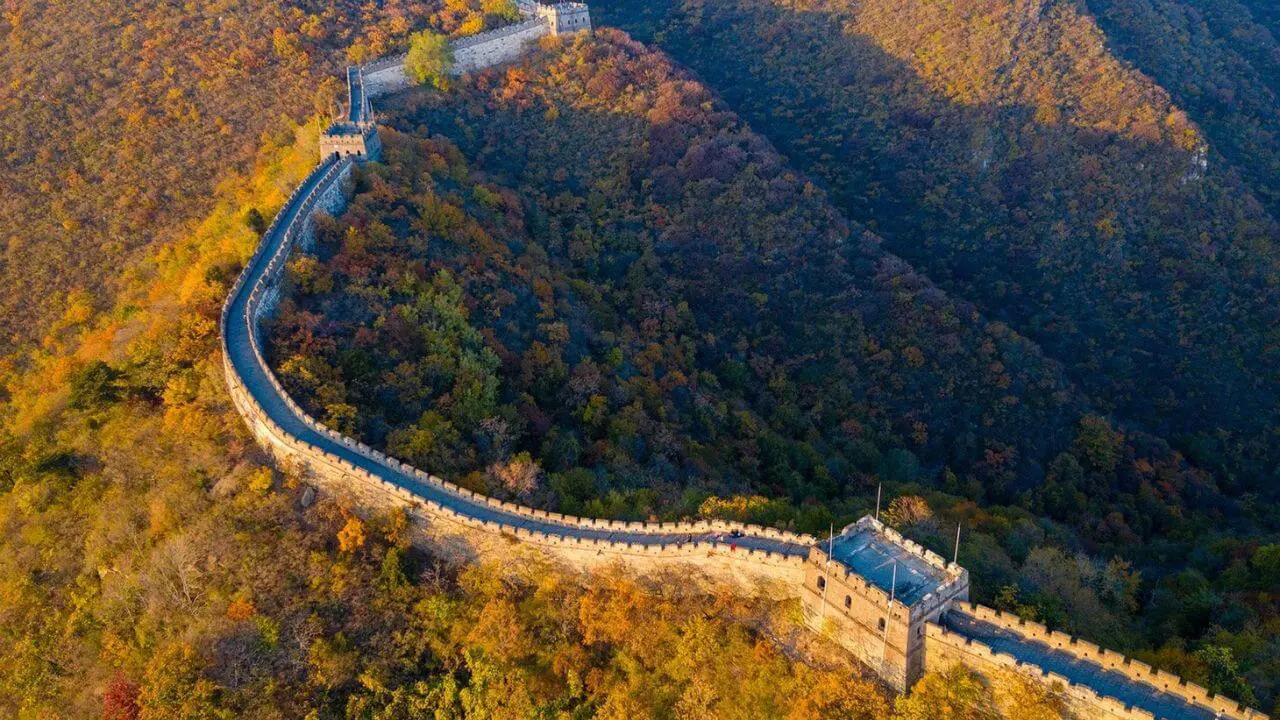
Autumn (September to November): Experience the wall amidst the backdrop of stunning autumn foliage. The weather is cool and pleasant, perfect for long walks and exploration.
Summer and Winter: Summer (July to August) can be hot and crowded, while winter (December to February) is often very cold, with the potential for stunning snowy scenes but challenging hiking conditions.
Tourist Traffic and Ideal Visiting Hours
Peak Season: Try to avoid national holidays and weekends, especially during summer, when tourist traffic is at its highest.
Off-Peak Hours: Early morning or late afternoon visits are recommended to avoid the crowds and to catch the wall bathed in the soft, natural light of sunrise or sunset, perfect for photography.
Weekdays: Visiting on weekdays can offer a more tranquil experience, allowing you to appreciate the wall’s majesty without the distractions of heavy tourist traffic.
How to Get There
Transportation Options
Public Transport: Buses and tourist shuttles are available from major nearby cities. Regular bus services connect to Jiayuguan city, from where local buses or taxis can be taken to the Overhanging Great Wall.
Driving Directions: If you prefer to drive, the Overhanging Great Wall is accessible via well-maintained roads. From Jiayuguan city, take the S312, and follow the signs to the Wall. Parking is available on-site.
Nearest Cities, Airports, or Train Stations
Jiayuguan City: The nearest urban center, offering a range of amenities and accommodation options. It’s the most convenient base for visiting the Overhanging Great Wall.
Jiayuguan Airport: The closest airport to the Wall, offering domestic flights to major Chinese cities. From the airport, you can take a taxi or a shuttle bus to reach the Wall.
Jiayuguan Train Station: Well-connected with major cities in China. Trains are a convenient option if you’re coming from far away. From the train station, taxis, buses, or rental cars can be used to reach the Overhanging Great Wall.
Tips for Visitors
Guided Tours: Opt for a guided tour if you’re interested in a comprehensive understanding of the wall’s history and significance. Guides can provide insights not readily available to casual visitors.
Self-Exploration: For a more personal and flexible experience, consider self-exploration. Ensure you have a reliable map and research the wall’s layout and key features beforehand.
Audio Guides: Some areas may offer audio guides, allowing you to explore at your own pace while receiving structured information about the site.
Safety Tips and Visitor Etiquette
Wear Appropriate Footwear: The terrain can be uneven and steep in places, so sturdy, comfortable footwear is a must.
Stay Hydrated: Bring enough water, especially during warmer months, as the climb can be strenuous, and facilities may be sparse along certain sections of the wall.
Respect the Site: Remember that the Great Wall is a historical monument. Avoid climbing on fragile structures, and do not remove any stones or artifacts.
Littering: Keep the wall clean and pristine for future visitors by not littering and by carrying any trash out with you.
Photography: Be mindful of others when stopping to take photos, especially in narrow sections where the path might be blocked.
Health Precautions: The wall’s height and length can pose challenges for those with health issues. Ensure you’re in good physical condition to undertake the journey, and always inform someone of your plans if venturing out alone.
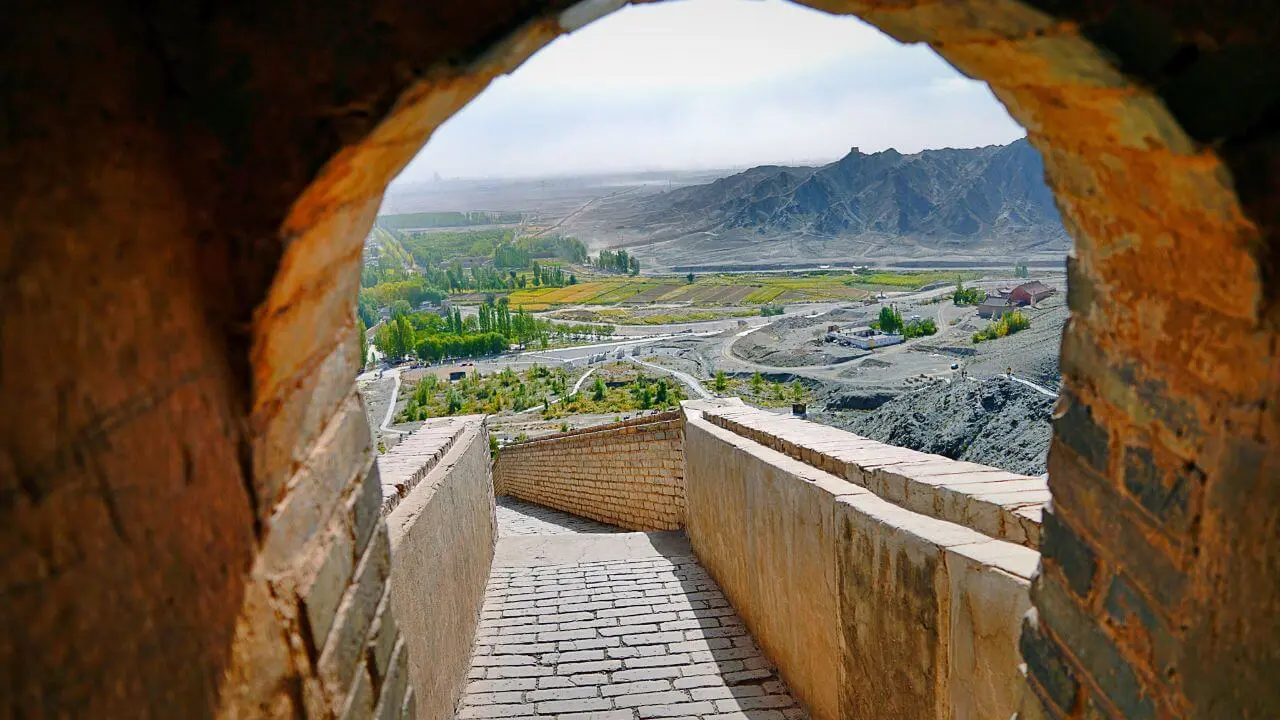
Standing on the top of this section of the Overhanging Great Wall, you can see a vast, boundless desert, extending beyond the horizon – a truly amazing view!
The stark beauty of the landscape contrasts with the enduring strength of the wall, offering a moment of reflection on the resilience and ingenuity of past generations. As the wind whispers tales of ancient battles and the sun casts long shadows over the undulating hills, visitors are enveloped in a sense of timeless wonder. This is more than just a journey through history; it’s an encounter with the enduring spirit of human endeavor. Let the majesty of the Overhanging Great Wall inspire you, as it has inspired countless others through the ages, and carry with you not just memories, but a renewed appreciation for the marvels our ancestors left for us to cherish.
Related tours
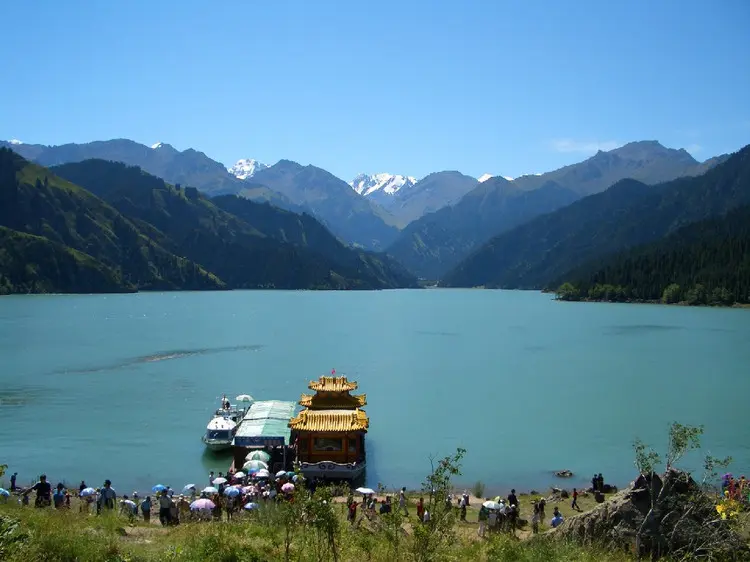
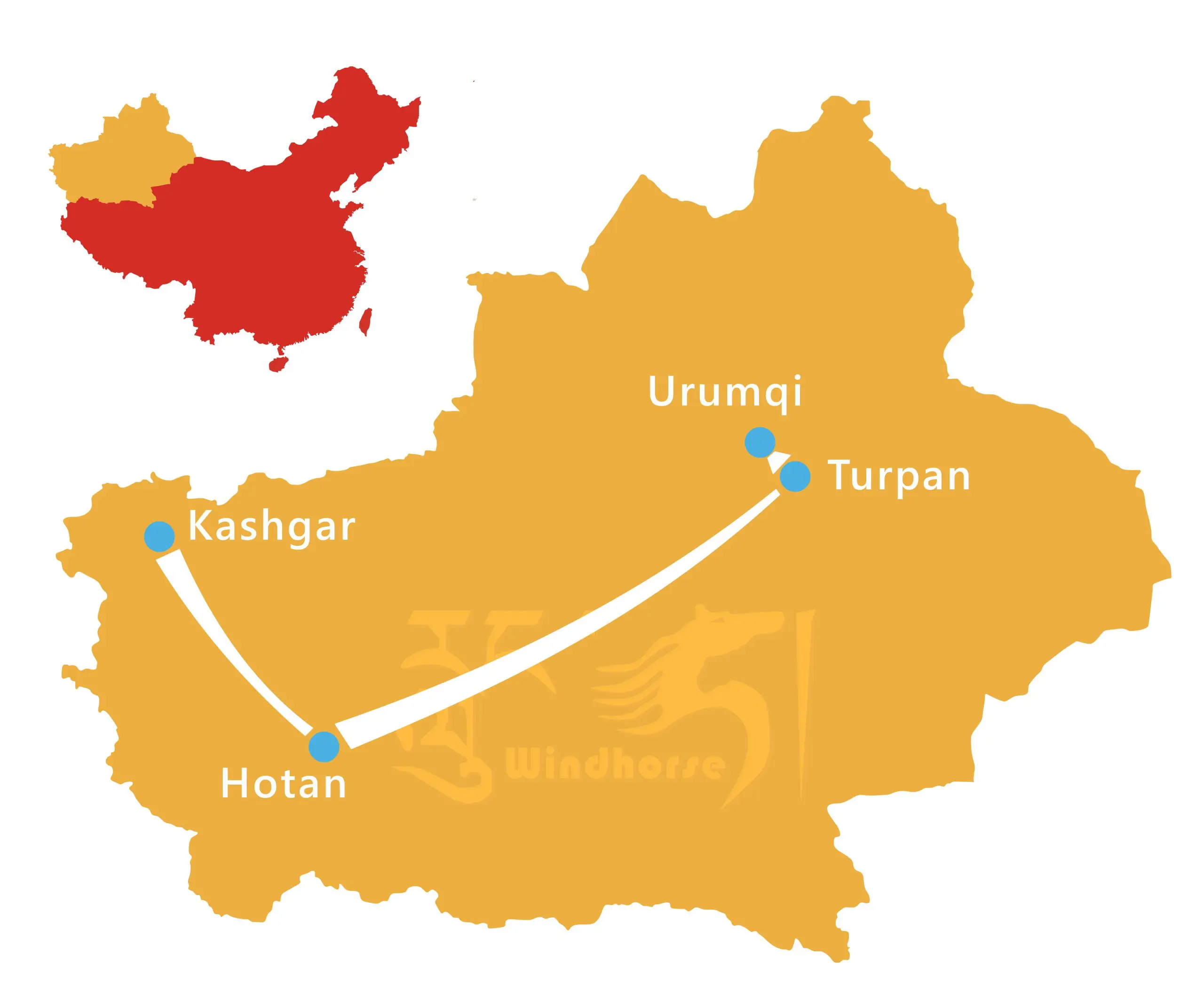
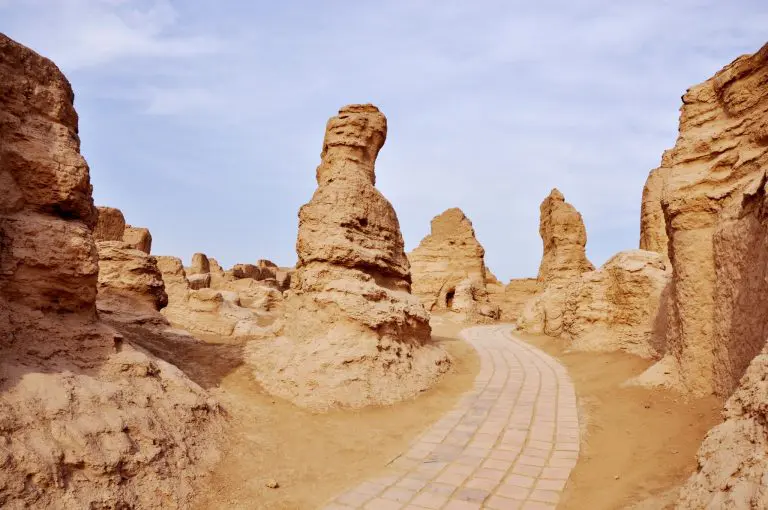
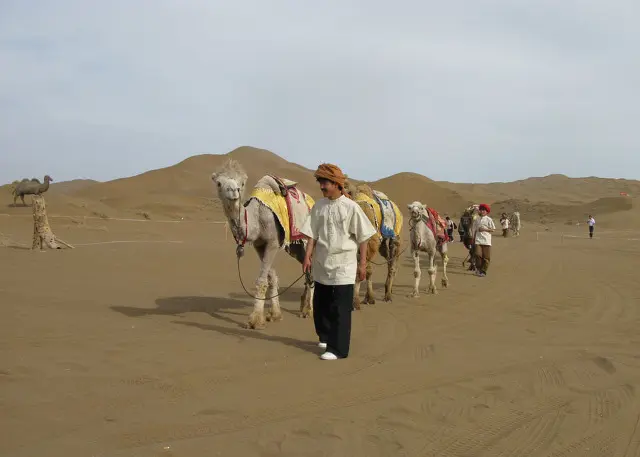
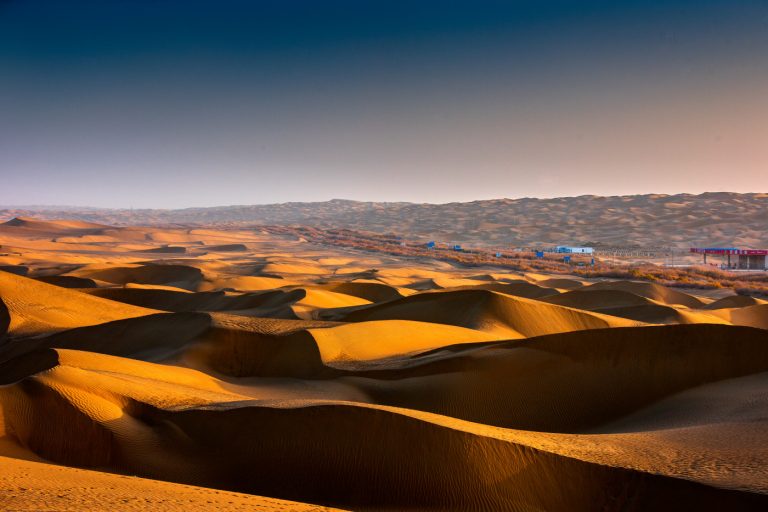
This Xinjiang Silk Road Cultural Tour travels from Urumqi to Turpan, Hotan, Yarkand, Kashgar, and Tashkorgan. Experience desert camping, oasis ruins, the Karakoram Highway, Karakul Lake, and rich Uyghur and Tajik culture.
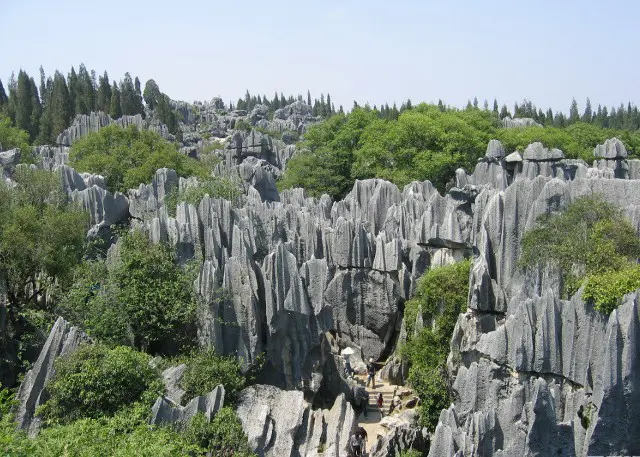
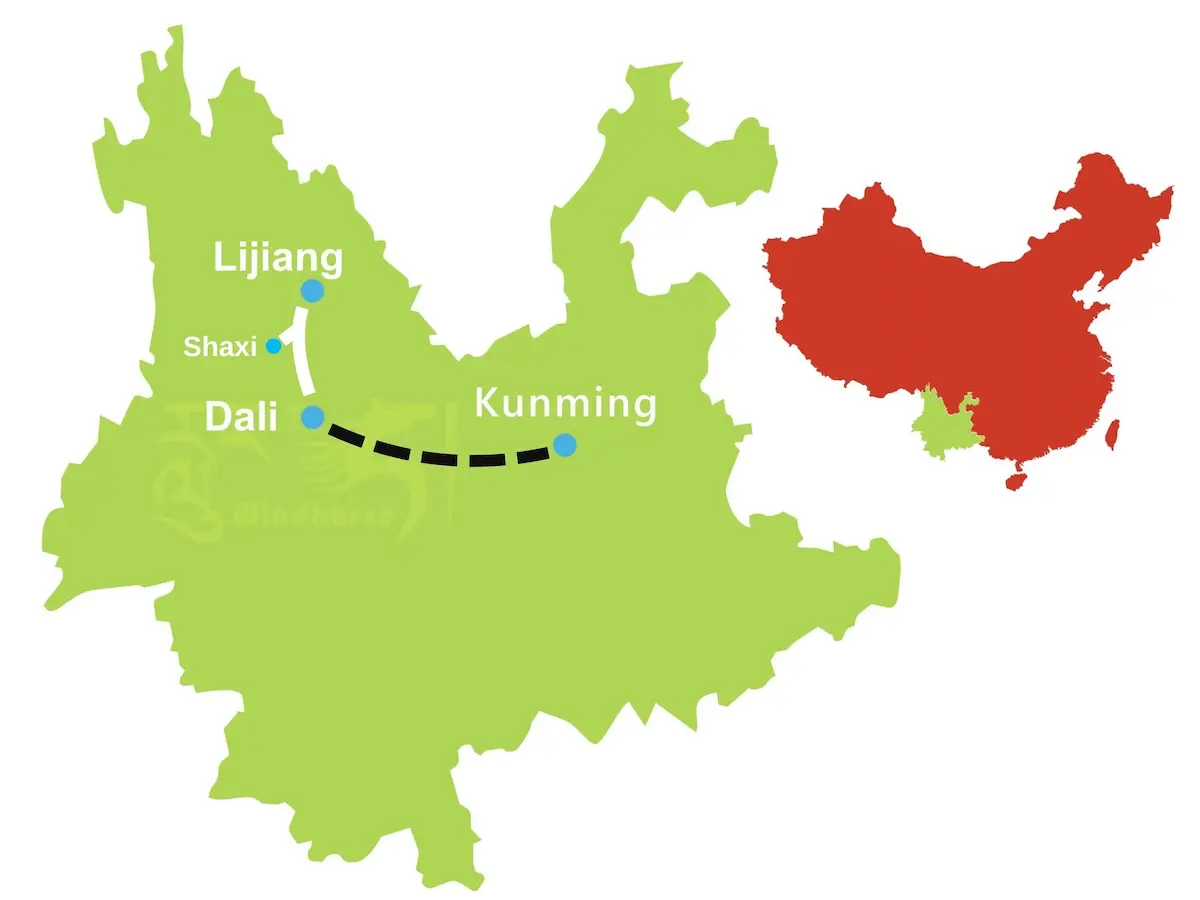
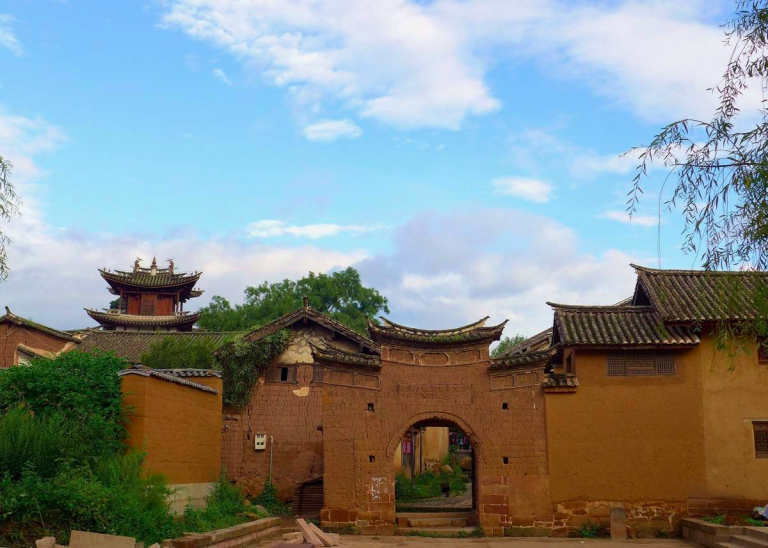

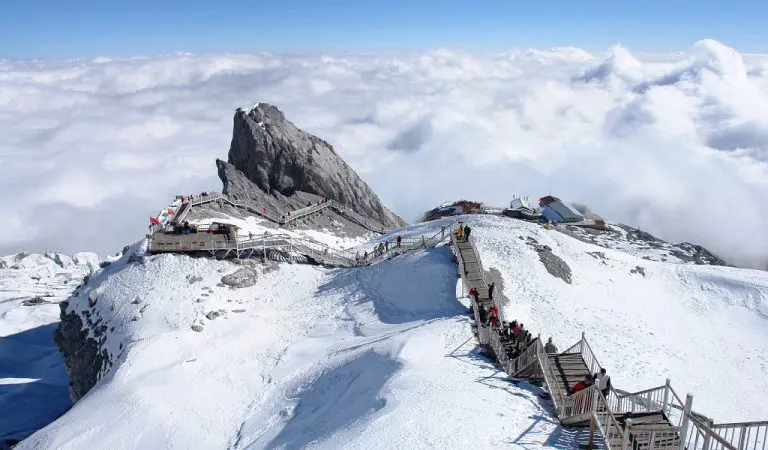
Explore Yunnan's most iconic destinations on this 7-day private tour. From Kunming's Stone Forest to Dali's ancient towns and Lijiang's Jade Dragon Snow Mountain, with a stop at the lesser-known Shaxi on the Tea Horse Road.

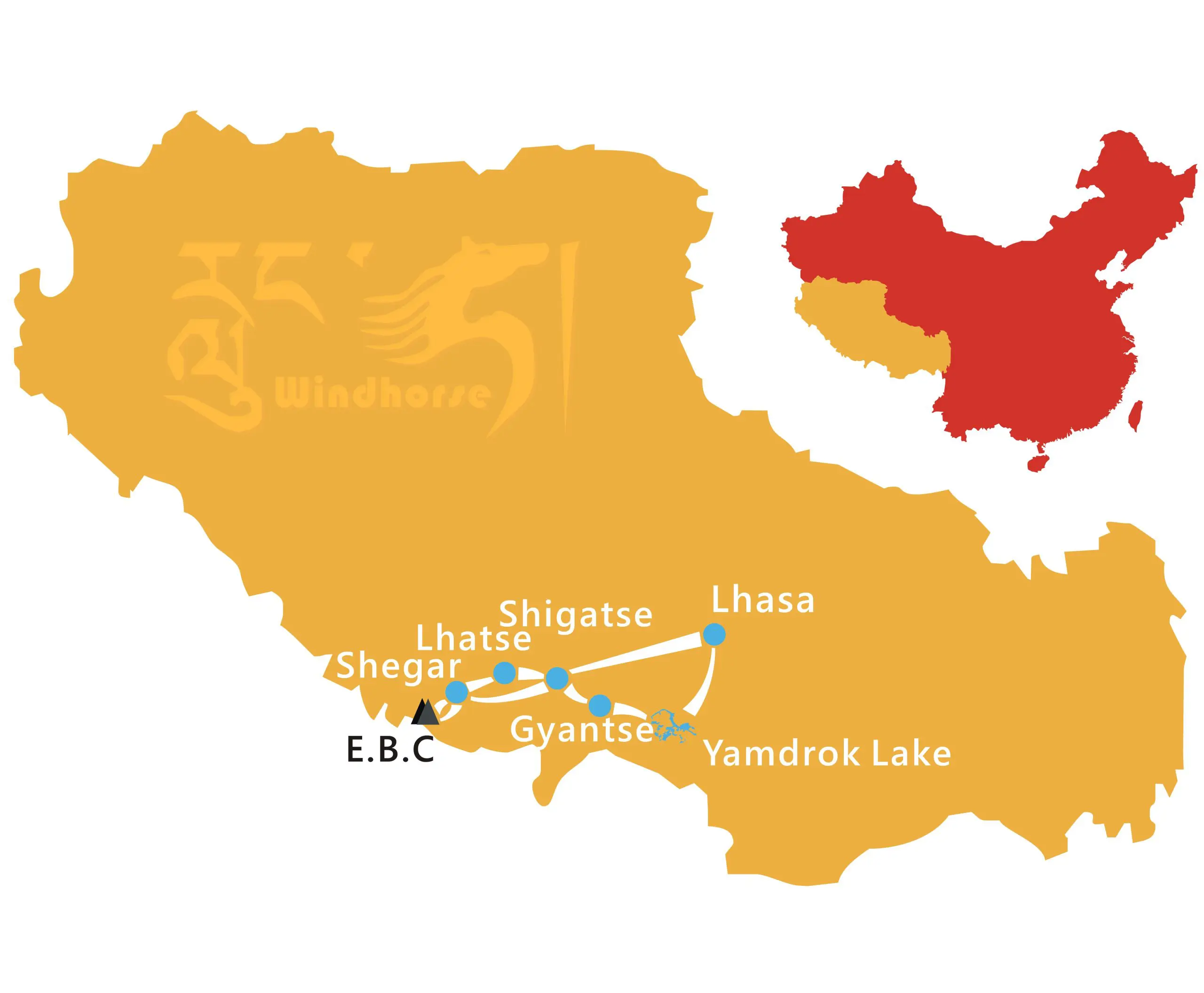
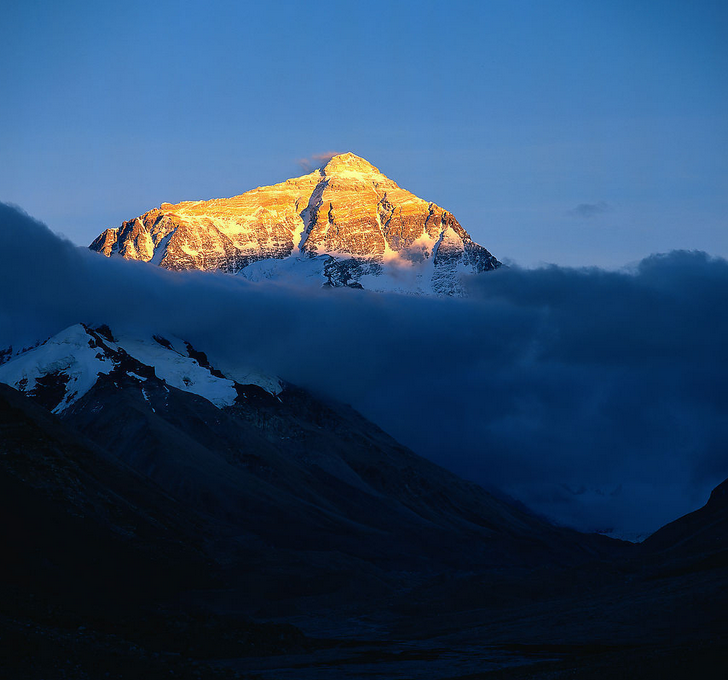

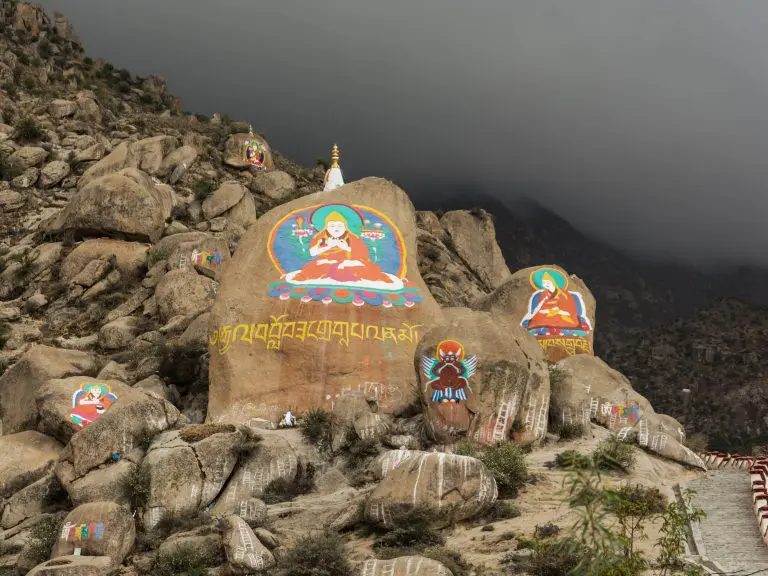
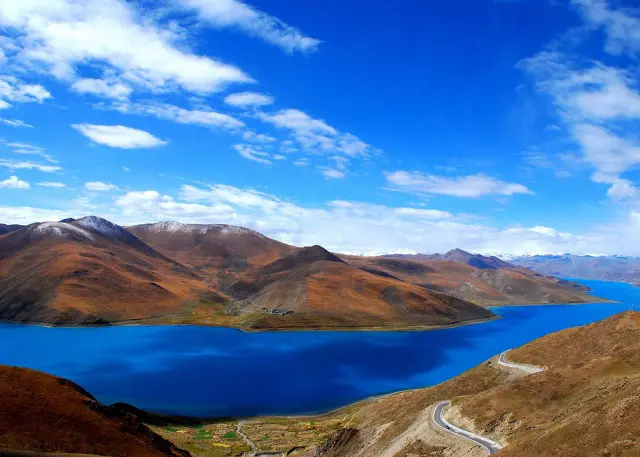
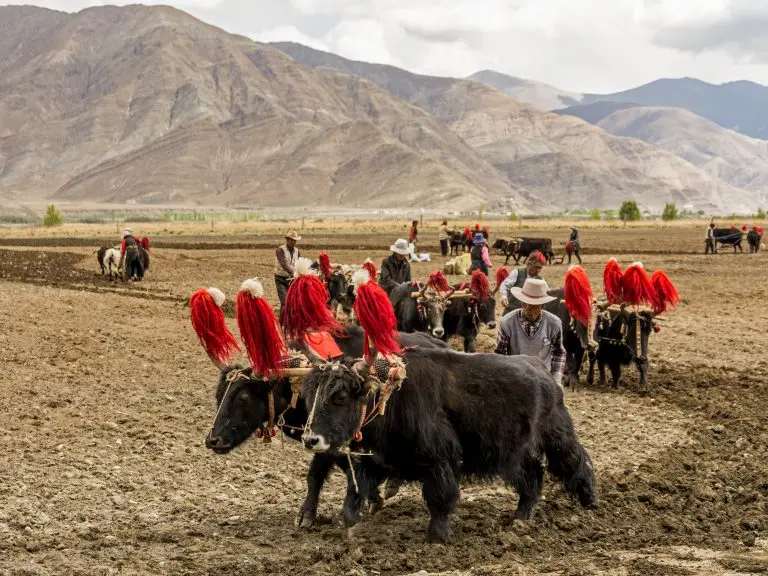
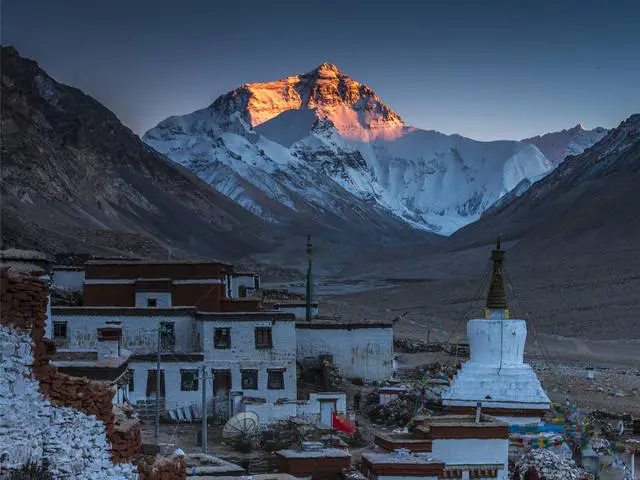
Join our 8-day Lhasa to Everest Base Camp group tour. Visit Potala Palace, Jokhang Temple, and Sera Monastery, then follow the Friendship Highway via Shigatse to the North Face of Mt. Everest. Small groups, expert Tibetan guides, weekly departures, it’s perfect for solo travelers or couples.
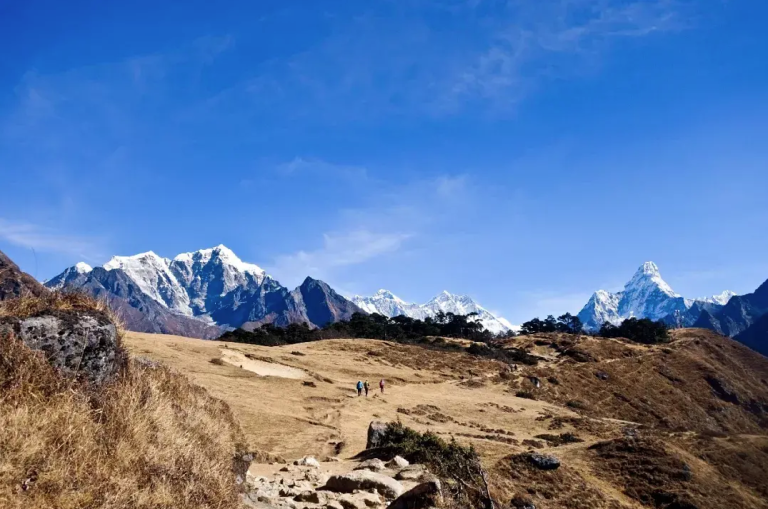
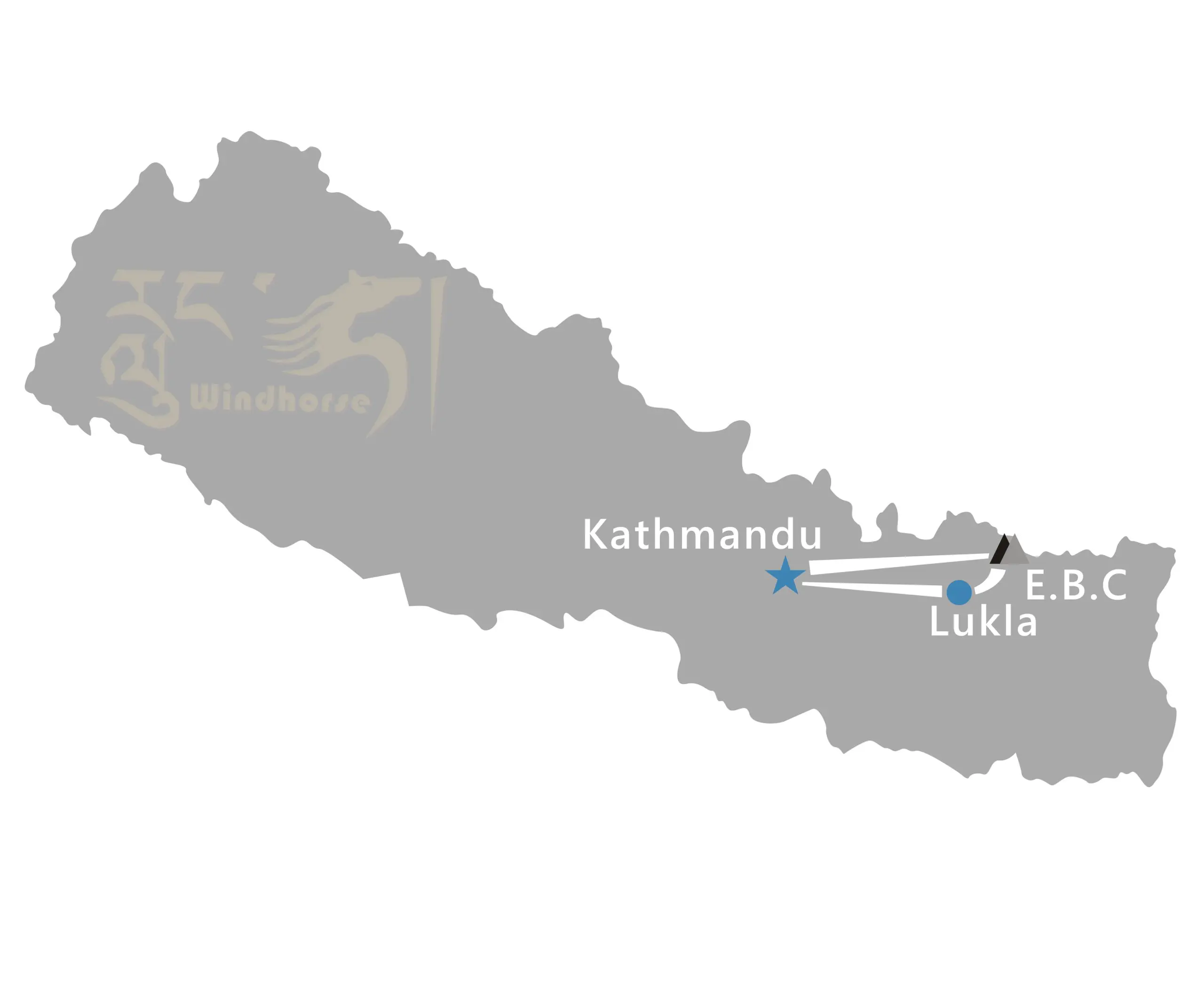
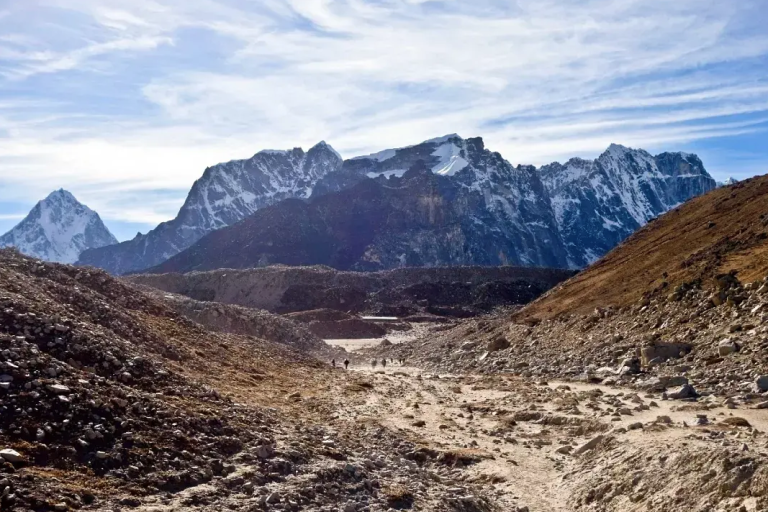
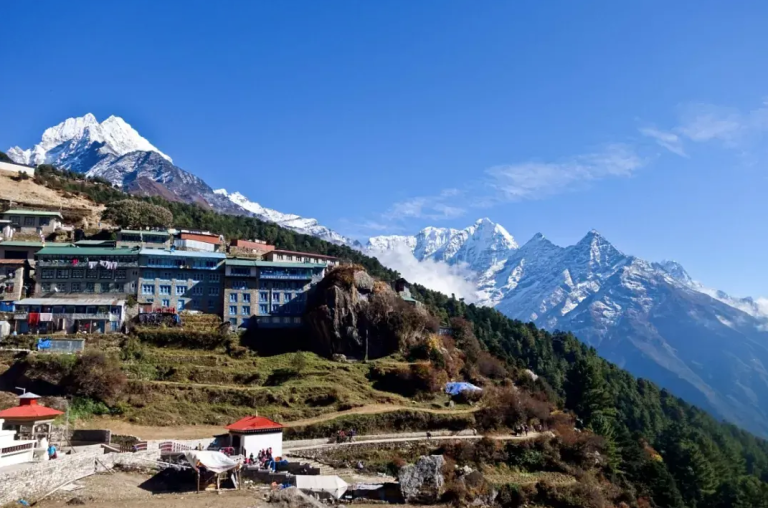
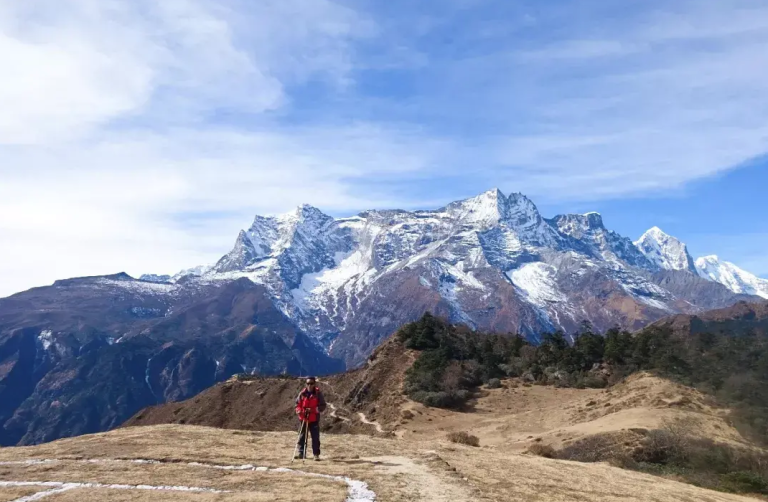
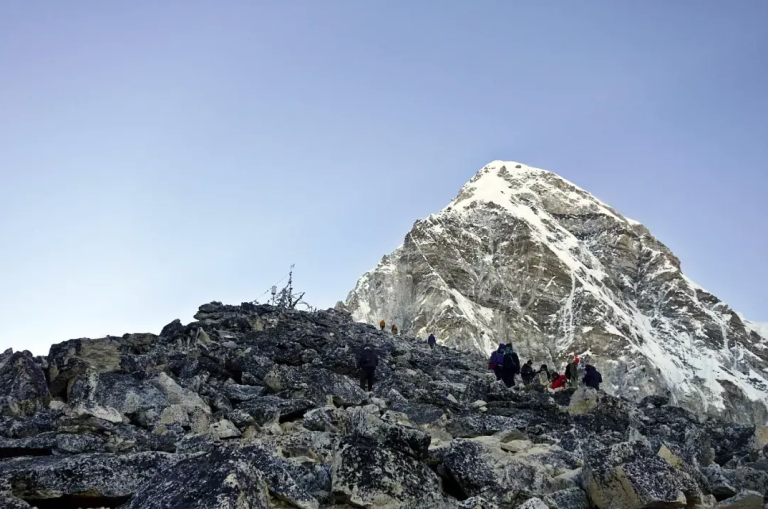
There are 2 base camps for Mount Everest: the south in Nepal and the north in Tibet. The trek to Everest Base Camp on the Nepal side is one of the most popular trekking routes in the Himalayas and is visited by thousands of trekkers each year.
Comments

Hello, I'm looking for a tour to The overhanging Great Wall of Gansu Province. Just for one day. We are in Jiayuguan and we would love to go tomorrow. Do you have guides?