
10 Surprising Facts About Chinese Culture

China has one of the world’s oldest and most complex civilizations, rich with customs, beliefs, and traditions that have shaped not only East Asia but global history. I know that many are familiar with famous aspects like the Great Wall, kung fu, or dumplings, but Chinese culture holds countless deeper layers that often go unnoticed by outsiders. From ancient philosophies and symbolic colors to subtle social behaviors and surprising superstitions, there’s much more beneath the surface.
In this article, we’ll explore 10 surprising facts about Chinese culture that will deepen your understanding and appreciation of this fascinating heritage. Maybe some of these 10 facts you already know, but some will definitely surprise you.
Whether you’re planning a visit, doing business in China, or simply curious, these insights will give you a new perspective on how tradition and modern life blend in this dynamic culture.

1. Chinese Is One of the Oldest Written Languages Still in Use
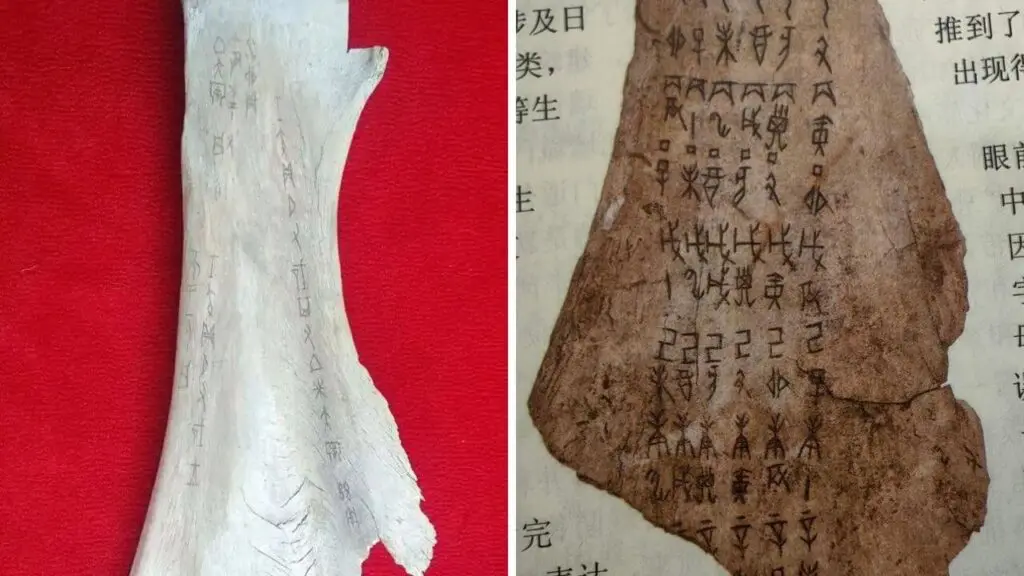
Chinese writing is one of the oldest continuously used scripts in the world. Its earliest known form, the oracle bone script, dates back more than 3,000 years to the Shang Dynasty. These ancient symbols were carved into animal bones or turtle shells and used for divination, offering a glimpse into early Chinese thought and ritual.
Whether you’re navigating the busy markets of Xi’an or admiring the quiet elegance of a Buddhist temple inscription, remember: you’re reading the modern echo of an ancient script that has shaped one of the world’s richest cultures.
Here are some places where you can visit and see some of the oldest Chinese scripts:
The Yinxu Ruins in Anyang, Henan Province
The Yinxu Ruins near modern-day Anyang, are the remains of the last capital of the Shang Dynasty (circa 1300–1046 BCE). This is the place where thousands of oracle bones were discovered, turtle shells and ox scapulae inscribed with early Chinese characters used for divination.
National Museum of China
The National Museum of China is located in Beijing and here you can see ancient Chinese scripts, including oracle bones, bronze inscriptions, and early forms of calligraphy, are on display in the Ancient China Gallery.
Shanghai Museum
Here you can see the Bronze Gallery features vessels with early Chinese inscriptions, providing insights into writing during the Shang and Zhou dynasties.
Henan Museum – Zhengzhou, Henan Province
In this museum you can also see oracle bones, bronze ware, and ancient artifacts from early dynasties.
Palace Museum (Forbidden City) in Beijing
In the Palace museum you can see the transition starting from the Song Dynasties and earliest dynasties oracle bone script to regular script.
Xi’an’s Forest of Stone Steles Museum
In this museum there is a vast collection of stone carvings and calligraphy dating back over a thousand years, offering insight into the later evolution of Chinese writing.
2. The Number 4 Is Considered Unlucky
As you travel through China, you may notice something curious in hotels, elevators, or apartment buildings: there’s no 4th floor. In fact, entire blocks of floor numbers might skip not just 4, but 14, 24, and even 44. This isn’t a design error, but it’s a reflection of one of China’s most widely held superstitions.
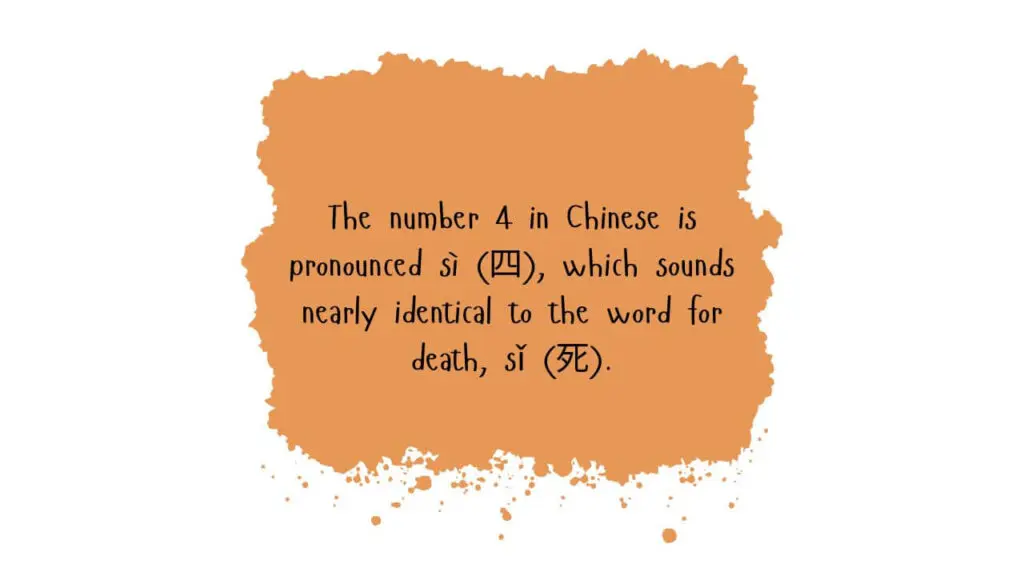
The number 4 in Chinese is pronounced sì (四), which sounds nearly identical to the word for death, sǐ (死). This phonetic resemblance has made the number deeply unlucky in traditional Chinese beliefs, similar to the way some Western cultures avoid the number 13. This superstition is known as tetraphobia, and it’s taken seriously across various regions, especially in Mainland China, Hong Kong, and Taiwan.
The fear of the number 4 extends beyond floor numbers:
- License plates and phone numbers containing multiple 4s are less desirable and often sell for less—or not at all.
- Gift giving customs avoid bundles of four. For instance, presenting four flowers or four pastries is seen as inauspicious, especially at weddings or funerals.
- Some hospital rooms or beds may skip the number 4 entirely to avoid associations with death or bad luck.
So, next time you’re in China and can’t find the 4th floor button in an elevator, you’ll know why.
3. Chopsticks Are More Than Eating Utensils
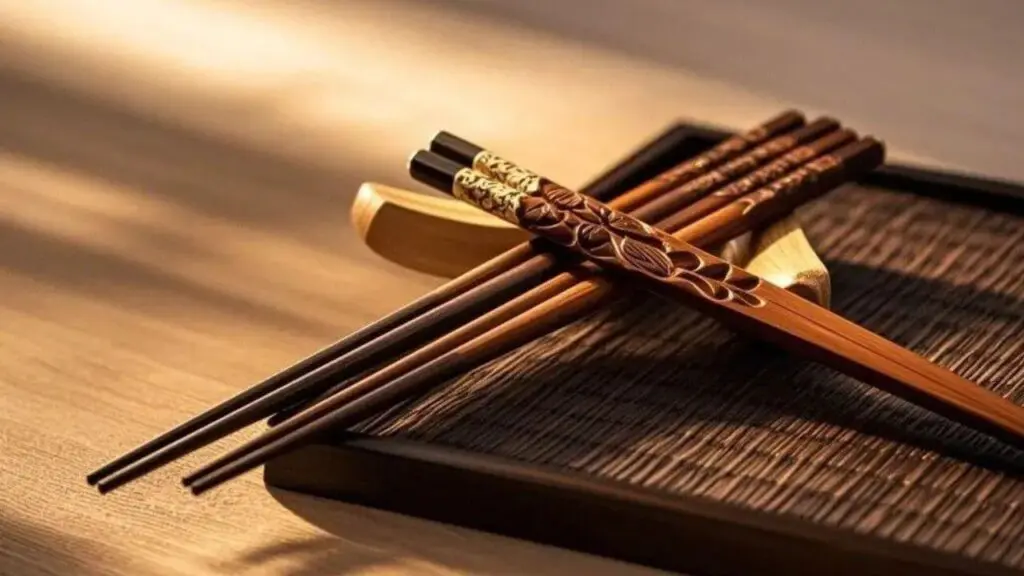
At first glance, chopsticks might seem like simple eating tools, but in Chinese culture, they’re much more than that. These slender sticks are a symbol of etiquette, tradition, and deep cultural values, and how you use them says as much about your manners as your meal.
One of the most important taboos to know as a traveler is: never stick chopsticks upright in a bowl of rice. This seemingly innocent gesture closely resembles the practice of placing incense sticks in a bowl of rice at funerals as an offering to the deceased. Doing so at the dinner table is considered deeply inauspicious, and can be seen as inviting bad luck or worse, death.
Here are a few other key chopstick etiquette tips to keep in mind:
- Don’t point with chopsticks – It’s rude, just like pointing with a finger.
- Don’t stab or spear food – Chopsticks are for picking up food gently.
- Avoid tapping them on your bowl – This resembles the behavior of beggars and is considered impolite.
- Don’t cross chopsticks on the table – It resembles a symbol for death in some interpretations.
Respect for food and community is central to Chinese dining, and proper use of chopsticks reflects this. So when you sit down for a meal in China, think of chopsticks not just as tools, but as carriers of centuries of etiquette and tradition, and a subtle way to show respect to your host.
Read here more about chopsticks in Chinese culture.
4. Silence Is a Form of Communication
In many Western cultures, silence during a conversation can feel awkward or uncomfortable, but in China, silence often speaks louder than words. For travelers navigating social or business situations, understanding the cultural significance of silence can help avoid misunderstandings and reveal the nuanced art of Chinese communication.
In Chinese culture, silence is not emptiness—it is intentional and meaningful. Depending on the context, it can convey:
- Respect – For elders, superiors, or guests, a quiet pause shows attentiveness and humility.
- Disagreement or Discomfort – Rather than openly challenge or contradict someone, Chinese people may choose silence to maintain harmony and avoid confrontation.
- Contemplation – In a discussion, a pause might simply mean the person is thinking carefully before responding—valuing reflection over impulse.
This preference is deeply rooted in Confucian values, which emphasize social harmony, restraint, and self-control. In group settings, particularly in formal meetings or negotiations, a person who speaks little may be seen as wise or deliberate, while speaking too much or too directly might be perceived as pushy or impolite.
When you travel to China, being aware of this cultural nuance can make interactions smoother and more respectful. So next time you’re in a tea house, family gathering, or business meeting in China, embrace the quiet moments. They might be more meaningful than you think.

5. Face (面子 – “Miànzi”) Is Crucial in Chinese Culture
To truly understand Chinese culture, one must grasp the powerful, often invisible force of “miànzi”—commonly translated as “face.” More than just reputation or dignity, miànzi is a cultural cornerstone that shapes personal interactions, business etiquette, and social behavior across all levels of society.
In China, “having a face” means you are respected, honored, and recognized in your community or social group. “Losing face” whether through public embarrassment, failure, or disrespect can cause deep shame and social tension. This concept is so central that many decisions, from declining an invitation to how feedback is given, are carefully handled to maintain face, both one’s own and that of others.
Here are a few ways miànzi shows up in everyday life:
- Giving praise publicly to others enhances their face.
- Criticizing someone in front of others is a major faux pas—it can damage their reputation and lead to resentment.
- Refusing a request outright may be softened with vague or indirect language to help the other person save face.
- Generosity, such as picking up the bill at dinner or giving a respectful gift, enhances your own face while honoring others.
As a traveler, understanding miànzi can go a long way. If you compliment a host’s home, accept a gift graciously, or show humility about your own accomplishments, you’re engaging in behaviors that build and protect face. Similarly, if someone deflects a compliment or avoids answering a question directly, it may be their way of gracefully navigating the complex dance of respect and humility.
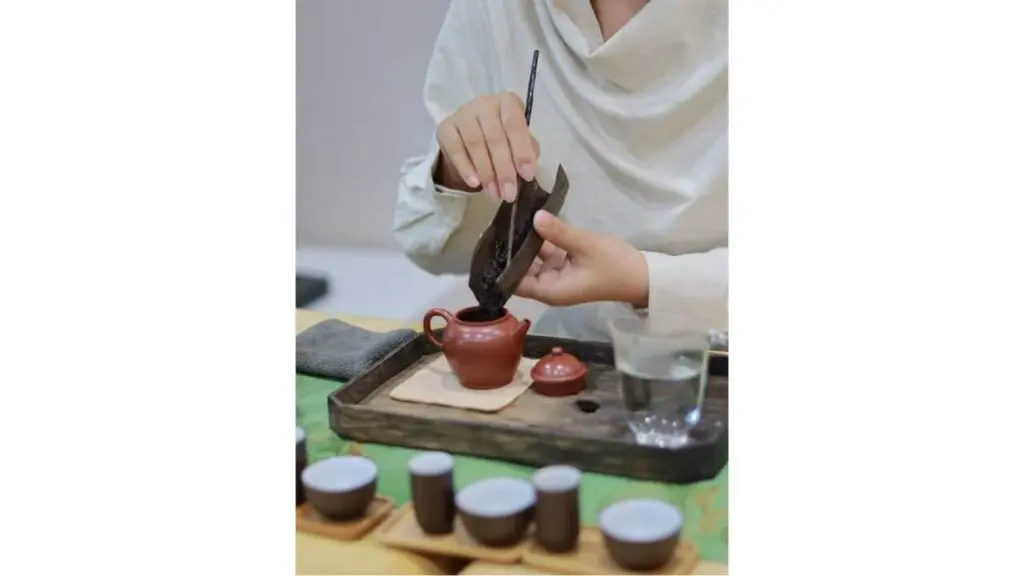
6. Tea It’s a Ritual, Not Just a Beverage
In China tea is a thread that weaves through history, culture, and daily life. Whether you’re sipping it at a street-side tea house or observing a formal tea ceremony, tea in Chinese culture is a symbol of hospitality, respect, mindfulness, and tradition.
Here’s how tea takes on a ritualistic role in Chinese culture:
1. Weddings- During traditional weddings, the bride and groom serve tea to their parents and elders in a formal tea ceremony. This gesture expresses gratitude, respect, and unity, and marks the joining of two families.
2. Ancestral Worship- Tea is also offered at ancestral altars during holidays and remembrance ceremonies like Qingming Festival.
3. Business Meetings- In the business world, serving tea to a guest or client is a polite and respectful gesture. It sets the tone for a meeting—calm, civil, and open—and often serves as a non-verbal way to show hospitality and sincerity.
When you are in China, you can enjoy tea in China. It’s a chance to step into centuries of tradition. Whether you’re drinking jasmine tea in Beijing, pu-erh in Yunnan, or longjing in Hangzhou, each cup offers a taste of history, a pause for reflection, and a window into the values that shape everyday Chinese life.
7. Elders Are Revered
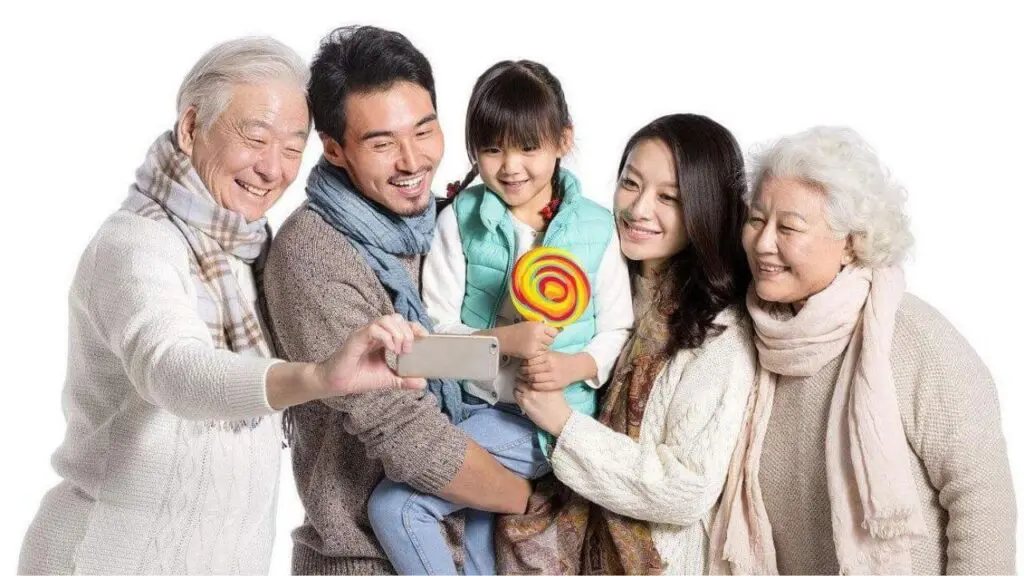
In Chinese culture, respect for elders is a deeply rooted value that shapes family life, social structure, and everyday interactions. This reverence for older generations stems from Confucian philosophy, which emphasizes filial piety (孝, xiào)—the duty of children to honor, obey, and care for their parents and ancestors.
When you are in China, use honorific titles, such as Lǎo (老) meaning “old” or Uncle/Auntie when addressing older individuals, even strangers
This cultural emphasis is also reflected in holidays like Chongyang Festival (Double Ninth Festival), a special day set aside to honor seniors with outings, special meals, and symbolic gifts like chrysanthemums.
For visitors, showing respect to elders can open doors to warmer interactions and deeper cultural understanding. A simple gesture, like greeting an older person first, speaking politely, or even offering help with a bag, can go a long way in expressing your appreciation of this important value.
8. New Year Celebrations Last for 15 Days
When it comes to celebrating the new year, China throws a vibrant, tradition-filled festival that lasts a full 15 days. Known as Spring Festival (春节 – Chūn Jié), the Chinese New Year is the most important holiday of the year, filled with family reunions, symbolic rituals, festive food, and dazzling displays of color and sound.
Unlike the Western calendar’s fixed date, Chinese New Year follows the lunar calendar, typically falling between late January and mid-February. Each year welcomes a new zodiac animal and ushers in hopes of luck, prosperity, and happiness. This year 2025 it’s a year of the snake.
Here’s how the 15-day celebration unfolds:
- Day 1: The Lunar New Year (Chūn Jié) is when the festival begins and family gaters and feasts. This is the day when family members are giving red envelopes (hóngbāo) with money inside.
- Days 2–7: These days are reserved for visiting Relatives and Honoring Ancestors
- Day 5: This is the Birthday of the God of Wealth and many businesses reopen on this day and honor Cái Shén.
- Days 8–14: These days are for community events and preparation.Ppeople continue to celebrate on a smaller scale with friends, coworkers, and local communities. It’s also a time to prepare lanterns for the grand finale.
- Day 15: This is the day of The Lantern Festival (元宵节 – Yuánxiāo Jié). The final night is one of the most magical. Streets come alive with glowing lanterns, lion dances, and children parading with lanterns in hand.
For travelers, visiting China during this time is a spectacular cultural experience, but also requires preparation: train stations are packed, cities become quieter as people return to hometowns, and many businesses may temporarily close.

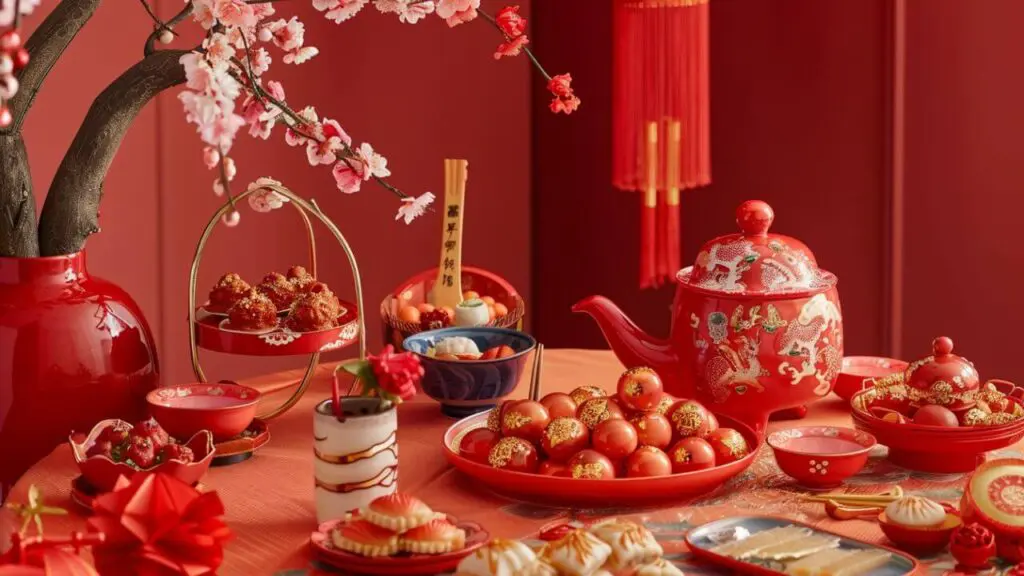
9. Red Is the Color of Luck and Celebration
When traveling through China, you will notice red everywhere, especially during celebrations and holidays. That isn’t just because Chinese people like red so much, but it’s in Chinese culture. It is considered that red is the ultimate symbol of luck, joy, and prosperity. It’s believed to ward off evil spirits, invite good fortune, and bring happiness to those who wear it or decorate with it.
This deep-rooted symbolism is reflected in many aspects of daily life and tradition:
Festivals and Holidays- Red dominates the visual landscape during Chinese New Year (Spring Festival).
Weddings- Unlike Western cultures where white is traditional, Chinese brides often wear red, either in traditional qipao or modern red gowns.
Birthdays and Milestones- Red is also a go-to color for celebrations of longevity, such as an elder’s 60th or 80th birthday. Guests may bring red-wrapped gifts, and decorations include red calligraphy and banners filled with wishes for health and happiness.
A Contrast: White as Mourning- It’s important to note that white, which symbolizes purity and peace in many Western cultures, is associated with death and mourning in Chinese tradition. White is worn at funerals, and gifts wrapped in white or black are considered inappropriate for joyful occasions.
10. Naming Traditions Reflect Deep Values
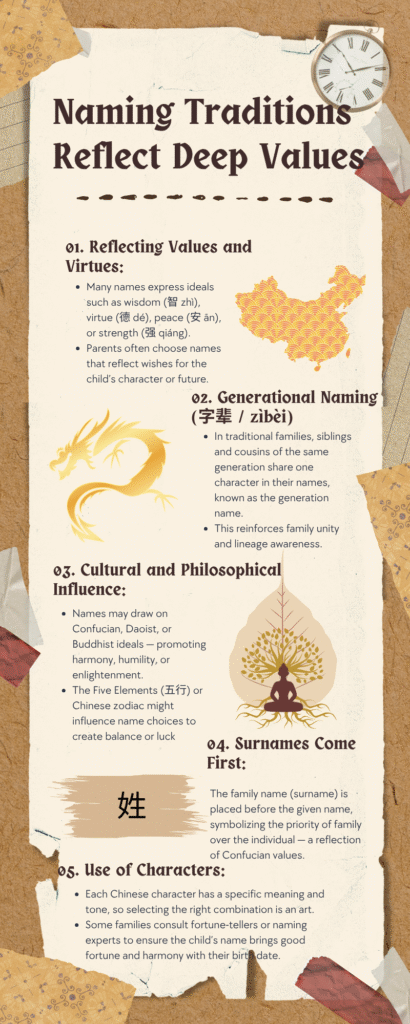
In Chinese culture, names are more than personal labels. They carry generational pride, meaningful symbolism, and a touch of destiny. Unlike many Western cultures where given names come first, Chinese names begin with the surname, followed by the given name. This order reflects a key cultural value: family comes before the individual.
Family Heritage First
Chinese surnames (xìng, 姓) are usually one syllable and date back thousands of years. With just a few hundred common surnames across the population, like Wang (王), Li (李), and Zhang (张). These names tie individuals to ancestral roots and regional identities. Many surnames can be traced back to noble clans of ancient lineages, offering a glimpse into family history and social continuity.
Given Names with Purpose
The given name (míng, 名) typically consists of one or two characters, each chosen with care and intention. Parents often consult dictionaries, poems, or fortune-telling practices to select characters that reflect desirable traits—such as wisdom (智), beauty (美), strength (强), or peace (安). The sound, meaning, and even the number of strokes in the characters may be analyzed to ensure harmony and good fortune.
Some families also use generation names, a shared character among siblings or cousins of the same generation, to emphasize unity and tradition within the family line.
Final words
China is a country where ancient tradition and modern life coexist in a beautifully intricate balance. As you’ve seen through these ten surprising facts, Chinese culture is deeply symbolic, respectful, and shaped by values that continue to guide daily life even in the fast-paced 21st century.
So pack your curiosity, travel with an open heart, and let each encounter be an opportunity to explore the profound beauty and wisdom that define this remarkable culture.
Related tours

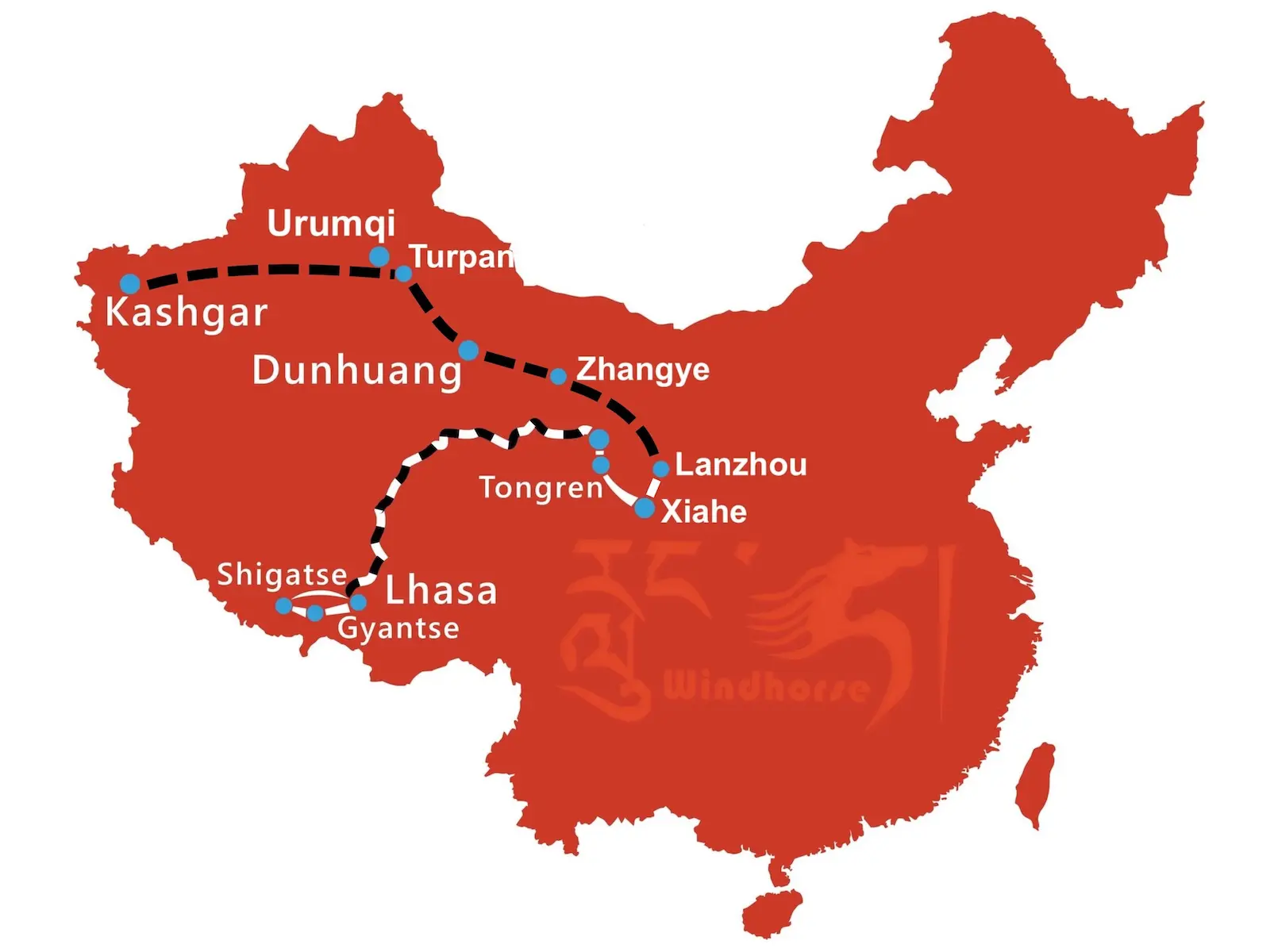



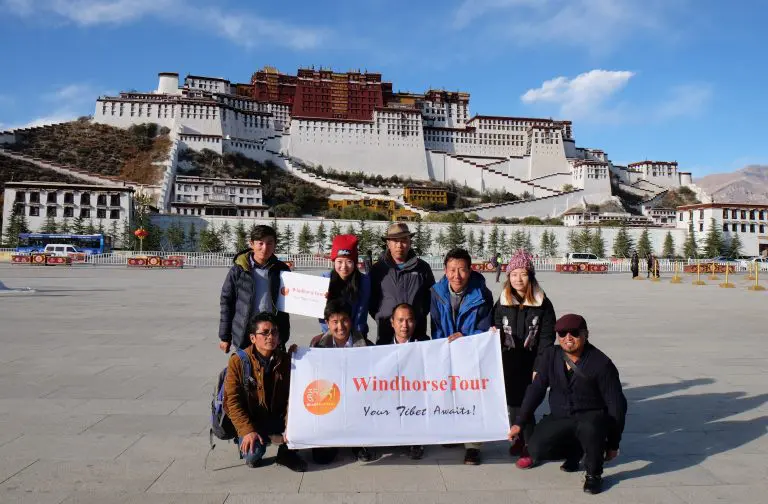

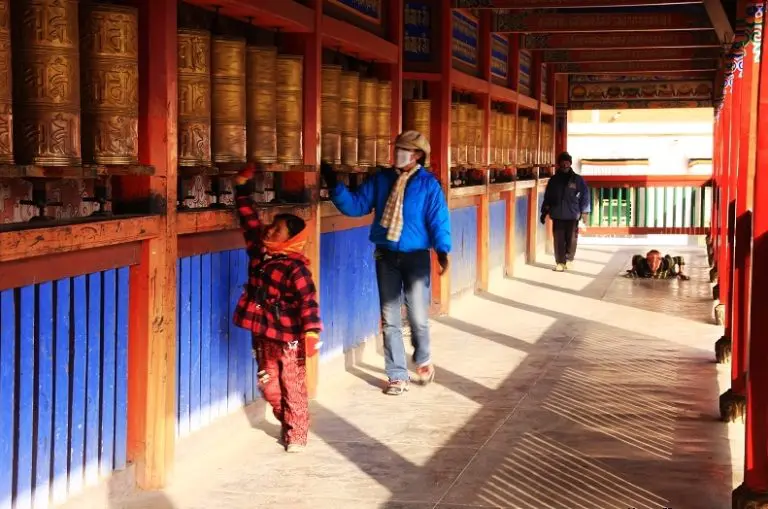
This Grand Silk Road and Tibet Tour travels from Kashgar to Lhasa through Xinjiang, Gansu, Qinghai and Tibet. Explore desert oases, Buddhist grottoes, ancient cities, monasteries and highland lakes before riding the Qinghai–Tibet Railway into Lhasa.

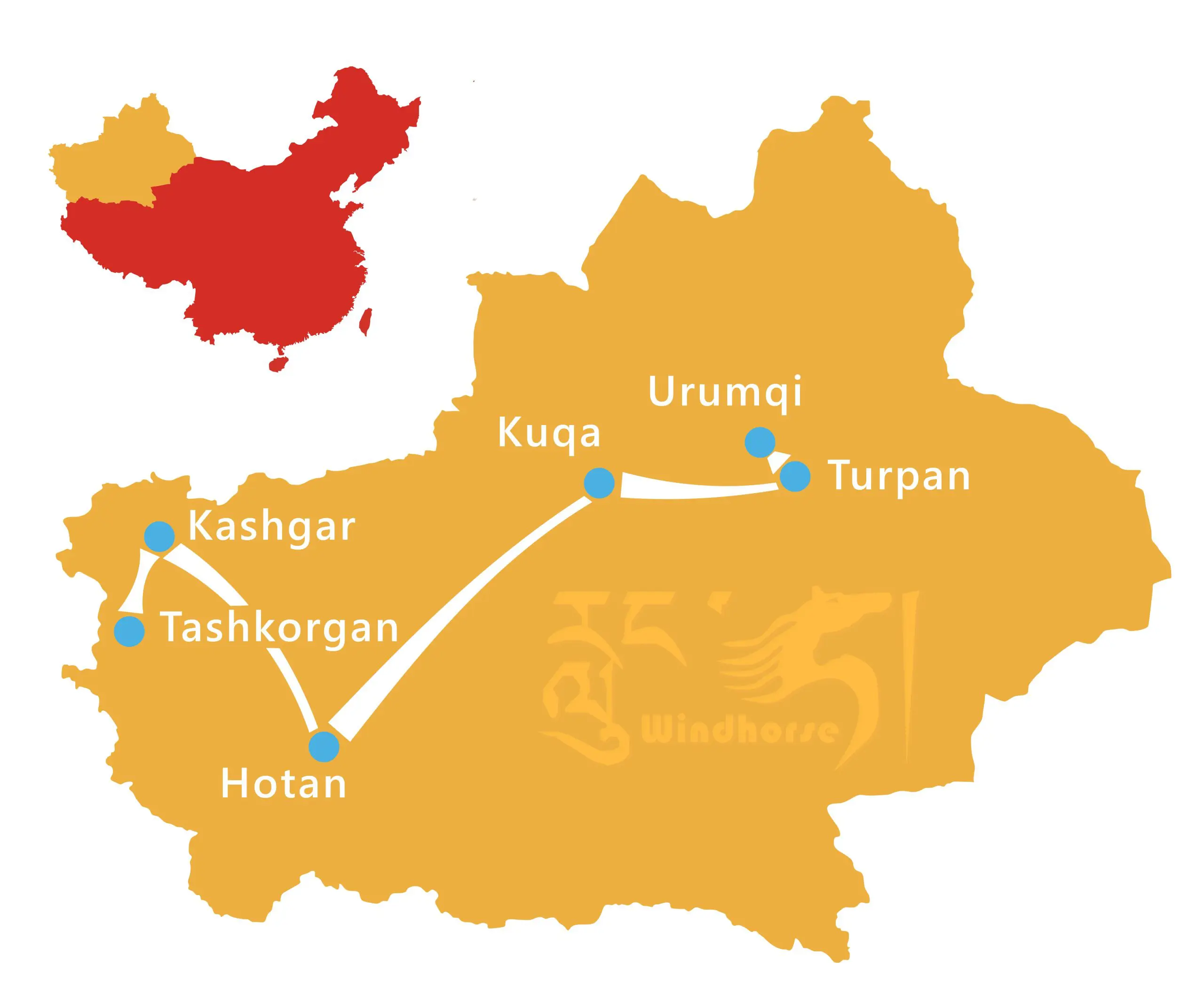



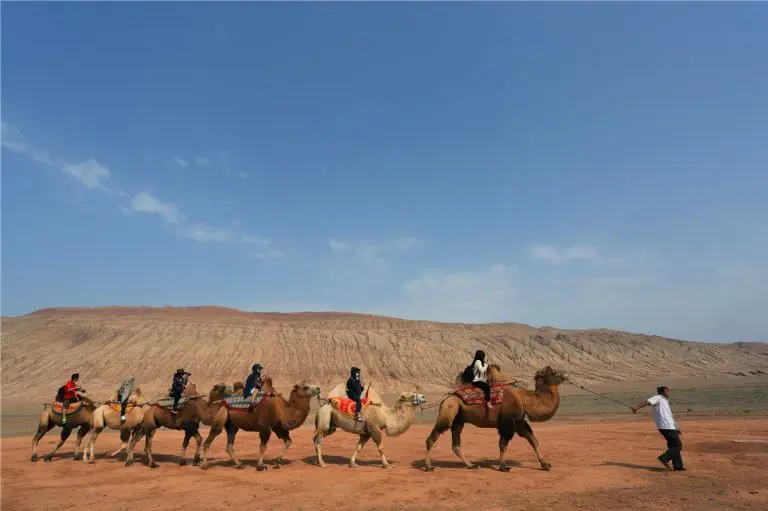
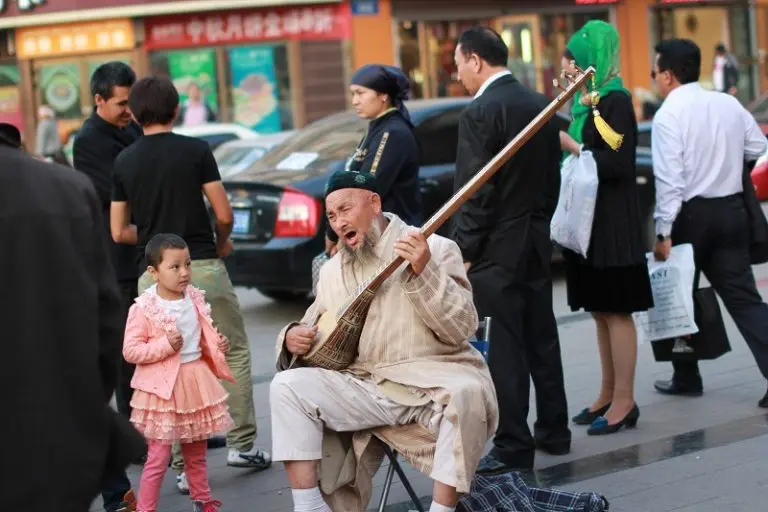
Explore Southern Xinjiang on a 12-day Urumqi to Kashgar tour. Cross the Taklamakan Desert, ride camels, camp under stars, and visit ancient Silk Road cities, Uyghur villages, and scenic highlands on this immersive desert highway journey.
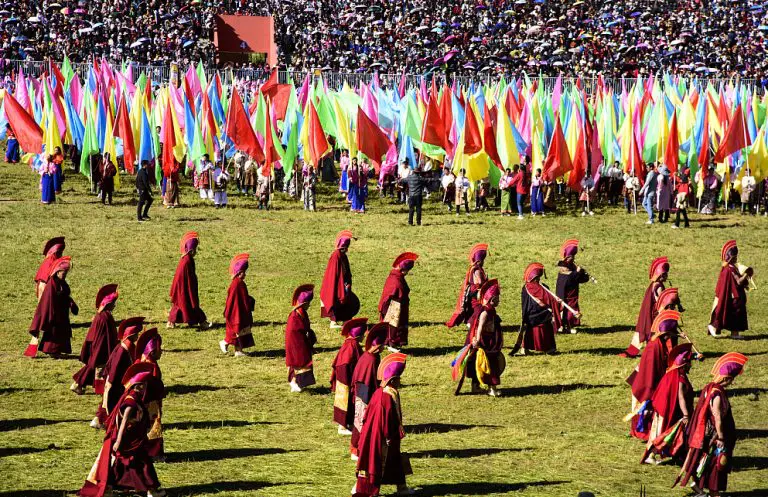
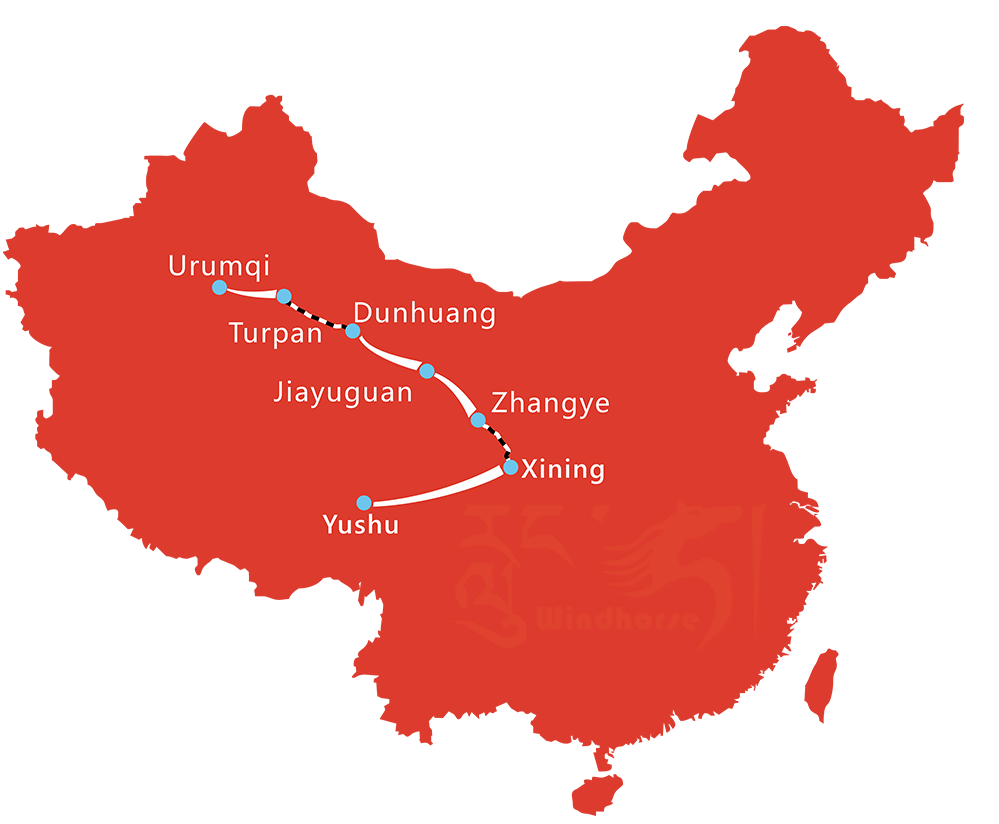




Experience the blend of adventure and culture on this 15-day Silk Road and Yushu Horse Festival Tour. Travel from Xining to Tibet’s grasslands, witness the Yushu Horse Racing Festival, explore monasteries, deserts, and ancient Silk Road cities like Dunhuang, Turpan, and Urumqi.
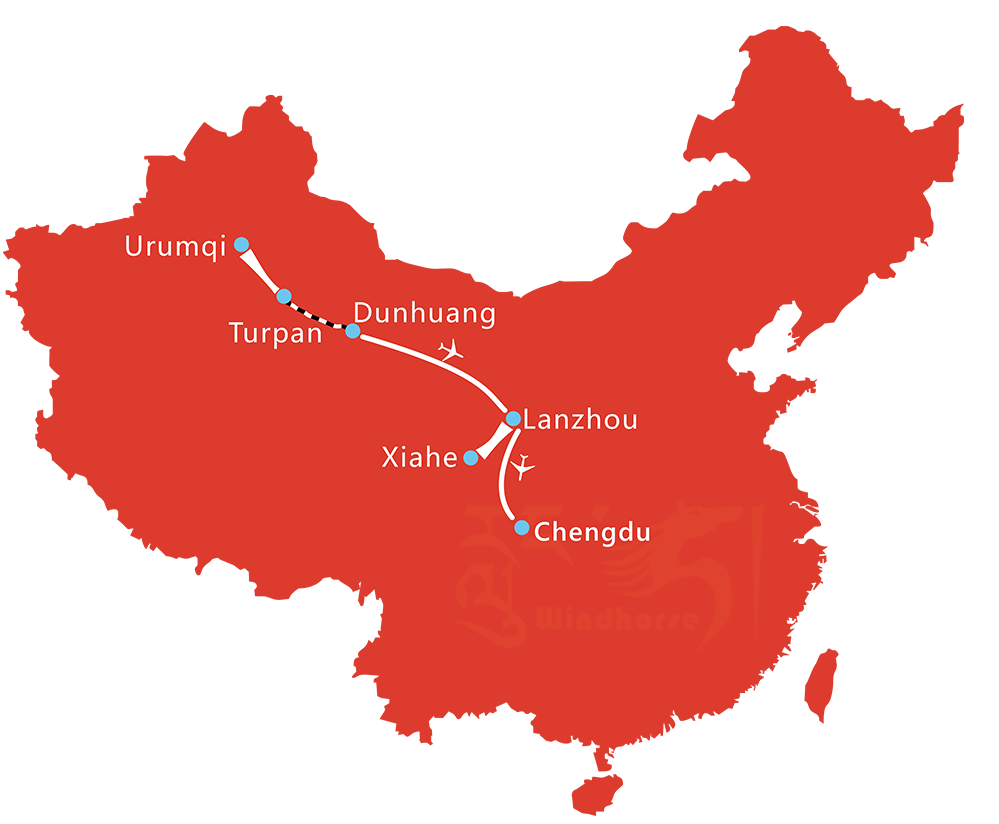
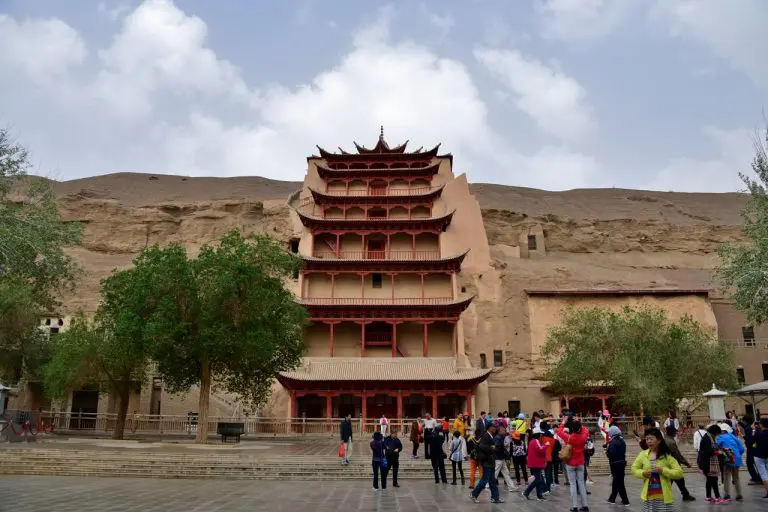
Travel from Urumqi to Chengdu on this 10 day China Silk Road and Panda Tour. Explore Turpan’s ruins, Dunhuang’s Mogao Caves, and Labrang Monastery before meeting giant pandas in Chengdu. A perfect blend of Silk Road history, Tibetan culture, and Sichuan charm.