
Chinese New Year 2025: Year of the Snake

Chinese New Year is also known as the Spring Festival, and is the most important traditional holiday in China. Celebrated by millions worldwide, it marks the beginning of the lunar calendar. The festival spans 15 days, starting with New Year’s Eve and ending with the Lantern Festival. This is a time for family reunions, honoring ancestors, and wishing for prosperity and good fortune. Homes are adorned with red decorations to symbolize luck, and firecrackers are set off to ward off evil spirits.
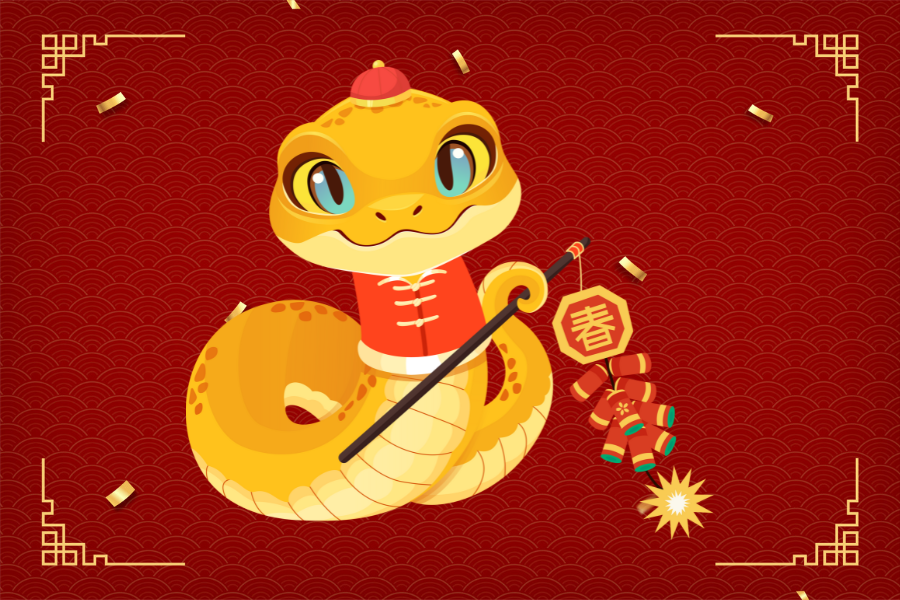
This 2025 is the year of the Snake.
Significance of the Year of the Snake in Chinese Culture
In the Chinese zodiac, the Snake is the 6th sign from the 12 year cycle from the zodiac signs in the Chinese Zodiac. Other years of the Snake were: 1941, 1953, 1977, 1989, 2001 and 2013. The Snake represents wisdom, elegance, and intuition. It is often associated with intelligence, transformation, and mystery. Those born in the Year of the Snake are believed to be resourceful and strategic, with a knack for solving problems. In Chinese mythology, the Snake is seen as a symbol of renewal and healing. During the Year of the Snake, traditional celebrations and customs are infused with themes of personal growth, insight, and fortune.
When is Chinese New Year 2025?
The Chinese New Year is celebrated for 16 days, starting on Wednesday, January 29, marking the start of the Year of the Snake. The celebrations officially kick off on New Year’s Eve, January 28, with family reunions and traditional meals.
Key Dates
- January 28, 2025 (New Year’s Eve): Families gather for a reunion dinner, share stories, and prepare for the new year.
- January 29, 2025 (New Year’s Day): Festivities start with visits to family and friends, exchanging blessings, and giving red envelopes (hongbao).
Chinese New Year 2025 Holiday Period
The holiday season will be from January 28 (Tuesday, Lunar New Year’s Eve) to February 4 (Tuesday, the 7th day of the Lunar New Year), lasting a total of 8 days. To accommodate this extended break, employees will have workdays on January 26 (Sunday) and February 8 (Saturday).
Peak Travel Times
- The busiest travel days are the day before Lunar New Year’s Eve and the final day of the holiday period.
- Another peak period occurs during the 3rd to 5th day of the Lunar New Year, as people begin to visit relatives or return home.
Lantern Festival 2025
The Lantern Festival, also known as the Shangyuan Festival or the Festival of Lanterns, will be celebrated on February 12, 2025. This event marks the 15th day of the first lunar month and coincides with the first full moon after Chinese New Year. As the traditional finale to the Lunar New Year celebrations, the festival is a time for enjoying lantern displays, solving riddles, and celebrating family unity under the glow of the full moon.
Festive Atmosphere Across China
Chinese New Year transforms cities and villages into vibrant, joyful celebrations. Streets are alive with colorful decorations, lively performances, and the sounds of festive excitement.
Decorations
Red is the dominant color, symbolizing luck and prosperity.
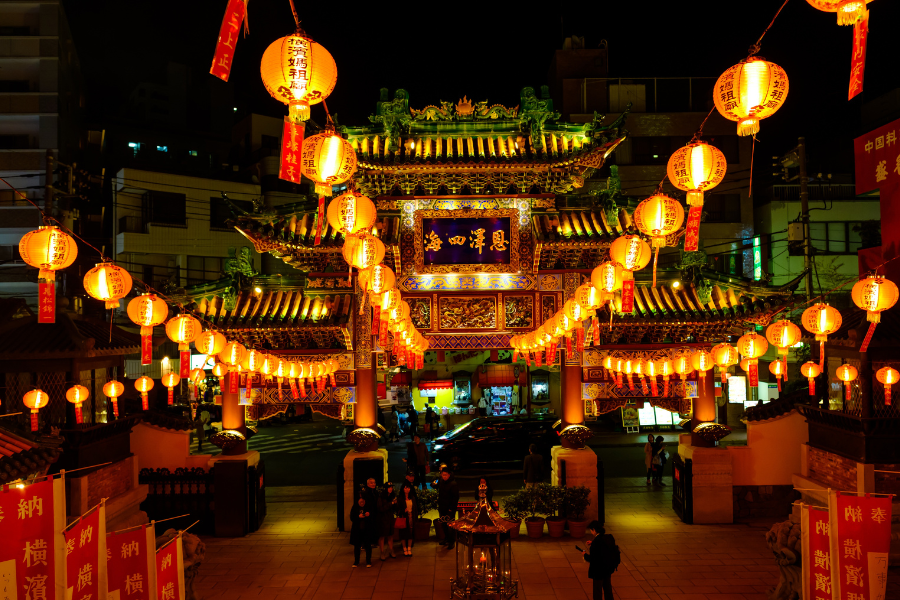
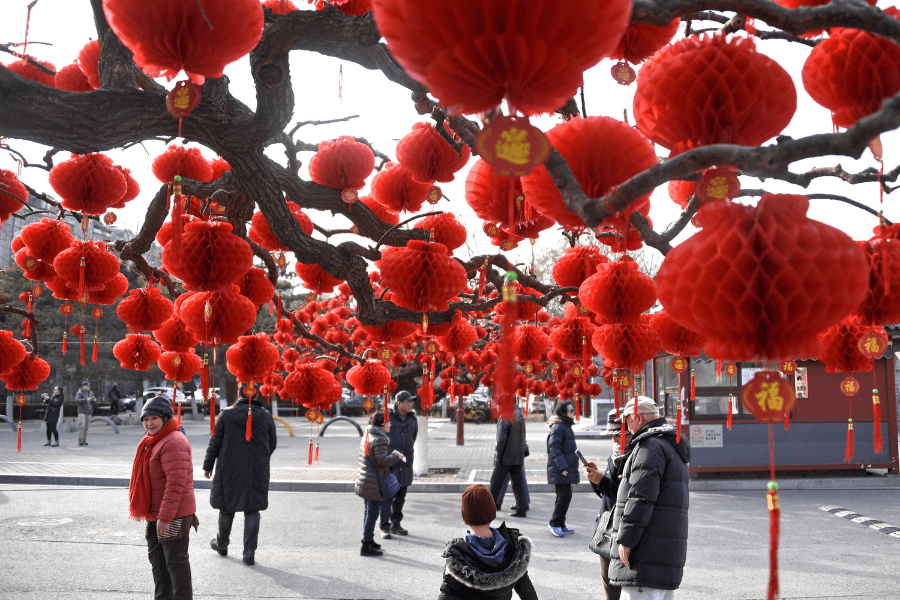
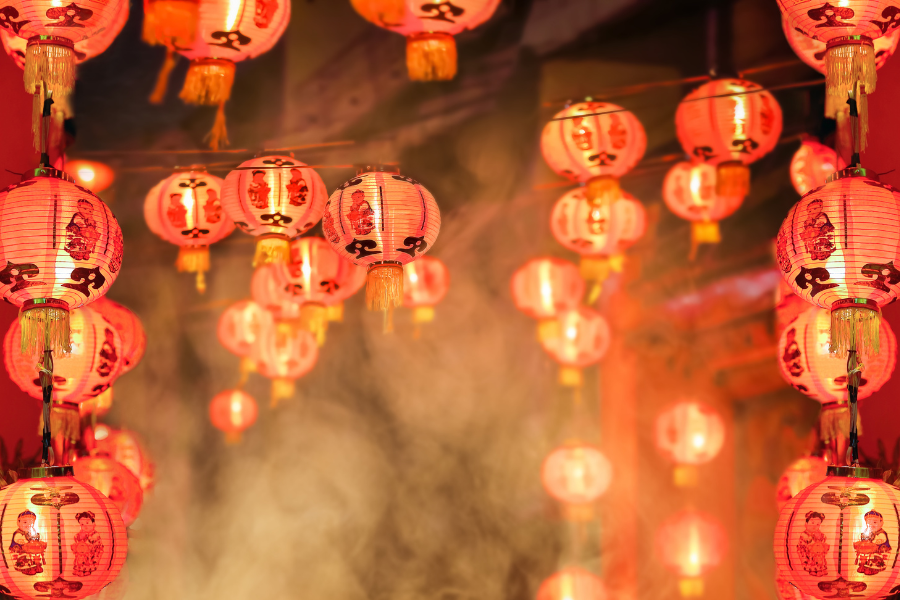
- Red Lanterns: Hung in streets, homes, and temples, these glowing lanterns light up the night with warmth and festivity.
- Couplets: Pairs of poetic lines written on red paper are displayed on doorways to express wishes for happiness and success in the coming year.
- Snake-Themed Designs: Since 2025 is the Year of the Snake, decorations often include artistic snake motifs, symbolizing wisdom and transformation.
Fireworks and Lion Dances
- Fireworks: Explosive displays light up the sky to drive away evil spirits and welcome good fortune. The loud bursts create an exhilarating atmosphere, especially on New Year’s Eve.
- Lion Dances: Performers in elaborate lion costumes leap and spin to the beat of drums, cymbals, and gongs. These dances are believed to bring luck and prosperity, and they’re a favorite highlight for families and visitors.
This festive energy can be felt everywhere, making it a magical time to explore China.
Top Destinations to Celebrate Chinese New Year
Chinese New Year is all about family and most of the attractions, shops, museums may be closed, so you can not visit. I must say that visiting China during the holidays isn’t the best time for exploring, but it can be a one time experience if you decide to celebrate with the Chinese people during Chinese New Year. Here are the top cities that can be a life experience during the celebration.
Beijing: Traditional Temple Fairs and Cultural Performances
Beijing’s Chinese New Year celebrations are steeped in tradition. Temple fairs, like those at Ditan Park and Longtan Park, showcase folk performances, traditional crafts, and food stalls. Visitors can enjoy dragon dances, acrobatics, and Peking opera, immersing themselves in the cultural heritage of the festival.
Shanghai: Modern Celebrations and Festive Light Displays
Shanghai blends tradition with modernity during Chinese New Year. The Bund and Yu Garden come alive with dazzling light displays, featuring intricate lanterns and Snake-themed decorations. High-end restaurants and shopping districts host special events, making it an exciting mix of culture and luxury.
Hong Kong: Vibrant Parades and Firework Shows
Hong Kong’s festivities are vibrant and spectacular. The International Chinese New Year Night Parade showcases colorful floats and international performances. Fireworks light up Victoria Harbour in a breathtaking display, attracting thousands of spectators. Don’t miss the lively atmosphere at the flower markets and temples.
Chengdu: Local Customs and Sichuan Cuisine
Chengdu celebrates in a more laid-back yet culturally rich way. Locals visit temples like Wuhou Shrine to pray for blessings and stroll through parks decorated with lanterns. Sichuan cuisine takes center stage, with families enjoying hot pot and spicy dishes that add warmth to the winter chill.
Guangzhou: Flower Fairs and Market Buzz
Known as the “City of Flowers,” Guangzhou’s flower fairs are a highlight of Chinese New Year. Streets transform into vibrant marketplaces selling blooming flowers and festive decorations. The fairs are perfect for soaking in the local culture while shopping for symbolic plants like kumquat trees and orchids.
However, if you want to celebrate as a domestic people, these are top destinations that Chineses people choose to go on holiday during The Chinese New Year: Sanya, Dali, Harbin, Haikou, and Xishuangbanna.
Special Year of the Snake Traditions
Symbolism of the Snake in the Chinese Zodiac
The Snake is seen as a symbol of wisdom, intuition, and transformation in Chinese culture. It represents elegance and strategic thinking, often linked to solving complex problems and achieving success. People born in the Year of the Snake are thought to be insightful, resourceful, and charming. The Snake’s association with renewal and healing makes it a powerful zodiac sign for new beginnings.
Activities to Bring Luck and Avoid Bad Omens
During the Year of the Snake, certain traditions and actions are believed to enhance luck and ward off misfortune:
- Wearing red clothing or accessories is thought to bring good fortune, especially for those born under the Snake sign.
- Homes are thoroughly cleaned and decorated before New Year’s Day to sweep away bad luck and welcome positive energy.
- (Hongbao): Elders give red envelopes filled with money to younger family members, symbolizing blessings and prosperity.
- Using knives or scissors is discouraged on New Year’s Day, as it’s believed to cut off good luck.
- Starting the year debt-free is considered essential to ensure financial stability in the coming months.
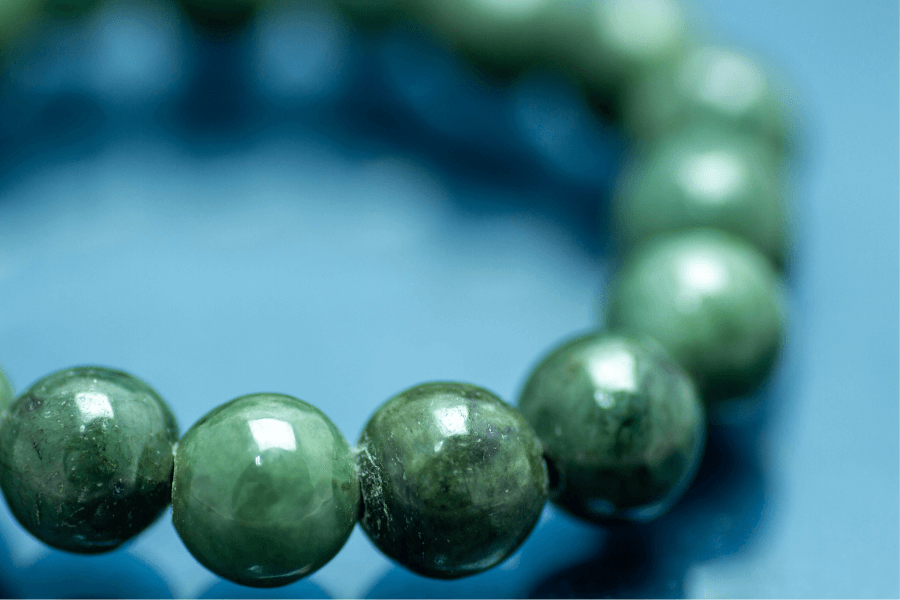
- Also wearing jade as jewellery can protect you from the instability brought on by your ben ming nian.
The Year of the Snake encourages reflection, strategic planning, and cultivating wisdom for a prosperous and harmonious year ahead.
Foods to Try During Chinese New Year
Food plays a vital role in Chinese New Year celebrations, with each dish carrying symbolic meanings of luck, prosperity, and happiness. Here are some must-try dishes:
Traditional Dishes
- Dumplings (Jiaozi): Resembling ancient Chinese silver ingots, dumplings symbolize wealth and prosperity. Families often make them together on New Year’s Eve, hiding coins in some for added good fortune.
- Fish (Yu): A whole fish is served to signify abundance, as the word “fish” (鱼, yú) sounds like “surplus” in Chinese. It’s customary to leave some fish uneaten to ensure continued prosperity.
- Glutinous Rice Cakes (Niangao): These sticky rice cakes symbolize rising success each year because “niangao” (年糕) sounds like “higher year” in Chinese. Sweet or savory versions are enjoyed depending on the region.
Regional Specialties
- Hot Pot: Popular in Sichuan and northern China, hot pot brings family and friends together around a bubbling pot of broth filled with meat, vegetables, and spices. It represents unity and warmth.
- Sweet Rice Balls (Tangyuan): These round, glutinous rice dumplings are filled with sweet fillings like sesame or peanut paste. Their round shape symbolizes family togetherness and harmony.
Each dish is more than just a treat—it’s a way to share blessings and hopes for the new year. Exploring these foods is a delicious way to connect with the holiday’s rich traditions.
Final Words
Chinese New Year is a magical time to experience the richness of Chinese culture, filled with traditions, festivities, and heartfelt connections. Whether it’s enjoying a family reunion, savoring symbolic foods, or witnessing breathtaking fireworks, this celebration offers something truly special for everyone.
As we welcome the Year of the Snake, let its wisdom, renewal, and prosperity inspire your year ahead. Embrace the festive spirit, explore the customs, and create unforgettable memories during this vibrant holiday season.
Wishing you a prosperous, lucky, and joyful Year of the Snake!
Related tours
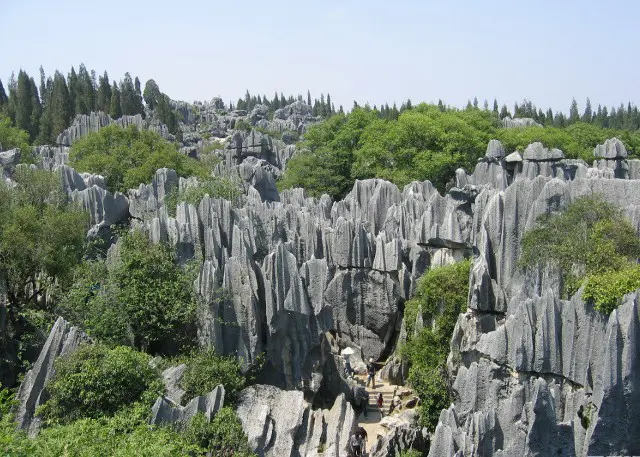
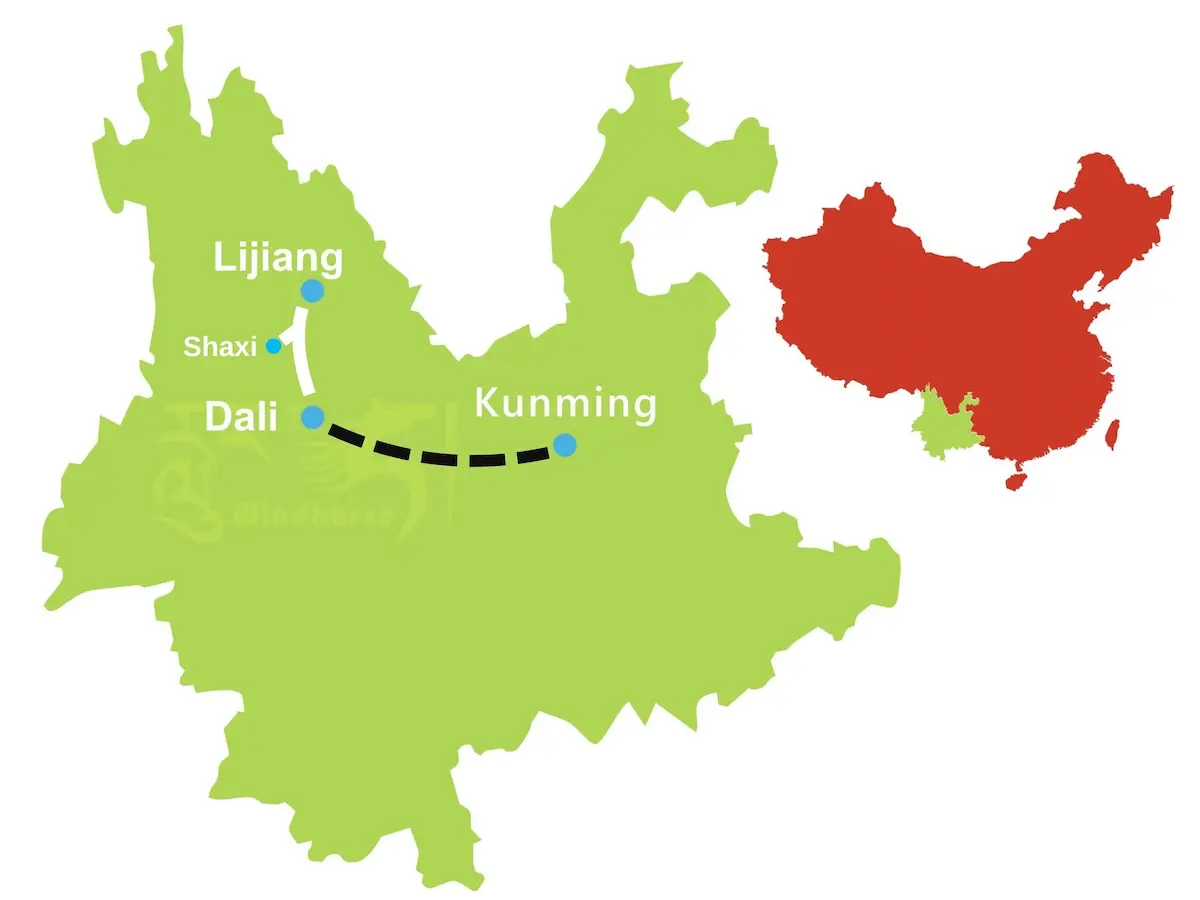
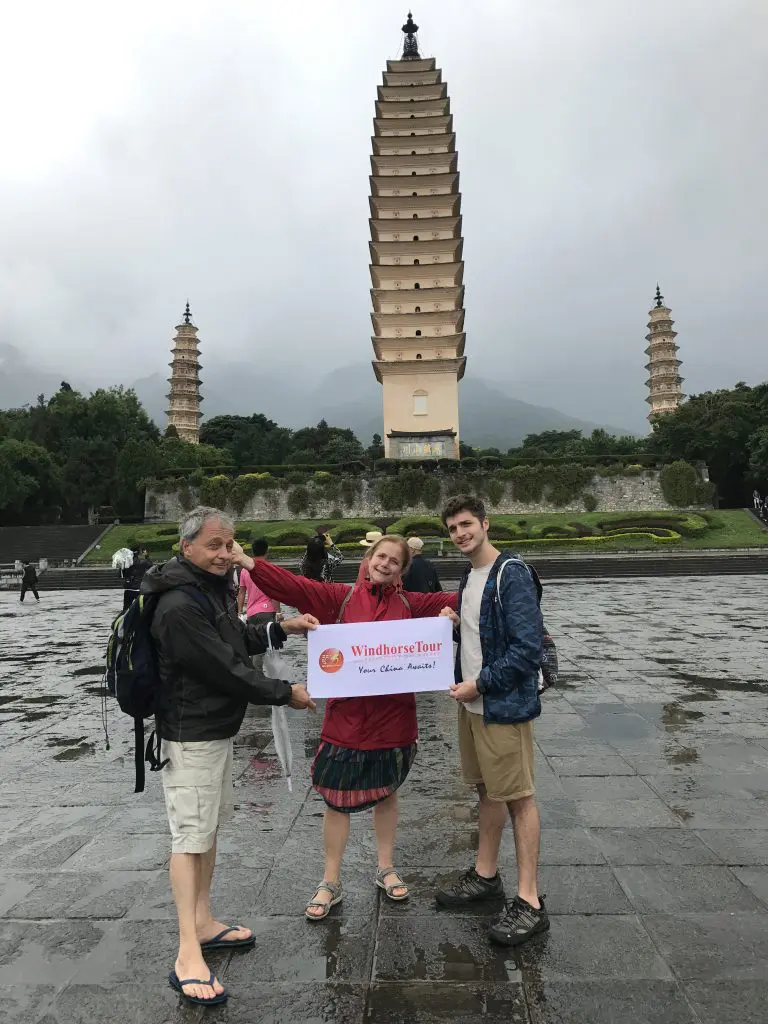
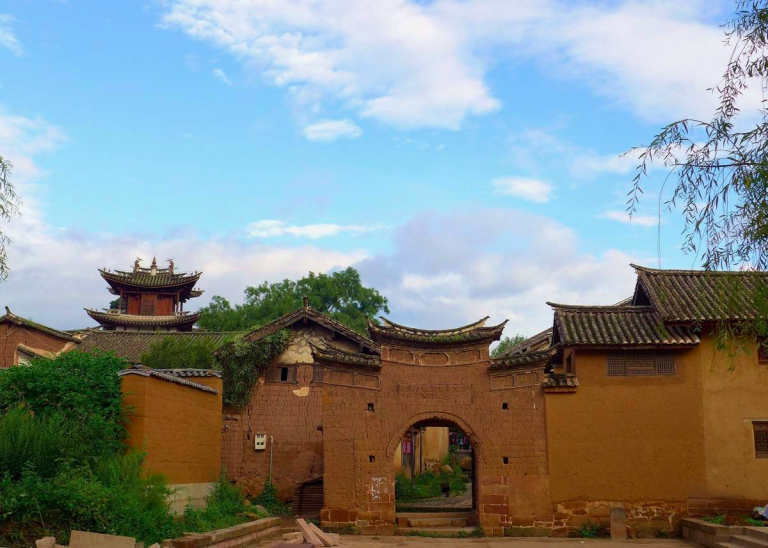
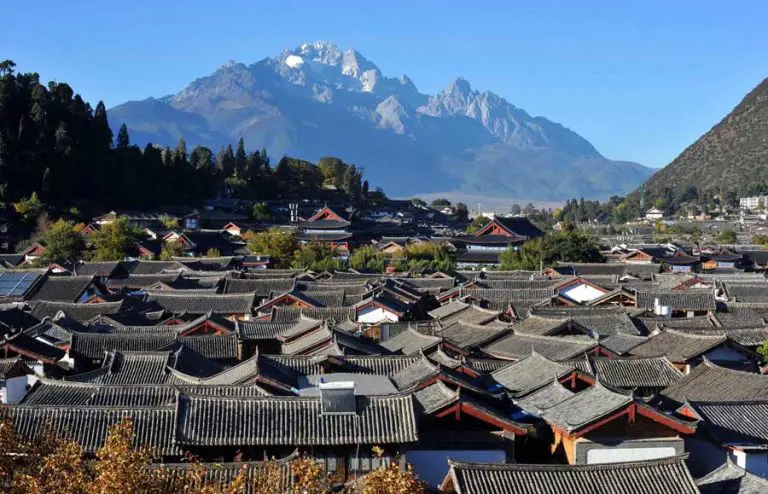

Explore Yunnan's most iconic destinations on this 7-day private tour. From Kunming's Stone Forest to Dali's ancient towns and Lijiang's Jade Dragon Snow Mountain, with a stop at the lesser-known Shaxi on the Tea Horse Road.
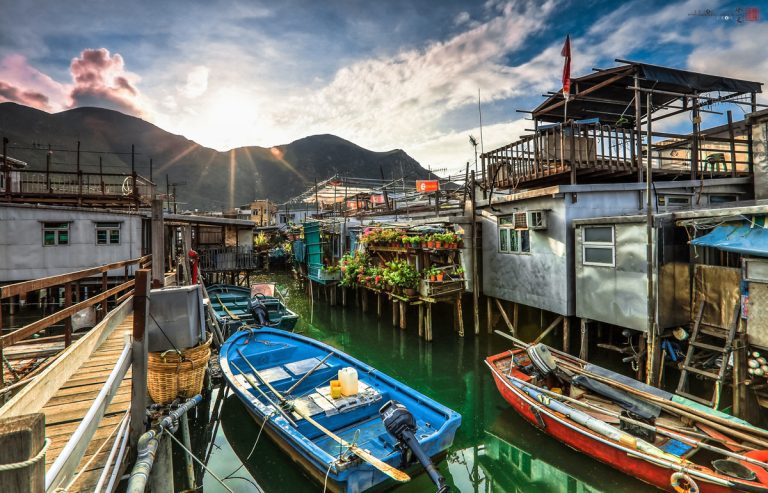
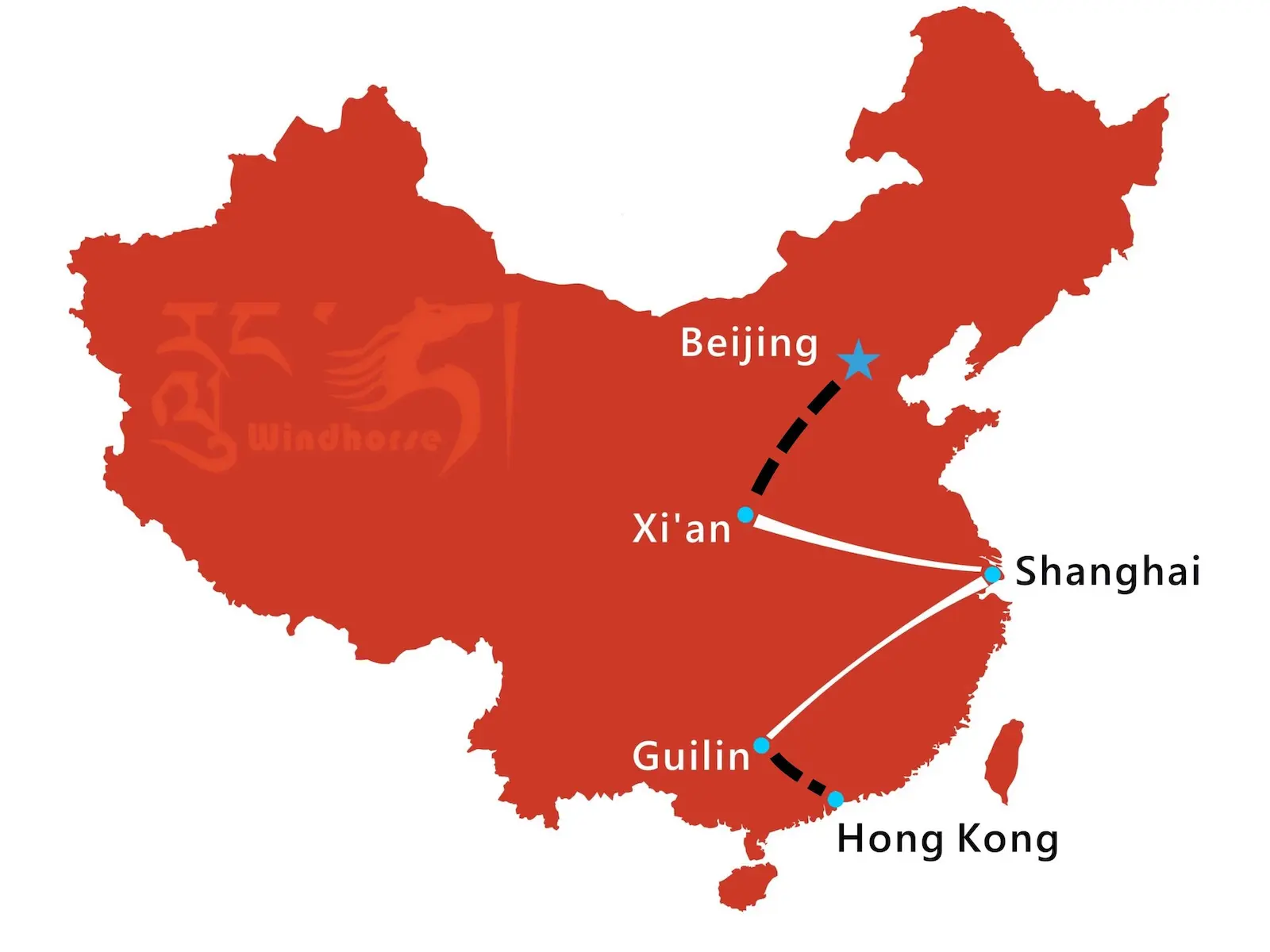
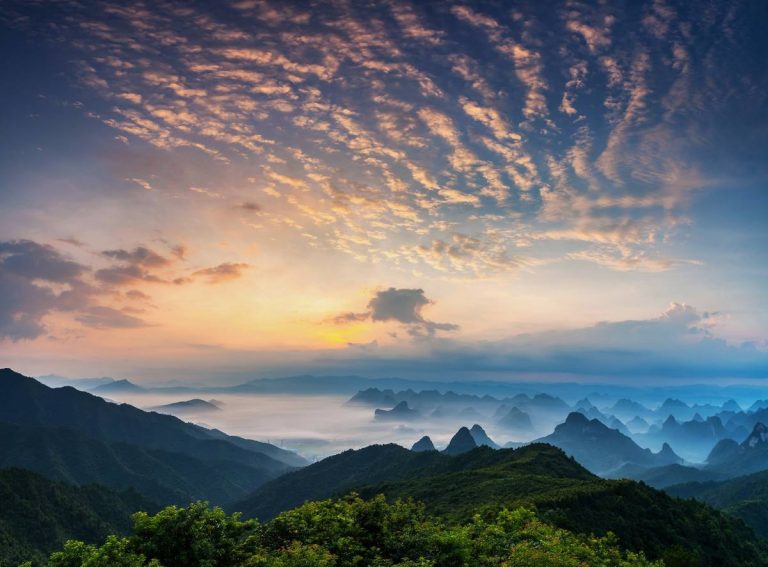
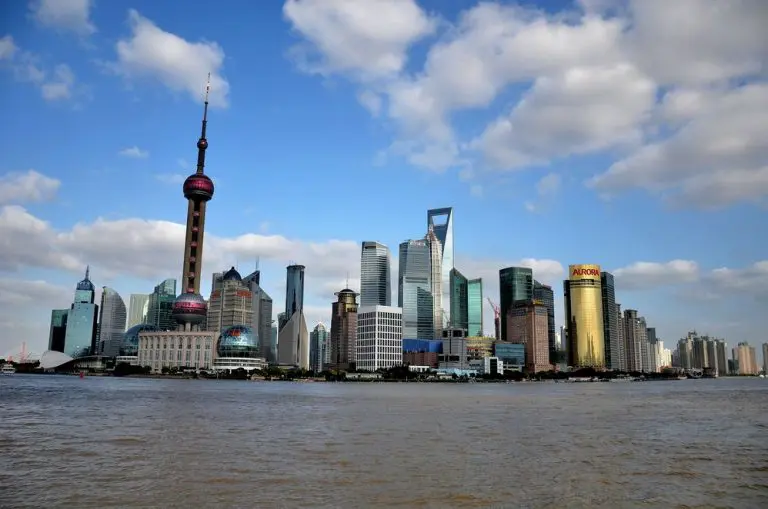
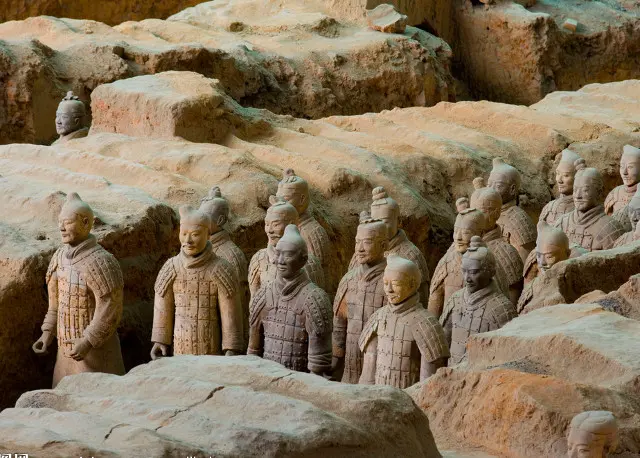
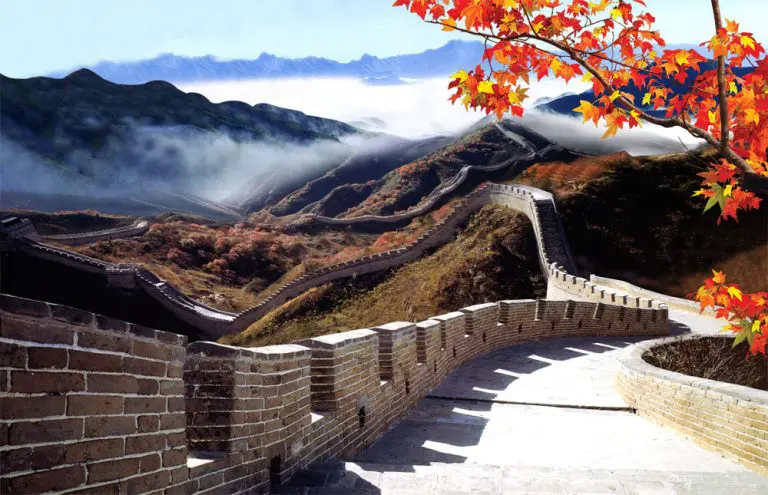
This 2 week China tour from Hong Kong to Beijing explores Guilin’s landscapes, Shanghai’s skyline and nearby Suzhou, Xi’an’s Terracotta Warriors, and Beijing’s imperial landmarks. A well-paced route combining scenery, culture, and China’s must-see cities.

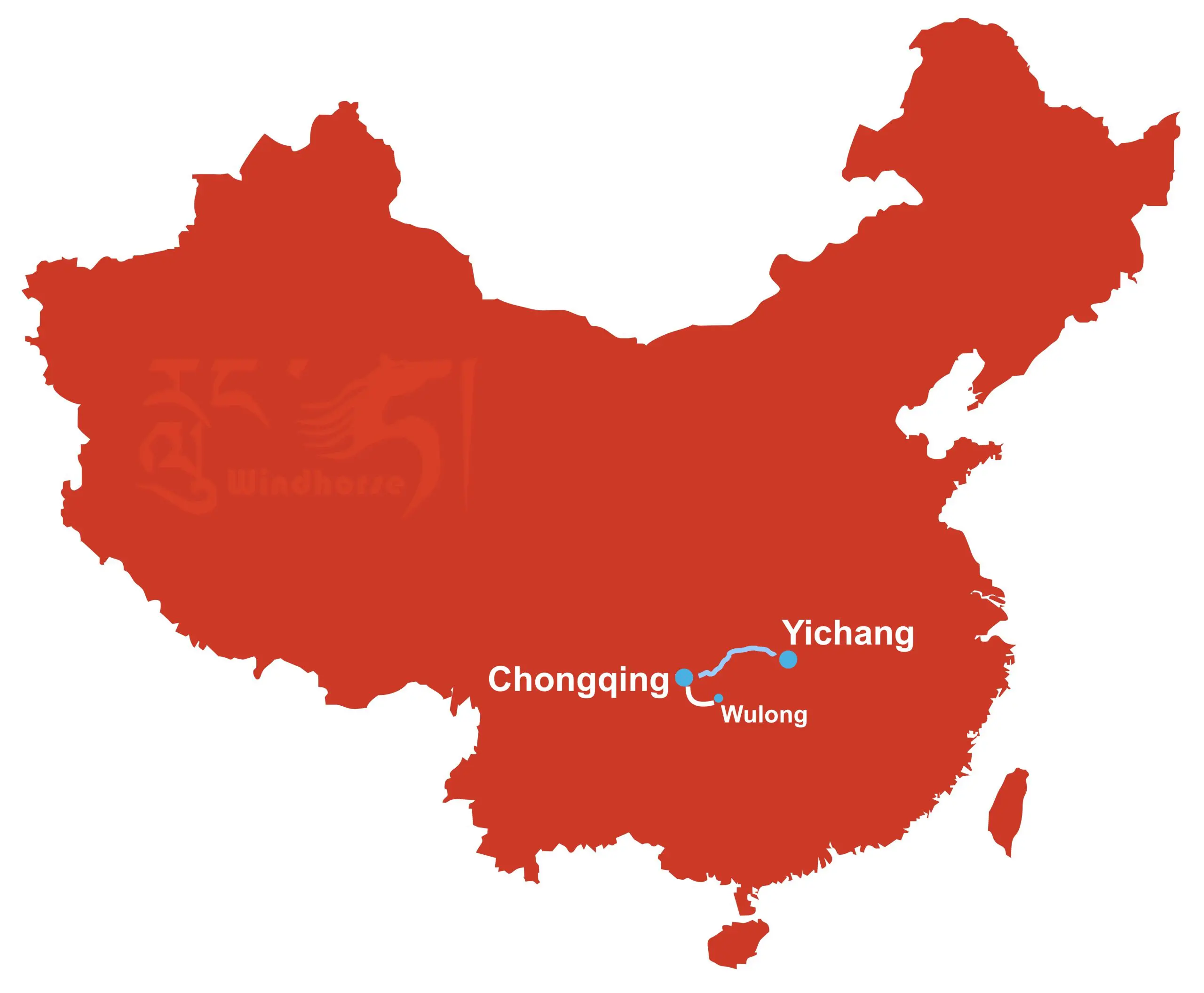

This 7-day Chongqing Yangtze River Cruise Tour with Wulong Karst combines city exploration, UNESCO landscapes, and a relaxing river voyage. Visit Chongqing’s highlights, marvel at Wulong Karst Park, and cruise through the majestic Three Gorges of Yangtze River to Yichang.
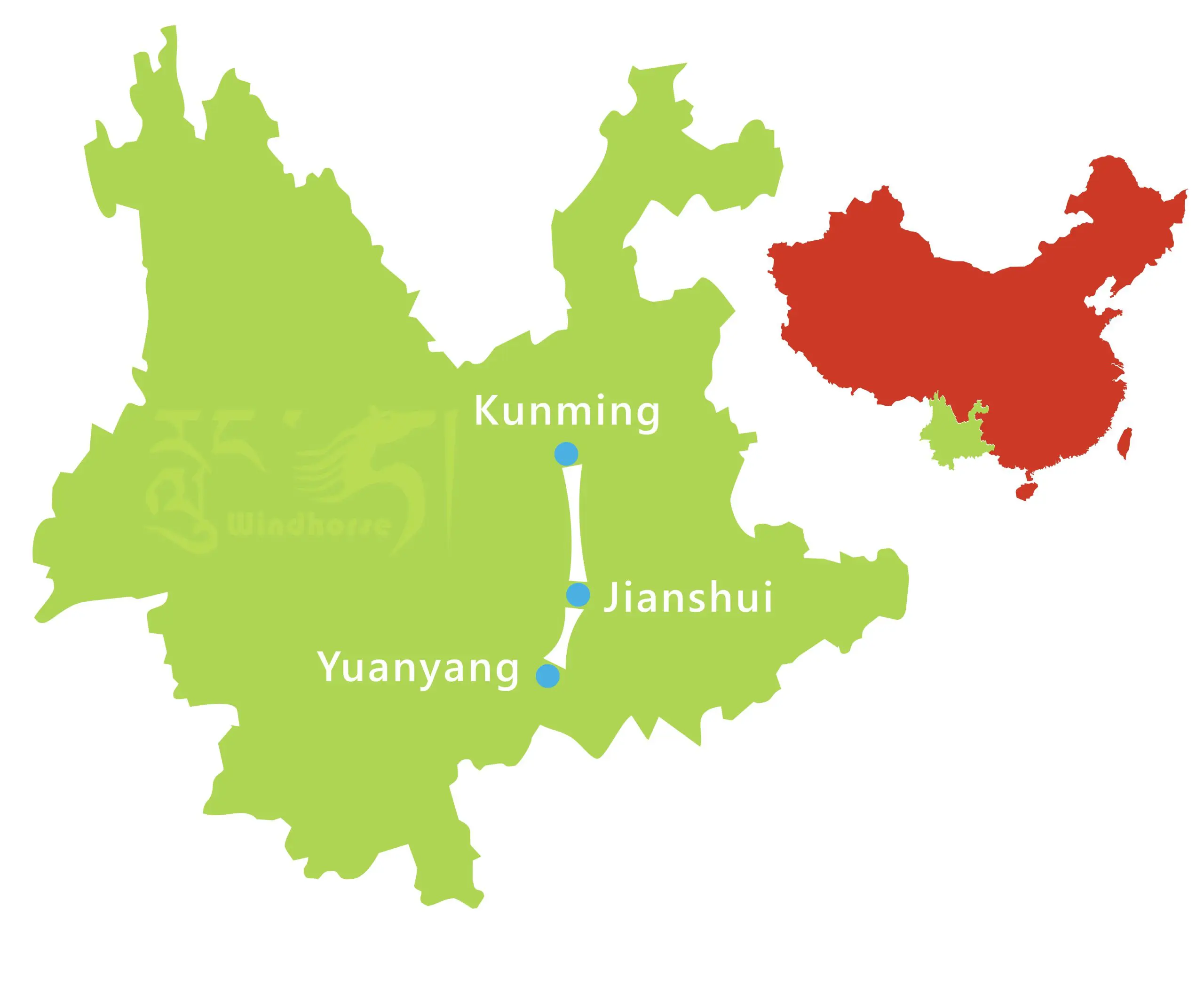
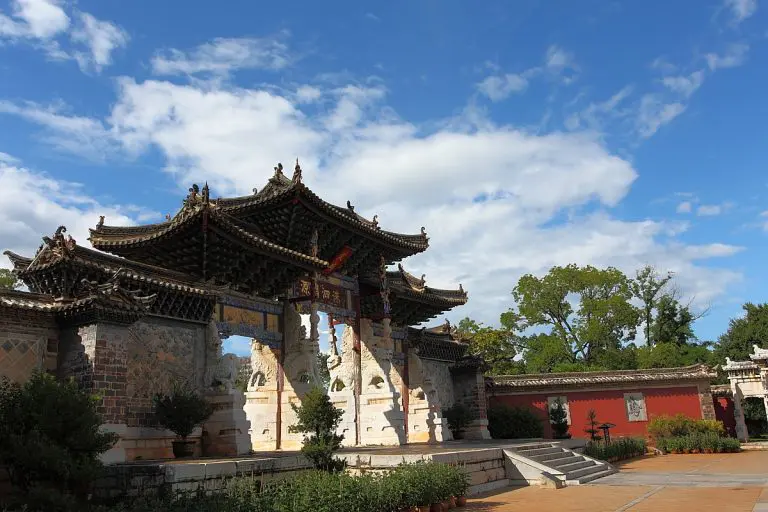
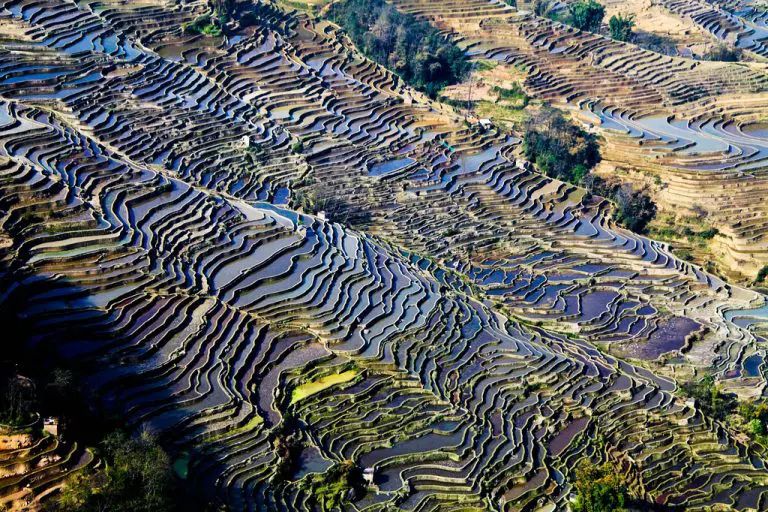
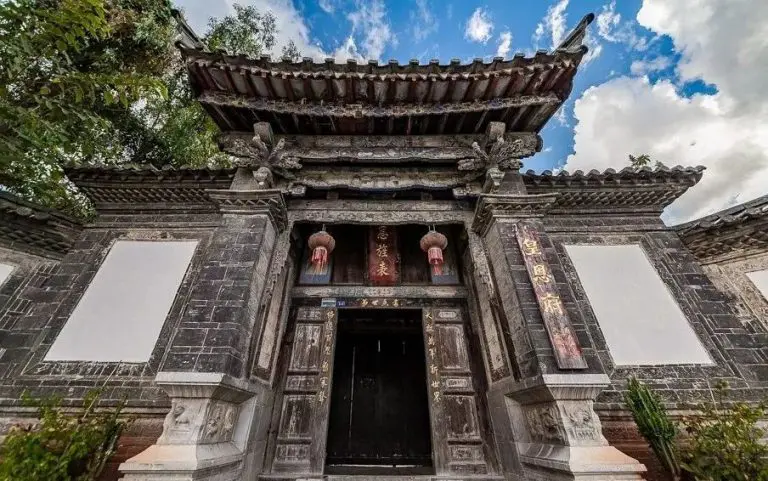
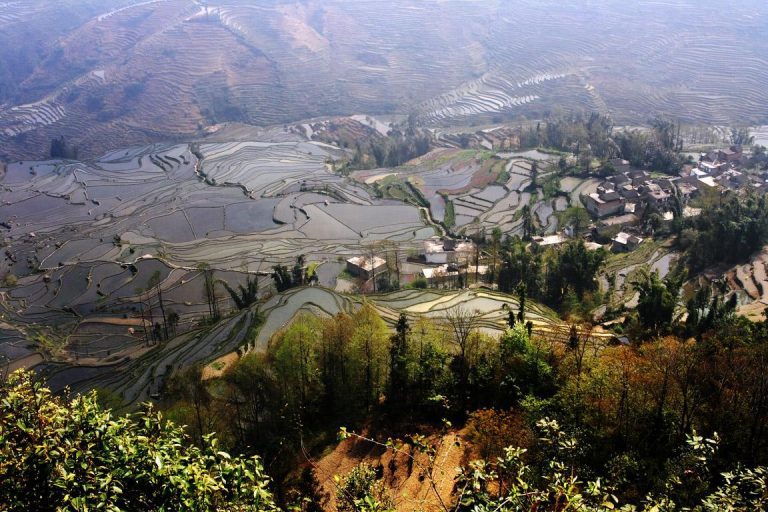
Explore Jianshui Ancient Town and the UNESCO Yuanyang Rice Terraces on this 7-day Yunnan tour. Visit Confucian landmarks, Hani villages, and top sunrise and sunset viewpoints. Ideal for photography lovers and travelers seeking Yunnan’s most scenic landscapes.