


15 days Tibet & Silk Road Tour from Urumqi to Lhasa
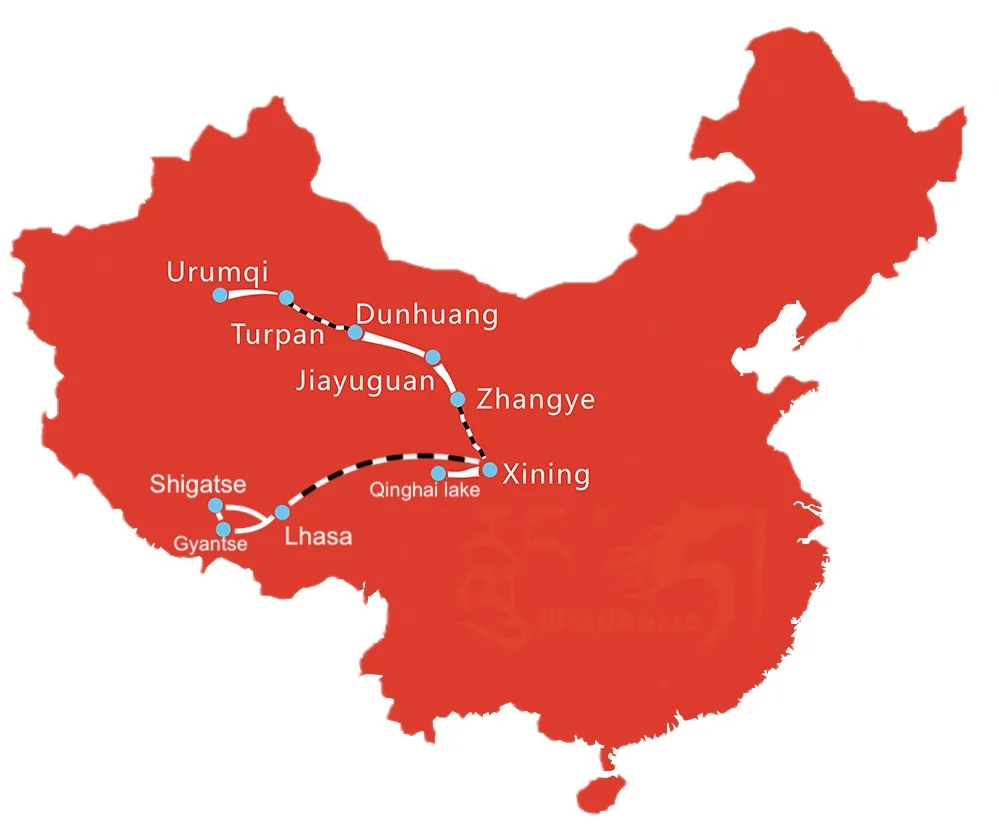
Travel from Urumqi to Lhasa on this 15-day Tibet & Silk Road tour, visiting Turpan, Dunhuang, Jiayuguan Pass, Zhangye Danxia, Xining, and Qinghai Lake before riding the Qinghai–Tibet Railway to explore Lhasa, Gyantse, and Shigatse.
Itinerary
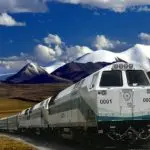
This 15-day Tibet & Silk Road Tour follows one of China’s most historic travel routes, beginning in Urumqi and gradually unfolding the history, culture, and landscapes that shaped ancient trade across Central Asia. Travel through the oasis city of Turpan, the Buddhist art center of Dunhuang, the fortified Jiayuguan Pass at the edge of the Great Wall, and the spectacular Danxia landforms of Zhangye. Continue east to Xining and the wide shores of Qinghai Lake before boarding the Qinghai–Tibet Railway, the world’s highest rail line, for a scenic journey across the Tibetan Plateau.
In Tibet, explore the spiritual and cultural heartlands of Lhasa, Gyantse, and Shigatse. Visit iconic sites such as the Potala Palace, Jokhang Temple, Yamdrok Lake, Karo La Glacier, and Tashilhunpo Monastery. This route offers a rich blend of Silk Road heritage, dramatic desert and mountain scenery, deep Tibetan cultural traditions — connecting the far west of China with the sacred highlands of Tibet.
You'll Arrive at the city of Urumqi, which happens to be the world's most inland city. You'll be picked up at the airport and transferred to your hotel. From there you'll have the chance rest up and refresh in the comfort of your lodging accommodations.
Once settled, feel free to take a walk into the mind-boggling Xinjiang Grand Bazaar, where you'll find everything from entertainment to local fare and unique goods from different cultures in and around the region.
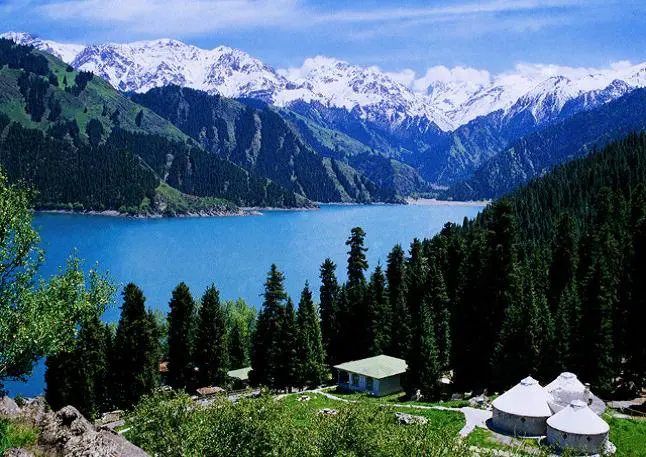
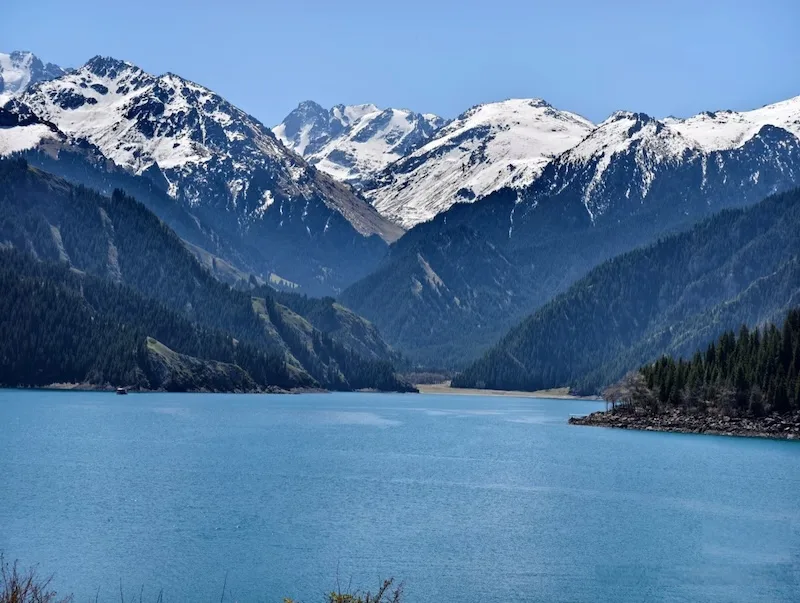
You'll begin with a morning drive to visit the aptly named Heavenly Lake. This beautiful and serene body of crystal water has the ability to bring renewed energy to even the weariest of travelers. In the afternoon, you'll enjoy a drive to the oasis city of Turpan for the night. In this region of the China Silk Road, you will find a sparse population, fertile soil that boasts one of the countries greatest grape growing abilities and plenty of ancient ruins and relics to gaze upon.
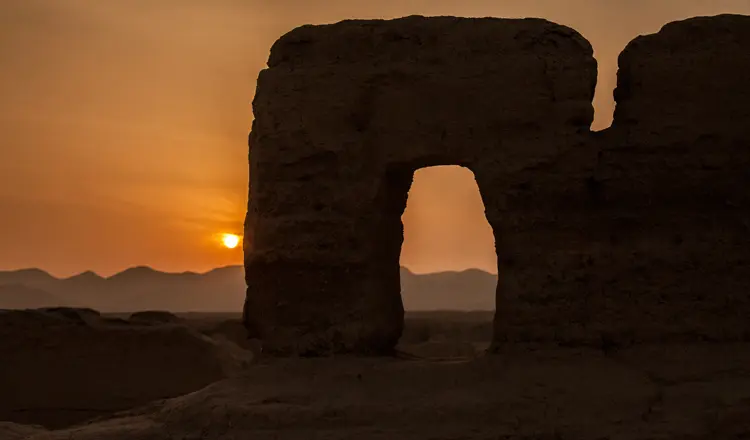
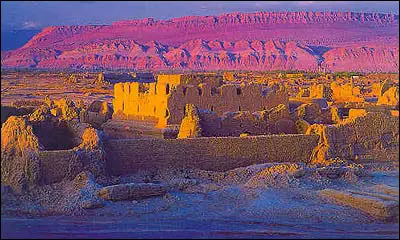
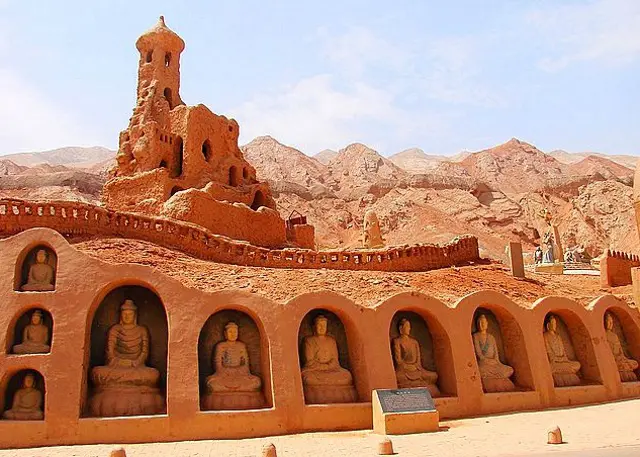
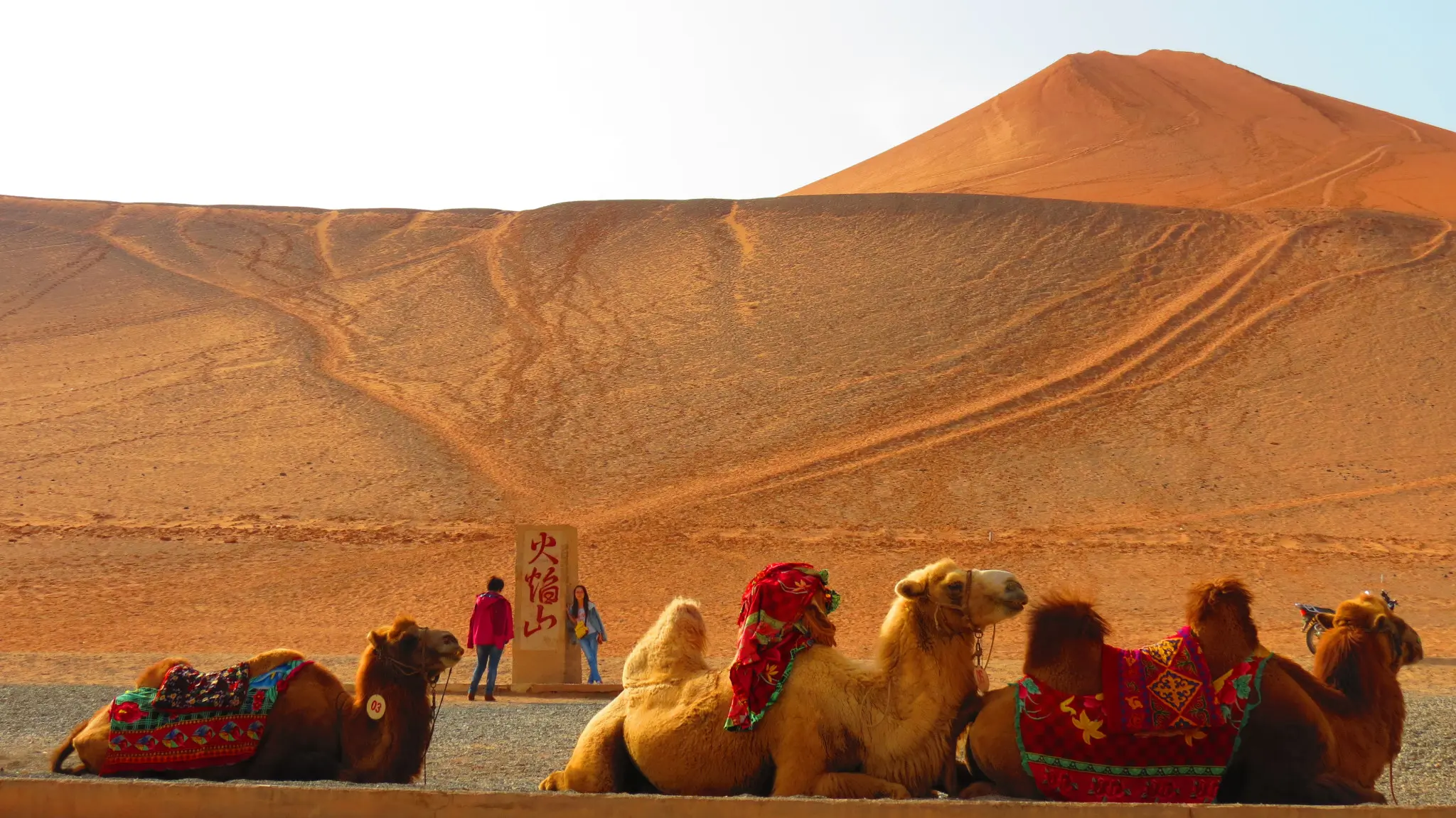
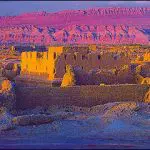
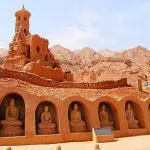
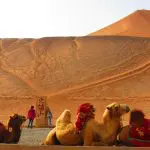
You'll receive a full day tour of Turpan. Morning drive to visit the Gaochang Ruins, was once an important stop along the ancient Silk Road. Because of the war and water shortage, it was finally abandoned, but the remaining city walls, temples, houses still indicates the past glory of this city and the culture of ancient Gaochang people. Then continue the visiting to the Bezeklik Thousand Buddha Caves situated on the west cliffs of the Wood Valley of the Flaming Mountains. Learn about the development and history of the Buddhism in this region from the colorful murals and other precious art works. Afterwards, have a traditional Uyghur lunch in a local village of Tuyuk Valley. On the way back to Turpan, stop to visit the Flaming Mountain, where the temperature on the surface reaches 47.8 C (118.04 F) in the hottest summer, hence the name. Follow the last visit today will be the Jiaohe Ruins, which is currently the largest and oldest earth city in the world. The remains you see today was descended from the Tang Dynasty. Most of them are well preserved due to the high location and dry climate. Overnight at Turpan.
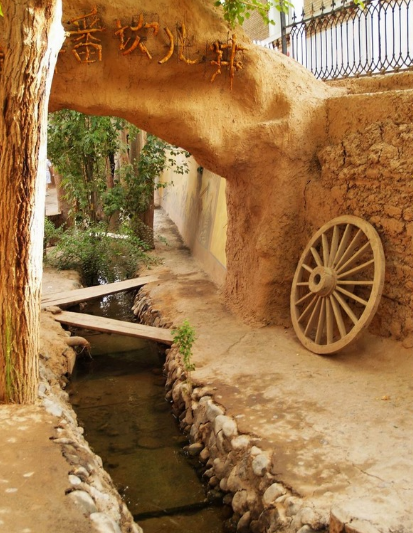
Your morning begins with visiting the intricate Karez underground irrigation system. An important source of life to all of Turpan, this system of caves, reservoirs, canals and wells is an impressive 5,000 km (3100 miles) in total length. From there, you'll head to Turpan train station and take the train to Liuyuan (D2706, 12:13-15:48, around 3.5 hours).
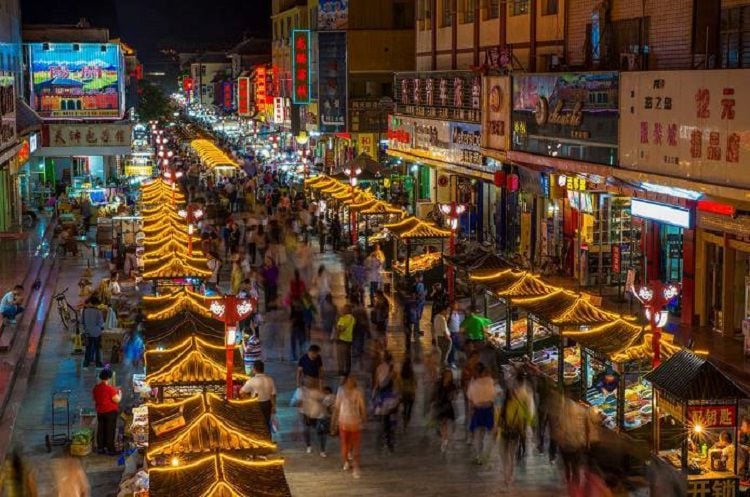
Upon arrival at Liuyuan, you'll be greeted and taken to your hotel in Dunhuang (about 1.5-2 hours drive). Dunhuang is another beautiful oasis surrounded by soul soothing sand dunes, and one of the most important cities on the China Silk Road, you can rest up and enjoy the Shazhou Nightly Market or some traditional Chinese performance art at the Dunhuang Theater.
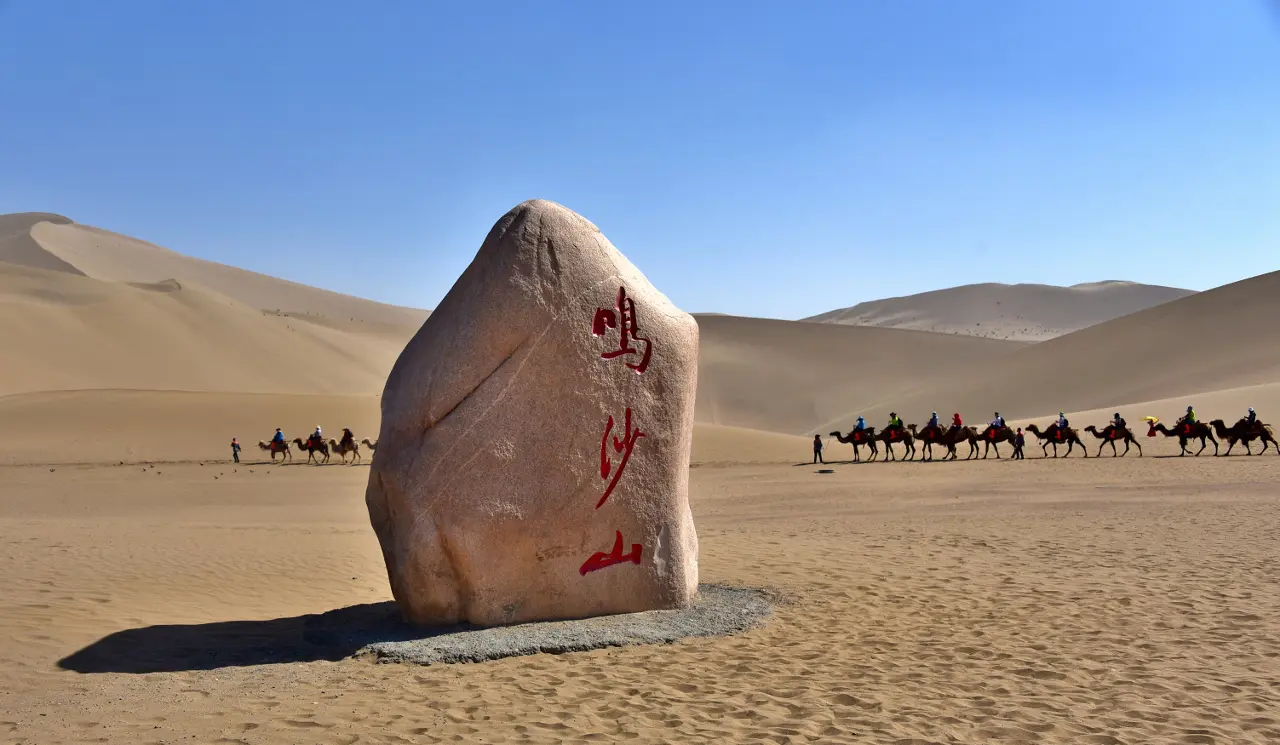
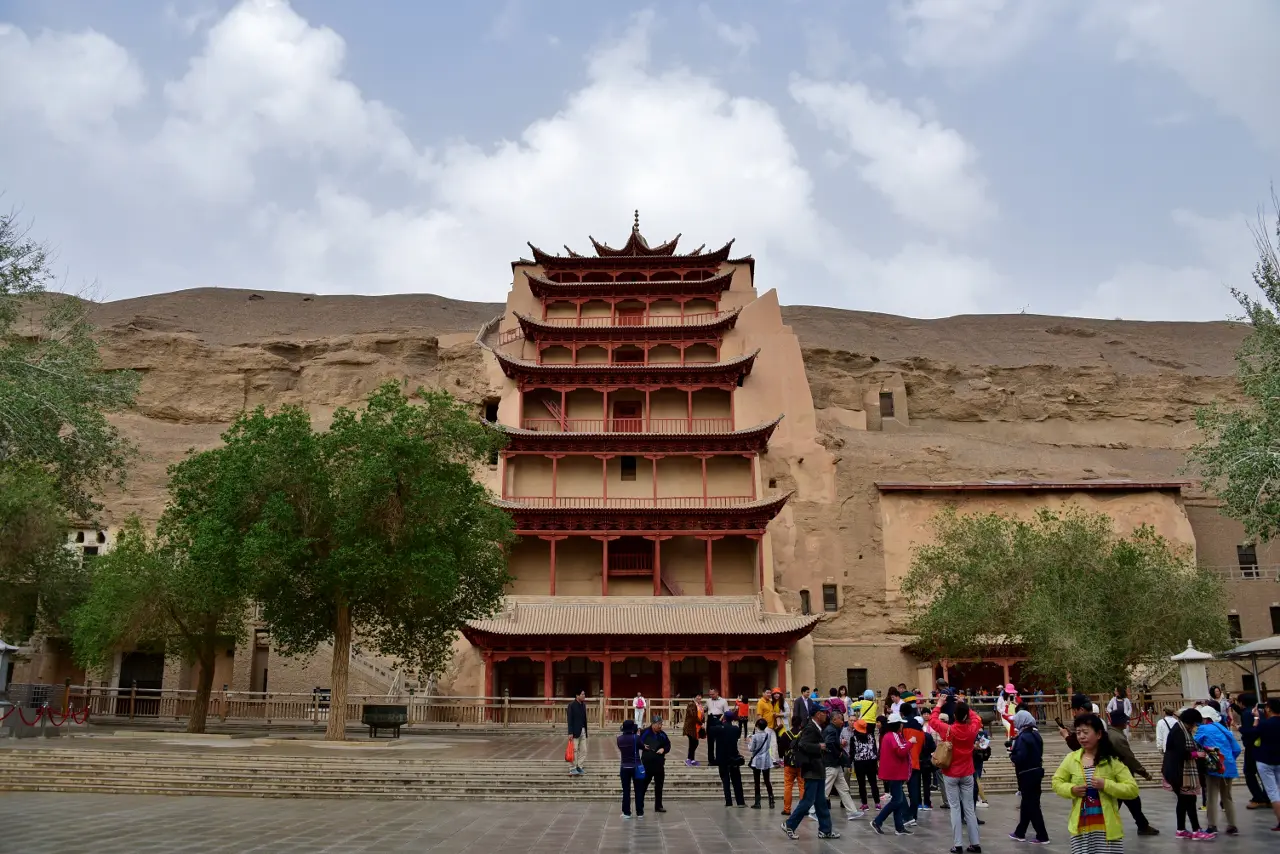
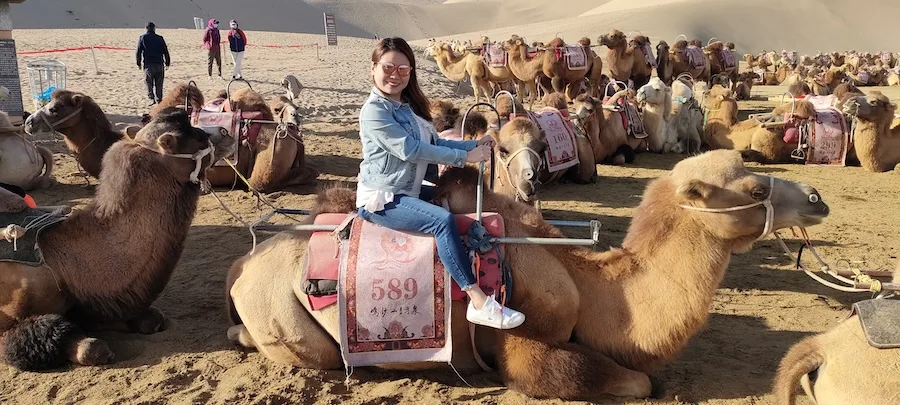
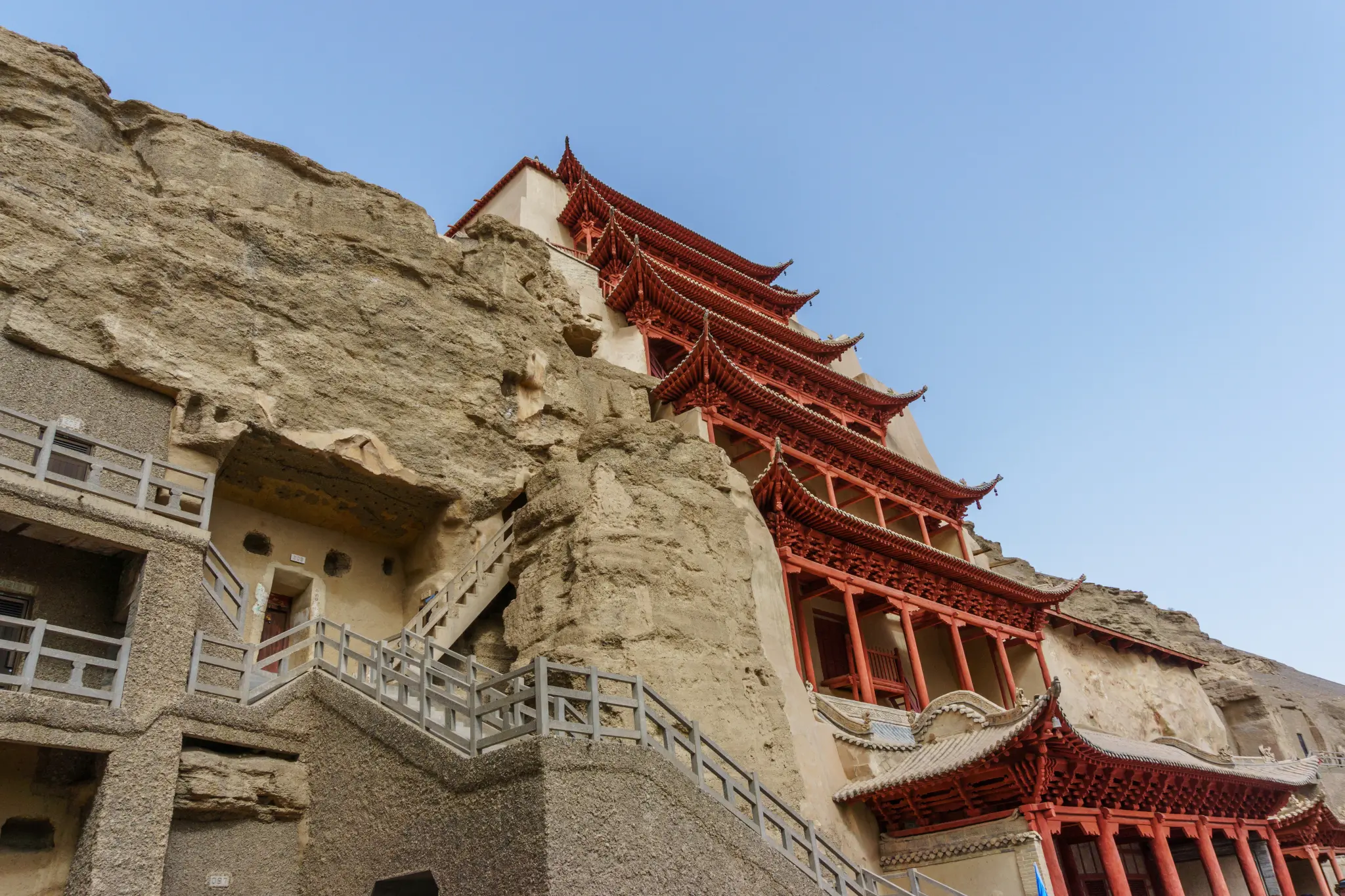
In the morning, you will visit the noted Mogao Grottoes. Regarded as one of the most precious treasures of Buddhist art, the Mogao Grottoes house numerous exquisite murals and Buddha statues, most of which date back more than 1,500 years. Afterwards, head out to enjoy a camel ride to the Mingsha Mountains. As its name indicates, the sand here echoes when the wind blows or when you slide down the mountain slopes. You can also choose from multiple desert activities, such as sand sliding (additional fee required, payable locally).
Later, head to Crescent Spring to see the lake located in the deserts of the Singing Sand Mountains. The lake got its name because its shape naturally resembles a crescent. Enjoy a beautiful sunset. Overnight in Dunhuang.
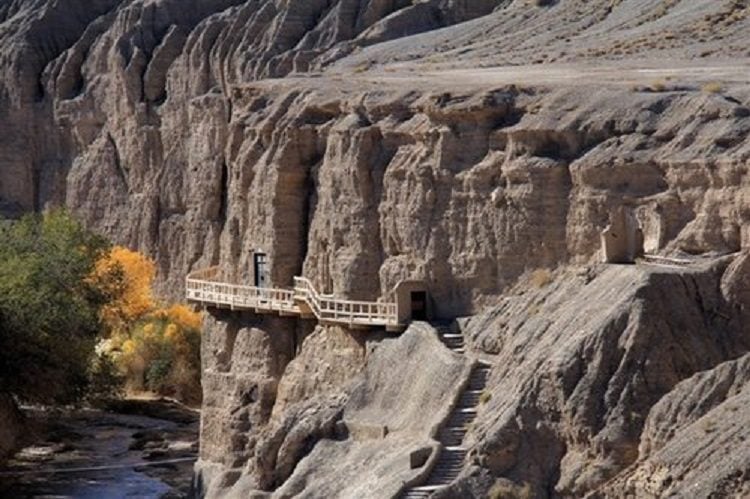
In the morning, drive to Jiayuguan, a journey of about five hours. Along the way, visit the Yulin Grottoes, an important Buddhist cave complex often called the “sister site” of the Mogao Caves. The grottoes are renowned for their beautifully preserved murals that date from the Tang to the Yuan dynasties, depicting vivid Buddhist imagery as well as scenes of daily life along the ancient Silk Road.
Be sure to see Caves 3, 25, and 29, which contain some of the finest and most complete mural collections in the entire complex. After your visit, continue on to Jiayuguan for your overnight stay.
In the morning, visit the Wei–Jin Art Gallery, an extensive complex of more than 1,400 tombs dating from the 3rd to 5th centuries. Often called the largest underground art gallery in the world, the site is known for its well-preserved brick murals, which show scenes of everyday life, customs, and traditions from the Wei and Jin periods.
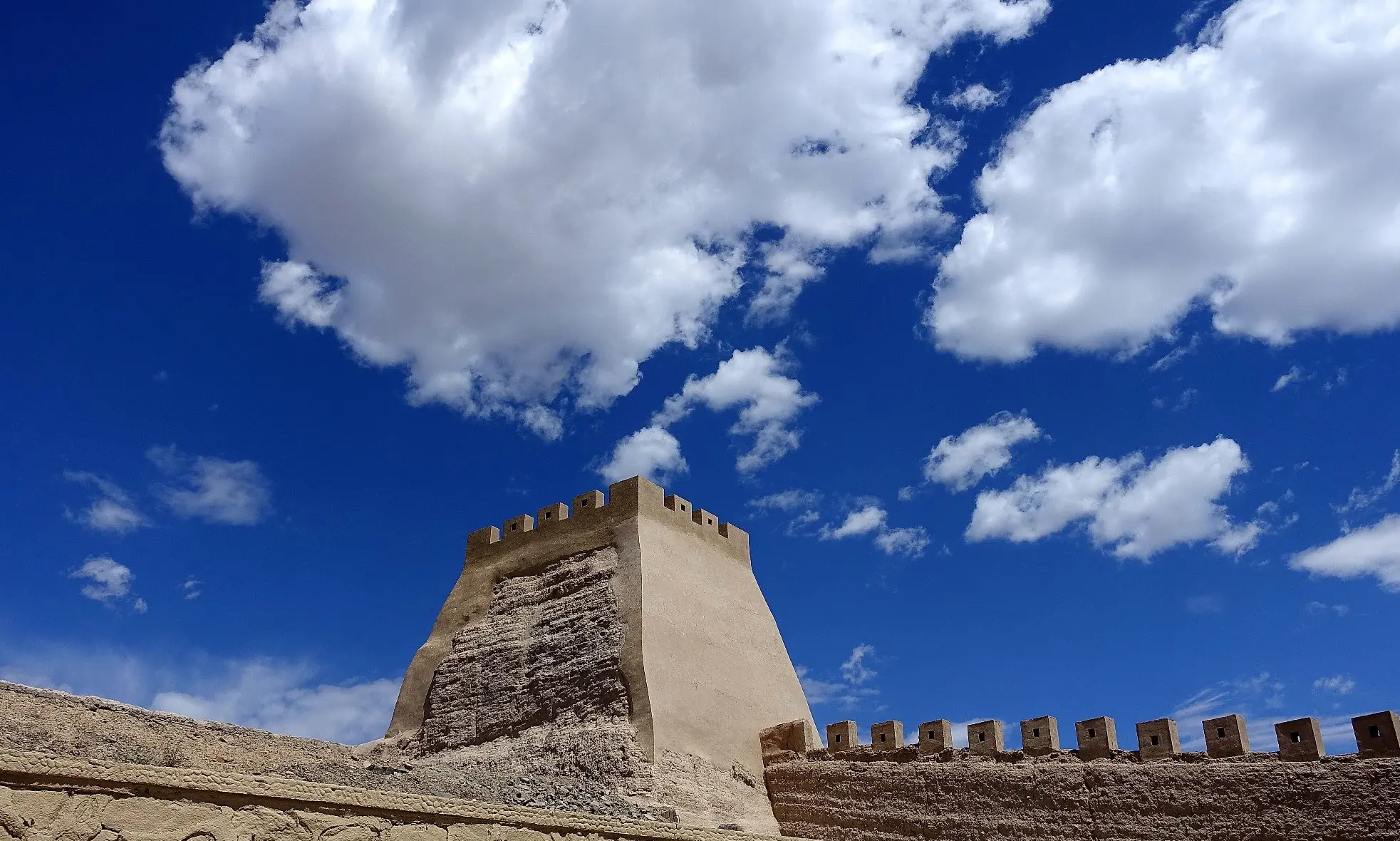
Afterward, continue to the Jiayuguan Pass, known as the “Greatest Pass Under Heaven.” This important fortress marks the western starting point of the Ming Dynasty Great Wall and served as a key military post along the Silk Road. Explore the walls and towers, then walk west to the First Fire Tower, which stands on a cliff above the Gobi Desert and offers wide views of the Talai River and Jiayuguan Pass in the distance.
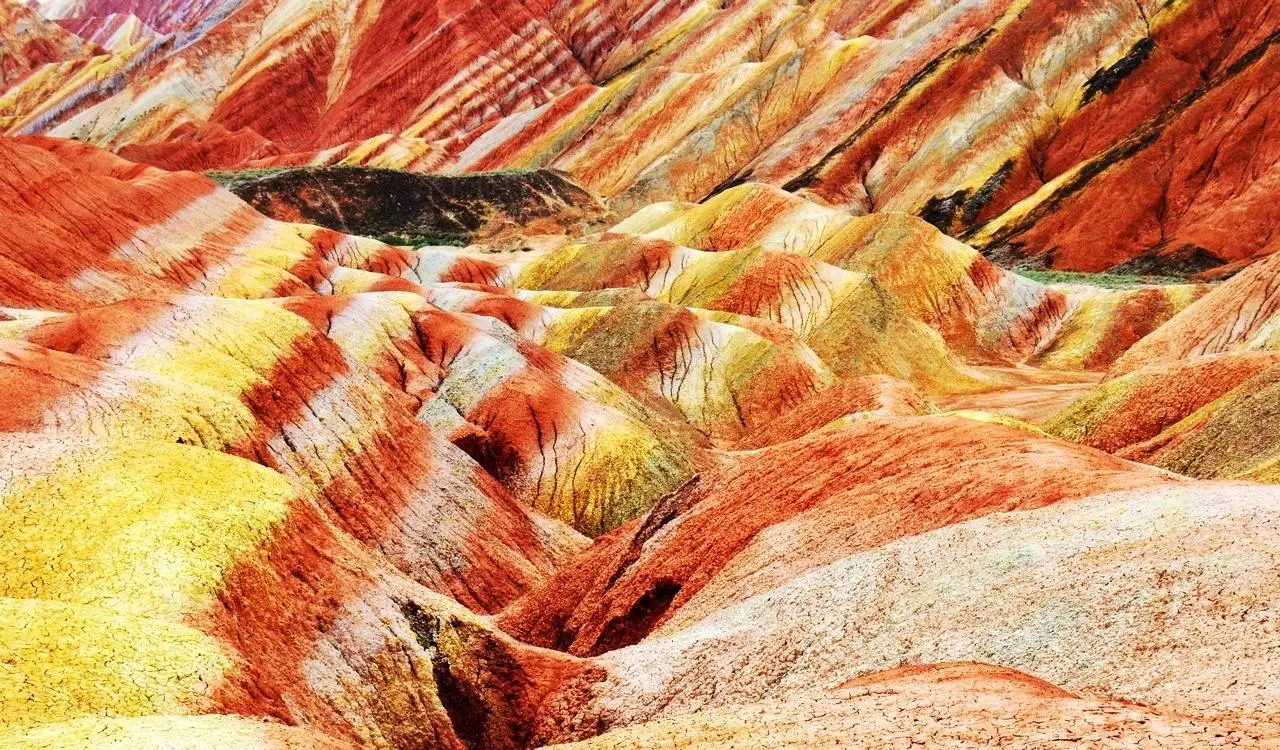
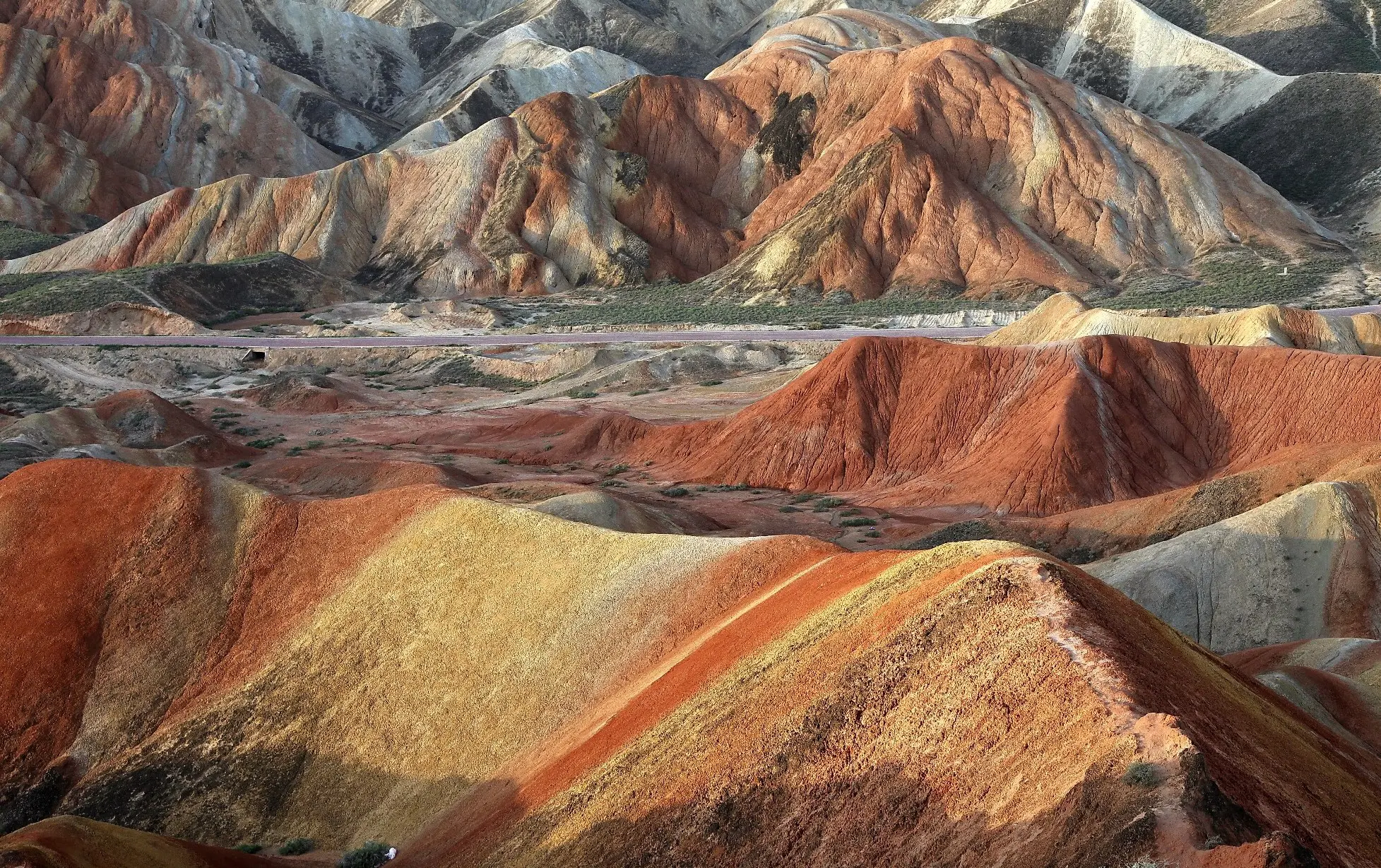
In the afternoon, drive to the Zhangye Danxia Landform, famous for its colorful rock formations. Enjoy walking along the viewing platforms and take in the sunset as the colors on the hills become even more breathtaking. Head to Zhangye for overnight.
In the morning, visit the Giant Buddha Temple in Zhangye, home to one of the most impressive ancient artworks along the Silk Road. Inside the temple lies a massive reclining Buddha statue measuring about 34.5 meters long and 7.5 meters wide, making it one of the largest of its kind in China.
After the visit, take a train to Xining (about two hours). In the afternoon, explore the Tibetan Medicine Museum, where you can learn about traditional Tibetan medicine, local culture, and see beautiful Tibetan Thangka paintings.
If time permits, stroll through the old Muslim quarter near Dongguan Mosque, a lively area filled with shops, markets, and local snacks. Overnight in Xining.
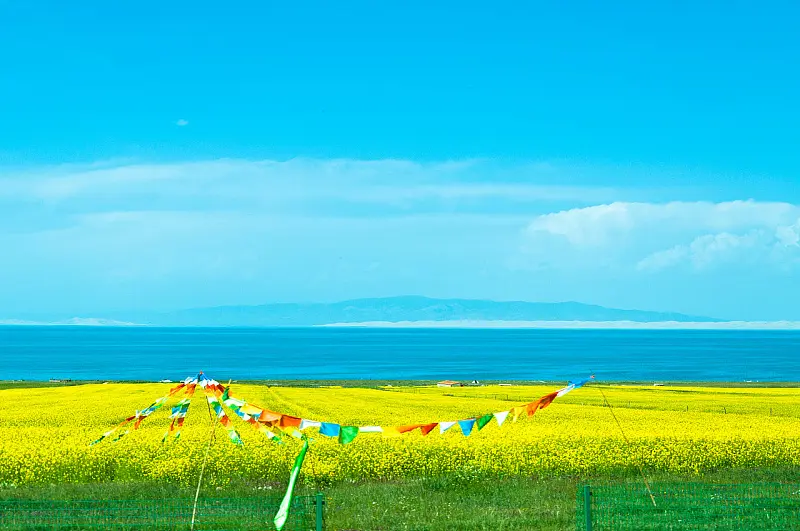
In the morning, drive to Qinghai Lake, the largest saltwater lake in China and one of the most iconic sights on the northeastern Qinghai–Tibet Plateau. Set at over 3,200 meters, the lake is surrounded by alpine grasslands and distant snow-capped mountains. The scenery changes with the seasons, July is especially beautiful, when the fields of rapeseed flowers bloom around the lakeshore. If you wish, you can take an optional boat ride to enjoy the views from the water.
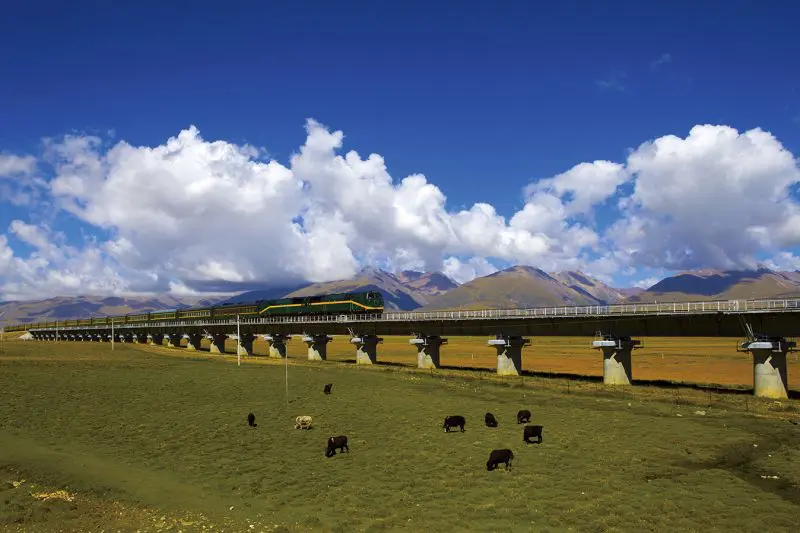
In the afternoon, return to Xining and board the late afternoon or evening train to Tibet. The Qinghai–Tibet Railway journey takes about 20 hours and offers changing high-plateau scenery along the way. Overnight on the train.
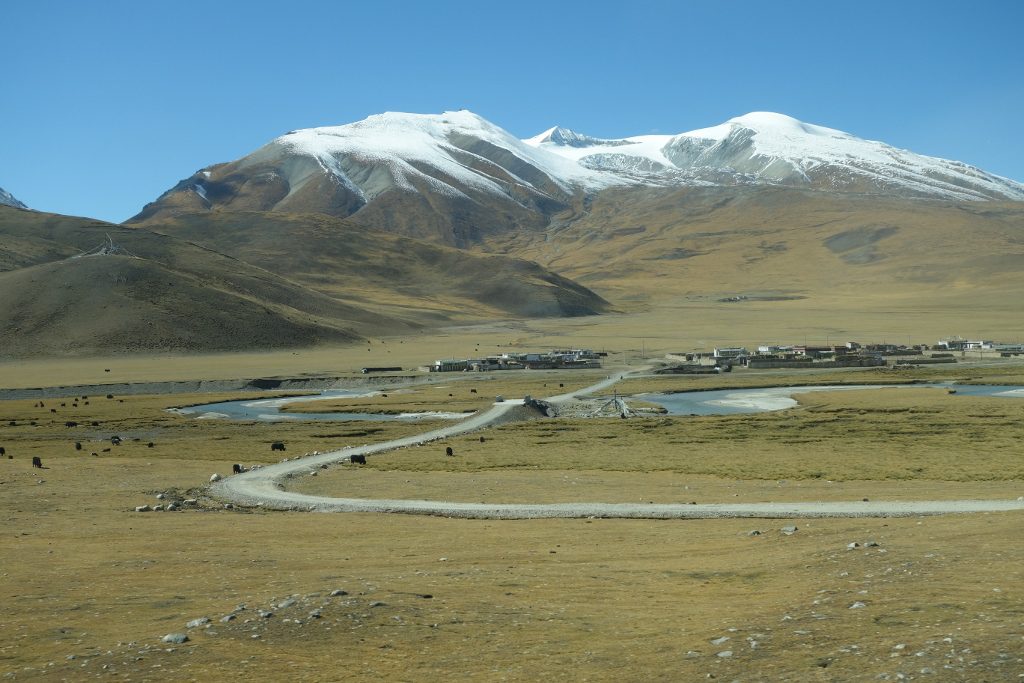
During the train journey to Lhasa, you will cross some of the most remote and beautiful landscapes on the Tibetan Plateau. From your window, you may see wide grasslands, snow capped mountains, grazing yaks, and, in the Kekexili (Hoh Xil) region, the vast high altitude wilderness that is home to Tibetan antelope and other plateau wildlife. The changing scenery, from open plains to alpine peaks, makes this one of the most memorable sections of the Qinghai Tibet Railway.
Arriving in Lhasa in the afternoon, meet your local guide and transfer to your hotel, where you can rest and adjust to the high altitude.
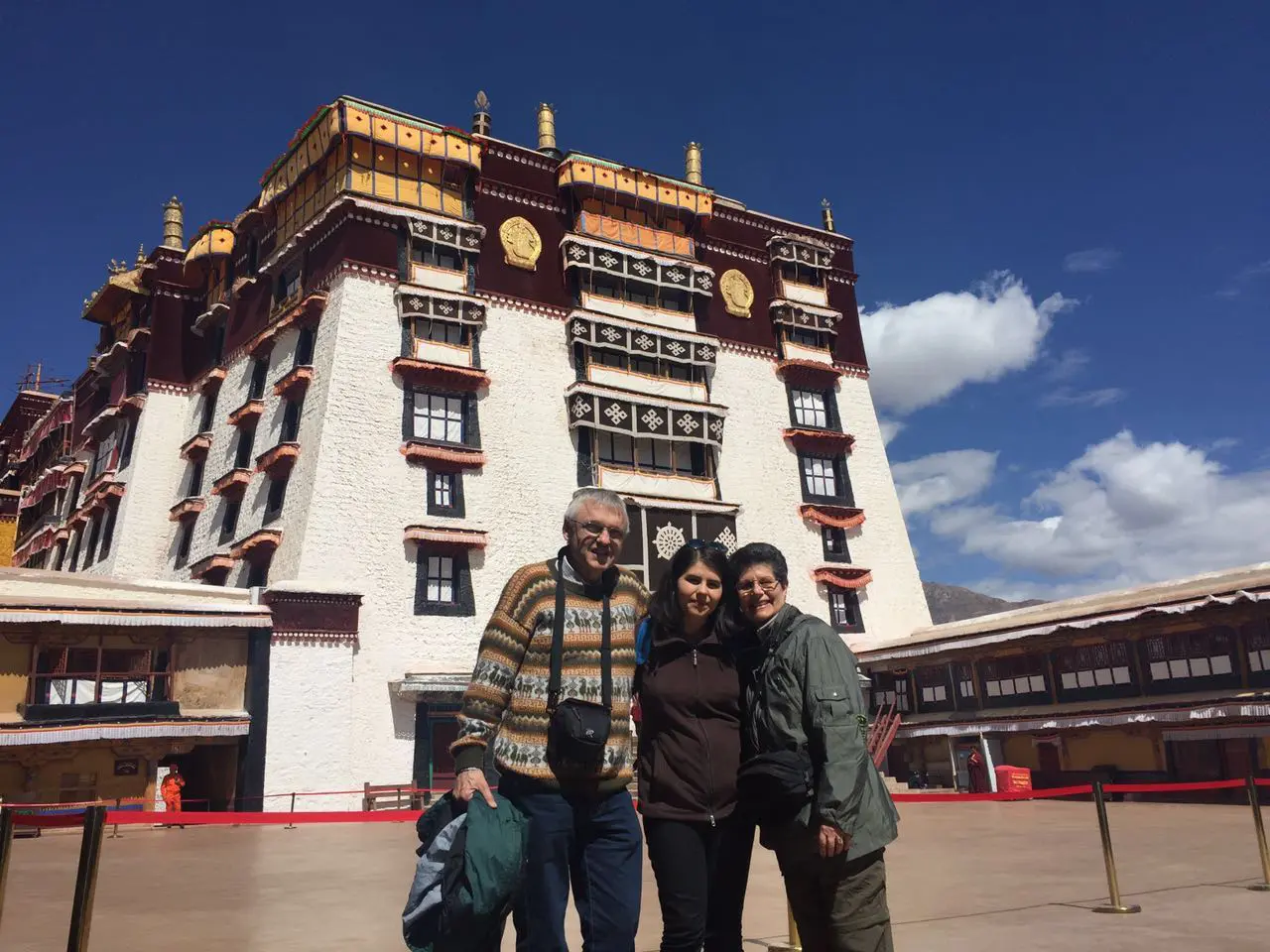
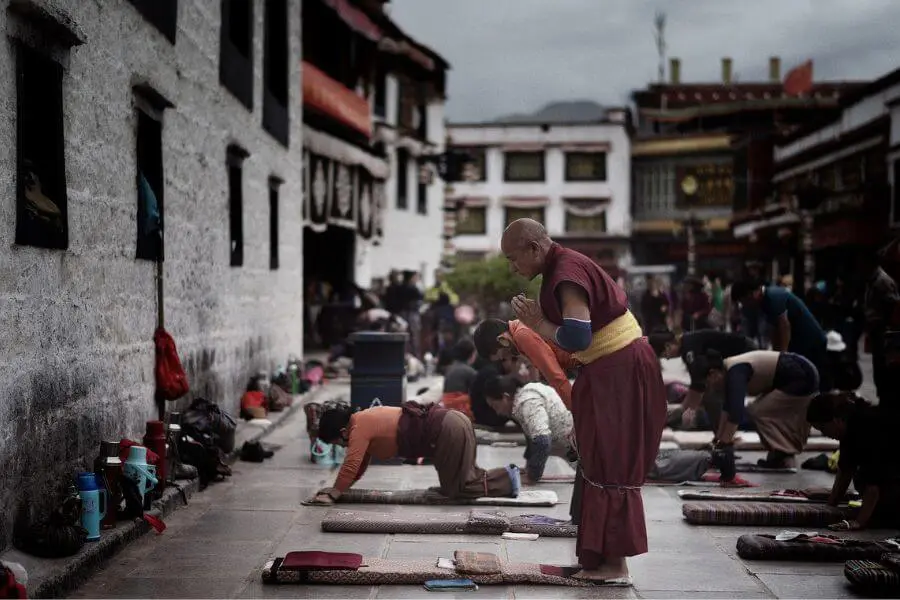
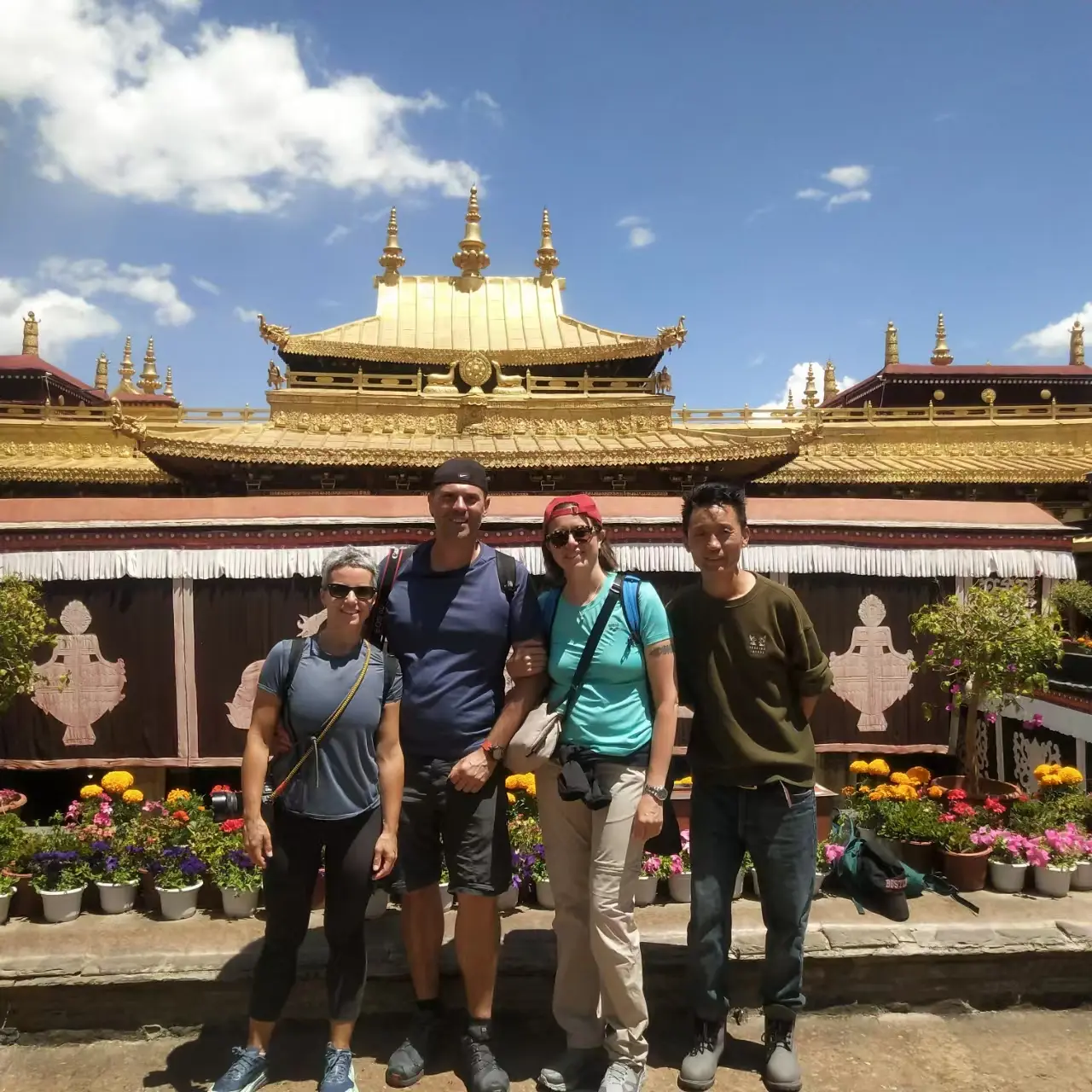
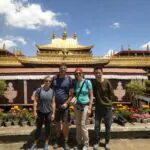
Today’s walking tour introduces you to the spiritual heart of Lhasa. Begin at the Potala Palace, the monumental winter residence of the Dalai Lamas, admired for its towering white and red architecture, ancient chapels, and precious cultural relics. Continue to Jokhang Temple, the holiest shrine in Tibet, home to the sacred Jowo Shakyamuni statue and a constant stream of devoted pilgrims.
After your visit, follow the pilgrims’ circuit along Barkhor Street, a lively kora route lined with market stalls, prayer wheels, and traditional Tibetan homes. End the day by relaxing in a local Tibetan sweet tea house, where you can enjoy butter tea or sweet milk tea while observing the daily rhythms of Lhasa’s residents.
Overnight in Lhasa.
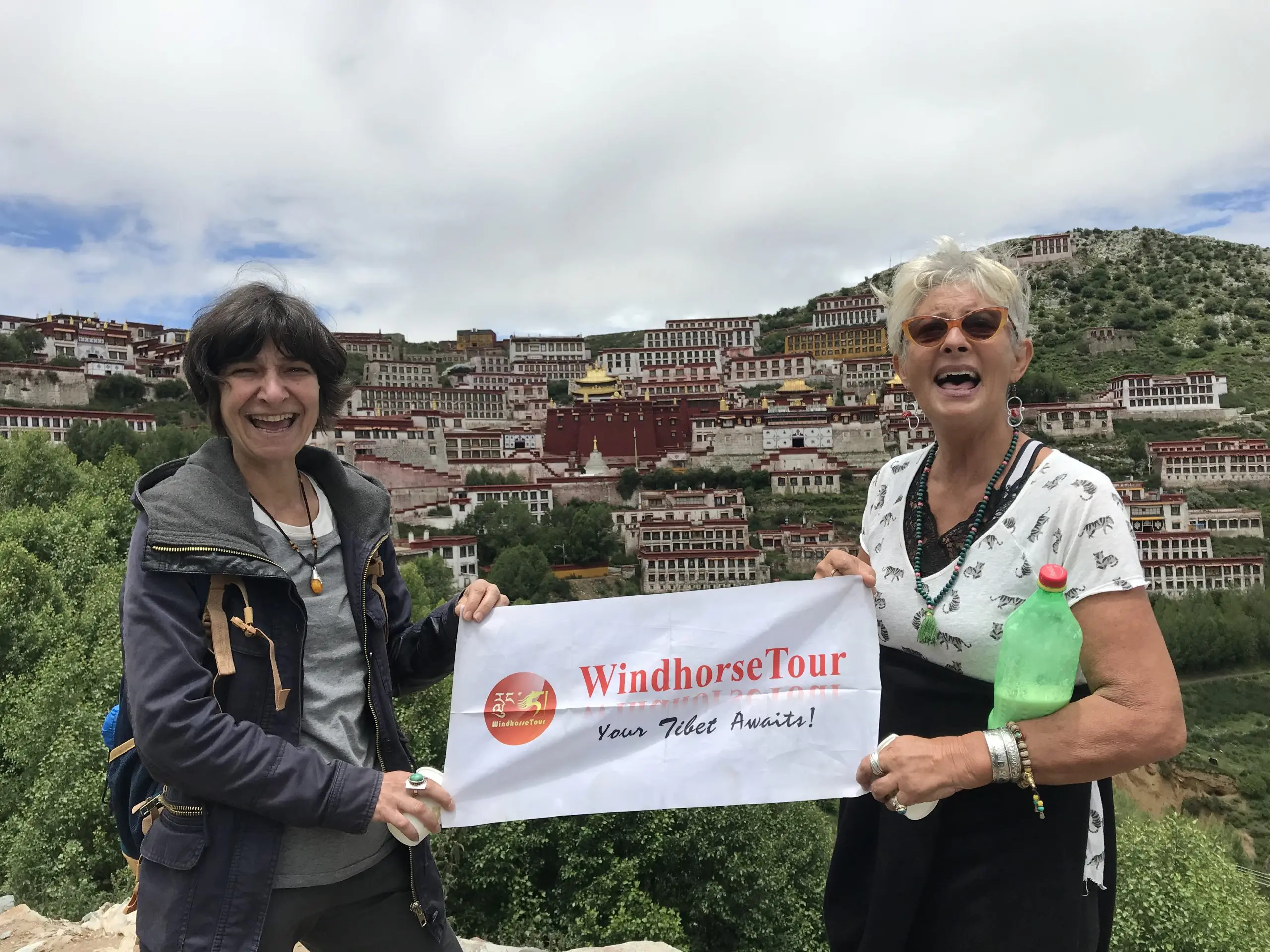

This morning, drive to Ganden Monastery, the first Gelugpa monastery founded by Tsongkhapa. Sitting high on Wangbur Mountain, it offers sweeping views over the Kyichu Valley. Explore its chapels and walk part of the scenic kora path lined with prayer flags and viewpoints.
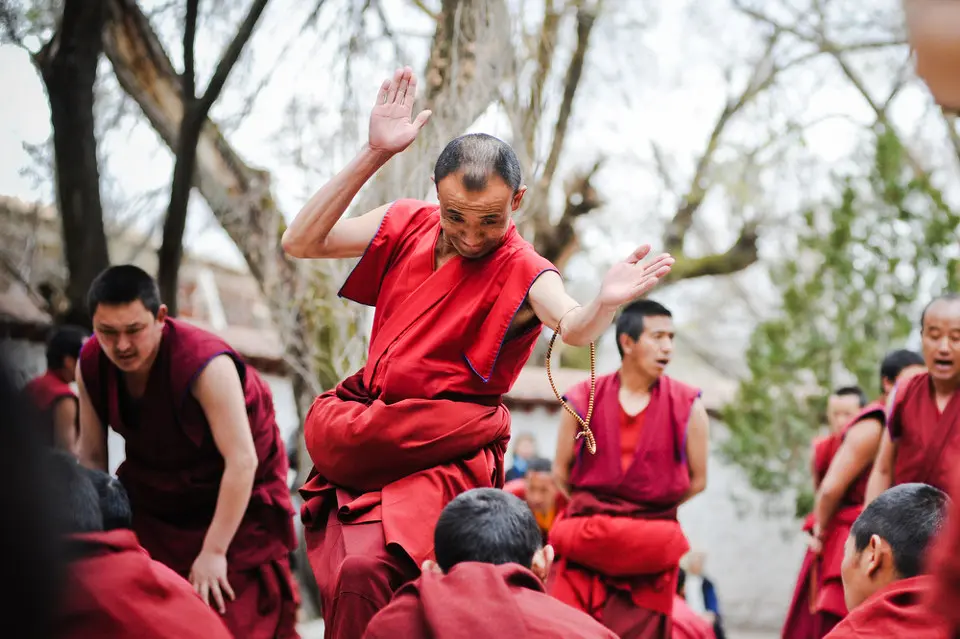
In the afternoon, return to Lhasa to visit Sera Monastery, famous for its dynamic monk debate sessions held in the courtyard each weekday afternoon. Watching the monks debate Buddhist philosophy with expressive gestures and clapping provides an engaging insight into Tibetan monastic education.
Afterward, enjoy some free time in Lhasa. Overnight in Lhasa.
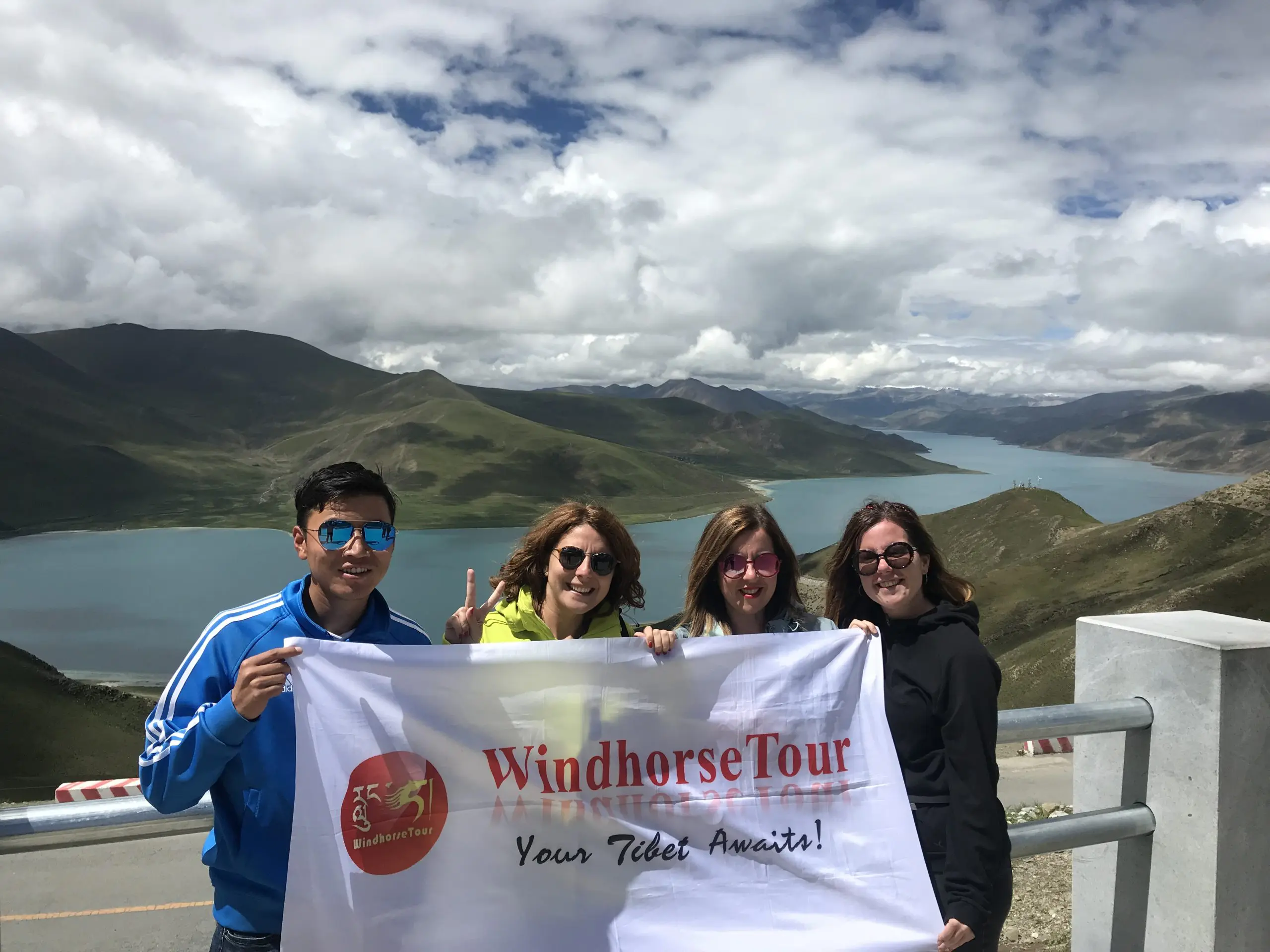
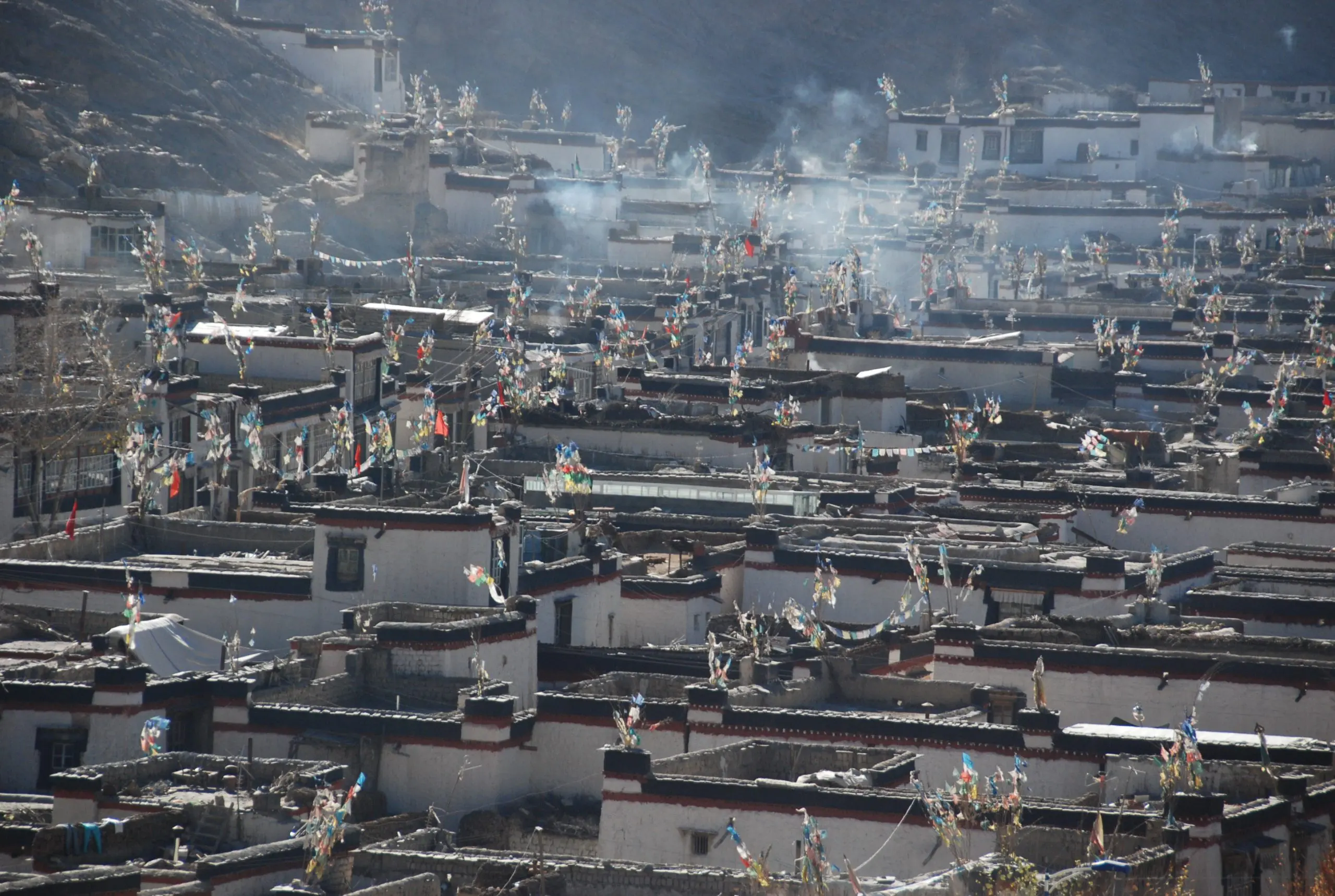
Depart Lhasa along the scenic southern Friendship Highway. Your first viewpoint is the Kampa La Pass (4,794 m), offering a breathtaking panorama of Yamdrok Lake, its turquoise waters shimmering beneath snow-capped peaks. Continue to the Karo La Pass (5,045 m), where the towering Nyenchen Kangsar Glacier descends dramatically toward the roadside.
Arrive in Gyantse, a historic town known for the impressive Gyantse Kumbum, a multi-tiered chorten filled with chapels and vibrant murals. Wander through the town’s quiet lanes if time permits before continuing across wide valleys and traditional farming villages toward Shigatse, the second-largest city in Tibet and an important cultural center. Overnight in Shigatse.

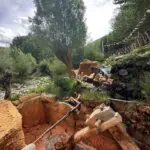
This morning, visit Tashilhunpo Monastery, the traditional seat of the Panchen Lama. Explore its golden-roofed halls, large chanting chambers, and the monumental statue of the Future Buddha. Walk the monastery’s kora path for serene views over Shigatse and the surrounding hills.
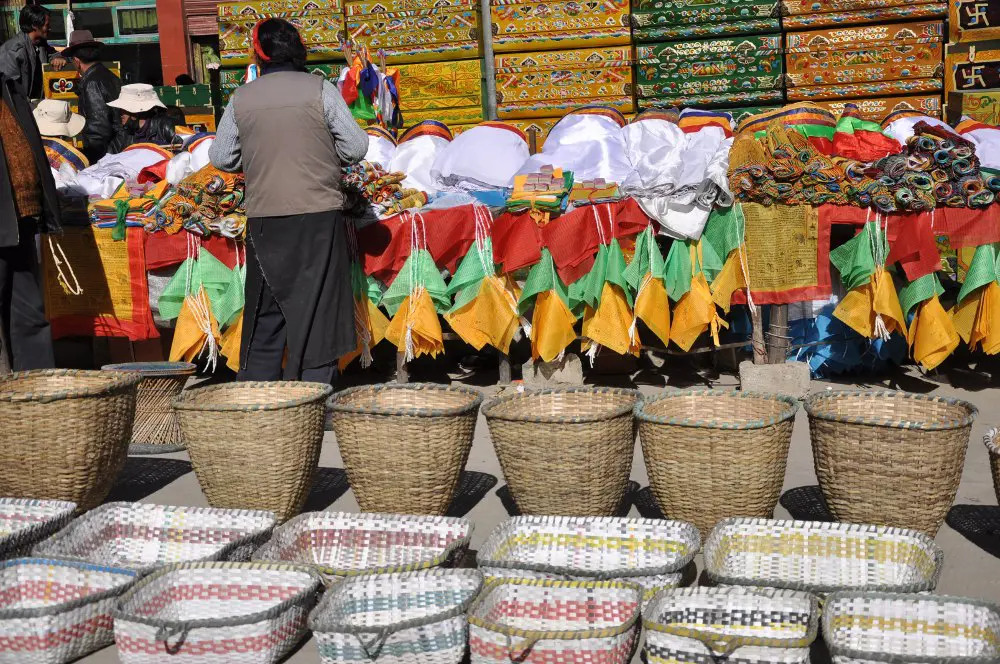
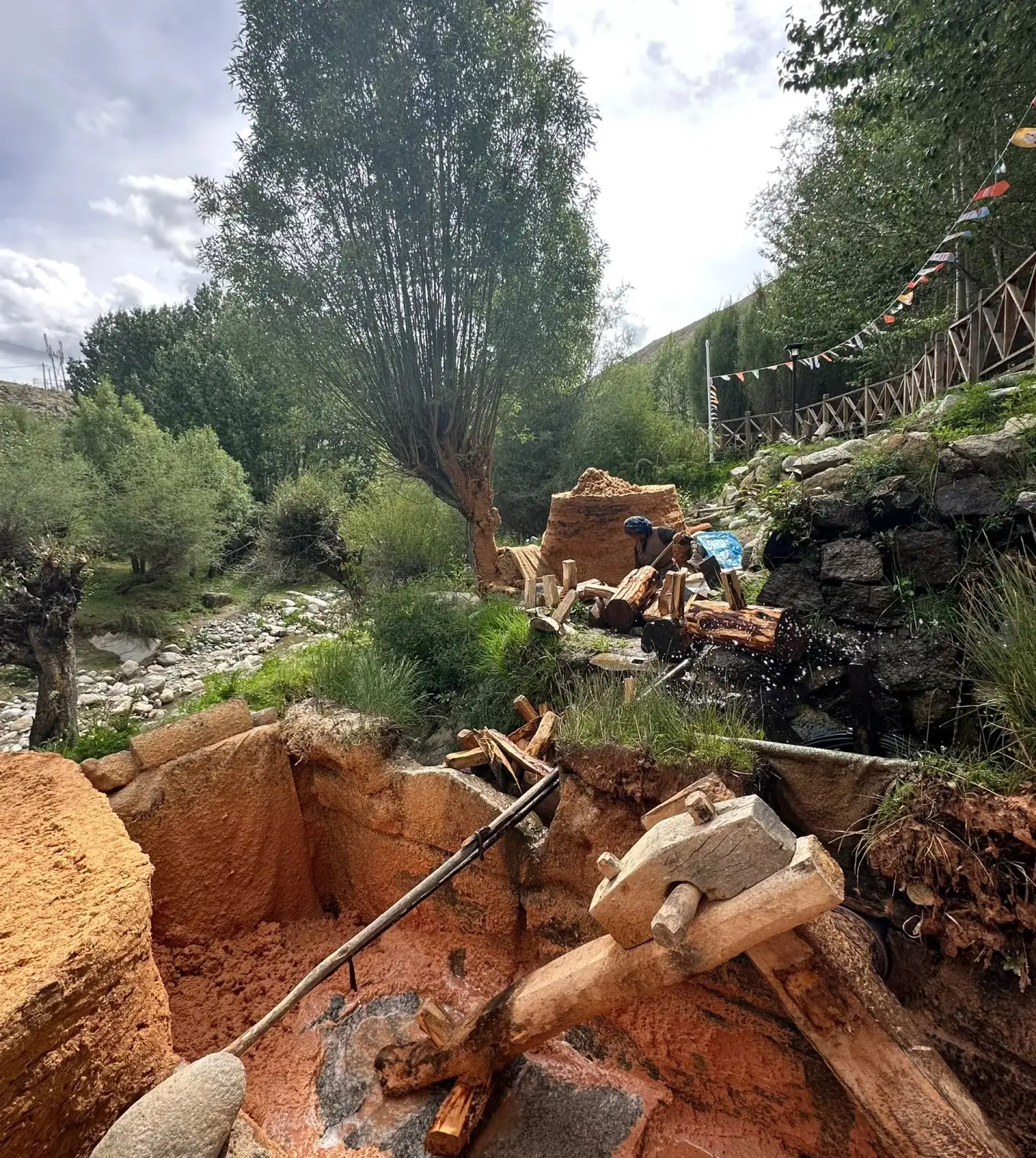
Afterward, take a stroll through Shigatse’s local market, an excellent place to browse Tibetan incense, crafts, and handmade goods. In the afternoon, travel back to Lhasa via the Friendship Northern Highway, passing by open grasslands, river valleys, and rural villages. En route, stop in Nyemo County to visit a family-run workshop where traditional Tibetan handmade paper and incense are produced. Arrive in Lhasa late afternoon, with time for last-minute shopping around Barkhor Street. Overnight in Lhasa.
After breakfast, your guide and driver will transfer you to the airport or train station for your onward journey.
Your China Silk Road and Tibet tour comes to an end. Tashi Delek!
Inclusions
Tour notes:
General inclusions:
General exclusions:
You may also like
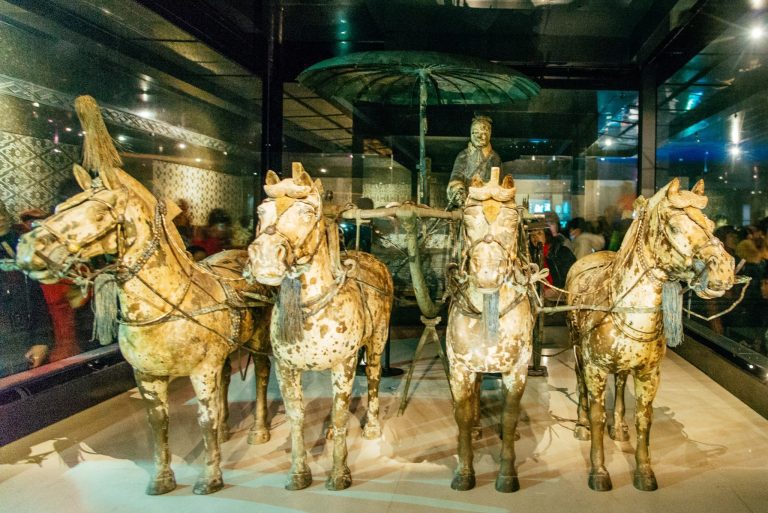
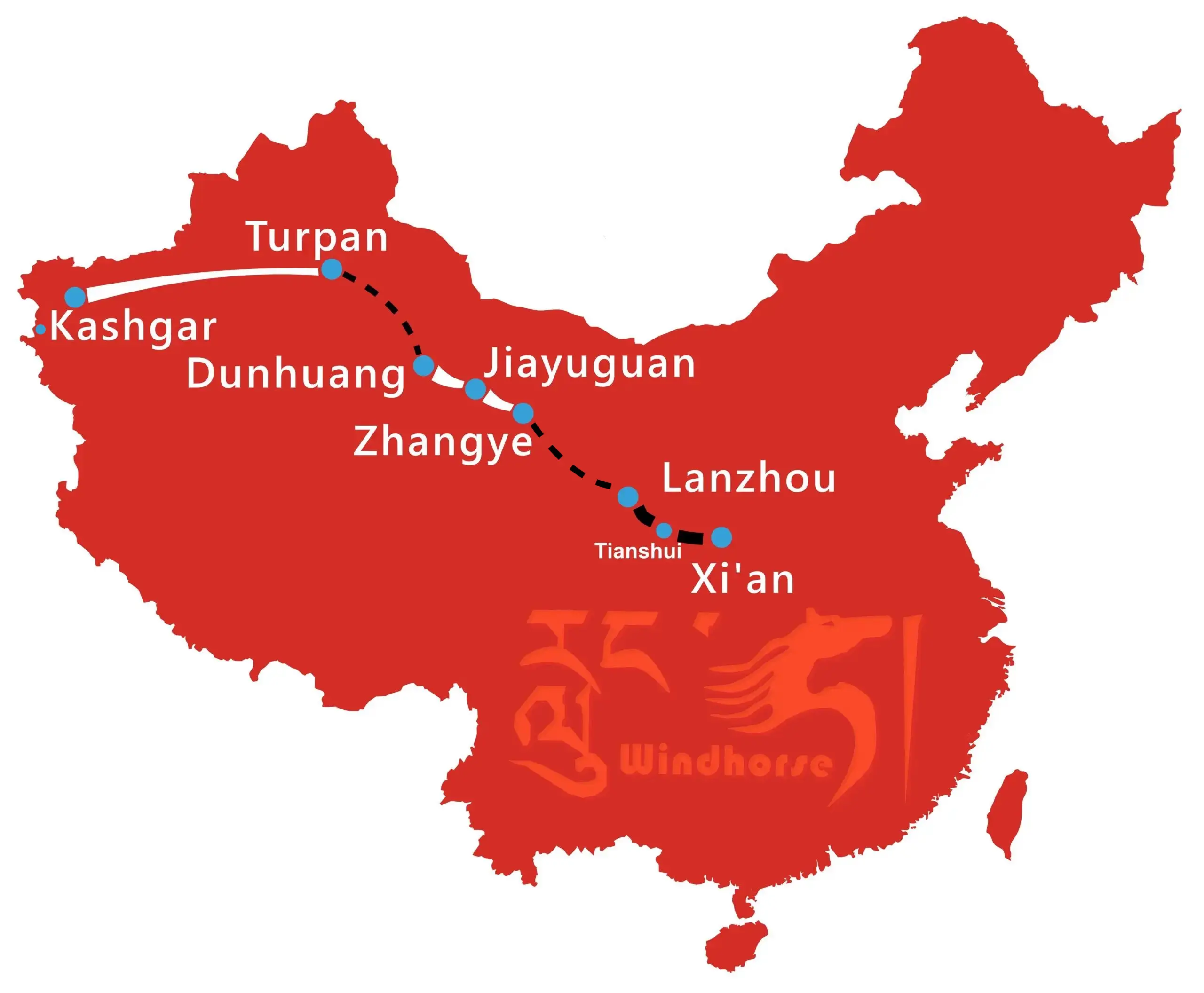
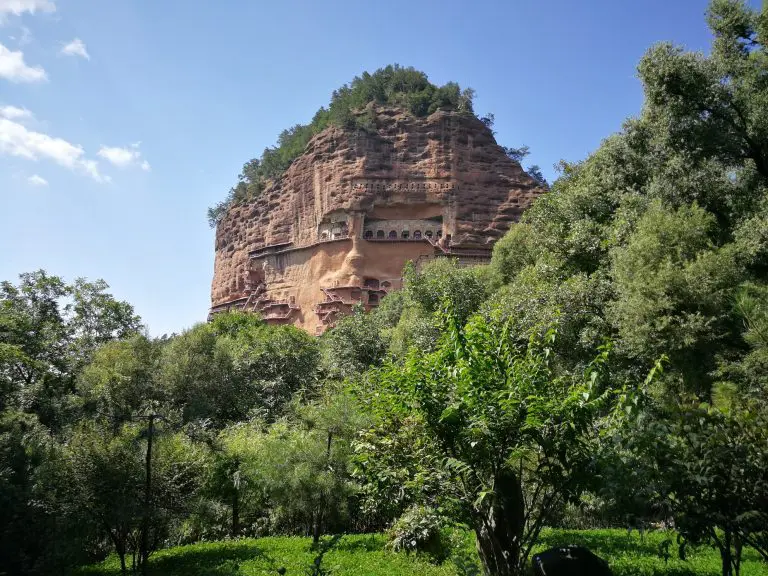
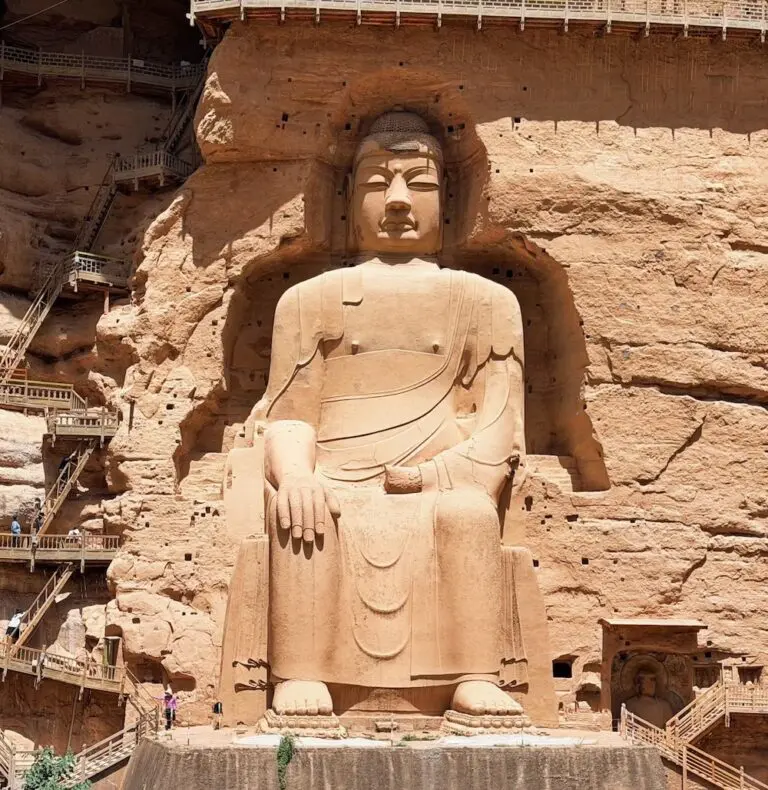
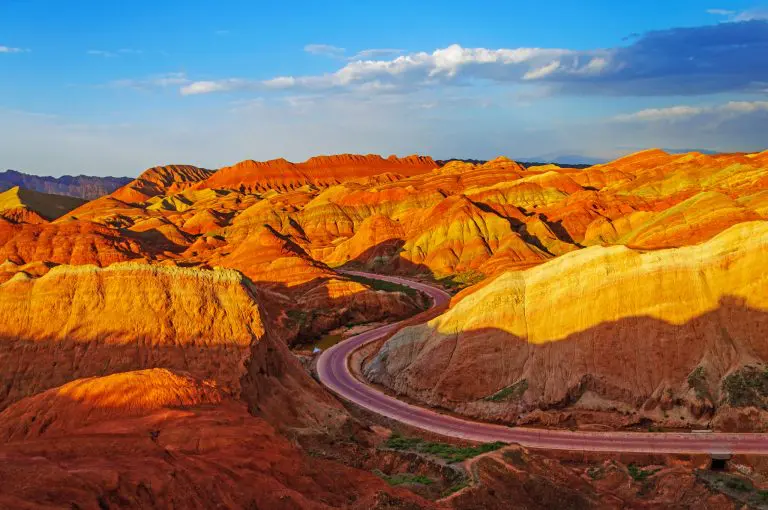
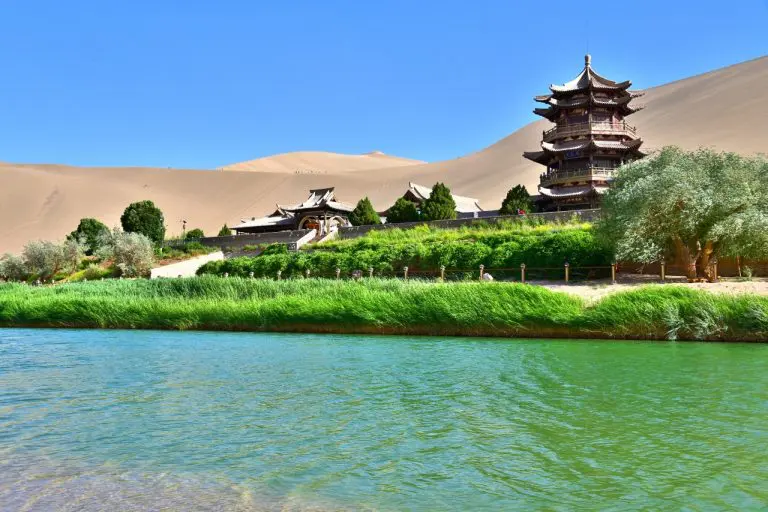
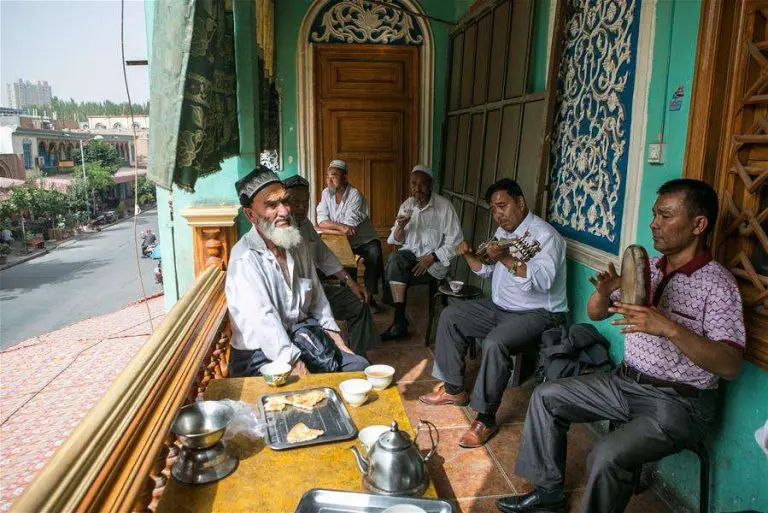
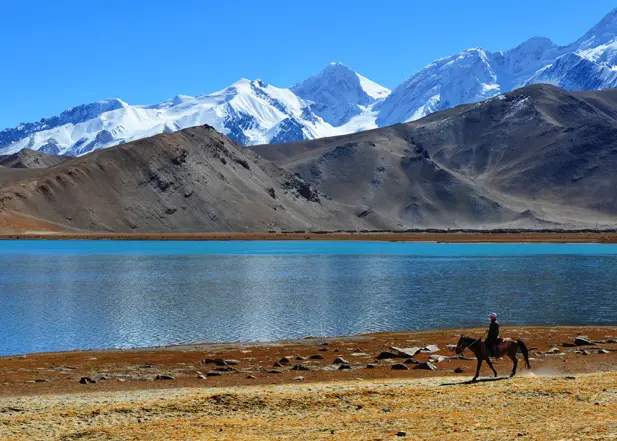
Experience the highlights of China’s Silk Road in 14 days, traveling from Xi'an to Kashgar through Tianshui, Lanzhou, Zhangye, Jiayuguan, Dunhuang and Turpan, before continuing into the spectacular Pamirs.
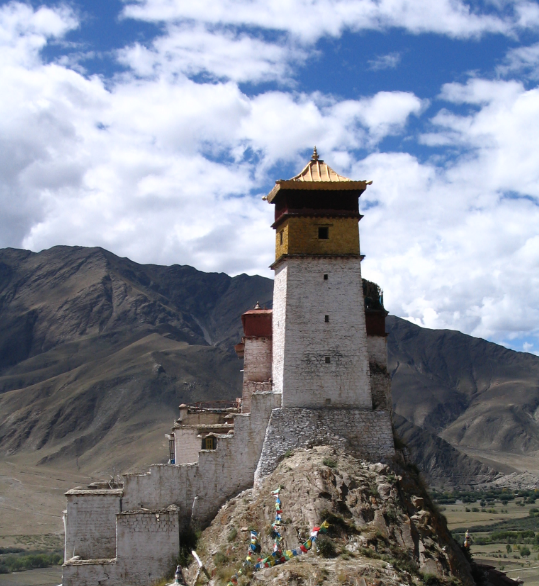
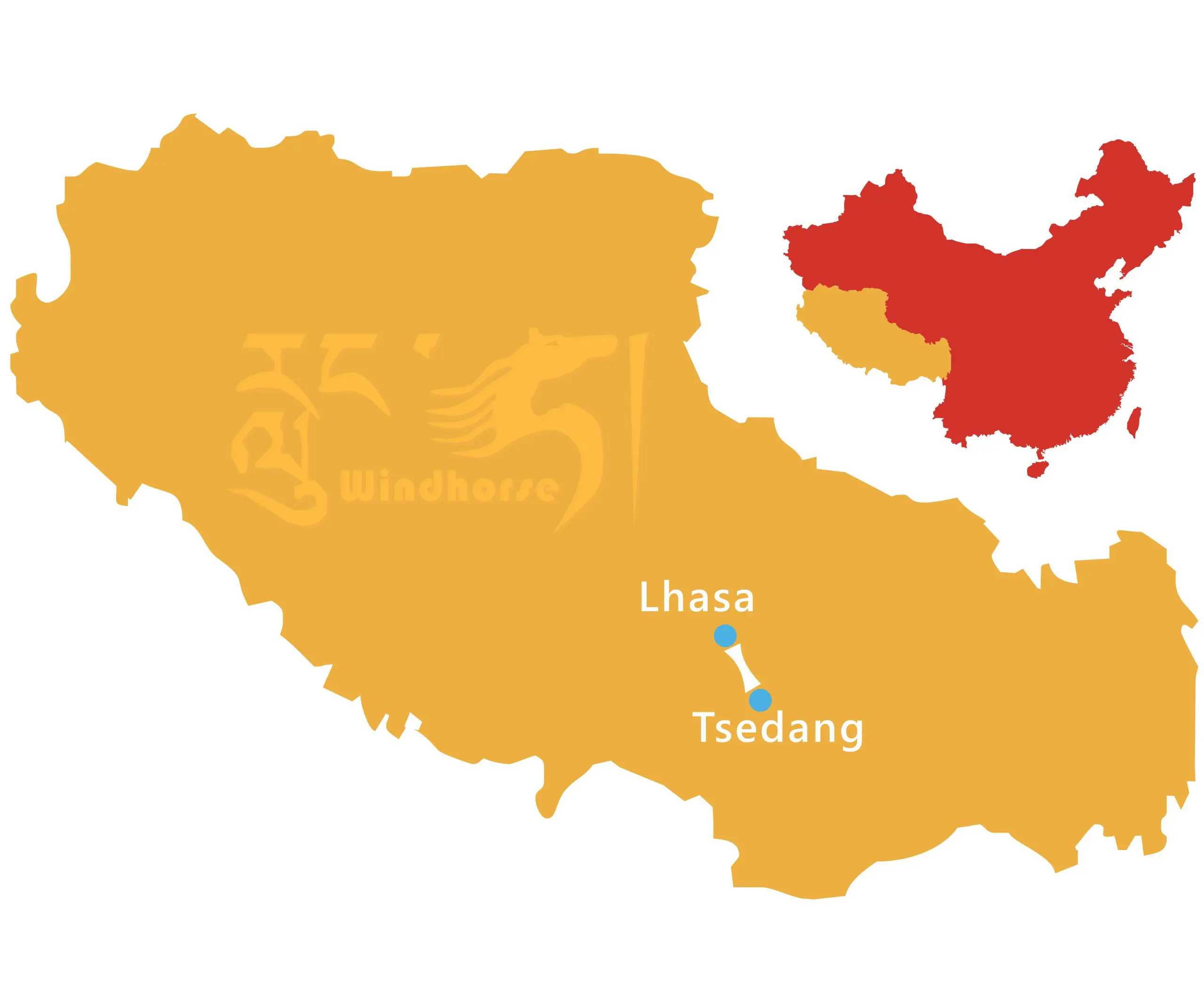
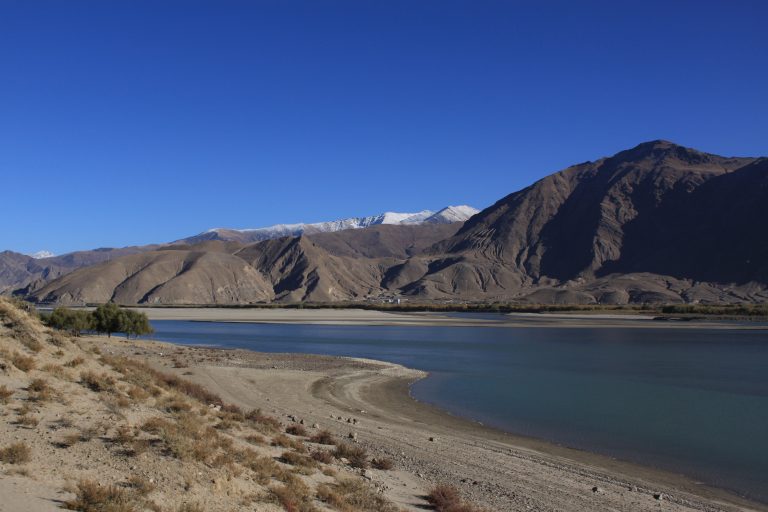
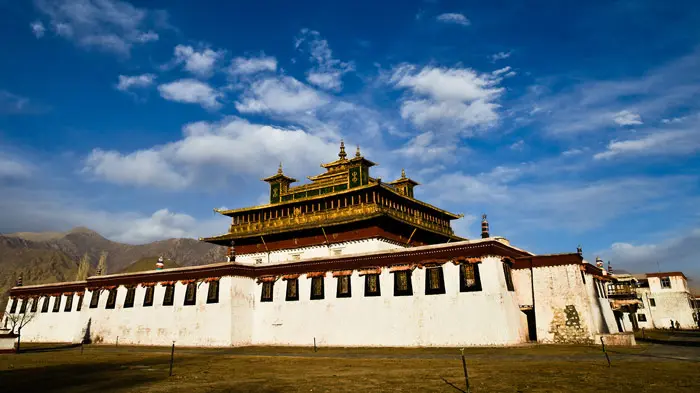
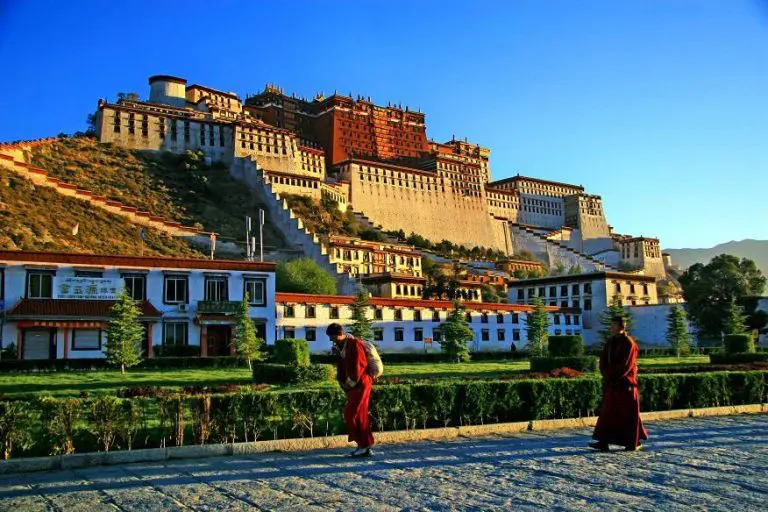
This 5-day Lhasa Samye Tour begins in Tsedang, the cradle of Tibetan civilization. Explore Yumbulakang Palace and Samye Monastery in the Yarlung Valley before traveling to Lhasa to visit the Potala Palace, Jokhang Temple, and the great monasteries of Drepung and Sera.
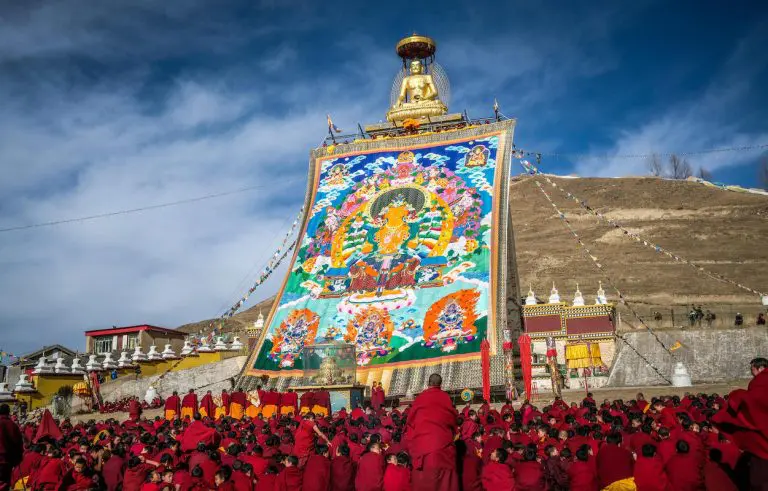

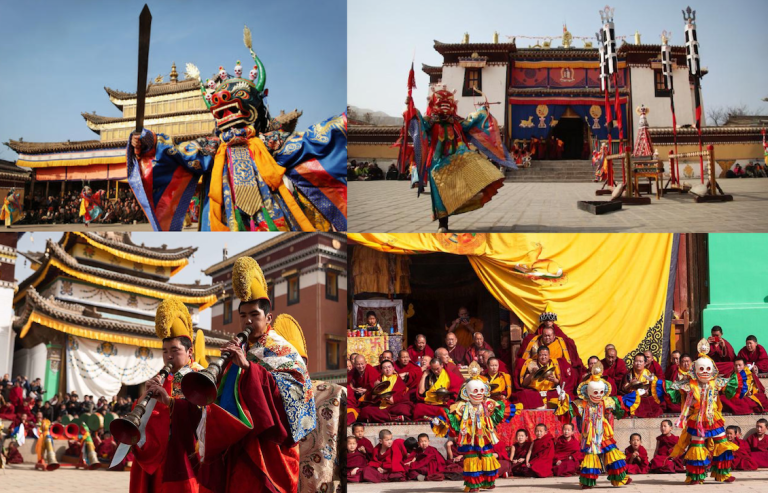
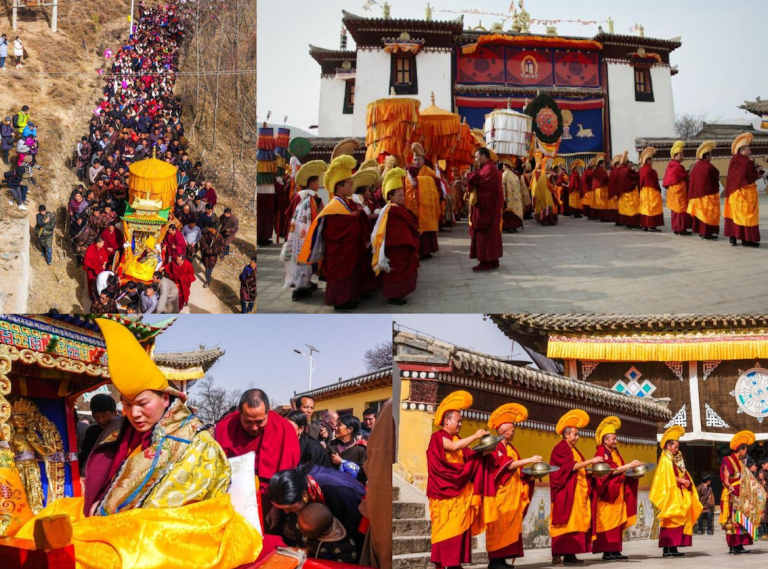
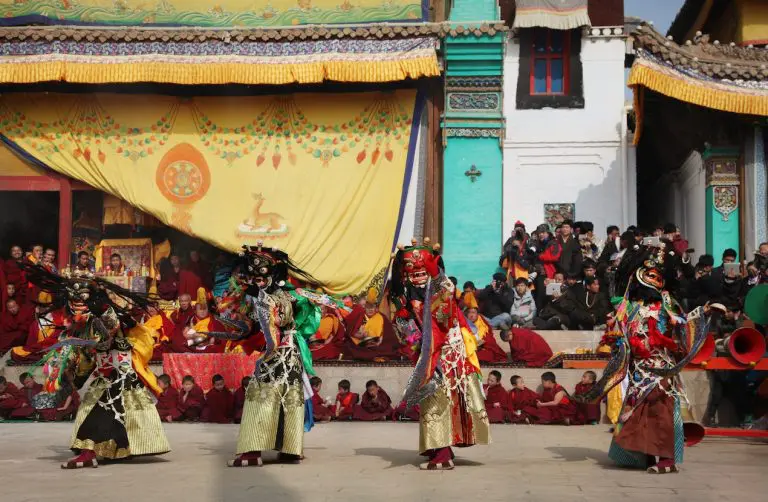
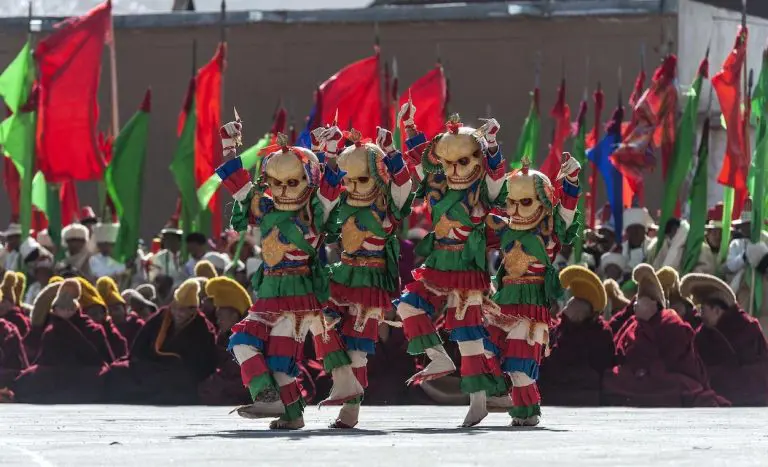
Experience the Amdo Monlam Festival across southern Qinghai and southwestern Gansu. Witness giant thangka unveilings, cham dances, butter sculpture displays, and centuries-old monastery ceremonies on this 10-day cultural journey.
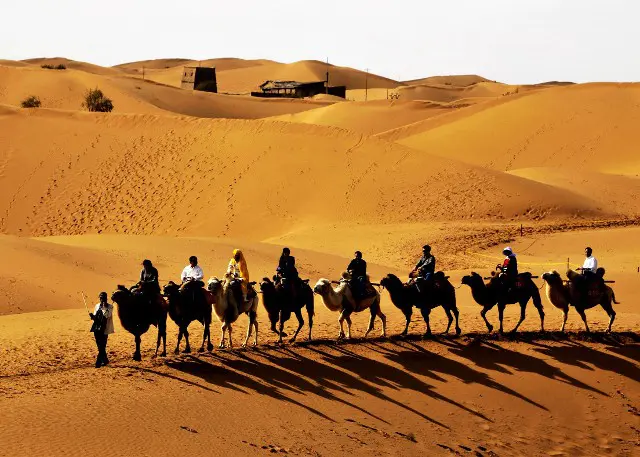
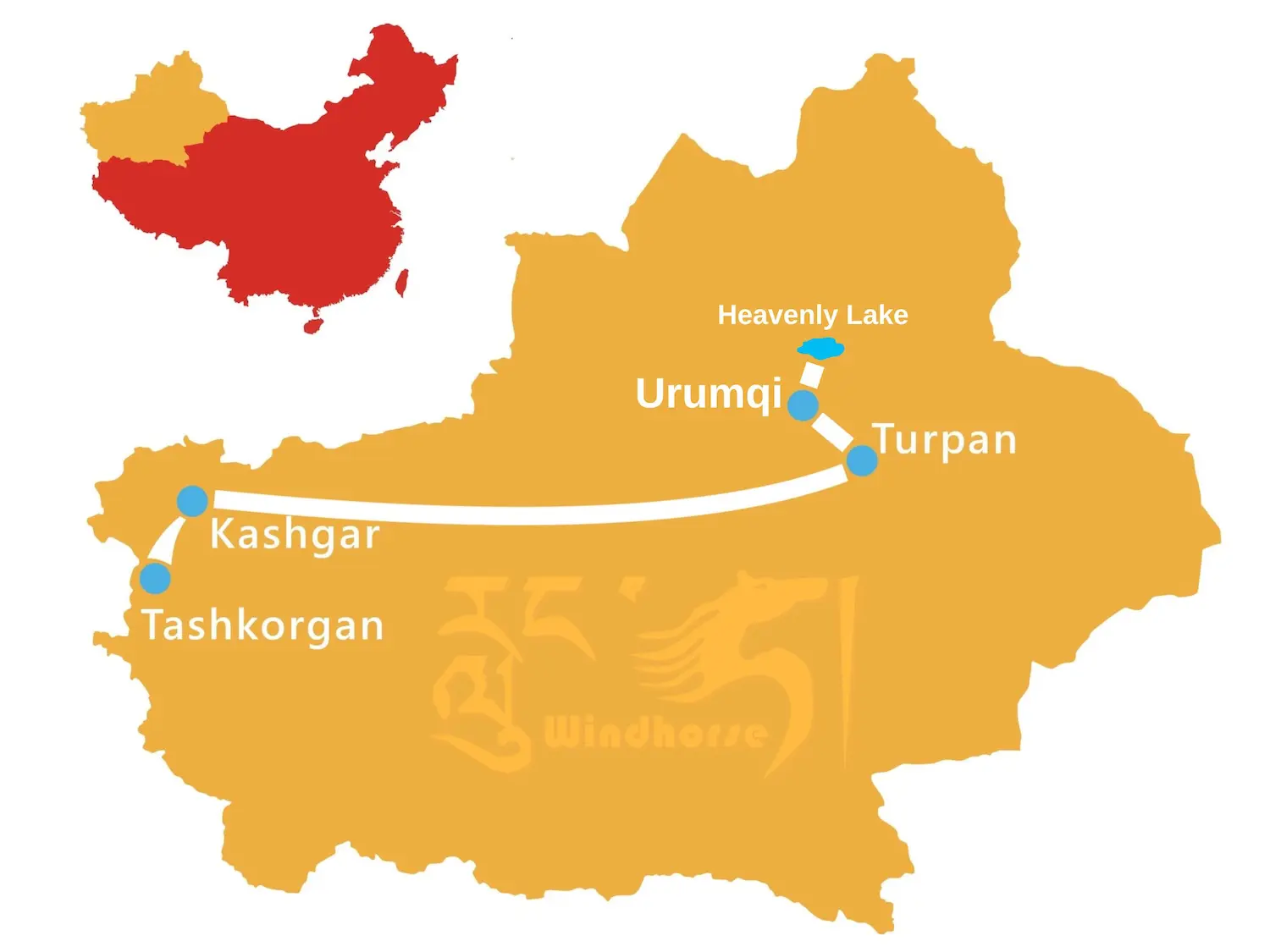
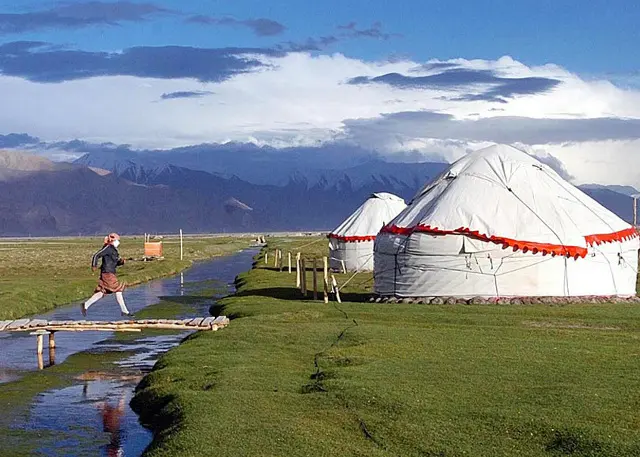
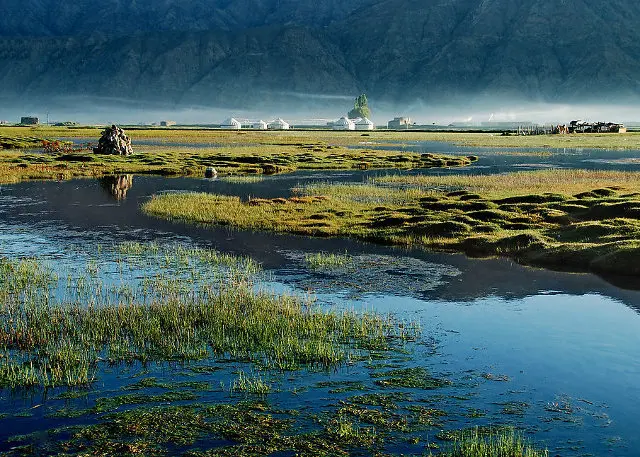
This Xinjiang Highlights Tour covers Urumqi, Turpan, Kashgar and Karakul Lake. Experience ancient Silk Road cities, Uyghur culture, desert ruins, alpine lakes and dramatic mountain landscapes along the Karakoram Highway.
Reply