
Jiulong Waterfalls- Nine Dragons Waterfalls
The Jiulong Waterfalls are also called the Nine Dragons Waterfalls and they are a must visit natural wonder attraction in Luoping, Yunnan Province. Imagine this: a series of ten breathtaking cascades flowing down the Jiulong River, looking like nine dragons weaving through the lush green valleys, yes it is absolutely magical!
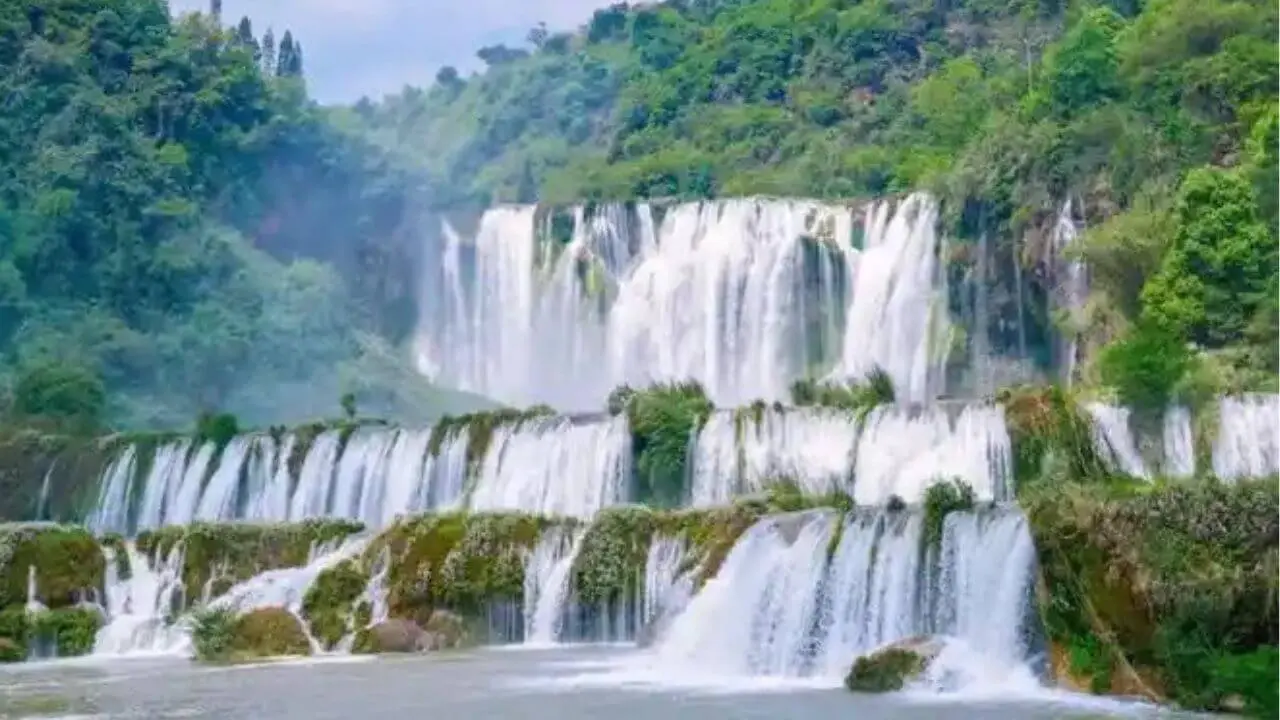
The largest of these falls stands an impressive 56 meters high and stretches 112 meters wide, creating a spectacular view. The sound of the water crashing into the pools below is mesmerizing, and the whole area is surrounded by vibrant greenery, making it feel like a scene straight out of a fantasy.
If you want to see the waterfalls at their most magnificent, visit during the rainy season, from June to October. That’s when the water gushes with full force, and the landscape becomes even greener and more alive. It’s a sight you won’t forget.
What to see at Jiulong Waterfalls
Multiple Viewing Platforms
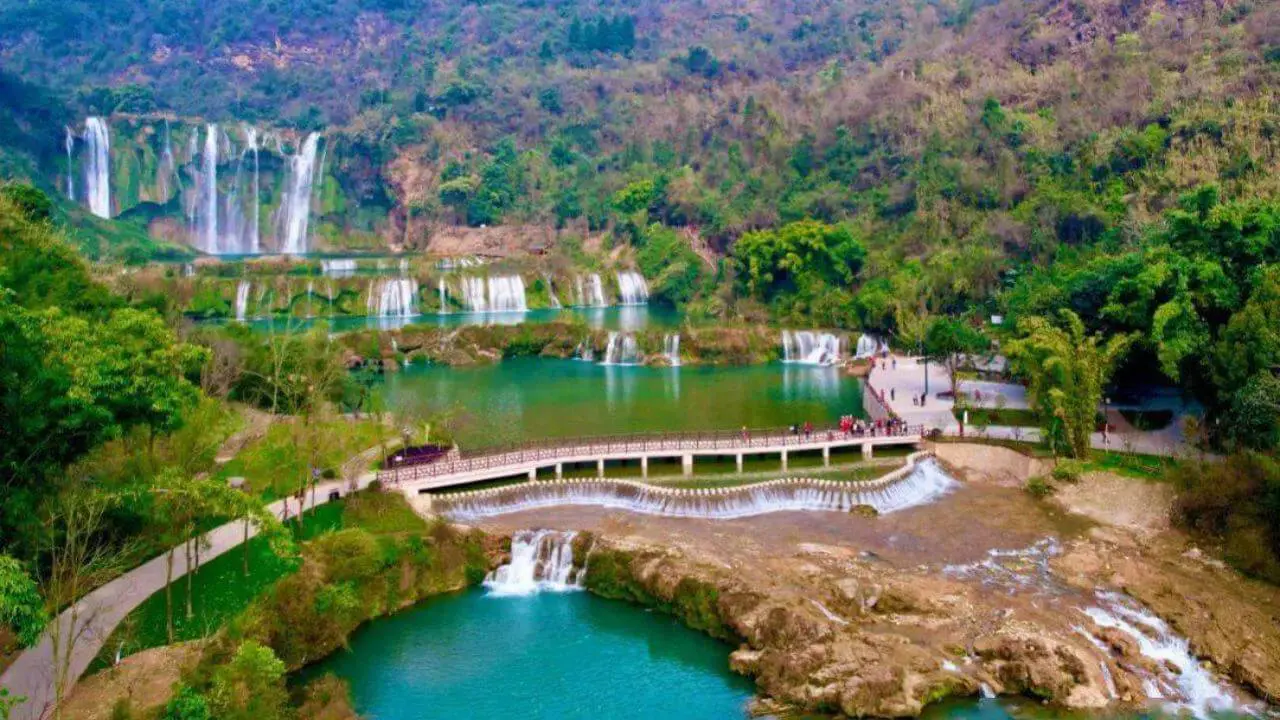
One of the highlights here is the multiple viewing platforms and trails designed to give you the best views of this natural marvel. As you walk along the well-maintained paths, you’ll find observation decks at different heights, each offering a unique angle of the waterfalls. Some platforms bring you close enough to feel the mist on your face, while others provide a wide panoramic view of the entire cascading system surrounded by lush greenery. If you’re a photographer or a nature lover, these spots are a dream come true!
Tiers of Waterfalls
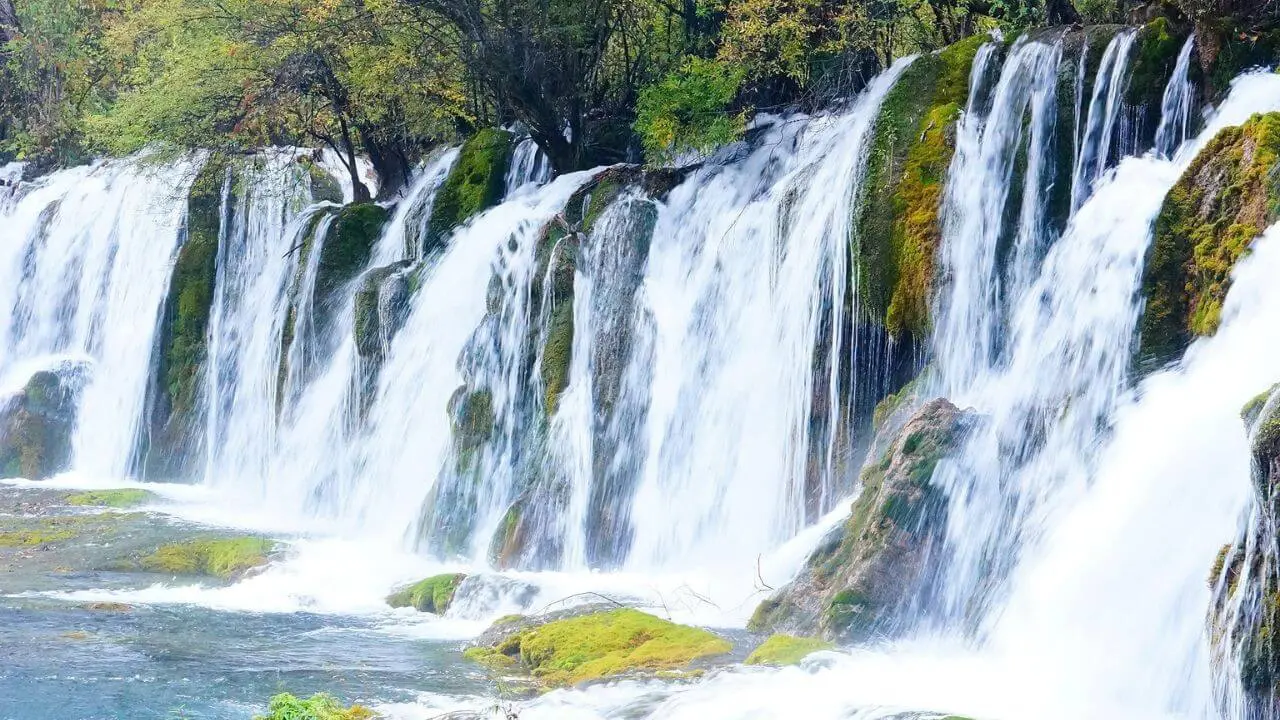
The tiers of waterfalls are what make Jiulong truly special. It’s not just one big drop; it’s a whole series of cascading tiers, each with its own character. The upper levels are calm and peaceful, with water gently flowing over smooth rocks into quiet pools. As you move lower, the falls become more powerful and dramatic, with water thundering down jagged cliffs into deep basins. It’s a mix of serene beauty and raw power that keeps you amazed at every turn.
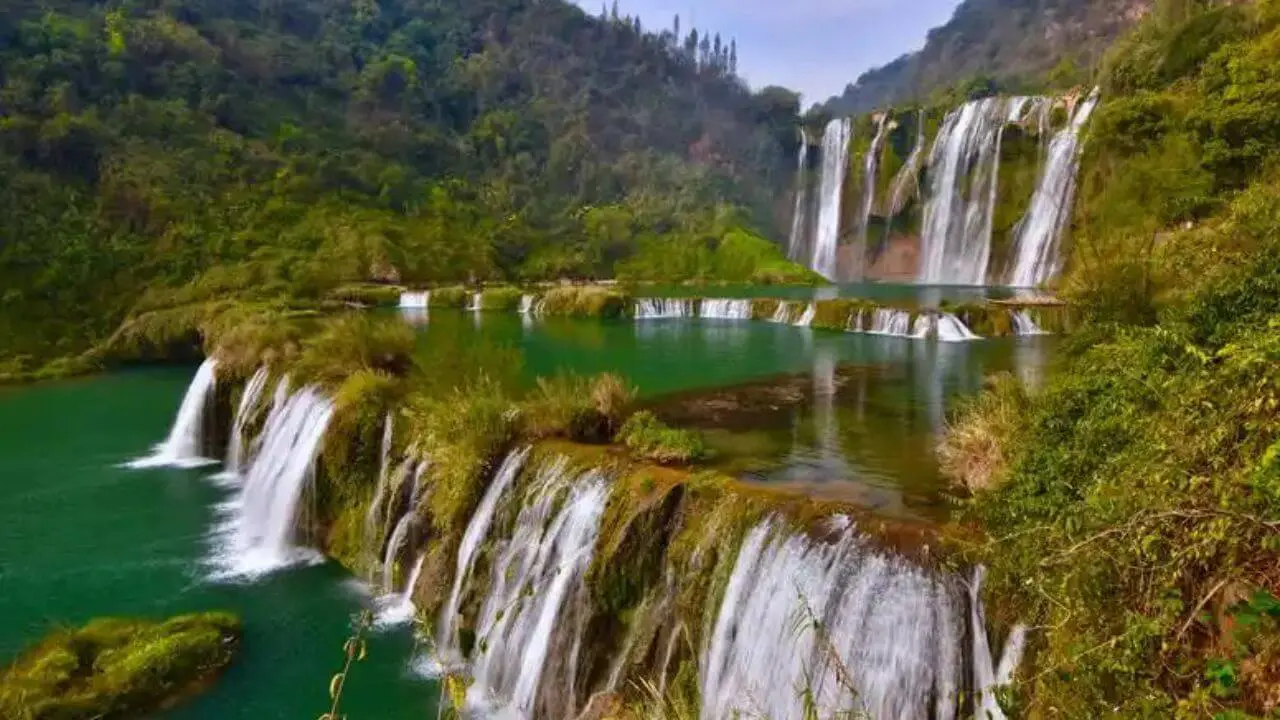
At the base of some tiers, you’ll find mirror-like pools surrounded by vibrant greenery, perfect for a moment of quiet reflection. Meanwhile, the lower cliffs showcase the dramatic energy of the falls, leaving you in awe of nature’s force.
Jiulong River
Feeding these waterfalls is the stunning Jiulong River, a beautiful waterway that adds even more charm to the area. Parts of the river are calm and ideal for a leisurely walk along the banks or even a tranquil boat ride. In other areas, the river rushes over rocks and cliffs, creating thrilling rapids and filling the air with the invigorating sound of rushing water.
The Jiulong River is also teeming with life, from the plants and animals along its banks to the vibrant scenery it creates. Whether you’re soaking in the peaceful stretches of the river or marveling at the dramatic rapids near the falls, the river adds a dynamic energy to your visit. For a different perspective, hop on a boat ride in calmer sections to enjoy reflections of the towering cliffs and lush forests in the still waters. Every step along the Jiulong River and its waterfalls offers something new and magical to discover!
Why visiting Jiulong Waterfalls
Ideal for Nature Lovers and Hikers
For those who love the great outdoors, the Jiulong Waterfalls provide more than just beautiful scenery. The surrounding area is an ideal destination for hiking and nature walks, with trails that wind through the lush forests and along the valley floor. These trails not only lead to the waterfalls but also allow visitors to explore the diverse natural landscape of the region.
Hiking paths are well-marked, taking you through areas of rich biodiversity, including native plants, wildflowers, and an array of bird species. The walk through the forested paths is an adventure in itself, with the sound of the waterfalls in the background and the fresh scent of the forest adding to the immersive experience.
For bird watchers, this area is a great spot to observe various species of birds that thrive in the rich ecosystem supported by the Jiulong River and the surrounding vegetation. The forest trails also offer plenty of shaded areas where you can take a break, enjoy the peaceful atmosphere, and admire the views of both the waterfalls and the valley.
Photographer’s Paradise
The Jiulong Waterfalls are a favorite subject for photographers due to their majestic appearance and stunning natural surroundings. Whether you’re capturing the towering cascades or the lush greenery around the falls, this spot offers countless opportunities for incredible nature photography.
Best Time to Visit Jiulong Waterfalls
The ideal time to visit the Jiulong Waterfalls is from February to May, which coincides with the spectacular blooming season of the famous canola flowers in the surrounding fields of Luoping. During this period, the region is transformed into a breathtaking landscape as the fields are carpeted in vibrant shades of yellow. These golden fields, combined with the lush greenery and the cascading waters of Jiulong Waterfalls, create a truly magical visual experience.
February to May: Flower Blooming Season
- Canola Flower Bloom: From late February through March, Luoping becomes a photographer’s paradise as the canola flowers (rapeseed flowers) are in full bloom. The endless fields of golden-yellow flowers stretch across the valleys, providing a striking contrast to the deep green hills and the glistening waterfalls.
- Perfect for Photography: This is the most popular time for photographers and nature lovers to visit the region. The combination of the bright yellow fields, the cascading waterfalls, and the surrounding karst mountains makes for some of the most scenic views in all of China. Early mornings, with soft sunlight illuminating the landscape and mist rising from the fields, offer an ideal time for capturing the stunning beauty of the region.
- Mild Weather: The climate from February to May is mild and pleasant, with daytime temperatures that are comfortable for hiking, exploring, and sightseeing. The pleasant weather makes it a great time to explore the hiking trails around the waterfalls and take in the surrounding natural beauty.
June to October: Rainy Season
While the canola flowers are no longer in bloom, the rainy season from June to October offers a completely different but equally captivating experience of the Jiulong Waterfalls. During this period, the region receives more rainfall, which significantly increases the water flow over the falls.
- Enhanced Waterfalls: The waterfalls are at their most powerful during the rainy season, with the increased water volume creating a dramatic and thunderous cascade. The intensity of the waterfalls is a sight to behold, and the surrounding vegetation becomes even more lush and green, adding to the overall beauty of the landscape.
- Spectacular Natural Power: For those seeking to witness the raw power of nature, this is the best time to visit. The falls, which are typically more serene during the dry season, become a roaring torrent, creating a breathtaking scene as the water crashes over the cliffs and fills the pools below.
- Fewer Crowds: Since this is the off-peak season, there are generally fewer tourists, offering a more peaceful and quiet experience for those who enjoy solitude in nature. The valley is enveloped in greenery, making it an ideal time for a tranquil getaway or a more immersive hiking experience.
- Weather Considerations: The weather during the rainy season can be unpredictable, with frequent showers, so visitors should be prepared for wet conditions. However, this also means that the waterfalls are at their most magnificent, and the mist rising from the powerful cascades adds an almost mystical quality to the surroundings.
Year-Round Beauty
While February to May is the most popular time due to the combination of the blooming canola fields and the pleasant weather, and June to October offers the waterfalls at their peak intensity, the Jiulong Waterfalls can be visited year-round.
- Autumn and Winter: In the autumn months (October to December), the region is quieter, and the waterfalls return to their more serene, steady flow. The surrounding forests take on autumnal hues, making it a peaceful time to visit for nature lovers and those seeking tranquility.
- Winter Visits: Even in the winter months (December to January), though the temperature may drop, the waterfalls remain a beautiful sight, especially for those who appreciate a quieter experience and want to avoid the tourist crowds.
How to Get There
The Jiulong Waterfalls are located about 22 kilometers from Luoping County, making them easily accessible by car or local transportation. Once you reach the site, there are walking paths and stairs that allow you to explore the different tiers of the waterfalls. For travelers coming from Kunming, the capital of Yunnan, Luoping is about a 3 to 4-hour journey by train or bus, followed by a short drive to the waterfall site.
Final Words
The Jiulong Waterfalls are a must-see natural wonder in Yunnan Province, offering visitors a chance to immerse themselves in the beauty of cascading water and the serene, untouched landscape. Whether you’re an outdoor enthusiast, a photographer, or just someone looking for a peaceful escape into nature, Jiulong Waterfalls offer a truly unforgettable experience.
Related tours
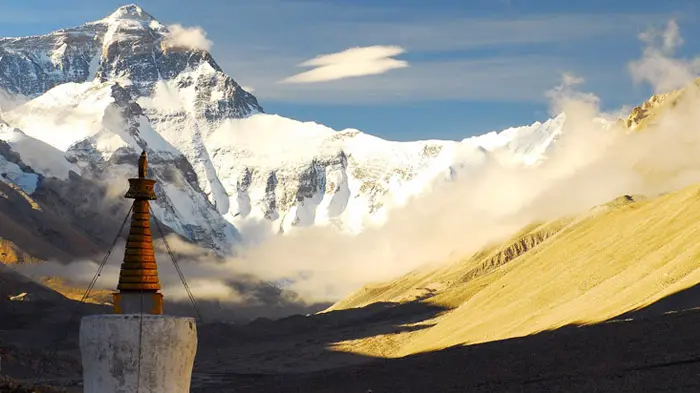
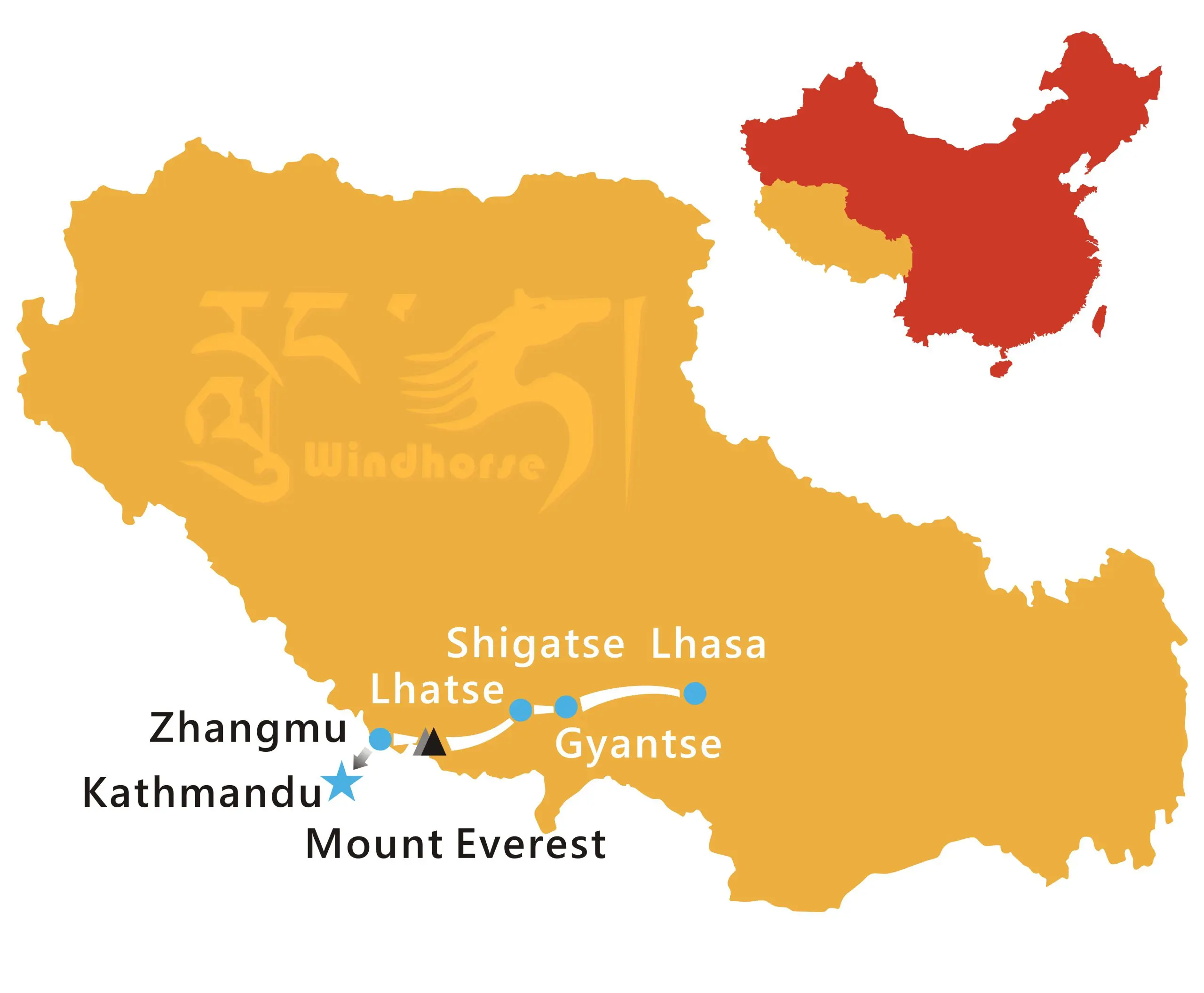



Take the Lhasa to Kathmandu Overland Tour via Everest, following the legendary Friendship Highway across Tibet. Visit Potala Palace, Yamdrok Lake, Gyantse, Shigatse, and Everest Base Camp before crossing the scenic Gyirong Border into Nepal.
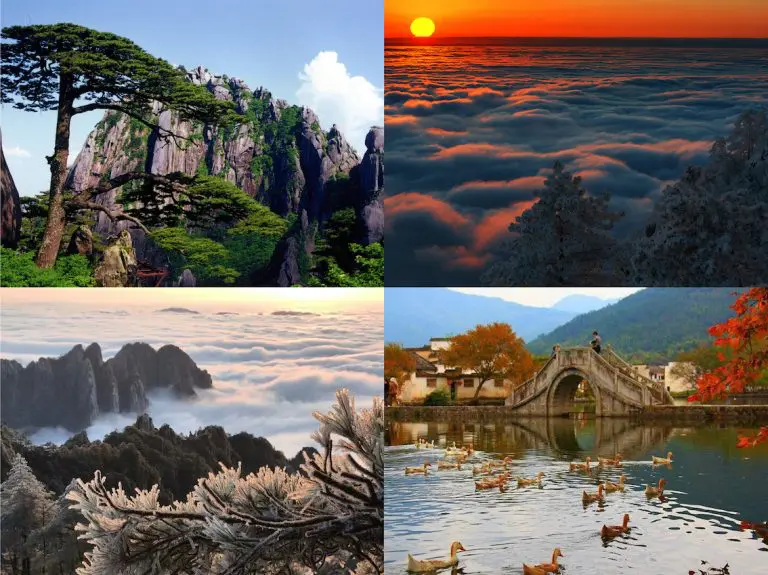

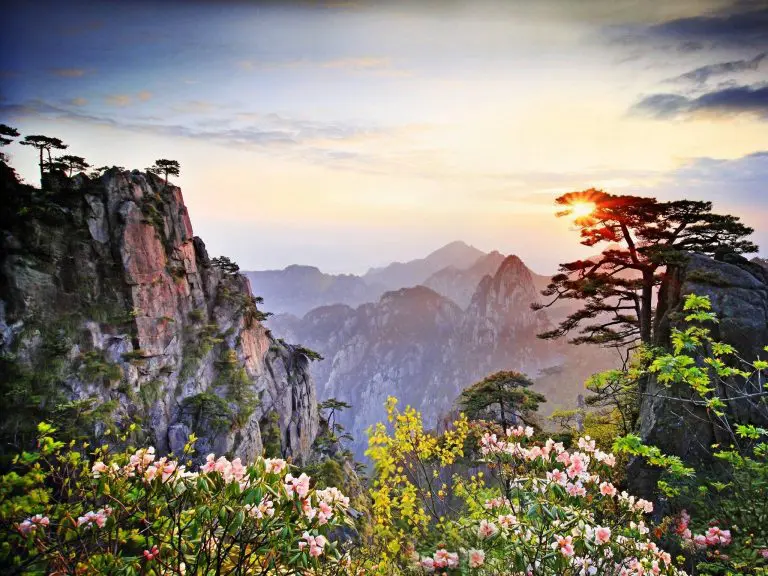
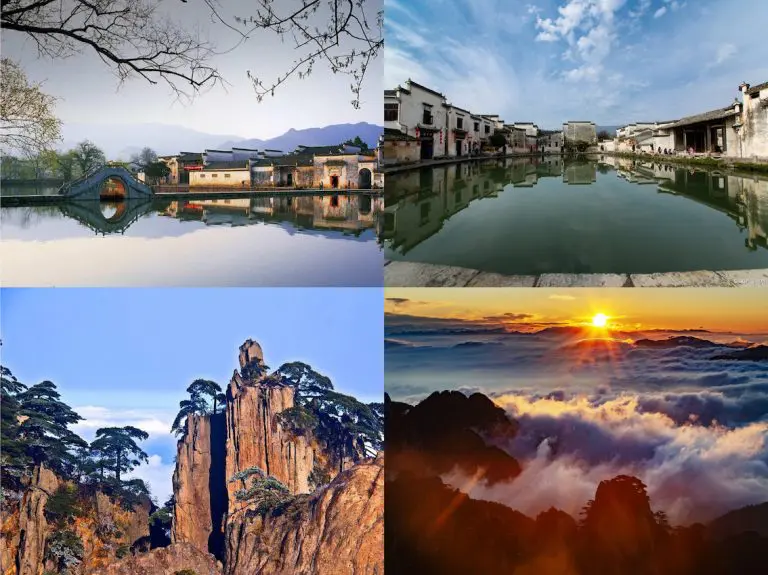
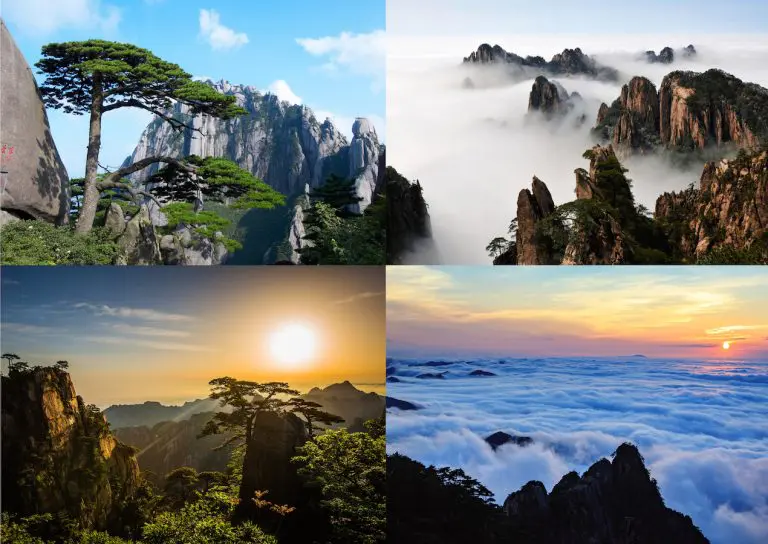
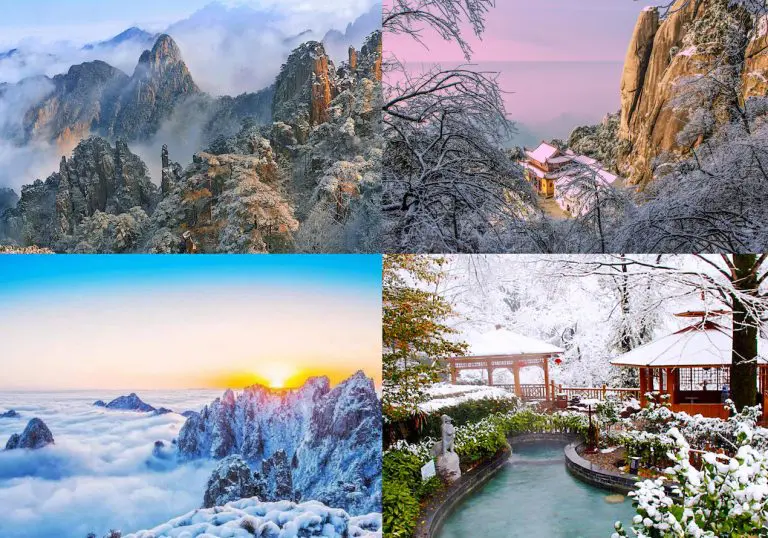
Join this 3 day Mount Huangshan Tour to explore China's most scenic mountain and its nearby UNESCO sites. Hike among dramatic granite peaks, ancient pine forests, and magical sea of clouds on Mount Huangshan, then visit the picturesque Hongcun Village to experience authentic Huizhou architecture and culture.
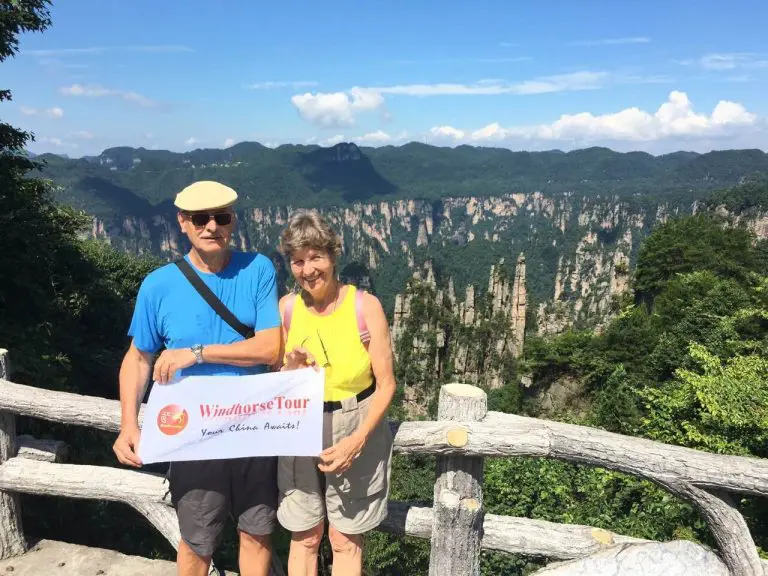

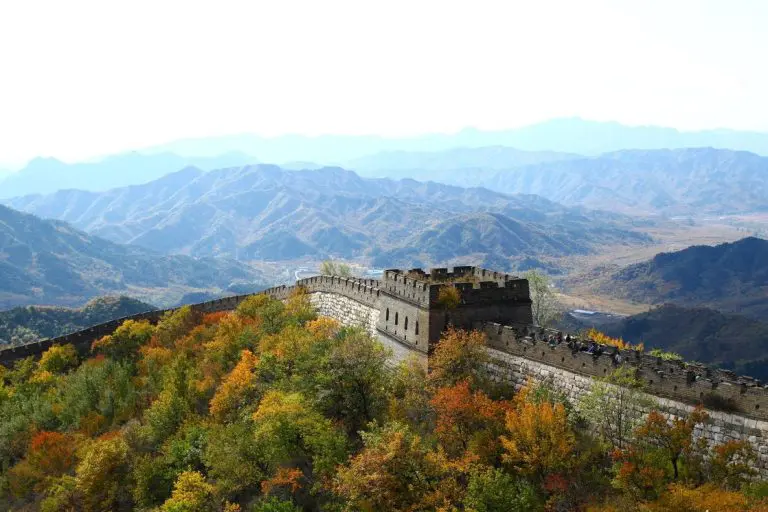
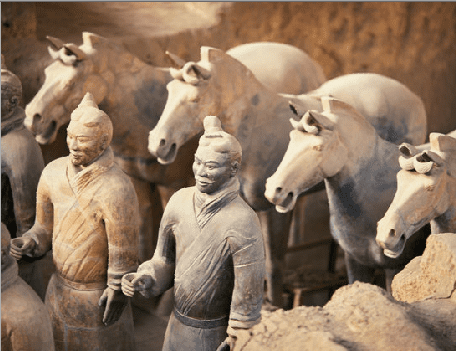
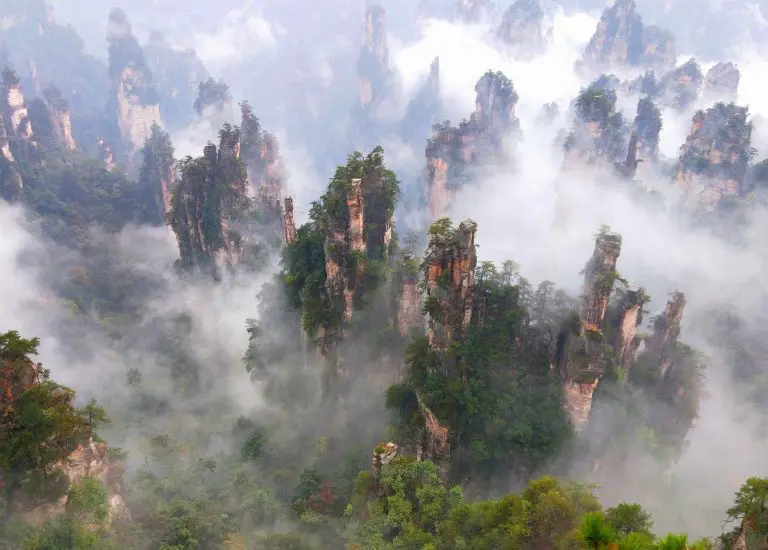
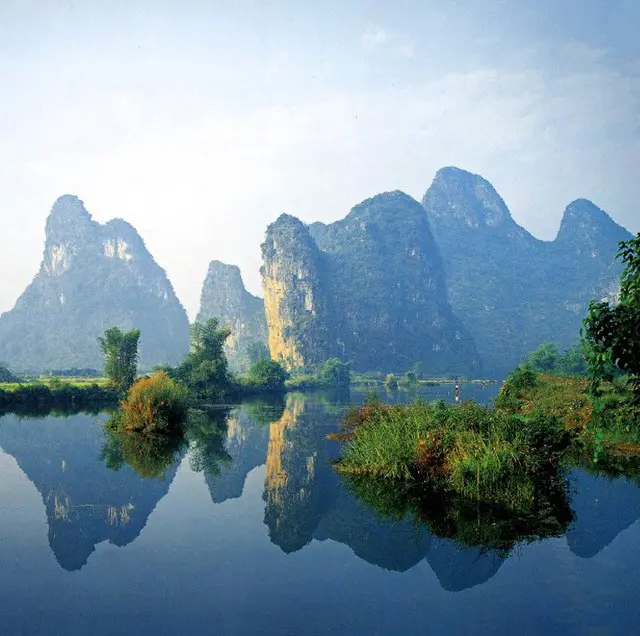
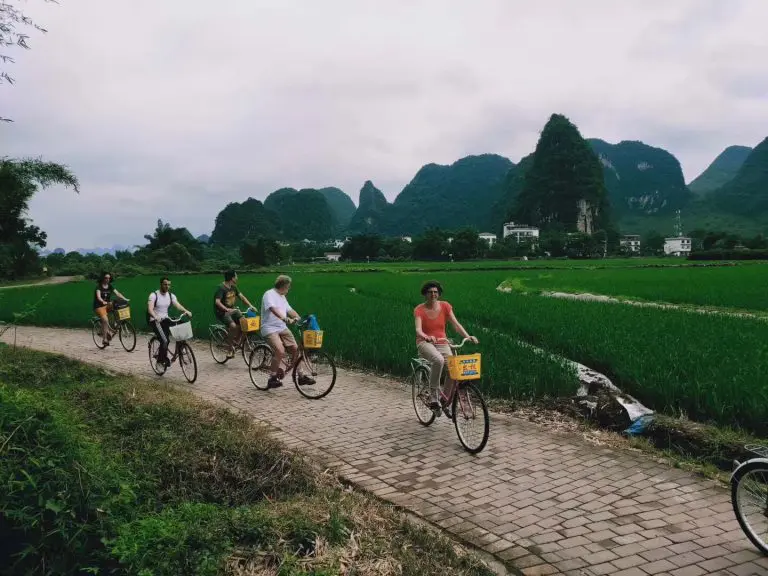

This 14-day China tour with Zhangjiajie and Guilin covers Beijing, Xi’an, Zhangjiajie, Guilin, and Shanghai. Walk along the Great Wall, see the Terracotta Warriors, cruise the Li River, and marvel at Zhangjiajie’s sandstone peaks, the perfect 2-week China itinerary for first-time travelers.

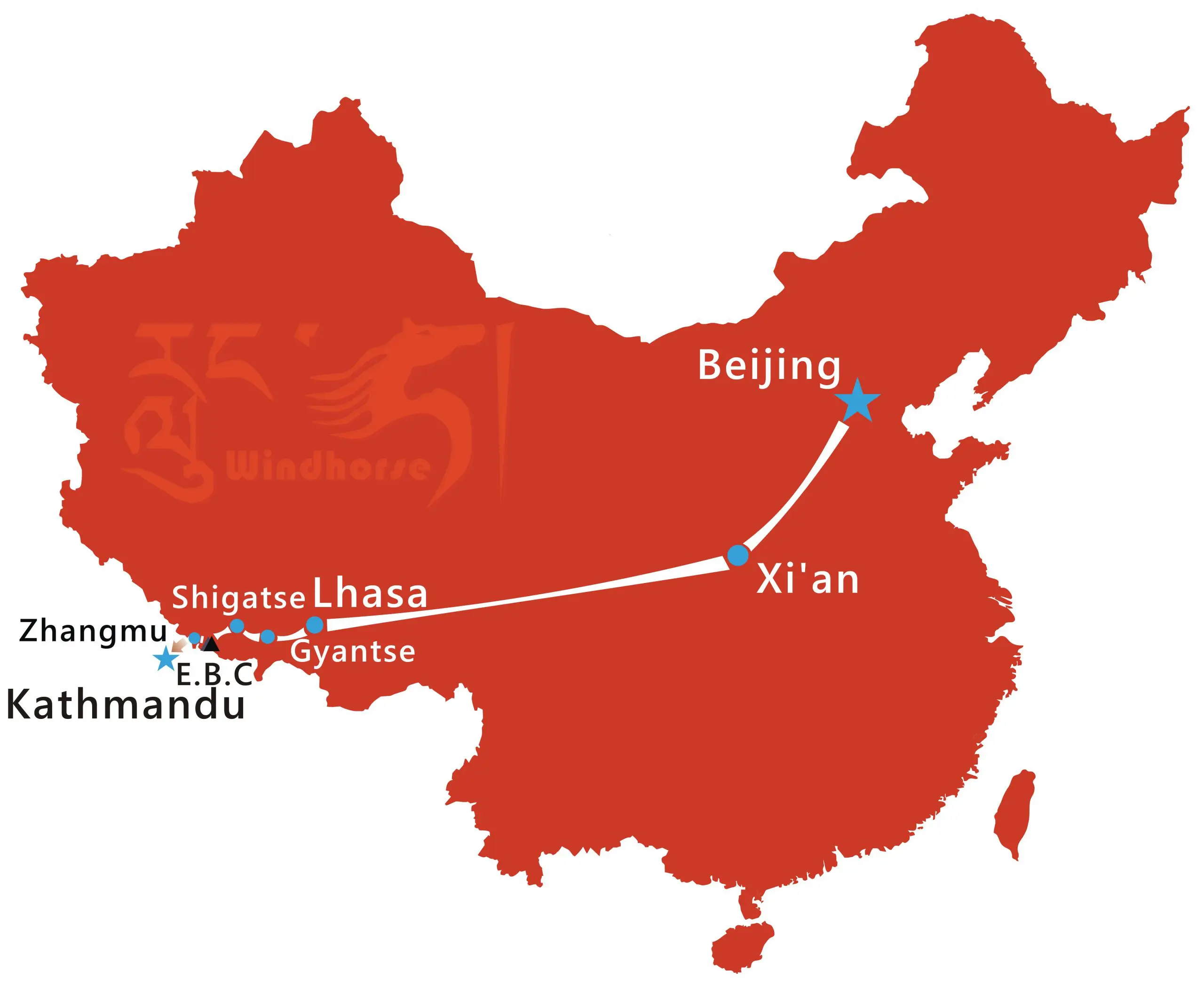
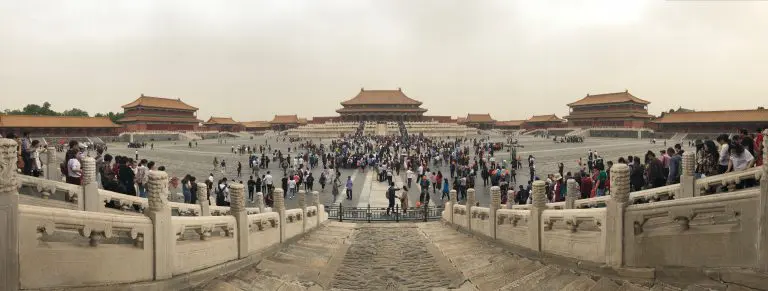
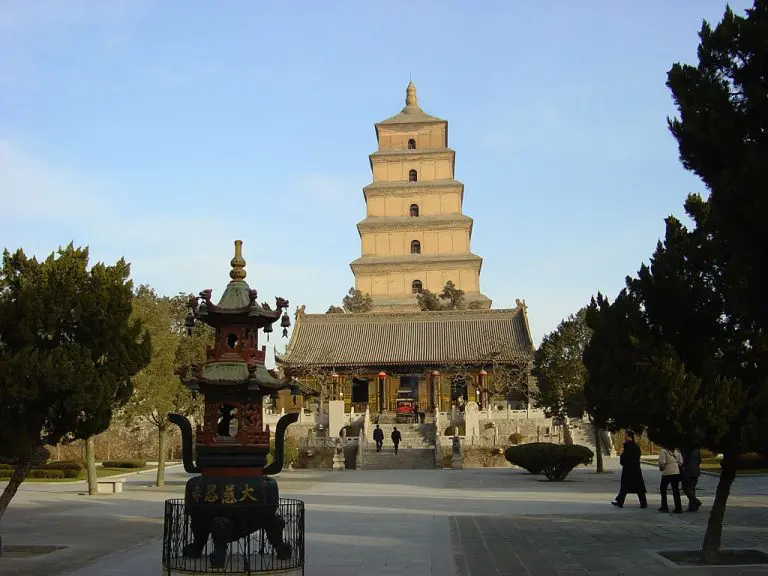


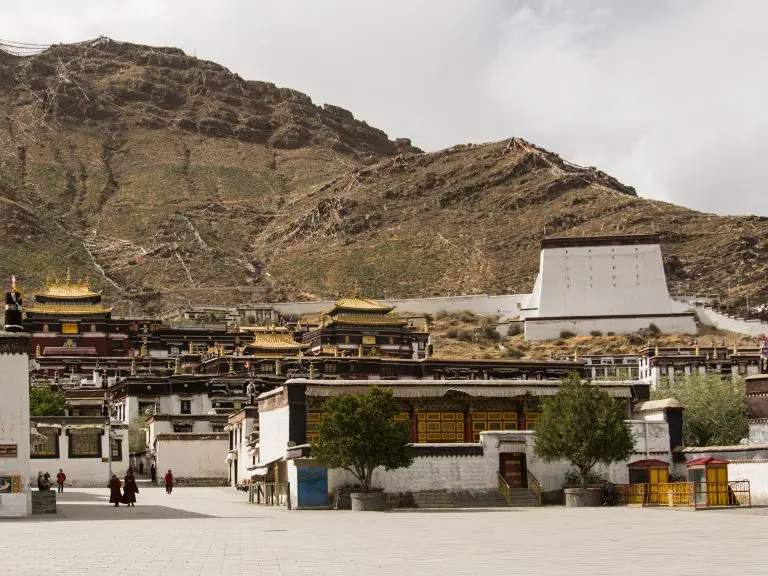

This China Tibet Tour from Beijing to Kathmandu links China’s imperial landmarks with Tibet’s sacred sites and dramatic Himalayan landscapes. Explore Beijing and Xi’an, ride the Qinghai-Tibet Railway to Lhasa, visit the Potala Palace and Everest Base Camp, then journey along the Friendship Highway to Kathmandu.