
Duoyishu Village
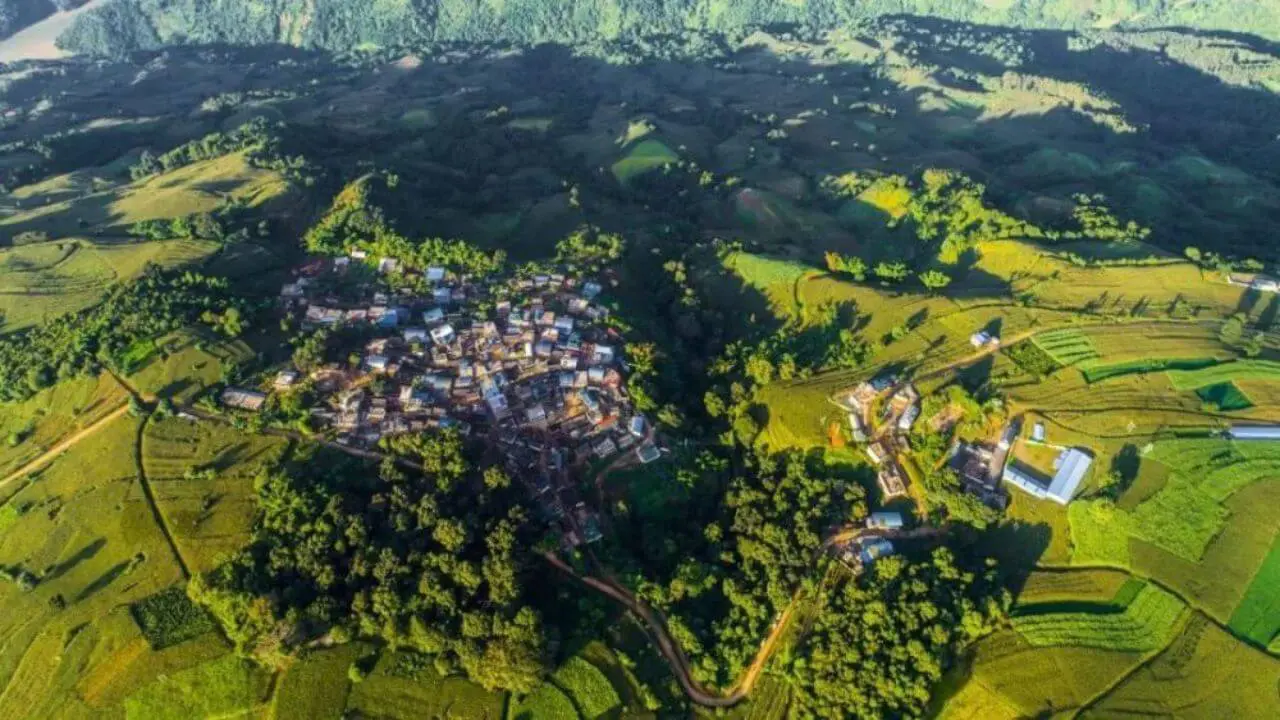
Duoyishu Village is a calm and picturesque place located in Yuanyang County, Yunnan Province. The village is part of the renowned Yuanyang Rice Terraces, and a UNESCO World Heritage Site since 2013. Duoyishu village is a home to the Hani ethnic minority, who have cultivated these stunning terraces for centuries.
Location:
Situated in the southeast of Yunnan Province, Duoyishu lies at the heart of the Yuanyang Rice Terraces, about 300 km from Kunming, the provincial capital.
Chinese name: 多依树村
Why It’s a Must-Visit Attraction in Yunnan
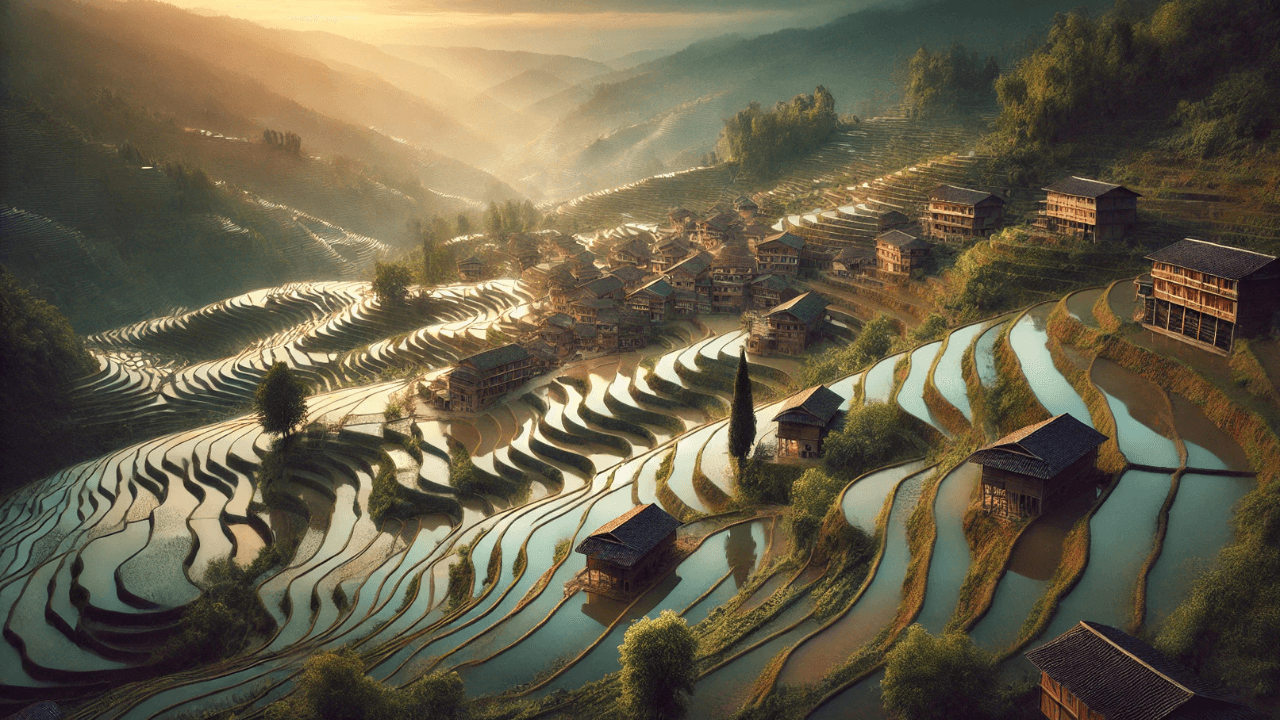
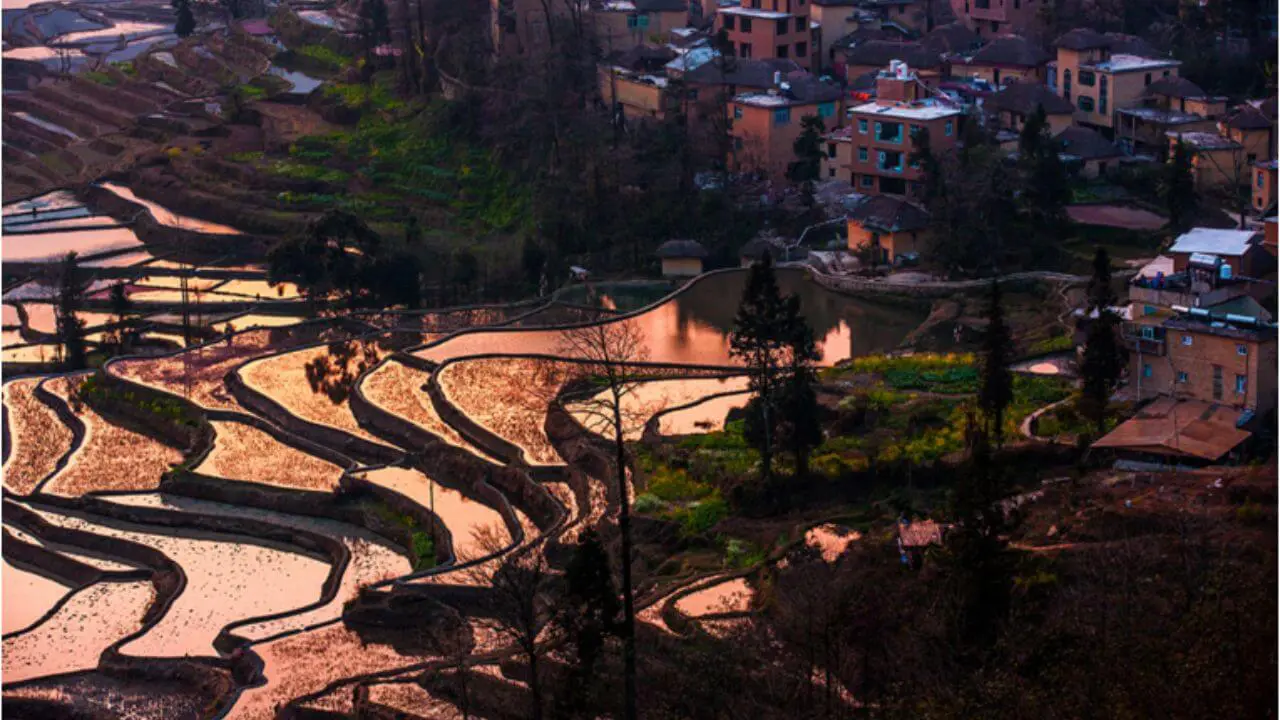
Duoyishu is known for its stunning sunrise views over the rice terraces. When the sun rises, the layers of water-filled fields glisten, creating a mesmerizing and almost magical scene. The village provides a genuine glimpse into traditional Hani culture, making it an ideal destination for nature enthusiasts, photographers, and travelers looking to experience the charm of rural China.
The Stunning Rice Terraces
Overview of the Yuanyang Rice Terraces
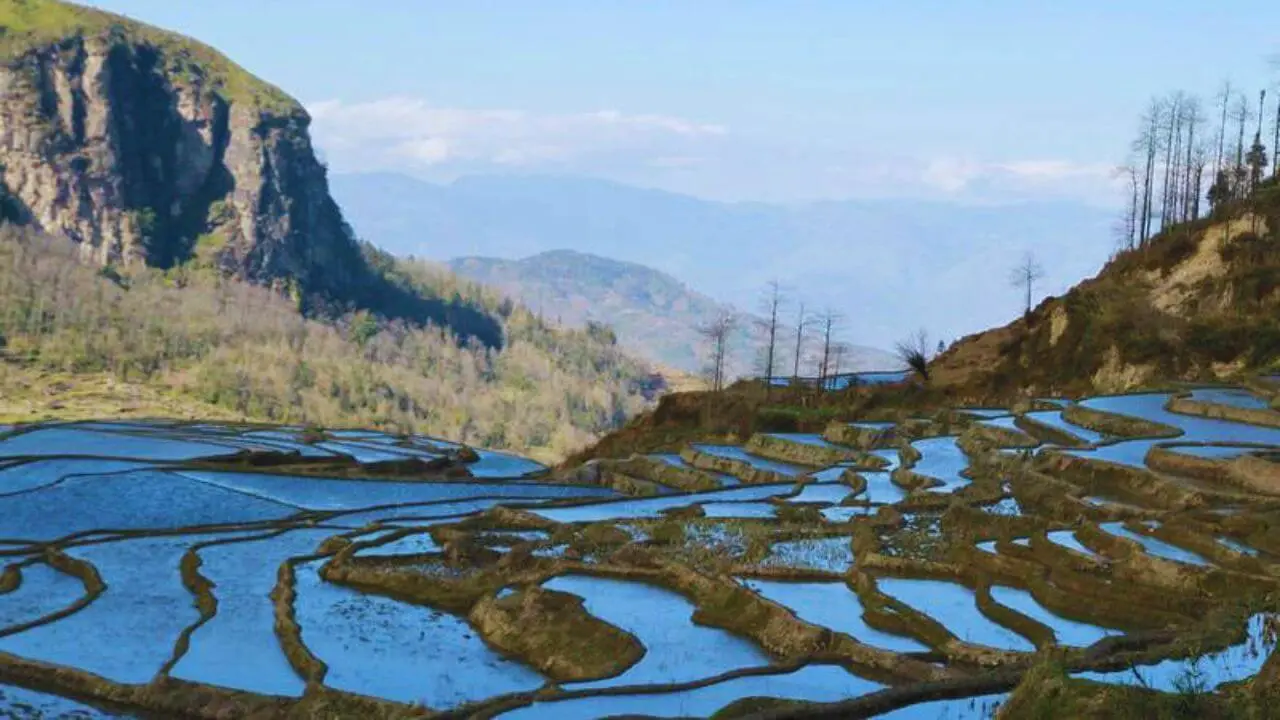
The Yuanyang Rice Terraces have been a UNESCO World Heritage Site since 2013. It spans over 16,000 hectares in southern Yunnan, sculpted into the Ailao Mountain slopes by the Hani people for more than 1,300 years. These terraces are one of the most visually stunning agricultural wonders of the world, especially during the cultivation season. The terraces represent an incredible symbiosis between humans and nature, showing the skills of the Hani people in creating sustainable farming practices in challenging terrain.
This village plays a crucial role in the terrace landscape, offering visitors a glimpse into how the Hani people’s traditional farming practices continue to maintain the terraces today.
Best Times to Visit
Sunrise Views and Reflection Season (November to April)
The best time to visit Duoyishu is during the reflection season, which lasts from November to April. During this period, the rice fields are filled with water, turning the terraces into mirrors that reflect the vibrant colors of the sky, especially at sunrise. The early morning sunrise views from Duoyishu are legendary, as the sun casts warm, golden hues over the still water of the terraces. For those looking to capture the perfect shot, early mornings are a must.
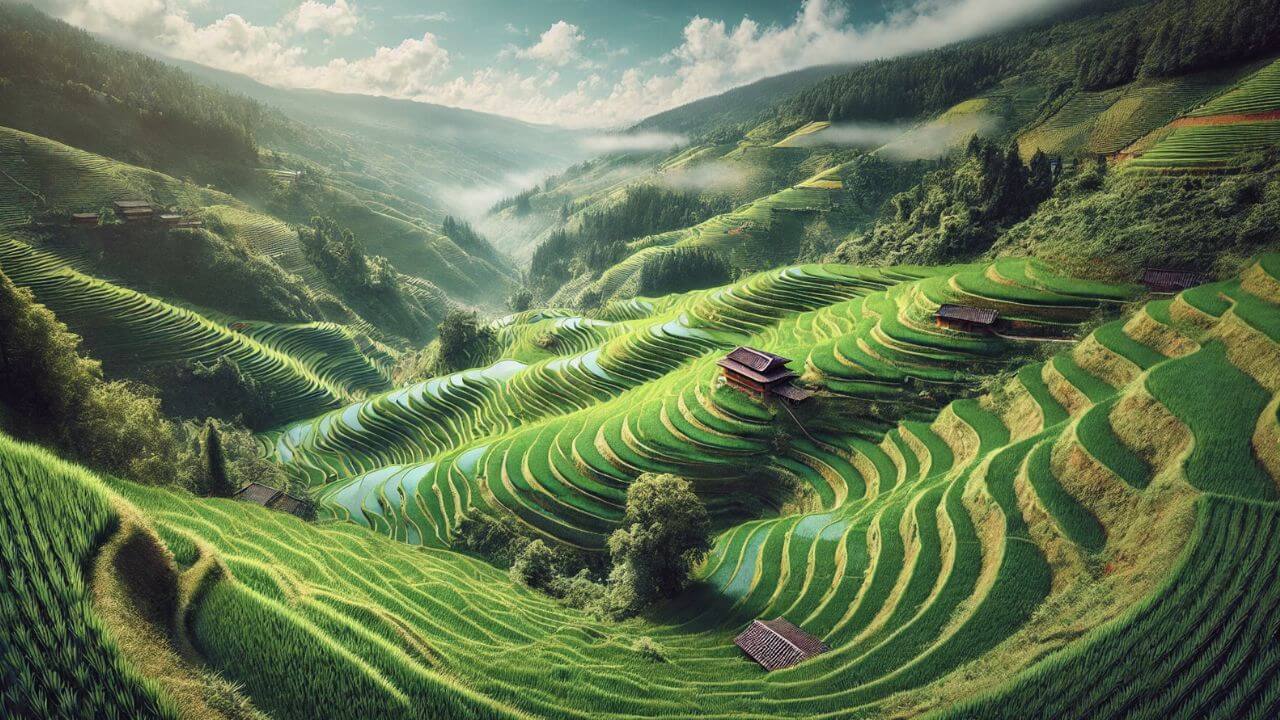
From May to October, the terraces are lush and green as the rice grows, creating a different but equally stunning landscape. The reflection season, however, is particularly renowned for its ethereal beauty.
Cultural and Agricultural Significance
The Yuanyang Rice Terraces and Duoyishu village are not only a perfect place for tourists to see it, or take great photos, it has very deep meaning for Hani people. They for centuries have used a smart irrigation system that collects rainwater from the mountains and channels it down to the terraces. This keeps the rice fields well-watered. Their farming methods, passed down through generations, have helped them live and farm successfully in the steep and rocky mountains.
Duoyishu, like other nearby villages, is also a place where visitors can see Hani culture up close. You can observe their daily lives, traditional clothing, unique homes, and colorful festivals. Visiting the terraces is not just about enjoying the views—it’s about learning how deeply connected the Hani people are to the land they have cared for over the centuries.
Local Customs and Way of Life
Hani culture is full of unique customs that show their strong connection to the land. Their traditional homes, called “mushroom houses,” are built with earth and stone and have a thatched roof that looks like a mushroom cap. These homes are designed to handle the humid weather and help create close-knit communities.
Festivals and rituals play a big role in Hani life. One important celebration is the “Angmatu” festival, which honors the new rice harvest. Other ceremonies are held to remember ancestors and respect nature, showing their spiritual connection to the environment.
Hani people live and work together in a communal way. Families often farm side by side, sharing tasks like planting, harvesting, and maintaining the terraces. Life in the village revolves around the agricultural seasons, with everyone contributing to their shared success.
Visiting Duoyishu and Respecting Hani Culture
Visitors are welcome to explore the rich culture of the Hani people in Duoyishu, but it’s important to show respect for their traditions. Eco-tourism projects in the area encourage visitors to engage in ways that benefit the community and preserve the environment. Staying in local guesthouses or joining guided village tours is a great way to learn about Hani life while supporting sustainable tourism.
When visiting, always be mindful of local customs. For example, ask for permission before taking photos of people or their homes. If you attend festivals or ceremonies, observe quietly and respectfully, remembering that these are important cultural events for the community.
Photography
Why Duoyishu is a Favorite for Photographers
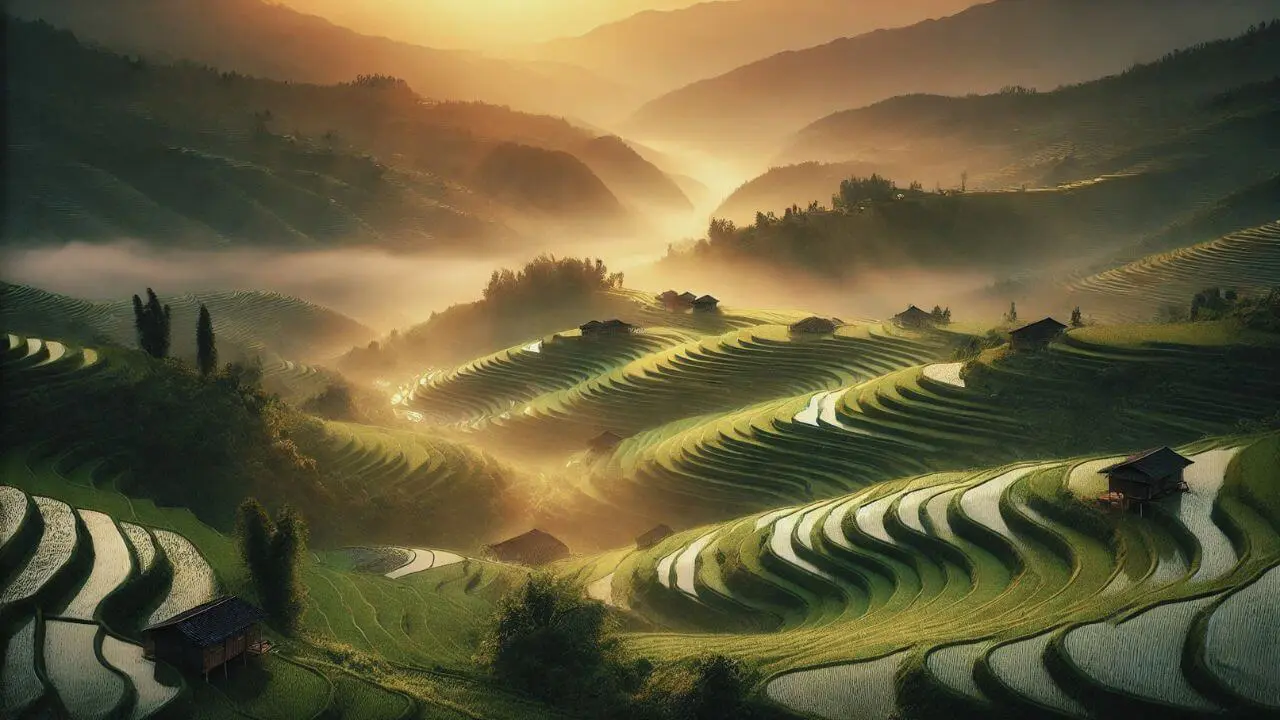
Duoyishu Village is a dream destination for photographers due to its breathtaking rice terraces, which create a natural canvas of reflective water, lush greenery, and dramatic light. The village’s unique position on the hillside offers stunning panoramic views, particularly at sunrise when the terraces are filled with water, reflecting the colorful sky. The interplay of light, shadows, and mist in the early morning hours creates a surreal and captivating landscape, making Duoyishu one of the most photogenic spots in the Yuanyang area.
The ability to capture the traditional lifestyle of the Hani people against this incredible backdrop further enhances Duoyishu’s appeal to photographers looking to document both nature and culture.
Best Spots to Capture the Sunrise
The sunrise in Duoyishu is world-renowned, with many considering it one of the most stunning sights in Yunnan. For photographers, the best spot to capture this magical moment is from one of the designated viewing platforms located on the slopes surrounding the terraces. These platforms provide an unobstructed view of the vast expanse of rice terraces below. As the sun rises, the terraces light up with a range of colors—from soft pinks and purples to brilliant oranges and golds—reflecting the sky in the water-filled fields.
The most popular spot is the main Duoyishu Sunrise Viewing Platform, located at a higher elevation, offering a wide-angle perspective of the terraces, the village, and the surrounding mountains.
Tips for Taking Photos
- Best Times: The best time to capture the terraces in Duoyishu is during the reflection season (November to April), when the terraces are filled with water and act as natural mirrors. Arrive early, around 5:30 to 6:00 AM.
- Equipment: A wide-angle lens is essential for capturing the full scope of the terraces and the panoramic landscape. A tripod is also highly recommended, especially for low-light conditions during sunrise or sunset. For those looking to capture the finer details, a zoom lens can help photograph the local villagers at work without intruding on their space.
- Weather Considerations: Mist and fog are common in the area, especially in the early morning, and can add an ethereal quality to your photos. However, be prepared for rapidly changing weather conditions—pack a rain cover for your camera and be patient, as mist can clear and unveil spectacular views.
Things to Do in and near Duoyishu Village
If you want to fully experience the Duoyishu the best way to do it is by hiking through the stunning rice terraces. Trails wind through the fields, letting you walk among the intricate water channels and enjoy close-up views of the landscape. The hikes are easy to moderate, suitable for most people, and offer a peaceful way to experience rural life. Along the way, you might see Hani houses or watch farmers working in the fields. It’s a relaxing and authentic way to see the terraces beyond the usual viewpoints. Our advice is to hire a tour guide for full experience.
Nearby Viewpoints to Visit
- Bada Viewpoint: Known for panoramic views of the terraces stretching into the valley, it’s especially beautiful at sunset when the golden light reflects off the fields.
- Laohuzui (Tiger Mouth) Viewpoint: Famous for its steep and dramatic terraces that look like a tiger’s jaw. The curving lines of the fields are incredible to see from above. Both spots are easy to reach from Duoyishu and are perfect side trips.
Visiting Other Villages
The Yuanyang area is home to many traditional Hani and Yi villages, each with its own charm. Villages like Pugaolao, Mali, and Shengcun are surrounded by breathtaking terraces and give you a chance to experience local life. You can see traditional homes, learn about farming methods, and discover unique crafts. Staying in a guesthouse in these villages offers a deeper, more personal connection to the culture.
Local Markets and Handicrafts
Nearby markets, like the one in Xinjie, are lively places where villagers gather to trade goods, livestock, and produce. These markets are great for finding handmade textiles, traditional clothing, and other local crafts. Buying directly from the artisans supports the community, and the colorful stalls make for great photos. Don’t miss the chance to try local Hani food at the market stalls—it’s a delicious way to connect with the region.
Whether hiking, visiting villages, or exploring markets, Duoyishu and the surrounding Yuanyang area offer a mix of natural beauty and rich culture that’s perfect for travelers seeking an authentic experience.
How to Get There
Transport Options (from Kunming or Jianshui)
To reach Duoyishu Village, most travelers start from Kunming, the capital of Yunnan Province. From Kunming, you can take a long-distance bus (about 6-7 hours) or hire a private car to Xinjie Town, the main hub for the Yuanyang Rice Terraces. Alternatively, you can travel from Jianshui, another popular tourist destination, which takes around 3-4 hours by bus or car to reach Xinjie.
How to Reach the Village Itself
Once in Xinjie, Duoyishu is about a 30-40 minute drive. You can hire a local taxi or minivan to take you directly to the village. Some guest houses also offer transportation services. The roads to Duoyishu are winding, so allow extra travel time to enjoy the scenic views along the way.
Accommodation and Dining
Homestays and Guesthouses in Duoyishu
In Duoyishu Village, accommodation mainly consists of small, family-run homestays and guesthouses, offering an intimate and authentic experience of Hani culture. These lodgings are often simple but comfortable, providing all the essentials for a pleasant stay. Many guesthouses offer rooms with stunning views of the rice terraces, allowing you to enjoy the beauty of the landscape right from your window or terrace. Staying in a local homestay also gives you the chance to interact with the Hani people and learn more about their daily lives and traditions.
Dining Options: Local Hani Cuisine
Dining in Duoyishu is an opportunity to taste traditional Hani cuisine, which is hearty, flavorful, and rooted in local ingredients. Many guesthouses serve home-cooked meals, featuring local specialties such as mushroom hot pot, wild vegetables, and sticky rice, often accompanied by cured meats and fresh tofu. Another popular dish is bamboo rice, where rice is cooked inside bamboo stalks, giving it a unique flavor. Meals are typically simple but delicious, offering a true taste of Hani culinary traditions.
Some guesthouses and small restaurants also serve local Yunnan dishes, including crossing-the-bridge noodles and steamed chicken with mushrooms, offering a broader range of regional flavors. Dining options are limited but very authentic, with ingredients often sourced from local farms and markets.
Where to Stay for an Authentic Experience
For an authentic experience, opt for a homestay or guesthouse run by local Hani families. Not only will you be supporting the community, but you’ll also gain a deeper connection to the culture and traditions of the area. Guesthouses such as Sunrise Inn and Duoyishu Rice Terrace Hotel are popular choices that offer basic amenities along with incredible views of the rice terraces. Staying in these traditional-style accommodations allows you to experience the peaceful, rural atmosphere of the village while enjoying the hospitality of the Hani people.
If you’re seeking a more immersive experience, ask your host about participating in local activities, such as helping with terrace farming or joining in traditional festivals. This will enrich your stay and provide meaningful memories of your time in Duoyishu.
Sustainable Tourism
Importance of Responsible Travel
Practicing sustainable tourism in Duoyishu is vital to preserving the unique rice terraces and the traditional way of life of the Hani people. Responsible travel helps minimize the environmental impact on the delicate landscape and ensures the long-term sustainability of the local community.
Supporting the Local Community
Visitors can support the local economy by staying in locally-run homestays, purchasing handmade crafts from villagers, and dining in small, family-owned eateries. Engaging with the community in this way ensures that tourism revenue directly benefits the Hani people.
Tips for Being an Eco-Conscious Traveler
- Respect the environment: Stick to designated paths when hiking to avoid damaging the terraces.
- Reduce waste: Bring reusable water bottles and bags to minimize plastic waste.
- Be mindful of local customs: Ask for permission before taking photos of villagers and their homes.
By following these practices, you can help protect Duoyishu’s natural and cultural heritage.
Final Words
Duoyishu Village offers an unparalleled experience of natural beauty and cultural richness. From its breathtaking rice terraces to its deep-rooted Hani traditions, this peaceful village invites travelers to witness the harmonious balance between people and nature. A visit to Duoyishu is a chance to immerse yourself in stunning landscapes, experience authentic local culture, and contribute to sustainable tourism efforts that preserve this incredible UNESCO World Heritage site for future generations.
Related tours
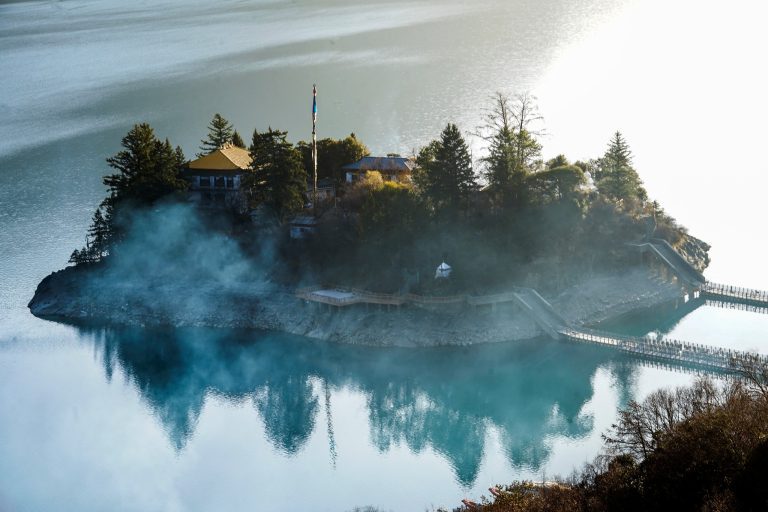
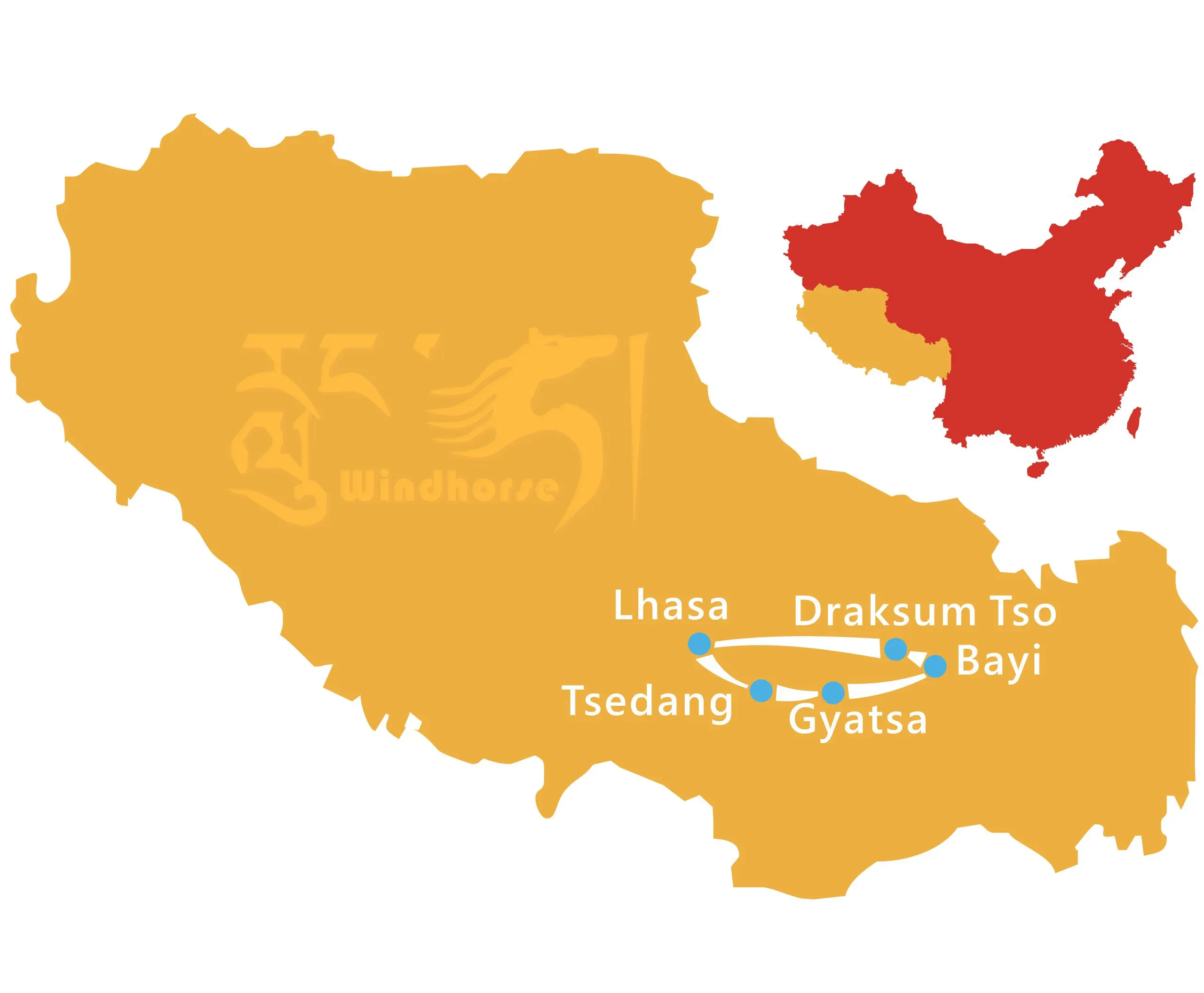
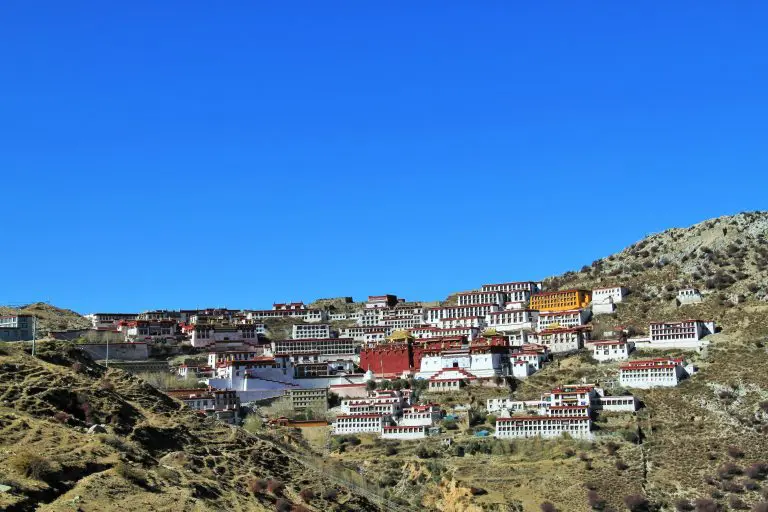
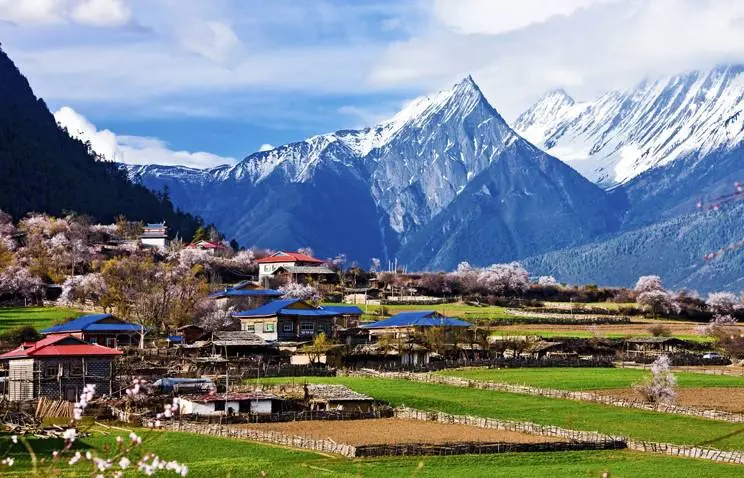
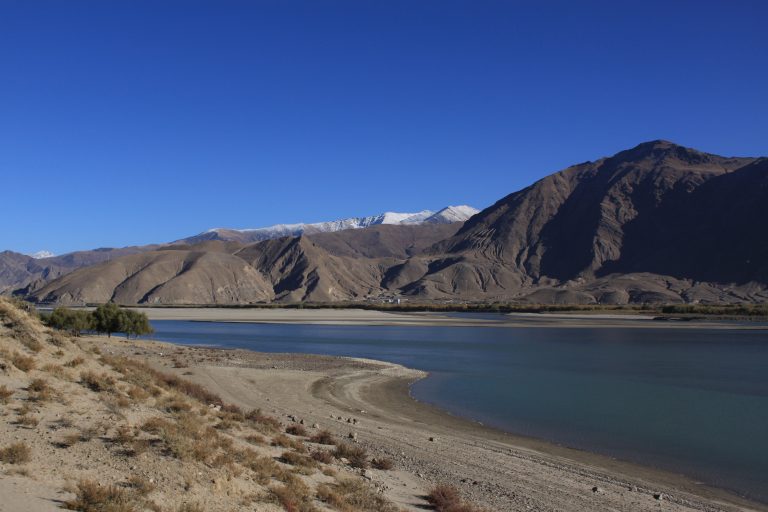
This Lhasa, Nyingchi and Tsedang loop tour explores the best of eastern and central Tibet. Discover Potala Palace, Jokhang Temple, Basum-tso Lake, Lulang Forest, and the Yarlung Valley with Samye Monastery, the cradle of Tibetan civilization.

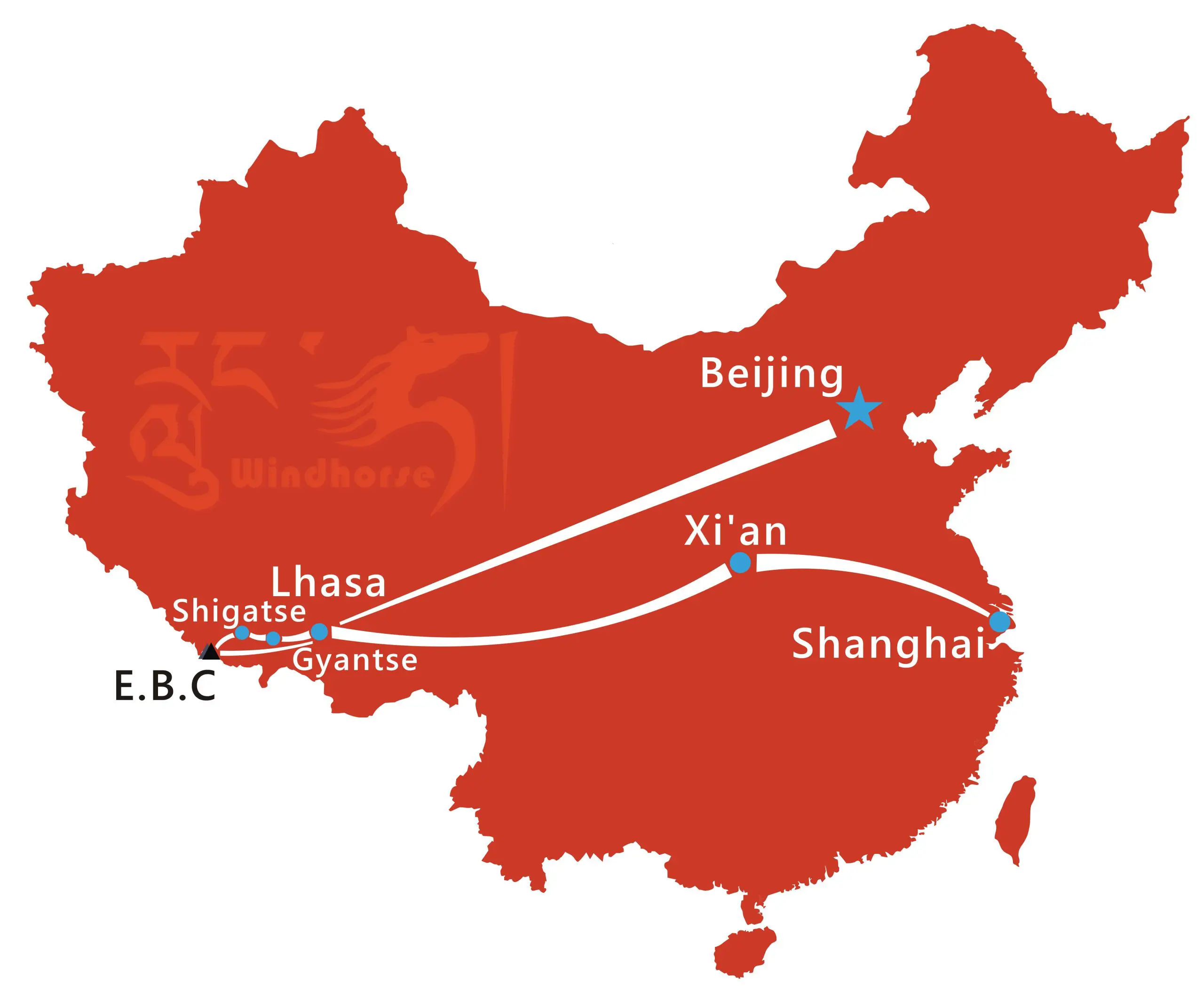
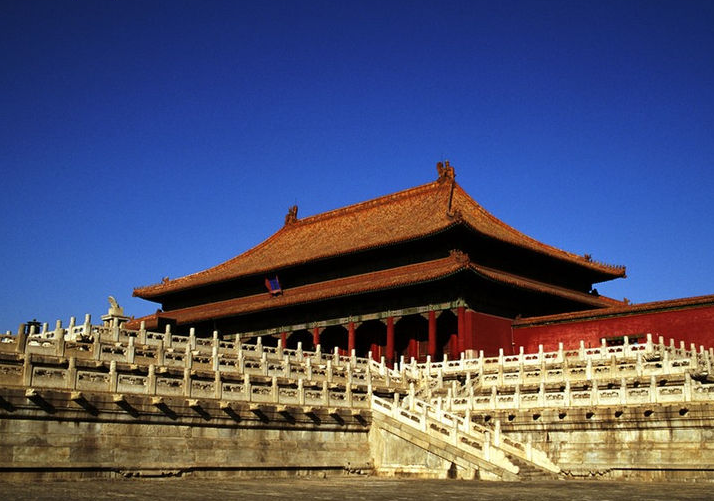


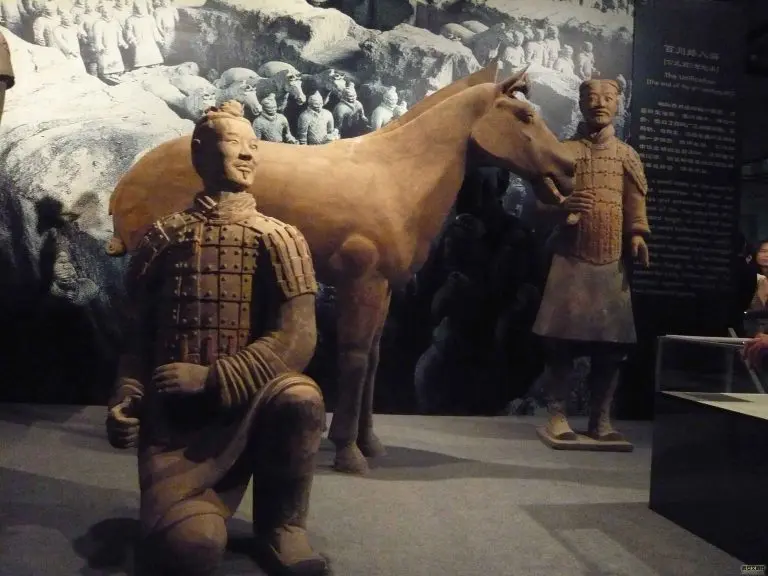

Set off on an epic Beijing to Tibet tour through five iconic cities. Explore ancient history in Beijing and Xi’an, discover Tibetan culture in Lhasa, stand before Mount Everest, and experience the vibrant energy of modern Shanghai. An unforgettable adventure awaits!

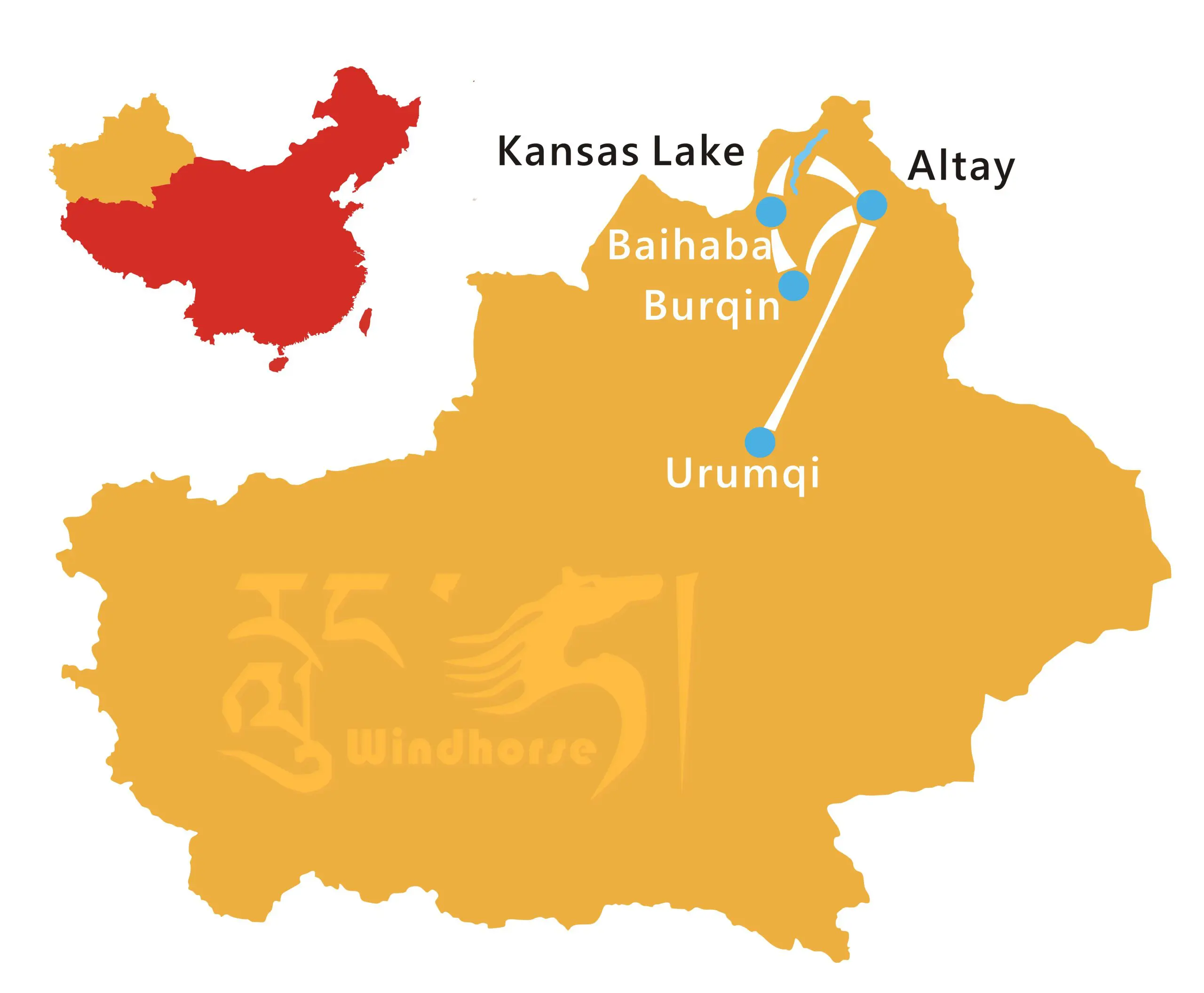
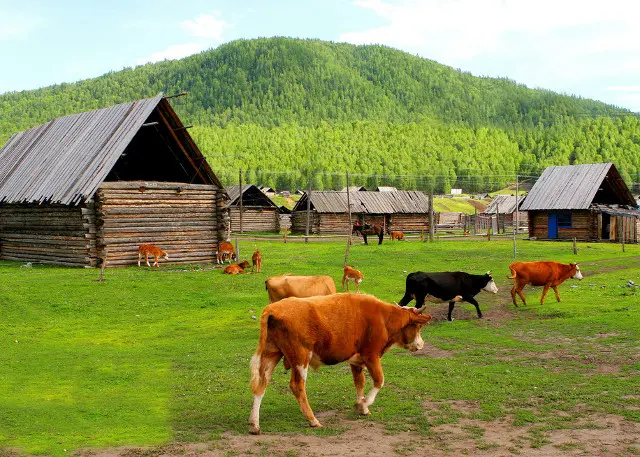
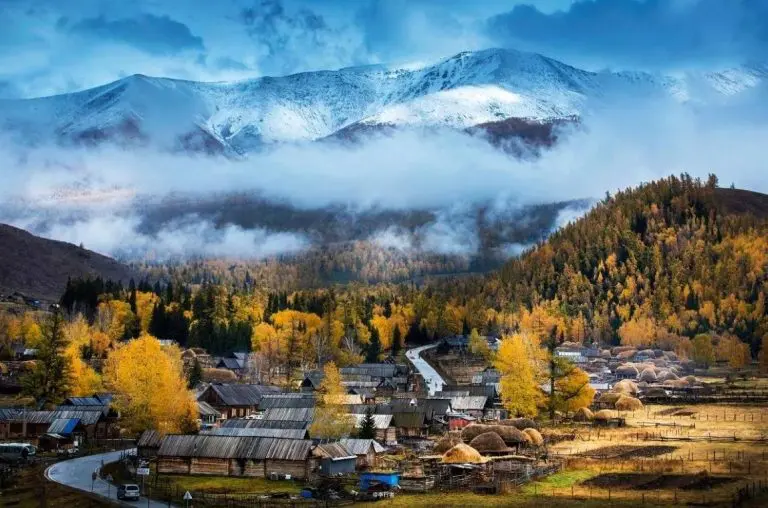

This Kanas Lake trekking tour leads you through Northern Xinjiang’s most scenic trails. Trek from Jiadengyu to Hemu Village, then to Kanas Lake across forests, rivers, alpine meadows, and panoramic ridges while experiencing Tuwa culture and the region’s famous turquoise lake.

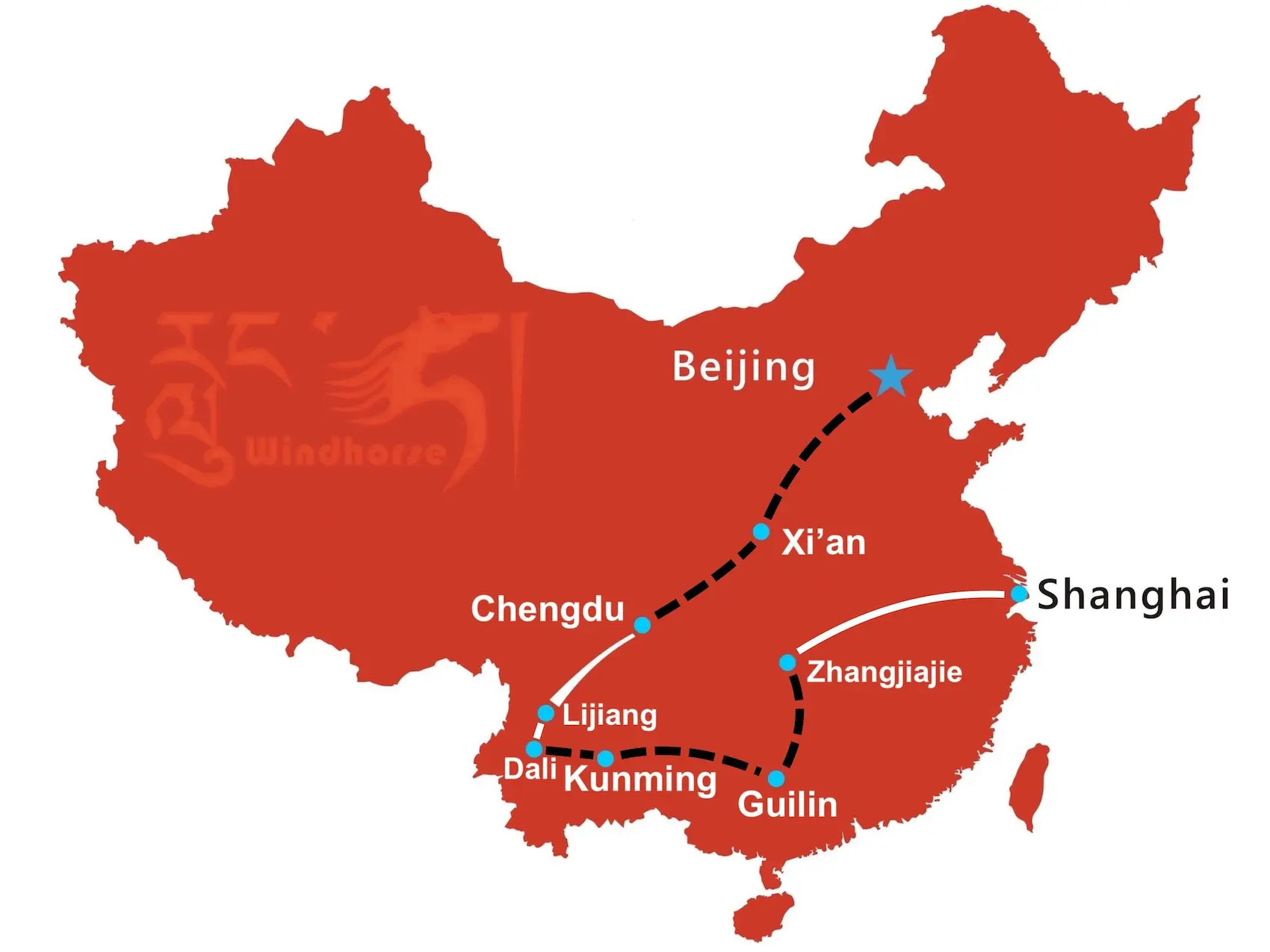
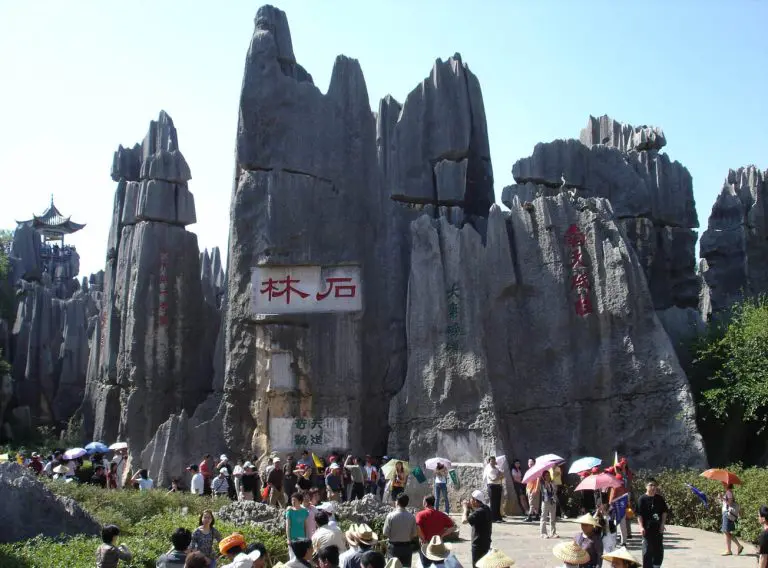
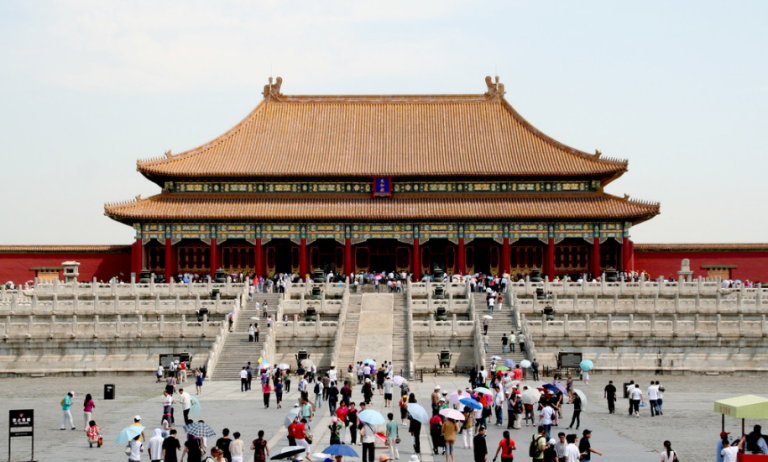


Travel across China in 21 days from Beijing and Xi’an to Chengdu, Yunnan, Guilin, Zhangjiajie, and Shanghai. This private journey highlights China’s top cities, historic towns, mountain scenery, and diverse cultures with well planned pacing and expert local guides.