
Visiting China in January
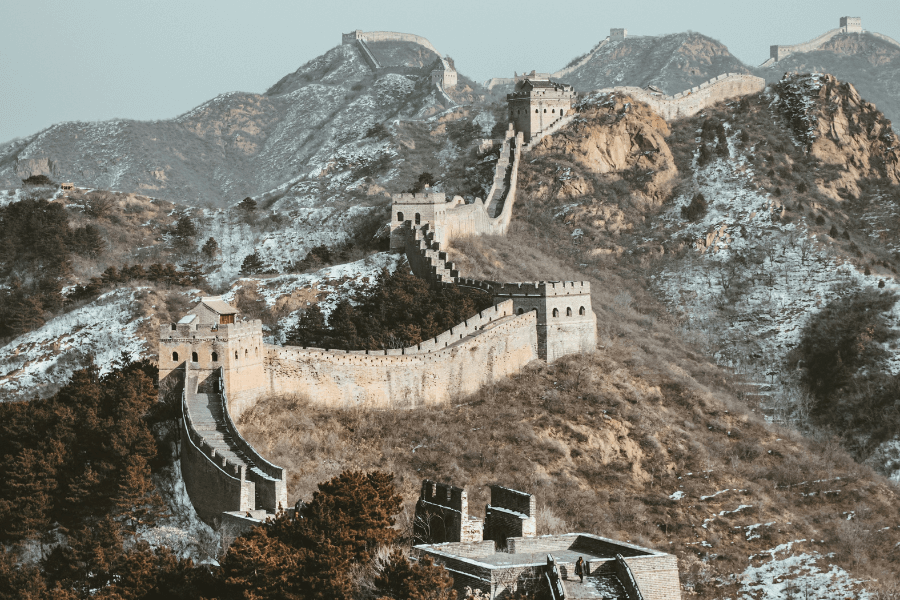
Visiting China in the coldest month of the year allows you to visit attractions that usually are crowded but in this period you will be mesmerized by wonderful winter scenes and rich cultural activities. This month, many parts of China are covered in snow, making places like the Great Wall even more beautiful and less crowded than usual. January is also when people start getting ready for the Chinese New Year, decorating streets and celebrating with exciting preparations.
You can read here when is the best time to visit China.
Here are some useful things and tips you should know before booking a tour to China in January.
Weather in China in January
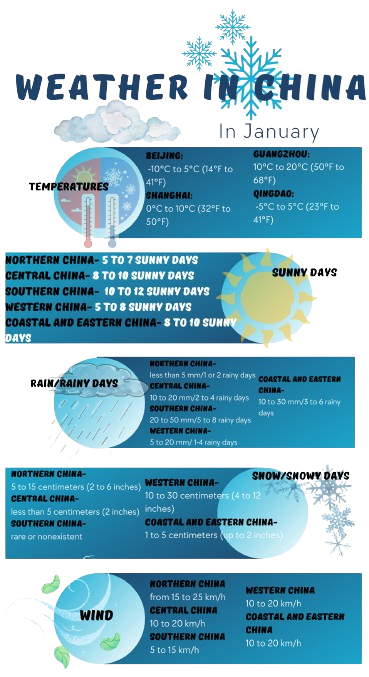
China is a vast country, with different climate zones, but most of the country is frozen in January. Most parts of China are deep in the winter. We have information about the Nothern Central, Southern, Western, Coastal, and Eastern China.
Northern China Weather in January
- Beijing, Harbin, Shenyang:
- Temperature: Very cold, often below freezing. Average temperatures can range from -10°C to 5°C (14°F to 41°F).
- Conditions: Snowfall is common, especially in northeastern cities like Harbin, which is famous for its Ice Festival.
Weather in Central China in January
- Shanghai, Wuhan, Chengdu:
- Temperature: Milder than the north, with temperatures ranging from 0°C to 10°C (32°F to 50°F).
- Conditions: Rain is more common than snow, with overcast and drizzly days.
Southern China
- Guangzhou, Shenzhen, Hong Kong:
- Temperature: Much warmer, with temperatures ranging from 10°C to 20°C (50°F to 68°F).
- Conditions: Generally mild and humid, with occasional rain. Snow is extremely rare.
Western China Weather in January
- Tibet, Xinjiang, Qinghai:
- Temperature: Very cold, particularly in high-altitude areas. Temperatures can drop well below freezing.
- Conditions: Snow is common, especially in mountainous regions. Sunny days are frequent in some areas.
Coastal and Eastern China
- Qingdao, Dalian:
- Temperature: Cold, with temperatures around -5°C to 5°C (23°F to 41°F).
- Conditions: Windy and chilly, with occasional snow.
This variation in weather means that January can offer a range of activities, from ice festivals in the north to mild winter escapes in the south.
What to visit in China in January
You can travel and visit most of China’s attractions and popular travel destinations in January, no matter how cold is it, does it has snowfall or not, there is always something to visit and see in China.
The most popular destination in January in China is Harbin. If you don’t like ice, you can always visit the attractions in Beijing, or get a bullet train to Xi’an to visit the Terracotta Army. There are so many destinations for you to visit in China in January, but here we will introduce to you Harbin as a winter getaway.
Harbin the Ice City
Harbin is the capital city of the Heilongjiang (黑龙江, Hēilóngjiāng). Heilongjiang is a Chinese Province that stretches northward to Russia, and it means ‘Black Dragon River, The Heilongjiang Province is one of China’s most stunningly rugged provinces with forests, lakes, mountains, and the dormant volcanoes of Wudalian Chi.
Harbin in January is extremely cold, with temperatures often dropping below -20°C (-4°F). The city is usually covered in a blanket of snow, creating a picturesque winter landscape. Visitors should be prepared for the cold by dressing in layers and wearing thermal clothing, hats, gloves, and insulated boots.
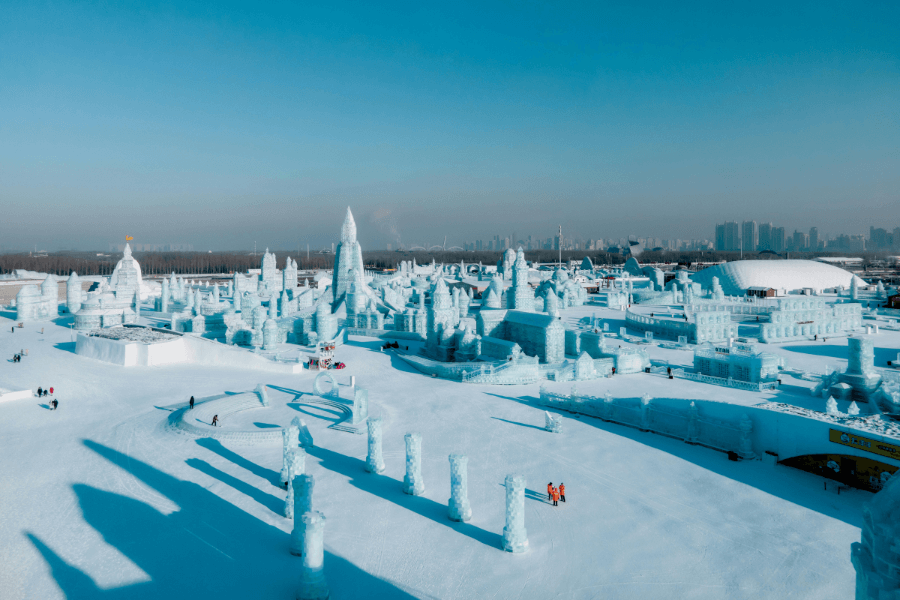
One of the main attractions in January is the Harbin International Ice and Snow Sculpture Festival. This world-famous festival features stunning ice and snow sculptures created by artists from around the globe. Key sites within the festival include:
Ice Sculptures: The festival is famous for its huge, detailed ice sculptures, many of which are lit up with colorful lights at night.
Snow Sculptures: Along with the ice sculptures, there are large, intricate snow sculptures. These showcase the skills of sculptors from around the world.
Ice and Snow World: This is the main area of the festival, featuring full-sized buildings, castles, and slides made entirely of ice. At night, the structures are illuminated, creating a magical winter scene.
Sun Island Scenic Area: Known for its beautiful snow sculptures, Sun Island also offers various winter activities, including snow sports and games.
Zhaolin Park: This park is famous for its ice lanterns, and smaller but detailed ice sculptures that are beautifully lit, creating a fairy-tale atmosphere.
Activities and Attractions
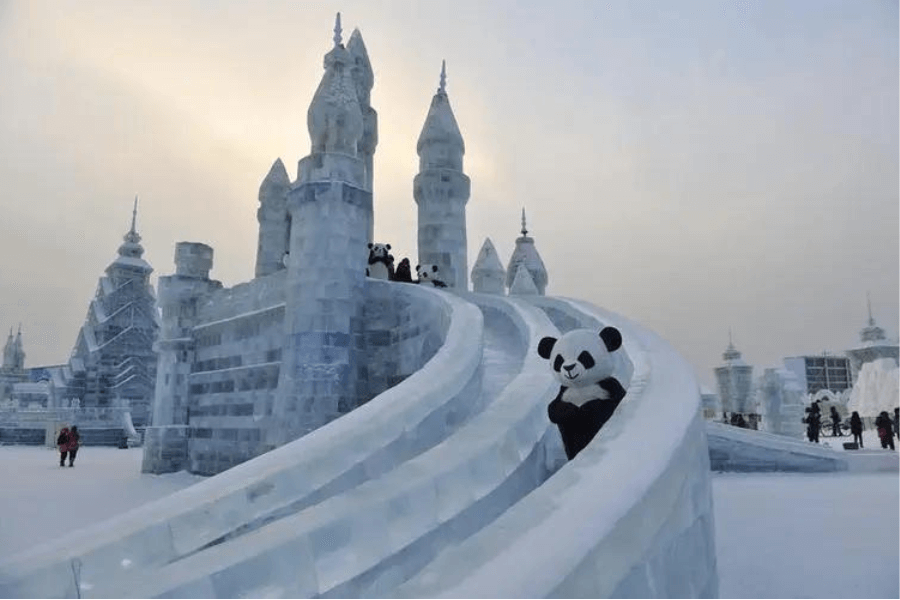
Ice Slides: Giant ice slides are a popular attraction, offering a fun experience for visitors of all ages.
Ice Swimming: For the adventurous, there are ice swimming events in the Songhua River, where participants swim in freezing waters.
Ice Bar and Restaurants: Enjoy a drink or meal in ice bars and restaurants, where everything, including the tables and glasses, is made of ice.
Cultural Performances: The festival includes various cultural performances, such as ice ballet, folk dances, and traditional music shows.
Did you know?
It spent 500 million US dollars to build the Ice City, and then it melted down in two months.

Tips for Visiting Harbin in January
Dress Warmly: Harbin’s winter temperatures can drop well below freezing, so wearing layers with thermal clothing, hats, gloves, and insulated boots is essential.
Plan Ahead: The festival attracts visitors from around the world, so booking accommodation and tickets in advance is advisable.
Explore Harbin: Besides the festival, Harbin offers other attractions, such as St. Sophia Cathedral, Central Street (Zhongyang Dajie), and the Siberian Tiger Park.
What to pack for your trip to China in January
If you are visiting Harbin in January these are the items that you should pack:
Clothing
- Thermal Underwear: Essential for layering to keep warm in extremely cold temperatures.
- Heavy Winter Coat: A thick, insulated coat to protect against freezing temperatures.
- Sweaters and Fleece: For layering under your coat.
- Warm Pants: Thermal or lined pants are ideal for staying warm.
- Waterproof and Windproof Outerwear: To keep you dry and shielded from harsh winds.
- Insulated Boots: Waterproof and insulated boots to keep your feet warm and dry.
- Wool Socks: Thick, warm socks to protect your feet from the cold.
- Gloves: Insulated and waterproof gloves or mittens to keep your hands warm.
- Hat: A warm hat that covers your ears.
- Scarf: To protect your neck and face from the cold wind.

Accessories
- Heat Packs: Disposable or rechargeable heat packs for extra warmth.
- Sunglasses: To protect your eyes from the glare of the sun on the snow.
- Moisturizer and Lip Balm: To prevent dry skin and chapped lips in the cold, dry air.
- Camera: To capture the beautiful ice sculptures and winter landscapes.
- Portable Charger: Cold weather can drain batteries quickly, so a backup charger is useful.
Miscellaneous
- Travel Insurance: Comprehensive travel insurance that covers winter sports and extreme cold conditions.
If You travel to different parts of China, you still need warm clothes and comfortable shoes. However, in Sothern China (Guangzhou, Shenzhen, Hong Kong) is much warmer.
Final words
Visiting China in January is a remarkable adventure. You can visit the big attractions in Beijing without much crowd and you can also have an amazing time hiking on some of the Great Wall sections near Beijing. Overall, China is a great destination in every period of the year.
Related tours

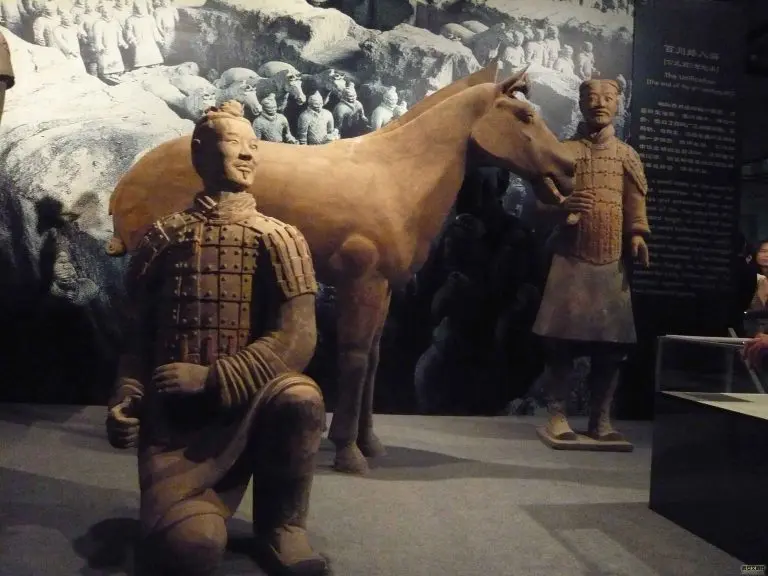

This 6 day Xi’an to Jiuzhaigou tour combines the Terracotta Warriors, Xi’an City Wall, Chengdu Panda Base, Jiuzhaigou National Park, and Huanglong in one private China itinerary.
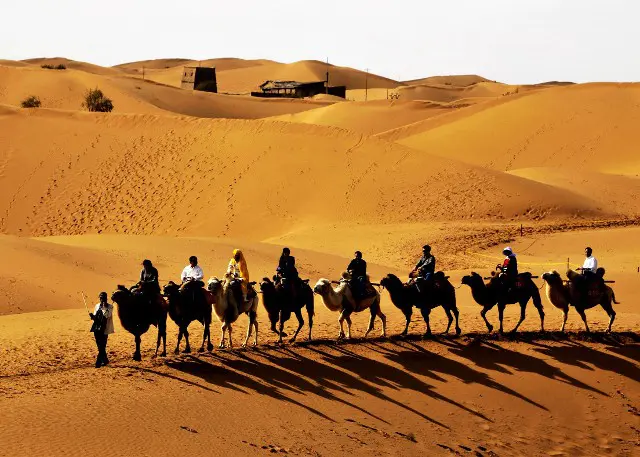
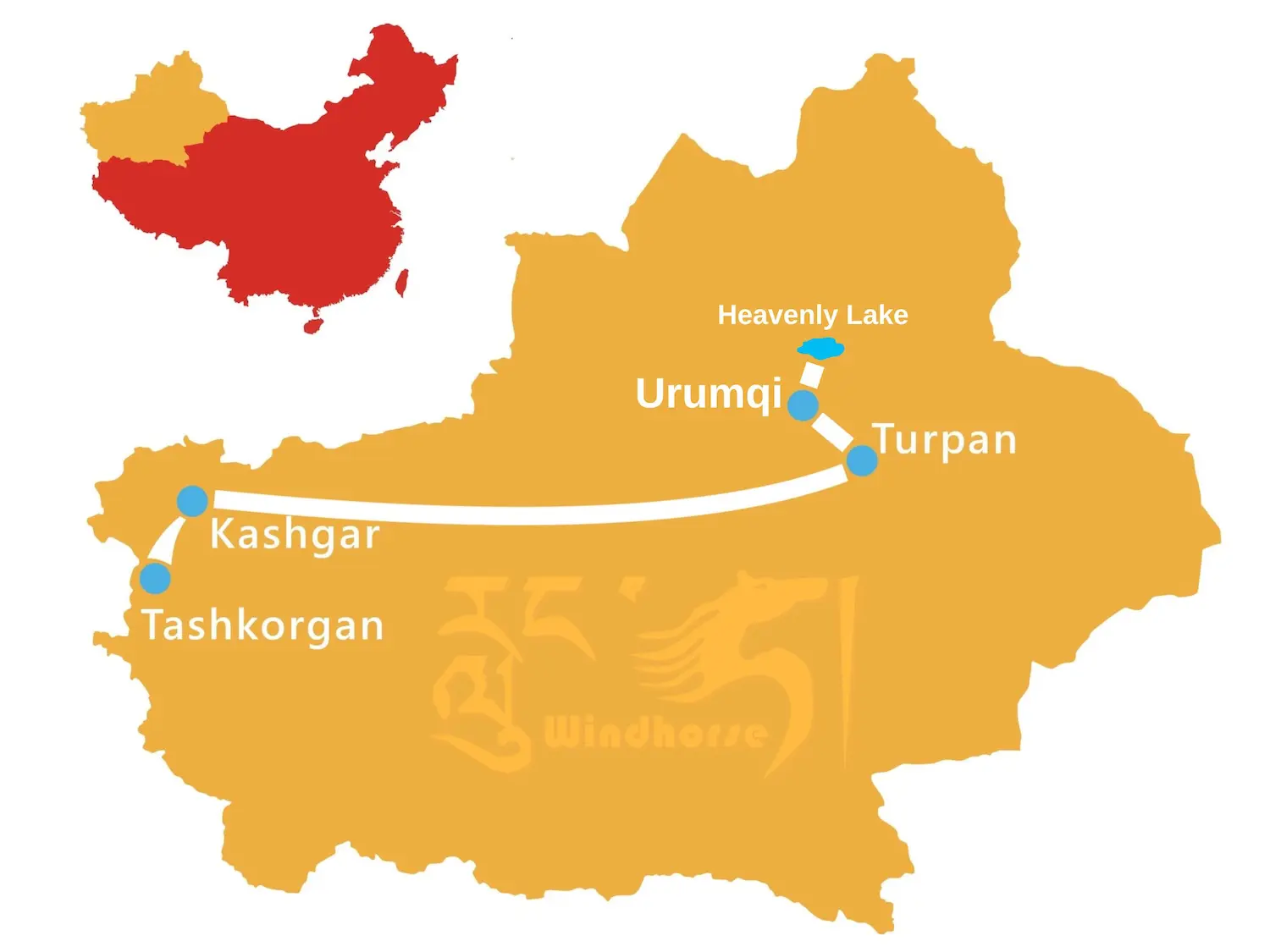
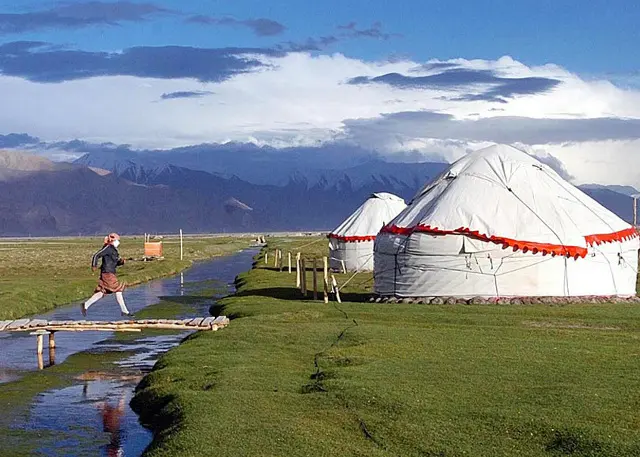


This Xinjiang Highlights Tour covers Urumqi, Turpan, Kashgar and Karakul Lake. Experience ancient Silk Road cities, Uyghur culture, desert ruins, alpine lakes and dramatic mountain landscapes along the Karakoram Highway.


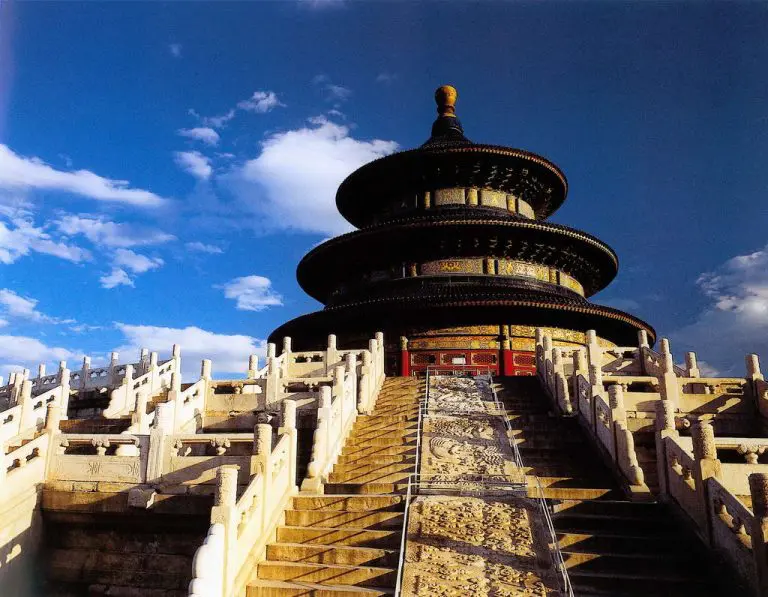

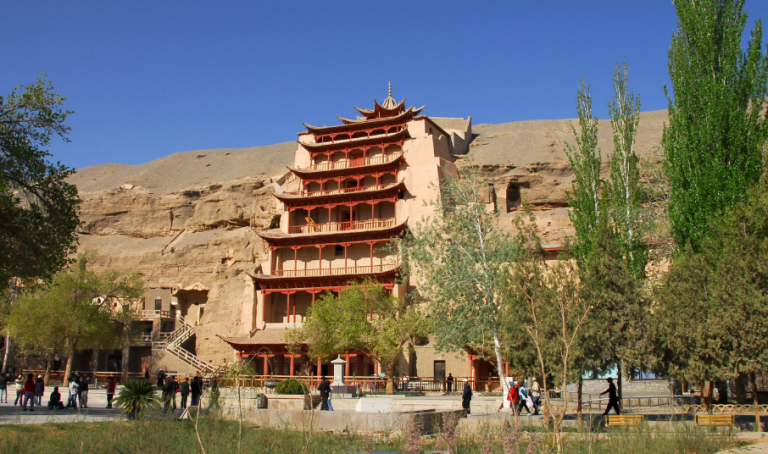

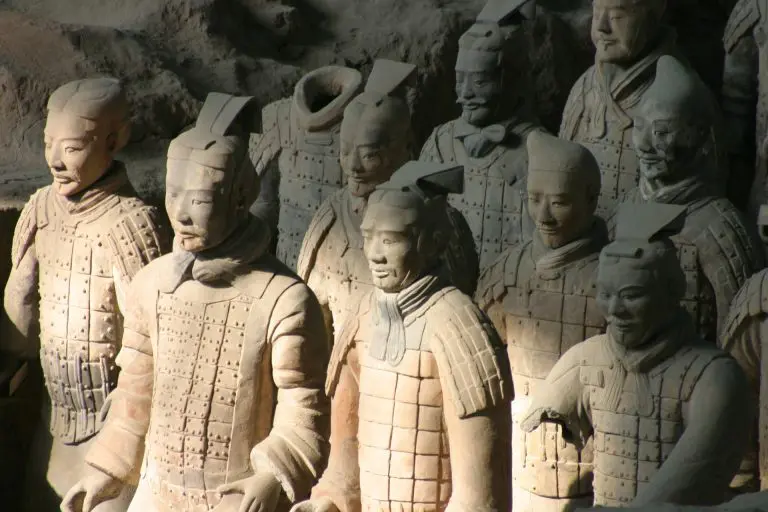
Travel from Beijing through Kashgar, Turpan, Dunhuang, Zhangye, Xi’an, and Shanghai on this 15-day Silk Road tour. Explore ancient trading cities, desert landscapes, Buddhist grottoes, and China’s cultural highlights.